Conflux: an emotional landscape at Estudio Laterna Gallery
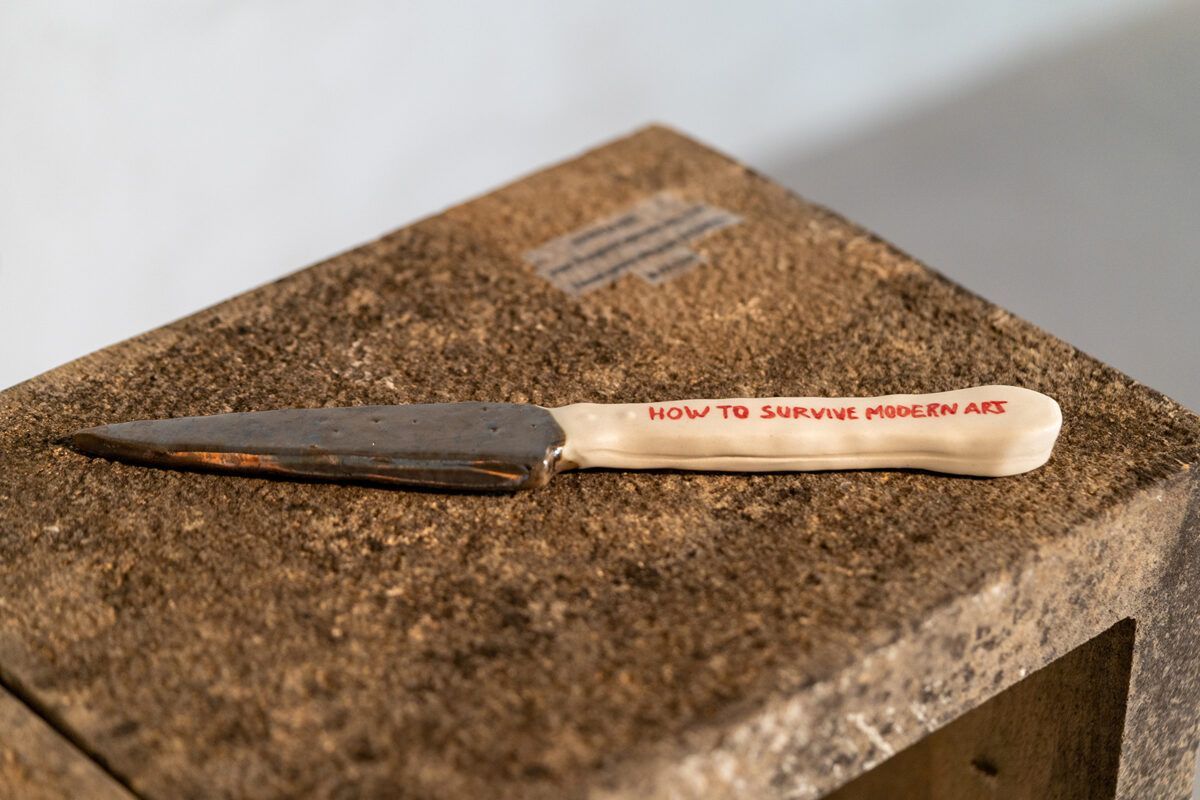
The idea of confluence serves as the starting point for Estudio Laterna’s new group exhibition in Ibiza, a show that explores the spaces of encounter between different contemporary artistic practices.
Rather than presenting itself as a succession of independent works, the exhibition functions as a shifting atmosphere in which painting, materiality, gesture, colour and space begin to influence one another.
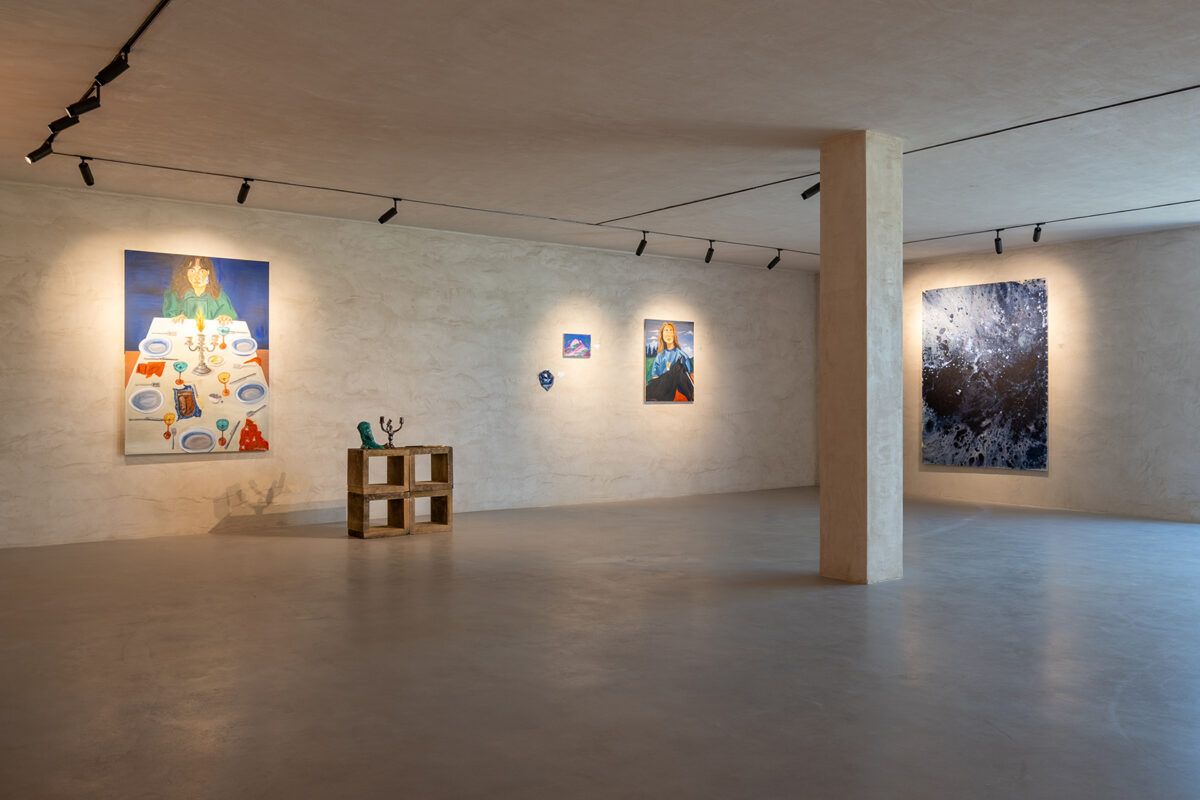
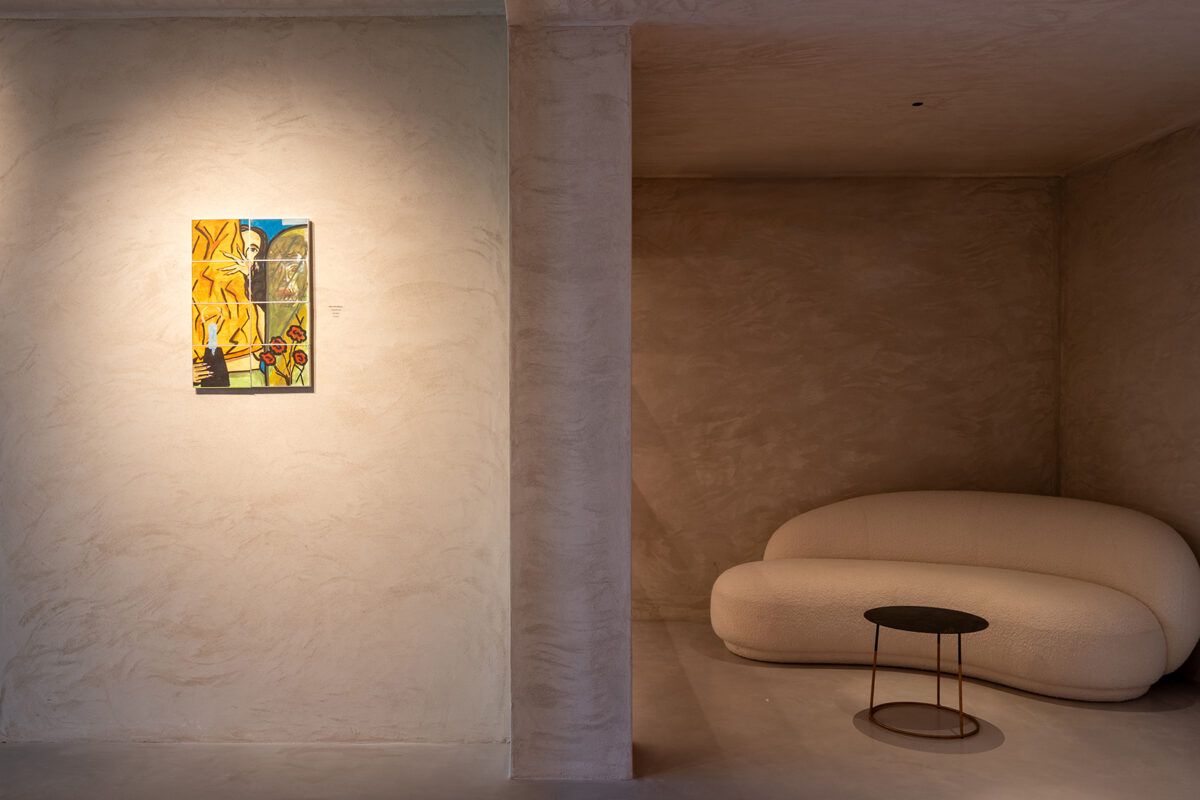
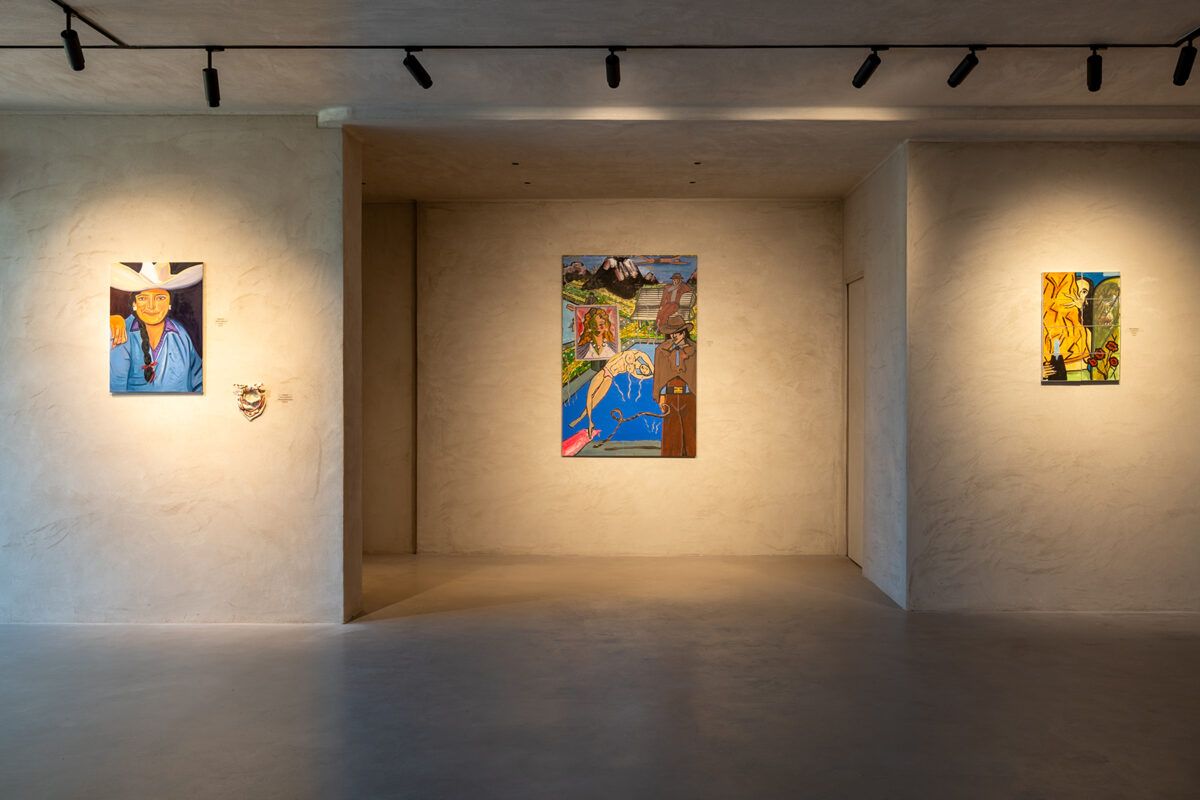
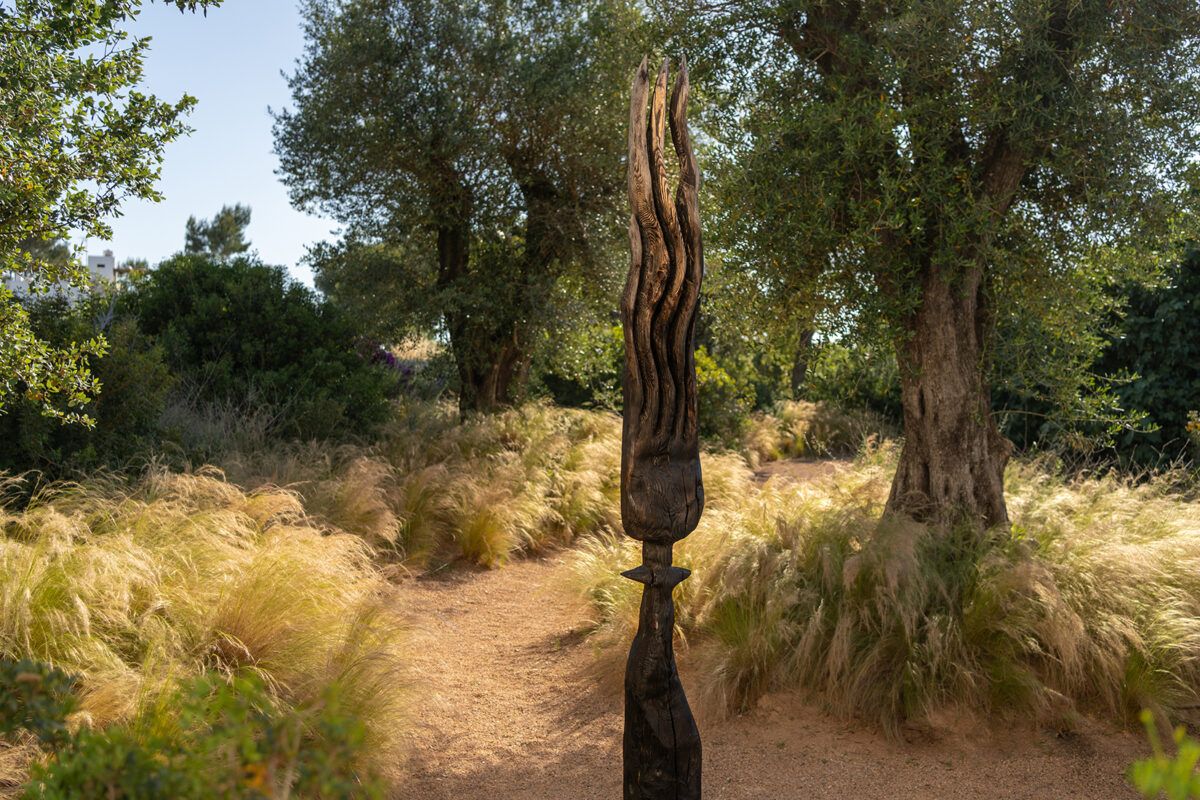
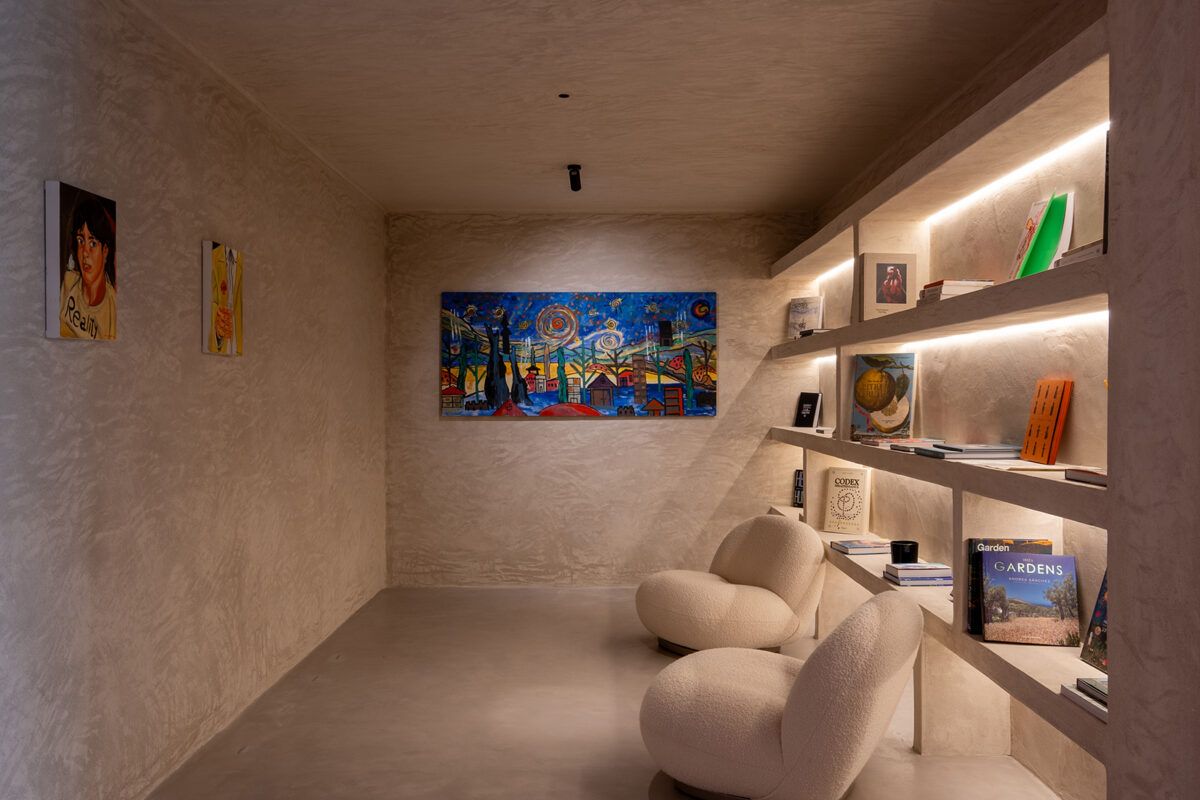
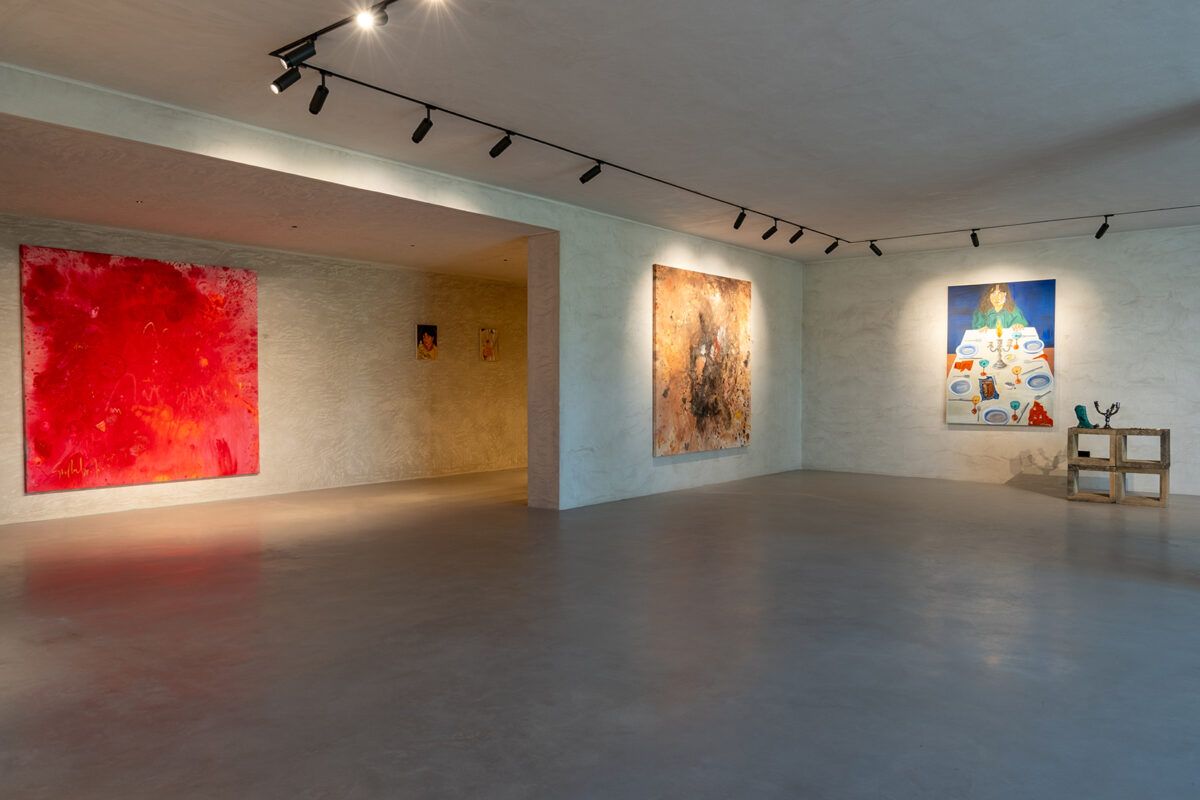
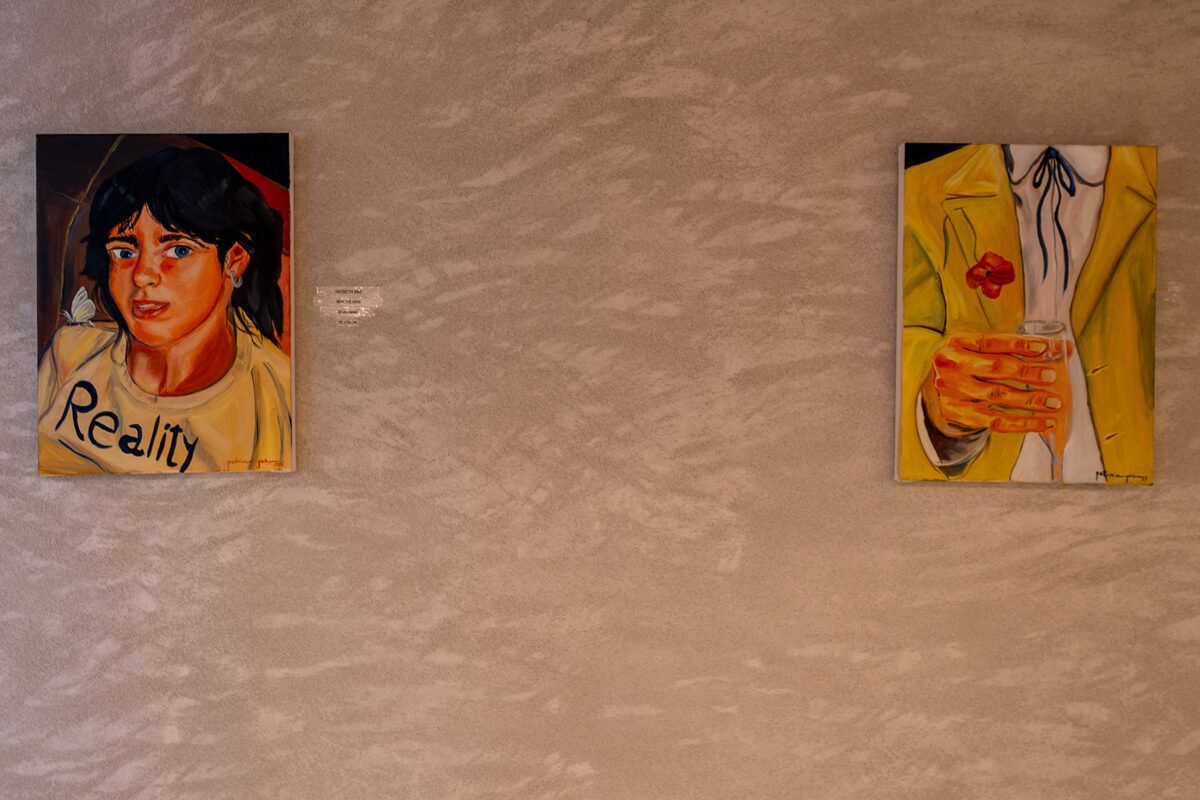
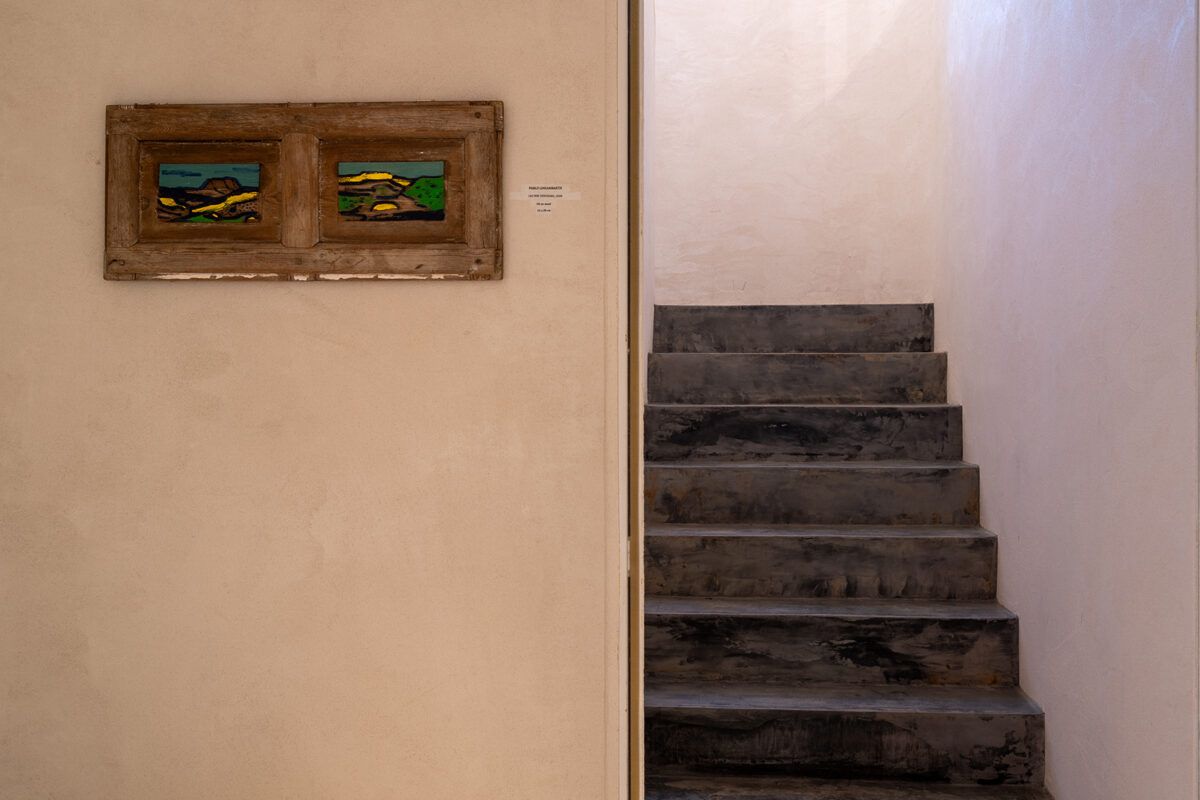
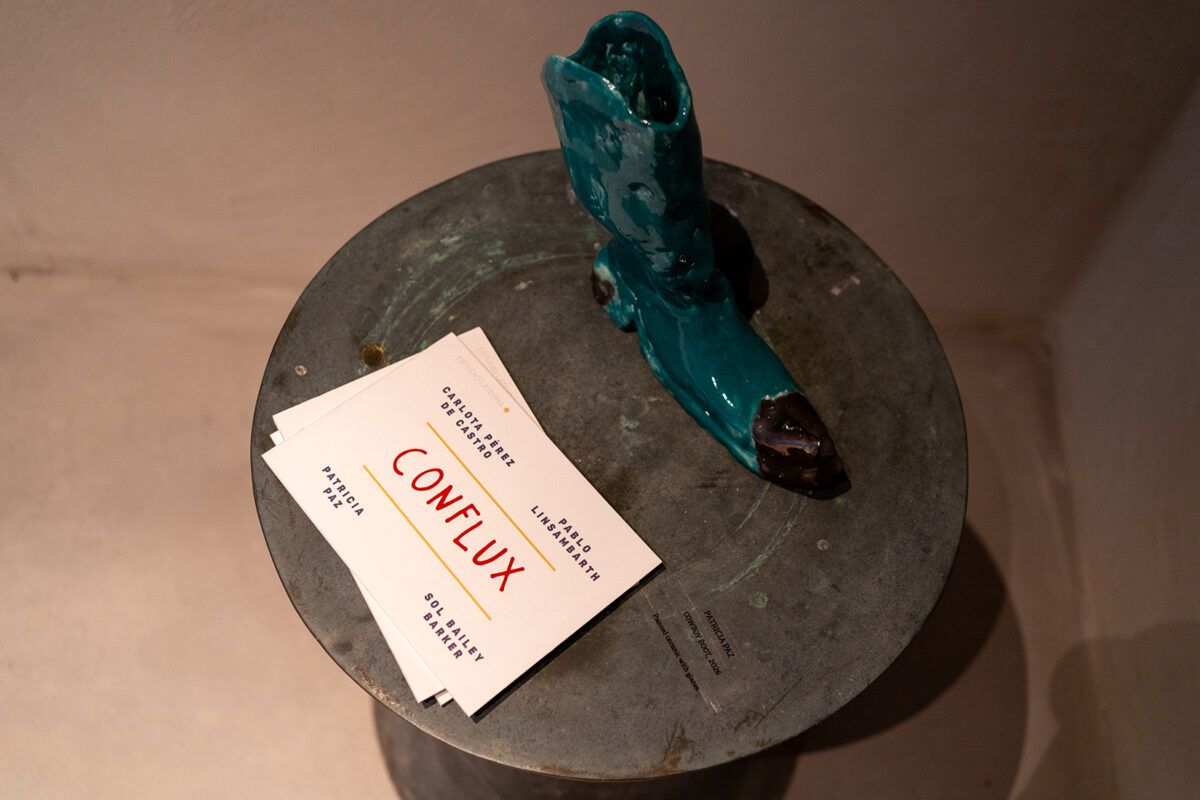
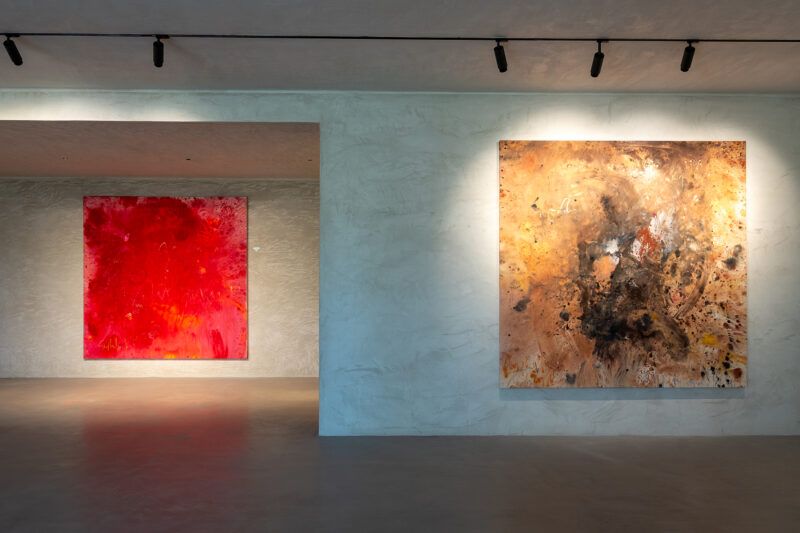
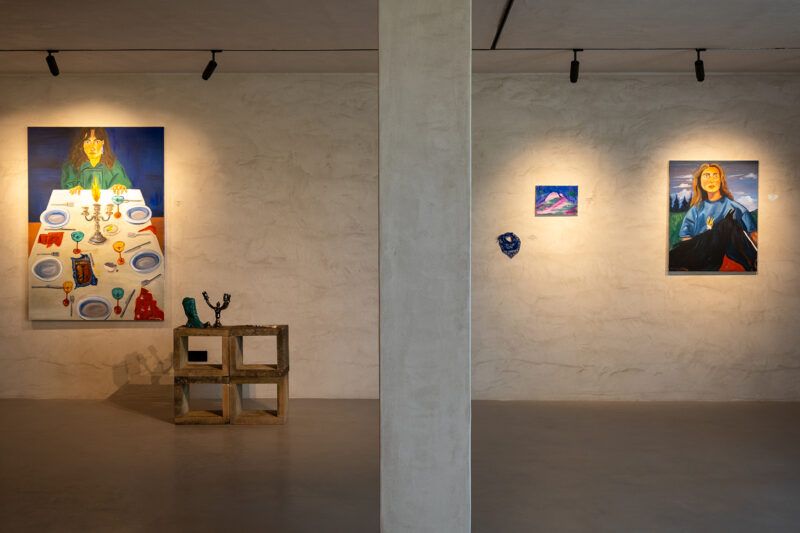
The title itself anticipates this intention. “Conflux” refers to the place where different currents meet and transform one another. It is an idea that runs throughout the exhibition and helps explain how Carlota Pérez de Castro, Pablo Linsambarth, Patricia Paz and Sol Bailey Barker ultimately construct a kind of shared landscape together.
Far from proposing a rigid route or a closed interpretation, the exhibition offers an expansive, intuitive and almost physical experience. The works change according to what surrounds them. Materials acquire new resonances. Images seem to move constantly between the figurative and the abstract, between the recognisable and the emotional.
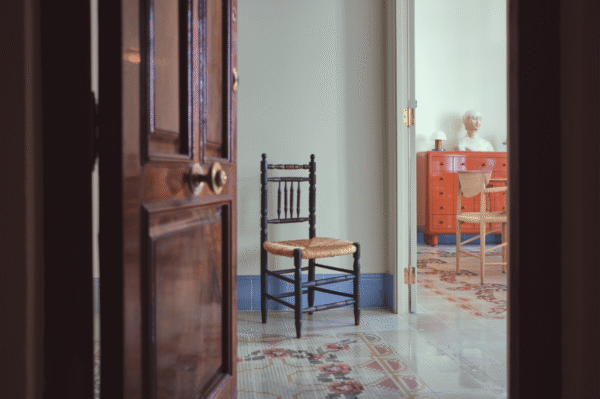
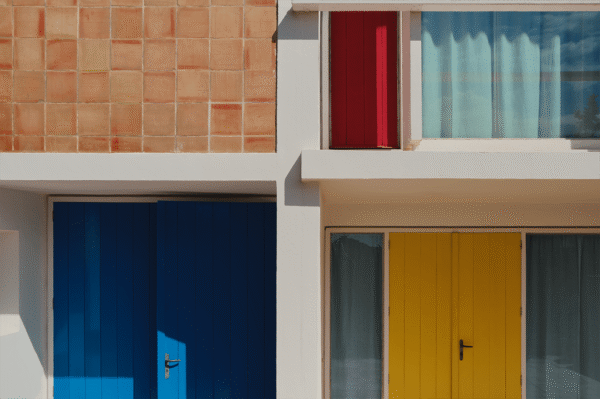
There is something particularly interesting about the way Estudio Laterna approaches the relationship between art and space here. The architecture, the light and Ibiza’s own atmosphere do not appear merely as a backdrop, but as active components of the experience. The exhibition breathes with its surroundings.
Since its creation, Estudio Laterna has established itself as one of the island’s most distinctive cultural projects, moving away from the traditional gallery format to create an ecosystem where contemporary art, landscape, architecture, design and visual thinking coexist. In Conflux, that identity becomes especially evident through the strong and promising trajectories of its artists.
Open until 25 September, the exhibition also marks one of the most ambitious projects undertaken by the space to date, both in terms of duration and conceptual scope. Yet beyond its scale, what truly defines the exhibition is its ability to generate a sense of suspension and mystery: a journey where time appears to slow down and where visitors gradually cease to occupy an external position in relation to the works, becoming part of the atmosphere itself.
The practices brought together within Conflux emerge from very different visual languages, yet they share a common sensibility. There is a constant presence of gesture, materiality and colour, understood not as decorative elements but as emotional vehicles. A certain tension also emerges between beauty and unease, contemplation and strangeness, running throughout the exhibition.
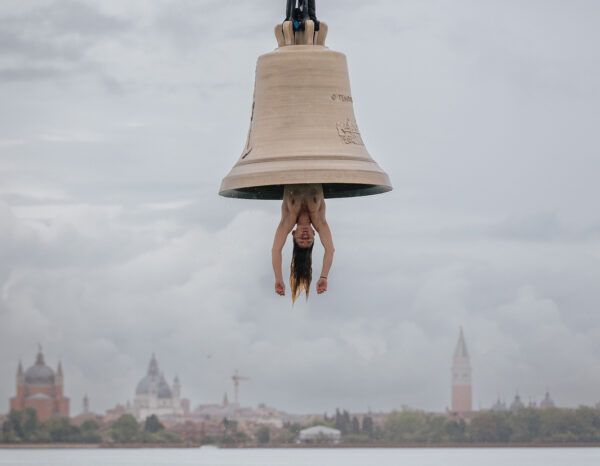
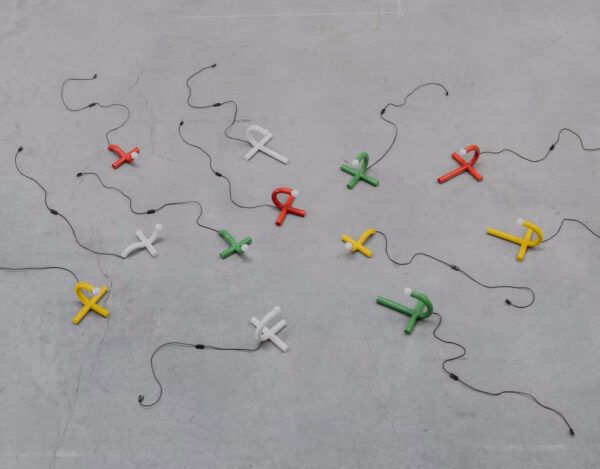
Carlota Pérez de Castro’s paintings seem to register internal vibrations and emotional states that resist verbalisation. Pablo Linsambarth constructs images suspended between memory, fiction and intimate narrative. Patricia Paz works through chromatic universes charged with symbolism and emotional ambiguity, while Sol Bailey Barker pushes sculpture towards almost ritualistic territories where material appears to contain both time and transformation.
The presence of Carlota Pérez de Castro, Patricia Paz and Pablo Linsambarth in Conflux also coincides with Estudio Laterna’s participation in the upcoming edition of CAN Art Ibiza, where the gallery will present works by these artists. A presence that further reinforces the dialogue between the exhibition and one of the most significant events in the island’s artistic calendar.
What is interesting is that nothing imposes itself over anything else. The exhibition avoids hierarchical logic and instead embraces a collective experience in which the works remain in constant dialogue.
It was precisely around this idea that we spoke with Andrea Sánchez, founder of Estudio Laterna and curator of the exhibition.
Conflux begins with the idea of currents meeting and transforming one another. How did the concept for the exhibition emerge, and why did you feel this was the right moment to develop it?
Conflux was born from the intuition of bringing together practices that, although formally very different, shared the same internal pulse.
We were interested in thinking of the exhibition as a place of friction and transformation: artistic currents, sensibilities and lines of thought that brush against one another, alter each other and ultimately become part of the same moving body.
“There is a very strong presence of gesture, materiality and, above all, colour as an emotional and expressive vehicle.”
Rather than building an exhibition through a purely curatorial or rational logic, we wanted to create a living space where the works could affect one another and generate something unexpected.
It felt like the right moment because we live in an age of enormous visual saturation and speed, and we are interested in reclaiming experiences that invite us to slow down, feel and engage with art from a more intuitive and sensory perspective.
The exhibition brings together Carlota Pérez de Castro, Pablo Linsambarth, Patricia Paz and Sol Bailey Barker, four artists with very distinct visual languages. How did the selection process unfold, and what connections did you discover between their practices?
Although each artist works within a highly personal universe, we found very deep connections between them. There is a strong presence of gesture, materiality and especially colour as an emotional and expressive vehicle.
In a way, they all share a sensibility that resonates with certain strands of contemporary expressionism, both figurative and abstract, understanding painting and materiality as spaces of emotional intensity and constant transformation.
There is also a shared desire to generate a sense of discomfort, unease or mystery. Each artist creates images or forms that seem to inhabit an unstable territory where the figurative, the abstract, the symbolic and the emotional coexist. It was precisely this tension that interested us: different practices which, when brought together, amplify one another and open up new interpretations.
The selection process was highly intuitive. Rather than seeking obvious similarities, we looked for artists capable of sustaining a sensitive dialogue within the space.
“We wanted to create a living space where the works could affect one another and generate something unexpected.”
Beyond the individual works, the exhibition seems to be constructed as a collective experience in which the pieces remain in constant dialogue. How did you approach that relationship between artists within the space?
For us, it was important that the exhibition functioned as an organism rather than as a sum of isolated works. We worked extensively on the spatial relationships between pieces, materials, scales and visual rhythms so that the journey would generate a sense of constant circulation.
Throughout Conflux, the works transform as they come into proximity with one another: materials acquire new readings, images shift depending on what surrounds them and visual tensions emerge almost organically.
We were interested in creating an experience in which nothing remained entirely fixed and where visitors could perceive that kind of invisible current running through the entire exhibition.
Estudio Laterna has an identity deeply connected to architecture, light and the landscape of Ibiza. How does the island influence the way you conceive exhibitions?
Ibiza profoundly influences the way we think about space and time. The island has a very particular relationship with light, silence, materiality and natural rhythms, and all of this inevitably filters into the exhibitions in an organic way.
At Estudio Laterna, we understand each exhibition almost as a habitable landscape: a place where architecture, nature, artworks and viewers coexist within the same atmosphere. We are deeply interested in the relationship between interior and exterior, between the built and the organic, and in how space can affect those who move through it emotionally.
The island also constantly reminds us of the importance of contemplation and a certain slowness, something we strive to preserve within the project.
Many of the works in the exhibition operate through emotion, intuition and sensory experience rather than through a purely rational reading. What interests you about these kinds of languages within contemporary art today?
We believe that rationality is important, but we also feel that it is necessary to create space for other modes of perception that are more intuitive, sensitive and even spiritual. In this sense, we share Paul Klee’s belief that “art does not reproduce the visible; rather, it makes visible”, reminding us that there are forms of knowledge and understanding that go beyond what is strictly tangible.
We are interested in art that does not provide a closed answer, but instead activates questions, emotions or states that are difficult to fully explain through words. In Conflux, there is a desire to generate an experience that is more sensory than narrative: a space where viewers can project their own memories, concerns and emotions.
We are especially interested in art that creates a certain internal friction, that compels us to pause and remain a little longer within uncertainty. We believe that this is where particularly valuable forms of critical thinking and emotional connection emerge.
“In Conflux there is a desire to generate an experience that is more sensory than narrative.”
There is something highly immersive in the way you have conceived the exhibition journey, almost as though visitors are moving through an emotional landscape rather than a traditional exhibition. How important is the viewer’s experience within the space?
It is fundamental. We are interested in ensuring that viewers do not occupy an external position in relation to the work, but instead gradually feel absorbed by the atmosphere of the exhibition.
We think carefully about how the body moves through space, about silences, pauses, light, scale and the relationships between works in order to create an experience that is closer to a state of contemplation than to a conventional exhibition visit.
Something very important for us is creating that “non-space” and that “non-time” where artist, artwork and viewer can meet. That moment when the experience ceases to be solely visual and becomes something emotional, almost physical.
Estudio Laterna seems to move away from the conventional gallery model towards a creative ecosystem where art, design, landscape and contemporary thought coexist. What kinds of projects and conversations are you interested in fostering through this space?
We are interested in creating a space open to experiences and conversations that transcend disciplines. We understand Estudio Laterna more as a living ecosystem than as a traditional gallery: a place where art, landscape, architecture, design and contemporary thought can coexist without hierarchies.
We want to support projects that generate genuine encounters between artists, audiences and the environment; experiences capable of activating sensitivity, reflection and new ways of relating to space and time.
We are also interested in defending art as a place of hope, contemplation and collective transformation. Creating spaces where it is still possible to feel, think, imagine and rebuild connections through sensitivity.
“We are interested in defending art as a place of hope, contemplation and collective transformation.”
A space to slow down
Beyond the specific works or the names that form part of the exhibition, Conflux leaves behind a sensation that is difficult to summarise purely through visual terms. The exhibition functions almost like a shared atmosphere where space, materiality, emotion and time slowly begin to merge.
And perhaps that is one of the most interesting ideas behind Estudio Laterna’s project: understanding art not only as something to be observed, but as something to be inhabited.
The exhibition will remain on view until 25 September 2026.
Estudio Laterna Art Gallery
C/ Vénda de Parada, 12
Santa Gertrudis de Fruitera (Ibiza, Balearic Islands)
(*) Photographs: Ana G. Hernando.