St. Vincents: The Antwerp design space that resists labels
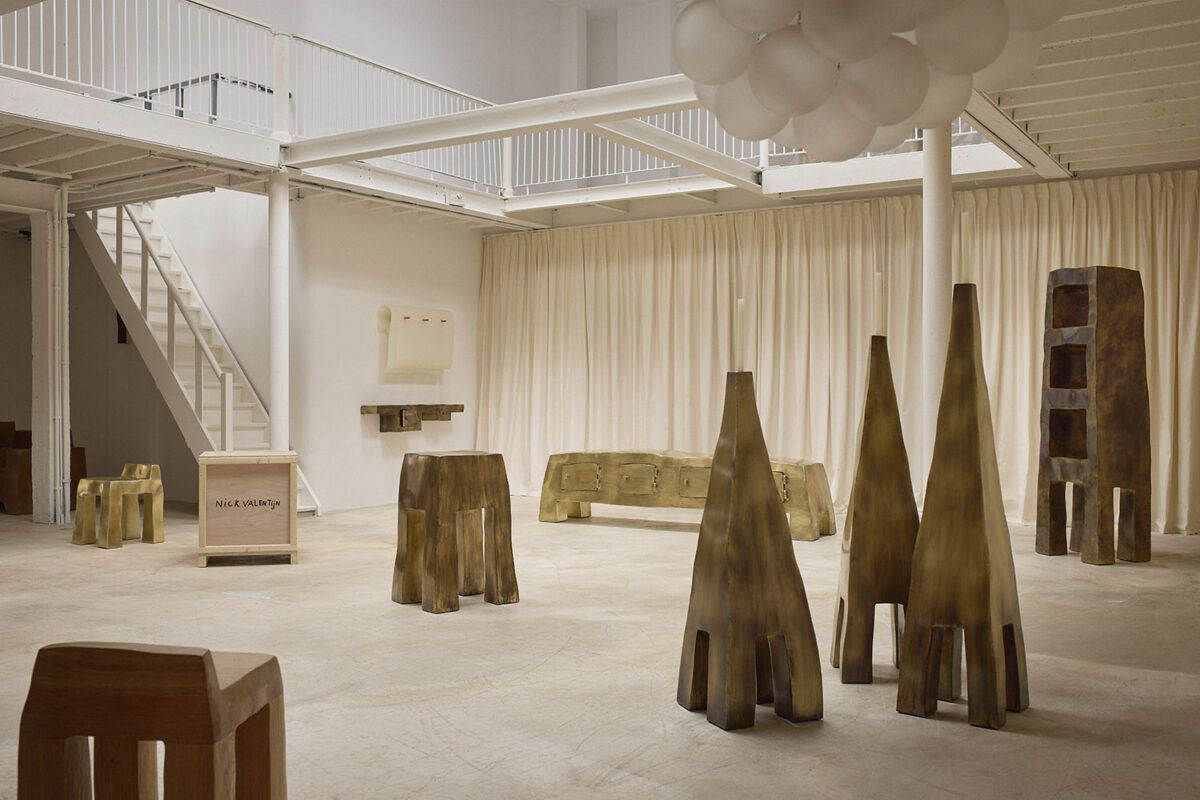
Tucked inside a former 19th-century printworks in the heart of Antwerp, St. Vincents is neither a conventional gallery nor a typical design boutique. Instead, it occupies the in-between — a fluid, evolving space that invites visitors to reconsider how design can be experienced.
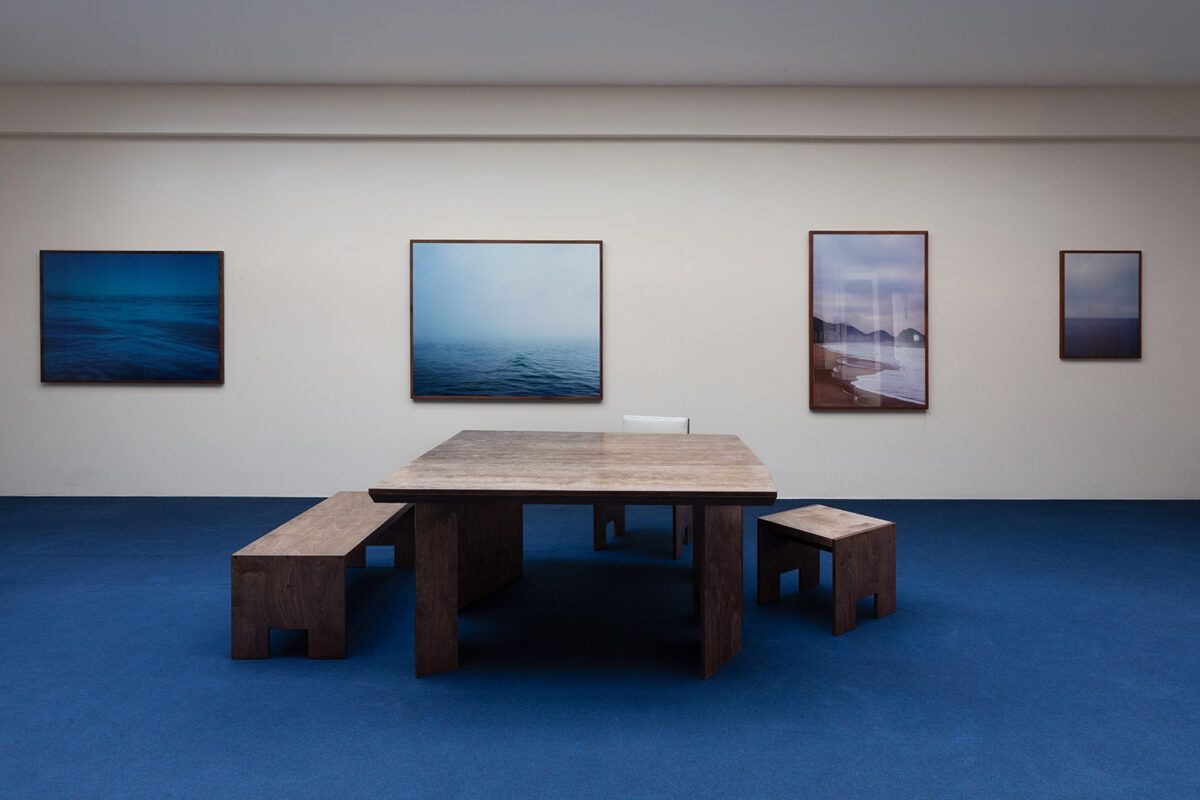
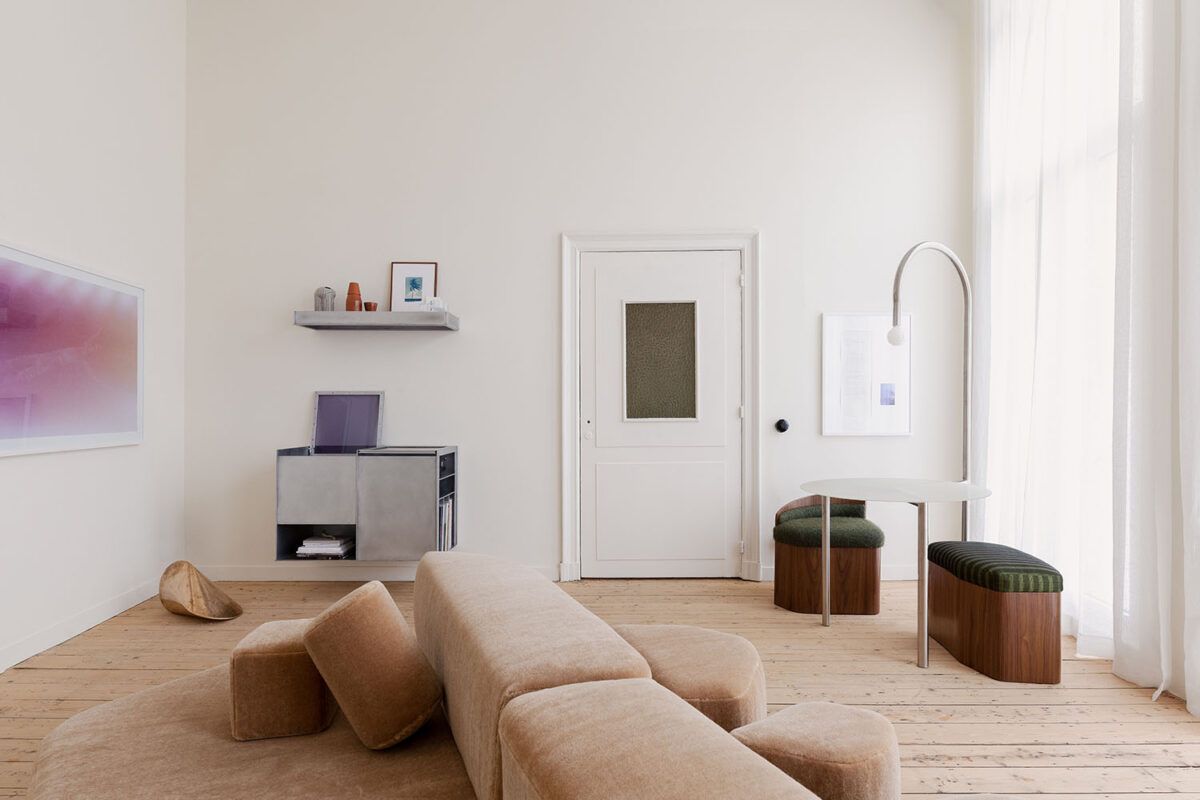
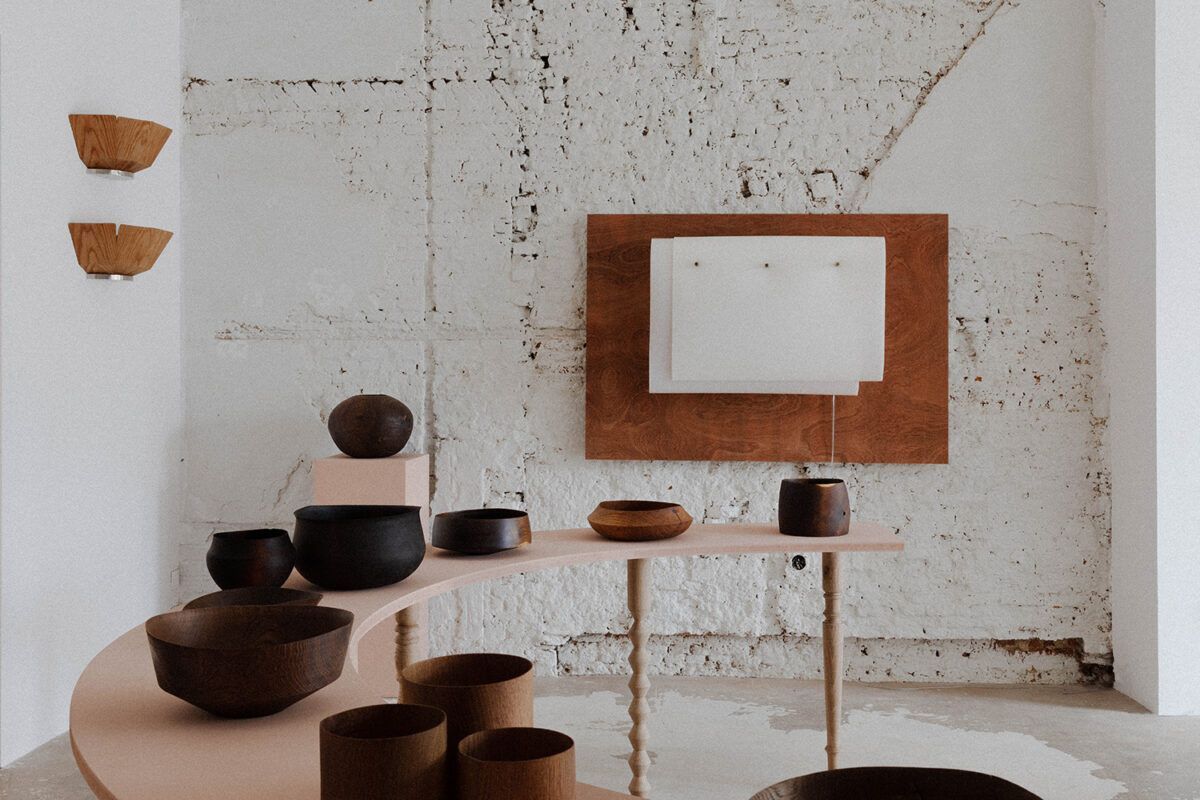
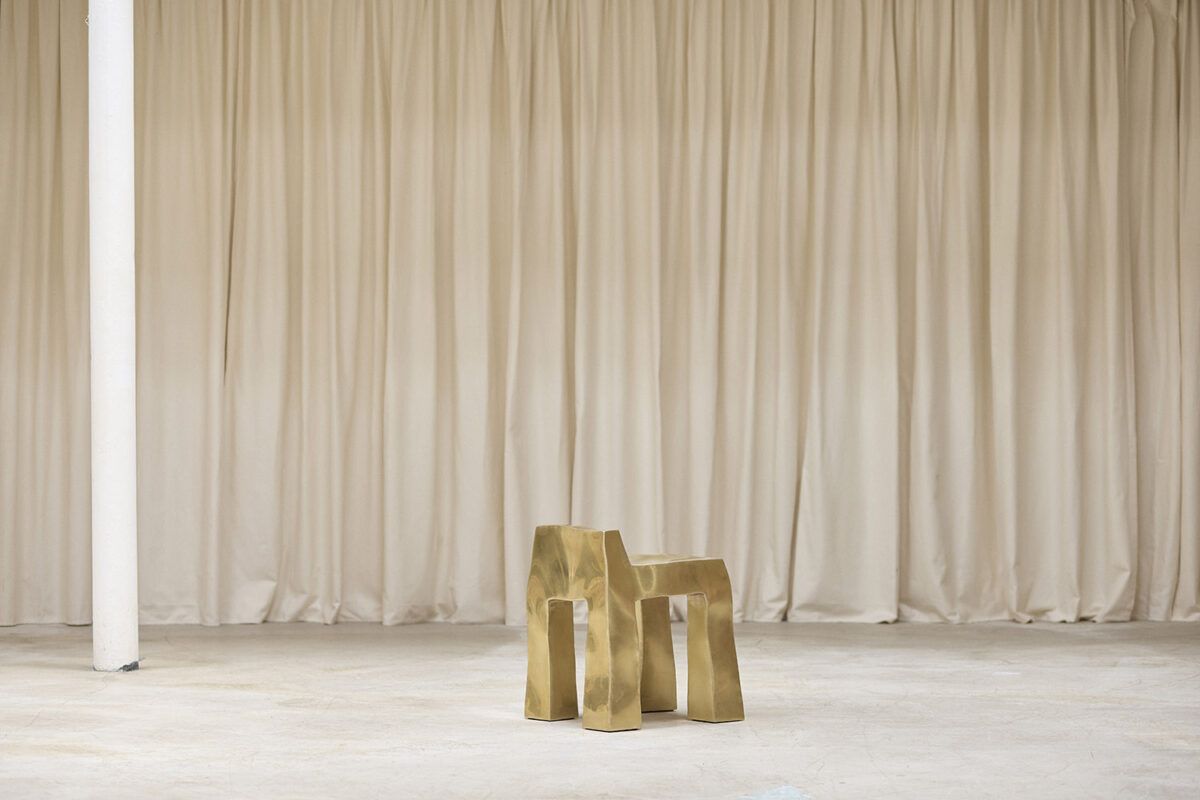
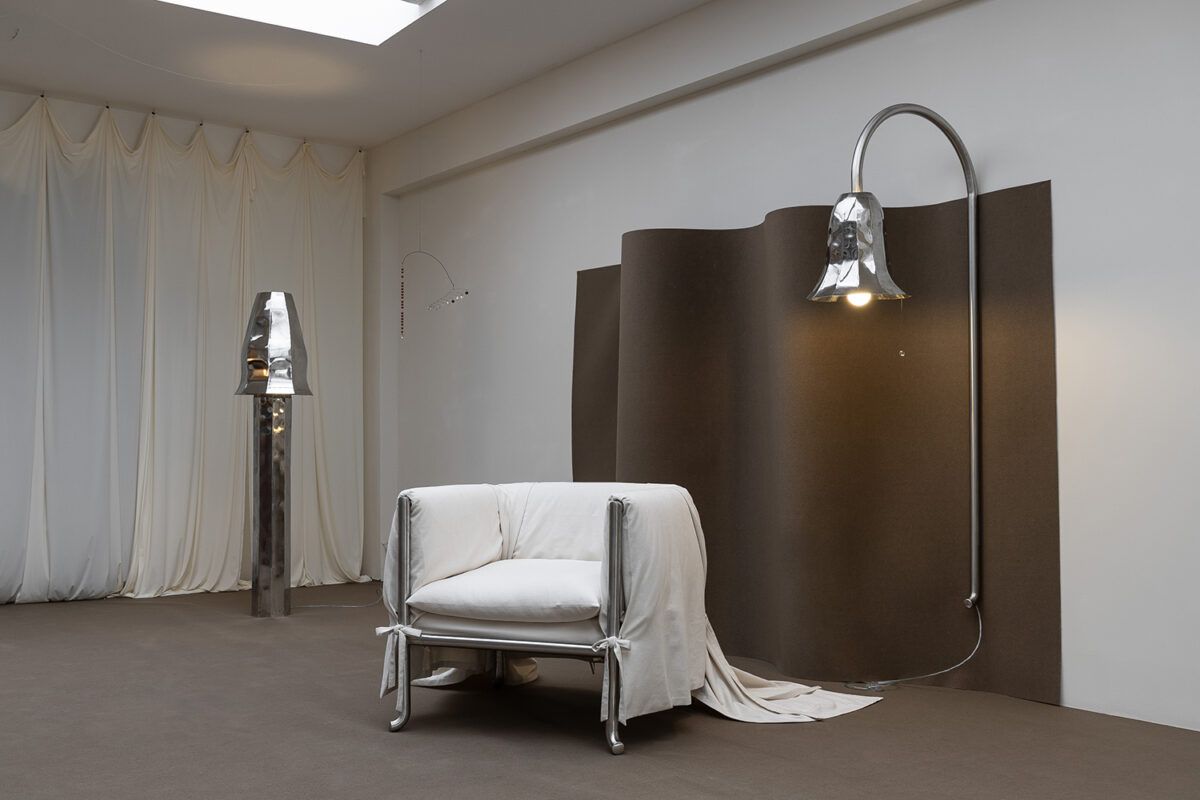
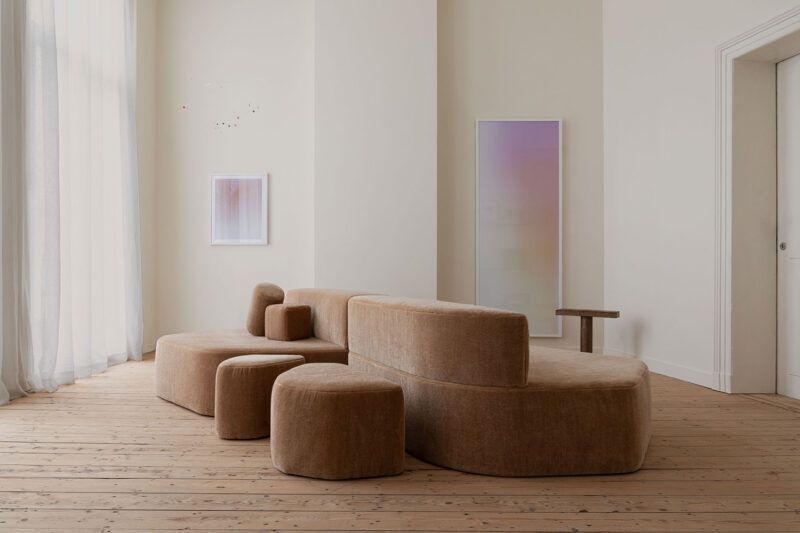
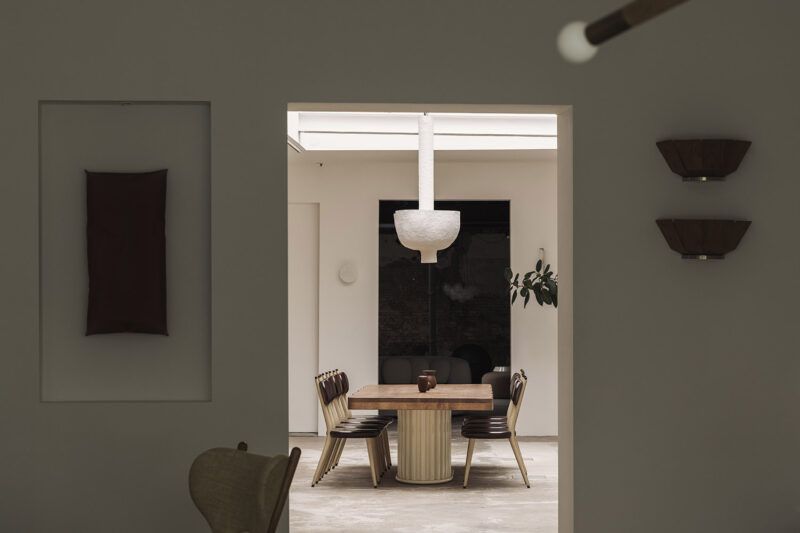
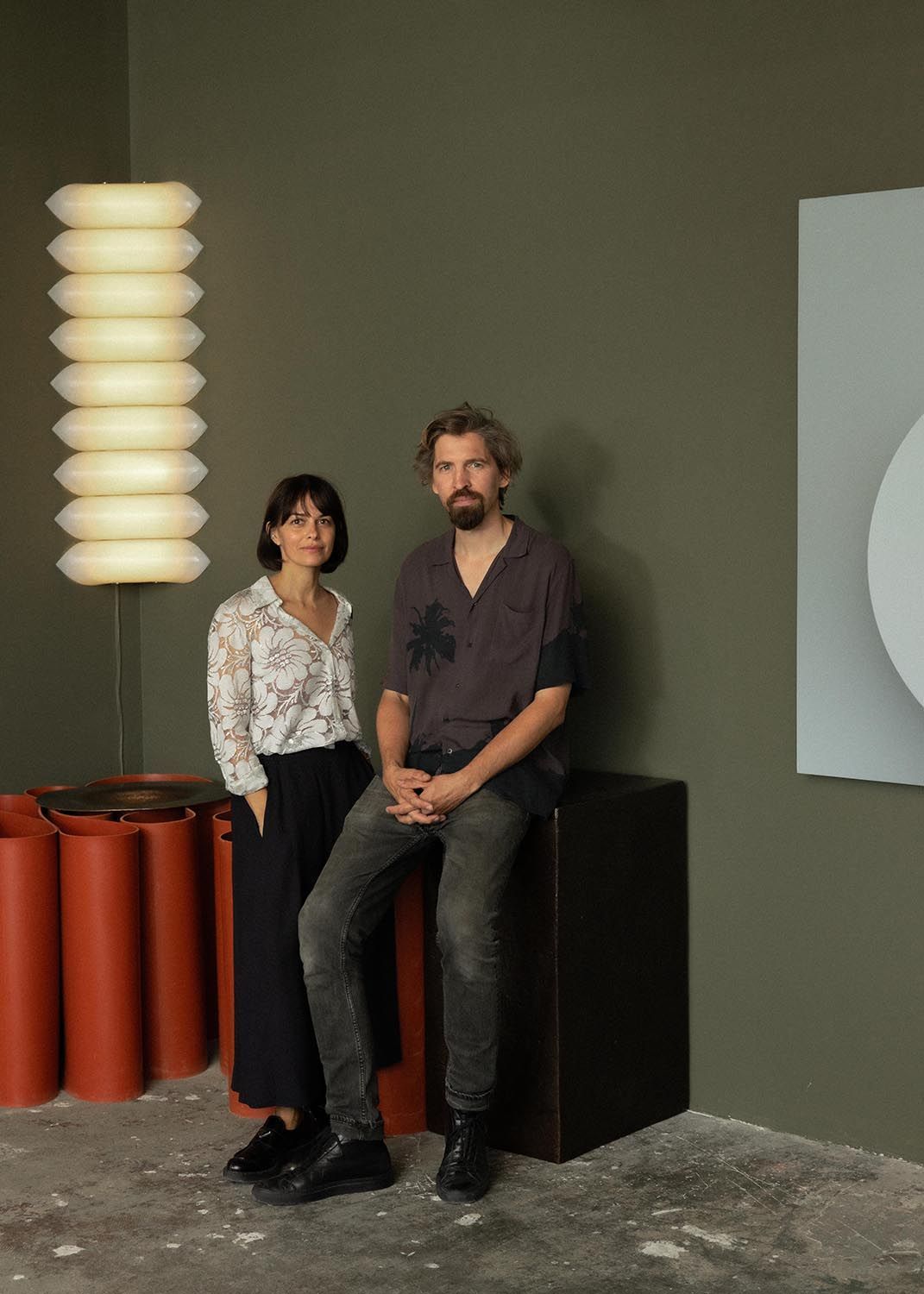
Founded by Henri Delbarre and Geraldine Jackman, St. Vincents has become a key reference for those seeking a deeper, more conscious connection with contemporary collectible design.
An intuitive beginning, an organic evolution
St. Vincents didn’t emerge from a business plan or commercial ambition. Henri and Geraldine left behind corporate careers to explore something creative — not driven by strategy, but by curiosity and the desire to build something meaningful.
The turning point came when they discovered a forgotten, three-storey building in Antwerp: a derelict print house that slowly transformed, beginning in 2015, into a container for ideas, collaborations, and experimentation. It wasn’t yet a defined project — but it was alive with intuition.
“Henri and Geraldine left behind corporate careers to explore something creative.”
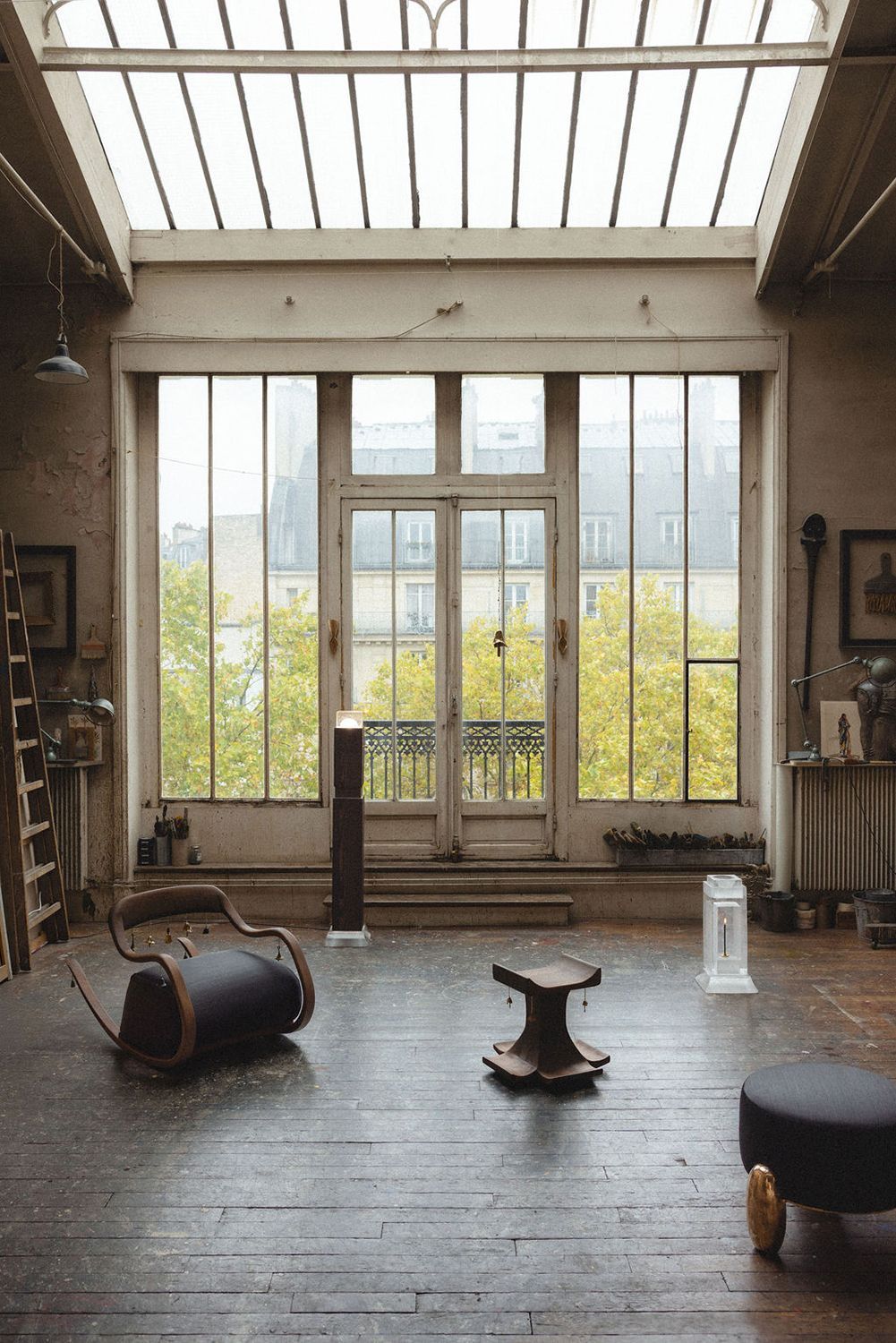
“In the early days, we were sharing all our interests — design, art, fashion, even a café”, they explain. But when the pandemic arrived, it forced a shift in perspective. Social media saturation, the changing face of retail, and a longing for depth prompted a redefinition. St. Vincents became a space of focus: by appointment only, slower-paced, with careful attention to every exhibition and relationship.
A space that transforms and shapes
The building itself is not just a backdrop — it’s a protagonist. What was meant to be a small, plug-and-play venue turned into a place full of history, texture, and complexity. Its scale, light, and layout continue to inform the curatorial process.
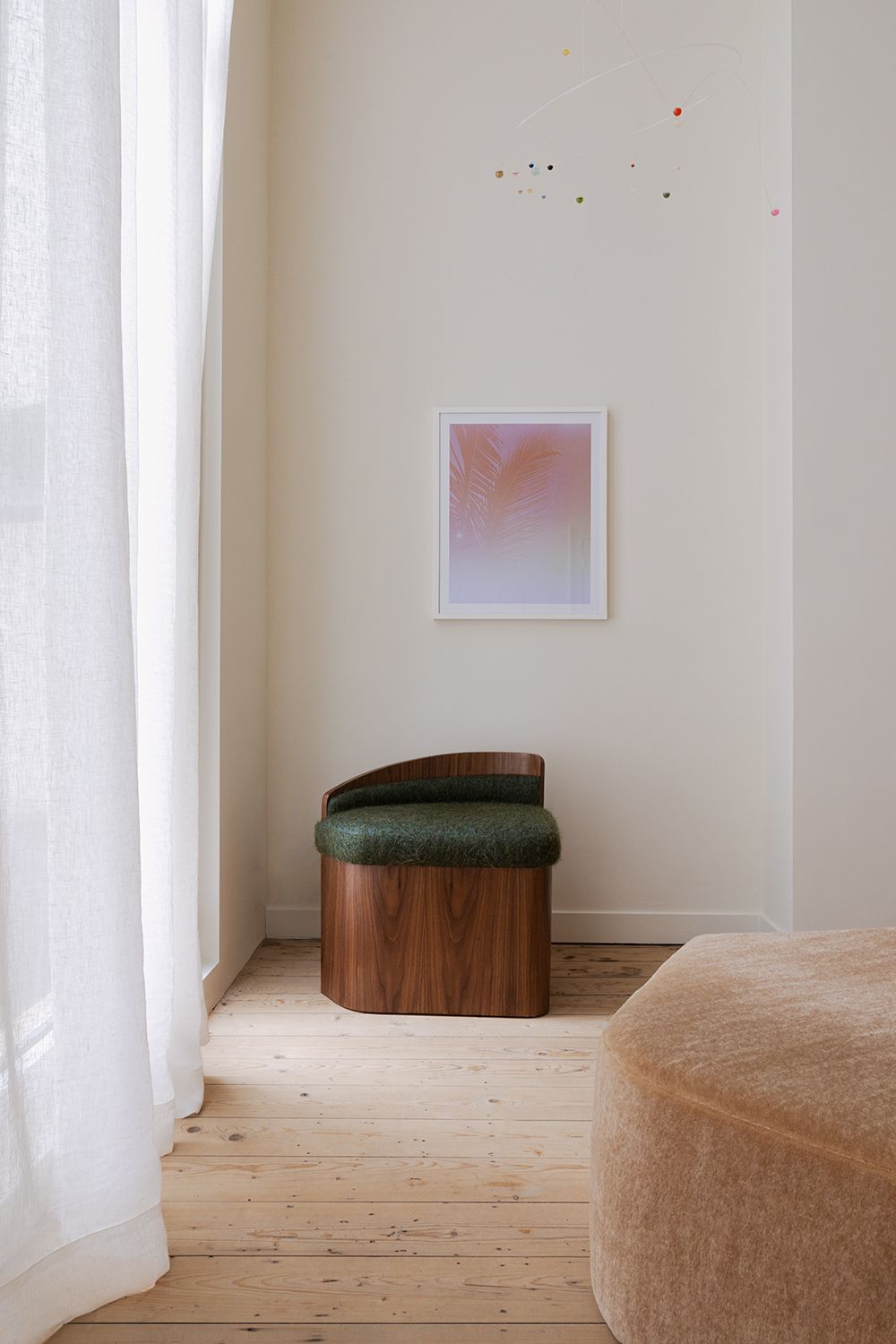
Each floor and corner offers a different mood: a piece may resonate better upstairs, another only in the subdued light of the ground floor. The building invites a form of spatial thinking that goes beyond aesthetic decisions — it fosters emotional and material dialogue.
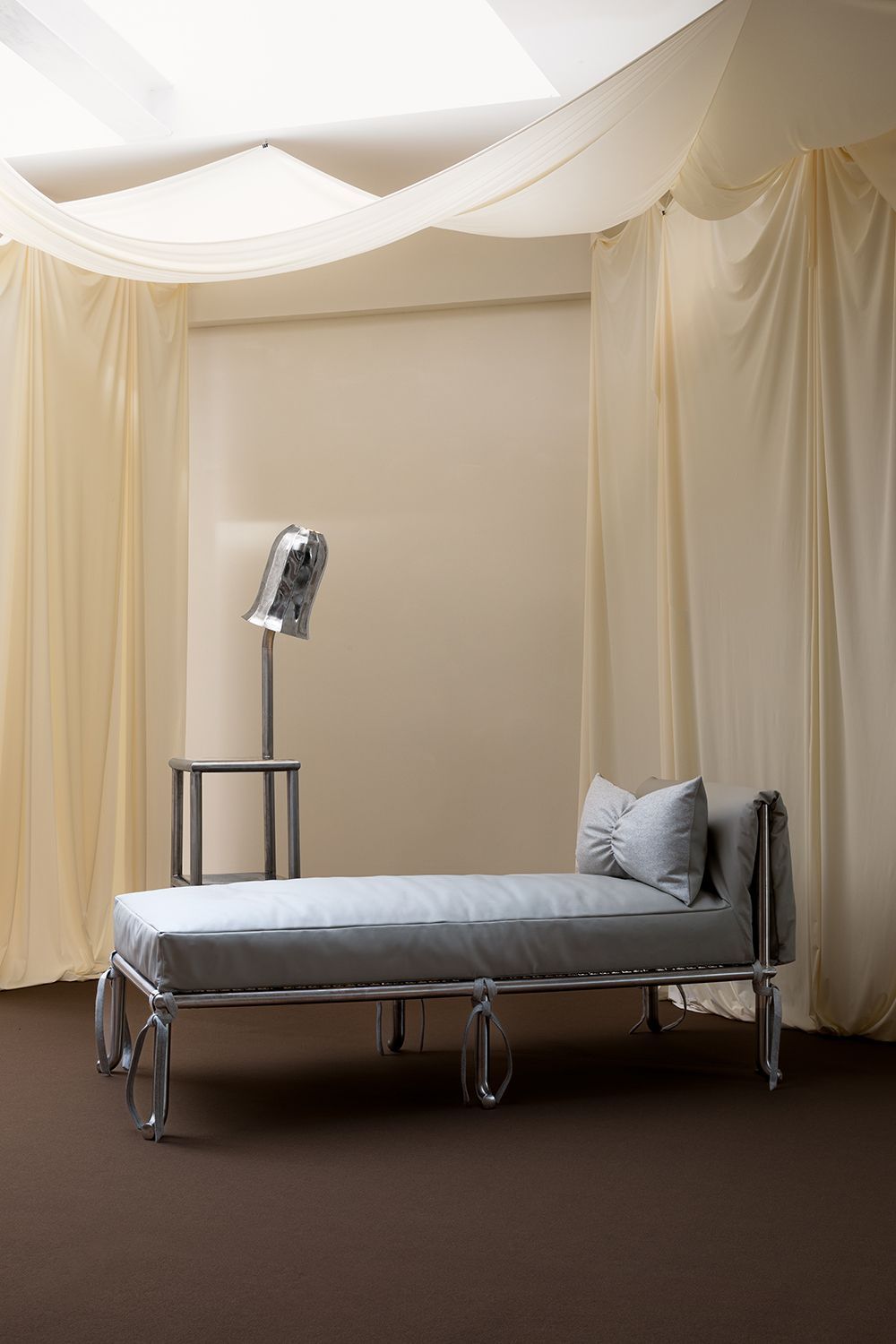
Far from the sterile neutrality of a white cube, St. Vincents is a lived-in, textured environment. The walls and floors hold stories; they whisper rather than shout. This atmosphere reshapes how objects are displayed, experienced and remembered.
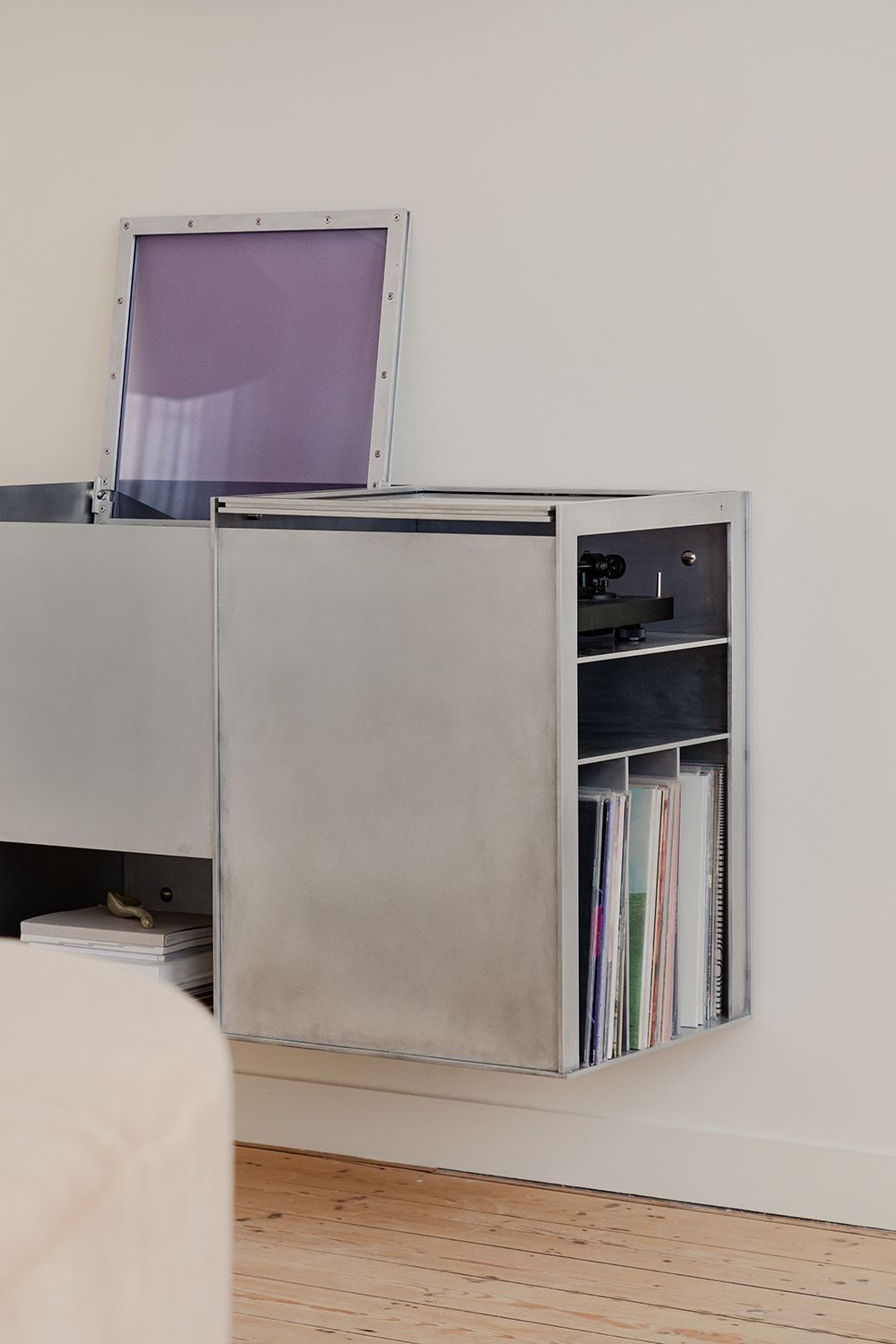
Design as conversation and process
Rather than selecting works based on trends or style, Henri and Geraldine are drawn to designers with distinct voices, clear visions, and a strong sense of integrity. Provenance and craftsmanship are important, but even more so is the human connection.
St. Vincents deliberately operates on a small scale, allowing for long-term collaborations. “These days we’ve stopped actively searching”, they explain. “There’s just too much out there. We prefer to go deeper with those we already work with — to strengthen the bond and invest in the process.”
Curation here isn’t transactional. It’s relational, built on trust, conversation, and shared values.
“They are drawn to designers with distinct voices, clear visions, and a strong sense of integrity.”
2025: A year shaped by movement and meaning
This past year has brought several defining exhibitions. Collaborations with Goons, Nick Valentijn and Emily Thurman stood out — with Emily’s Paris show, in particular, creating a narrative-led experience that resonated deeply.
“The audience responded not just to the pieces, but to the context”, they reflect. “The space and story became part of the work.”
Beyond the public-facing exhibitions, the team also took on a series of rewarding interior design projects — quiet extensions of their philosophy, built around care, texture and intent.
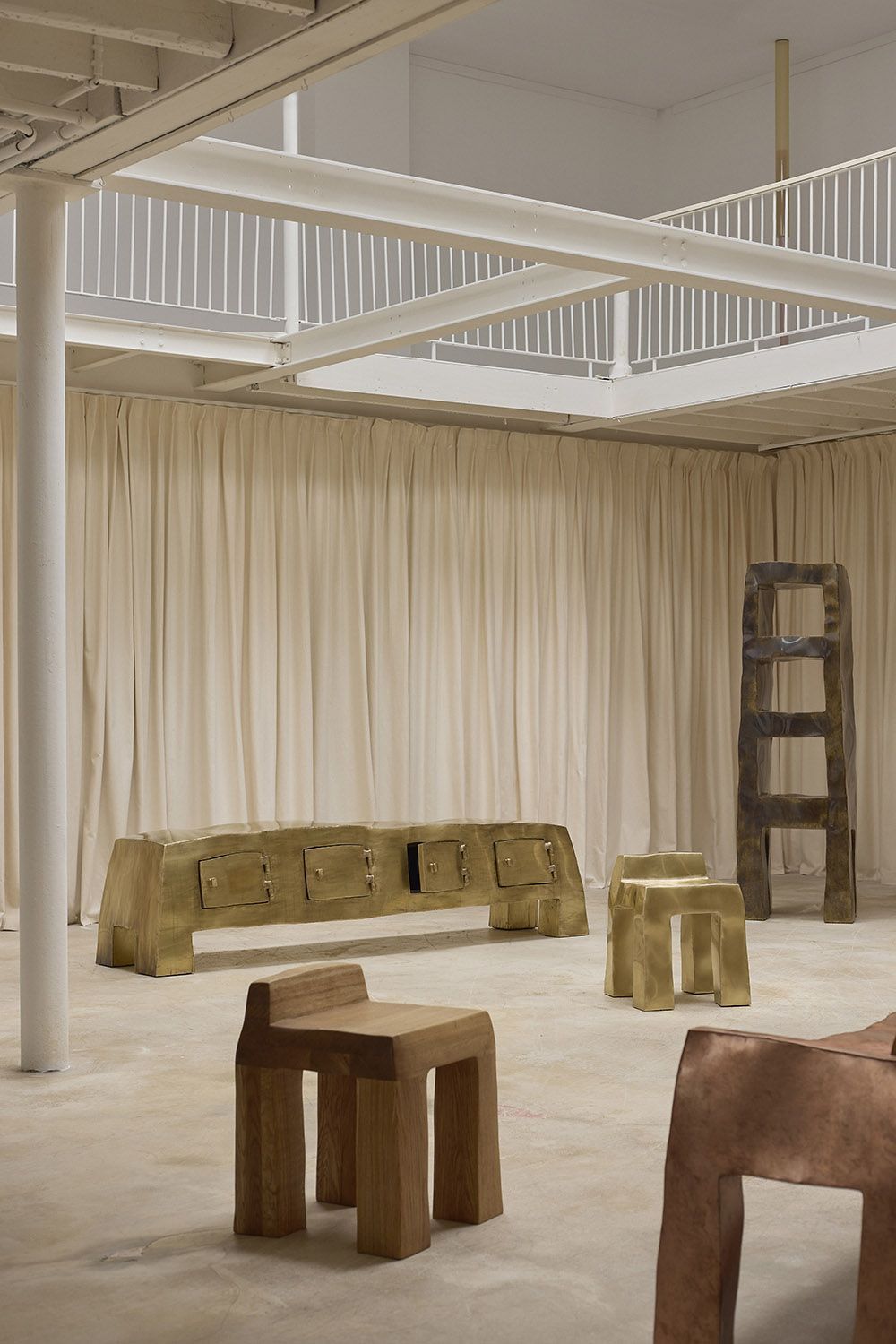
The curatorial line wasn’t bound by a theme. Rather, the common thread was movement: each project shifted their perspective in some way, creating a rhythm of change.
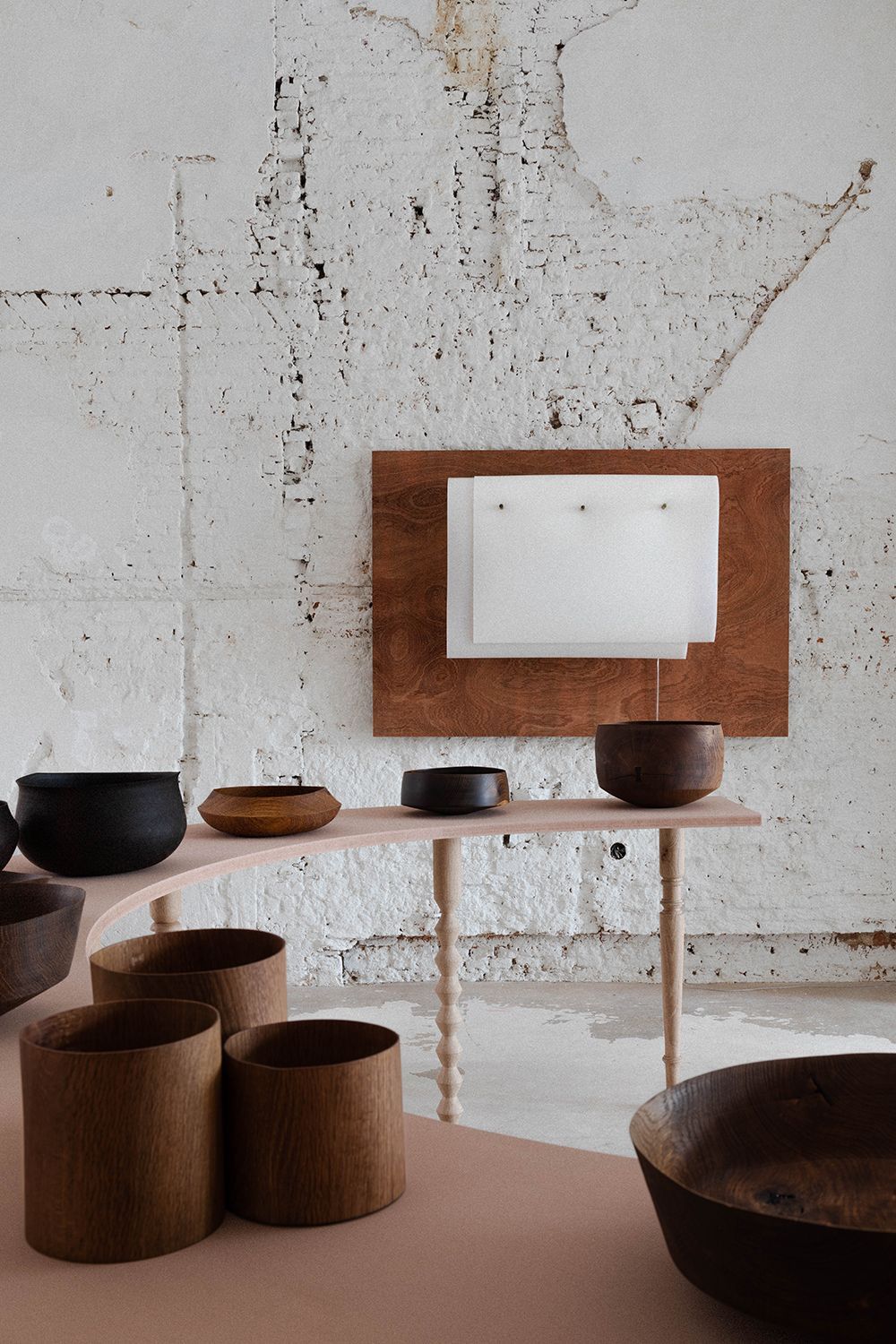
What’s coming: expanded jewellery and poetic sustainability
Looking to the first half of 2026, two upcoming presentations stand out. The first, “Meet Me in the Middle”, is a group show exploring how jewellery practices can influence contemporary design. Not a show about adornment per se, but about the gestures, materials and forms that sit between disciplines. Every artist involved has a connection to jewellery — through training, practice or inspiration — but the result is something altogether more expansive.
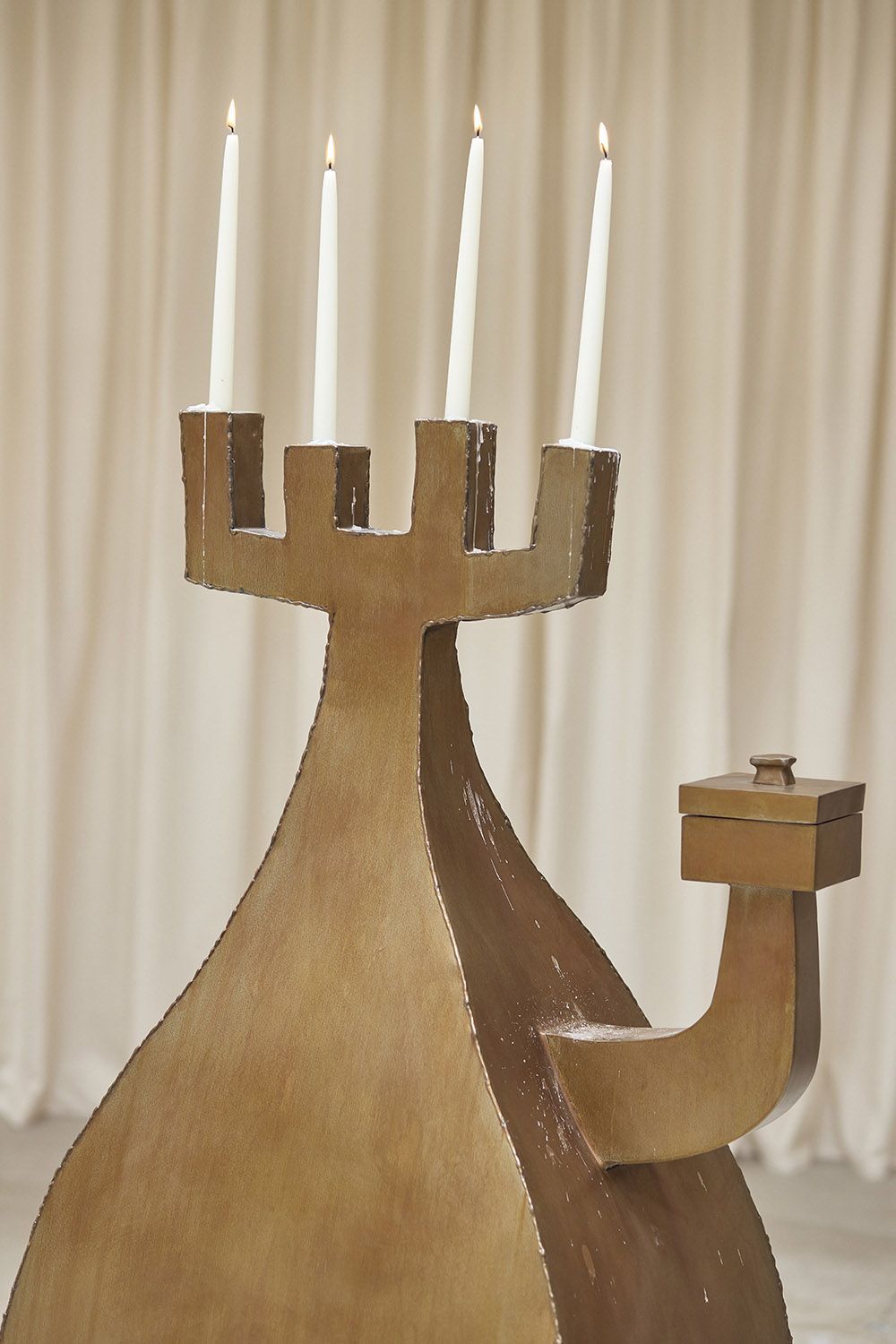
The second is a collaboration with designer and artist Marte-Mei van Haaster, whose approach to sustainability has fundamentally reshaped the team’s thinking. Rather than focusing solely on materials or production methods, Marte-Mei proposes a relational, collaborative dialogue with nature itself.“We’ve learned that sustainability isn’t just about sourcing”, they say. “It’s an attitude, a way of making with awareness.”
Alongside this, they’re also working on new projects with Marte-Mei and preparing their return to PAD Paris in April — a major event for European contemporary design.
A curatorial voice beyond the noise
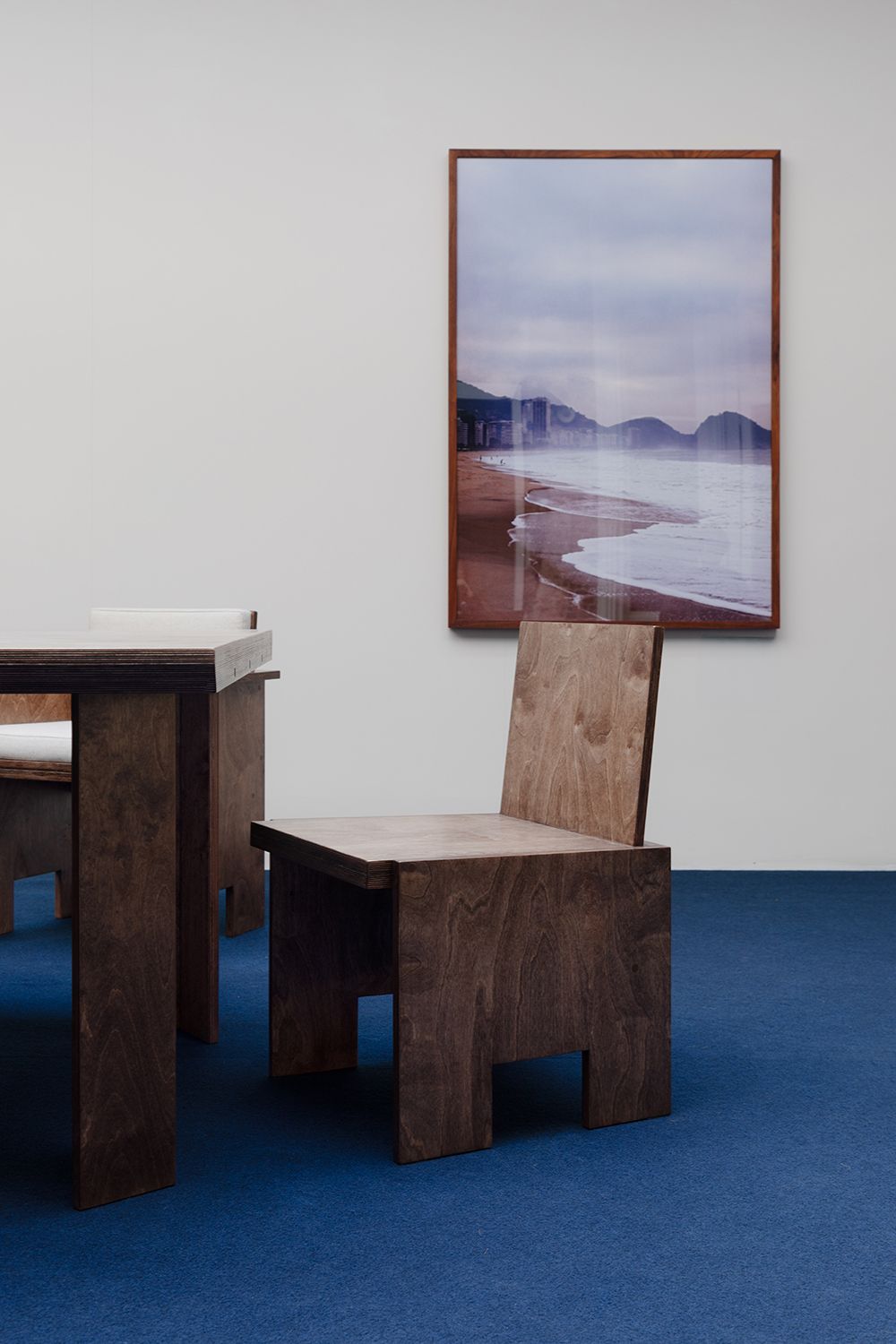
St. Vincents stands apart from the cluttered world of fast trends and micro-aesthetics. They don’t chase the new. They don’t follow the calendar. Their curatorial voice is slow, subjective, and committed to quality that endures.
“We’re not from the design world”, they admit. “Everything we know, we’ve learned by listening, paying attention.” This position of attentive observation has become their compass — allowing each project, no matter how diverse, to find coherence through care, silence and clarity of intent.
More than a space, a way of being
The name St. Vincents is a tribute to Geraldine’s father — a man who, though not a saint, spent seven years as a Franciscan monk in South India. “He embodied a quiet sense of home”, they say. That warmth and openness infuse the project.
“The name St. Vincents is a tribute to Geraldine’s father, a man who spent seven years as a Franciscan monk in South India.”
There is no urgency here, no pressure to produce or consume. Instead, there is space: for pause, for wonder, for meeting. St. Vincents is not a gallery, not a store, not a showroom — it’s all of that and more. It’s a fluid place, constantly in motion, where design becomes a way to relate: to objects, to creators, and to the people who come to experience it.
(*) Photo credits: Portrait of Henri and Geraldine by Katie McCurdy; slider image 1, rollover images 1-3 and 5, vertical images 3, 5, 7, 8, 9 by Eline Willaert; cover image, rollover image 4, vertical images 4 and 6 by Alexander Popelier; vertical image 2 by Kate Devine; slider image 2 by Tijs Vervecken.