A—Z Presents: unconventional graphic design projects
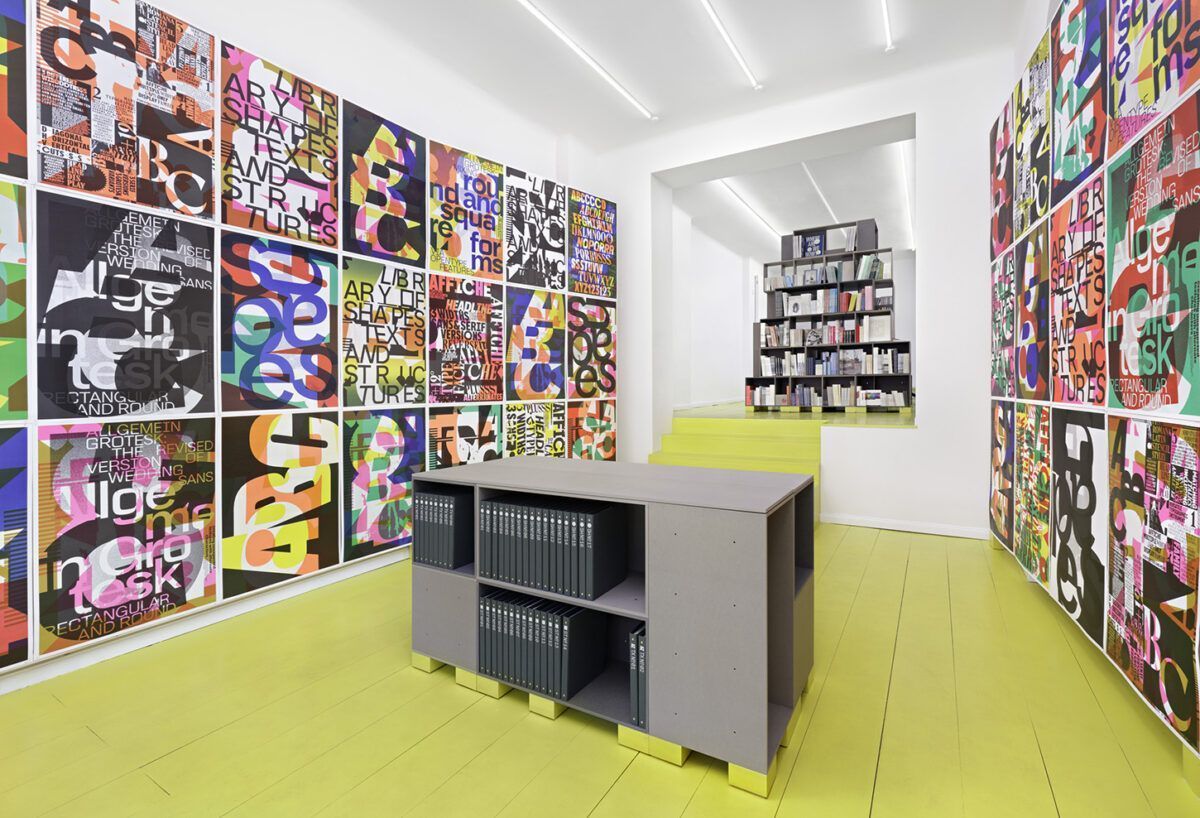
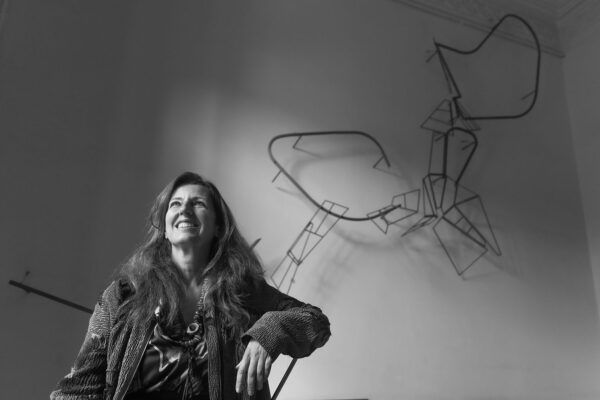
Anja Lutz is a Berlin-based book designer specializing in contemporary art publications. She was the initiator and designer of the experimental publication platform shift!, which has received numerous awards and has been featured at various festivals and exhibitions. She is also the co-founder and art director of The Green Box, a publisher of artist books, where she develops and designs books in close collaboration with the respective artists.
In 2019, she founded A—Z Space for Experimental Graphic Design, a fascinating initiative dedicated to developing, showcasing, and promoting ideas and projects where graphic design transcends its boundaries and explores its more unconventional and experimental facets.
We recently spoke with her about her career and creative projects, and here’s what she shared with us. Step in and read!
When and how did this project come about?
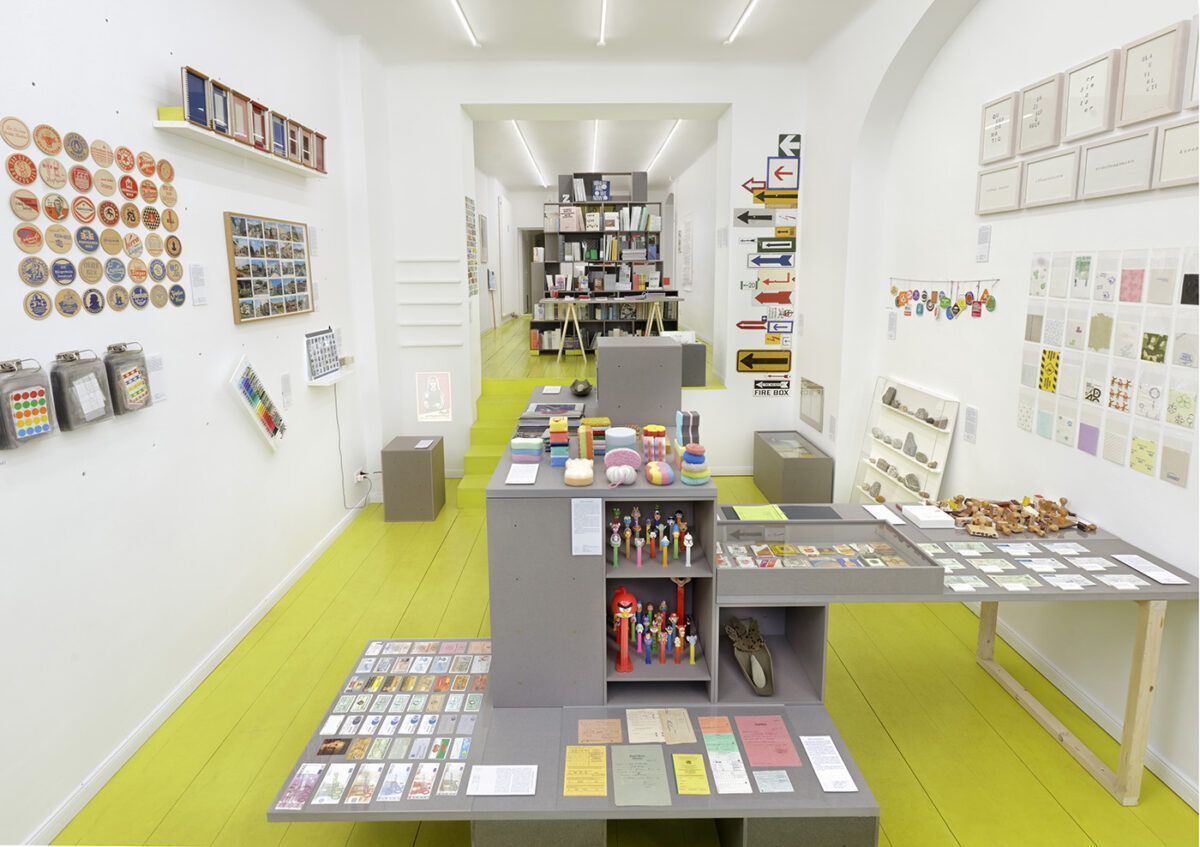
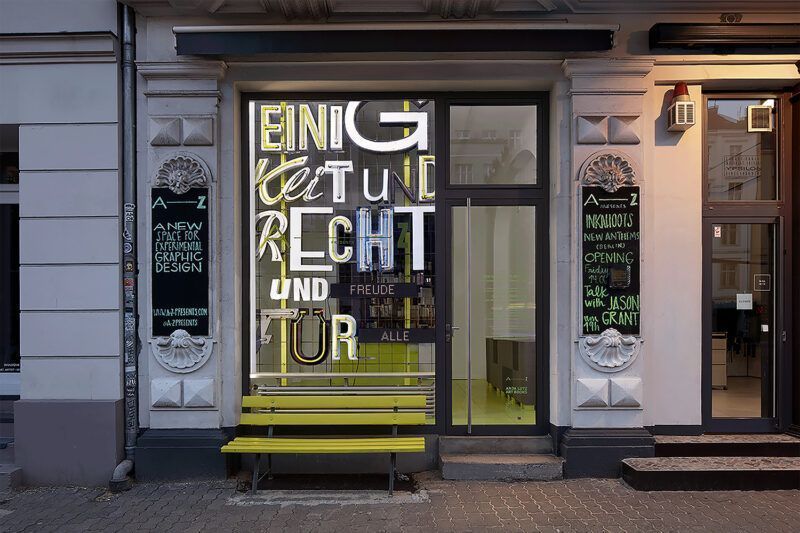
A—Z started in 2019 when we moved with my studio for book design and the publishing house The Green Box, into a new space on Torstrasse in Berlin-Mitte. The space has a front room with a large shop window and we were wondering how to use the space. This led to the idea of creating A —Z Space for Experimental Graphic Design, dedicated to reflecting upon graphic design in the broadest sense and dialoguing with various aspects of life.
What is your background?
I am a graphic designer, specialized in conceptualizing and designing art books. I also run the art book publishing house The Green Box and sometimes I give workshops at Design schools. I closely work with contemporary artists and the many people involved in making a book, and I enjoy their inspiration and input a lot.
What is the purpose of A—Z?
I studied graphic design in London and later in The Netherlands, both places where graphic design is seen as an applied art form and where a designer can also be an author. This has influenced my view and practice of graphic design, as a way to reflect on visual culture and on society at large.
A dialogue with different disciplines and creative people has been particularly important to me and is a constant source of inspiration. Besides, I believe that we will have to join forces across fields to tackle the challenges we are faced with. Instead, I see a lot of division and compartmentalization: graphic design is not shown in an art museum, and a design museum tend to show only applied design, e.g. the best logos and most beautiful posters. There is however so much more exciting creation and reflection by people who work on the overlaps of disciplines, in the messy in-between areas.
Therefore, the idea behind A—Z is to create a place that expands our understanding of graphic design and allows for more transdisciplinary projects.
And what is the origin of its name?
The name A—Z relates on the one hand to graphic design and type, it also relates to the all-encompassing approach of A—Z, and lastly it relates to my name, which also goes from A—Z (it took me almost 40 years to notice this beautiful detail of my name ;-)
A—Z is a physical and independent space located in the heart of Berlin, where you invite inspiring graphic designers to showcase their conceptual, reflective, or formally experimental projects. How many designers have participated so far, and what is the selection criteria?
So far, we have had over 30 different exhibitions and events. Some were solo projects by individual designers, some were group shows, so we are talking about over 100 designers actively involved so far. They are all designers that I find very exciting and inspiring. It has been wonderful to meet and collaborate with them.
“I want to include a variety of approaches and voices from different backgrounds, gender, age and cultures.”
At A—Z, I want to include a variety of approaches and voices from different backgrounds, gender, age and cultures. There have been very young designers showing at A—Z and also designers past their 70s. I also want to expand beyond the Western context, therefore the exhibition “Revealing >> Recording >> Reflecting” was important to me, as it investigated women graphic designers from South-West Asia and Northern Africa, that use the Arabic and Persian scripts.
At A—Z, you focus on developing, exhibiting, and promoting ideas and projects where graphic design goes beyond its limits and explores its more unconventional and experimental facets. What kind of initiatives do you carry out to achieve this?
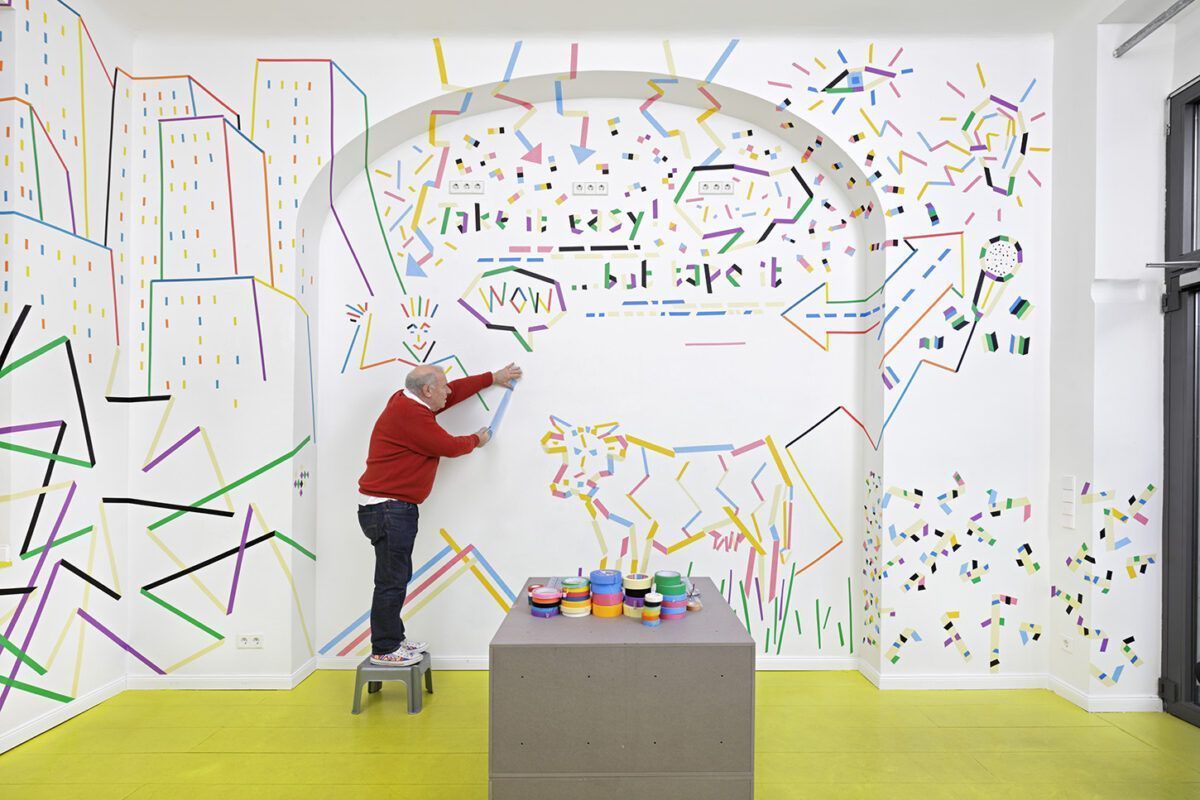
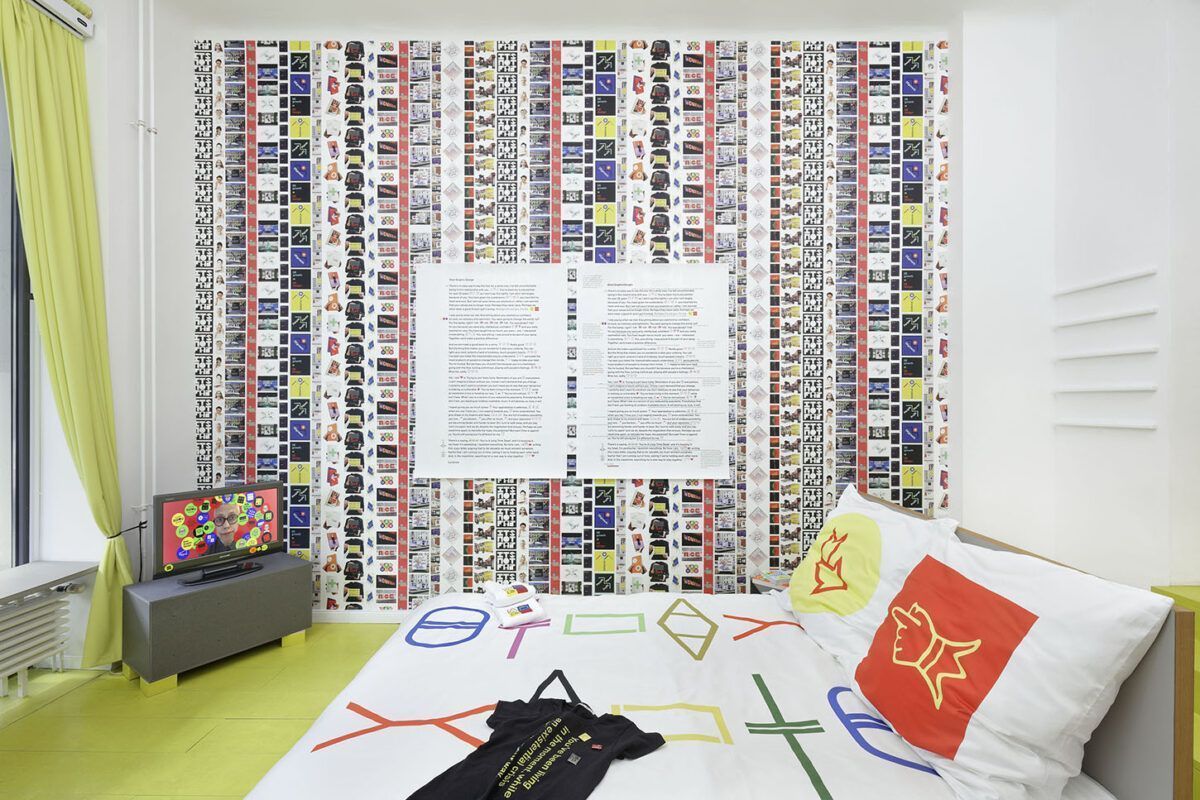
Each exhibition and project at A—Z explores another area or “overlap”, with another discipline, like performance (The Rodina), music (Niklaus Troxler), political activism (Inkahoots), personal reflections (Lucienne Roberts), critical research (Feminist Findings) etc…
I want to open up a broad spectrum of approaches and possibilities. In and of itself, I see A—Z as a research platform that can change and adapt depending on the circumstance. It is also very much guided by my interests and curiosities – you could say it is my personal project of investigating ways of thinking and practicing graphic design. And the form of running this space suits me in as so far, as I have always liked to “do” things, to make them happen, rather than just talk about them.
What role does graphic design play today, especially after the rise of ai?
That is a big question with an even bigger question mark.
I believe it will change graphic design, in fact all visual production, fundamentally, it might even render obsolete a lot of the related professions, as we know them now.
“I believe ai will change graphic design, in fact all visual production, fundamentally,”
However, graphic design or visual communication (whatever term you prefer) offers amazing skills, to communicate, reach people, engage them and also to collaborate, as the discipline is an inherently collaborative one, where image makers, writers, technicians etc. work together.
So, the questions are: How and where can we best use these skills? What is our responsibility, what are our possibilities? How can we find a way and voice to shape our society? Can we contribute to making a more just and peaceful world? I see A—Z as a space where these questions can be reflected upon.
By the way, what inspired you to create this space? Do you plan to open new locations in other cities or partner with similar spaces?
The creation of A—Z was guided by my wish for a space where we can have a much broader look at what graphic design is and what it can be. I see it as a practical investigation into the possibilities of graphic design.
Currently I opened a new chapter, called “A—Z Out & About”, with the intention of bringing the conceptual approach of A—Z to other places.
I am planning to collaborate with other spaces and institutions who would be interested in inviting A—Z to create a project in their local context and in collaboration with the local cultural creators and graphic designer. The physical meeting and collaboration are central for me, as a way to create mutual understanding, learning and inspiration.
Your current space has been transformed in multiple ways, and each of the guest contributors has created works that have gone beyond the usual scope of commissioned and applied graphic design. Could you give us some recent examples?
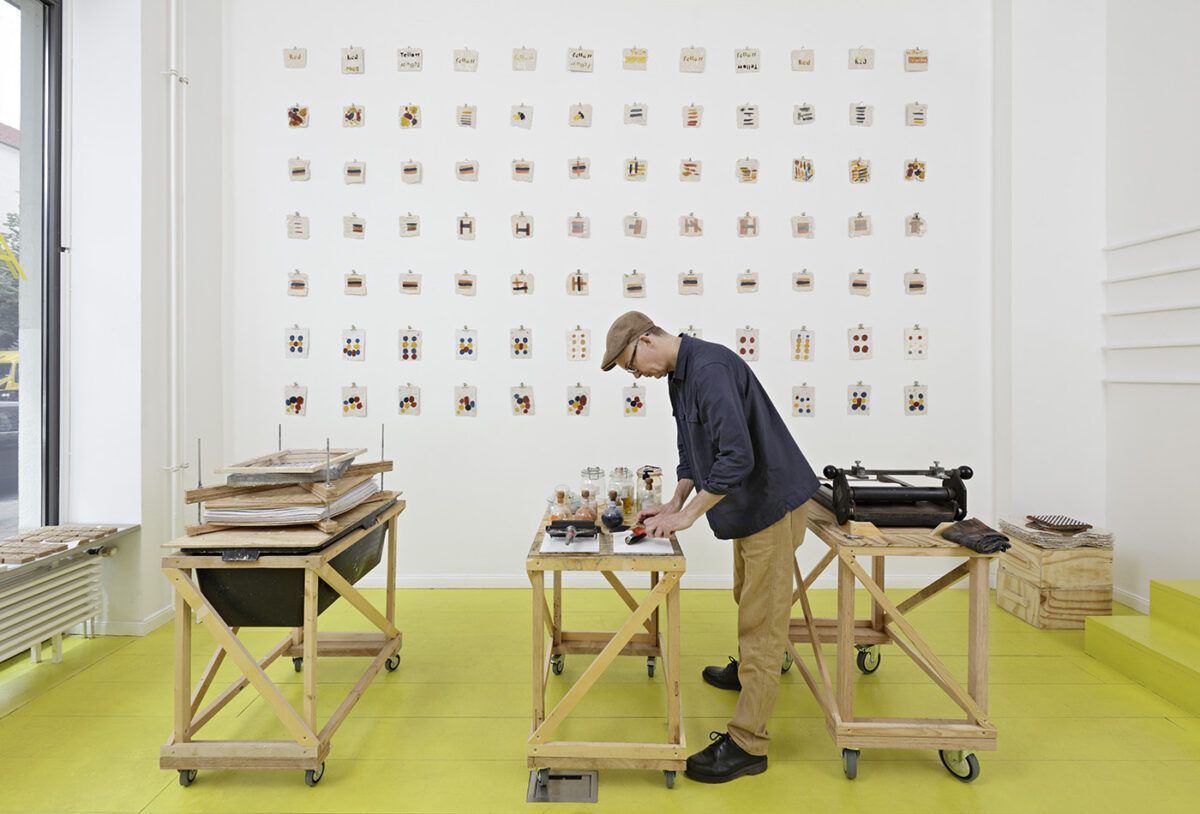
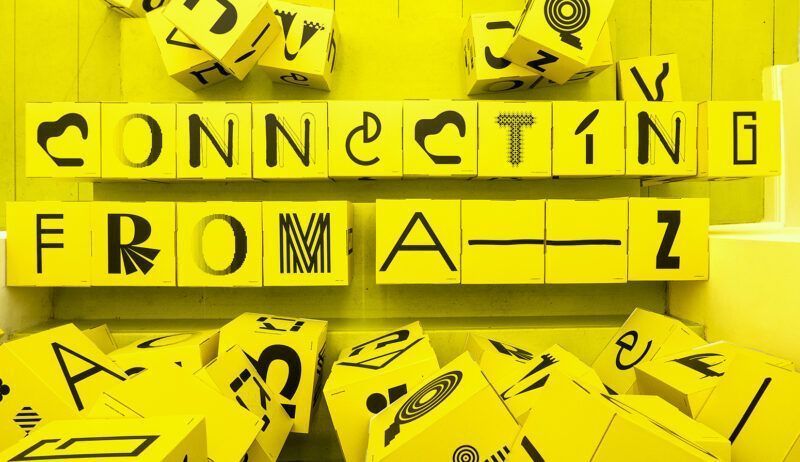
A—Z has started off with inviting individuals and groups for exhibitions. These have been usually accompanied by a talk, workshop or other events. We also had some remote projects during the pandemic, like “Connecting from A—Z” where we collaboratively created a free font.
In 2022 I turned the space into a bar for a few months, commemorating “Flipper Bar”, an illegal bar that me and my partner had run in the 90s in the same building (during the wild post-unification years in Berlin ;-).
We used the bar setting for “Counter Sessions”: one evening events, talks and presentation, that ended in casual bar evenings, allowing for more personal connections and exchanges.
In 2023, I initiated the A—Z Collective. This came from the wish to open the space to accommodate more people, collaborators, ideas and also to share the responsibility of running the space for one year.
We were a group of 12 people (Emily Smith, Eunjung Kwak, Francesco Pini, Gregory Cowling, Ioana Ferariu, Kelly Diepenbrock, Lisa Baumgarten, Pia Steiner, Sofia Harley, Alina Frieske, Manuela Dos Santos and myself) who, during 2023, created projects that investigated collective working, like Sarah Boris’ “Exquisite Curiosities”, an exhibition curated by all its visitors.
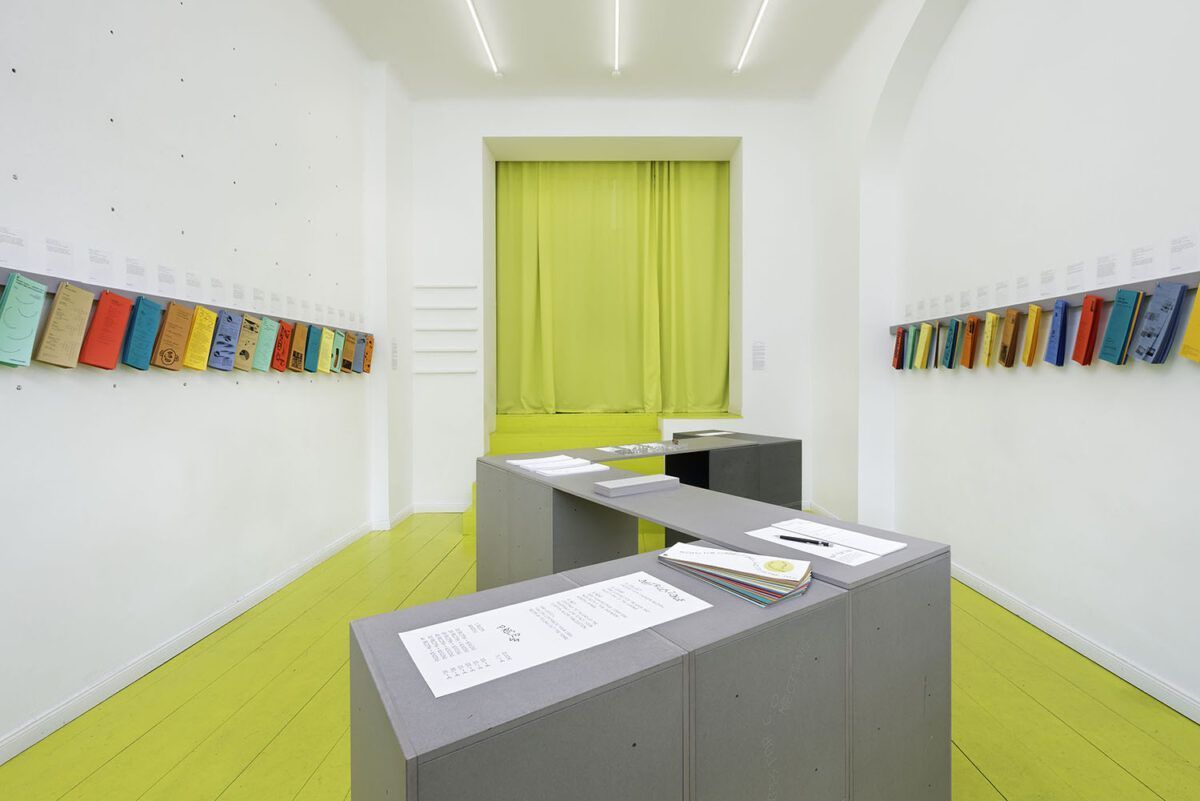
We also turned the space into a yellow “Super Collective Market” for a couple of months, including more designers and their creations and at the same time raising some money to run the space. And ultimately, we developed the project “Recipes for Connecting”, a do-it-yourself publication on how to connect.
What is the audience of A—Z?
The main audience of A—Z has a (graphic) design background. And I think most of them appreciate this space, simply because there are so few places that discuss and exhibit graphic design. Each exhibition also draws its own specific crowd, be it Jazz lovers for Niklaus Troxler’s exhibition or educators for “Teaching Design Conversations” or people from the Arabic community for “Revealing >> Recording >> Reflecting”. As we are located on a central and busy street in Berlin, we also get passers-by, which is something I really enjoy, as it allows me to convey the scope of graphic design to people who are not yet familiar with it.
In Barcelona, as part of the Barcelona Design Week, we discovered your collaborative modular publication, „Recetas para Conectar“. It consists of a mosaic of ideas about „connection“ at individual, interpersonal, human, non-human, and collective levels. How did this idea come about, and where else have you carried it out?
“Recipes for Connecting” is a project that was conceived by the A—Z Collective. These “recipes” illustrate many different methods of connecting – offering practical social tools, humorous prompts, gentle reminders, alternative structures of communication, and also some meals. Together this crowd-sourced modular publication illustrates many different ways to connect and thus sums up ideas and discussions we had as A—Z Collective, where connecting is a central aspect.
It was first exhibited at A—Z in late 2023, where it was exciting to see how much the visitors enjoyed browsing all the recipes and selecting the ones that resonated with them to bind their own publication.
Subsequently we brought the project to Index Art Book Fair in Mexico-City. Besides creating their own publication, visitors were also invited to create their own recipes.
For the Barcelona edition of “Recipes for Connecting” I collaborated with Laura Meseguer, a Catalan type designer. It was thanks to the collaboration with Laura that we could create this expanded edition, that includes many new recipe contributions by local designers from Barcelona, and exhibit it at Casa Bonay as part of Barcelona Design Week.
What are you working on right now?
I am currently working on the book about A—Z. It will be a conceptual publication that looks into the future of graphic design, the space and new possibilities, as much as giving an insight into what has been created and discussed so far.
“I am currently working on the book about A—Z.”
It is a project in itself that will probably also result in an exhibition and possibly open up a completely new chapter for the next year… Nothing concrete yet, as I like to keep these things develop organically and to be able to surprise myself in the process.
And what plans do you have for 2025?
A part from releasing The Book from A—Z, I plan to create more connections and collaborations, with people, spaces and institutions worldwide.
A wish…
I wish to experience more of that invigorating and inspiring energy that is created when people come together with their ideas, passions, and love. A playful and joyful energy that can make things happen and change the reality around us.
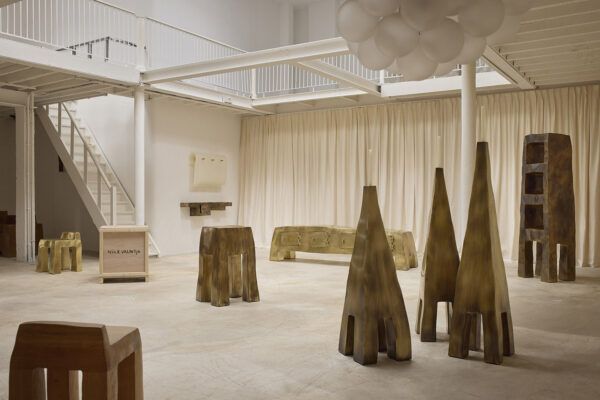
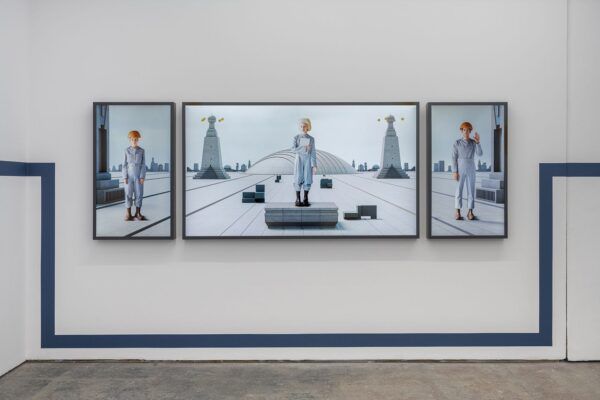
(*) Photos provided by Anja Lutz. Cover photo: Andrea Tinnes: Library of Shapes, Texts and Structures, 2019. Photo © Hans-Gerog Gaul; Horizontal still photo 1: Inkahoots: New Anthems VI (Berlin), 2019. Photo © Hans-Gerog Gaul. Horizontal still photo 2: Connecting from A—Z, 2021. Photo © Johanna Olm; Large photo slider 1: Lucienne Roberts: Perhaps it’s not you, it’s me., 2022. Photo © Hans-Gerog Gaul; Large photo slider 2: Niklaus Troxler: Tape Works, 2020. Photo © Hans-Gerog Gaul; Large photo slider 3: Graphic Designers Collectors, 2022. Photo © Hans-Gerog Gaul; Large photo slider 4: Mark van Wageningen: Novo Typo Off Grid Berlin, 2021. Photo © Hans-Gerog Gaul; Large photo slider 5: A—Z Collective: Recipes for Connecting at A—Z, 2023. Photo © Hans-Gerog Gaul.