Future Days 2026: designing the future from the present
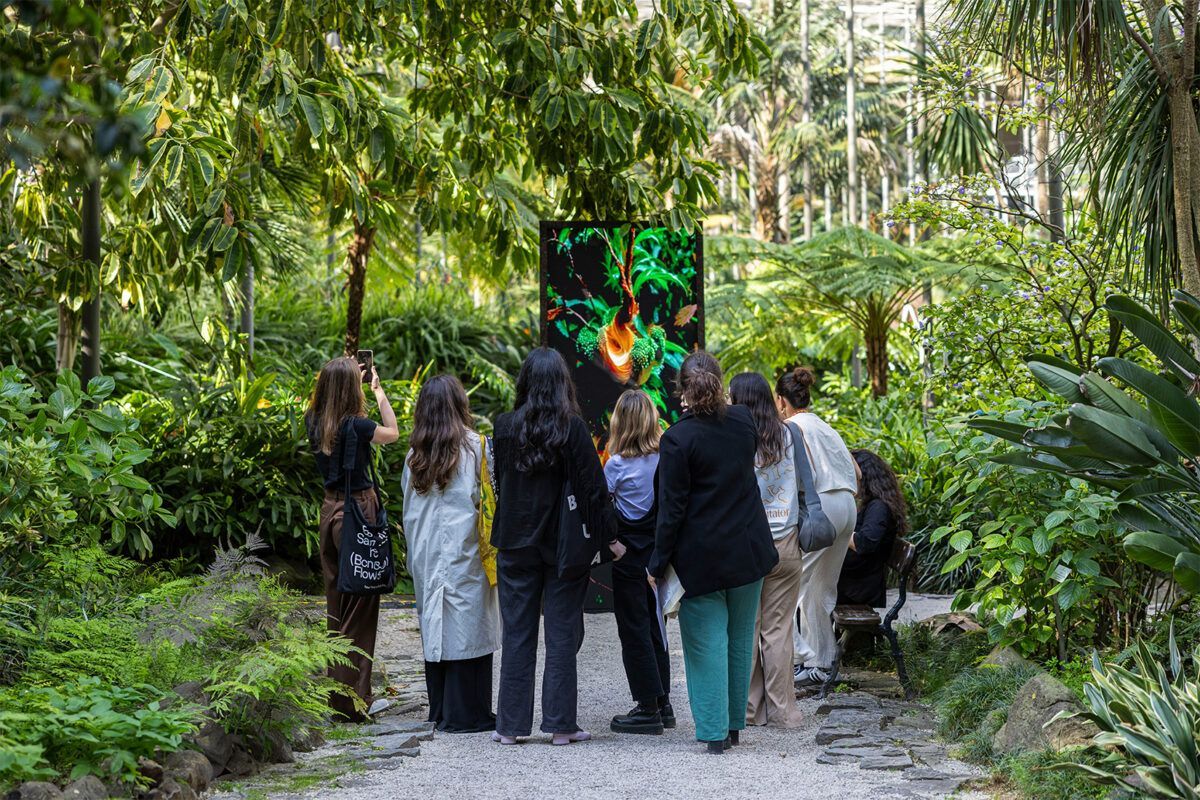
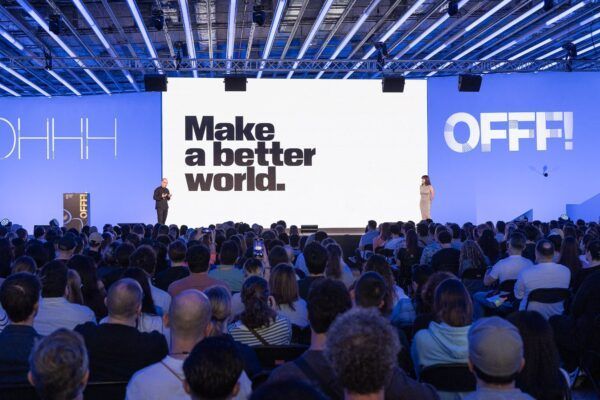
Future Days returns for its third edition, consolidating its position as one of the most relevant platforms for exploring the relationship between design, innovation and futures thinking. Following its editions in Lisbon and Barcelona, the festival arrives in Copenhagen for the first time, taking place from 10–12 June at the Royal Danish Playhouse, as part of Copenhagen Design Week.
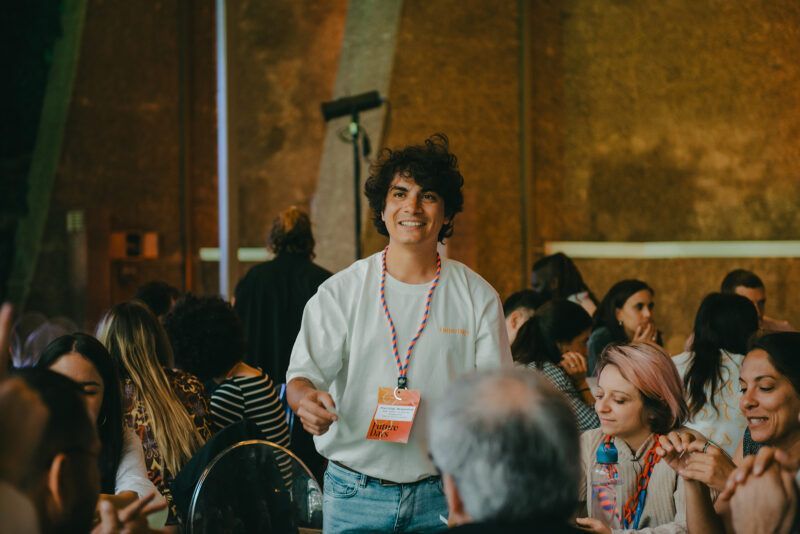
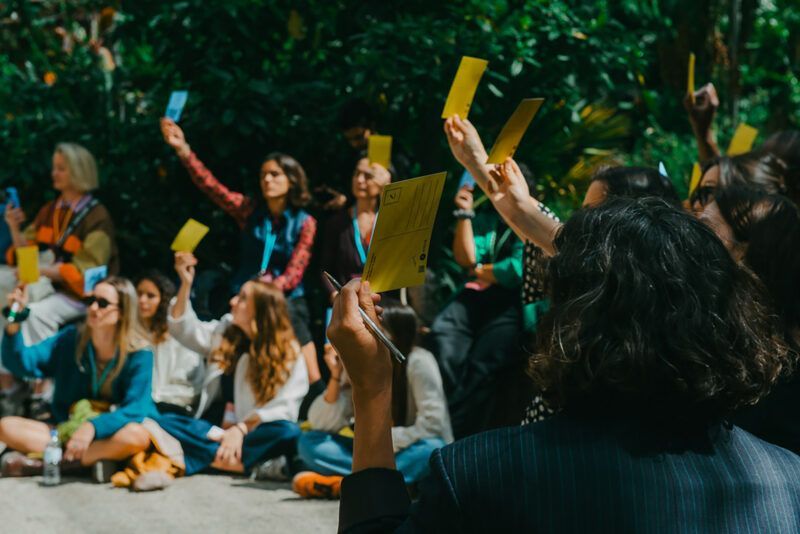
This year, CC/magazine also joins as a media partner, reinforcing its commitment to platforms that foster new ways of thinking about design and its impact on the future.
Under the concept Currents of Tomorrow, this edition offers a contemporary reading of the transformations reshaping our present, addressing themes that connect creativity, systems and society.
More than an event, Future Days positions itself as a space for exchange where different disciplines come together to think collectively, creating a dialogue between those imagining the future and those actively building it through design.
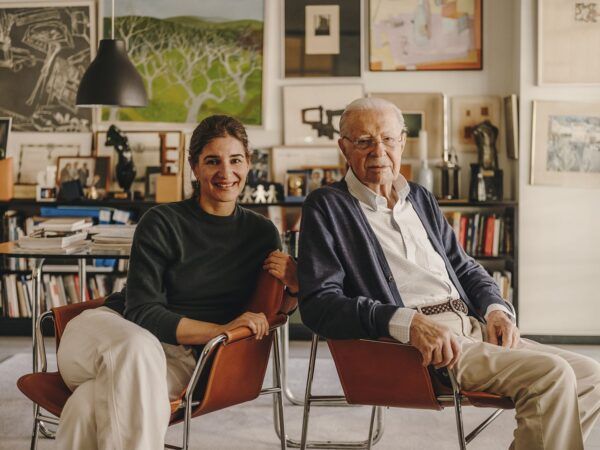
Interview with the founders: Uri Casademont and Meri Sahade
To better understand the evolution of Future Days and the vision behind this new edition, we spoke with its founders, Uri Casademont and Meri Sahade.
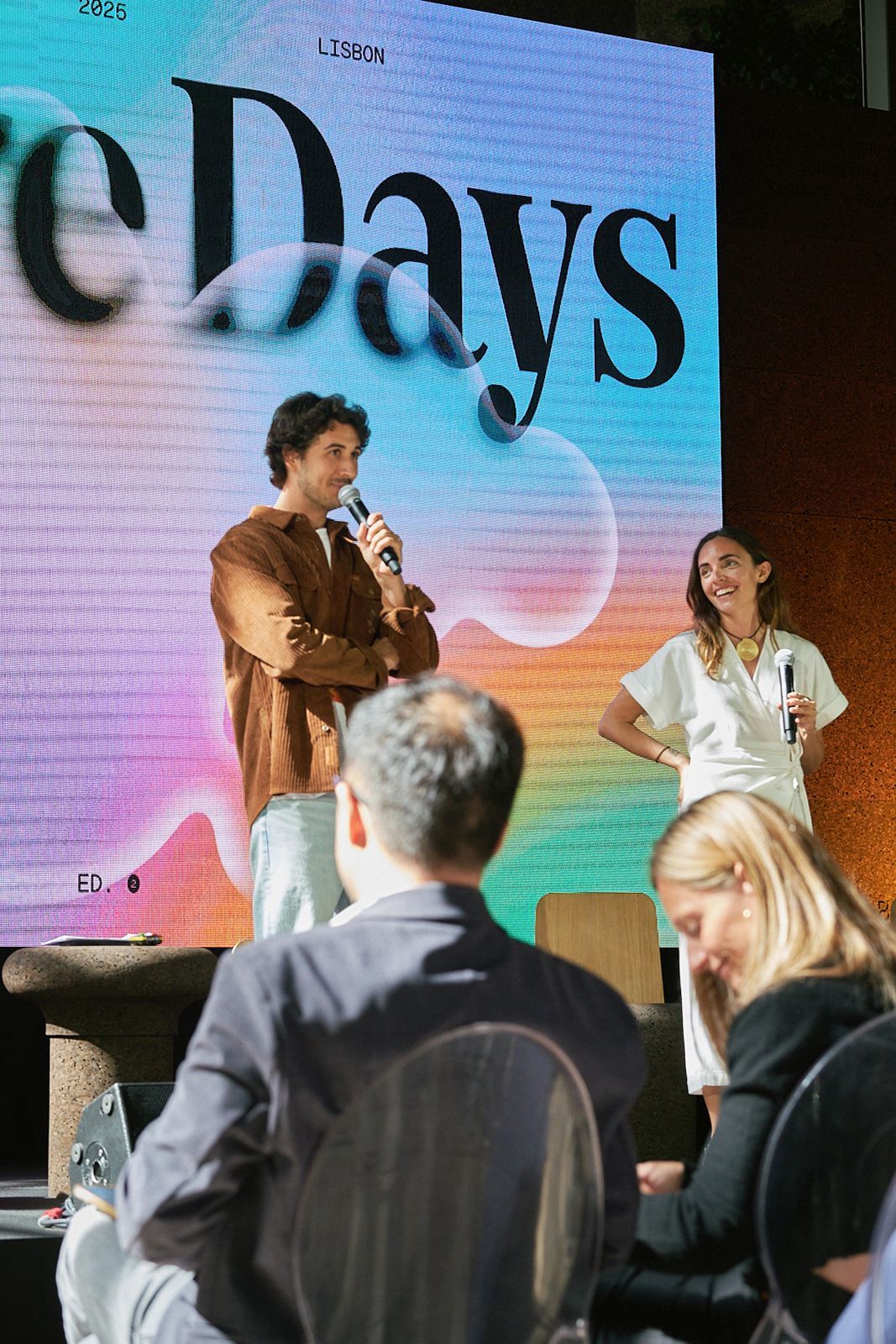
Future Days is now entering its third edition. Looking back at the journey so far, how has the platform evolved since its first edition in Lisbon, and what have been the most important lessons along the way?
Uri Casademont: Looking back, the biggest evolution has been our ability to truly articulate and steward the mission behind Future Days.
In the beginning, much of it was instinctive. We had a strong intuition about what we wanted to explore, but it took time to find the right language and structure to express it clearly. Over the past editions, that clarity has grown. We’ve learned how to translate a broad and ambitious vision into something tangible, especially in how people experience the festival.
One of the most important lessons has been the importance of focus. As the platform gained attention, we made a conscious decision not to expand in too many directions, but instead to build a cohesive narrative that continuously reinforces our core mission: becoming a flagship platform for futures by design.
Having that north star has been essential. It allows us to constantly reflect, refine and make better decisions, while staying grounded in purpose. In many ways, the journey of Future Days has not been about becoming something different, but about becoming more precise, more intentional, and more aligned with what we set out to do from the very beginning.
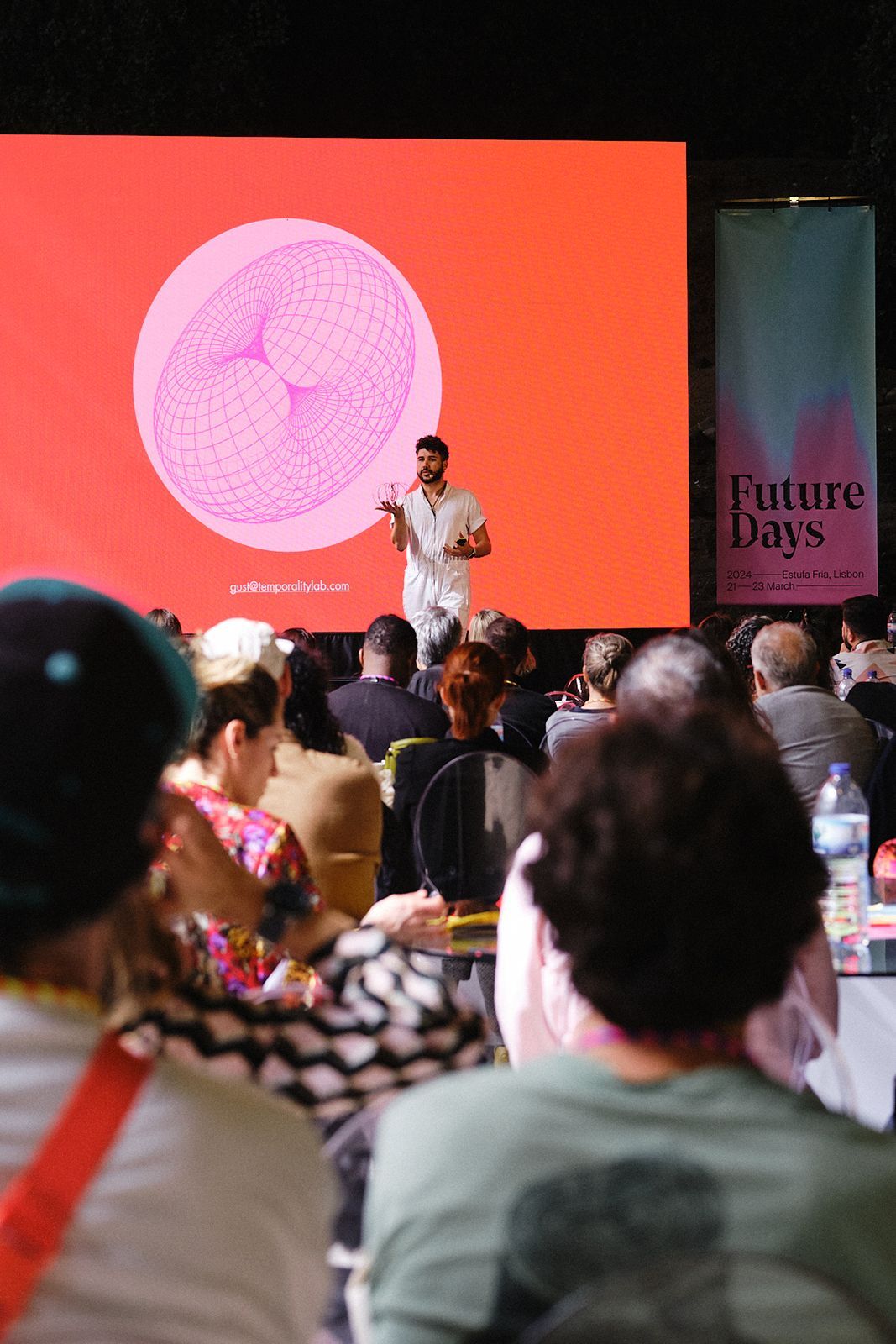
This year Future Days arrives in Copenhagen for the first time and takes place during Copenhagen Design Week, a moment when the city becomes a global meeting point for design and creativity. How does this context amplify the conversations and ideas the festival is trying to spark?
Uri Casademont: We see a clear gap today between futures thinking and design as practices. They often evolve in parallel, but rarely in direct conversation. Futures can feel abstract, while design is often anchored in the present.
What interests us is closing that distance, so Future Days was built precisely to fill that gap. We explore how long-term thinking can translate into present action, and how design can move from responding to the future to actively shaping it. In that sense, design is not just an outcome, but a tool for navigating what comes next.
“Design is not just an outcome, but a tool for navigating what comes next.”
Copenhagen, especially during Design Week, amplifies this intention. The city becomes a global meeting point for design, which allows these ideas to exist within a real and dynamic context. The conversations are not isolated, they are embedded in an ecosystem that is already “in the making”.
Ultimately, Future Days becomes a point of convergence. A place where those imagining the future meet those building the present, and where both perspectives can move forward together, because the future should not be something distant, it is something we continuously design.
The theme for 2026 is “Currents of Tomorrow”. What inspired this concept, and how does it reflect the kinds of transformations shaping our collective future?
Meri Sahade: We listen and observe. To the community, to the people who gather around the festival, and to the city that hosts us.
When we arrived in Copenhagen, water kept revealing itself. The canals, the rhythm of the city around them, the sense of flow that connects everything. It wasn’t just a visual element. It felt like a condition we were all moving through.
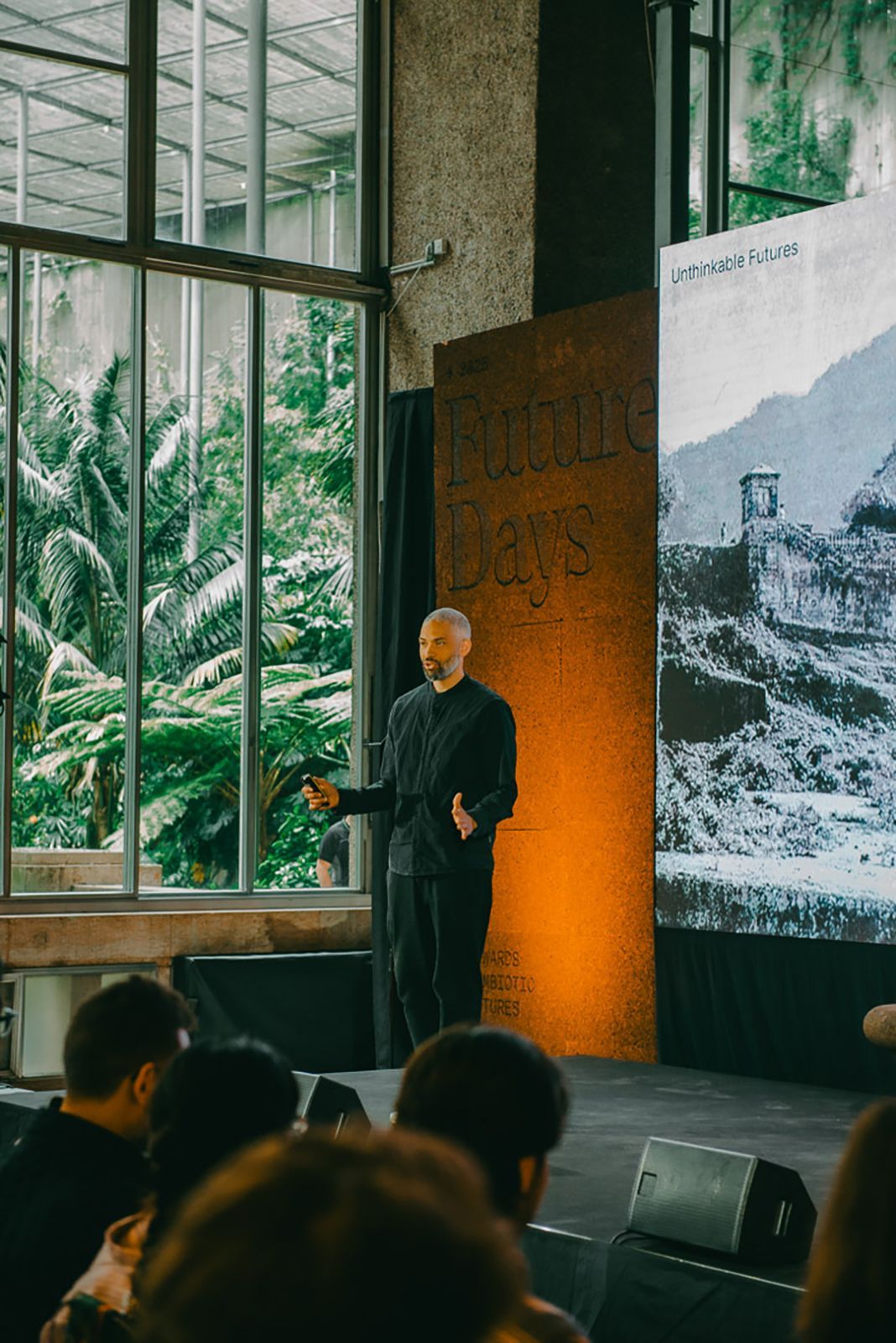
We began to think with water. Not just as a metaphor, but as a way of designing the future. Water holds depth and movement. It carries multiple currents at once, sometimes visible, sometimes hidden. That became a way for us to understand how different ideas can coexist in Copenhagen.
From there, the five currents of Future Days 2026 emerged. Each one has its own direction, but none of them exist in isolation. They overlap, they interfere, they reshape one another.
What interests us is what lies beneath the surface. The systems, tensions and transformations that are not immediately visible, but that defines the world we are moving through. This edition is about creating the conditions to sense those layers, not just to talk about them.
“Complex challenges cannot be addressed from a single perspective.”
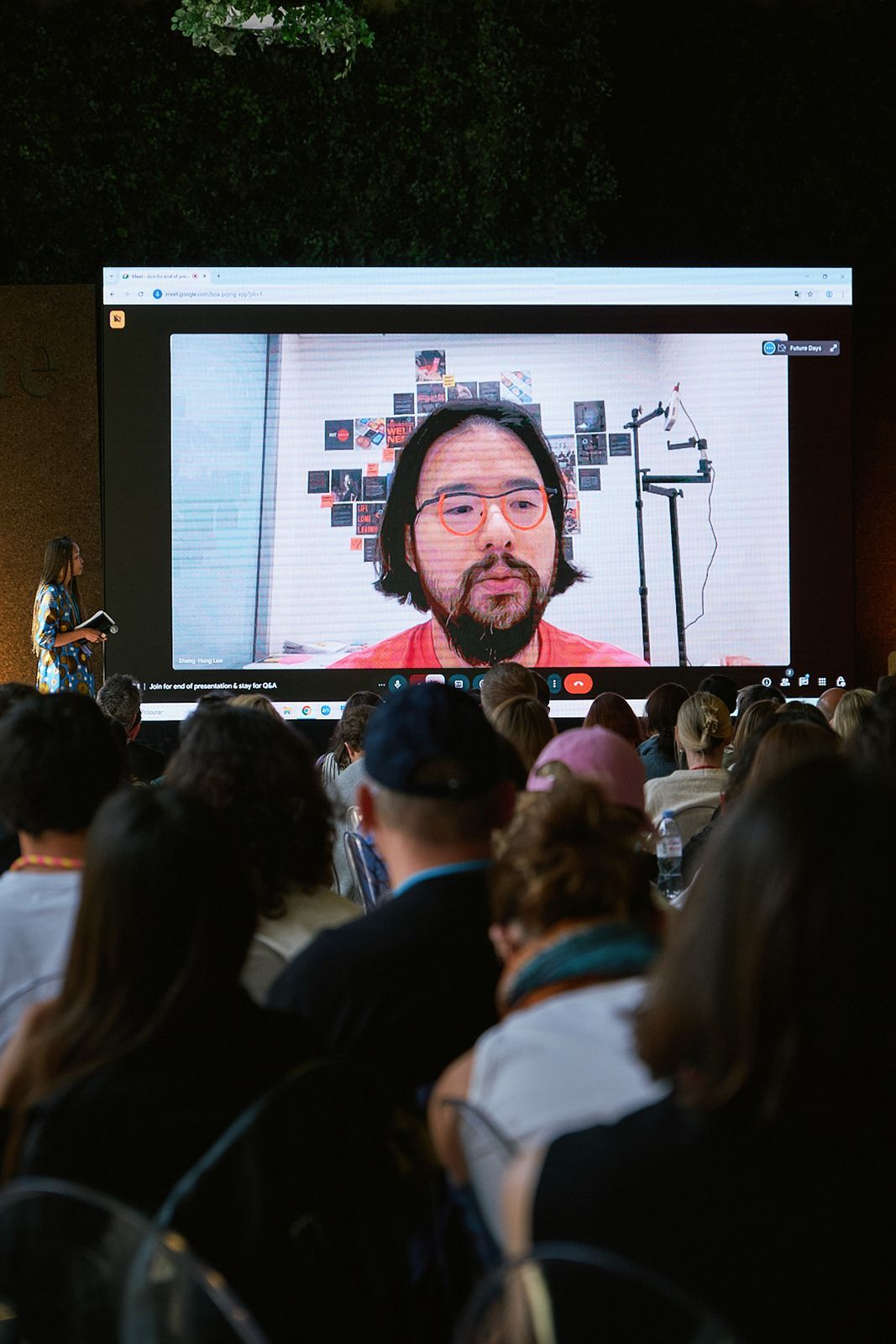
The programme explores five key themes — Back to Connection, Water Commons, Infrastructures of Imagination, The Living Lab, and Economies of Meaning. How were these themes selected, and what do they reveal about the challenges and opportunities defining the coming decades?
Meri: The curatorial process unfolds over time. It starts by looking at what stayed with us from the previous edition, alongside our Knowledge Hub team mapping signals across disciplines, main tensions and different contexts that encapsulate them.
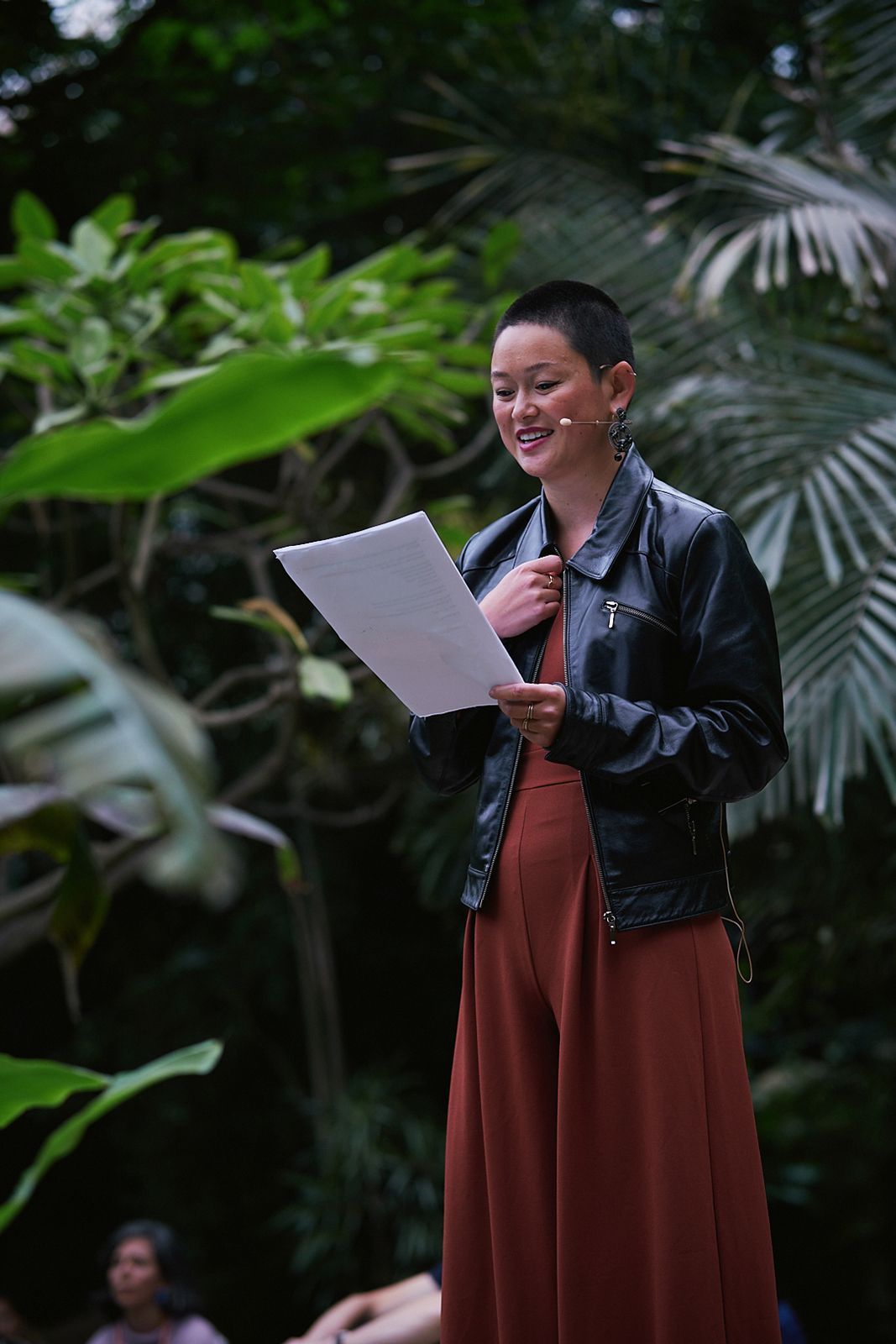
What takes shape is the set of themes (or currents):
Back to Connection reflects a shared paradox. We are constantly connected, yet often feel distant from one another. It asks us how we can rebuild trust and presence in the digital era.
Water Commons emerged from Copenhagen, but speaks to something wider. How we live with the resources we currently share, its current transformations, and how we design with water interdependence in mind.
Infrastructures of Imagination is about creating the conditions for new possibilities to surface. Not having all the answers, but allowing new possibilities to be explored.The Living Lab sees the city as a space of continuous experimentation. A place to test new ways of coexisting with each other and with the ecosystems around us.
And Economies of Meaning points to a deeper shift. A growing need to move towards systems that value purpose, care and long-term impact.
These currents are not separate. They were designed to move together, revealing the deeper patterns shaping the present and the directions we are beginning to move toward.
Future Days brings together voices from very different disciplines — design, foresight, technology, urbanism and culture. Why is this kind of cross-disciplinary dialogue essential when imagining possible futures?
Uri Casademont: Complex challenges cannot be addressed from a single perspective. The transformations we are facing demand ways of thinking that move across disciplines, not within them.
Some of the most meaningful breakthroughs happen at the intersection of fields, where different ways of seeing the world meet and challenge each other. For us, creating that space becomes essential.
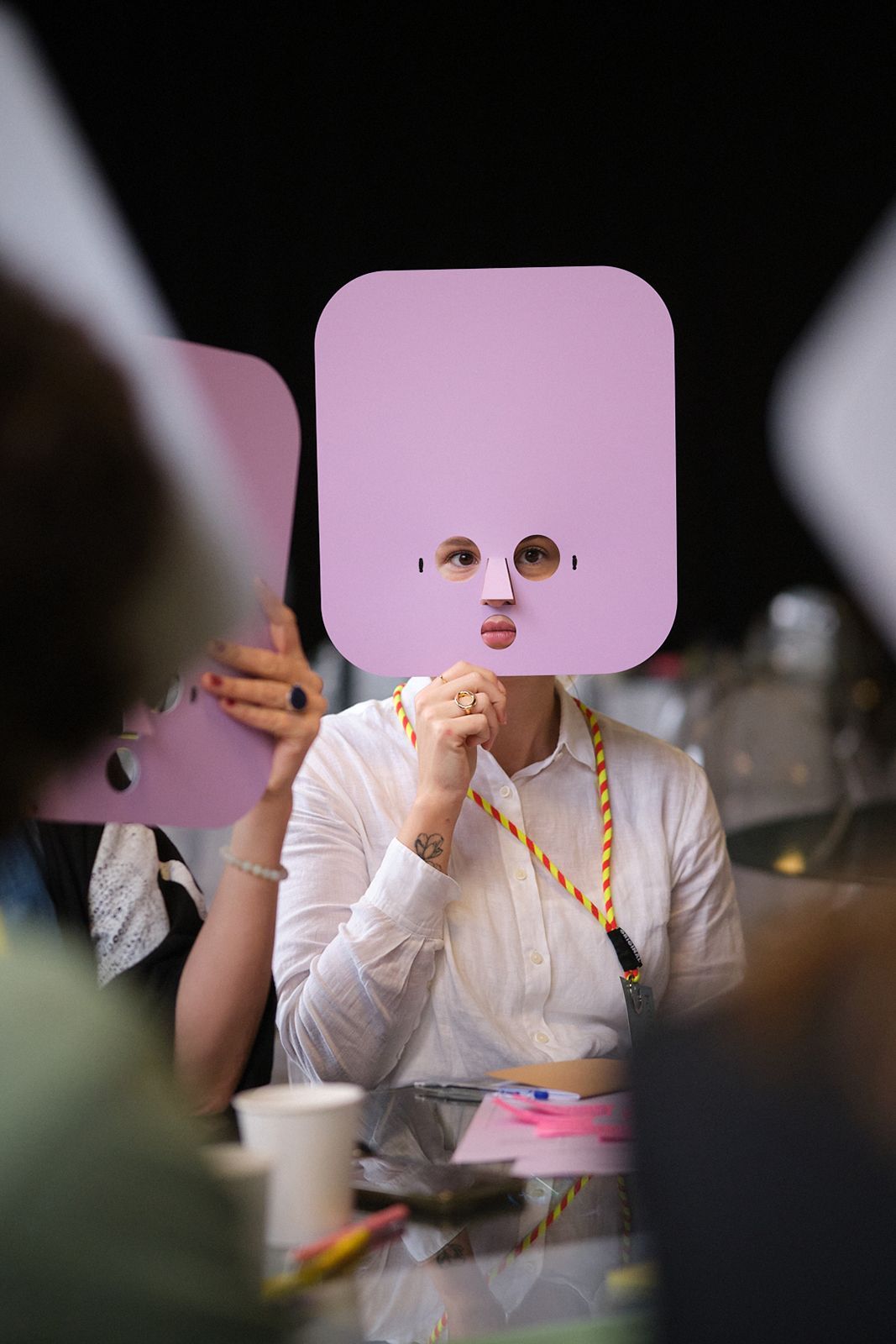
Future Days brings together diverse practices not for the sake of variety, but to expand how we approach the future. Each discipline adds a layer of understanding, making the conversation richer and more grounded.
For us, it is in that exchange that new possibilities begin to take shape.
“Future should not be something distant, it is something we continuously design.”
The festival includes not only talks but also participatory labs, exhibitions and curated site visits. Why was it important for you to design Future Days as an experiential platform rather than a traditional conference?
Uri Casademont & Meri Sahade: Coming from a background in experience and service design, it was important for us to move beyond the format of a traditional conference. We wanted to create a space where people are not only listening, but actively participating, contributing and co-creating.
For us, knowledge is not something that is simply delivered. It is shaped collectively, through interaction, context and exchange. Designing Future Days as an experiential platform allows for that to happen in a more meaningful way.
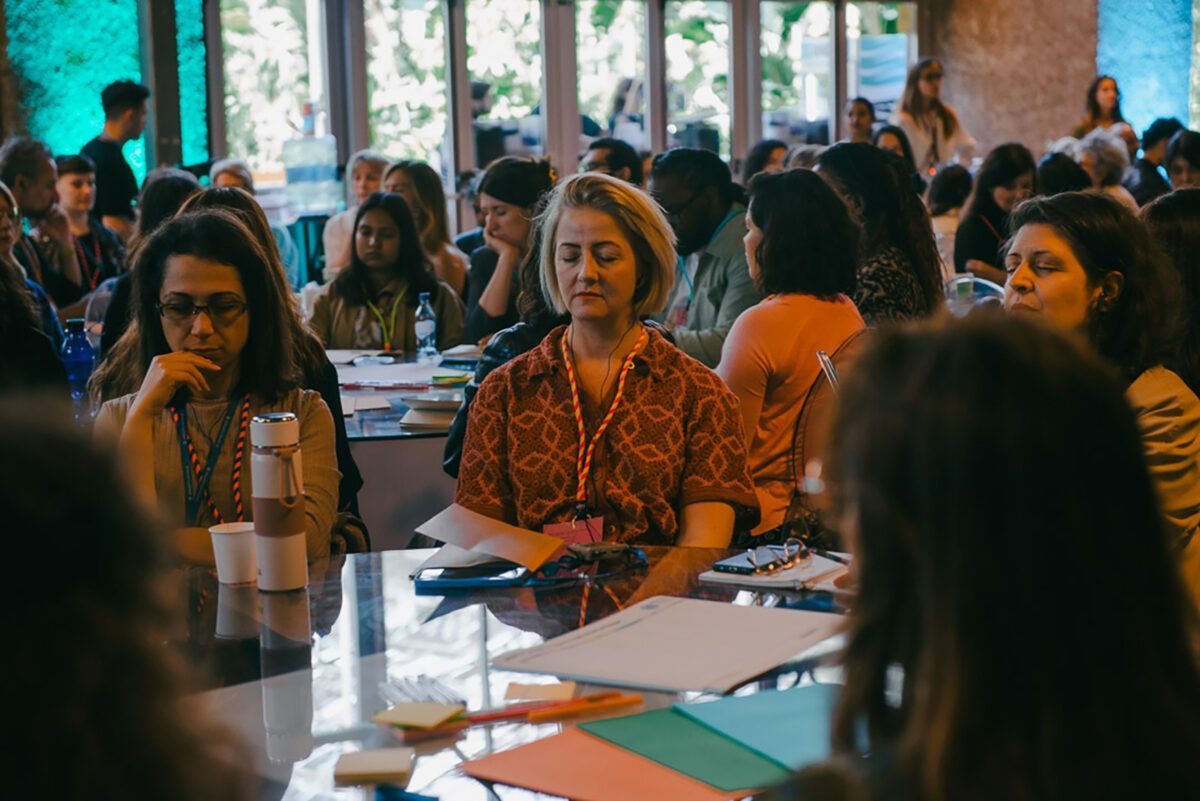
We think of the festival as unfolding in three moments. It begins with the city, as a phase of observation and immersion, where participants connect with the environment and the context they are in. It then moves into a moment of sharing, where talks and presentations introduce new perspectives and ways of thinking.
Finally, the labs create space for exchange, where different viewpoints meet, are challenged, and begin to evolve through dialogue.
If we are imagining actionable futures, we need to create the conditions for active participation, not just passive observation.
The lineup this year includes thinkers and creatives such as Bas van de Poel, Julia Watson, Anab Jain and Christian Bason. Are there any talks, collaborations or moments in the programme that you believe will be particularly inspiring for attendees?
Meri Sahade: We are genuinely excited about this year’s lineup. But for us, it is not only about individual names, it’s about what happens when they come together. That is where curation begins, in the narrative that emerges through exchange and contrast.
This year, we focused on building coherence across intentions. Each voice in the programme represents a way of engaging with systems and actively working to transform them from within.
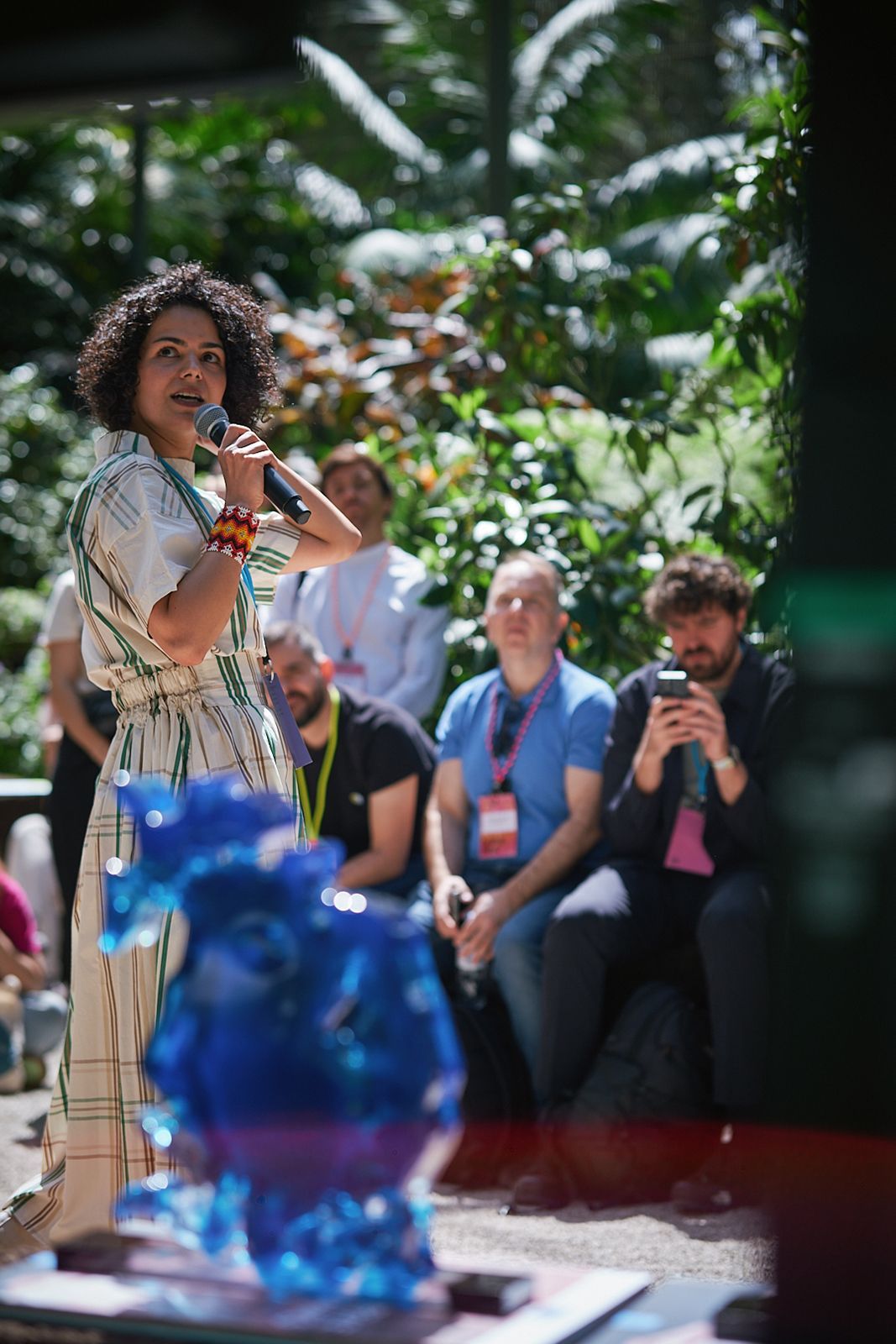
What becomes interesting is the convergence. Julia Watson alongside Bas van de Poel, or the dialogue between Immandeep Kaur and Christian Bason. These are not random pairings, but carefully composed encounters.
In many ways, this edition feels like a full-circle moment. Some of these voices have been part of our thinking since the beginning, and bringing them together now feels significant. What excites us most is not only what will happen on stage, but what will emerge in the moments in between.
Many of the conversations at Future Days revolve around long-term thinking and systemic change. In your view, what role should creativity and design play in shaping the future of our cities, institutions and societies?
Uri Casademont: Design plays a fundamental role in shaping the future because it makes complexity tangible. It turns abstract ideas into something people can understand, engage with and act upon.
As the challenges we face become more systemic, design cannot remain isolated. It needs to be embedded in how we think about cities, institutions and society as a whole.
“What excites us most is not only what will happen on stage, but what will emerge in the moments in between.”
At Future Days, we see design as a way to democratize these conversations. It creates a shared language that brings di?erent perspectives together and makes the future more accessible and representative.
Design doesn’t just shape what we build. It shapes how we understand what is possible.
Future Days has collaborated with organisations such as the United Nations Futures Laboratory and the European Commission Policy Lab. How important are these kinds of partnerships in building what you describe as a “shared infrastructure for imagination”?
Uri Casademont: Partnerships are essential because they bring different parts of the system into the same space. Institutions, corporate actors and independent voices each hold a piece of the puzzle, and meaningful progress only happens when those perspectives meet.
Without that, we risk staying within silos. And the challenges we are facing today cannot be addressed in isolation.
For us, building a shared infrastructure means creating the conditions for these worlds to connect, exchange and move towards action. It is not just about collaboration, but about alignment across sectors.
Looking ahead, how do you imagine the next chapter of Future Days? Do you see the platform continuing to evolve into a global network, connecting different cities and communities interested in futures thinking?
Uri Casademont & Meri Sahade: Yes, absolutely. Copenhagen feels like a natural next step for Future Days, but we see the platform evolving even further into a global network, where the seeds planted in Lisbon, Barcelona and now Copenhagen continue to grow and connect. The ambition is not just to expand geographically, but to build meaningful relationships between cities, communities and disciplines.
As we grow, it is important for us to maintain our multidisciplinary nature and continue collaborating with designers, storytellers, anthropologists, urbanists and other practitioners from di?erent contexts. That diversity is what gives the project its depth.
At the same time, we want to develop a more cohesive structure across locations. Not separate editions, but interconnected nodes that learn from each other and evolve together.
There is a strong desire to bring Future Days to new regions and engage with new communities and perspectives. Ultimately, the goal is not just to travel, but to build a living network of people imagining and shaping futures together.
A way of understanding the future from the present
Future Days 2026 (10–12 June) is firmly established as a key date within the international creative calendar.
Its ability to connect disciplines, activate critical thinking and translate complex ideas into tangible experiences positions it as one of the most relevant platforms for understanding how design can actively contribute to shaping the future.
Save the date!
Explore the full programme and book your tickets.