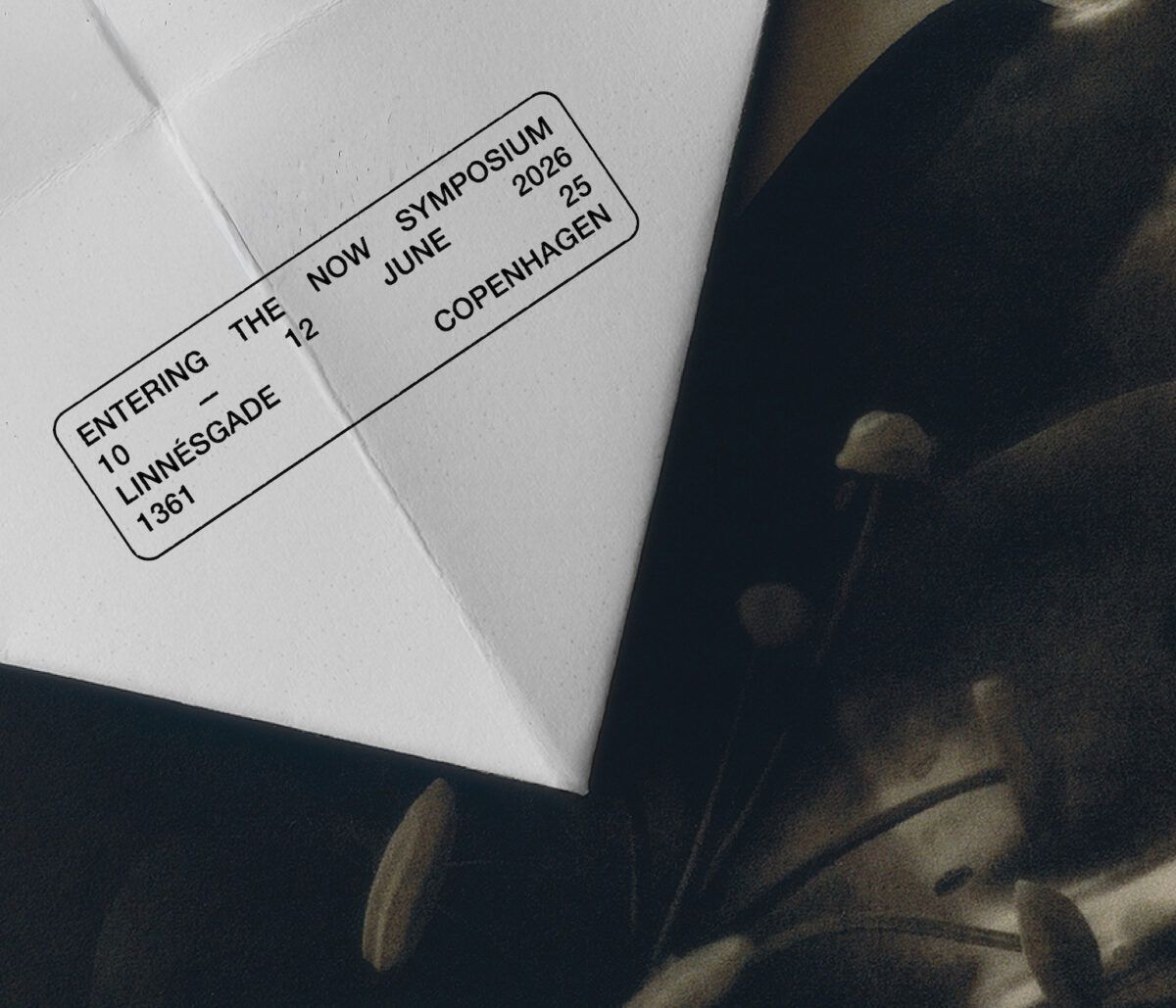
Entering the Now: designing the present
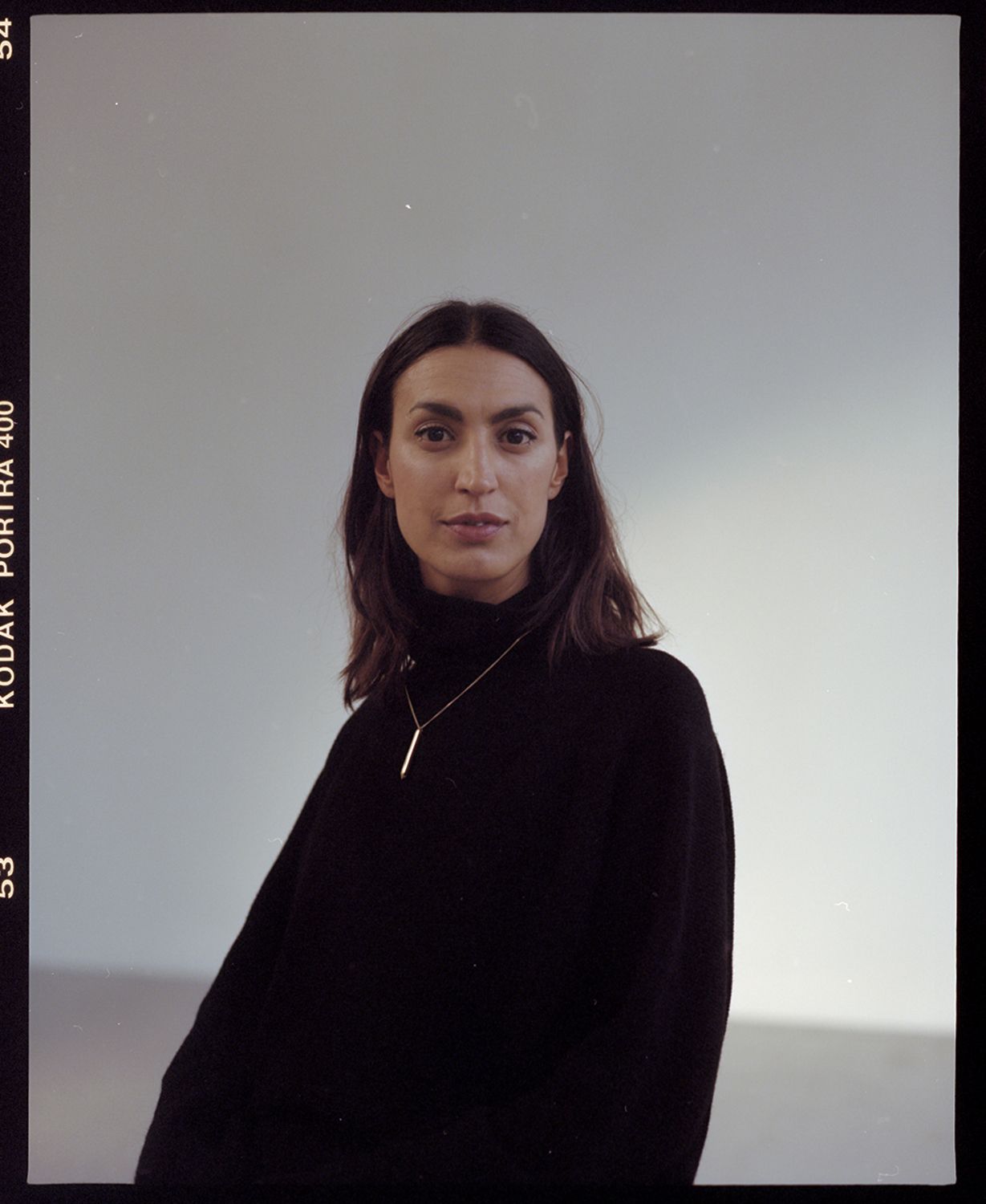
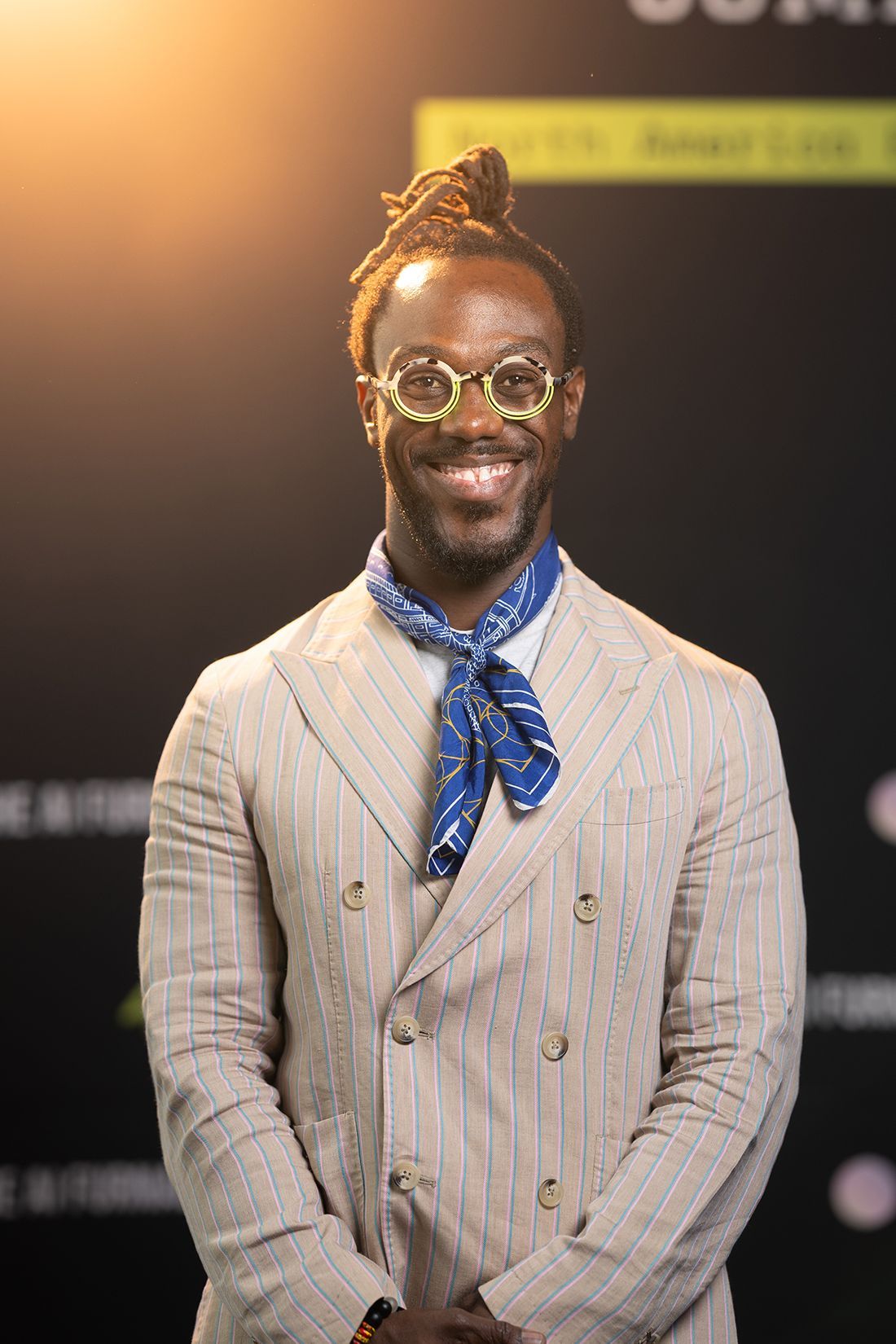
In an edition shaped by the theme “Make This Moment Matter”, 3daysofdesign 2026 introduces “Entering the Now” for the first time, a symposium curated by Tey Bannerman and Veronica D’Souza that seeks to shift attention away from abstract visions of the future and towards the urgent decisions that must be made today.
The programme brings together international voices including Paola Antonelli, Natsai Audrey Chieza, Alice Rawsthorn, Yinka Ilori and Anupama Kundoo, addressing topics such as technology, responsibility, excess, sustainability, purpose and cultural transformation.
More than a series of talks, “Entering the Now” is conceived as a conscious pause within the fast-paced rhythm of the industry. An invitation to ask not only what we will design tomorrow, but what we are doing today, with which materials, under which production models, guided by which values, and towards what kind of world.
We recently spoke with its curators, Tey Bannerman and Veronica D’Souza, about the origins of the symposium, the role of design in an era of overproduction, and the need to turn the present into a space for meaningful action.
How did the idea for the symposium emerge within the wider vision of this year’s festival?
When we started talking about this year’s theme, we were drawn to the tension at the center of it. The industry is accelerating: AI is reshaping creative processes, EU legislation is redefining what can be made and sold, markets are shifting. Within all of that momentum, it can feel like direction is being set for us.
“Make This Moment Matter” pushes back on that. The intent is to create a space where the community stops and asks: what are we actually doing this for? We wanted the programme to sit at the intersection of the personal and the systemic – individual conviction meeting industry-wide change.
“The now happens whether you chose it or not.”
The now happens whether you chose it or not. The name is intentional, turning “Entering The Now” into a deliberate action. Both physically stepping into the symposium, and philosophically asking what is important right now and sit with it together.
Why was it important for the festival to create a symposium focused on responsibility, awareness, and meaningful action?
Design has enormous influence over how people live, consume, and relate to each other. That influence has always carried responsibility, but for a long time the industry could treat sustainability and ethics as optional extras – nice to talk about at a panel, easy to ignore on Monday morning. We believe that’s no longer viable.
New legislations are embedding circularity into the rules of how we work. AI is raising questions about authorship, labour, and creative agency. We wanted to engage with all of these tensions directly.
We design in abundance. And we’ve designed a world with overproduction and overconsumption that is costing us our earth.
A design festival is a perfect time to pause and ask why and for what we are creating. And how we can use our creative forces to direct our attention towards what it is we want to live in and leave behind.
Why is the shift from designing the future to engaging with the present especially relevant right now?
There’s a habit in design culture of projecting forward: “the future of living”, “the home of 2040”. It’s seductive, and definitely useful. But it also lets us off the hook.
If the future is where the real work happens, then the present becomes a transition – something to get through rather than something to take seriously. But the most consequential design decisions aren’t made in some imagined tomorrow; they’re made now – in the material you choose this week, the business model you commit to this quarter, the project you say yes or no to today.
“Entering The Now” asks designers to treat those decisions with the weight they deserve.
How did you approach curating conversations that are both intellectually stimulating and practically relevant?
The best thinking happens at the edges between disciplines. That shaped everything about the curation. We have a curator who has literally shaped the definition of design as we know it today, alongside a biodesigner growing materials from living bacteria, alongside a feminist economist rewriting how we value care, alongside architects whose buildings are in MoMA‘s collection but are built from mud and community labour.
The practical relevance comes from friction – when a scientist challenges how an architect thinks about presence, or an economist and a hospitality pioneer disagree about what “enough” looks like. That’s where the real insight emerges. Comfortable conversations don’t produce new thinking.
What dialogues or unexpected connections are you hoping will emerge?
Honestly? We’re most excited about the collisions we haven’t predicted. That’s the value of putting Paola Antonelli‘s curatorial intelligence in the same symposium as Anupama Kundoo‘s radical material practice – one expands the definition of design from inside institutions, the other redefines it from the ground up, literally.
Alice Rawsthorn brings the critical lens that connects them. And then Yinka Ilori walks in and reminds everyone that design can be joyful and serious at the same time.
We hope people leave feeling that the boundaries they thought existed between their discipline and someone else’s are more fluid than they imagined.
How important was it to create an experience beyond the traditional conference format?
How you do something signals what you believe. If we’re asking people to slow down and pay attention, the space needs to support that – it can’t be a convention center with fluorescent lighting and lanyards.
Working with partners like Anthropic and Delta allowed us to create layers within the experience.
There’s the intellectual layer: the talks and conversations. The practical layer: the hands-on AI workshop where designers work with Claude on real problems from their own practice. And the reflective layer: spaces designed for pause, conversation, and genuine human connection.
Those layers together create something richer than any single static format.
Why could “Entering the Now” become one of the defining conversations of the festival?
Because we’re asking a question that we believe the design industry has been avoiding. We talk about “the future of design”. We talk about innovation, disruption, transformation. All forward-facing language.
“Entering The Now” asks something harder: are you paying attention to the decisions you’re making today? Are they aligned with what you actually believe? That’s a more uncomfortable question than “what will design look like in 2030” – and a far more useful one.
If the symposium does its job, people will leave Copenhagen thinking differently about the work right in front of them. That’s what makes a conversation defining – when it changes what happens tomorrow morning.
“If the symposium does its job, people will leave Copenhagen thinking differently about the work right in front of them.”
Designing from the Present
At a time when the creative industry seems caught between technological fascination, ecological urgency and the constant pressure to produce something new, Entering the Now proposes something apparently simple yet profoundly radical: to pause.
Not to abandon the future, but to recognise that the future is being designed right now. In every material decision, every business model, every uncomfortable conversation, and every project that chooses not to simply add yet another object to the world.
Within 3daysofdesign, the symposium not only expands the festival’s programme, but also introduces a necessary question: if design has the power to shape contemporary life, what kind of present are we willing to build with it?
Tickets can be purchased via this link.
(*) Images courtesy of 3daysofdesign.