Lykke Coffee: when coffee becomes a way of doing things right
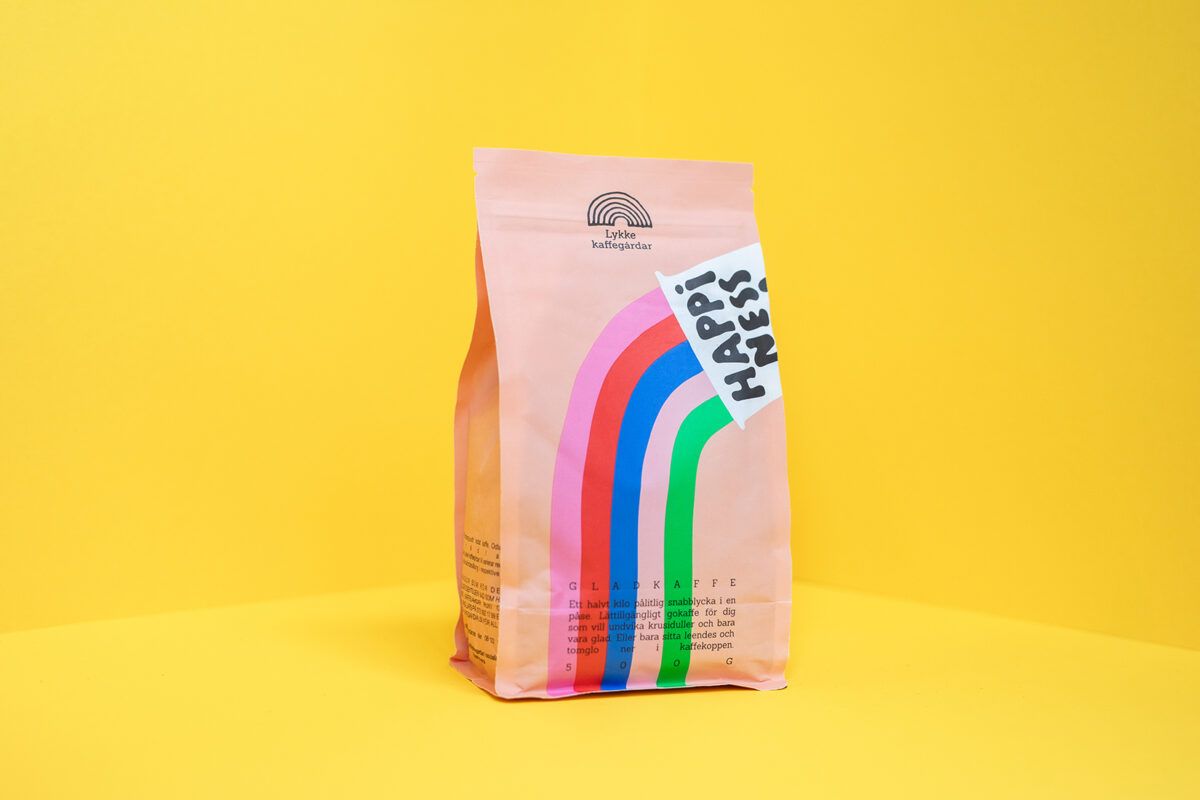
For some time now, Lykke has become our coffee of choice. We discovered it in Berlin almost by chance and, as often happens with projects that end up staying with you, we were first drawn in by its packaging and graphic universe: colour, visual intelligence and an identity that feels refreshingly uncommon within the world of coffee. Then came the moment of tasting it — and there was no turning back.
But beyond flavour, what truly won us over was everything behind it. At CC/magazine, we love getting to know the stories that support and shape the projects we admire. That is why we recently spoke with Johan Damgaard, co-founder of Lykke, about the origins of the brand, what it means to be an entrepreneur today, the complexities of founding a coffee company from scratch and, above all, the real purpose behind every decision.
Reading this interview makes one thing clear: another way of doing business is not only possible, but necessary. It shows that it is possible to think beyond oneself, beyond immediate profit or growth for growth’s sake. That work — when done with coherence, respect and joy — can have a positive impact on both people and the planet. Lykke does not speak about happiness as an empty slogan; it practices it from the very beginning: from the land, from human relationships, and from an honest way of understanding design, production and consumption.
Perhaps that is the key. A reminder that enjoying a good cup of coffee can also be a conscious act. One that feels good. And that, ultimately, does good.
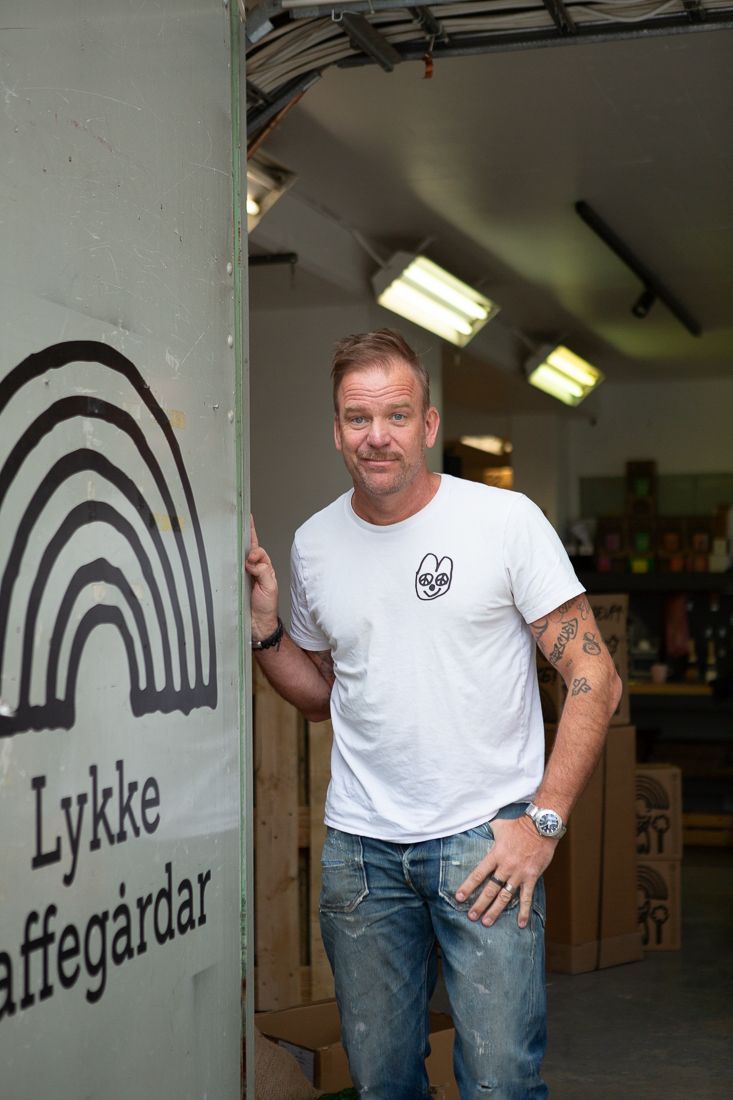
Let’s start at the beginning: How and when was Lykke founded, and who are the people behind this visionary coffee project?
Lykke was founded in January 2020. We started right in time for COVID-19. :) We had established two of our farm projects in El Salvador and Peru one year earlier, but it wasn’t the start of Lykke. It was more an idea of starting to produce coffee with some farmer friends.
Lars Pilengrim, one of the founders, called me and asked if I wanted to start growing coffee with the farmers, since it was the only thing we hadn’t done within coffee.
My background was coffee, founding another roastery with some other friends called Johan & Nyström back in 2004.
Lars was, back then, the sourcing guy, travelling all over the world buying coffee for us, then he became a good friende and also one of the partners. But this time we wanted to do it a bit differently.
I have had other projects after my former roastery in other sustainable brands and ideas, but I decided to return to coffee. The idea and the projects sounded too much fun.
Lars’ wife Carolina also jumped on the train as responsible for teas, and then we needed some wise guys, so Johan Wellander, my former board member and friend, also jumped on the project. And except that some of the farmers are partners today, a lot of people on the staff were invited to become partners. It gives us a lot of energy and power running our company and coffee project when everyone is working for themselves.
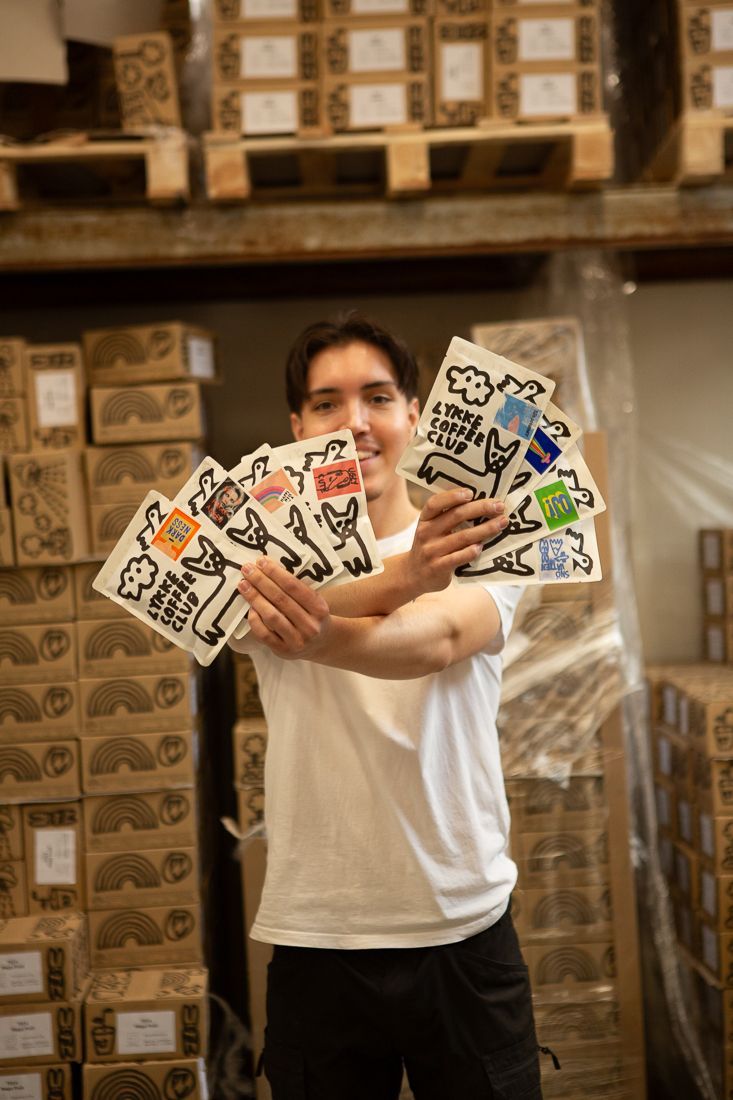
“Some of the farmers are partners today, a lot of people on the staff were invited to become partners.”
Your name, Lykke, means “happiness” in Swedish — how did you come up with it, and what does it represent in the context of your brand philosophy?
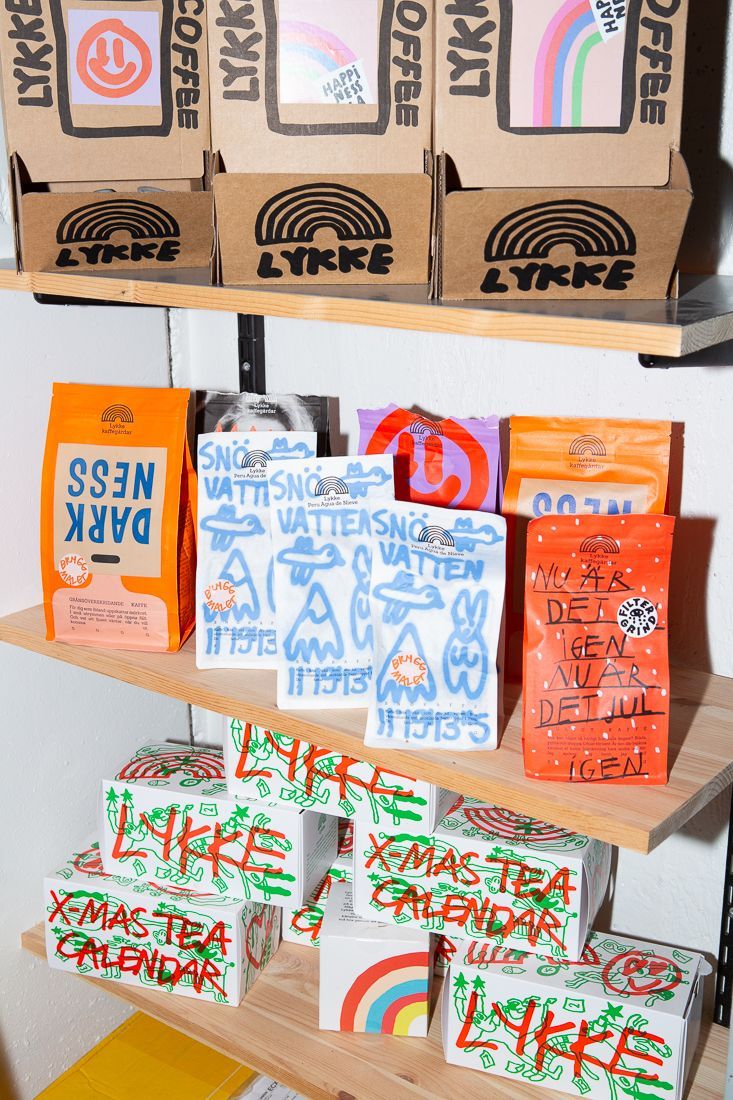
We sat down and asked ourselves, coming from other bigger companies, what we missed in our lives. Joy. And then we wanted a name with double consonants. Lykke is perfect.
I had just named my fourth daughter Lykke and was already planning back then to use it somehow in a business. Not for the daughter thing — it is a great short name that gives a good feeling in the Nordics.
We added the rainbow and all the colours are our colours. Not only one colour, like many other brands do.
What was the original spark or motivation behind creating a coffee company that owns its own farms and closes the gap between origin, roasting, and storytelling?
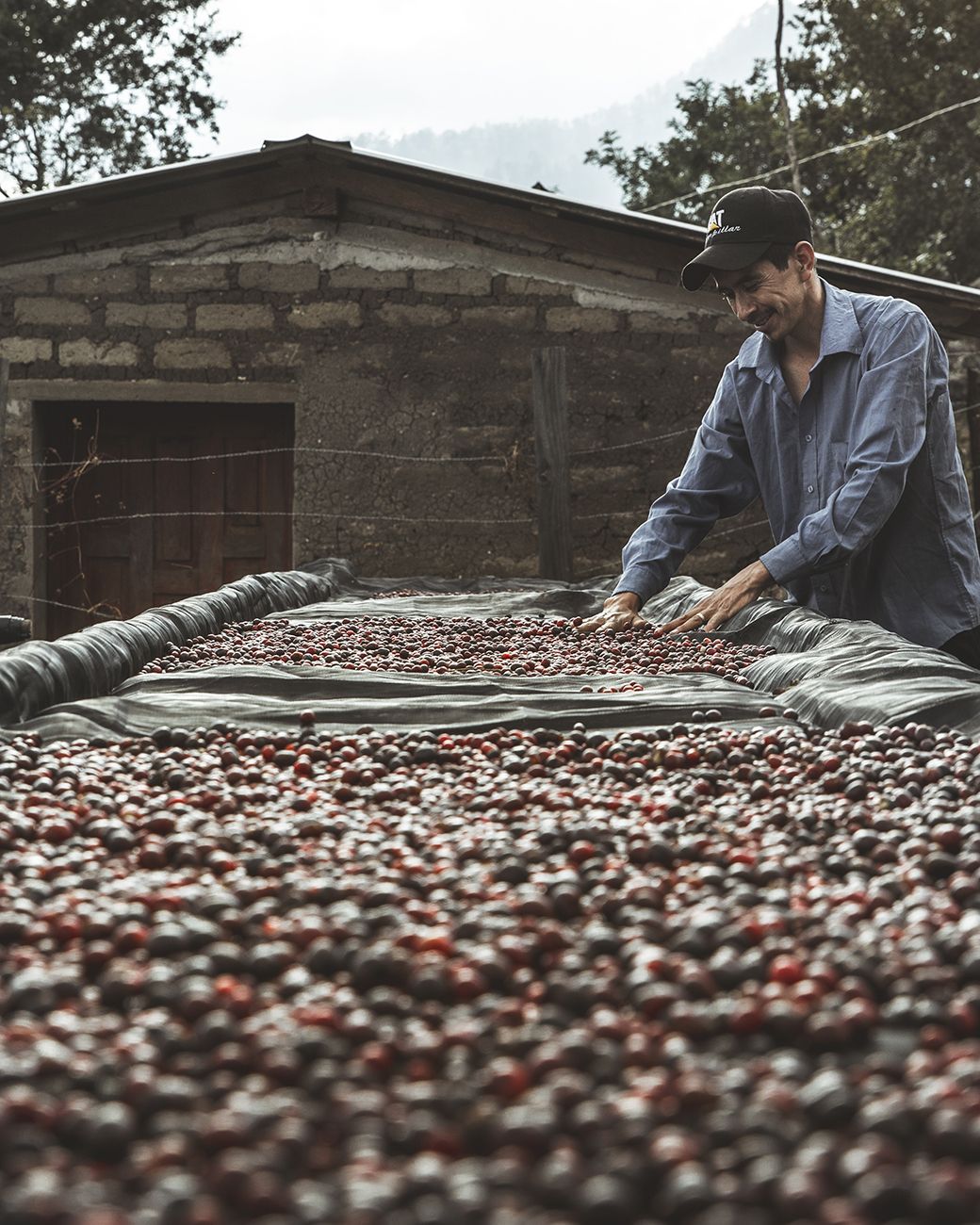
The plan was first to run farms and sell green beans together with the farmers and divide some of the profits. Today, the value of a cup of coffee is created where it’s served. We wanted a more circular model and to share the profits with the farmers. Second, we want to control and secure how our coffee is produced.
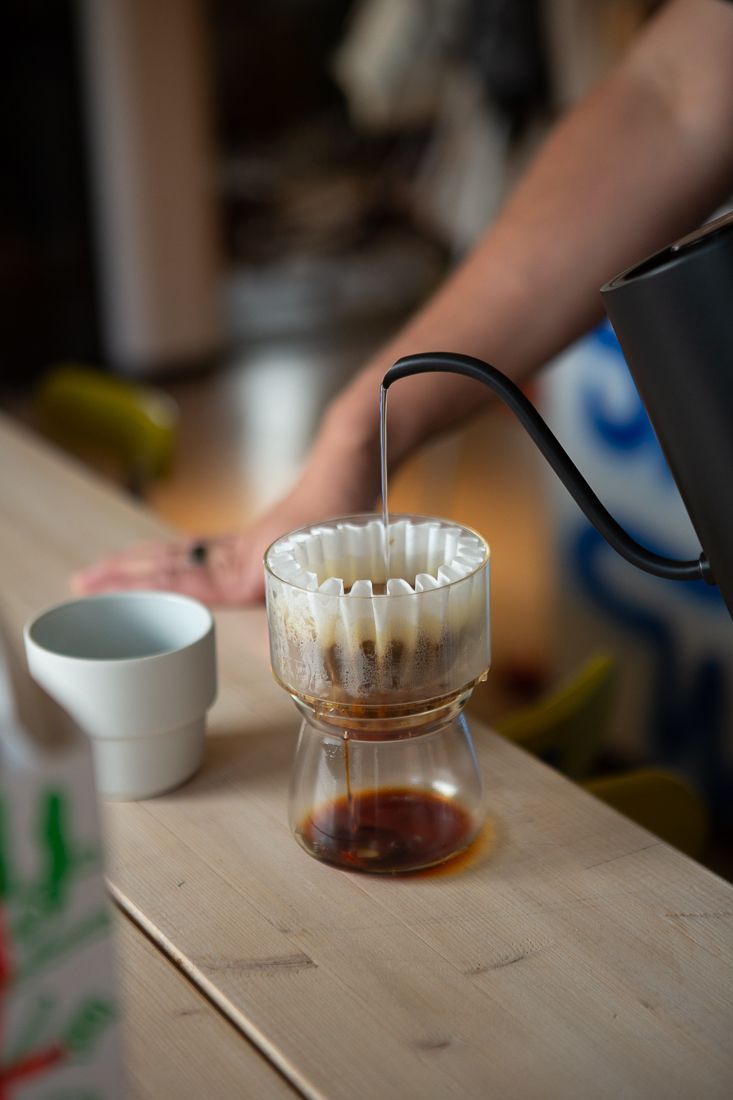
The most common thing is that you buy coffee as a specialty roaster from a middleman; sometimes you can buy directly from the farmer if you have really great volumes.
By 2050, the climate will have destroyed a lot of coffee volumes in the world — but not if we produce at high altitude, let the coffee grow within nature (agroforestry), try to avoid monocultures, yes, regenerative farming, and take care of everything that is grown on the farm instead of buying pesticides and fertilizers.
Like we all produced stuff back in the day. So, in short: to secure sustainable farming and share the profits with our partners — the farmers, who are also partners in our Swedish company. Equalize.
Launching a purpose-driven company is never easy. What were the biggest challenges you faced when starting Lykke, and how did you overcome them?
We actually don’t know how it is to run Lykke in good times. We have been through COVID, then inflation and increased container costs when e-commerce exploded, then some war and increased costs for energy, then some Trump and tariffs… hahaha.
Hopefully 2026 will be the year when things turn. But who said it should be easy to run a company?
The good thing is that we have a lot of customers and people supporting the good cause by buying our coffee and tea. :)
You mention working directly in origin across countries like Brazil, Peru, El Salvador, and now Uganda. How do you select the regions and communities you collaborate with?
First, we tried to look for high-altitude locations, and then origins where we knew people. Then maybe not the obvious origins like Ethiopia, Kenya and Brazil (we ended up in Brazil anyway, since the coffees are great).
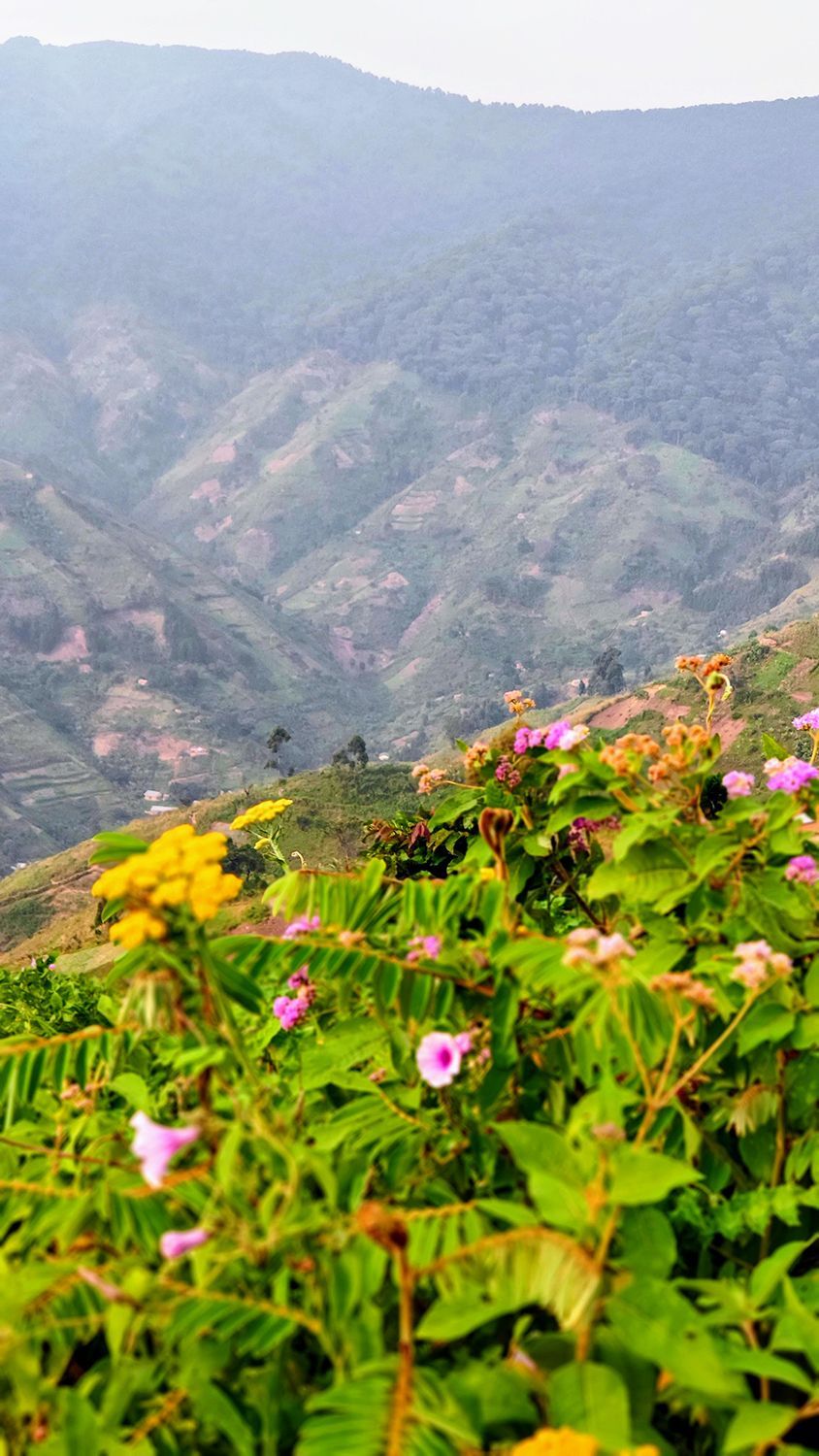
For example, in Uganda, you have the same terroir as in Kenya, with volcanic soils and high altitude, but Uganda is historically not the best coffee origin like its neighbour Kenya. But today we produce amazing coffees in Uganda. In each origin and farm, we are very close to the local communities.
Almost all roasters in the world buy different and new coffees depending on price, etc. But we have more than financial and sustainable interests in our farms and will work with and help them for as long as Lykke is running. It’s the most sustainable way, and our farmers are safe investing in the farms, knowing that our volumes are increasing every year.
Could you tell us more about your farms — where they are located, how they operate, and how they contribute to your mission of sustainability and fairness?
The short version: I’m enclosing our impact report, where you can read all about our different projects.
We have different projects in four or five different origins:
1) One of the origins is in Panama, La Mula, where we have a piece of land that is not active at all due to COVID. The trees, mostly Geisha varieties, are growing wild since we haven’t had the time or focus yet to decide what to do.
2) El Salvador, El Pital — our first piece of land we invested in — is producing coffee. Some of it comes from 100-year-old trees that have started to produce coffee again after some nurture. But we also buy cherries from our neighbours in the district, helping them grow coffee the right way, which gives them a higher yield and therefore a higher price for their work.
3) Brazil, Caparaó, where we have invested in a bus driving around and educating farmers to grow better coffee for the same reasons as above. We call it Lado a Lado, hand in hand with the farmers. We are not only growing and producing; we are also the channel out to the market, so we can guarantee that the different projects we are involved in also have a demand for coffee to buy and sell.
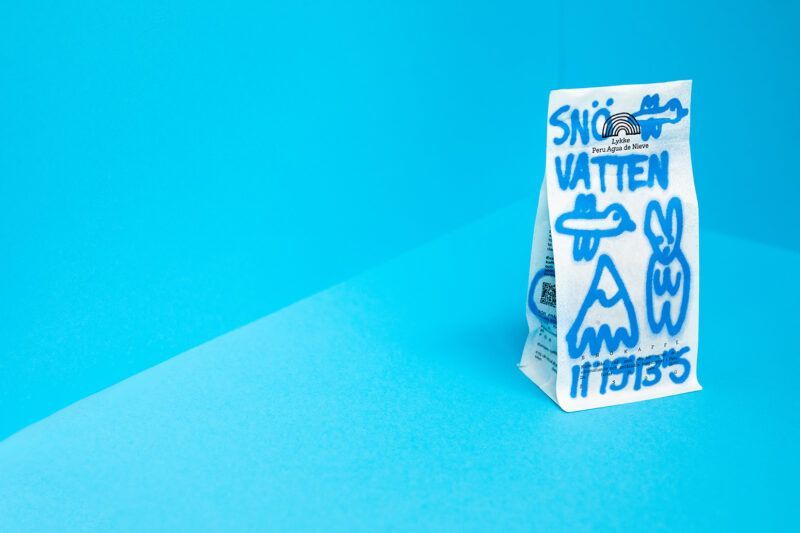
4) Peru, Agua de Nieve, a piece of land up on the slopes of the Andes where we are planning to grow great coffees. We work closely with the farmers here and the community, also buying cherries from the neighbours to fill the quota since we don’t yet have enough coffee ourselves. But we will always grow together.
5) Uganda, Mount Rwenzori Mountains — our latest project and probably the largest, where we do everything from scouting, planning coffees to processing them at the processing station we built, where we can also process coffees from our neighbours.
“We are very close to the local communities.”
One of our financers in Uganda, We Effect, is one of the Swedish international aid-funded organizations active in this area. Instead of aid, we are loaning funds that will be repaid. It’s a new kind of model that everyone likes. Especially the Swedish government.
How would you describe the ‘Scandinavian mindset’ behind Lykke — especially in terms of minimalism, transparency, and respect for people and nature?
Even if we have a minimalistic view in Scandinavia, I think we have tried to be a bit more disruptive at Lykke. In all decisions, we try to find new ways or models. It becomes more interesting then.
The respect for nature and people is something you get from birth in Sweden. We have things like the “allemansrätt” (the all men’s right). You’re free to go almost everywhere in nature as long as you leave it as it was. We are fostered to be nice to people, and I think that Swedish morale in general is quite easy to find everywhere.
The leaders of Lykke just want people to be happy at work. We spend too much time at work to be unhappy. We lead in a pragmatic way: find the best people we can find and then let them do their job. We only correct if it’s going sideways.
If people are happy and feel productive and proud of their work, it will spill over, and we as the founders will also enjoy coming to work every day. :)
Your branding is striking, playful, and full of personality. Who is the creative mind or team behind your illustrations and visual identity?
I’m probably not the best CEO you can find, but my brain never stops thinking about beautiful things I see — design, interiors, colours, music, ideas, etc. — and how we can transform them into products that give people a craving. So I guess I’m a good marketing, creative CEO.
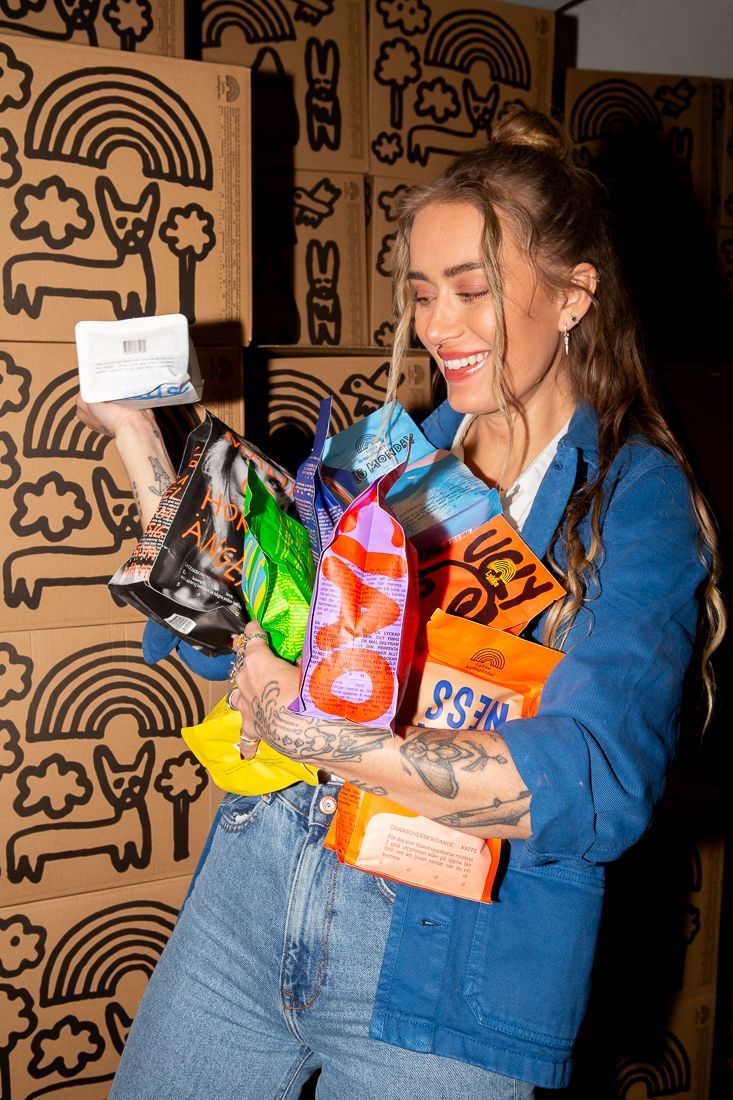
After we get an idea for a new product or packaging, I place those ideas with people I’ve known for many years: art directors, different illustrators, etc. Then we work together towards the design. I’m still the one doing all the copywriting and like relaxed, witty but interesting copy.
The design rule I set six years ago is that we don’t have any rules. And I’ve always asked creative people around me if this is the most creative thing they want to do. I mean, we don’t have any rules. And we always end up with something new and special. It’s seldom the same, and in some strange way it has become the Lykke way in the end after all.
So there are always a lot of people involved, but as someone said: design is not a democracy, and five people can´t decide the flavour of a pizza. So even if I listen around and gather all creative ideas, it’s me who makes the final decision in the end.
And I can be irritatingly picky when it comes to PMS codes, small words or details until I’m happy. :)
“We just want people to be happy at work. We spend too much time at work to be unhappy.”
The Lykke Can is one of your most unique packaging formats — a monthly experience with a strong story behind each edition. How did the idea of coffee in a can come about?
My friend and partner Lars is a beer nerd like me — but worse. He was experimenting with a can machine for beer and then came up with the idea of packing coffee in a can. It’s dark, a totally closed environment, and probably the most sustainable material, as 80% of all aluminium in the world is still recycled in an everlasting loop.
It’s a nerdy packaging with nerdy coffee in it. In the cans, we are allowed to do whatever small project or idea coming from the farms. It can be small lots, new types of varieties, differently processed, etc.
And as a subscriber and member of the Lykke Coffee Club, you will be invited into a more nerdy Lykke world, getting one new can each month before everyone else.
We’re curious about the names of your coffees — from Happiness to BAM BAM, Ugly Cute or Snövatten. Can you share the stories or inspirations behind some of them?
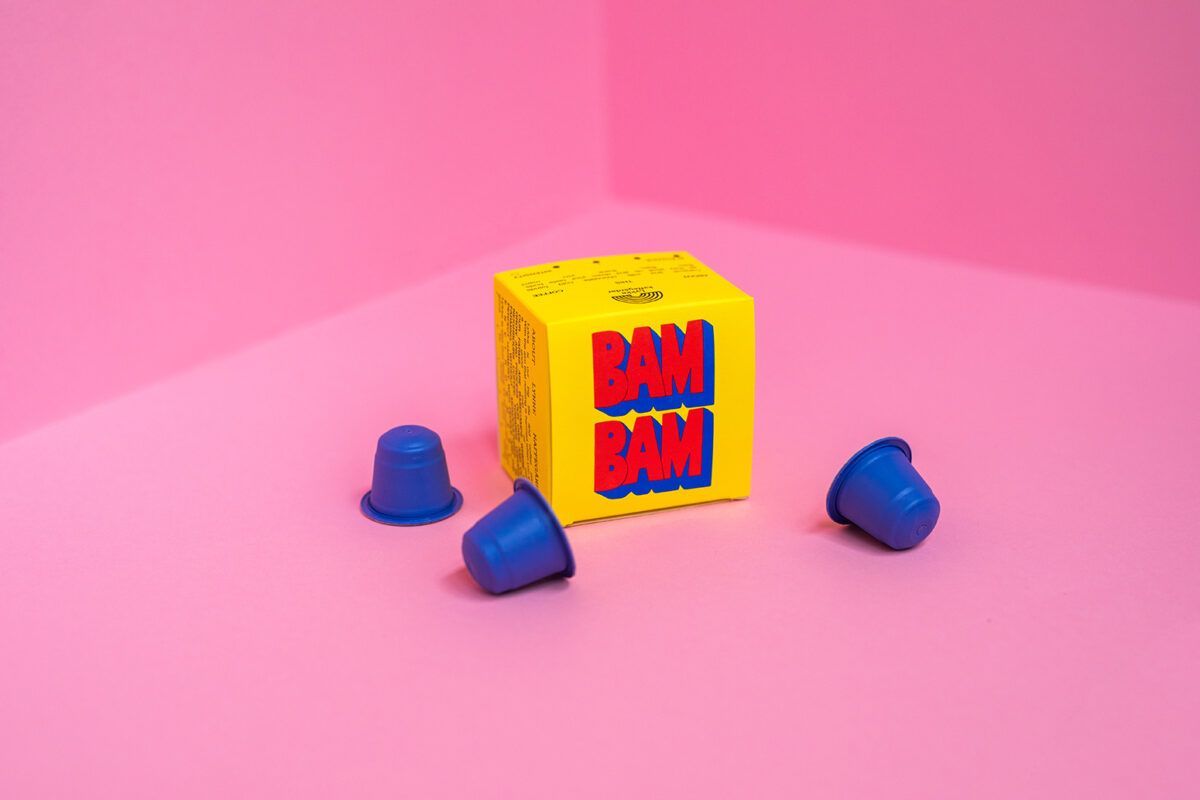
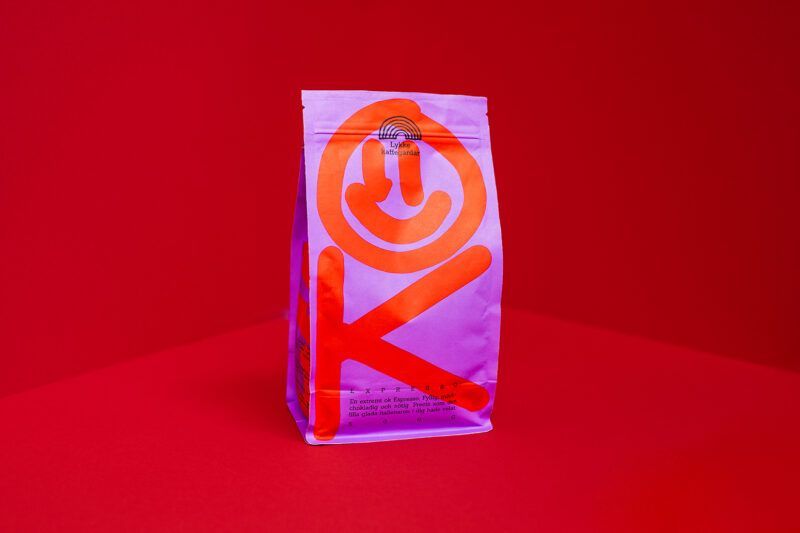
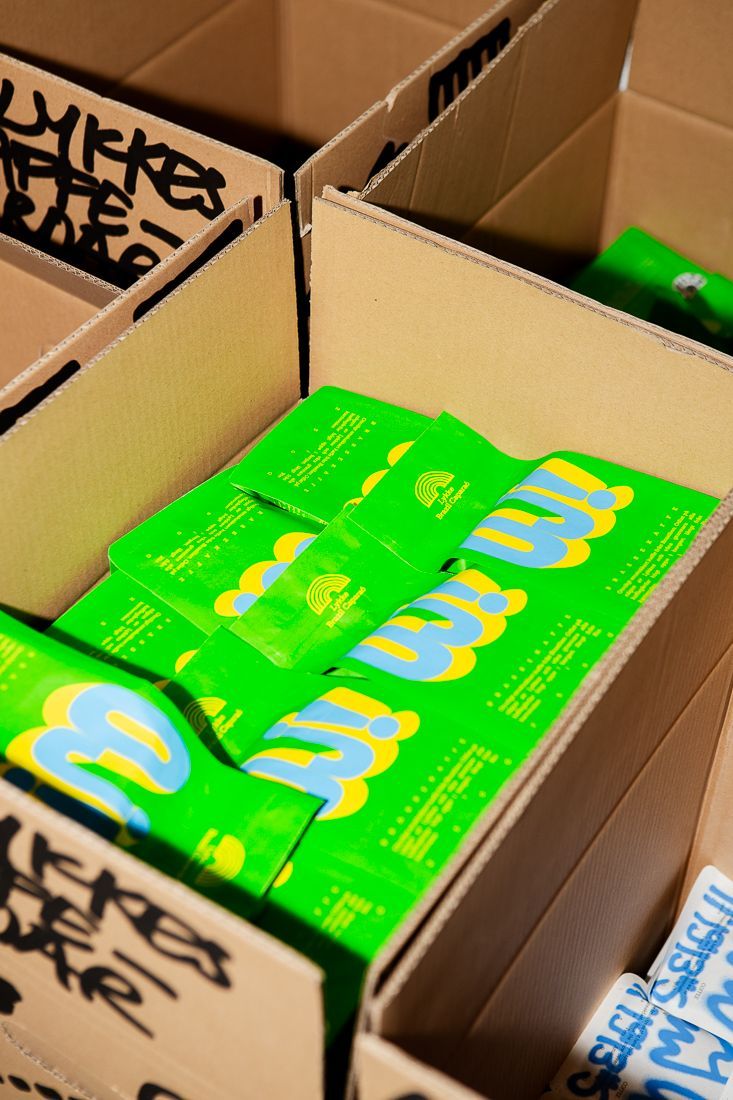
It actually just falls over us — or me. Bam Bam was an illustration from a Swedish artist named Andreas Samuelsson. We loved the colour combination and the name and asked if we could use it.
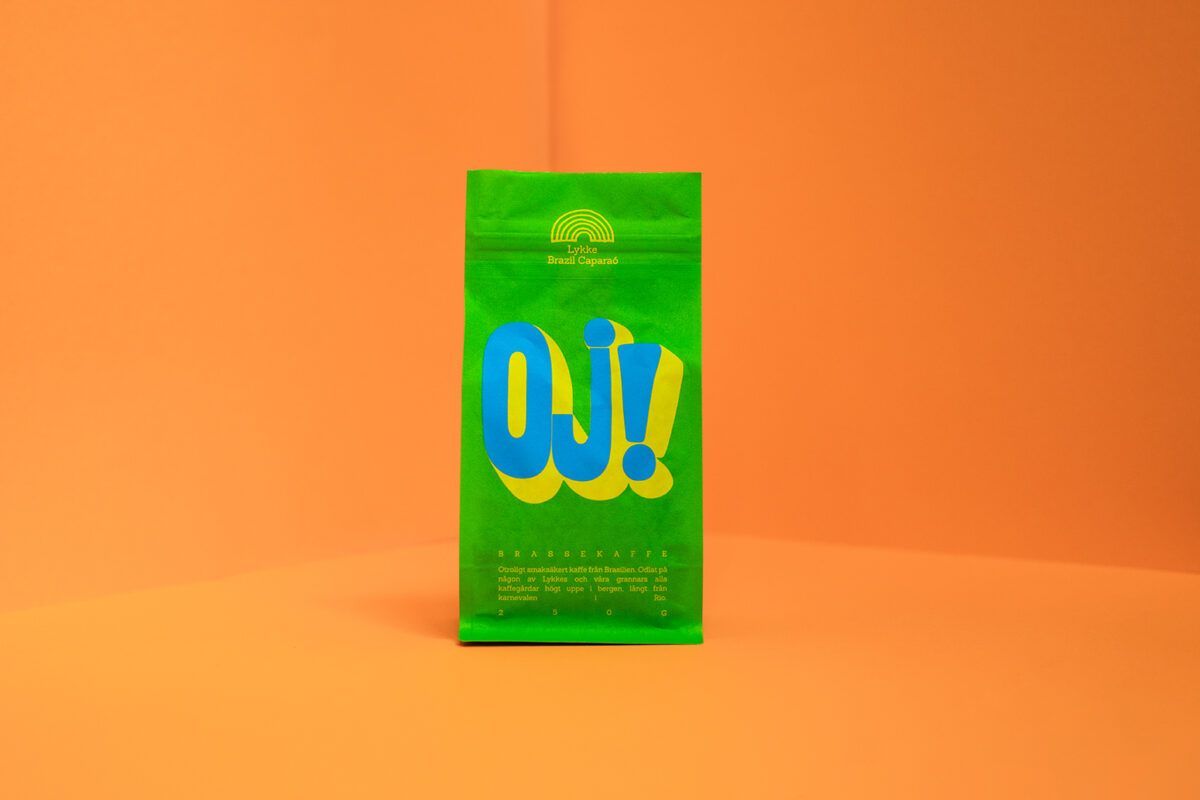
Happiness was an easy choice, placing a pink bag with a rainbow. But the secret story was that it was supposed to be named 16:20. We thought it was too much. :) The farm in Peru is called Agua de Nieve — Snow Water, or Snövatten in Swedish. OJ is “hello” in Brazil for the Brazilian coffee; in Sweden, OJ is like “oops”.
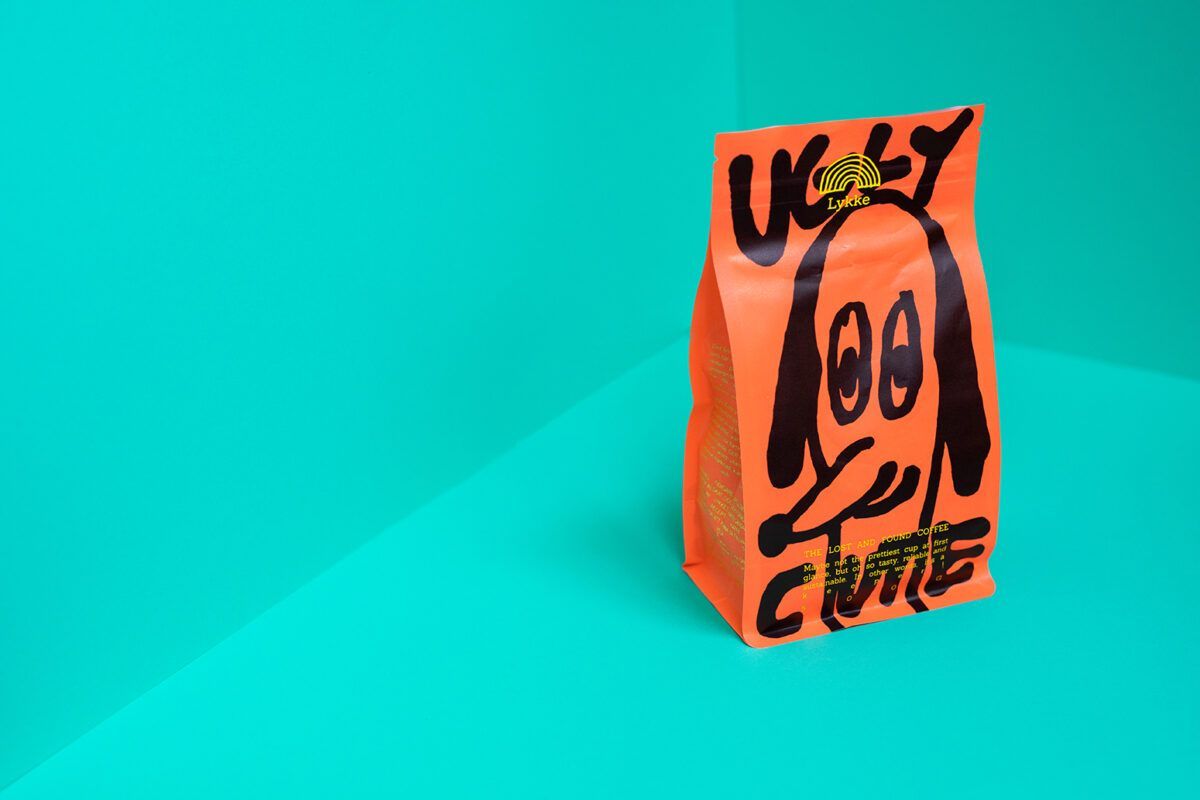
And so on. Big Monday is a great surfing wave outside the coast of El Salvador, and much easier to remember than El Salvador, El Pital. UFO came after the illustration of a UFO, and we decided to name the coffee “The Ugandan Farming Odyssey”. Ugly Cute — not the best-looking beans, but we take care of them all and they taste great.
Could you walk us through how you develop each product — from naming and design to bean selection and roast profile?
First, there is a need or an idea for a new product. Then I try to find a working name. Sometimes I think of a design or a design idea at an early stage. The name doesn’t always have to describe the product: it can describe the feeling I want the customers or receivers to find. What feeling should the product bring?
After the idea and pitch, our Art Director Karin Ahlgren and the designer Kelly Lansman come up with a design idea based on the pitch. Sometimes we try photography; sometimes we do digital designs. Like I said, the feeling right there and then decides.
The last thing is to put words on the products. For example, Darkness. We needed a darker roasted blend for our customers. What’s the feeling of darkness? We came up with the idea that darkness is when you put a box over your head, together with the illustrator Andreas Samuelsson.
Karin and Kelly gave us some colour suggestions, and we picked the one we didn’t have: orange. Orange works well with the contrast colour, blue. And none of us actually likes dark roasted coffee, so I wrote a text about people enjoying darkness, but that the light is waiting for them when they decide to come out. So I was actually mocking people who like darker roasted coffee — but in a kind way, hoping they might want to try lighter coffees in the future.
It’s one of our best-selling coffees, so people don’t seem to be willing to come out. :)
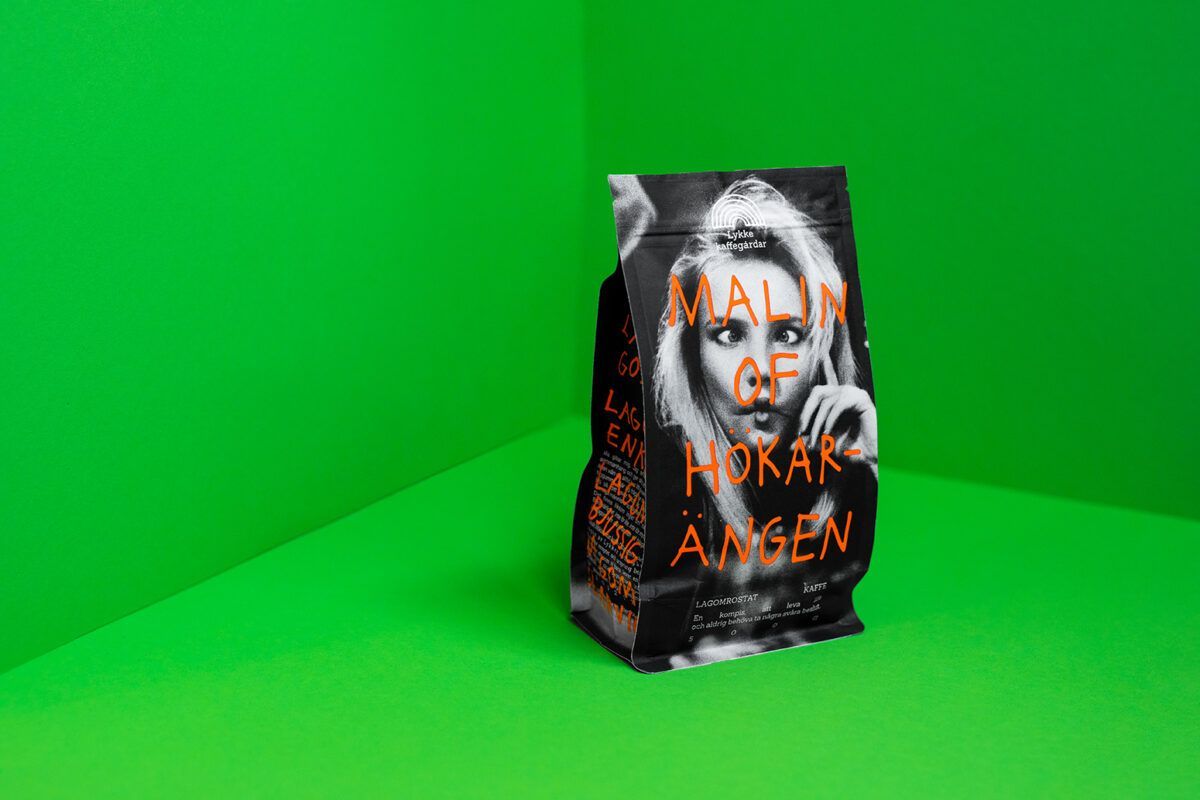
What makes each blend unique in terms of bean variety, origin, and the flavour profile you aim to deliver — for example, what defines “Big Monday” versus “OJ!” or “Malin of Hökarängen”?
All the products fill a need for our customers, but we decided not to call them light roast, medium roast, or dark roast.
All our 500 g bags are coffees to use in volume. Happiness is the lightest one — fruity, light, nice. Then came Darkness, which I mentioned. And then people started to ask for something in between: not too light and not too dark. So I came up with the idea to have something mainstream. There is a word in Swedish called “lagom” — not too little, not too much.
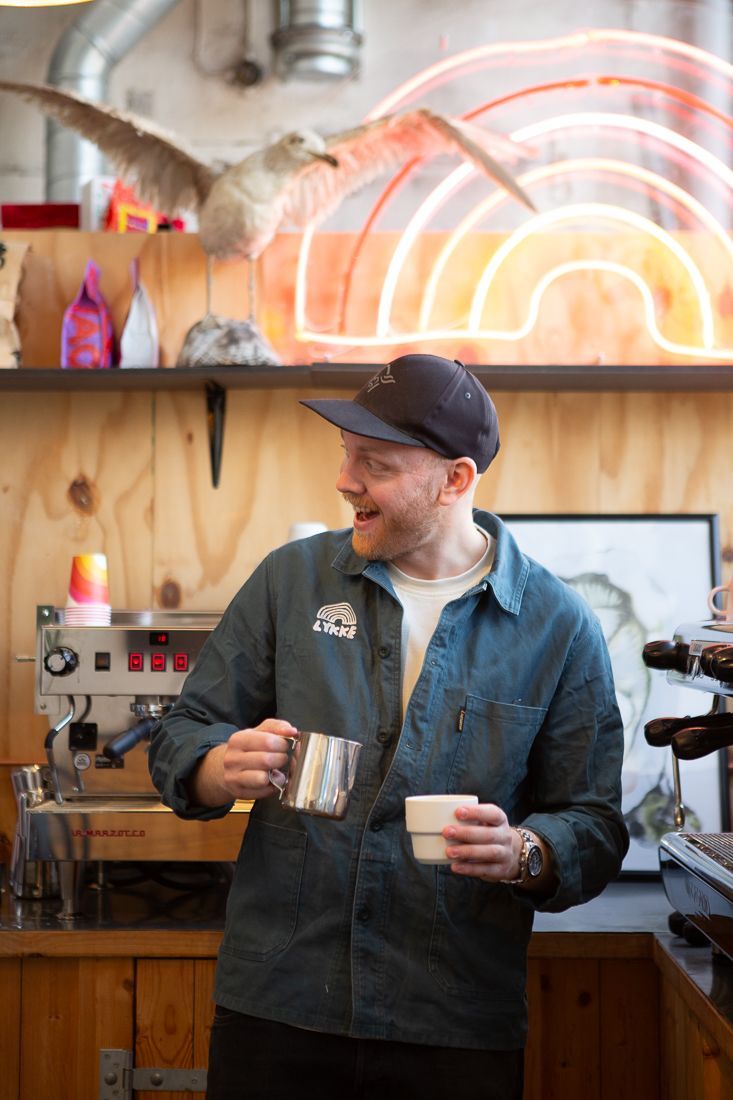
I wanted to use a photograph and found a photographer in Sweden who took the picture of the woman back in ’83. The ’80s are always fun with the hair, etc. But I changed the name to Malin, which is a common name for women born in the eighties. Ugly Cute is darker than Darkness.
Then we have the origin coffees in 250 g bags. We haven’t changed anything — they taste like they taste from each origin. We can’t change the taste; we just try to bring out the best from each origin and bean. We only work with four origins, but they will most likely taste a bit different each year, depending on what’s going on at the farms.
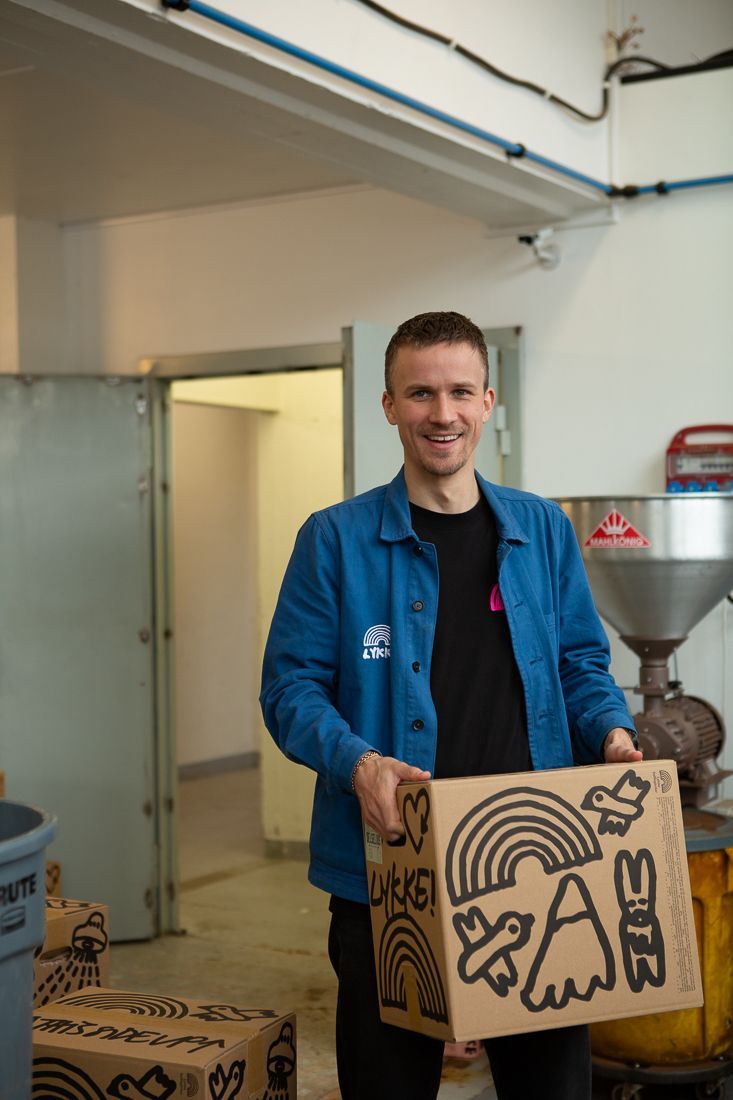
Beyond coffee, your tea line and upcoming Matcha reflect the same clean, quality-first approach. What guided your expansion into these products?
I come from a world where tea has always been a part of a coffee roaster’s world. If you don’t drink coffee, you drink tea. So we can’t leave anyone out in the cold.
I have sold teas in an earlier life, and Carolina Pilengrim was in charge of all the 100 different teas we sold. But there were always a top eight teas selling best, so we decided to take those eight top-selling teas — their flavours and character — which ended up in Lykke’s tea assortment.
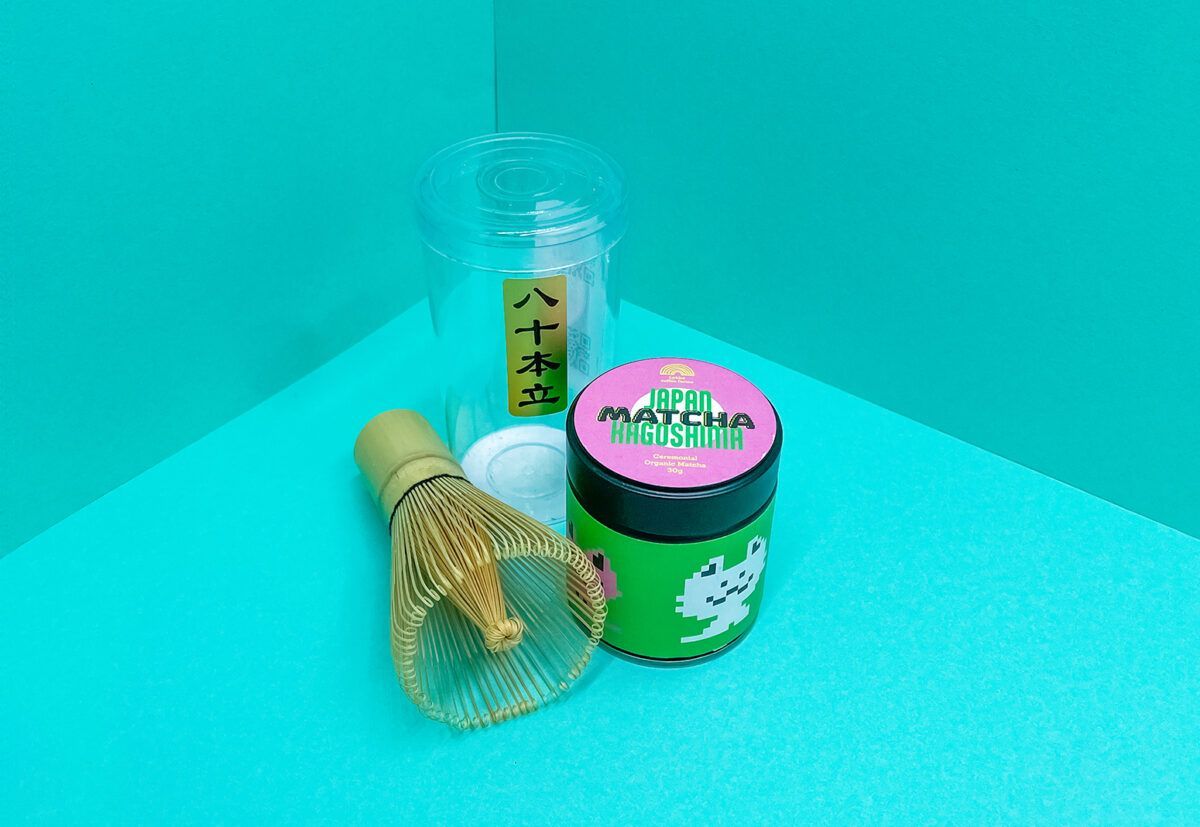
We have both tea bags, which are more convenient, and loose teas. Matcha became a huge trend but wasn’t that important in the beginning, so I gave the design project to some design students. But now I know better, and it’s fun to create design.
In April, we are launching our new matcha with a new design, sold in three different series, including a Hojicha (roasted green tea leaves, ground).
“In April, we are launching our new matcha with a new design.”
I can probably send pictures depending on when you will publish. I get the first samples of the products in two weeks.
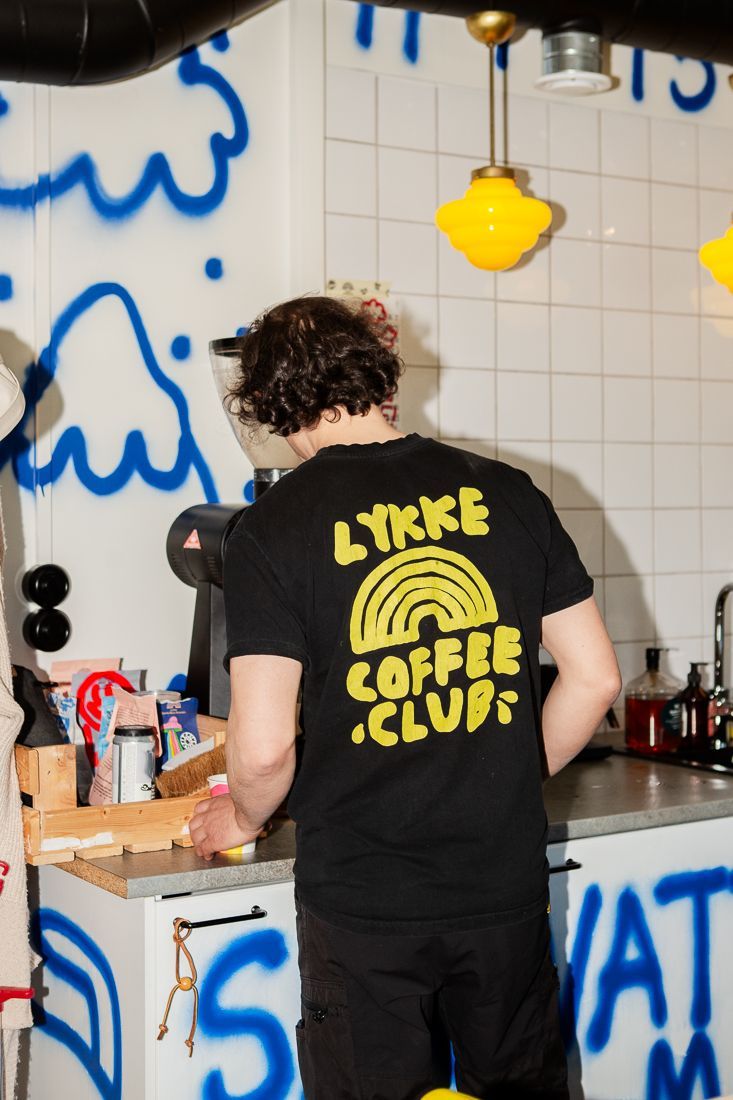
What is the concept behind your Edition Cans — how do you select the coffee, process, and origin each month?
See above, but in the cans we can mix and try all types of processing methods coming from the farms. All experiments regarding coffee will be in the cans.
For example, we will launch a variety called Laurina with naturally low caffeine that we have planted in El Salvador.
We also have a great new product that is coffee — but not only coffee. You will love the design, but I can’t tell you until we launch. Maybe once again, depending on when you publish.
Let’s talk about “Happiness”, your everyday filter coffee — what makes it special in terms of blend, roast, and intended experience?
It’s the everyday coffee. We have chosen more fruity beans from El Salvador, Uganda and Peru, and we roast it a bit brighter. You can drink it “en masse” because of its lighter character.
All coffees in the 500 g bags are blends. It’s our best-selling coffee and Lykke in persona. It’s hard to feel anything other than happiness when you see the bag. :)
Do you have any upcoming launches or collaborations you can share with us? Any new farms, products, or experiences on the horizon for 2026–2027?
YES!!! We are launching a Lykke brew bag in a happy design. We are launching a lot of new cans. There will be some more teas. The new matcha design just arrived. And then our revolutionary product — I will tell you more about that. Yes!
We are also discussing some new projects at the farms: planting more coffee in Peru and finding a piece of land in Brazil as a base for our projects there. Let’s see where we are when you publish, and I can probably add some more info or design.
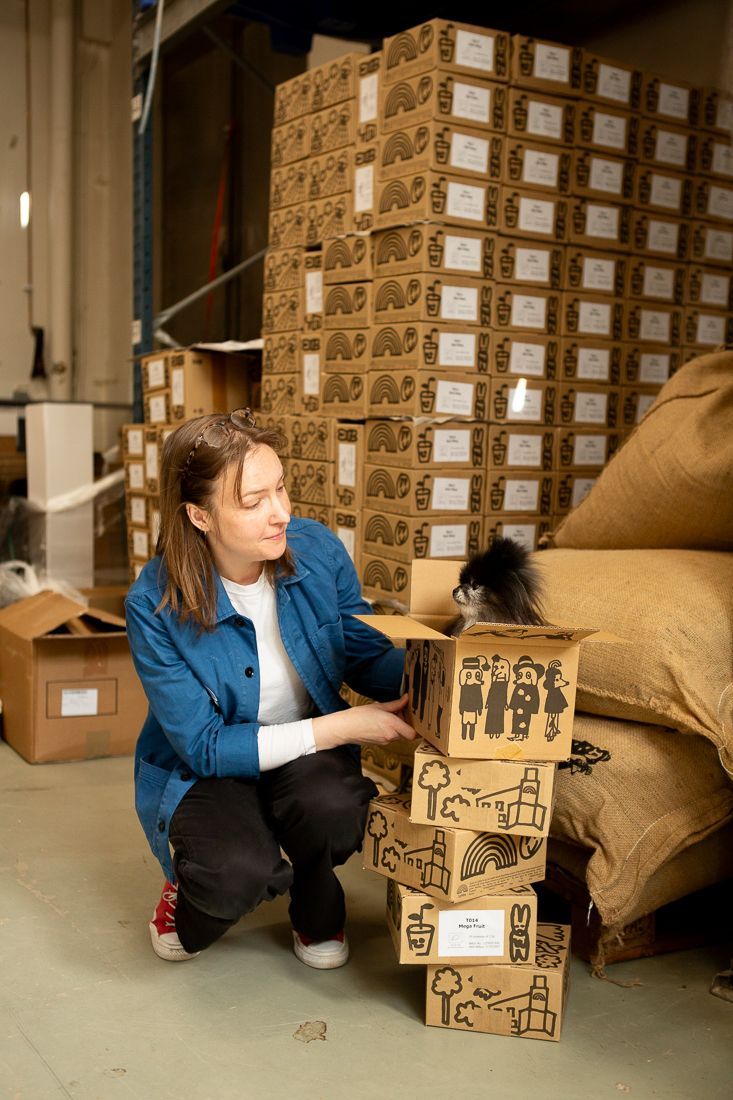
If you had to describe the Lykke experience in one sentence to someone who has never tried it — what would that sentence be?
We have tried to gather that feeling in one sentence. The best thing we came up with is: “Lykke is that nothing or no one should be harmed when we enjoy a cup of coffee. Lykke is also that feeling we all strive for — to feel good by doing good things.”
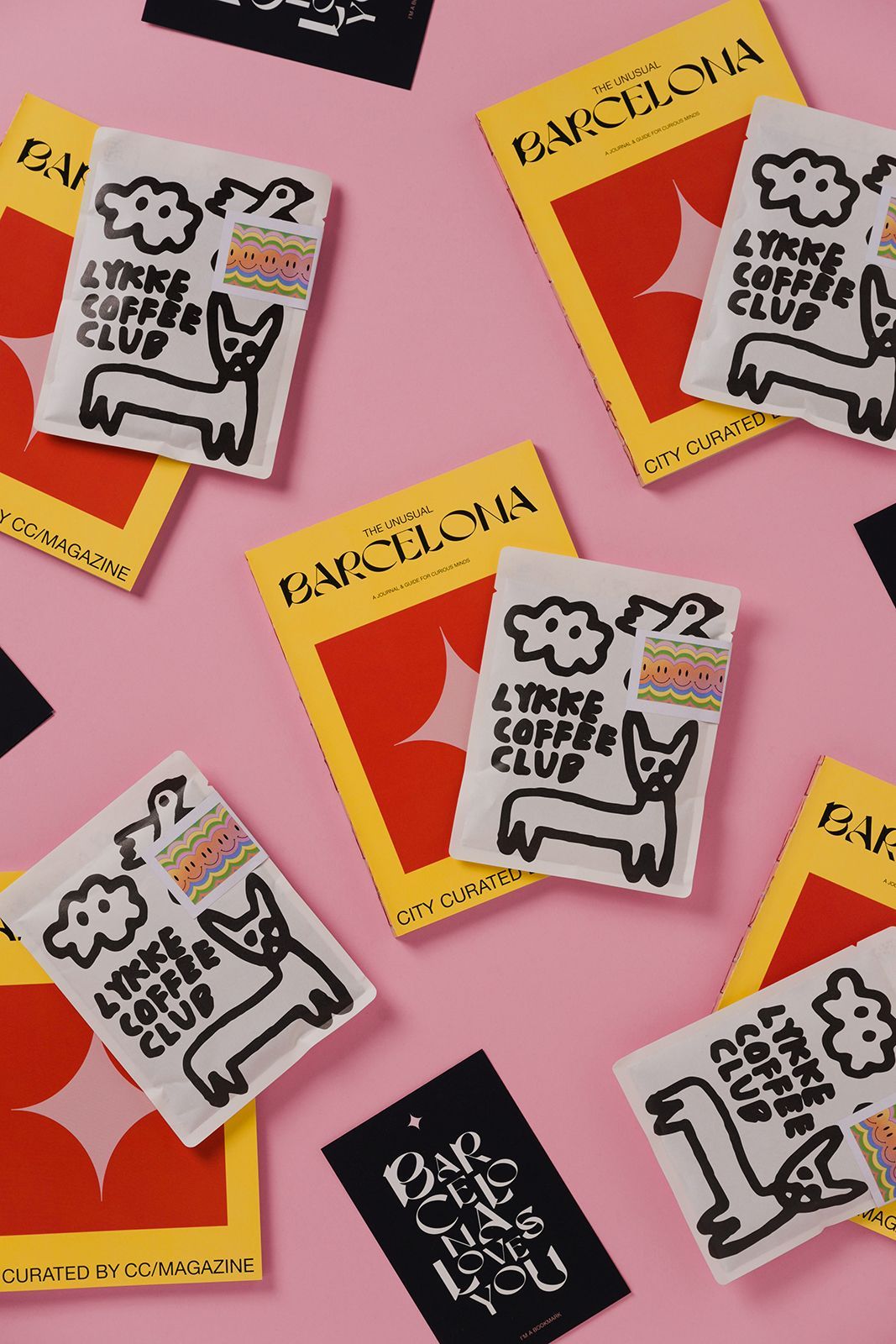
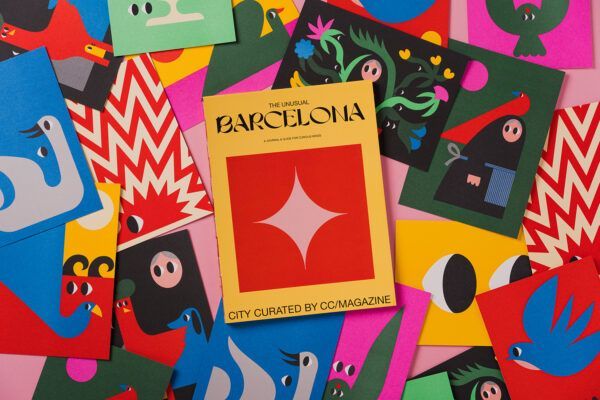
PROMOTION: We’re also launching a special offer with them today! What’s it about? The first 25 people to purchase The Unusual Barcelona on citycurator.es will receive two sachets of speciality coffee as a gift. Be quick — they won’t last long!
(*) Photos provided by the Lykke team.