Tina Bobbe: the designer who transforms coffee machines into art
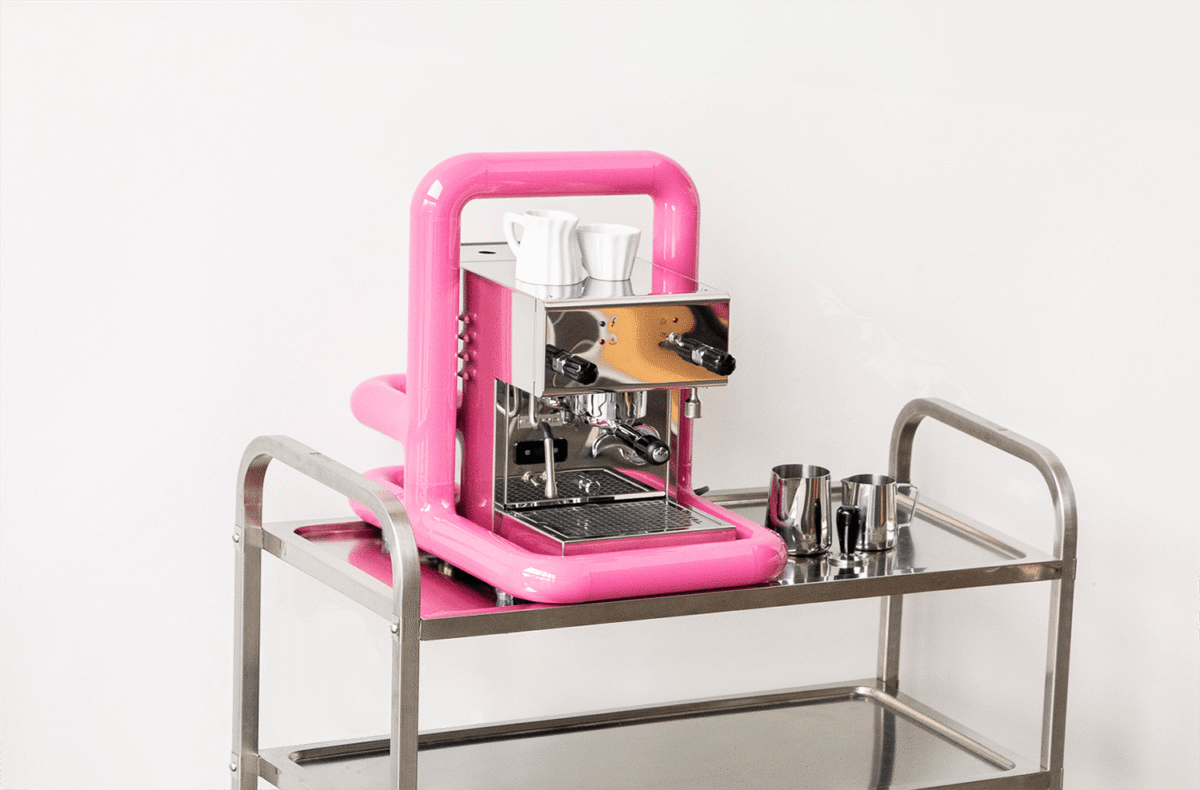
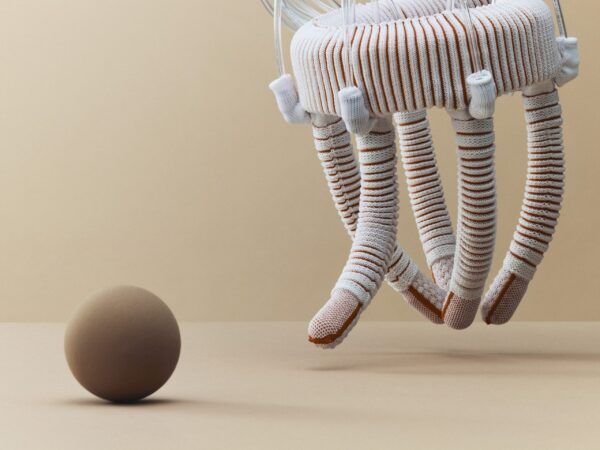
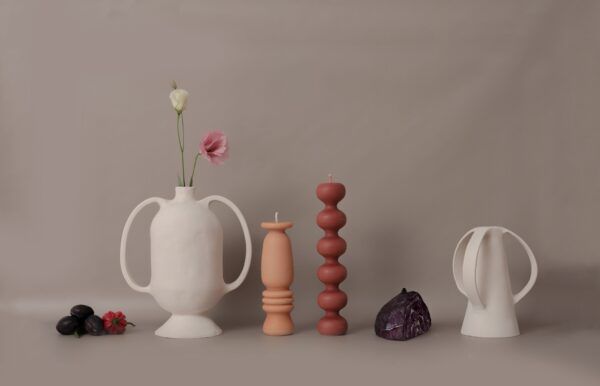
In a global context where functionality and design often seem to be at odds, Tina Bobbe has managed to integrate both aspects in an exceptional way. This talented German artist and designer is known for her distinctive use of artificial intelligence to create vibrant still life images and playful objects, with her creative coffee machines standing out. Thanks to her passion for technology and her keen artistic sense, Bobbe has reinvented a classic, everyday object—coffee makers—turning them into true works of art.

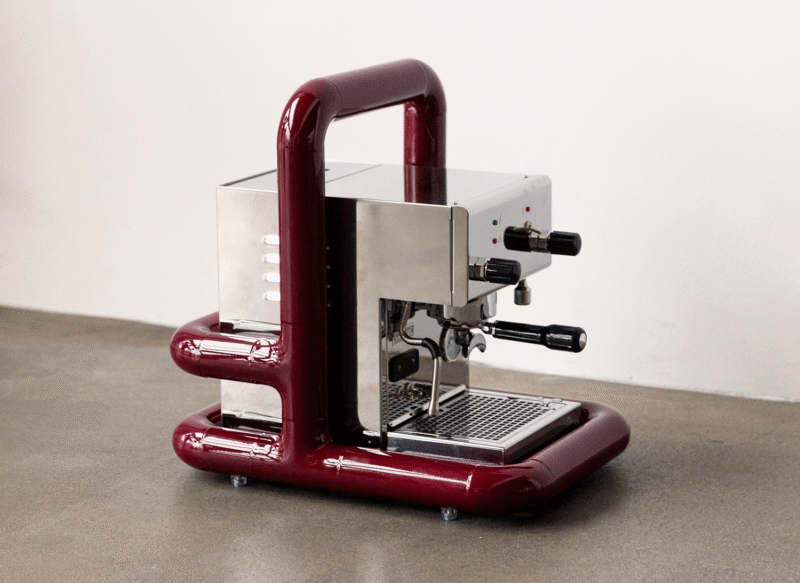
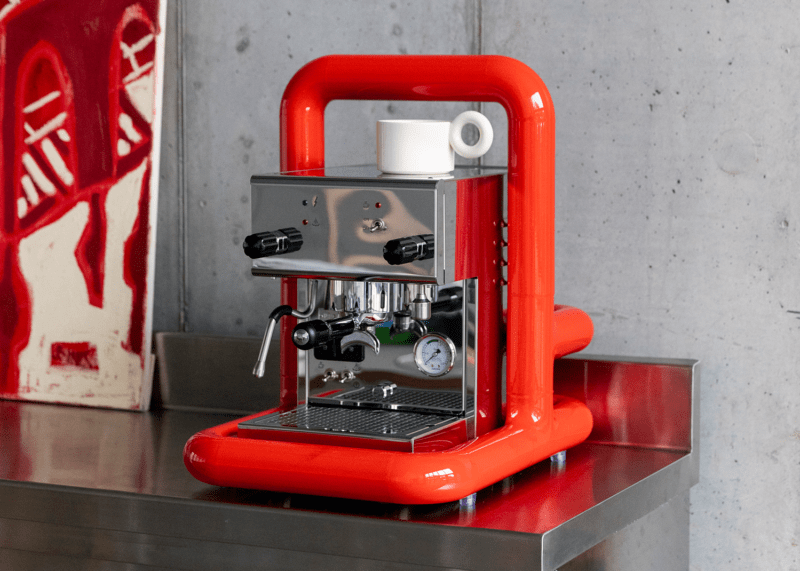
We recently interviewed her, and here’s what she shared about her creative process, the inspirations behind her most iconic designs, and how technology can elevate any daily routine.
How do you define yourself?
I am a product designer, a scientist, and a mother of two.

What did you want to be when you were little?
At first, I wanted to be a hairdresser, then a vet, and later I decided I wanted to be an engineer.
You studied mechanical engineering and industrial design in Berlin and Dresden. In addition to your design work, you are an academic researcher in design research at TU Dresden. In fact, in your doctoral thesis, you explored how artifacts can help bridge the gap between science and society. What can you tell us about this?
In short, my academic research focused on how to design prototypes in technological research in a way that everyone can easily understand what the technology is about. And yes, prototypes often serve to test things, but they also communicate.
In fact, I believe that communicating scientific advancements to the public is crucial. How can we design objects that create exciting and enjoyable experiences for people outside of the scientific world? Such experiences could for example happen at science nights or public lab tours.
That’s what I try to figure out. It has very little to do with my personal design work, but I love being curious and using scientific methods to answer design-related questions.
Until you started working with AI, what tools and resources did you use to create your pieces?
I was trained to work through all phases of the process, which includes everything from sketching with pen and paper over building a 3D model until generating 3D renderings. This process takes a lot of time.
Your objects and visual elements are both functional and artistic. What is your creative process for designing your pieces?
It starts with an idea. Thanks to AI, I can quickly test this idea. Still, it’s a very iterative process to arrive at the right “prompt” and follow different paths of variation. It doesn’t always work visualize my idea, and sometimes new ideas emerge during this process.
And when I actually want to build an object, I use the AI-generated images as concepts, or sometimes just as initial ideas, and then I go through the design process I mentioned earlier.
Many of your objects stand out for their unusual shapes and vibrant colors. Who are your main influences and references?
I love everything created and inspired by the Memphis Group. They made radical and bold designs in Italy during the 1980s.
“I love everything created and inspired by the Memphis Group.”

Interestingly, my studies were always the complete opposite. I was trained to do minimalistic and functional design. So, it’s very liberating to design things purely for enjoyment. But coming back to your question, sometimes I find the perfect shade of pink in a sand toy at the park…
You are also known for your reinterpretation of espresso machines, turning them into bold and eye-catching sculptures. How did this project come about?
First of all, I love coffee and the morning rituals that come with it. I believe coffee machines have great potential to stand out as design objects.
Chairs come in all shapes and colors, but why not coffee machines? That was the trigger to focus on this type of product.
“Coffee machines have great potential to stand out as design objects.”
When and how did this idea of turning an everyday household appliance into a piece of art become a reality?
I received an invitation to exhibit my AI-generated images at an exhibition in Copenhagen in August 2024. This was the opportunity I had been waiting for to finally invest all my time and money into bringing two coffee machines to life and show actual objects instead of just images.
Where are your pieces made? Do you collaborate with any partners?
I work with local craftsmen in Dresden. One handles the welding, another the laser cutting, another the powder coating, and so on. This artisanal process also affects the price of these objects.
Where can your beautiful creations be purchased?
For now, the coffee machines I create can only be purchased on my website. Perhaps soon in some stores.
Your iconic objects are Pipe Frame and Pipe Frame Mini, and Topo Frame is your new product. Is it true that Pipe Frame Mini and Topo Frame will be exhibited at the CIFF (Copenhagen International Fashion Fair) from January 27 to 29, 2025, in Copenhagen?
Yes, that’s true! Please, you must come and visit us!
What role do social media play in your work?
Social media plays a crucial role. It enabled me to create objects in the first place, and it’s still essential for showing my work to the public. But most importantly, it inspires me a lot.
What are you working on at the moment? And what are your plans for the future?
At the moment, I’m still working on the final developments of Topo Frame. In general, I would love to continue doing what I do: bringing joy to the world through objects.
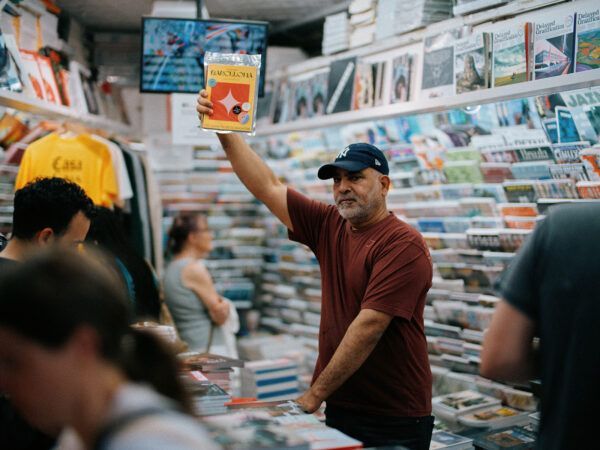
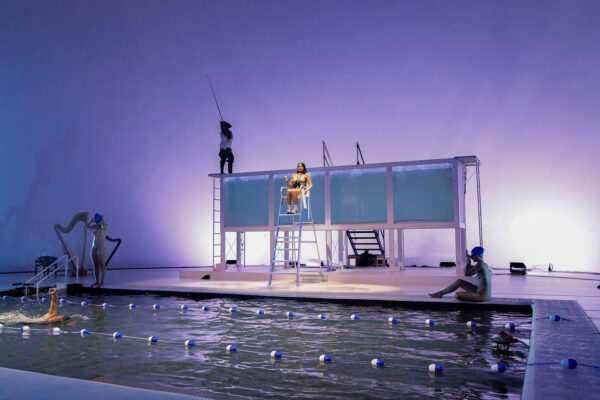
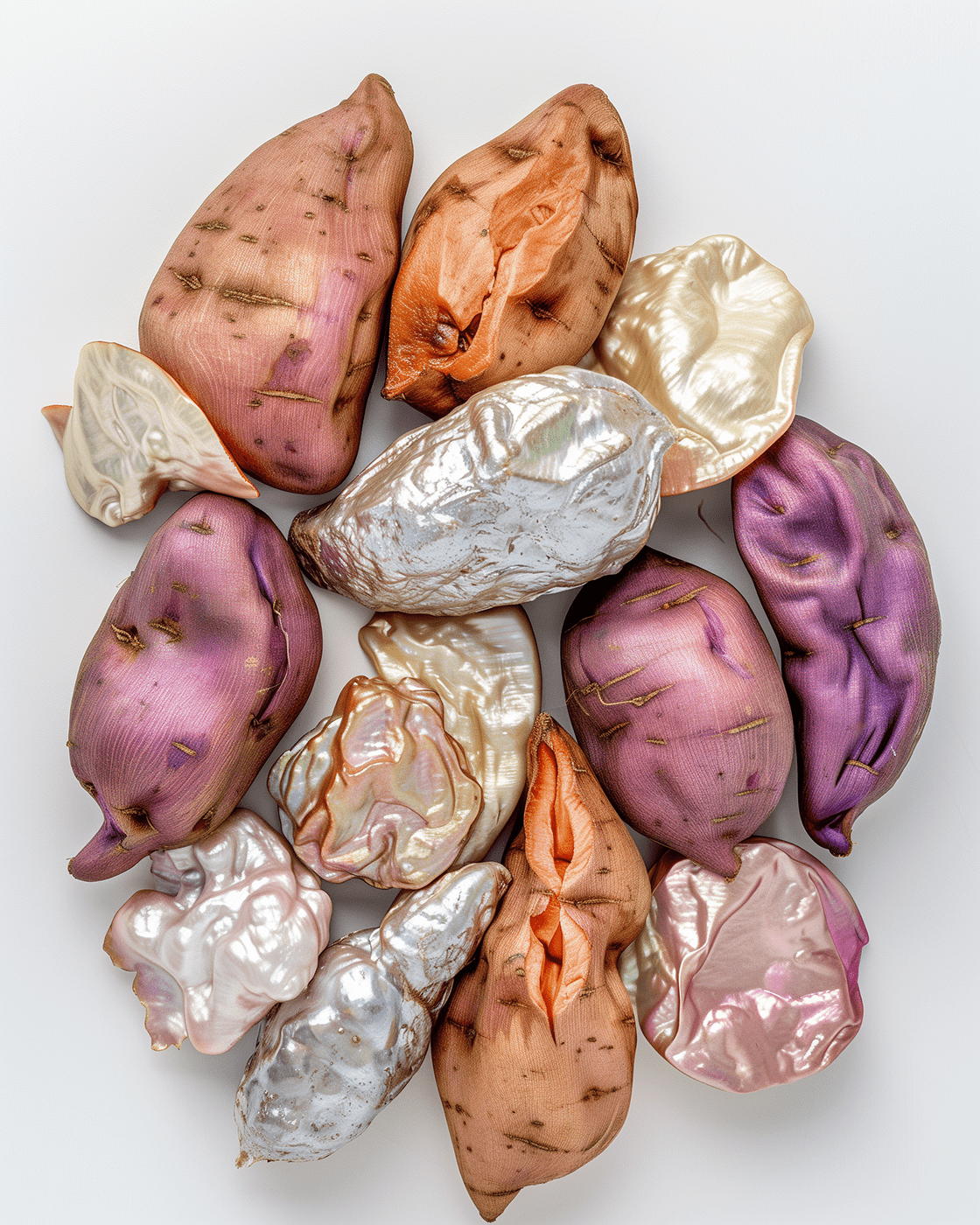
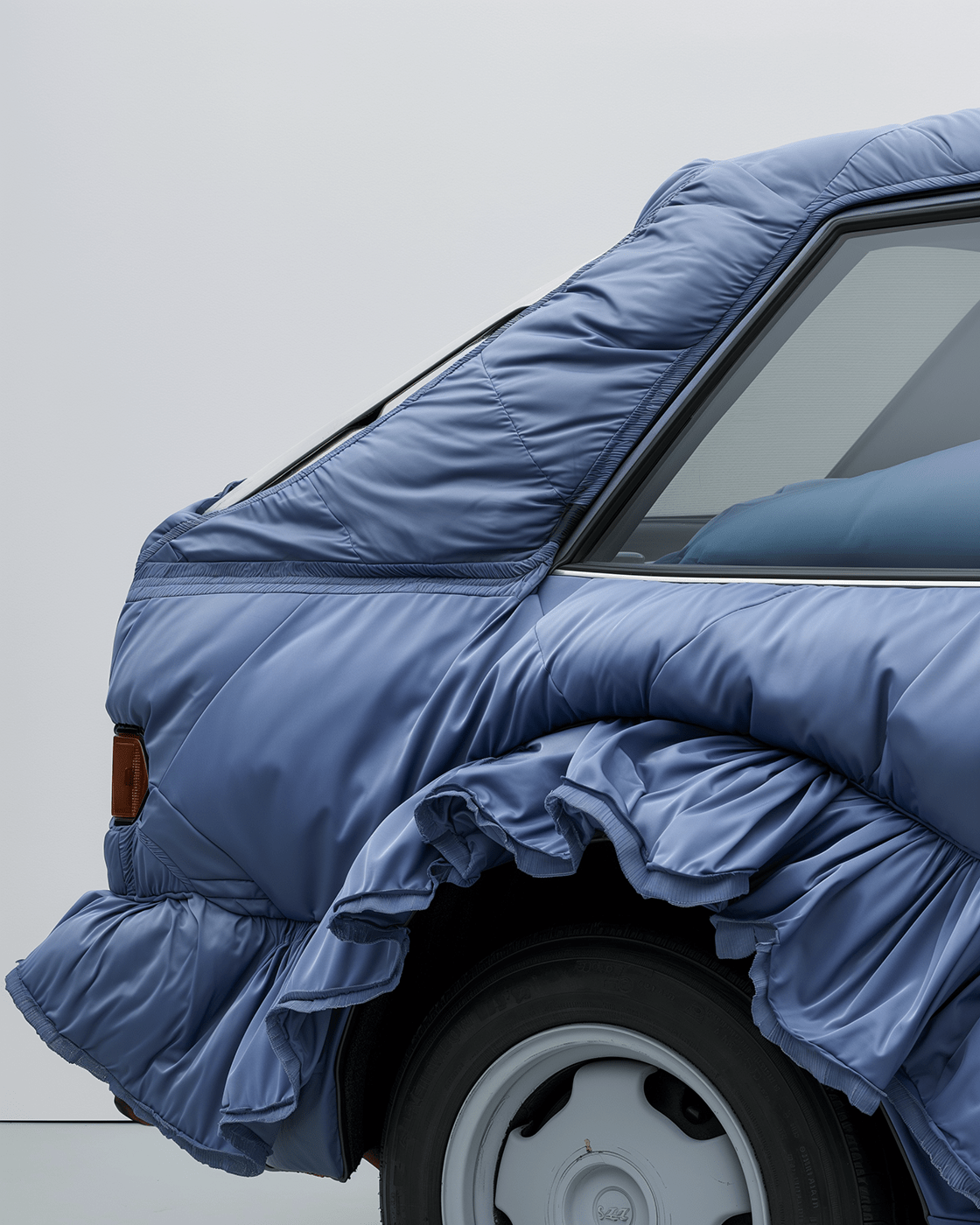
(*) Images provided by Tina Bobbe. All vertical images have been created with artificial intelligence.