Studio Dumbar/DEPT® and the future of branding
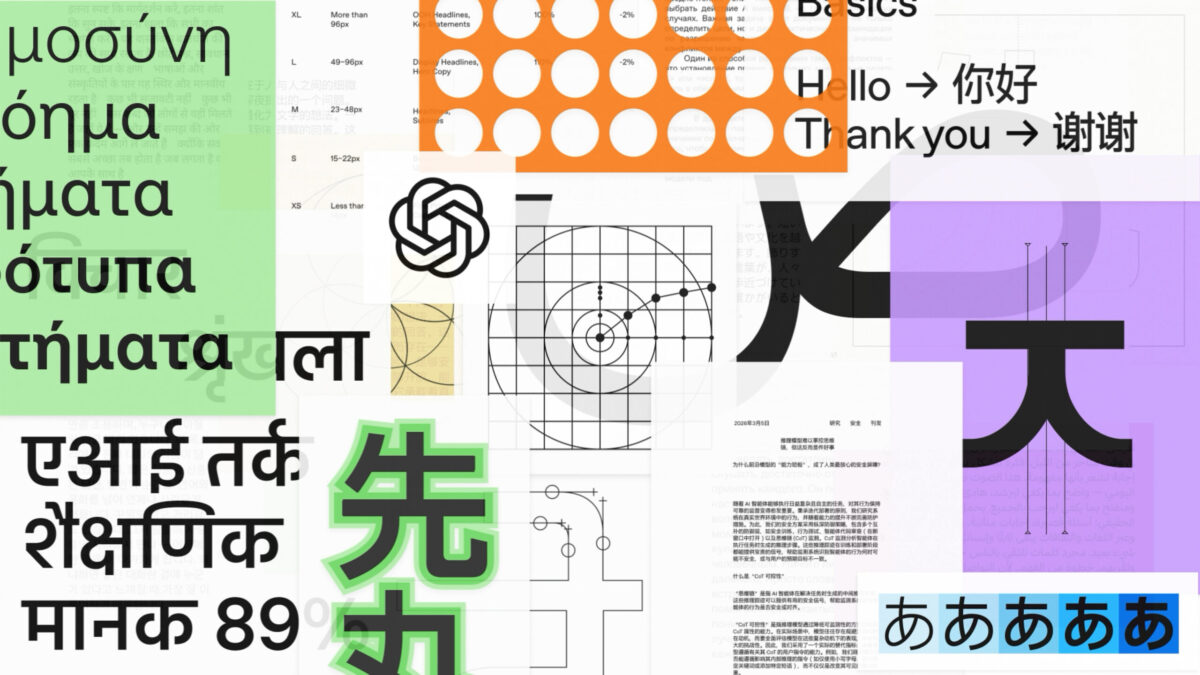
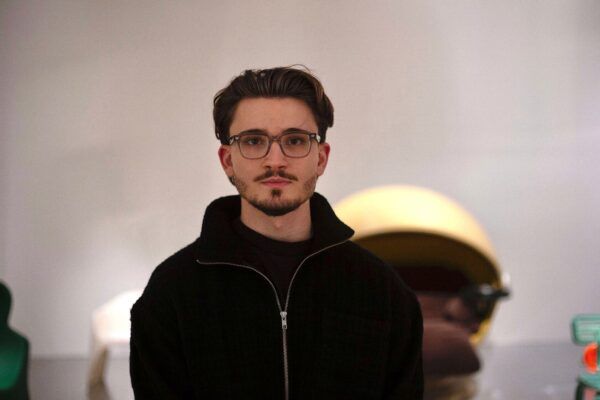
Christopher Noort, Lead Designer at Studio Dumbar/DEPT®, reflects on the future of branding, motion design, artificial intelligence and why play remains one of the most powerful creative tools.
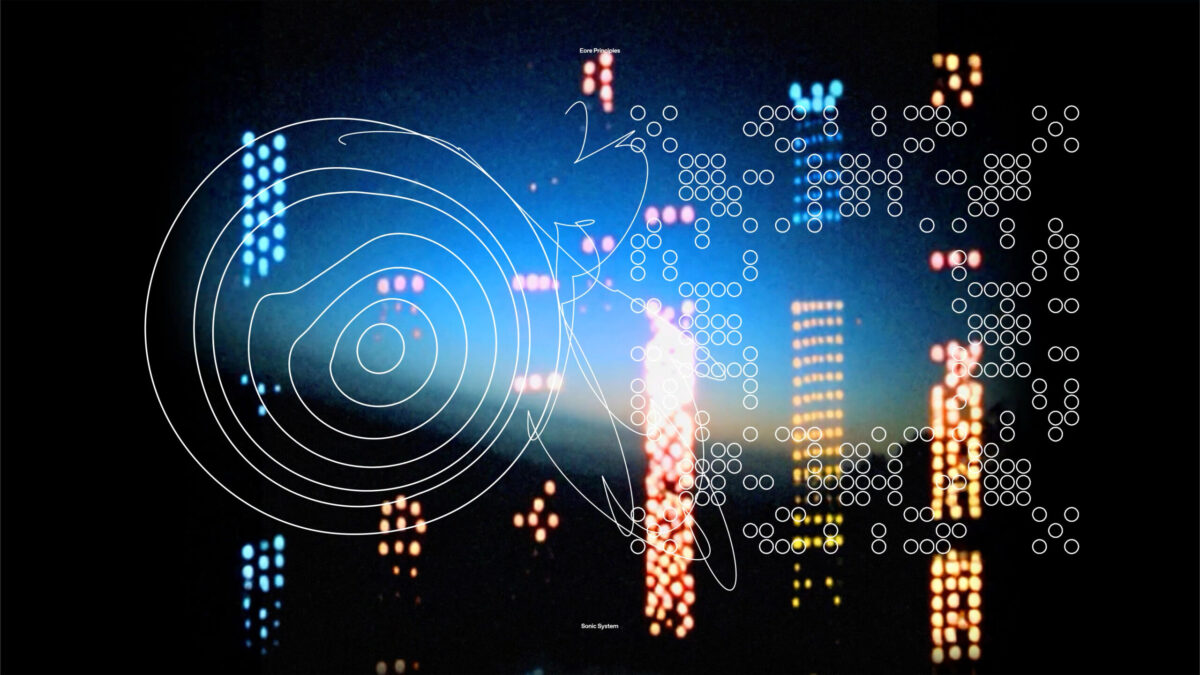
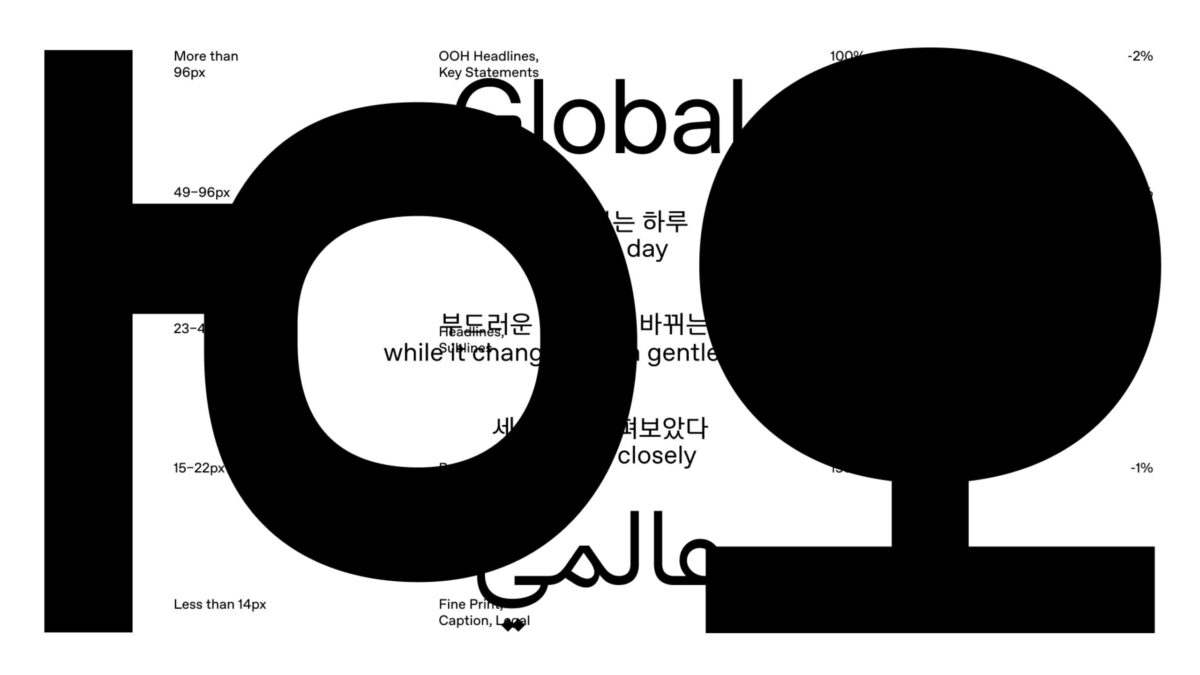
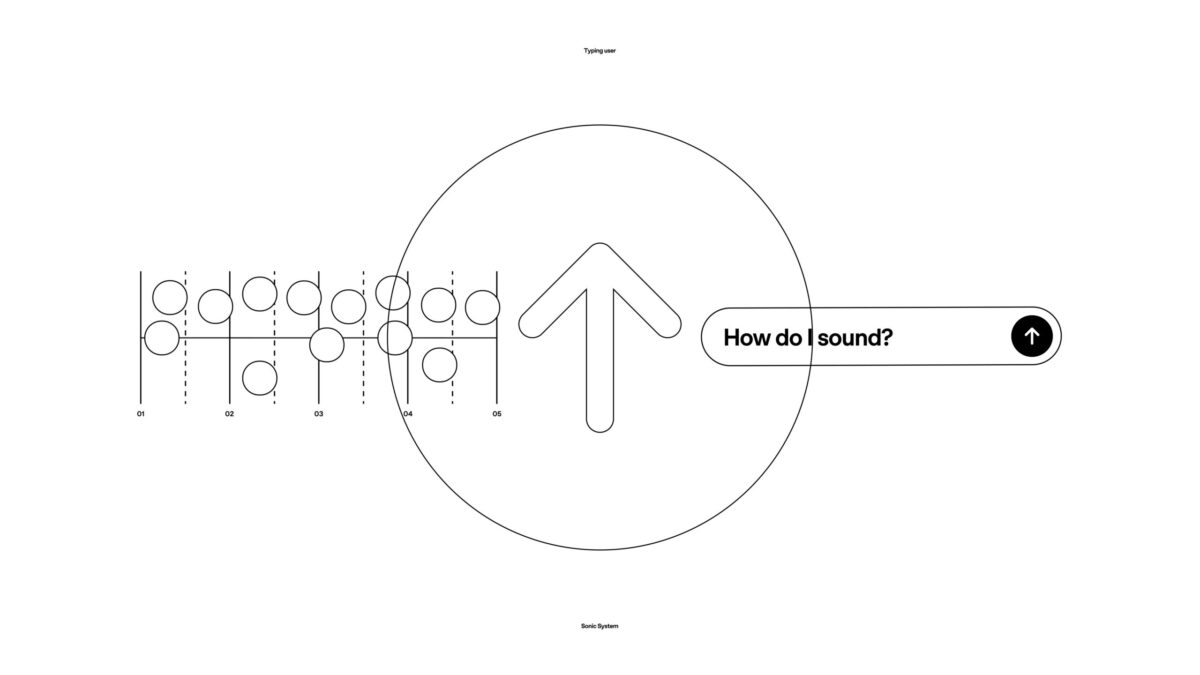
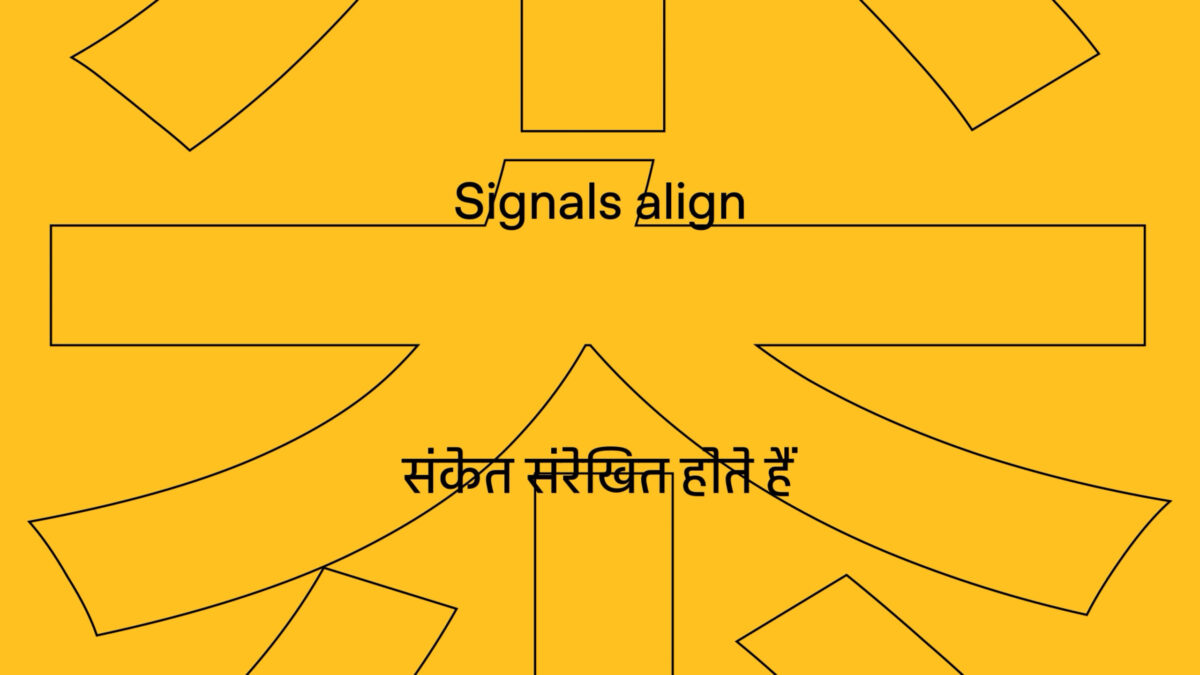
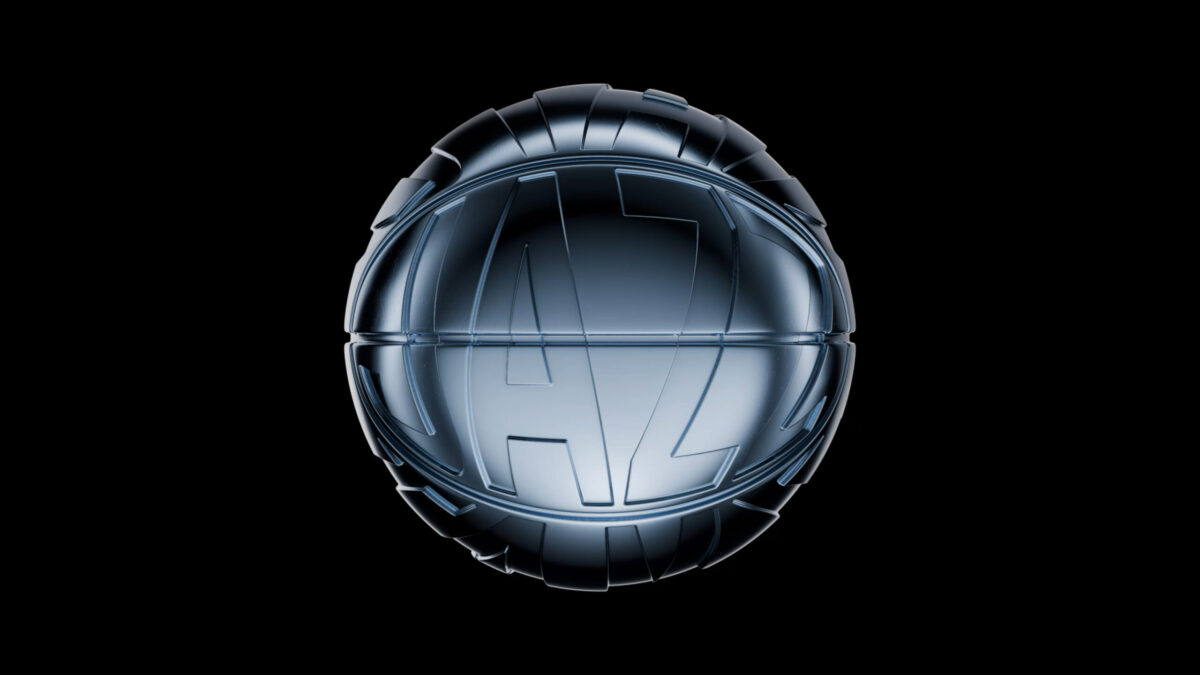
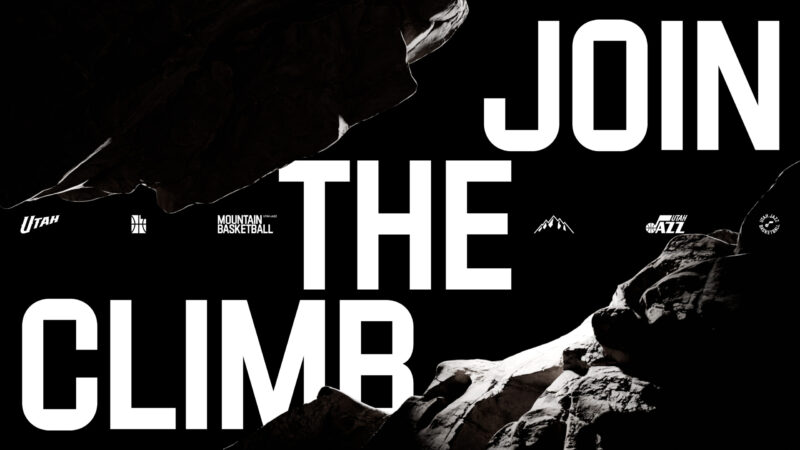
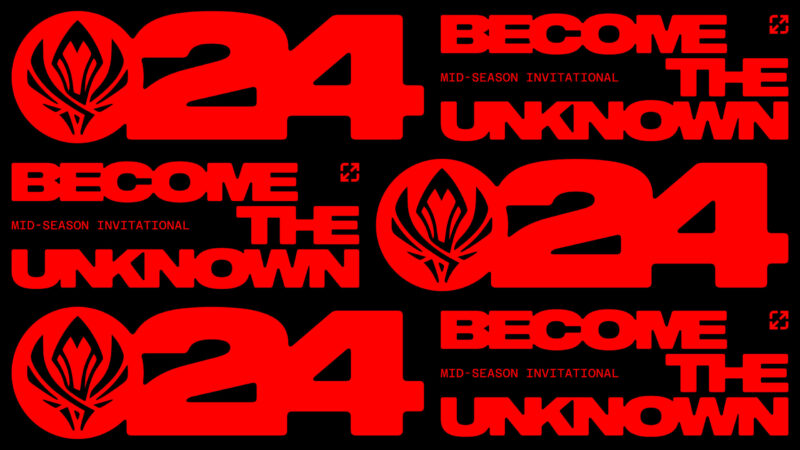
For decades, a brand’s visual identity revolved around one almost sacred element: the logo. A symbol capable of distilling values, personality and recognition into a single static image. However, in a world where screens have replaced many traditional media and brands exist in constant motion, that understanding has changed dramatically.
Few agencies have contributed as significantly to this transformation as Studio Dumbar/DEPT®, one of the world’s most influential design studios. A leading force in motion branding and dynamic visual identity, its work has demonstrated that today a brand is recognised not only by how it looks, but also by how it moves, sounds and interacts with people.
Following their participation last month at Forward Festival Frankfurt, where CC/magazine is a media partner, we spoke with Christopher Noort, Lead Designer at Studio Dumbar/DEPT®, about the evolution of branding, the impact of design in public space and the role that experimentation and artificial intelligence play in shaping the future of creativity.
Beyond the logo
For years, the logo was both the starting point—and often the final destination—of every visual identity. Today it remains important, but it is no longer enough.
According to Christopher Noort, modern identities function as open systems capable of adapting to a communications landscape that is infinitely more complex than it was just a decade ago: “Identity design will always revolve around creating a recognisable framework that communicates a consistent message. Clear signatures like a logo or typeface are the cornerstones of these systems. The volume of brand communication has increased significantly over the past few years. Brands need an enormous amount of flexibility to be able to adapt and stay somewhat relevant.”
This need has driven a new generation of visual identities built upon simple yet highly scalable principles. Rather than relying solely on a fixed symbol, brands are developing visual languages capable of evolving without losing consistency.
The point is not to abandon the logo, but to understand it as one element within a much broader system.
“Brands need an enormous amount of flexibility to be able to adapt and stay somewhat relevant.” C. Noort
Motion is now part of identity
If there is one defining characteristic of Studio Dumbar‘s work, it is the way the studio integrates motion as a structural element of design rather than as a decorative addition.
Contemporary identities no longer exist solely in print or on signage. They inhabit interfaces, social media, urban screens, apps and digital experiences where movement feels entirely natural.
Christopher Noort summarises this shift with a simple observation: “Identities are no longer one-dimensional. Motion and sound define who they are.”
Behind this apparent simplicity lies a methodology built around creating clear ideas that can evolve over time: “Simple ideas that scale, remain communicative, and are rooted in strategy.”
Within this context, animation is no longer an afterthought but one of the essential building blocks of modern brand identity.
When design leaves the studio and enters the city
One of the projects that best represents Studio Dumbar‘s philosophy is DEMO, the international festival that transforms thousands of public screens around the world into an enormous gallery dedicated to motion design.
Beyond its visual impact, the initiative raises an important question about the responsibility of design once it leaves the commercial sphere and becomes part of the urban landscape.
For Noort, designers have both the ability—and the responsibility—to improve the environments they shape: “We like to think of design as the art of communication. But beyond its practical purpose, we, as designers, have both the opportunity and the responsibility to leave things more beautiful than we found them.”
At a time when advertising dominates almost every public space, Studio Dumbar proposes a different perspective: attracting attention doesn’t have to come at the expense of beauty:
“Making work that demands attention doesn’t have to come at the expense of beauty. In fact, it can improve the city around us and, in turn, the way we experience it every day.”
It is an idea that feels particularly relevant in an age saturated with visual stimuli.
“We, as designers, have both the opportunity and the responsibility to leave things more beautiful than we found them.” C. Noort
A brand’s personality can also be heard
Technological progress has expanded the language of branding far beyond the visual. Today, an identity can incorporate sound, interaction, creative coding and artificial intelligence while remaining entirely coherent.
Yet Christopher Noort insists that the fundamental principles have not changed: “Creativity is constant. It’s how we create that constantly changes.”
At Studio Dumbar, motion, sound design and creative coding are used as complementary tools that enable richer and more expressive experiences. His comparison is particularly revealing: “If we compare a brand with a person the design is how they appear, motion and sound show their personality.”
It is a metaphor that perfectly explains why contemporary identities are capable of creating much deeper emotional connections than ever before.
The most memorable work lives in the smallest details
We are surrounded by an endless stream of visual content. Every day, thousands of animations, videos and images compete for just a few seconds of our attention. So what makes a moving image truly memorable?
For Christopher Noort, the answer has little to do with spectacular effects or technical complexity: “Thoughtful design decisions and care about craft.”
He adds a reflection that neatly encapsulates the studio’s philosophy: “We often say that the last 5% of the design process is what makes the work go from good to great.”
That final five per cent is about refinement, rhythm, precision, detail and sensitivity—qualities that may go unnoticed by many viewers but ultimately define exceptional design.
Experimentation without losing clarity
It is easy to associate studios like Studio Dumbar with bold experimentation and relentless creativity. Yet behind every project lies a remarkably disciplined process.
Experimentation certainly has its place, but it never replaces communication: “Making work that communicates clearly is fundamental to branding.”
The experimental phase takes place primarily during research and early development: “From early concepts to technical execution, we always try as many things as possible within the time given.”
“We often say that the last 5% of the design process is what makes the work go from good to great.” C. Noort
Creativity, therefore, is not about adding complexity. It is about discovering the most effective solution after exploring countless possibilities.
Play is also work
In many industries, the word play is still associated with improvisation or even a lack of rigour. At Studio Dumbar, the opposite is true. Play is the method: “Play is definitely the method.”
For Noort, there is a direct connection between enjoying the creative process and producing outstanding work: “You can tell from the work if the designer(s) enjoyed the process. Having an open mind and a playful attitude are essential to finding the right visual and conceptual answer.”
This philosophy helps explain the freshness that characterises so many of the studio’s projects. Behind every visual system lies an enormous amount of exploration, curiosity and experimentation.
Artificial intelligence is a tool, not an idea
Few technologies are transforming design as rapidly as artificial intelligence. While some describe it as a revolution and others see it as a threat, Studio Dumbar adopts a far more pragmatic position: “AI doesn’t solve the problem, it accelerates the solution and allows for experiment.”
The distinction is significant. For Noort, tools will never replace the designer’s judgement: “But the craft will always lead, a tool is nothing without its input.”
The studio only uses AI when it genuinely helps solve a creative problem: “Like any other tool, we use AI only when it helps solve a problem. We never use AI for its own sake, and we make sure to respect creative work, we don’t copy it.”
It is a particularly relevant perspective at a time when questions surrounding authorship and ethics dominate conversations across the creative industries.
“Having an open mind and a playful attitude are essential to finding the right visual and conceptual answer.” C. Noort
The future of branding will be increasingly flexible
Christopher Noort‘s reflections paint a compelling picture of where visual identity is heading. Brands will continue to rely on recognisable symbols, but these will increasingly coexist with living systems capable of evolving over time.
Motion, sound, interaction and emerging technologies will expand the expressive possibilities of branding, while strategy, clarity and creativity remain its enduring foundations.
Perhaps that is why the final answer in our interview is so memorable. When asked what he would be happiest to leave behind in the future of visual identity, he replied with just one word: “Moodboards”.
A brief yet provocative answer that, beyond its humour, conveys a powerful idea: the future of design will belong less to those who collect references and more to those capable of creating original ideas.
That, perhaps, is Studio Dumbar‘s greatest contribution over the past decades: demonstrating that a brand identity is not simply a collection of graphic elements, but a living system capable of communicating, evolving and creating meaningful emotional connections with the people who experience it.
(*) Images courtesy of Studio Dumbar/DEPT®.