Mr. Bingo and the art of creating without rules
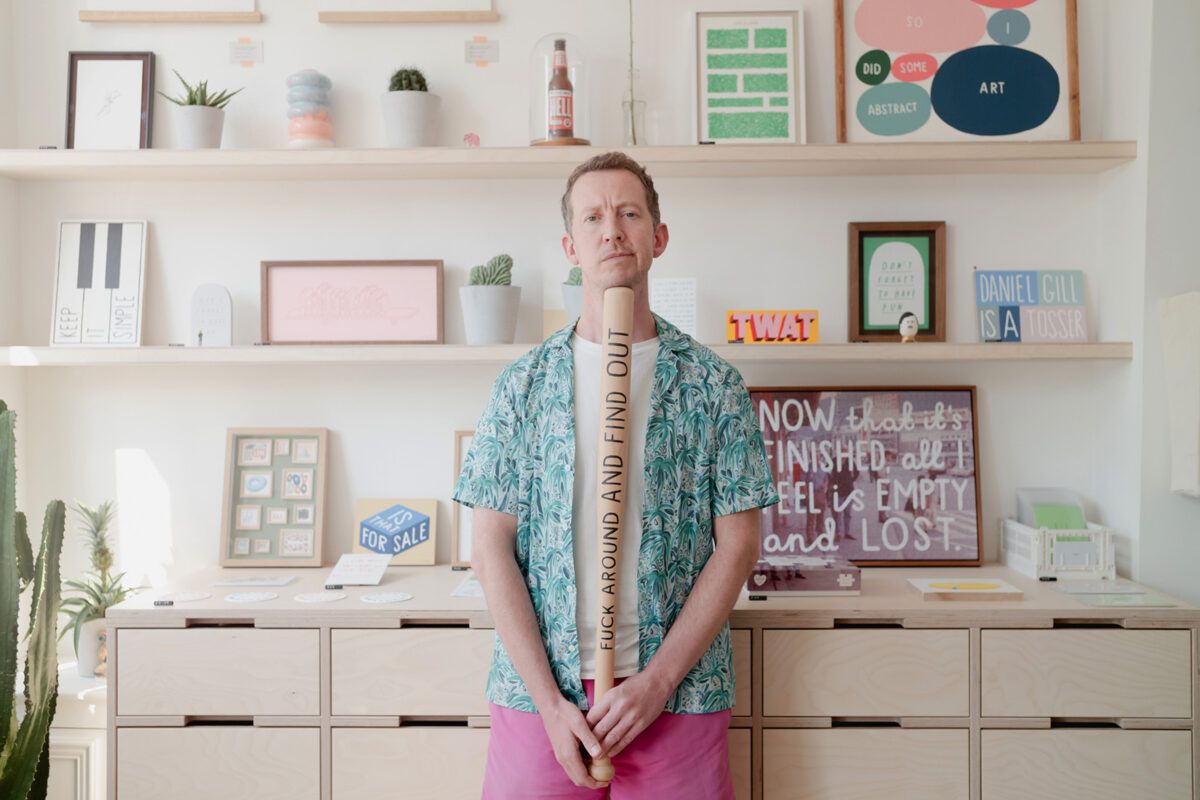
The British illustrator and artist will be one of the speakers at Forward Festival 2026, where CC/magazine is an official media partner. He will take part in the Frankfurt edition, sharing his thoughts on creativity, social media, virality and how to build an independent career without relying on clients or traditional industry structures.
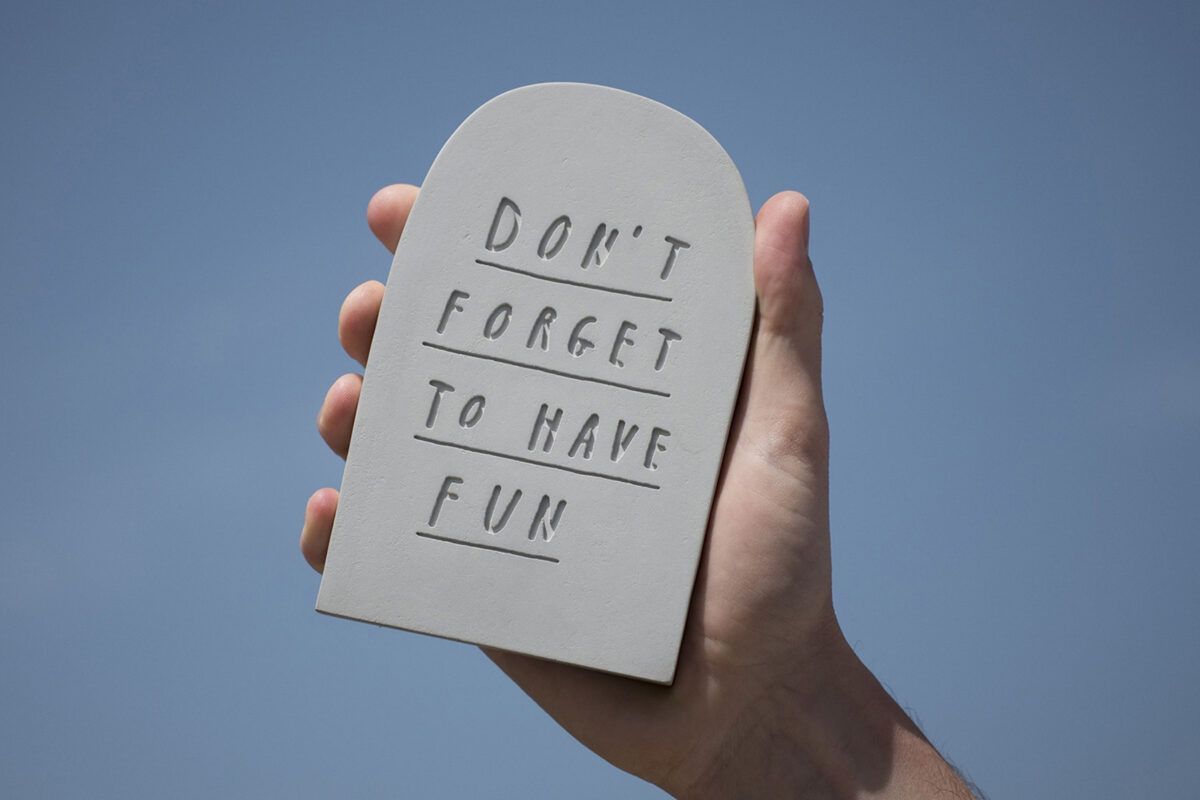
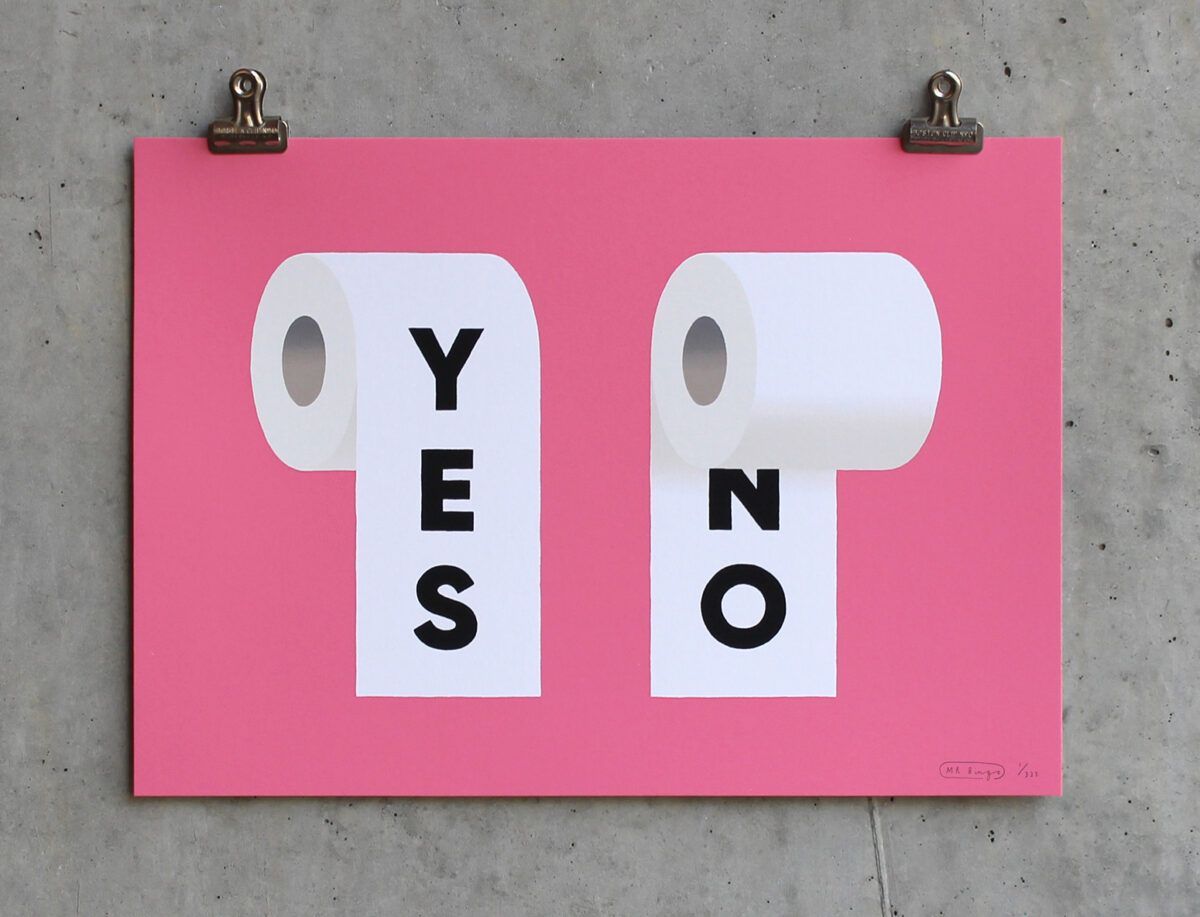
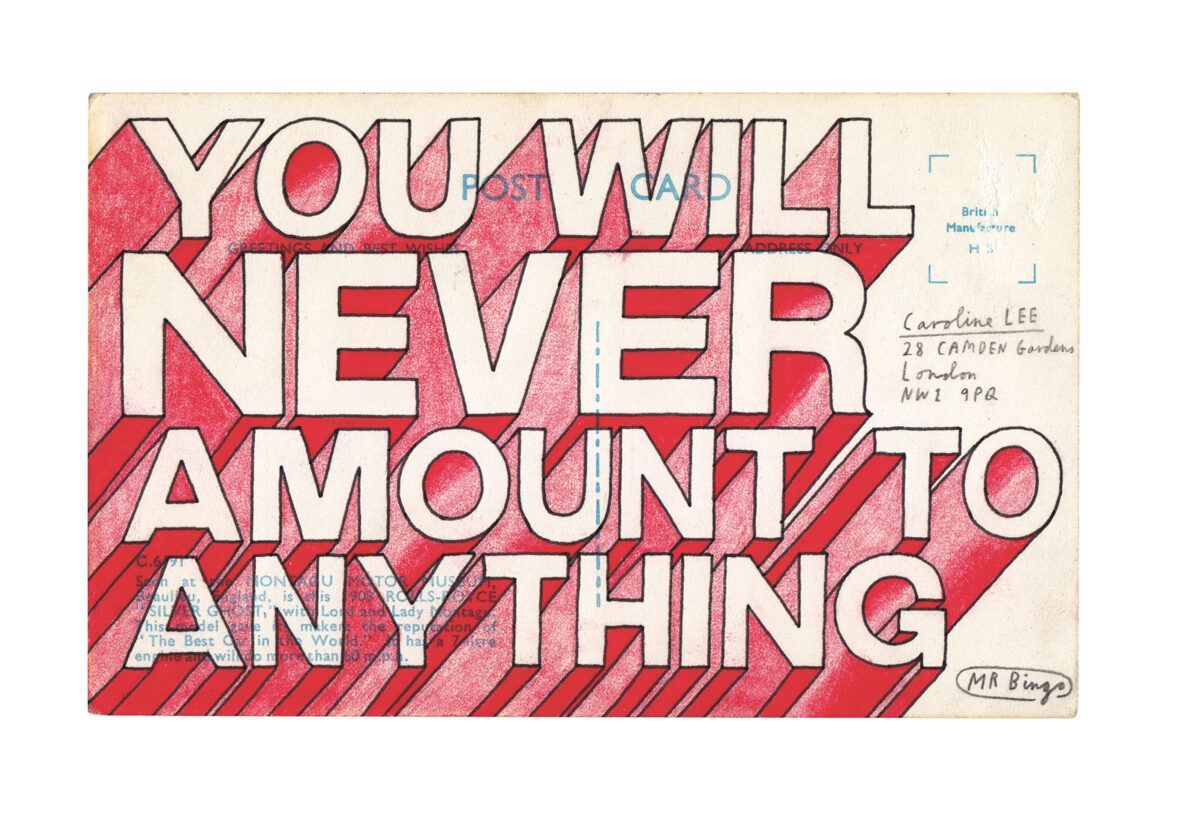
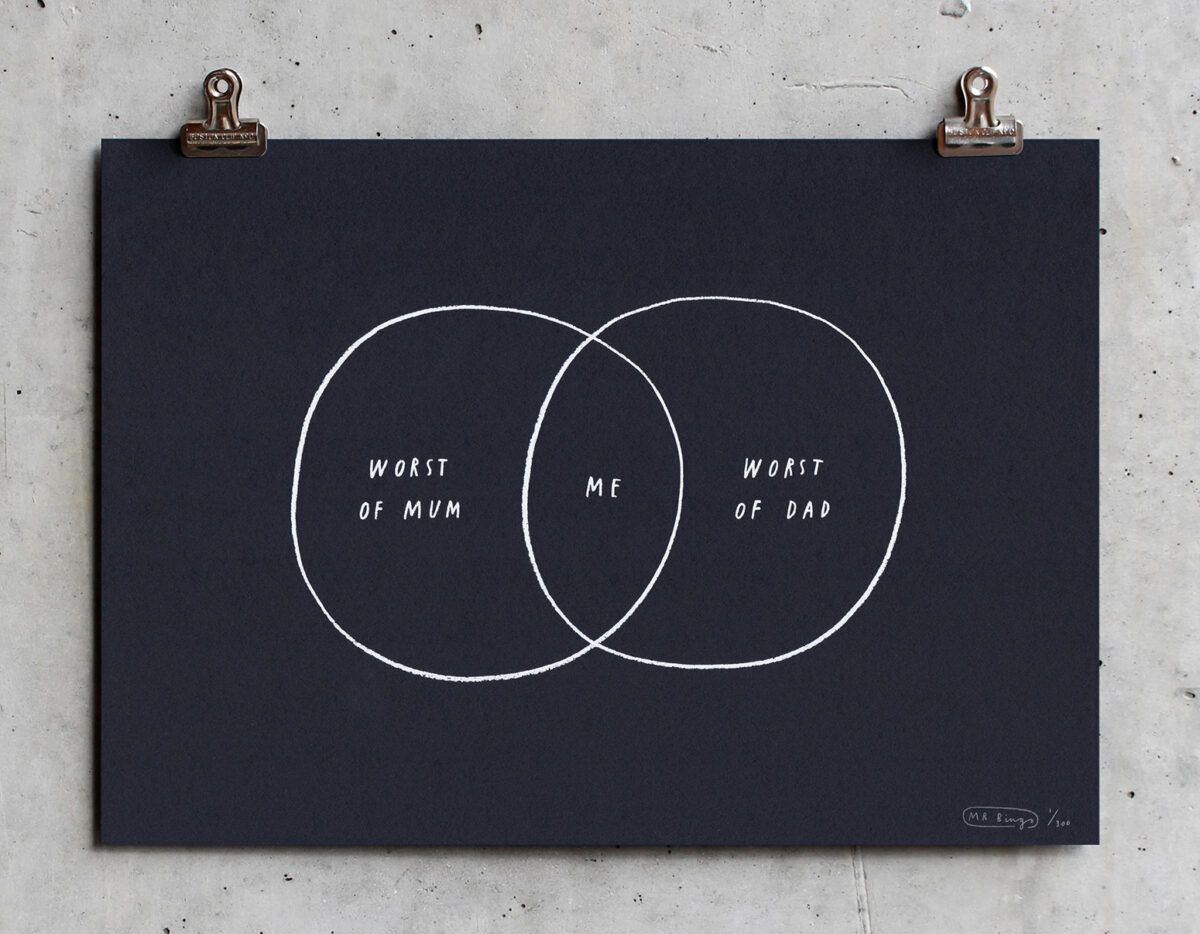
For years, the creative world seemed to operate under a fixed assumption: if you wanted to succeed as an illustrator, you needed clients. You had to respond to briefs, adapt your ideas and build a career within the advertising, publishing or branding industries. Mr. Bingo decided to dismantle that model from within. He did so by deleting his portfolio, walking away from commercial commissions and betting everything on a direct relationship with his audience. What followed was a career that exists almost entirely outside the conventional rules of contemporary art and illustration.
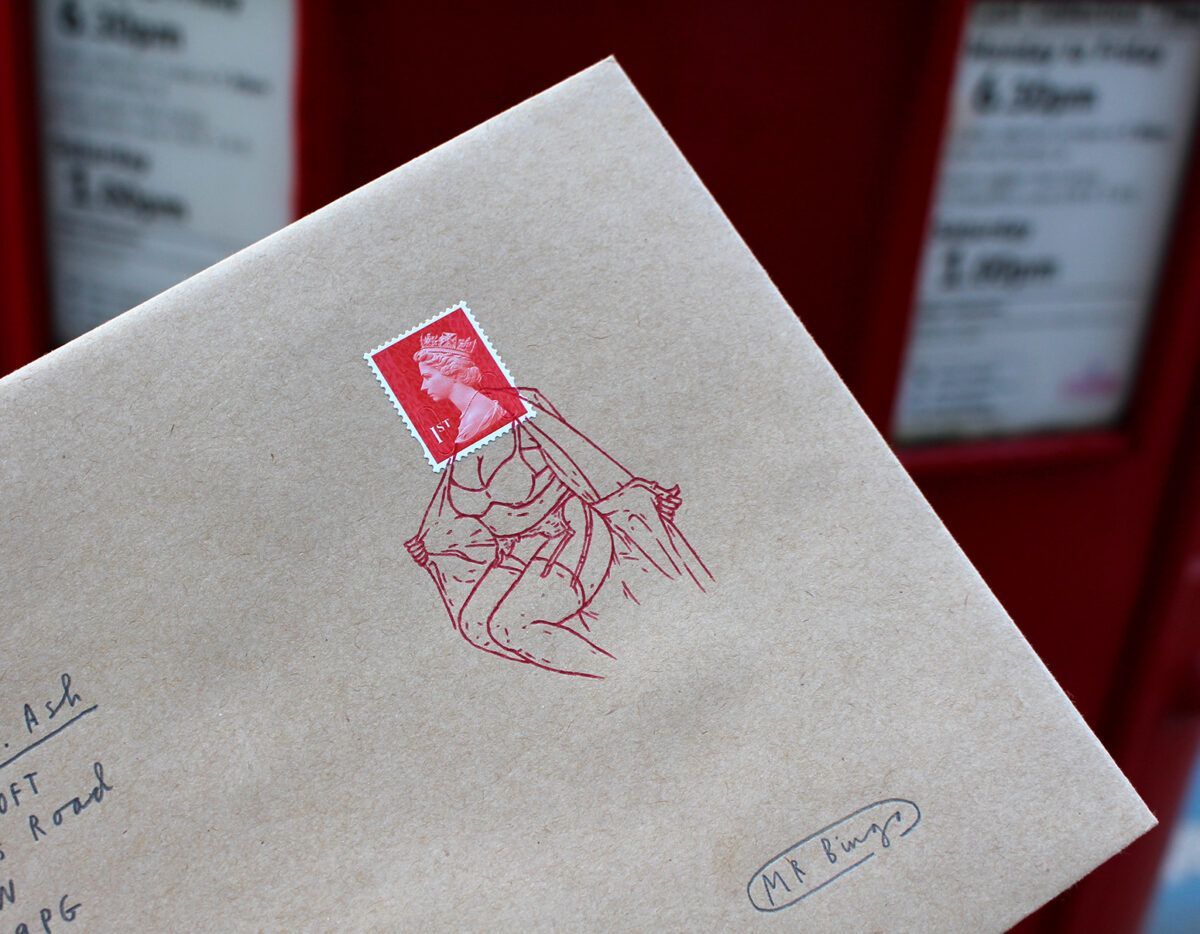
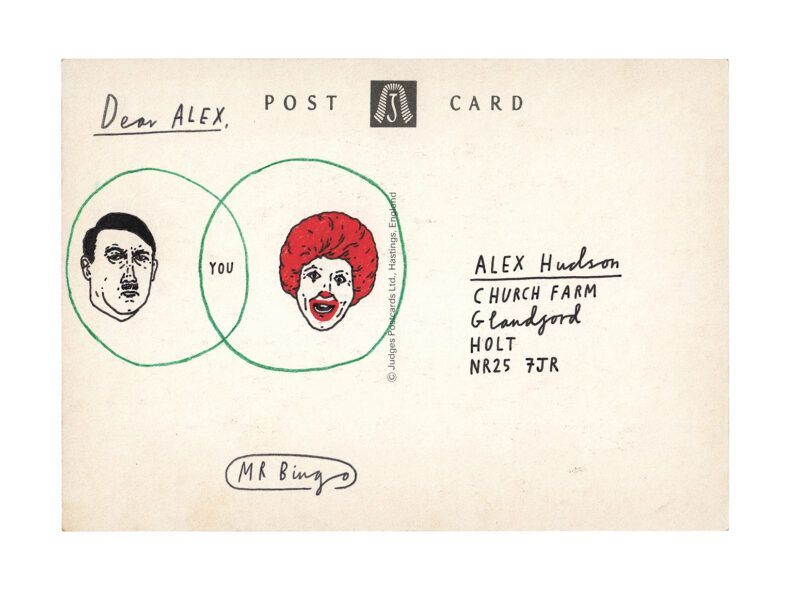
With his irreverent visual language, uncomfortable humour and remarkable ability to transform absurd ideas into cult objects, the British artist has become one of the most distinctive creative voices working today. His Hate Mail project — in which people paid to receive personalised insults handwritten on vintage postcards — became viral long before “going viral” became part of the art world’s everyday vocabulary.
From commercial illustrator to independent artist
Before becoming an internet phenomenon and one of the UK’s most recognisable contemporary artists, Mr. Bingo worked as a commercial illustrator. For years, he followed the familiar freelance path, creating work for magazines and brands. Then social media changed everything.
“In 2015 I calculated I had enough ‘fans’ to potentially make a living from selling art to, so I deleted my website and opened an online shop and haven’t looked back.”
What might have appeared to many as professional suicide felt, to him, like liberation.
“Being a commercial illustrator is a really nice job but having the total freedom that comes with making whatever you want and making a living from your audience is better, so when I realised it was possible, I chose that route.”
The decision itself was surprisingly impulsive. One day, the company hosting his website called to explain that traffic had grown so much he would need to upgrade his package and pay more.
Instead of seeing this as good news, he realised something fundamental.
“I remember thinking ‘I don’t even like my website anymore, it doesn’t represent me, I don’t think I want to be an illustrator anymore’ so I just said ‘Can you delete it, I don’t actually want that website’, and that was it, it was a one second decision made over the phone.”
A phone call lasting only a few seconds completely changed the course of his career.
Hate Mail: when insulting strangers becomes art
Any conversation about Mr. Bingo inevitably leads to Hate Mail, the project that transformed him into a cult figure within both contemporary art and digital culture.
“Hate Mail is the project that transformed his name into a global reference within contemporary art and digital culture.”
The concept was as simple as it was bizarre: anyone could pay to receive a personalised insult written by hand on a vintage postcard.
Part performance, part social commentary, part black humour and part collectible artwork, the project quickly found an enthusiastic audience around the world.
According to Mr. Bingo, much of its appeal stemmed from its sheer originality: “It definitely resonated with people. I think people liked it because it was odd and different, and I was the only person in the world offering to insult strangers via vintage postcards.”
“His work constantly exists between humour and discomfort.”
There was another important reason behind its success. “It was also a very affordable way of buying a piece of original signed art.” At a time when much of the art market still felt inaccessible and exclusive, Hate Mail removed barriers between artist and audience, turning art collecting into something playful, absurd and approachable.
Humour, critique and absolute freedom
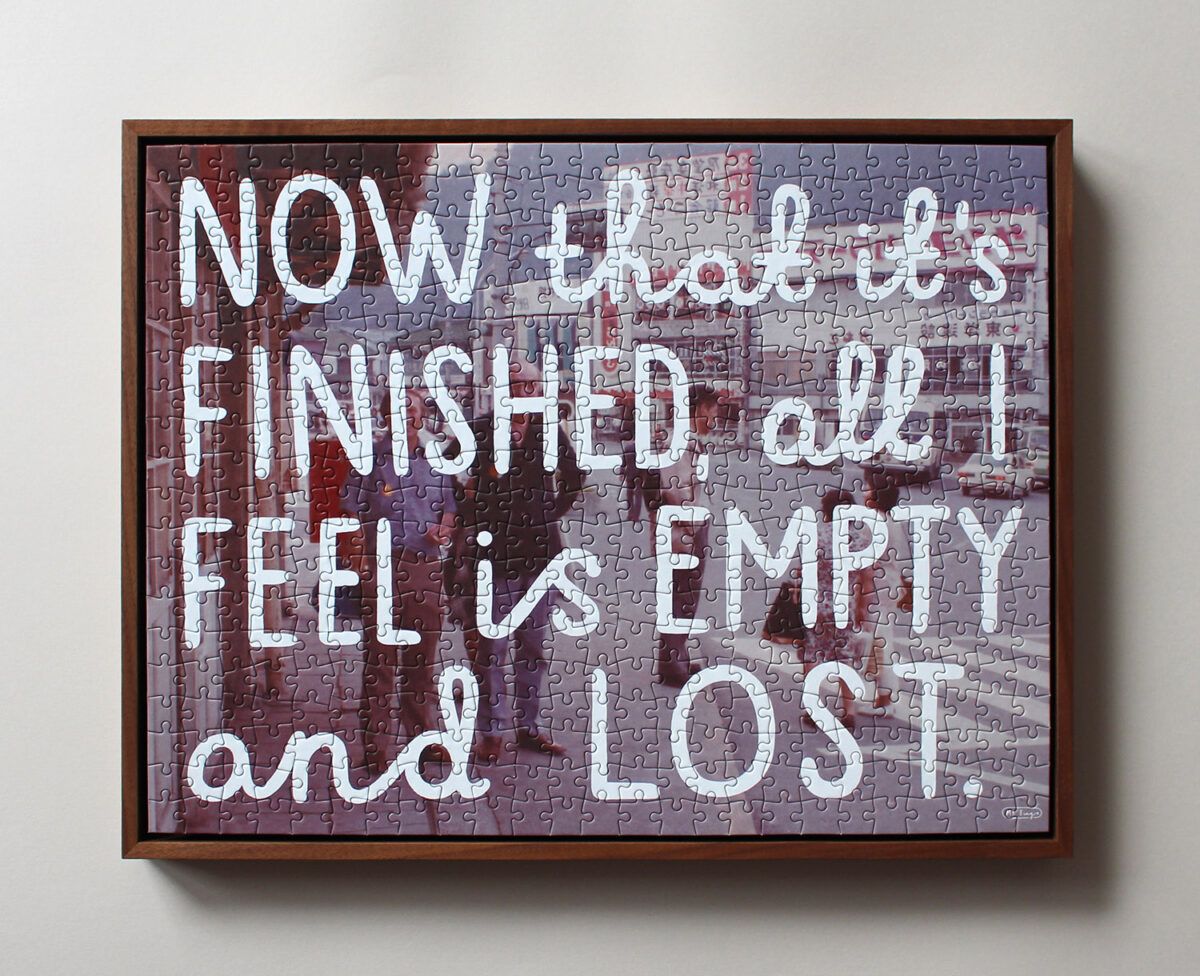
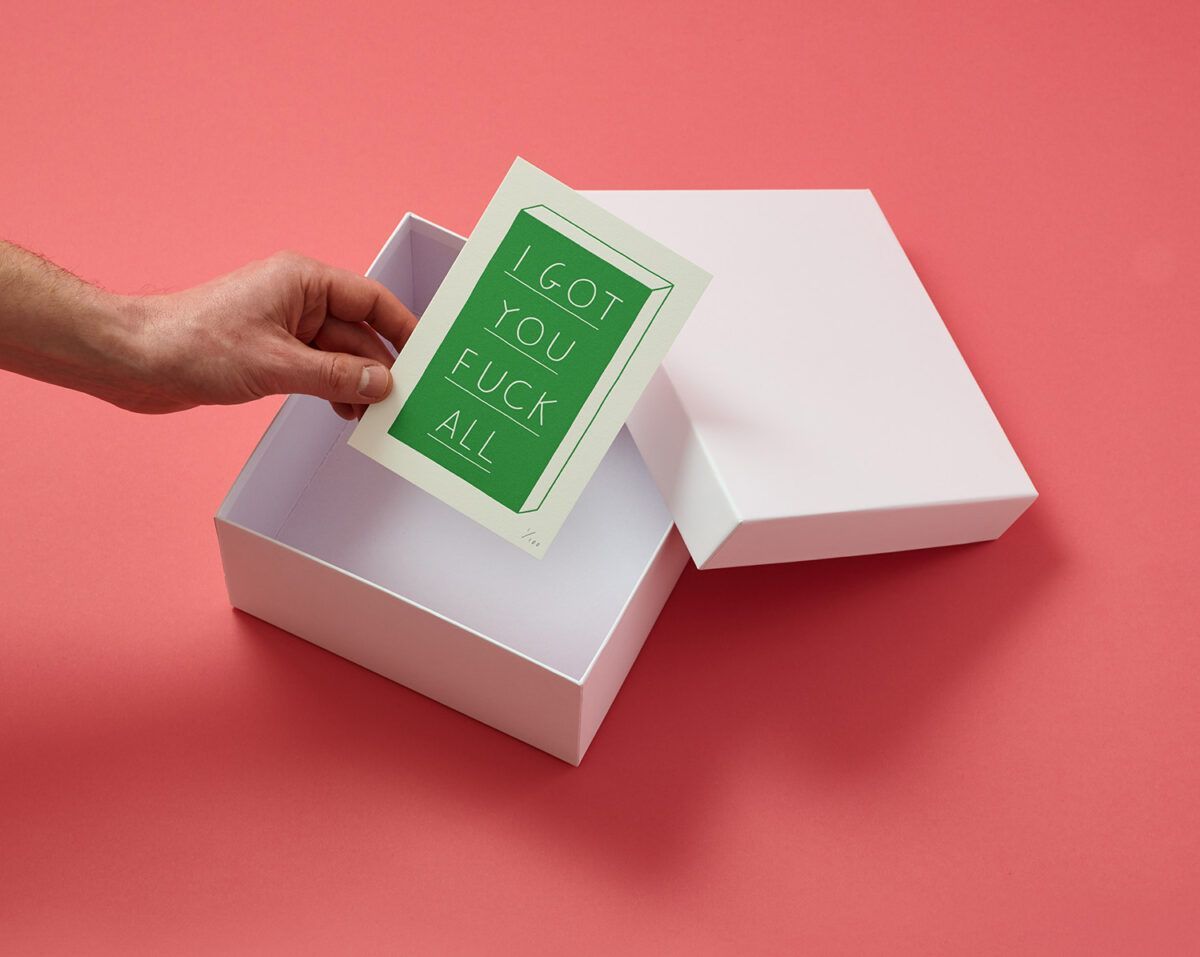
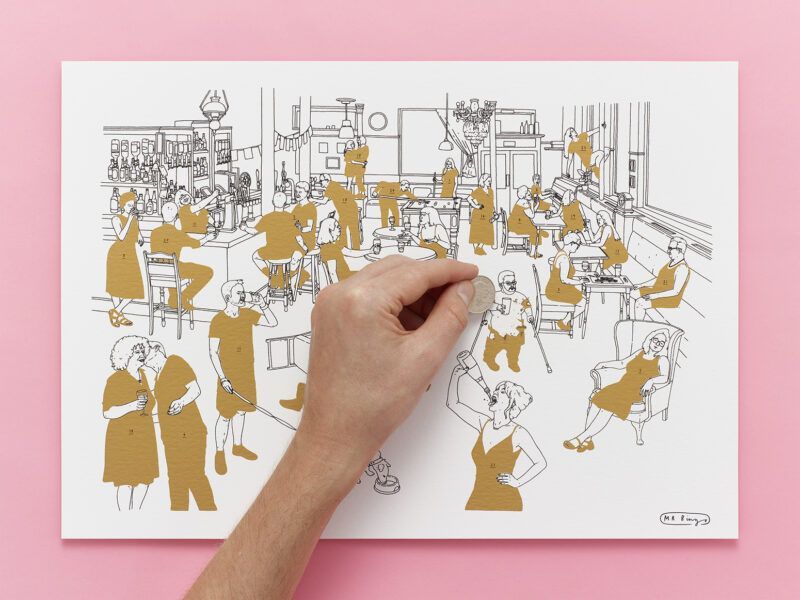
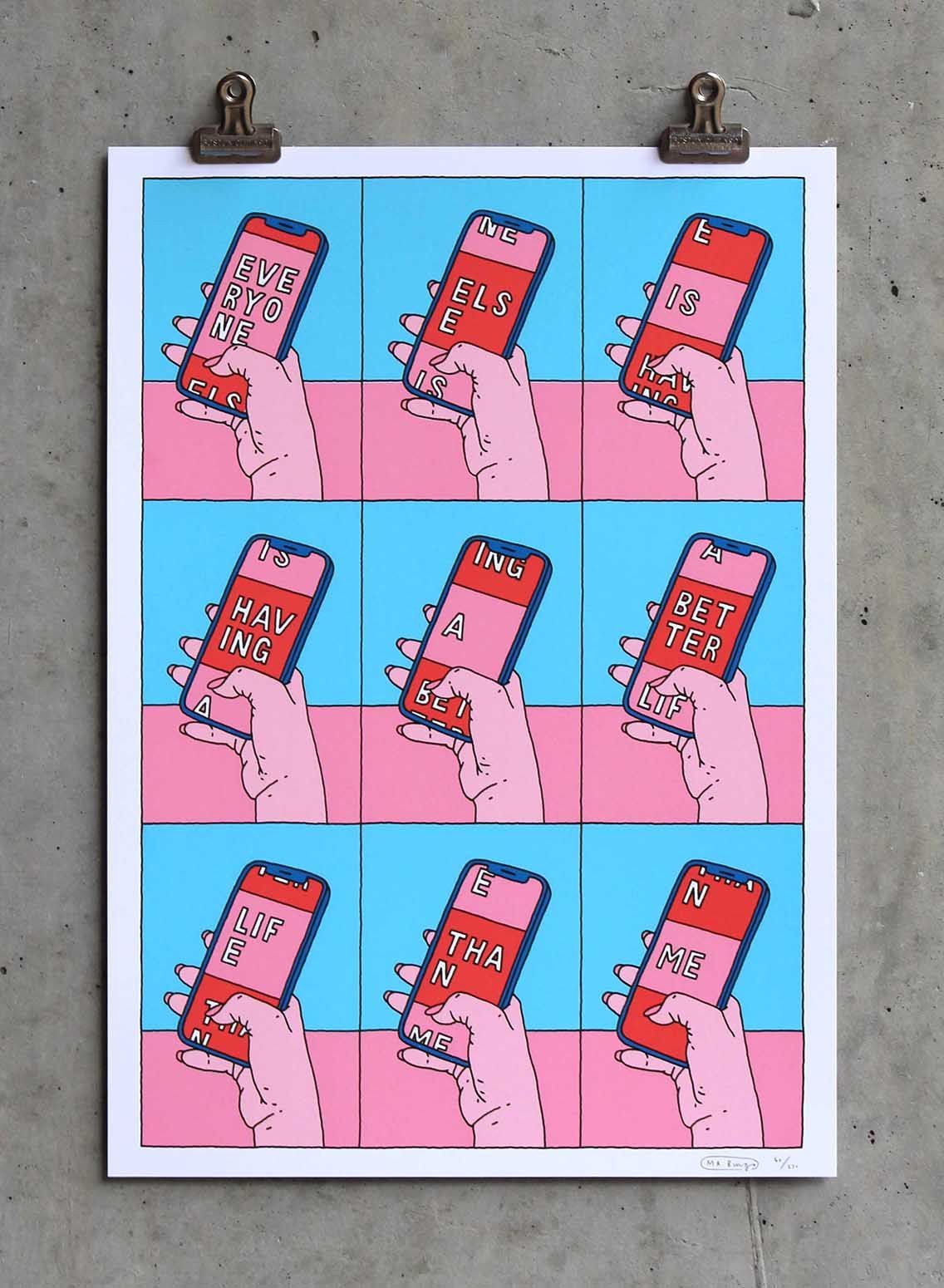
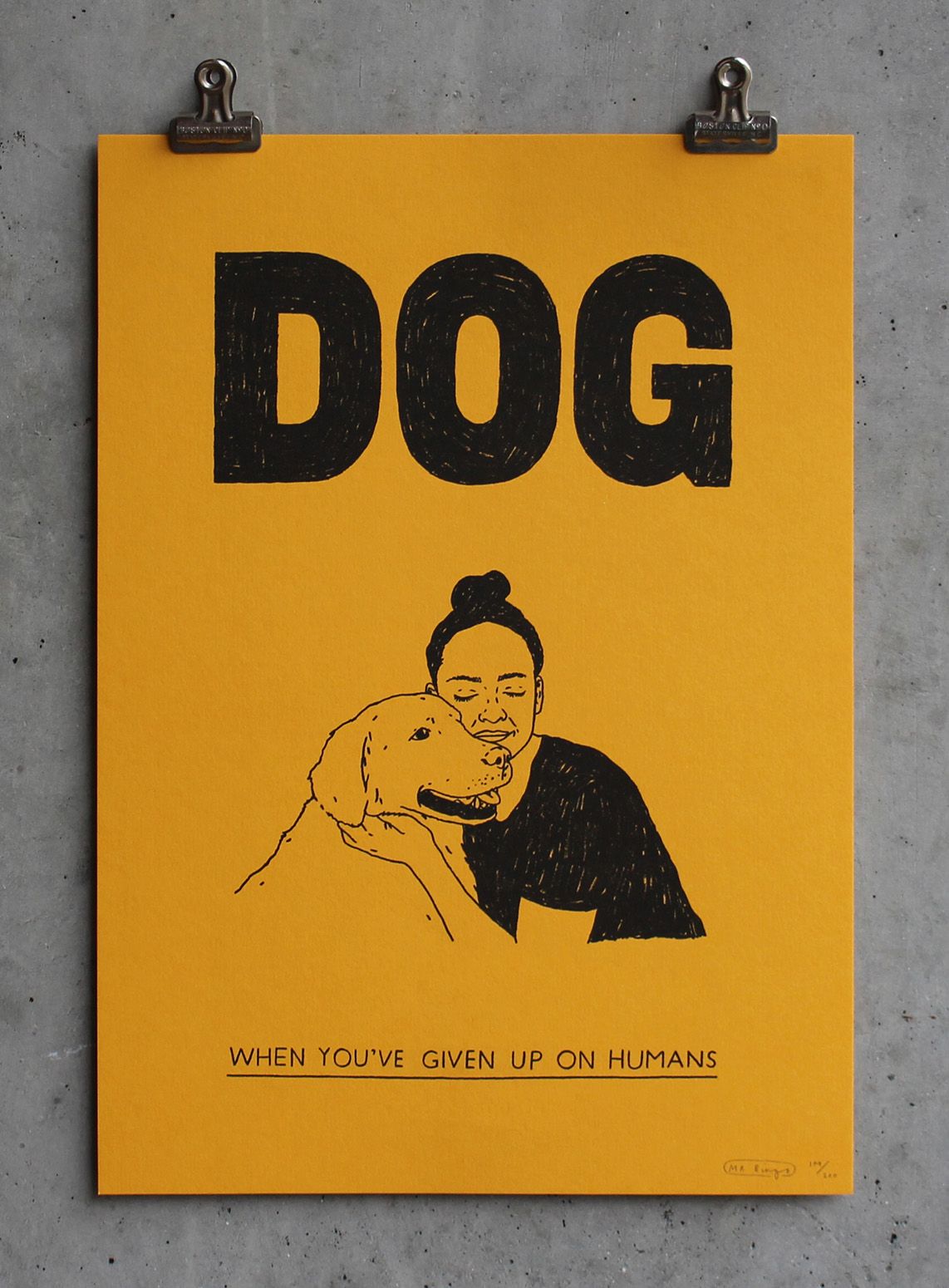
Mr. Bingo‘s work constantly exists between humour and discomfort. His prints combine vibrant colours, apparently simple messages and a sharp irony that challenges both contemporary visual culture and many of society’s collective obsessions.
When asked how he would define his style today, his answer is characteristically straightforward: “I basically come up with ideas and jokes and then try and convey them in an attractive way, that people might want to display on their walls.”
Behind that apparent simplicity lies a clear philosophy about authenticity and creative freedom: “All industry limits authenticity because money and job security means people are rarely as creative as they want to be.”
His situation is unusual precisely because he has managed to build an entirely independent model: “I’m lucky because I’m now in a position where I don’t work for any companies so my output is pure and not based on the fear of losing my job and not getting paid.”
The art of living without clients
One of the most surprising aspects of Mr. Bingo‘s career is that leaving commercial work behind did not damage his finances. Quite the opposite.
“I used to get paid £300 to do an editorial illustration for a magazine. Now, if I come up with a really good idea and sell it as a print in multiple editions, that one idea can be worth a significant amount of money over the years.”
His experience demonstrates how digital platforms have fundamentally changed the possibilities available to contemporary artists.
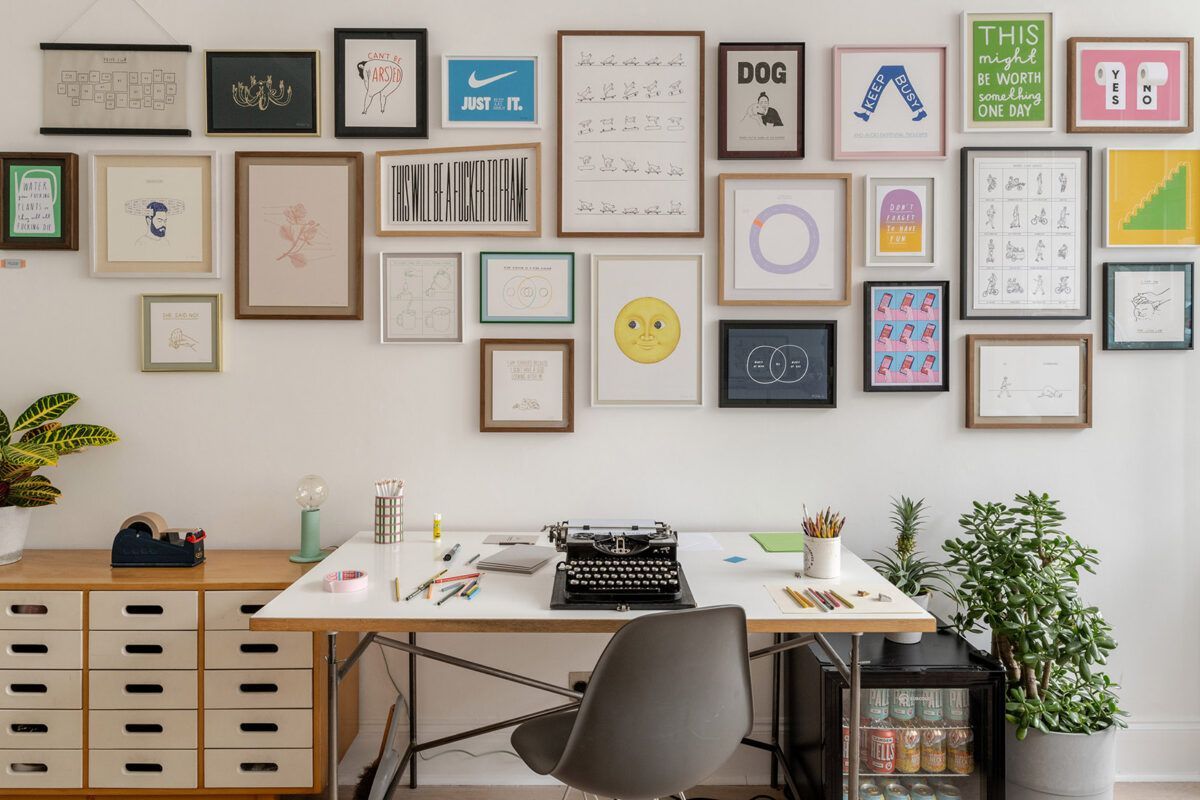
“So not working for clients actually means I make more money. I employ people now and I can afford to have a studio in central London and take risks on self funding new projects. I’d struggle to do that as a commercial illustrator.”
Building a direct relationship with an audience
If there is one defining feature of Mr. Bingo‘s career, it is the unusually close relationship he maintains with his audience.
Long before “community building” became a marketing buzzword, he understood the value of connecting directly with people: “When I graduated from university in 2001 I wanted to be a freelance illustrator and there was no concept of having fans or an audience.”
The internet transformed that reality: “Through Myspace, Twitter and Instagram I slowly built a loyal following, many of which are still with me today.”
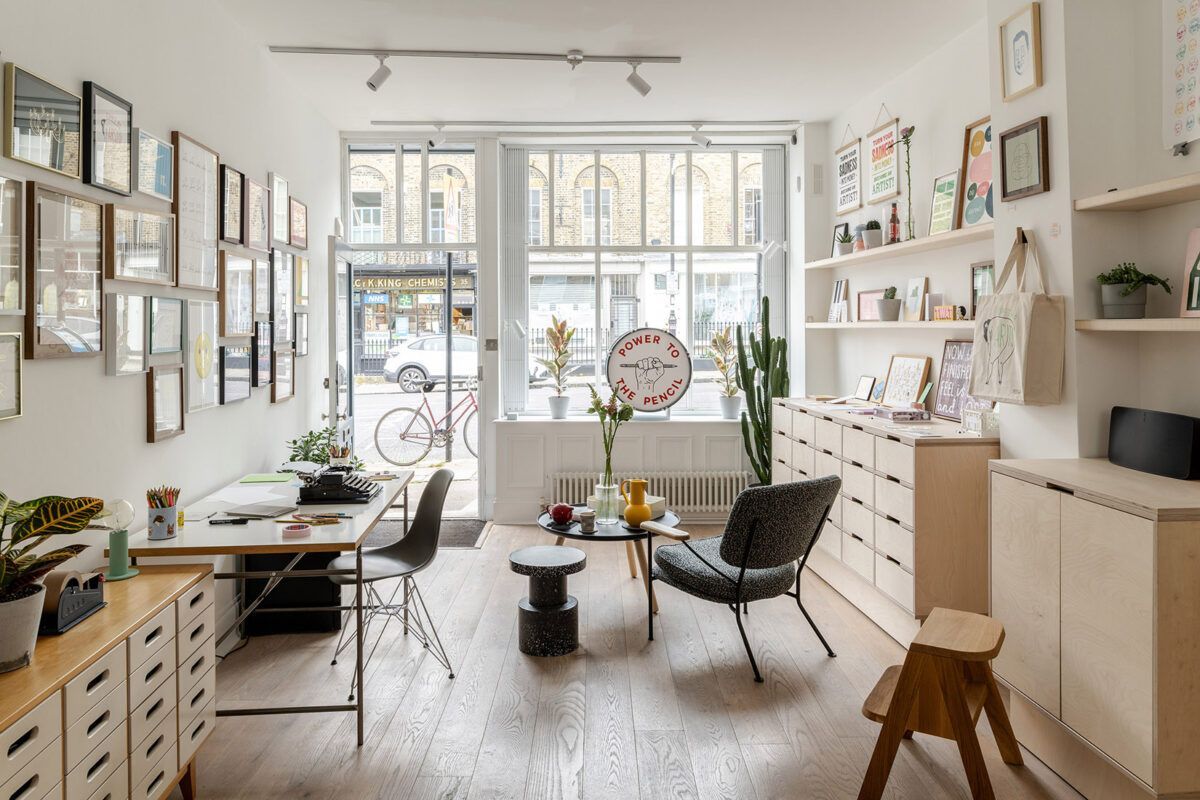
Today, he remains deeply involved with his community: “I reply to my DM’s and I meet my audience every Friday in my shop in London.”
And that connection goes far beyond numbers: “I’m way more in touch with my audience than most people and companies will ever be. It’s real, I’m not hidden away in a company, I’m on the front line and accessible.”
That accessibility has become one of the cornerstones of his work and perhaps one of the key reasons behind its continued success.
Failure as creative fuel
At a time obsessed with instant success and relentless productivity, Mr. Bingo champions failure as an essential part of the creative process.
For him, making art is largely about continuing to try: “A lot of being an artist is trying hard and if everything is a constant ‘hit’ you’ll probably stop trying and the quality of your work will decrease because you won’t care as much.”
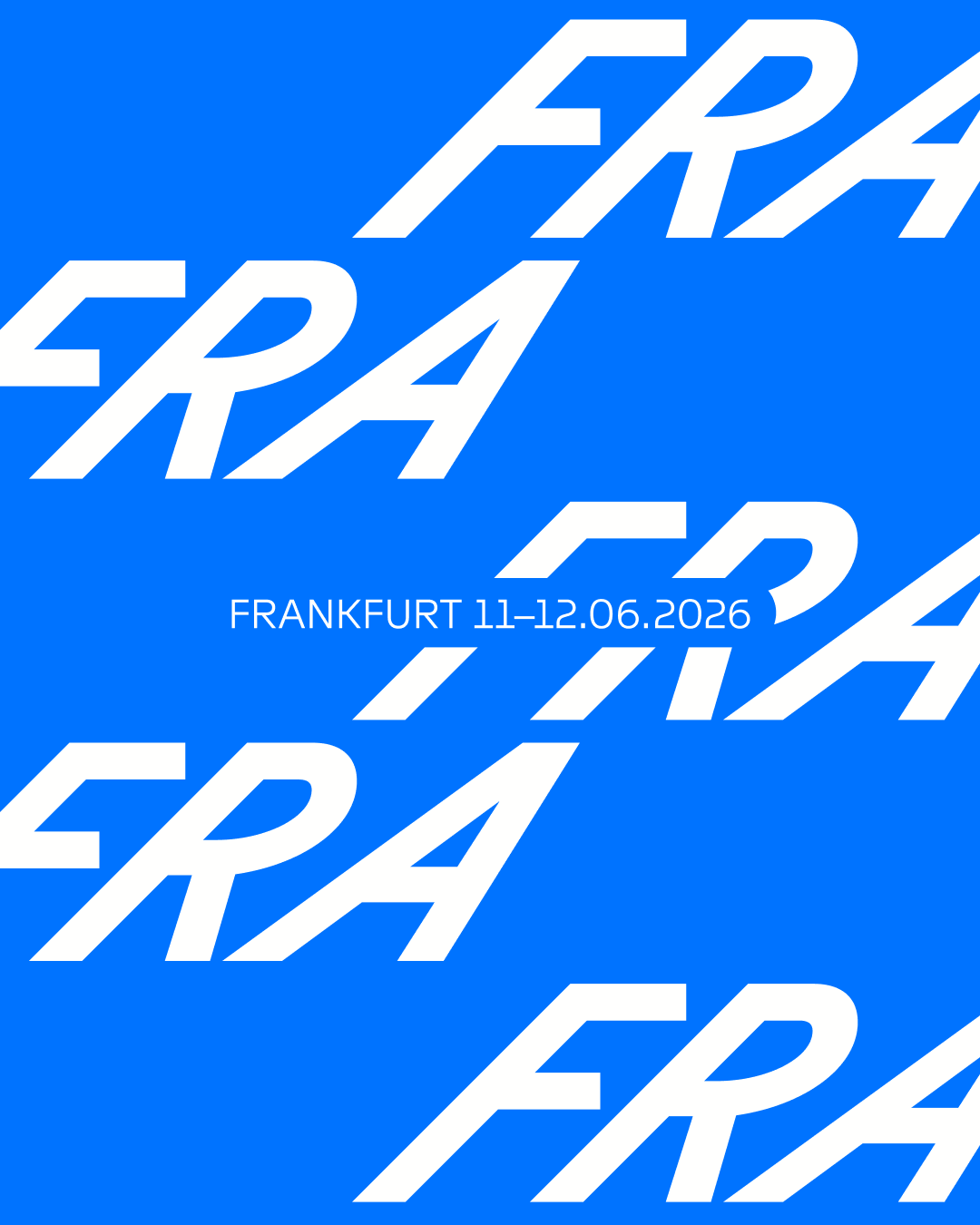
Forward Festival Frankfurt 2026: creativity, virality and digital culture
At Forward Festival Frankfurt 2026, Mr. Bingo will deliver what promises to be a talk as entertaining as it is unpredictable.
The artist revealed that he will discuss social media, audience building, crowdfunding, originality, virality, creative experimentation and contemporary art, alongside a series of more unexpected topics.
“I’ll be talking about Social Media, building an audience, creating ‘news’, working with a fanbase, coming up with ideas, crowdfunding, getting attention, going viral, originality, learning how to rap, testing ideas out, meeting strangers, making art, weirdness, doing your own thing, what is art?, pushing boundaries, social outrage, selling weird things, art as therapy, stalkers, working during a global pandemic and connecting with people.”
As he puts it: “It’s a fun talk, so even if you don’t learn anything from it, hopefully you’ll just be entertained.”
“Failure is good. You learn from failure and it keeps you hungry.”
“Life is short: stop overthinking it”
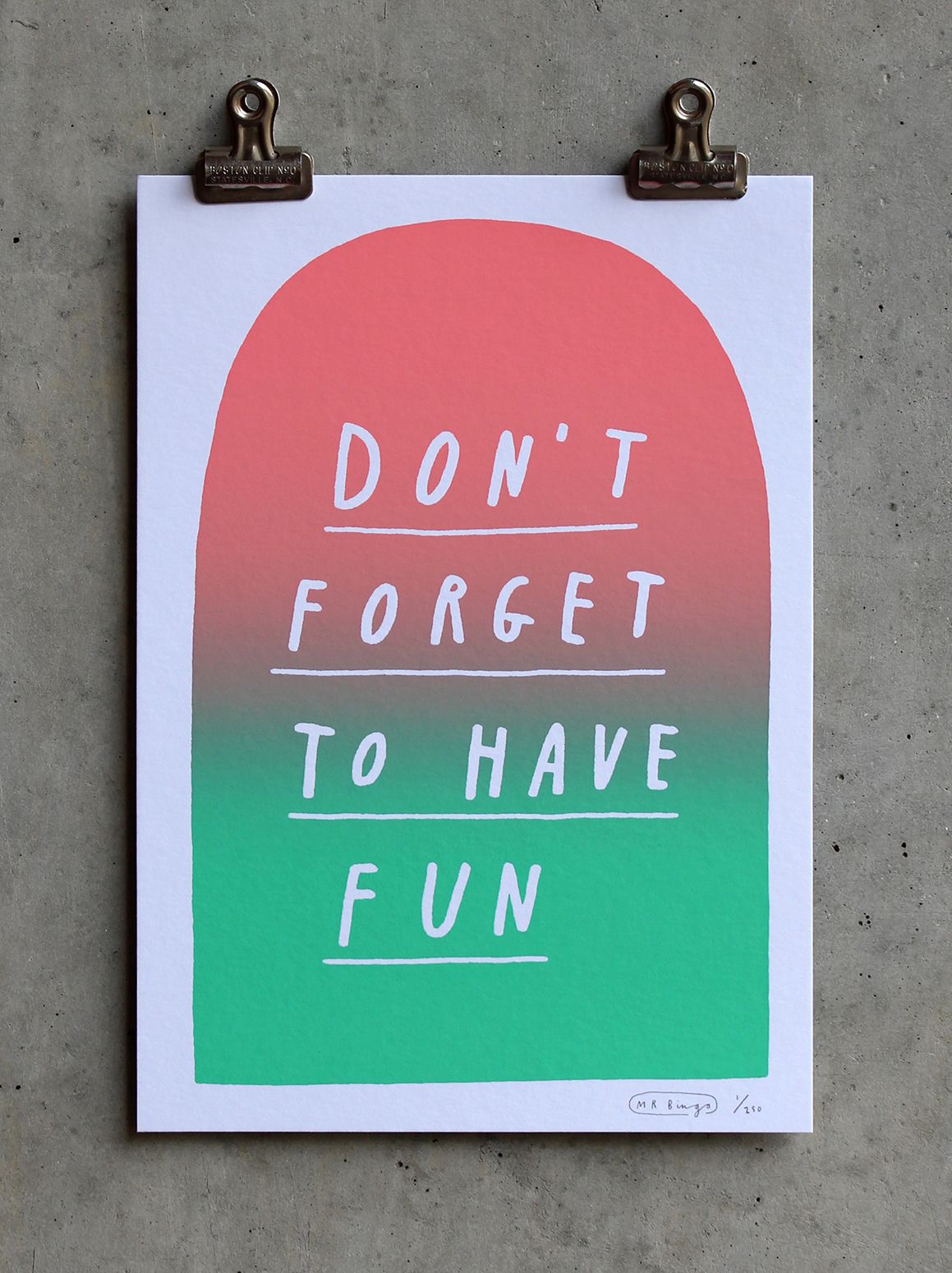
Perhaps the best way to understand Mr. Bingo‘s philosophy is through the advice he offers to creatives who want to break the rules but are afraid to do so.
“You will be dead in (x) years so just fucking do stuff and stop overthinking life because it’s short and doesn’t even make sense. If you play it safe, you’ll regret it when you’re old.”
It may sound extreme, but it perfectly encapsulates his career: abandoning safe structures, trusting strange ideas and building a life around creative independence.
While much of the creative industry remains obsessed with pleasing algorithms, brands and fleeting trends, Mr. Bingo advocates the opposite approach: creating with complete freedom and without asking anyone for permission.
Save the Date!
Tickets are available via this link.
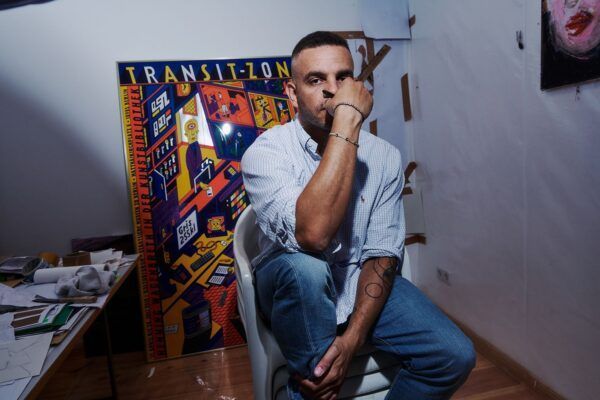
(*) Images courtesy of Mr. Bingo.