Zaventem Ateliers inhabit Villa Empain
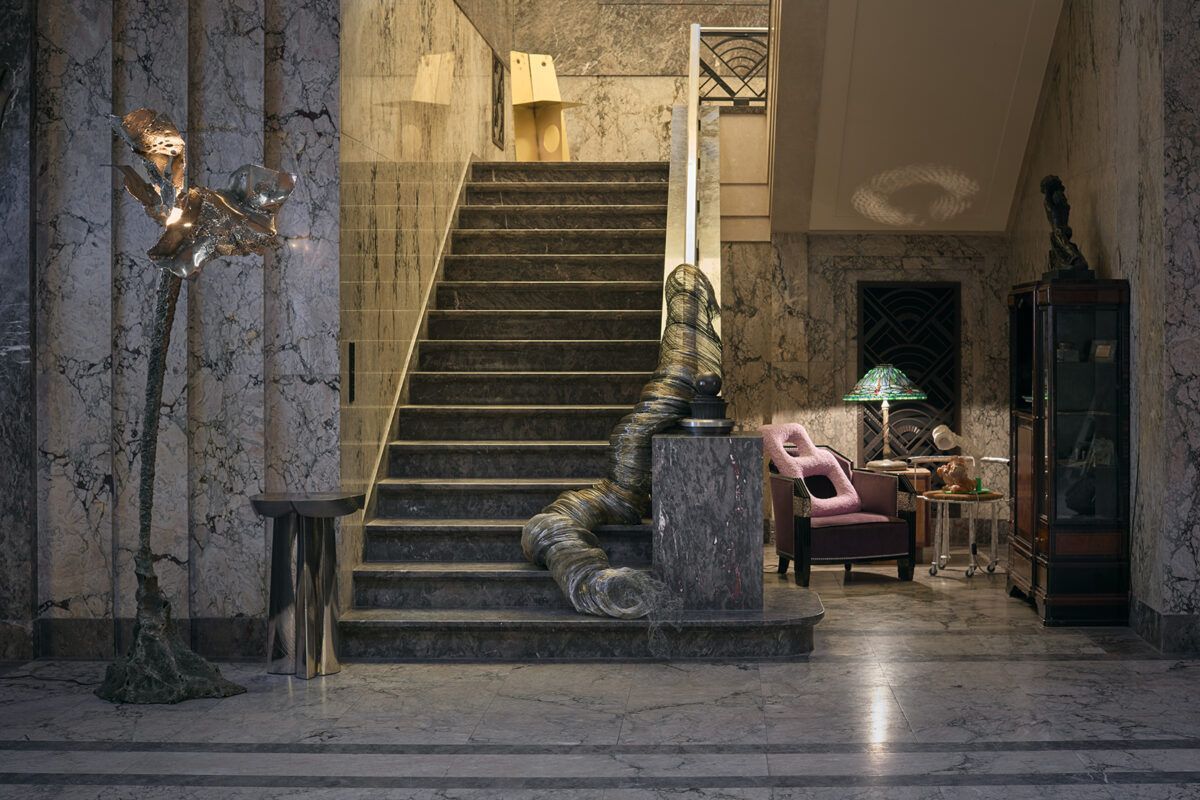
Zaventem Ateliers turns a Brussels Art Deco icon into a living home for ten days.
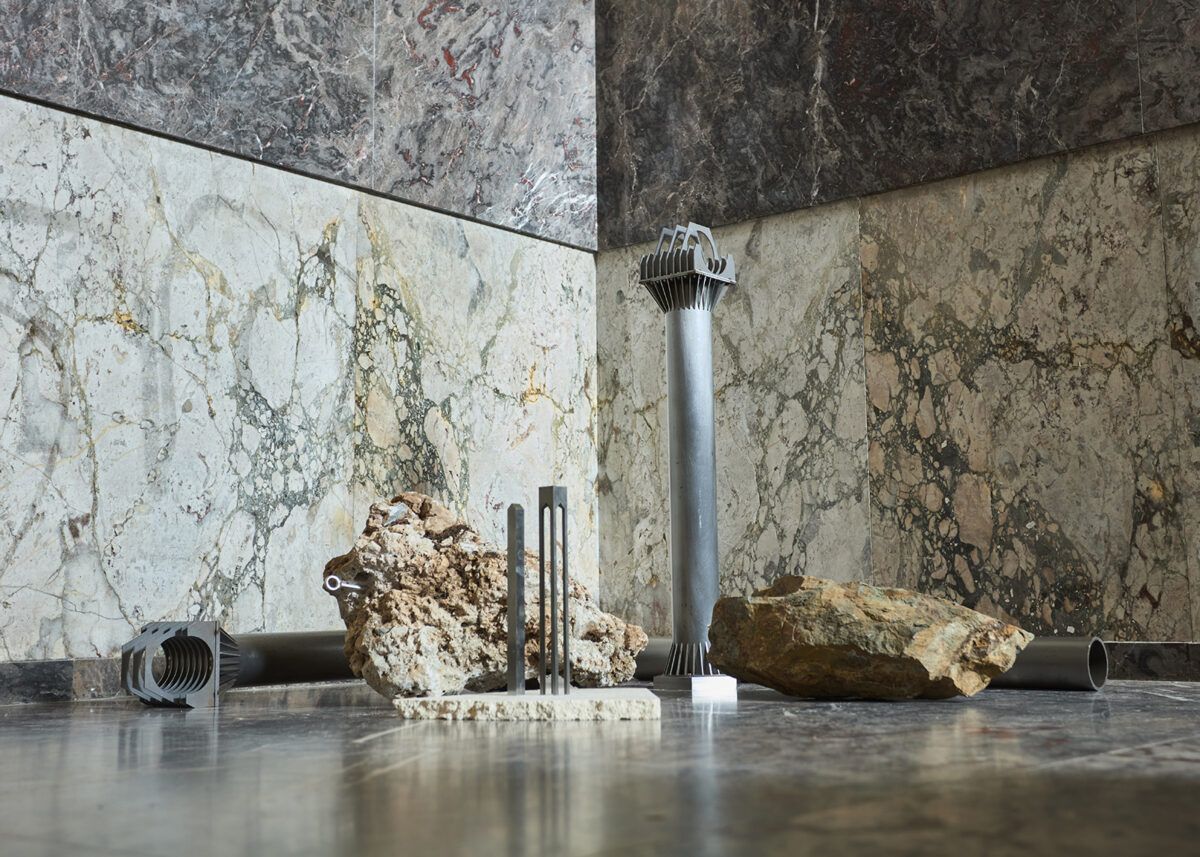
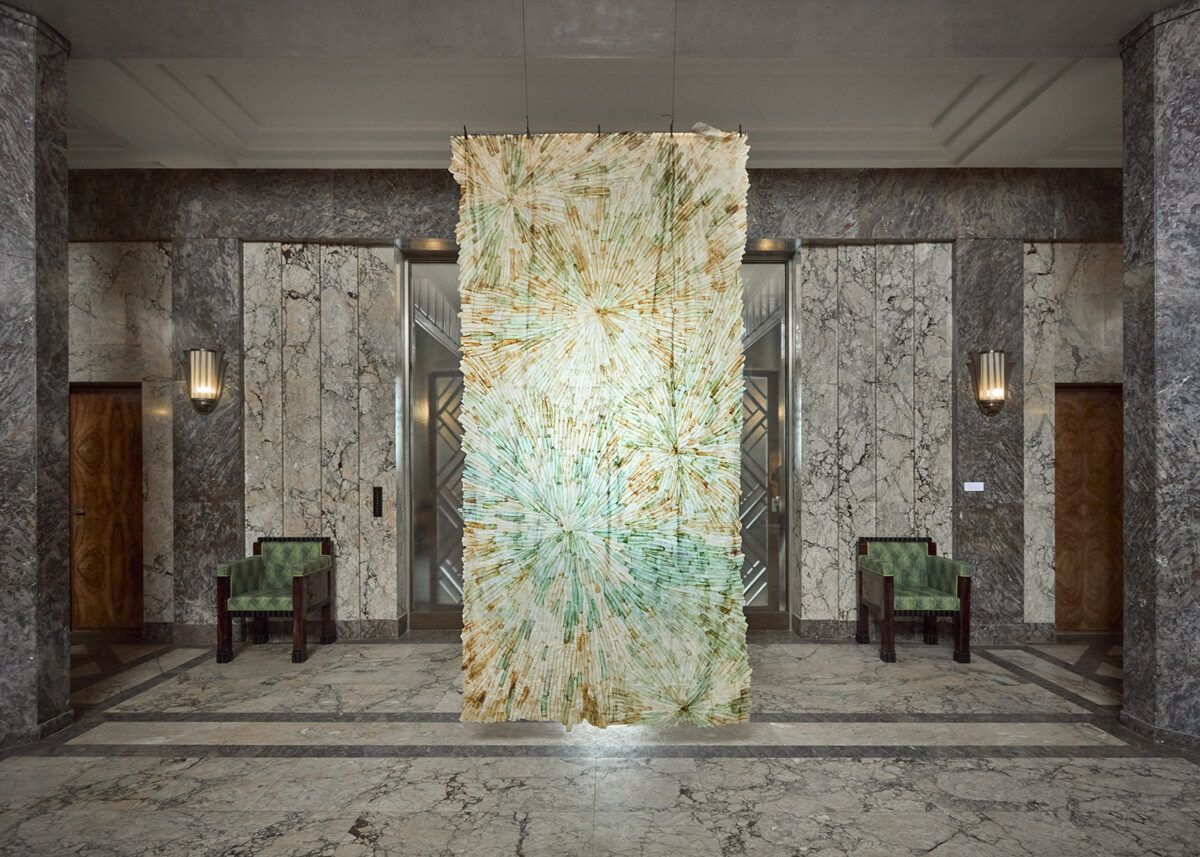
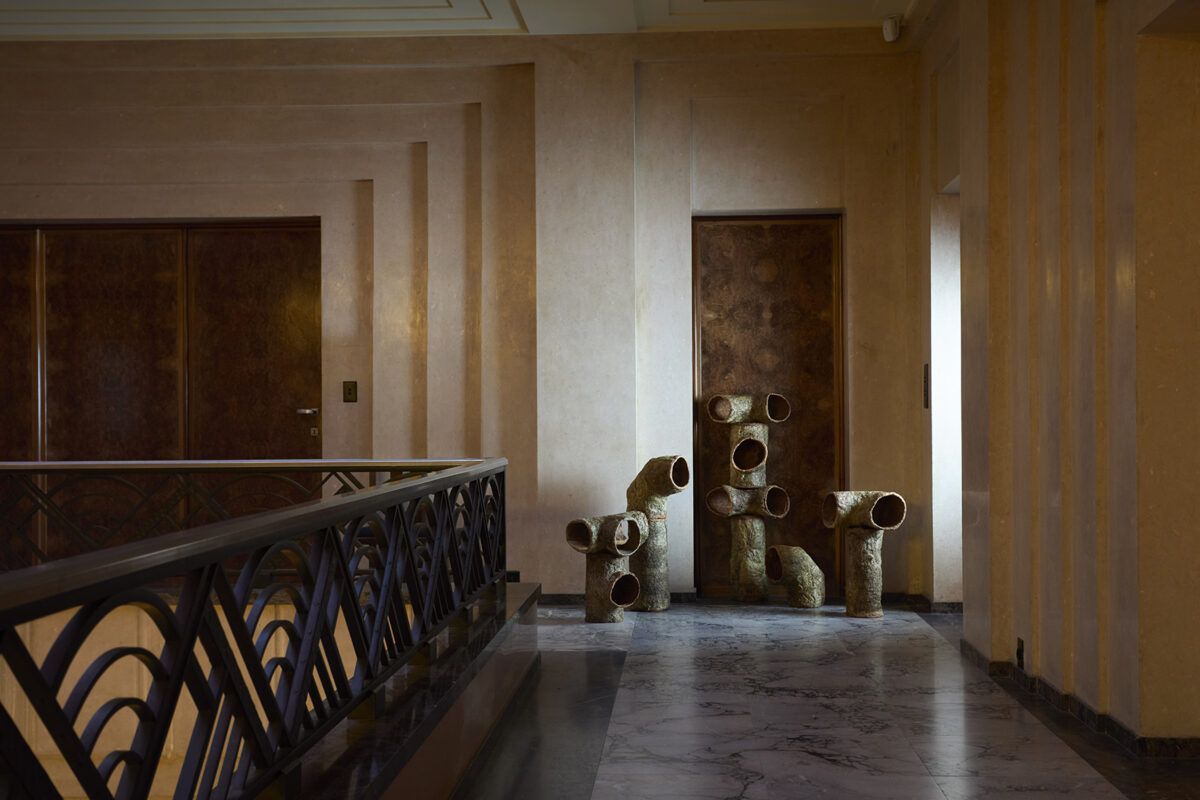
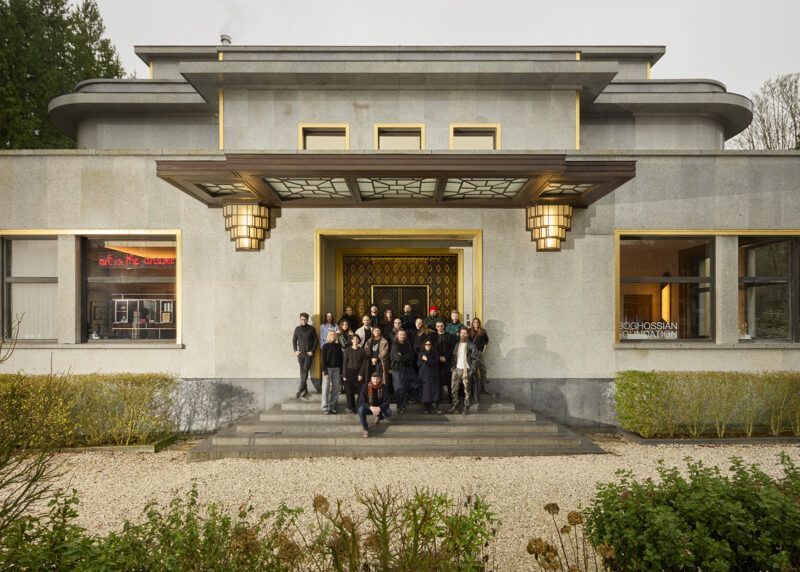
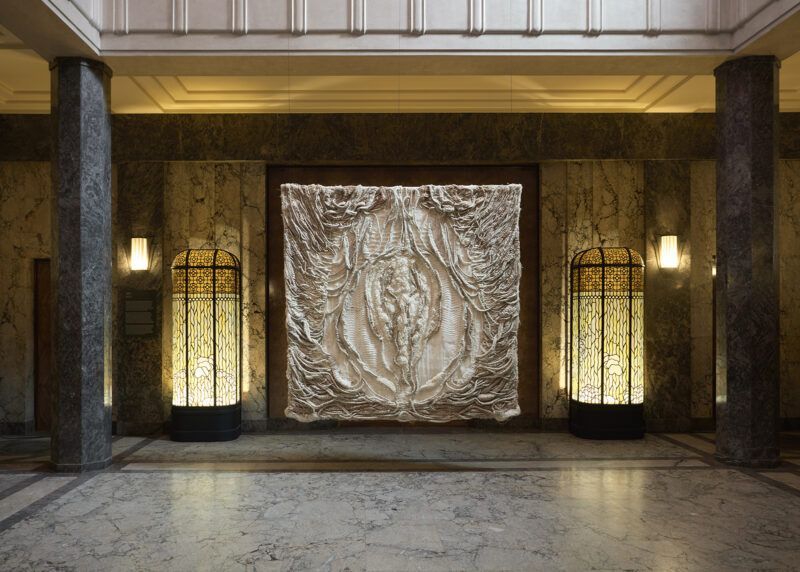
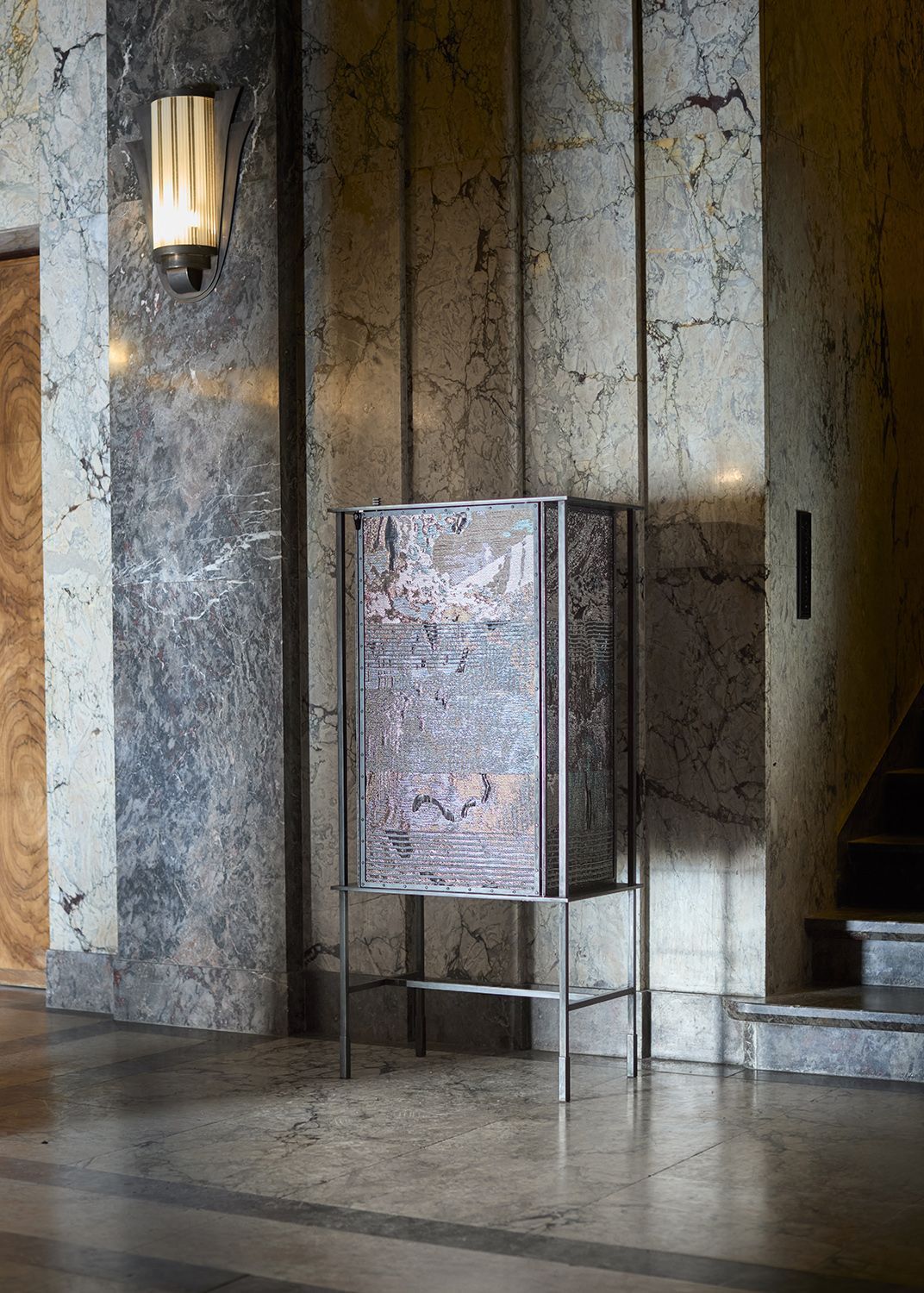
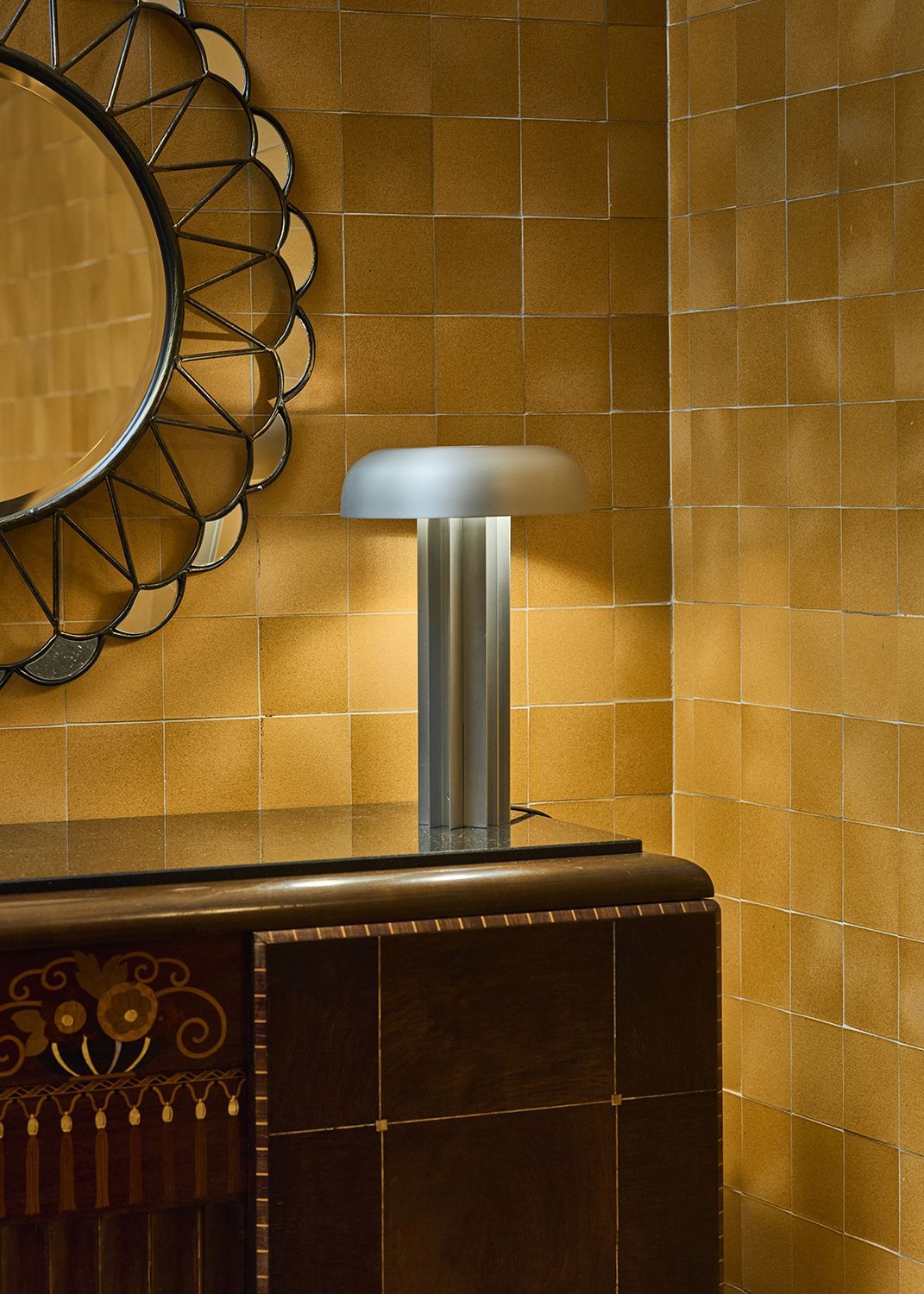
Villa Empain has always felt like the perfect set: marble surfaces that catch the light like still water, noble woods with the exact patina of the unrepeatable, proportions designed so the body moves at a calmer pace. It’s a house that imposes a rhythm. And precisely for that reason, the proposal arriving in Brussels from 11 to 19 March 2026 carries such force: Zaventem Ateliers is not coming to exhibit in Villa Empain — it is coming to live inside it.
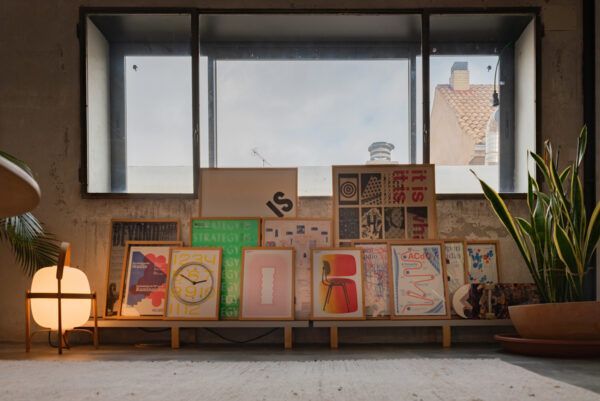
For ten days, this Art Deco landmark becomes a real ecosystem of contemporary collectible design and Belgian art. There will be no display cases separating visitors from objects, no wall labels dictating interpretation. Instead of following the model of a traditional exhibition, the villa is transformed into a fully inhabited space where daily life becomes part of the project itself. Inside its rooms, people work, cook, talk — and develop pieces that are then integrated into the domestic environment. Objects stop being presented as isolated elements and become active tools within the home: used, moved, shared by those who occupy it. That direct relationship with use and human presence is precisely what defines the experience.
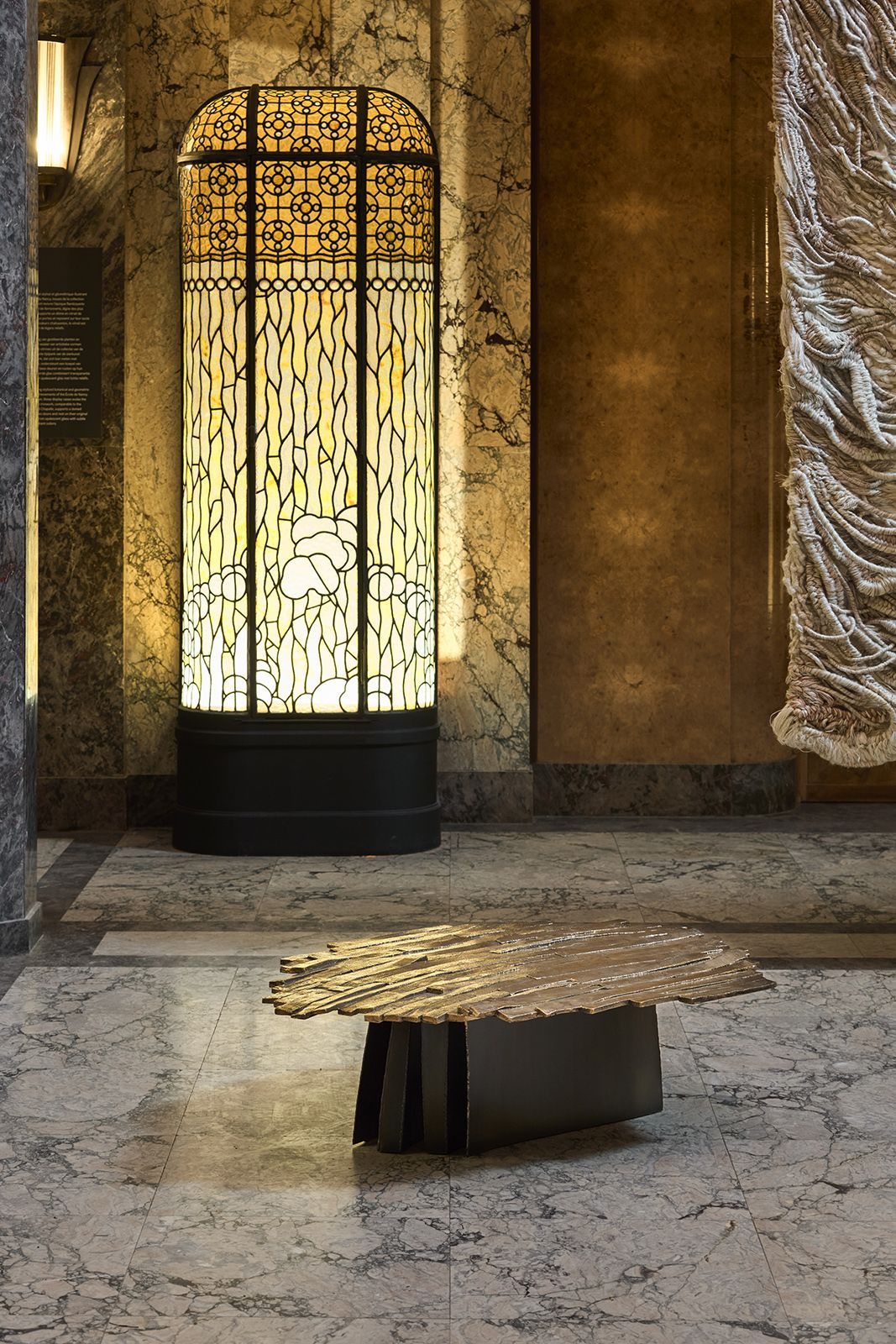
A precise collision between two worlds
Villa Empain was conceived in 1934 as a private residence. Its language is one of exactitude: domestic ritual, material intelligence, lines made to last. Zaventem Ateliers, by contrast, belongs to the absolute present: it gathers some of the most singular voices in Belgian collectible design and contemporary art — practices that can be experimental, radical, uncomfortable, or delightfully unpredictable.
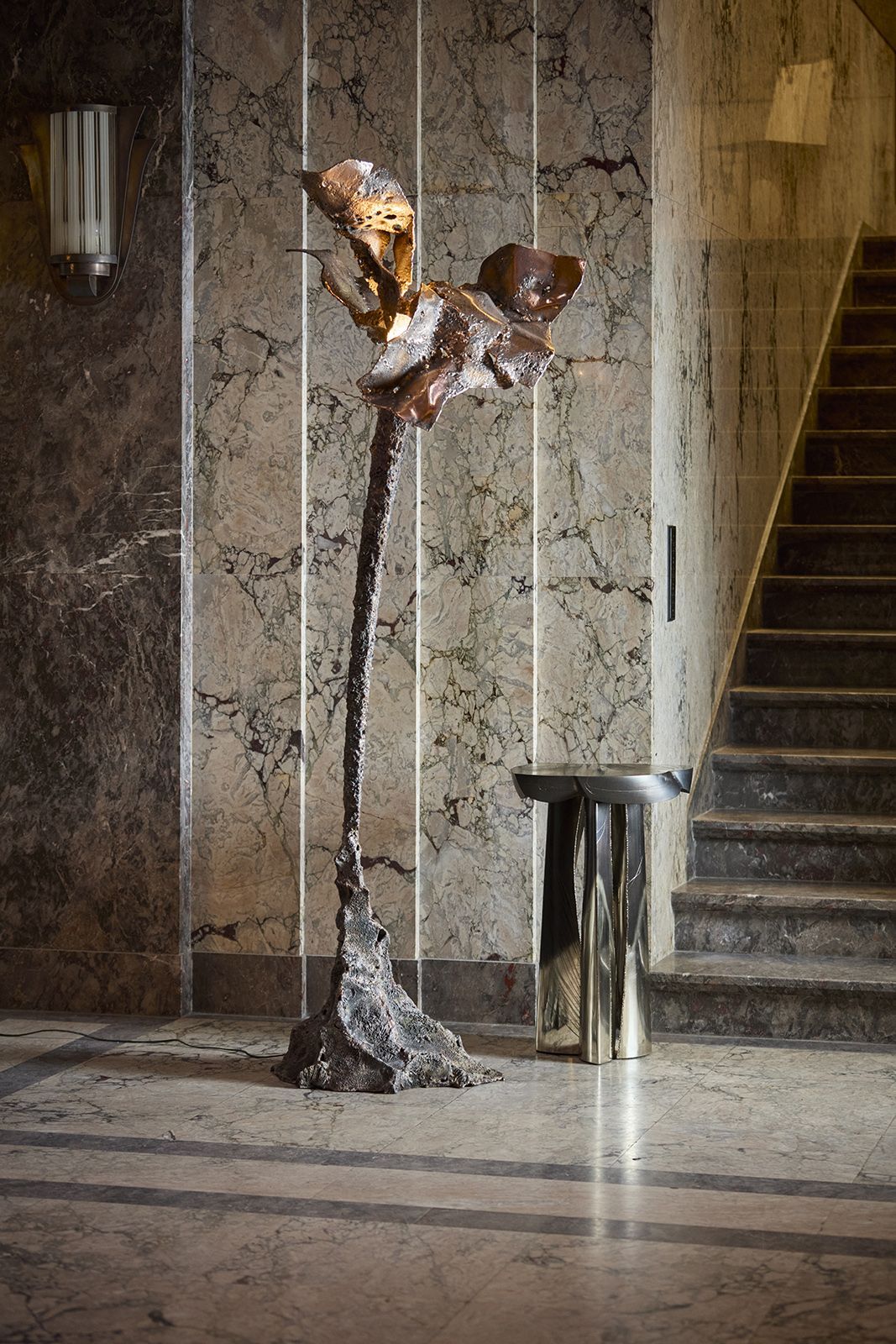
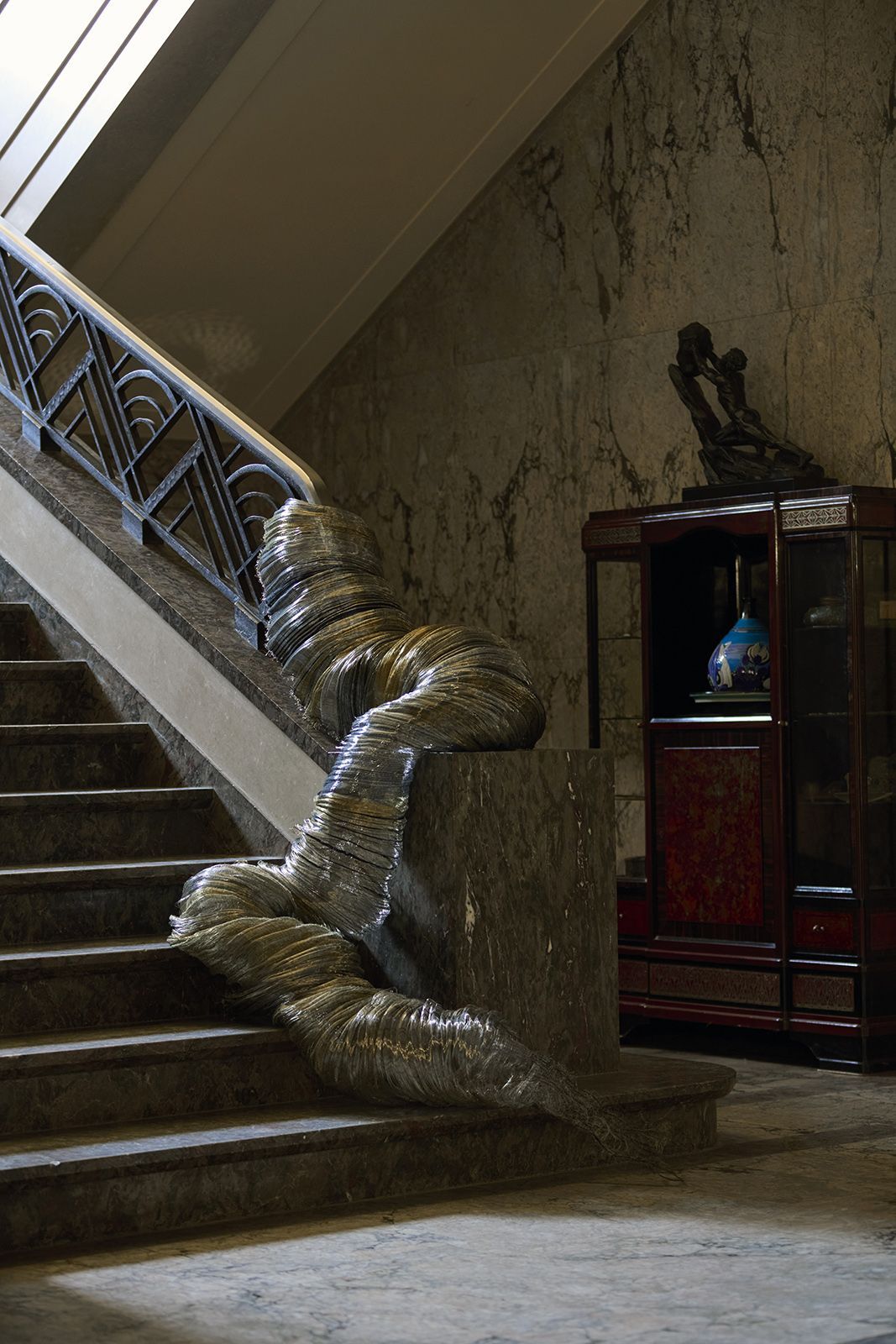
What’s compelling about this project is that it does not aim for a “harmonious” meeting between eras. The historic interior is neither softened nor reinterpreted through nostalgia, nor does it become an idealised recreation of the past. Instead, the proposal leans into a deliberate contrast between the villa’s Art Deco architecture and the contemporary works inhabiting it. While the building retains its architectural authority and historical identity, today’s pieces are inserted into that context, generating tension, dialogue and new readings of the space.
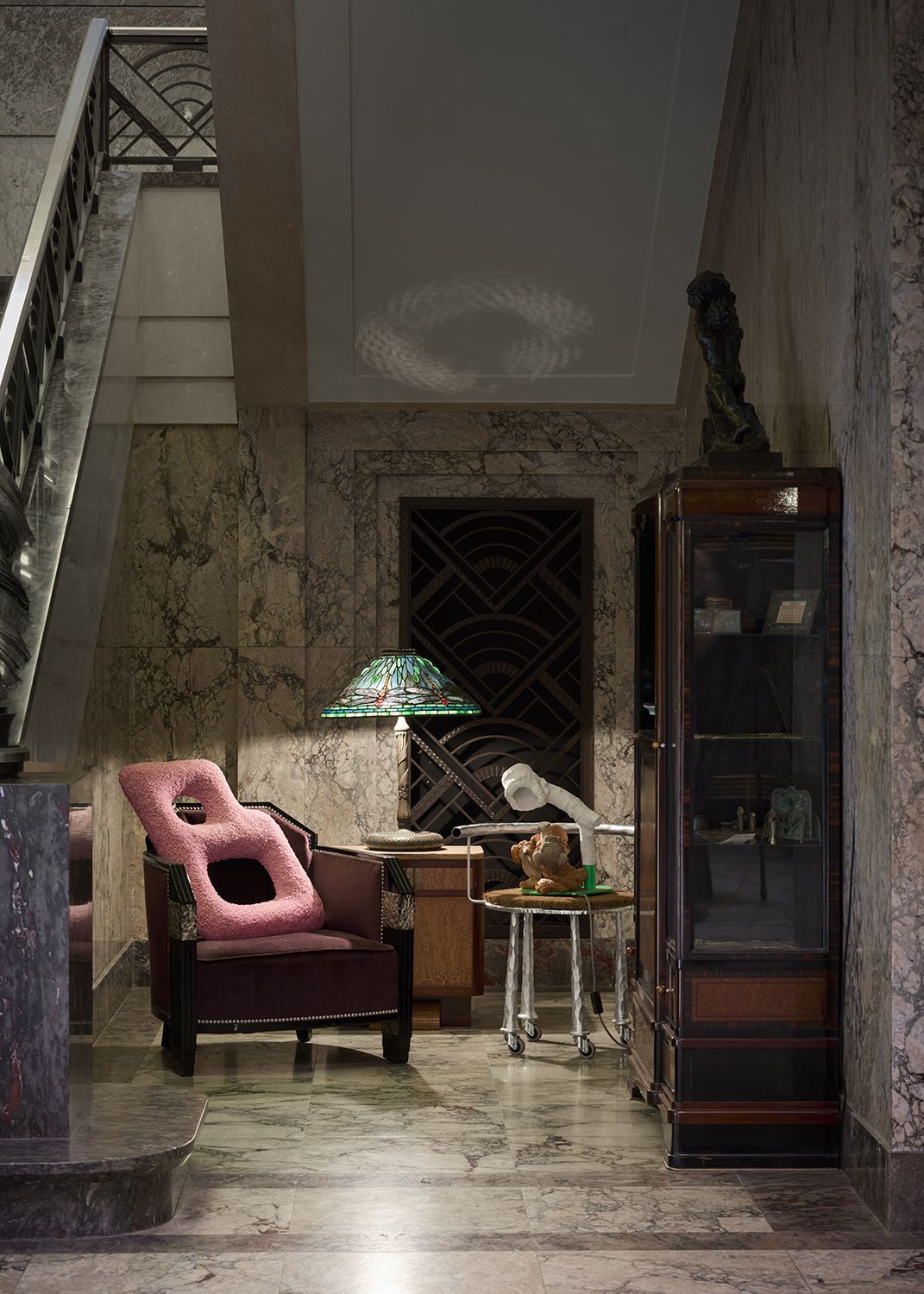
The result promises a fresh interpretation for both: the architecture is activated, and the contemporary sharpens through contact with a space that does not tolerate banality.
Not an exhibition: a house in motion
The phrase most often repeated by those who have heard the project’s details is simple: “it’s not an exhibition”. Yet this does not mean a conventional performance, nor a conceptual gesture that exists only as an idea. What Zaventem Ateliers proposes is more concrete — and more difficult: to return Villa Empain to its original vocation as a home, using the tools of design and art of the present.
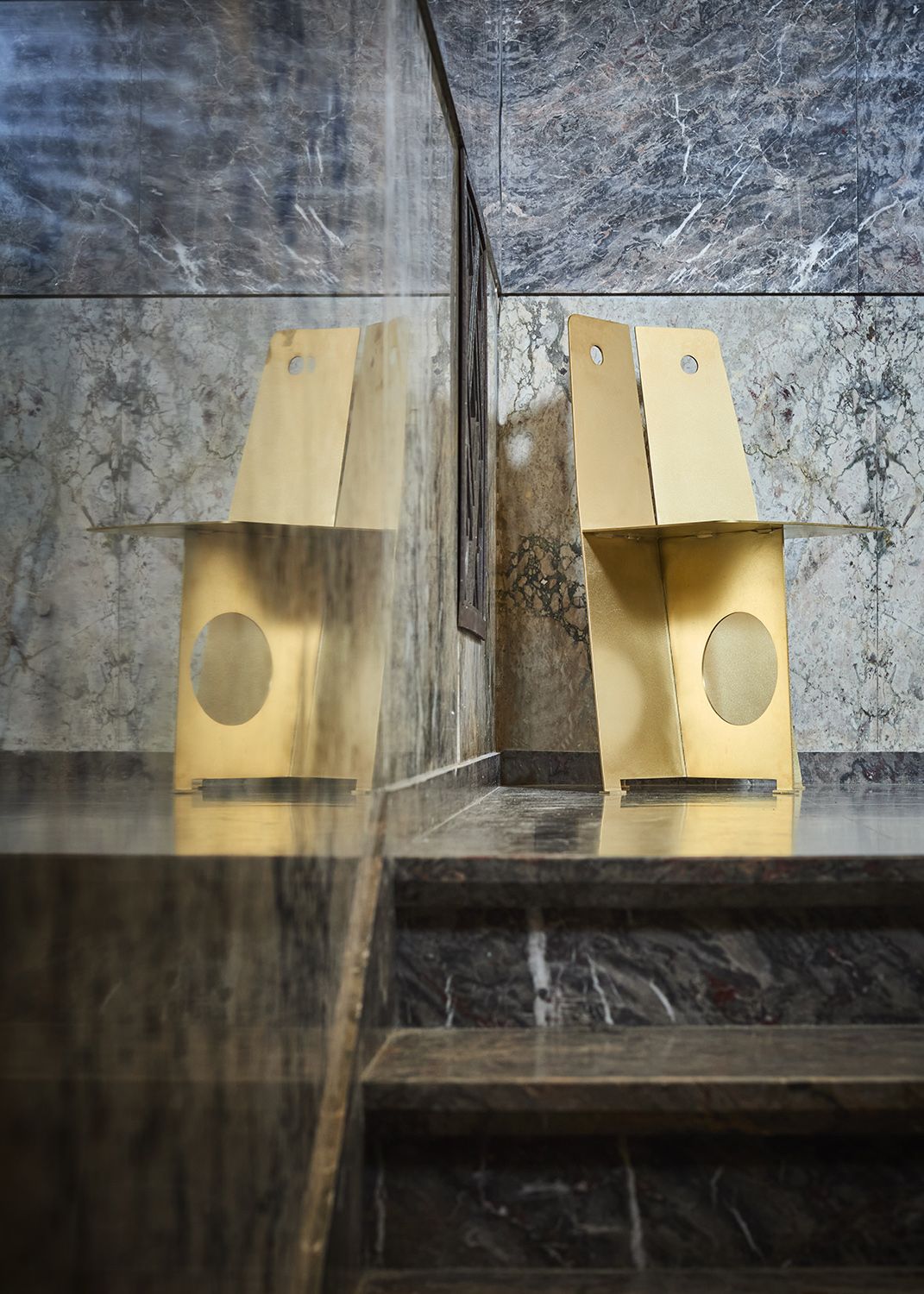
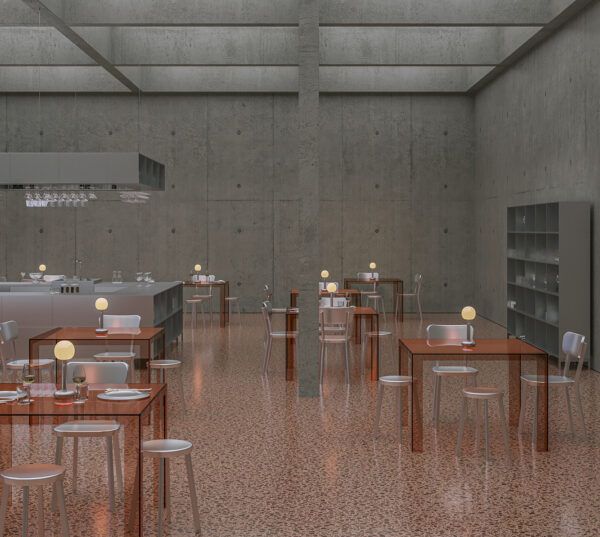
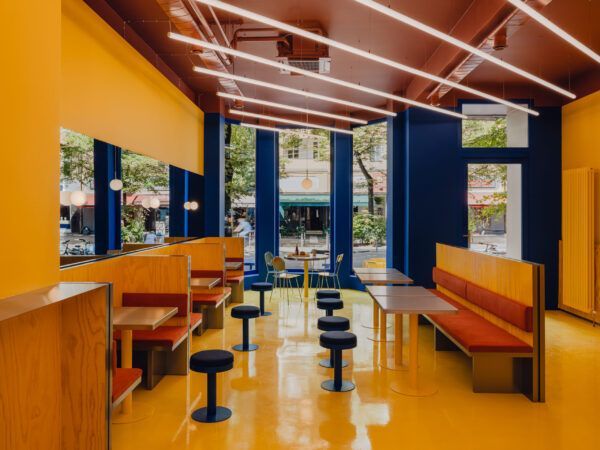
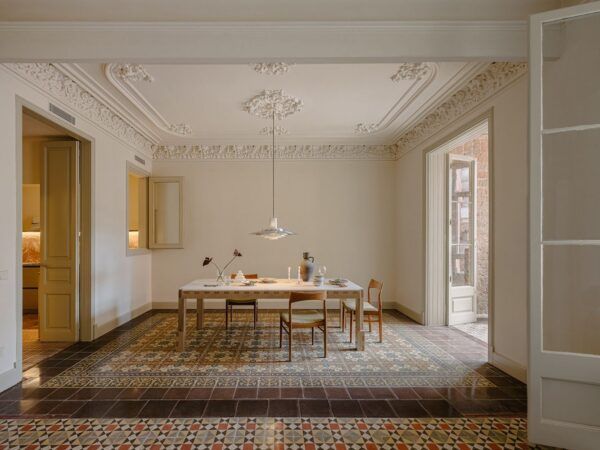
The rooms reclaim their original domestic functions — living room, dining room, bedroom, kitchen and shared areas — and are activated through real use, not artificial staging. Rather than being dressed as sets, they become lived-in places where everyday life forms part of the experience. The visitor enters a house where objects reach their fullest meaning through use and interaction.
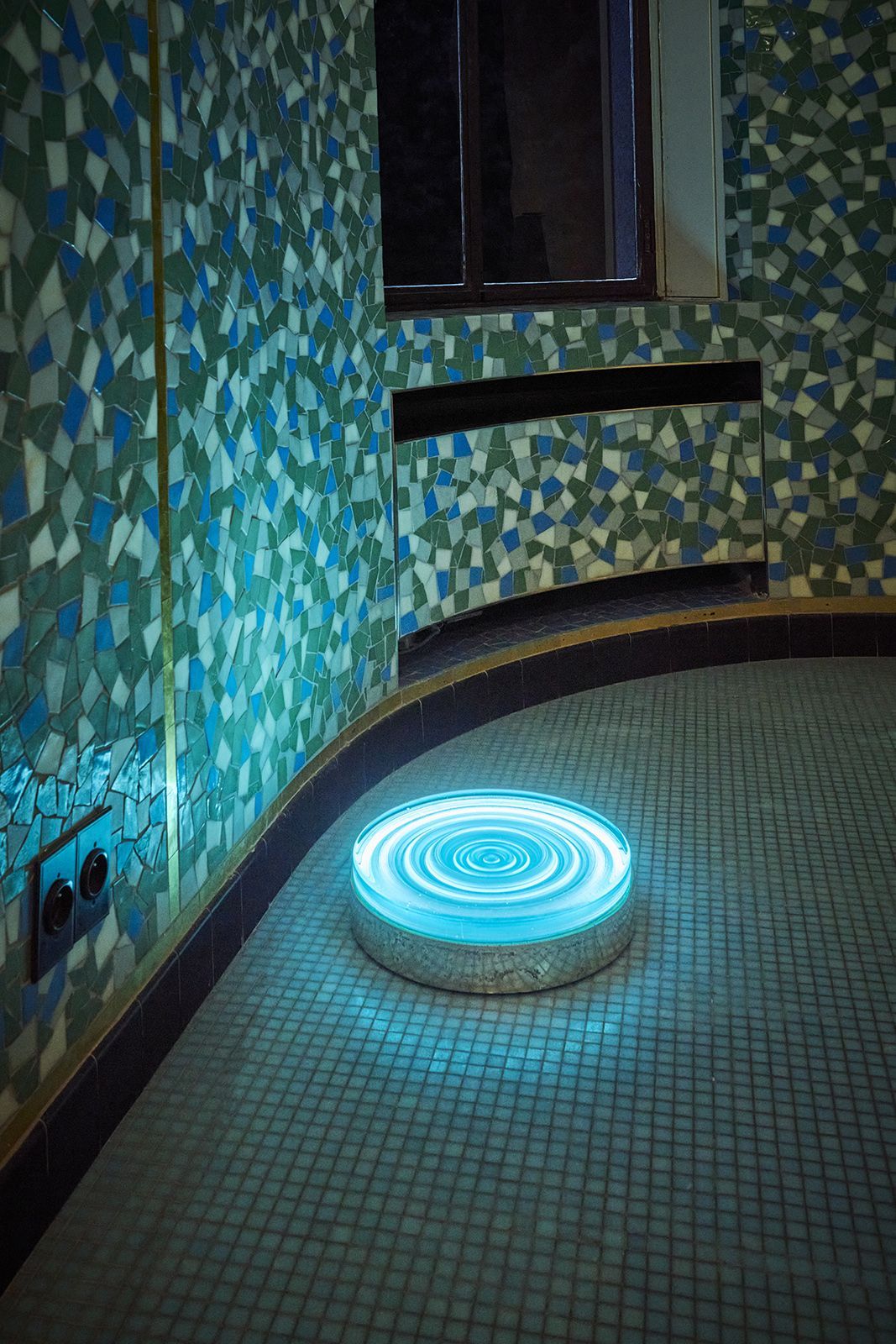
The difference is immediate: it is not the same to look at a chair as it is to see it hold a body; not the same to contemplate a table as it is to watch it become the centre of a conversation. Objects cease to be isolated and instead join the dynamics of the space, coexisting with the architecture around them.
The historic plan as a functional framework
Instead of imposing an artificial scenography, the project uses the villa’s original plan as its functional framework. The building is not turned into a white cube, nor distanced from its history through cold musealisation; on the contrary, its architecture becomes an active element of the experience.
Materials, volumes, circulation between rooms and the way light moves through the spaces shape the dialogue with contemporary works — which do not merely occupy the place, but respond directly to it.
At a time when many exhibitions seem designed for instant imagery, this proposal argues for a different rhythm: one based on duration, proximity and repetition. Meaning does not emerge from a quick glance; it is built as visitors move through the house, return to the same rooms, catch fragments of conversation, or discover a piece in the hands of its maker.
Presence as material
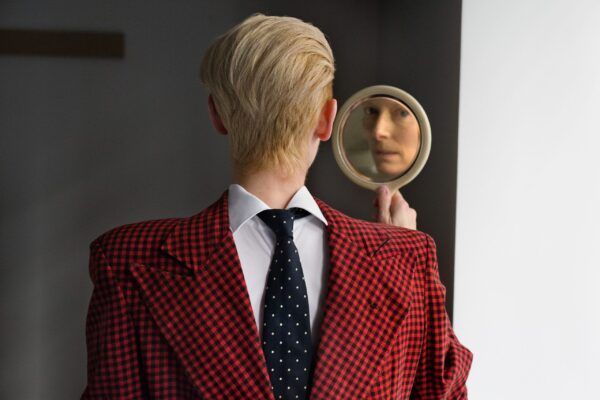
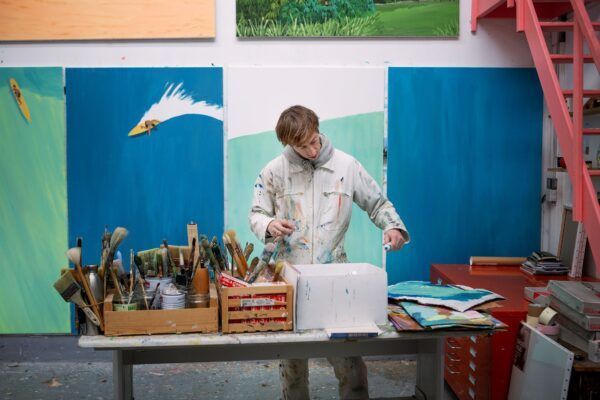
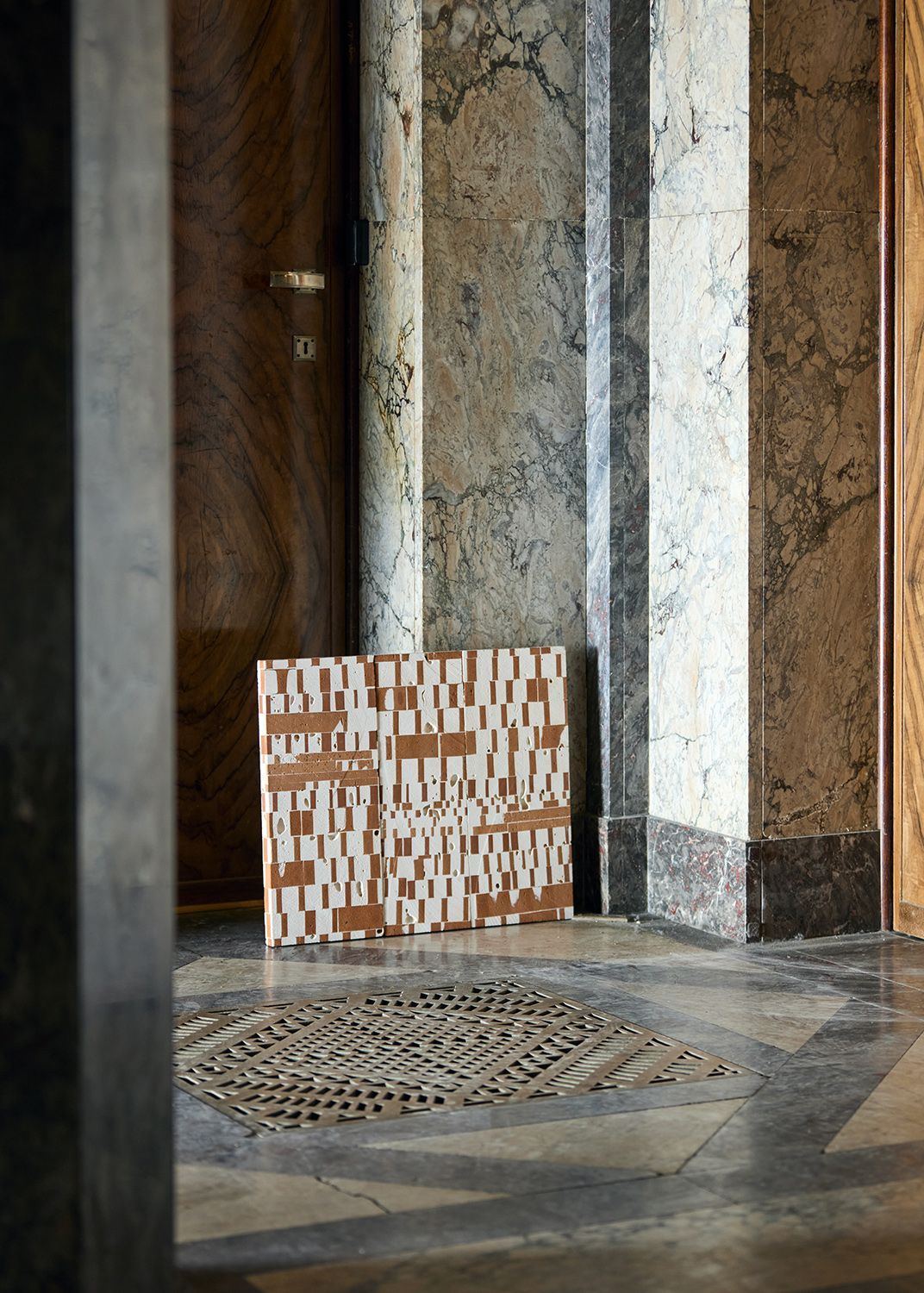
One of the central ideas running through the project’s manifesto is the notion of presence — understood not as an abstract concept but as a tangible reality. Over the ten days, designers and artists inhabit the house and activate its rooms through their own gestures and daily routines, so that creative process and everyday life become inseparable. The work, in this sense, is not understood as an isolated object, but as something completed through the presence of its creator.
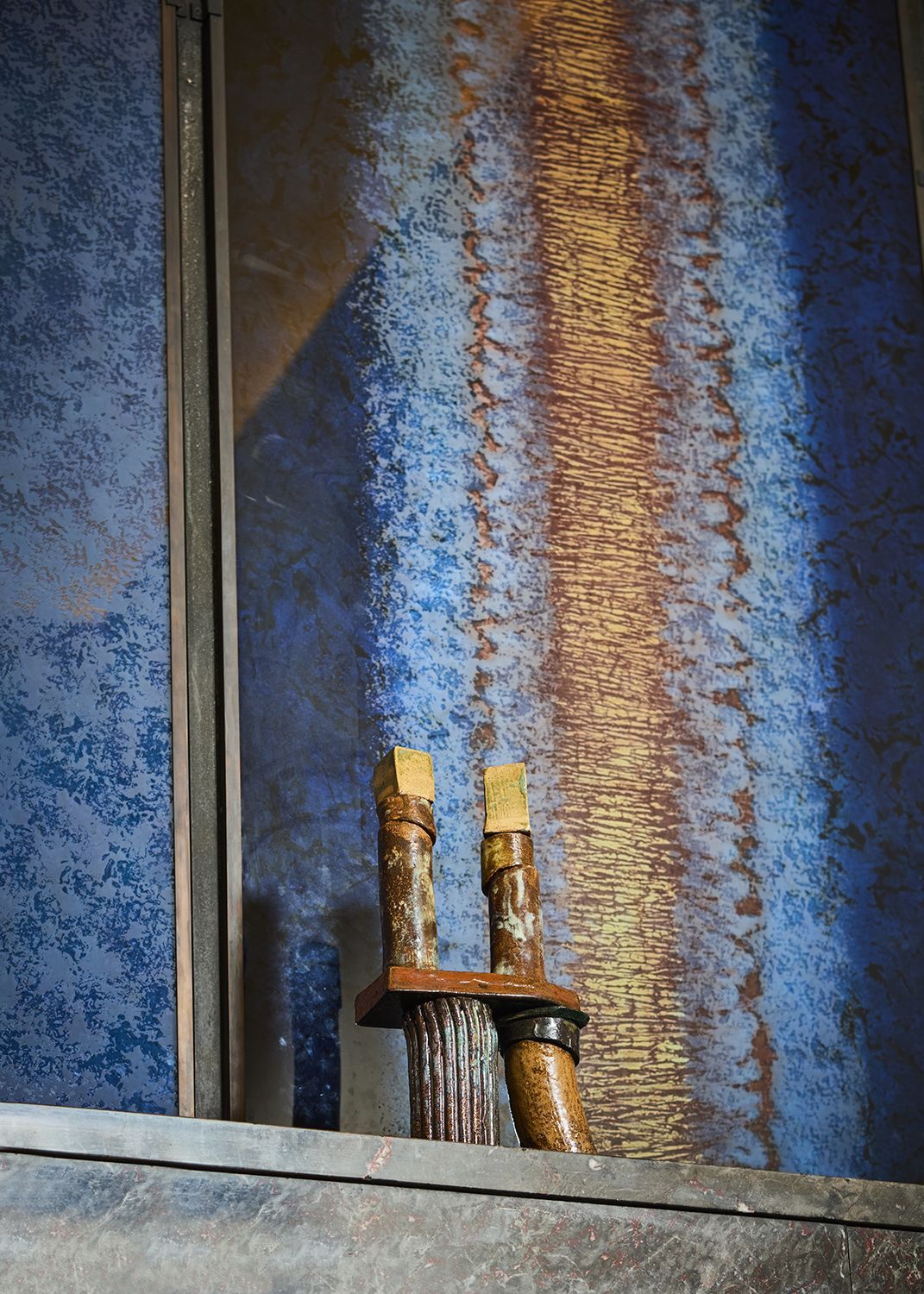
This dynamic also transforms the visitor’s experience. Rather than following a linear route, they move through a house where unexpected encounters and situations unfold: a table bearing marks of use, a piece changing position because someone needed it, a tool appearing in the middle of a conversation.
Little by little, the villa takes on the character of a living organism — and the visitor shifts from mere spectator to someone who observes and interprets what is happening around them.
A different tempo in the middle of the international season
The choice of dates is not accidental. The activation takes place during TEFAF Maastricht and Collectible Brussels, two key moments in the international calendar when design and art often move at market speed, with packed agendas and openings that follow one another almost without pause.
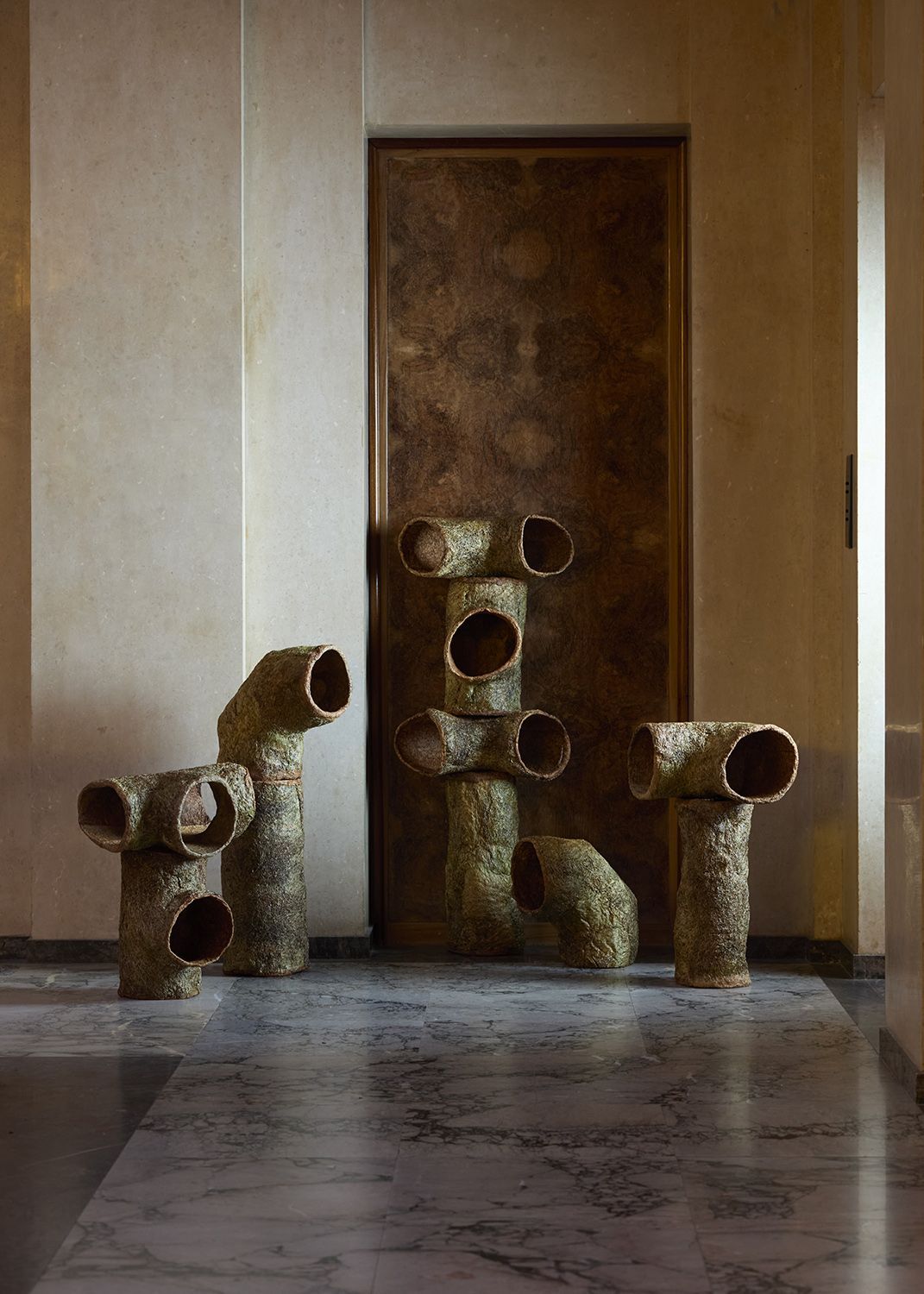
Against that accelerated backdrop, Zaventem Ateliers proposes another kind of experience: quieter, closer, built around a slower tempo, where value lies not in immediate impact but in a more sustained and conscious relationship with the space, the objects and the people who create them.
Rather than chasing spectacle, the project proposes a form of prolonged attention — a presence constructed slowly over days.
Sound as invisible architecture
To complete the spatial experience, the studio EyevEyes has developed a sound design that accompanies and guides visitors through the house. More than background ambience, it functions as a sensitive orientation system — a kind of invisible architecture that adds depth, warmth and movement to the whole, reinforcing the sense that the villa is truly inhabited.
This sonic intervention creates continuity between rooms and shapes how space is perceived, inviting visitors to move with a slower rhythm.
Sound becomes a subtle presence that encourages pauses at thresholds, an awareness of transitions between rooms, and an understanding that the experience is built not only through objects, but also through the atmosphere surrounding them.
Prototype of reality: the manifesto
The manifesto accompanying the project avoids euphemism and speaks in a direct, almost physical tone. Its central idea can be summarised in one clear phrase — “we don’t exhibit, we inhabit” — reflecting a very contemporary concern with the erosion of the tangible, the displacement of the handmade gesture, and the fragility of our relationship with materiality. In response, the designers propose something as simple as it is radical: occupying a place as a legitimate act of presence.
This is not provocation. It is a claim to the right to be, to take space, and to affirm oneself in the real. In that context, even the word “squat” gains a new meaning — moving away from vandalism towards a way of existing, and a responsibility towards the concrete.
From this perspective, design is no longer decoration; it becomes the expression of a clear stance: human, material, honest, and deeply tied to reality.
Why this project matters
Zaventem Ateliers inhabit Villa Empain is not only an appointment for lovers of collectible design. It is a statement about how we want to relate to objects, architecture and time.
– It breaks museum distance without falling into theatricality.
– It returns design to its domestic dimension — where it often becomes most truthful.
– It proposes a contemporary reading of heritage without nostalgia or make-up.
– It insists on the maker’s presence as part of the work.
– It invites us to look more slowly in a sector that lives at speed.
And it does so from Belgium, a territory that has been consolidating a powerful design and contemporary art scene with its own character: less noise, more precision; less trend, more temperament.
Who inhabits Villa Empain
The list of participants reads like a map of a scene: established studios, emerging voices, practices moving from object to space, from craft to experiment, from noble materials to the unexpected.
Thirty-two designers and artists from Zaventem Ateliers take part: Krjst Studio, Maison Jonckers, Mathilde Wittock, Vladimir Slavov, Aurélie Lanoisélée, Arno Declercq, Thomas Serruys, Lionel Jadot, Roxane Lahidji, Home Sails, Adeline Halot, Pierre Emmanuel Vandeputte, Pascale Risbourg, Sophie Coucke, Lila Farget, Emma Cogné, Precious Peels, Cédric Van Parys, Thibault Huguet, Ben Storms, Aurélien Veyrat, Pierre Coddens, Basile Boon, Remwol, Simon Callens, Charles Schambourg, Lieselot Geeregat, Clem Vanhee, Studio Élémentaires, Sharon Van Overmeiren, Joséphine Zitta, Serban Ionescu.
More than a line-up, it is a community installed — a family, as the manifesto insists. A place where voices take a stance.
What visitors can expect
Those who visit Villa Empain during these days will not follow a closed route or a conventional exhibition narrative. Instead, they will enter a house fully in motion, where everyday activity is essential to the experience.
Objects may change position because they are used; some pieces reveal their meaning when someone activates them; conversations arising in the space naturally become part of the visit. Moments of work are visible too — not hidden, but integral to the creative process.
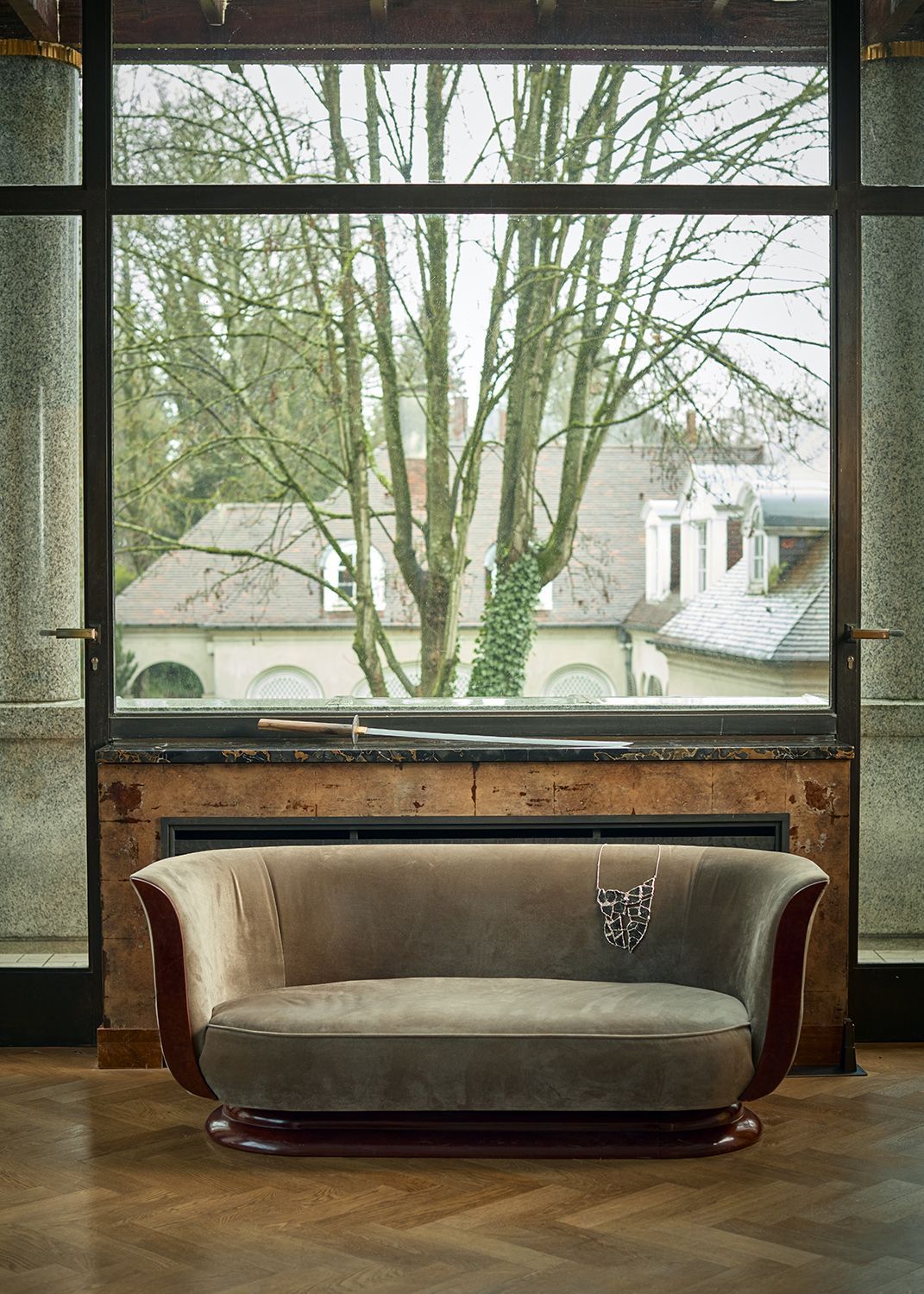
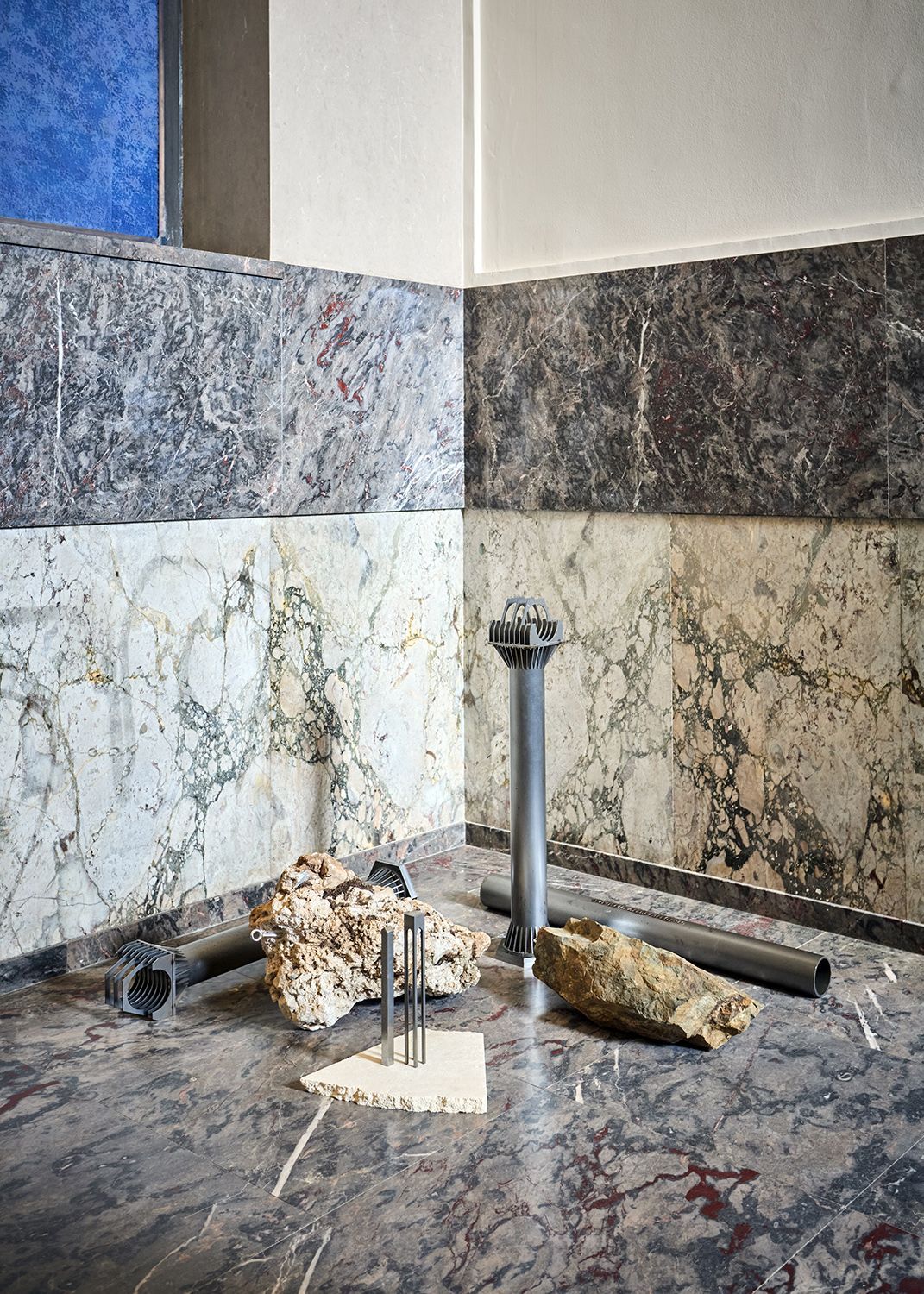
All of this creates an ongoing dialogue between materials and eras, where the disciplined refinement of Art Deco coexists with the experimental energy of contemporary design. This kind of experience often leaves visitors with a rare sensation: having witnessed something unrepeatable — because a lived-in house never presents itself in exactly the same way twice.
Practical information
Dates & opening hours: 11–19 March: open to the public.
Open daily 12:00–20:00.
Address: Villa Empain (Avenue Franklin Roosevelt 67, Brussels)
(*) Photographs: © Stan Huaux.