A dose of inspiration at 3daysofdesign 2026 (Part 2)
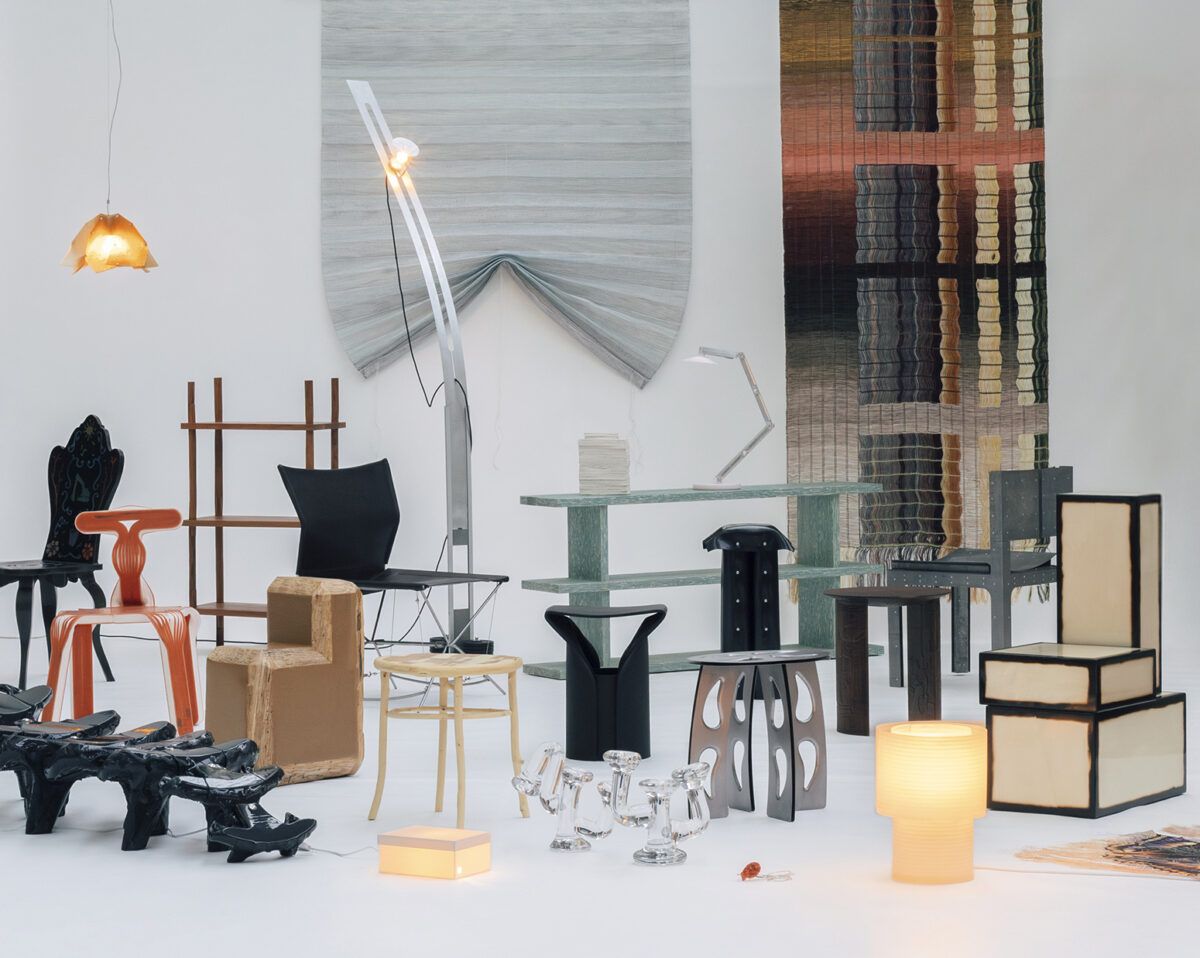
Among new collections, unexpected collaborations and pieces that combine innovation, craftsmanship and sustainability, these were some of the most interesting product launches we discovered during 3daysofdesign 2026.
The 2026 edition of 3daysofdesign confirmed that contemporary design is experiencing a particularly exciting moment. Beyond the large-scale installations and immersive experiences that transformed Copenhagen for three days, the festival once again became the chosen platform for some of the industry’s most influential brands to unveil new collections, explore innovative materials and share their vision for the future.
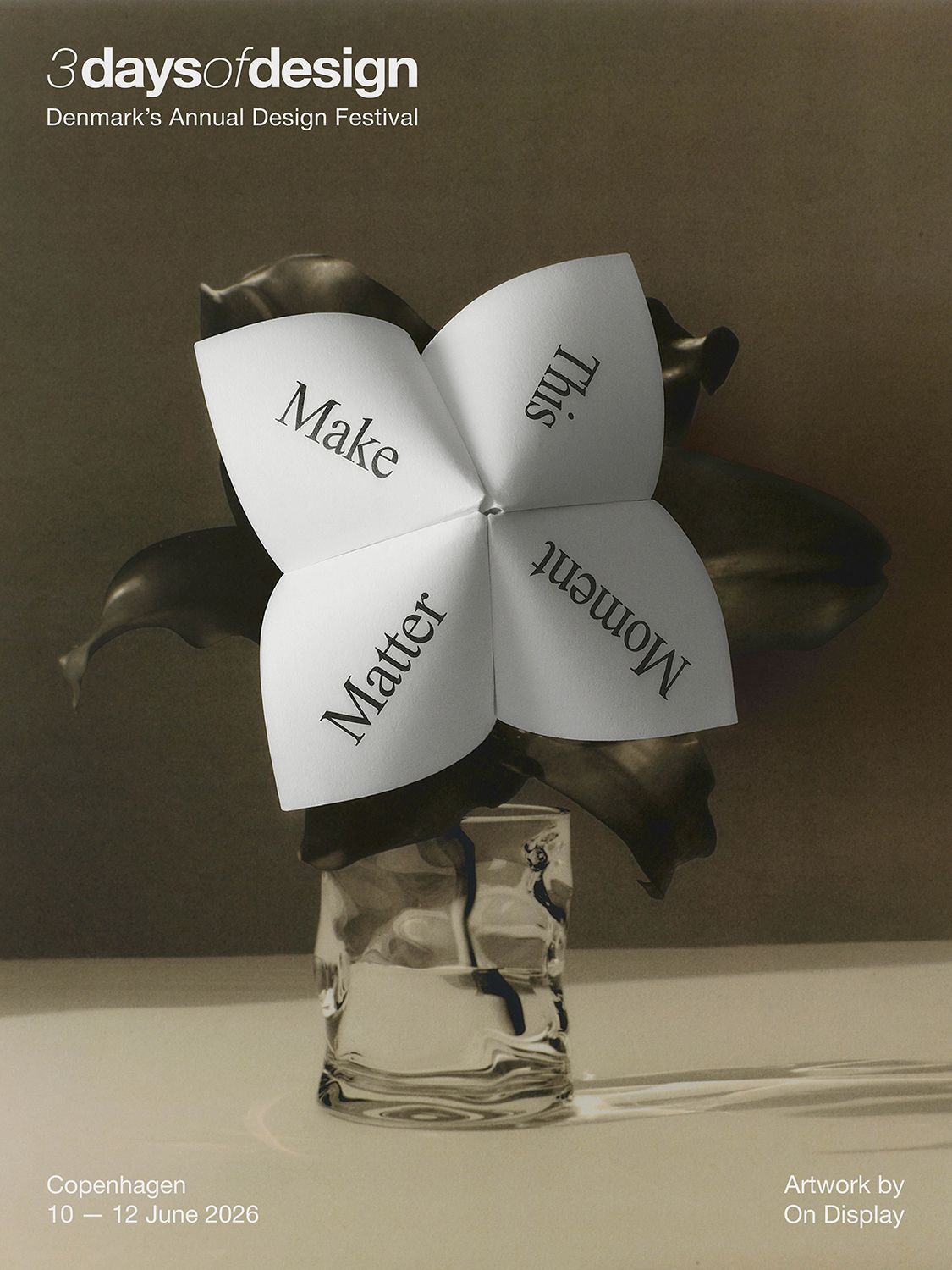
Driven by the theme Make This Moment Matter, many of this year’s presentations focused on issues as relevant as circularity, product longevity, contemporary craftsmanship, emotional wellbeing and the creation of objects capable of fostering more meaningful connections with the people who use them.
From furniture and textiles to lighting, accessories and solutions for new ways of living and working, this year’s launches revealed a design industry that is increasingly conscious, sensitive and connected to real human needs. A design culture that prioritises quality over immediacy and understands innovation not only as a technological challenge, but also as a cultural and social one.
We continue our journey through 3daysofdesign 2026 with a new selection of collections, launches and collaborations that stood out among the many proposals presented across Copenhagen.
BOMMA: a cloud of light impossible to forget
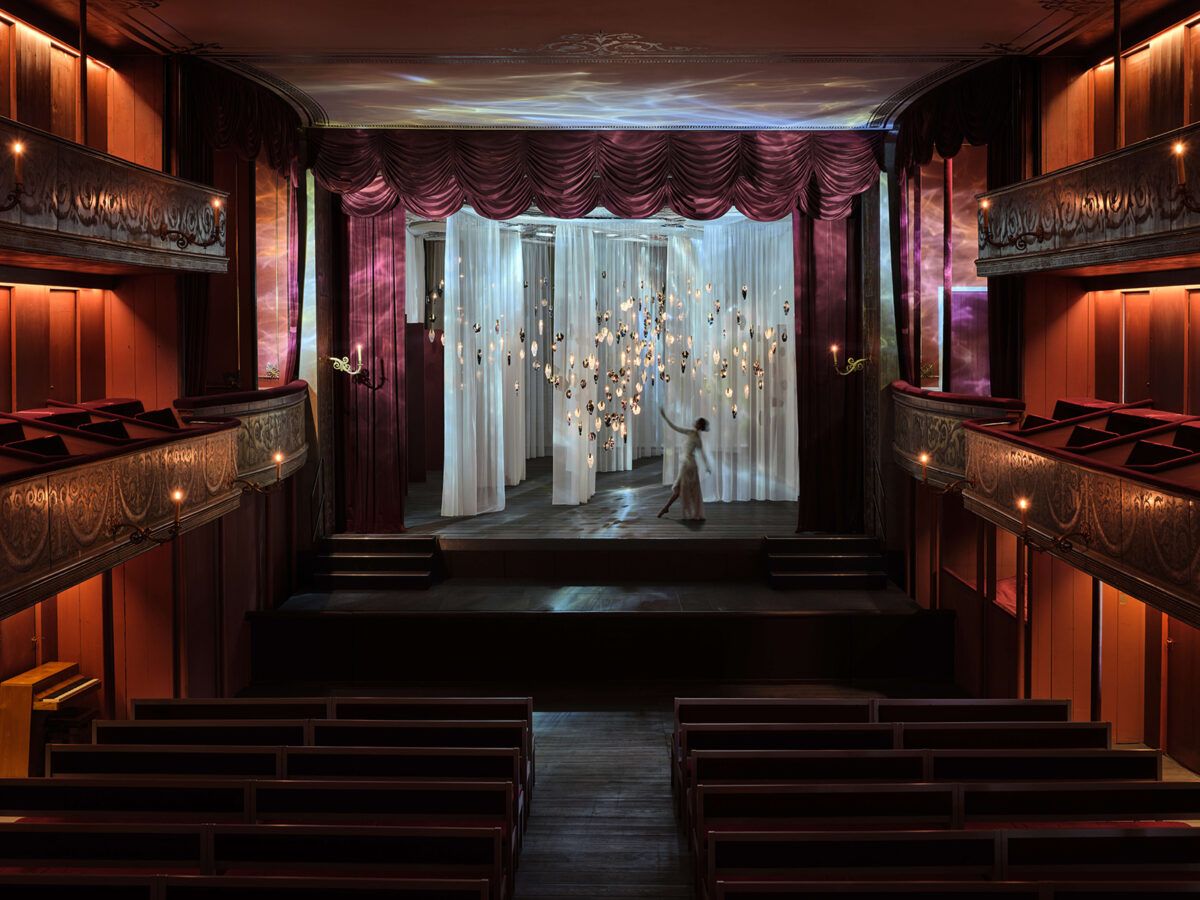
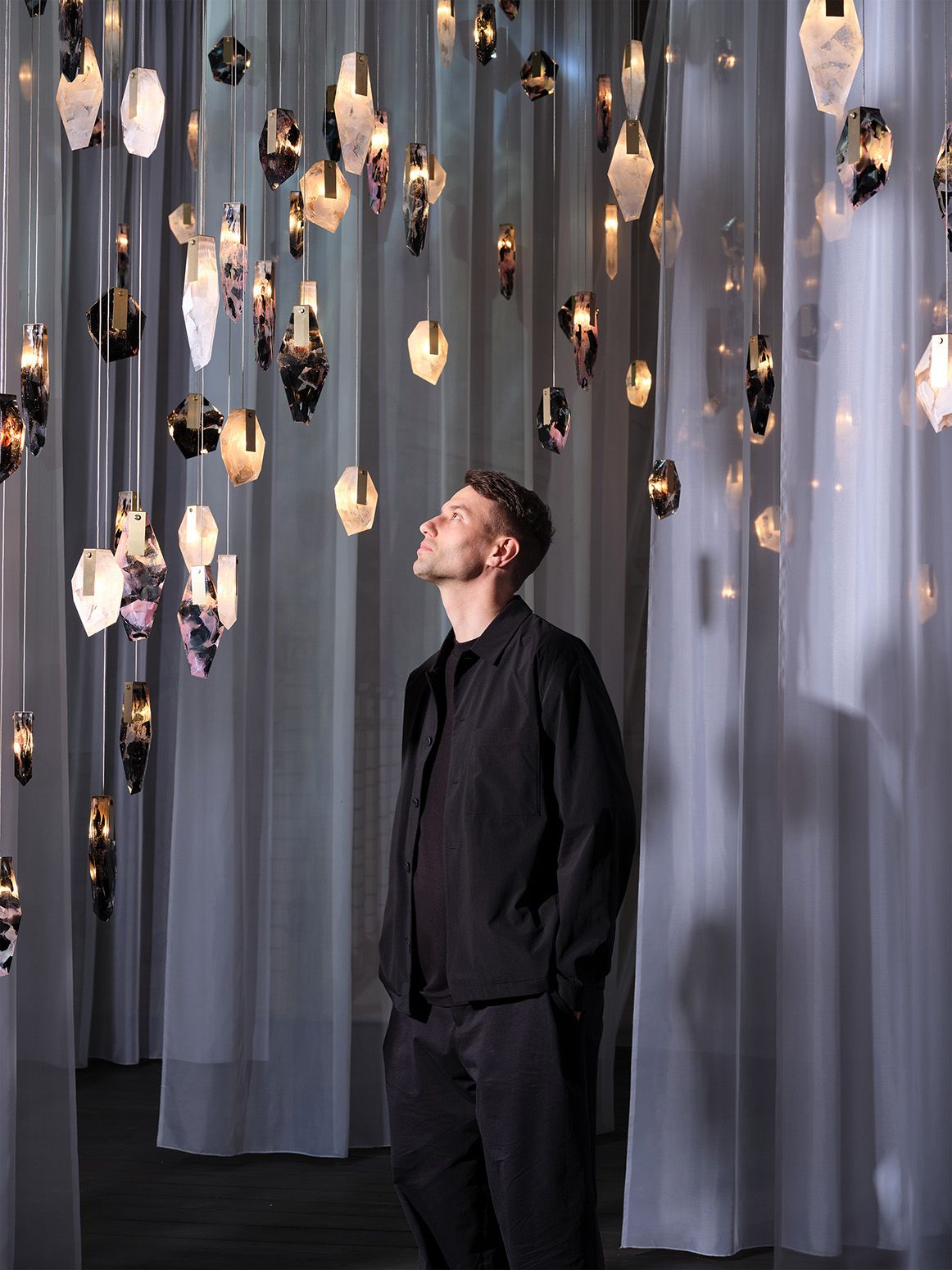
Among all the installations we encountered during 3daysofdesign 2026, BOMMA’s Fragments of Light was undoubtedly one of the most striking and memorable.
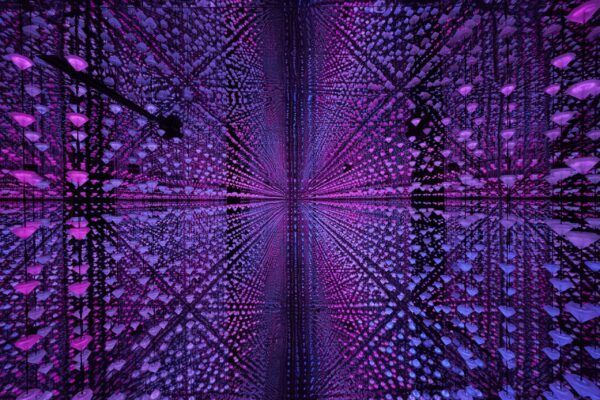
Installed within Copenhagen’s historic Court Theatre, recently reopened after five years of restoration, the intervention transformed the space into an almost dreamlike setting composed of 272 light fittings created from recycled glass fragments sourced from the Czech company’s previous production processes.
Suspended in the air like a vast cloud of light, the glass luminaires generated a hypnotic atmosphere that entered into dialogue with the theatre’s architecture, dance performances and the carefully conceived scenography created for the occasion.
Beyond its extraordinary visual beauty, the installation demonstrated how sustainability, craftsmanship and innovation can converge to create an experience capable of deeply moving visitors.
THIS IS NOT A FOREST: rethinking the value of wood
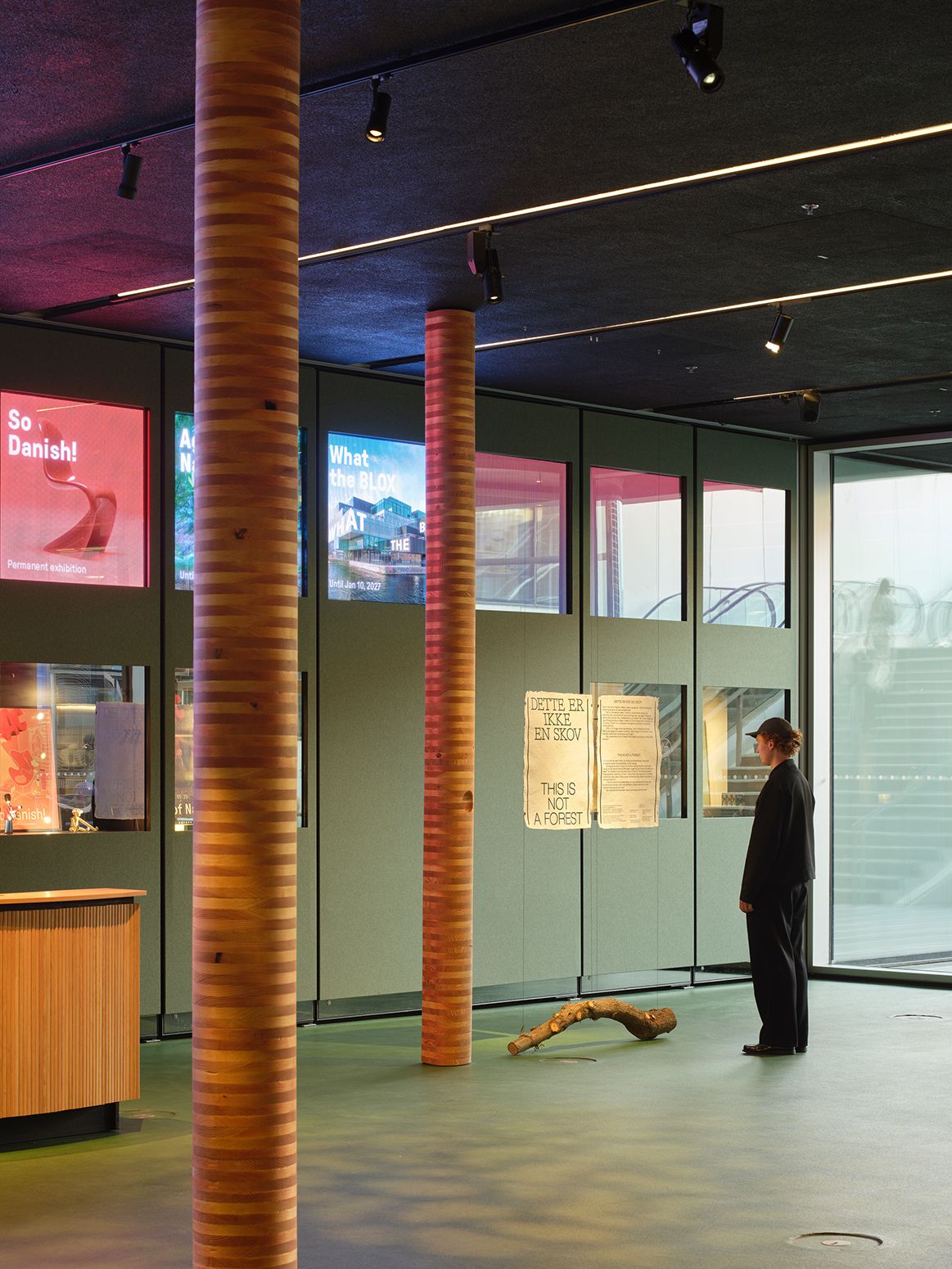
At the Danish Architecture Center (DAC), studio Archival presented This is Not a Forest, an exhibition developed in collaboration with Dinesen Lab that explored the journey of wood from the forest to its application in architecture and design.
Through a series of structures built from production offcuts, furniture pieces and a range of sensory elements, the exhibition invited visitors to question how materials are used and to consider the opportunities offered by reuse within construction processes.
The installation addressed issues surrounding circularity, responsible resource management and architecture’s ability to generate new perspectives on materials that often remain invisible within finished projects.
NOBODINOZ: design for growing, playing and living together
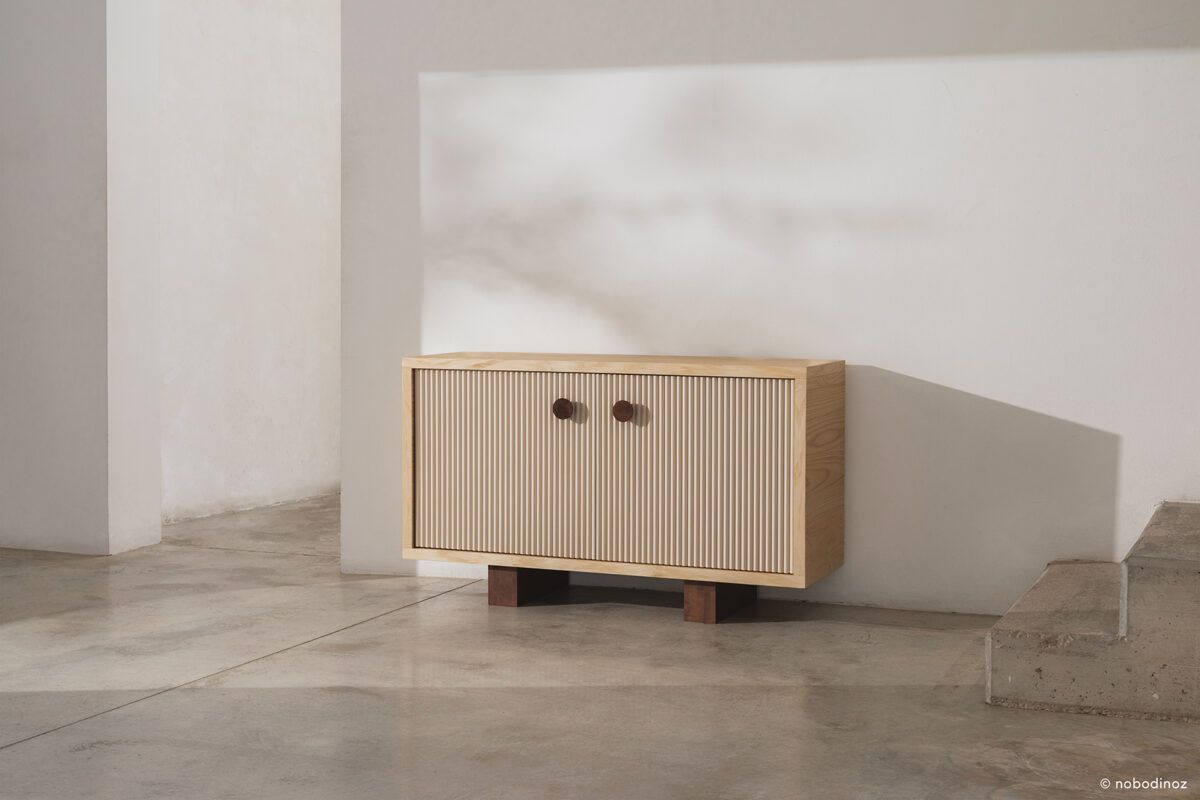
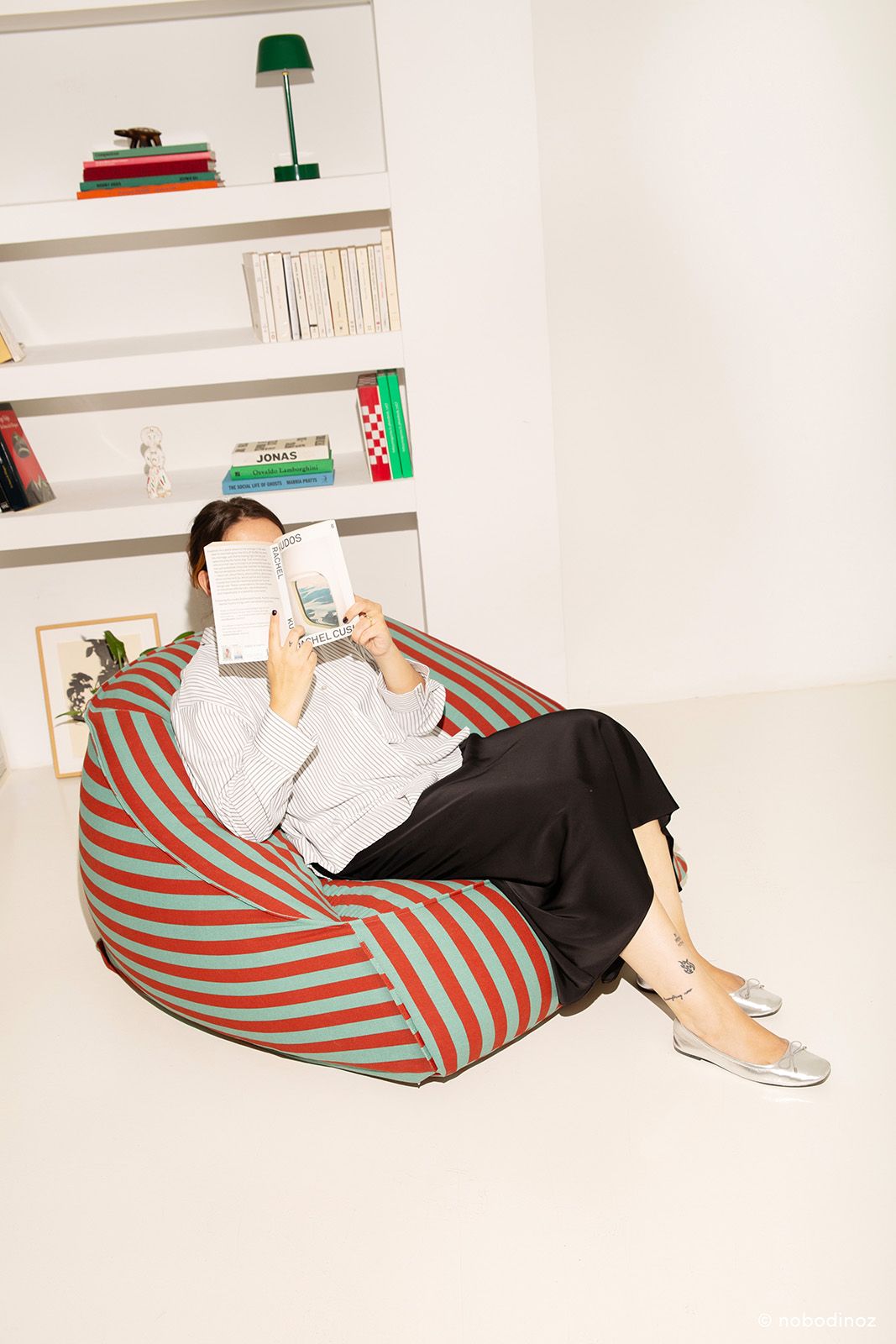
Barcelona-based brand Nobodinoz presented a vision of design far removed from the disposable and conceived to accompany families over time.
Through a carefully curated selection of furniture, textiles and accessories, the company demonstrated how functionality, sustainability and aesthetic sensitivity can coexist within spaces designed for both children and adults.
Its creative universe, characterised by natural materials, soft colour palettes and responsible European production, champions a form of design capable of growing alongside the people who inhabit it.
The exhibition also highlighted Nobodinoz’s understanding of the home as a place where beauty, quality and durability form part of everyday life from the earliest years.
DURAT & HARRI KOSKINEN: giving materials a second life
Sustainability was also present through projects demonstrating how design can maximise the value of existing resources.
One of the most compelling examples was Palapeli, the shelving system designed by Harri Koskinen for Durat and manufactured entirely from a composite material containing 30% recycled plastic.
Its modular structure, whose name means “puzzle” in Finnish, allows for monochromatic compositions or colourful combinations created from leftover production offcuts.
The project stood out for its ability to transform waste into durable and functional objects, reflecting an approach to design in which material efficiency and circularity are embedded in the creative process from the very beginning.
SANCAL & PAPER COLLECTIVE: design that brings people together
As part of Tactile Living, the exhibition organised in collaboration with Paper Collective, Sancal showcased some of its most recent launches, including Marc Morro’s Palma armchair, Júlia Esqué’s playful Twins collection and the welcoming Mimoso sofa by Note (design studio), all integrated into the different environments of the exhibition.
The main protagonist, however, was Gradas, the company’s first collaboration with Dutch studio UNS. Conceived to encourage gathering, conversation and interaction, the piece explored how design can actively facilitate human connection.
The experience was further enriched by a live intervention from artist Lolita Pellegrino, whose creative contribution added a spontaneous dimension to an exhibition where design, art and community shared the same space.
DESIGN BY THEM: australian design looks towards Europe
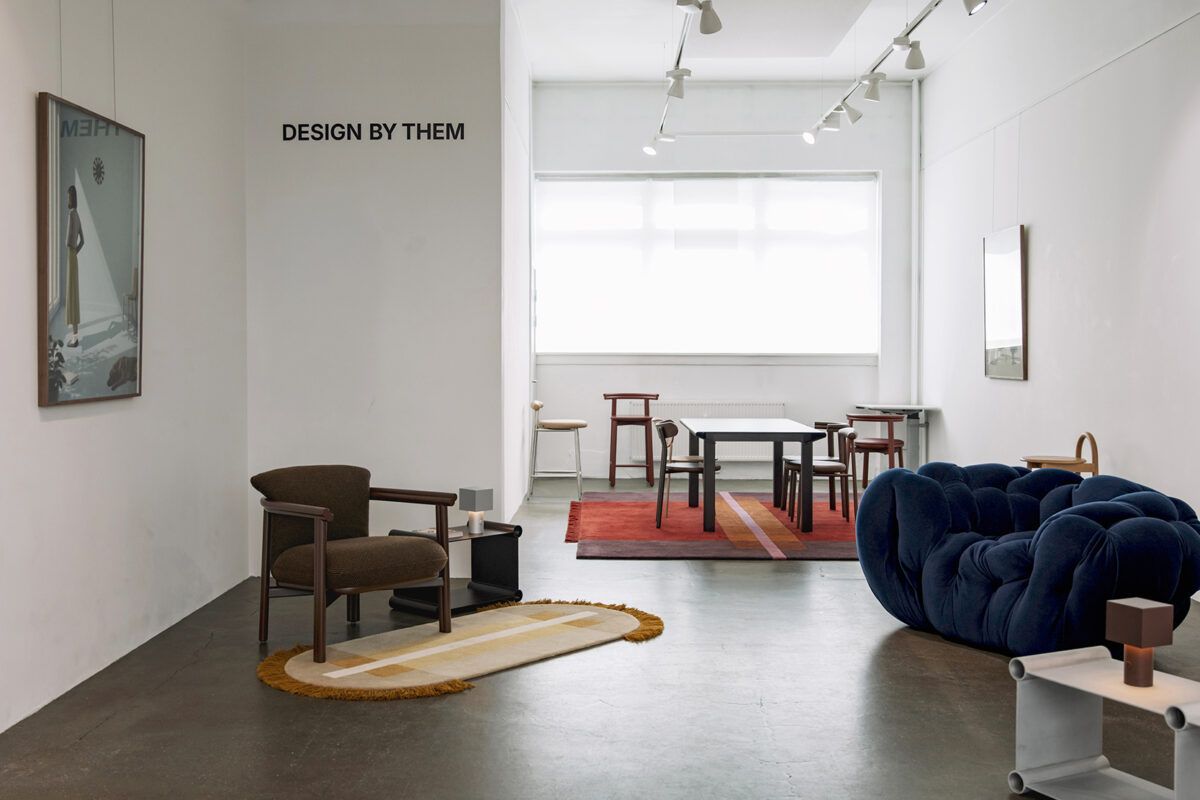
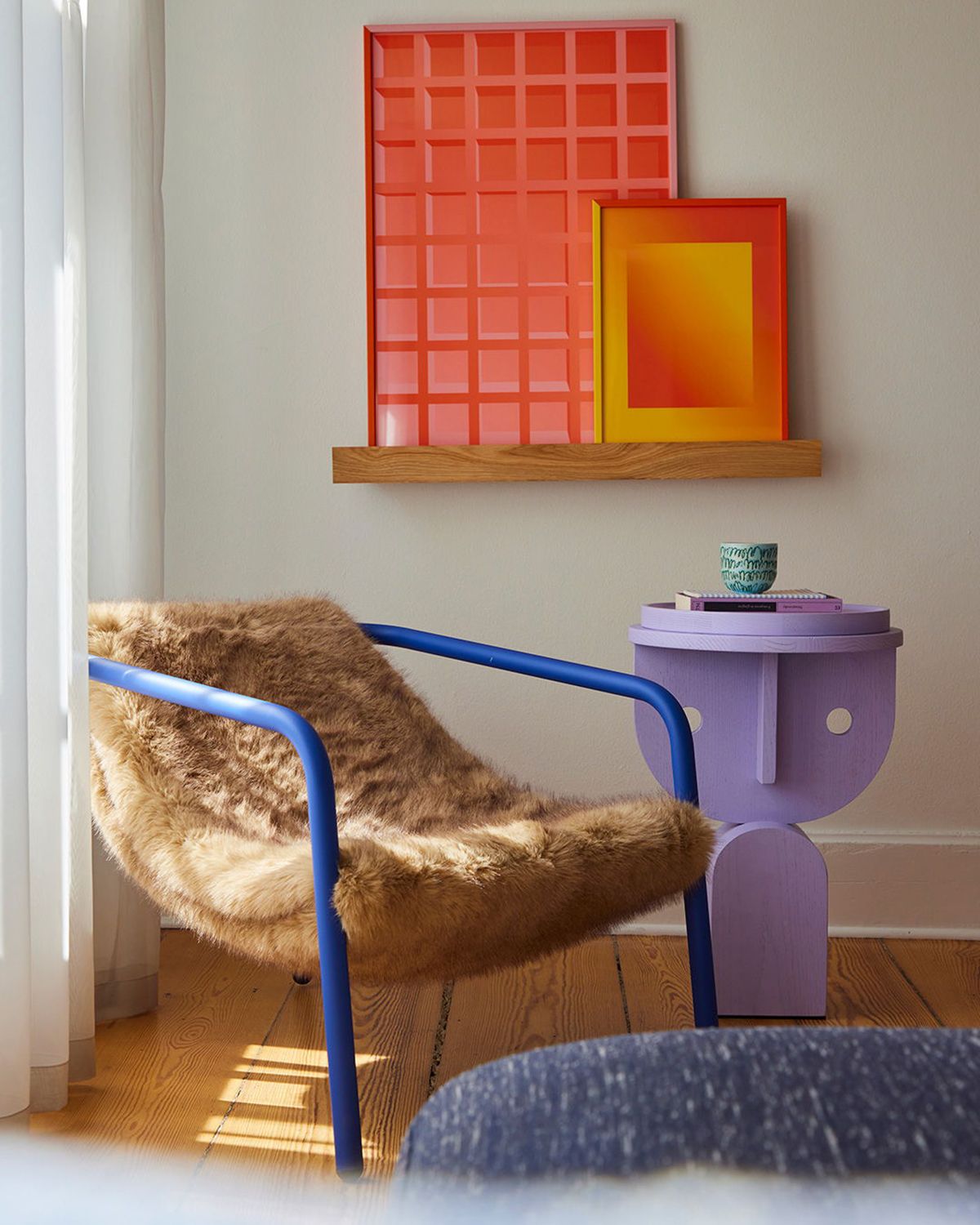
Australian brand Design By Them returned to Copenhagen to present a selection of new pieces reflecting the diversity and vitality of contemporary Australian design.
The exhibition brought together new collections by Adam Goodrum, Trent Jansen, Marcel Sigel, Gibson Karlo and Tom Fereday, alongside some of the company’s most recognised products, reinforcing a vision of design rooted in functionality, personality and a close relationship with materials.
Highlights included Adam Goodrum’s Field Chair, characterised by its restrained lines and approachable character; Trent Jansen’s sculptural Megafauna collection, inspired by Australian landscapes and narratives; Marcel Sigel’s geometric Marcel Modules; and new works by Gibson Karlo and Tom Fereday exploring the expressive potential of metal, upholstery and aluminium through very different approaches.
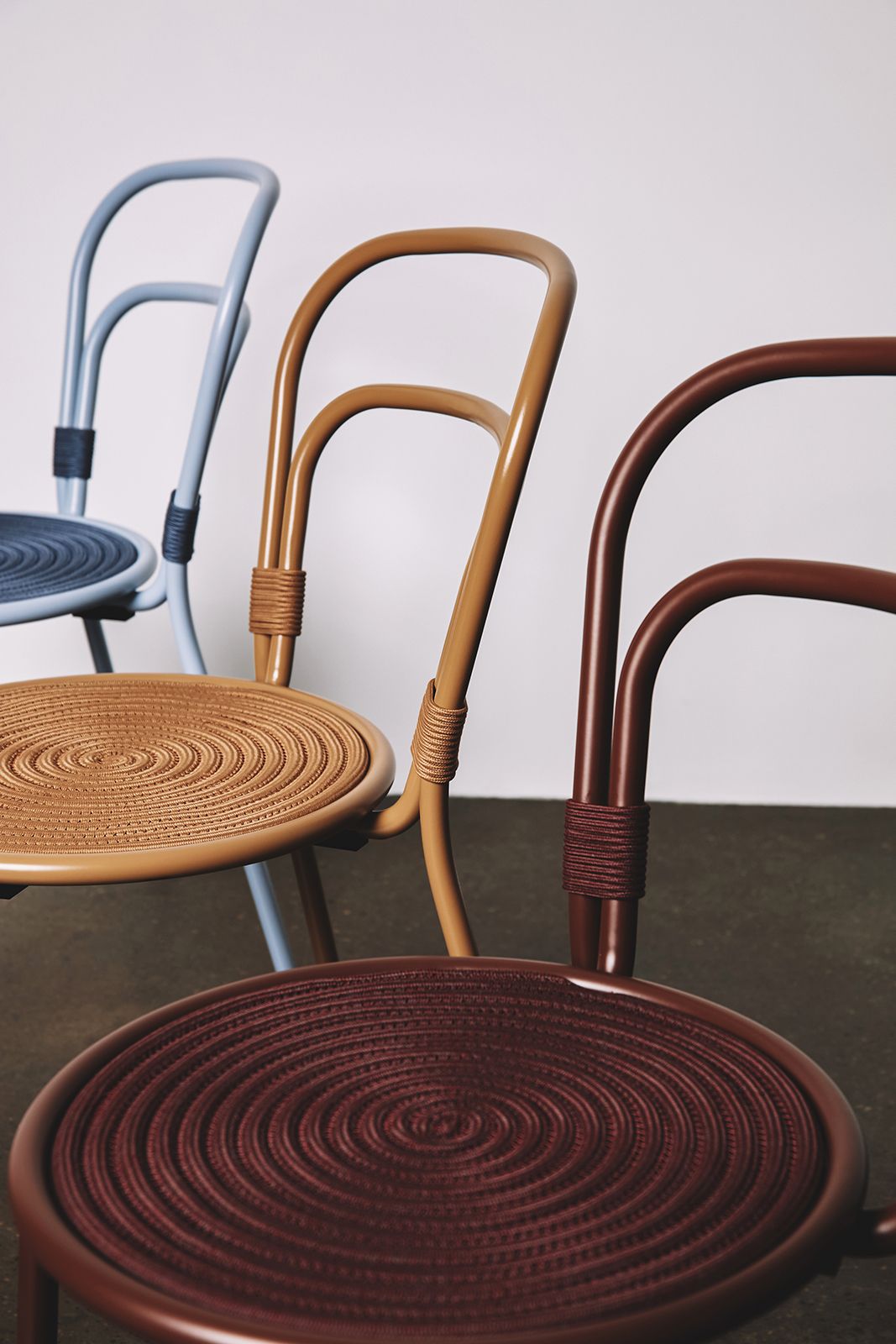
DEORON: design, music and community on Paper Island
Curatorial platform Deoron made its debut at 3daysofdesign with a proposal that combined design, sound and contemporary culture within a vast industrial space on Paper Island.
More than thirty international designers, brands and independent studios shared the stage in an exhibition bringing together furniture, lighting, homeware, technology and lifestyle proposals under an open and multidisciplinary perspective.
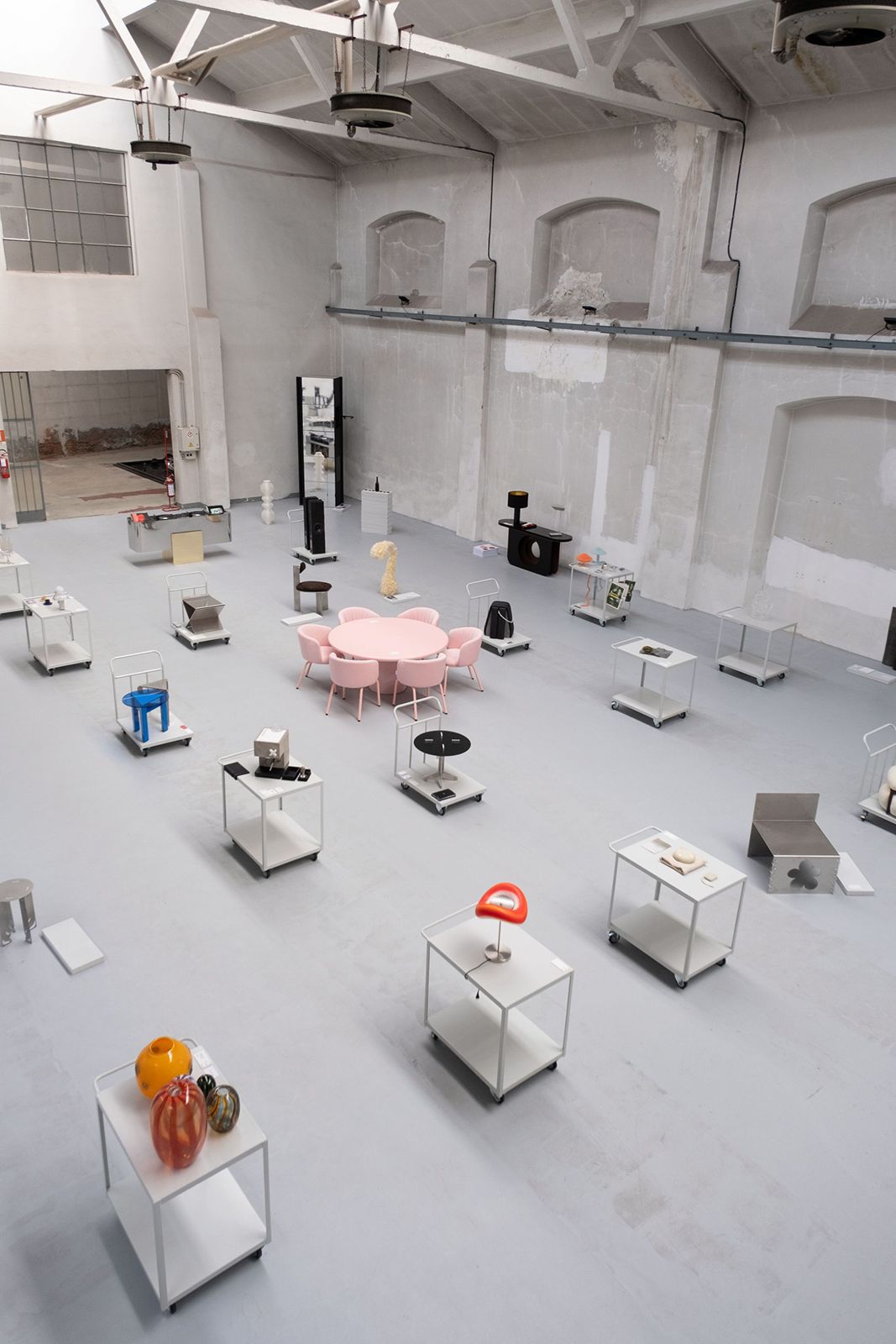
The experience was defined by the constant presence of music. A sculptural sound system hosted listening sessions, performances and informal gatherings, transforming the space into a place conceived for conversation and the exchange of ideas. With its relaxed atmosphere and carefully selected participants, Deoron offered a fresh perspective on contemporary design, understanding it not merely as a matter of objects, but as a tool for building community and creating new connections.
ROYAL DANISH ACADEMY: design as a bridge between cultures and generations
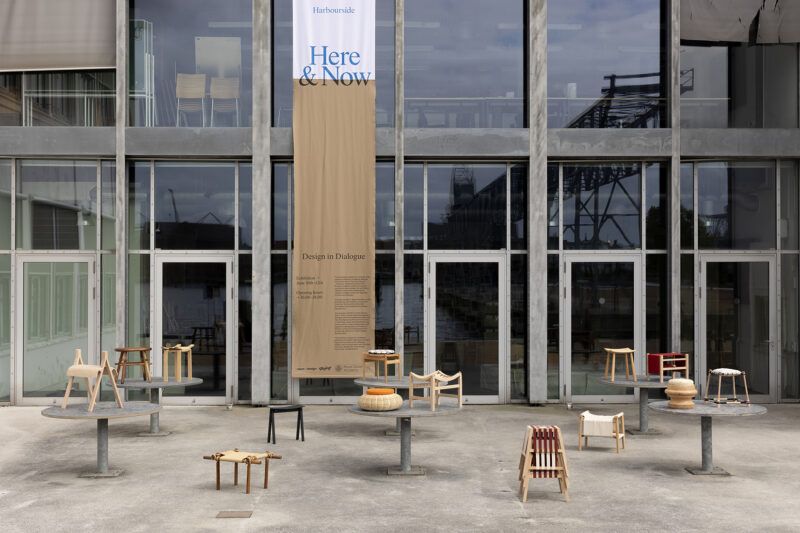
The Royal Danish Academy presented Here & Now, an exhibition exploring how design can connect eras, geographies and traditions that might at first appear distant from one another.
The exhibition brought together a selection of contemporary pieces developed from historical references, many of them emerging from the institution’s seven-year collaboration with an Egyptian furniture manufacturer.
The result was a dialogue between ancient forms and contemporary sensibilities that demonstrated how design can reinterpret the past to respond to the needs of the present.
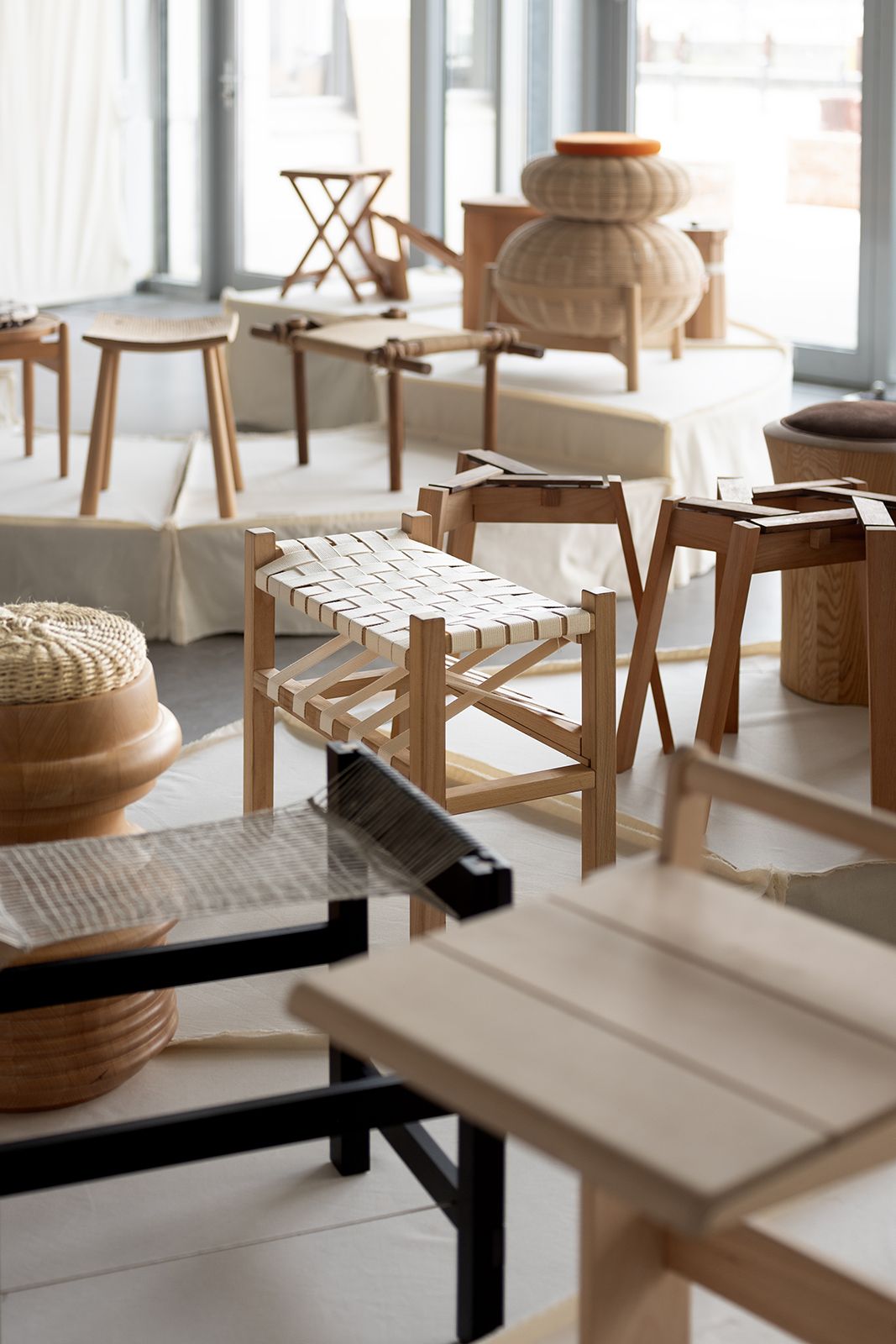
The exhibition also reflected the educational philosophy of the Danish academy, where research, material experimentation and collaboration are essential components of the learning process. Rather than focusing solely on the finished objects, Here & Now highlighted cultural exchange, shared knowledge and design’s capacity to generate new forms of understanding between people, contexts and generations.
HJEMSTAVN: the kitchen as the heart of the home
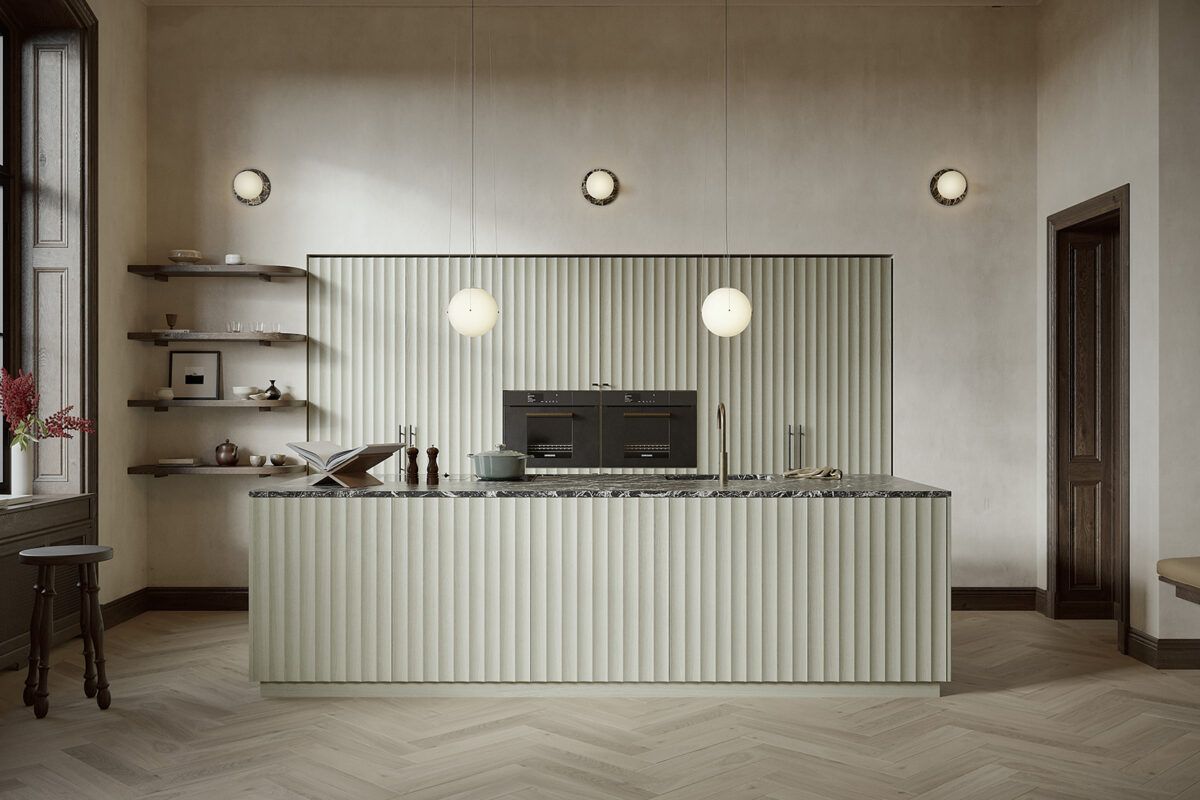
Danish company Hjemstavn opened the doors of its showroom in central Copenhagen to present a thoughtful exploration of the kitchen as the core of domestic life.
The exhibition brought together five distinct collections alongside natural stone and steel surfaces, showcasing an approach in which craftsmanship, material quality and attention to detail occupied a central role.
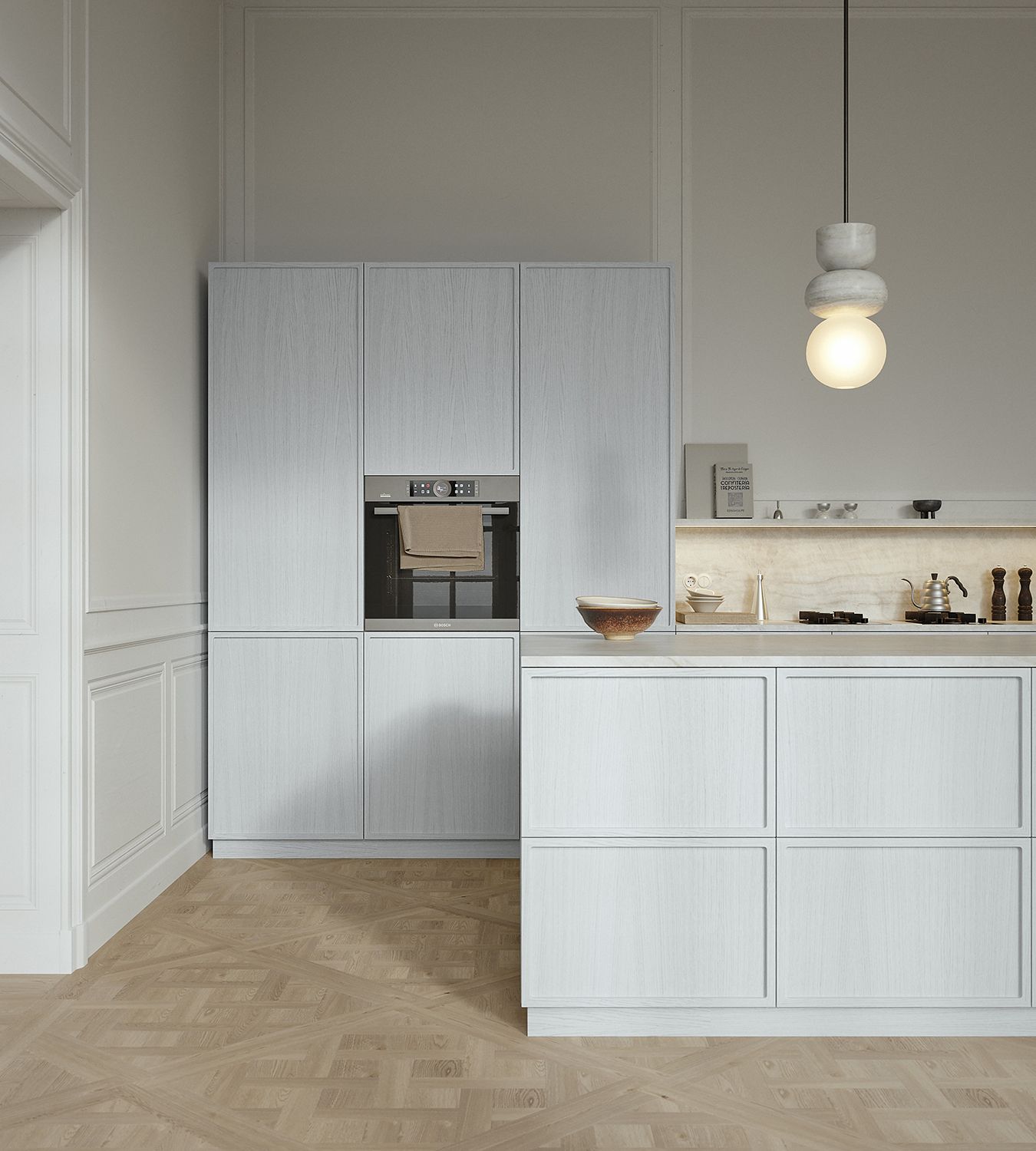
Each series offered a different interpretation of the culinary space, allowing visitors to discover how Hjemstavn combines contemporary influences with a deep connection to Danish traditions, creating interiors that seek to convey warmth, permanence and a more sensory relationship with materials.
KILZI & BAR AMORE: flowers, design and shared encounters
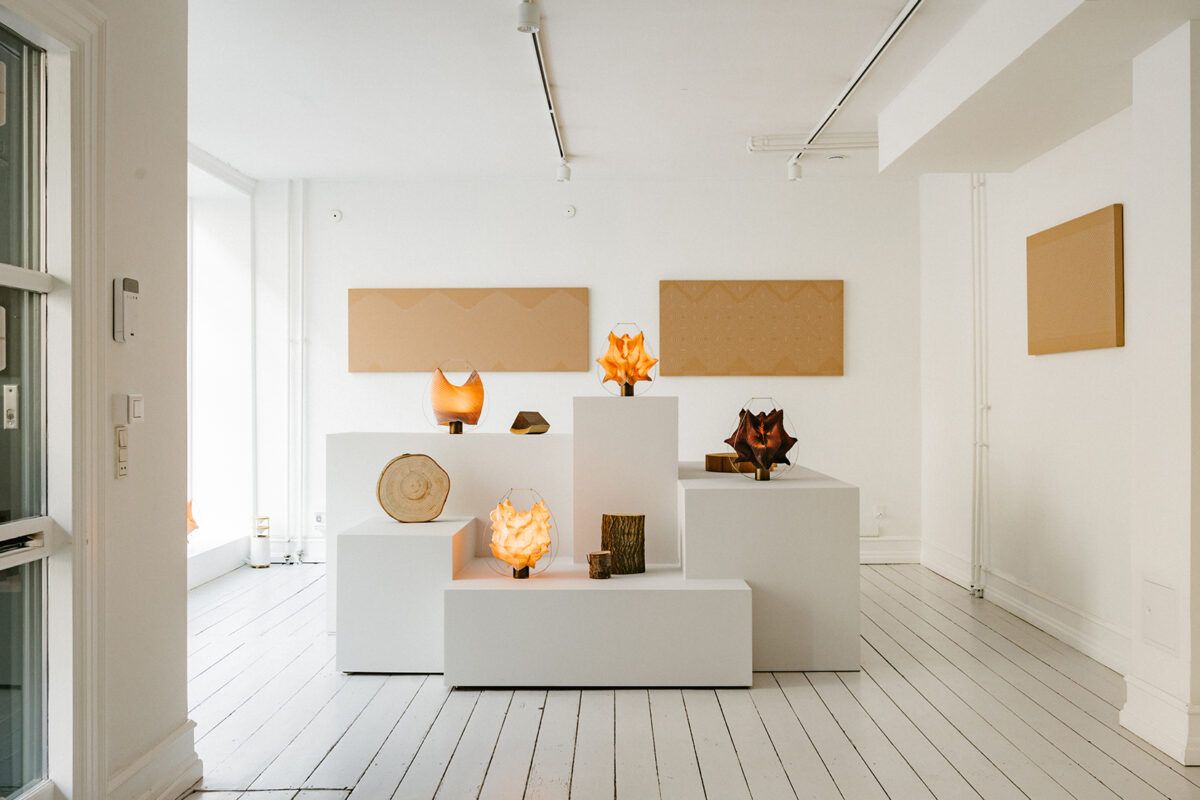
Within the welcoming atmosphere of Bar Amore, designer Jorge Suárez Kilzi presented an installation that used flowers as a universal symbol of connection, beauty and closeness.
Under the title Flowers Unite Us!, the exhibition brought together a series of sculptural lamps handcrafted from fibreglass and textile fibres, inspired by floral forms and conceived as different interpretations of the presence of flowers within the domestic environment.
Suspended from above, placed on tables or integrated into various compositions, the pieces created a warm and poetic atmosphere that invited visitors to pause and enjoy the space.
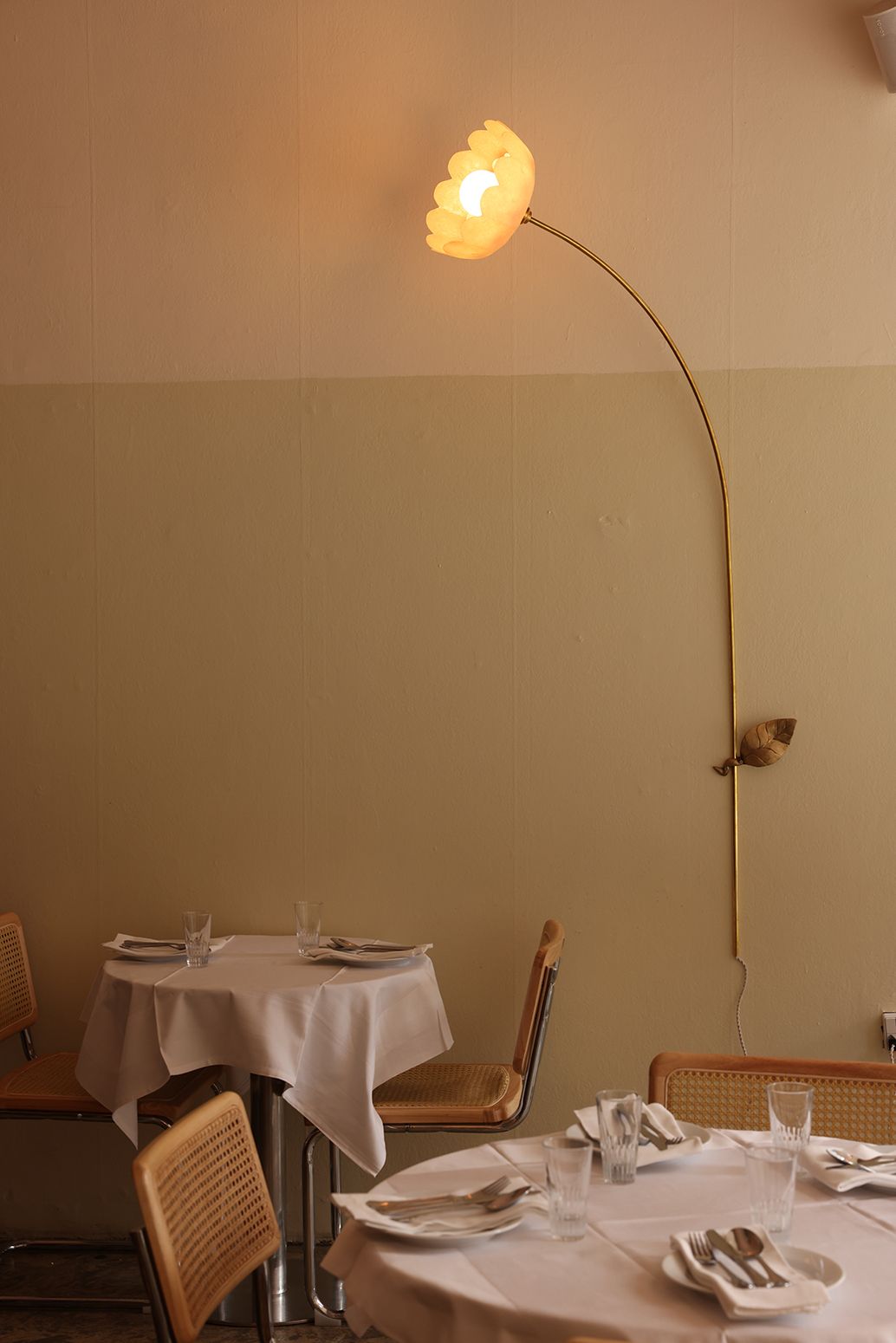
Amid dinners, cocktails and carefully curated music, the installation offered a relaxed and intimate experience, reminding us how objects, spaces and everyday gestures can become tools for creating encounters and strengthening human connections.
FREDERICIA: danish design between heritage and innovation
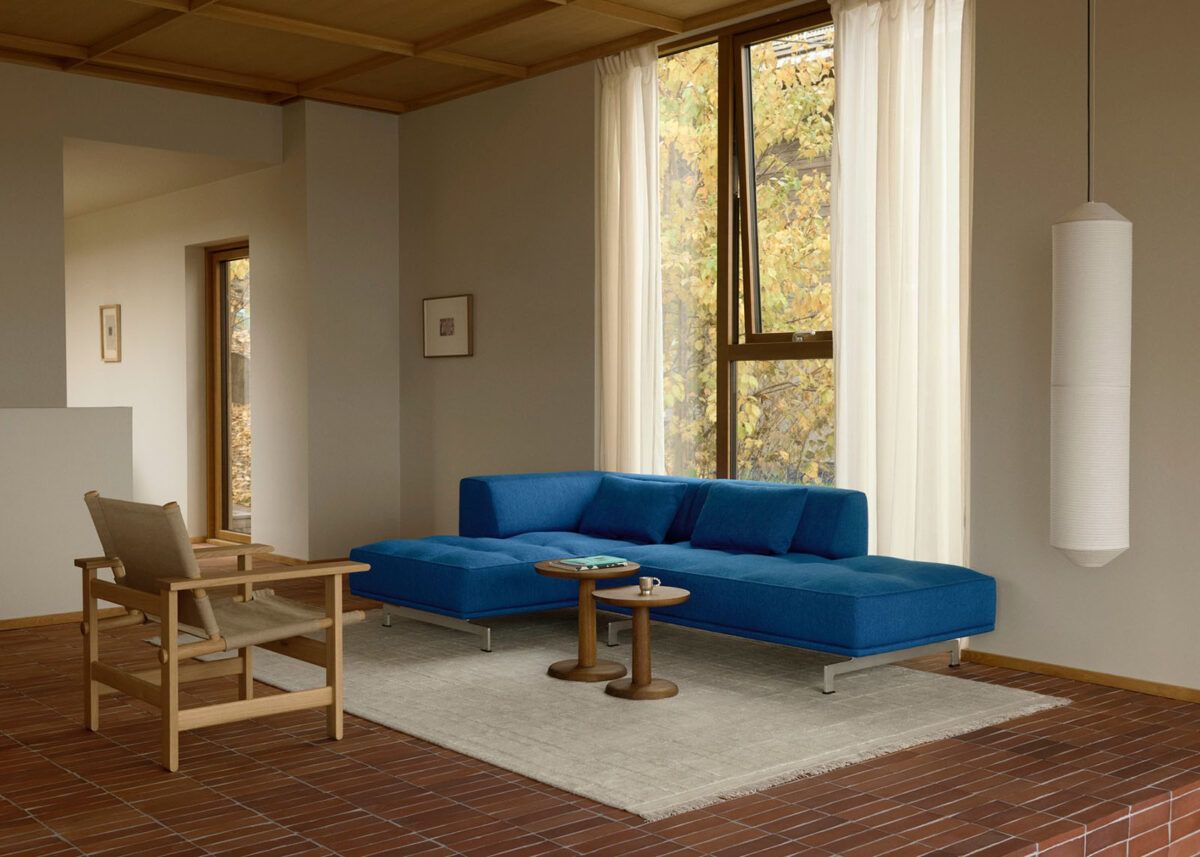
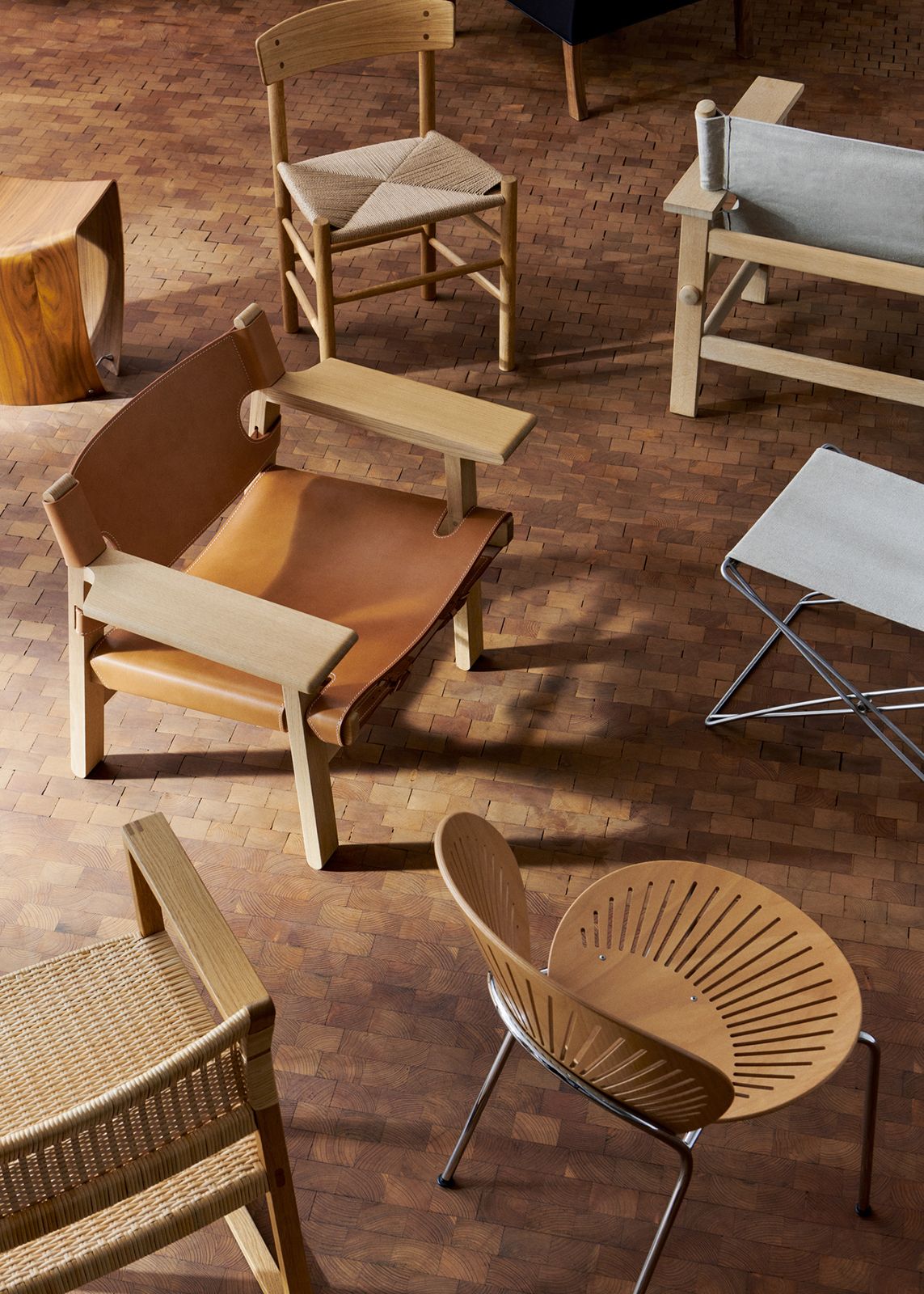
During 3daysofdesign, Fredericia once again demonstrated why it remains one of the essential references within Scandinavian design.
At its Copenhagen showroom, the brand presented a carefully curated selection of new launches and reissues that placed its remarkable heritage in dialogue with contemporary perspectives.
The exhibition brought together pieces by some of the most influential names from its historic catalogue alongside new collaborations exploring the evolution of Danish furniture through a contemporary lens, always guided by the values of quality, craftsmanship and longevity that have defined the company for more than a century.
The installation explored the ability of good design to transcend time and adapt to new ways of living. Noble materials, impeccable construction details and a quiet elegance defined a presentation that conveyed Fredericia’s commitment to quality, durability and artisanal excellence.
It was an approach that reaffirmed the enduring relevance of authentic Danish design and its ability to continue inspiring within an increasingly diverse international context.
UKURANT: the laboratory where the future of design is tested
Ukurant once again established itself as one of the most stimulating platforms for discovering new voices in contemporary design during 3daysofdesign 2026.
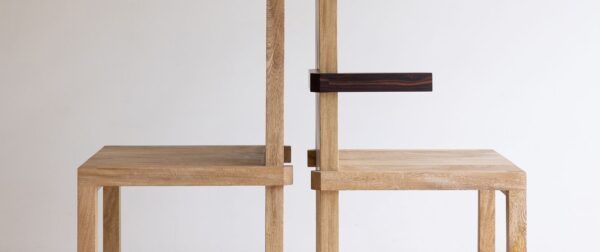
Under the title Ukurant Makes Room, the exhibition brought together 26 international designers at Fabrikken for Art & Design, selected for their ability to challenge conventional production processes, experiment with materials and explore new approaches to making.
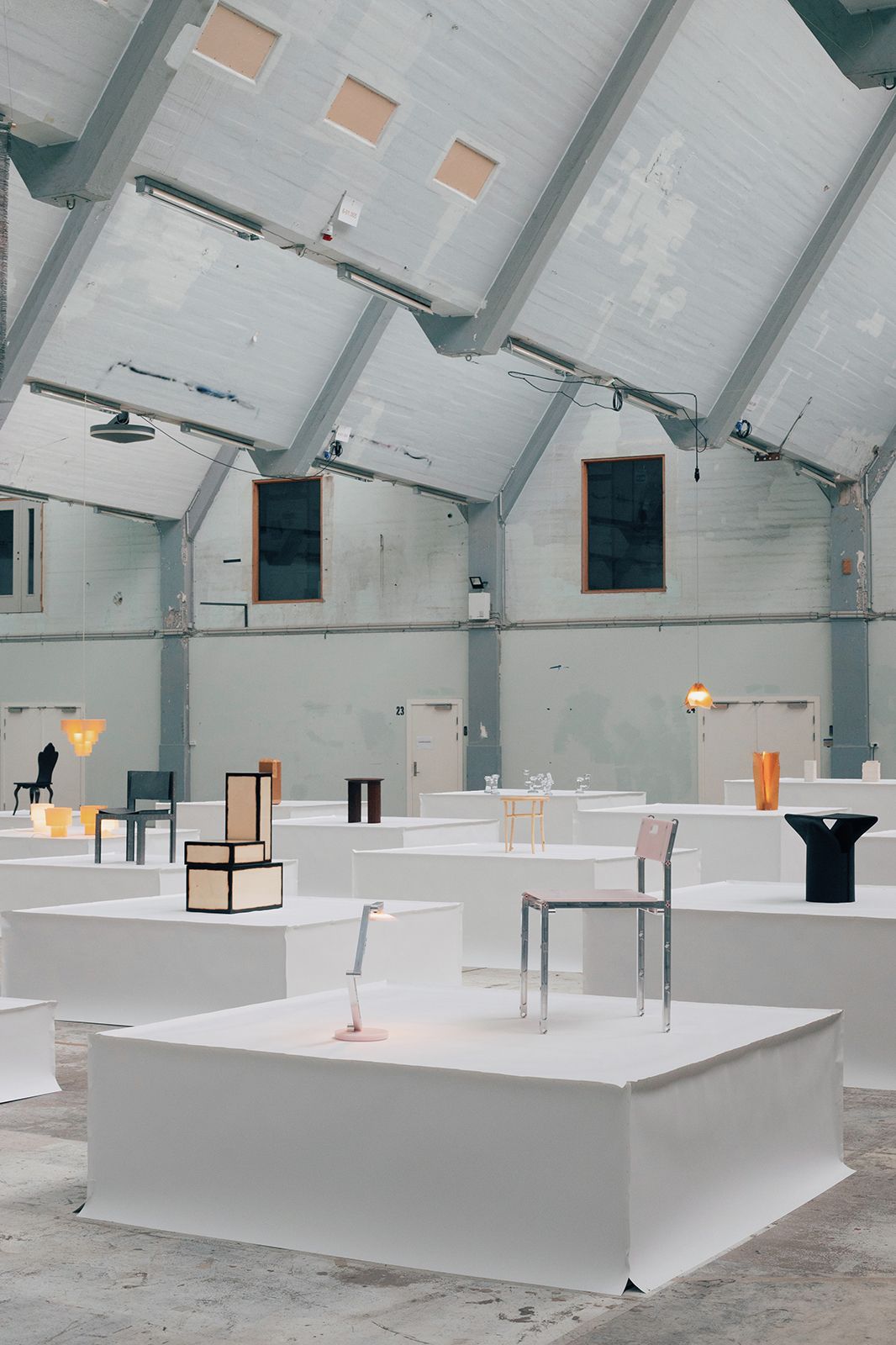
The exhibition offered a glimpse into the mechanisms that shape contemporary design, highlighting research, experimentation and learning as fundamental elements of the creative process.
The carefully curated selection of projects reflected the diversity of approaches defining a new generation of creators, while the exhibition design itself — developed using reused platforms and large-scale paper structures — reinforced Ukurant’s commitment to a more conscious and experimental practice.
RAAWII & SOWDEN: new perspectives on contemporary lighting
Raawii’s Copenhagen showroom hosted a presentation dedicated to the evolution of the Sowden lighting collection during design week, a creative universe that combines technological innovation with formal exploration.
The exhibition brought together three new lamps first unveiled during Milan Design Week 2026, developed by George Sowden in collaboration with two renowned figures of international design: Michele De Lucchi and Pierre Charpin.
Each proposal offered a distinct interpretation of the same technological platform, demonstrating how a shared system can give rise to entirely different aesthetic languages, atmospheres and experiences.
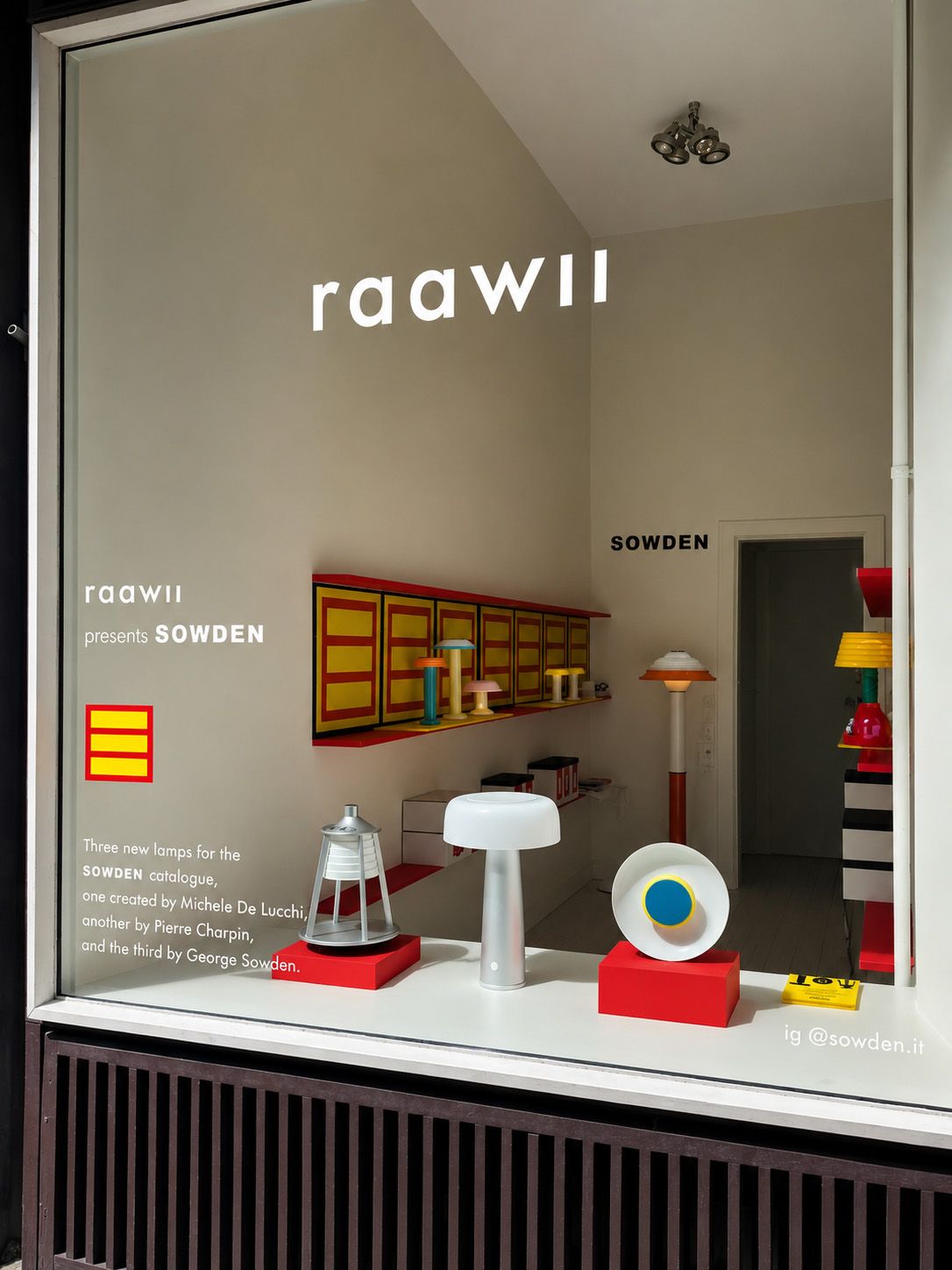
Alongside these new additions, the exhibition included a carefully selected range of existing pieces from the Sowden collection, creating an engaging dialogue between past and present.
The collaboration with raawii further highlighted the affinity between the two brands, united by a vision of design in which functionality, colour and personality coexist naturally. It was an exhibition that demonstrated how lighting can become a tool for creative expression capable of transforming our perception of space.
A-POC ABLE ISSEY MIYAKE & ATELIER OÏ: when fashion becomes light
A-POC Able Issey Miyake made its debut at 3daysofdesign with one of the festival’s most distinctive presentations, bringing its innovative textile research into the field of lighting.
Presented at Gallery 2112, the exhibition showcased the second evolution of the portable O Series collection, developed in collaboration with Swiss studio atelier oï and Japanese manufacturer Ambientec.
The project is based on an idea that is both simple and sophisticated: combining “a piece of cloth” and “a piece of wire” to create lightweight, versatile luminaires deeply connected to Issey Miyake’s creative universe.
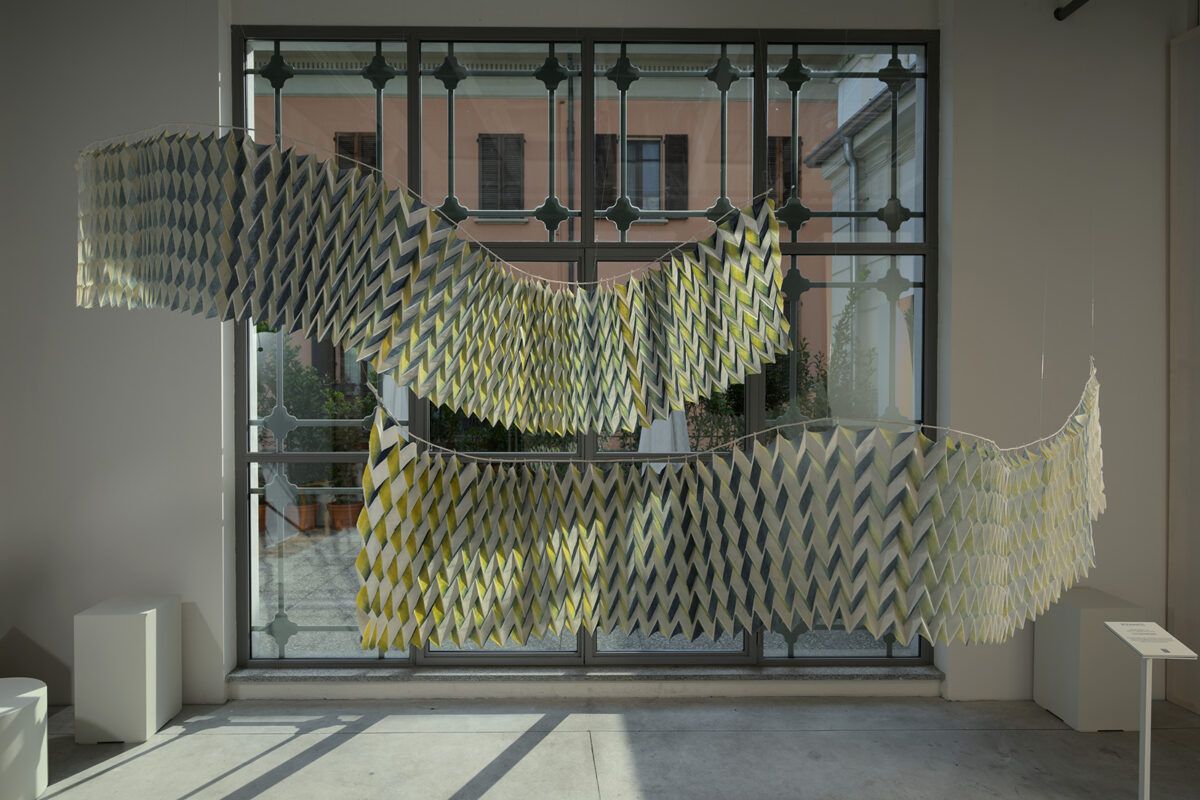
The collection explored the potential of textiles beyond fashion through the use of Steam Stretch technology, a technique developed by the Japanese brand that uses heat to create three-dimensional pleated surfaces.
For this latest edition, the shades incorporated tones inspired by wood and stone, reinterpreting natural textures through light and fabric.
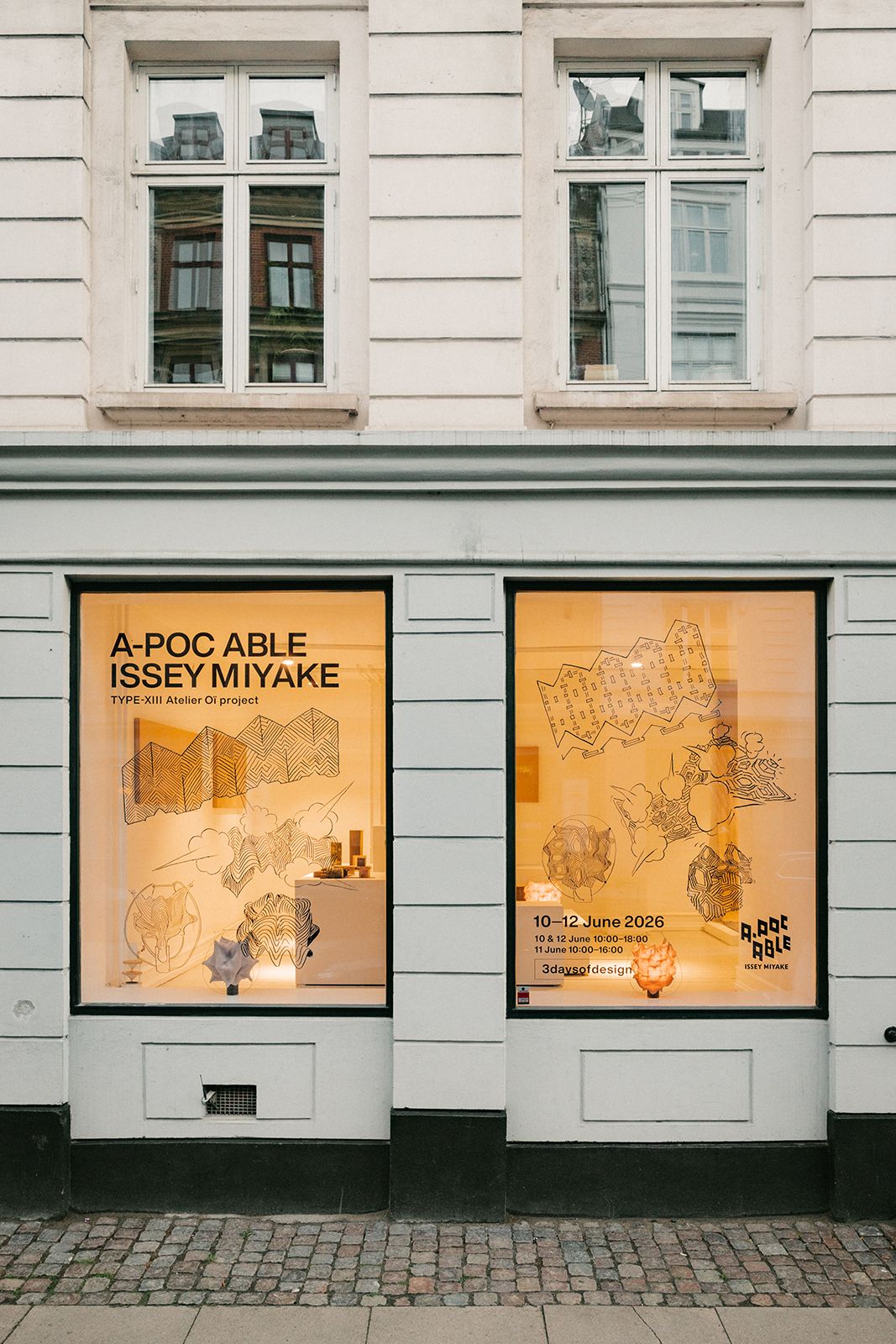
The pieces functioned both as lamps and sculptural objects, demonstrating how experimentation with materials, processes and disciplines can open up new possibilities for contemporary design.
TEKLA: the beauty of objects that accompany life
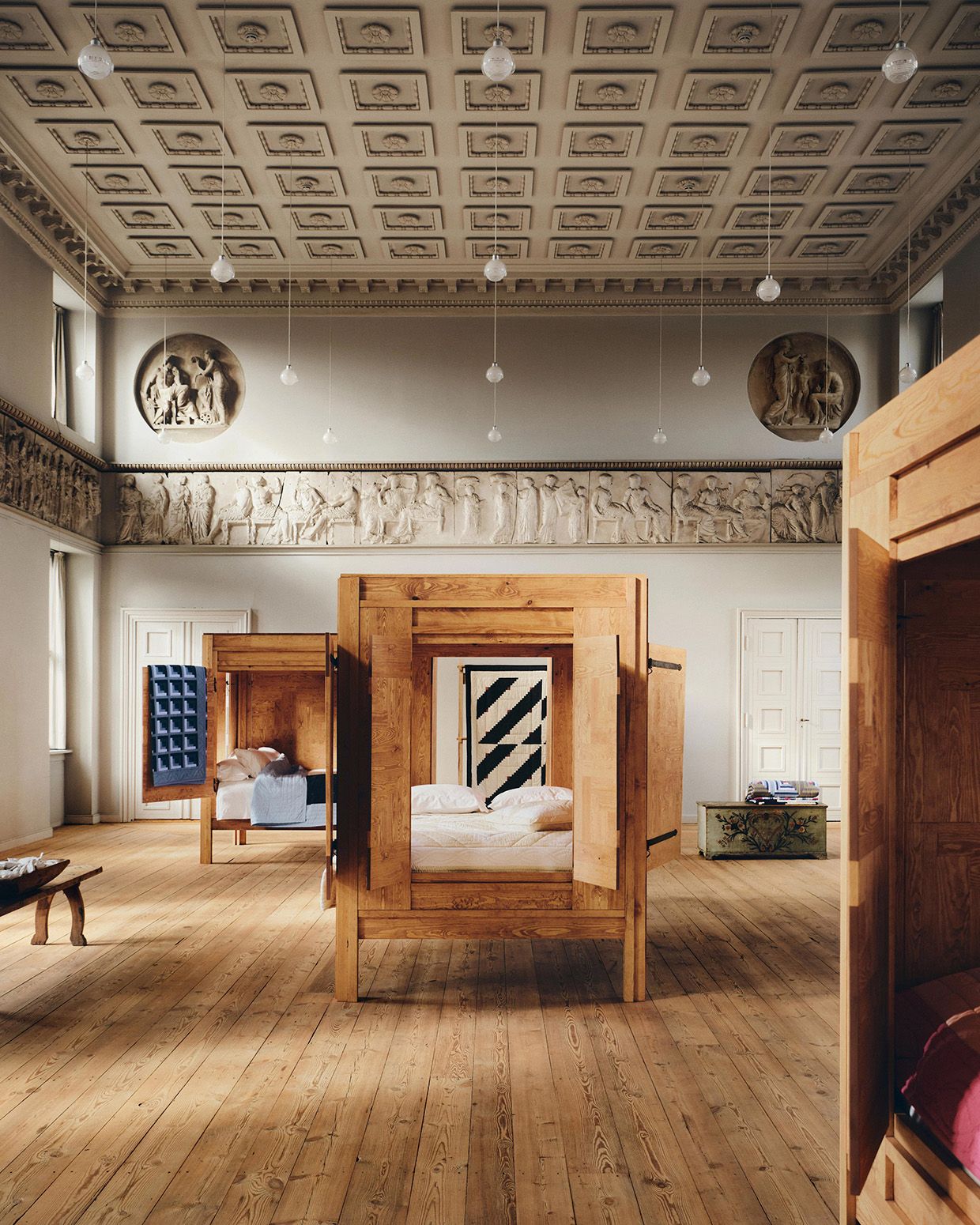
At Charlottenborg, one of Copenhagen’s most emblematic cultural institutions, Tekla presented The Heart of Living, a delicate exhibition dedicated to the tradition of patchwork quilts, reinterpreted through a contemporary lens.
Drawing inspiration from twentieth-century Swedish design and a selection of colours taken from its own archive, the Danish brand explored how domestic textiles can become carriers of memory, identity and everyday wellbeing.
The pieces were displayed within traditional Scandinavian box beds, wooden structures commonly used until the nineteenth century, creating an intimate atmosphere that reinforced the idea of the home as a place of refuge. Alongside them, Tekla showcased its broderie anglaise embroidery collection, establishing a dialogue between artisanal heritage and contemporary design.
With a restrained yet deeply emotional presentation, the brand once again championed the philosophy that has defined it since its beginnings: creating objects designed to be lived with, used and appreciated for generations.
SECOLO & TABLEAU: design as a space for gathering
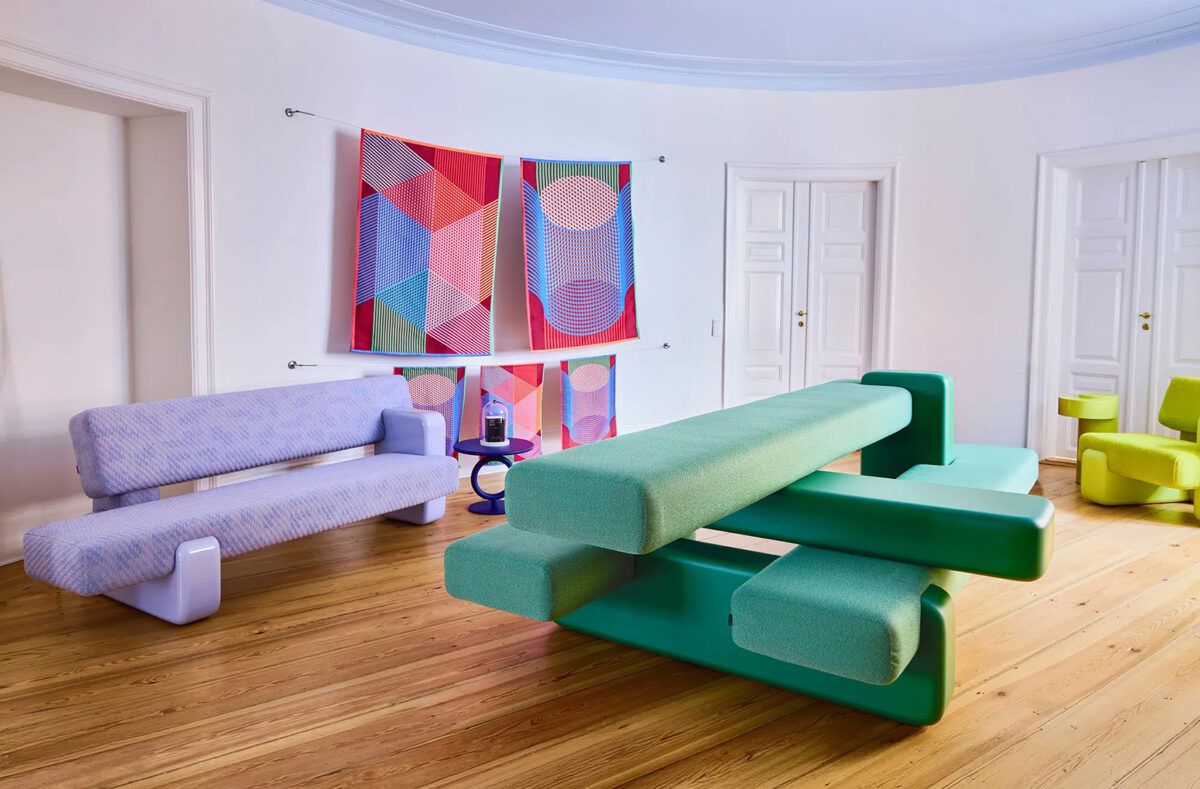
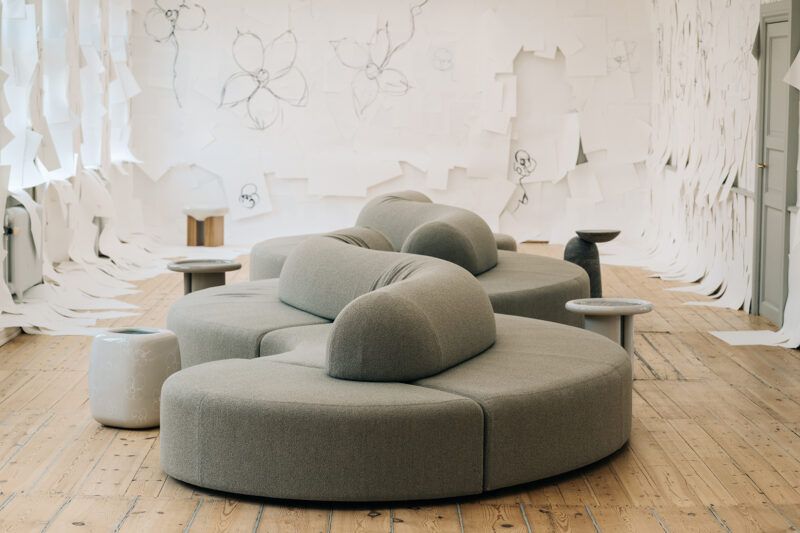
Secolo and Danish studio Tableau joined forces once again in Copenhagen with The Drawing Room, an immersive installation presented at Tableau Gallery that explored the relationships between design, art and communal living.
The project centred around the latest evolution of the Trace Modular sofa, a monumental piece extending up to ten metres in length that transformed the space into a flexible landscape designed to encourage interaction, conversation and new forms of collective living.
Surrounding it, the walls were completely covered with floral compositions created using the technique of blind drawing, reinforcing the artistic and spontaneous dimension of the proposal.
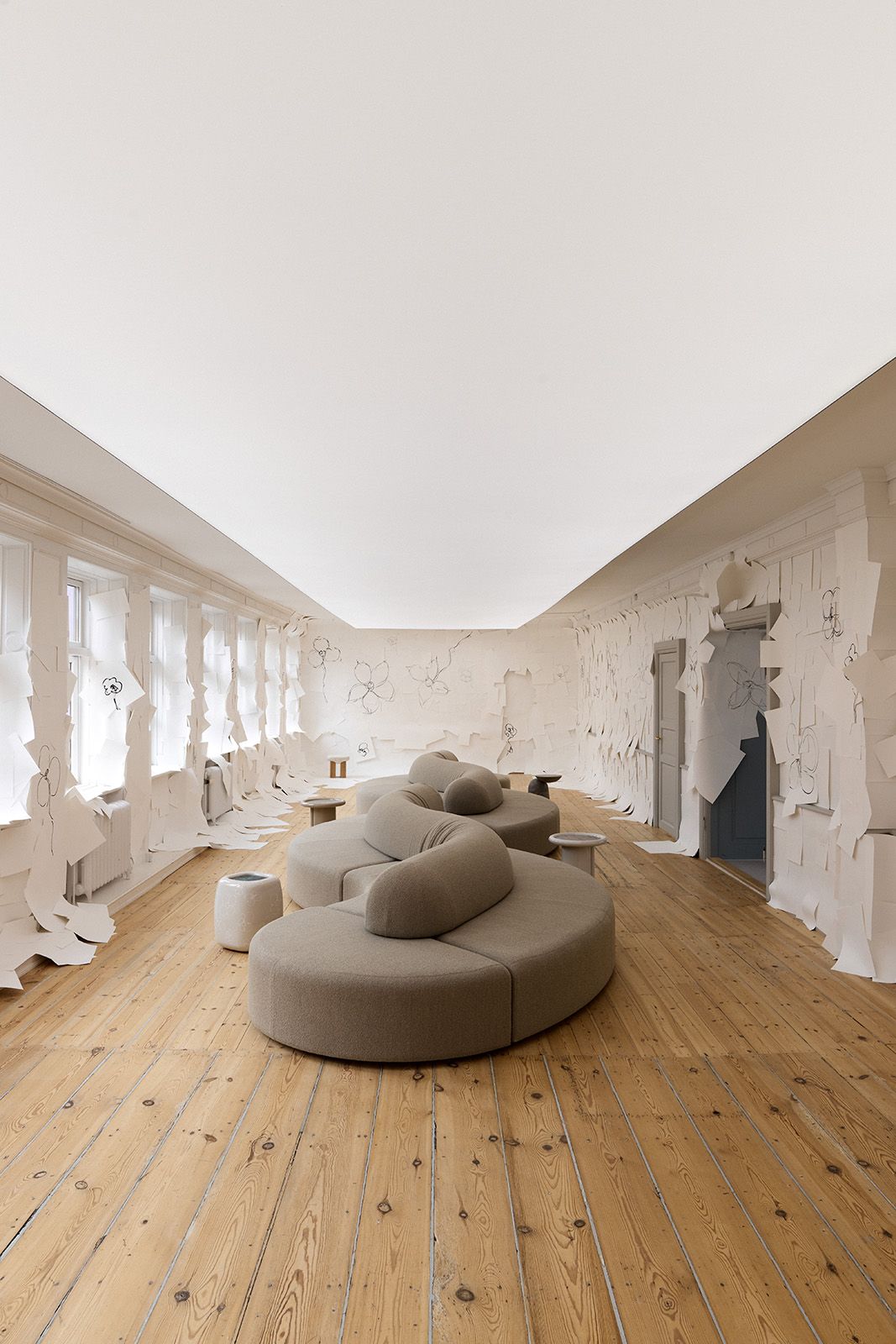
Throughout the three days of the festival, the sofa’s configuration changed continuously, generating new compositions and altering the way visitors engaged with the space. Alongside this intervention, Secolo presented several of its latest furniture and lighting collections, consolidating a collaboration distinguished by its ability to blur the boundaries between object, scenography and artistic expression.
It was undoubtedly one of the most elegant and cohesive presentations of this year’s 3daysofdesign.
MATIAS MØLLENBACH: the beauty of imperfection
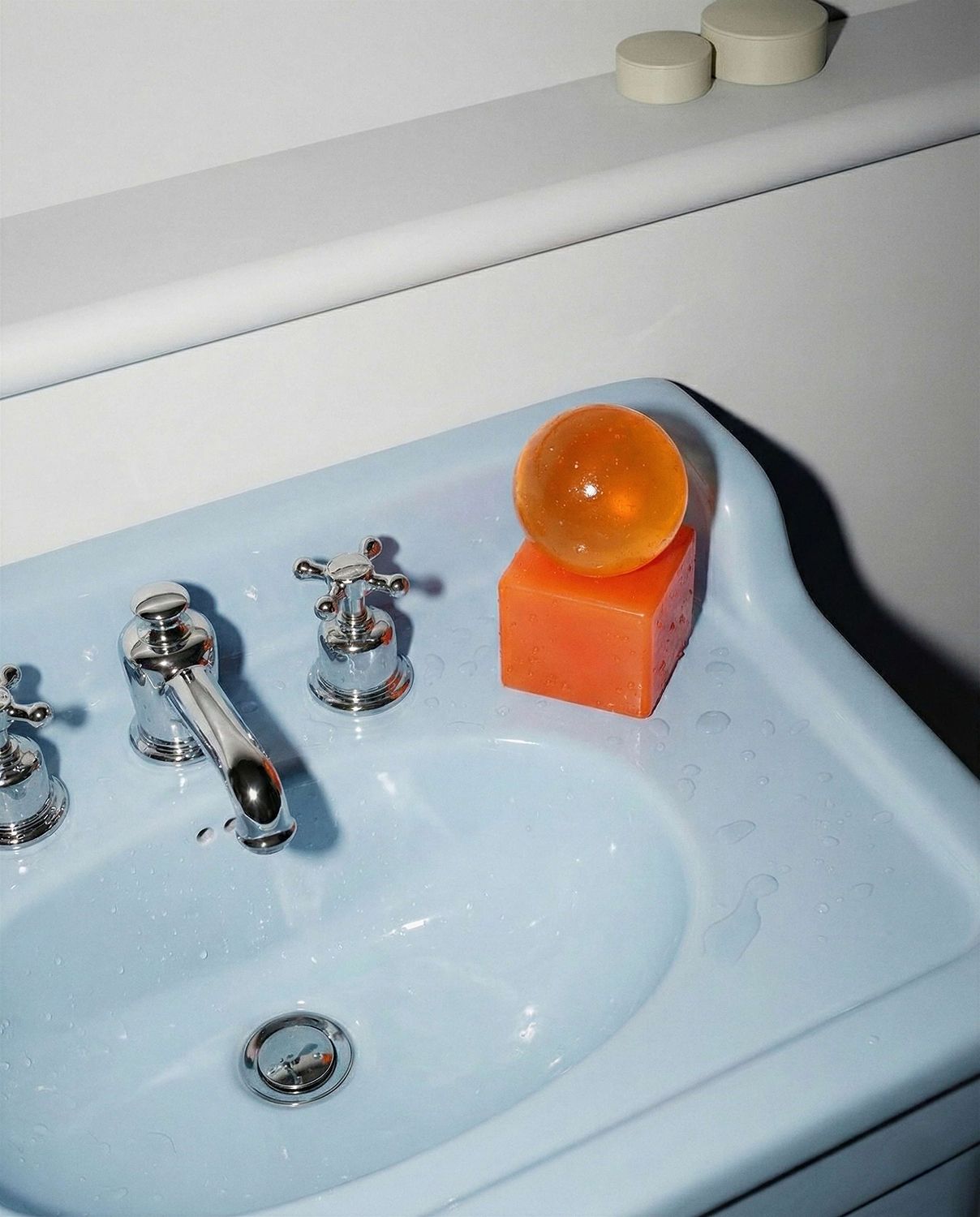
Danish designer Matias Møllenbach presented an exhibition that clearly reflected his distinctive approach to design, where craftsmanship, materiality and experimentation play a central role.
Known for working at the intersection of furniture, sculpture and functional objects, Møllenbach showcased a selection of pieces characterised by organic forms, tactile surfaces and an aesthetic that embraces the imperfections inherent in handmade processes.
Each creation appeared to celebrate the dialogue between designer and material, revealing marks, textures and details that made the production process visible.
HOMO FABER FELLOWSHIP: when tradition inspires the future of craft
For the first time in its history, Homo Faber Fellowship participated in 3daysofdesign with Today’s Masters Meet Tomorrow’s Talents, an exhibition presenting the results of one of the world’s most prestigious craft training programmes.
Presented at Bianca D’Alessandro Gallery, the exhibition featured 22 pieces created jointly by master artisans and emerging talents from four continents following six months of collaboration in workshops across Europe.
Ceramics, glass, cabinetmaking, goldsmithing, textiles, bookbinding and paper sculpture coexisted within a collection that celebrated the transmission of knowledge, intercultural dialogue and the continuing relevance of traditional crafts in the twenty-first century.
The initiative highlighted the shared creative process between generations, disciplines and cultures. Each object reflected an exploration of light, beauty and artisanal excellence, demonstrating how innovation can emerge from the encounter between experience and new perspectives.
LE KLINT: folding tradition reimagined
Le Klint used 3daysofdesign to unveil a new lighting collection designed by Danish designer Marianne Nielsen, reaffirming the historic company’s ability to evolve while remaining faithful to its artisanal heritage.
The new pieces reinterpret the characteristic folded language that has defined the brand for decades, combining technical precision, visual lightness and a strong sculptural sensibility.
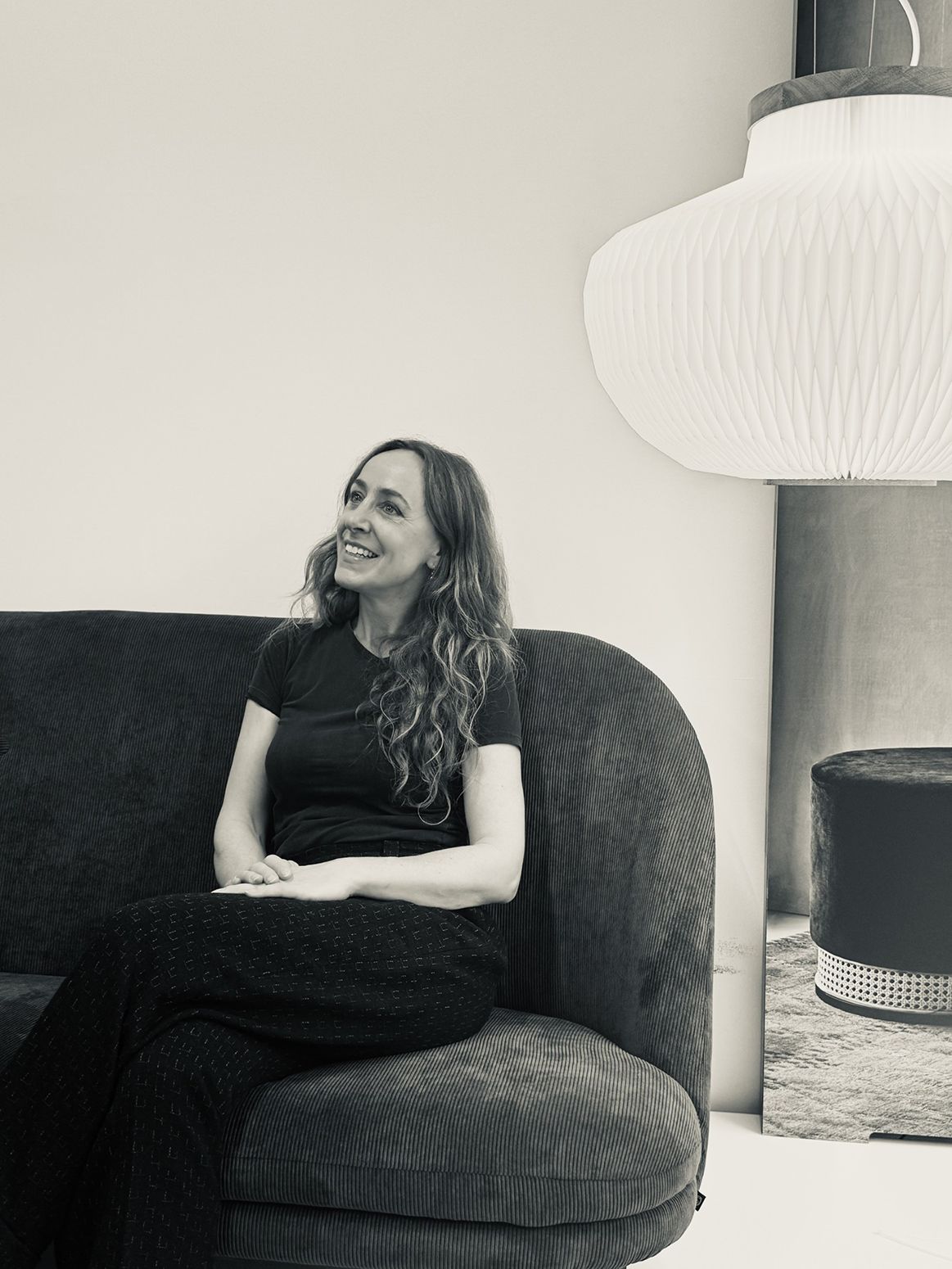
The luminaires stood out for their organic forms and meticulous construction, where light becomes a tool capable of shaping space and creating serene atmospheres.
Faithful to Le Klint’s philosophy, the collection demonstrated how innovation can emerge through respect for craftsmanship, updating a tradition deeply connected to contemporary Danish design.
FRITZ HANSEN: when design can be heard
Fritz Hansen presented Sound Club, an immersive installation exploring the relationship between sound, furniture, lighting and spatial experience.
Spread across various environments within its Copenhagen flagship store, the project invited visitors to discover how sound influences our perception of space and the way we interact with the objects around us.
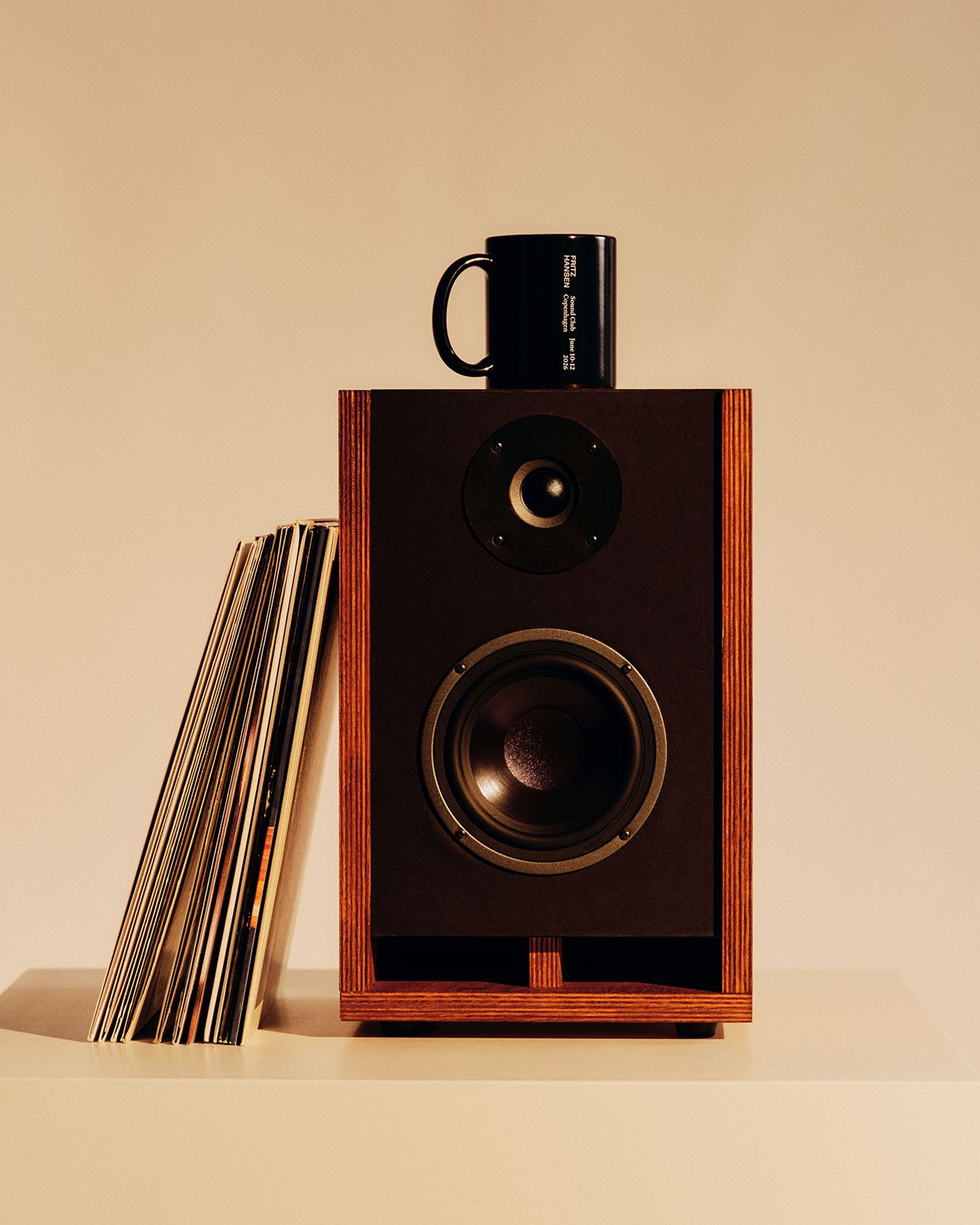
The experience included listening zones developed in collaboration with Japanese brand Technics, live music sessions and the launch of a vinyl record created especially for the occasion, transforming listening into both a collective and personal experience.
The installation also served as the setting for the presentation of Fritz Hansen’s Autumn 2026 collection, including a new addition to the KAISER idell™ lighting family, an update by Cecilie Manz, an expansion of the N02™ Recycle collection designed by nendo and a new interpretation of the iconic Superellipse™.
Coinciding with the 90th anniversary of the KAISER idell™ 6631-T Luxus lamp, the company also launched a special burgundy edition developed in collaboration with Technics, creating a compelling dialogue between light, sound and timeless design.
AMARESH ANAND DESIGNS & MAGARI: architectural memory transformed into furniture
The collaboration between Amaresh Anand Designs and Indian company Magari brought a sophisticated reinterpretation of Indian craftsmanship and architectural heritage to 3daysofdesign.
Through a series of sculptural tables, the exhibition explored the relationship between past and present, drawing inspiration from the monumental columns of Hampi’s temples and the rich colours of traditional Channapatna lacquerwork.
The result was a collection in which geometry, rhythm and materiality were transformed into objects of strong visual presence and profound cultural significance.
The projects featured in this second part of our special report confirm the extraordinary diversity that defined 3daysofdesign 2026. From new collections and product launches to experimental installations, interdisciplinary collaborations and reflections on materials, the festival once again demonstrated that contemporary design is about far more than form or function.
Across these two features, we have explored some of the most inspiring spaces, collections, experiences and ideas of this year’s edition, discovering how brands, designers, institutions and creators from around the world are finding new ways to respond to contemporary challenges.
Sustainability, craftsmanship, technological innovation, circularity and the emotional dimension of objects emerged as some of the key themes shaping the international design agenda in 2026.
If 3daysofdesign 2026 leaves us with one certainty, it is that the best design not only responds to the needs of the present but is also capable of generating new conversations, building meaningful connections and imagining more conscious futures.
Once again, Copenhagen reaffirmed its position as one of the world’s great laboratories of creativity, a place where ideas are transformed into experiences and where design continues to demonstrate its power to inspire new ways of living, creating and connecting.
Until next year!
(*) Photography courtesy of the brands. BOMMA photography: Ulehla. DAC photography: Hampus Berndtson. Royal Danish Academy photography: Nana Reimers. Secolo + Tableau photography: Adam Katz and Enok Holsegard.




&p[summary]=&p[url]=https://ccmagazine.es/en/3daysofdesign-2026-product-launches-design-highlights-part-2&p[images[0]=https://ccmagazine.es/wp-content/uploads/2026/06/ukurant_2026_089.jpg)
)