B—Line and the art of keeping italian design icons alive
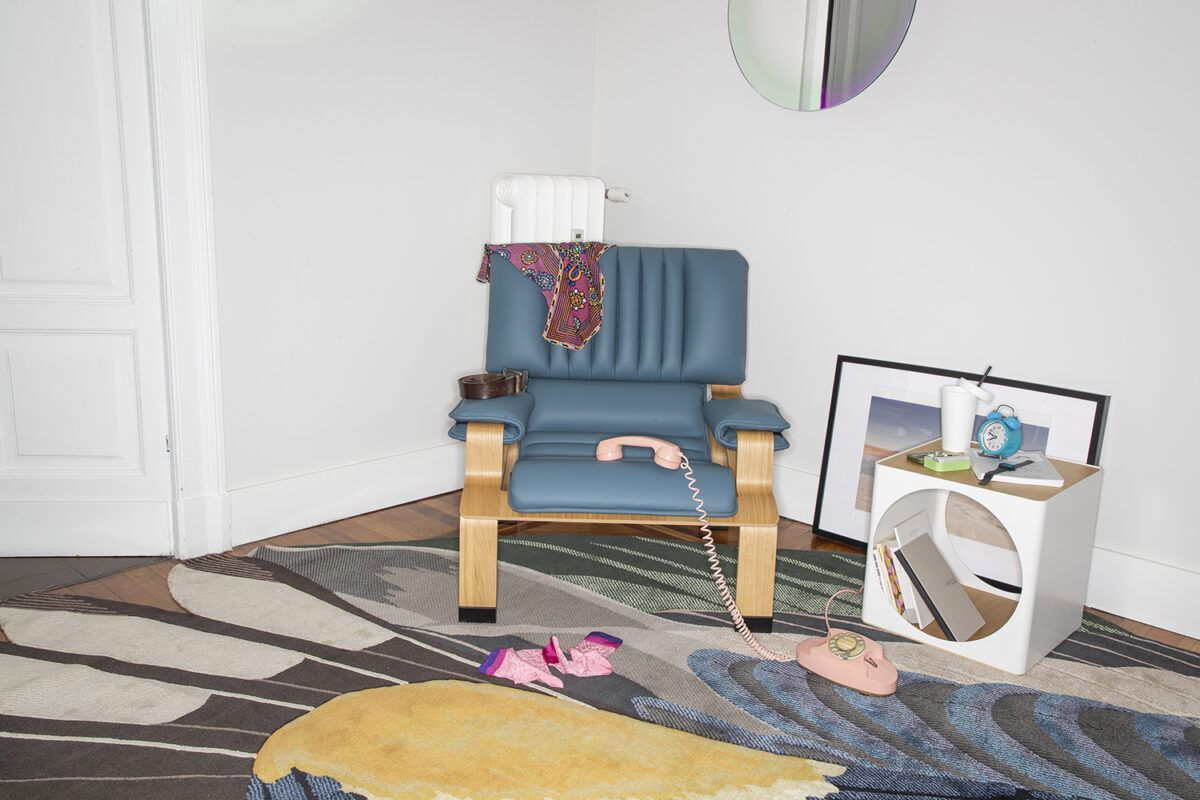
Few brands manage to coherently balance respect for history with a genuine drive to innovate. B—Line, the Italian company founded in 1999 by Giorgio Bordin, is one of them. Created with the aim of bringing back emblematic design pieces from the 1960s and 1970s that had disappeared from the market, its work goes far beyond simple re-edition. Each recovered object becomes a new opportunity to engage in dialogue with the present.
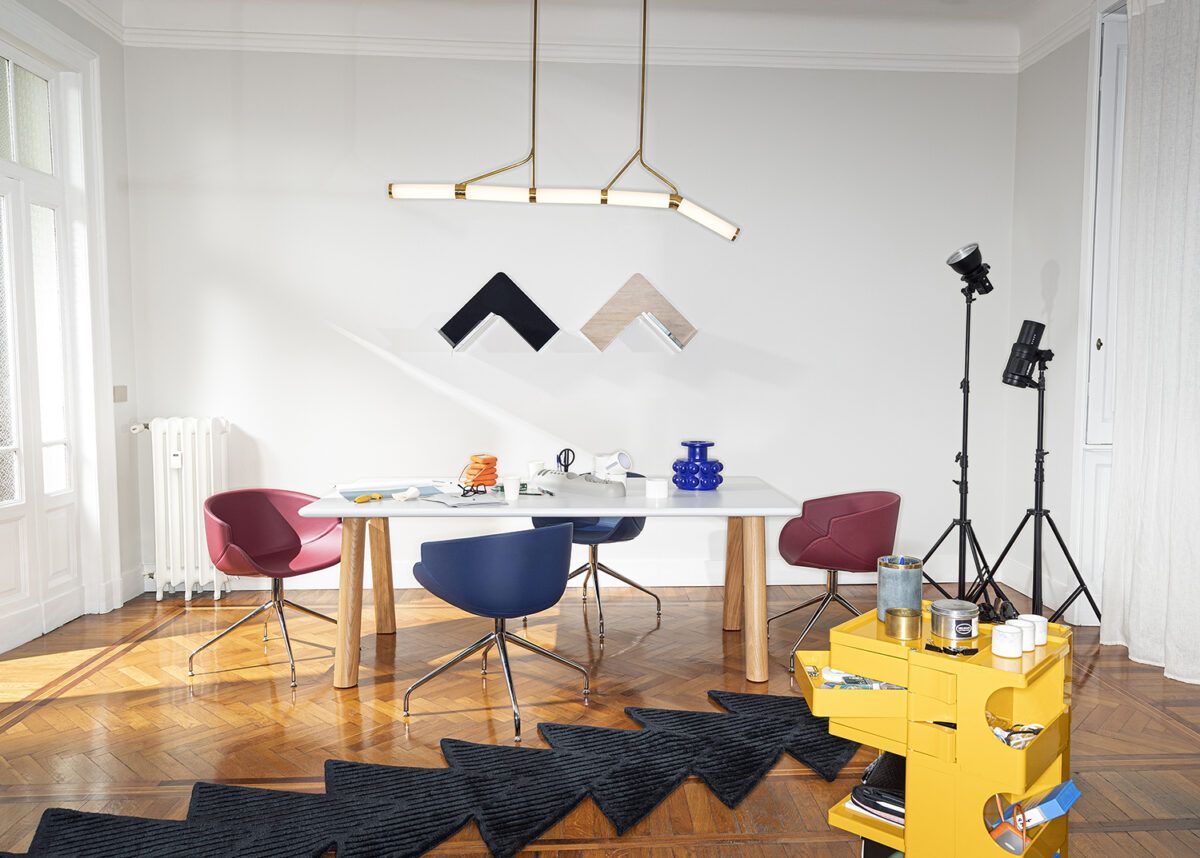
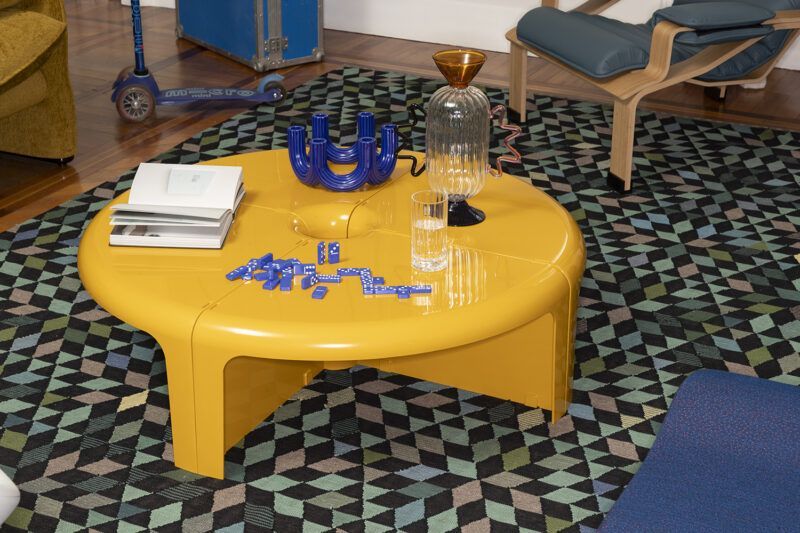
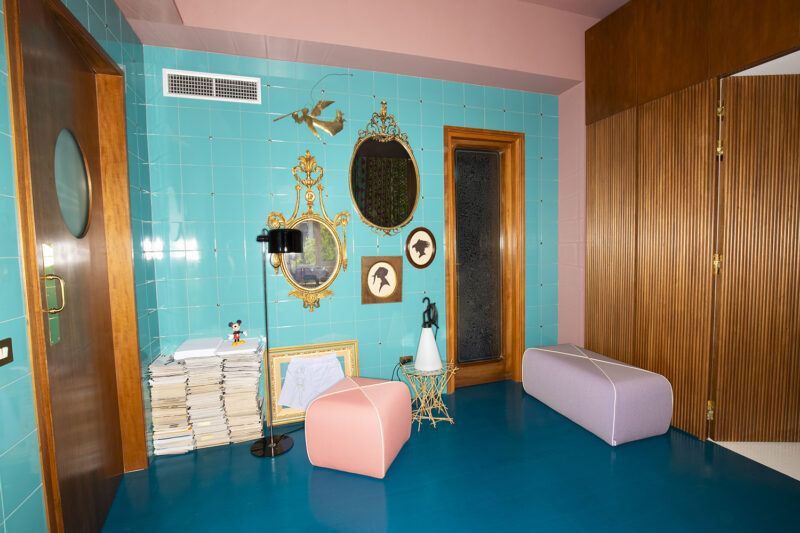
From the very beginning, B—Line committed to meticulous research, retrieving original moulds and collaborating closely with the studios and heirs of legendary designers such as Joe Colombo, Rodolfo Bonetto and Vico Magistretti.
Far from remaining anchored in the past, the brand has successfully evolved its iconic pieces — including the now-legendary Boby trolley — through new materials, finishes and colours that resonate with contemporary aesthetics without betraying their original essence.
Back to the origins: designing to last
Amid a landscape saturated with fleeting novelties, B—Line stands out for championing an almost radical idea: designing products that are durable, functional and emotionally meaningful. The choice of pieces selected for re-edition is never arbitrary. Each has left a mark on design history thanks to its functional value, recognisable aesthetic and ability to adapt over time.
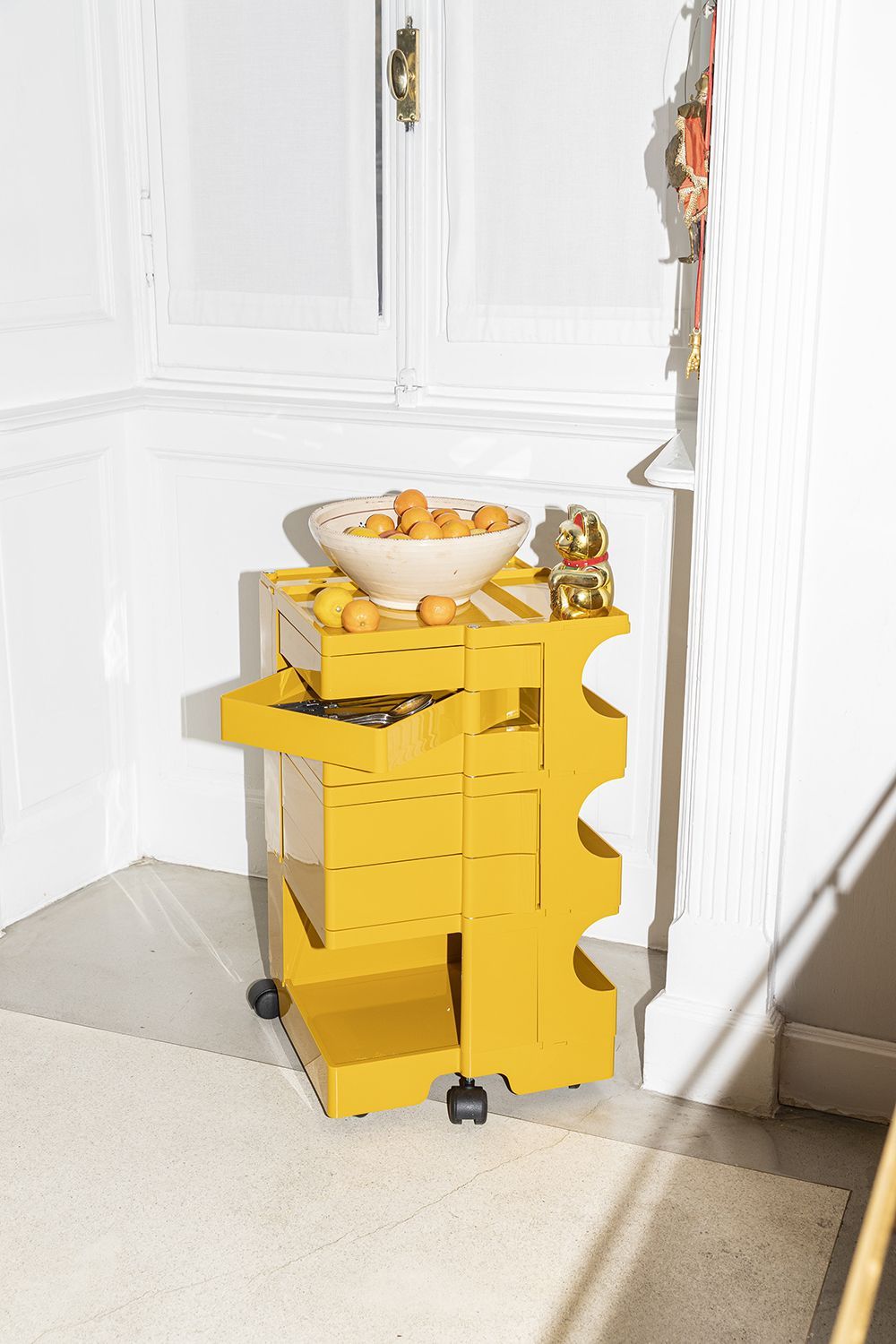
The Boby trolley — designed by Joe Colombo in 1970 — is a paradigmatic example. It was the first piece reissued by B—Line and remains the clearest expression of the brand’s philosophy. Over the years, it has evolved through new configurations, including the XS version and the recent seven-drawer L model.
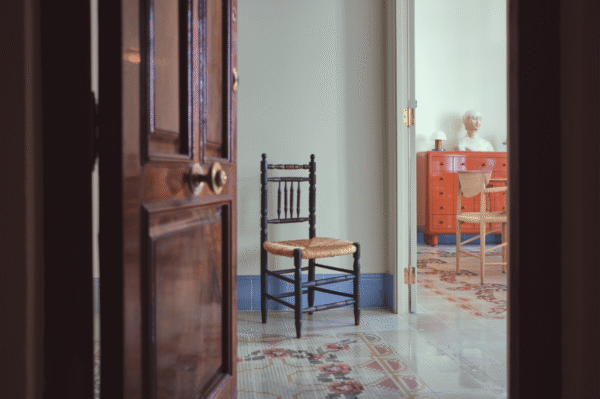
Its colour palette has also expanded with limited editions and finishes such as “Paprika”, a vibrant and warm shade that bridges past and present.
“The Boby trolley designed by Joe Colombo in 1970 was the first piece reissued by B—Line and remains the emblem of its philosophy.”
Colour and materials as a brand language
For B—Line, colour is far from a minor aesthetic decision; it is a strategic tool. The introduction of shades such as “Paprika” — a warm orange with a clear nod to the 1970s — reflects the brand’s desire to bring freshness without superficiality.
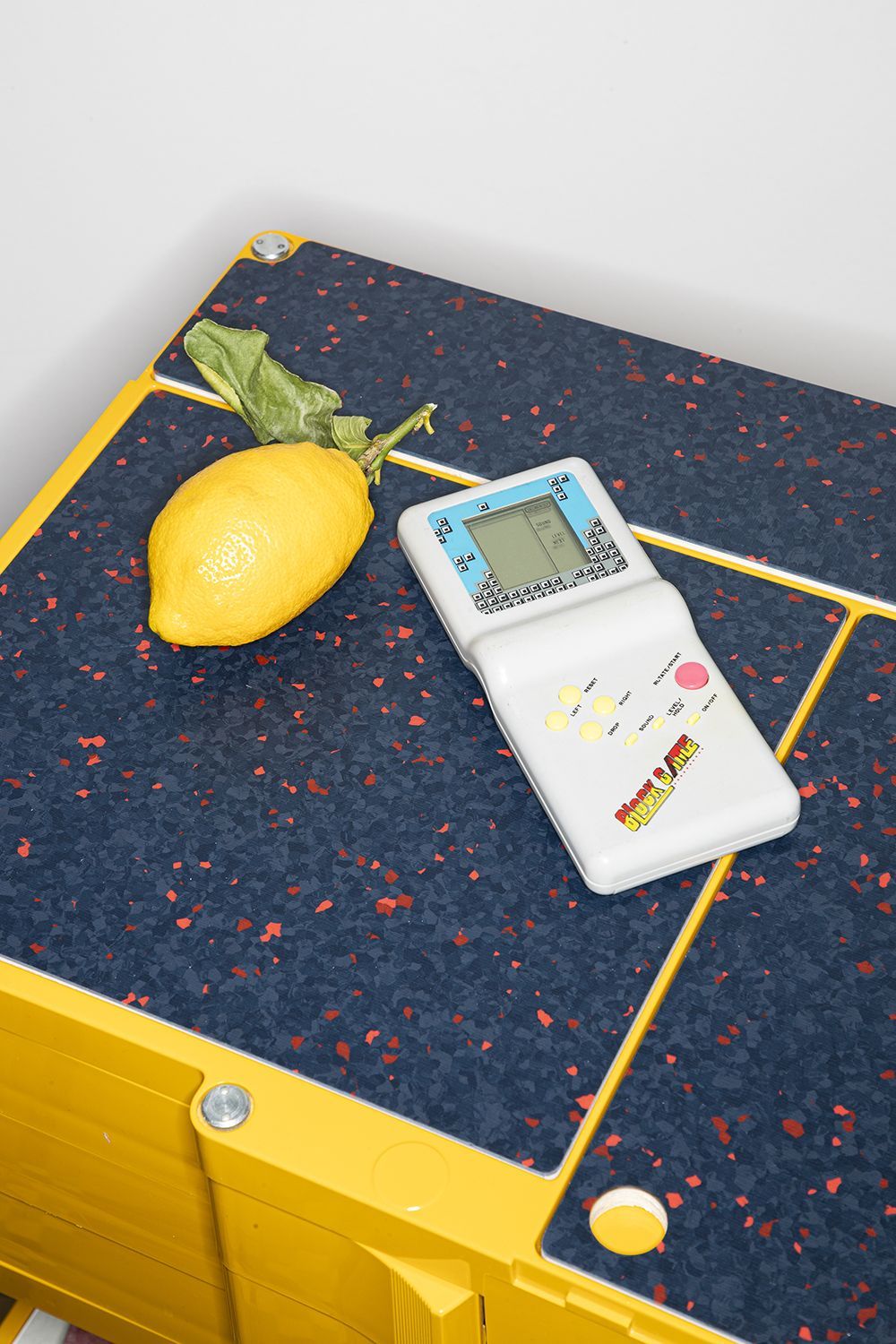
The same applies to the new Boby finishes, such as the “Confetti” and “Volcano” shelf kits, crafted in vinyl to enhance the piece’s pop character while extending its functionality.
This attention to detail also informs the exploration of new materials. Aki Jr, a reinterpretation of Bonetto’s Aki umbrella stand, combines concrete and solid wood to intensify its tactile and sculptural qualities.
Meanwhile, the new Ping Pong tray by Vico Magistretti, produced in cast aluminium and available in white, rust or cobalt blue, exemplifies how an elegant and versatile object can be updated without losing its playful and functional spirit.
In conversation with B—Line
According to B—Line, its vision rests on three pillars: versatility, functionality and iconic character. “We look for pieces that do not go out of fashion, that withstand the passage of time not only in their form, but also in their use and meaning”. Because their work is not merely about reissuing objects, but about updating them — understanding how they are lived with today and the role they can continue to play in contemporary spaces.
The brand’s philosophy requires that every new product — even those within its contemporary collection — must be able to coexist with historic design icons without losing its own personality. “It’s not about competing, but about entering into dialogue with a heritage that is still very much alive”, they explain. A delicate balancing act that demands coherence, respect and a clearly defined identity.
When it comes to colours and finishes, B—Line emphasises the importance of harmonising aesthetics with functionality: “Vinyl doesn’t just add character to the Boby top shelves; it’s also practical. It protects and extends the life of the furniture. We want each piece to continue to be used and loved over time”.
Every chromatic or material decision therefore responds to both visual criteria and a logic of durability and real-life use.
Regarding the selection of pieces to reissue, their approach is clear: “We review historical archives and choose objects that can integrate organically into our current collection. It’s essential that they share an DNA compatible with our values and a long-term vision”. A methodology that reinforces the coherence of the whole and ensures that each addition strengthens — rather than dilutes — the brand’s narrative.
The challenge of contemporary design: identity and sustainability
The expansion of B—Line’s contract division has been another significant achievement in recent years.
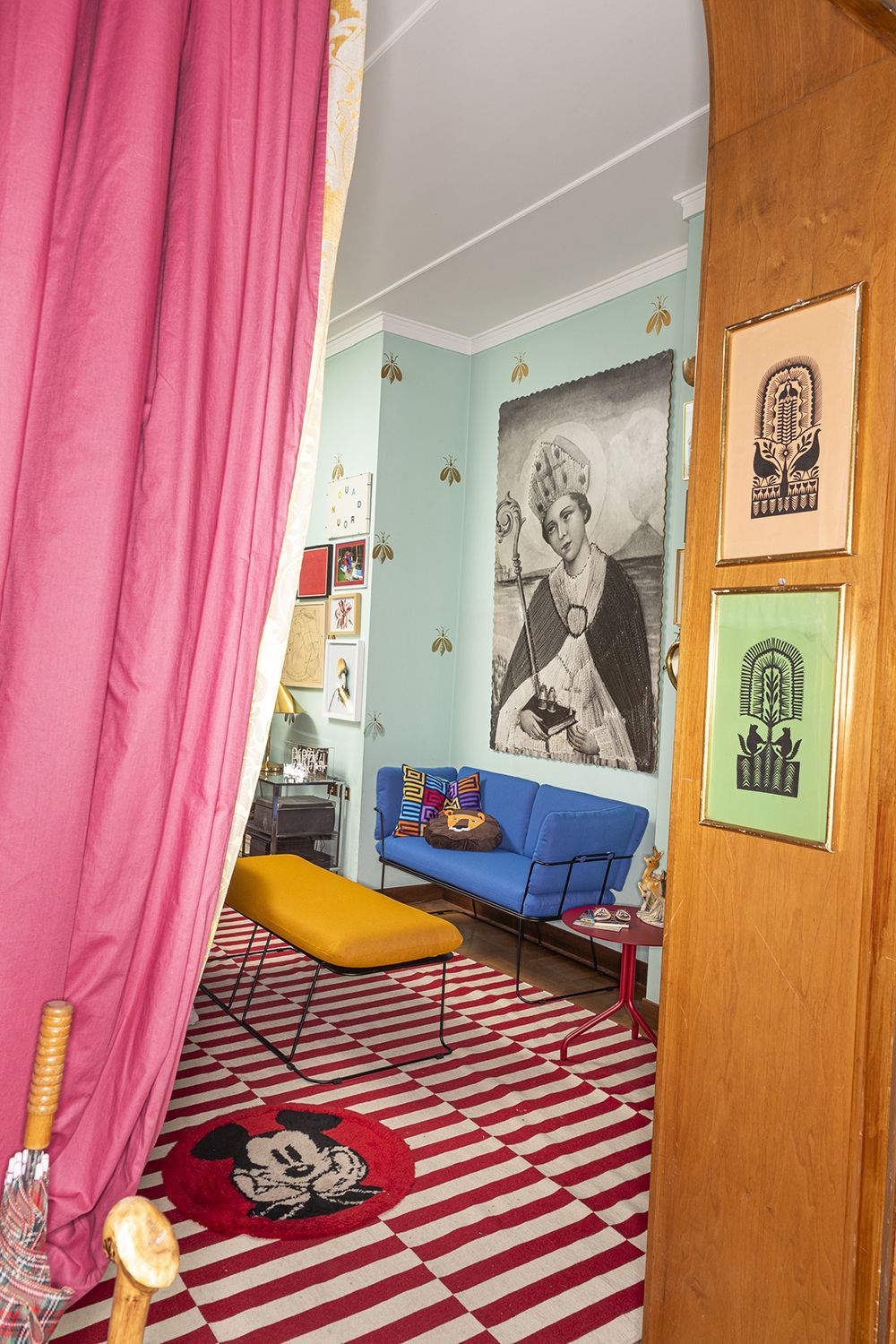
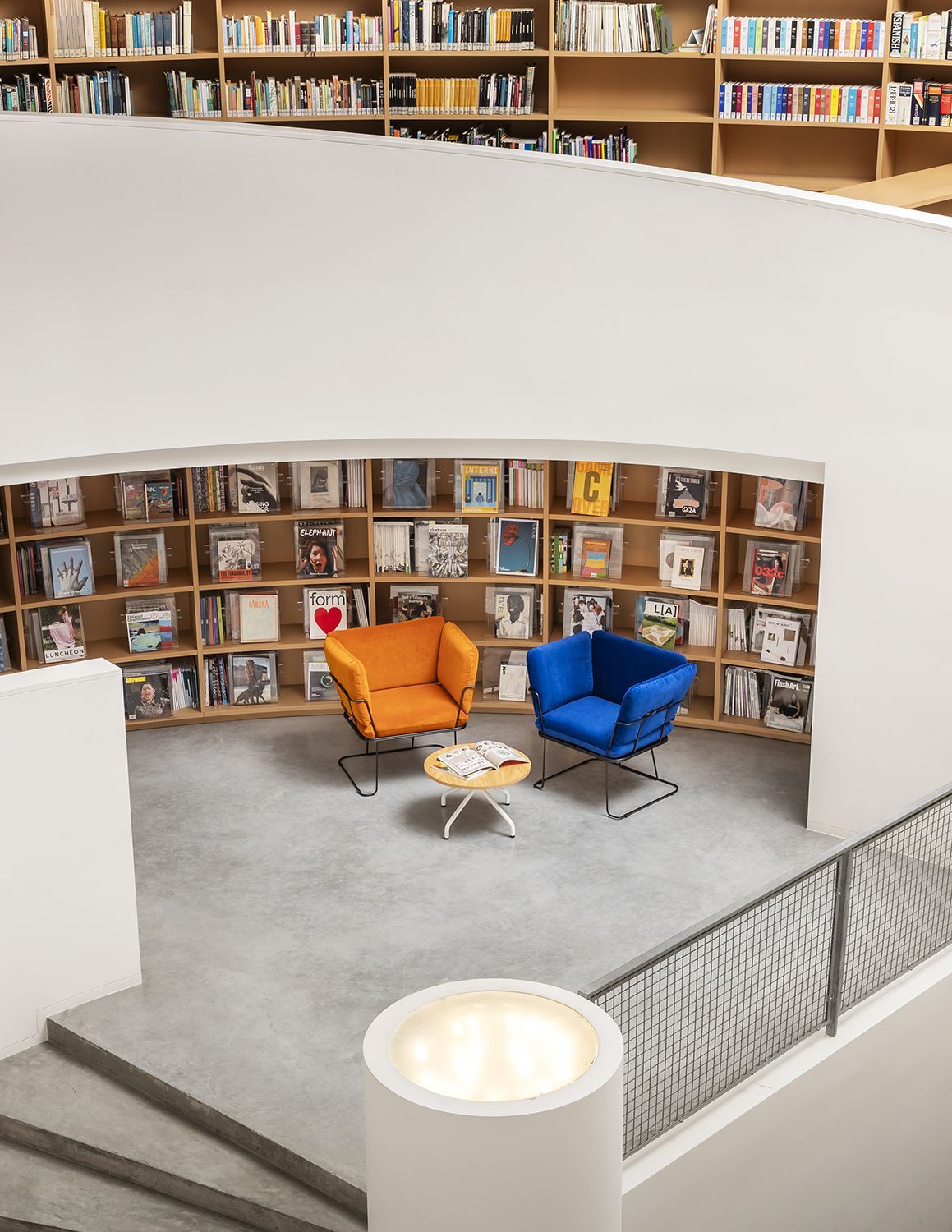
With products suited to both indoor and outdoor environments, the brand has successfully positioned itself within hospitality projects, offices and public spaces, where durability, design quality and adaptability are essential. Functionality is never at odds with aesthetics — a principle evident across both its ICONS collection and its newer proposals.
At a time when many products seem designed for obsolescence, B—Line demonstrates that innovation can also mean knowing how to preserve what truly matters. Not through nostalgia, but through an active respect for what works and what resonates emotionally. Its pieces do more than tell stories from the past: they continue to shape those of the present.
“We look for pieces that do not go out of fashion, that withstand the passage of time not only in their form, but also in their use and meaning.”
A brand with a future (and a history)
B—Line has built its identity from a clear and uncommon position: understanding design as a practice that endures over time. Its work is not limited to recovering great icons of Italian design, but to keeping them relevant, functional and culturally meaningful, integrating them naturally into contemporary life.
The brand’s strength lies in its ability to balance memory and innovation. Each re-edition is rooted in deep respect for the original project, supported by ongoing research into materials, processes and current uses. The result is a collection of objects that retain their essence while engaging with new contexts, spaces and ways of living.
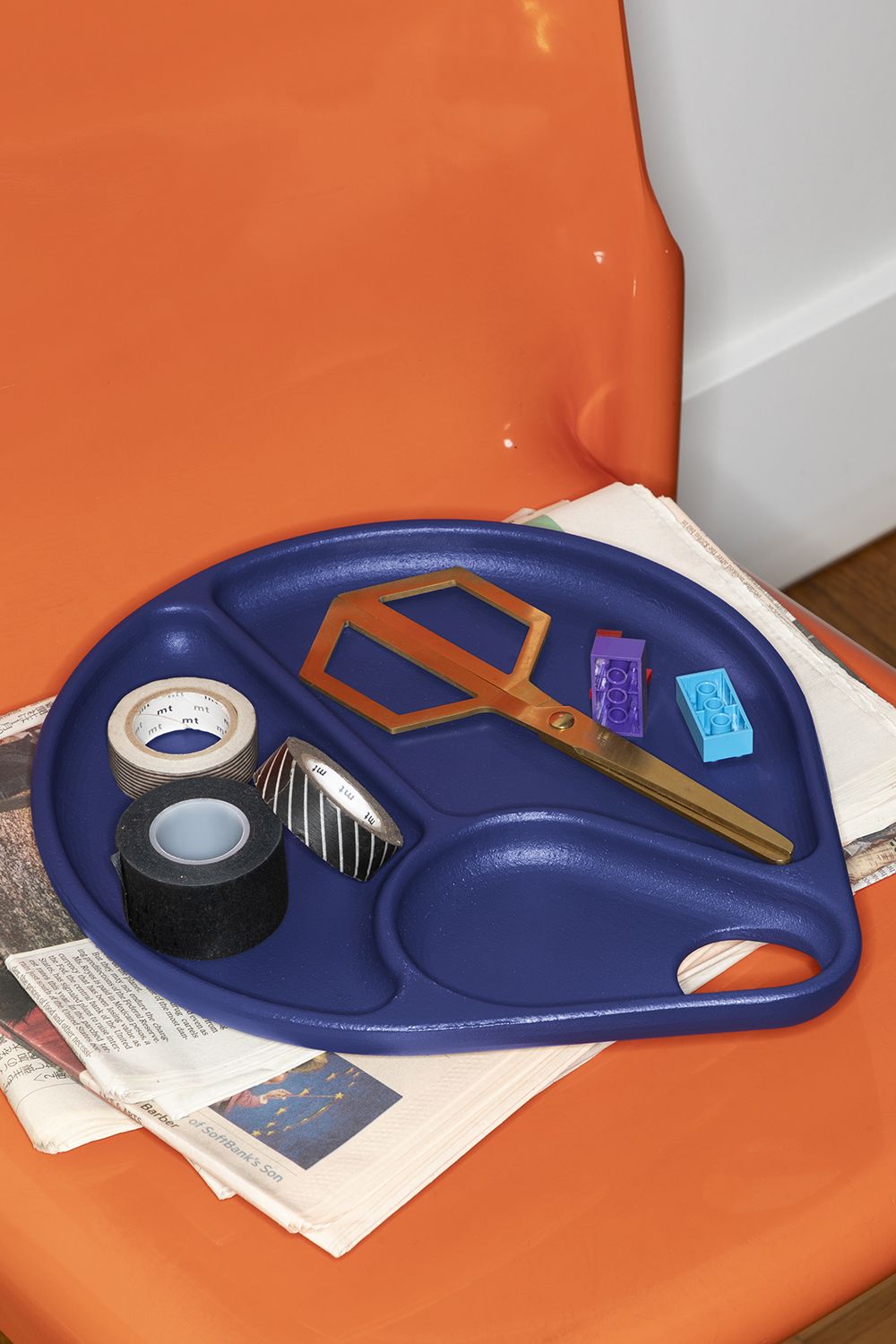
Alongside its ICONS collection, B—Line develops contemporary projects that rise to the challenge of coexisting with true design benchmarks without losing their own identity. Versatile, honest and well-crafted objects, designed to last and to accompany the passage of time without becoming exhausted.
For B—Line, timelessness is neither a label nor an immediately recognisable aesthetic. It is an attitude: the conviction that good design emerges from the balance between form, function and meaning. And when that balance exists, objects do not need to impose themselves or constantly reinvent their image.
They simply remain.
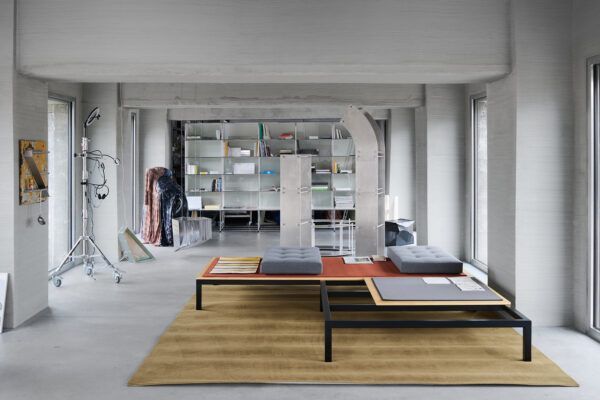
(*) Photos: Beppe Brancato, styling: Martina Sanzarello.