A dose of inspiration at 3daysofdesign 2026 (Part 1)
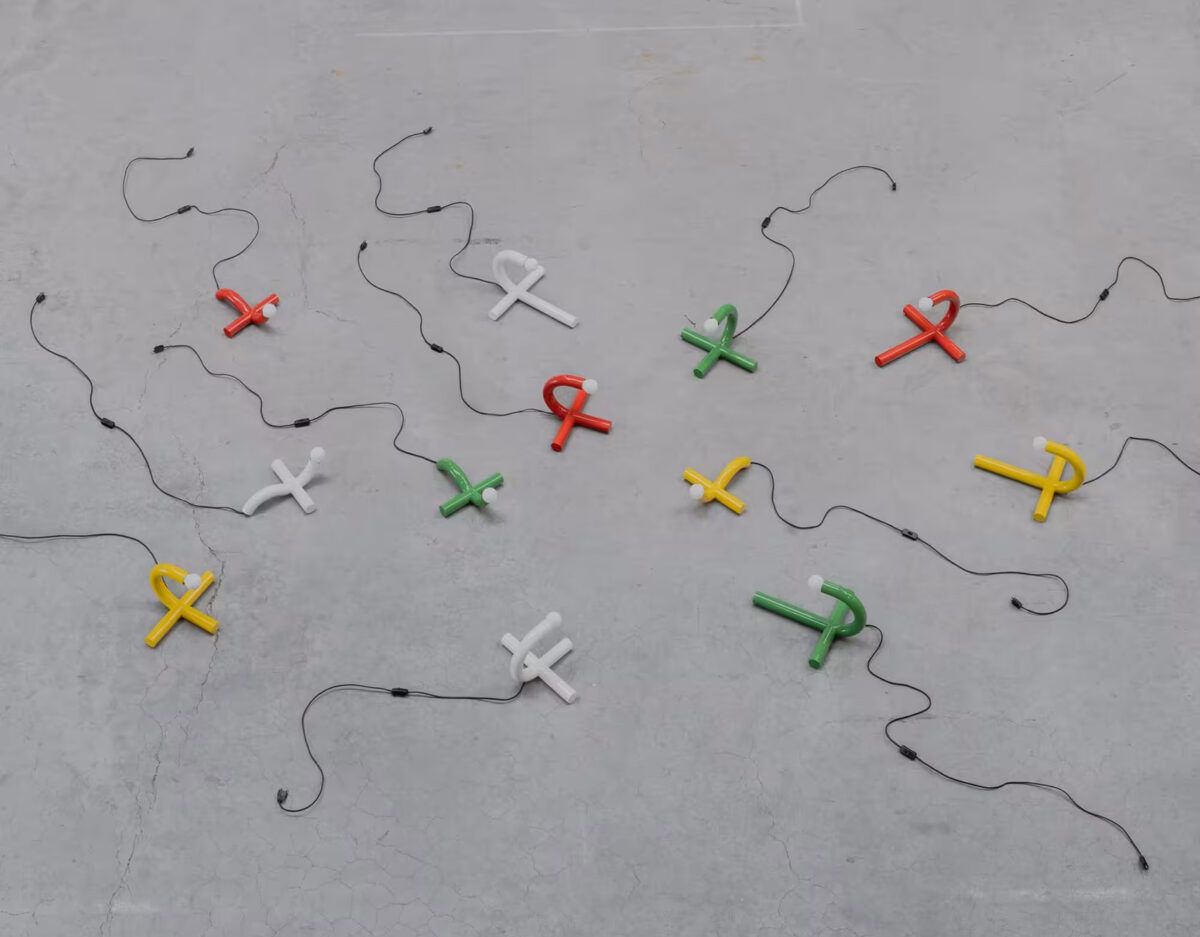
The Danish festival once again transformed the city into a living laboratory of creativity, where design, architecture, art and reflection came together to demonstrate that every moment has the potential to create a lasting impact. These were some of the most inspiring projects presented during 3daysofdesign 2026.
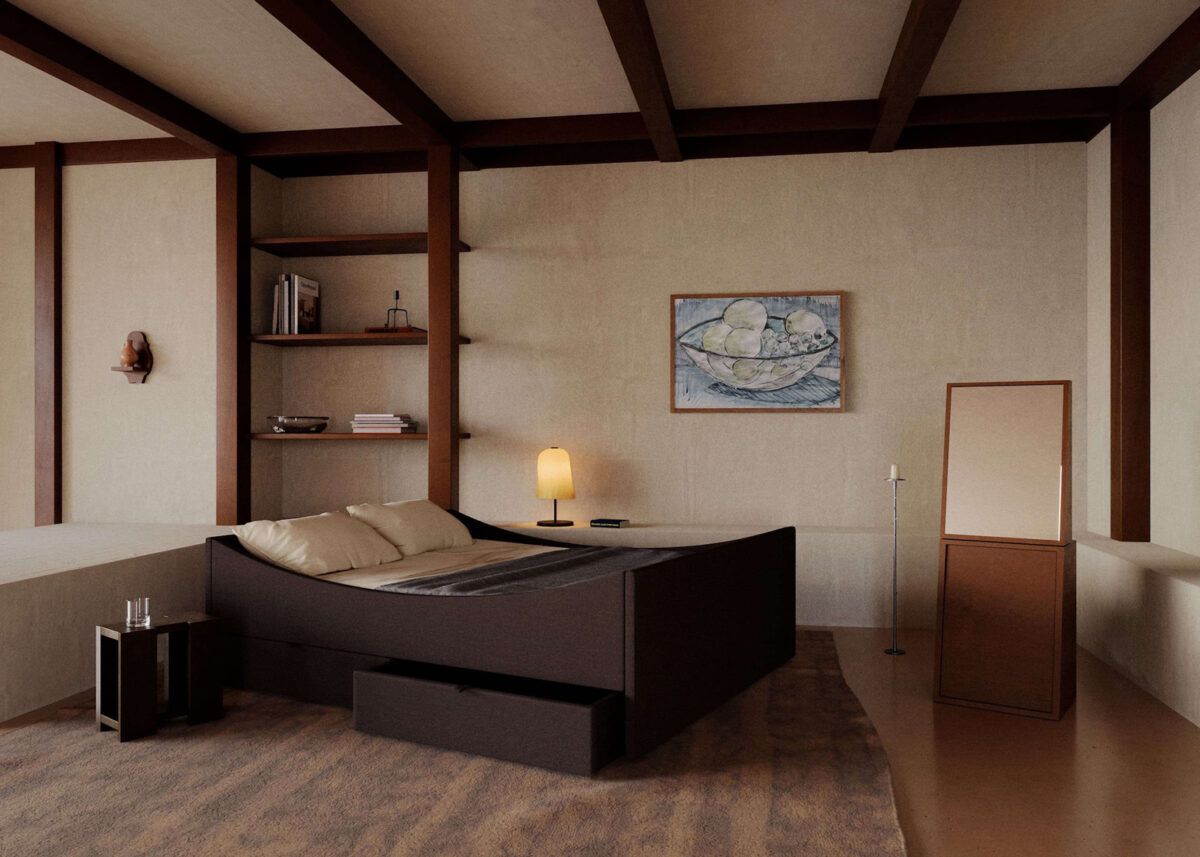
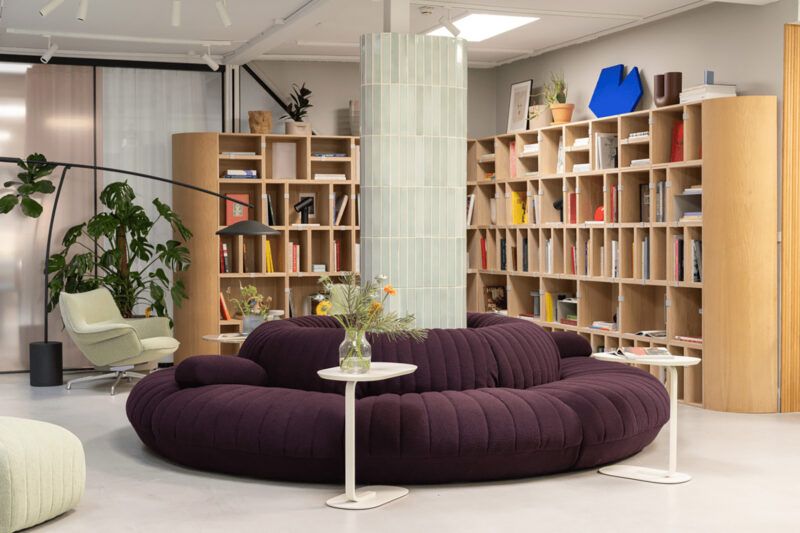
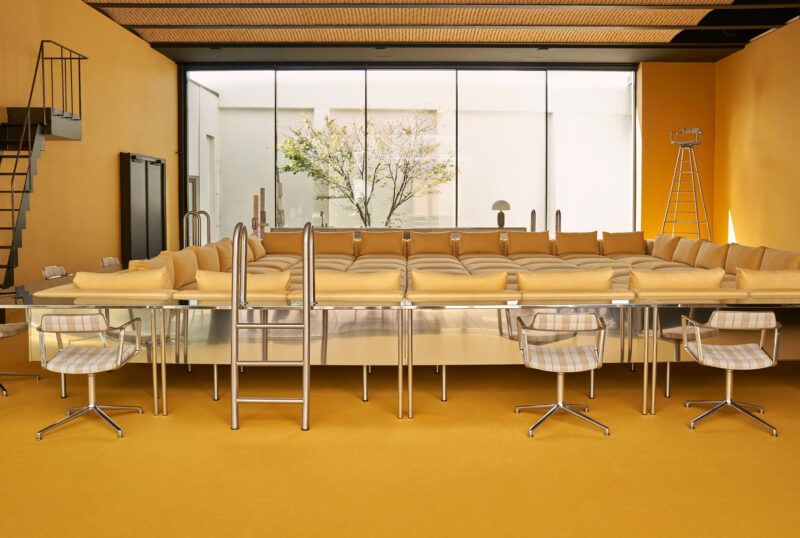
Over three intense days in June, Copenhagen once again cemented its position as one of the leading international hubs for contemporary design. Under the theme Make This Moment Matter, the festival invited designers, architects, brands, artists and visitors to reflect on the transformative power of the decisions we make in the present.
The response was extraordinary. According to the organisers, more than 125,000 visitors from over 140 countries travelled to the Danish capital to discover 572 exhibitions and take part in nearly 900 events spread across the city’s eight creative districts. Yet beyond the record-breaking figures, what truly defined this edition was the festival’s ability to generate meaningful encounters, inspiring conversations and experiences capable of connecting people from different cultures and disciplines.
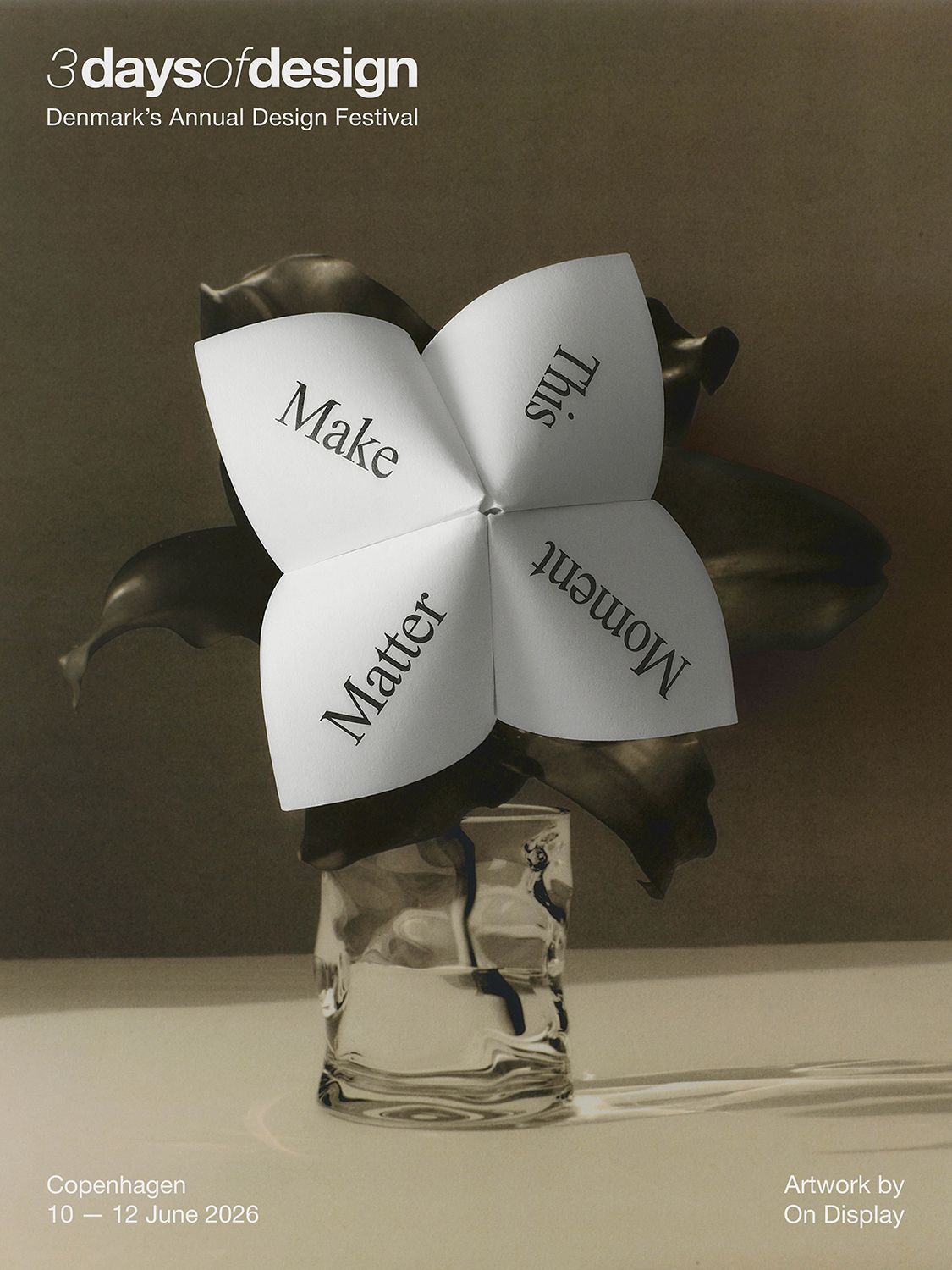
Make This Moment Matter became a visible thread running throughout the entire programme. Sustainability, circularity, material innovation, wellbeing, cultural identity and the human dimension of design were central themes in many of the most remarkable projects. Immersive installations, experimental exhibitions, urban explorations and interdisciplinary gatherings demonstrated that design is no longer limited to creating objects, but actively contributes to imagining new ways of living, connecting and shaping the future.
One of the most significant moments of this edition was the Entering the Now Symposium, which brought together some of the most influential voices from architecture, design, culture and business to reflect on the value of presence, attention and the ability to act consciously in an increasingly fast-paced and complex world. It was a conversation deeply aligned with the spirit of the festival and with the idea that meaningful change begins in the present moment.
What follows is the first part of our journey through some of the installations, spaces and projects that inspired us most during 3daysofdesign 2026.
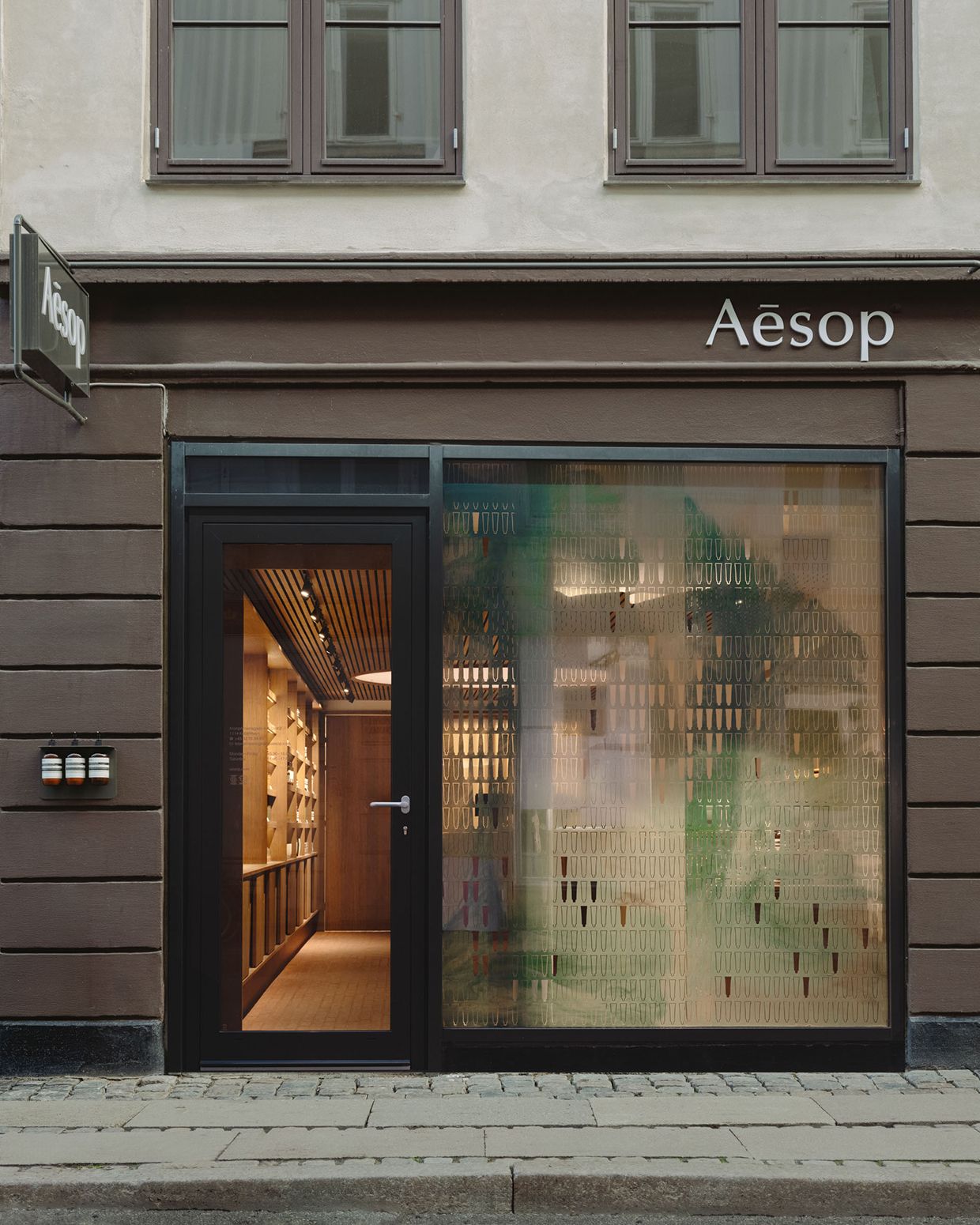
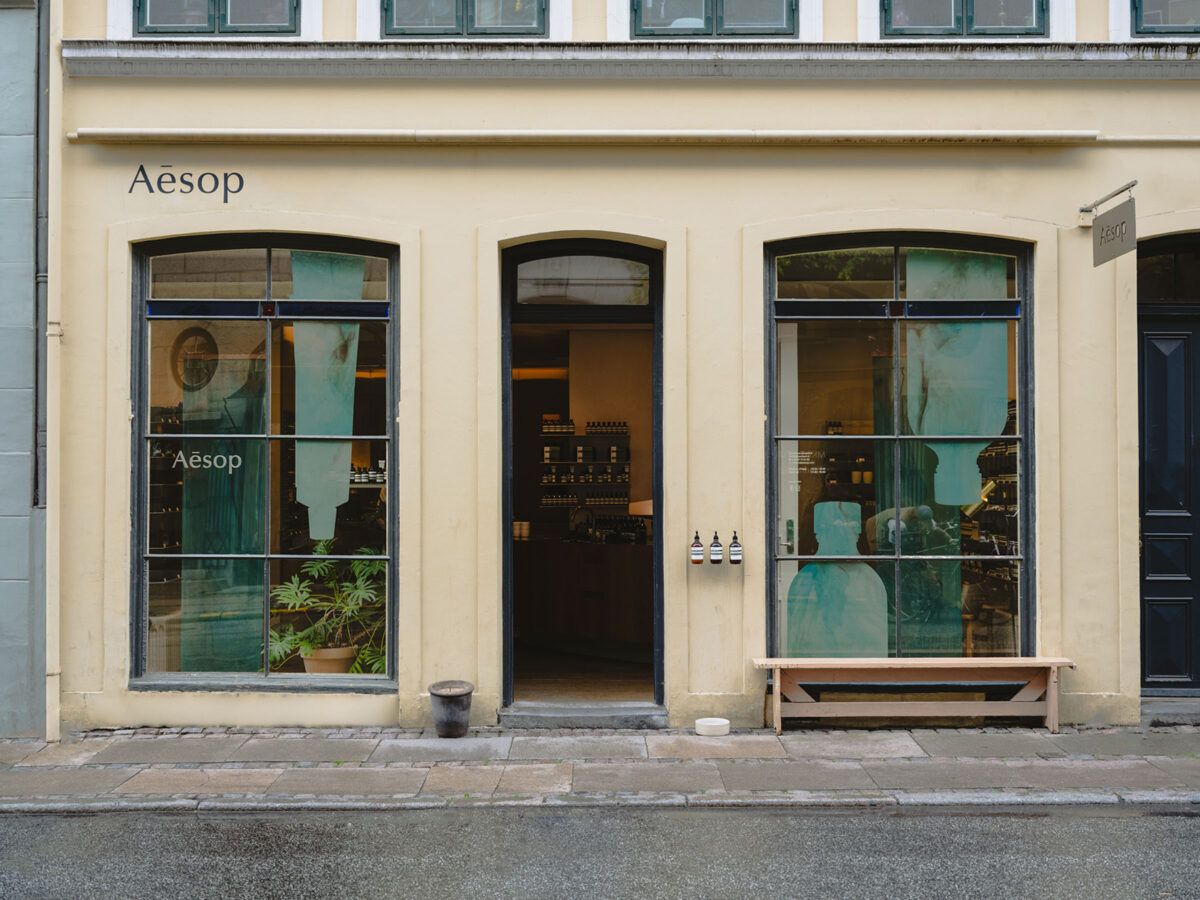
AESOP & OTHER MATTER: when waste becomes material for the future
Enduring Forms, the collaboration between Aesop and Australian studio OTHER MATTER, explored the potential of seaweed-based bioplastics, transforming the brand’s Copenhagen stores into spaces for material experimentation and reflection on circularity. Beyond aesthetics, the project focused on how materials can be reused and continuously reintroduced into new production cycles.
The research led by designer Jessie French also presented new applications for these recycled bioplastics, including an innovative leather-like material. It was a subtle yet powerful proposal that demonstrated how innovation can emerge from careful observation of available resources and from a more responsible understanding of materiality.
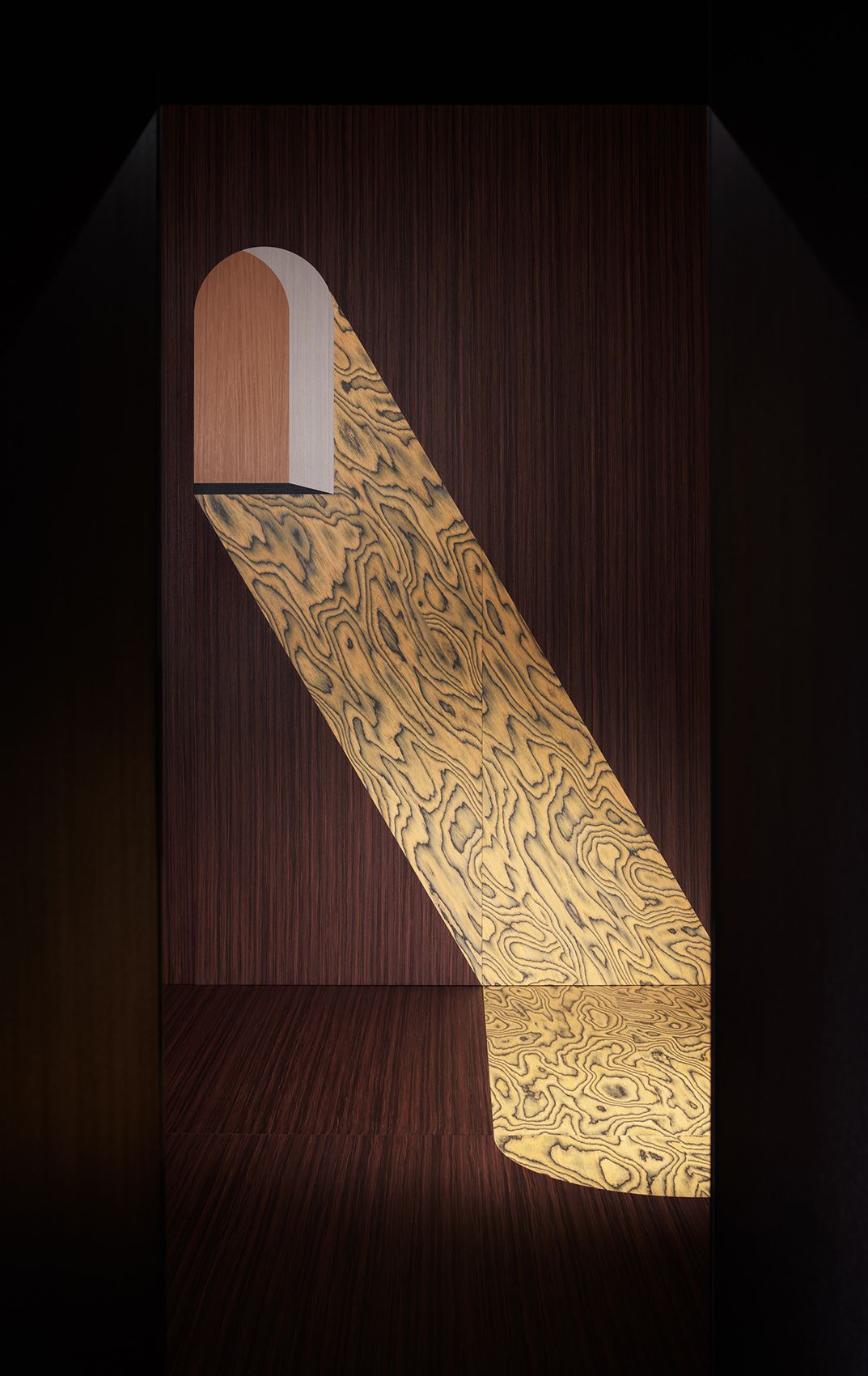
ALPI & GAMFRATESI: a piazza designed to slow time
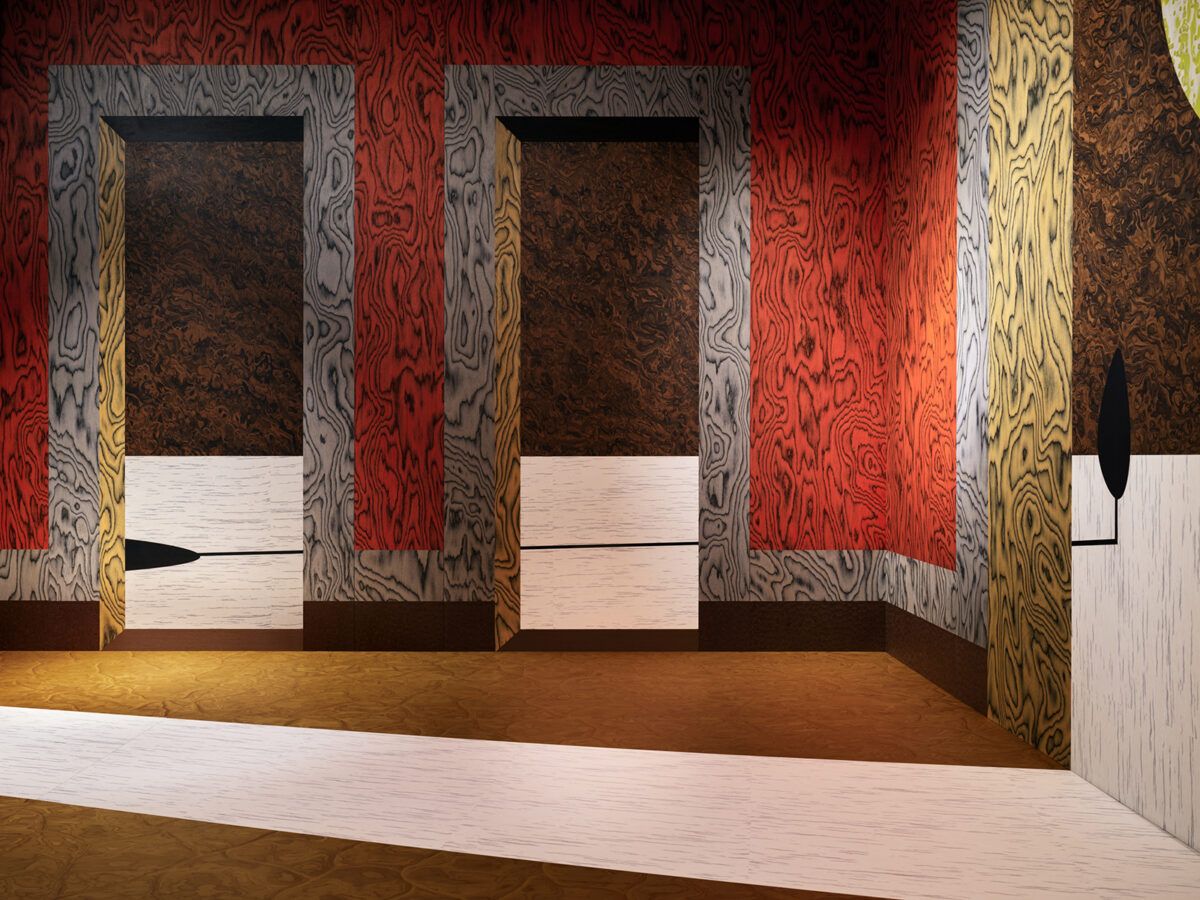
Among the most evocative experiences of this edition was Piazza Interiore, the installation created by GamFratesi for ALPI.
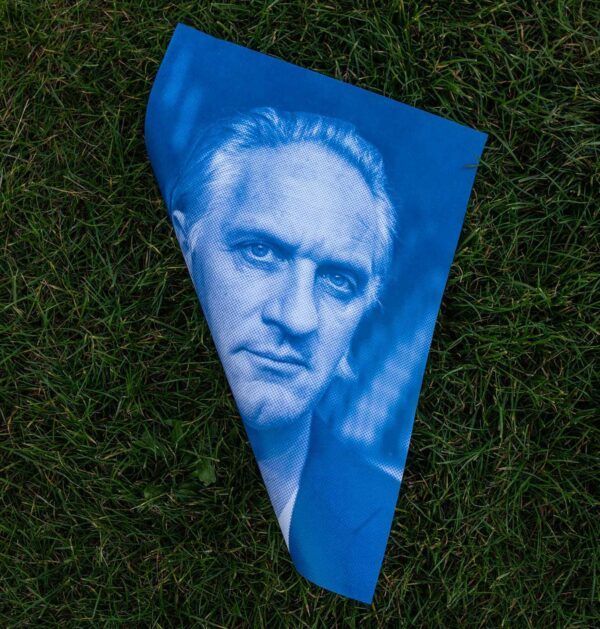
Inspired by the metaphysical landscapes of Giorgio de Chirico, the intervention transformed Narrow Creative’s spaces into a sequence of silent atmospheres where architecture, perspective and materiality entered into dialogue through a deeply Mediterranean sensibility. Through plays of shadow, geometric volumes and ALPI’s wood surfaces, the experience invited visitors to slow their gaze and engage with space in a more contemplative way.
The installation reached one of its most memorable moments during the dinner hosted by the brand at its centre. Surrounded by this almost dreamlike landscape, where time seemed suspended somewhere between reality and imagination, guests shared an unforgettable evening that perfectly captured the spirit of Make This Moment Matter. More than a presentation of materials, Piazza Interiore became a reflection on how design can create emotions, foster encounters and transform a space into a lasting memory.
DISPLAY / DISPLAYED: the beauty of objects that tell stories
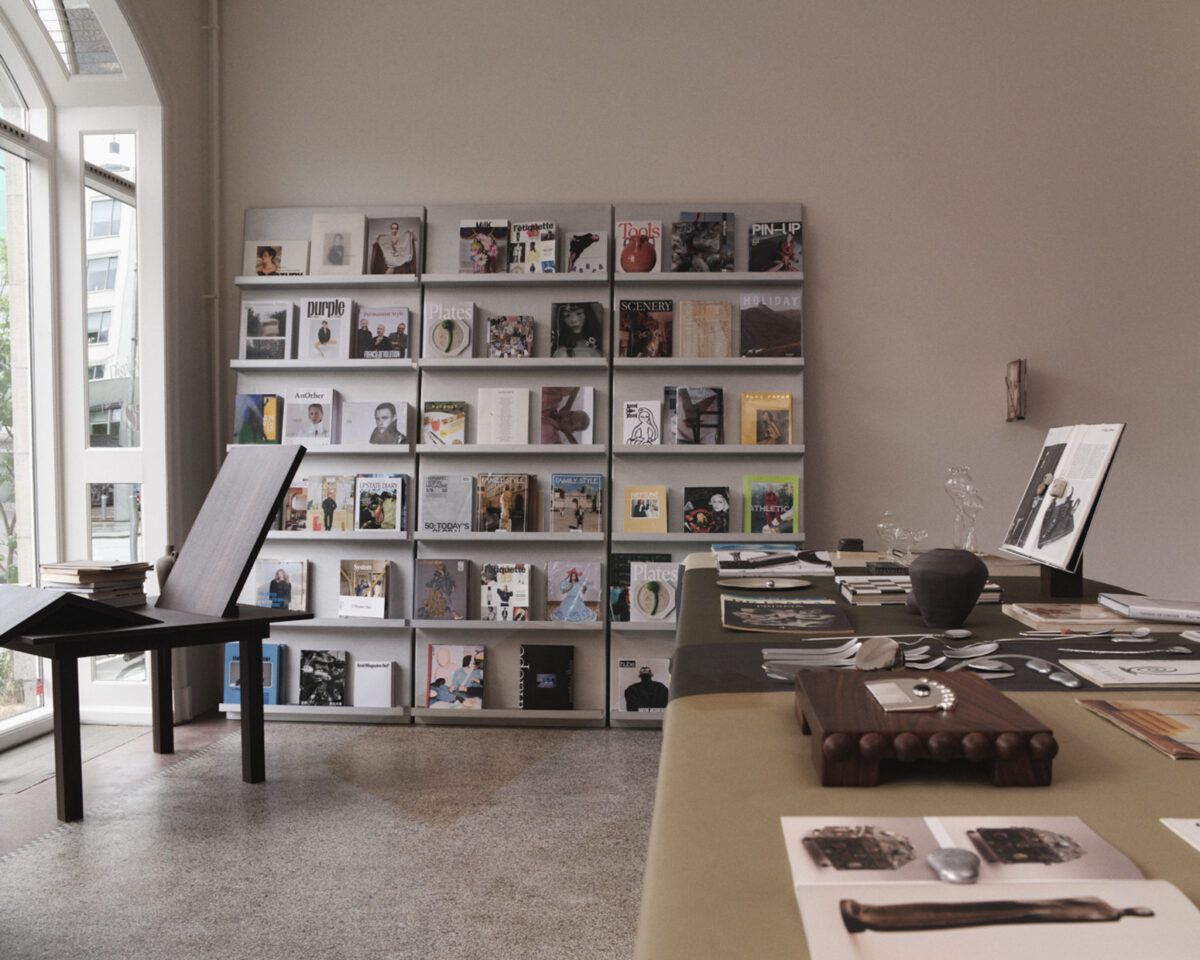
Presented at Simone Book Services, Display / Displayed explored the relationship between objects, their function and the way we choose to live with them.
Bringing together design, photography, craftsmanship and publishing, the exhibition revolved around a deceptively simple question: what makes an everyday object worthy of display?
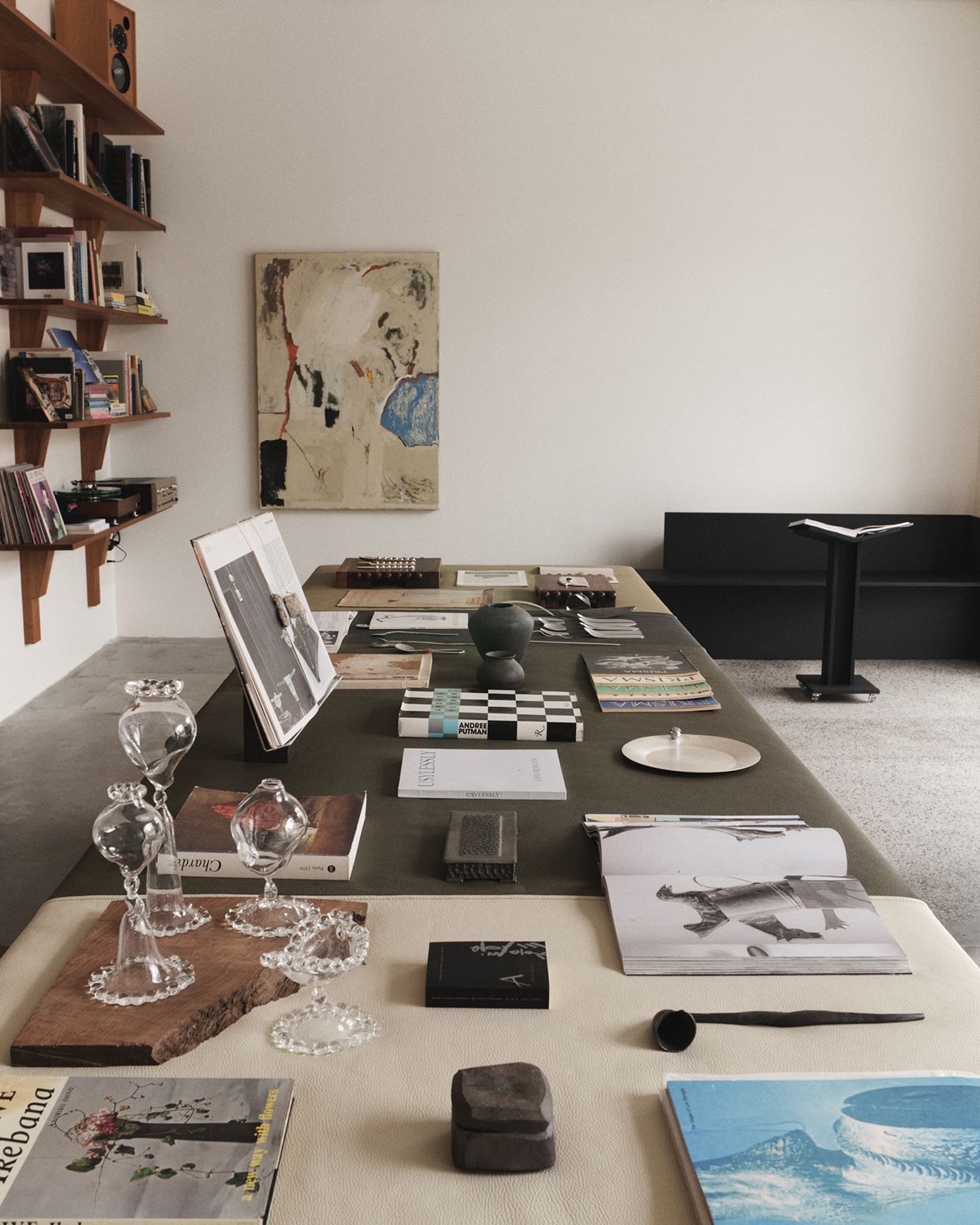
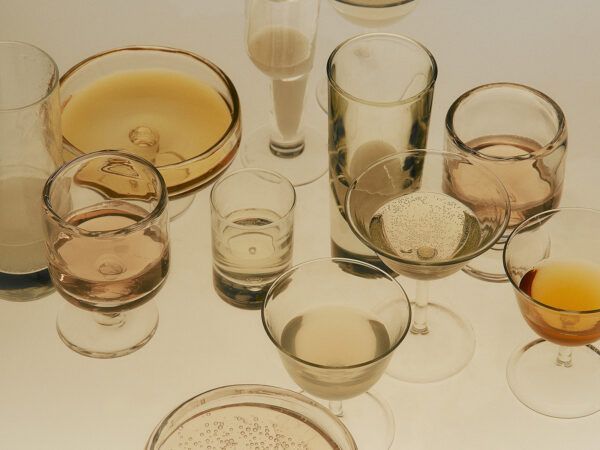
Among furniture pieces, ceramics, glass objects, experimental cutlery and a carefully curated selection of books, the exhibition encouraged a slower way of looking at the objects that surround us and the stories they contain. It highlighted their ability to create connections, preserve memories and shape personal atmospheres, blurring the boundaries between design, collecting and cultural expression.
OBJECTS OF DESIRE: designed to endure
Located within the iconic Thorvaldsens Museum, Objects of Desire brought together a carefully curated international selection of designers and makers united by a shared concern for material quality, excellence in production and design’s ability to withstand the passage of time.
Curated by Danish designer Birgitte Due Madsen, the exhibition offered a pause from the speed of contemporary consumption, inviting visitors to spend time with pieces conceived through craftsmanship, material research and meticulous attention to detail.
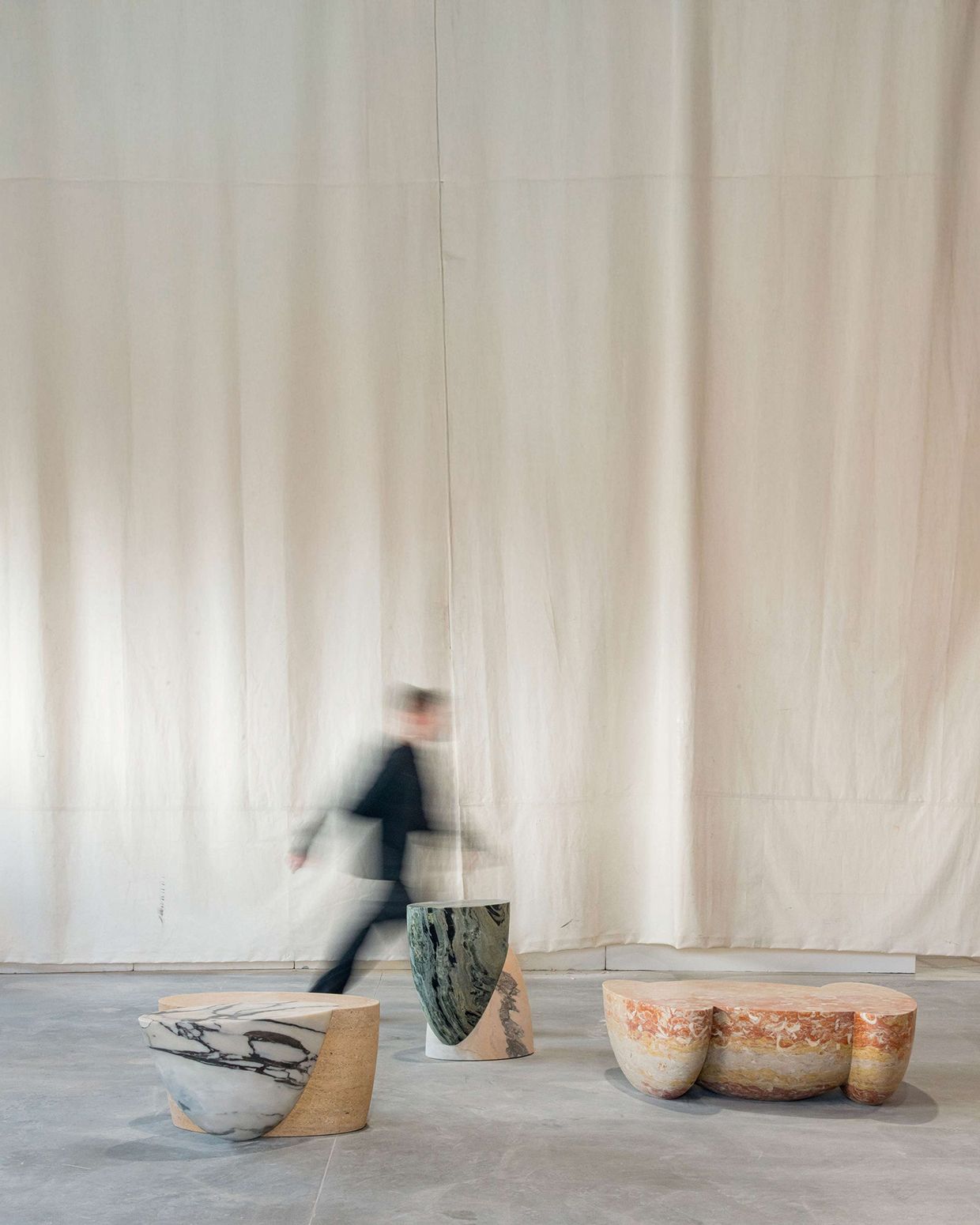
The exhibition featured works by established figures and emerging talents including Boris Berlin, Francesca Torzo, Germans Ermics, Sofie Østerby, Vibeke Fonnesberg Schmidt, Eric Landon, Rahee Yoon, Kevin Hviid and Edoardo Lietti, among others. Although each designer contributed a distinct perspective, all the works shared a common philosophy rooted in durability, material responsibility and conscious production, creating a particularly compelling dialogue with the museum’s historic architecture, inaugurated in 1848.
ST. LEO & JAIME HAYON: a tribute to imagination and memory
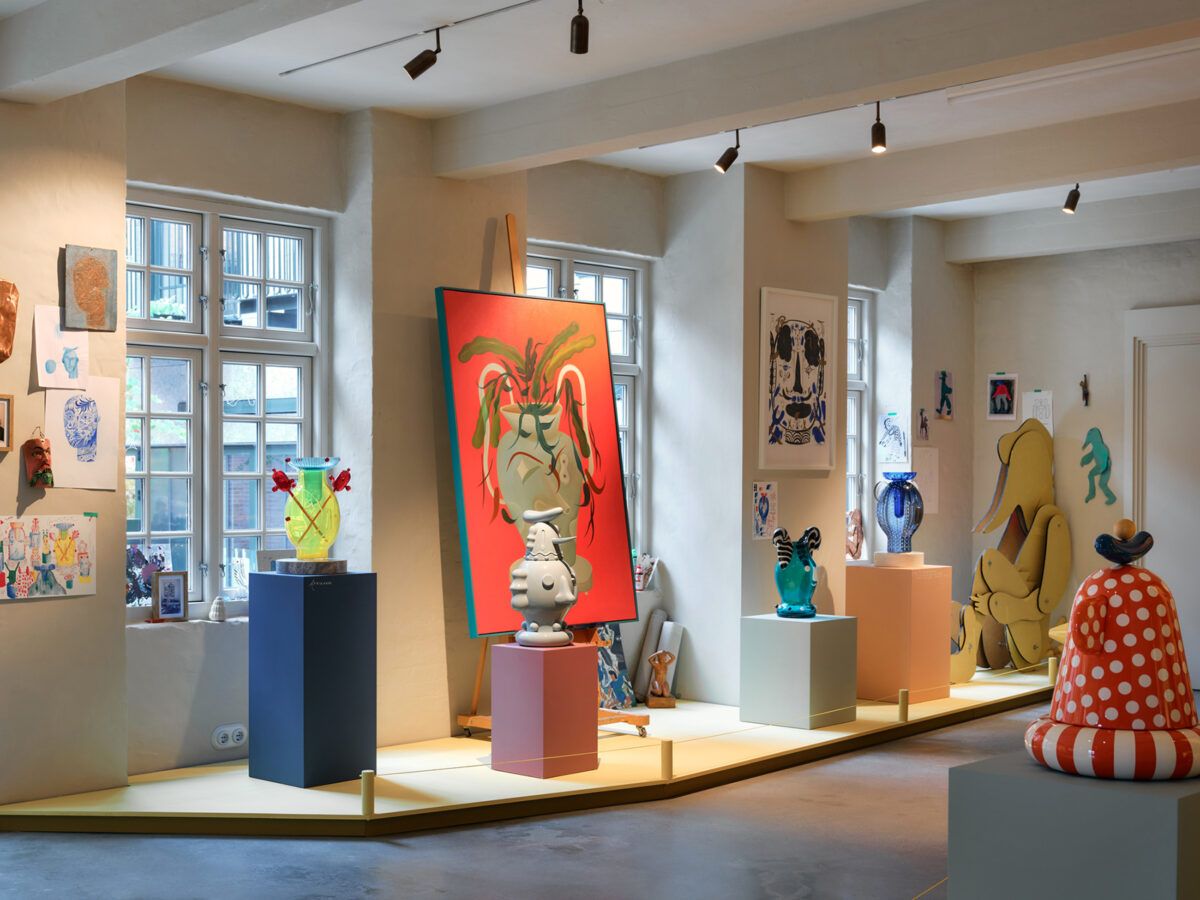
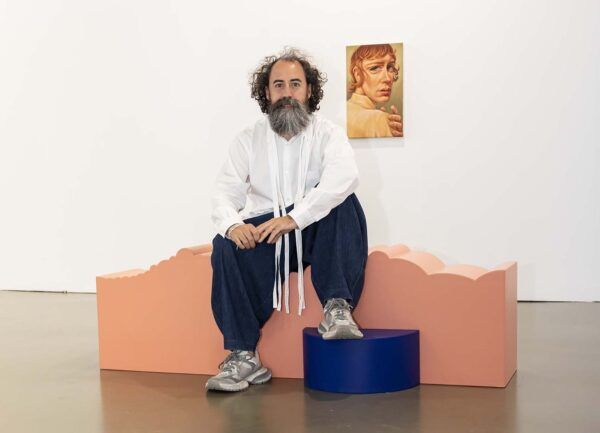
With Jaime, What Are You Doing?, Jaime Hayon presented one of his most personal exhibitions to date.
Conceived as a tribute to his mother, Raquel Benchimol, the exhibition brought together sculptures, furniture pieces, ceramics and artworks linked to significant moments throughout his career, accompanied by memories and written reflections in his own words.
The journey culminated in Raquel’s Room, an immersive installation that transported visitors inside one of Hayon’s paintings, recreating an intimate universe where reality, memory and imagination intertwined.
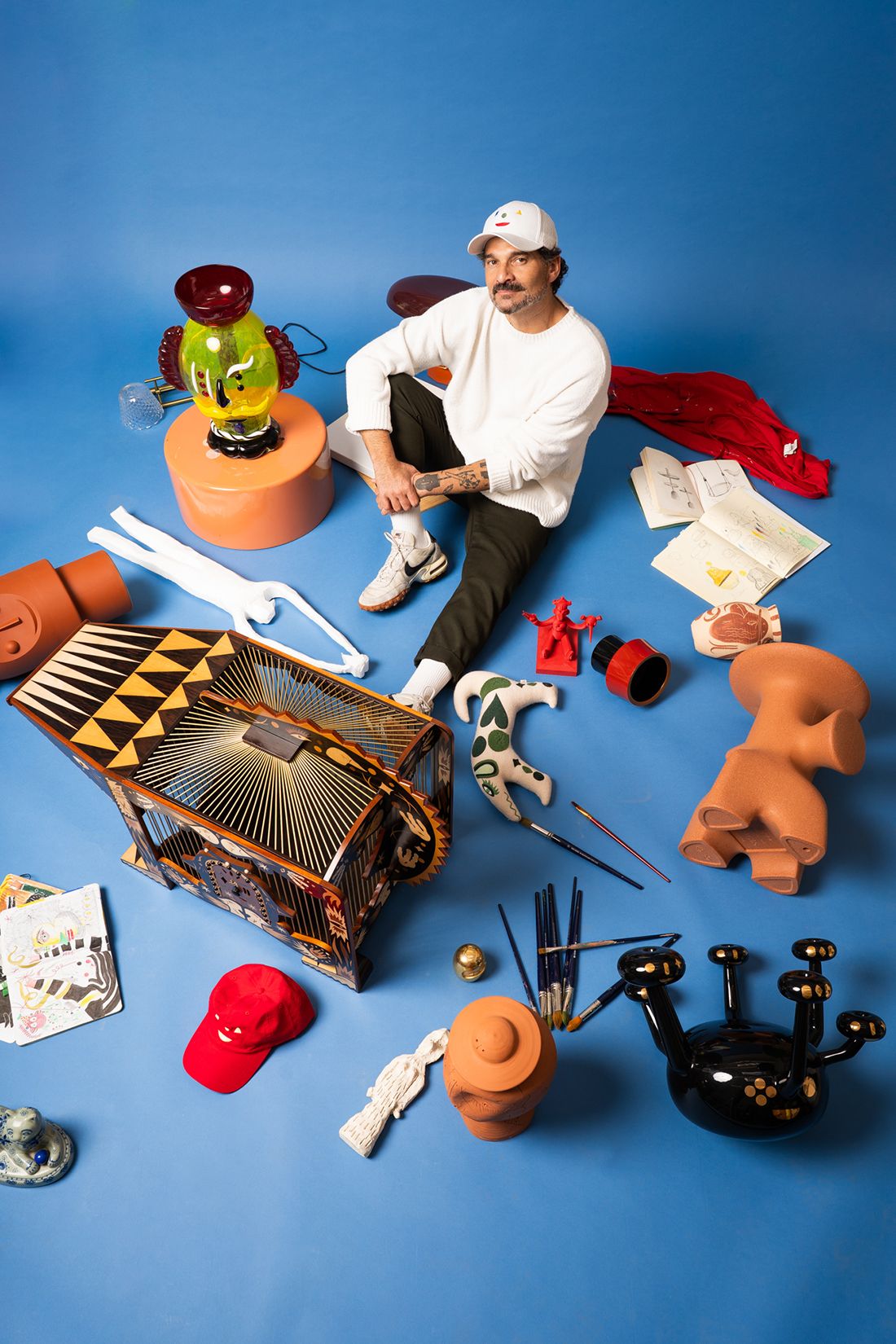
Presented at St. Leo’s headquarters in Nordhavn, the exhibition offered an unusually intimate glimpse into Hayon’s creative process and served as a reminder that personal stories, emotions and memories remain among the most powerful sources of inspiration for both design and art.
LAYERED & MASSPRODUCTIONS: when craft meets industry
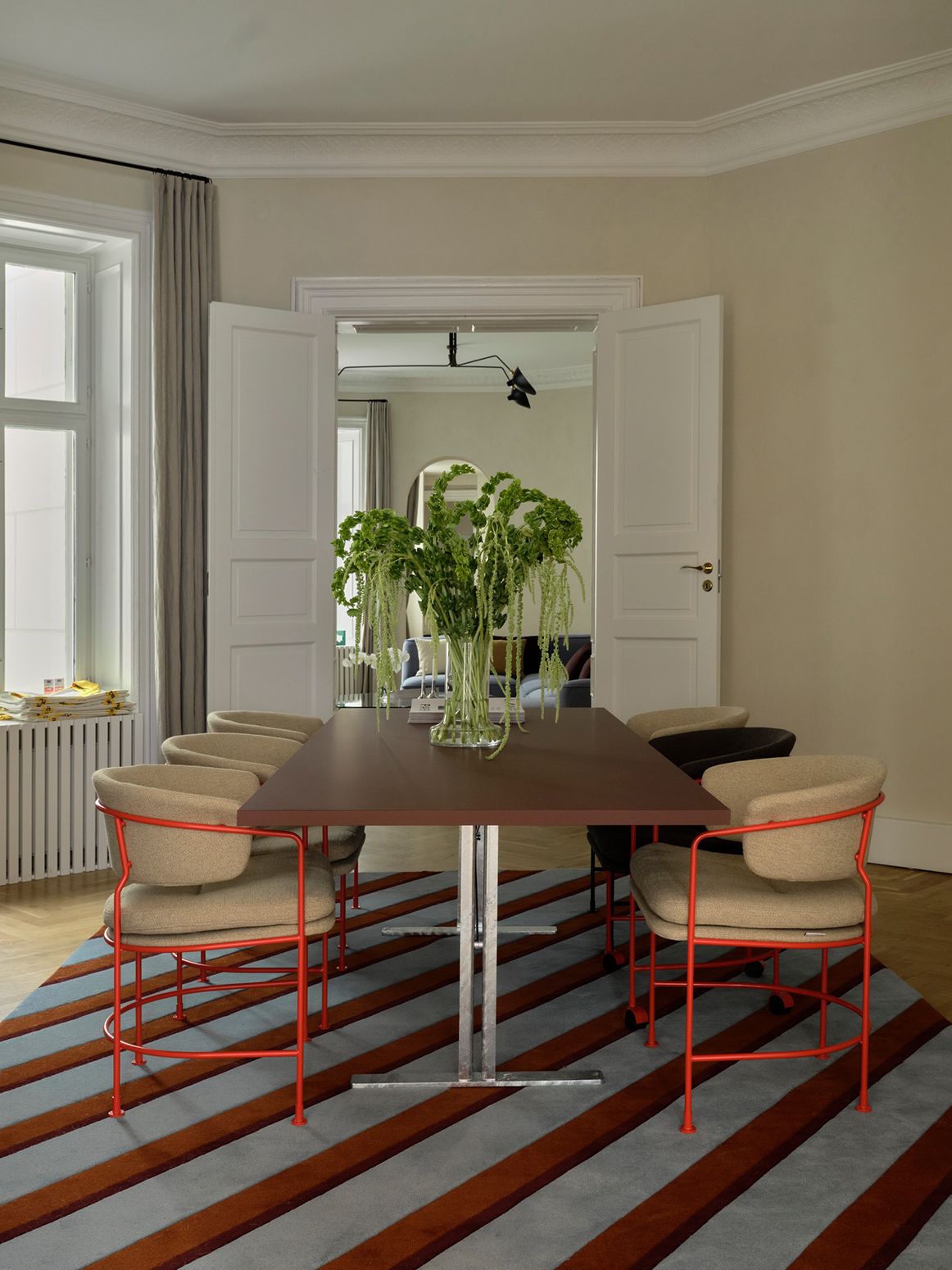
The collaboration between Layered and Massproductions took shape in Industrial Choreography, an installation exploring the dialogue between industrial production and textile craftsmanship.
Inspired by the manufacturing processes behind the new Cord rug collection, the installation transformed the movements of the loom into an immersive spatial experience, where large rotating structures clad in wool reproduced the mechanical rhythm that brings each piece to life.
In doing so, it revealed what often remains hidden: the complex relationship between technical precision and manual labour.
While the mechanical structure evoked the logic of industry, the natural fibres and wool textures served as a reminder of the indispensable presence of the human hand. Accompanied by a soundscape created from recordings made in textile workshops across India, the experience offered a sensitive reflection on the origins of objects and the value of the processes that make them possible.
FINARTE: tradition, identity and the power of craftsmanship
Finarte used 3daysofdesign as an opportunity to celebrate a story built over more than four decades between Finland and India, a relationship that has shaped the brand’s identity since its beginnings.
Founded in 1985 by textile artist Eija Rasinmäki, the company has placed craftsmanship at the centre of its philosophy, working generation after generation with artisan communities that continue to bring its textile creations to life.
In Copenhagen, this legacy was projected into the present through the unveiling of a new collection designed by Ervin Latimer, one of the most compelling voices in contemporary Finnish fashion.
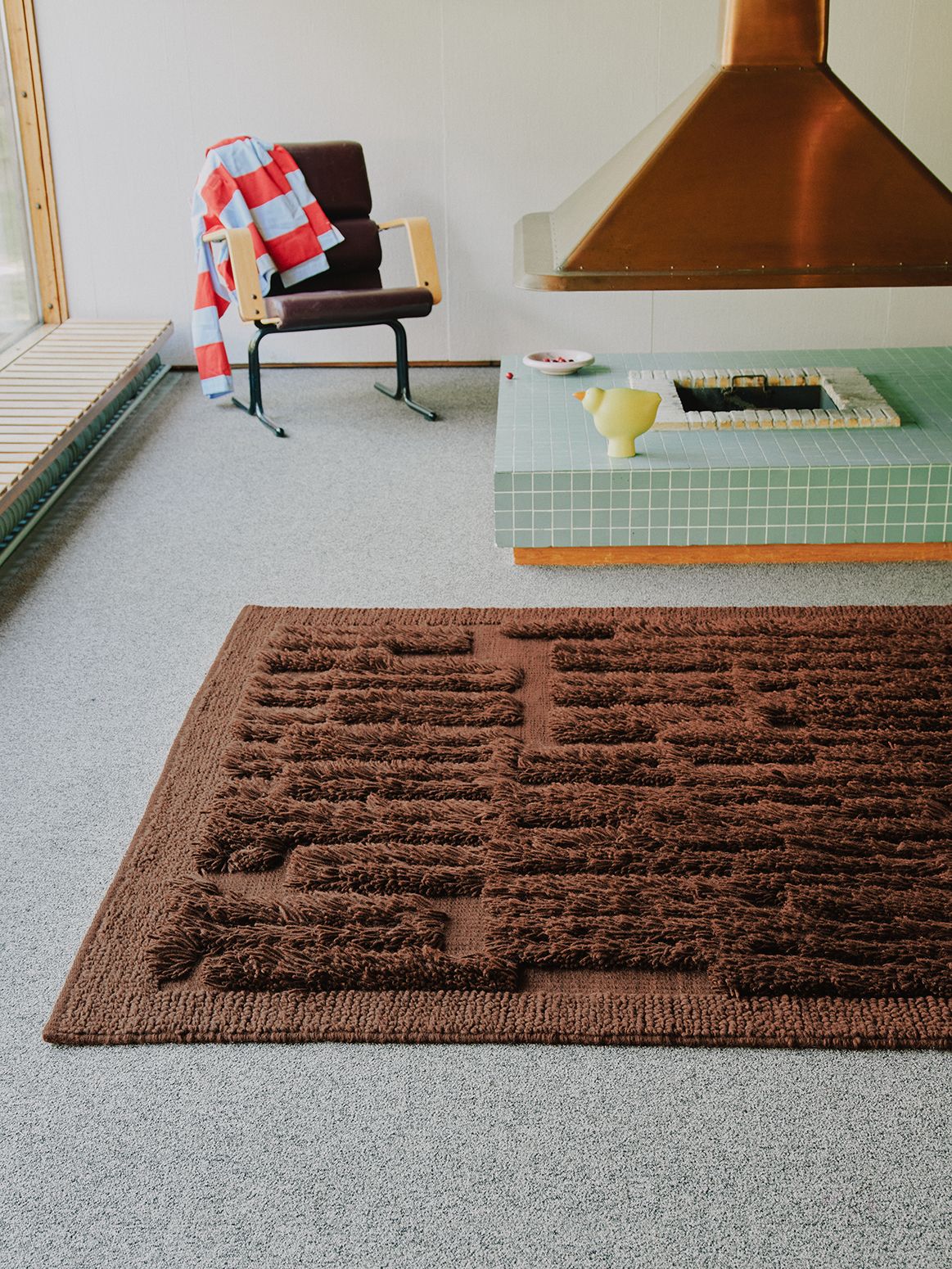
Through rugs and textile pieces conceived to function equally as wall art, Latimer explored the meeting point between his Finnish and African-American heritage, translating elements of tailoring, colour and cultural expression into woven form. The result was a collection that demonstrated how craftsmanship remains a living tool for telling stories, preserving identities and creating new forms of dialogue between cultures.
STELLAR WORKS: global design with a sustainable perspective
As part of Framing, the platform that brings together some of the most innovative and emerging projects at 3daysofdesign, Stellar Works presented several new launches by studios including Yabu Pushelberg, Keiji Ashizawa Design and Layan, as well as an extension of one of its collections developed in collaboration with Space Copenhagen.
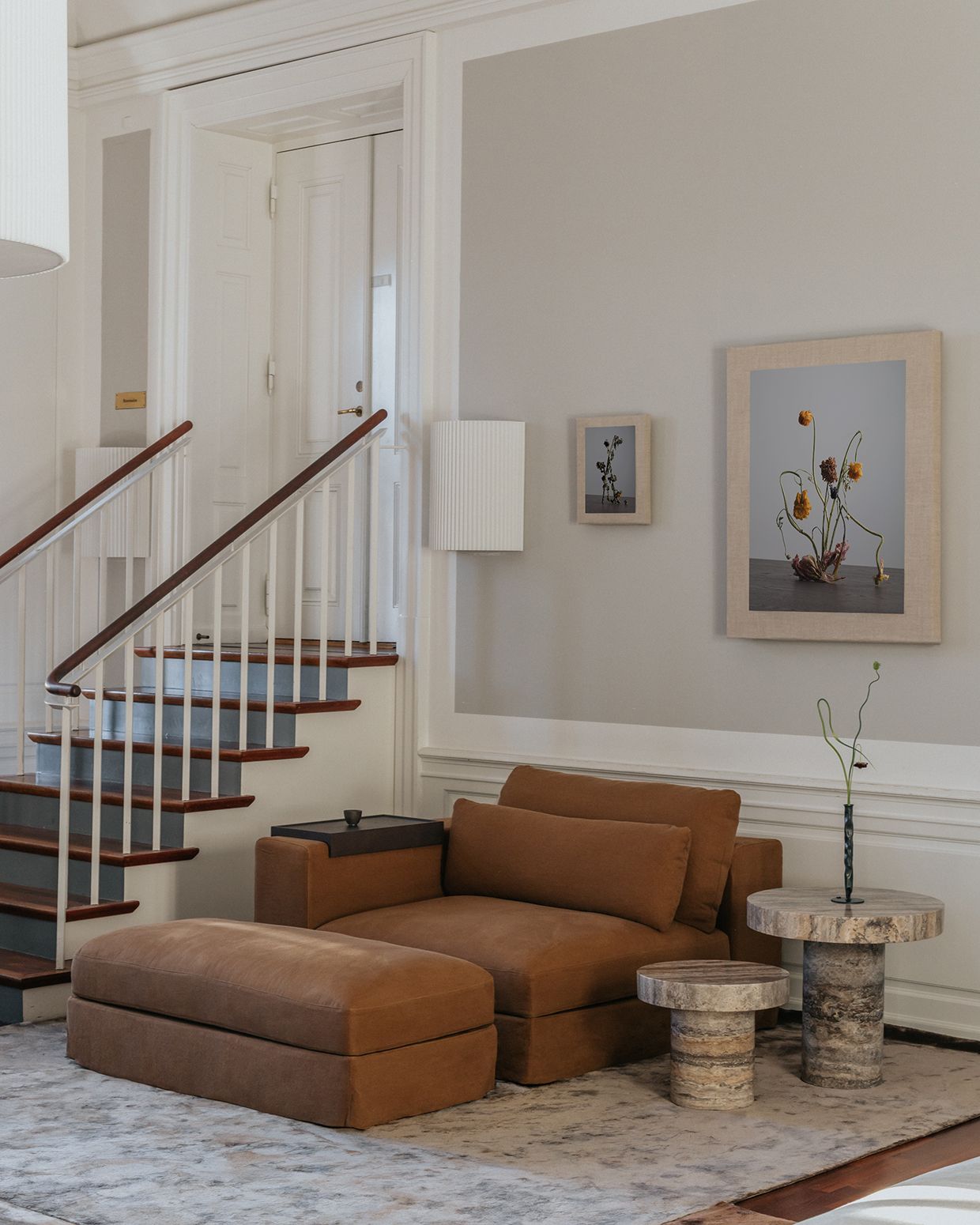
However, beyond the new products, the brand focused on an increasingly relevant question for the industry: how to integrate sustainability into hospitality environments without compromising quality, durability or aesthetic excellence.
In collaboration with Japanese company YKK, Stellar Works developed a proposal exploring new applications for recycled materials in contemporary interiors, demonstrating that responsible innovation can be embedded in design from the very beginning. It was a timely reflection on the future of materials and the role design can play in the transition towards more conscious models of production.
HEM & MAX LAMB: the essence of a chair
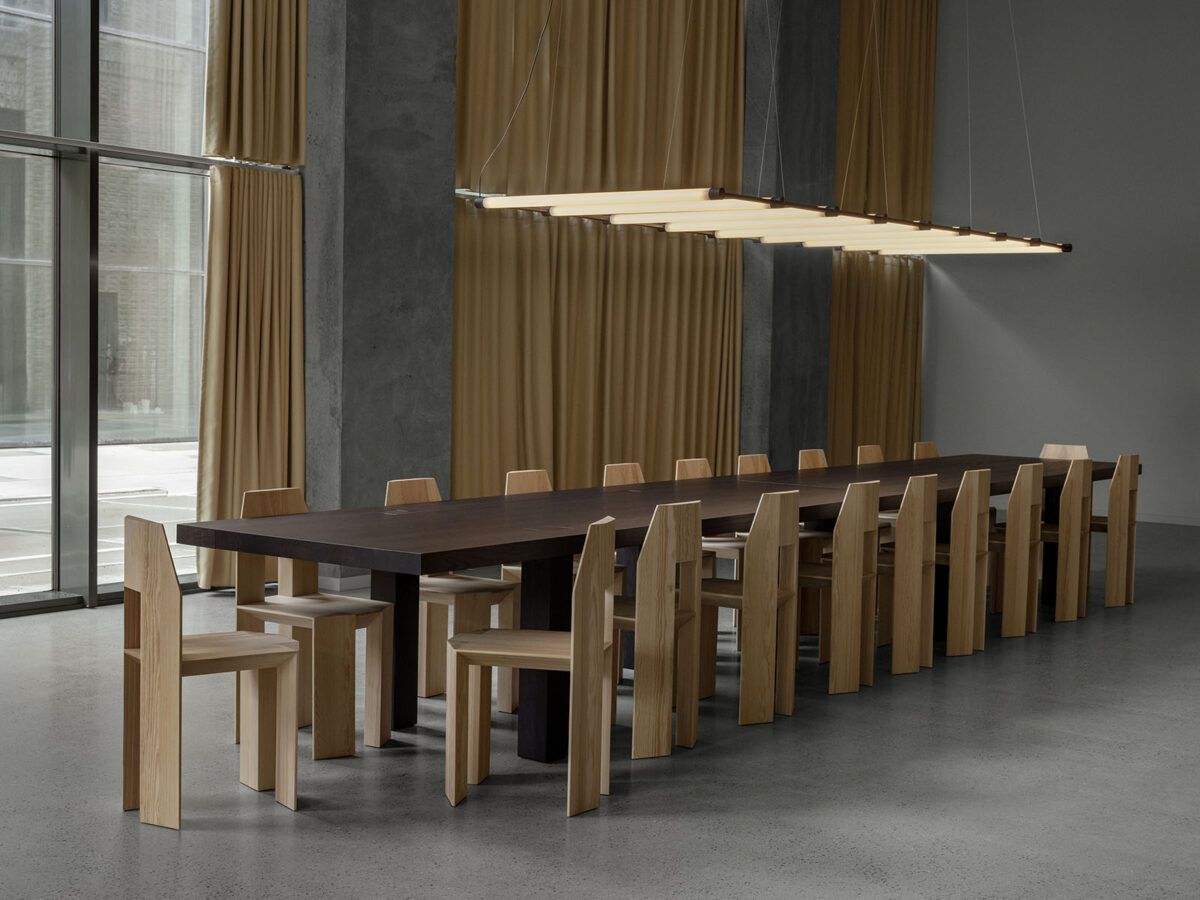
As part of Design Starts on Paper, the collective exhibition held at Papirøen, Hem presented Min Chair, a new design by British designer Max Lamb.
Faithful to his direct approach and deep connection to materials, Lamb reduces the chair to its most essential expression, exploring the balance between utility, proportion and constructive honesty. Crafted from solid pine, the piece conveys an almost archetypal simplicity, where every element appears to respond only to what is strictly necessary.
Integrated within a large-scale installation, the chair was displayed alongside some of the brand’s most recognised collections, reinforcing Hem’s growing presence across residential, contract and hospitality projects.
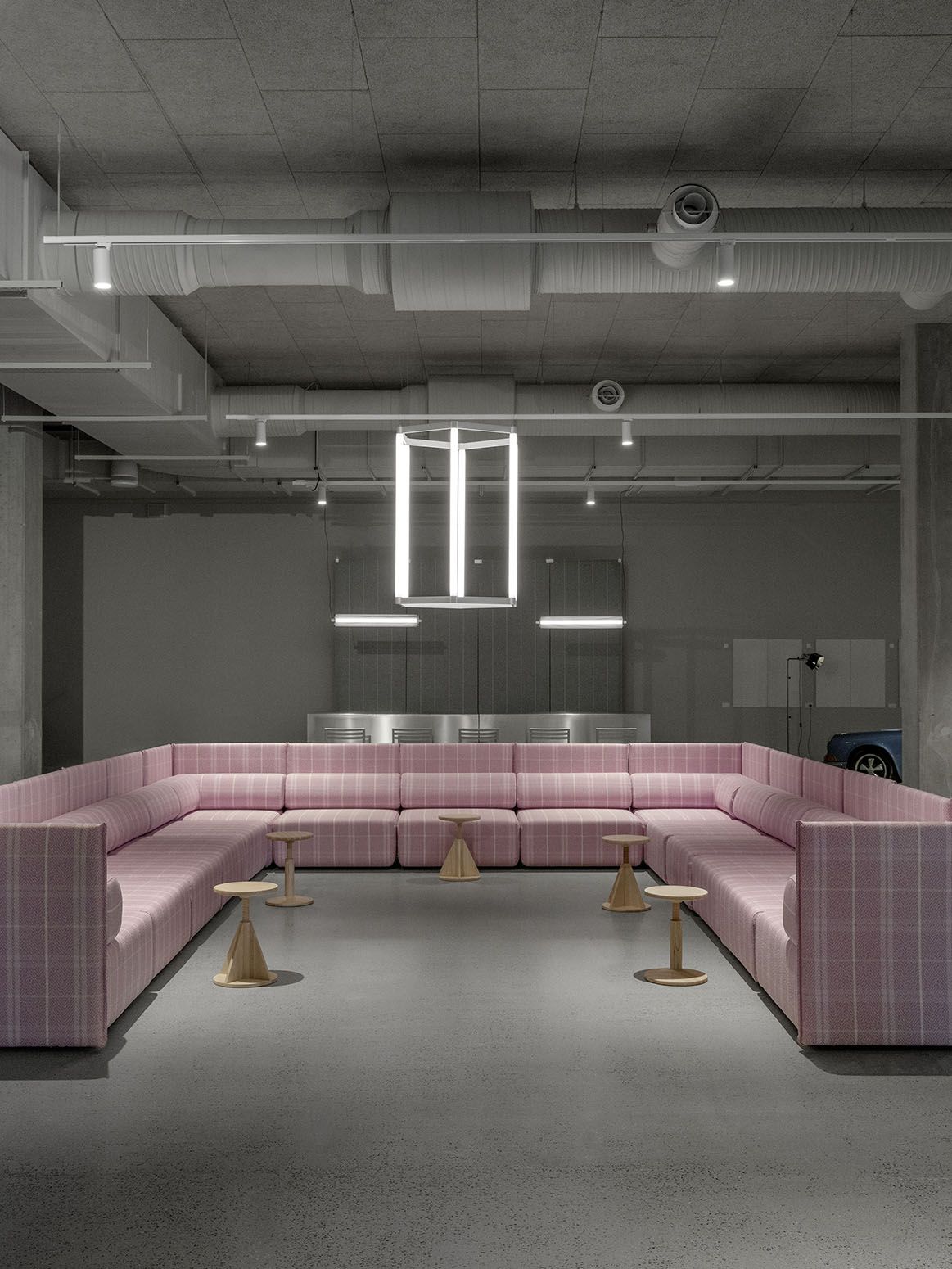
STRING FURNITURE: when design develops a personality
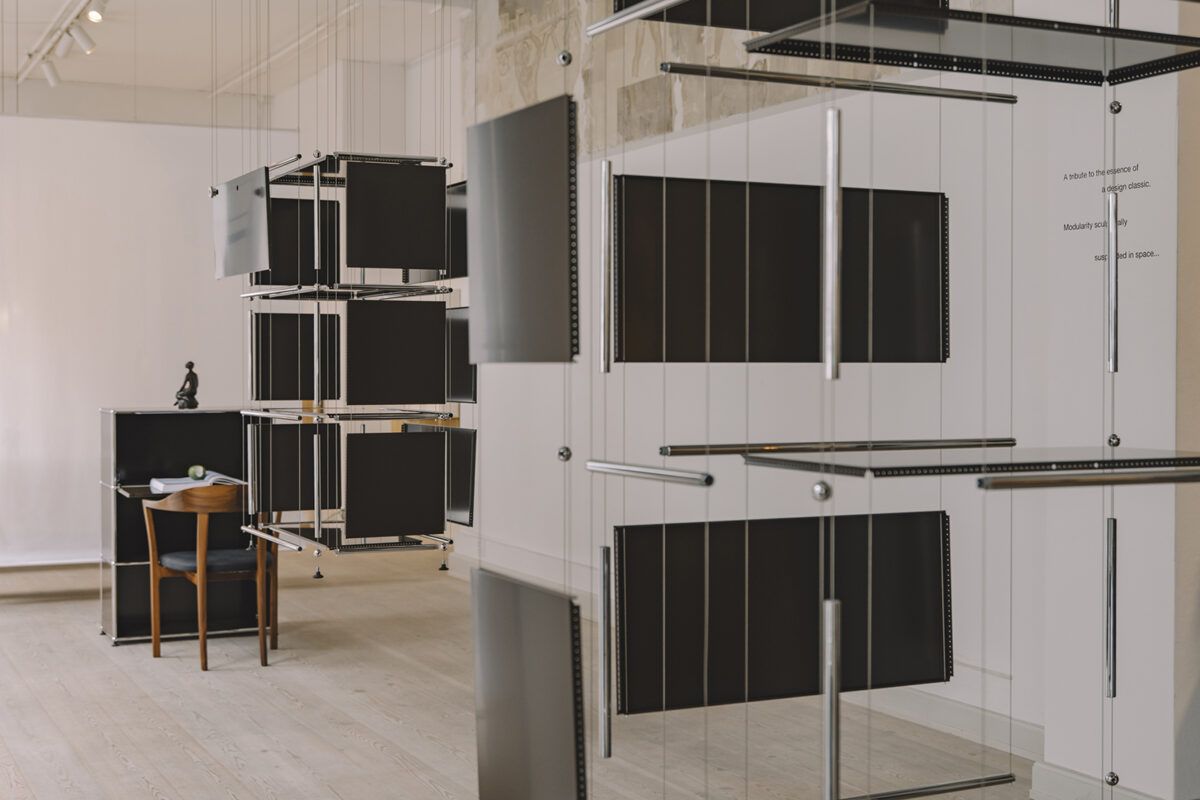
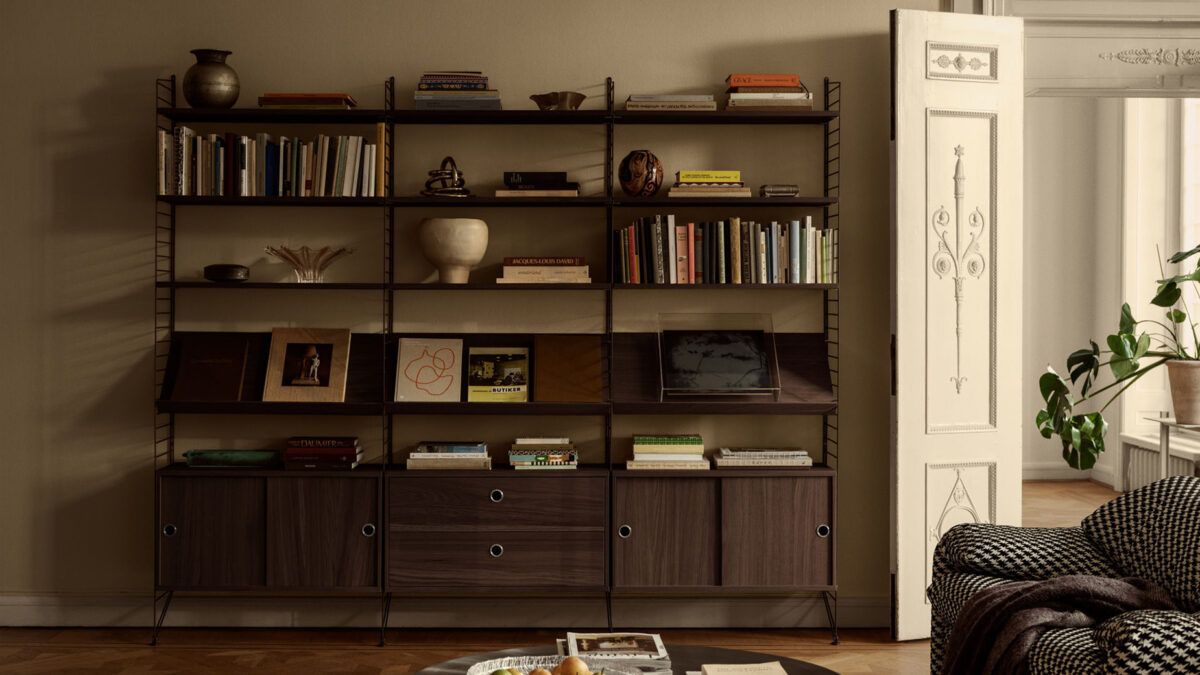
As part of Framing, String Furniture presented Faces for Spaces, an installation that reinterpreted its iconic modular shelving system through a playful and surprisingly human perspective.
Through different configurations of shelving, objects and compositions, the Swedish brand explored how a single system can be endlessly transformed to adapt to the needs, habits and personalities of those who use it.
The proposal was built around a simple yet powerful idea: just as no two people are identical, no two String configurations are ever exactly the same.
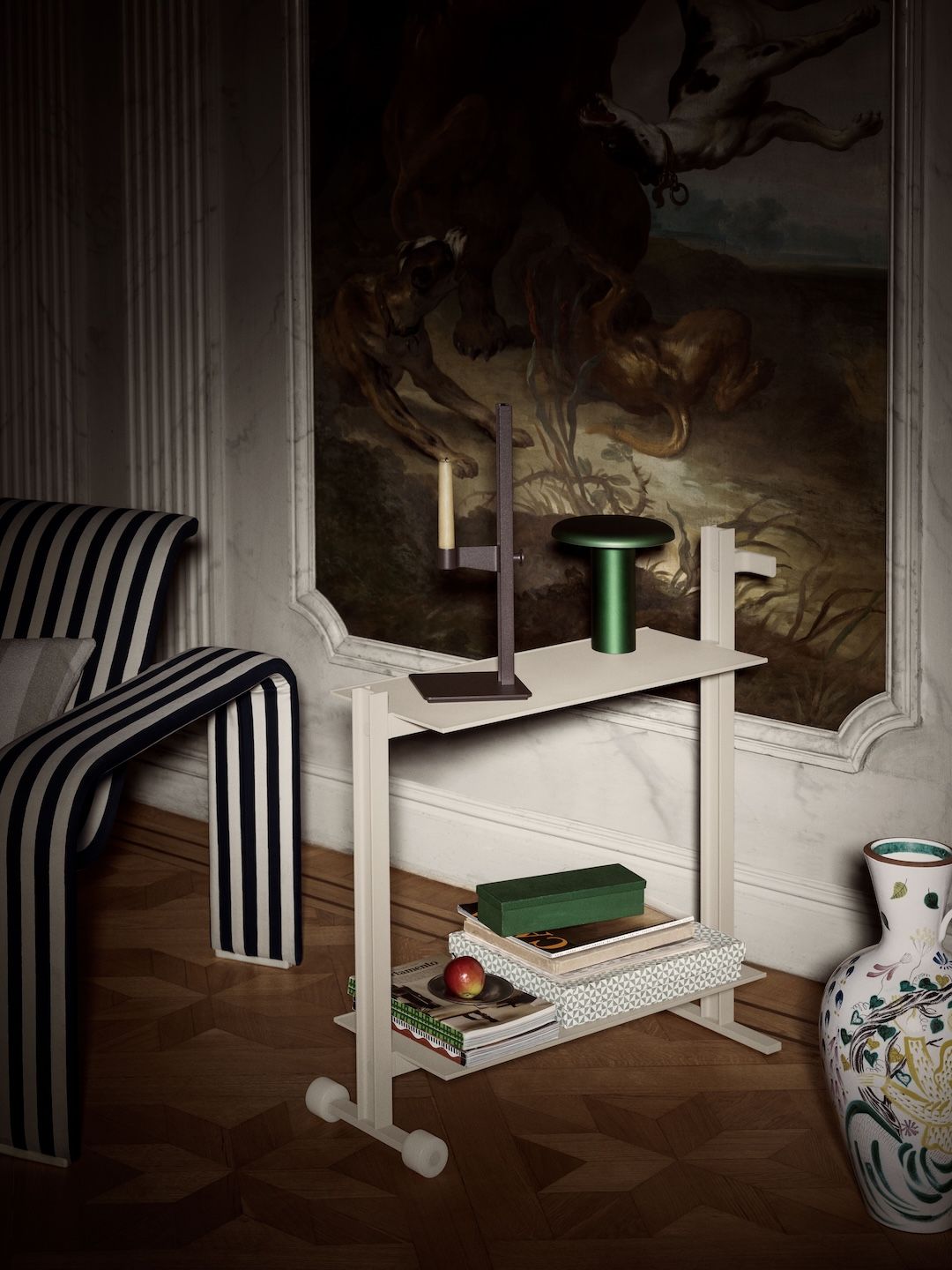
More than seven decades after its creation, the system designed by Kajsa and Nisse Strinning continues to demonstrate the relevance of the principles that made it famous: flexibility, simplicity and the capacity to evolve. The installation highlighted how true design classics remain relevant not by resisting the passage of time, but by evolving alongside it.
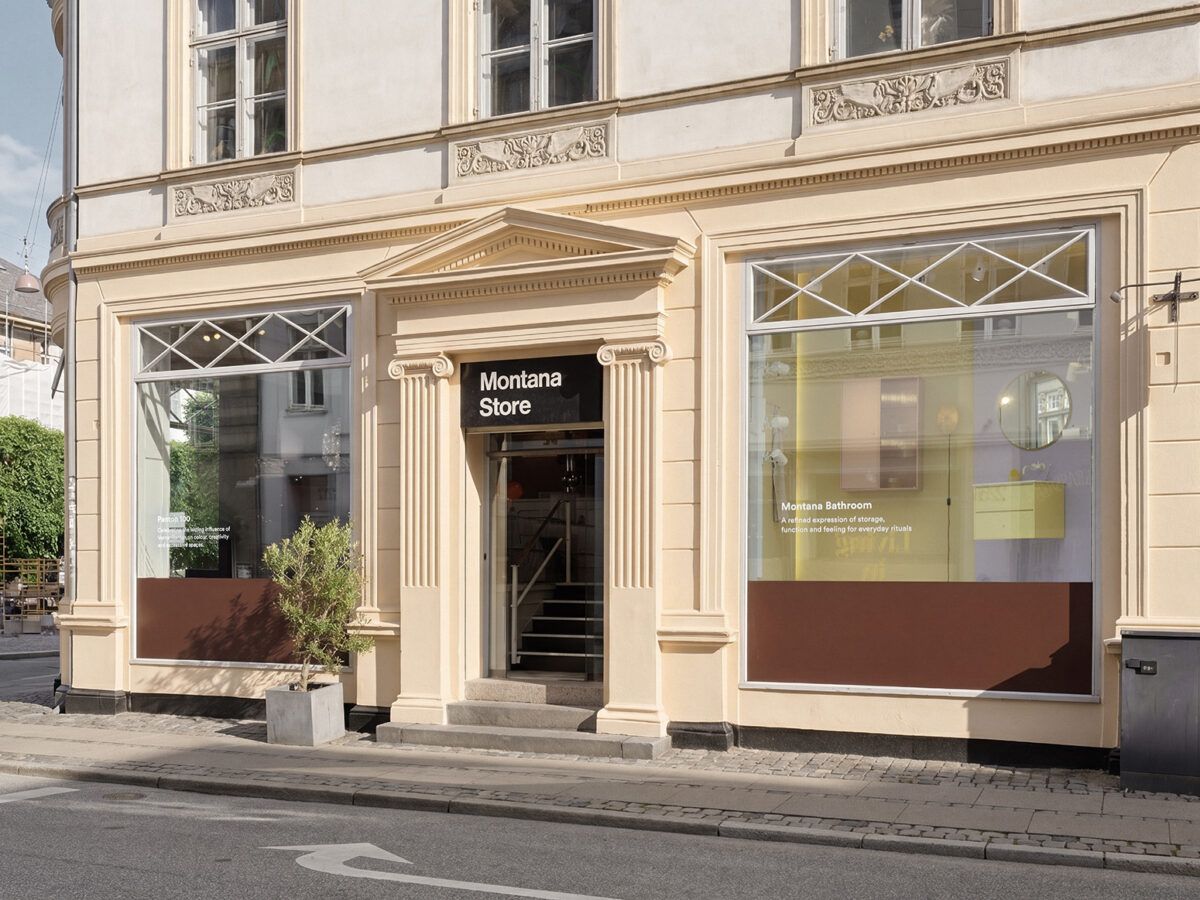
MONTANA FURNITURE: colour as the language of space
Montana Furniture used this edition of 3daysofdesign to celebrate one of the defining elements of its identity: colour.
Through new editions, reissues and product extensions, the Danish company explored how colour can transform the perception of a space, add character and strengthen the emotional relationship we establish with our surroundings.
Among the highlights were the reintroduction of three historic shades from its colour archive, a new interpretation of the modular Paradigm sofa and a special edition of Panton Wire in a vibrant Tangerine finish, created to mark the centenary of Verner Panton.
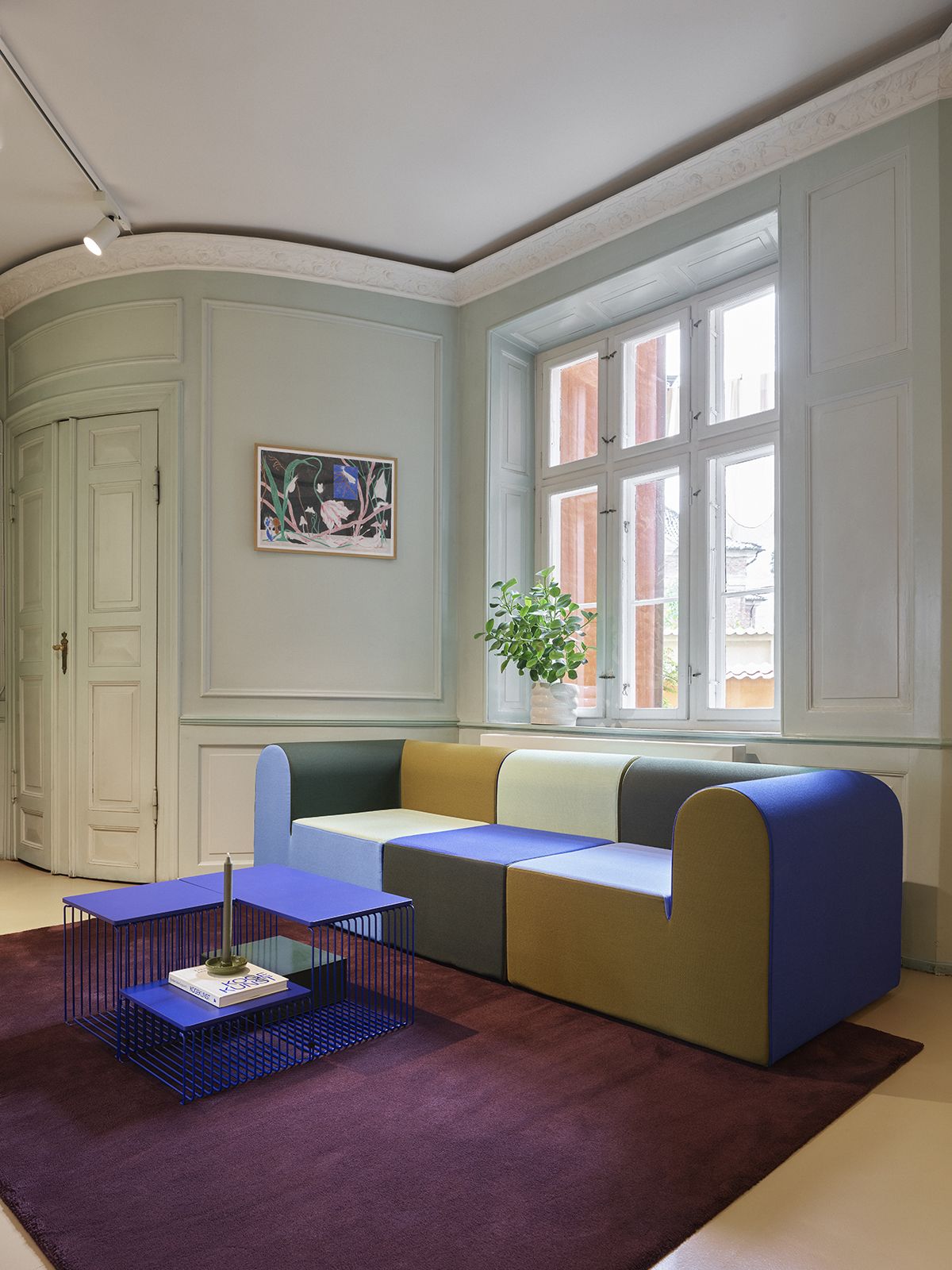
The installation underscored a philosophy that has accompanied Montana for decades: understanding colour not as a decorative resource, but as a design tool capable of shaping atmospheres and creating emotional connections with spaces.
TINA FREY DESIGNS: cosmic geometries for everyday objects
Tina Frey Designs presented Cosmic Collection in Copenhagen, a series inspired by celestial movements, planetary forms and the hypnotic geometry of concentric circles.
Handcrafted in the brand’s signature resin, the new pieces translate this cosmic imagery into trays, bowls, vases and a table lamp, transforming functional objects into small sculptures for everyday life.
The collection combines a calm palette of whites, blacks and misty tones with more vibrant versions in emerald green, pink and luminous gradients. Its visual language, positioned somewhere between the organic and the futuristic, reflects Tina Frey’s sensitivity towards handmade objects and a beauty that is quiet, tactile and intentionally imperfect.
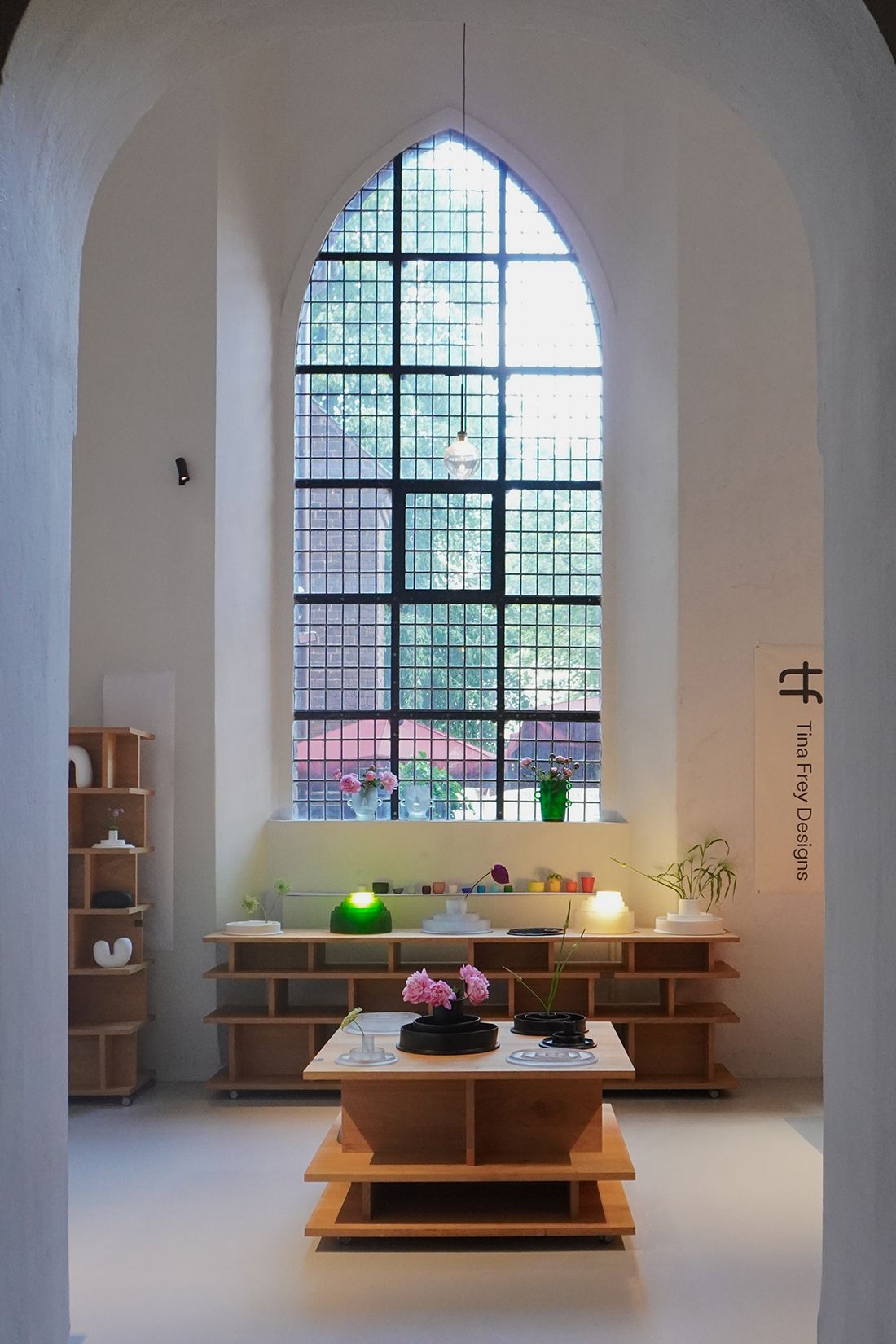
It is an approach that understands design as a meeting point between functionality, craftsmanship and a sense of wonder.
MUUTO: twenty years of expanding the boundaries of scandinavian design
To celebrate its twentieth anniversary, Muuto presented a reflection on the evolution of Scandinavian design and the new directions it is taking.
Under the theme 20 Years of New Perspectives, the brand transformed its Copenhagen headquarters into a journey combining new launches, previews of future collections and a selection of numbered editions created specifically to mark two decades of activity.
Throughout the exhibition, Muuto reaffirmed some of the principles that have defined its identity since the beginning: curiosity, experimentation and the ability to reinterpret Scandinavian traditions through a contemporary lens.
The celebration also included the launch of Next Chapters on Scandinavian Design – Muuto on Creating Intentional Spaces, a new publication developed with Gestalten that brings together essays, photography and conversations exploring how colour, tactility, light, nature and form shape the way we experience contemporary interiors. Alongside the book, visitors were given an early look at several upcoming designs, presented through sketches, prototypes and material studies that offered insight into the creative process behind the products. Together, these elements reinforced Muuto’s long-standing ambition to expand the conversation around Scandinavian design beyond aesthetics, positioning it as a tool for shaping more thoughtful and meaningful ways of living.
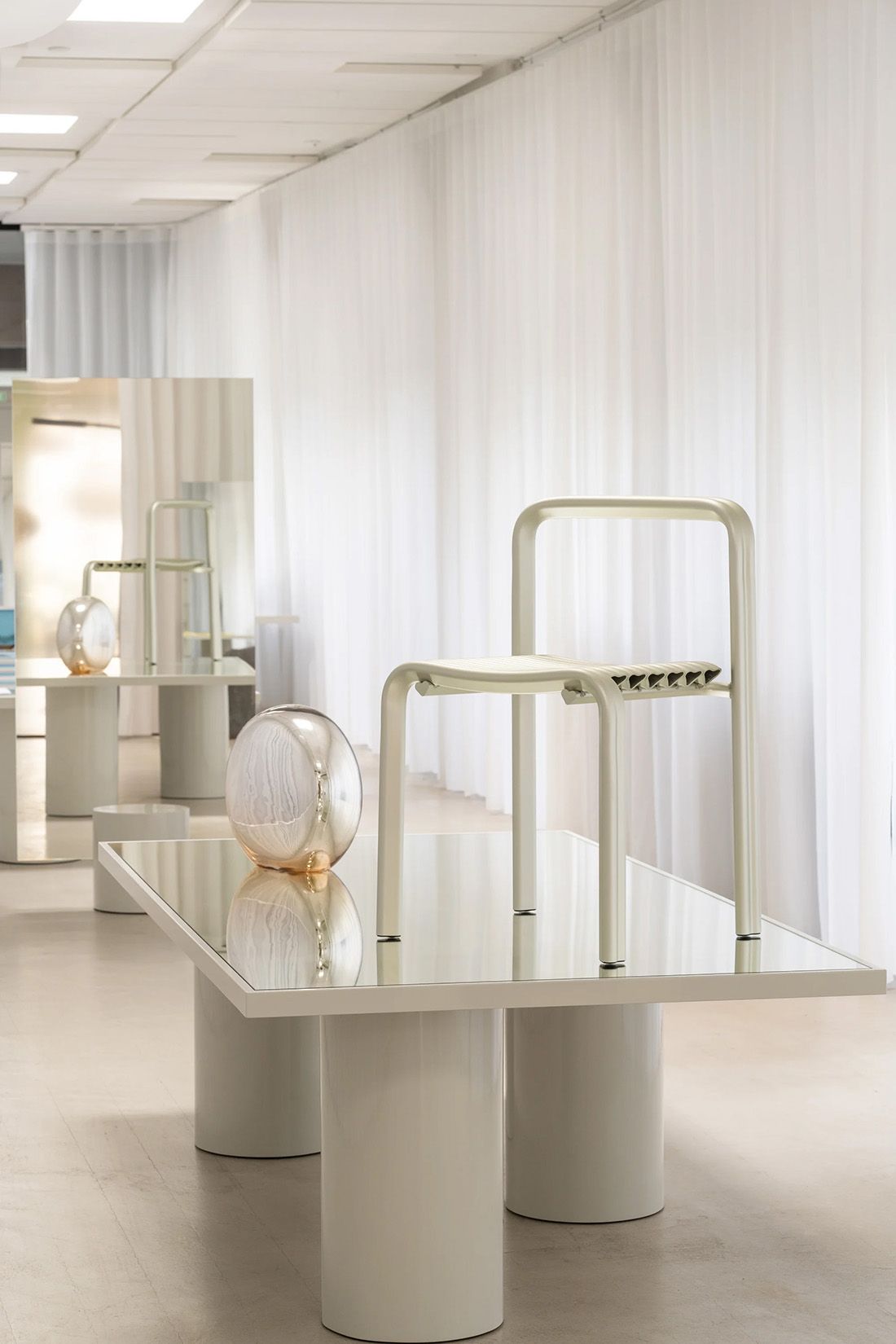
UN’COMMON: the quiet strength of materials
As part of DESIGN/DIALOGUE, the exhibition curated by Ark Journal at Den Frie, Polish brand Un’common presented a selection of pieces that reflect its distinctive approach to design, rooted in respect for materials and an aesthetic of remarkable formal purity.
Founded in ?ódz as a family business, the company works primarily with marble, travertine, wood and metal, creating objects in which the simplicity of form allows the richness of textures, veining and finishes to take centre stage.
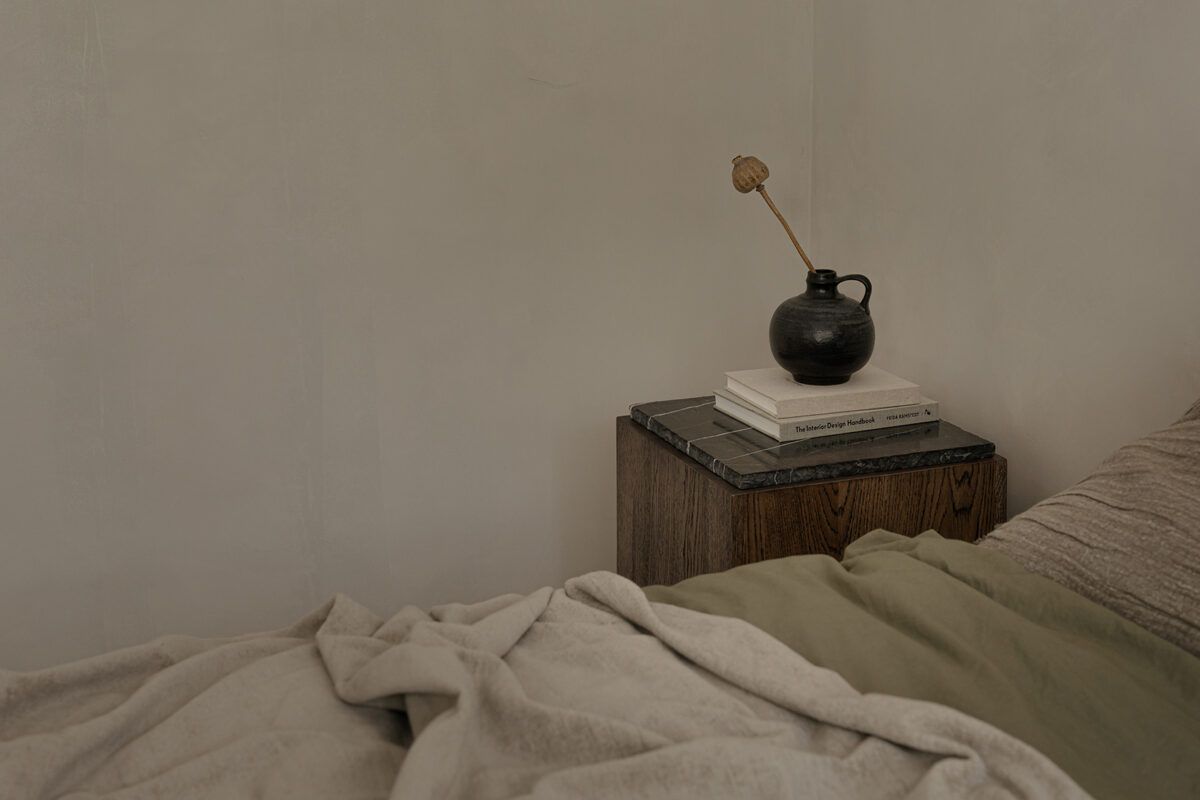
The presentation also introduced a new Satin Walnut version of its BLOCK collection, alongside some of its most recognised pieces, including the CAMO console crafted from Calacatta Viola marble.
With a sculptural opening that allows flowers to be integrated directly into the structure, the piece perfectly encapsulates Un’common’s philosophy: restrained designs that reveal unexpected details and a profound sensitivity towards materiality.
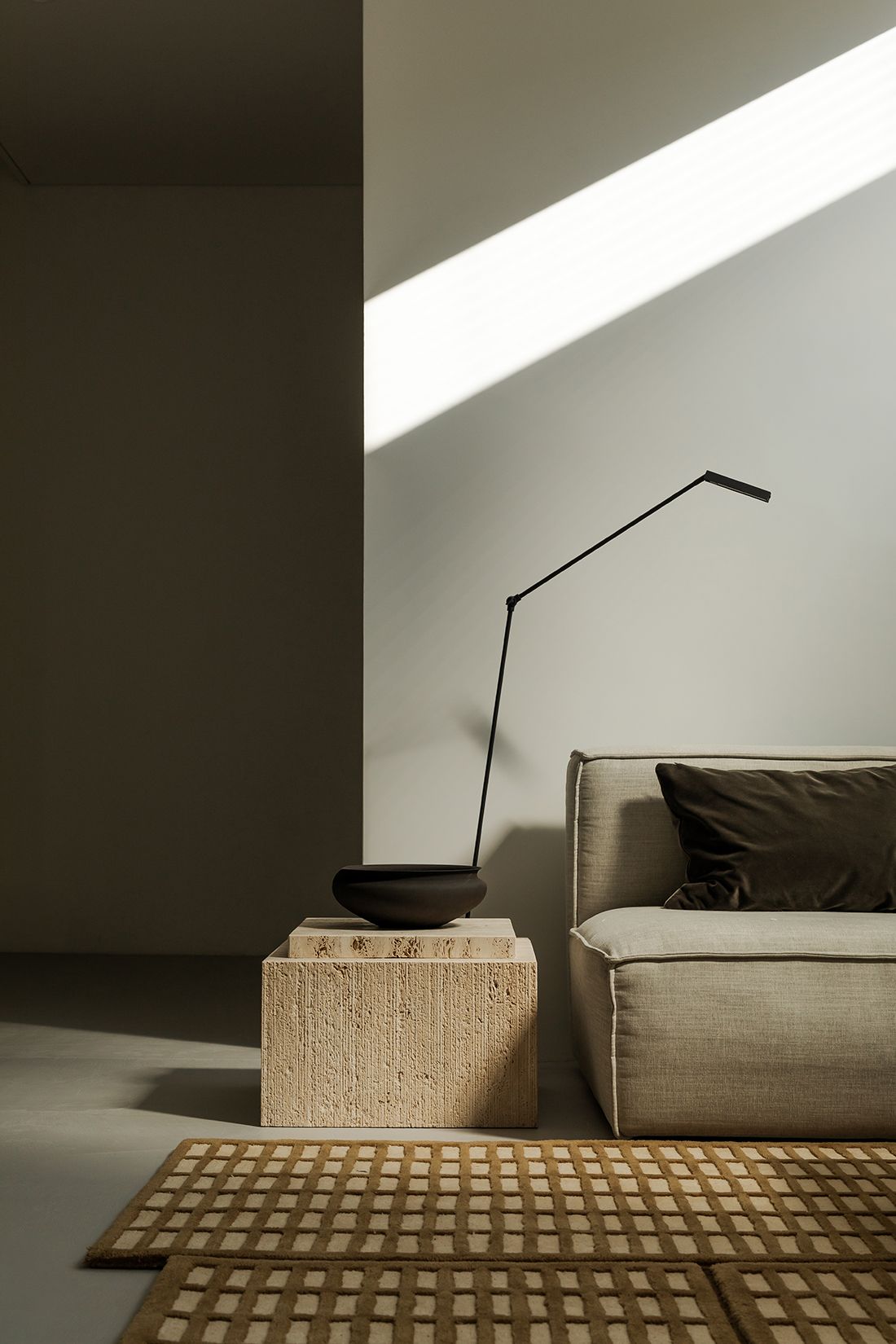
VIPP & MESURA: a celebration of encounter and shared living
Vipp and Barcelona-based studio Mesura created one of the most memorable collaborations of this year’s edition with an installation that transformed the Vipp Campus into a setting designed for conversation, togetherness and collective enjoyment.
At the centre of the proposal, a large sunken space finished in a vibrant yellow acted as a meeting point around a circular polished-steel table, creating an atmosphere that invited visitors to pause, connect and stay.
The scenography stood out not only for its visual impact but also for the intelligence of its concept. The textiles enveloping the installation were designed to enjoy a second life as upholstery for a special edition of the Vipp Swivel chair, incorporating circularity into the very design of the experience.
Situated somewhere between furniture, architecture and art installation, Vipp and Mesura created a space that felt warm, optimistic and remarkably human.
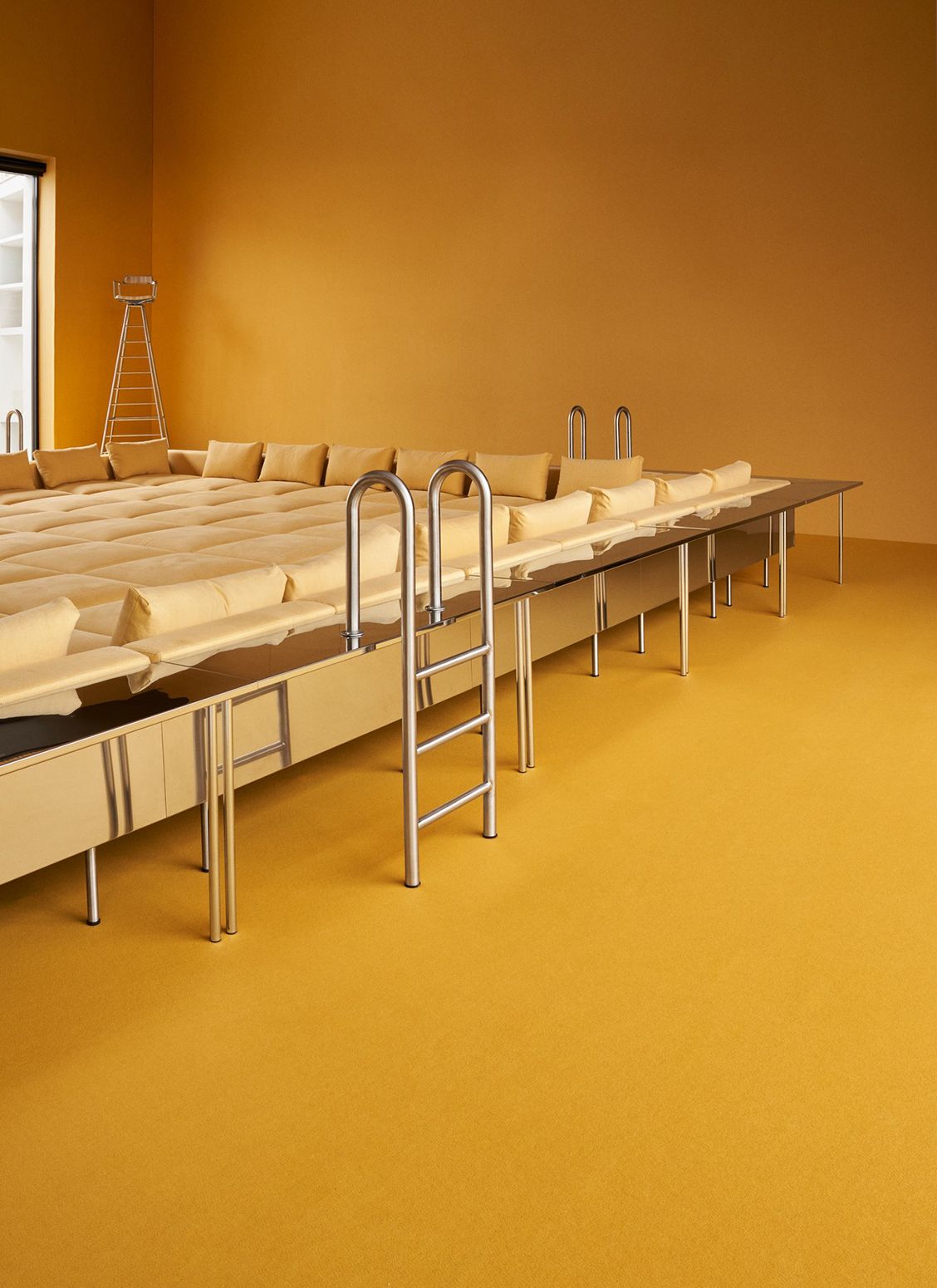
HAY: a dialogue between past, present and future
For this edition of 3daysofdesign, HAY moved its main exhibition to O–Overgaden, the contemporary art institution located along the canals of Christianshavn, transforming more than 1,500 square metres into a journey dedicated to the evolution of its creative universe.
The exhibition brought together historic designs, current pieces and previews of future collections, generating a compelling dialogue between different generations of designers and various moments in the brand’s history.
Among the highlights were new creations by Philippe Malouin, Jasper Morrison, Gudmundur Ludvik, Andreas Bergsaker, Julien Renault and Claire Lavabre, reaffirming HAY’s ability to bring together some of the most significant voices in contemporary design under a coherent and accessible vision.
KINTO & STUDIO x KITCHEN: the beauty of time well spent
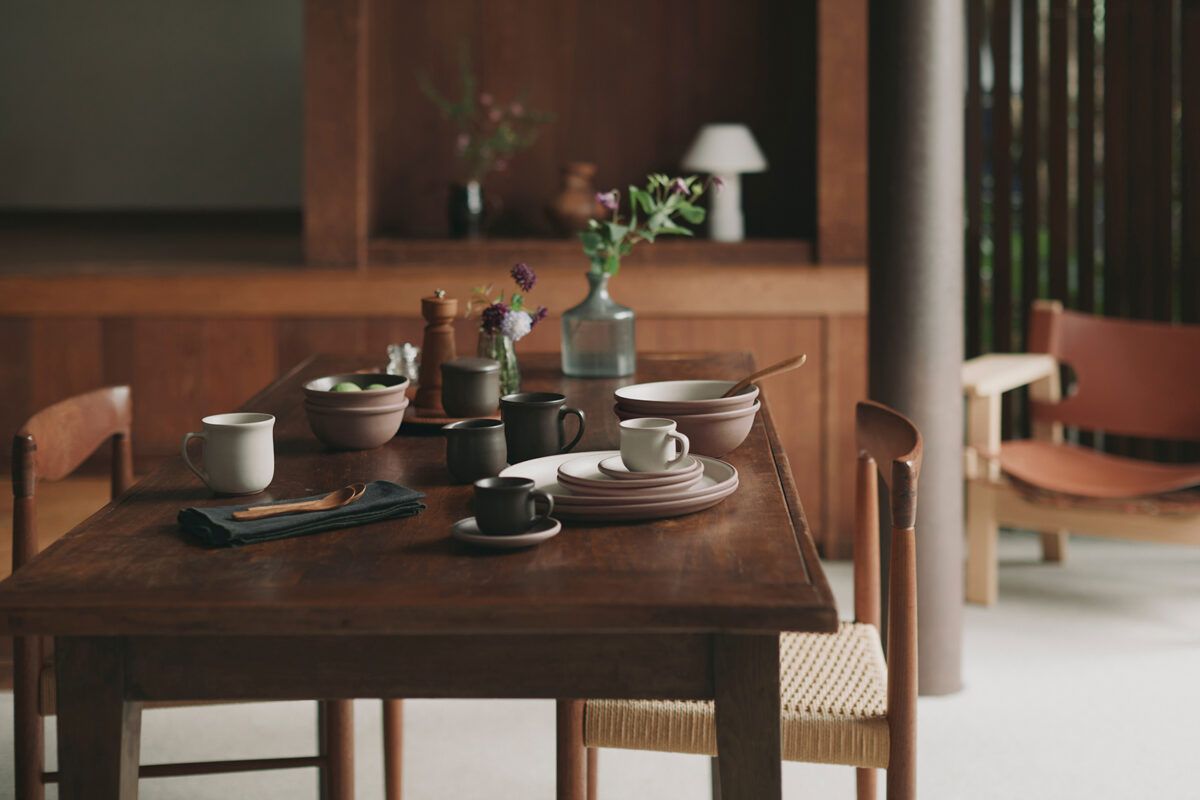
In collaboration with Studio x Kitchen, Japanese brand Kinto presented an exhibition built around the Japanese concept of Te-ma, a term that refers to the time, attention and care we devote to the things we make with our hands.
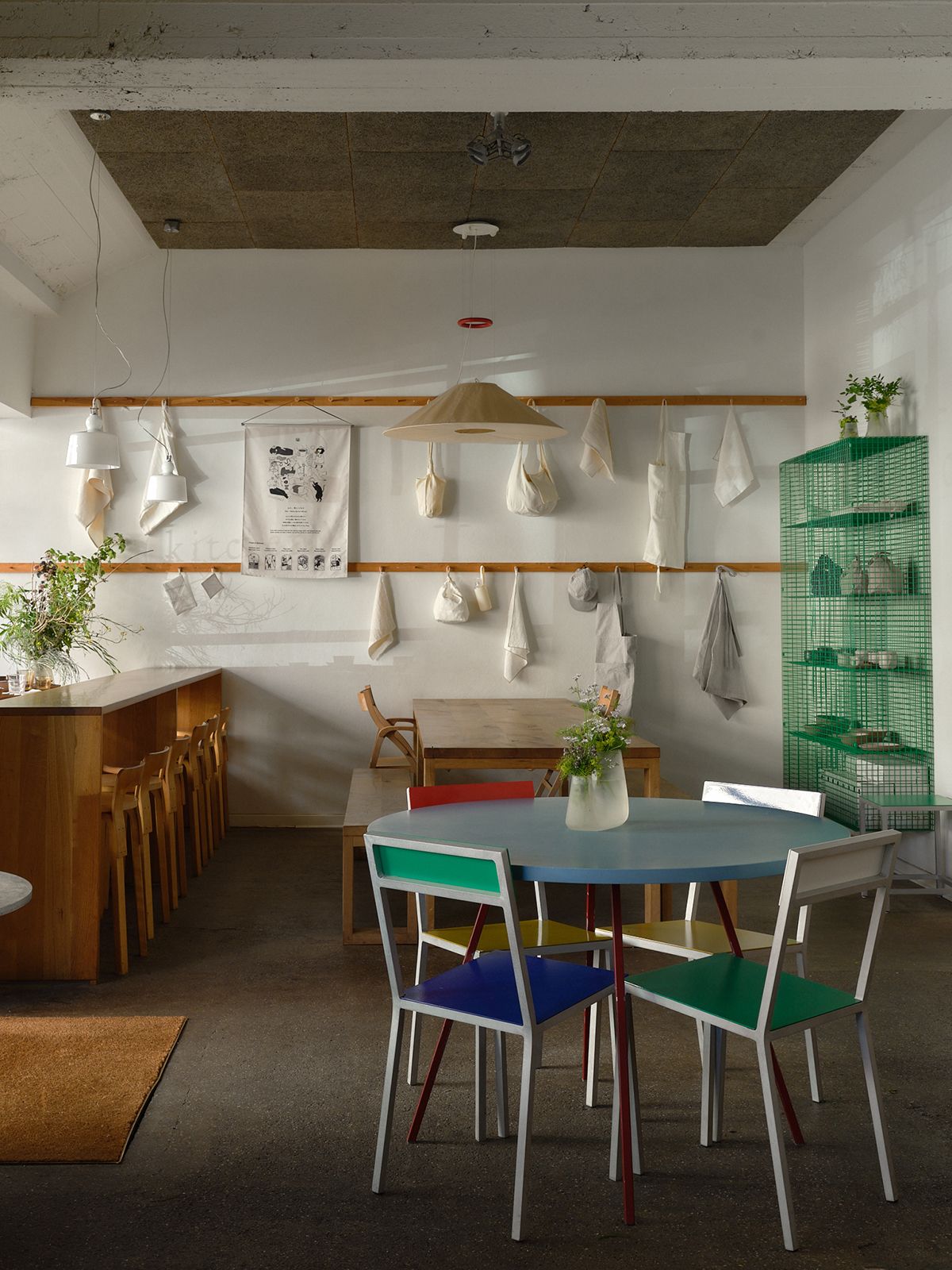
Through this lens, the installation explored the value of slow processes, craftsmanship and a conscious relationship with the objects that form part of our everyday lives. The exhibition also served as the launch platform for the new MUI and FUTO collections, both developed in Japan and deeply rooted in materiality, tradition and daily use.
Far removed from the constant pursuit of efficiency, Kinto championed the importance of slowing down and appreciating the work behind every object. Ceramics, textiles and utensils interacted with the Studio x Kitchen space to create a serene and sensory experience that invited visitors to reflect on the beauty that emerges when design, craftsmanship and time find the right balance.
IITTALA: when an icon becomes architecture
To mark the 90th anniversary of the celebrated Aalto Vase, Iittala unveiled one of the most striking installations of this year’s festival.
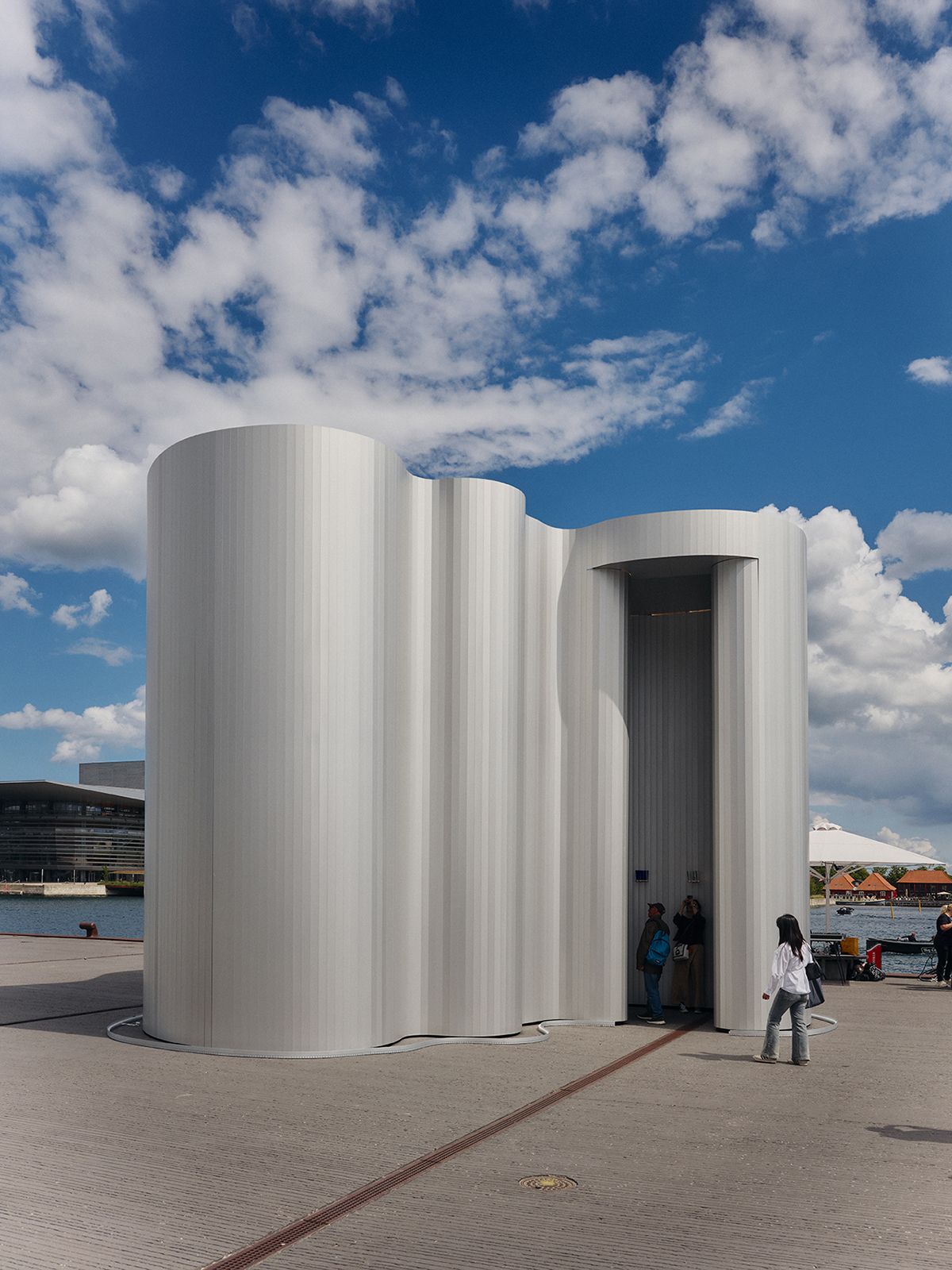
Located at Ofelia Plads, the Aalto 90 Pavilion transformed the iconic silhouette designed by Alvar Aalto into a monumental seven-metre-high structure conceived to be explored and inhabited by visitors.
Developed in collaboration with Hydro and constructed using low-carbon aluminium, the pavilion translated the organic curves that have made the vase one of the great classics of Scandinavian design into an architectural experience.
Far more than an anniversary celebration, the installation proposed a new way of experiencing an object familiar to millions of people around the world. Inside, an immersive atmosphere accompanied the presentation of the Aalto City Vases collection, created especially to commemorate the piece’s ninetieth anniversary.
VALERIE OBJECTS: design, art and new perspectives
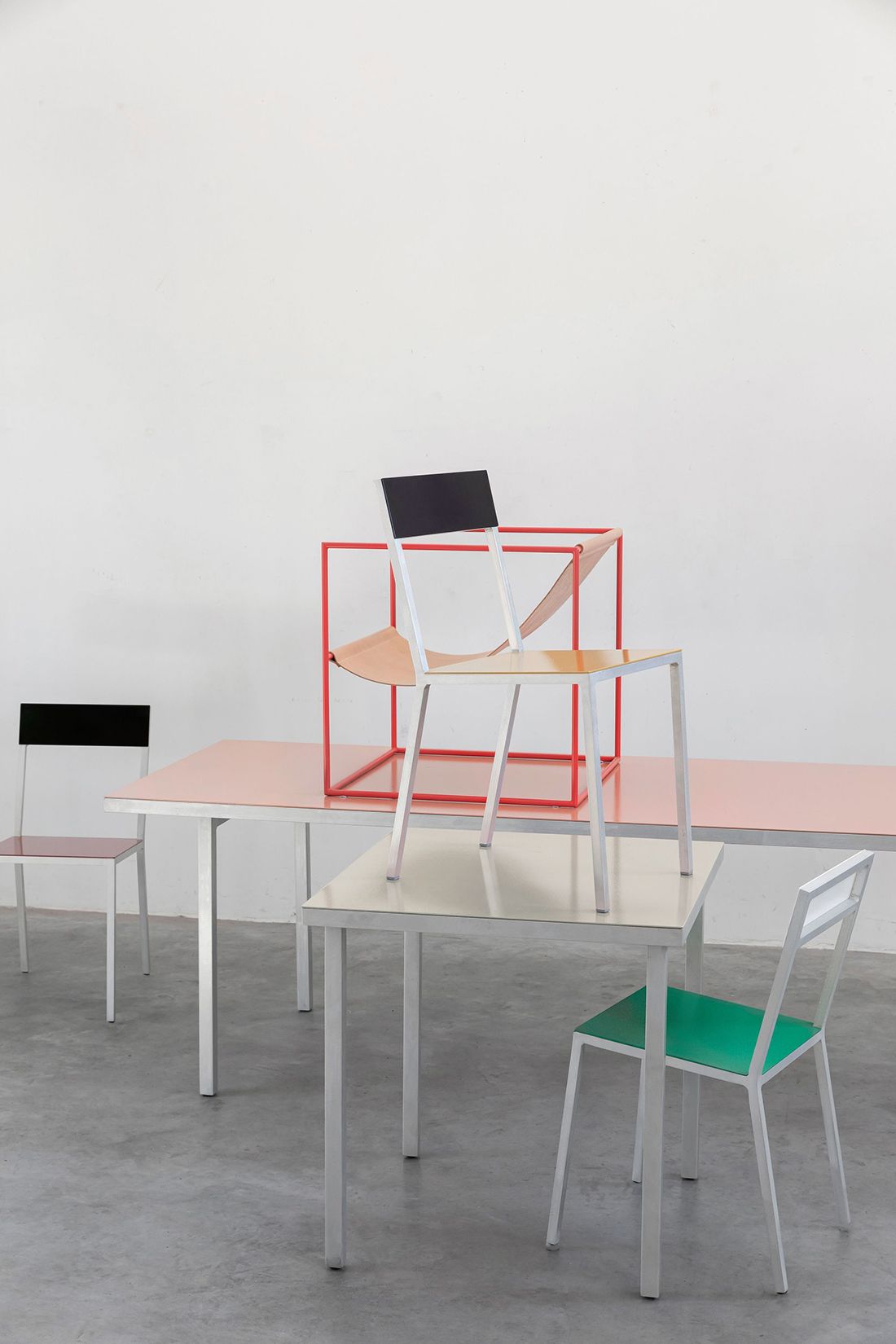
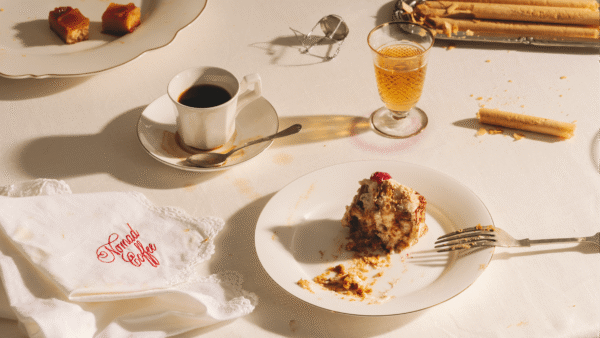
Remaining faithful to its philosophy of blurring the boundaries between art, architecture and design, Valerie Objects presented a selection of pieces in Copenhagen that celebrated the value of authorship and creative experimentation.
The Belgian brand, renowned for collaborating with some of the most compelling creatives working today, showcased objects conceived not only to fulfil a function but also to provoke an emotional response and generate new ways of interacting with the domestic environment.
The projects featured in this first selection confirm that 3daysofdesign continues to establish itself as one of the most influential gatherings on the international creative calendar. Immersive installations, exhibition interventions and projects capable of connecting design, culture and emotion have defined some of the most memorable moments of this 2026 edition.
Despite the diversity of approaches, many of the exhibitions shared a common concern: the need to reconnect with humanity, materiality and a sense of community in a context shaped by speed and hyperconnectivity.
It is a sensibility that has once again transformed Copenhagen into a laboratory of ideas from which to explore new ways of living, inhabiting spaces and relating to one another.
This is only the first chapter of our journey through 3daysofdesign 2026. In the second part of this special feature, we will explore a further 20 brands, collections and collaborations that have helped define some of the most relevant conversations in contemporary design, as well as several of the product launches and innovations set to shape the months ahead.
(*) Images courtesy of the respective brands. Aesop photography: Armin Tehrani. ALPI photography: Federico Cedrone. Display / Displayed photography: Ed Gumuchian. Vertical portrait of Jaime Hayon: Giovanni Riccò.

&p[summary]=&p[url]=https://ccmagazine.es/en/3daysofdesign-2026-copenhagen-design-highlights-part-1&p[images[0]=https://ccmagazine.es/wp-content/uploads/2026/06/ValerieObjects.jpg)
)