Antoni Arola: the invisible architecture of light
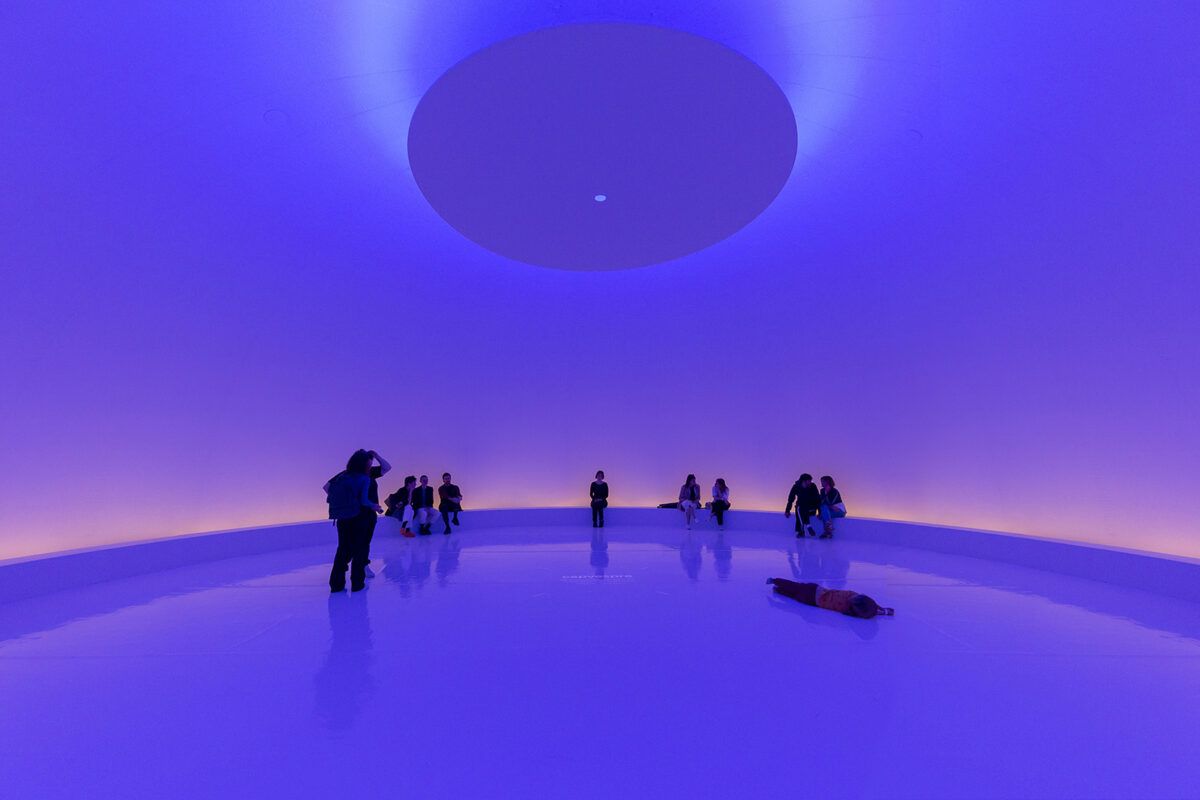
To speak about Antoni Arola is to enter one of the most coherent and profound bodies of research into light in today’s design and art scene. A designer, artist, researcher and lecturer, Arola has built, over more than three decades, a body of work that goes beyond the object and moves into a far subtler territory: that of perception, atmosphere and intimate experience.
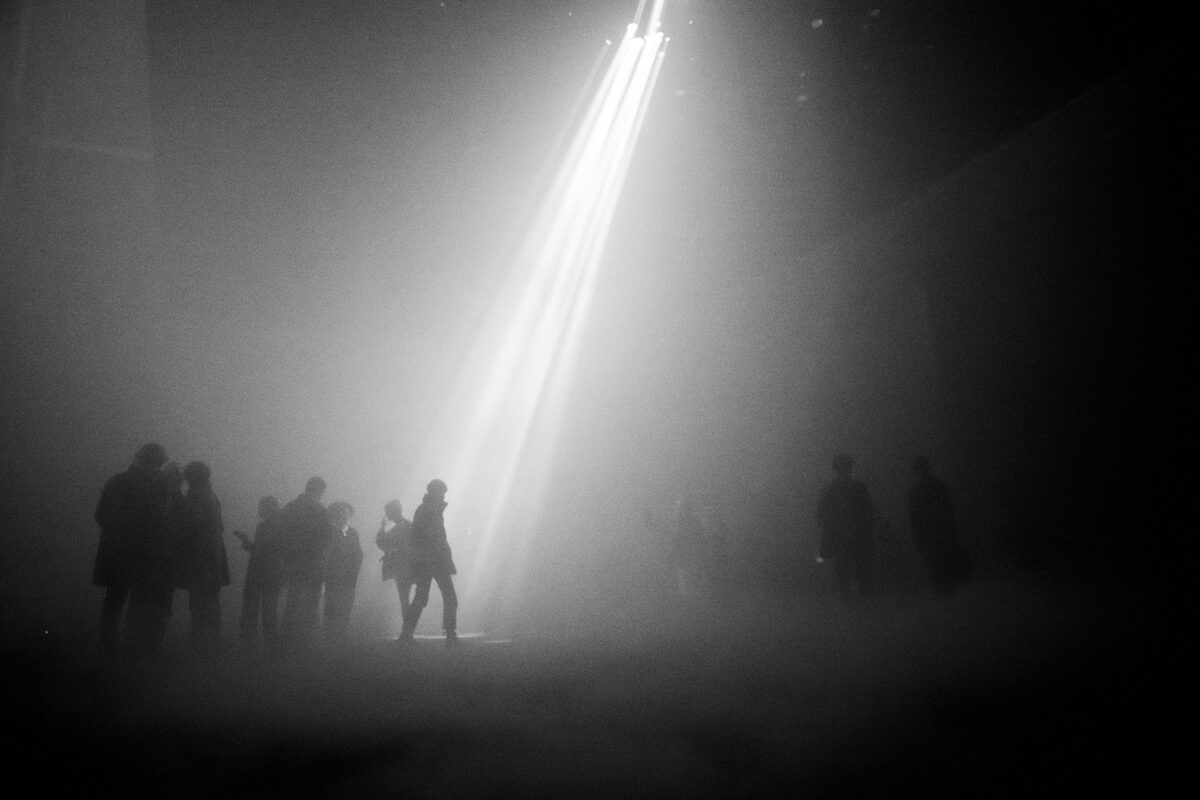
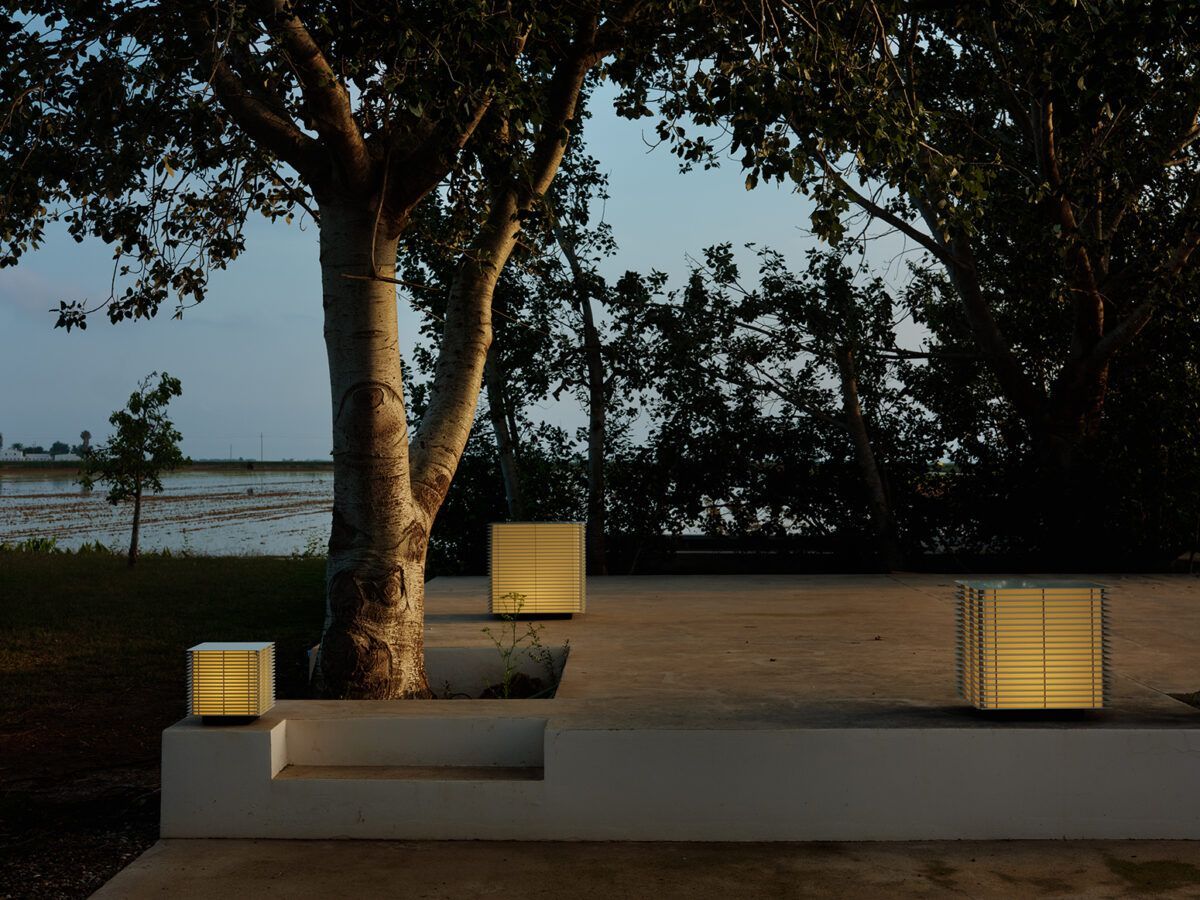
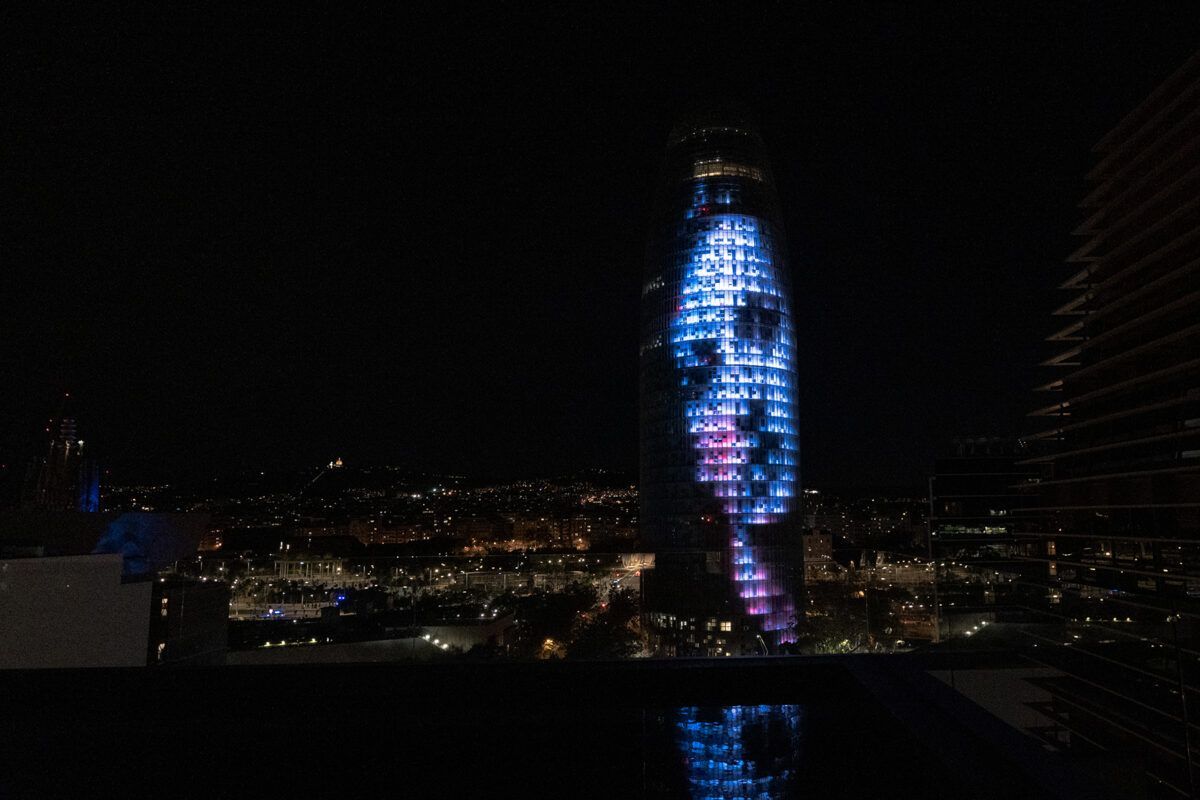
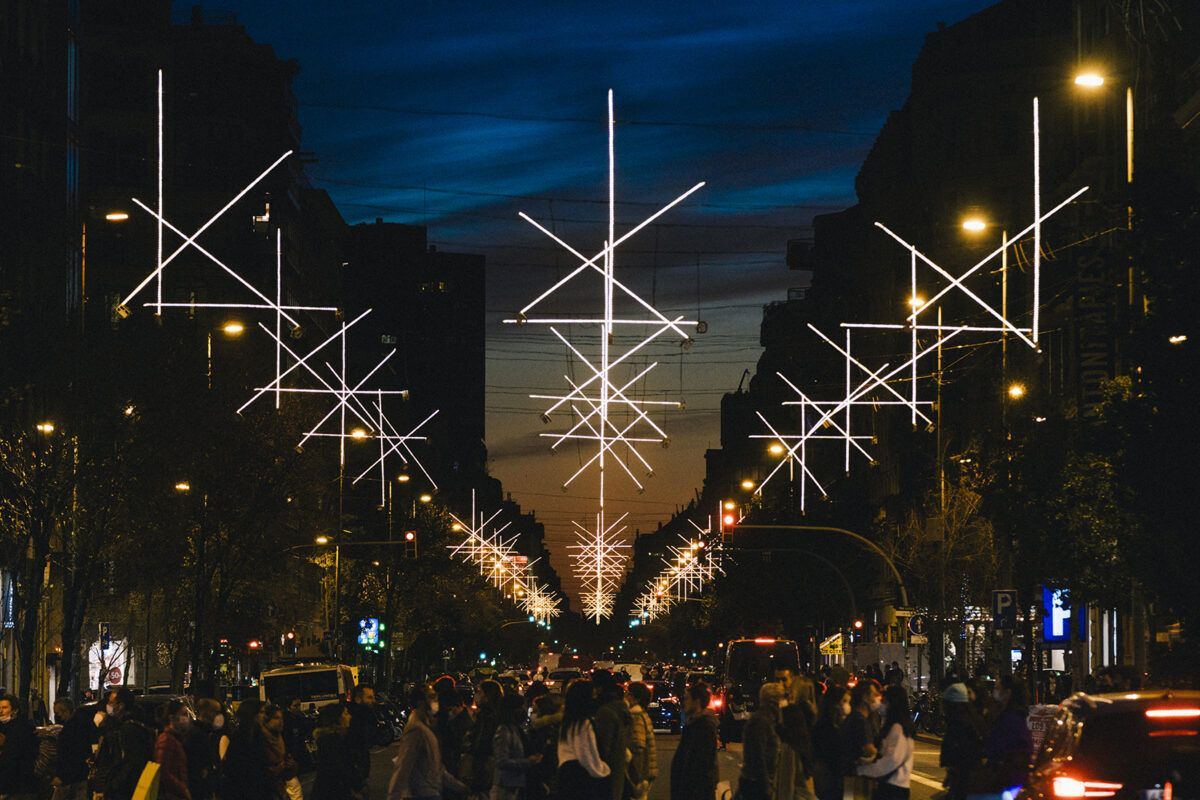
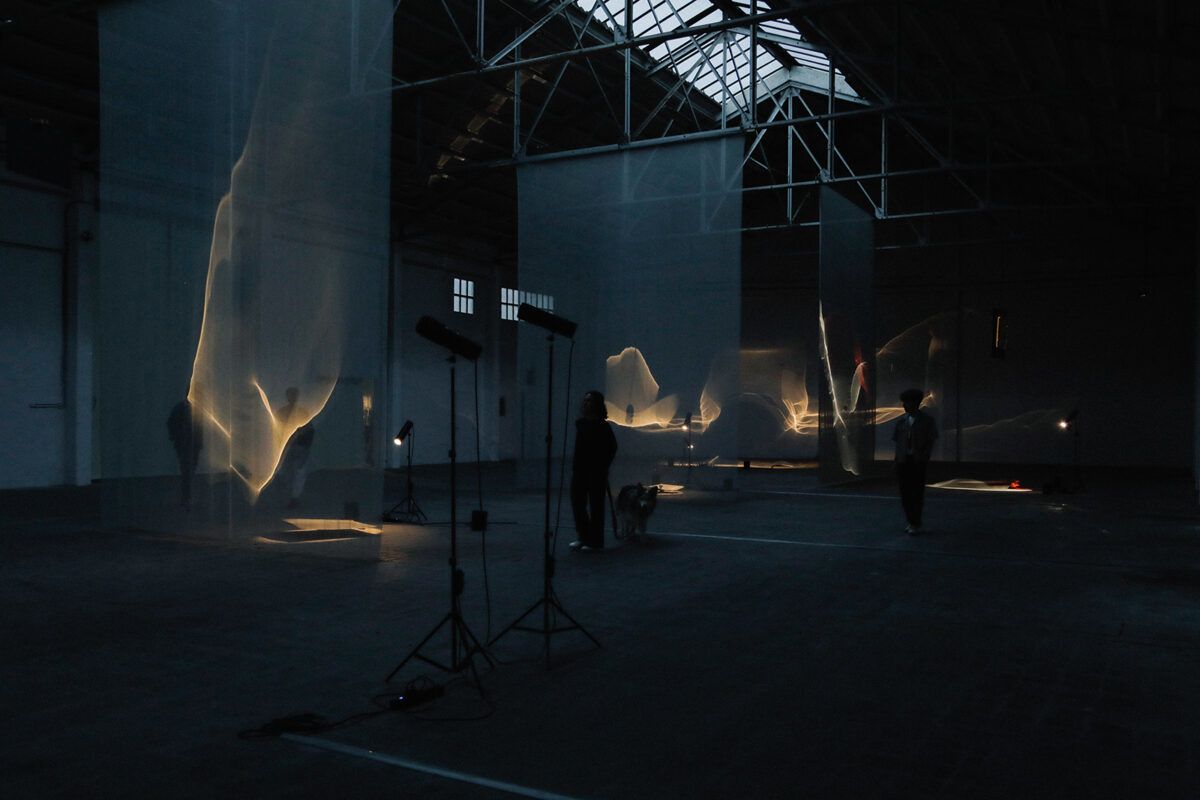
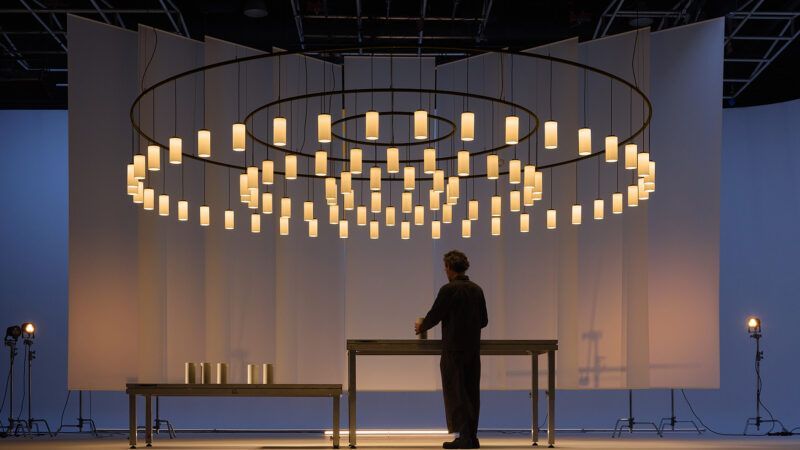
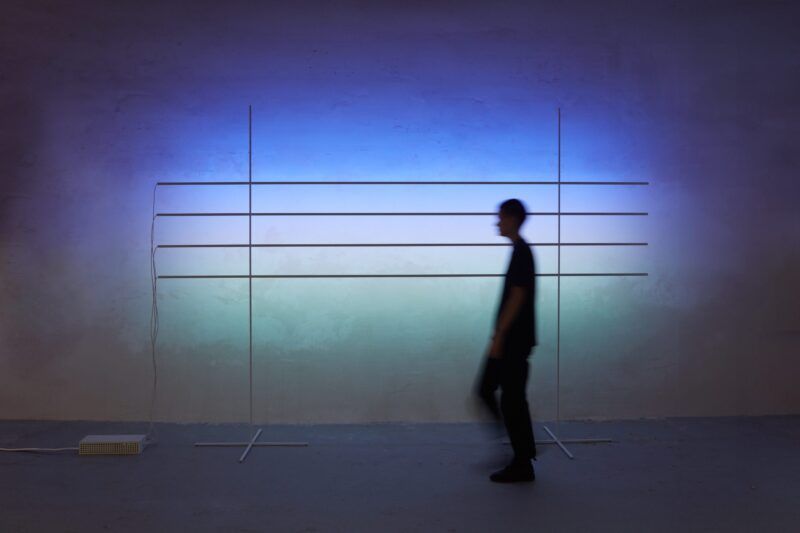
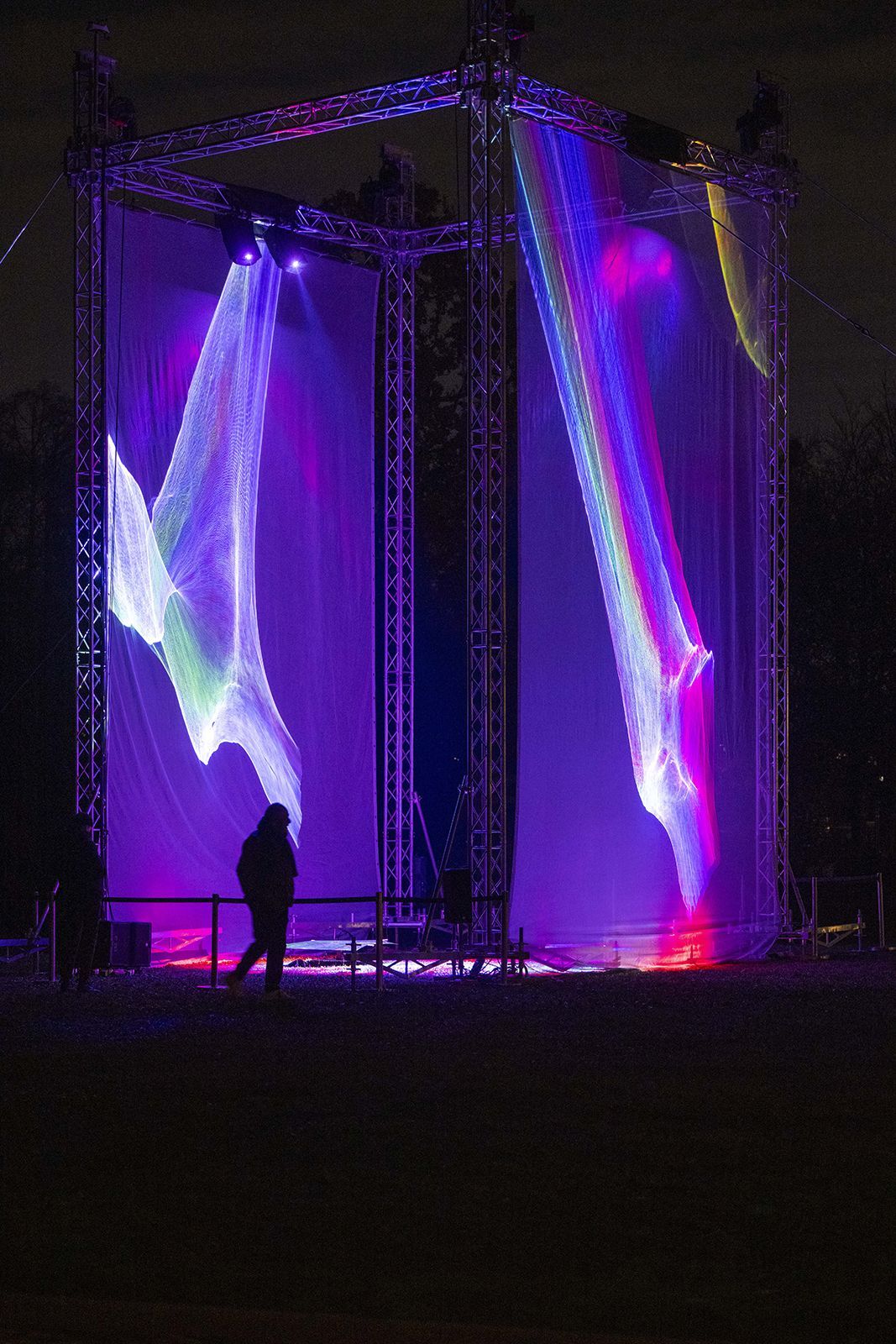
From his studio in Barcelona — an almost ritual space filled with sculptures, drawings, ancestral references and luminous models — Antoni Arola has consolidated a career that dialogues equally with industry and art. He has collaborated with firms such as Santa & Cole, developed urban and exhibition projects in cities across the world, and taken part in festivals such as Llum BCN, where he recently presented an intervention that expanded his language into new audiovisual layers.
But before all this, there was a young man born in Tarragona in 1960 who moved to Barcelona to study at Eina School of Design and Art. There he began tracing a path that would become a radically personal exploration of light as immaterial matter.
His professional journey led him to collaborate with studios such as Alberto Lievoreand Jorge Pensi, and later with Associate Designers, a true design factory where he worked on projects as diverse as mopeds, trains and large-scale technology stands. That stage gave him technical rigour and adaptability. The decisive turning point came in 1994, when he founded his own studio at one of the most challenging moments in which to launch a design practice.
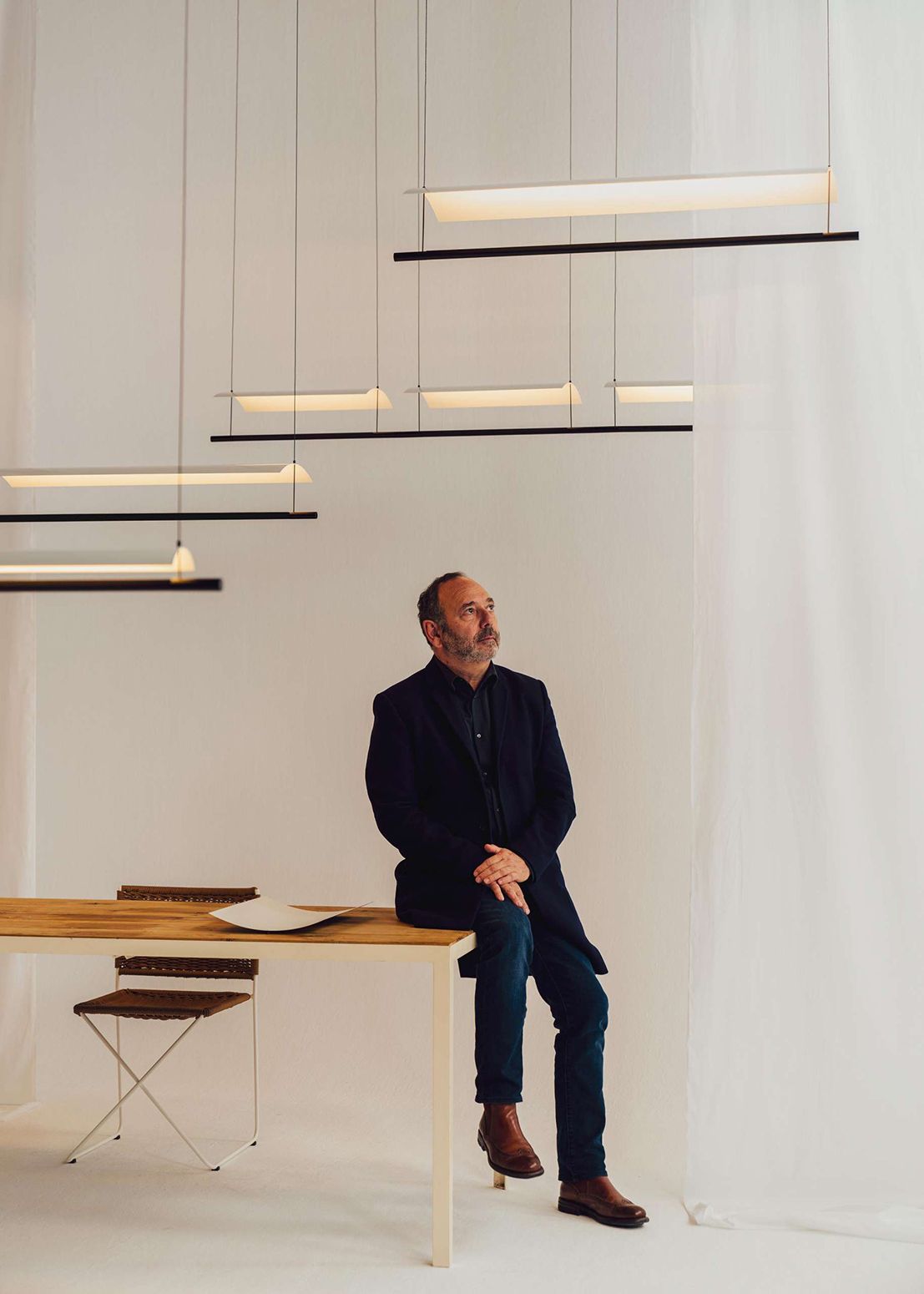
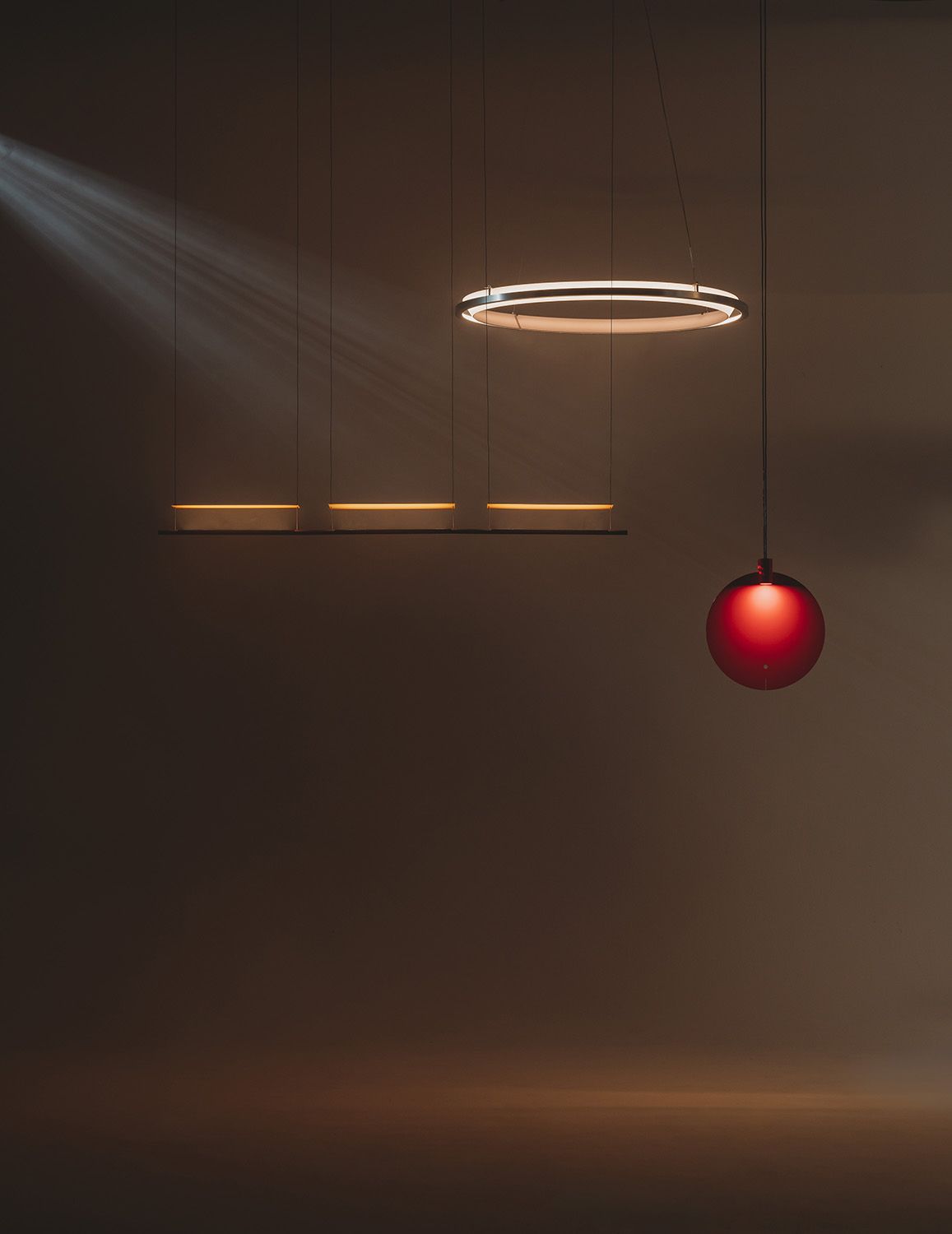
It was then that his most intimate universe began to emerge more clearly: a fascination with ancestral cultures — African and Japanese — with earthen architecture and with primordial symbolism. From this perspective came deeply personal projects such as his rug collection for Nani Marquina and, later, the iconic Nimba lamp, a ring of light that became a key piece within the catalogue of Santa & Cole.
Yet reducing Antoni Arola to a lighting designer would be a mistake. His work doesn’t focus on the lamp as an object, but on light as phenomenon. His artistic research gravitates around an essential and immaterial element: light in its absence and in its presence, natural or artificial. Through the dialogue between light and space, he seeks to activate the viewer’s perception, inviting immersion into an intangible, poetic world open to multiple interpretations.
His method is play. His maxim, reduction. Beyond light and space, colour is another constant. His search for beauty is intuitive, permeable to chance and inspired by ancestral cultures, digital codes and serendipitous encounters. The result is a practice that oscillates between the technical and the spiritual, between industrial precision and near-mystical contemplation.
On the occasion of his recent participation in Llum BCN — whose latest edition has just concluded and where Arola explored new narrative layers by incorporating large-scale video imagery — we spoke with him about his relationship with light, silence, teaching and the future of his work.
How did your relationship with light begin? What attracted you to it as language and creative material?
From my point of view, light is the most sublime, subtle, ethereal, intangible, magical, spiritual “material”… and much more. Light is the spirit of matter. Light is life.
I believe it was a mutual recognition. Without intending it, without prior warning, I found in light a perfect ally to express myself: an infinite and magical ally.
“Without meaning to, without warning, I found in light a perfect ally to express myself: an infinite and magical ally.”
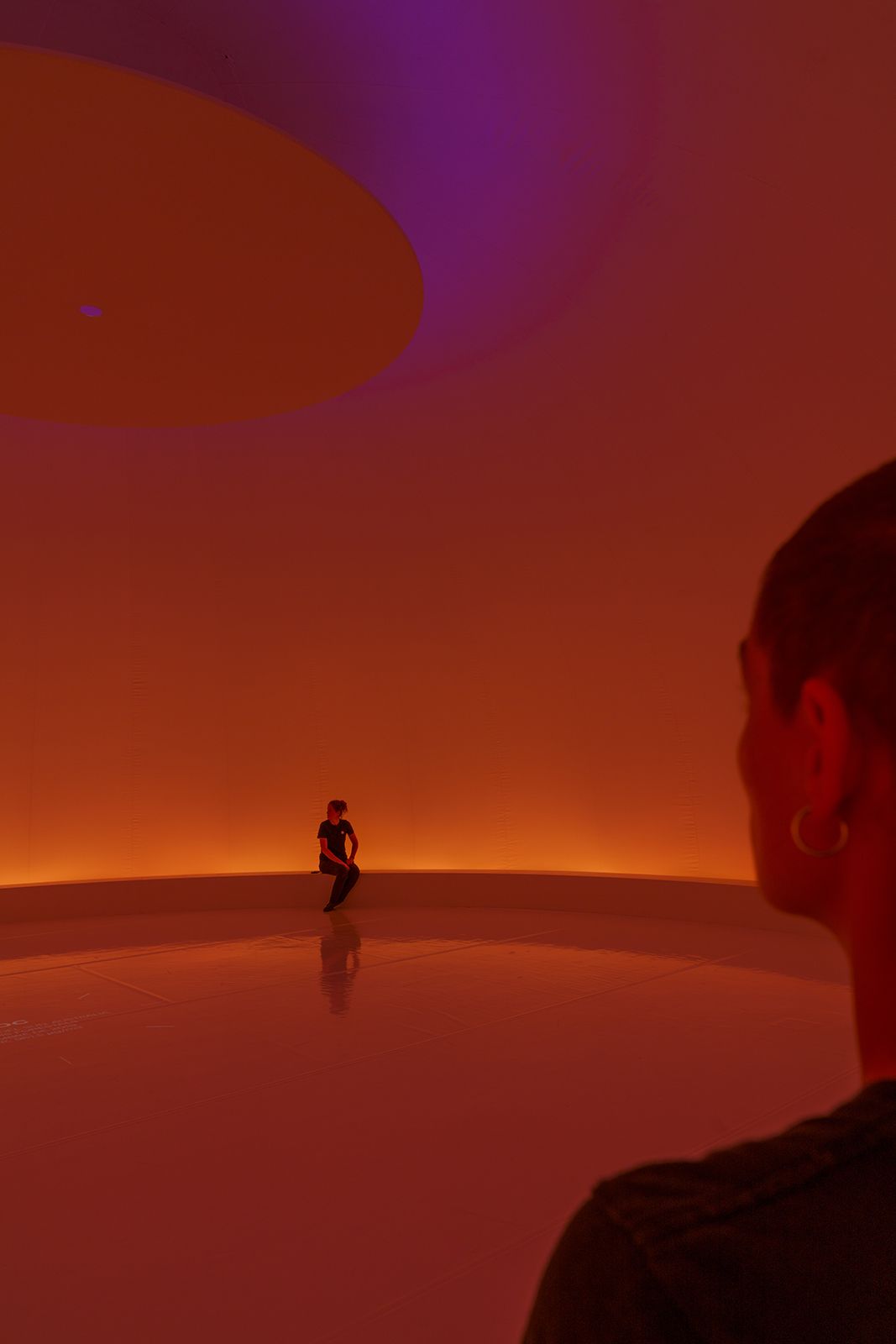
Throughout your career, you’ve worked from the industrial to the most experimental and sensory. How would you define the way you create today?
It’s a question as interesting as it is difficult to answer.
The way I create, I’d say, has to do with intuition, with associations of ideas and with a kind of contrasting cross-check with what is intimate, which has to do with the universal — I like to call it “archetypes”. What I do has to connect with these archetypes.
I’d say my way of creating hasn’t changed much in essence; it has changed in form. Over the years I’ve acquired a faster connection with my intuitions — I reach synthesis sooner; perhaps it’s an advantage of age, hahaha…
What importance do silence, time and observation have in your creative process?
A lot — everything. Perhaps I’d order them differently: surely the origin is observation; it’s the seed. Then time: seeds have to develop, mature.
For that maturation, silence is fundamental; maturation with noise becomes distorted and forgets the seed. It sounds like we’re talking about wine!
In your work, light seems not only to illuminate, but also to invoke: atmospheres, emotions, memories. What do you seek to provoke in those who experience your pieces?
I’m liking the questions more and more…!
I seek different things: on the one hand, rather than provoke, that they accompany us; on the other, that observers can identify themselves in it (like someone reading a good book); and finally, that it makes their souls feel comfortable: if a soul is comfortable, it is simply happy — it is closer to its consciousness.
“My way of creating, I’d say, has to do with intuition, with associations of ideas and with a kind of contrasting cross-check with what is intimate.”
You took part this year in a new edition of the Llum BCN Festival. What did that context represent for you and what did your intervention contribute?
I really enjoy working with the urban scale; it’s very, very different from interiors. Perhaps there isn’t as much control of light — there are many more factors — and it’s another way of working: it has more to do with moving through than with staying.
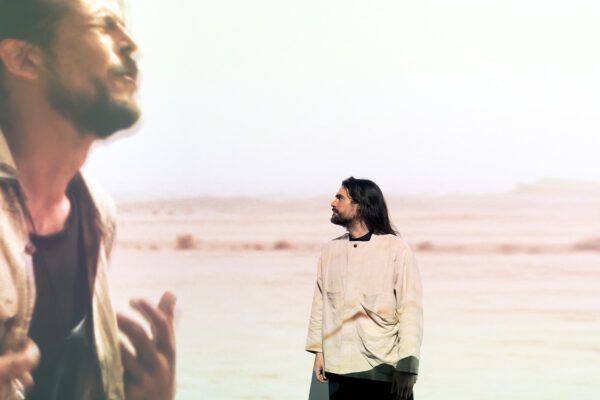
In this year’s Llum BCN I introduced a new game. It isn’t only light itself that I work with; here some (giant) video images appear that address the viewer — it’s another layer of creation. Very interesting. I hope it opens up a different way of doing things that I’d wanted to emerge for some time.
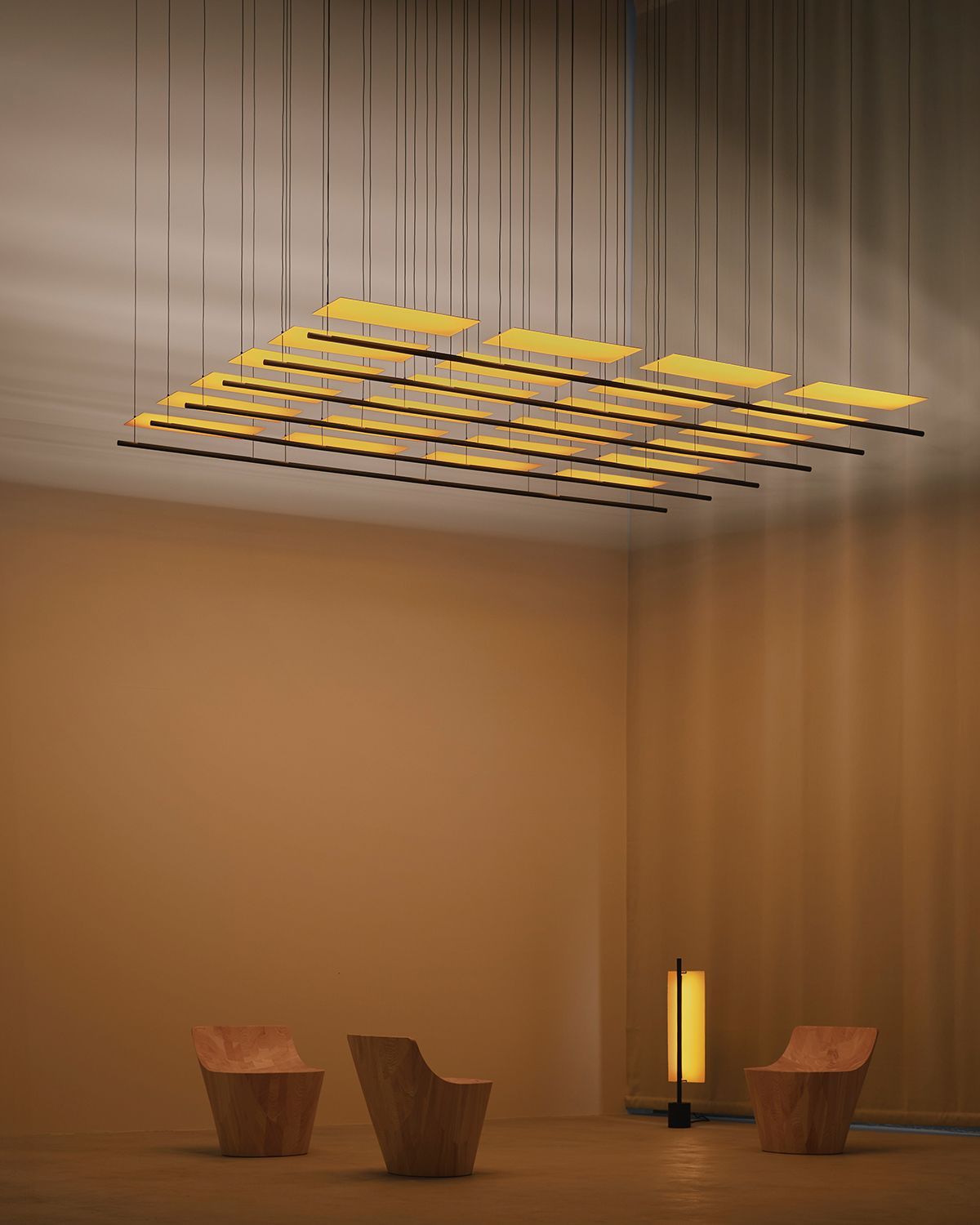
How do you find the balance between the technical and the poetic, between design functionality and its artistic dimension?
Everything is “artistic”; everything has to be poetic… simply, in design there is one more layer: it has to be minimally functional; although in my case most of my designs are more atmospheric and spiritual than “functional”.
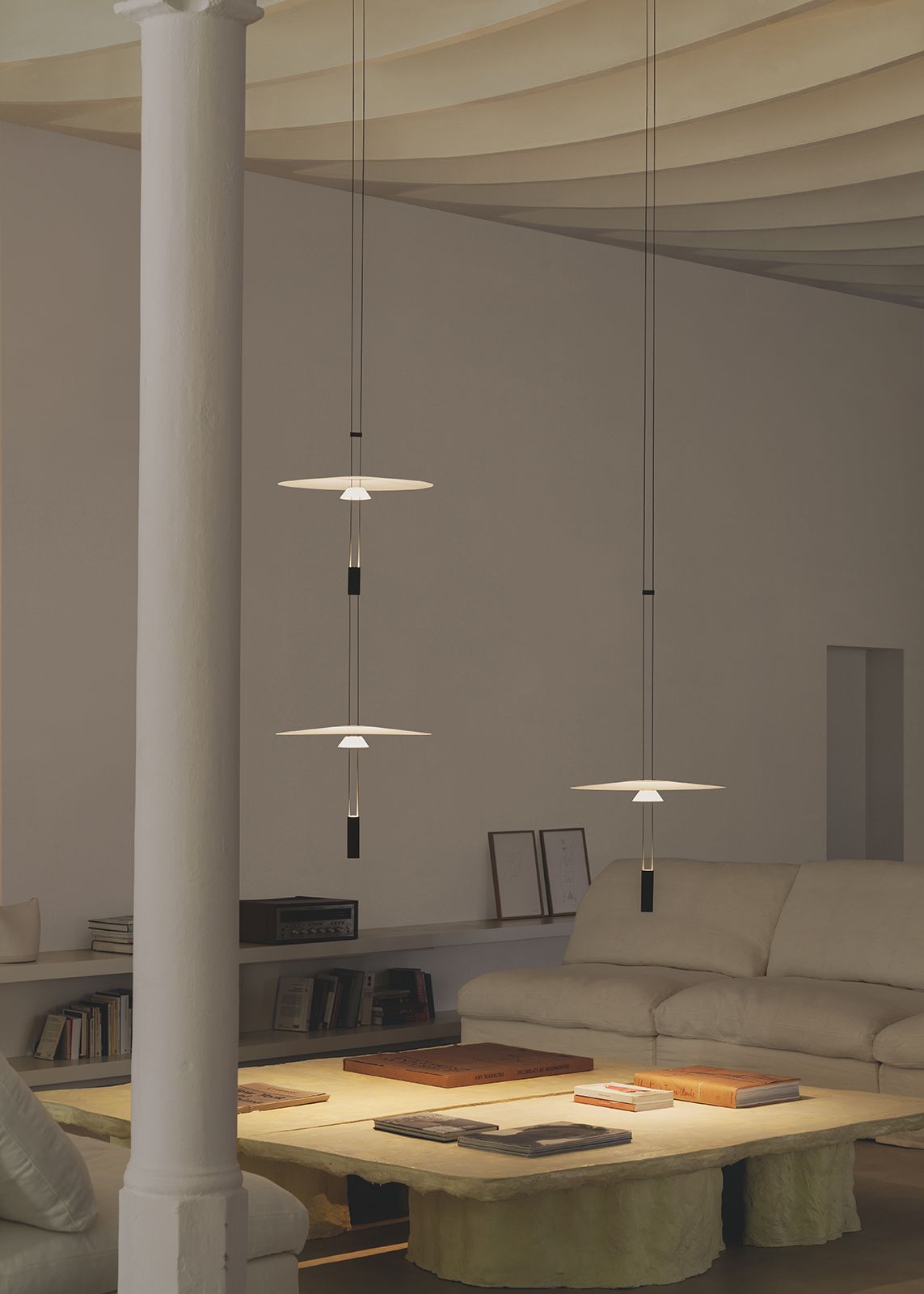
You have developed a constant teaching role in institutions such as UPC, UOC or ESDAPC. What place does teaching occupy in your professional life? What do you learn from contact with new generations?
Teaching is difficult and very intense. I’m reducing this work as we understand it. My real school is my studio; people are trained here — it’s years of work!
Now I’m considering a new way to share my experiences; I’m going to try to do it in the studio. In fact, there is already master’s programme that takes place in the studio.
What are your main sources of inspiration today? Are there themes, disciplines or places that are especially present in your current imagination?
My imagination has no age and no time; it’s round. Yes, of course there are closer disciplines, but in general, everything that has to do with creativity and its ways of expressing itself interests me.
Here, in addition to the “traditional” arts, we could include other disciplines such as scientific, philosophical or psychological ones, among many other interests. And also travel.
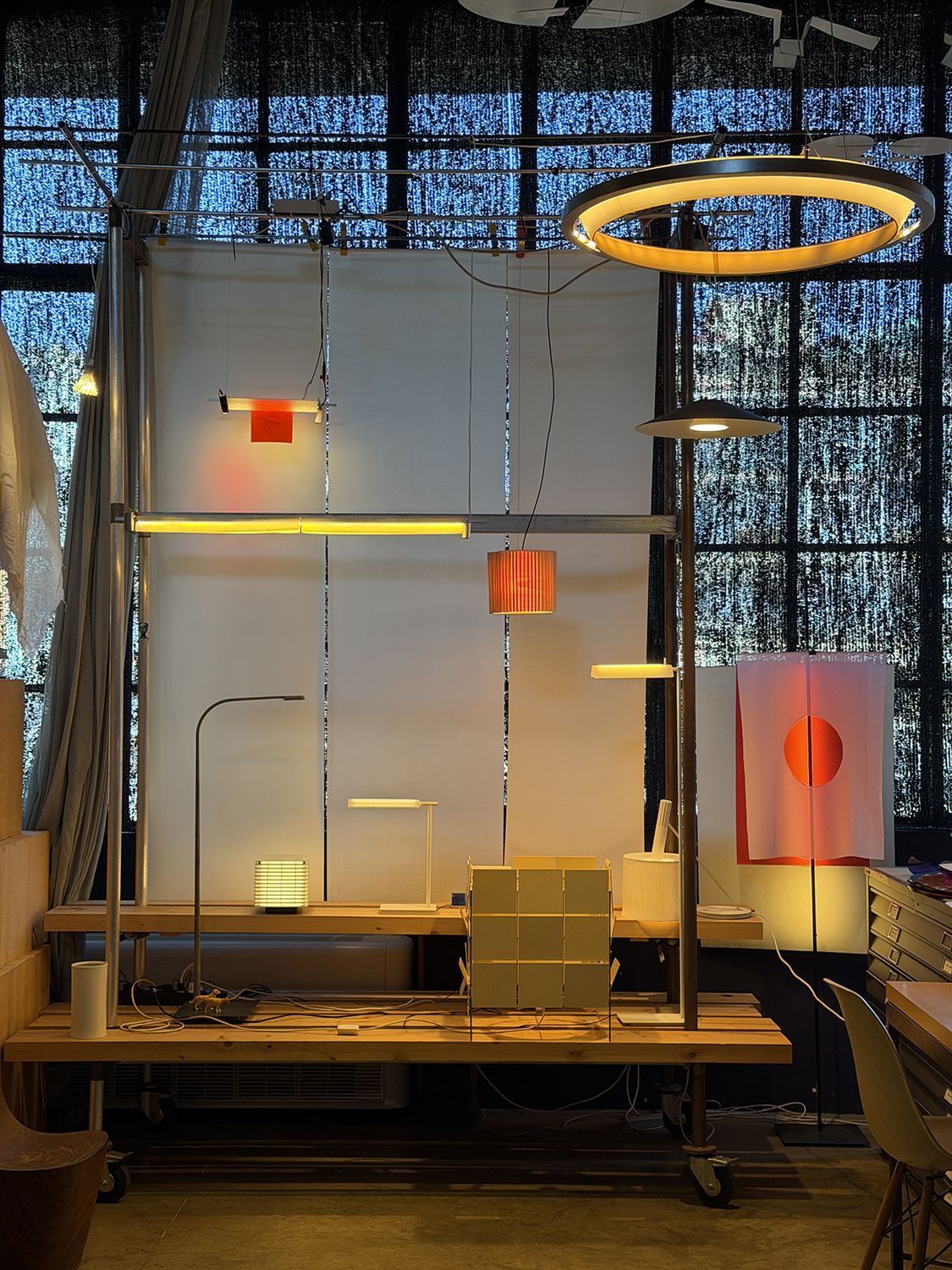
“My imagination has no age and no time; it’s round.”
Over the years you’ve been recognised with awards such as the National Design Award, the T Design Award or the Iplus, among others. What role do these recognitions play for you?
Awards are important when you’re young; they help you trust yourself more.
I think awarding veterans, besides being obvious, is a bit absurd… veterans should, in any case, be listened to, accompanied, kept present.
What are you exploring or questioning at the moment in your work? What projects are you involved in right now?
There are always new things hovering around, but there’s a new chapter that’s becoming very interesting: playing with natural light — sunlight!
Is there any collaboration or future project that excites you especially and that you can share?
We’re starting a collaboration with the restaurant Disfrutar… we want to light up the “best” table in the world!!!
“There is a new chapter that’s becoming very interesting: playing with natural light, sunlight!”
Finally, if you had to condense the meaning of your work into a single phrase or idea, what would it be?
Reveal the light!
Beyond the lamp: an ethics of light
The conversation with Antoni Arola reveals something deeper than a creative method. It reveals an ethics. A way of understanding design as an exercise in consciousness. For him, light is not a scenographic resource nor a simple technical instrument: it is a vehicle for connecting with what is essential.
His interest in ancestral cultures is not anecdotal. In them he finds a symbolic synthesis that today seems lost: the ability to reduce the world to primary signs — the circle, the ring, the shadow — that contain universal meanings. The Nimba lamp, for example, is not only a complex technological development based on the Agabekov system; it is also an archetypal gesture: a suspended ring, a halo that refers both to medieval chandeliers and to sacred symbols.
In a context where lighting tends towards spectacle or an excess of stimuli, Arola’s work proposes another path: that of atmosphere. His pieces do not impose; they accompany. They don’t saturate; they suggest. They generate a state.
His recent intervention at Llum BCN confirmed this evolution. By incorporating large-scale video, he opened a new narrative layer in his work, expanding the dialogue between light and image without renouncing its essence. It was a significant step in a trajectory that remains in constant transformation.
“Most of my designs are more atmospheric and spiritual than functional.”
Today, Antoni Arola is exploring natural light — sunlight — as a new chapter in his research. A shift that is not a rupture, but a logical continuity: returning to the origin, to the primary source, to that intangible matter that has defined his practice from the beginning.
At a time when design seems to be torn between hyper-production and planned obsolescence, Arola reminds us that what is truly contemporary is what is essential. That innovation does not always consist of adding layers, but of removing them. That light — when understood — does not only illuminate spaces, but consciences.
To reveal light is, ultimately, to reveal the gaze. And in that gesture, Antoni Arola continues to be one of the clearest and most necessary voices in contemporary design and art.
We recommend following his projects via Instagram.
(*) Cover photo by Eva Carasol; horizontal fixed photo 1 and slider photo 1: Jara Varela; horizontal fixed photo 2: Josep Vila Capdevila; slider photo 2: Héctor Milla; slider photo 3: Leo García Mendez; slider photo 4: Iris Humm; slider photo 5: Pol Aregall; vertical photo 3: Masaaki Inoue; vertical photos 4 and 5: Antoni Arola Studio; vertical photo 2: Carlos Pericás; vertical photo 1 and vertical photo 7: Enric Badrinas; vertical photo 6: G Perret.