Zieta Studio: the polish innovation redefining contemporary design
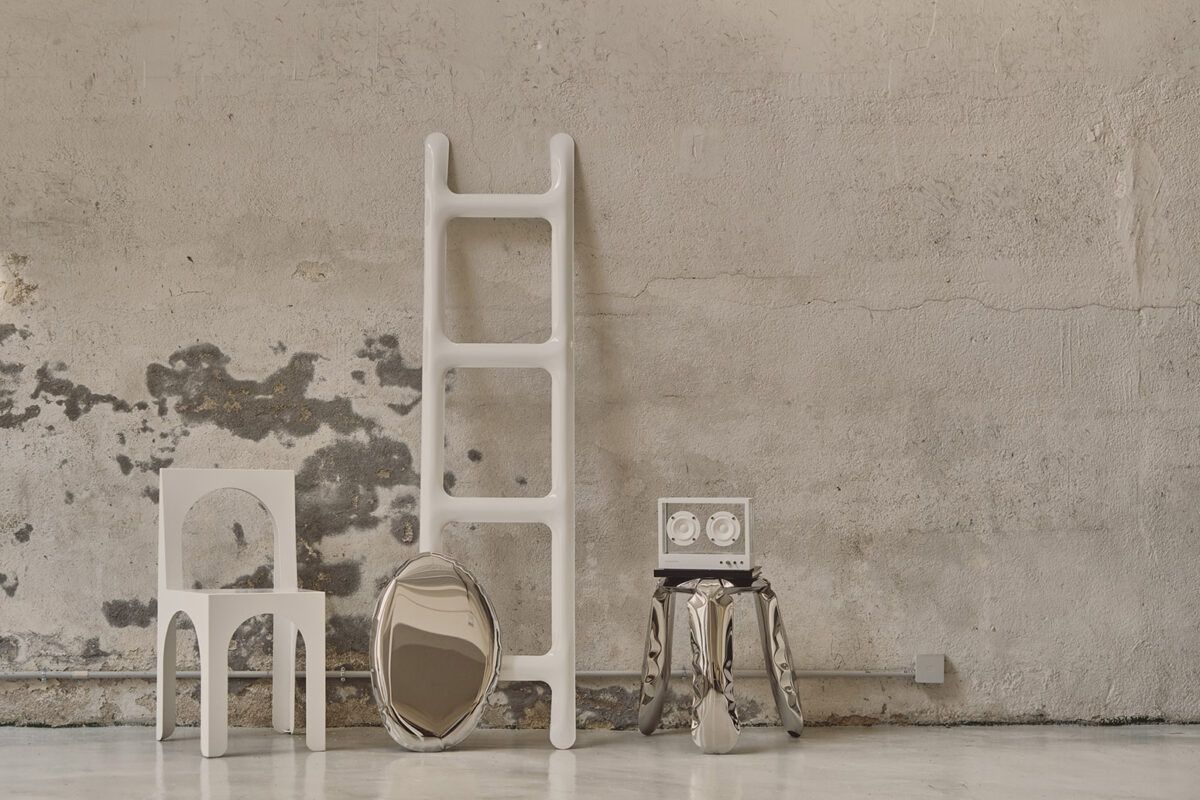
In the dynamic landscape of global industrial design, few brands manage to blend tradition and avant-garde innovation as effectively as Zieta Studio. Born in Poland, this brand has distinguished itself with its experimental approach and its ability to transform metal into functional, sculptural pieces.
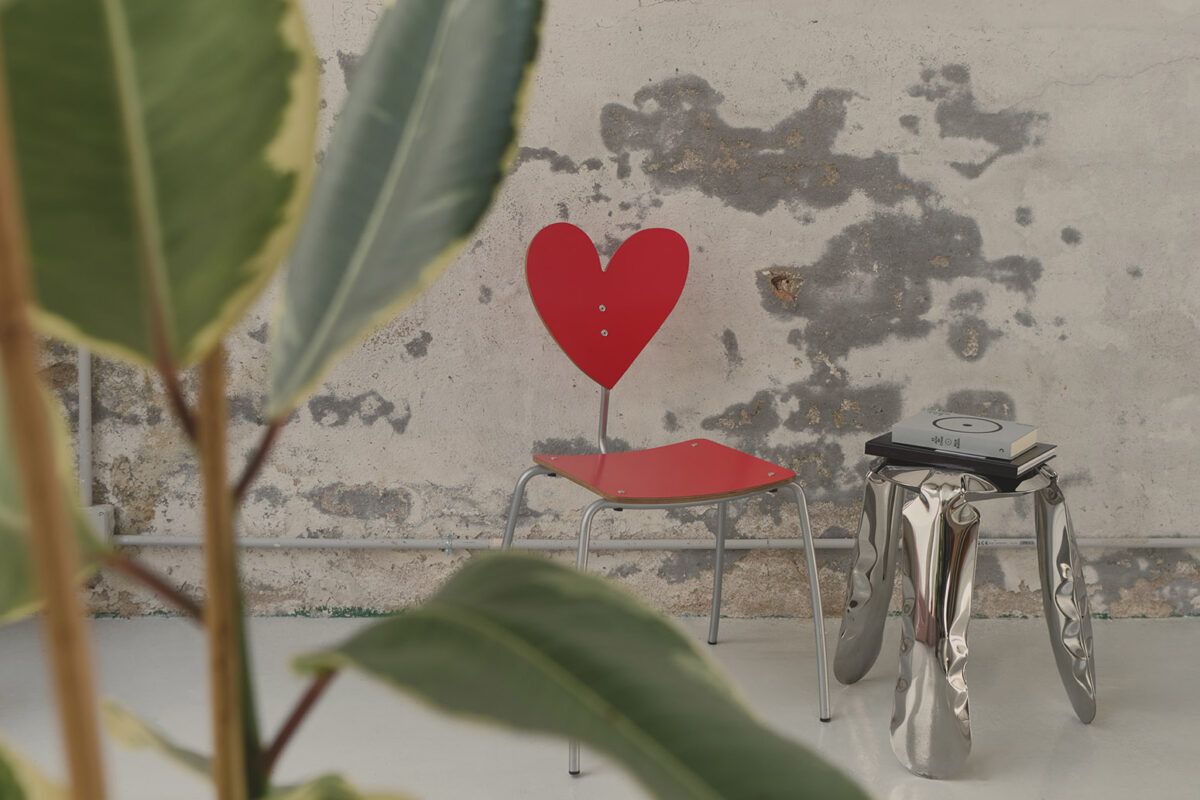
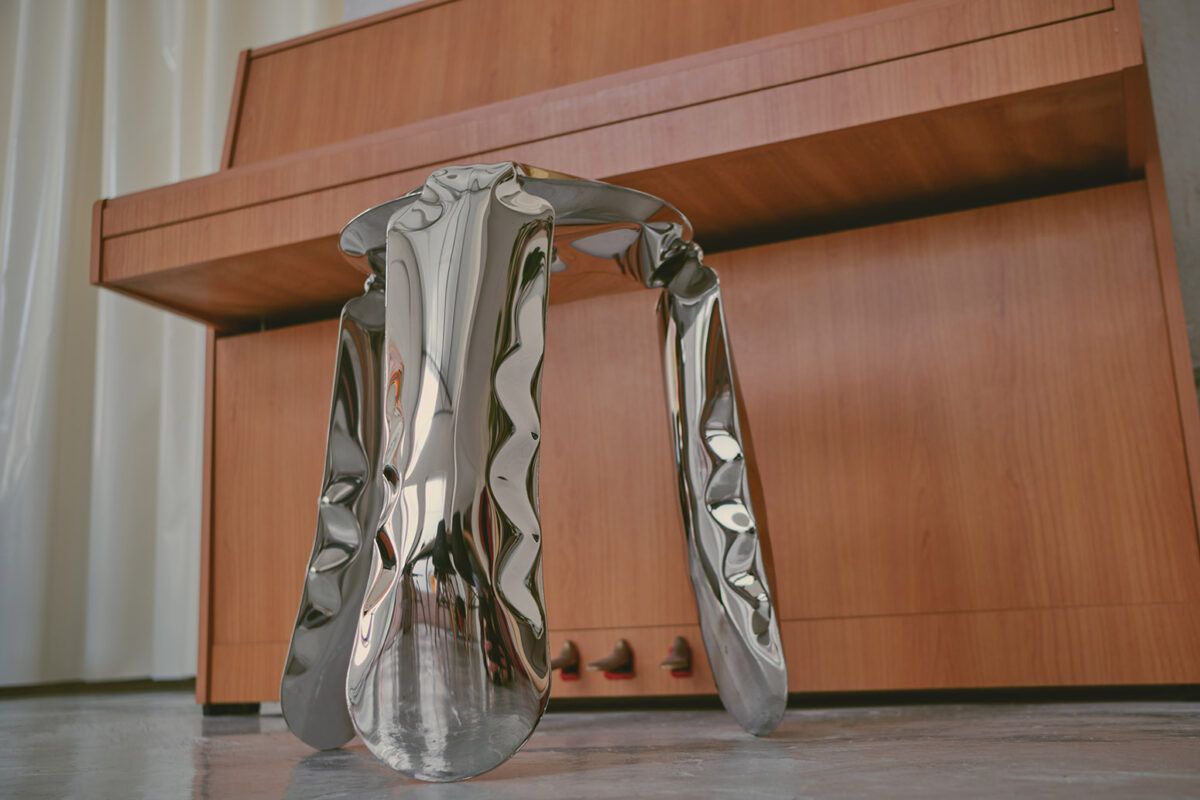
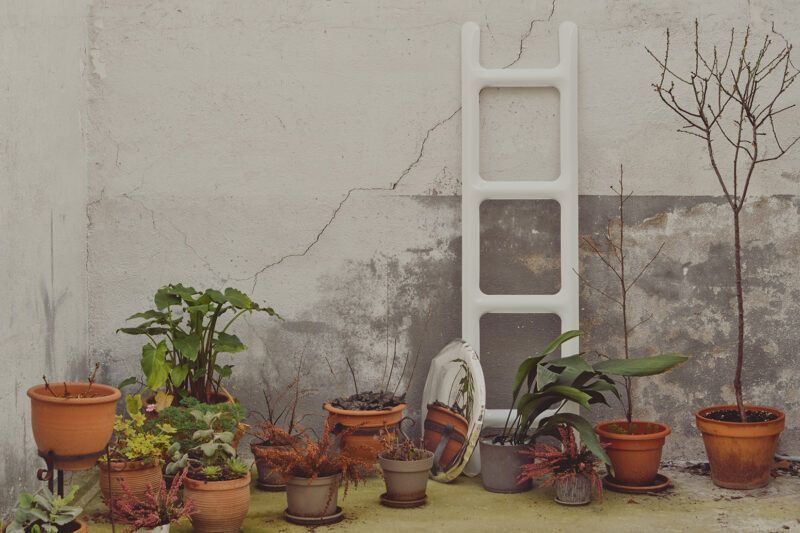
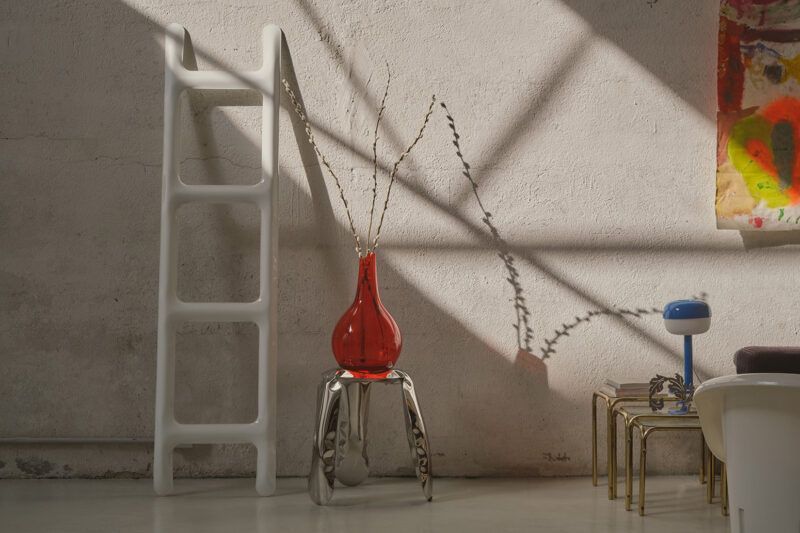
Founded by designer Oskar Zieta, the company has pioneered the use of advanced technologies, such as high-pressure welding, to create products that not only push the boundaries of design but also explore the relationship between aesthetics and engineering. With a catalog ranging from furniture to decorative objects, Zieta has become a reference point for creativity and innovation in the design world, taking the spirit of Polish craftsmanship to new global horizons.
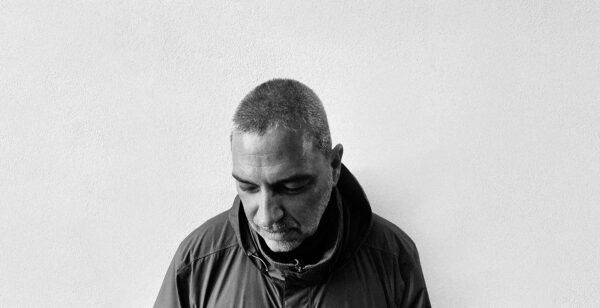
Recently, we had the opportunity to interview him. Here’s what he shared with us. Come in and read on.
There is a quote of yours that says: ‘Sometimes mistakes are the ones that inspire the most,’ which perfectly defines the story of Zieta Studio. In your case, it was a specific production error, known as DIN 8580, that later became the focus of your research. What more can you tell us about this?
My fascination with metal was born when, as a young boy, I spent hours in my grandfather’s blacksmith workshop. I watched all that metal processing, heavy tools and the hard work there.
I was most fascinated by transformation – the changing of the form, giving a different meaning to something that seemed to be just a shapeless, ugly element before. And it’s that constant transformation that I base all my activities today on.
I draw from the history of metallurgy and the work of my grandfather who was, as I see him, a blacksmith 1.0, while me myself, I design processes and develop studies on the properties of metals as a blacksmith 4.0. My grandfather formed metal with a hammer, and we, here in Zieta Studio, we form it with information.
The beginning of the FiDU technology (the one born from mistake) was my PhD thesis at the ETH (Swiss Federal Institute of Technology) in Zurich, in which I discussed the development of the proper technology for stabilizing thin sheet metal membranes for architecture, design and other engineering purposes.
During my research, I often came across this “error DIN 8580”, which, for an average engineer, stands for: “wrong deformation / error / effect of this deformation is not correct”. And I didn’t care because I was fascinated by the fact that in this way some ultra-light constructions were being created and that these constructions could be adapted to any designed shape and what’s more, that they could be adapted in their form and cross-sections to the force arrows.
That’s why for me, these deformations were not so important and they did not affect my final decisions that I made during my research – I just did not negate imperfect constructions. I was heavily criticized for that and I used to hear “Mr. Zieta, you create scrap metal” all the time. But I really believed I was doing the right thing and I kept on thinking out of the box. And this belief, combined with my great determination, allowed me to get where I am today.
Working with materials like stainless steel and the inflating technology (FiDU), especially in your Plopp series, is revolutionary. What led you to experiment with these materials, and what challenges did you face in doing so?
Every day is a challenge. Some people perceive our actions as a coincidence. And although we do come from a world of chance, we know exactly what we’re doing and where we’re getting at. We call this controlled loss of control. We perform complex engineering experiments, which often surprise us with their final form – even though we have thoroughly simulated and examined them beforehand.
We are constantly meandering between virtual data and their real dimension. Such solutions allow us to reduce the energy and materials needed for production, but also to save huge amounts of disk space.
A Plopp stool in a flat 2D design consumes 16kB, while its 3D model would consume over 140GB. We blow flat sheets of metal. When we see the need for optimization – we scan the object and do it with the help of a software. And here, again, we learn from our errors and use this knowledge to our advantage. As you see, challenges and experiments are my daily base.
What exactly is FiDU?
FiDU is the name of our technology that comes from the German “Freie Innendruck Umformung”, which translates into English as free inner pressure forming.
It allows us to inflate steel into three-dimensional molds. We laser cut shapes from flat sheets of metal, we weld them around the edges and then blow air inside. At that point metal begins to manifest its properties. It takes on a spatial form, with some individual, unique irregularities on its edges and that’s how these so-called erroneous deformations are made. This is what our process of deforming and inflating steel is about, to put it very simply.
In reality, it consists of numerous highly advanced computer simulations, studies of the characteristics of each of the 2,000 metal alloys, and making appropriate choices and decisions which are always carefully tailored and very specific to each project.
Thanks to FiDU, we are able to create ultra-light constructions which are adapted to the form and the force arrows they must carry. We do not make any standard profiles to build an oversized and overweight world. Instead, we create custom-made metal constructions. Just like a tailor prepares simple sewing patterns from which high-fashion one-of-a-kind clothes are created, we cut metal and create some customized objects of desire from it.
The outcome of FiDU process is hollow, lightweight, and incredibly durable objects.
You are also the designer of the lightest metal chair. Ultraleggera weighs just 1660g, is made of aluminum, and can easily support 1200 kg. Where does your passion for ultralight materials, mobility, and bionics come from?
Bionics is my encyclopedia. I carefully observe and analyze the complexity of various natural processes and mechanisms.
The FiDU technology resembles the process in which a dragonfly extends its wings by pumping the body fluid into narrow channels of the wing tissues, resulting in the wings changing their size and characteristics. We use a similar process and refer to it as a volumetric expansion.
Ultraleggera then is designed on the grounds of pneumatic bones of birds – their ultralightness and strength.
At the same time is a manifesto chair for our ongoing research on the lightweight index. Its creation was triggered by the challenge set by the Italian architect and designer Gio Ponti, who in 1957 introduced his Superleggera chair, which for many decades was considered the lightest chair in the world.
Ultraleggera is a circular chair and that’s because it was made of recycled aluminum, which is the only material needed for its production, it’s very durable and at the same time ultralight. This object made of aluminum is the quintessence of Zieta Studio‘s philosophy as far as asecology and sustainable development are concerned.
But Ultraleggera is a chair that won’t get old – neither technologically nor functionally – only a conscious decision to reprocess it into, for example aluminum cans, that can complete its circular mission.
The use of technology and innovation in design seems to be one of Zieta’s key success factors. How have you managed to combine art with bionics, technology, and innovation in your creative and production processes?
I am either an engineer who is very sensitive to beauty or a very technologically-minded artist. I love interdisciplinarity. I strongly believe that only by blending disciplines and thinking outside the box we can create great things.
“I am either an engineer who is very sensitive to beauty or a very technologically-minded artist.”
It requires a dedicated, and passionate team which I am grateful to gather in my Zieta Studio – a space where we run a sort of a hybrid design-development-research-production machine
Your pieces, such as the famous Plopp stool (2008), are recognized for their minimalist aesthetics and technical complexity. How do you manage to balance these two very different aspects of design?
It’s exactly what I said before. It’s a constant balance and fusion of commitment, passion, skills and knowledge of a large group of people.
The Plopp stool was my first project, but it wouldn’t have been possible without the opportunities I got at ETH– under the supervision of Prof. Ludger Hovestadt.
Each piece from Zieta seems to tell a story or evoke an emotion. What do you try to convey through your designs, and how do you connect with people through furniture?
Through objects I express emotions and ideas evoked by our observation of the world on a micro and macro scale. I look closely at the shells of beetles, study the twisted roots of trees and marvel at the colors of the cosmic universe.
I conduct a dialogue with people mainly through reflections and ambiguities. I present them with hard and cold steel as a soft and pleasant addition to interiors. However, I try to ensure that the story of the objects I create is not based only on emotions, but also intertwines a dose of grounding – I mean the technological aspect.
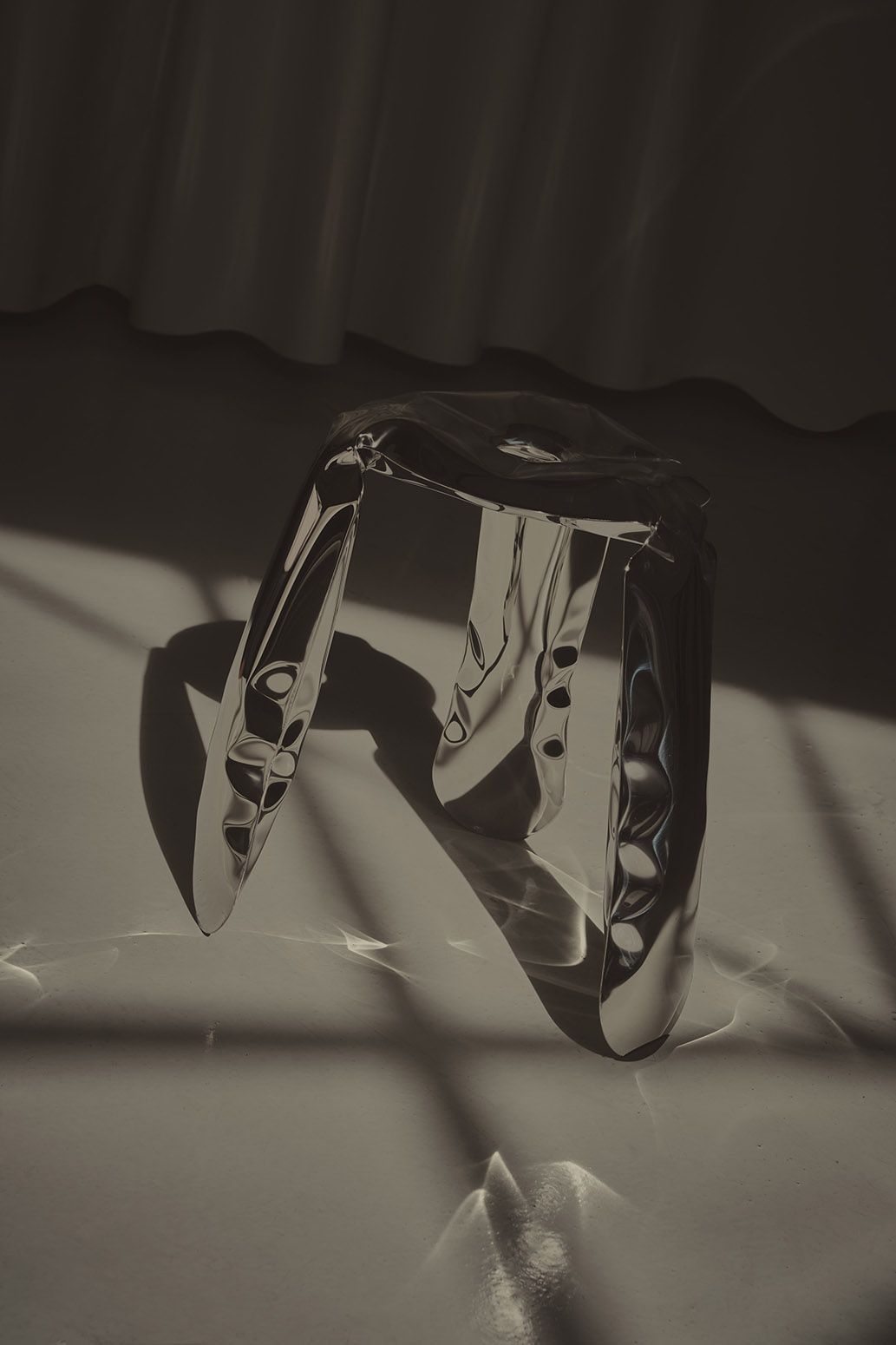
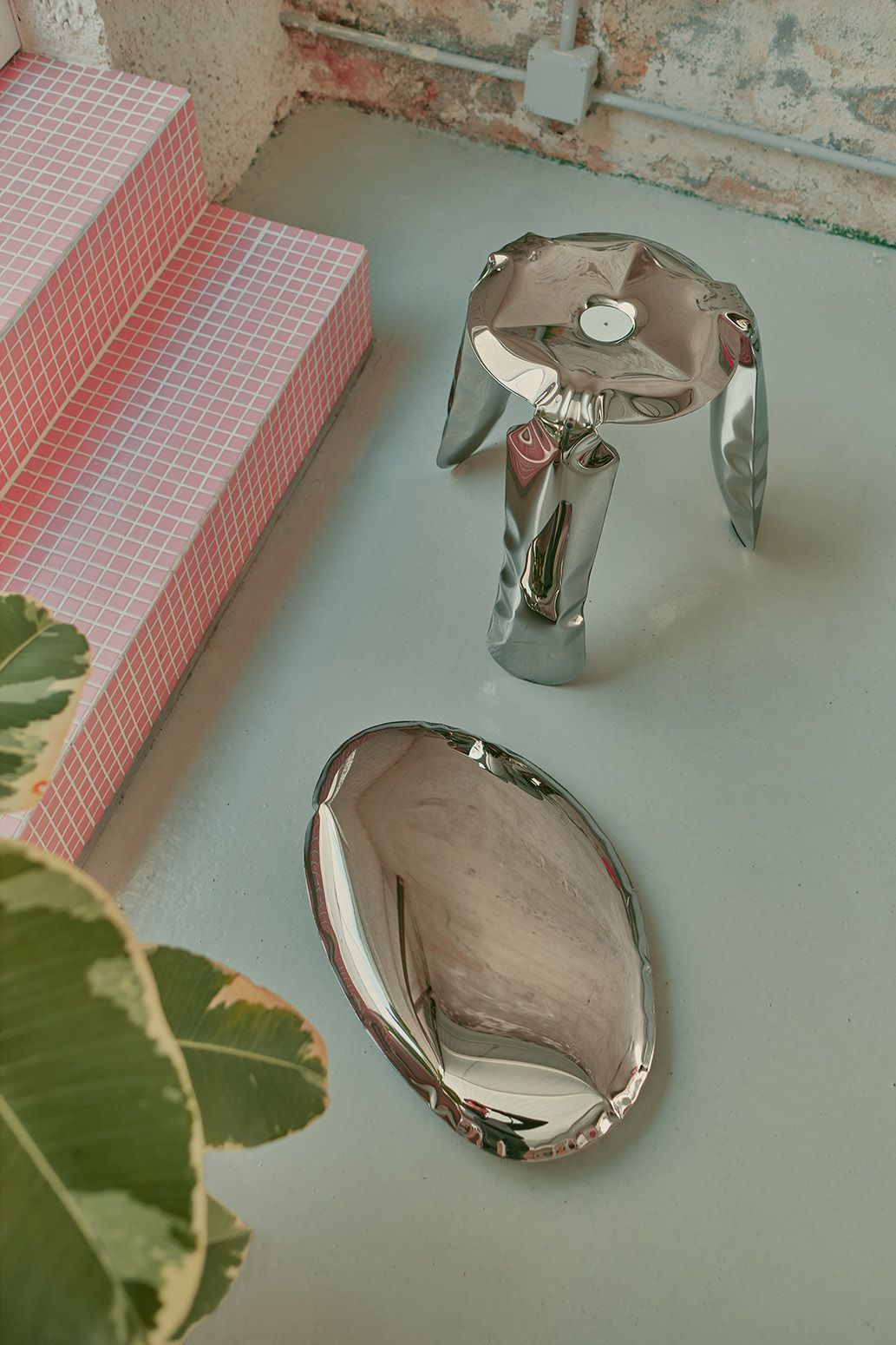
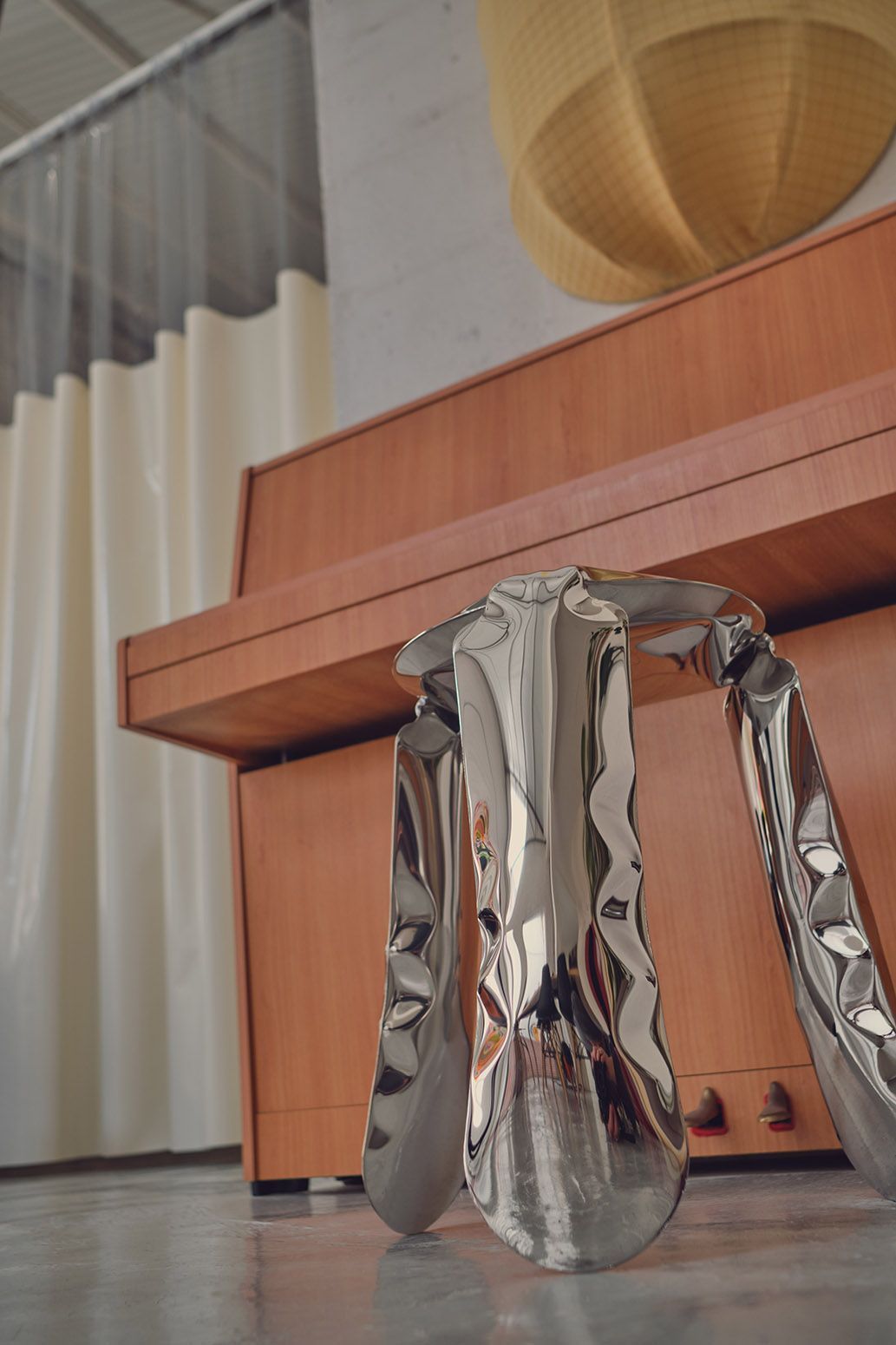
All the objects designed by me are small-scale pieces of extensive research. The Plopp stool, for example, is an iconic manifesto of the revolutionary FiDU technology, but it is also a functional and fun object for the home.
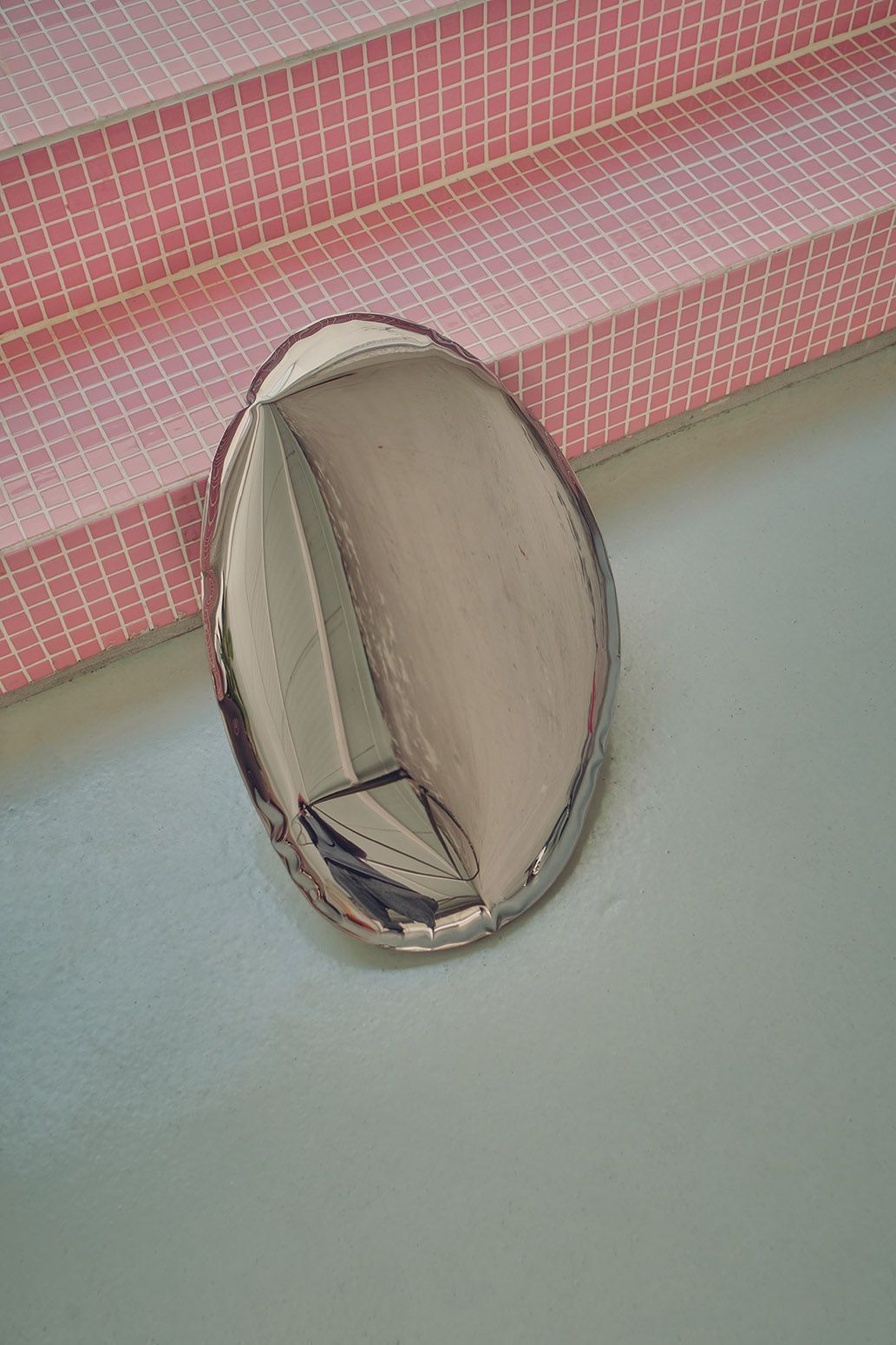
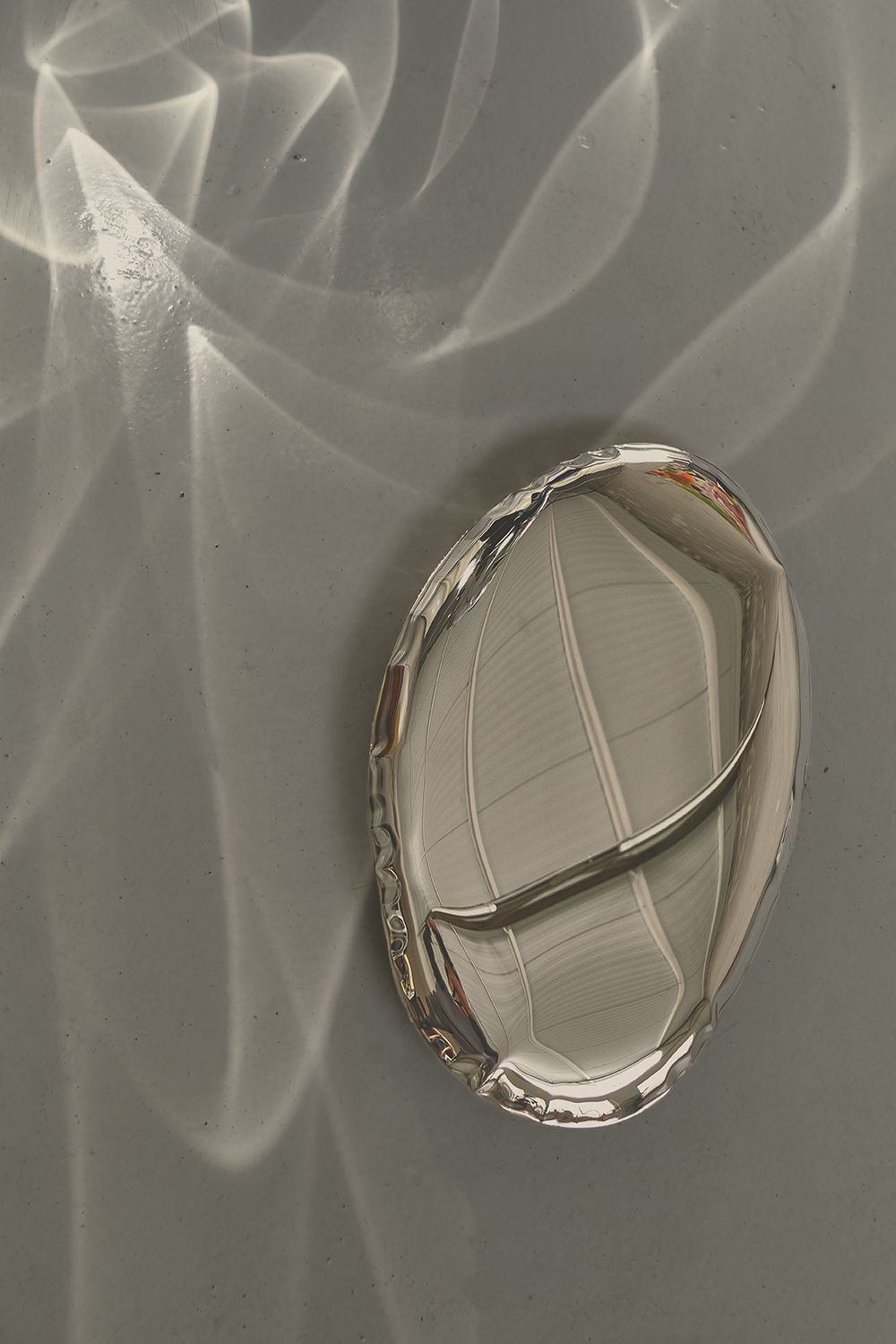
The Tafla steel mirrors may be perceived simply as mirrors, but they are also a way of telling the story of the evolution of a water droplet—how its shape changes, from the rounded dew to the angular edges of the shelves of glaciers.
Ultraleggera is a mono-material object, sustainable in terms of production and eco-friendly, but it is also a lightweight chair that is user-friendly for both the elderly and children.
Zieta has established itself as a brand that transcends traditional furniture design. How would you define the role of design in contemporary art?
These are increasingly interpenetrating disciplines. From my perspective, it will simply gather, because I sculpt with the same technology that I use to deform objects belonging to the world of design. I am an advocate of the lack of definition. It is because of this interdisciplinarity.
And the role of design in contemporary art? We can certainly call it complementary, often provocative, but also unifying.
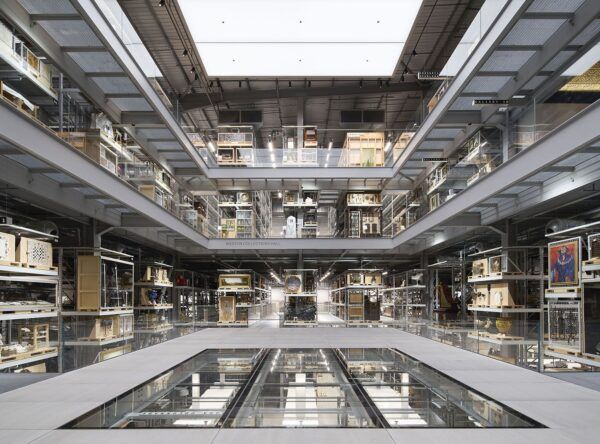
A beautiful example of such permeation is the presence of 150 of our Ultraleggera chairs in the new building of the Museum of Contemporary Art in Warsaw, designed by Thomas Phifer. There, Ultraleggera functions as a chair, but it is also an object in the space of art. It is a work of art.
As we have already mentioned, you primarily create monomaterial metal objects that are durable and fully recyclable. In fact, the use of these materials has become an important trend in the narrative of sustainable development.
Yes, monomateriality is a key. The overriding goal of conscious consumption and, in a way, the quintessence of sustainable development is to choose durable, long-lived products that follow the rules of the responsible production process.
“Monomateriality is a key.”
That’s why if we can manifest our knowledge of the material, molding technology, metalworking techniques, research results, and respect for nature in a single product – we do it under the name of Ultraleggera.
The material of which the Ultraleggera was made is a natural alloy, which makes it possible to process it many many times with almost no loss of its quality. And it’s the opposite of what is now called “fast-moving consumer goods”, as it was made to last for generations. And as I said before, only a conscious decision can fulfill its circular mission, but the major goal is to last.
Experimentation is mandatory at Zieta. Is it true that you are constantly exploring new approaches and technologies to create innovative products?
We can stabilize a sheet of paper by bending it evenly, but we can also achieve a similar effect by just randomly crumpling it. In this way, the basic forces are broken down into many other, smaller forces, which makes this complex body or structure much more stable.
We’ve been making the before mentioned deforming error for the past 20 years, and along the way, we have learned and mastered it.
Based on the observed properties, we created our FiDU Alphabet, which is the alphabet of various solutions that we use to create new objects, products, and technological applications in industry and art.
We constantly explore new approaches, but within the same core technology. We don’t learn from books. We create our own primers, with our own alphabet, which is based on our knowledge of the material. This is what we can learn about, explore its secrets, and find out more about its potential, which is huge.
“I’m sure that our inflatable metal profiles will be used in space one day.”
I don’t know if it happened during my lifetime, but I’m sure that our inflatable metal profiles will be used in space one day. That’s the kind of potential I’m talking about here. It’s only today that thanks to intelligent solutions, algorithms and computing power, we can fully use the potential of FiDU technology. The whole pace of experimentation and precision allows us to reach further and further.
What role does AI play in your creative processes?
We are surrounded by robots and computers – and yet we often feel like old-time independent artists.
We always watch over our processes from the very start to the finish. We don’t just design on paper and then hire an external company to produce a sculpture that is ten times bigger in real life.
We are not afraid of taking responsibility, because we have full control over our loss of control. Especially today, when we can use powerful computing power, and advanced software and perform countless simulations.
My technological intuition is so precise that the first draft I make rarely ever differs from the final version of the project. And the fact that his initial concepts are so close to the final effect is not a coincidence. He has been working with the material for so long that each time he starts working on a project, he already has its precise simulation in his head, which he then transfers on paper.
It’s a bit like with the ability to ride a bike – once you learn it, you never forget it. Ad when you love what you do and you’re determined to achieve your goal – the creative process simply becomes an integral part of you. Today this creative process is supported by the potential of AI but it is never overtaken – it is a tool that we study to sculpt metal with it.
Zieta Studio has been well-received in the international design scene. How do you see the evolution of the brand in the future? Do you have plans to expand or explore new areas within design?
Not so long ago we started a completely new chapter of Zieta Lighting. This is a very broad area of exploration, our new fascination – light.
In the world of design itself, there is not much left for us: we create chairs, tables, mirrors, vases, wall accessories… We do not make wardrobes, but we are the authors of the modular office furniture system 3+. Besides that, I have radical plans but as you can guess I don’t want to share the details yet. But I see Zieta process design as a big player in the areas of ultralight industry and space explorations. FiDU seems to be limitless…
Industrial design is often associated with mass production, but Zieta Studio clearly takes a more artistic and unique approach. How do you manage the production of pieces that are both works of art and functional objects?
It is difficult, especially in the context of business scalability but I think we complement it by our bottom-up approach.
We control the entire process comprehensively. We have certain products with serial potential, although the FiDU technology was supposed to depart from standardization. Objects such as Plopp, Tafla, Rondo, or Oko mirrors are not possible for serial production – each is different, and each has unique edge deformations, which are a natural response of the material to the forces acting on it.
A product with the aforementioned serial potential is Ultraleggera – precise, smooth, highly parametric. Lamps are also an interesting example.
So far, we have executed all our projects independently. Designing lighting has prompted us to step out of certain comfort zones. Lighting design has become a driving force of technological innovation. We started to open up FiDU objects and add new components to them. We learned to control material deformations so that despite the unpredictable creases characteristic of FiDU technology, there were points that remained constant. This opened up the possibility for us to introduce electrical components, which require extreme precision, as they must be repeatable within a tolerance measured in tenths of millimeters.
The relationship between form and function is essential in your work. How do you approach the challenge of creating pieces that are not only visually appealing but also comfortable and functional?
Once, when someone accused me of the fact that the Plopp stool was uncomfortable to sit on, I replied that it was designed that way on purpose – so that you don’t sit for too long, because it’s bad for your health. It’s a bit like that. The form, the process of discovery, the power of reflections mean much more to me than the comfort of use itself.
I create metal seats, steel has never replaced plush – we have to accept that. My objects don’t lose their function, but at the same time they complement the interior image – they are an element of the composition that sometimes requires sacrifices – such as sitting on the Plopp stool (not an armchair) [laughter].
How do you define the “evolution” of design in the 21st century, and what trends do you think will shape the future of industrial design?
In my opinion, revolutions have always been and will be perceived by society as a threat. At first, we were afraid of motorization, steam engines, nuclear energy, or robotics. In my opinion, we should look at these issues as an opportunity and observe how we can use these changes in our development.
As a result, mass production did not take people’s jobs, but changed their nature. This technological potential should be used in a sustainable way – by learning to work with it.
I heard that there is a boom in courses related to the design of virtual spaces, I think that these should be the least popular courses. Designing virtual spaces will be one of the areas most quickly replaced by AI. This is proof that young people do not understand these mechanisms yet. The courses that should develop are the most real ones. Today, the graphic design course has no future. Now all you need to do is define the parameters and we have ready graphics. Only the best will control programs.
And what AI cannot do at all and will not be able to do for a long time is reality. AI works flat, very flat. As a result, there is no structure there. Of course, you can wish for a sculpture in Times Square – you will receive a proposal, but a flat one. A flat invention that must be implemented.
This is a terrifying gap between fantasy and reality. AI shows us how easy it is to fake the IT world. And artificial intelligence will not replace a locksmith for a long time. It may soon turn out that until recently, such valued IT specialists will be learning the craft. This is a wonderful moment, because it is another revolution that is happening during our lifetime, our generation.
For someone interested in acquiring your pieces, what advice would you give to integrate your designs into their home or other spaces?
Zieta Studio objects complement the contexts of places. Each object is unique, there is no other identical one. Although they are thematically presented with names defining their shapes, they are characterized by individual, unique deformations.
From the point of view of technology, they are complex results of material studies. However, when we look at them with an eye searching for interesting sensory experiences, we see in them a world reflected, deformed, duplicated. Therefore, I encourage you to explore, I have no specific advice.
If architects or designers are interested in a dedicated large wall of the Tafla mirrors constellation – we will develop it. If a special, custom-made project is needed – going beyond the catalog of objects – we are happy to undertake such a common experimentation.
Finally, what is your most ambitious project at the moment, and what can we expect from Zieta Studio in the coming years?
As I mentioned earlier, currently, we are exploring Zieta Lighting. It is a very complex chapter. I hope that in the coming years there will be more new sculptures in public space, alike the last one Hempel (2024) in Wroclaw. These are always fascinating and long-term large-scale projects. And the remaining, ambitious areas exist – but let them remain my sweet secret…
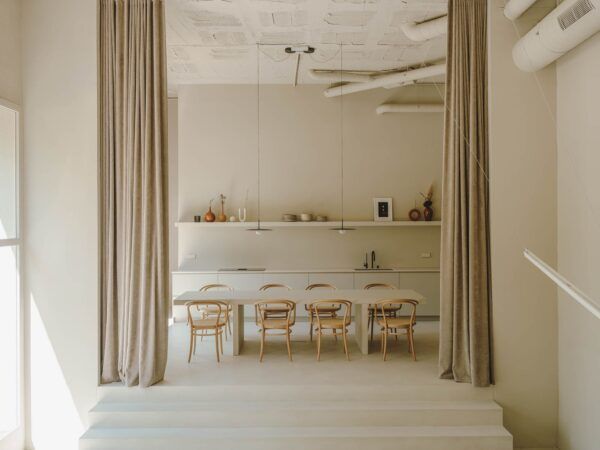
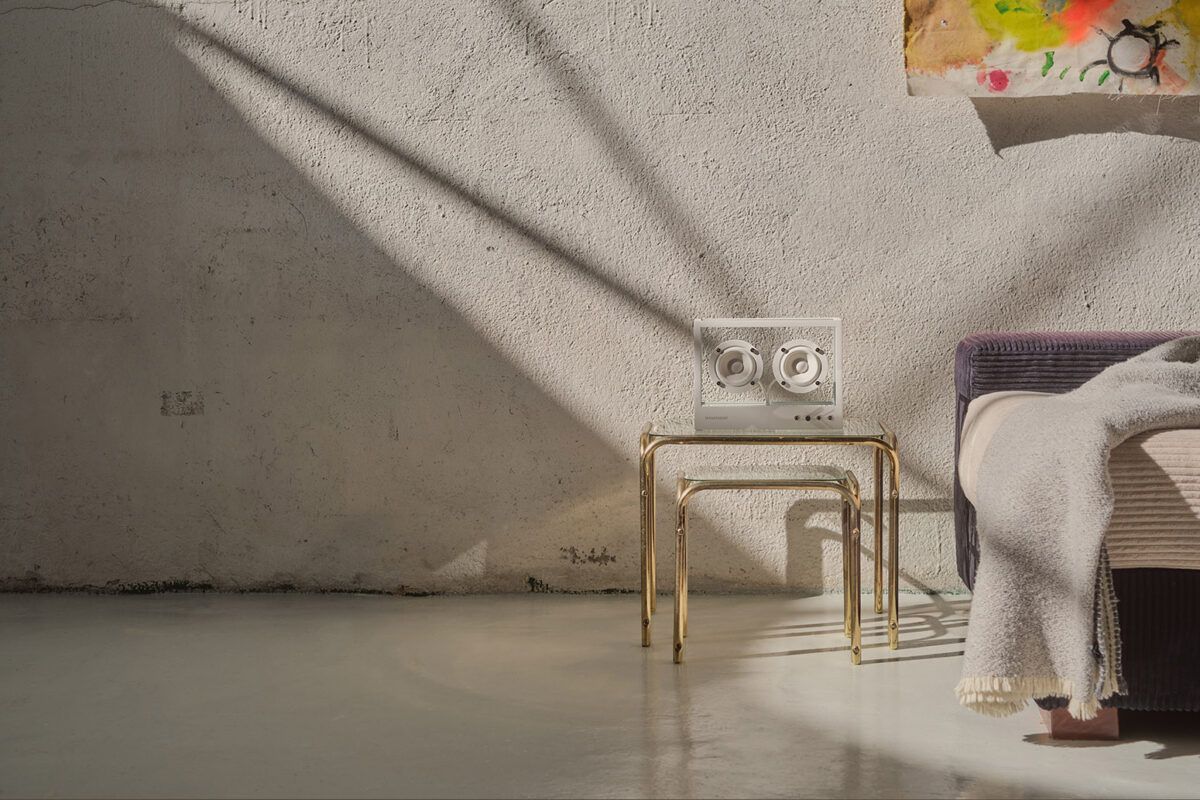
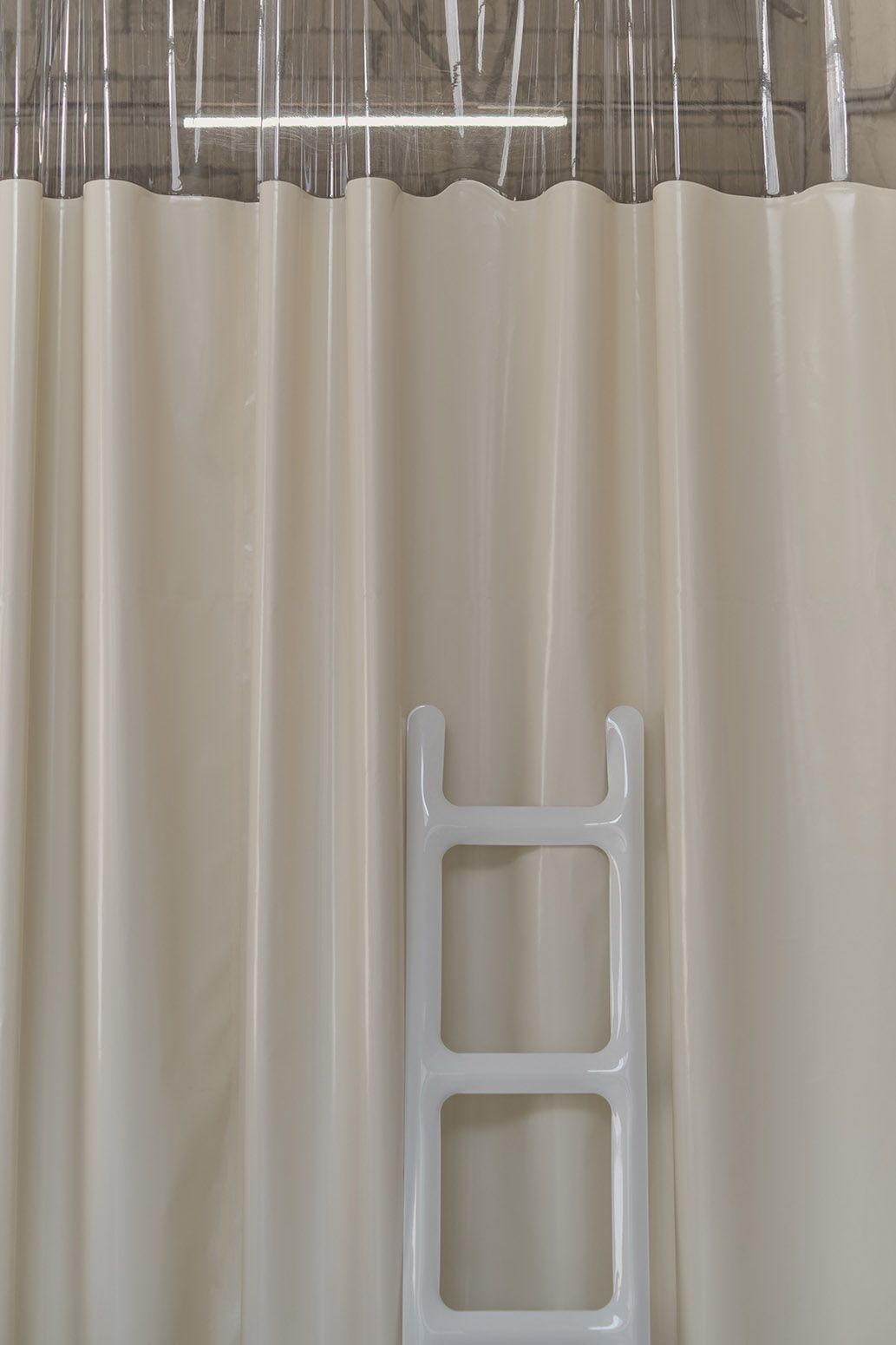
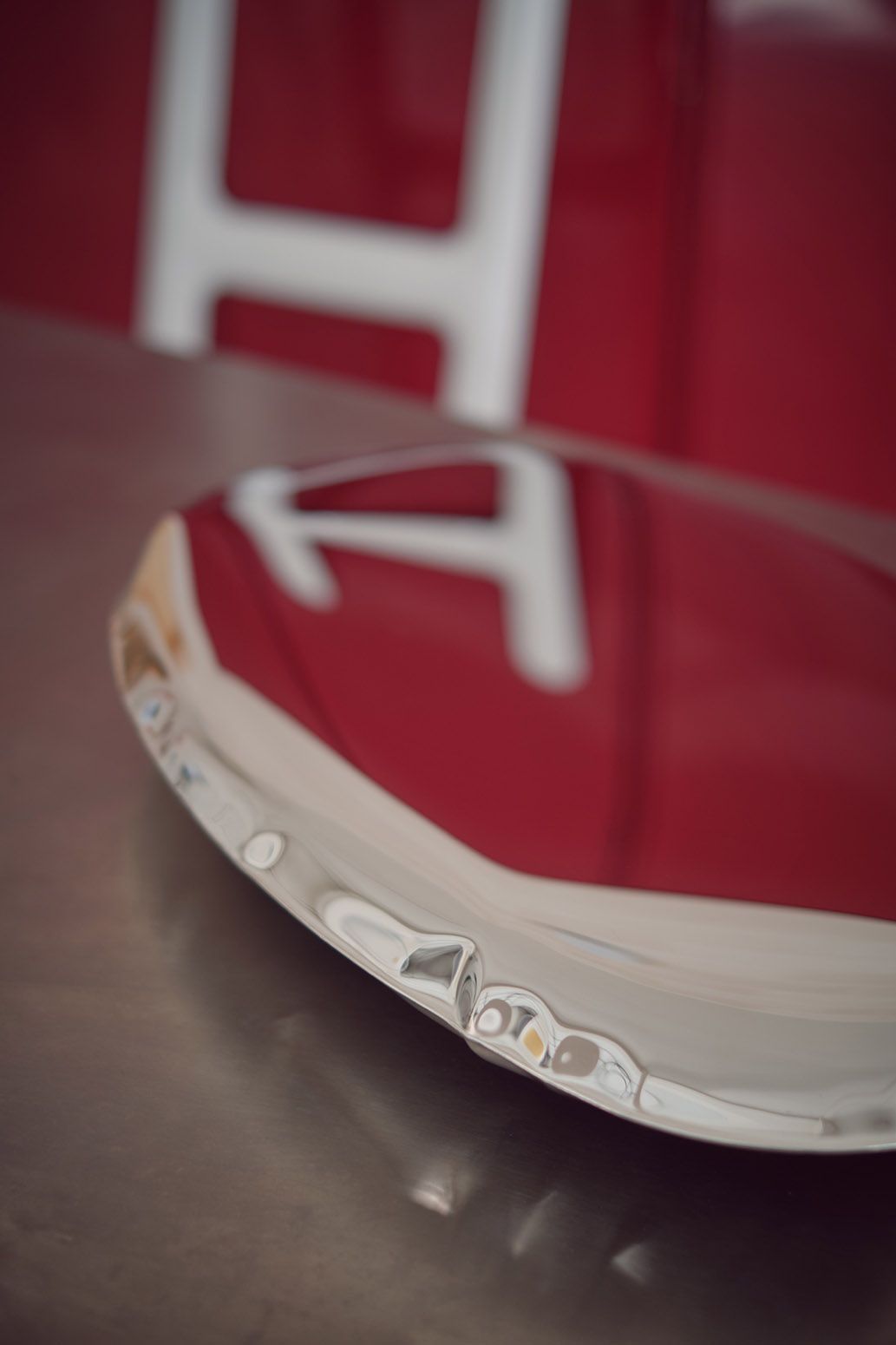
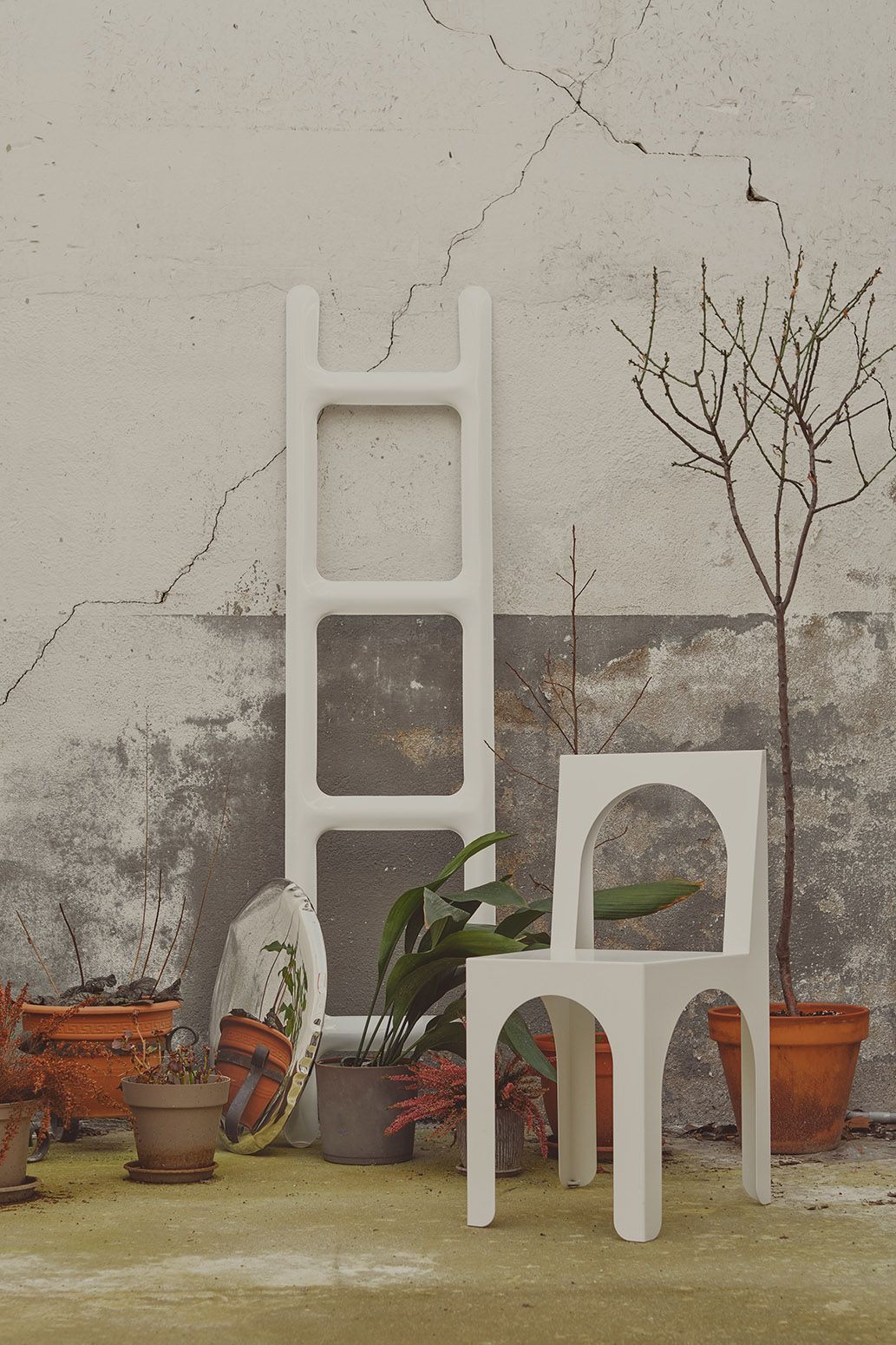
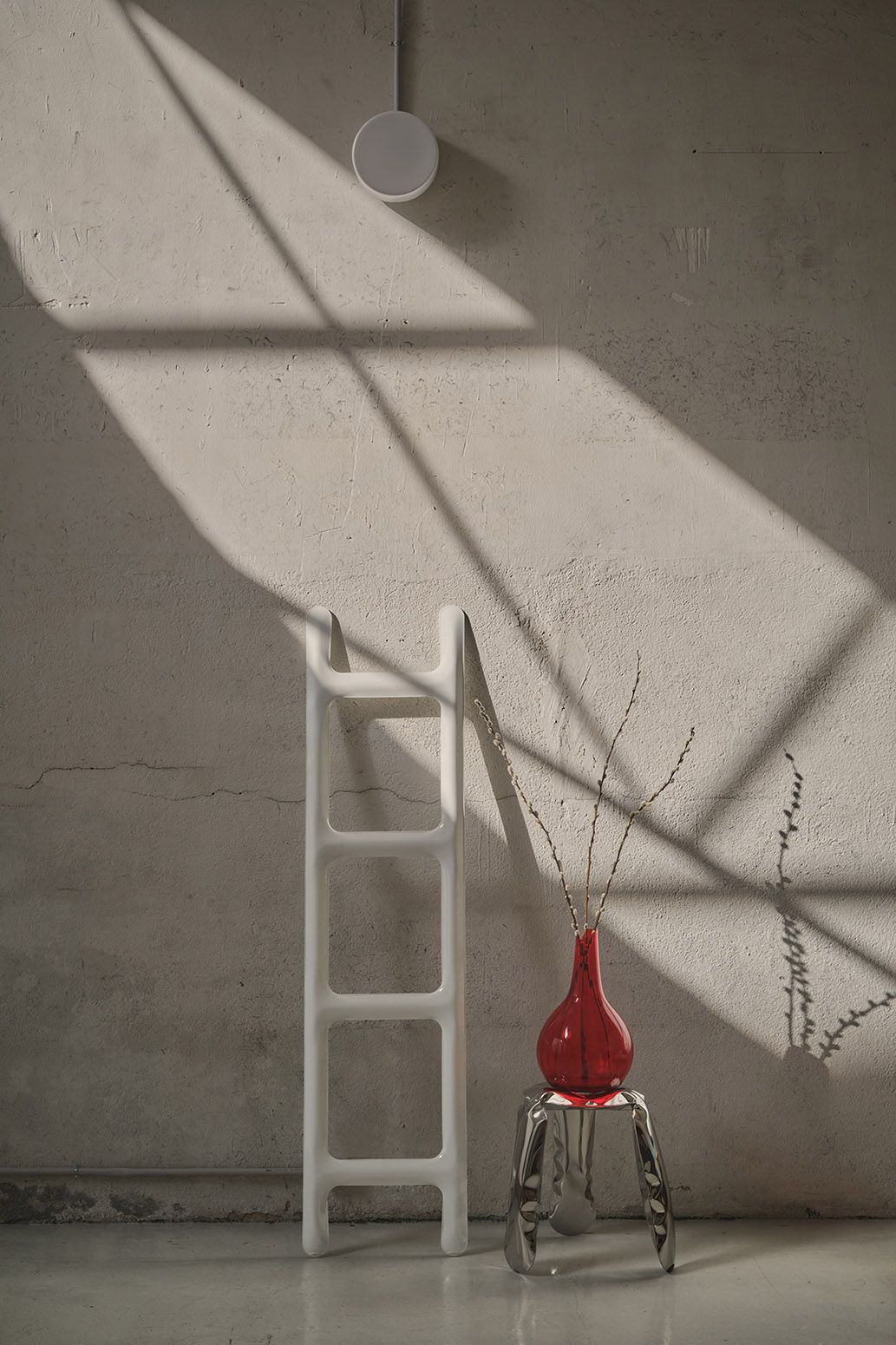
(*) Photos: CC/magazine, taken at Espacio Halo. The pieces shown are: Plopp Standard chrome stool, white Drab Hanger (ladder) and Tafla 05 mirror; “Claudio” chair designed by Arquitectura-G; Small Transparent white speaker.