Revisiting the Essence of HAY
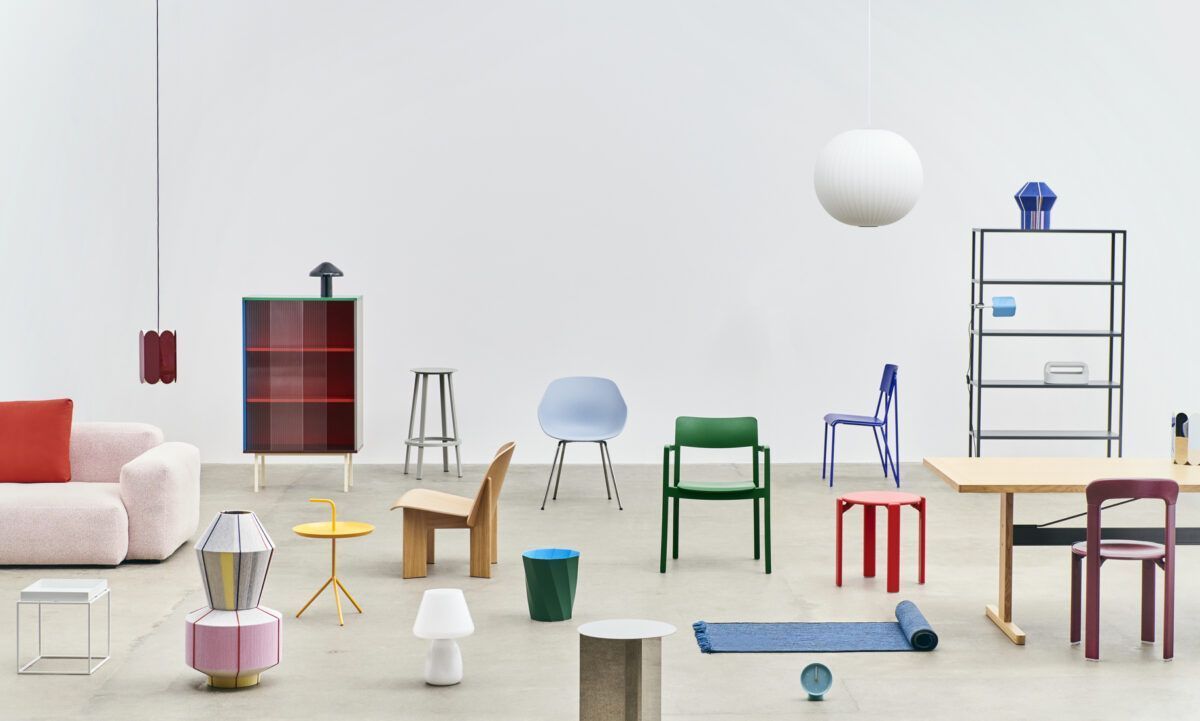
In a landscape dominated by fleeting trends and fast-paced consumption, HAY has achieved something that few brands can afford: remaining relevant without resorting to constant reinvention. Its unique value does not lie in bold statements but in its essence—an approach to design that balances functionality and aesthetics, the ordinary and the exceptional. All of this is achieved without falling into repetition or predictability, but rather by embracing a visual identity that stands the test of time.
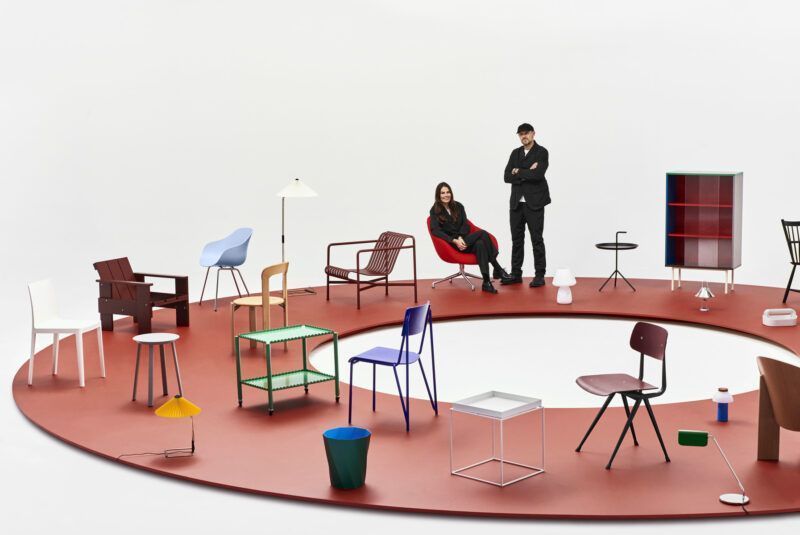

Founded in Denmark in 2002 by Rolf and Mette Hay, the brand has accomplished what once seemed impossible: democratising design without compromising its identity. If Nordic minimalism still holds significance in the 21st century, it is largely thanks to HAY. But not as an exercise in sterile austerity, rather as a language that finds beauty in well-thought-out simplicity, in the nuances of what appears effortlessly refined.
Its furniture, objects, and accessories do not shout for attention, yet they never go unnoticed. They blend seamlessly into everyday life without imposing their presence, proving that great design does not need grand statements to be essential.
“We want to make products that people truly care about.” Rolf & Mette Hay
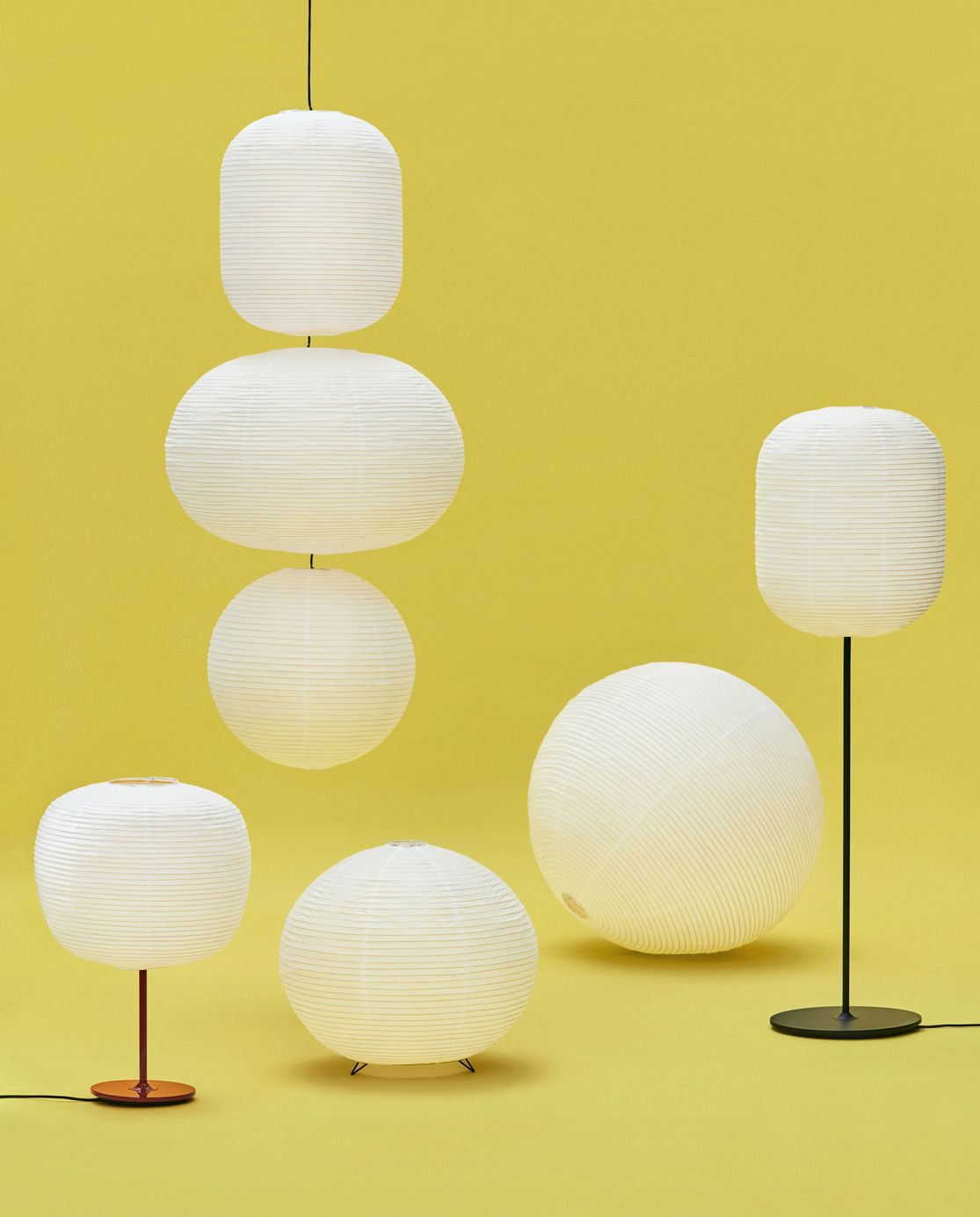
HAY‘s success is built on a simple yet powerful equation: accessible materials, refined forms, and a colour palette that balances serenity with boldness. Every piece, from a chair to a notebook, seems designed to fit seamlessly into any space without losing its character.
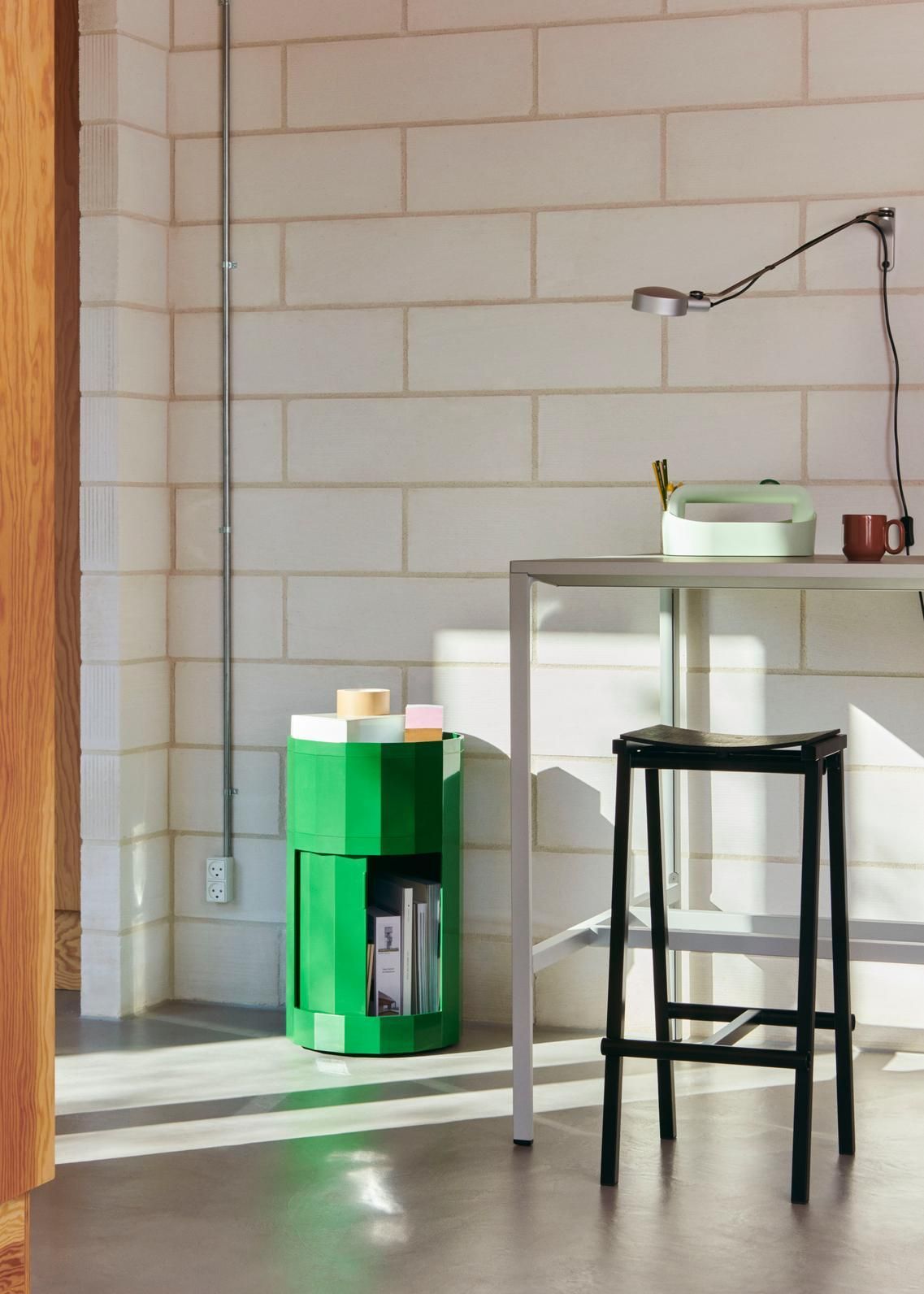
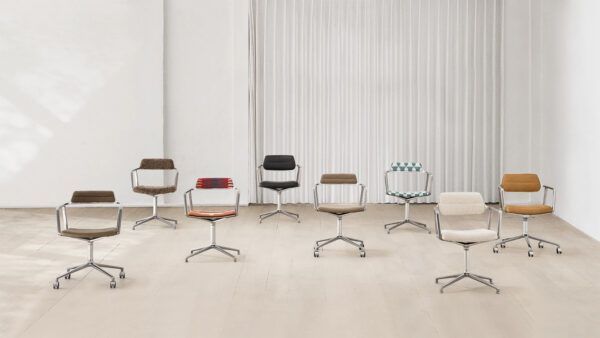
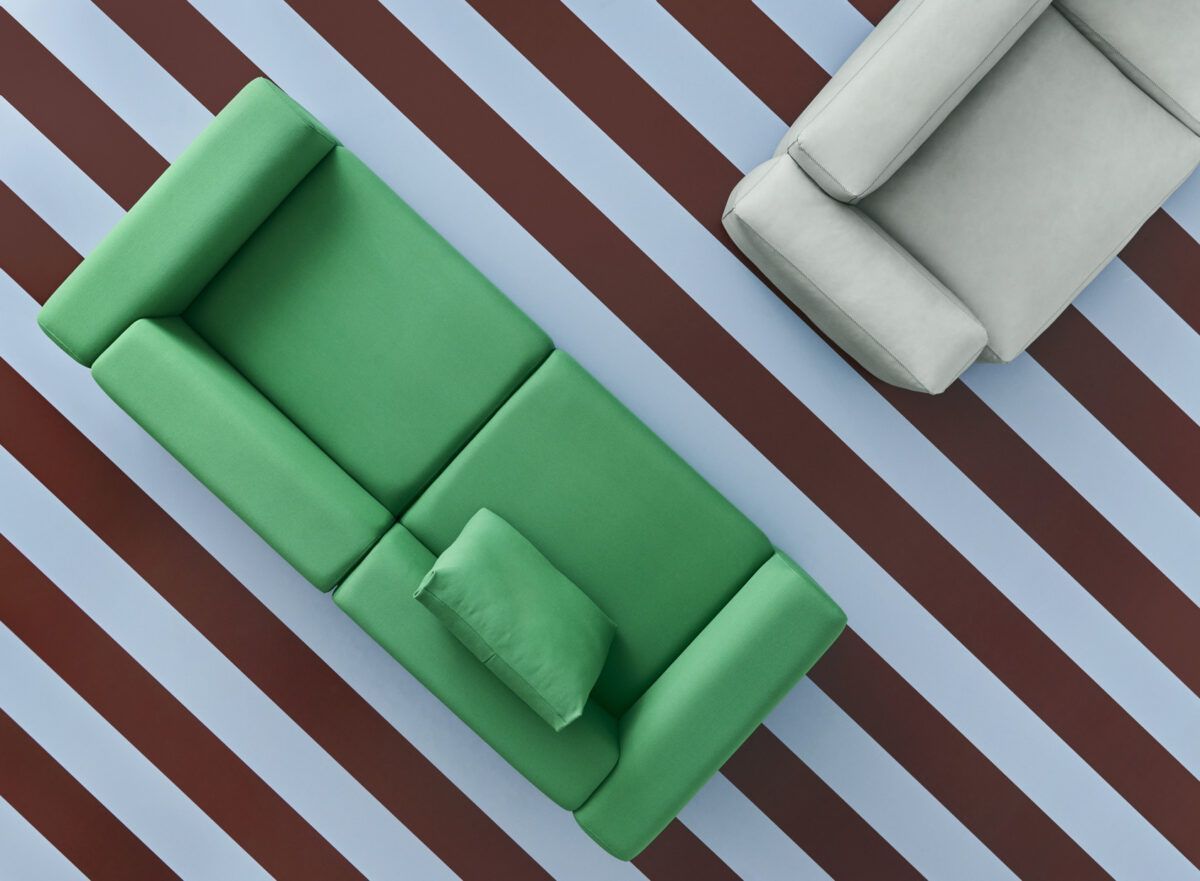
Because if there is one defining trait of the HAY universe, it is its ability to play with colour and form while maintaining perfect balance. The proof lies in its iconic About A Chair, the enveloping shapes of its Mags sofa, or the delicate functionality of its Matin lamps, which reimagine the nostalgic charm of pleated lampshades through a contemporary lens.
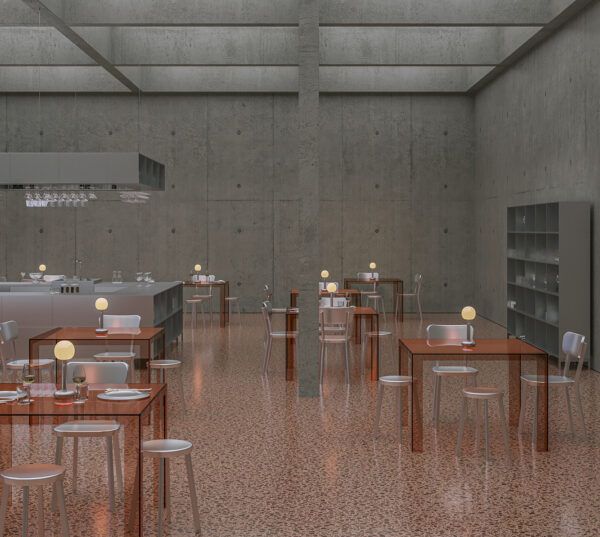
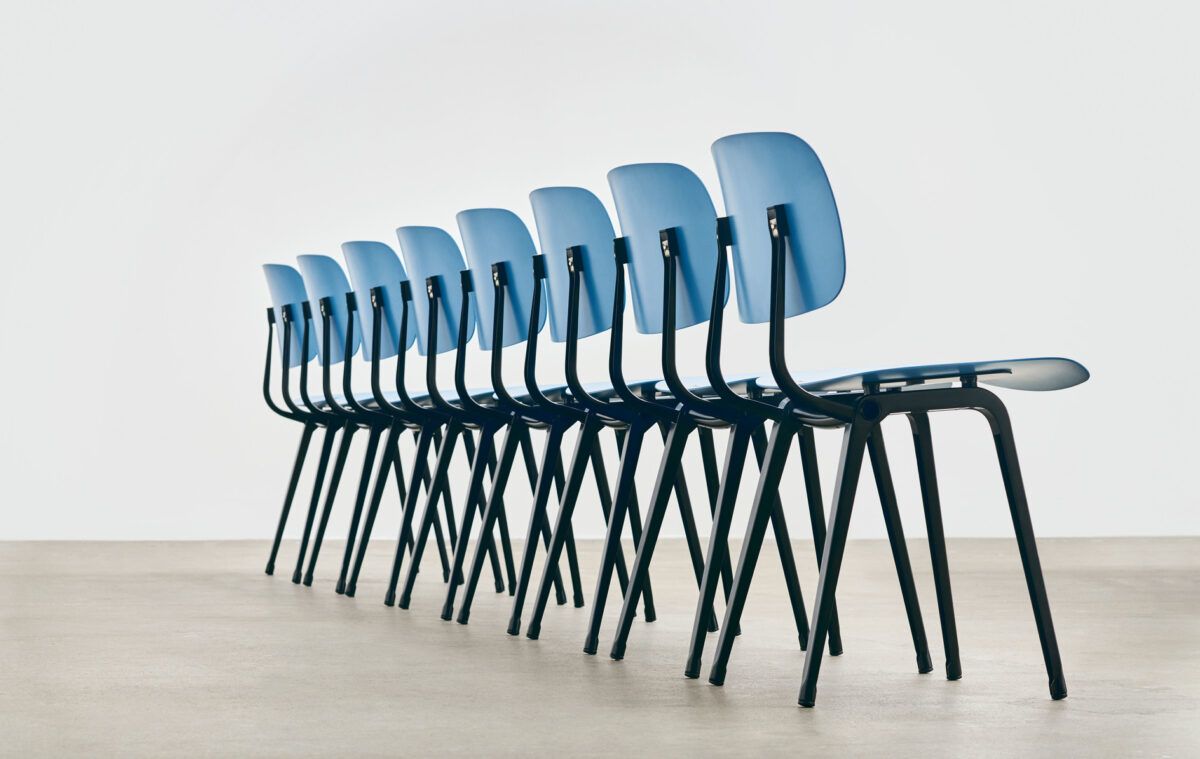
Over the years, the brand has developed a series of products that have achieved iconic status. The Palissade Collection, designed by the Bouroullec brothers, is a clear example of how HAY translates simplicity into sophistication—outdoor furniture that combines durability and aesthetics with an elegant yet functional steel structure. The Result & Pyramid tables and benches, created in collaboration with Ahrend, embody the brand’s timeless spirit with their refined industrial aesthetic and sustainable materials. And let’s not forget the Colour Crate, the modular storage system that has conquered modern interiors with its versatility and vibrant colour range.
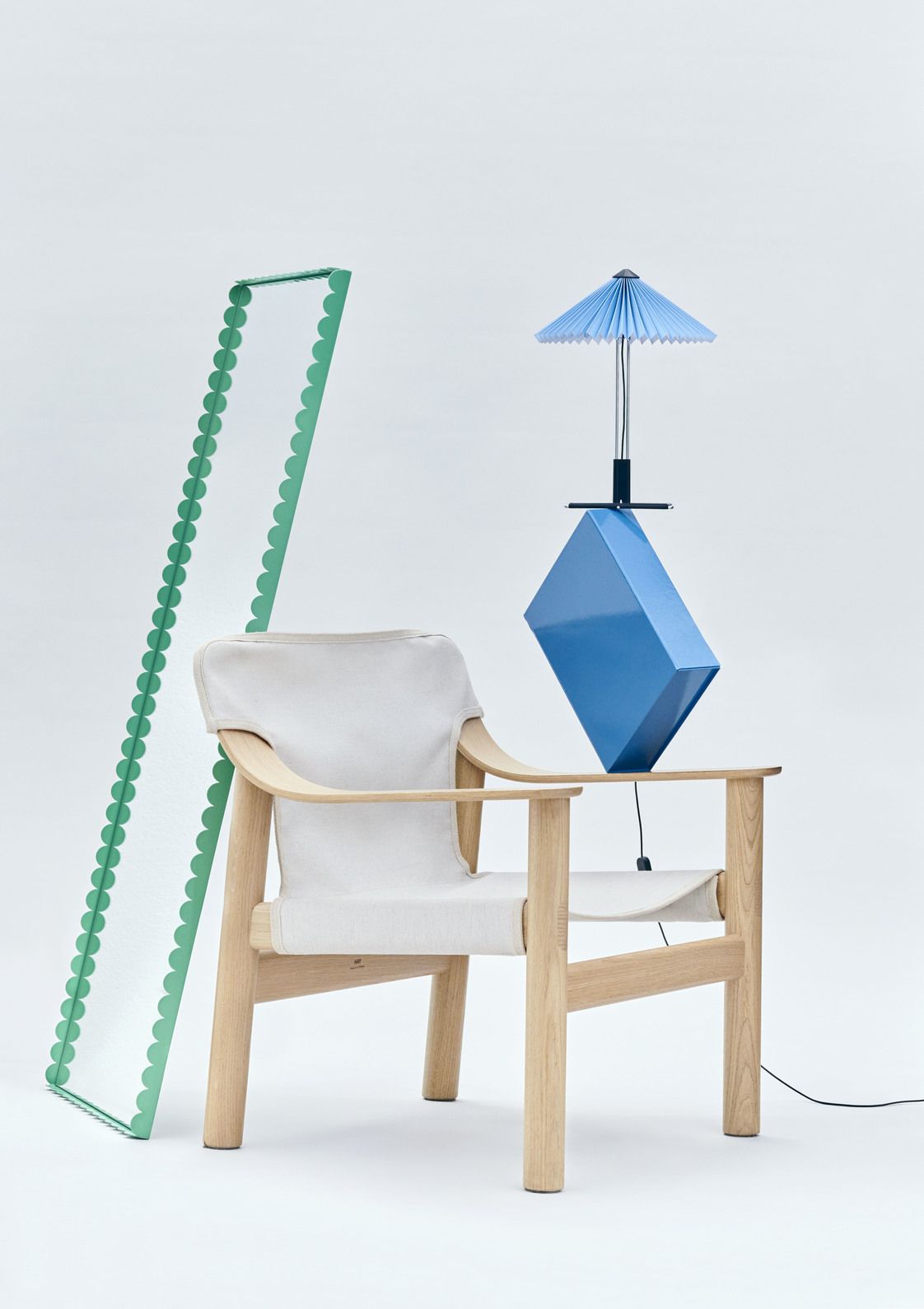
But HAY is not solely built on its own creative vision—it has also cultivated an ecosystem of collaborations that reinforce its status as an essential brand.
Among its most notable partnerships is the ongoing collaboration with Ronan & Erwan Bouroullec. Known for their minimalist approach and ability to merge aesthetics with functionality, the duo has contributed to key collections such as the Pier System shelving unit and the acclaimed Palissade Collection.
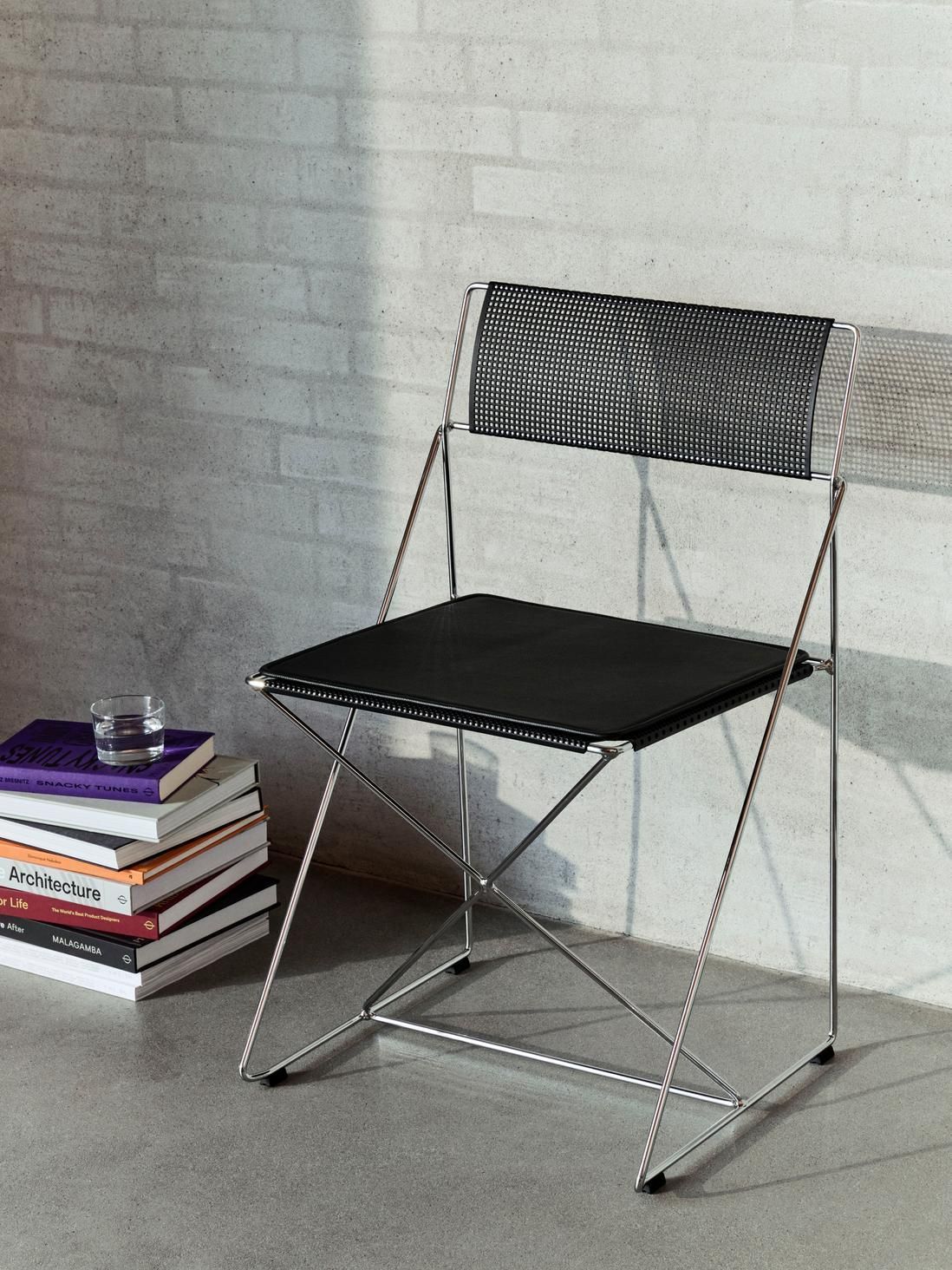
Another standout collaboration is with Niels Jørgen Haugesen, who originally designed the X-Line Chair in the late 1970s. This relaunch of a Danish design classic perfectly encapsulates the high-tech movement of that era.
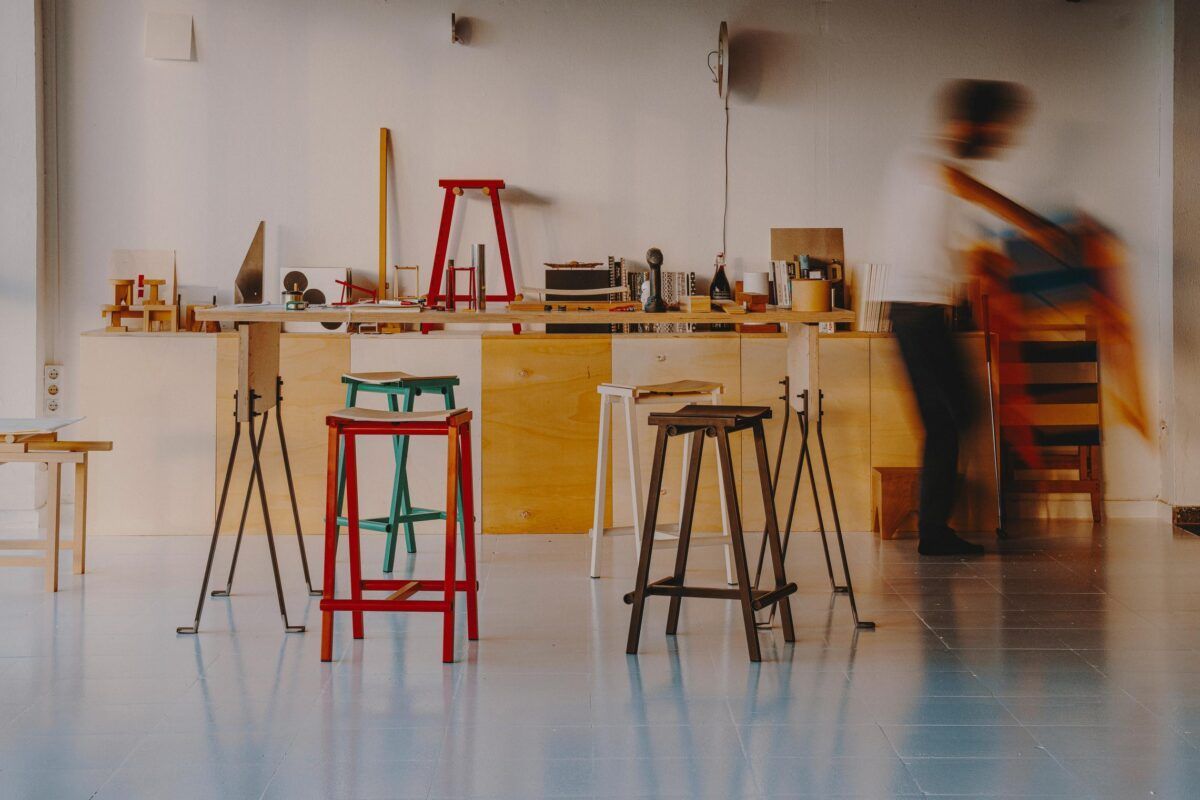
HAY has also partnered multiple times—and always exceptionally—with Belgian design duo Muller Van Severen. Notable examples of their work include the Colour Rack coat stand, the Arcs mirrors, and the Ceramic table. One of HAY’s most recent collaborations is with Marc Morro, who has designed the Stool 8, a unique and striking piece that unmistakably bears the signature style of the Mallorcan designer.
At the heart of HAY’s philosophy lies its creative process—one of its fundamental pillars. Every piece is conceived with both functionality and aesthetics in mind, embracing a multidisciplinary approach that brings together designers, engineers, and artisans. Experimentation with materials, ergonomics, and technological innovation is key to every new product.
HAY’s design team works with the principle that every object should be intuitive, easy to use, and add value to everyday life. This approach results in pieces that are not only visually appealing but also enhance the user’s daily experience.
The production process at HAY is equally meticulous. The brand strikes a balance between industrial production and craftsmanship, ensuring that each piece meets high-quality standards. Advanced techniques are used to optimise material use and minimise waste. Additionally, HAY collaborates with manufacturers and suppliers who share its commitment to sustainability, prioritising recycled materials and responsible production processes.
“You know you’ve achieved it when you feel something similar to loving someone: everything is there. There is nothing to take away, nothing to add.” Bouroullec Brothers
Without further ado, and as we highlighted at the beginning, HAY continues to prove that true modernity is not about constant reinvention but about enduring relevance. Its transformation is not loud, yet it is undeniably effective. It does not rely on grandiose campaigns to cement its position or spectacular launches to capture attention. Consistency is its hallmark, and by focusing on the beauty of simple things, it reminds us that the best design is the kind that integrates seamlessly into everyday life without demanding attention.
(*) Photos courtesy of HAY.