El Molino beats again: A new stage for jazz and culture in Barcelona
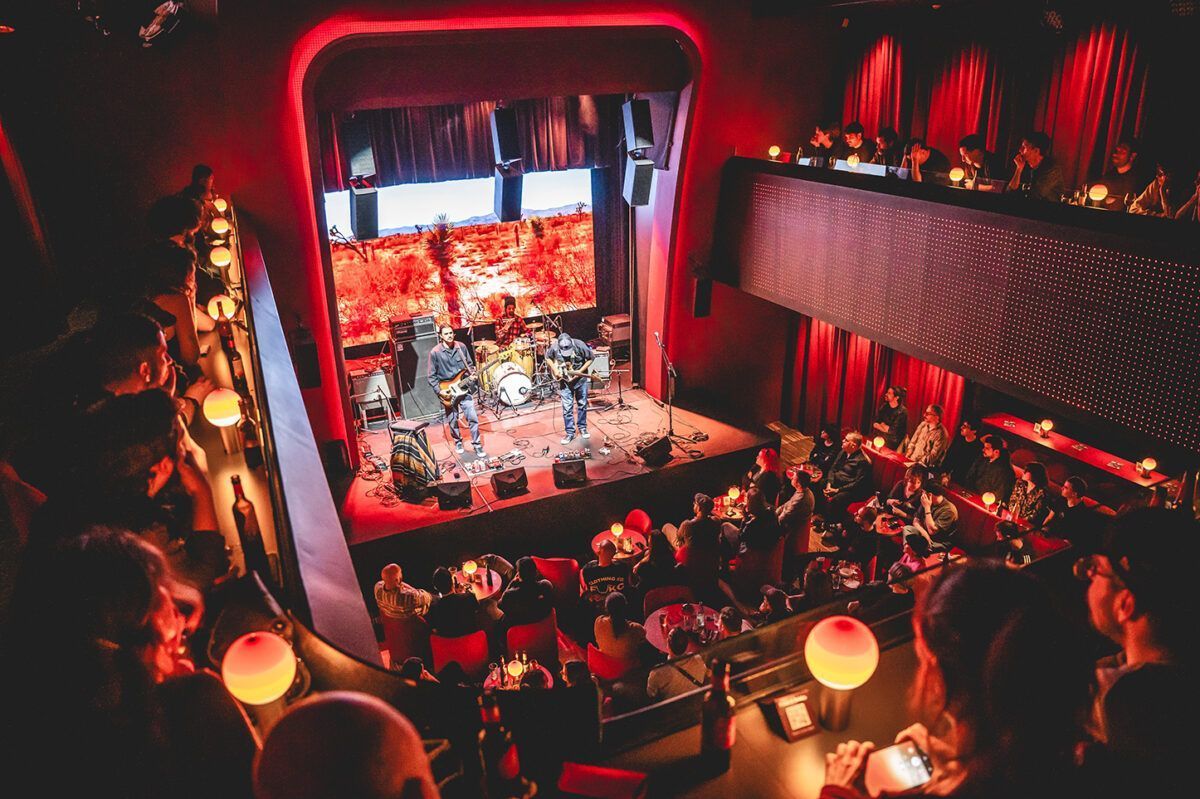
After a decade of silence, El Molino‘s iconic red blades are spinning once more. And they do so with renewed strength, purpose, and a fresh spirit that breathes music, art and reinvention. Since its reopening on 27 October 2024, this historic venue on Avinguda del Paral·lel has made one thing clear: its return is far from symbolic — it’s here to become one of Barcelona’s most compelling cultural references.

From rebellious cabaret to contemporary cultural epicentre
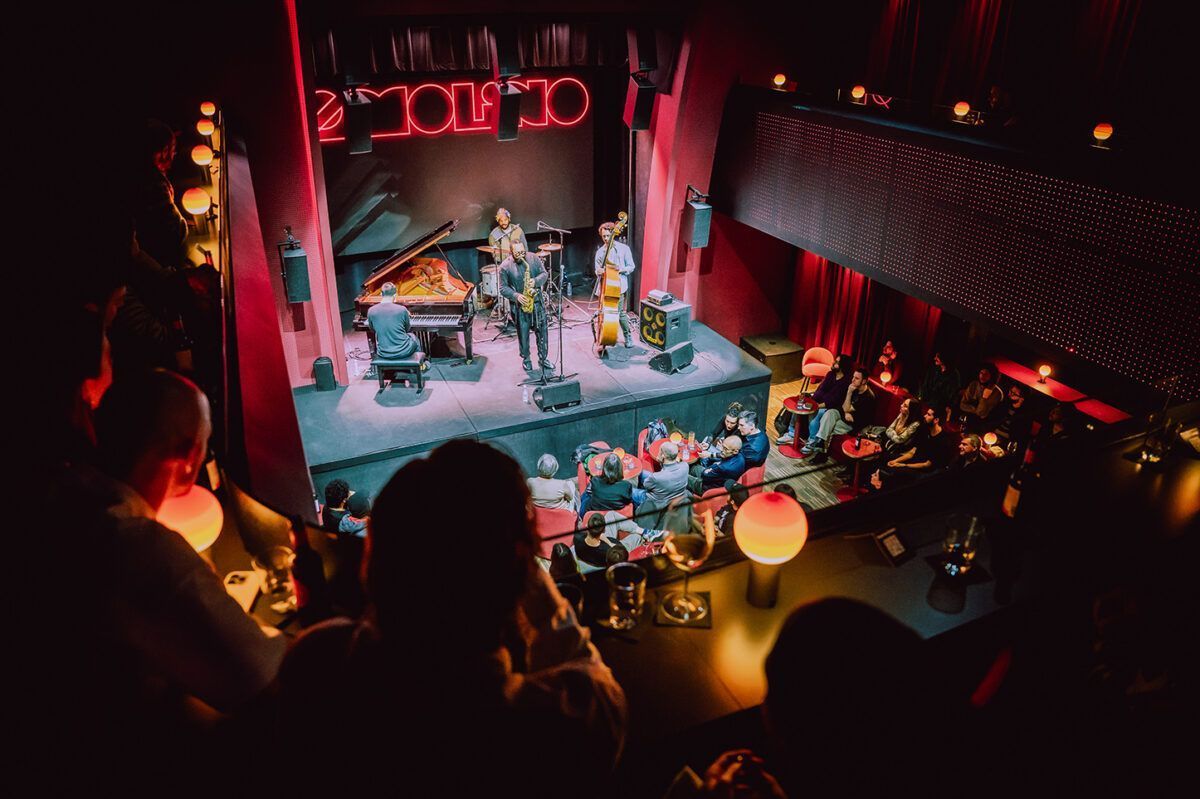
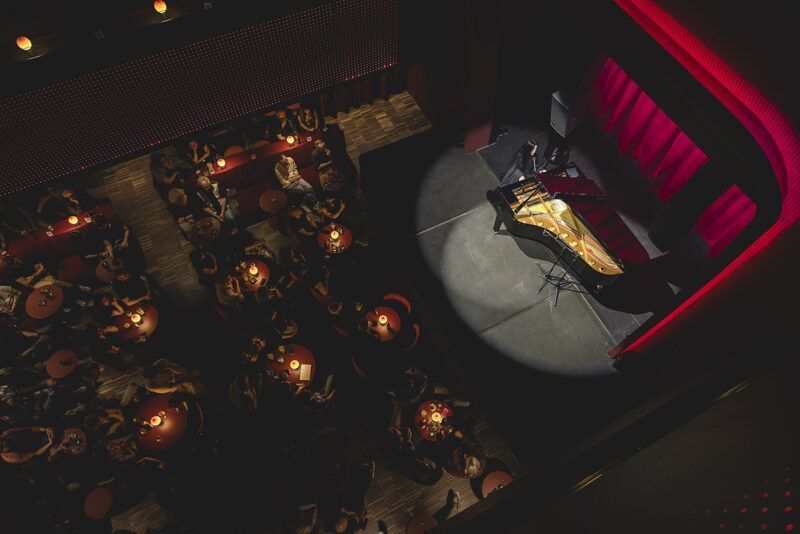
Now under the direction of Barcelona Events Musicals (BEM), the organisation behind the Cruïlla Festival, El Molino has been reborn as a stage for jazz, soul, flamenco, folk and singer-songwriter performances. A 21st-century theatre that honours its legacy while fearlessly embracing the future, with a programme that blends big international names with emerging local talent.
A heartbeat that began in 1898
El Molino is no ordinary theatre — it is a symbol. Opened in 1898 as La Pajarera Catalana, it was renamed Petit Moulin Rouge in 1910, taking inspiration from its Parisian counterpart. Soon, it became one of the most emblematic venues of bohemian, rebellious Barcelona, where cabaret, cuplé and political satire mingled with an effervescent nightlife.
Throughout the 20th century, El Molino served as a refuge for artists, thinkers, comedians and misfits — a place where norms were broken, and difference was celebrated. Its stage hosted icons such as La Bella Dorita and Lita Claver “La Maña”, and its facade — those unmistakable red blades against the city skyline — became a cultural landmark.
But the story wasn’t without shadows: closures, decline, failed revivals. Until now. In 2024, El Molino isn’t just reopening — it’s being reborn, with a fresh, cross-disciplinary energy that feels thoroughly contemporary.
A project with a clear identity
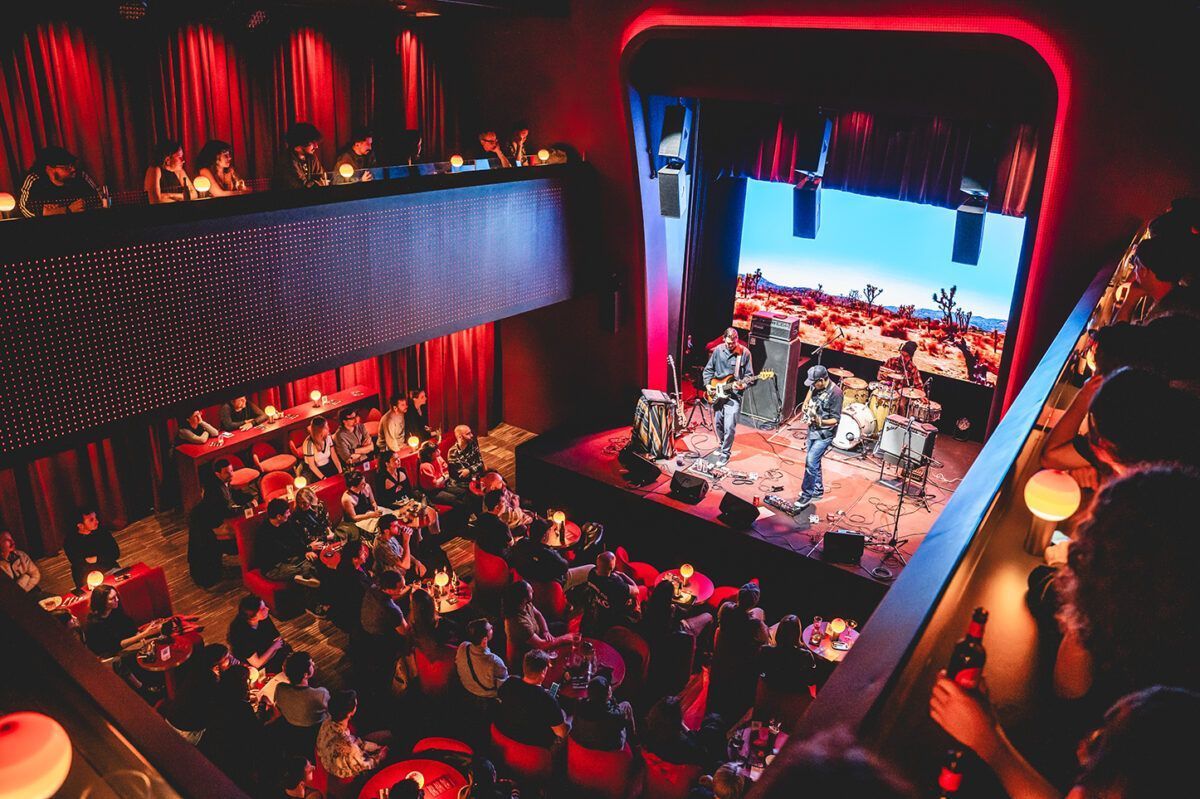
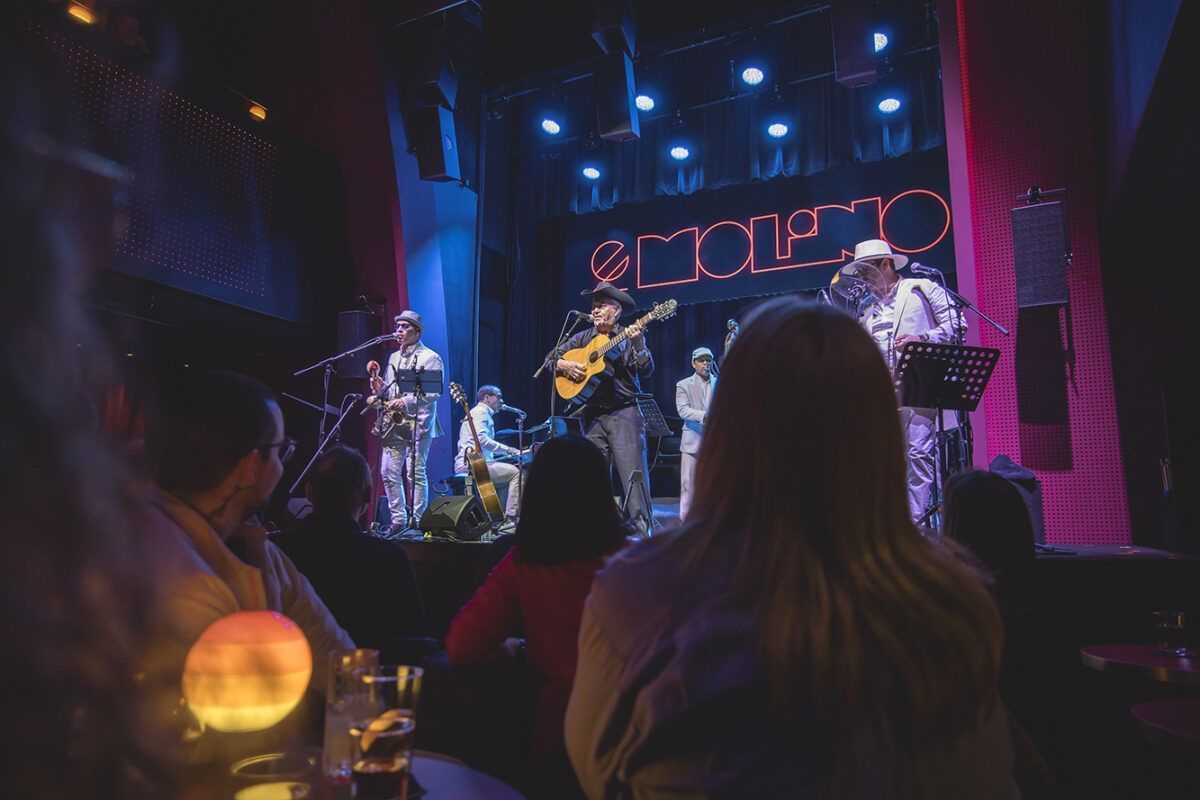
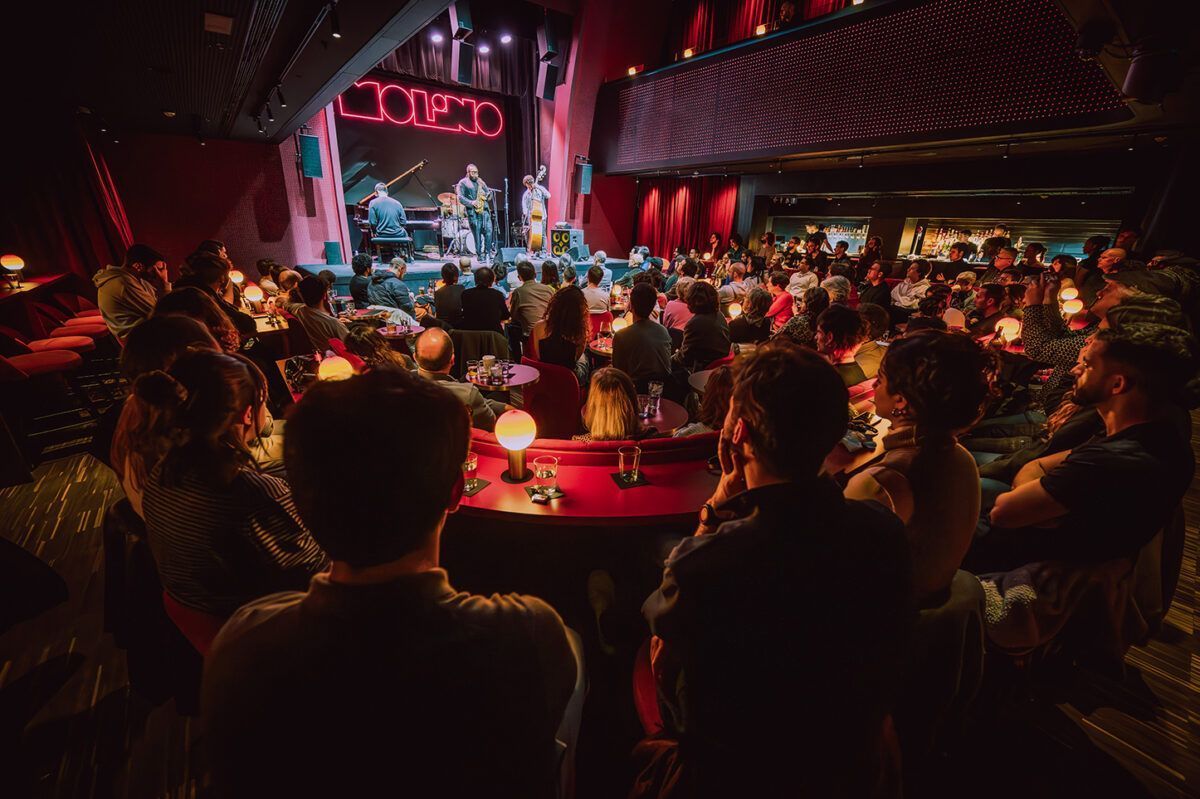
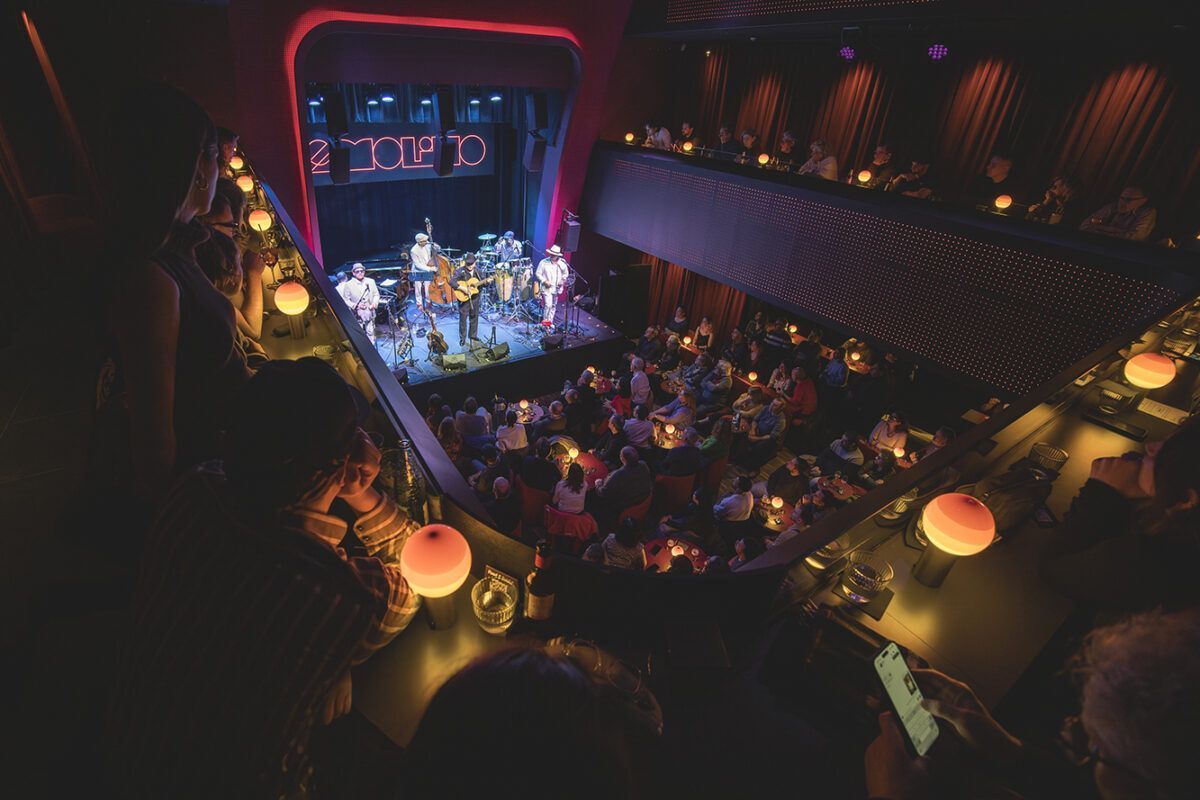
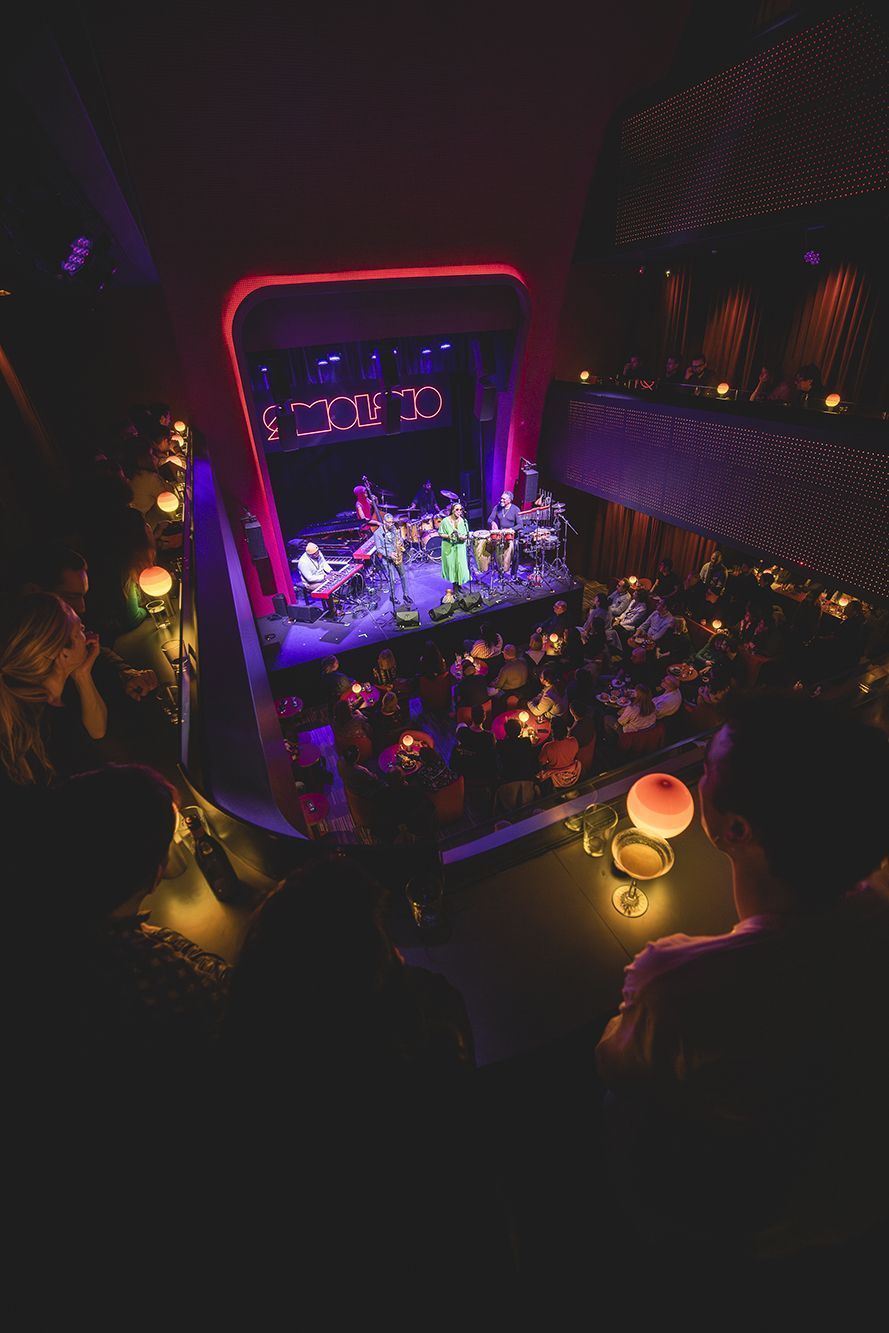
This new chapter for El Molino is not a nostalgic restoration, but a bold cultural and strategic vision. With a capacity of 250, the space has been redesigned as an intimate club, with a warm and immersive atmosphere. Here, each show becomes a complete experience: live music, moody lighting, curated dining and signature cocktails.
“The aim is to establish El Molino as an international reference for soulful music.”
The aim is clear: to establish El Molino as an international reference for soulful music.
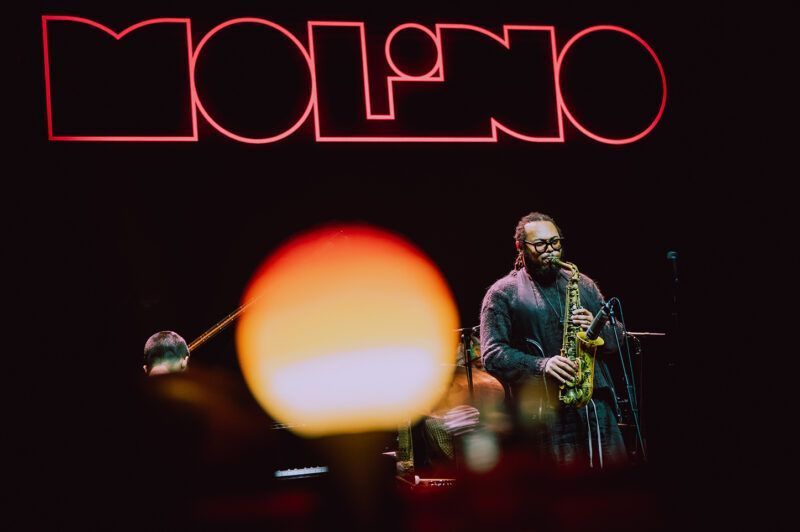
While jazz takes centre stage, the venue also opens its doors to soul, contemporary flamenco, global folk, and acoustic singer-songwriters. The programme reflects diversity and artistic quality, bringing back that unique spirit of fusion so characteristic of this venue.
A line-up that captivates
Since its reopening, El Molino has hosted top-tier artists. Its stage has seen performances by Donald Harrison, Eliane Elias, Kahil El’Zabar Quartet, Bill Frisell, Uri Caine, Ayo, Fatoumata Diawara, Eliades Ochoa, and emerging Catalan talent Julia Blum. And this is just the beginning.
The artistic direction focuses not only on musical excellence but also on diversity and inclusion — embracing different generations, cultures and genres. The goal: to build community, connect with a wide-ranging audience, and deliver experiences that resonate.
In addition to concerts, El Molino has launched the Hilària Club de Comèdia, a weekly comedy night filled with fresh, original monologues. And on weekends, the venue transforms into a vibrant club, with DJs spinning vinyl classics and cutting-edge electronica in equal measure.
Gastronomy, design and immersive experience
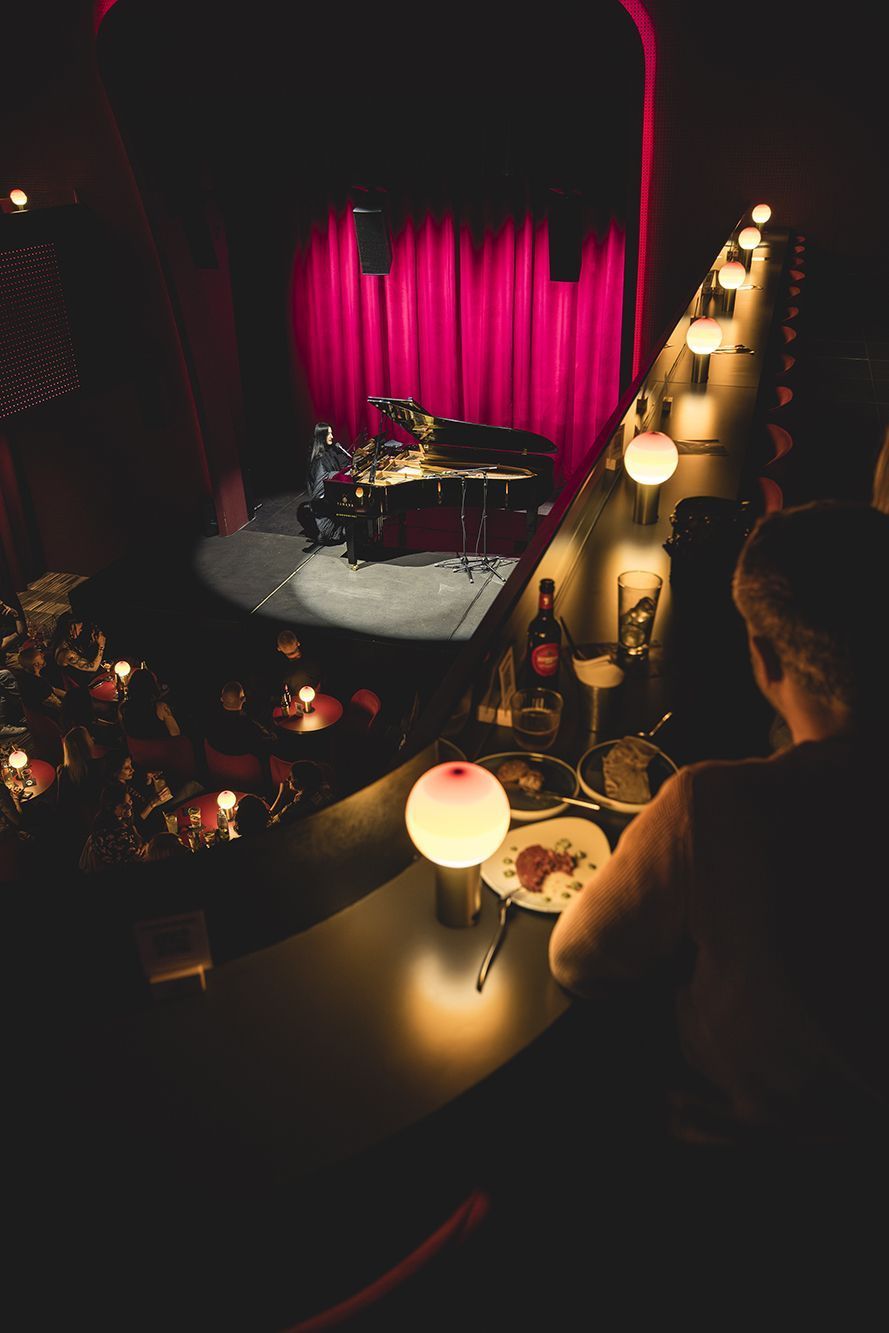
The El Molino experience extends far beyond the stage. Guests can enjoy a menu of signature tapas, natural wines, craft cocktails and locally sourced drinks. The culinary offering is curated with the same care as the artistic programming — the aim is for every visit to feel like a fully sensorial journey.
“The El Molino experience extends far beyond the stage.”
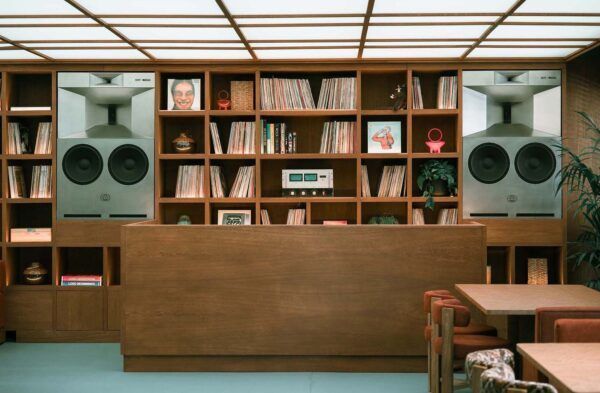
Interior design also plays a central role in this new era. Led by studio External Reference, the décor blends cabaret charm with contemporary materials, resulting in a space that feels both theatrical and intimate. Every detail pays tribute to the venue’s legacy while speaking in a modern design language.
A new pulse for the Paral·lel
El Molino’s revival is part of a wider movement to reinvigorate the cultural life of the Paral·lel — once the beating heart of Barcelona’s nightlife.
Today, alongside venues like Apolo, Barts and Paral·lel 62, El Molino is helping restore this historic avenue’s cultural prominence.
The response from the public has been overwhelmingly positive. Jazz lovers, creatives, curious travellers, and local audiences of all ages have embraced the new El Molino. There was clearly a hunger for a space like this.
What’s more, the venue has committed to working with music schools, cultural institutions, and community groups — becoming a space for learning, inclusion and local connection.
Tickets can be purchased online, and many events include a drink or dinner pairing. Booking in advance is strongly recommended, as shows tend to sell out quickly due to the venue’s limited capacity.
“Interior design also plays a central role led by studio External Reference.”

El Molino today: between memory and modernity
To speak of the new El Molino is to speak of a space where memory and modernity co-exist. Where the echo of cabaret rings out through notes of jazz. Where the irreverence of the past merges with the sophistication of the present. Where every night becomes a tribute to creativity.
In an era where many cities are losing their unique venues to generic or overcrowded offerings, El Molino stands as a luminous exception. A testament to how a historic space can be reborn without losing its soul. Proof that culture can be bold yet accessible, ambitious yet welcoming.
Yes, El Molino is back. But not as a museum piece of Barcelona’s past — rather, as a living, breathing venue to experience the present intensely. And above all, a place to imagine new futures, through music, art and shared emotion.
(*) Photos courtesy of El Molino. Photographers: Víctor Parreño and Xavi Torrent.