The photographic and still lifes of Hugh Davison
Australian photographer Hugh Davison is redefining the language of the contemporary still life with images that are precise, poetic, and laced with quiet humour. His work transforms the everyday into visual art full of intention, balance and personality.
The silent poetry of the everyday
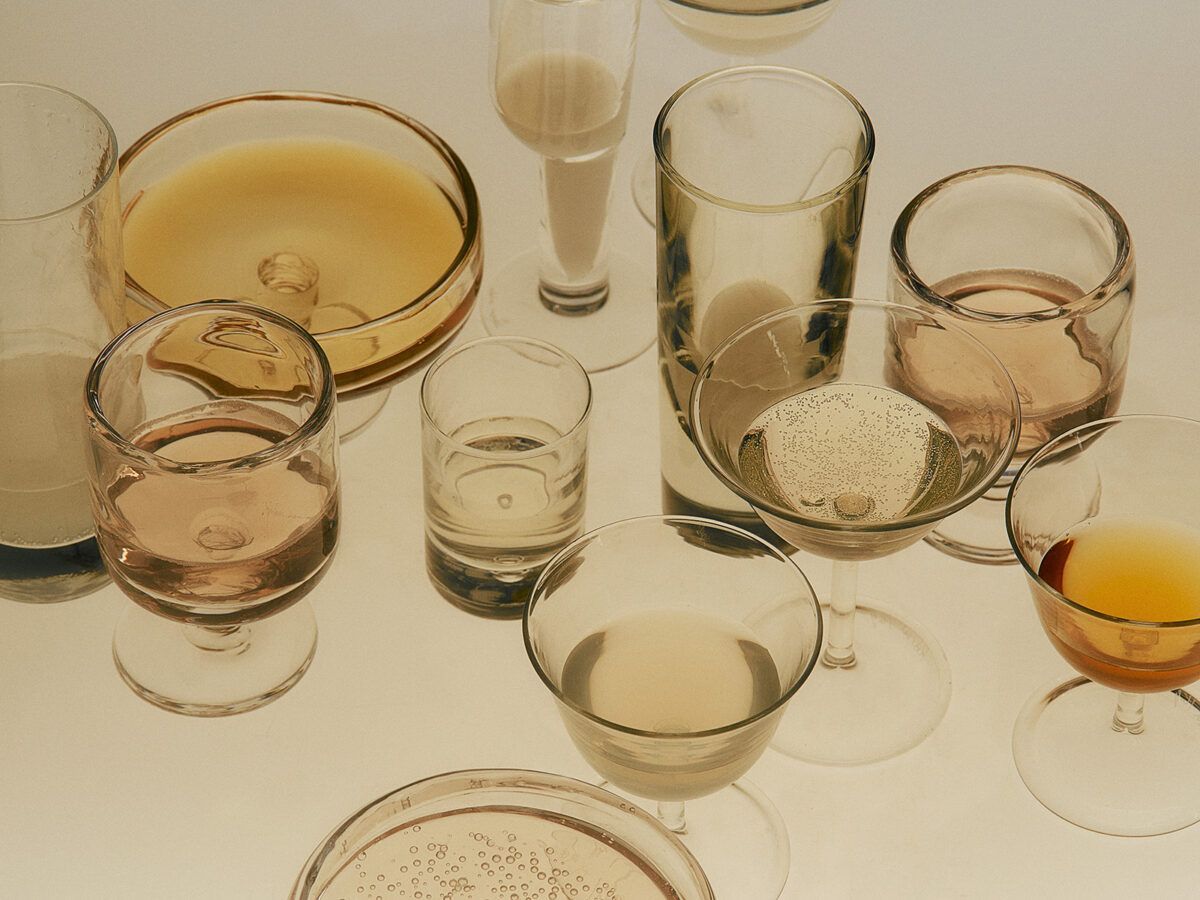
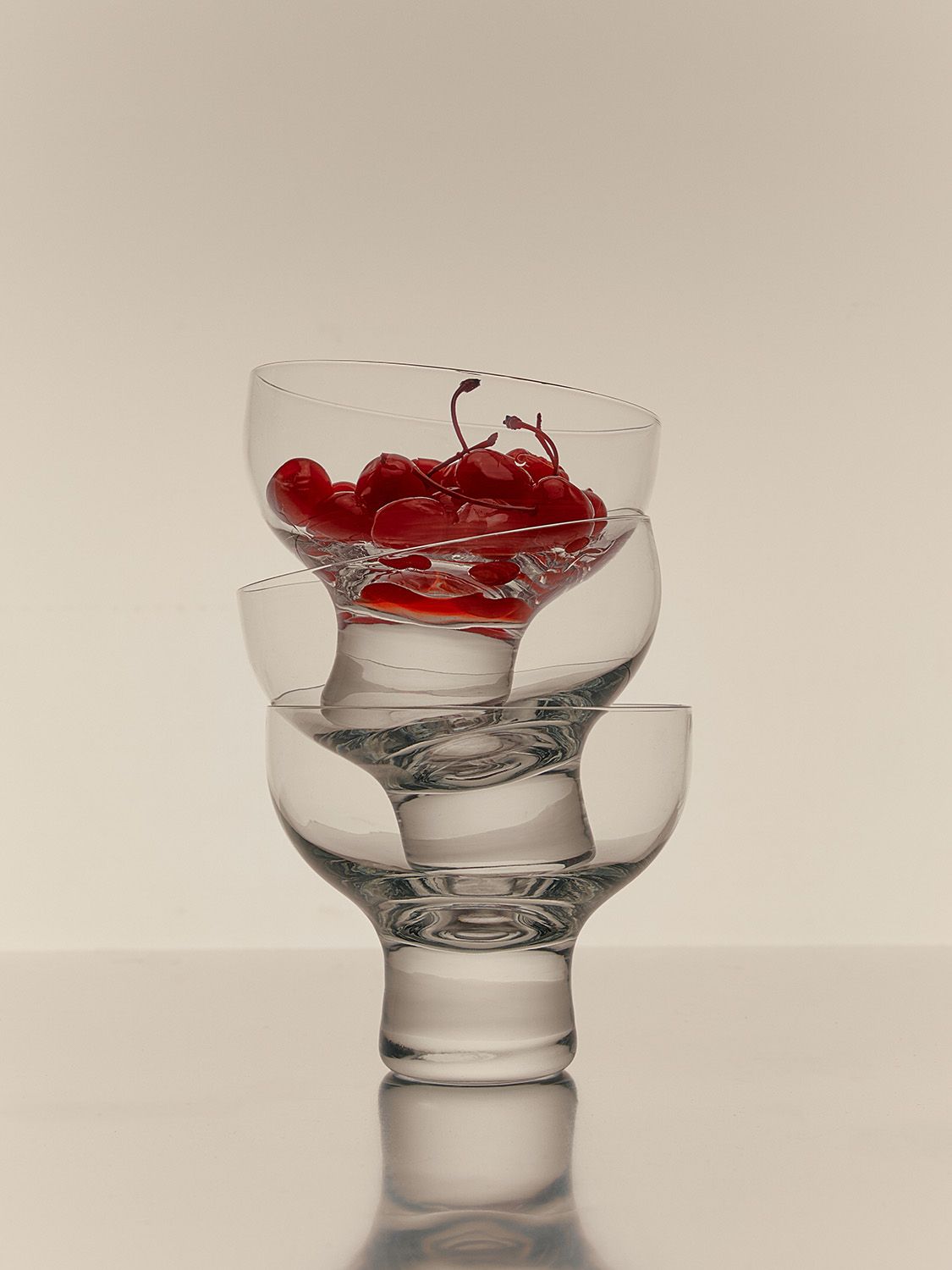
There’s something hypnotic about Hugh Davison’s photographs. Each image — clean, exact, serene — seems to contain a miniature story. His still lifes reveal the hidden beauty of the simplest objects: a sliced fruit, a fold of paper, a fleeting shadow.
Davison is one of the most distinctive voices in contemporary photography. His style is instantly recognisable: a balance of precision, wit, and deeply human sensitivity.
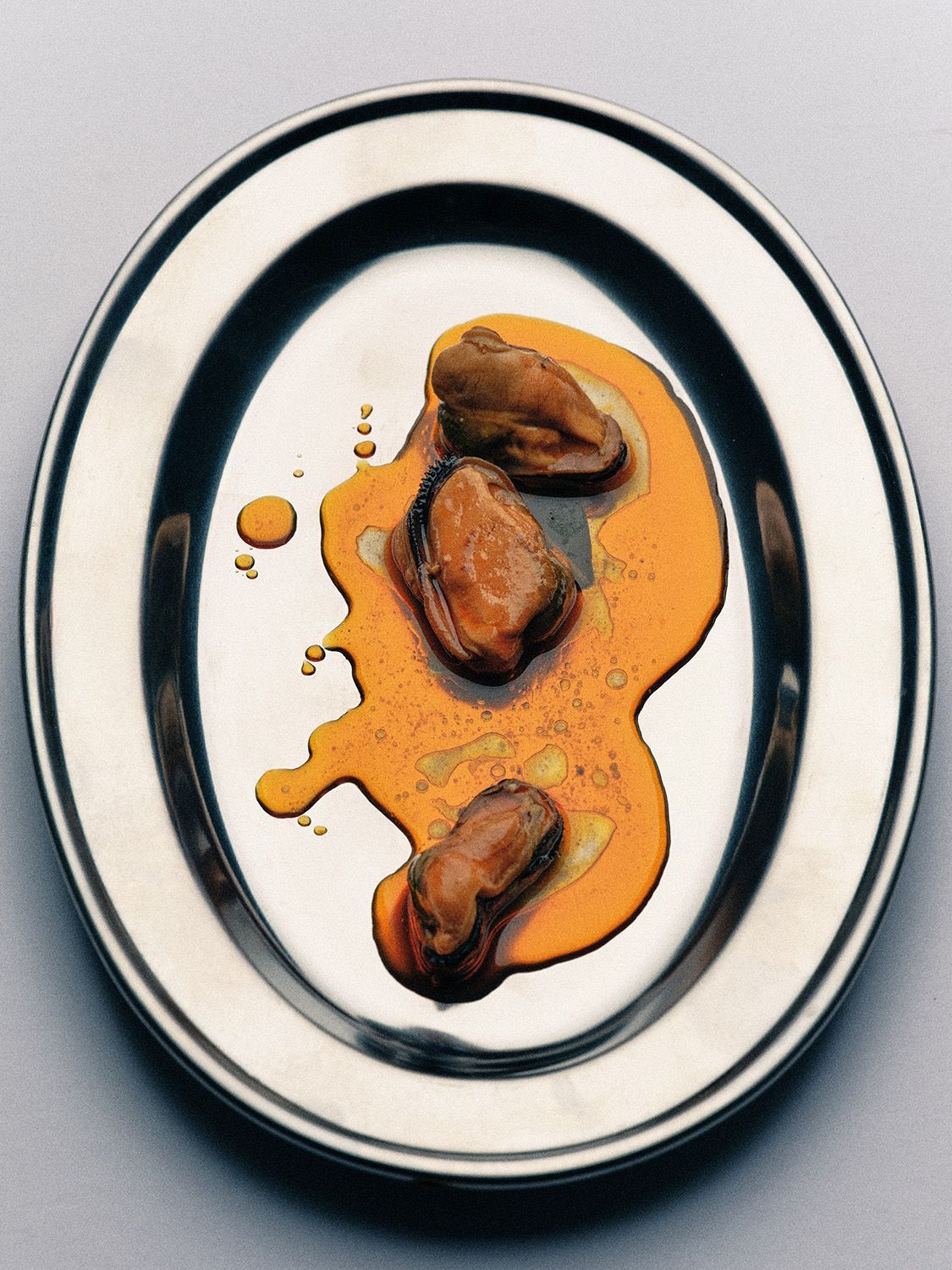
“I was a chef before I became a photographer” , he explains. “I’ve always been interested in food, and still life allowed me to keep exploring that connection from a different angle”.
His past in the kitchen defines his process: order, detail, rhythm. Visual composition becomes a kind of recipe, where every ingredient matters.
The invisible gesture
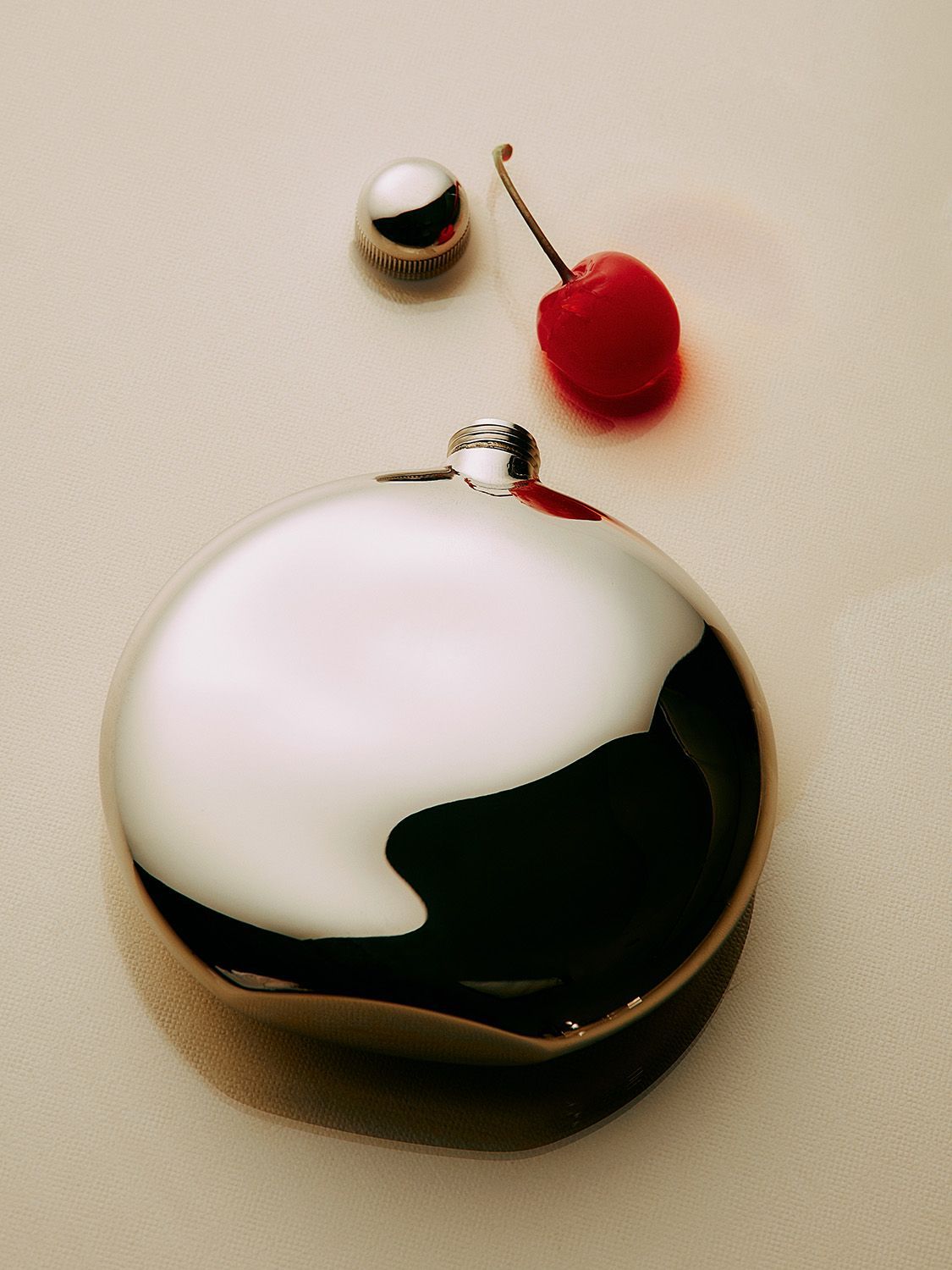
Davison doesn’t chase impact. He prefers the quiet gesture, the pause, the silence between things. His images have a performative quality: objects become actors, caught in moments of subtle strangeness.
“Objects almost become characters”, he says. “But there’s no single way of working. I do it as a team — stylists, assistants, art directors… everyone contributes something essential”.
He describes his shoots as open processes. “I’d love to plan more, but I enjoy watching the image reveal itself. When everything is too prepared, it never quite works out as you’d expect”.
His method relies on intuition — letting the image breathe.
Light as material
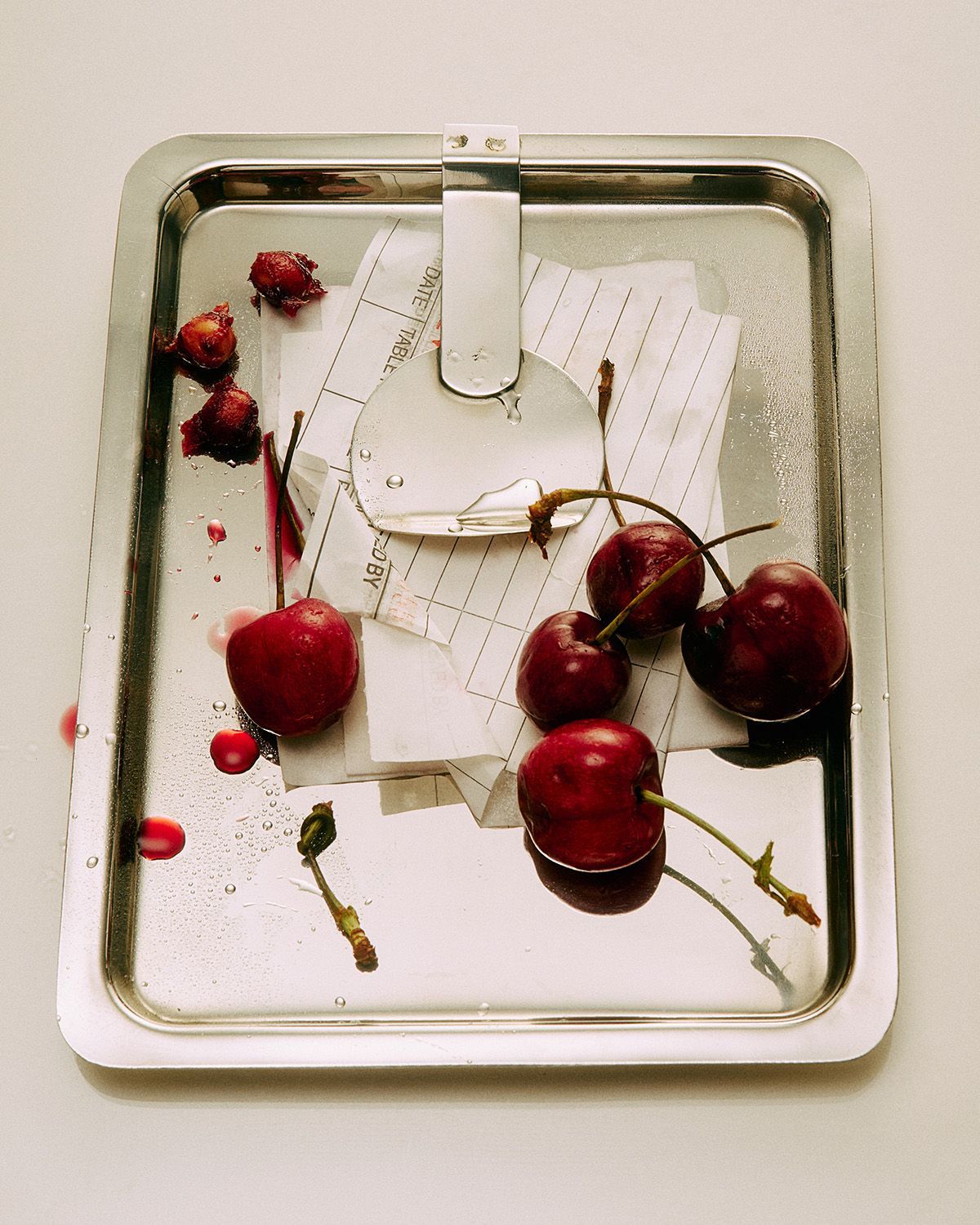
In Davison’s work, light behaves like a tangible material. It gives shape, weight, and atmosphere to every composition.
“I’m fascinated by how light transforms what it touches”, he says. “Every day I try to learn something new about it”.
His photography merges technical precision with painterly emotion. Light doesn’t just illuminate — it sculpts. No surprise, then, that many compare his sensibility to masters like Irving Penn or Josef Sudek, two of his major influences.
But one of his deepest influences is more personal: “My primary school teacher, Stuart Rushton, gave me the confidence to try new things. That advice has stayed with me ever since”.
Colour, humour and nostalgia
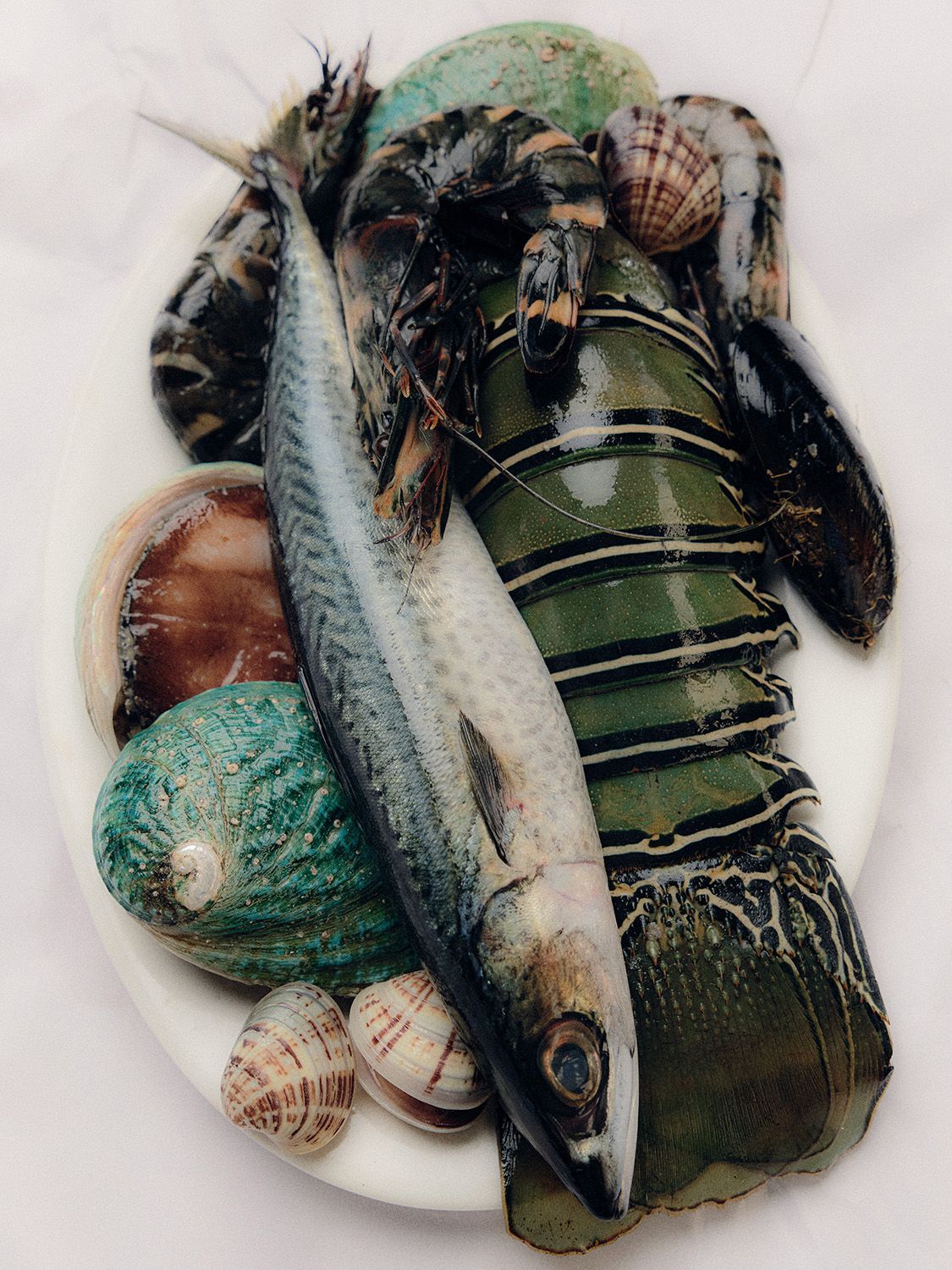
In Davison’s universe, colour plays a carefully measured, almost musical role.
“I wish I knew more about colour”, he admits. “I think about it constantly, but it usually comes later. I prefer one or two strong notes, without overcomplicating”.
His compositions radiate calm, but also emotion. There’s subtle humour, a touch of soft melancholy.
“We all have our own nostalgia”, he reflects. “The objects I work with connect with mine”.
That sincerity makes each image feel like a quiet confession — small, restrained, yet full of truth.
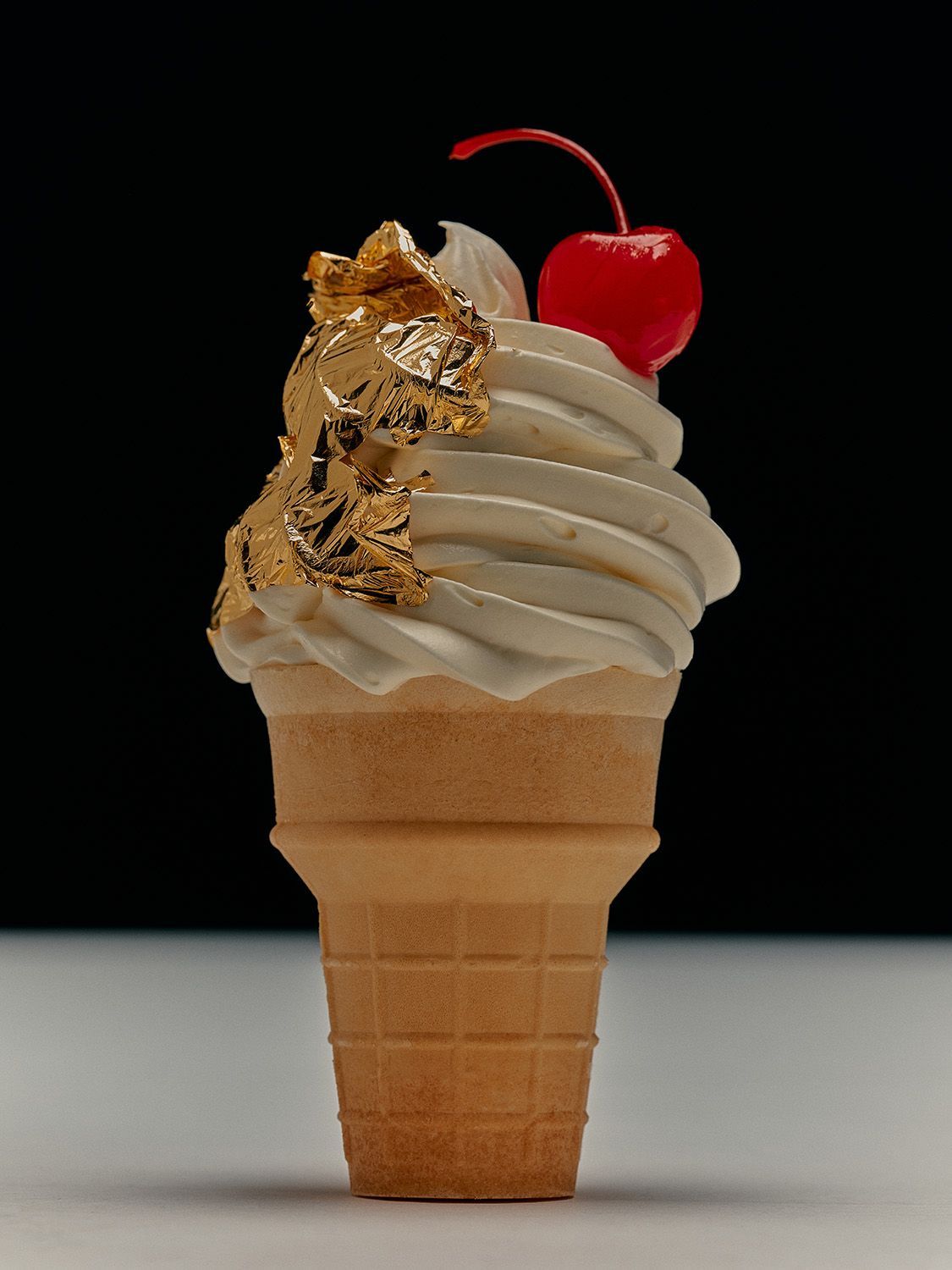
Photographing the simple
Davison believes the power of photography lies in its honesty.
“Returning to a still moment feels necessary”, he says. “There’s so much stimulation around us that it’s hard to move someone. But when you create something that truly feels yours, it resonates. The key is to make for yourself, not for the algorithm”.
That statement defines his approach: authenticity over artifice. His work invites us to slow down and discover the quiet power of simplicity.
His still lifes aren’t classical in the traditional sense. They hold notes of pop, of visual poetry, of design thinking. Images that capture the present with both precise and emotionally attuned aesthetics.
“Davison captures the present with a precise, emotionally attuned visual style.”
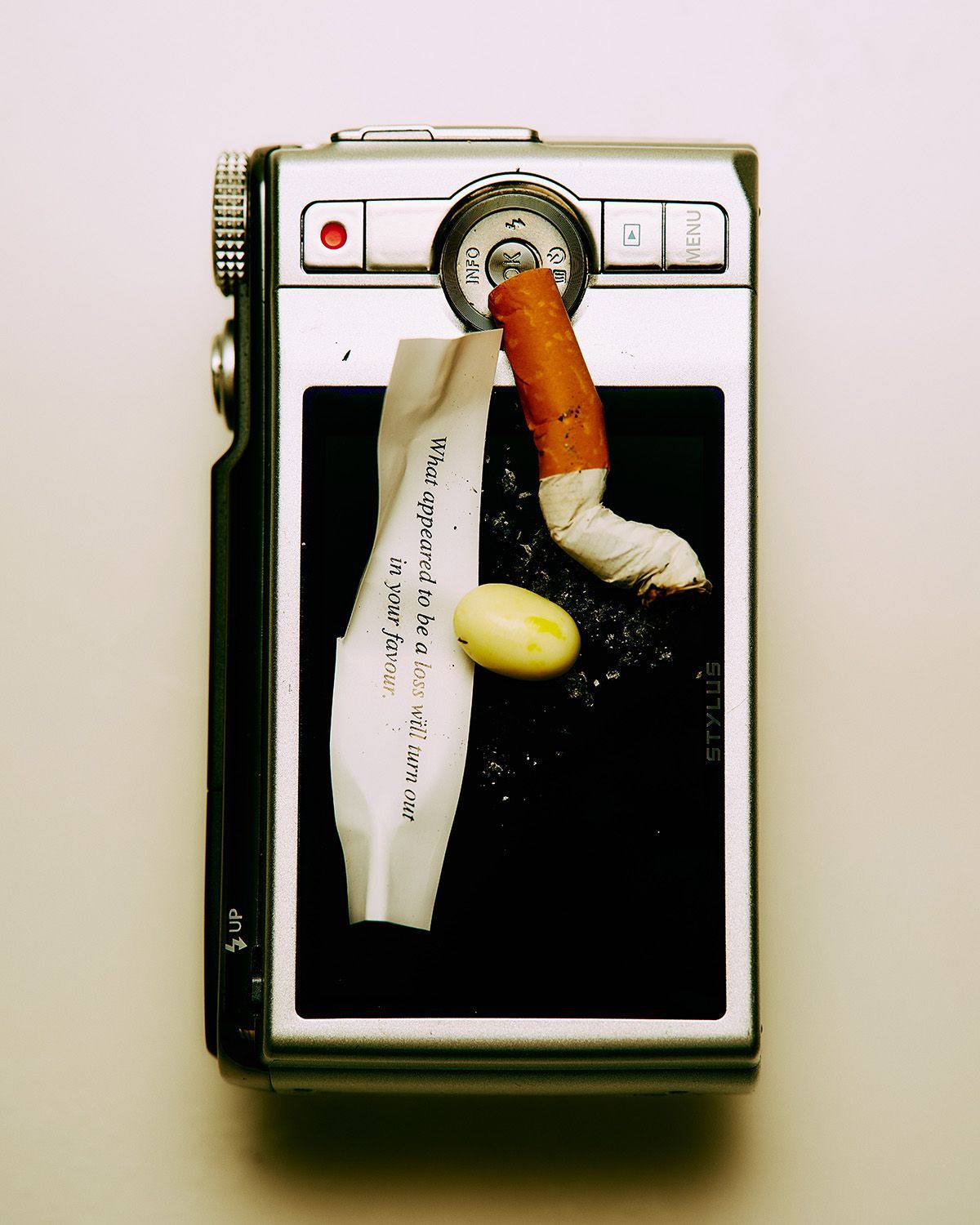
The pleasure of the process
“What I enjoy most is the moment of the shot”, he says without hesitation — that fleeting instant when the idea, the light and the materials align.
In the studio, precision coexists with play. His approach combines the discipline of a designer with the freedom of an improviser. The result is clean, witty, and emotionally controlled work.
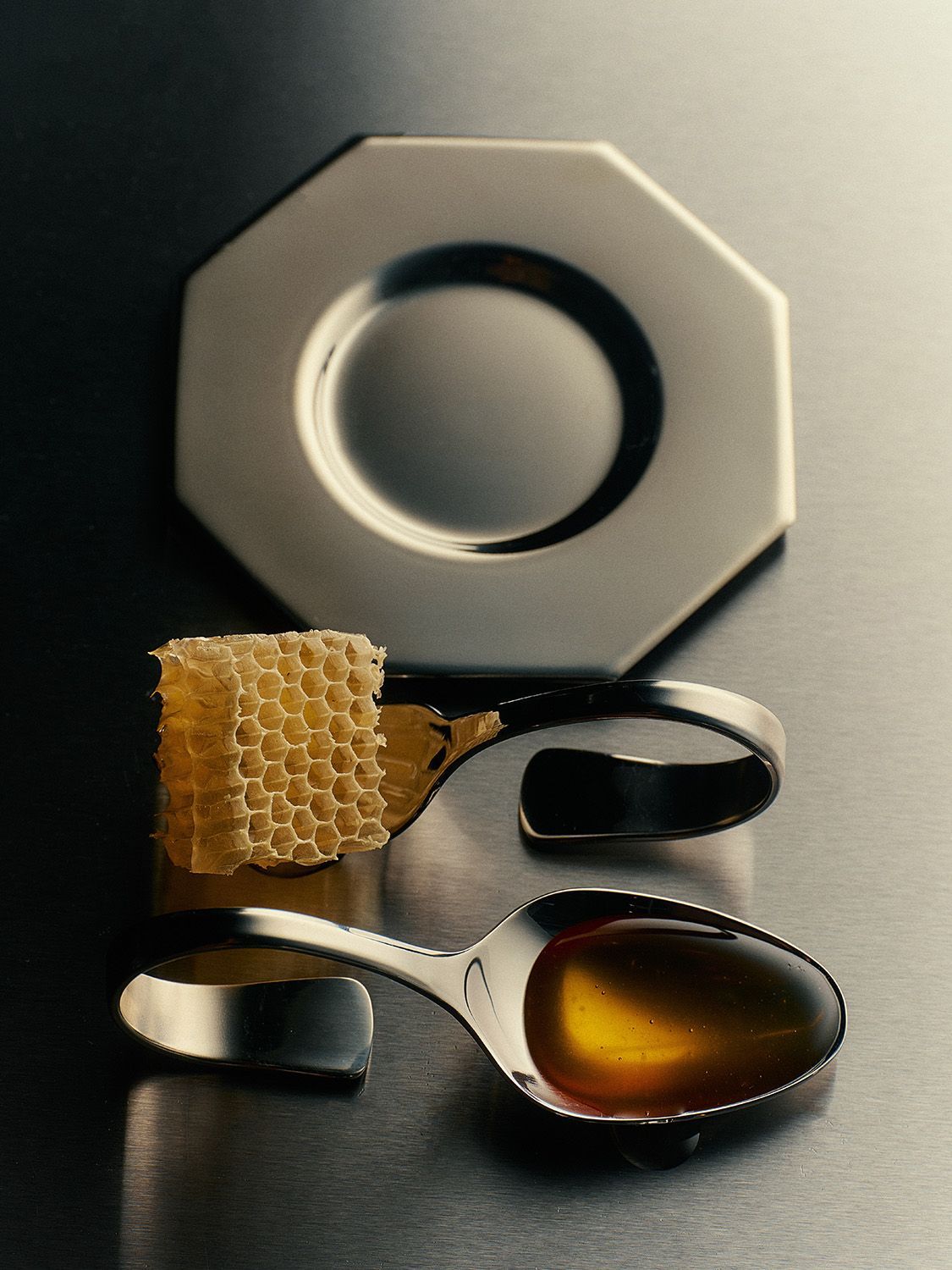
Photographing to feel
“Hopefully, with time, someone will see one of my images and know it’s mine”, he says. “That the personality and intention are recognisable”.
His photographs don’t explain — they suggest. They aim to provoke an intimate reaction, to spark connection rather than answers. These are visual spaces for pause, breath, and feeling.
A return to the analogue
Though he works primarily in digital, Davison finds himself increasingly drawn to manual processes.
“I’m in love with film”, he confesses. “I’ve started experimenting in the colour lab. In such a fast world, learning to slow down feels vital”.
This return has led him to rediscover the texture of time: grain, paper, waiting — small rituals that restore photography’s physical and meditative dimension.
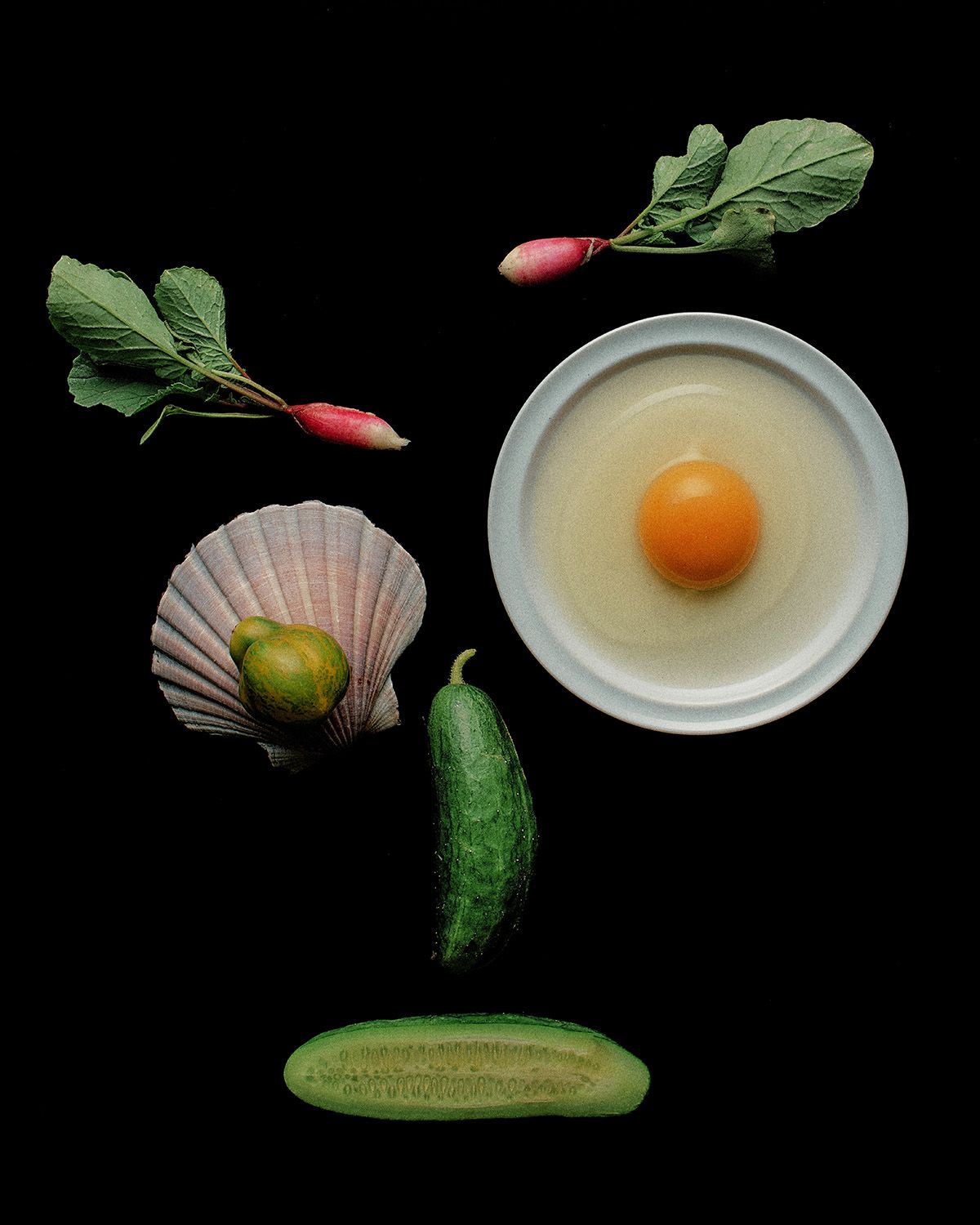
What endures
“I used to think old photographs felt special because they were shot on film”, he reflects. “Now I realise it was the truth in them that made them powerful. It takes courage to be honest in what you create — especially in the commercial world”.
His words define his art: visual integrity. No gimmicks. No complacency. Just intention and coherence.
The emotion in the everyday
Today, Hugh Davison’s work circulates between galleries and design publications, recognised for its aesthetic purity and conceptual elegance. His images are not classical still lifes — they are visual essays on modern life, where light, humour and precision interweave.
“His still lifes are visual essays on modern life — where light, humour and precision intertwine.”
Davison has helped elevate the still life from a minor genre into a form of visual philosophy. In his hands, objects cease to be objects — they become metaphors, memories, emotions.
A gaze that lingers
“I still feel there’s so much to explore through photography”, he says.
That constant curiosity is what defines his work. Hugh Davison’s photographs speak of silence, time, and restrained beauty. They are a reminder that poetry can live in the simplest of things: a shadow, a reflection, a minimal gesture.
(*) Photography by Hugh Davison.