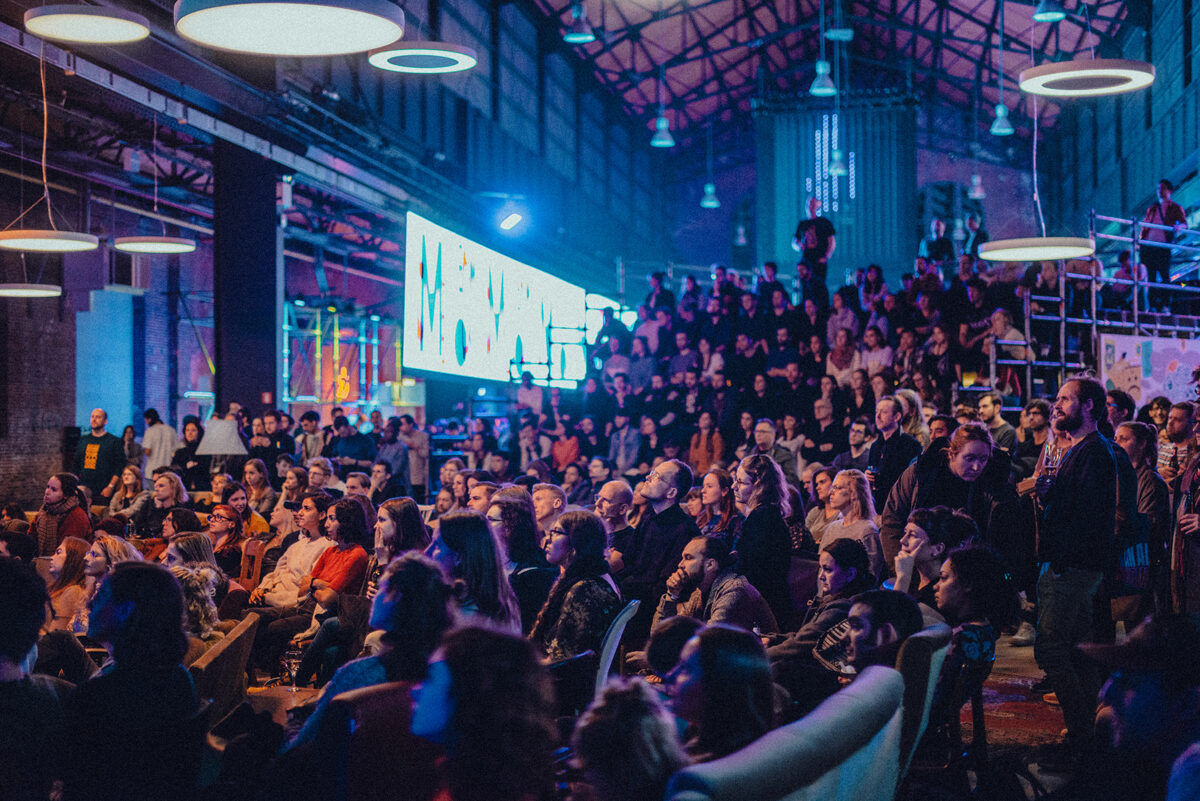
Us By Night: the festival that has reinvented the way we experience creativity
For three nights, a former industrial warehouse in Antwerp is transformed into a universe where design, architecture, music, art and community come together to prove that creativity is not something you simply listen to from an auditorium seat. It is something you experience, share and live.
Some festivals are places to attend talks. Others offer an opportunity to discover emerging talent or reconnect with colleagues from across the creative industries. And then there is Us By Night—an event that resists any conventional definition.
What began a decade ago as a creative gathering initiated by Belgian designer Rizon Parein has grown into one of Europe’s most distinctive cultural festivals, where the most memorable conversations are just as likely to happen in front of an art installation, over dinner with complete strangers, or during a game of table tennis after listening to one of the world’s leading creative voices.
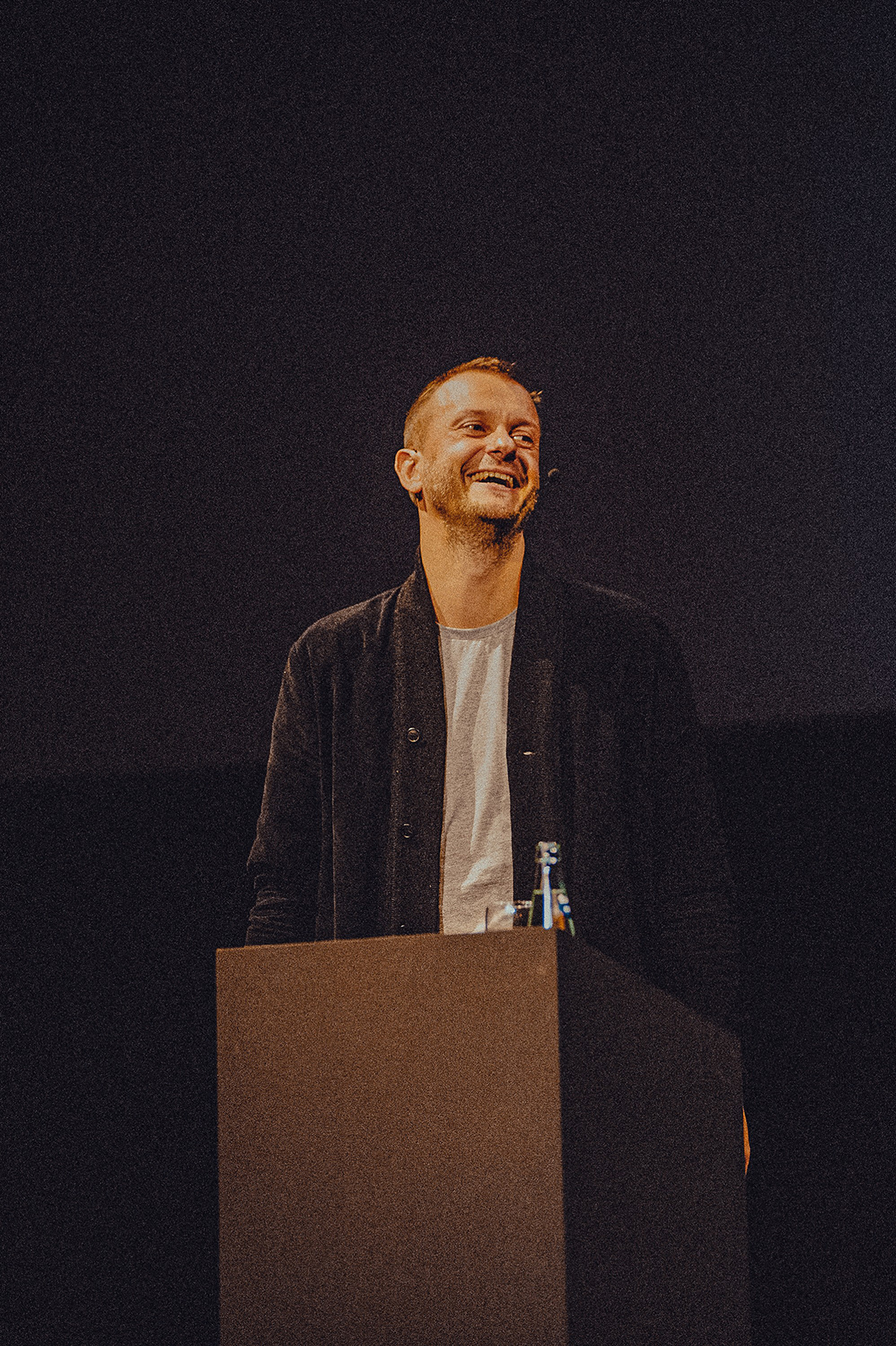
From 24 to 26 September 2026, Antwerp will once again host a new edition of the festival, bringing together designers, illustrators, architects, digital artists, filmmakers, photographers, musicians and creatives from a remarkably broad range of disciplines. Yet to describe Us By Night simply as a conference programme would be to overlook what truly sets it apart. Its greatest strength lies in its ability to create an environment where inspiration emerges just as naturally beyond the stage as it does on it.
Paradoxically, that was never the original ambition: “In the beginning, there was actually no big ambition at all.”
When the City of Antwerp first approached Rizon Parein about creating an event that would showcase the city’s creative scene, his idea was far more modest. He simply wanted an excuse to invite friends from around the world, spend a few days together and introduce them to a city that many of them had never visited before. Everything changed once he began inviting speakers. At the time, Parein was working with Nike and had built a strong international network through his career as a designer. Within just two weeks, the speaker line-up had grown into something far more ambitious than anyone had anticipated.
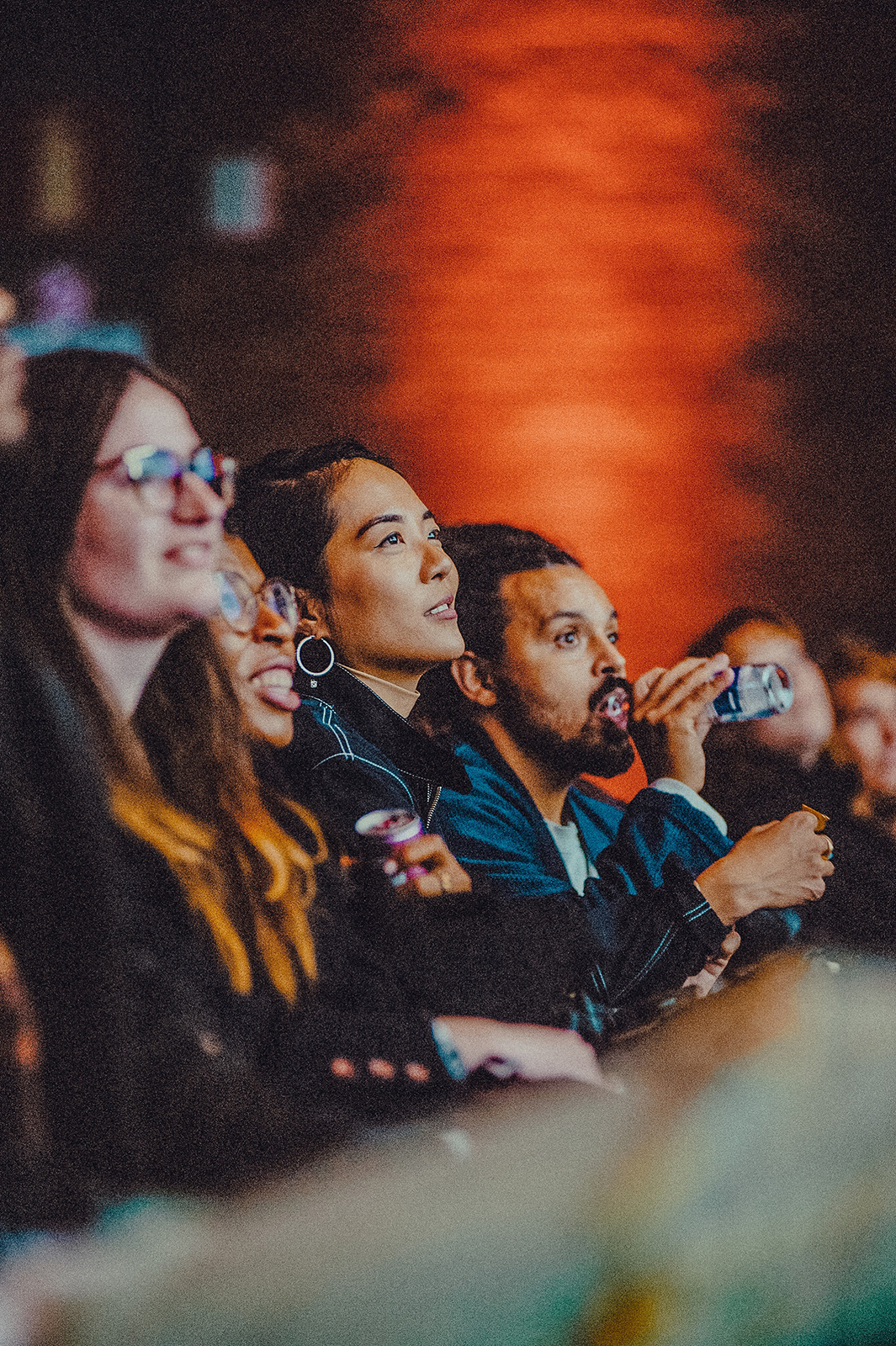
That unexpected momentum prompted a much bigger question: why should creative conferences be limited to a succession of talks? The answer would eventually define the DNA of Us By Night.
Designing an experience, not a programme
Most creative festivals devote months to curating their speaker line-up. At Us By Night, that remains an essential part of the process—but it stopped being enough a long time ago.
For Rizon Parein, the journey visitors experience from the moment they step inside the venue is just as important as the programme itself. Every spatial decision is designed to encourage encounters, spark curiosity and transform a simple visit into an experience that lingers long after the festival is over.
It is no coincidence that, when he talks about designing Us By Night, his language is closer to filmmaking than to event production: “We are not only building stages. We are building scenes.”
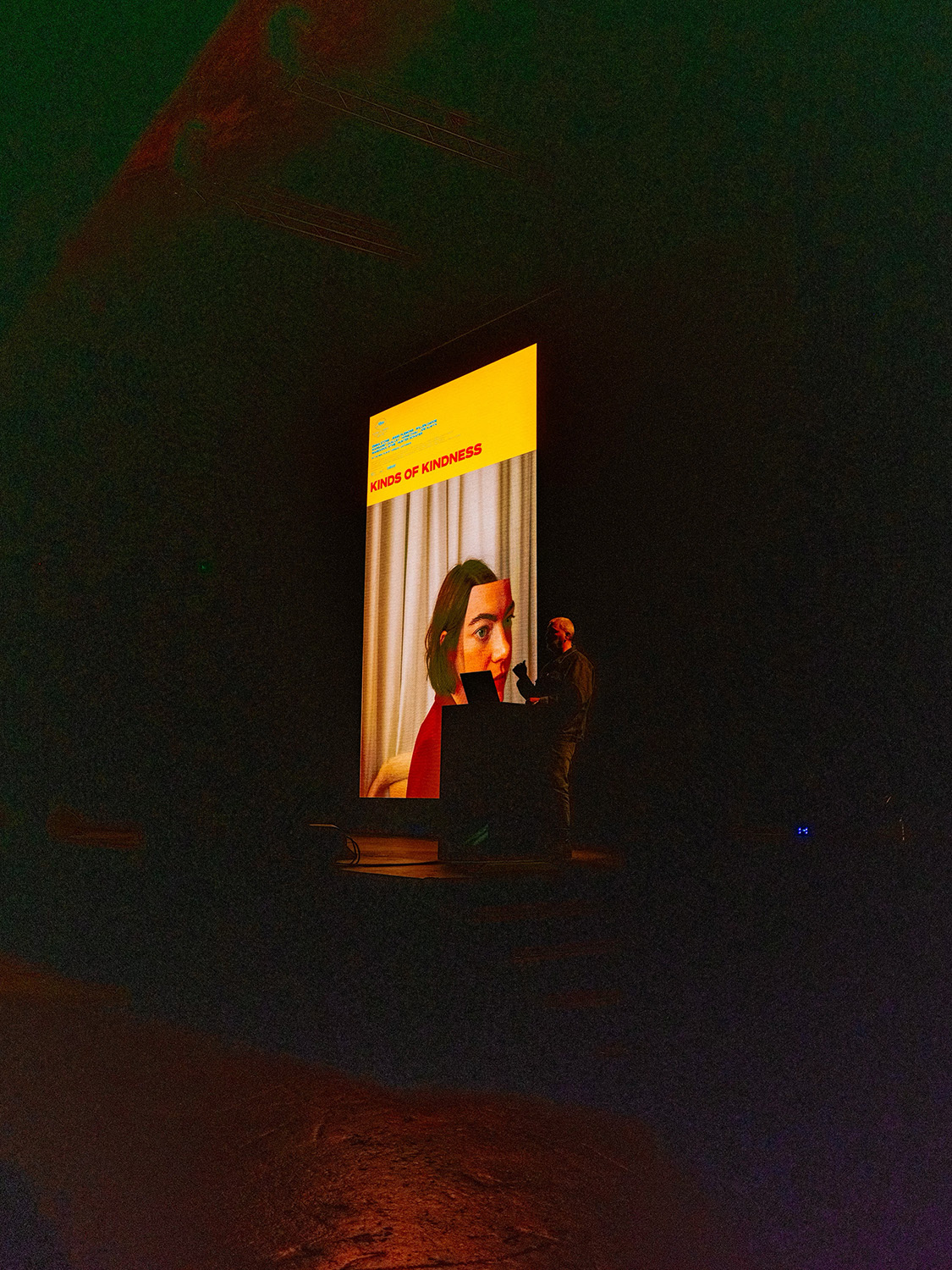
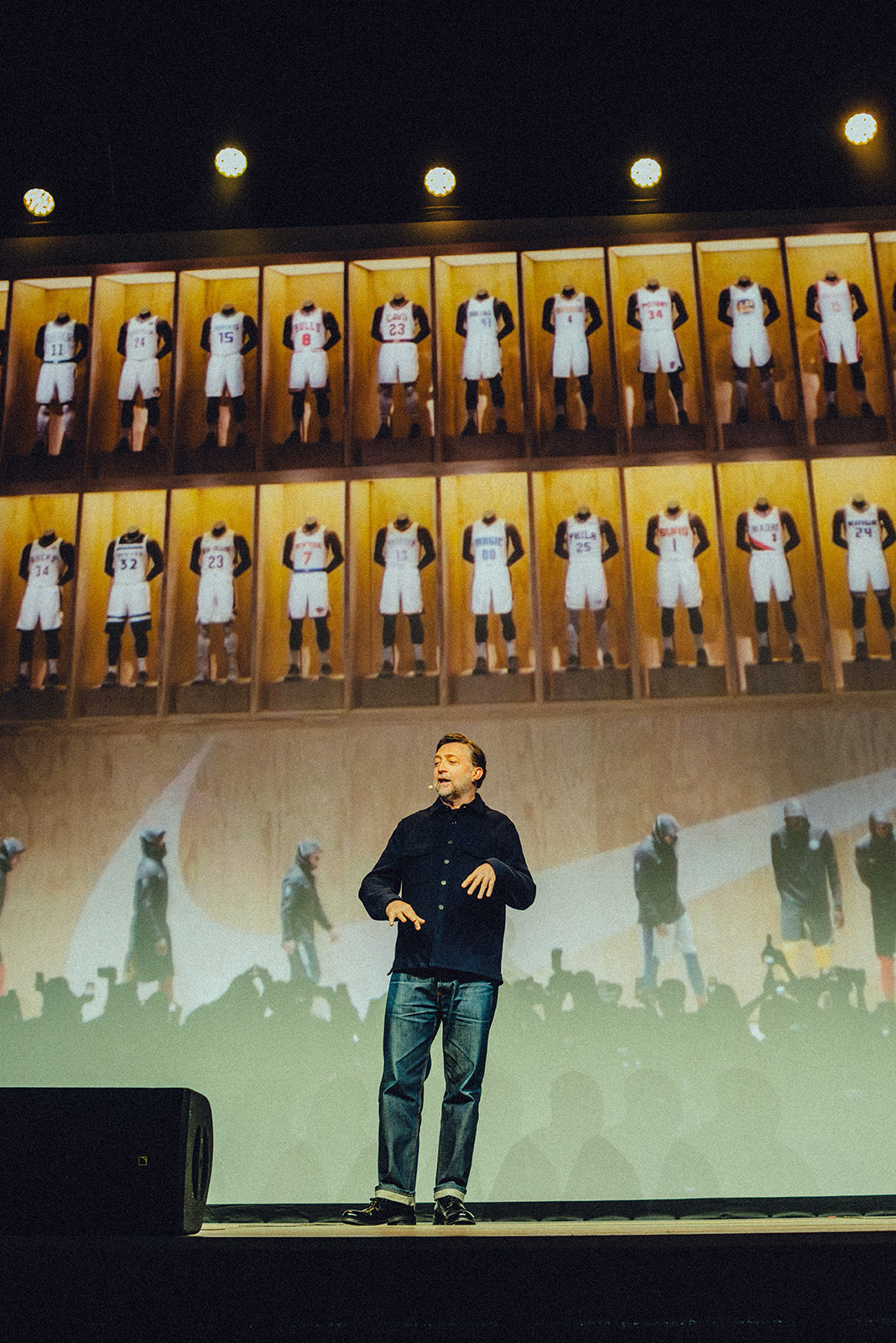
That single sentence perfectly captures the philosophy behind this year’s edition, which introduces a complete redesign of the festival’s main space. Rather than a conventional auditorium, visitors will find a contemporary theatre inspired by Teatro Oficina, Lina Bo Bardi‘s iconic project in São Paulo. A raised scaffolding structure will allow audiences to watch the talks from different heights and perspectives, creating an atmosphere that feels closer to a concert or an immersive performance than to a traditional conference.
Architecture therefore ceases to be a simple container and becomes an active part of the narrative.
Every corner is conceived to evoke a different emotion. Some spaces invite visitors to pause, others encourage unexpected discoveries through installations, while elevated viewpoints reveal the festival from an entirely new perspective. The aim is not simply to guide circulation but to compose a sequence of memorable moments capable of staying with visitors long after they leave Antwerp.
That fascination with spatial storytelling has deeply personal roots. Before founding Us By Night, Parein spent several years organising club nights, an experience that taught him how profoundly architecture shapes the way we experience a place.
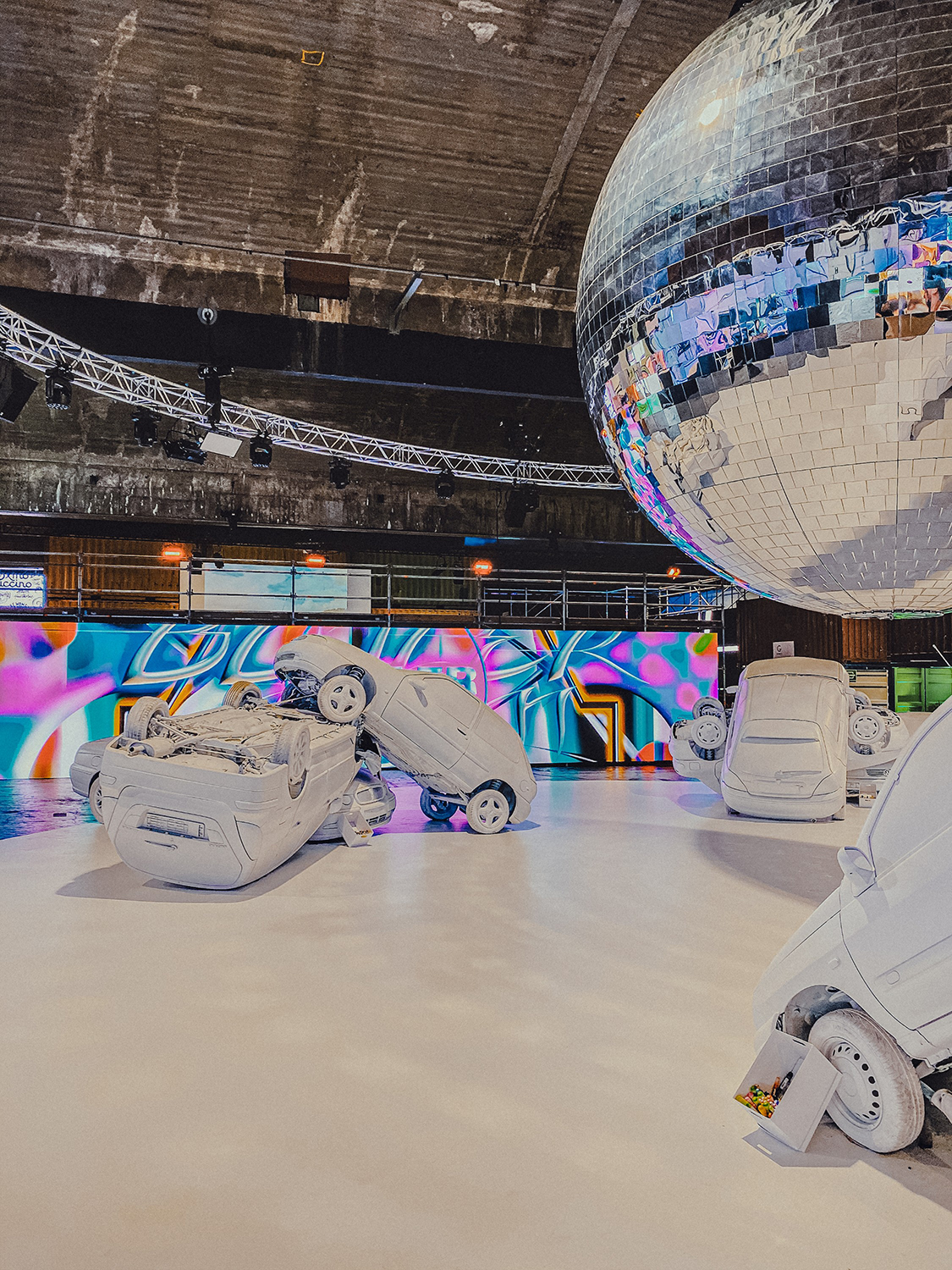
His references range from Europe’s leading festivals to the cinematic worlds of Steven Spielberg and The Goonies, where every adventure begins with the discovery of an unexpected passage.
Creativity, he suggests, also needs spaces that invite exploration.
When the stage is no longer the centre
If there is one idea that defines the philosophy behind Us By Night, it is that the most meaningful conversations rarely happen while someone is speaking on stage.
That is why, with each new edition, the festival has continued to expand the spaces where visitors can meet without rushing. The Night Market, exhibitions, installations, live music, relaxation areas and the speakers’ dinner on the eve of the festival all form part of the same strategy: removing every possible barrier to human connection.
“The talks are the heartbeat, but everything around them creates the body, the energy and the memory.” Few sentences explain better why Us By Night feels so different.
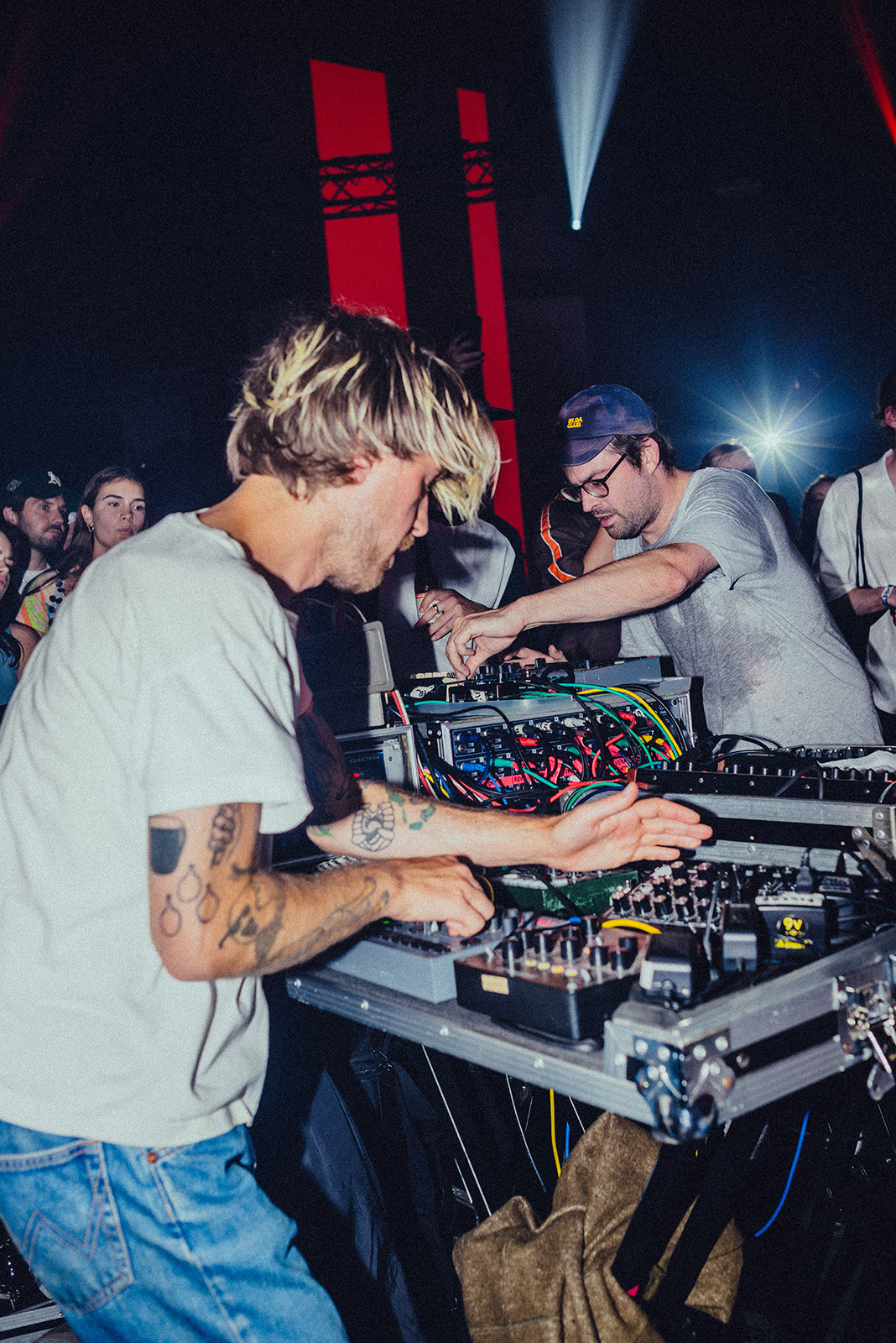
While many creative events place their entire focus on the talks, here everything that happens around them carries almost equal weight. The aim is not simply to listen to some of the most influential voices in contemporary creativity, but to create the conditions for those conversations to continue naturally afterwards, without hierarchy or formality.
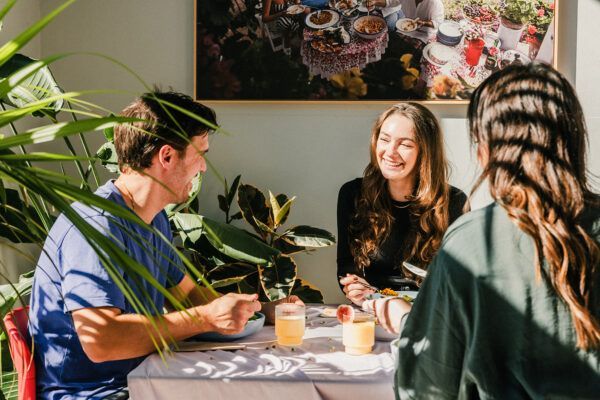
That philosophy is also reflected in one of the festival’s most carefully nurtured traditions: the speakers’ dinner on the evening before the event opens. Artists, designers and creatives spend several hours around the same table before anyone steps onto the stage. By the time visitors arrive the following day, many relationships have already begun to form, creating an atmosphere that feels considerably warmer, more relaxed and more open than at most creative conferences.
The same thinking now extends beyond the venue through the festival’s interactive hotspot map, which encourages visitors to discover cafés, galleries, bookshops and restaurants selected by the organisers, while also allowing attendees to arrange spontaneous meet-ups throughout the city. Creativity is no longer confined to the festival grounds but expands across Antwerp itself, turning Us By Night into a much broader urban experience.
Ultimately, Us By Night has never aspired to be merely a place where people come to listen to ideas. Its true ambition is to create the right conditions for those ideas to find the right people.
Bringing together the right people
Curating the line-up for a creative festival is often seen as an exercise in prestige: the more recognisable the names, the greater the appeal. At Us By Night, however, the logic works differently. Renowned figures share the programme with emerging voices, unexpected profiles and creatives who, in many cases, have never spoken before an audience.
Rather than chasing celebrity, Rizon Parein is looking for something far more difficult to find: people capable of leaving a lasting impression.
The process begins long before invitations are sent. Throughout the year, he collects hundreds of artists, designers, photographers, architects, illustrators and filmmakers whose work captures his attention. Some are recommended by former speakers, others emerge through conversations with friends and collaborators, while many simply appear unexpectedly as he scrolls through Instagram.
The final selection does not follow a formula. Instead, it gradually comes together through instinct, almost like composing a painting.
“You have all these different artists, disciplines, personalities and energies, and you try to balance the whole composition. You need the big names, the discoveries, the emotional talks, the wild cards, the unexpected voices, the people who bring humour, generosity or a completely unique way of looking at the world.”
That balance allows visitors to arrive excited to see an established name, only to leave talking about someone they had never heard of before. The festival’s ability to surprise in this way is undoubtedly one of the reasons why so many people return year after year.
“The talks are the heartbeat, but everything around them creates the body, the energy and the memory.”
Vulnerability also plays a surprisingly important role. Parein admits that some of the finest speakers to appear at Us By Night had never spoken publicly before and accepted the invitation despite considerable self-doubt.
Rather than expecting polished presentations or perfectly rehearsed performances, he encourages participants to share what usually remains hidden: mistakes, uncertainty, failed projects and the moments when they considered giving up.
“When you discover that your heroes have struggled, doubted, failed or felt lost at some point, it gives people strength. It makes creativity feel more human and less untouchable.”
At a time when social media often presents only finished results, that honesty transforms the talks into something far more personal. Talent remains important, but it is no longer the only thing that matters.
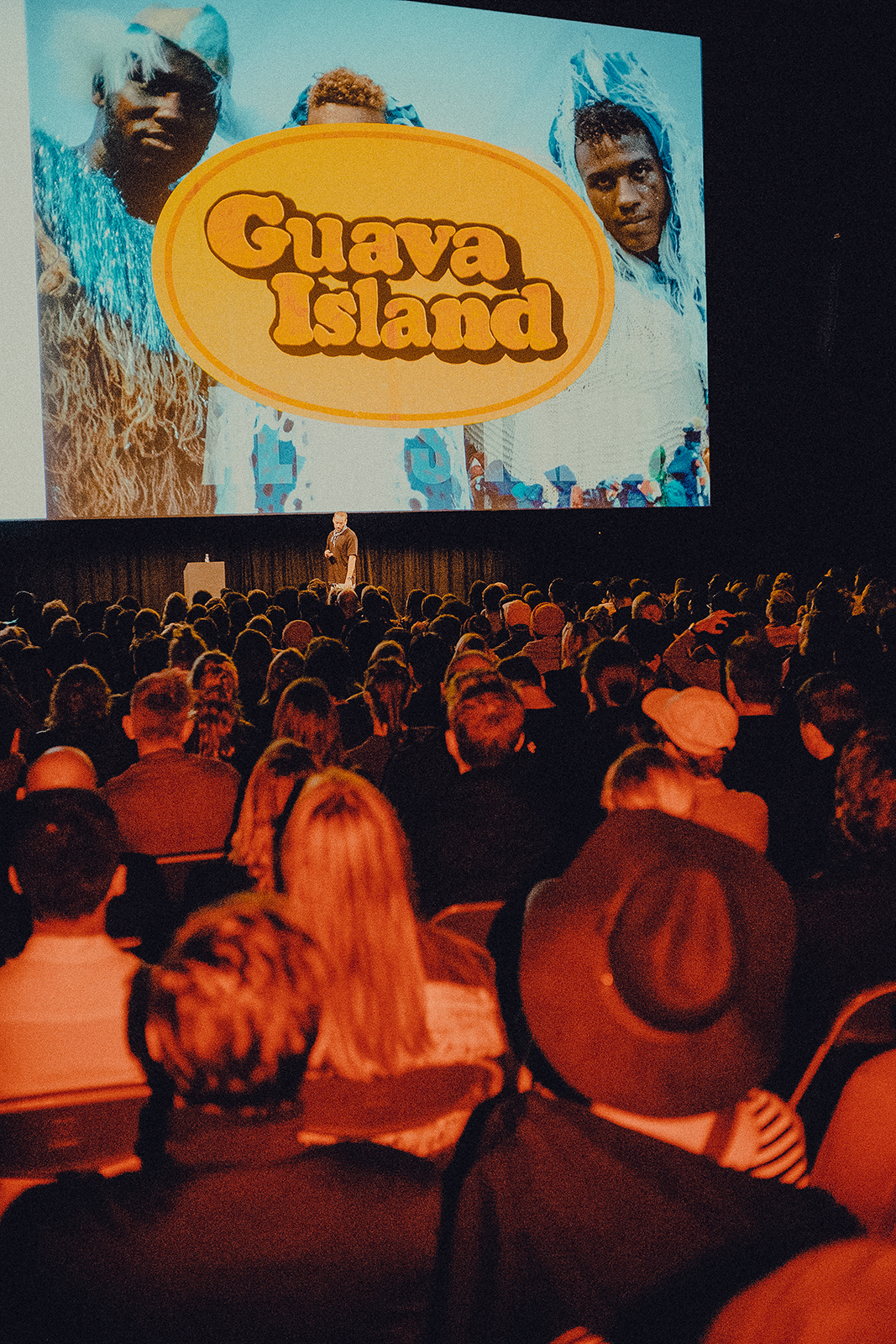
Creativity needs to remain human
Few subjects are reshaping the creative industries today as profoundly as artificial intelligence. Tools capable of generating images, videos and three-dimensional models in a matter of seconds are transforming entire professions and forcing creatives to rethink what the creative process really means.
Rizon Parein observes this shift from a particularly distinctive perspective. Before founding Us By Night, he spent more than two decades working as a 3D designer, giving him first-hand experience of both the limitations of traditional tools and the extraordinary possibilities opened up by the latest generation of AI systems.
His view avoids simplistic conclusions. On the one hand, he acknowledges that artificial intelligence democratises processes that once required entire teams of specialists, allowing creatives to develop ideas that until recently would have been technically impossible. On the other, he admits feeling a certain nostalgia for craftsmanship and the slower pace that once defined the profession.
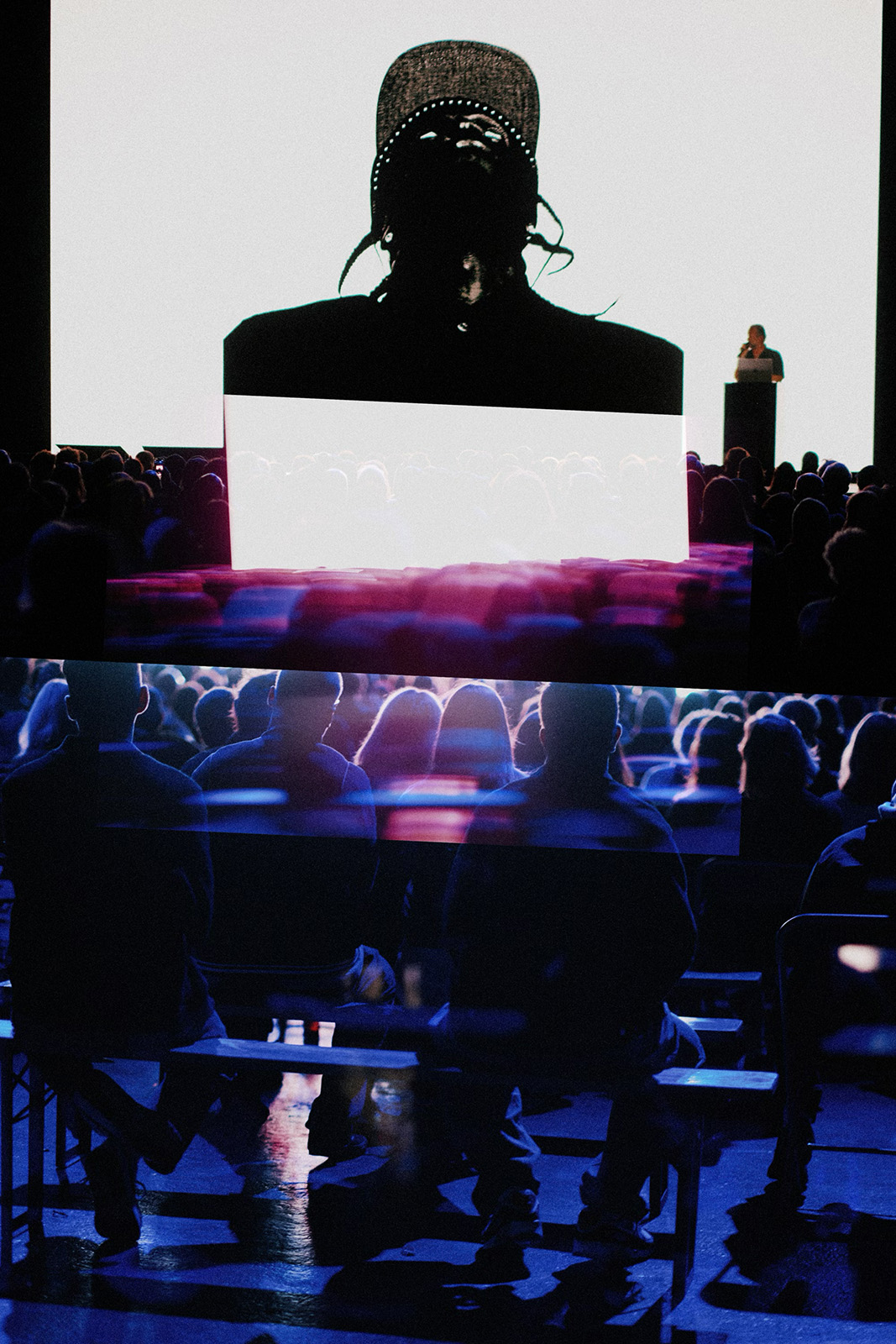
“I loved spending two days modelling one perfect corner, just to get the roundness right.”
Rather than seeing AI as either a threat or a salvation, Parein believes it will fundamentally redefine the designer’s role. Precisely for that reason, he is convinced that in-person gatherings will become even more valuable in the years ahead.
The more invisible our digital lives become, the greater the value of experiences that can only happen face to face: listening to someone speak honestly, discovering an installation, dancing, sharing a meal or finding yourself in an unexpected conversation with a stranger.
“What I do believe is that the human moment will matter more, not less.”
It is a particularly timely reflection at a moment when much of the creative industry is searching for new ways of working. Against the speed of screens and algorithms, Us By Night champions something far harder to automate: the ability to create genuine human connections.
Play is also a way of creating
One word surfaced repeatedly throughout our conversation with Rizon Parein: playfulness. It could be translated as curiosity, lightness or a sense of play, although none of those words fully captures what it means to him.
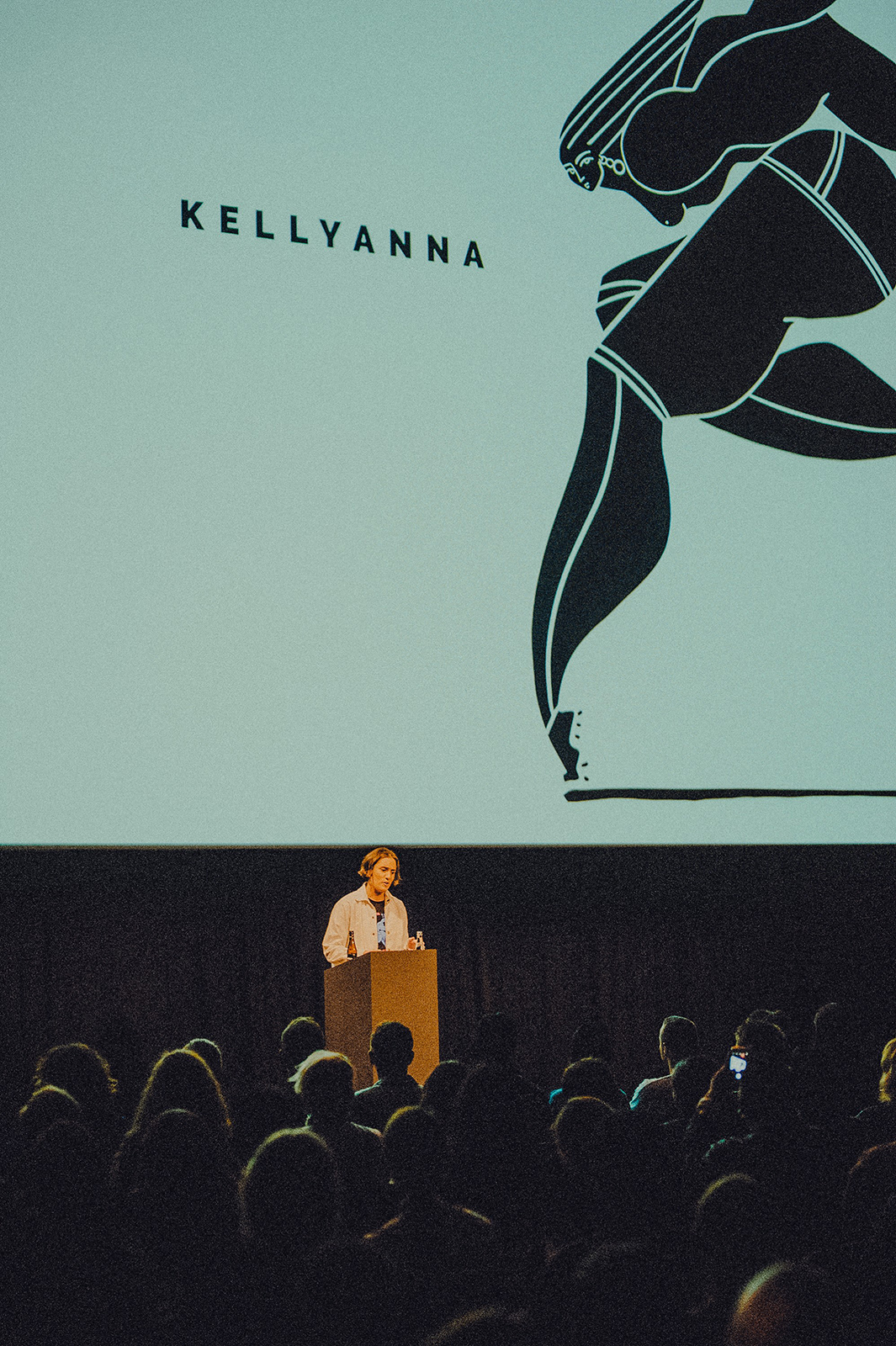
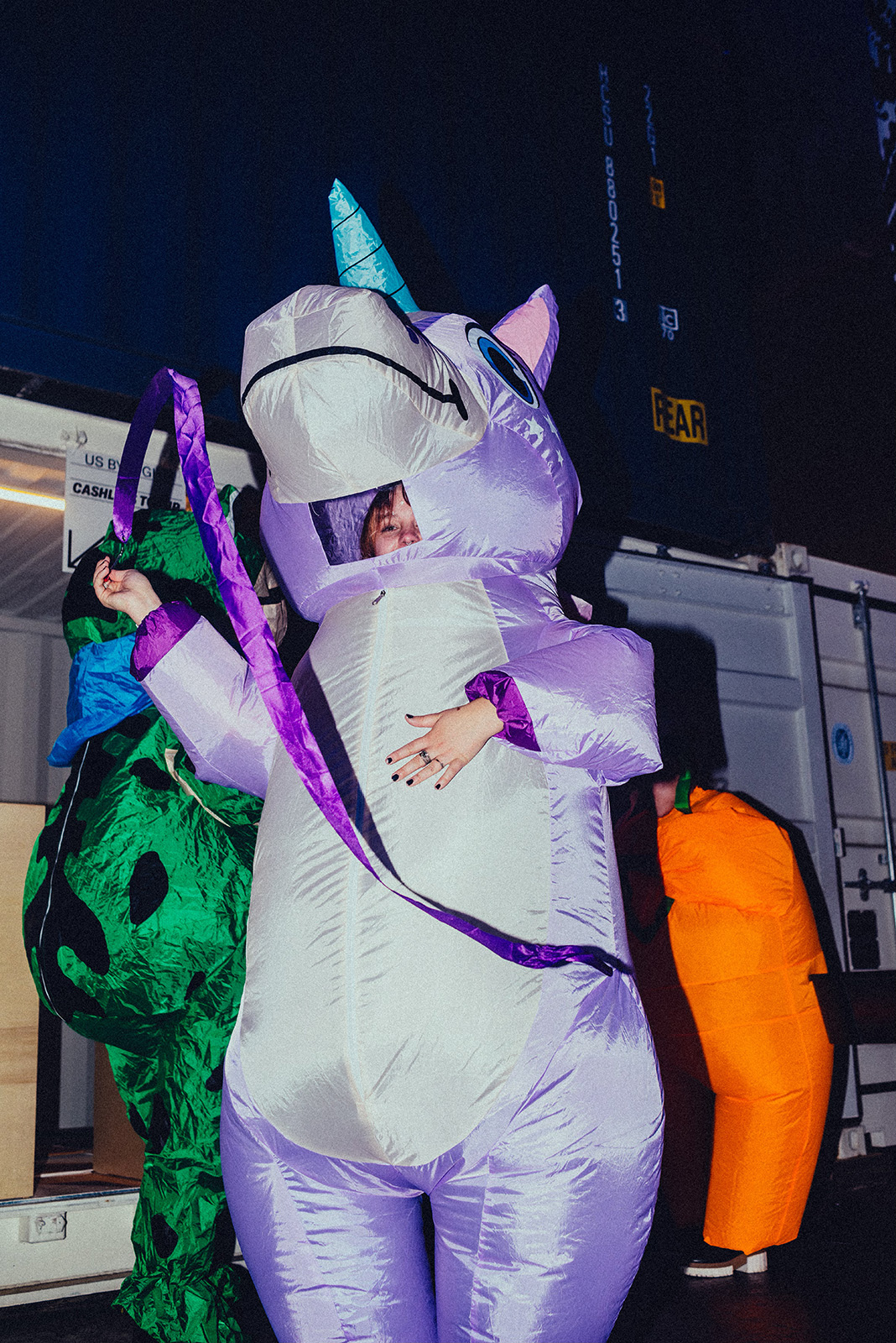
He is not referring to superficial entertainment, but to the mindset that allows people to experiment without fearing failure. That philosophy runs through every aspect of the festival. It is present in the games scattered throughout the venue, the workshops, installations, exhibitions, the way visitors move through the space and even the relationships that develop between speakers and attendees.
For Parein, the best ideas rarely emerge from overly rigid environments.“Play is not the opposite of serious work. Play is often where the most serious creative breakthroughs happen.”
That philosophy is reflected in several new additions to this year’s edition, from an expanded exhibition area to a large photographic studio where visitors will be able to have their portraits taken before watching them printed in large format and added, almost in real time, to the festival’s now iconic wheatpasting wall.
These are far more than side activities. They all form part of the same narrative—one that understands creativity as something that happens through making, observing and sharing.
Much more than three nights in Antwerp
When we ask Rizon Parein what he hopes visitors will remember once they return home, he does not mention a particular stage or a keynote speaker. Instead, he talks about energy, curiosity and people.
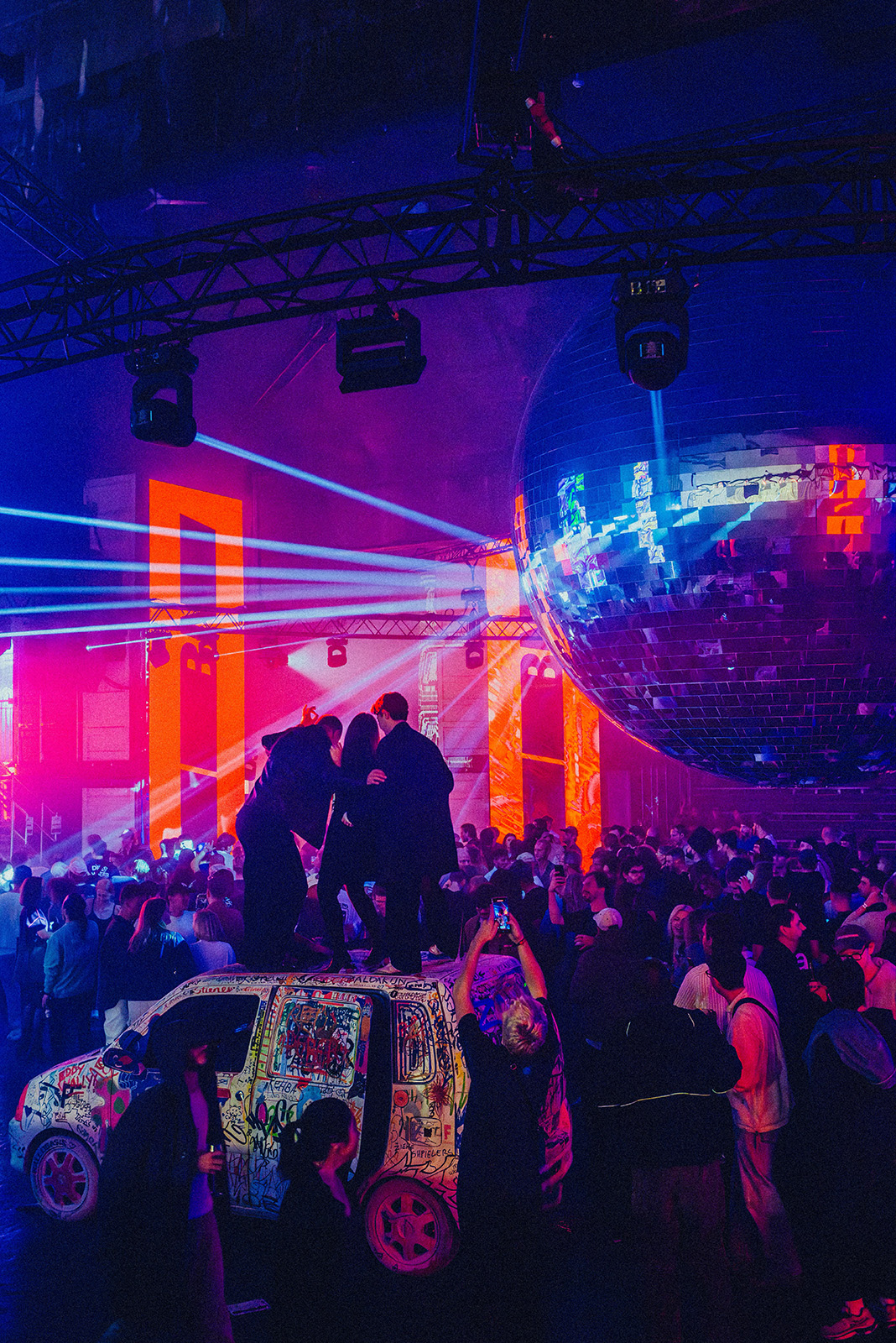
“I hope they leave with the feeling that they experienced something genuinely unique. Not just a good line-up or a well-organised event, but something friendly, honest and human. Most of all, I hope they leave re-energised. Hungry to create again. Curious to explore new directions. Reminded of why they started doing this in the first place.”
His wish is that everyone who experiences Us By Night returns home having discovered new ways of understanding creativity and, above all, having found a community with whom to continue that journey.
After ten years, that seems to be the festival’s true achievement. More than an event dedicated to design, it has become a cultural laboratory where architecture, music, art, technology and contemporary thinking intersect to remind us of something that is often forgotten in an age of constant productivity and endless screens: the best ideas are still born when people share the same physical space.
Perhaps that is why Us By Night continues to grow. Not simply because it brings together some of the most influential names in the international creative scene, but because it has succeeded in transforming creativity into a shared experience—one that does not end when the stage lights go down, but stays with those who experience it long after they leave Antwerp.
Save the date!
(*) Photos: Rizon Parein.