Duplex: when waste becomes a creative engine
Founded in Brussels in 2020, Duplex is a Belgian practice with a clear mission: to give new life to surplus or discarded industrial materials. What began as a product and communication design agency soon evolved — after several self-initiated projects with a strong experimental spirit — into a responsible furniture brand that has turned waste into its main resource and sustainability into its creative driving force.
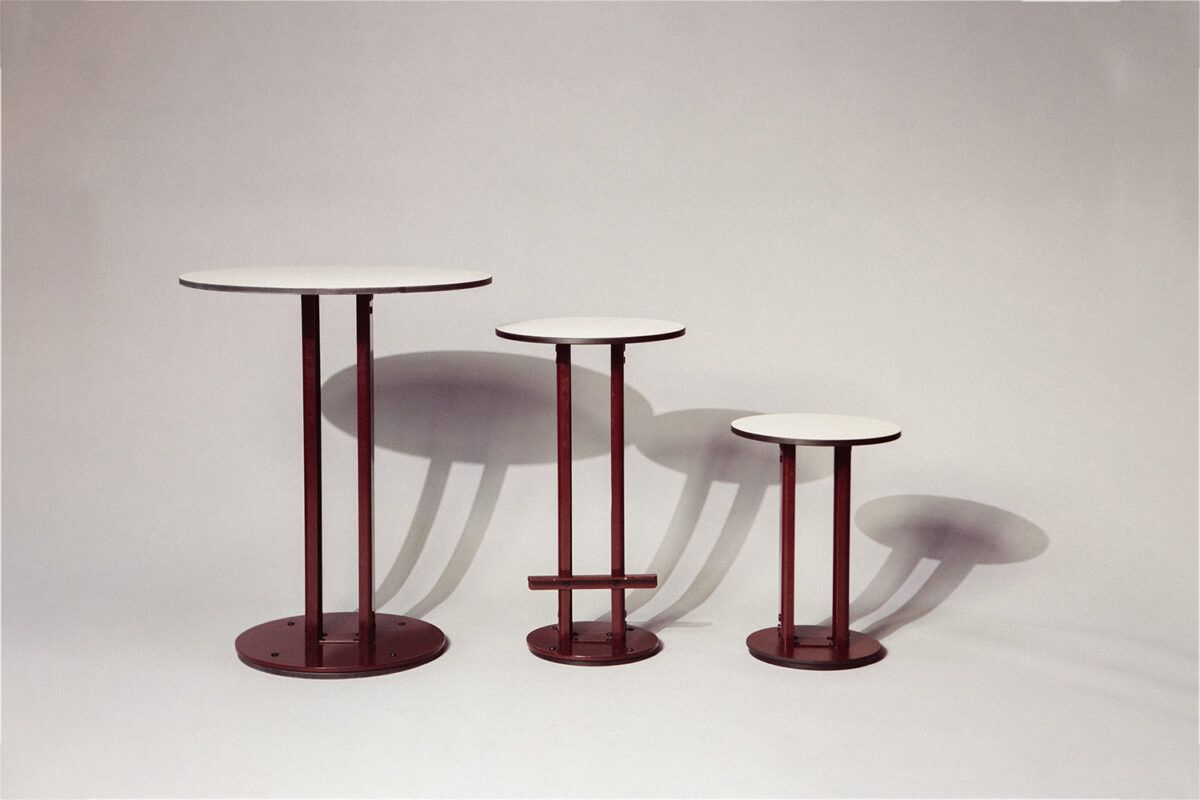
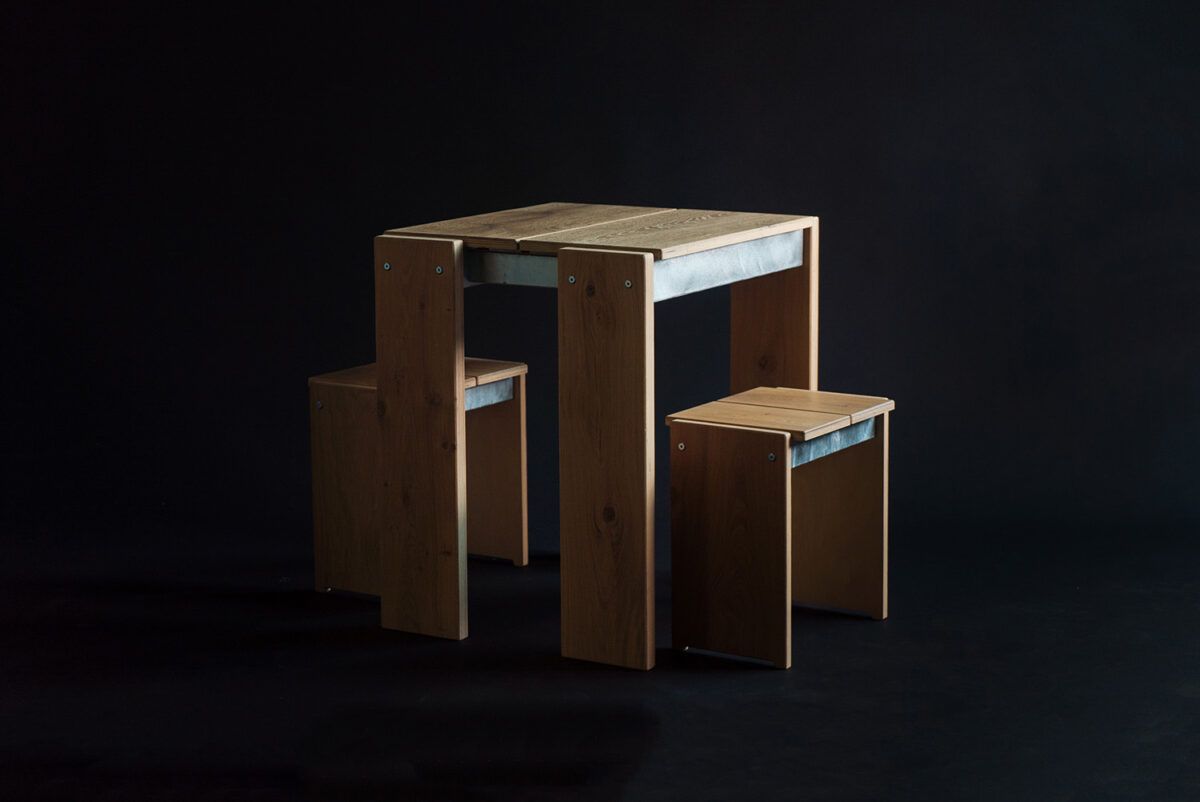
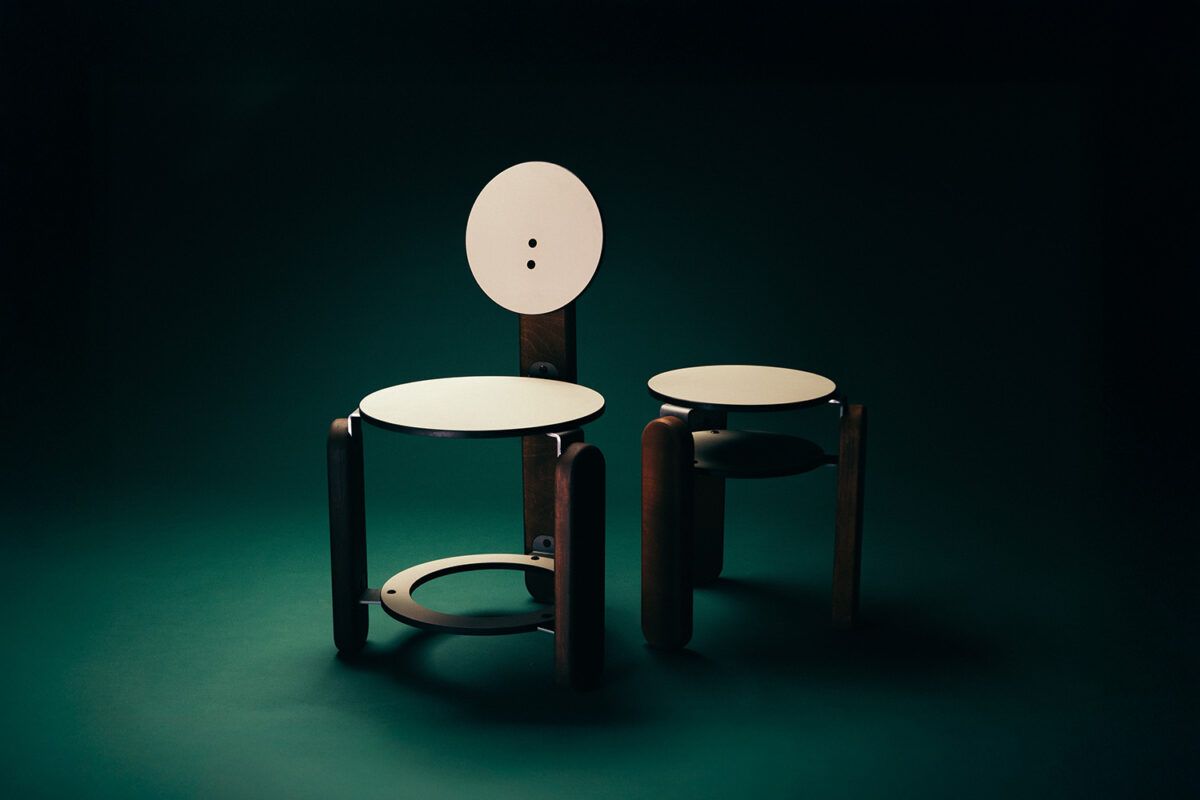
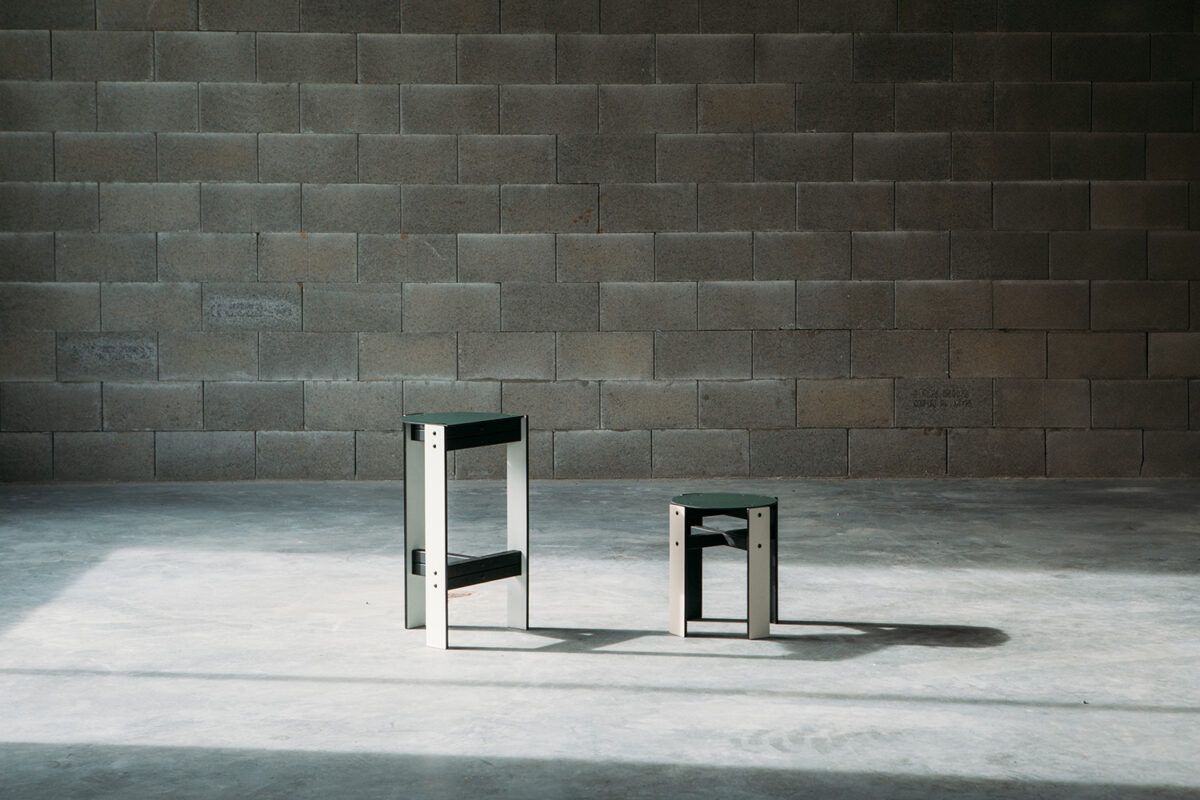
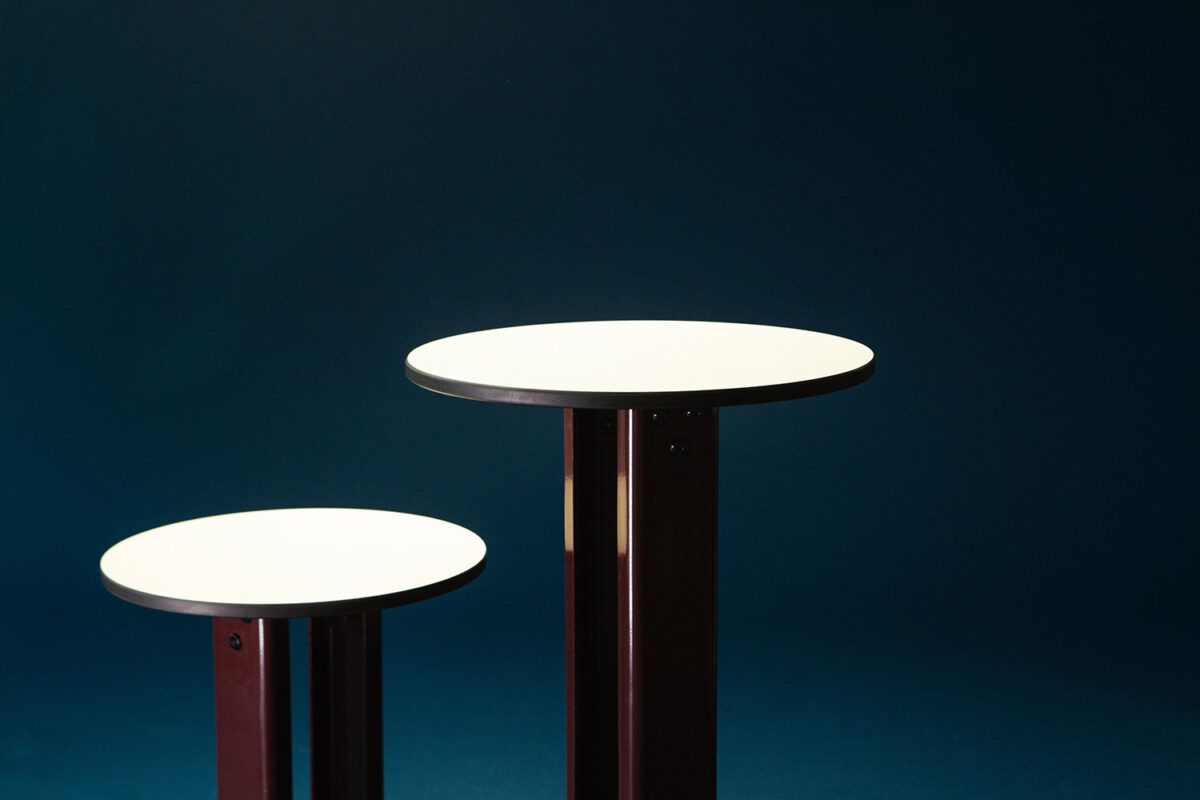
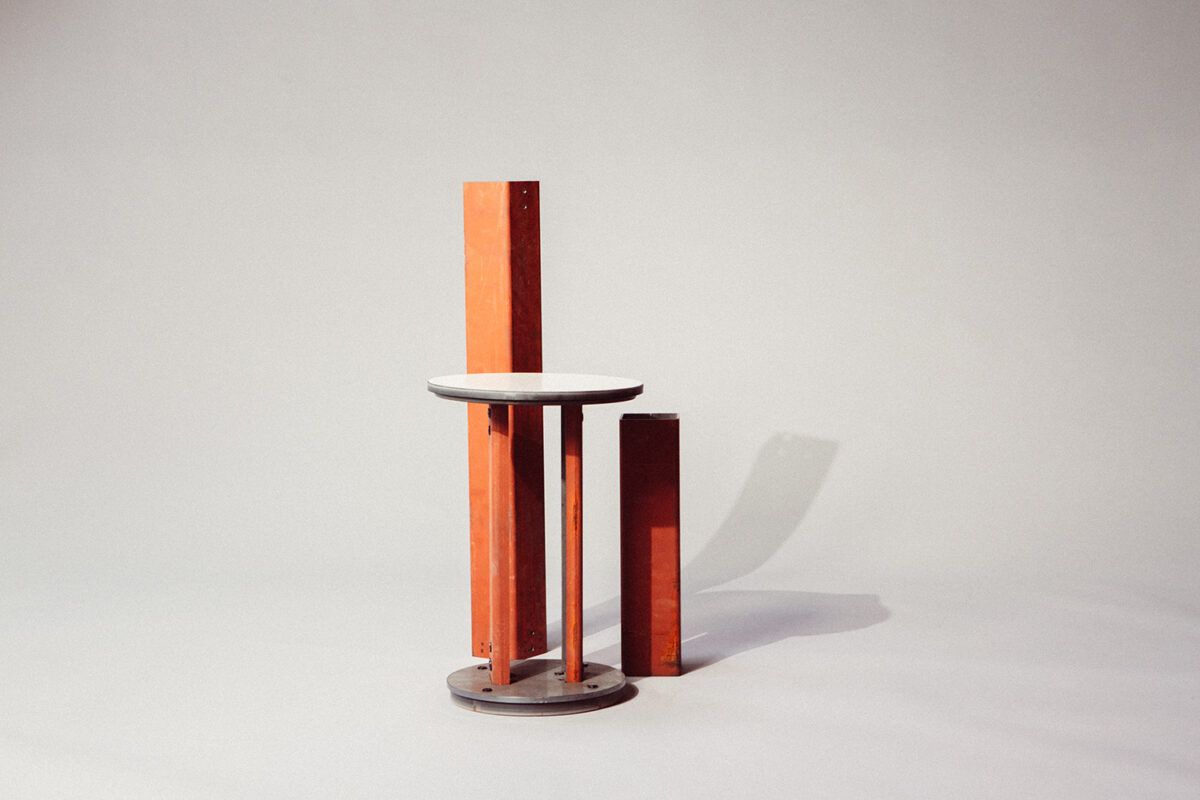
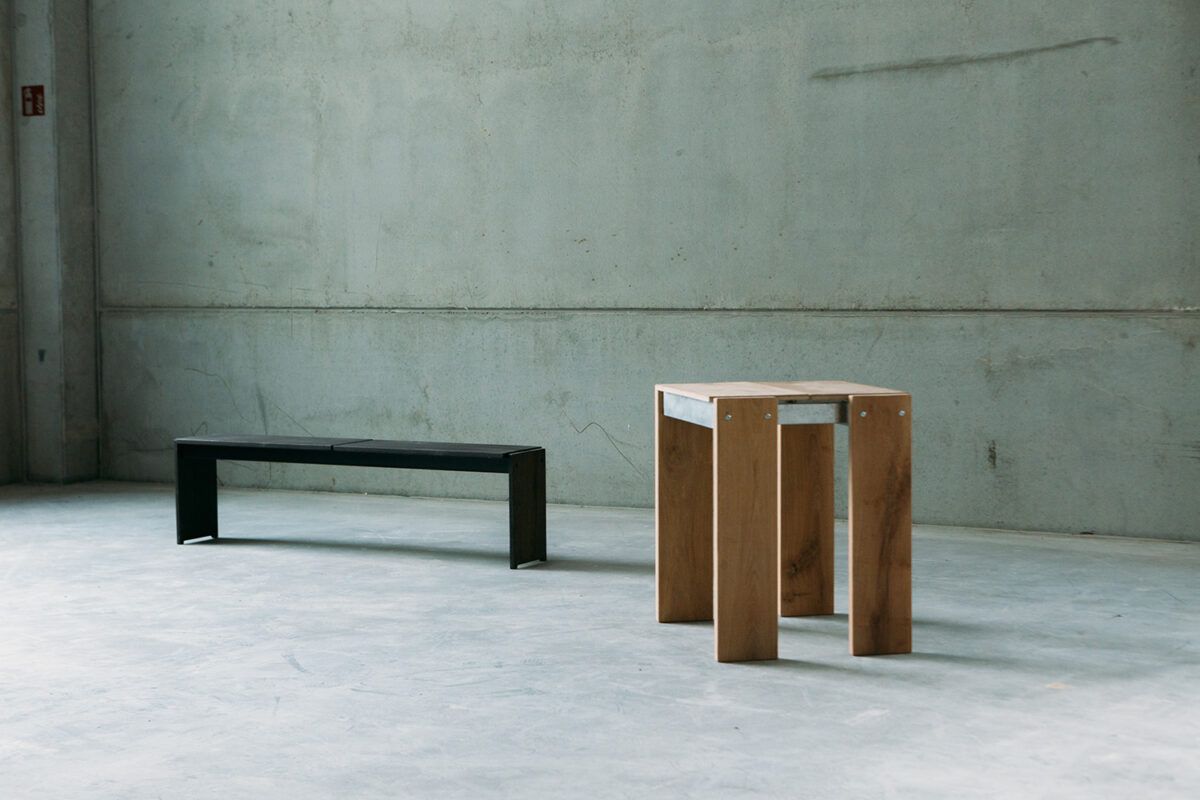
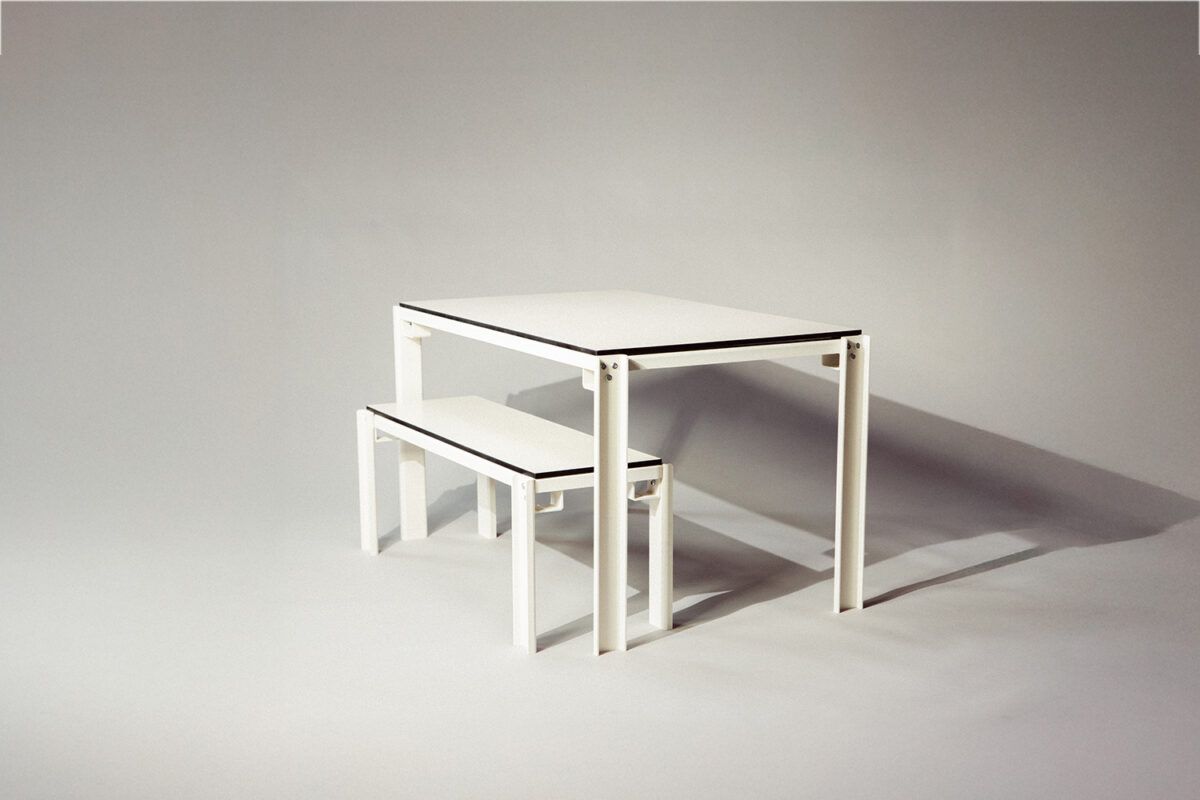
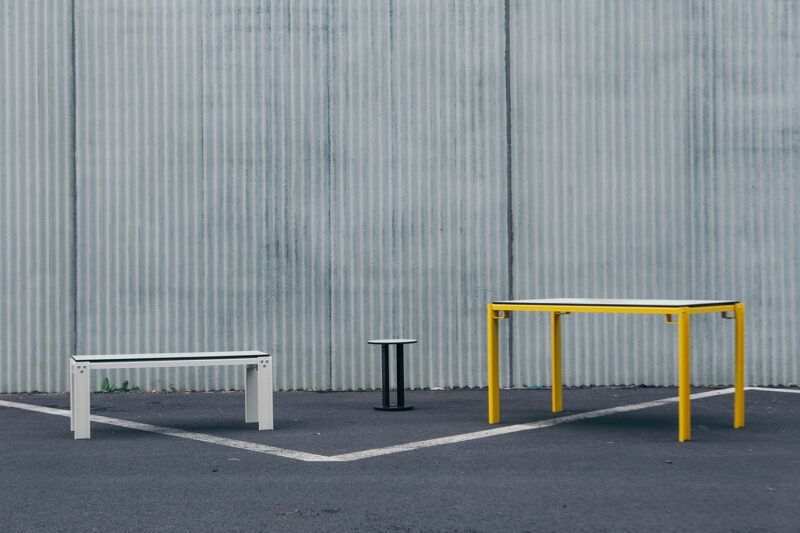
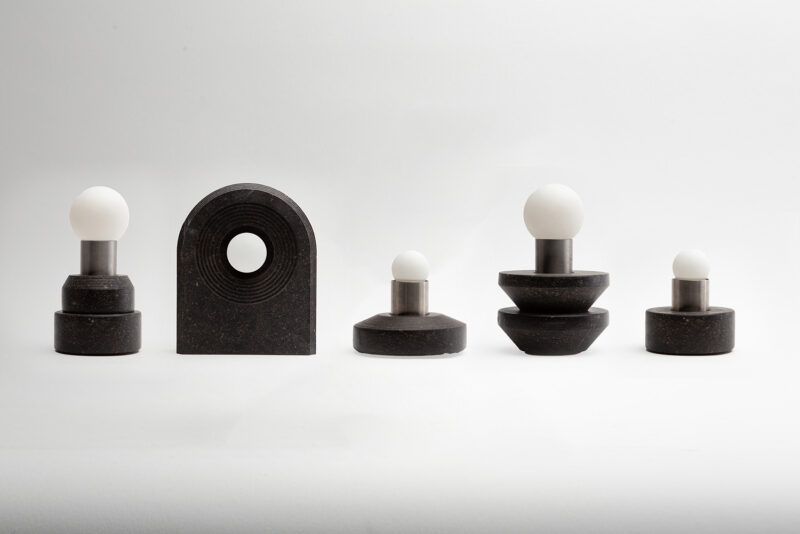
Since its beginnings, Duplex has positioned itself as one of the most promising emerging studios in Europe thanks to its ability to combine circular design, durability and contemporary aesthetics. Their work demonstrates how waste can be transformed into valuable resources, creating objects that are both functional and poetic. With each collection, the studio challenges traditional notions of furniture design while remaining firmly committed to sustainability. This unique balance between innovation, responsibility and beauty has quickly earned Duplex a respected place within the international design scene.
In this interview for CC/magazine, we speak with the team about their philosophy, processes and next steps. Read on.
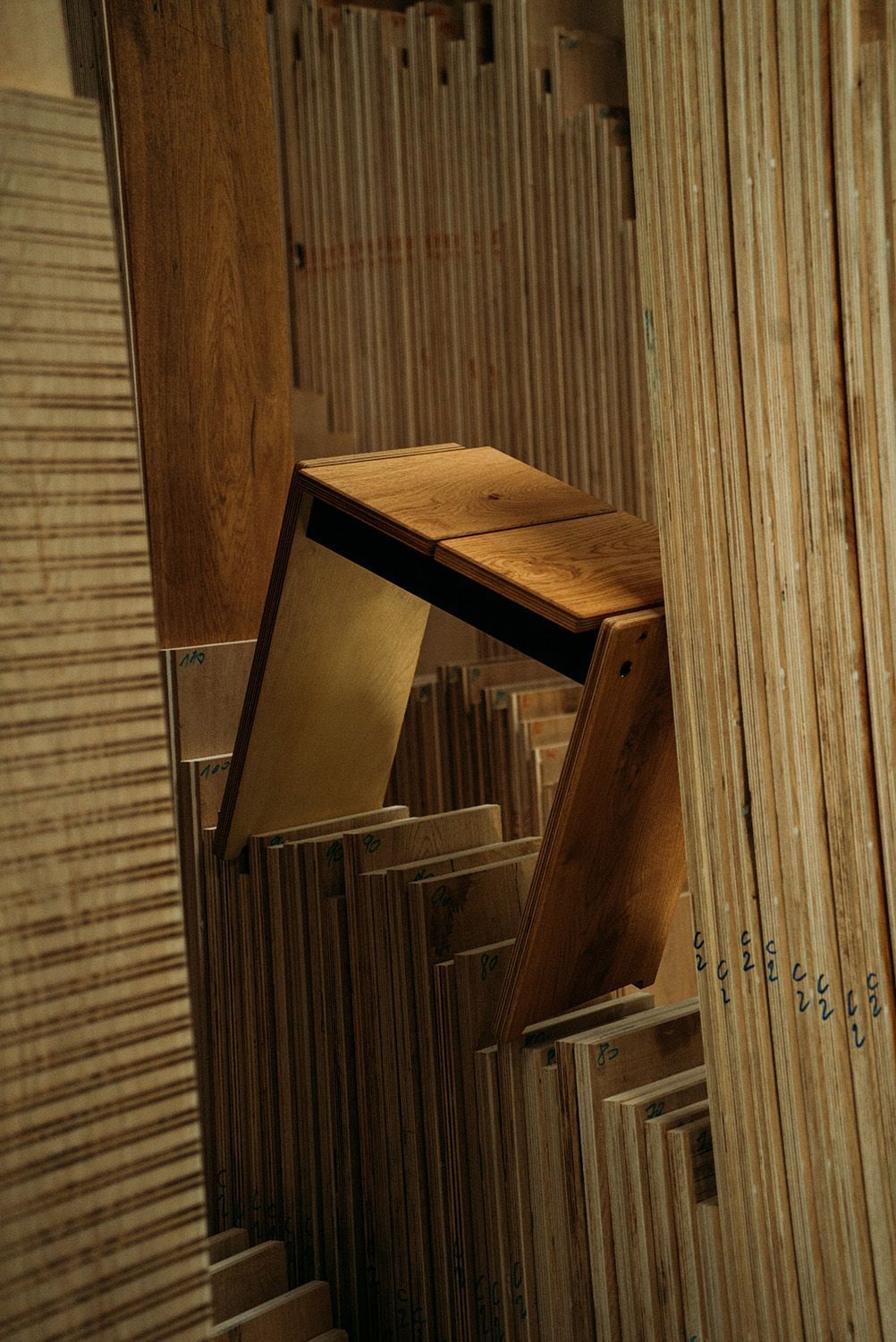
Duplex was born with a very clear mission: to give new life to surplus or discarded industrial materials. How did this idea come about, and what motivated you to make it the foundation of your project?
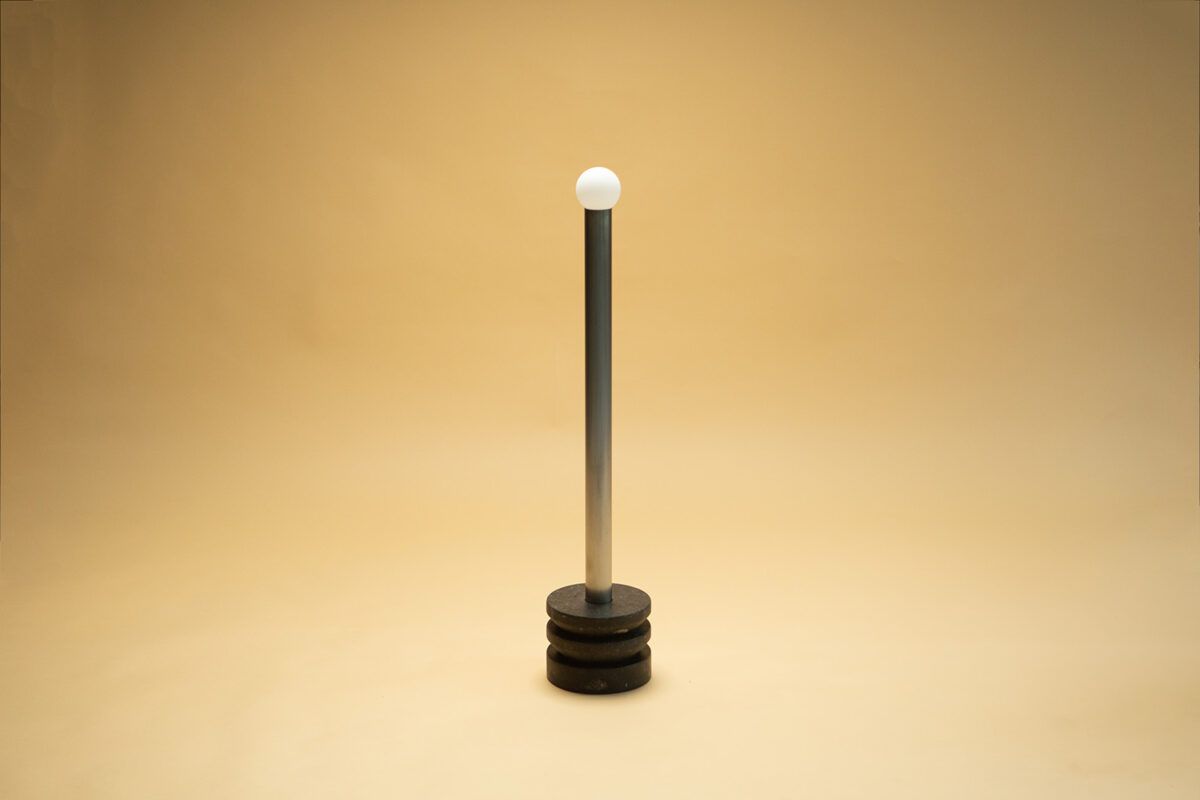
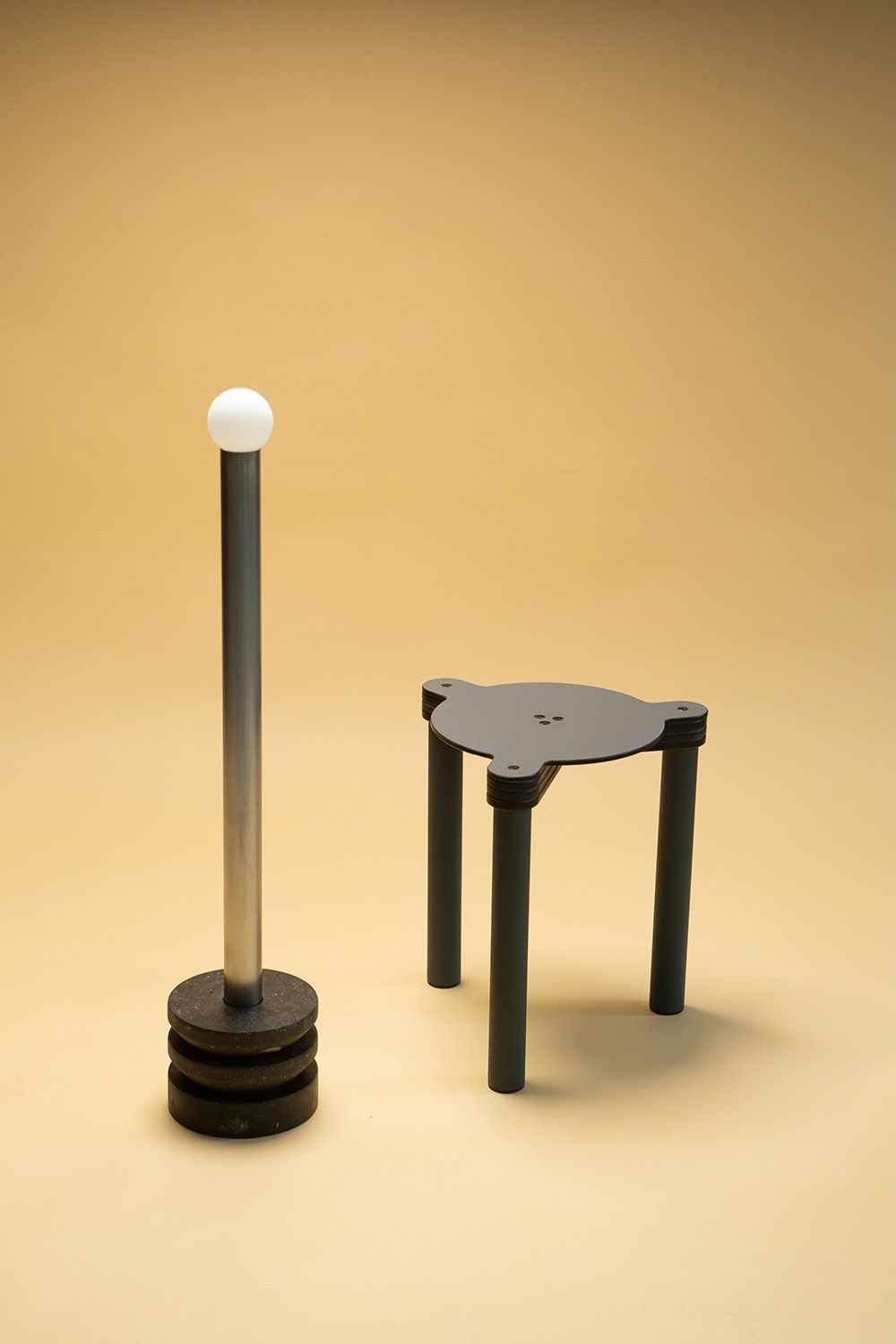
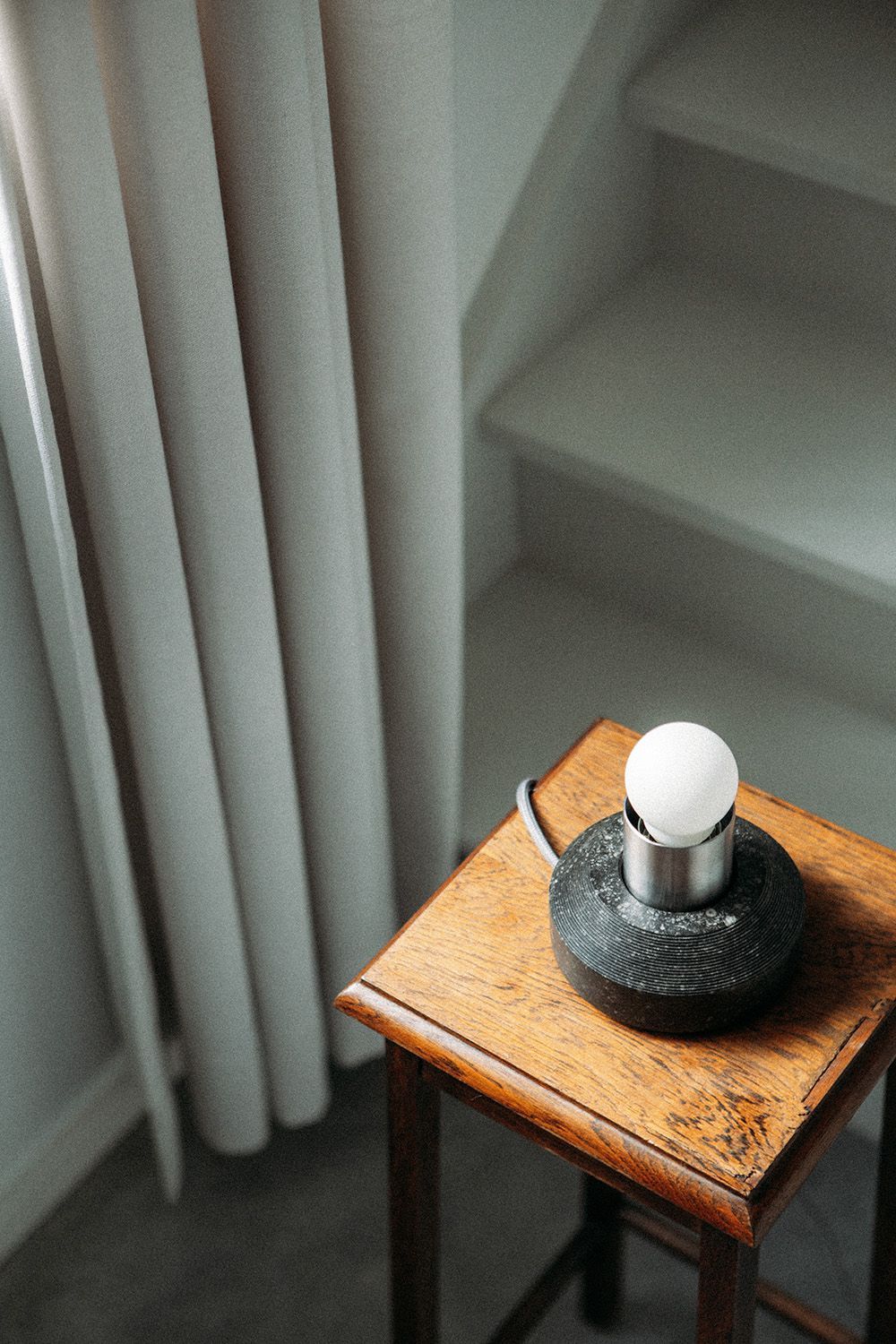
Our story began in 2020, when Duplex was still operating as a product and communication design agency. At the same time, we were developing self-initiated projects rooted in our values, such as GIO, a lamp crafted from leftover stone from the Hainaut quarry.
The positive response to those experiments gave us the push to take the leap: we decided to stop working as a service agency and launch a brand dedicated to responsible furniture and objects. Waste became our resource — and that constraint turned into our creative engine.
“Waste became our resource — and that constraint turned into our creative engine.”
Your goal is to create high-quality, unique and durable furniture and objects. How do you define durability in contemporary design?
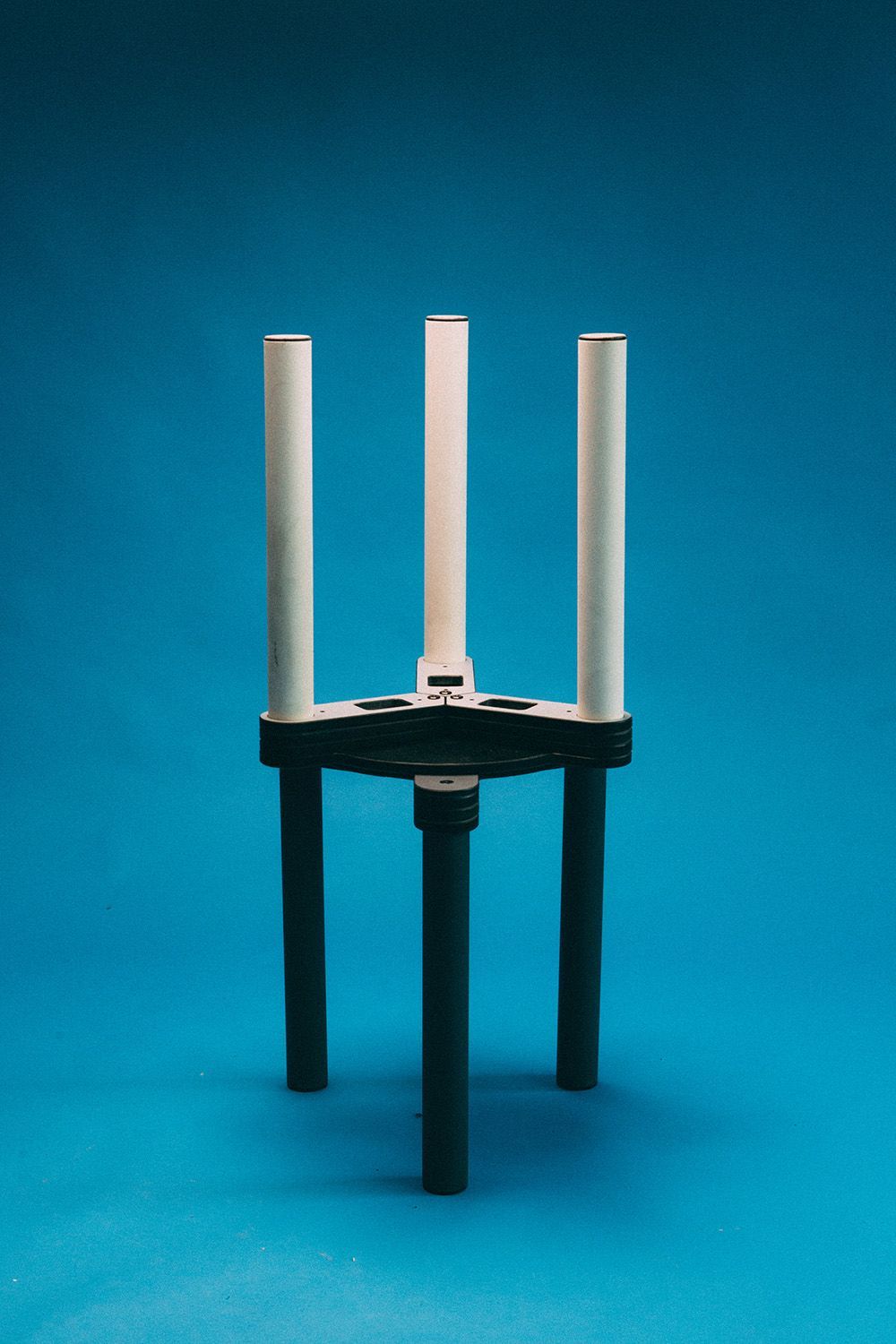
For us, durability is both material and aesthetic. On the material side, our furniture is designed to withstand intensive use in hotels, restaurants and offices, while remaining repairable and recyclable. On the aesthetic side, we favour timeless forms that do not fade with trends. But there is also a third dimension: the materials themselves.
By working with reclaimed resources and industrial offcuts, we extend their lifespan, giving back years of use to materials that would otherwise end up in landfill, downcycled or simply discarded as waste. True durability, for us, is when a piece is made to endure technically, visually and materially.
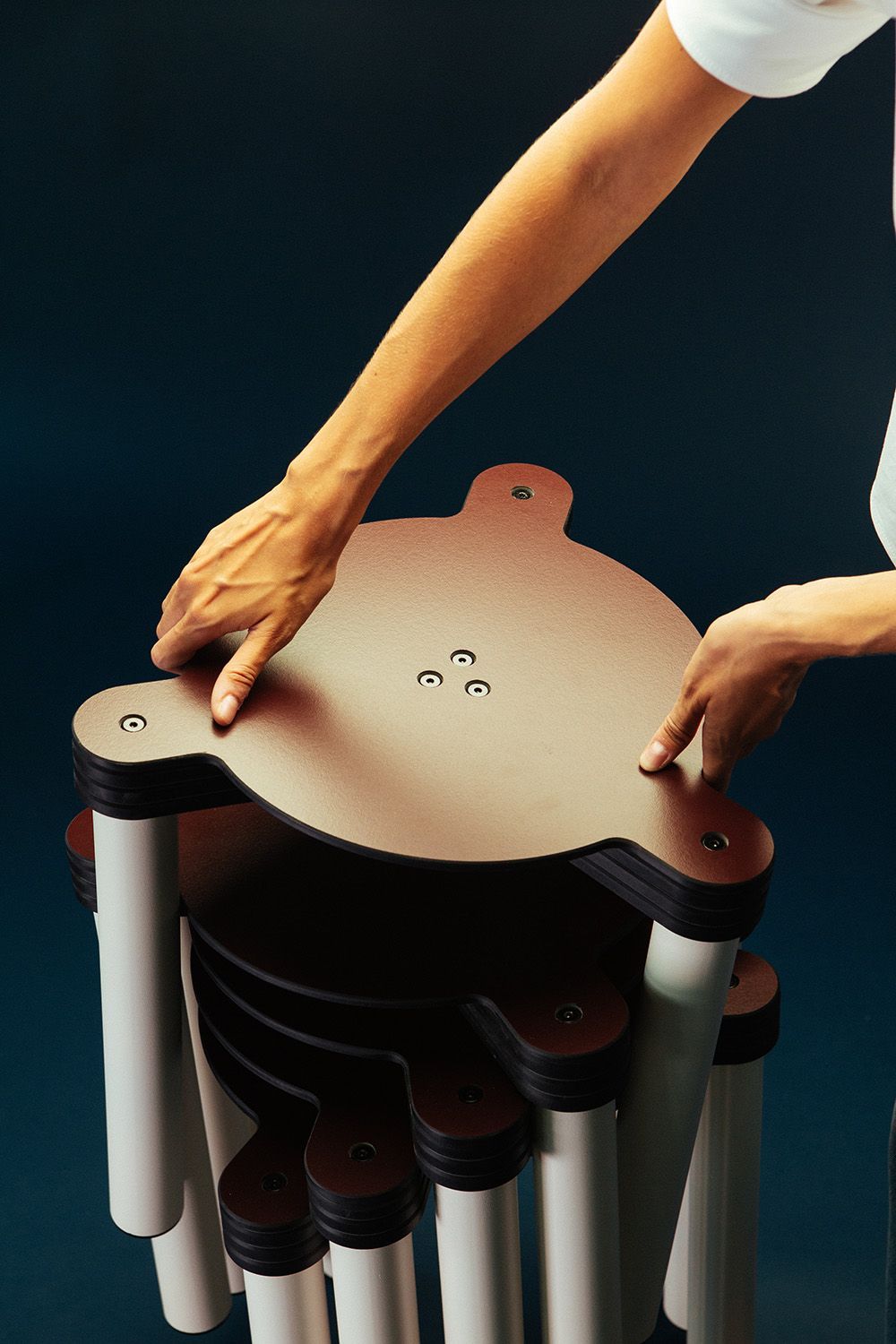
“Instead of trying to standardise or erase differences, we highlight them and turn them into value.”
Each piece is unique because no two reclaimed materials are alike. How does this singularity influence your creative process, and what value does it bring to the user?
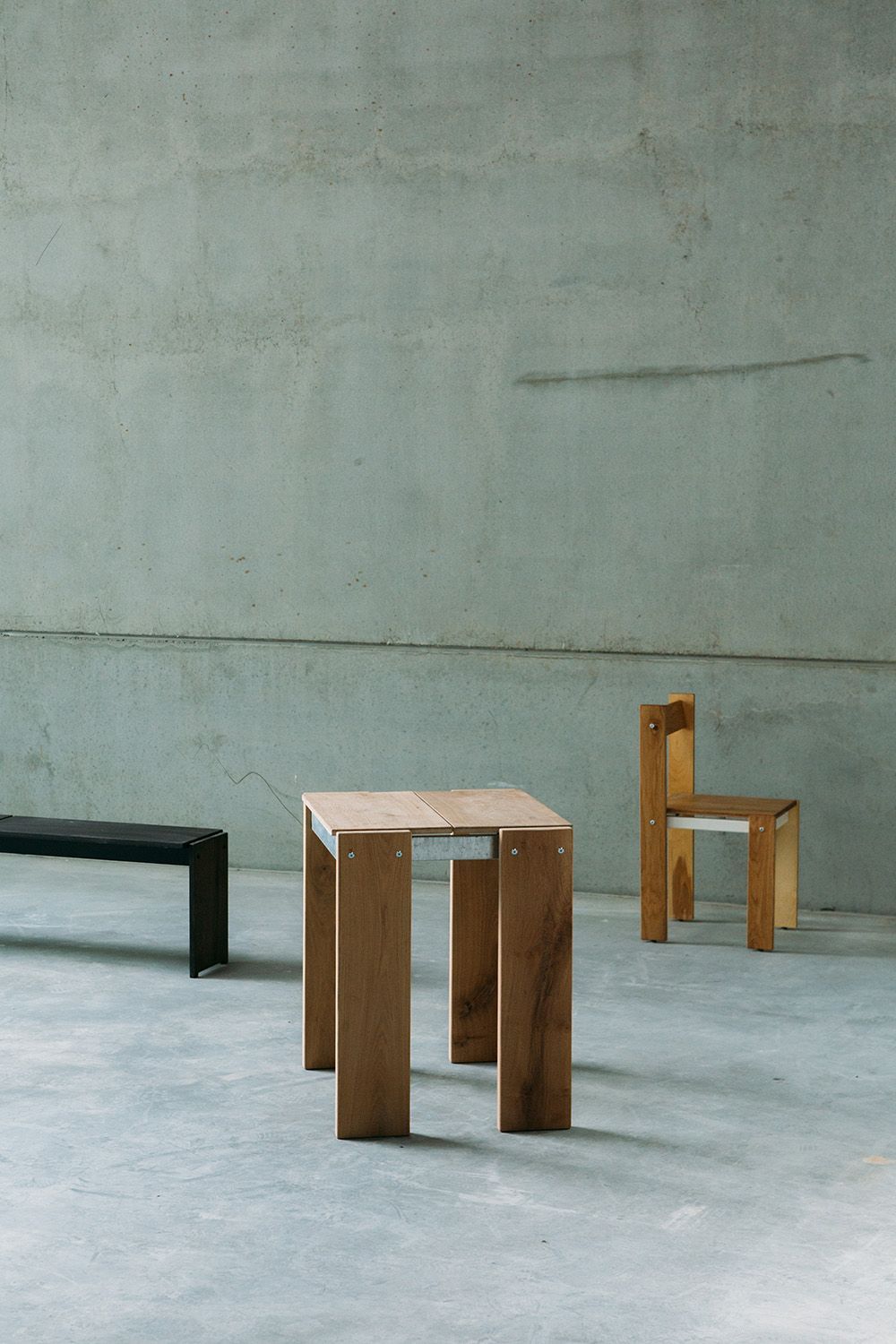
Every batch of material tells a story: the particular grain of an oak plank, the patina of a metal tube, the chromatic variation of a stone surface. But the uniqueness goes even further: every single offcut carries its own identity, because no two are ever exactly the same.
This singularity directly shapes our creative process: instead of trying to standardise or erase differences, we highlight them and turn them into value.
For the user, this translates into authenticity and character: a Duplex piece is not just furniture, it is a one-of-a-kind object with a past and a renewed future.
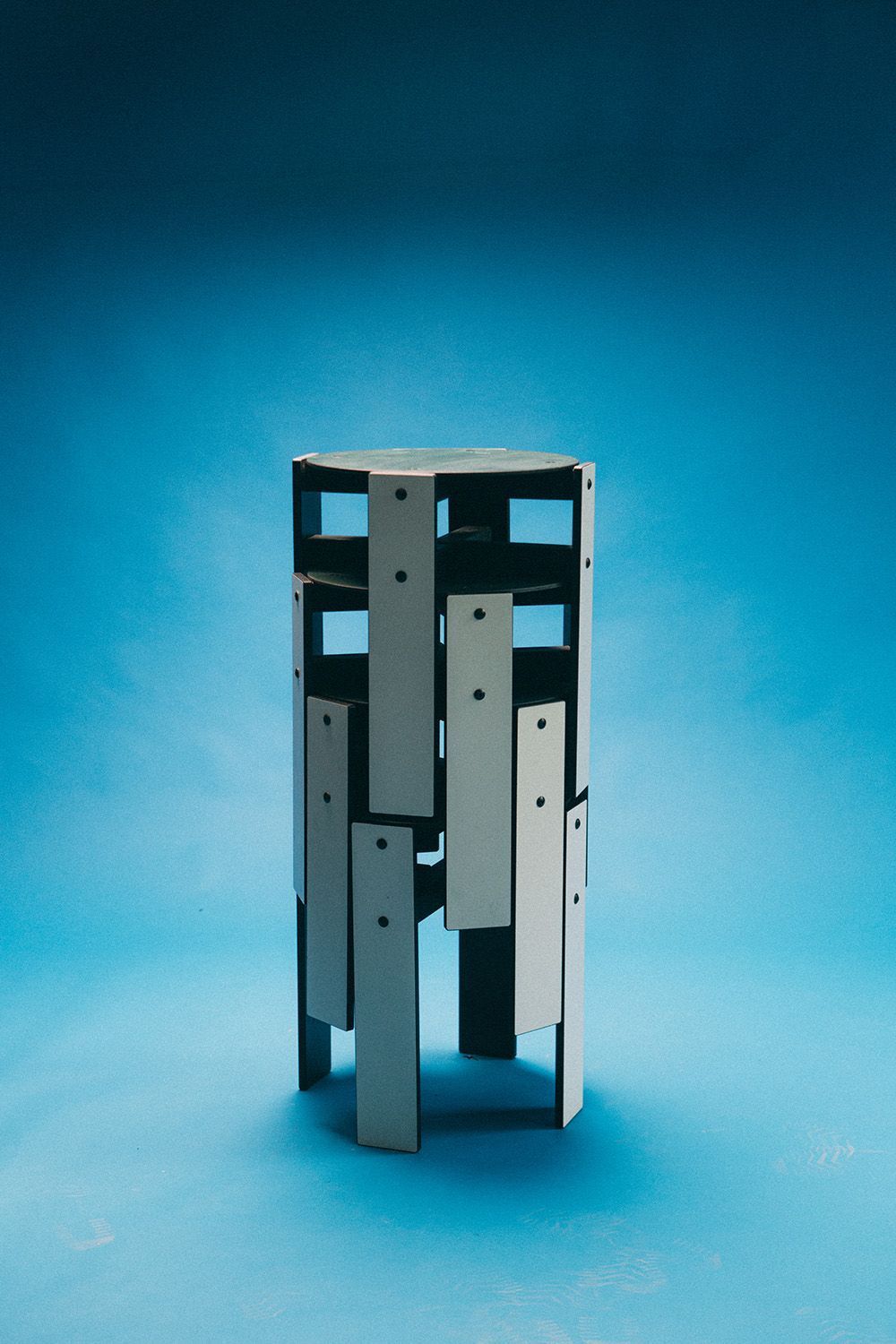
Your pieces celebrate the raw beauty and history of reclaimed materials, creating unique designs that combine character, elegance and versatility. How do you balance that expressiveness with the idea that your furniture should fit seamlessly into very different environments?
We have a strong visual identity in our design, and we know we cannot please everyone. Our aesthetic is closely tied to the materials we use and the ways in which we are able to produce them. In fact, it is often our production conditions that define the final design of a collection.
“Our aesthetic is closely tied to the materials we use and the ways in which we are able to produce them.”
But because we work with a wide variety of resources and develop parametric design pieces — most of which can be adapted to specific projects — our furniture can fit seamlessly into very different interiors, from bold hospitality spaces to minimalist offices.
You’ve mentioned that each design goes through a rigorous prototyping process. What role does this process play in ensuring the quality and functionality of your products?
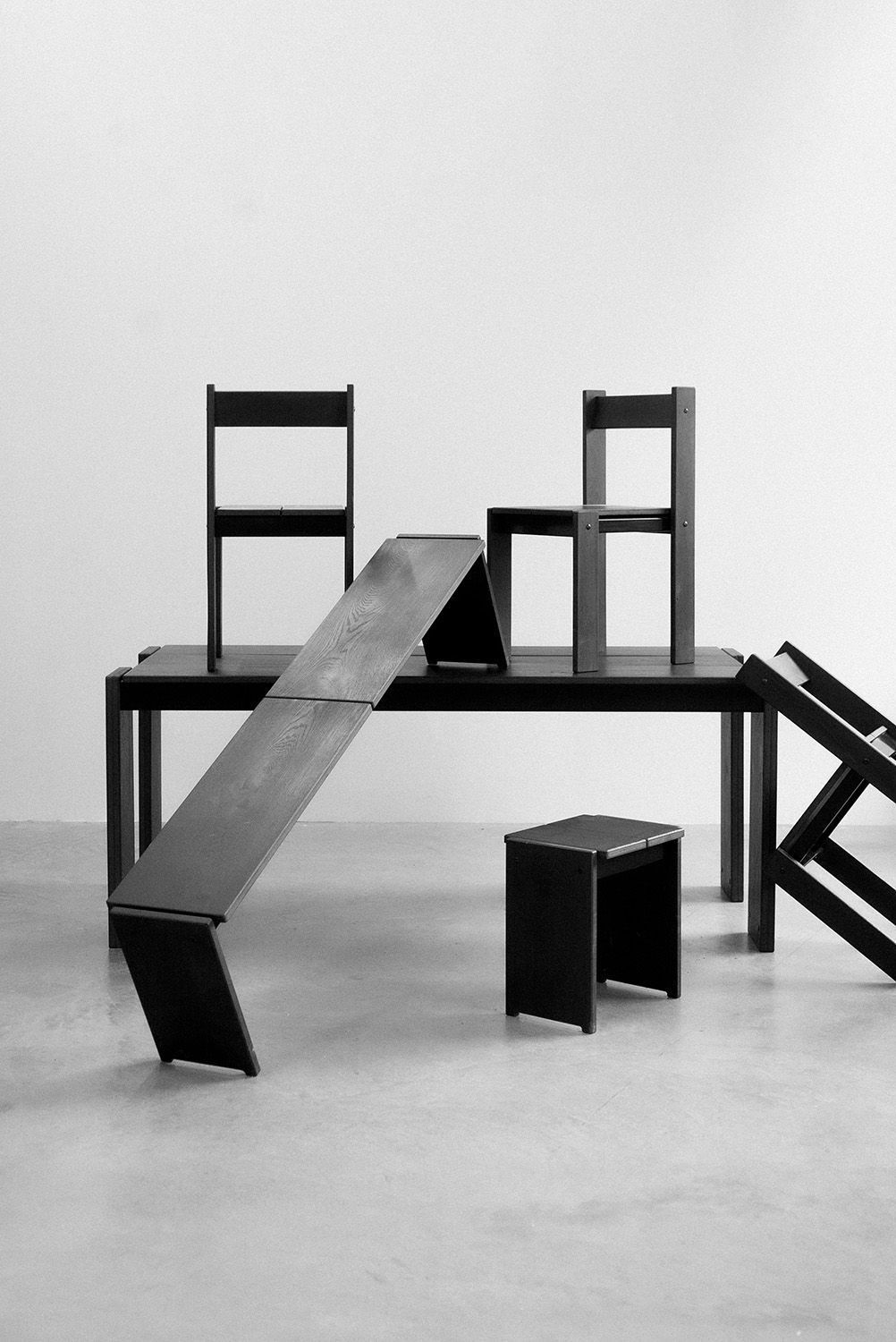
Prototyping plays a fundamental role. It is the stage where we test resistance, ergonomics, forms and overall feasibility. But it is also where we refine our assembly and mounting systems, developing solutions that can be applied across multiple pieces to create consistent collections.
This step allows us to strike the right balance between strength, practicality and aesthetics. In short, prototyping is how we ensure that our furniture not only looks good but also performs, endures and adapts.
Who designs your collections, and how does the workflow unfold between design and production?
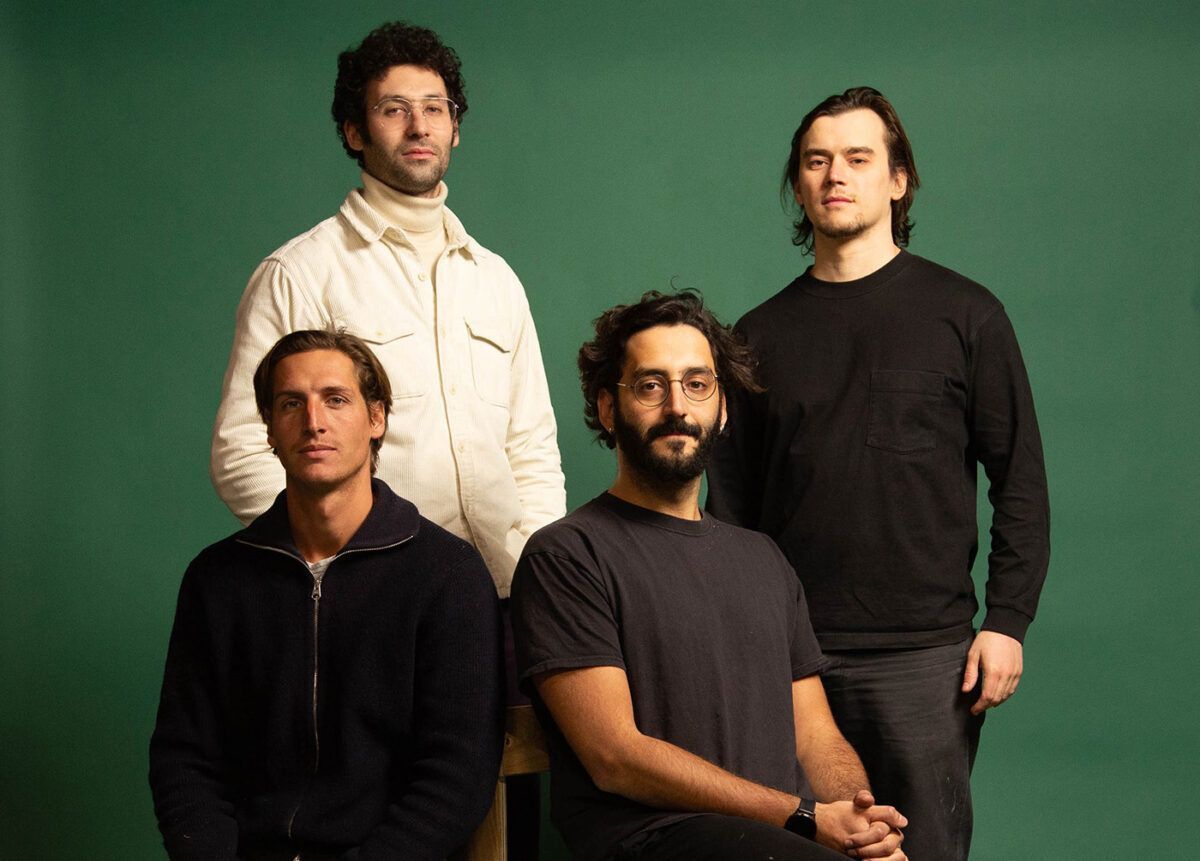
Our design team is entirely in-house and consists of four industrial designers. Their role is to analyse the properties of each material, sketch concepts, prototype them, refine the results and, finally, integrate the pieces into a semi-industrial production chain.
This circular workflow — sourcing, designing, testing, producing — ensures that each collection is born both from the material’s constraints and from our technical expertise.
What are your main sources of inspiration?
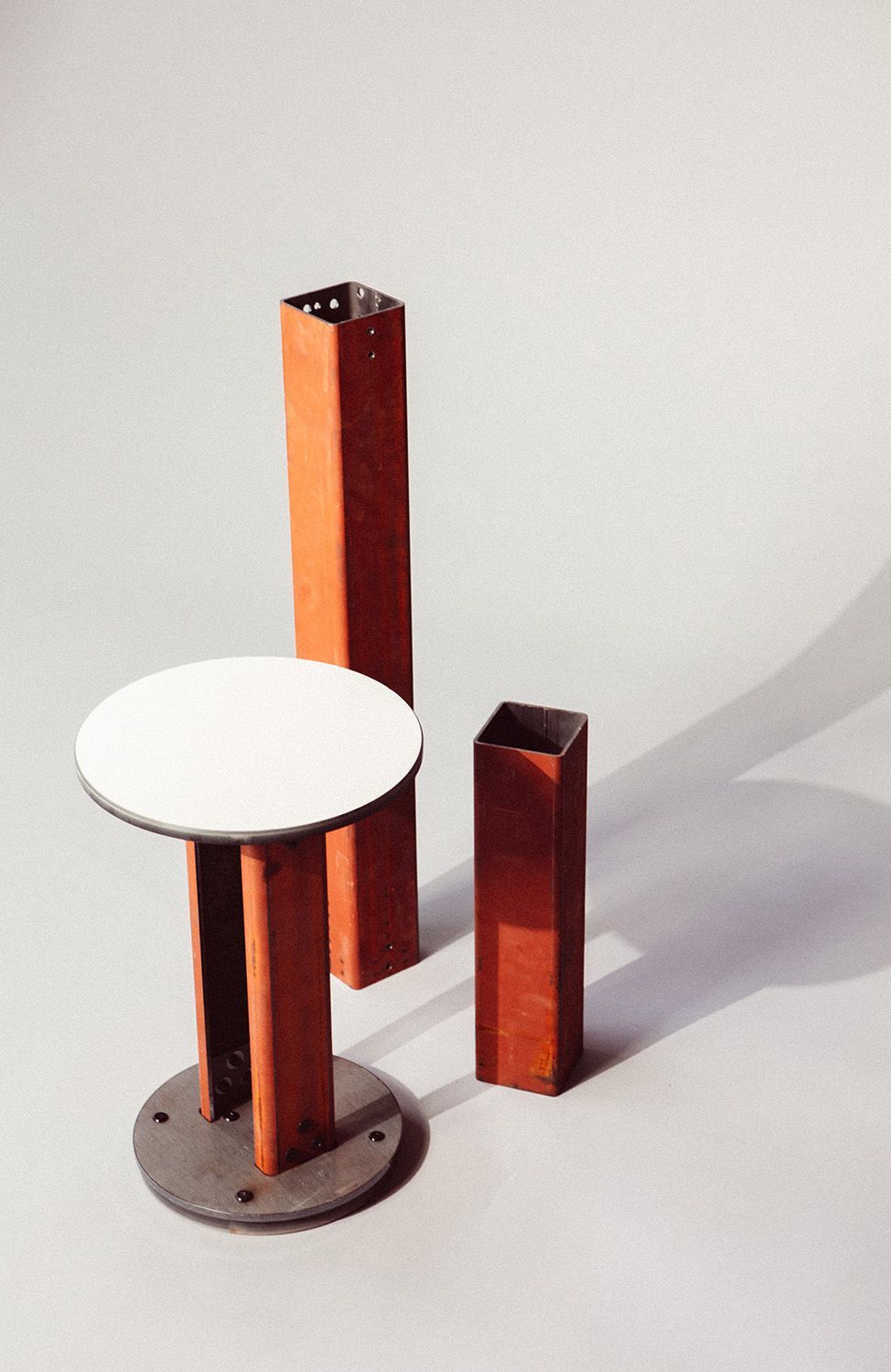
We don’t pretend to reinvent the wheel: we are constantly inspired by what we see around us. But our primary inspiration comes from the materials themselves and the conditions in which they are produced.
From there, the design process evolves into a more formal and aesthetic phase, where we often draw on existing design cultures. We prefer to minimise ornamentation, focusing instead on clean, modular forms that reveal the character of the material rather than hiding or overworking it. Function also guides us: designing pieces that remain durable and relevant in today’s demanding, fast-paced environments.
And what are the biggest challenges you encounter in your work?
The greatest challenge lies in sourcing: securing consistent flows of reclaimed material and integrating them into our production chain. This requires agility and foresight, as well as engineering work to translate raw, sometimes unpredictable resources into scalable collections.
Another challenge is perception: convincing people that circular design can be not only sustainable, but also competitive, aesthetic and of the highest quality.
Duplex champions a circular design model. In practice, how do you ensure that each piece reflects this commitment while remaining competitively priced and accessible?
Eco-design guides every stage of our work: minimising material use, creating mechanical assemblies that facilitate repair and disassembly, and producing locally to reduce transport and emissions.
By internalising as many steps as possible — design, prototyping, production — and relying on industrial offcuts as our primary resource, we can lower costs while maintaining high quality. That’s how we remain both responsible and accessible.
In September 2025 you will be participating in Maison&Objet. What does this international event mean to you, and what are you looking forward to showcasing in Paris?
Maison&Objet marks a milestone for us. For the first time, we will present ourselves purely as an established responsible furniture brand, with a dedicated stand that fully expresses our identity.
“Maison&Objet marks a milestone for us.”
We have participated in fairs before, but this year we chose to invest in showing who we are to as many people as possible. For us, it’s about claiming our place among international design brands and proving that circular furniture is not a marginal alternative.
On your website you state that “sustainability should be accessible to everyone.” How do you put this into practice, and how do your customers respond to this approach?
We minimise costs and handle as much as possible in-house so that we can offer competitive prices without sacrificing either quality or ecological responsibility. This allows us to furnish spaces responsibly without exceeding budgets — and our clients truly value that combination of accessibility and sustainability.
Your furniture ranges from minimalist to bold, always with a strong narrative component. What story do you want to tell through your pieces?
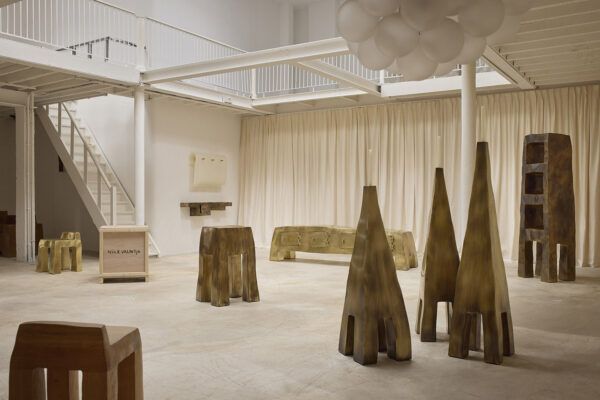
We want to demonstrate that it is possible to create refined, high-quality objects that look completely new using materials that were once considered unattractive or worthless, destined for landfill. Our story is about changing perception: revealing the hidden beauty of waste and transforming it into something desirable, durable and meaningful.
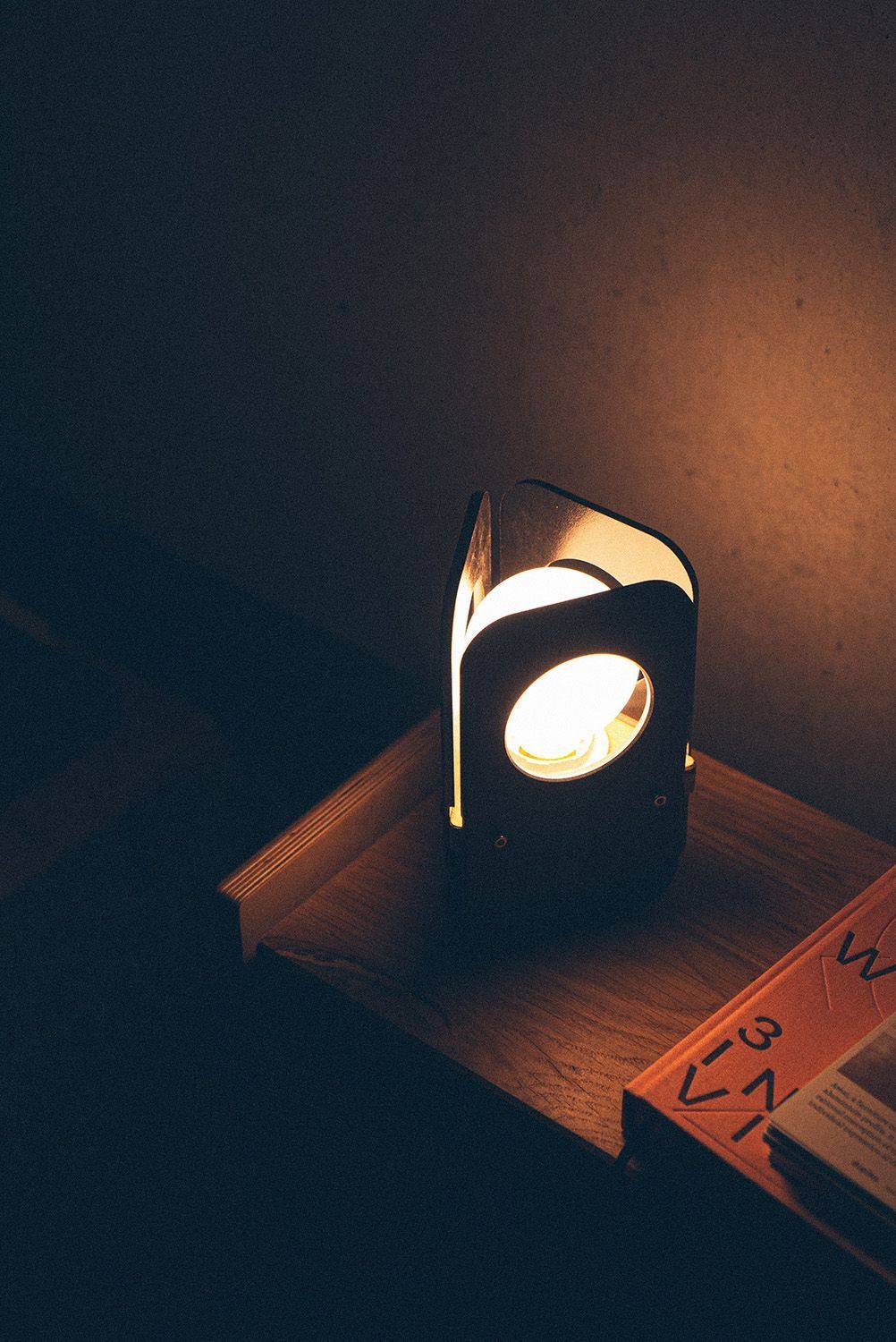
What projects or creative directions would you like to explore in the near future?
Our immediate focus is to continue developing our current collections: improving them, expanding ranges, and making them more adaptable. At the same time, we are working on identifying stable new material flows to secure future creations. And looking further ahead, we would love to explore the idea of opening “mini-Duplex” in other countries, so that local production — one of our core principles — can extend beyond Brussels.
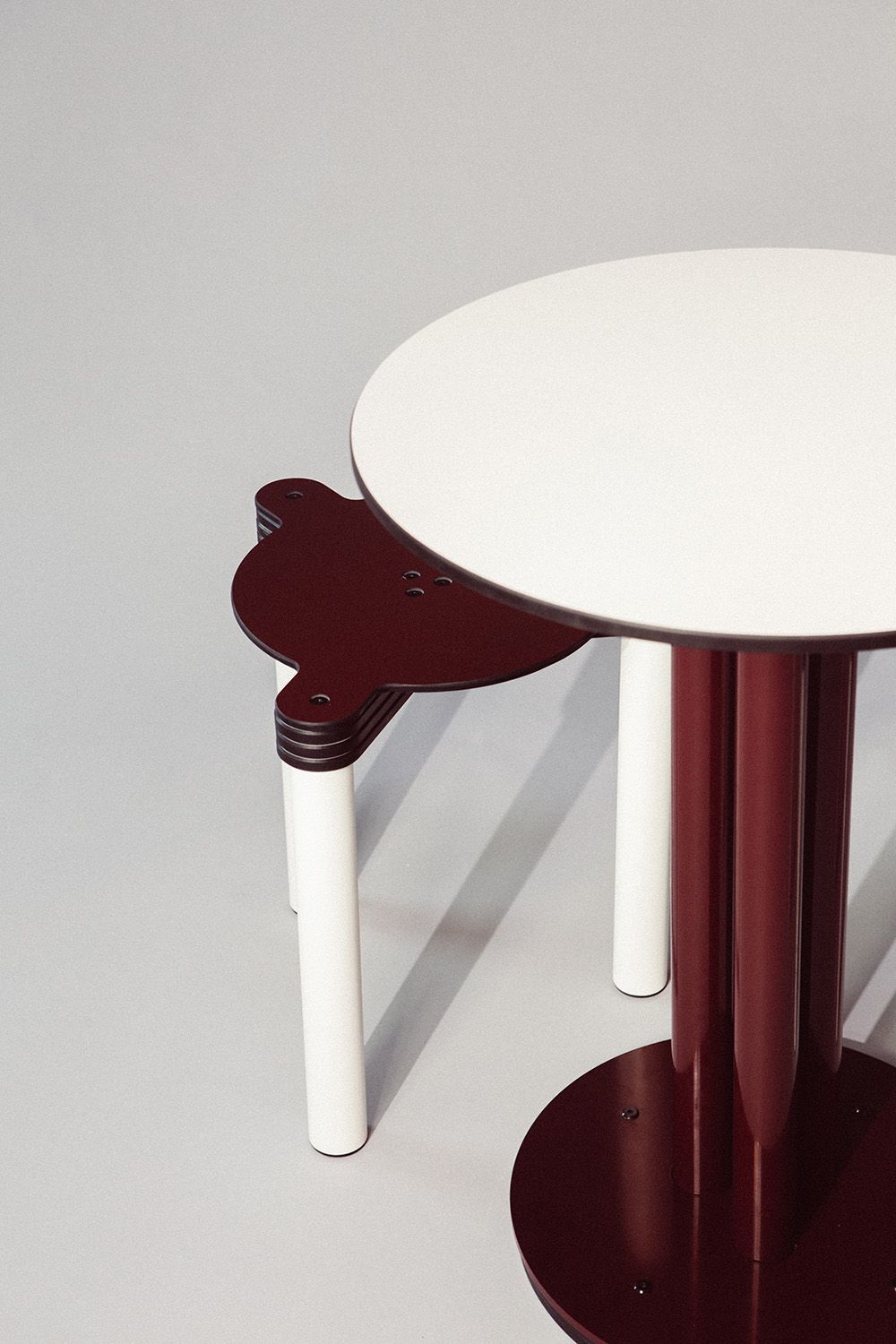
“We are working on identifying stable new material flows to secure future creations.”
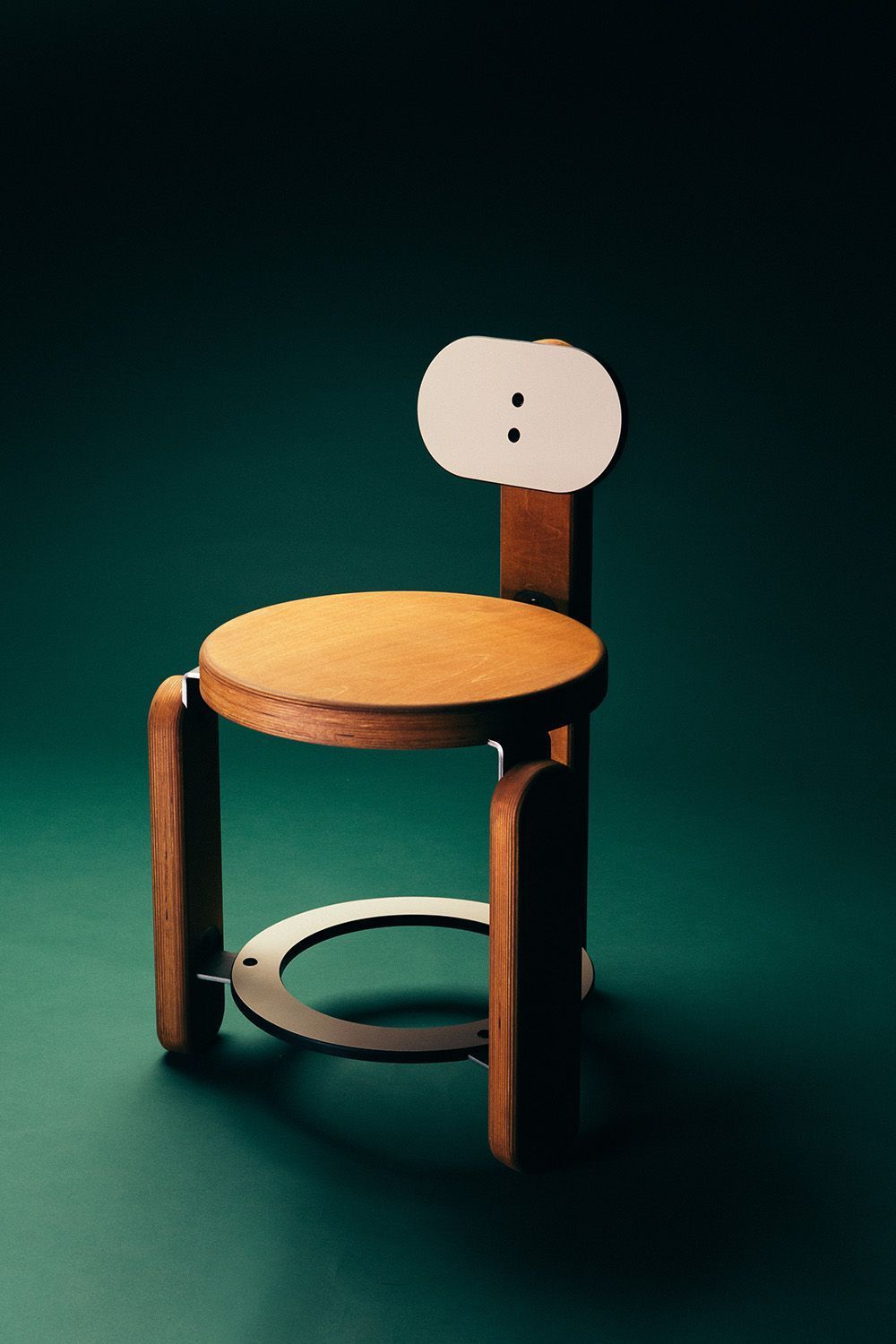
Duplex at Maison&Objet 2025: a turning point
This year, Duplex’s participation in Maison&Objet Paris represents much more than a trade fair: it will mark their international consolidation as a circular furniture brand. There they will unveil two new collections:
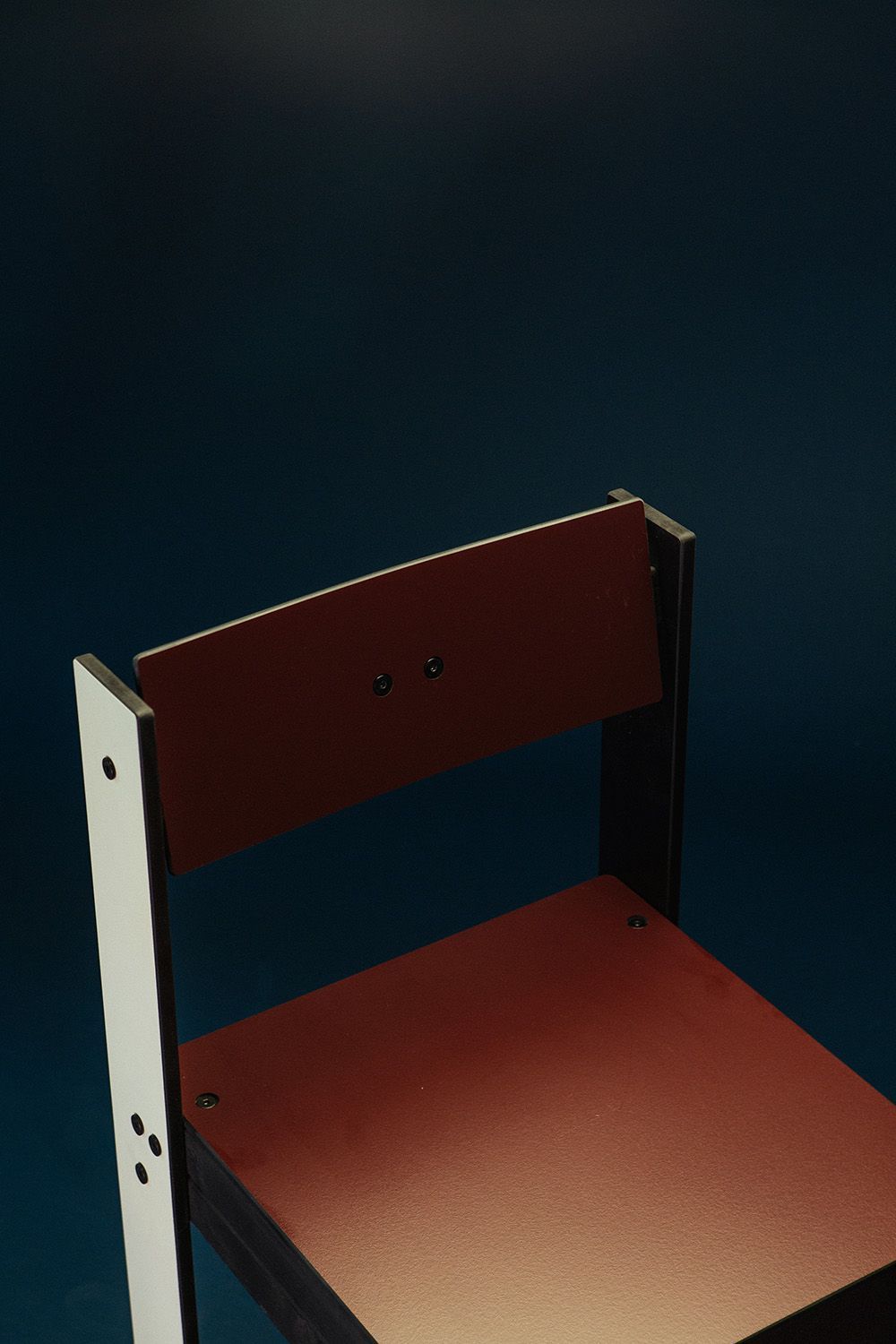
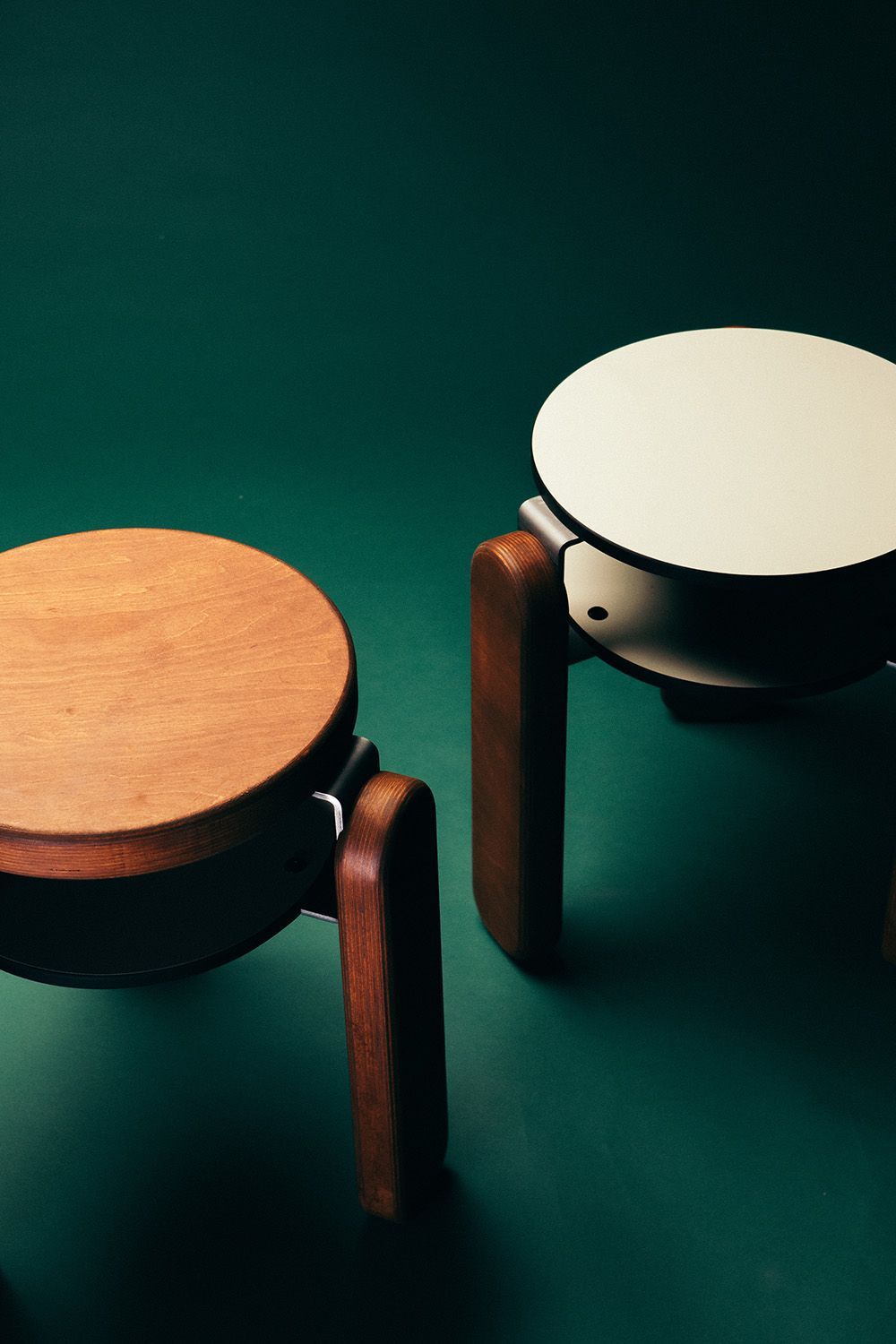
– WD02, created with reclaimed birch plywood and Trespa panels, almost 100% circular with a warm and durable design.
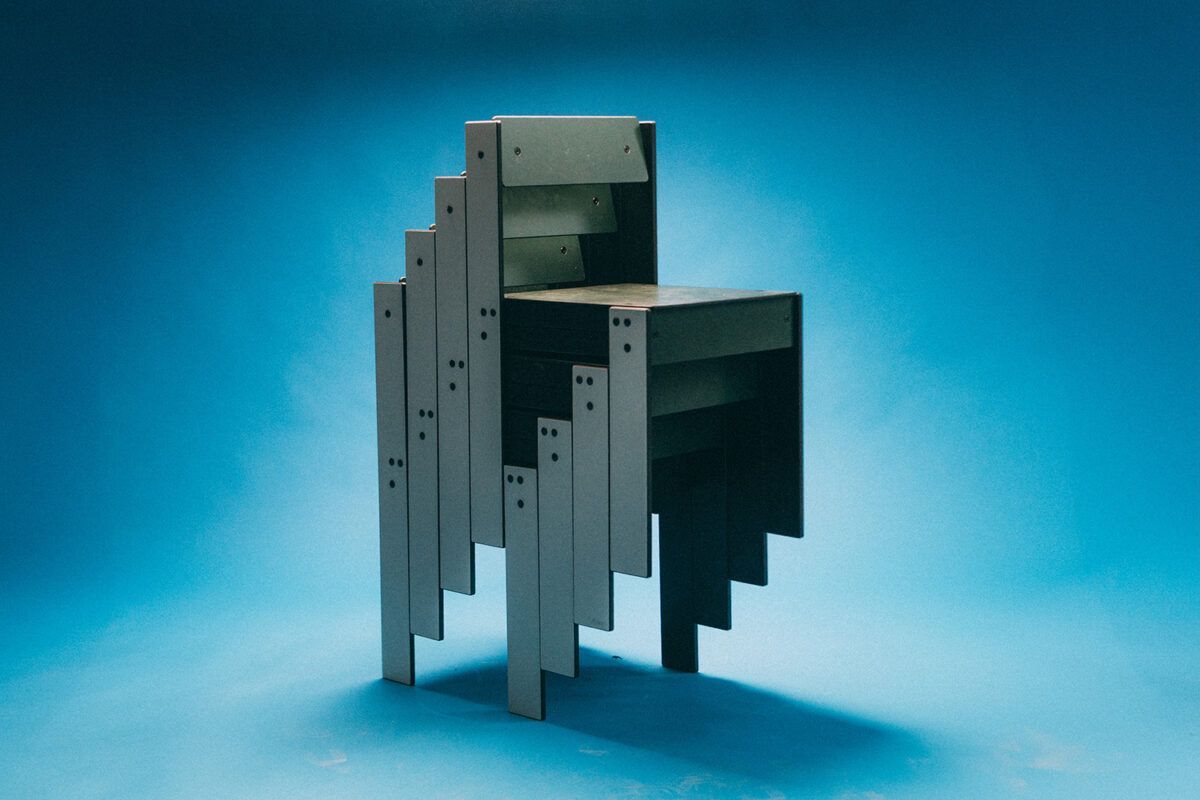
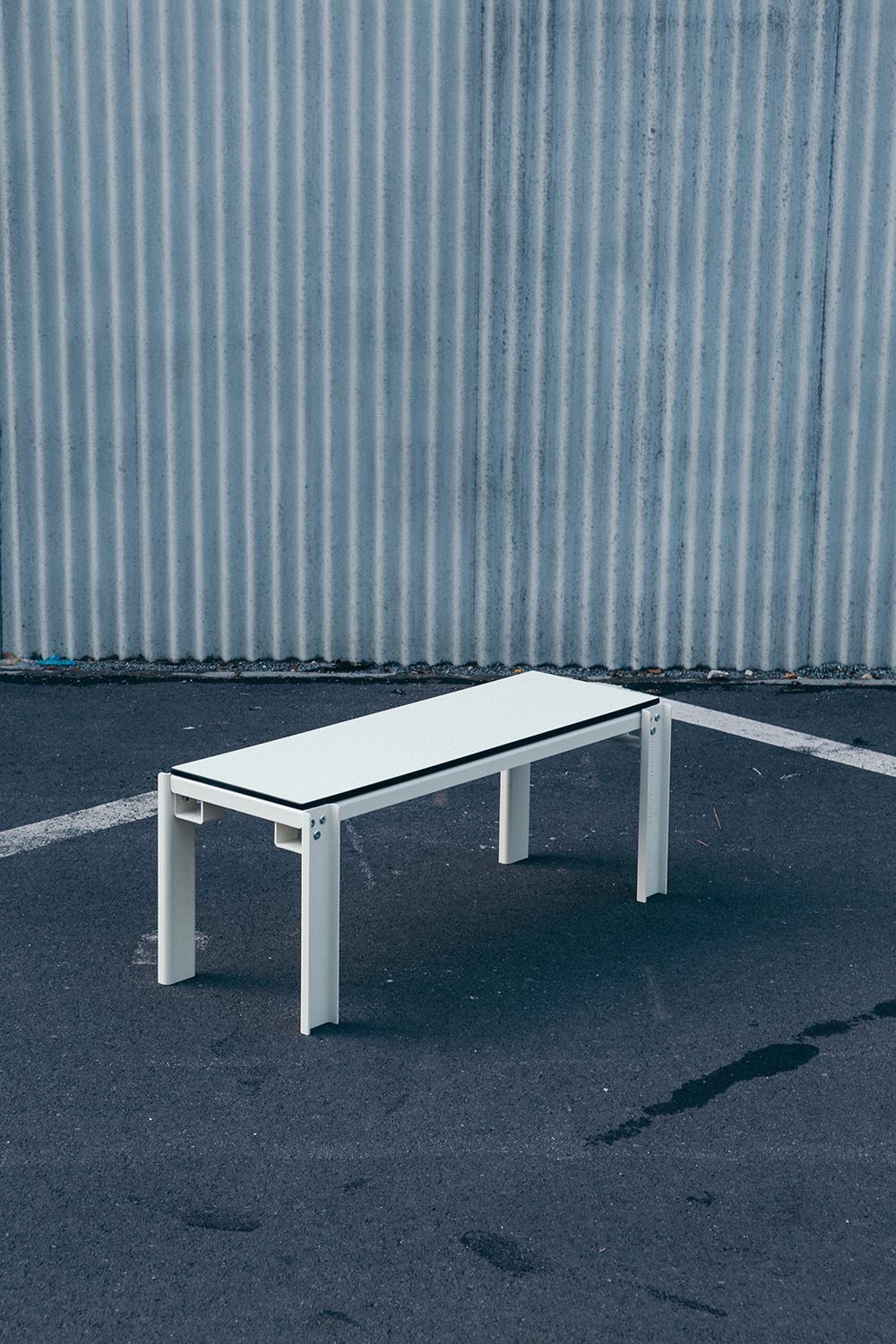
– TU02, made from 3,000 metres of reclaimed stainless steel tubes combined with Trespa panels; modular, lightweight and stackable, conceived for hybrid spaces.
From 4 to 8 September, in Hall 5, Stand N108, visitors will discover how Duplex transforms waste into creative drive, offering a new vision of contemporary furniture: responsible, competitive and full of beauty.
Save the date!
(*) Photos courtesy of Duplex.