Architecture with soul, playfulness and purpose: This is BIG in Spain

At a time when architecture not only shapes spaces but also redefines the way we live, work, and connect with our surroundings, the world’s most visionary studios are rewriting the rules. Among them is BIG (Bjarke Ingels Group), the influential Danish firm that has captivated the global scene with projects as iconic as they are disruptive. Now, with its sights set on Southern Europe, BIG is embracing Spain as a new strategic frontier in its expansion.

Where design becomes idea
In the world of BIG (Bjarke Ingels Group), architecture is not merely a way of building, but a way of thinking. An idea brought into space. A meeting point between utopia and strategy.
We spoke with João Albuquerque, partner and head of BIG’s presence on the Iberian Peninsula, to discover how this unique vision is taking shape in Spain through iconic projects – and now, with the opening of a new office in Barcelona.
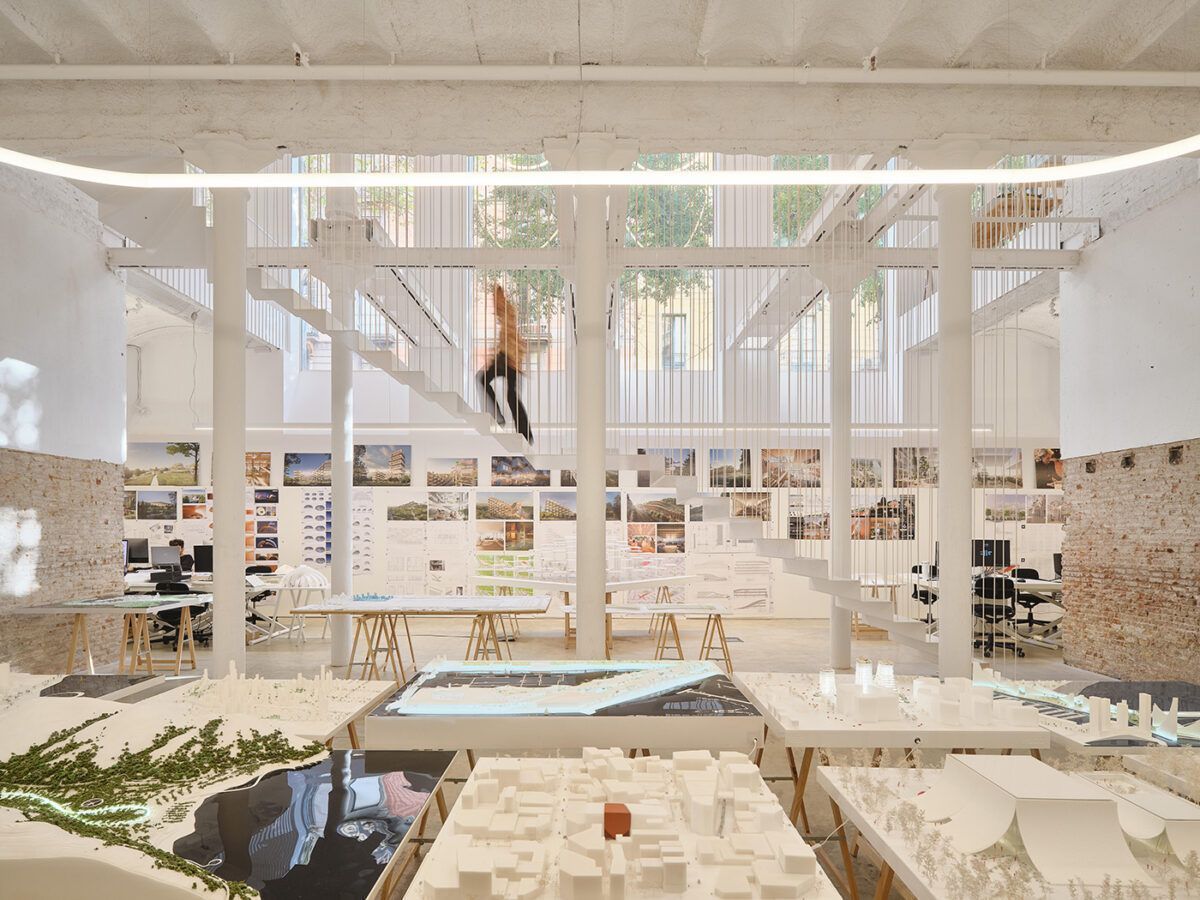
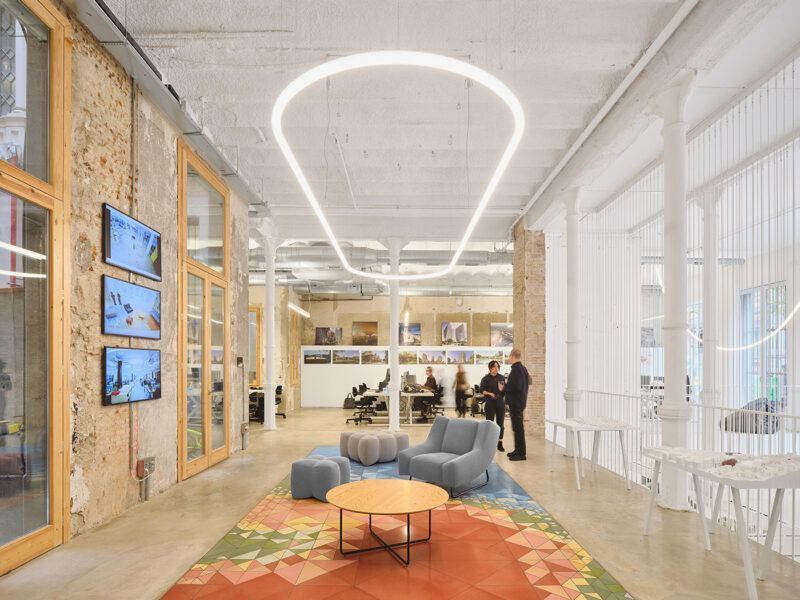
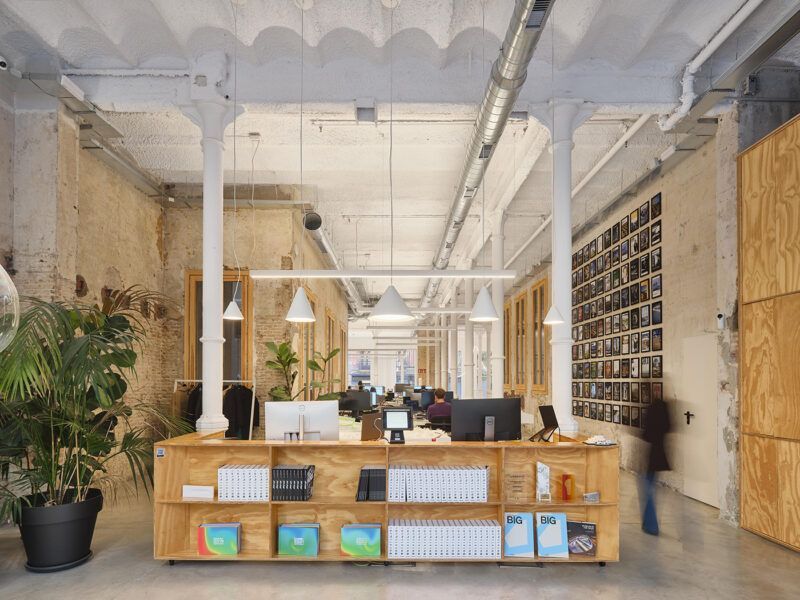
Barcelona as laboratory: a new office that is also architecture
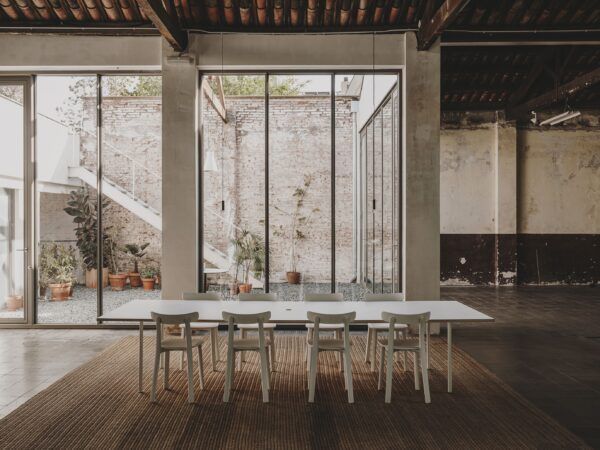
BIG’s new office in Barcelona is not just an operational hub, but an architectural statement.
Designed by the studio itself, the space embodies the values that define its DNA: openness, fluidity, creativity, and sustainability. It’s far from a typical corporate environment – rather, it’s a space crafted to foster collaboration, disruptive thinking, and direct engagement with the local fabric.
“Barcelona represents a fascinating intersection of culture, history and urban experimentation. Being here allows us to connect from within with what’s happening in Southern Europe,” João tells us.
Hedonistic sustainability: designing for pleasure (and the planet)
One of the most provocative concepts BIG has brought into contemporary architectural discourse is hedonistic sustainability.
“BIG introduced hedonistic sustainability into contemporary architecture.”
Far from guilt-driven narratives, it offers an optimistic lens: being sustainable doesn’t mean giving things up – it means gaining in quality of life.
This principle is clearly reflected in two of BIG’s most significant projects currently underway in Spain: the Joint Research Centre in Seville and the Gastronomy Open Ecosystem (GOe) in San Sebastián.
JRC Seville: science, light and landscape
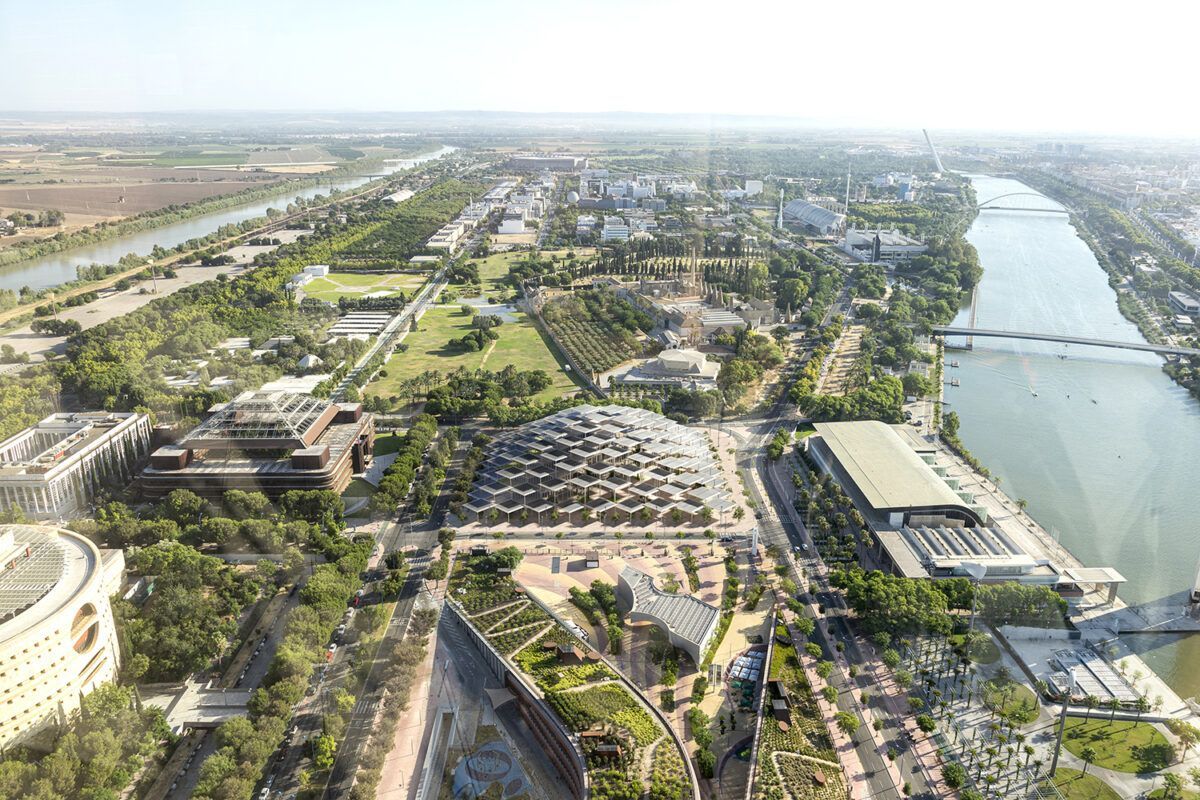
In Seville, the Joint Research Centre – promoted by the European Commission – rises as a campus-laboratory that aims to redefine how we work, think and innovate.
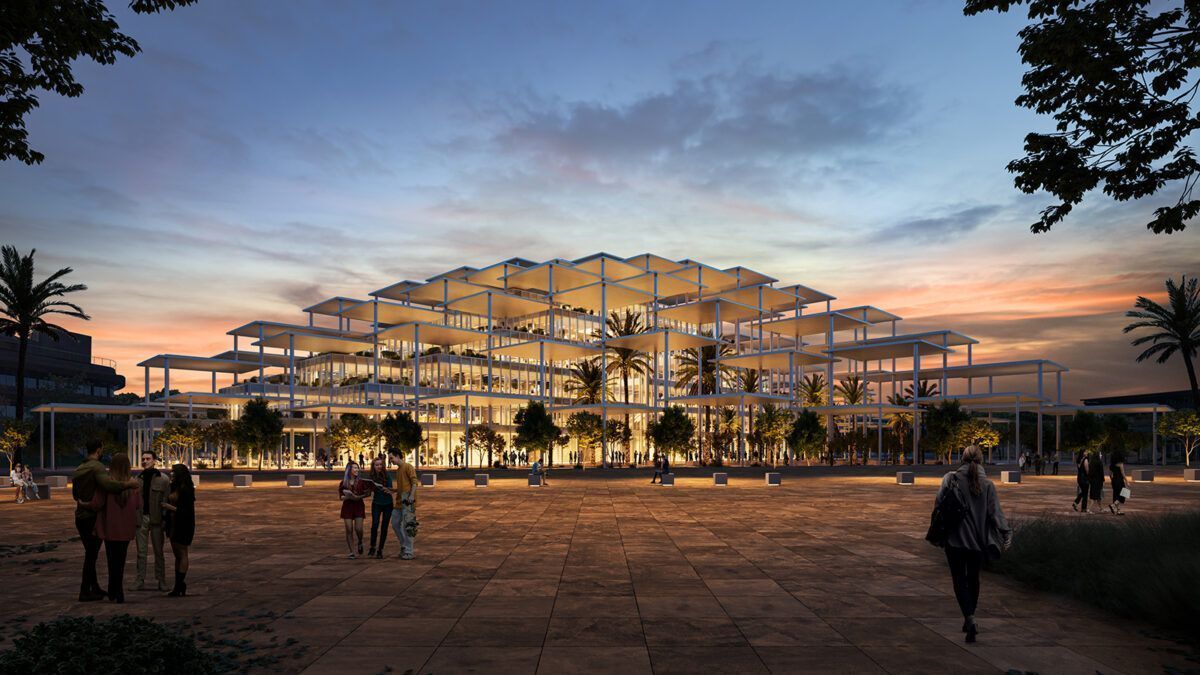
Architecture here responds to Andalusia’s climate and landscape: a vast solar pergola shades the site, filtering light and generating energy, while local materials such as limestone and ceramic reduce the carbon footprint and echo the region’s heritage.
“The building doesn’t just host research – it inspires it. We wanted the design to enhance collaboration and creativity, as if the space itself were part of the experiment,” João explains.
GOe San Sebastián: architecture you can taste
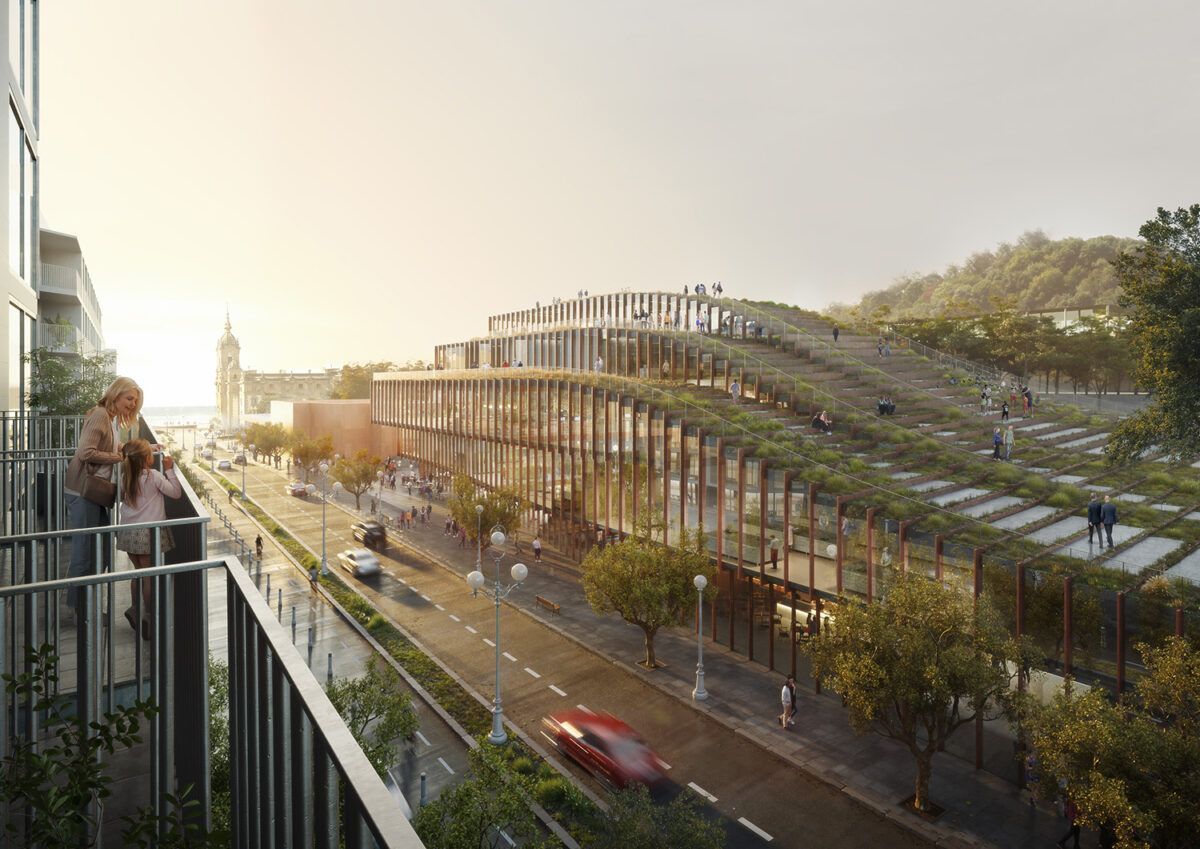
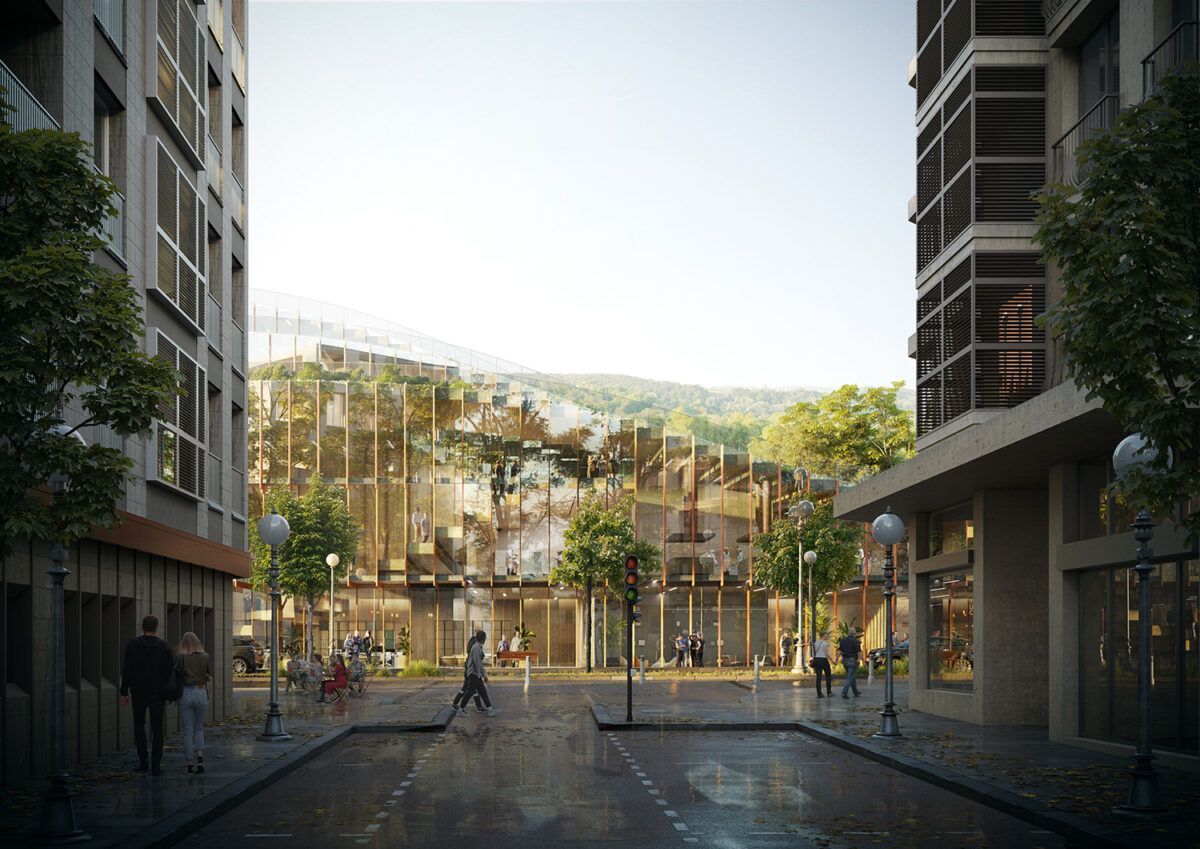
At the heart of San Sebastián’s innovation district, the GOe is much more than a culinary centre – it’s a platform for exploration, learning, and community. Its sinuous shape flows through the urban landscape like a wave – a nod to the nearby Cantabrian Sea – while its green roof both beautifies and provides natural temperature control and rainwater collection.
This is a project that blends the tangible with the symbolic: architecture as an active ingredient in a gastronomic, cultural, and sustainable ecosystem.
More than buildings: a way of seeing the world
From the very beginning, BIG has resisted easy labels. Its architecture is serious yet playful, rational yet provocative, technical yet emotional. Rather than choosing between opposites, it embraces them.
For João, this translates into a way of working that blends analytical thinking, artistic intuition and advanced technology: “Each project is a chance to question what we think we know about space. How can we make a building more useful, more beautiful, more accessible, more efficient… and more inspiring?”
The future is already here
With the rise of technologies such as artificial intelligence, digital fabrication and digital twins, BIG sees an opportunity to enrich its processes – not replace creativity. For them, technology is a means, not an end.
This vision becomes even more relevant in the Spanish context, where regulatory or budgetary constraints can spark fertile ground for innovation. The new Barcelona office brings BIG closer to these realities, allowing them to better understand the nuances of each location, each client, and each opportunity.
BIG in Spain: Redrawing the posible
BIG’s presence in Spain is not just an extension – it’s an immersion. Projects like the JRC in Seville and the GOe in San Sebastián, along with the new Barcelona office, do more than expand the studio’s geographical footprint: they expand its imaginative one. These are examples of how radically contemporary architecture can be deeply human, local, and transformative.
Because in the end, as João Albuquerque concludes, “what truly drives us is not building more – but building better. And that begins with listening, imagining, and daring to think big.”
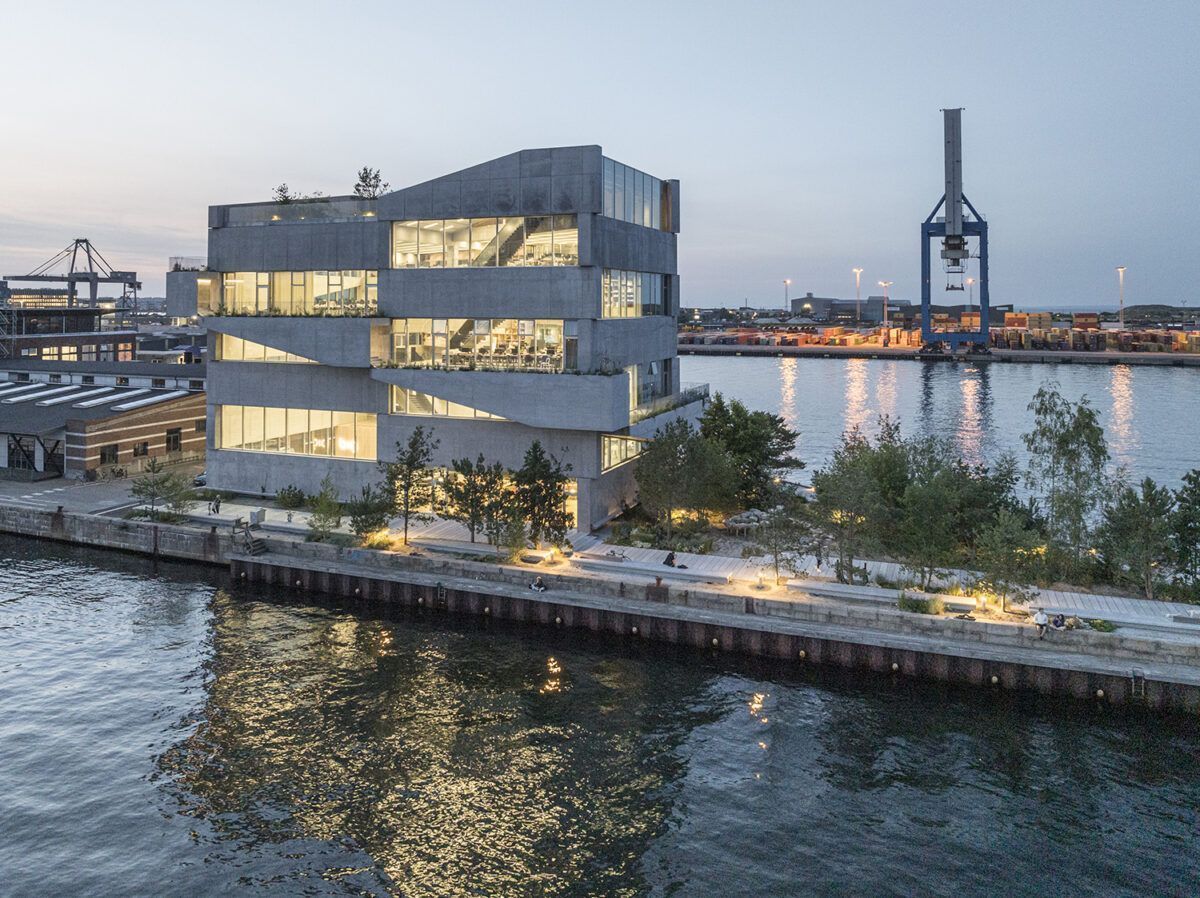
(*) Photos provided by BIG. Cover photo, slider photos 1, 5, 7, and 9: Laurian Ghinitoiu; Render 4 by Playtime; Renders 2, 8, and 10 by Fusao. Barcelona office photos: Adrià Goula; Noma 2.0 images: Rasmus Hjortshøj.