Olivier Lei: capturing mystery around every corner
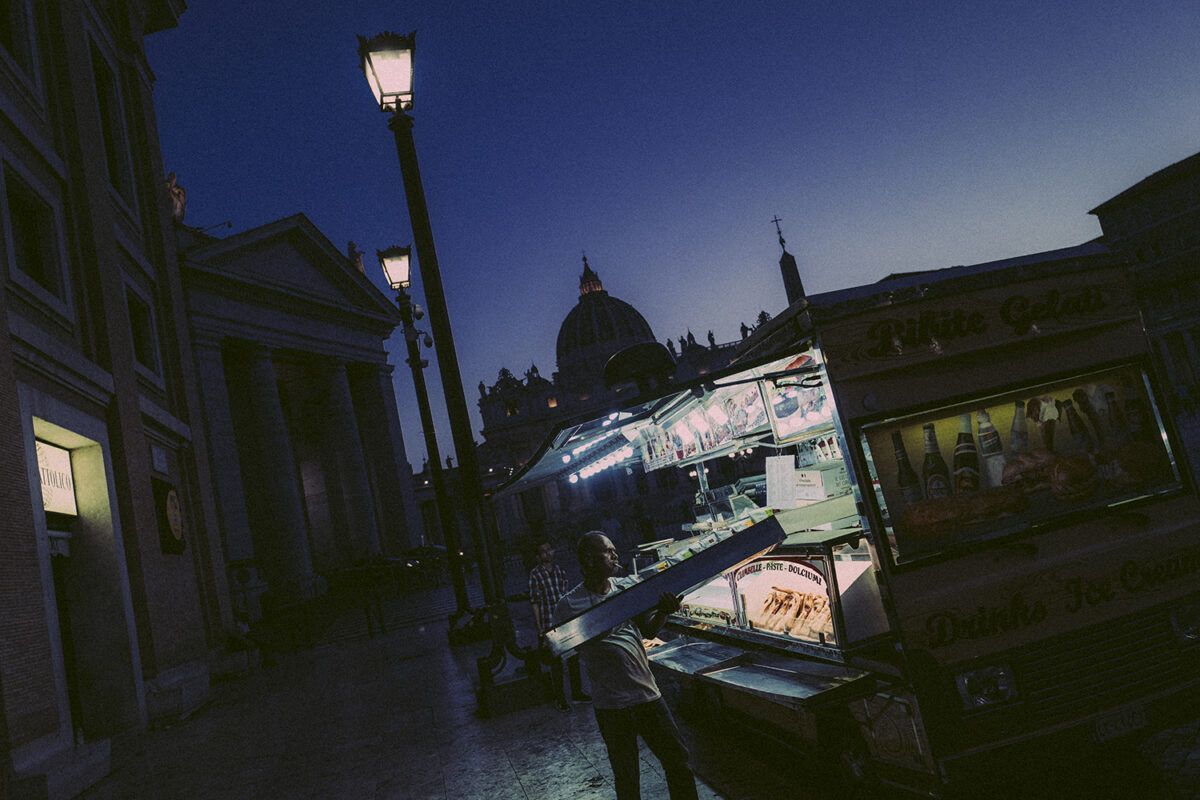
At CC/magazine, we’ve spent years sharing — through our photographic triads on Instagram — the work of photographers and artists we deeply admire. It’s not just about aesthetics: we look for creators who can tell stories, suspend time, and stir emotion with a single image. One of them is, without a doubt, Olivier Lei.
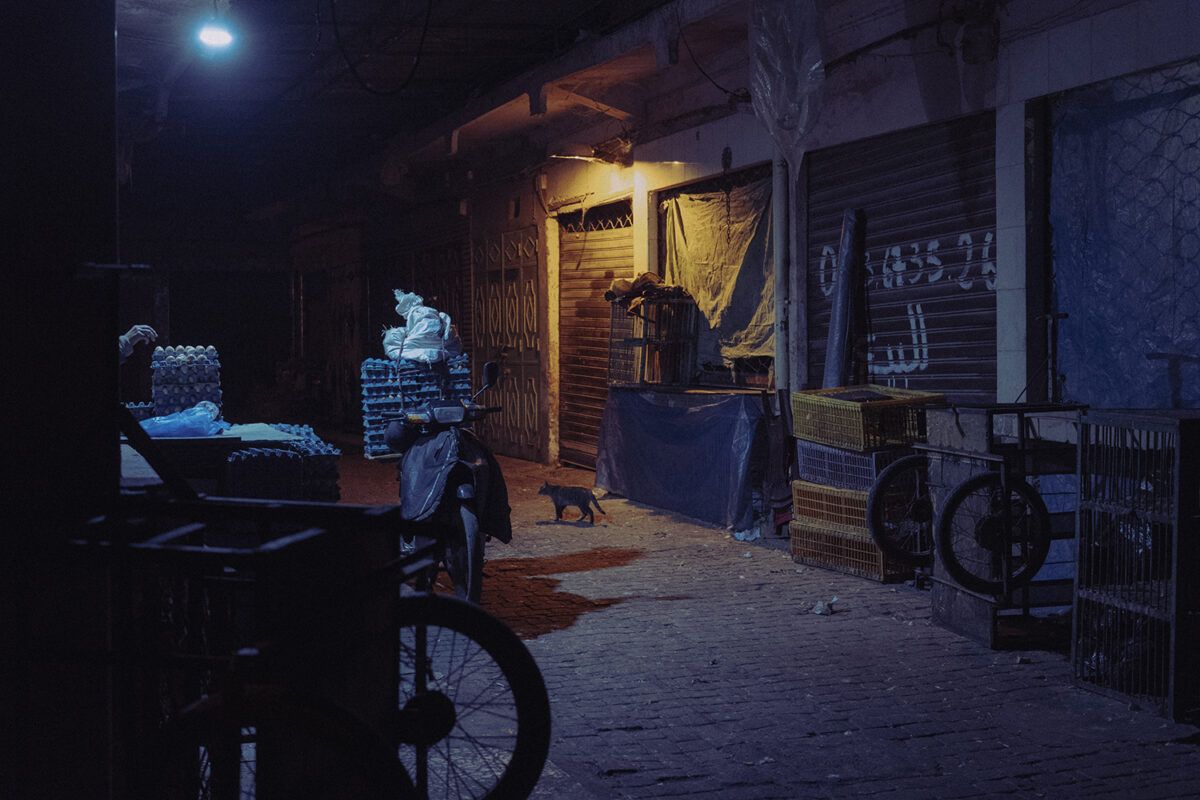
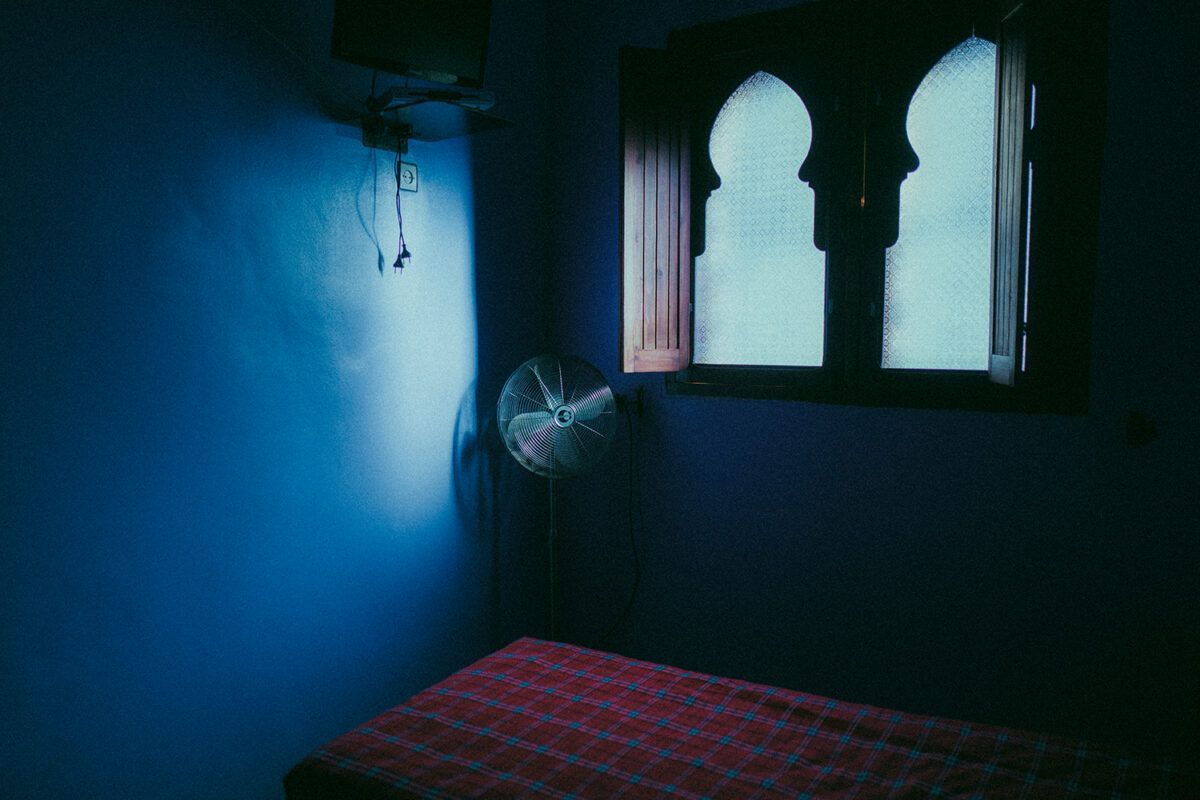
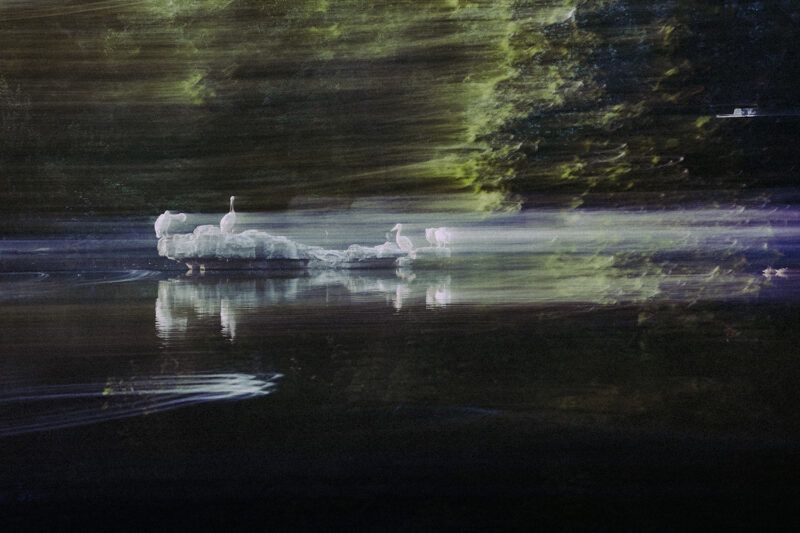
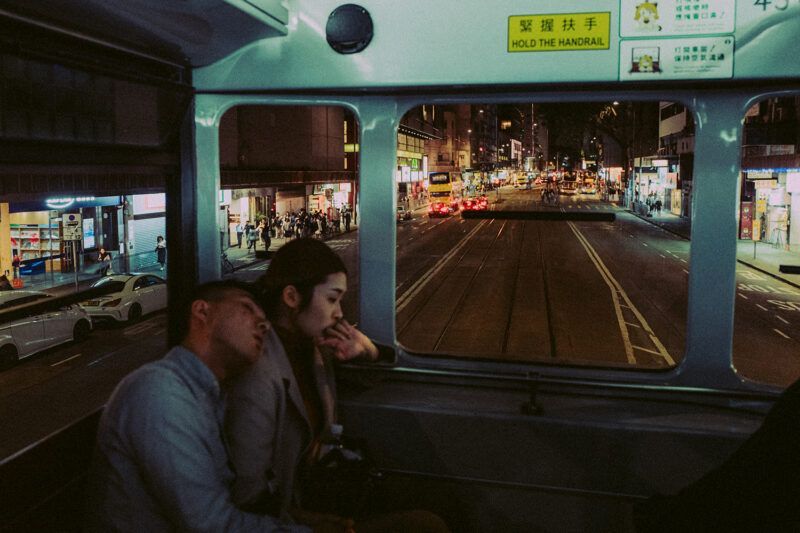
A restless photographer, silent observer and tireless traveller, Lei has turned the street into his stage and the camera into his compass. From deserted alleyways to bustling boulevards, his work is driven by a single pursuit: the enigmatic — that which hides in the interplay of light and shadow. As Leica Camera aptly puts it, this is not merely photography: it’s an exploration of the unknown.
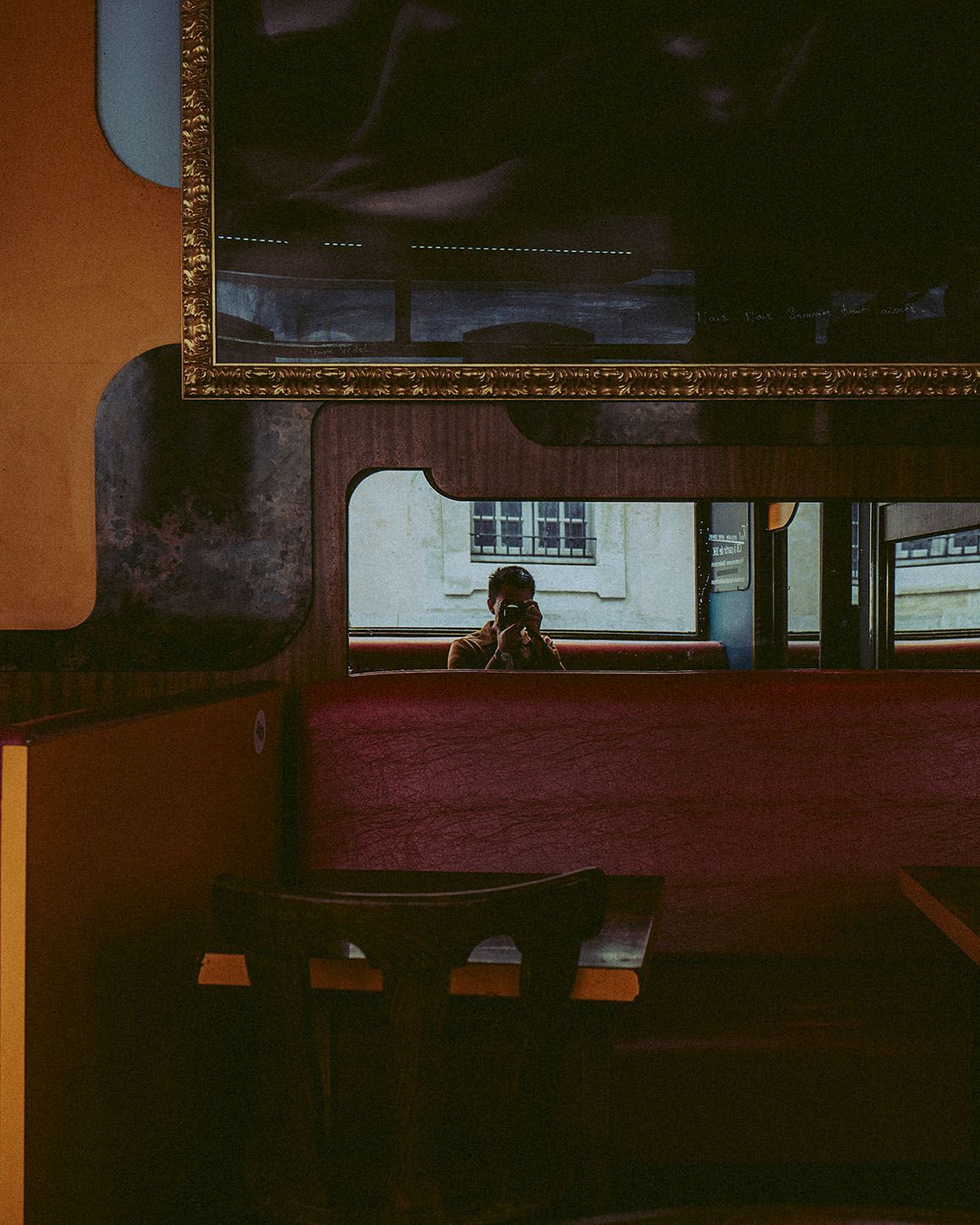
Recipient of awards such as the Paris International Street Photo Awards (Gold Medal, 2024), Life Framer, LensCulture and The Independent Photographer, Olivier Lei has established himself as a singular voice in contemporary street photography.
In this interview, we dive into his creative process, his personal vision, and the visual universe that continues to fascinate and invite us — time and again — to see the world through fresh eyes. Come in and read on.
Your relationship with Leica seems to go beyond the technical aspect. What does this camera represent for you in terms of visual philosophy and the way you see the world?
For me, shooting with a Leica rhymes with simplicity, it’s about being present, focused, and fully immersed in the streets. I’ve always loved the brand’s philosophy that resonates with me. Leica has always put the photograph first. They’re not chasing trends, they care about the image, not about your fame.
What truly drives you to pick up the camera? Is it the pursuit of a story, a fleeting emotion, a certain atmosphere… or something more instinctive?
It’s hard to say, sometimes it’s the light, a passing emotion, or the quiet beauty of an ordinary moment. I’m not really chasing a story or a scene.
I walk, I observe, and I let the world come to me. It’s almost never planned. It’s more like drifting, guided by instinct, by feeling.
But deeper than that, photography is a kind of escape. A therapy, maybe.
I’ve always felt a bit out of place, a bit distant, I don’t communicate easily, I’m not good at all with words or small talk but with a camera in my hands, I find a way to say something without speaking.
Each photo becomes a quiet confession, a piece of how I see, and how I feel.
How do you perceive this phenomenon? Do you think the essence of photography is at risk, or simply evolving?
Today, photography is consumed like candy, fast, superficial, and often forgotten just as quickly.
Platforms like Instagram have turned images into endless scrolls, where the meaning gets lost in the noise. It’s frustrating, because photography deserves more than a second of attention.
However I don’t think the essence of photography is dying, I think it’s being buried under speed and that’s why things like exhibitions, books, or artist talks are so important. They allow us to pause, to breathe, and to really connect with the work. In a world that moves too fast, photography can still teach us to slow down if we let it.
“I walk, I observe, and I let the world come to me. It’s almost never planned.”
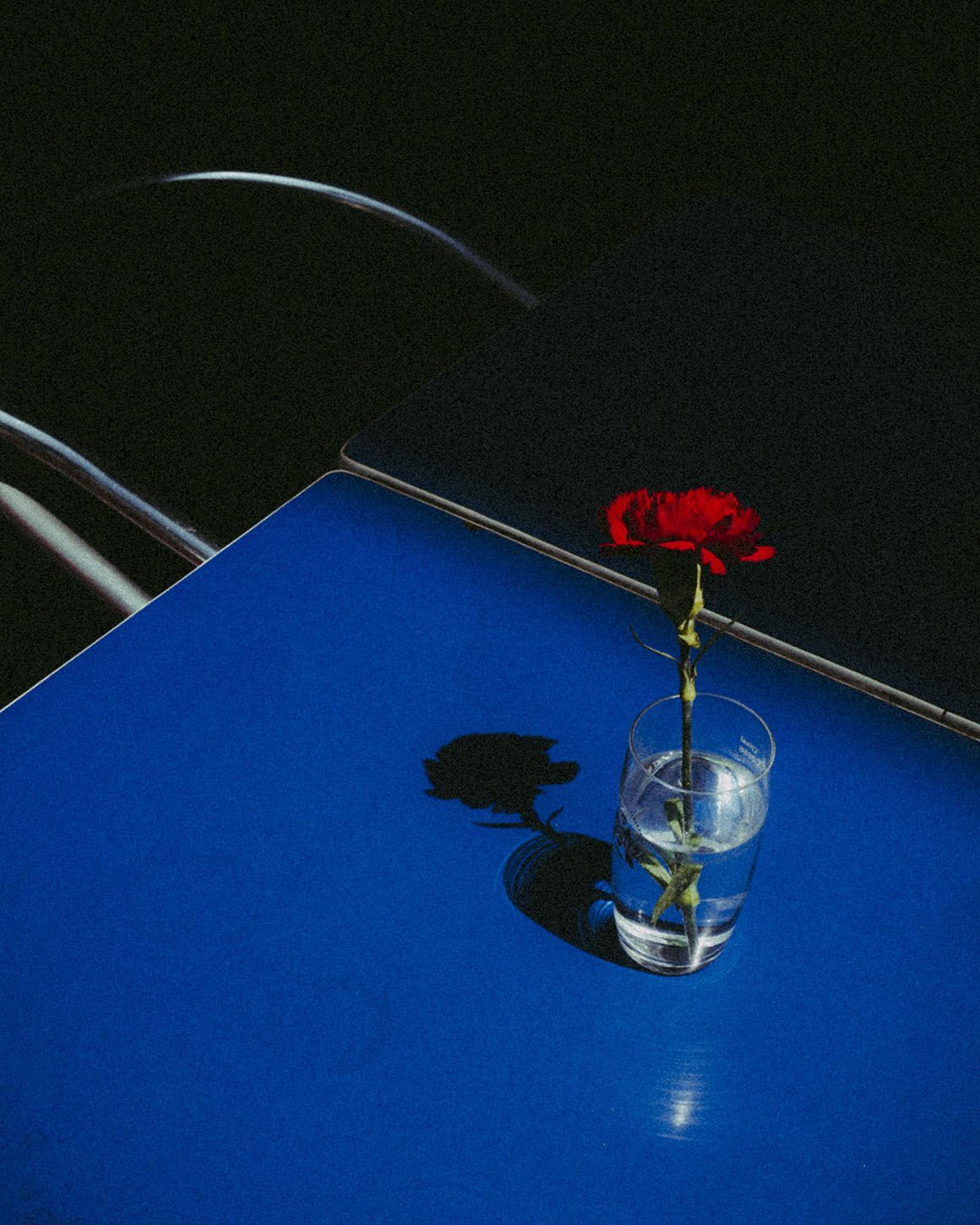
What role do social media play in your career? Do you feel comfortable with constant exposure, or do you draw clear boundaries between what you share and what you keep private?
Social media plays an important role for me, without it, I probably wouldn’t be having this conversation with you, or connecting with so many inspiring artists around the world. It’s a powerful tool, but one that needs to be used with care.
There’s pressure, of course. Posting regularly, sharing only good work, it’s very exhausting, especially now with the promotion of the short video format.
And inevitably, you start comparing yourself, even if you don’t want to. You scroll through the work of incredible photographers, and a quiet doubt creeps in, it’s quite depressing.
By the way I set clear boundaries, I only share my photography work, never anything personal. For me, the work should speak first, not the person behind it. Some things deserve to stay in the shadows, off-screen.
“It’s a powerful tool, but one that needs to be used with care.”
What personal or professional projects are you currently working on, and what is this creative moment teaching you?
At the moment, I’m not working on any specific project. I have ideas, fragments of something but they need time, space, a clear mind and honestly, a bit of money to come to life. Creativity doesn’t always move on command. Sometimes, you have to sit with the silence and wait. This moment is teaching me patience. That not creating is also part of the process.
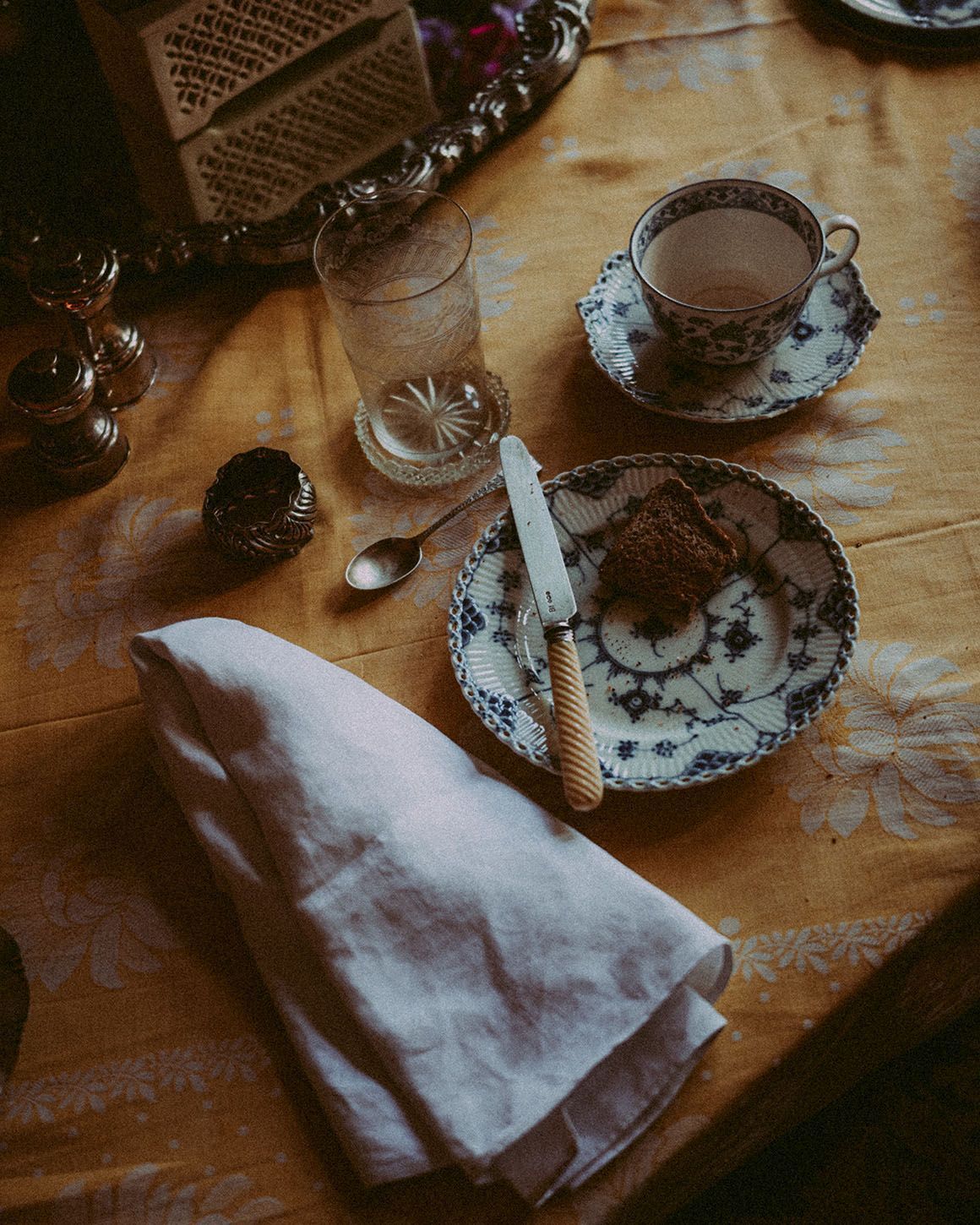
You’ve captured diverse cultures and cities, but is there a place in the world—or a specific story—you dream of photographing that remains unexplored?
There are still so many places and stories I dream of capturing.
Countries like Lebanon, China, India, and Russia fascinate me for their depth, complexity, and contrasts. Each of them holds a different rhythm, a different kind of light.
I’m also drawn to certain stories, I would like to shoot the backstage of a restaurant, the behind the scenes of a movie, the raw energy behind music festival or sports events.
And if I had to name a dream project, it would be to document the Orient Express. There’s something timeless and cinematic about that train, it carries mystery, nostalgia, and elegance all at once. A moving story waiting to be told.
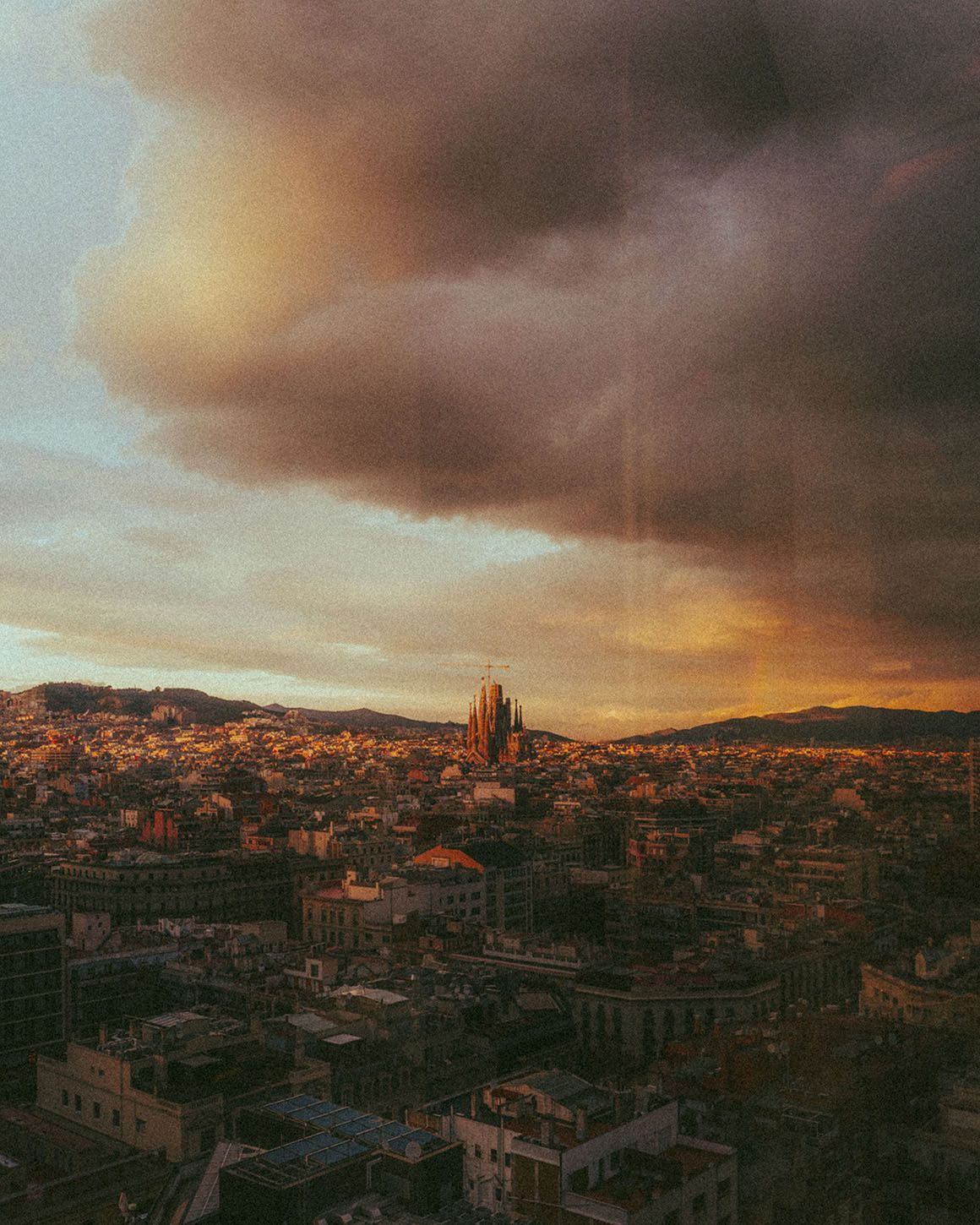
Aesthetic is clearly important in your work, but there’s always something beyond the visual. How do you manage to convey emotion without falling into the obvious?
Aesthetic has always been important in my work, I’m drawn to light, composition, and visual harmony. I have to apologize because I can’t really answer the question, I usually go for the cliché, the classic shot, because it works and beauty, even when expected, can still move us.
“Aesthetic has always been important in my work.”
How important is storytelling in your photography? Are you more interested in an image being beautiful, meaningful… or ideally both?
I search for beauty and aesthetics first, it’s where my eye naturally goes. Not every photo carries a clear story, sometimes that’s too much to ask. But deep down, my dream is to capture both, to create images that hold quiet meaning beneath their beauty, something that lingers softly in the silence.
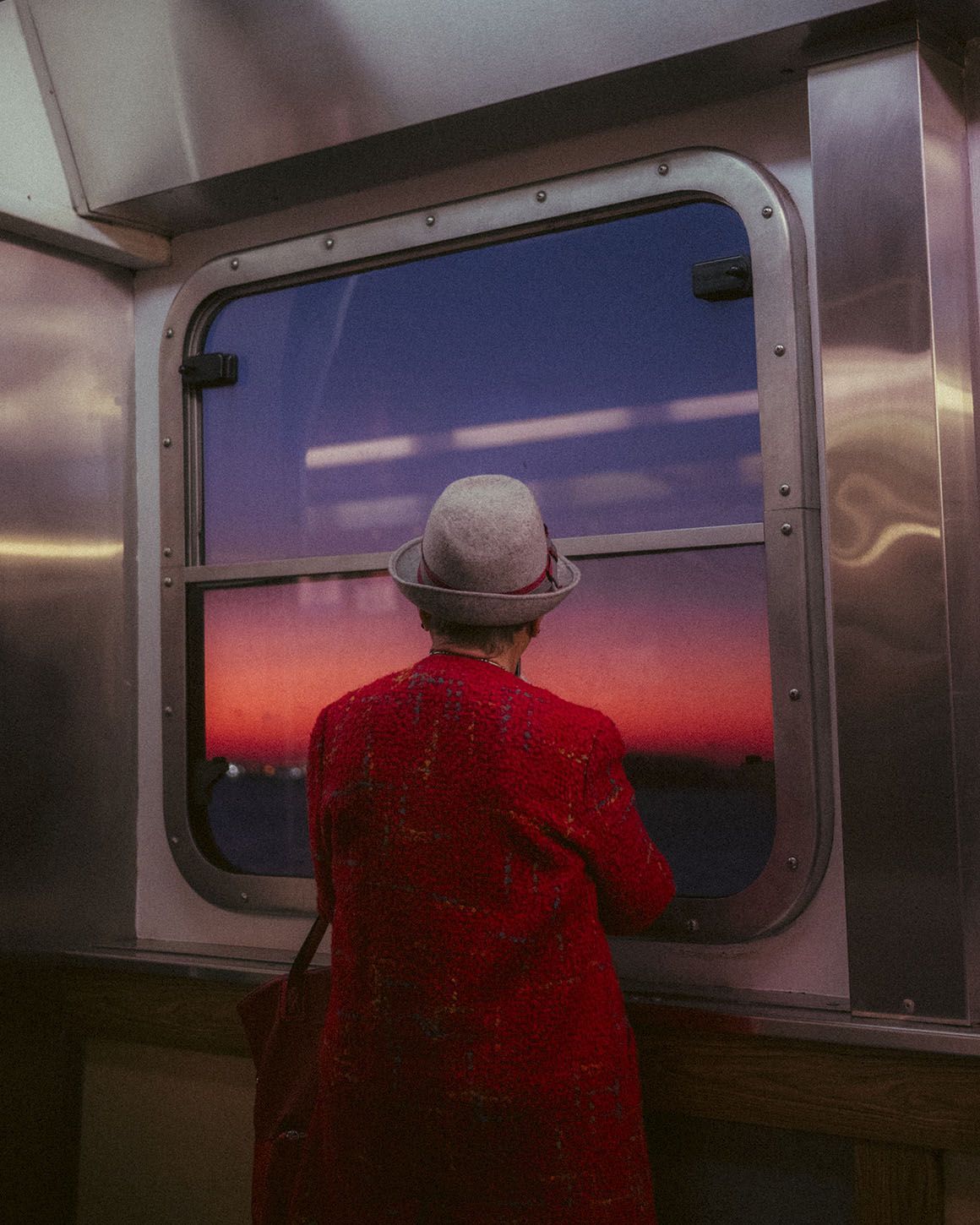
When you lead workshops or share your knowledge with other photographers, what do you most enjoy passing on? Is there something you feel isn’t being taught enough in photography today?
When I lead workshops, I enjoy sharing not just my favorite places but my way of seeing, how I find moments, light, shadow. What I feel is missing in photography education is a true understanding of failure. Almost all my photos maybe 99% don’t work but those failures are where the real learning happens. Accepting that struggle quietly is part of the path.
“A dream project it would be to document the Orient Express.”
If you had to define your work in one word—right now, at this exact moment in your career—what would it be, and why?
If I had to define my work in one word right now, it would be “melancholic”. My images are reflections of my inner world, a blend of silence and solitude. They echo the way I feel more than the way I see. Each photo is like a quiet note from a moment I couldn’t explain in words.
(*) Photographs by Olivier Lei.