Art Basel 2026: a city, a thousand ways to experience art
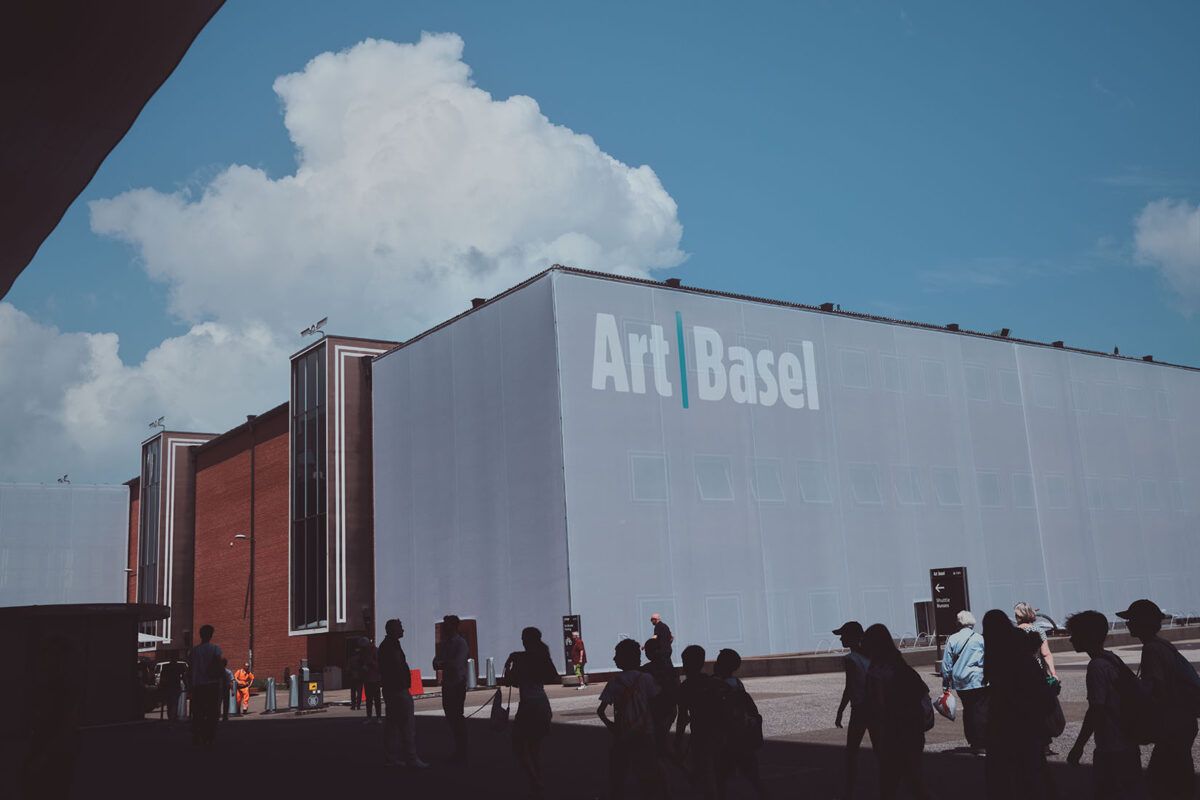
Some time ago, we wrote in CC/magazine that Basel is one of those cities it is simply impossible not to fall in love with. Now, after returning to experience another edition of Art Basel, we not only stand by that statement, but reinforce it. Few cities of such modest size can boast such an extraordinary concentration of museums, contemporary architecture, galleries and cultural life.
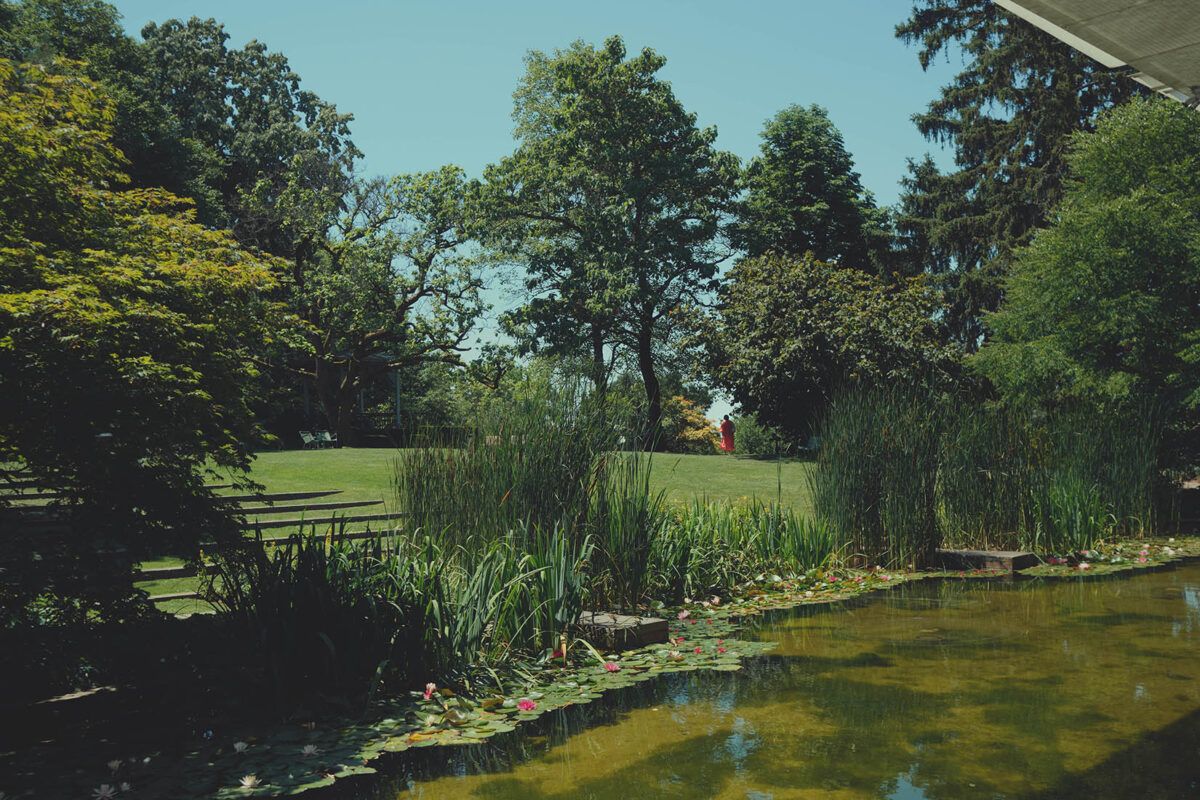
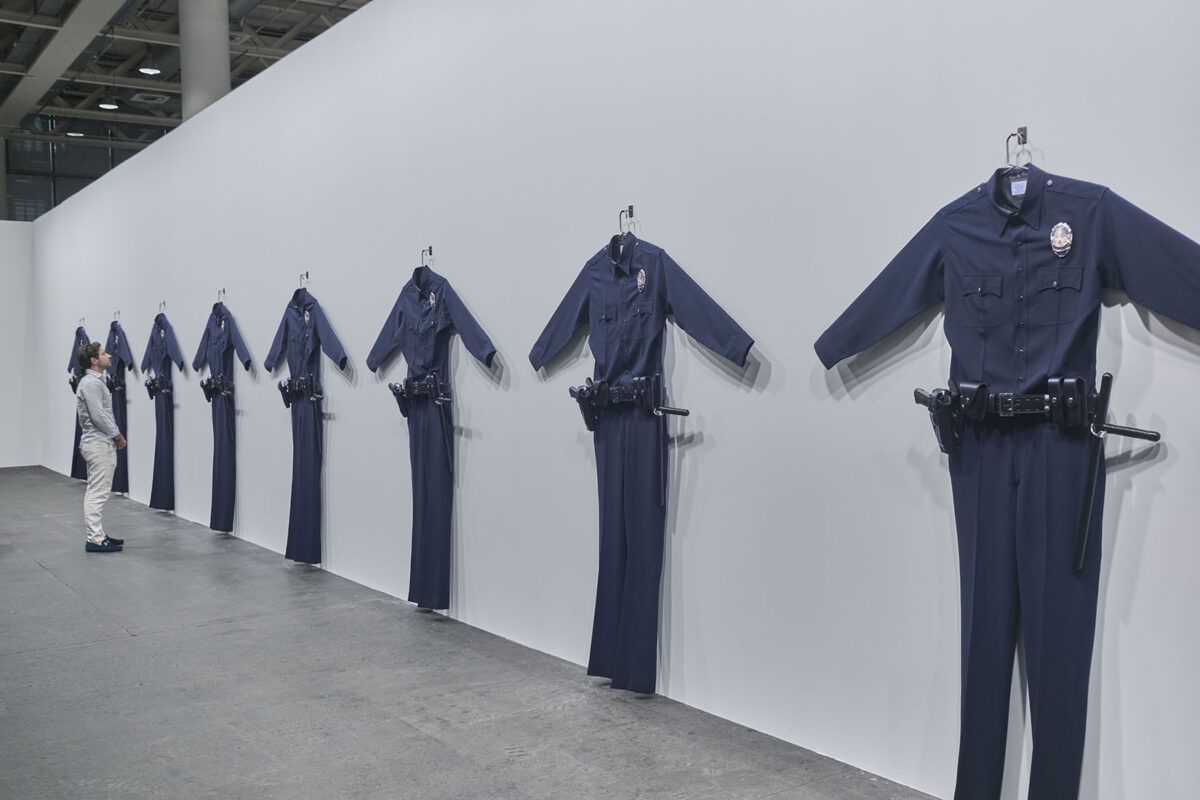
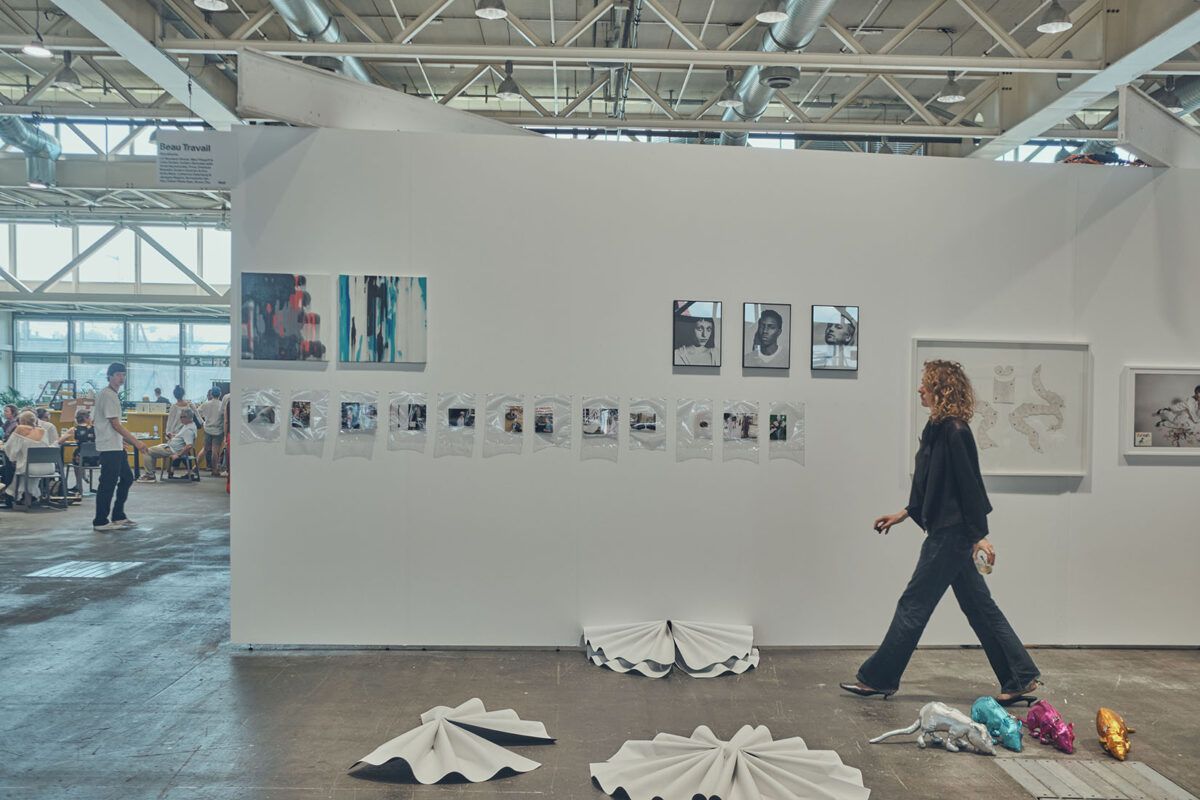
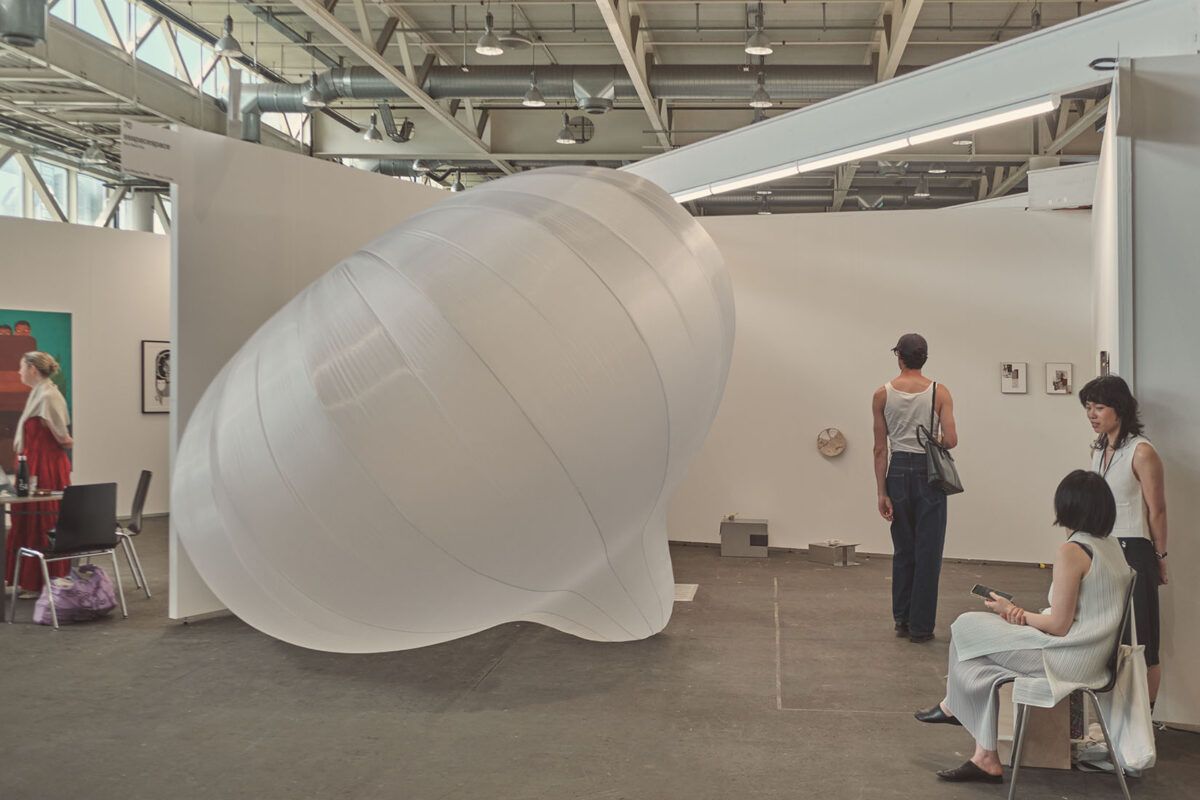
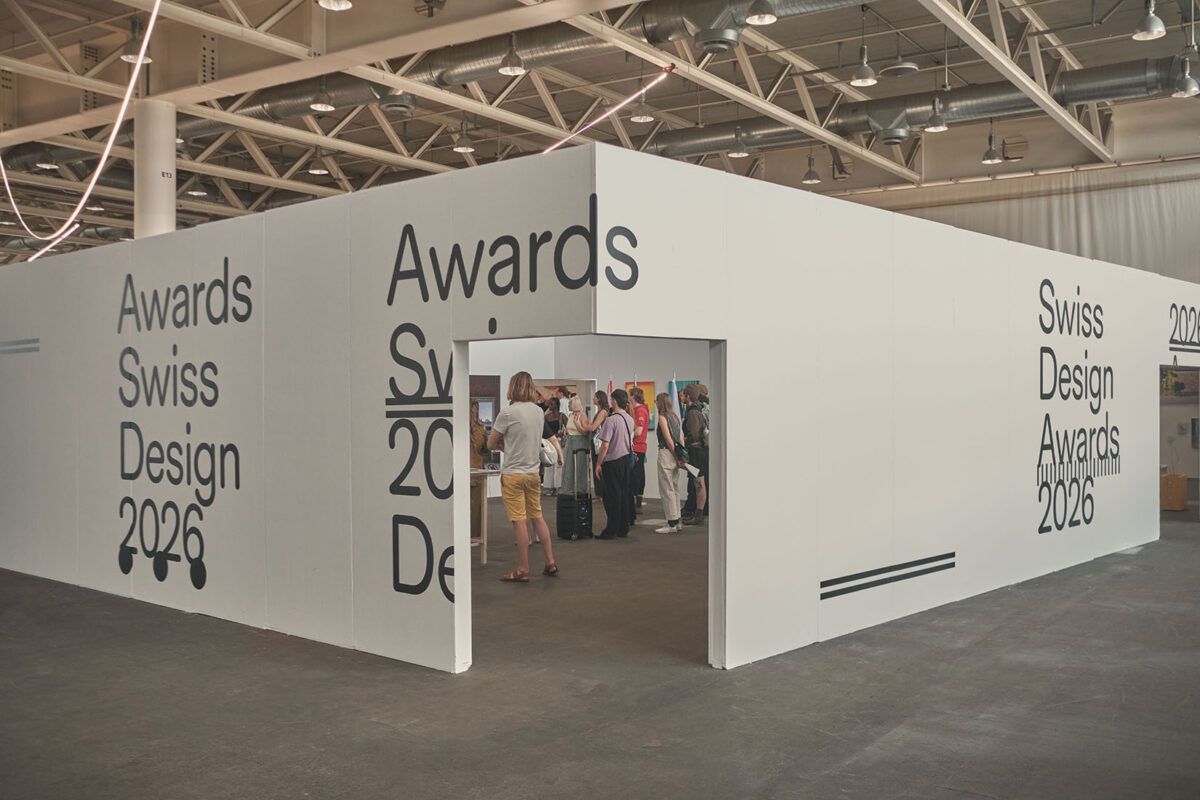
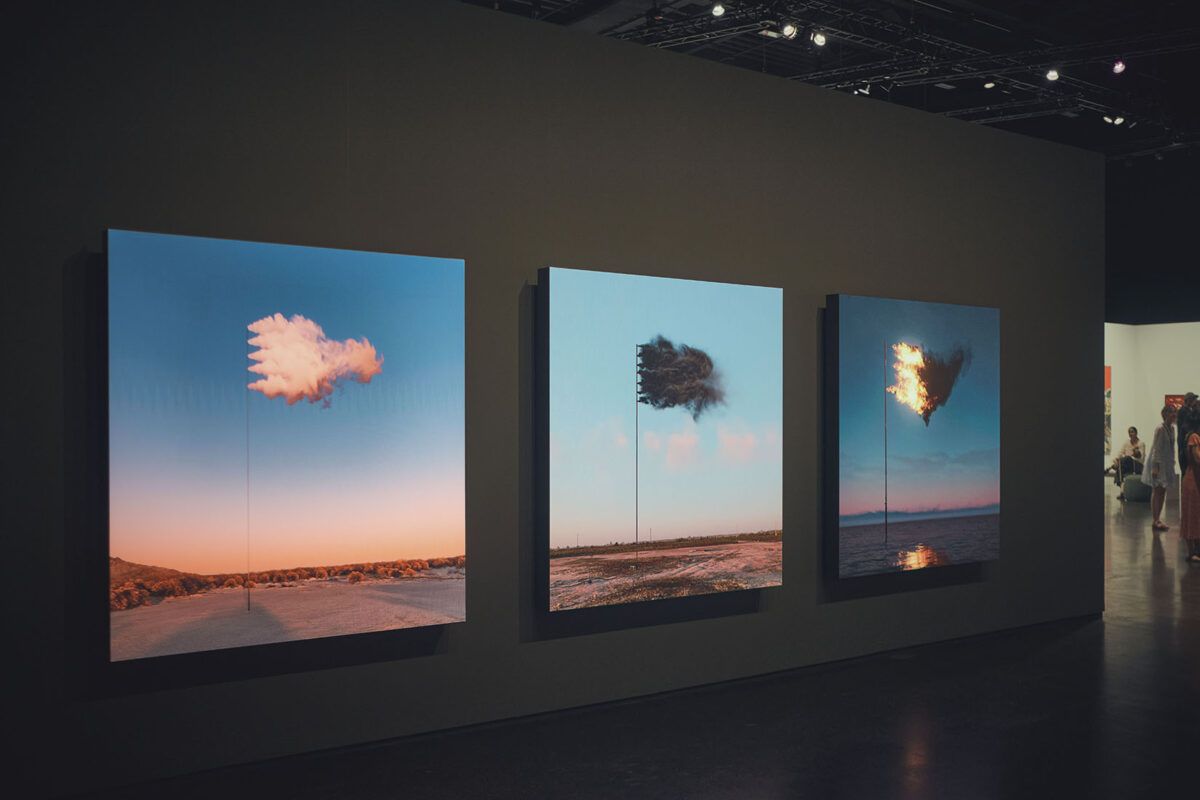
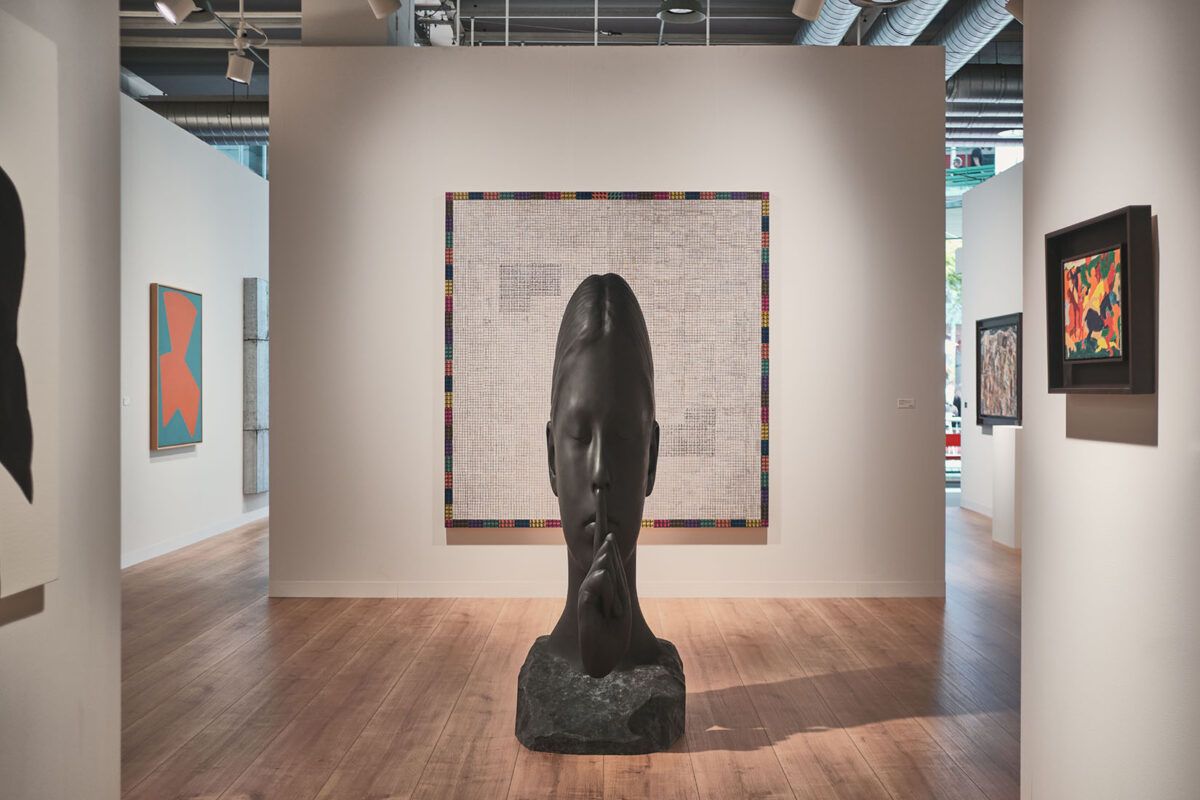
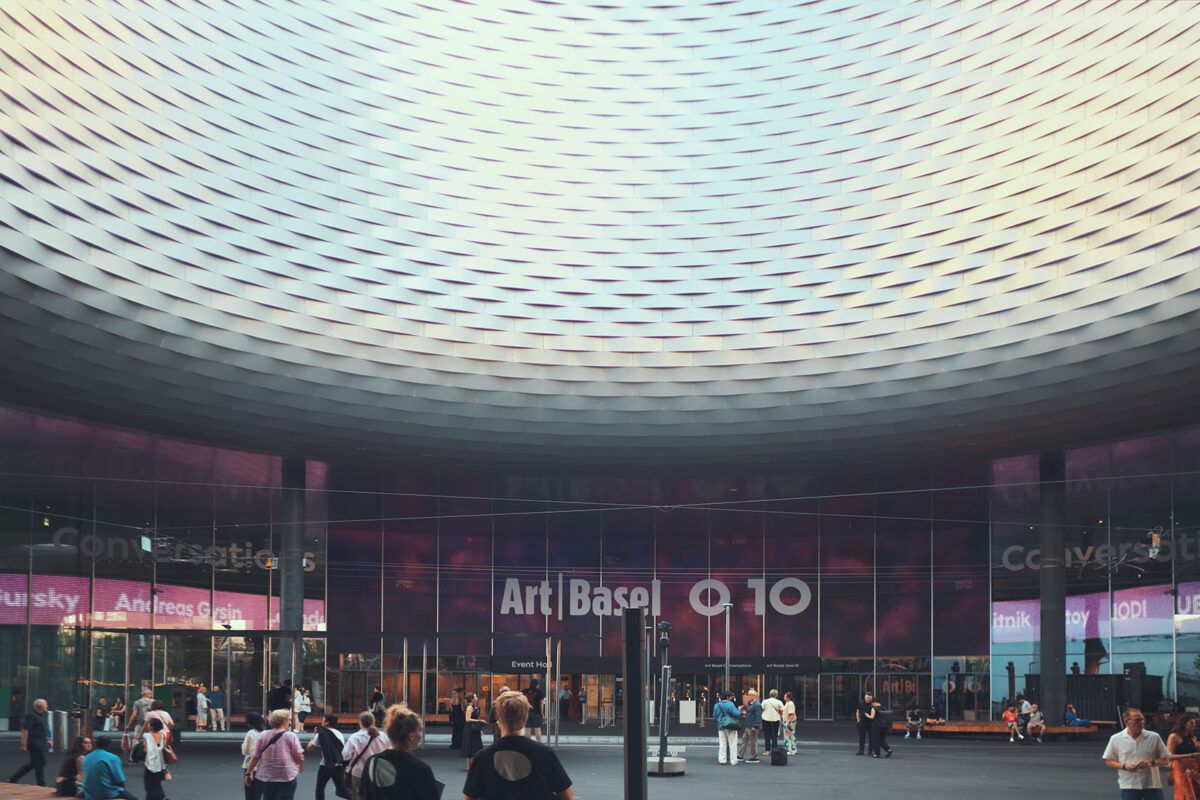
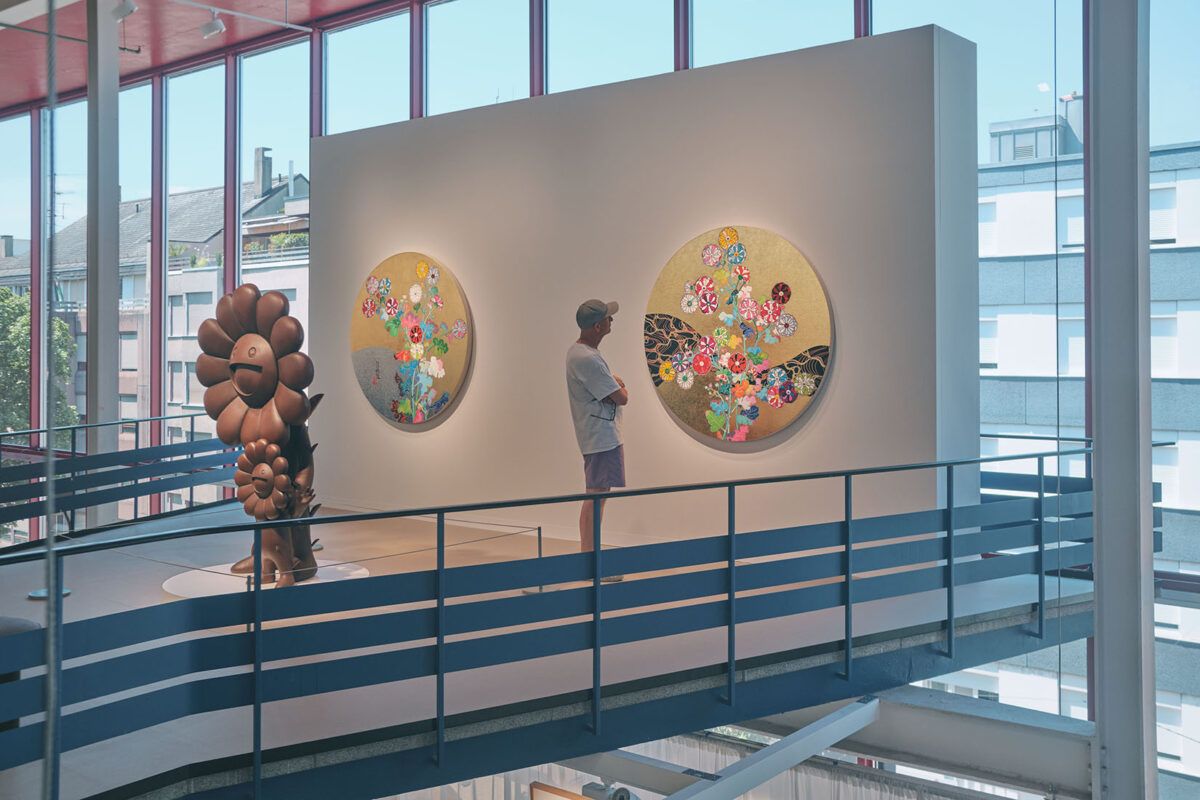
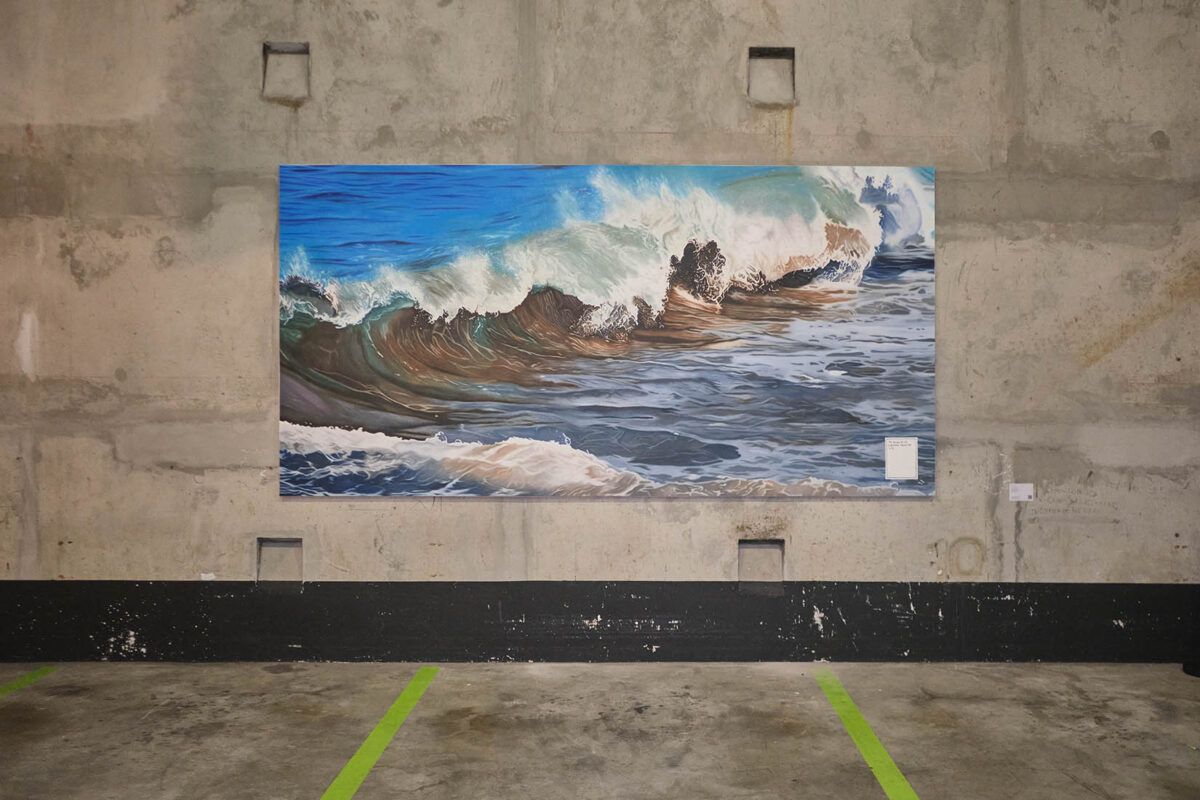
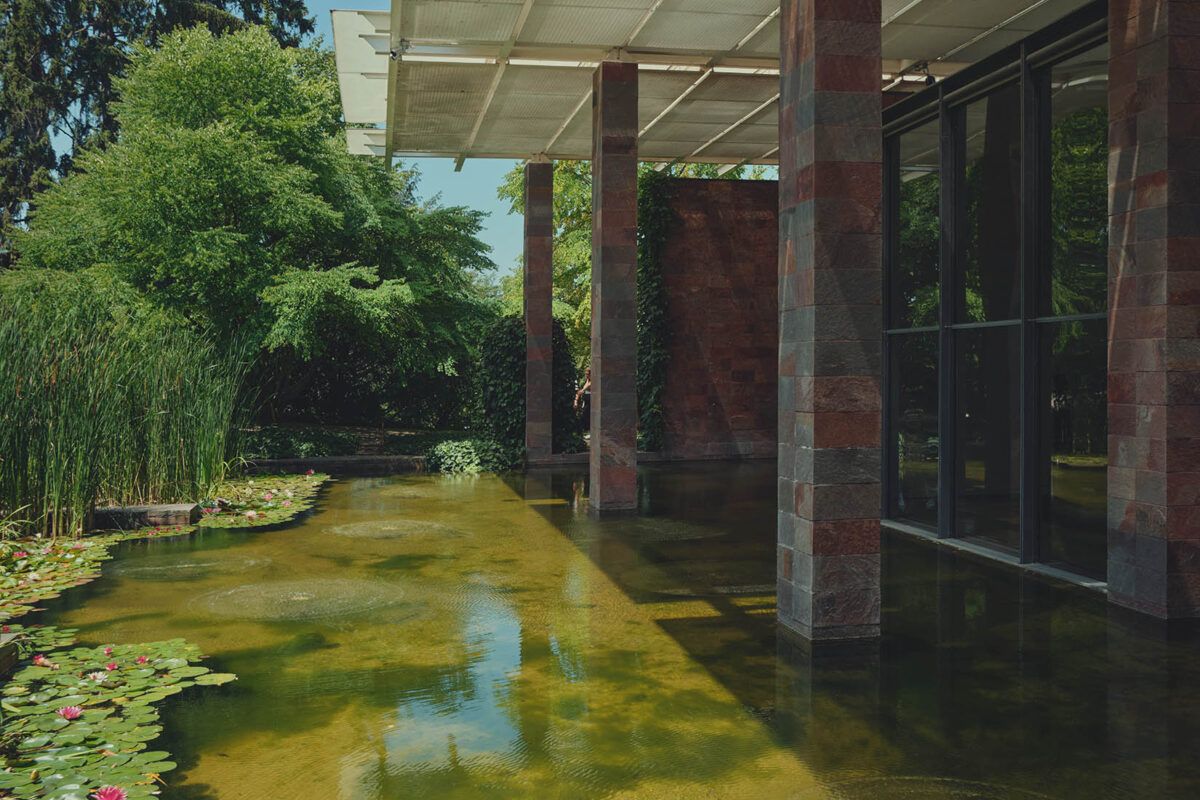
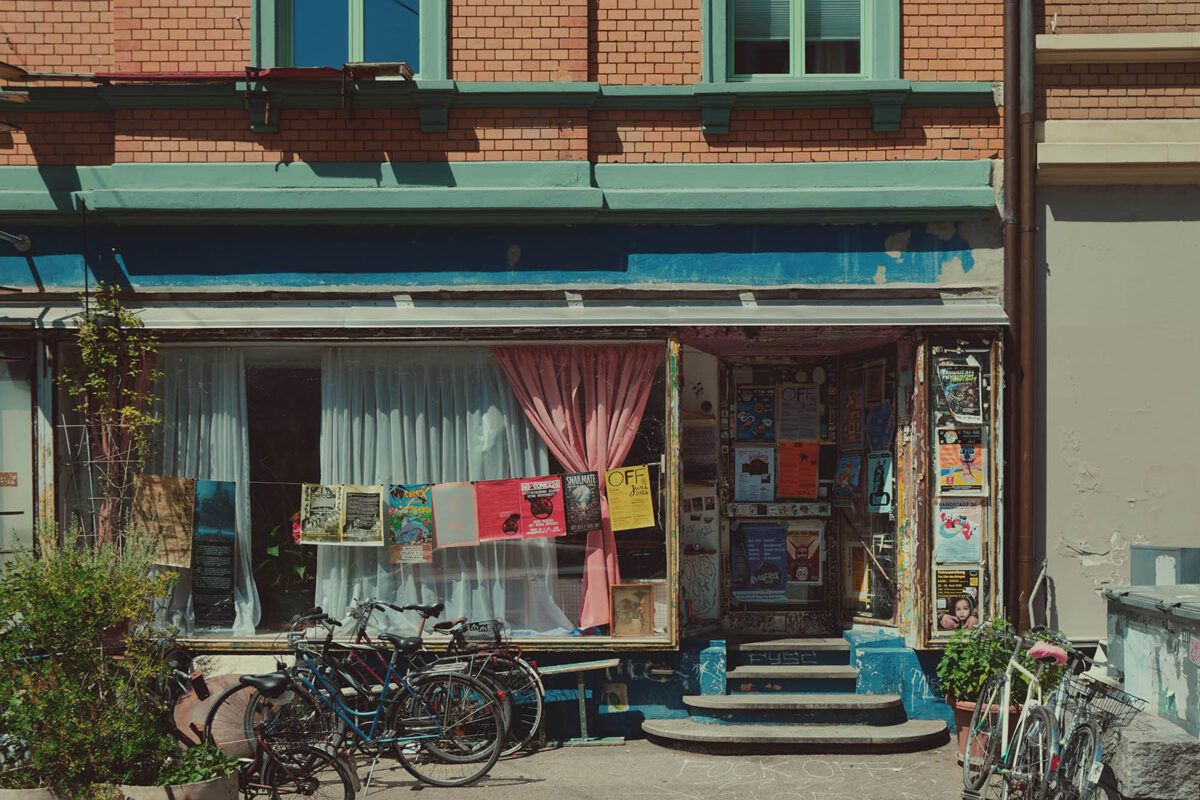
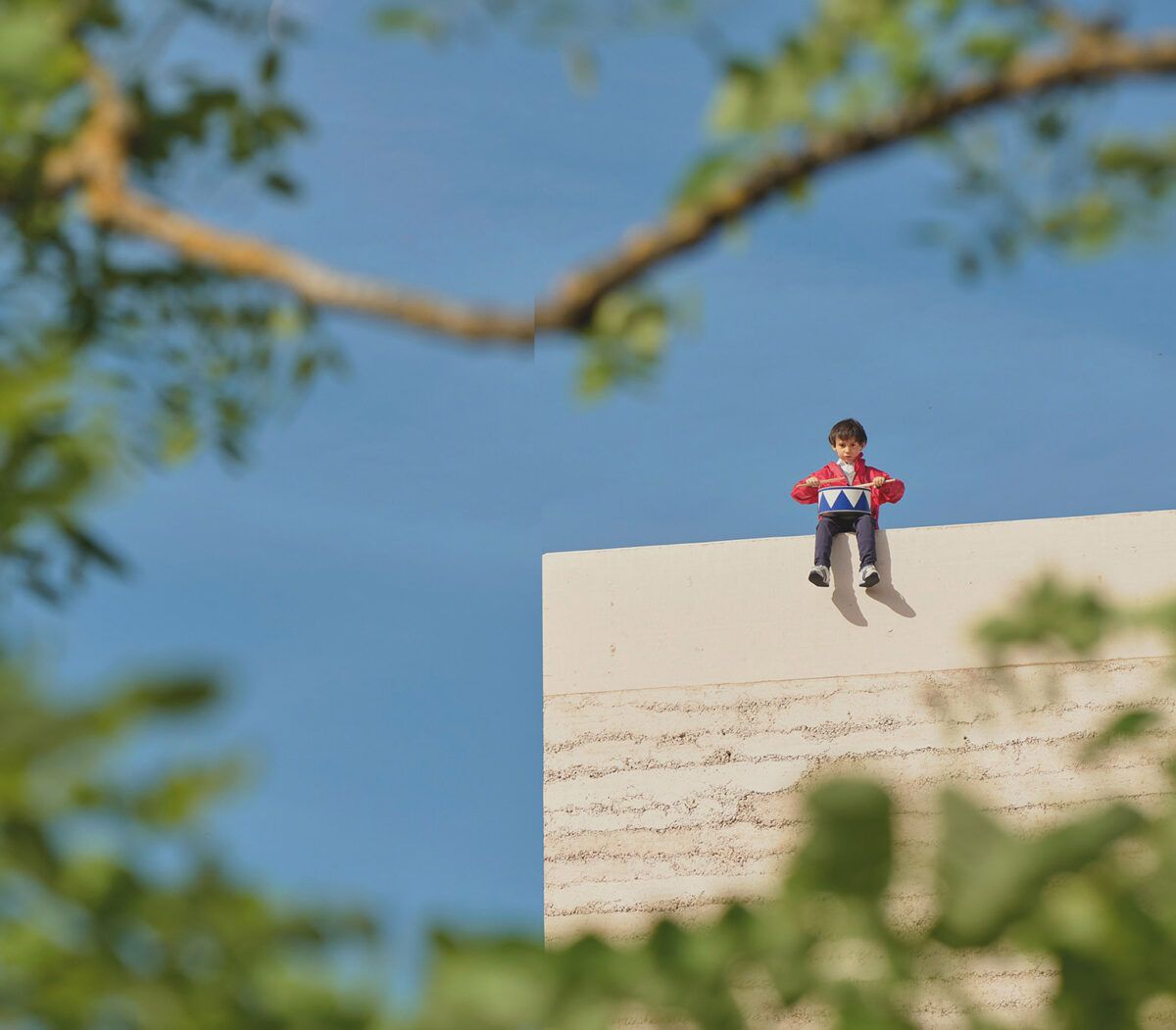
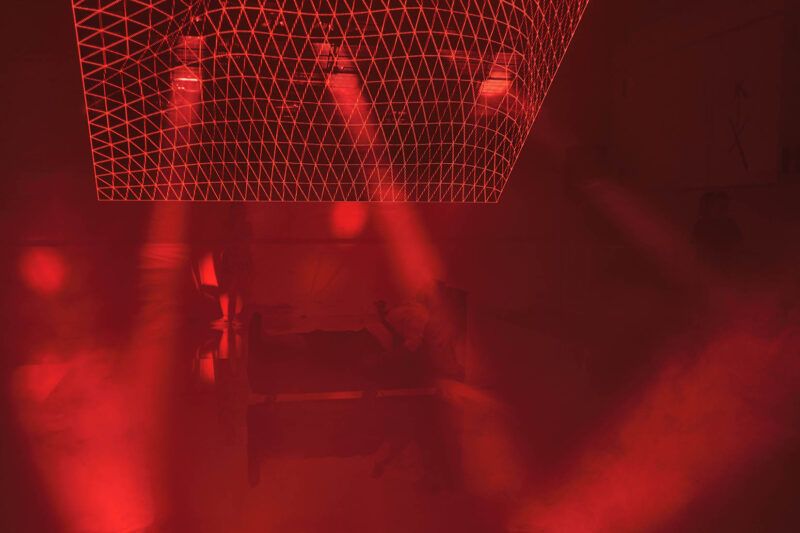
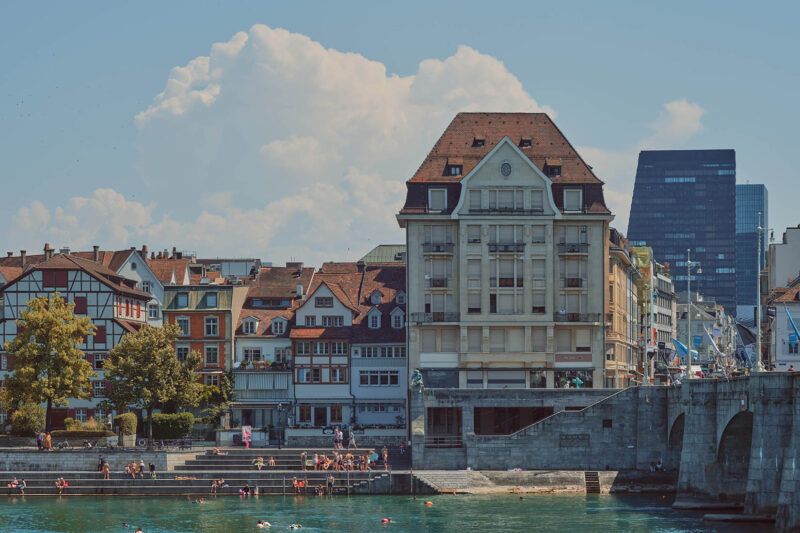
Basel, the city where art is everywhere
For one week in June, this remarkable cultural ecosystem reaches its fullest expression, transforming Basel into the world’s capital of contemporary art.
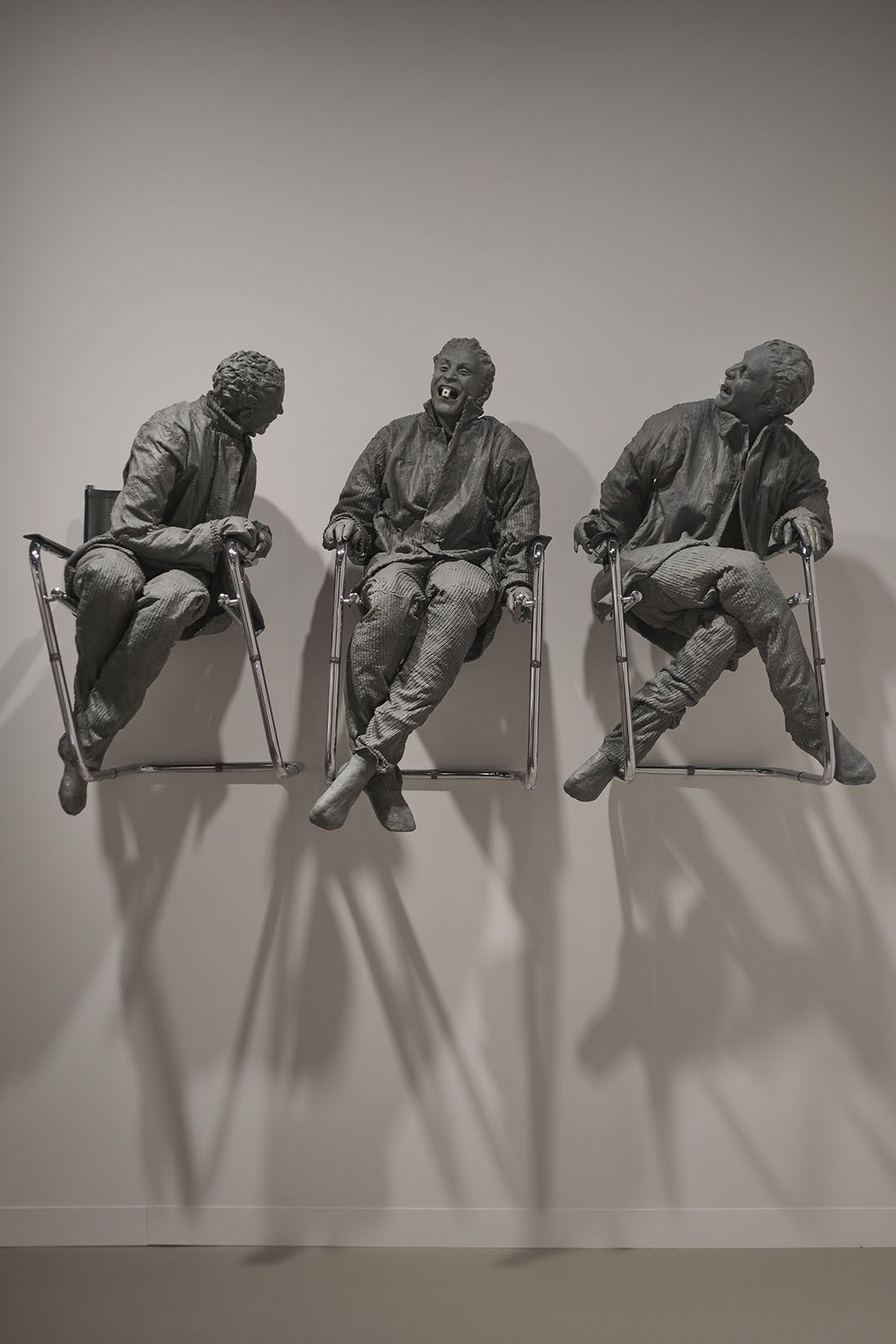
During those days, it was not only the exhibition halls that attracted the attention of thousands of art professionals and enthusiasts; the entire city underwent a transformation. Museums, galleries, institutions, independent spaces and buildings that are usually closed to the public opened their doors with an exceptional programme that turned every stroll into a discovery.
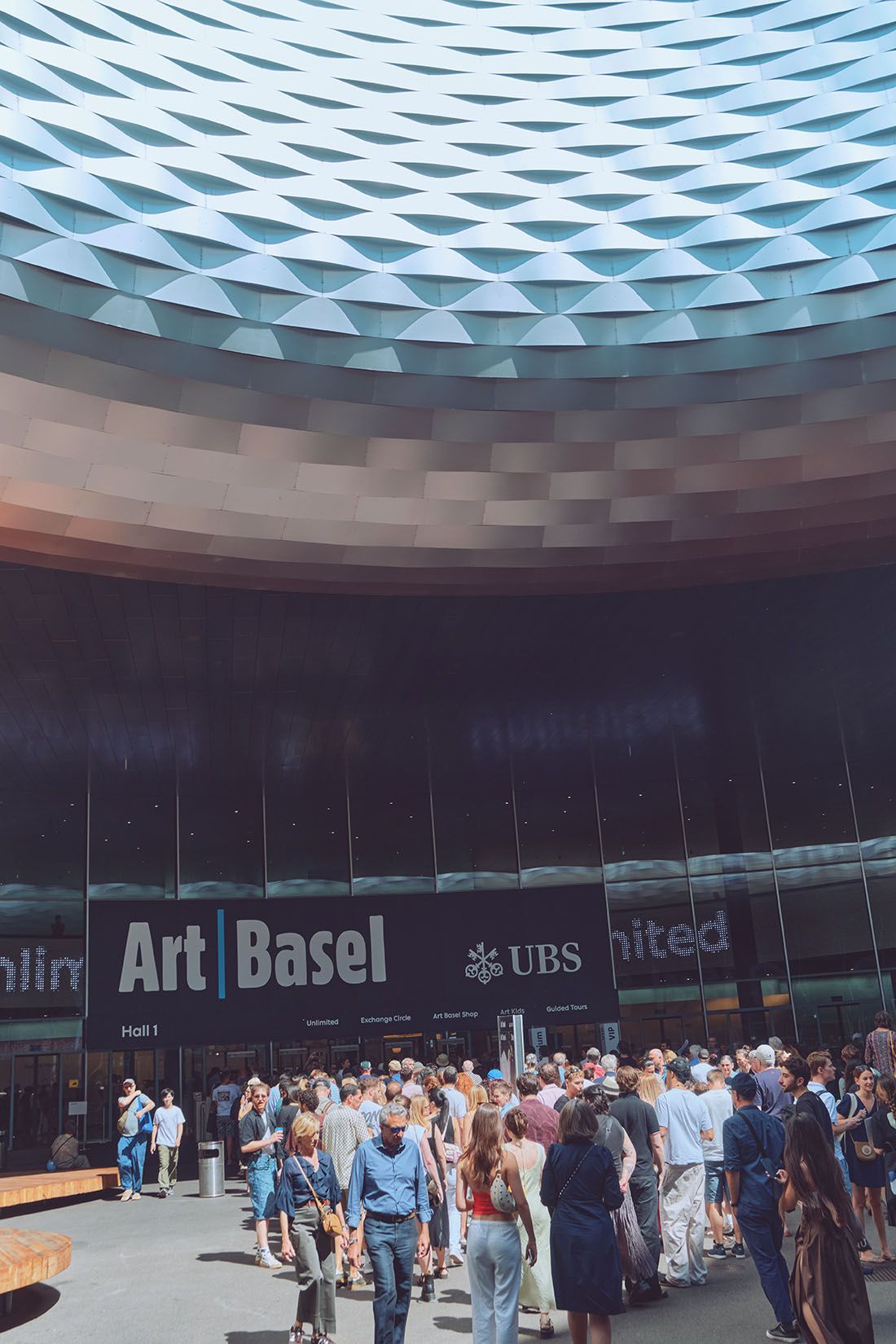
This is, in fact, one of Basel’s greatest privileges. The exhibition and convention centre is fully integrated into the city rather than being located on a disconnected outskirts, allowing visitors to explore almost every venue of Art Week on foot or by tram. Within just a few minutes, it is possible to move from the halls of Art Basel to an exhibition at Fondation Beyeler, an urban intervention, a satellite fair or a building temporarily occupied by artists. This proximity makes the entire experience comfortable, relaxed and immensely enjoyable.
Art Basel 2026: the great meeting point for contemporary art
In its 57th edition, Art Basel once again confirmed why it remains the most influential fair in the international art market. A total of 290 galleries from 43 countries and territories presented works by nearly 4,000 artists, offering a journey that ranged from the great masters of the twentieth century to some of the most innovative voices on today’s contemporary art scene.
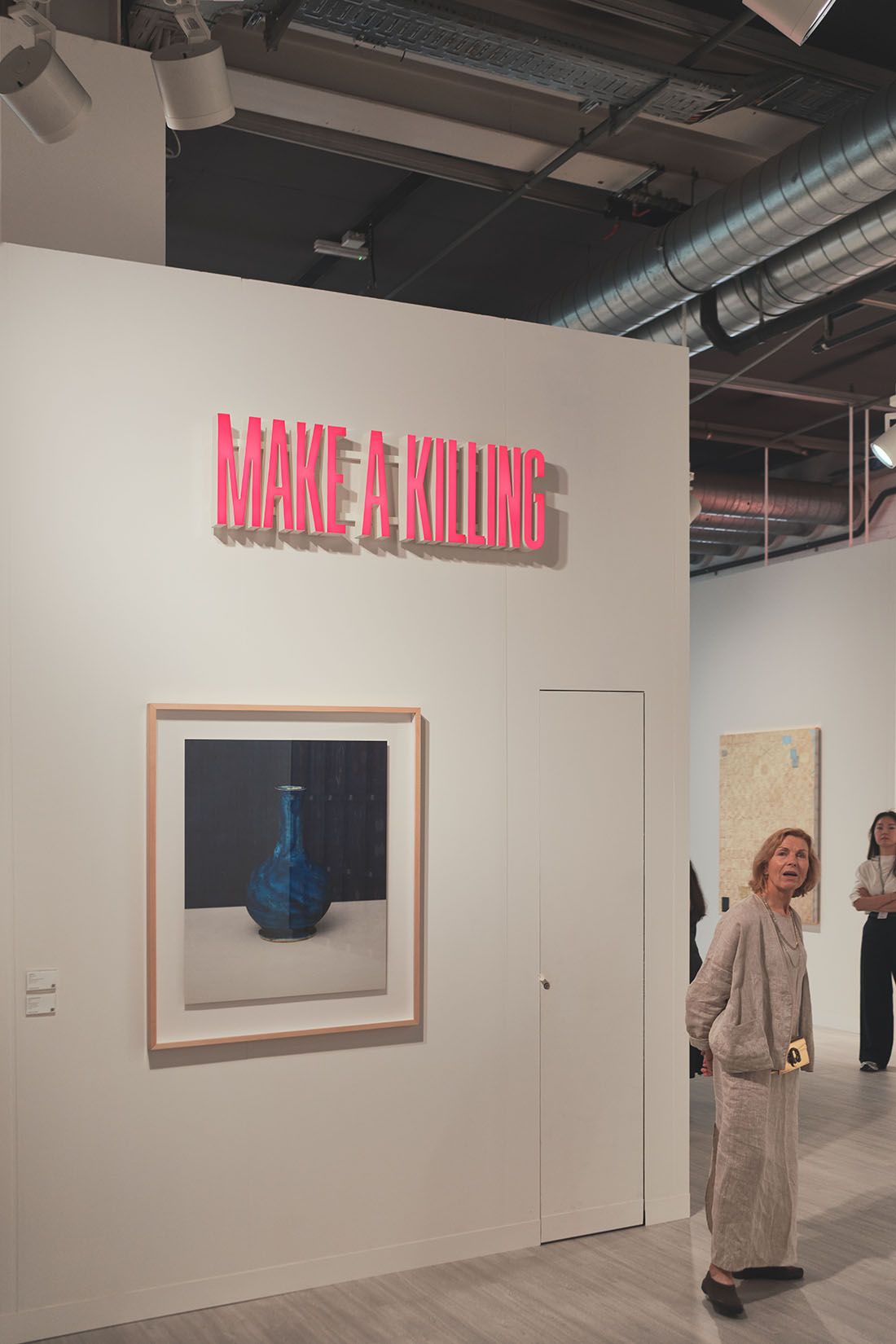
More than a commercial fair, Art Basel continues to function as a vast temporary museum where painting, sculpture, photography, video, monumental installations and emerging digital practices coexist.
In its 57th edition, Art Basel once again confirmed why it remains the most influential fair in the international art market.
The 2026 edition also left gallery owners and collectors with a shared sense that the international art market is beginning to regain its optimism after several years of uncertainty. The opening days were marked by significant multi-million-dollar sales, including a Picasso presented by Hauser & Wirth with an asking price of 35 million US dollars, confirming that major masterpieces continue to generate enormous interest among collectors and institutions.
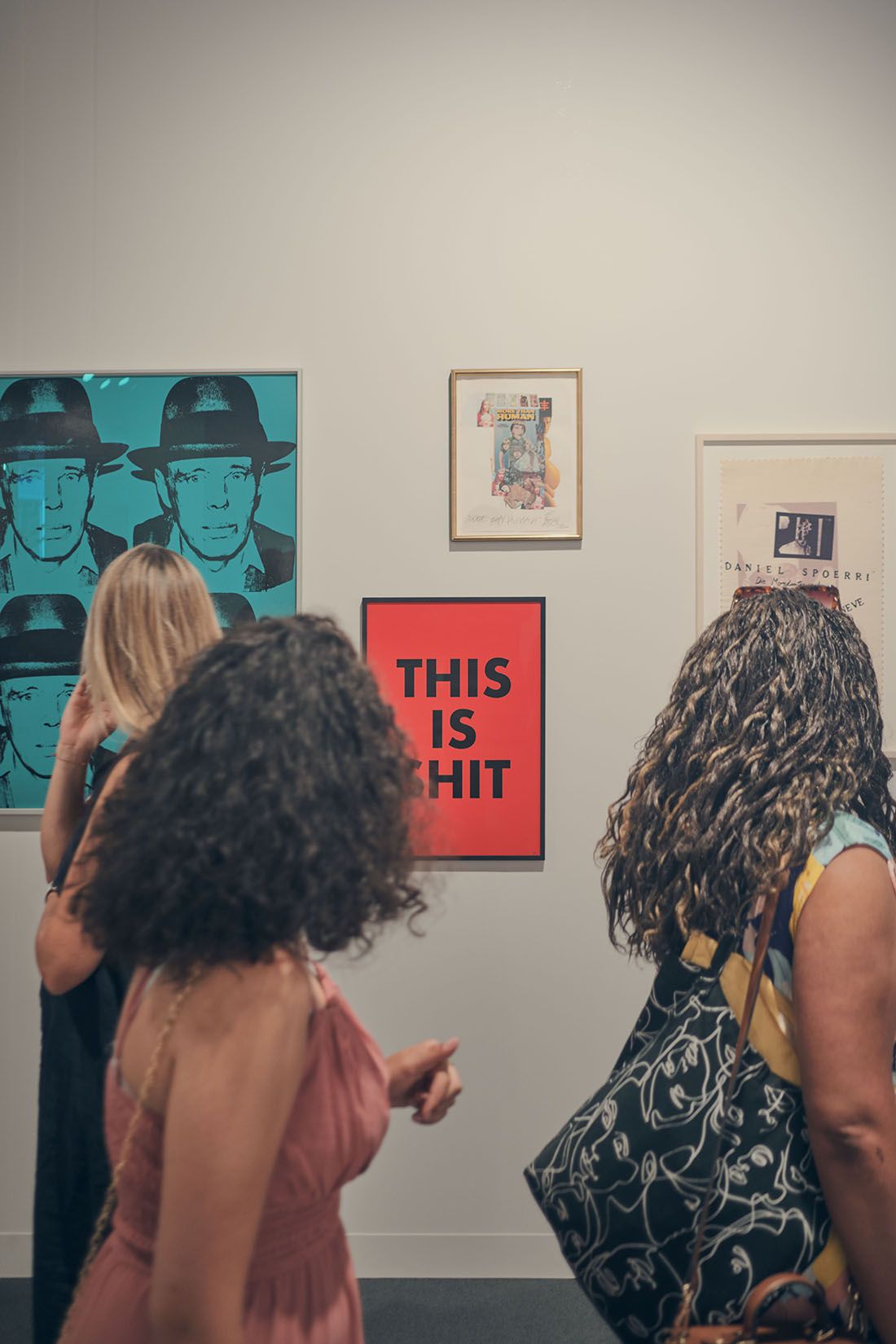
This edition also looked decisively towards the future. Digital art, artificial intelligence and new creative practices occupied an increasingly prominent place within the programme, reflecting how the artistic ecosystem continues to expand its visual languages without abandoning painting, sculpture or the great names of the twentieth century. This dialogue between tradition and innovation remains one of Art Basel‘s greatest strengths.
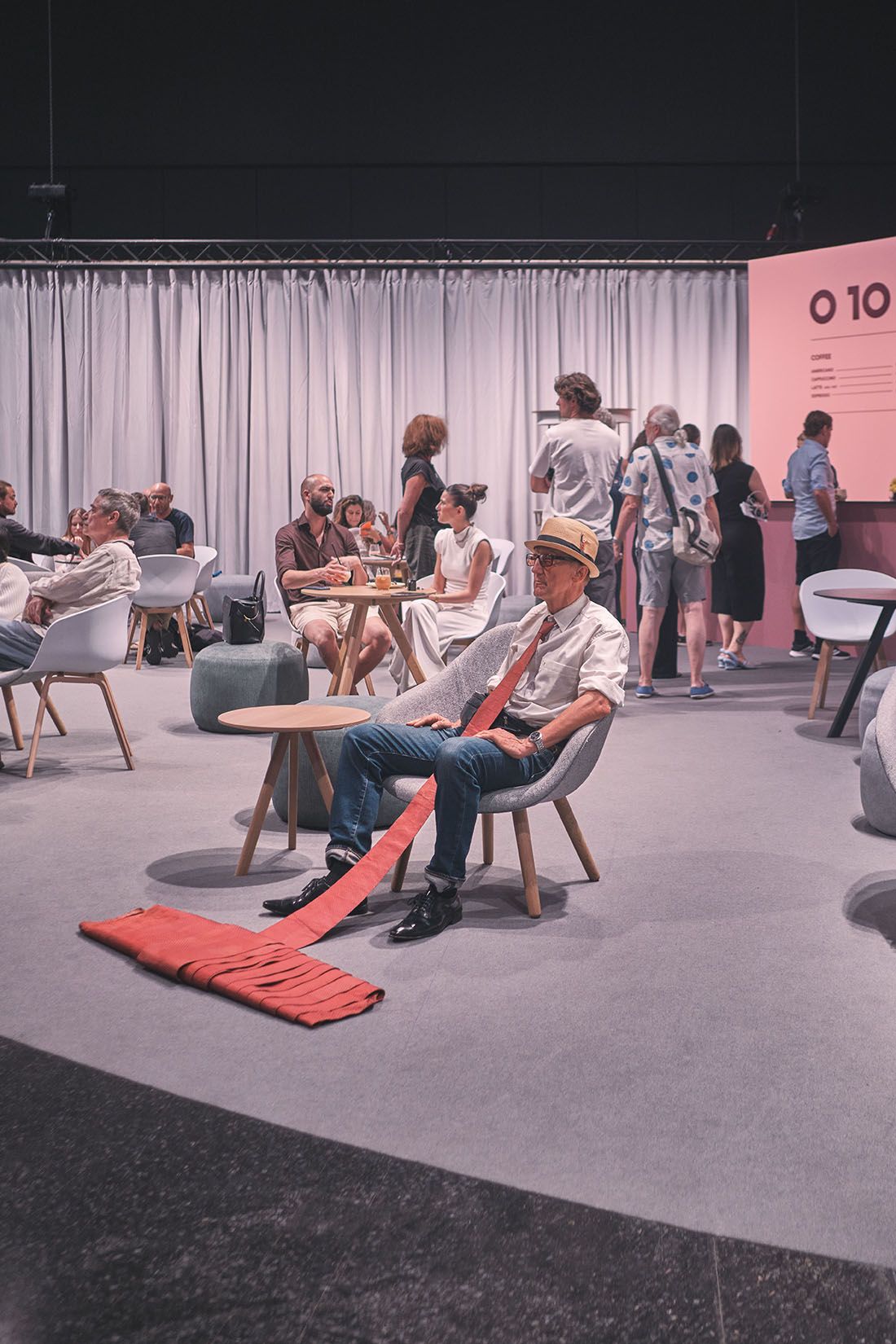
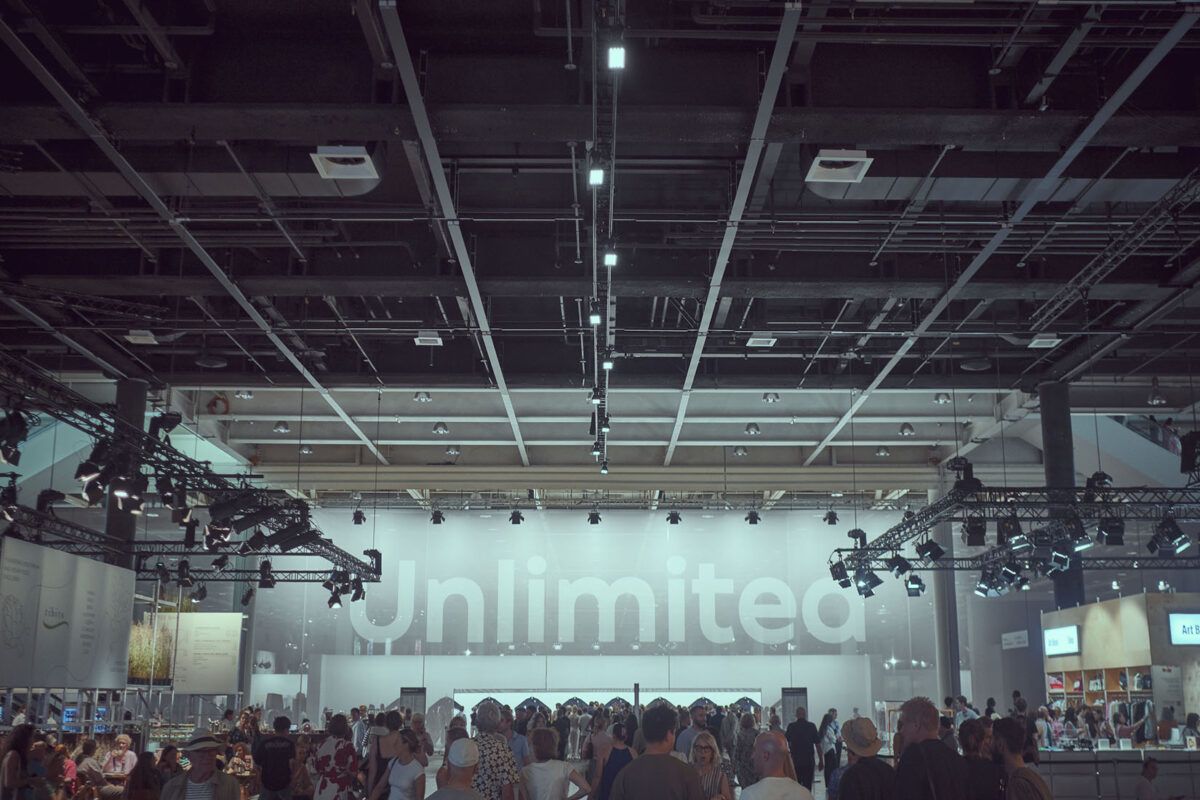
Beyond the exhibition halls, the fair continued to extend its influence throughout the city. Public interventions by Nairy Baghramian in Messeplatz and Ibrahim Mahama in Münsterplatz strengthened the dialogue between art and the urban environment, while sections such as Unlimited, dedicated to large-scale projects, and Parcours, featuring site-specific interventions throughout the historic centre, once again demonstrated that the Art Basel experience no longer ends when visitors leave the fairgrounds.
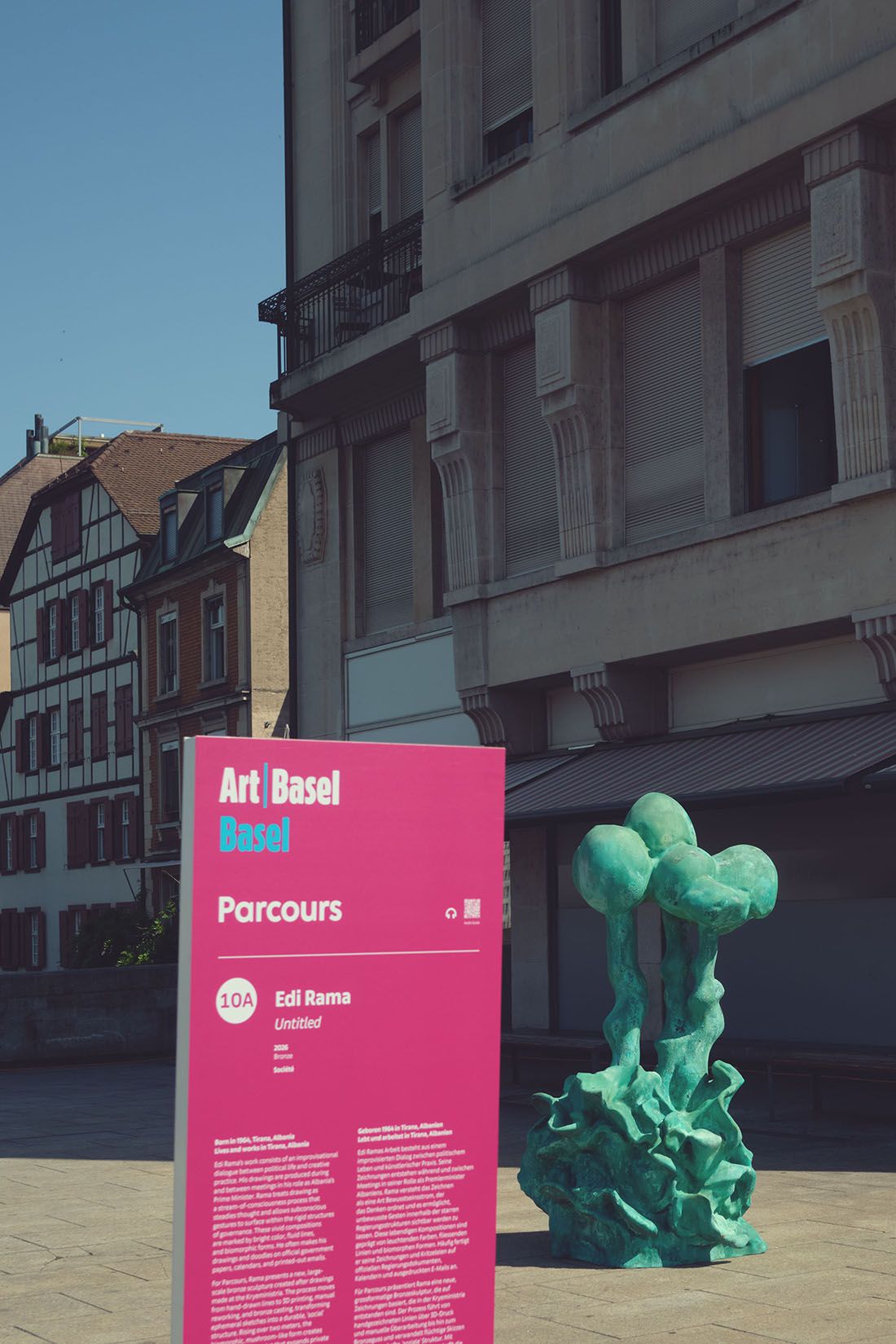
Much more than an art fair
Perhaps this is the greatest transformation Art Basel has undergone over the past decade. Today, people no longer travel to Basel simply to visit an art fair, but to experience an entire week during which the whole city becomes part of the same cultural ecosystem. Major institutions unveil their most ambitious exhibitions, satellite fairs introduce new generations of artists, and independent projects occupy unexpected buildings to offer experiences that could scarcely exist in any other context.
Rather than competing with one another, all these initiatives complement and enrich each other. Art Basel remains the beating heart of the week, but its greatest achievement has been creating an environment where the market, artistic research, architecture, music, gastronomy and experimentation all coexist.
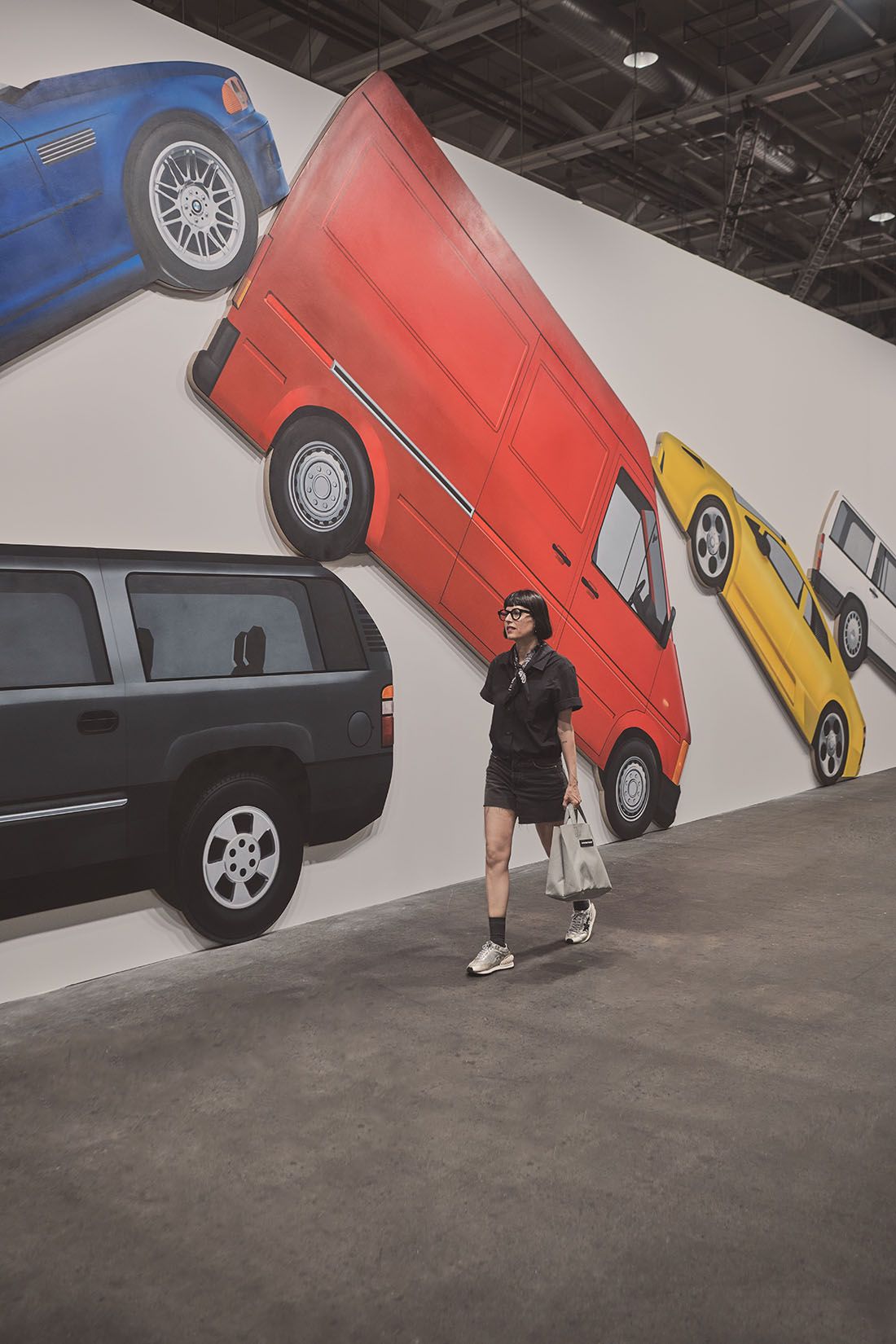
Basel Social Club: an unmissable experience
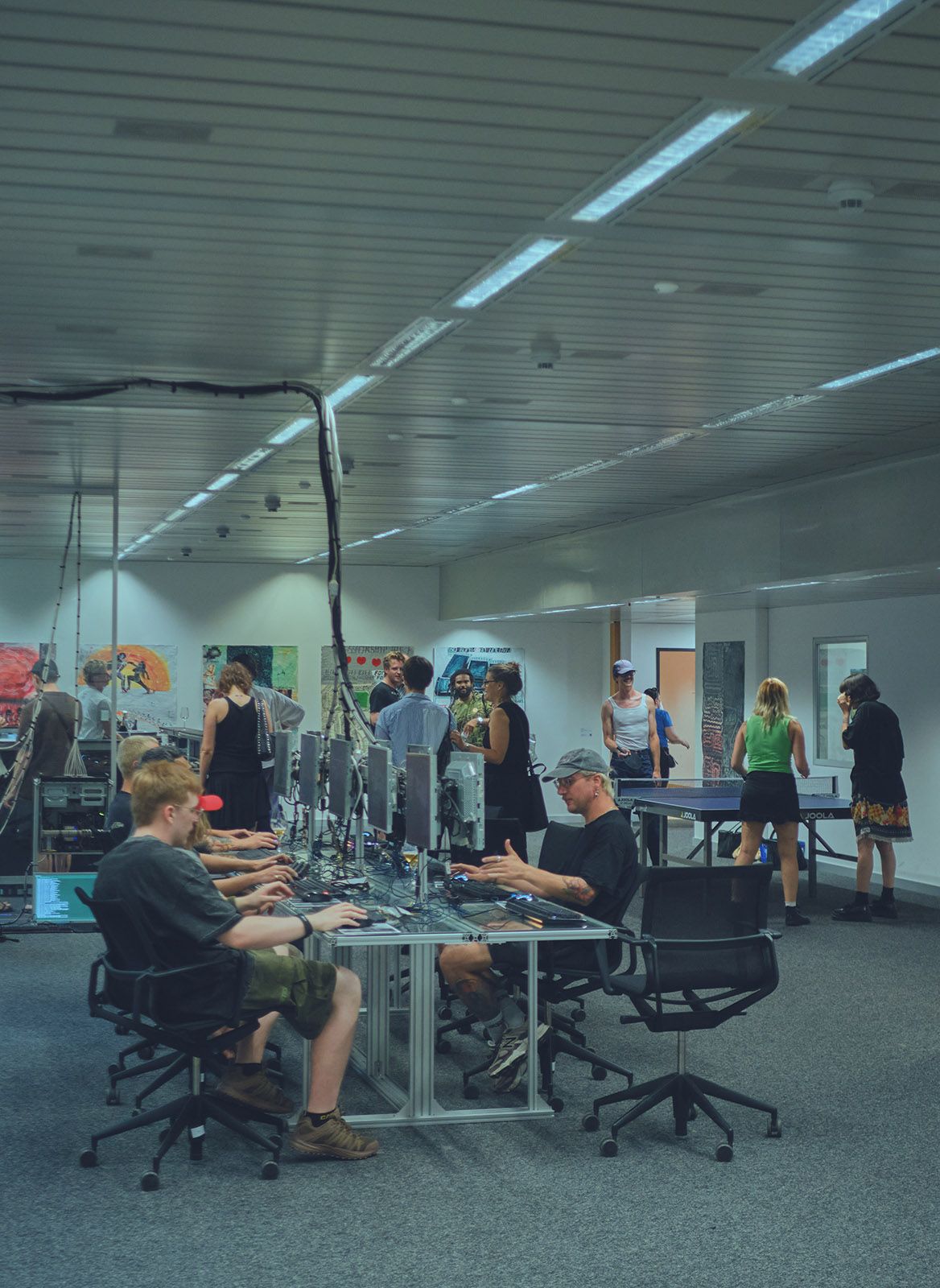
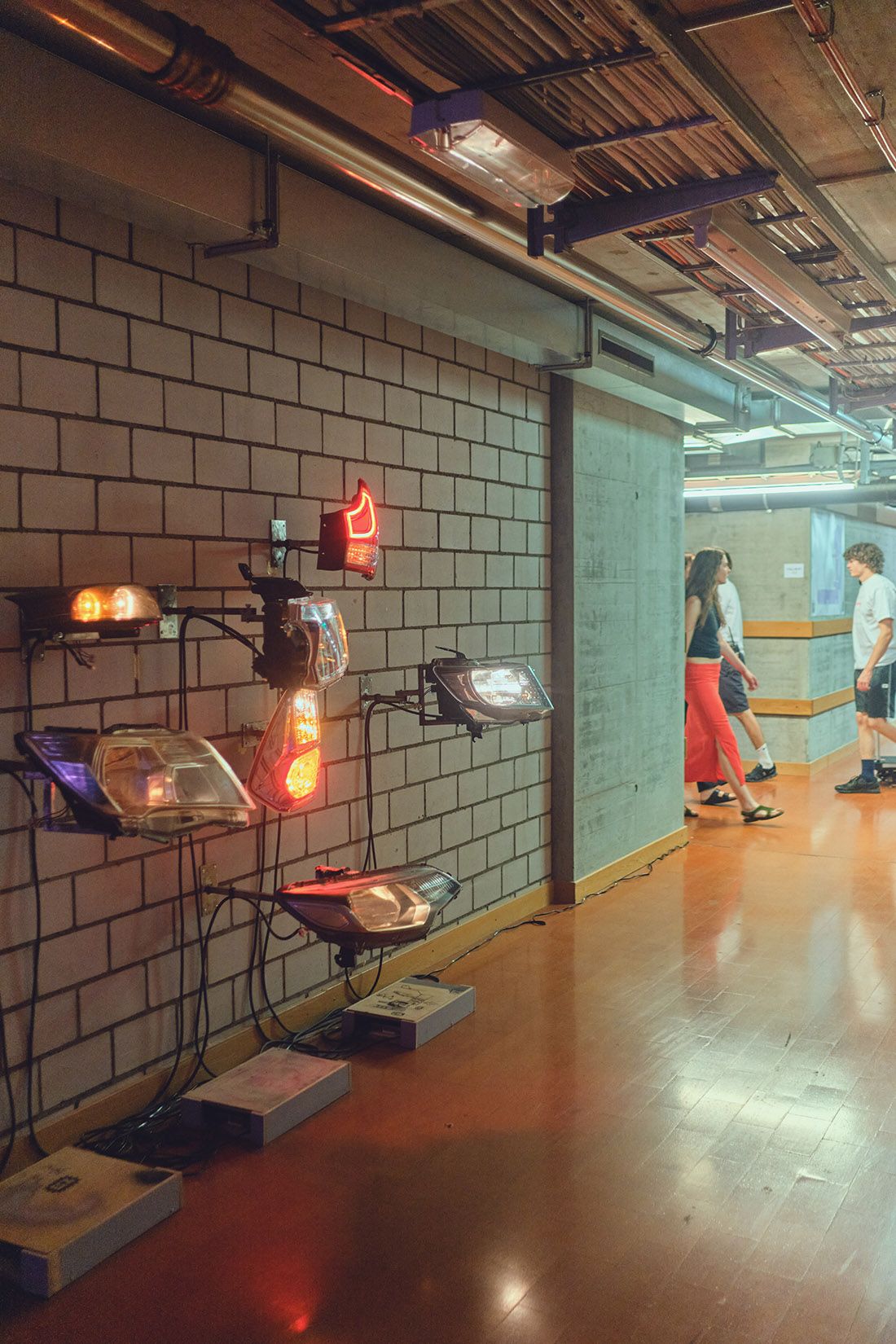
One of Basel Social Club‘s greatest strengths is that it is virtually impossible to take it all in during a single visit. While one floor might host a performance, another welcomed visitors to an immersive listening session; further on, a group improvised a game of golf inside the building, and only a few metres away, a psychologist was holding private conversations with visitors about wellbeing and mental health.
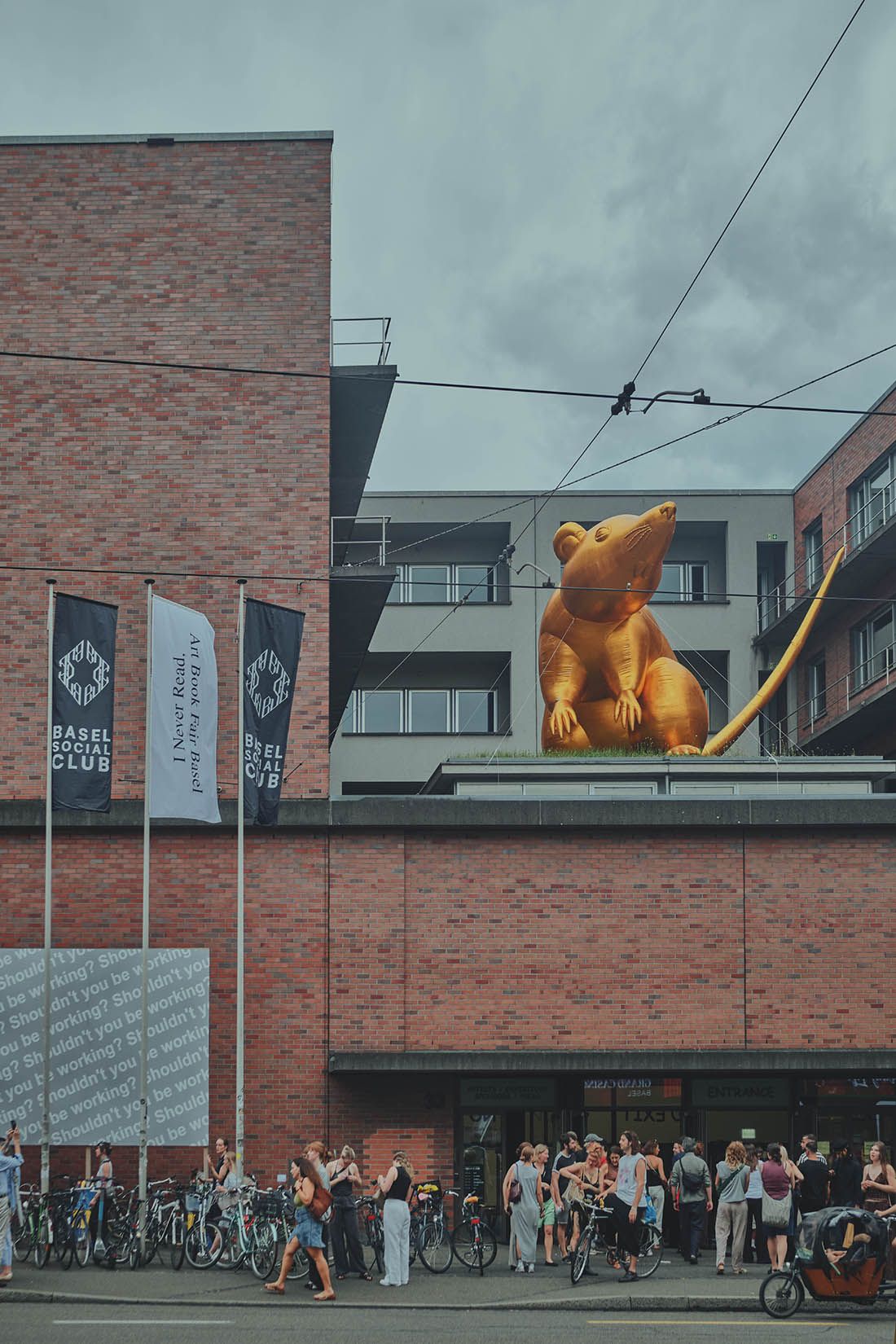
The former office building had completely shed its corporate logic to become a living organism where art coexisted with music, play, rest, humour and social interaction.
More than an exhibition, BSC functioned as a temporary city within the city itself.
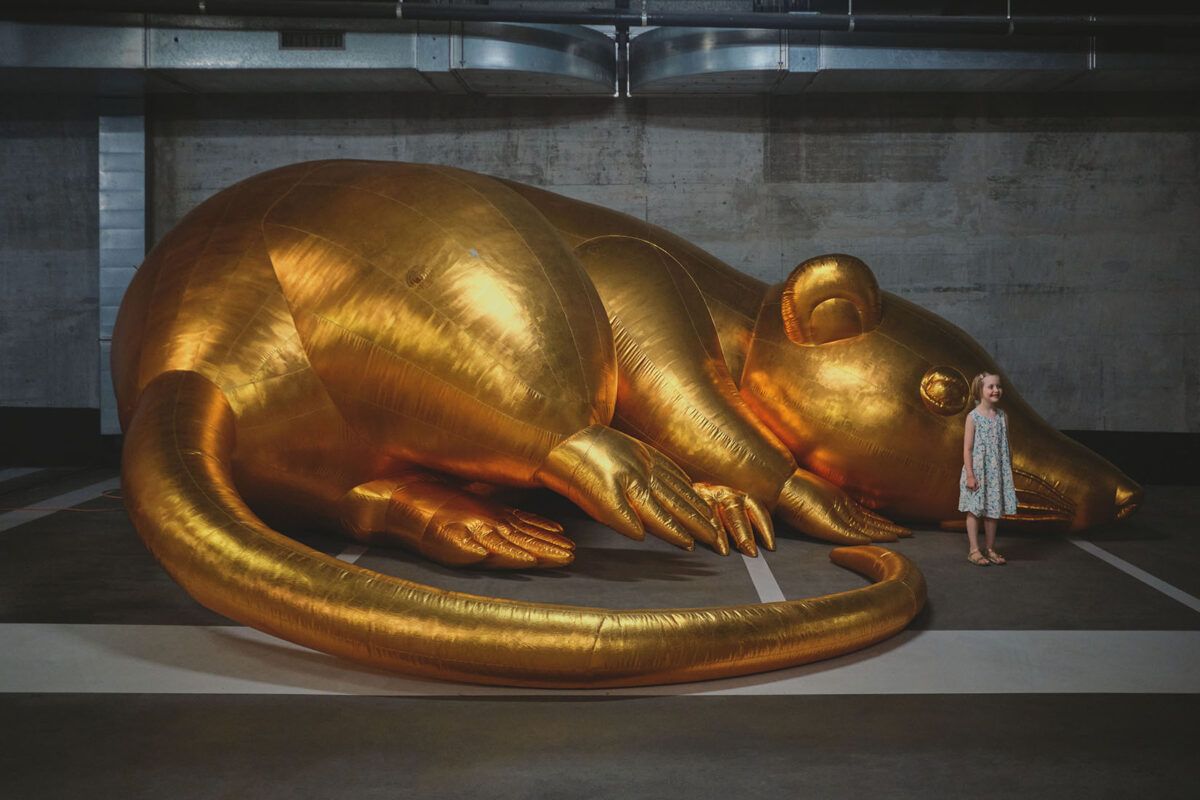
This playful spirit ran throughout the entire programme. It is difficult to forget the enormous inflatable rats by Danish artist Esben Weile Kjær, unexpectedly positioned in the car park and on the rooftop, the collective aerobics sessions that transformed physical exercise into a genuine performance, or participatory installations as unusual as the indoor golf course conceived by Beni Bischof, where anyone could pick up a club and play in the middle of the exhibition route.
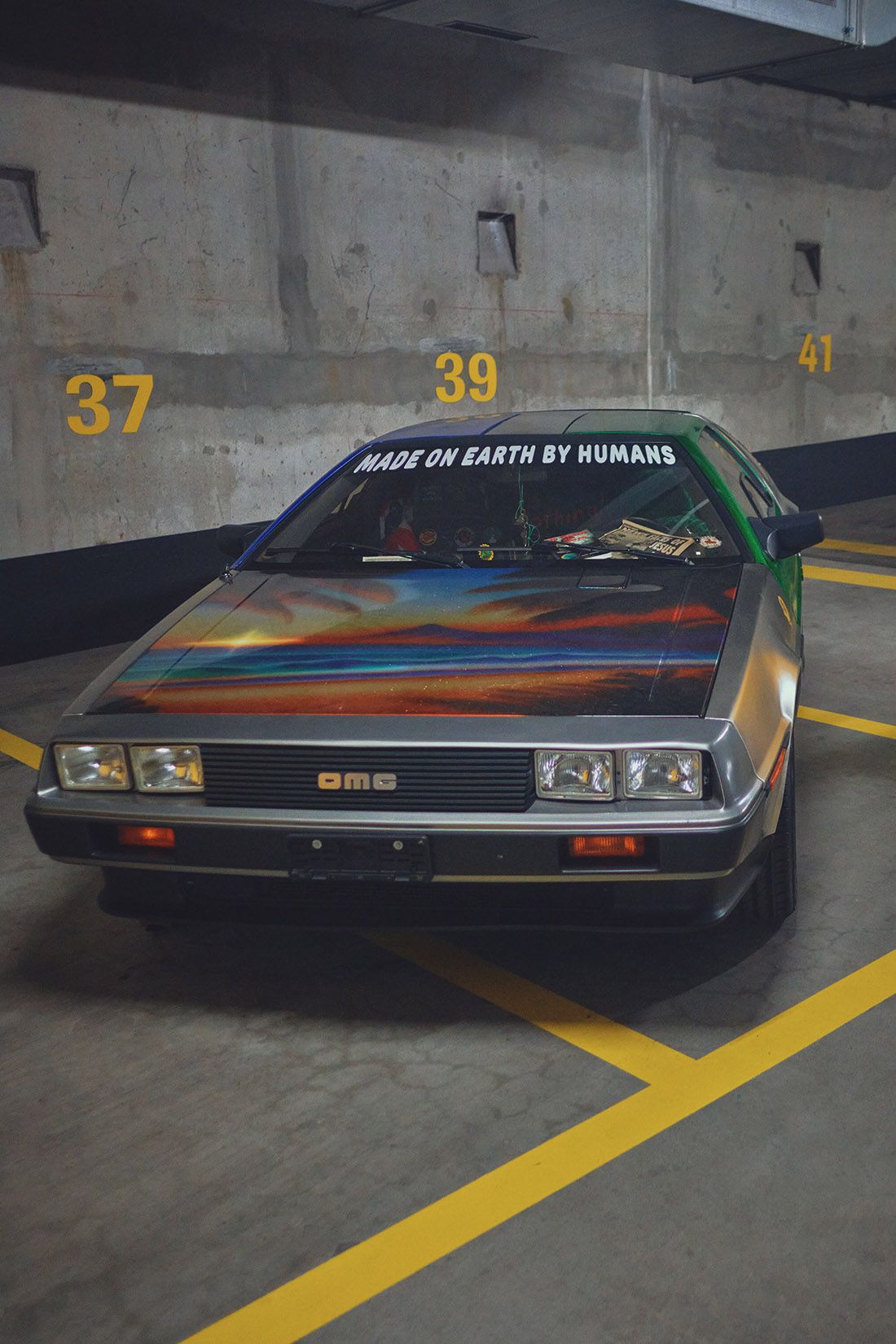
On another level, a local computer network invited visitors to play Counter-Strike once again, as though the building had revived the atmosphere of early-2000s LAN parties, while other projects explored deep listening, wellbeing, independent publishing and even live traditional watchmaking. More than an exhibition, Basel Social Club functioned as a temporary city within the city itself.
When Art Also Means Taking a Pause
Among all the experiences we had during our visit, one left a particularly profound impression: THE BUS, the project developed by Marina Abramovic, the Marina Abramovic Institute (MAI) and curator Mirjam Varadinis.
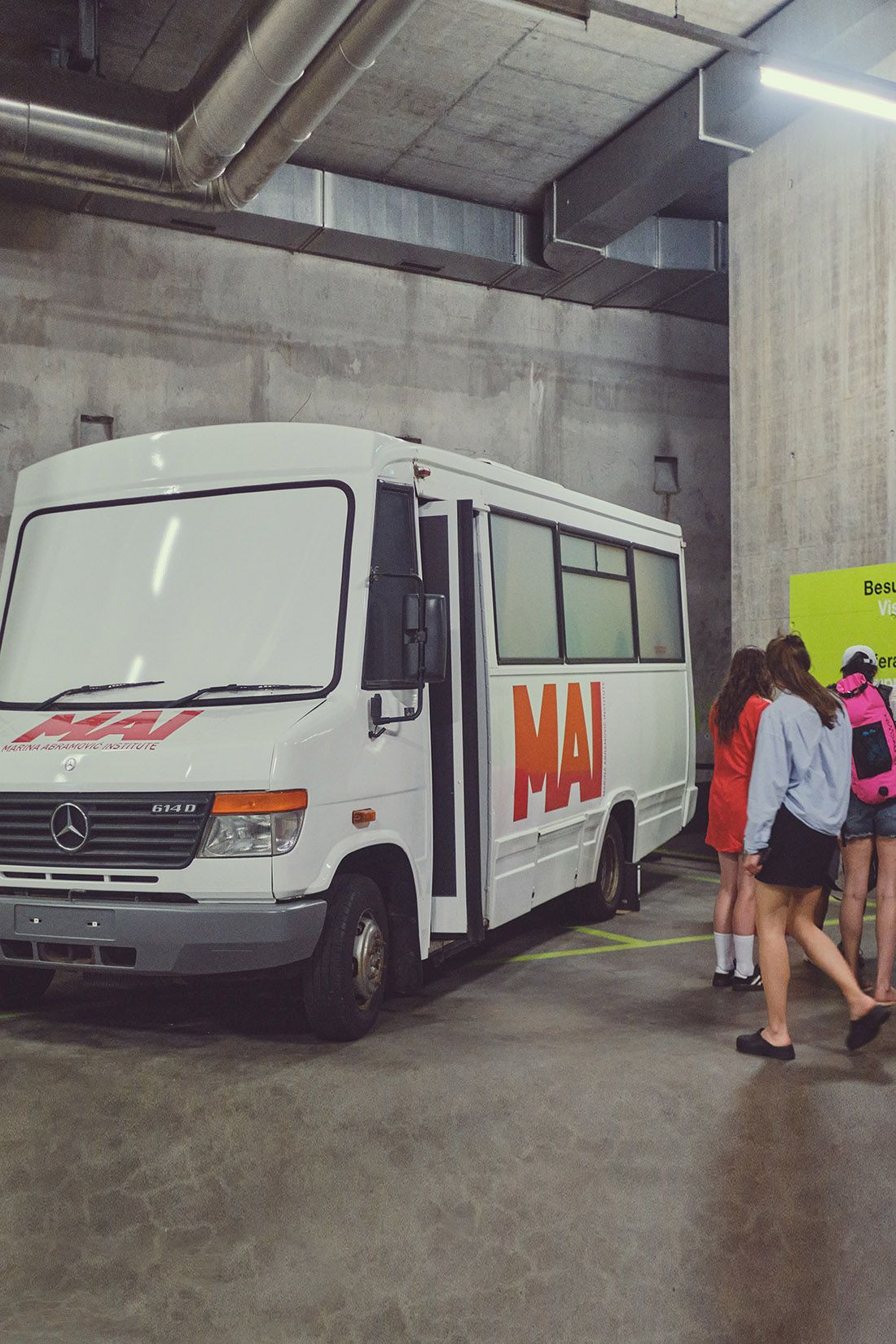
Installed at the entrance to the car park, the former school bus attracted little attention from the outside. Yet, once we stepped inside, an entirely different experience began. Participants left behind their mobile phones, watches and any reference to time in order to take part in a meditation session inspired by the renowned Abramovic Method. For half an hour, silence, breathing and mindfulness replaced the relentless stream of stimuli that characterises Art Basel week.
We had the opportunity to experience it ourselves and it was, without question, one of the most memorable moments of the entire trip.
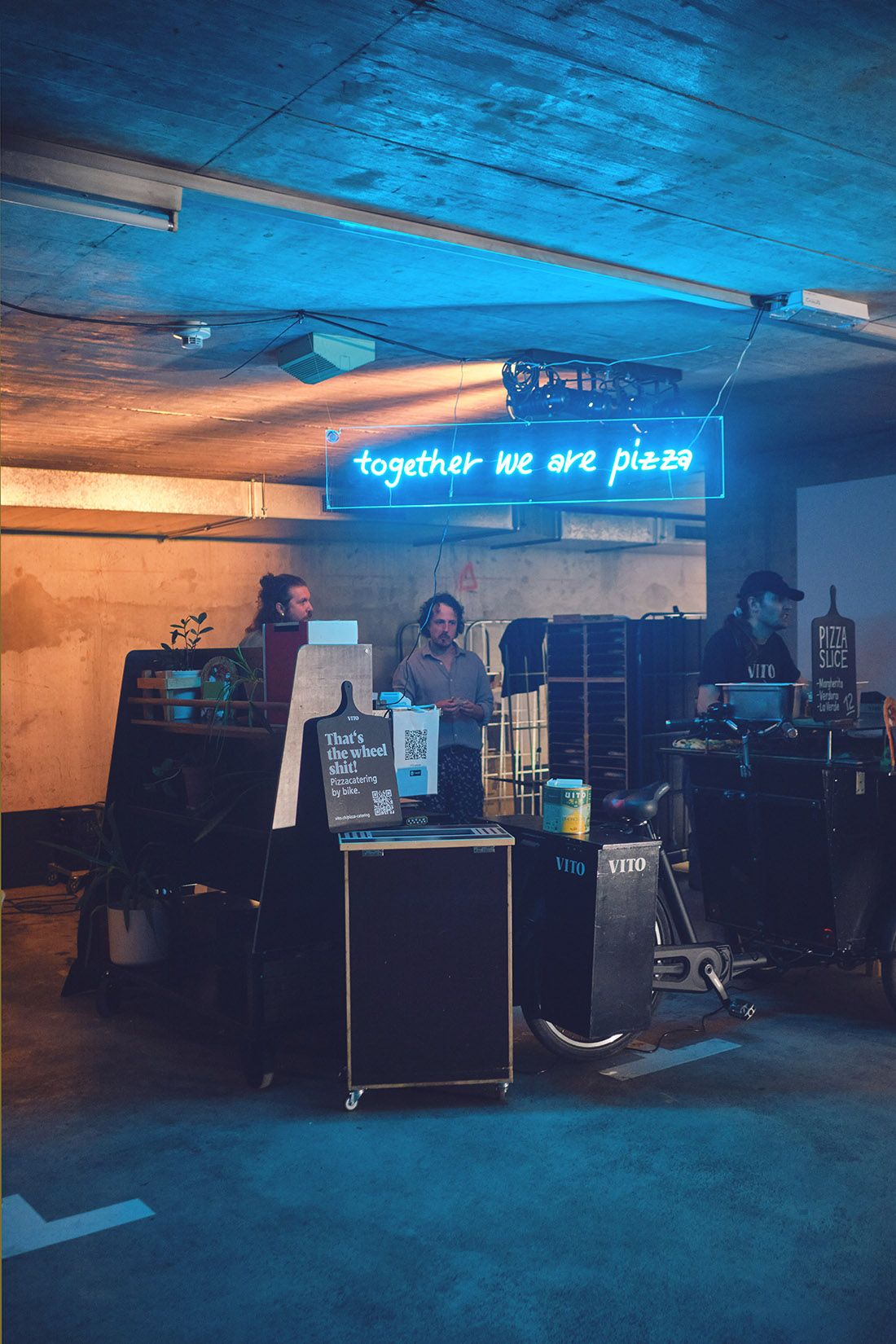
It is remarkable how such an ordinary space as a bus can become a place of introspection, capable of slowing the heartbeat, calming the mind and restoring a sense of presence that, after hours spent moving through fairs, exhibition openings and museums, takes on an almost therapeutic value.
More than an installation, THE BUS offered a conscious pause that perfectly encapsulated Basel Social Club‘s reflection on time, rest and the need to slow down.
THE BUS offered a conscious pause that perfectly encapsulated BSC’s reflection on the need to slow down.
An office building taken over by art
Perhaps that is why Basel Social Club has become, in just five editions, one of the most eagerly anticipated events of Basel Art Week. People do not visit simply to discover artworks, but to immerse themselves in an experience that transcends the boundaries of a conventional exhibition.
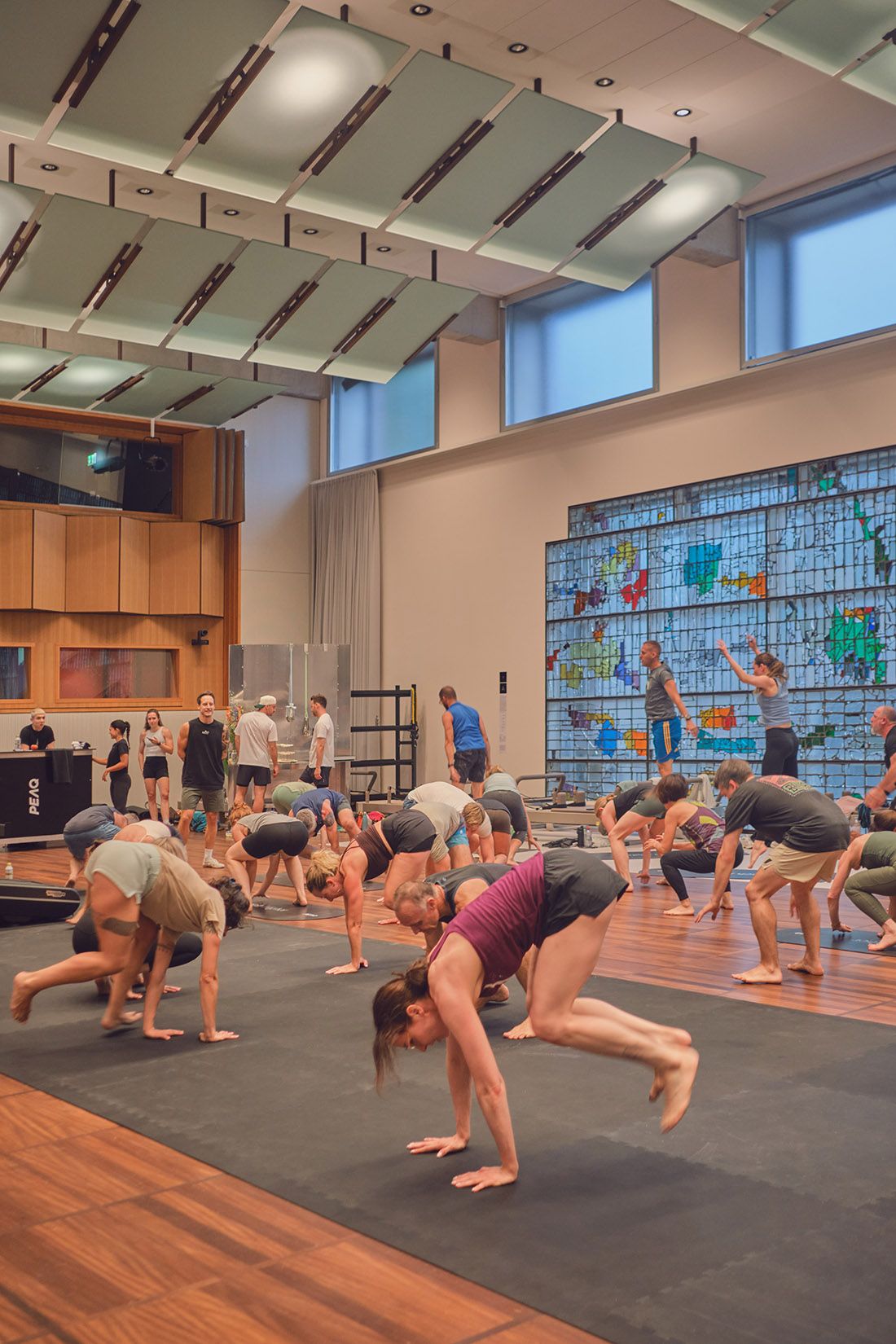
Gastronomy, for example, formed part of the project as naturally as the artistic installations themselves. Throughout the various floors of the building, visitors encountered bars, cafés and culinary offerings of every kind, from ceviche, paella and burgers to ice cream, watermelon pizzas and an exclusive tasting menu created by chef Pascal Steffen for Dinner Meeting.
For the first time, Basel Social Club also hosted I Never Read, Art Book Fair Basel, one of the leading international fairs dedicated to self-publishing, artists’ books and independent publications. In doing so, it demonstrated that the exchange of ideas also takes place through printed matter and experimental publishing.
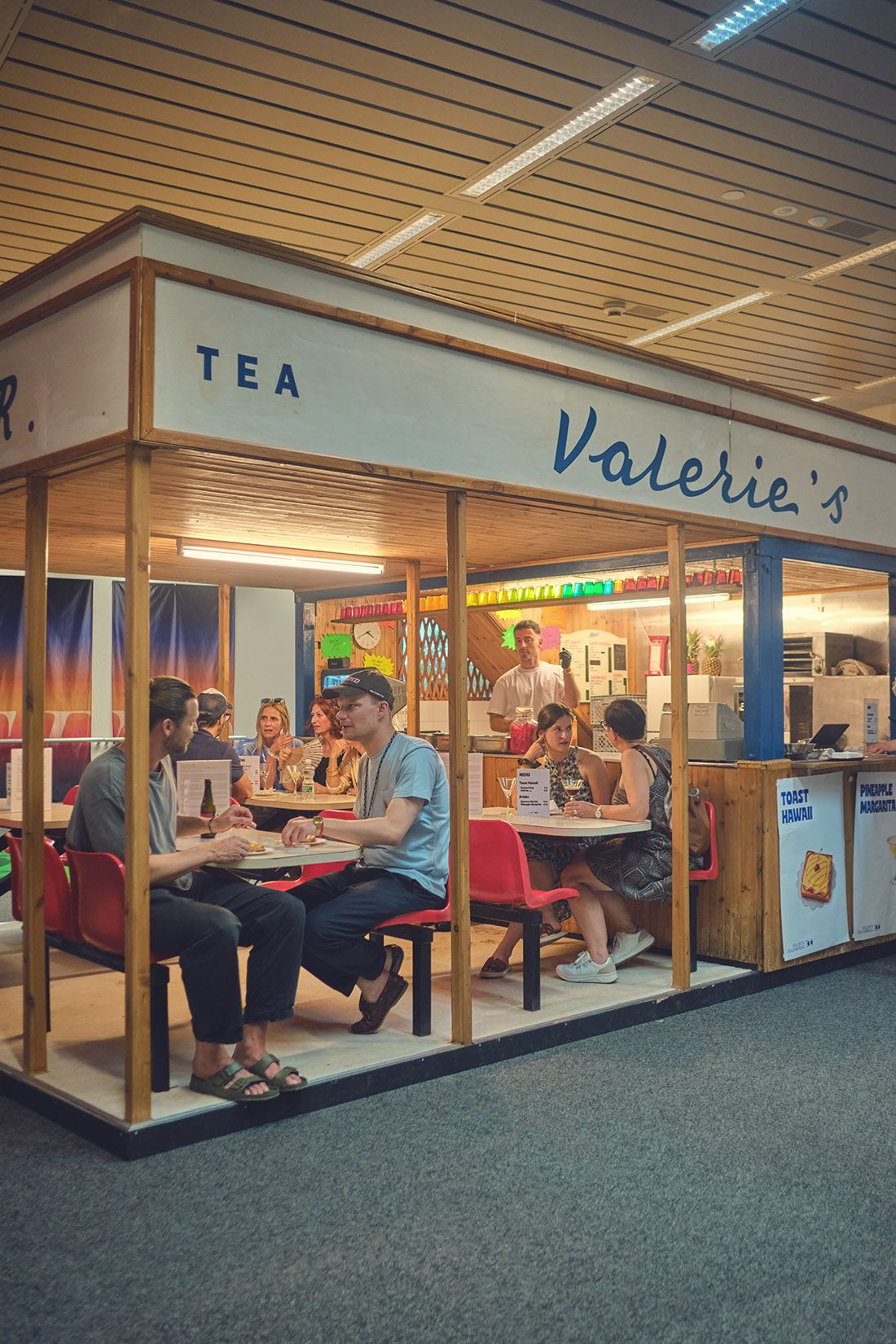
Everything coexisted with complete naturalness: performances, music, spaces for rest, conversations, participatory experiences and spontaneous encounters between artists, collectors and visitors. More than a programme of events, Basel Social Club succeeded in creating a place where art was experienced collectively and free from schedules.
Liste: the best place to discover the future
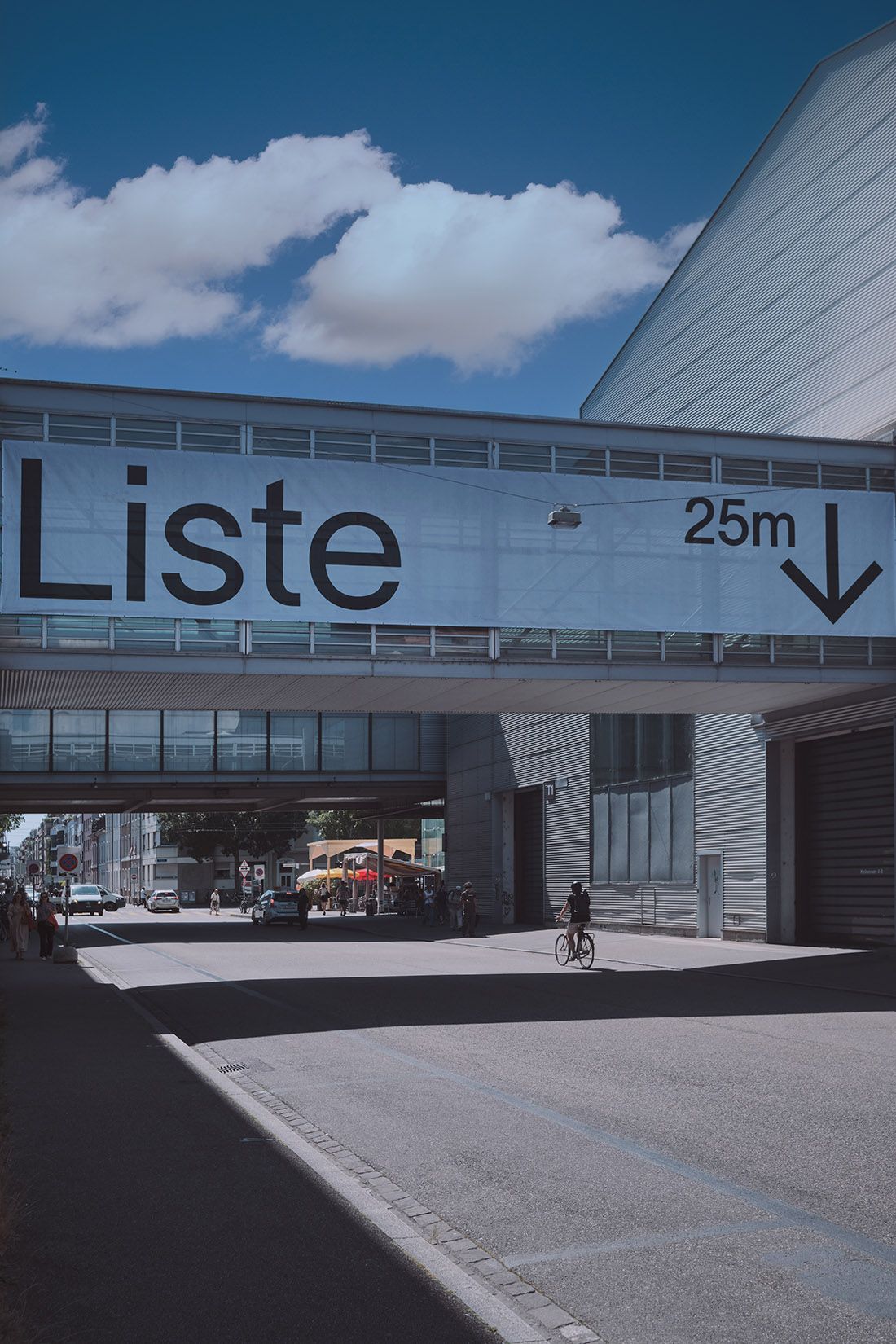
If Art Basel represents the consolidation of the international art market, Liste Art Fair Basel remains the place to glimpse its future. For almost three decades, the fair has become the leading platform for emerging galleries and artists beginning to make their mark on the international scene, many of whom go on to exhibit at Art Basel only a few years later.
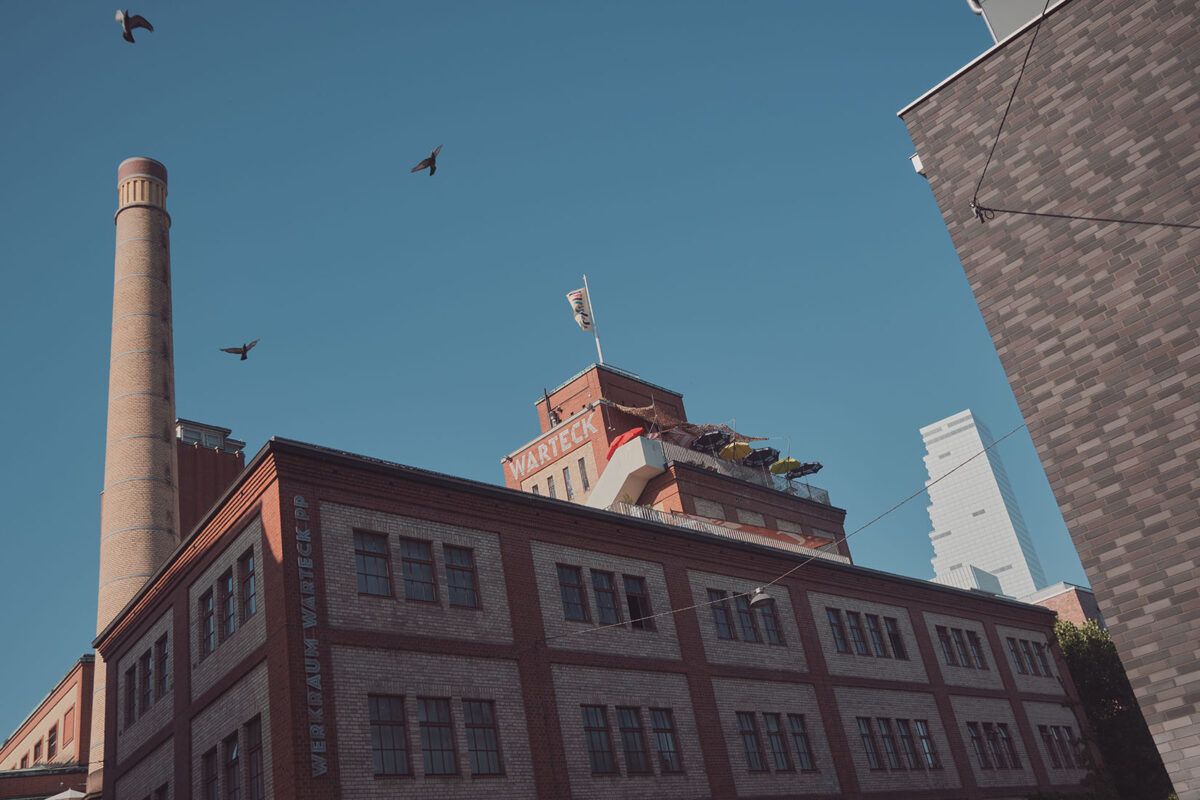
Housed in the former Warteck brewery, Liste retains a distinctive identity that clearly sets it apart from the main fair.
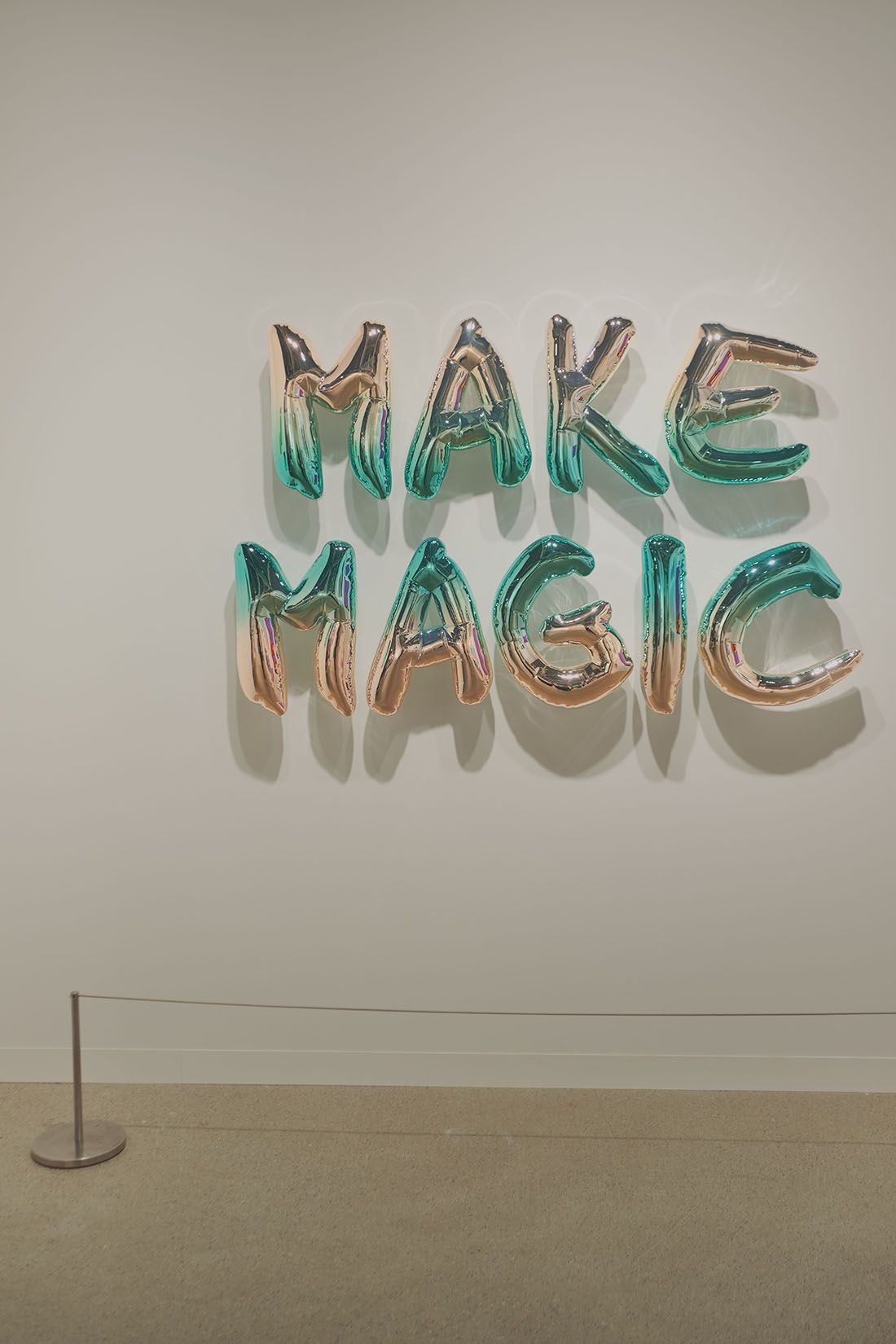
The atmosphere is more relaxed, the galleries embrace more experimental narratives, and there is a much stronger sense of discovery. It is not simply about finding the next major figure in contemporary art, but about observing how the visual languages, concerns and research of a new generation of artists continue to evolve.
Liste has become the leading platform for emerging galleries and artists.
For precisely that reason, visiting Liste remains one of the finest ways to complete the Art Basel experience. The two fairs do not compete with one another; instead, they complement each other, offering a far more complete picture of today’s international art ecosystem.
Unlimited: where art breaks beyond scale
Some works simply cannot fit inside a booth. That is precisely why Unlimited was created: Art Basel‘s sector dedicated to monumental installations, large-scale sculpture, video, performance and projects that challenge the physical limits of a conventional art fair. This year, the section was curated for the first time by Ruba Katrib, Chief Curator of MoMA PS1, who assembled a selection in which monumentality was defined not only by the size of the works themselves, but also by their ability to transform the visitor’s experience.
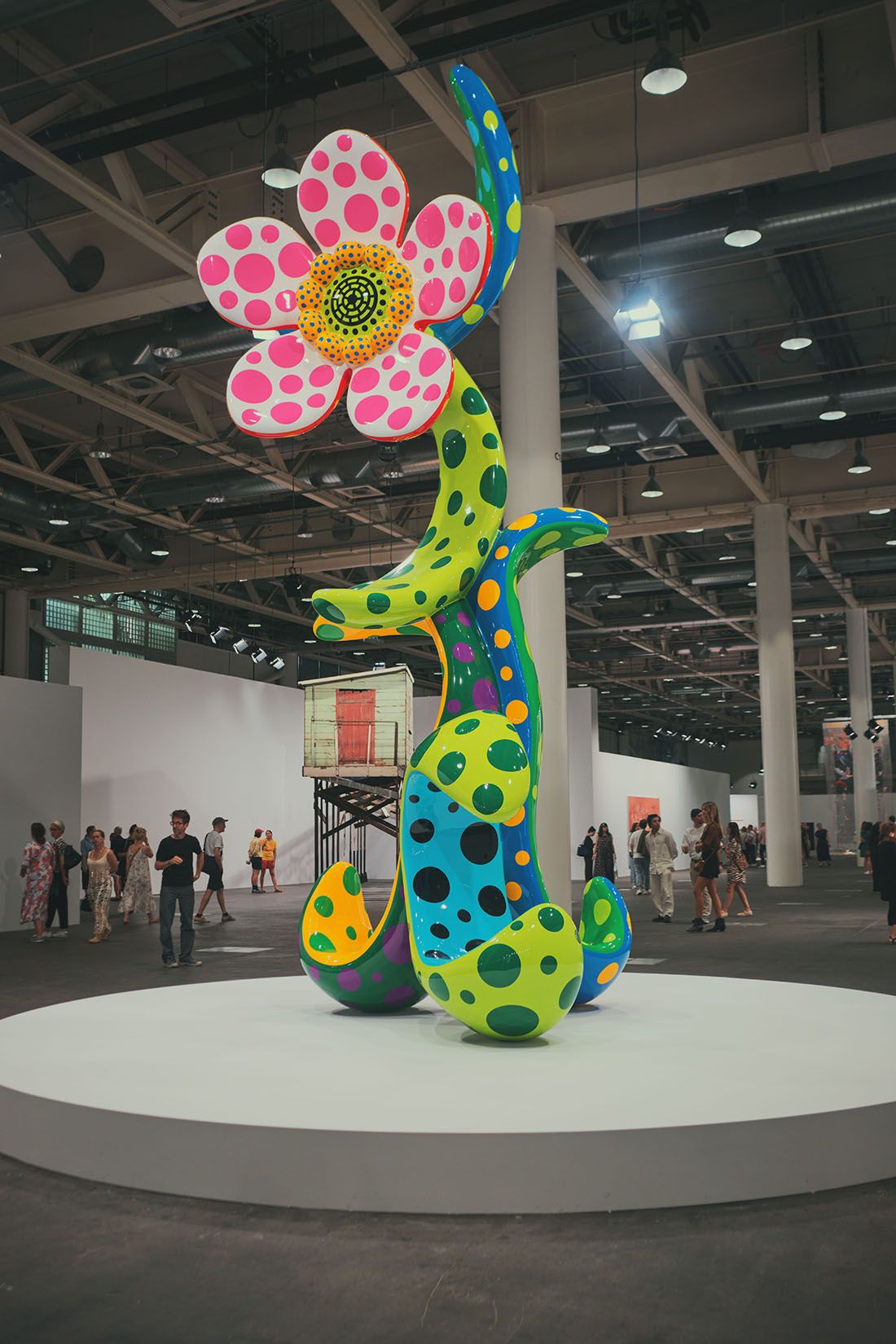
Among the highlights of this year’s edition was Flowers That Bloom in the Cosmos (2022), Yayoi Kusama‘s monumental flower sculpture, standing almost six metres high and becoming one of Unlimited‘s most striking visual landmarks. In complete contrast was Bruce Nauman‘s unsettling Dead End Tunnel Folded Into Four Arms with Common Walls (1980), a labyrinth of dead-end corridors that transformed the simple act of walking into a physical and psychological experience.
This year, the section was curated by Ruba Katrib, Chief Curator of MoMA PS1.
Another work that particularly caught our attention was A Libation in Uncertain Times by Theaster Gates, constructed from more than a thousand sake bottles as a tribute to collective memory and shared rituals.
Equally memorable were Maria Loizidou‘s delicate suspended structure and the imaginary forest created by Yuichi Hirako, composed of more than 7,500 small hybrid figures that combined trees and human beings, offering two very different reflections on the relationship between humanity and nature.
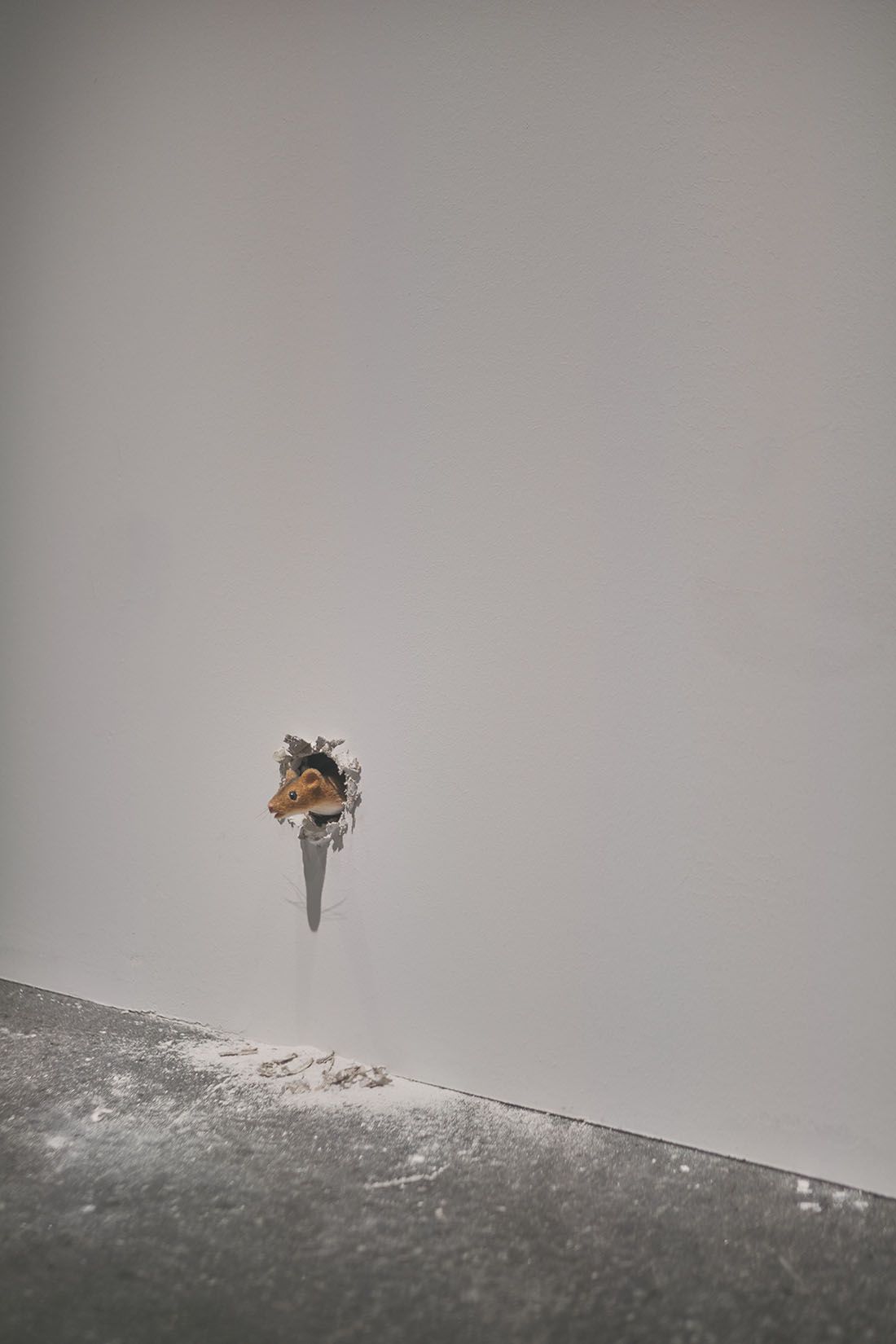
Unlimited once again brought together some of the most ambitious projects presented anywhere at the fair, ranging from Tracey Emin‘s installation to Niki de Saint Phalle‘s sculptures, Alfredo Jaar‘s powerful work, Ryan Gander‘s ingenious animatronic mouse and Isa Genzken‘s intervention.
Rather than simply presenting a succession of monumental artworks, the section once again demonstrated that scale itself is a language capable of addressing memory, identity, politics, ecology and spirituality, firmly establishing Unlimited as one of Art Basel‘s most stimulating and rewarding spaces.
When institutions also set the rhythm of Art Basel
The city’s institutional programme was completed this year by a highly recommended visit: Kulturstiftung Basel H. Geiger (KBH.G) presented EXTRASENSORY, the first major institutional exhibition in Switzerland by Canadian artist Chloe Wise, on view until 6 September 2026.
KBH.G presented the first major exhibition in Switzerland by Chloe Wise.
Conceived as a large-scale immersive installation, the exhibition centres on PsyFi, the artist’s most ambitious film project to date: a three-screen video installation that surrounds visitors with a universe in which fiction, spirituality, science and popular culture are constantly intertwined.
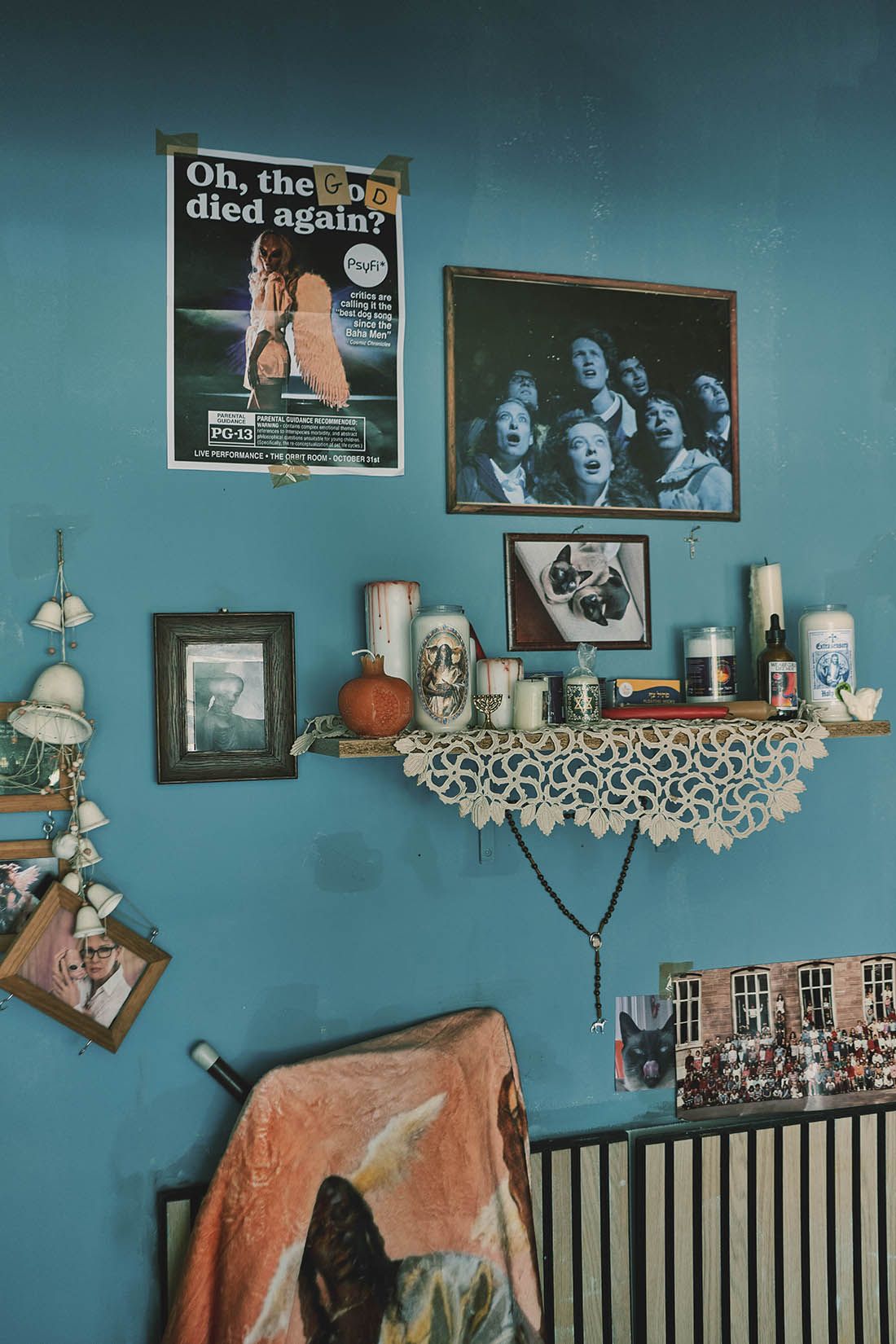
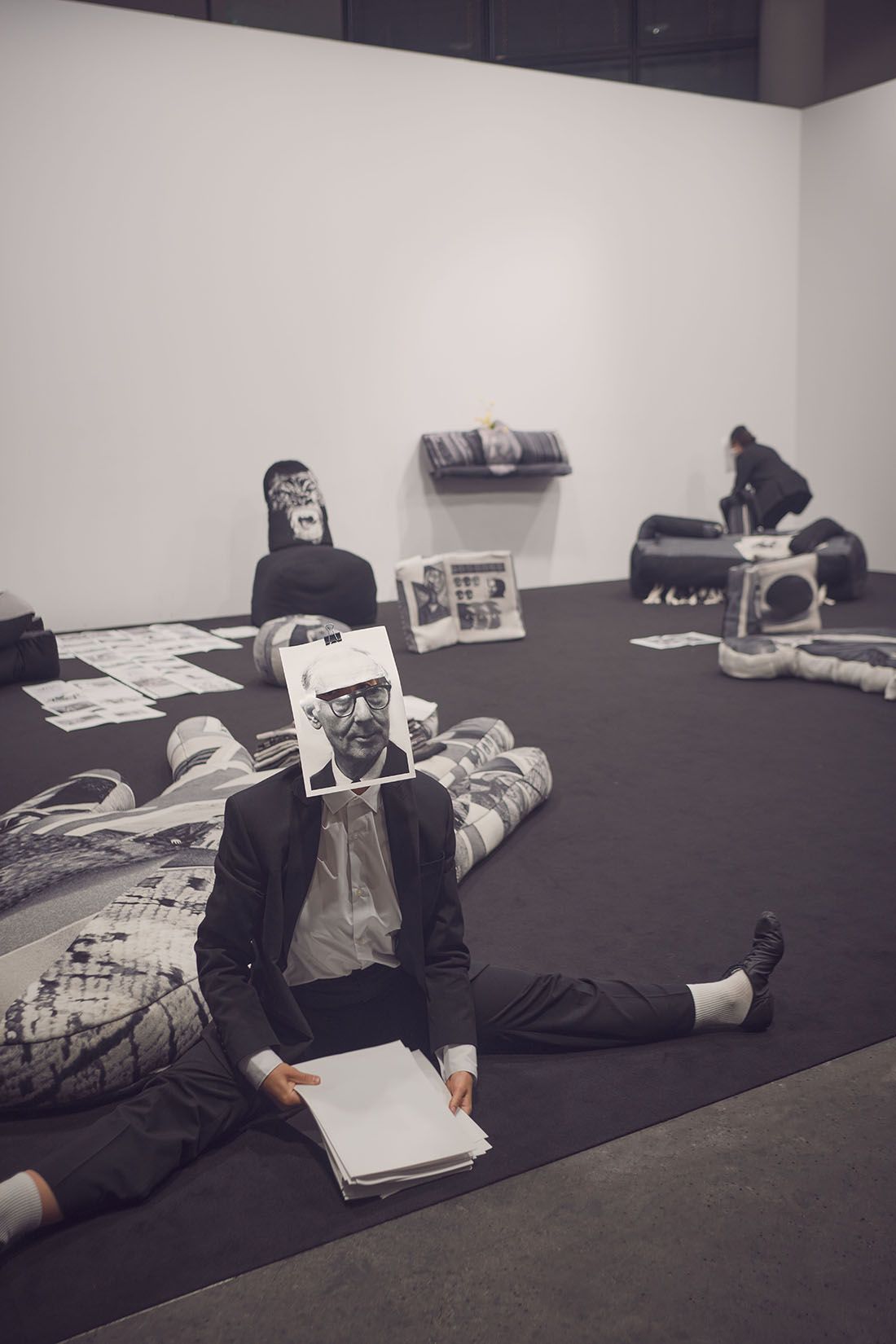
Through a carefully staged presentation, Wise reflects on how we construct our beliefs, how we interpret images, and the ways in which perception is shaped by history, language and cultural codes.
The exhibition also confirms the excellent moment currently being enjoyed by KBH.G, an institution that, in just a few years, has established itself as one of the most dynamic and compelling spaces on Basel’s art scene thanks to its highly ambitious contemporary programme.
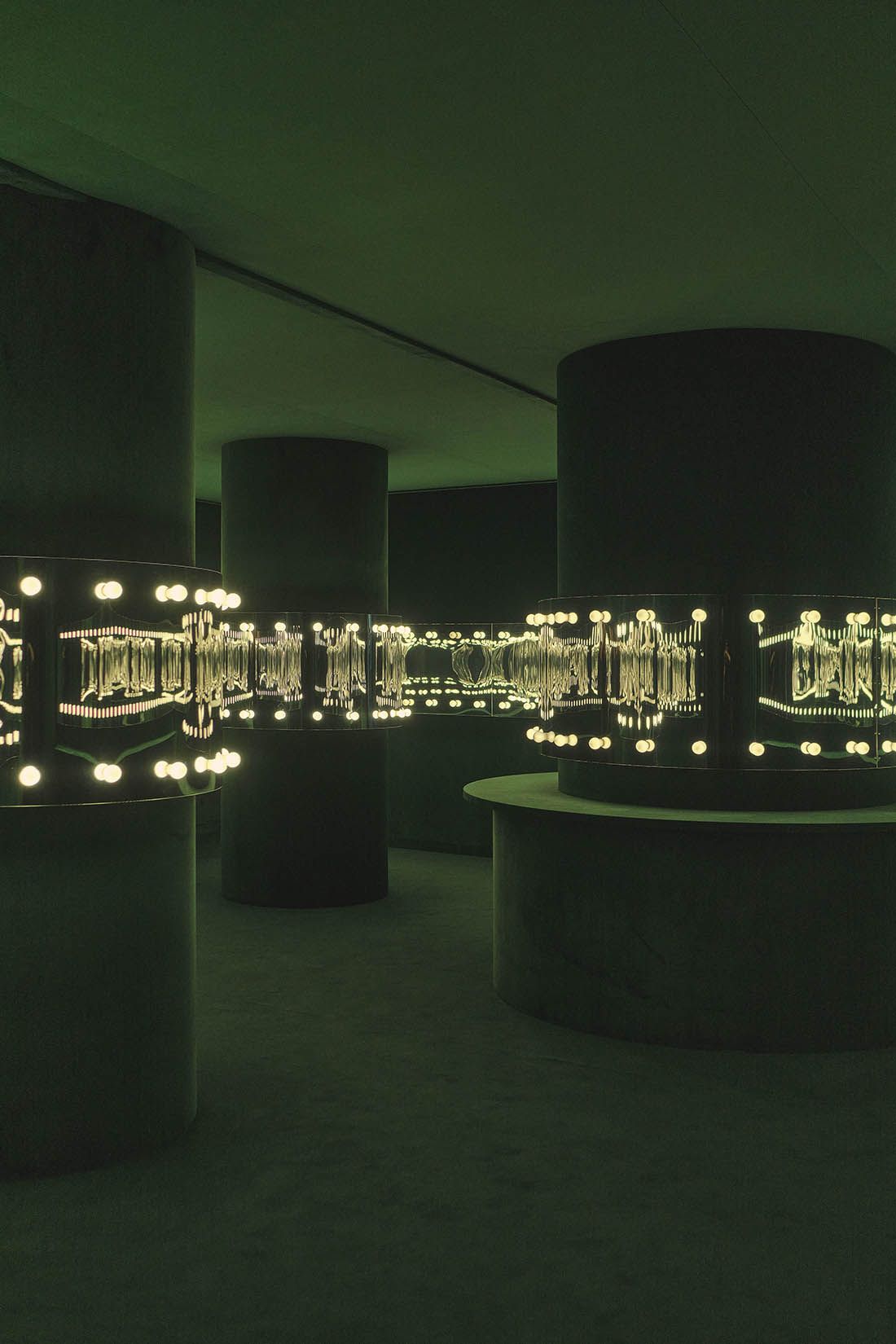
For those wishing to continue exploring the city, Museum Tinguely remains an essential destination at any time of year.
Dedicated to the work of the great Swiss sculptor Jean Tinguely, the Mario Botta-designed museum houses an outstanding collection of his celebrated kinetic sculptures, where engineering, humour, poetry and movement merge in works that continue to delight and surprise visitors.
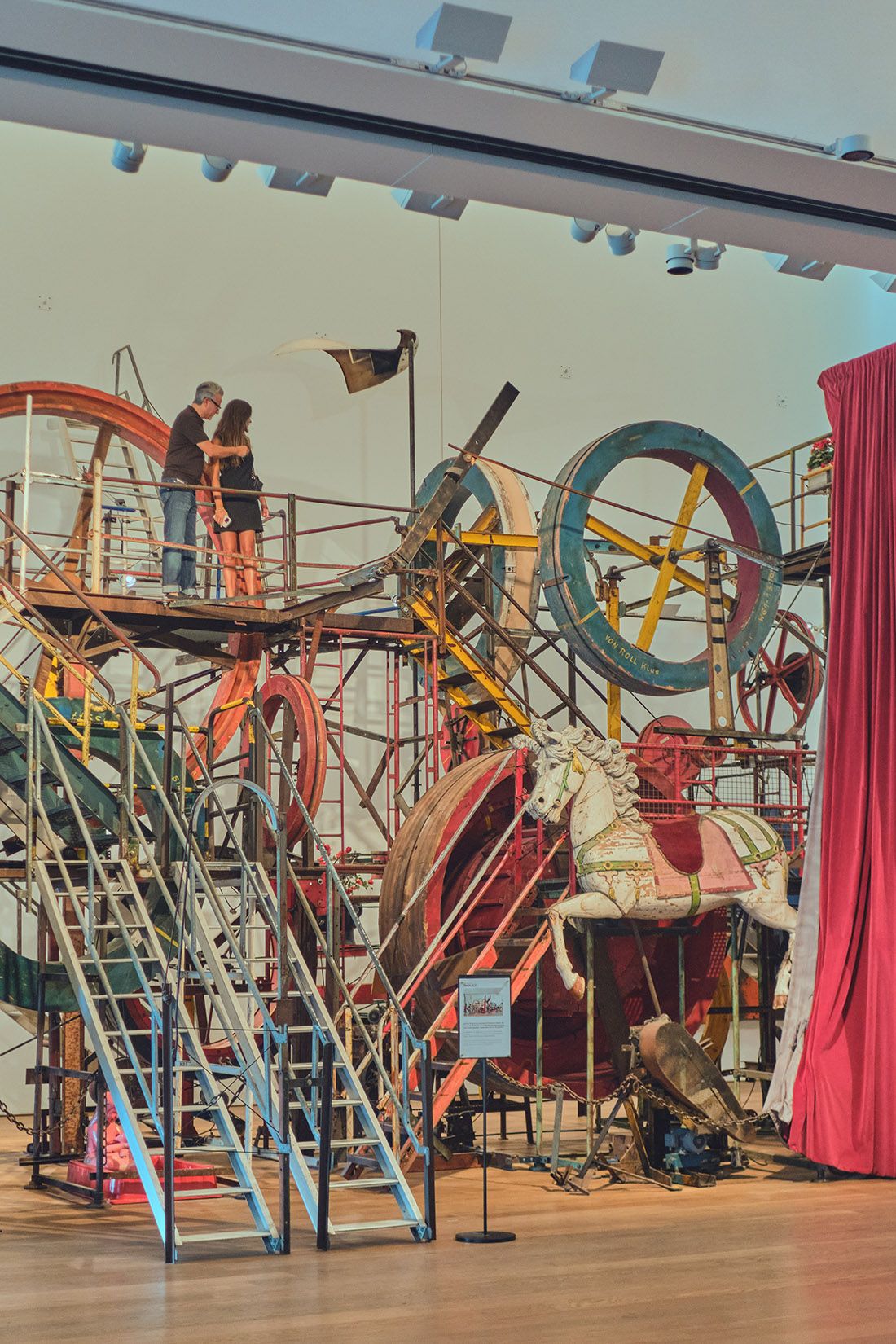
Alongside its permanent collection, the museum also presents an excellent programme of temporary exhibitions, further reinforcing Basel’s extraordinary artistic heritage.
Franck Areal: Basel’s new creative meeting point
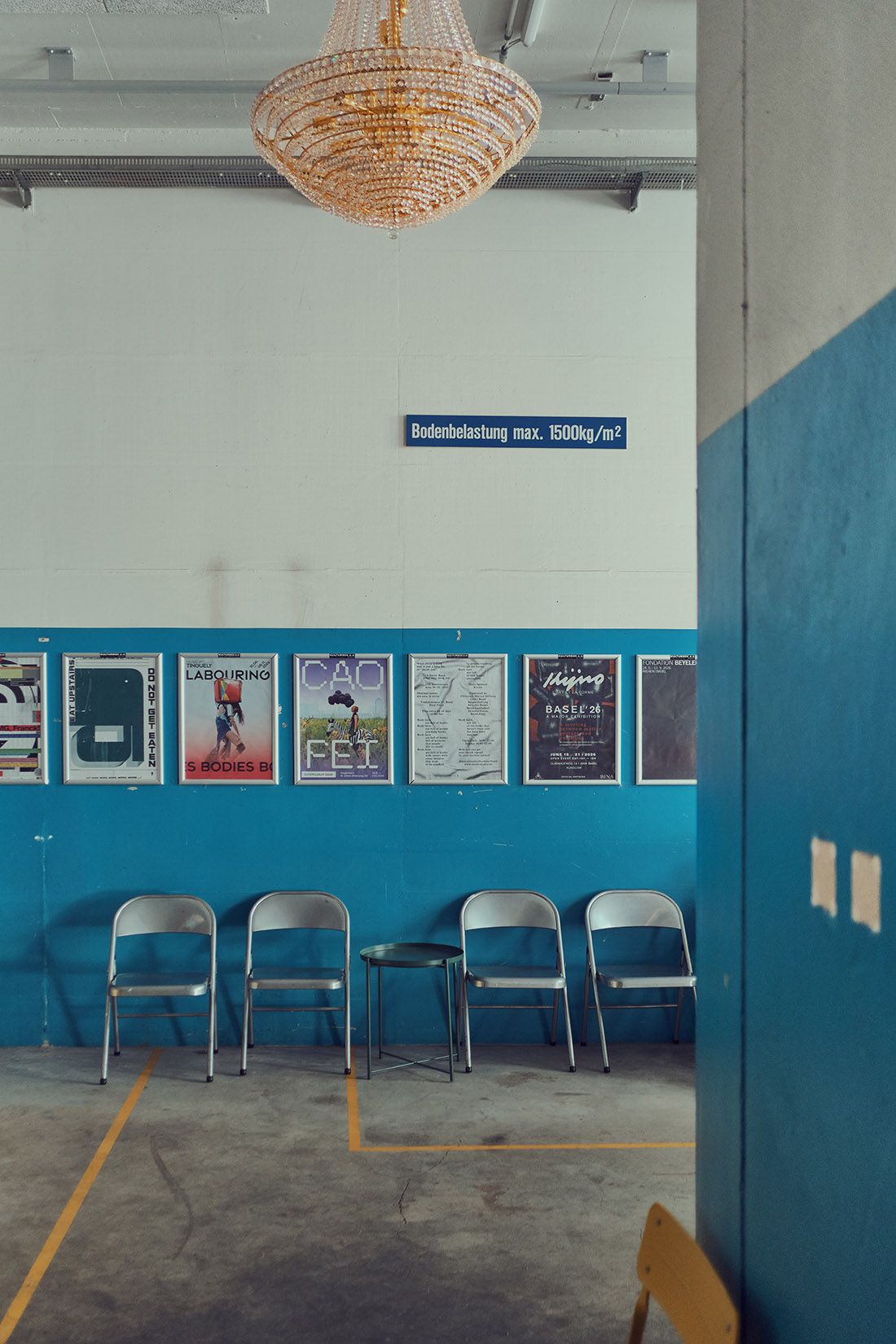
Beyond the fairs and museums, Art Basel week also finds some of its most exciting moments in hybrid spaces where art merges with design, gastronomy, music and contemporary creativity. One of the finest examples is Franck Areal, a former industrial complex transformed into a vibrant creative district that comes alive with a unique energy during these days.
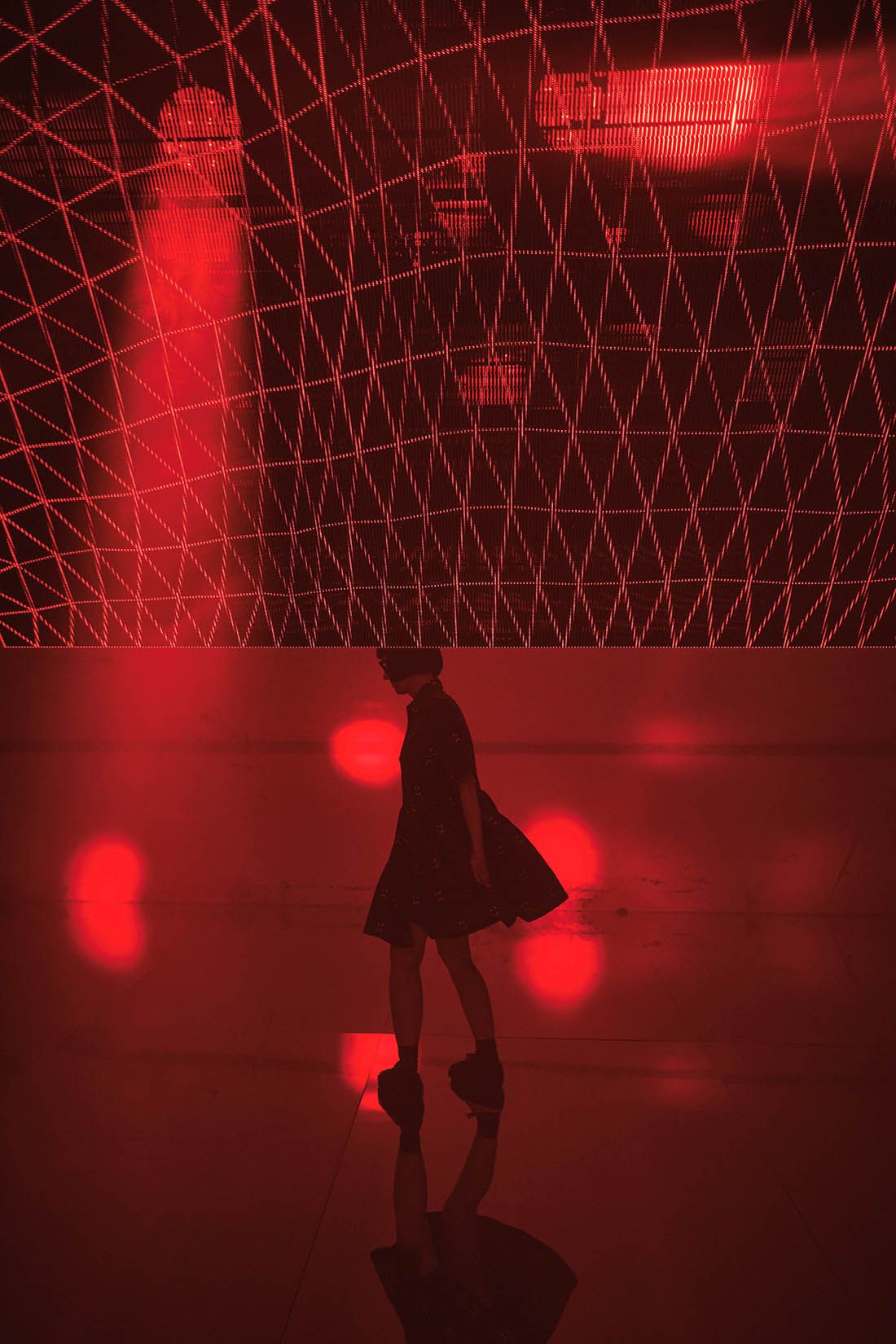
This year, the venue hosted OMG! Franck, an event bringing together exhibitions, installations, design, fashion, craftsmanship, live music, gastronomy and encounters with creators in an atmosphere that felt considerably more relaxed and informal than the major art fairs. Far removed from the intensity of the market, the event championed a different approach to creativity, demonstrating that Basel also excels at creating spaces where the exchange of ideas, experimentation and cultural life emerge naturally and spontaneously.
It is undoubtedly one of the city’s most rewarding visits for anyone wishing to discover a different side of Basel and understand why, during Art Basel week, creativity extends far beyond the traditional exhibition spaces.
Basel: the perfect destination to enjoy art… and summer
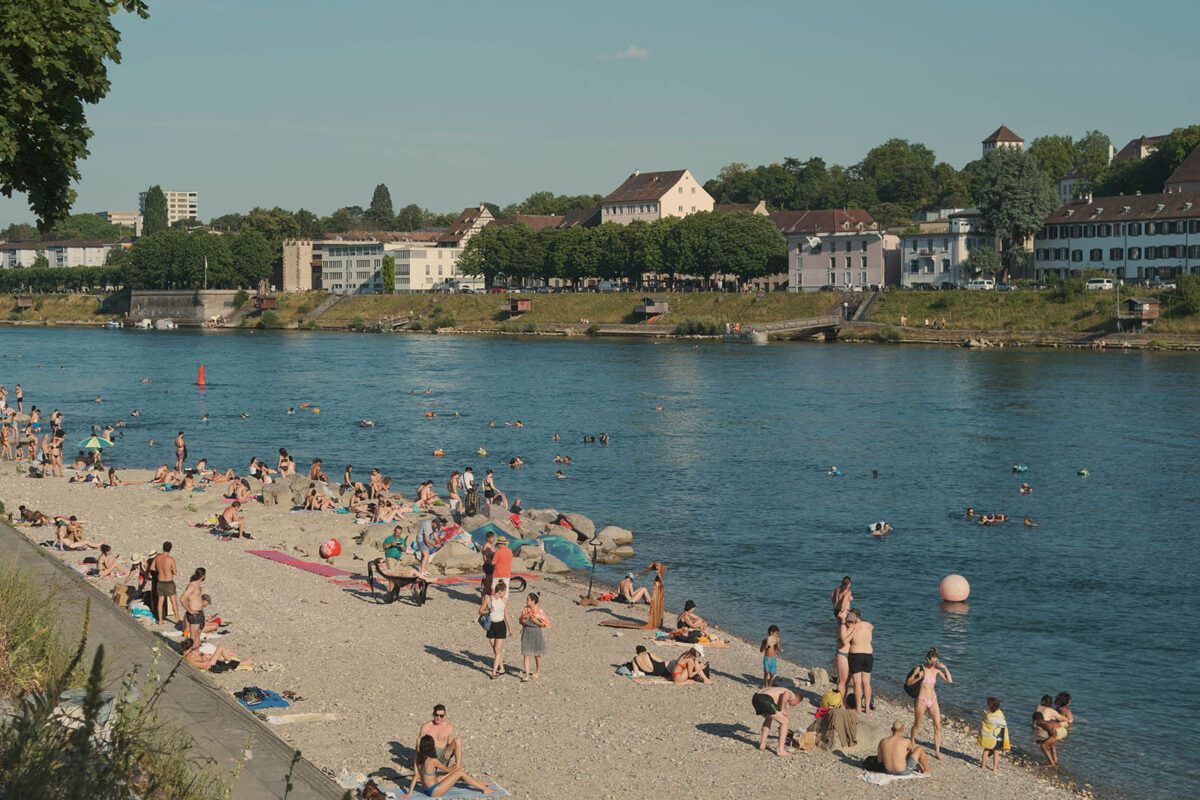
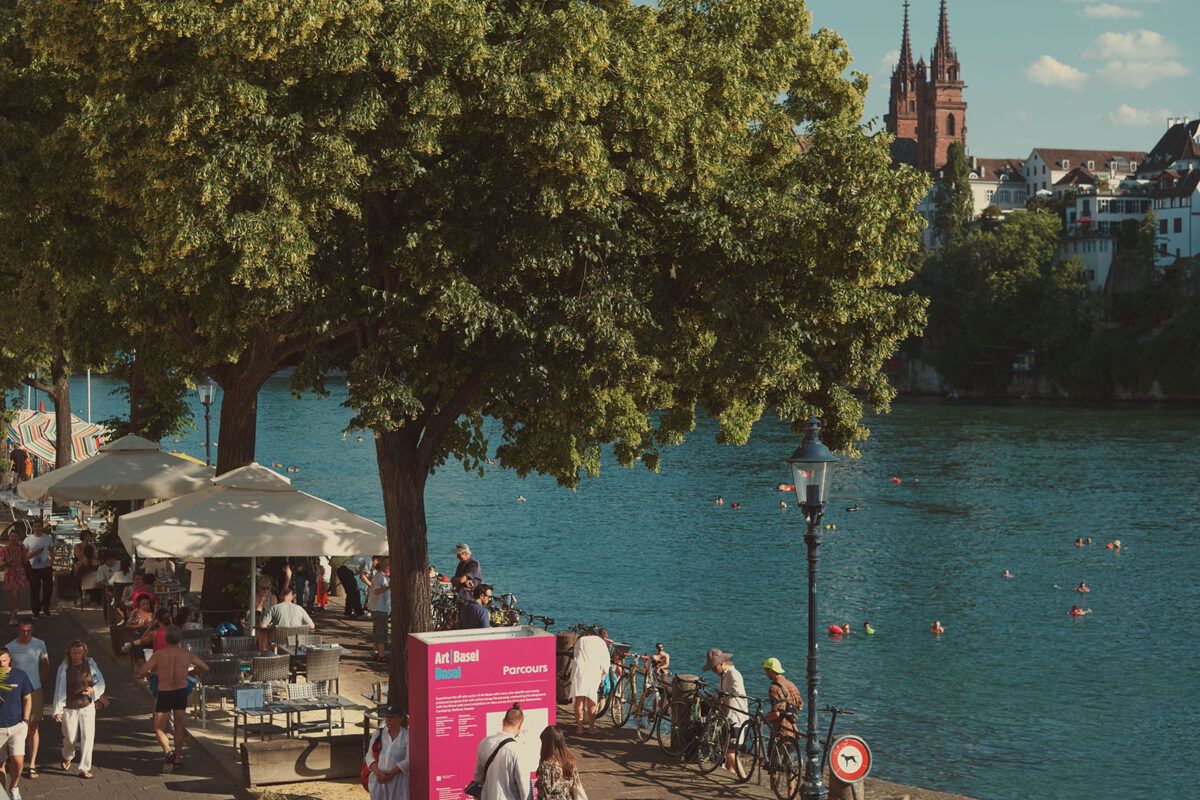
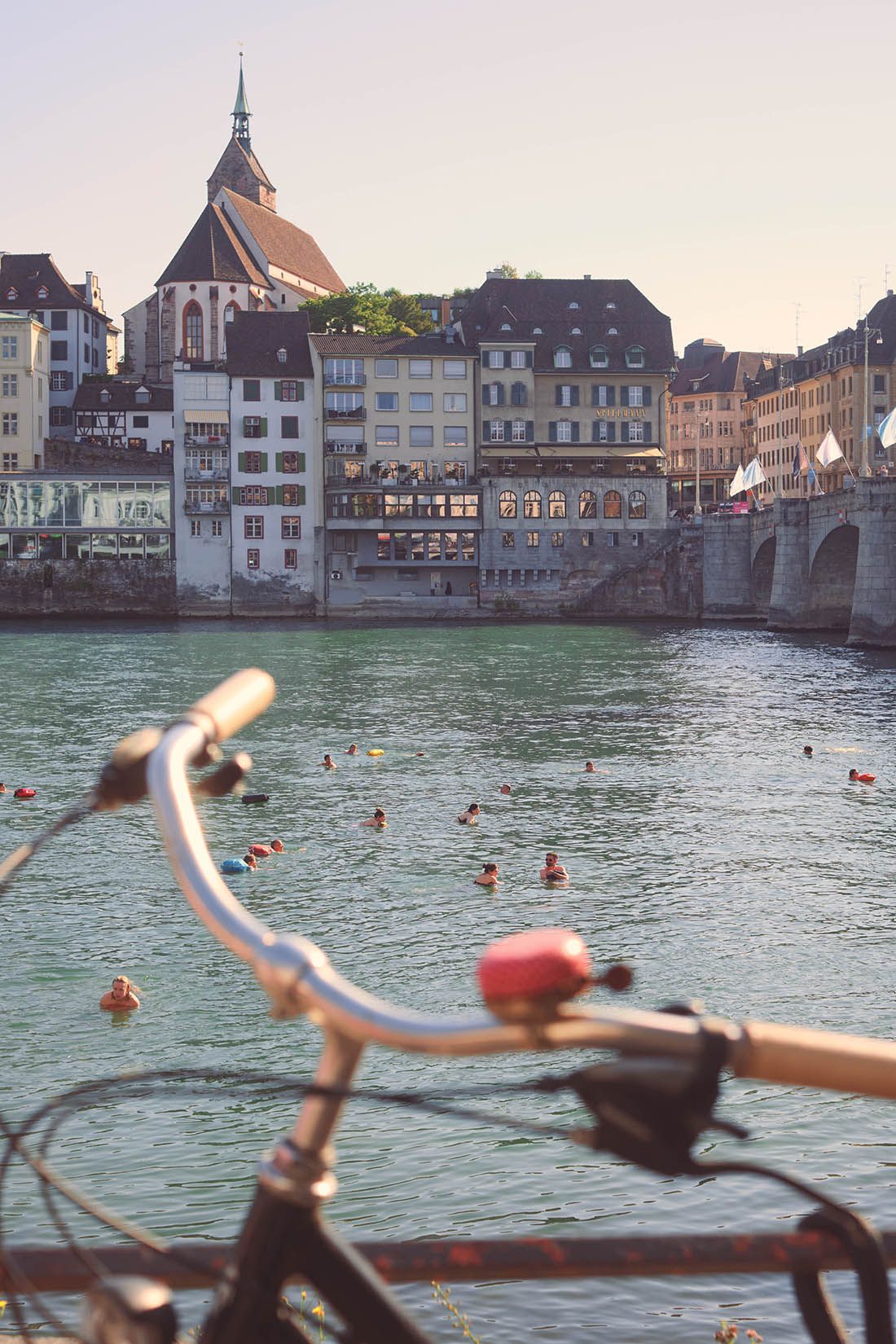
There is another reason why travelling to Basel during Art Basel is so worthwhile, yet it is rarely mentioned: the city itself. Once the day at the fair comes to an end, the experience continues in an entirely different way. With the arrival of warmer weather, the banks of the Rhine fill with locals and visitors alike, transforming the river into the city’s great social meeting point.
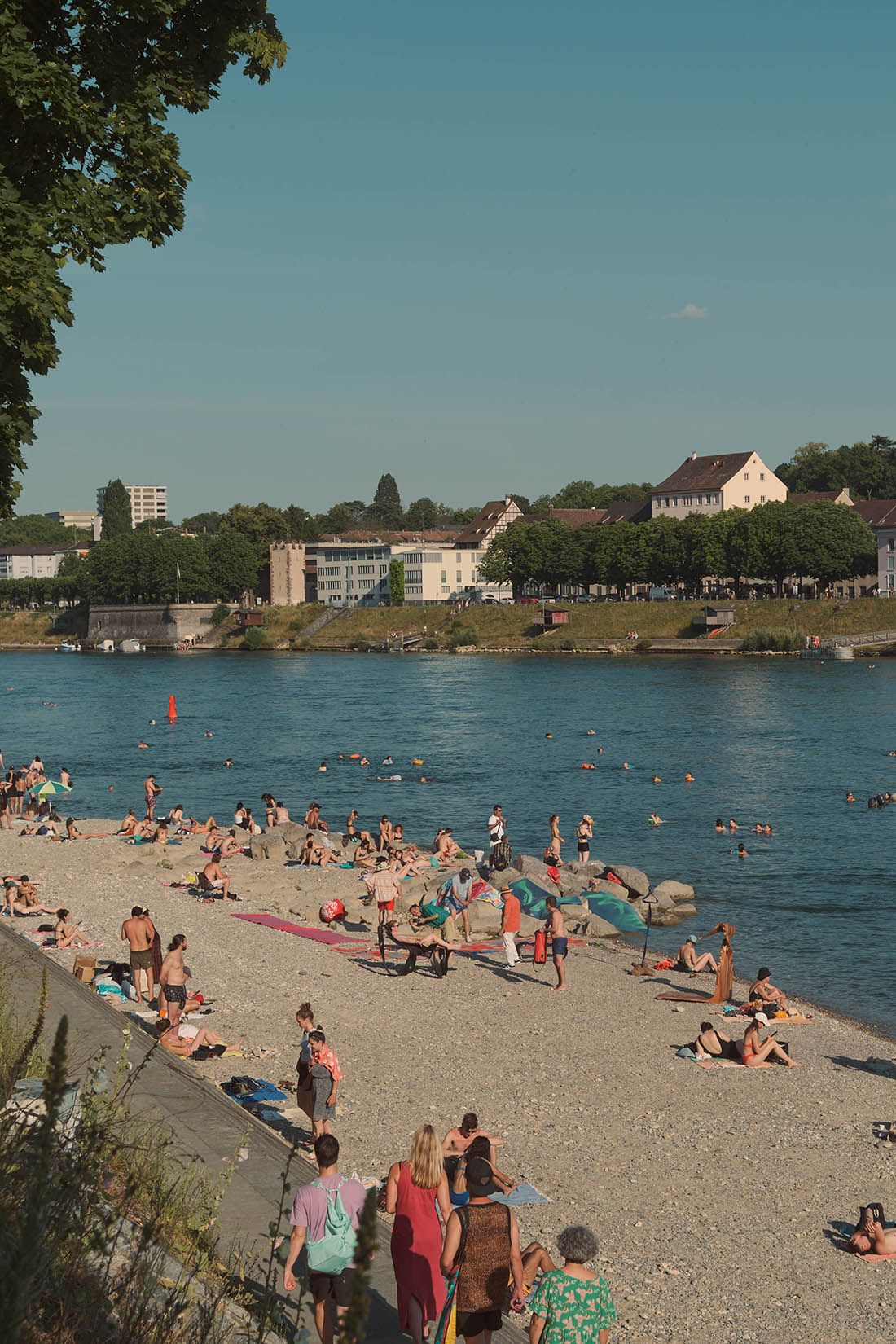
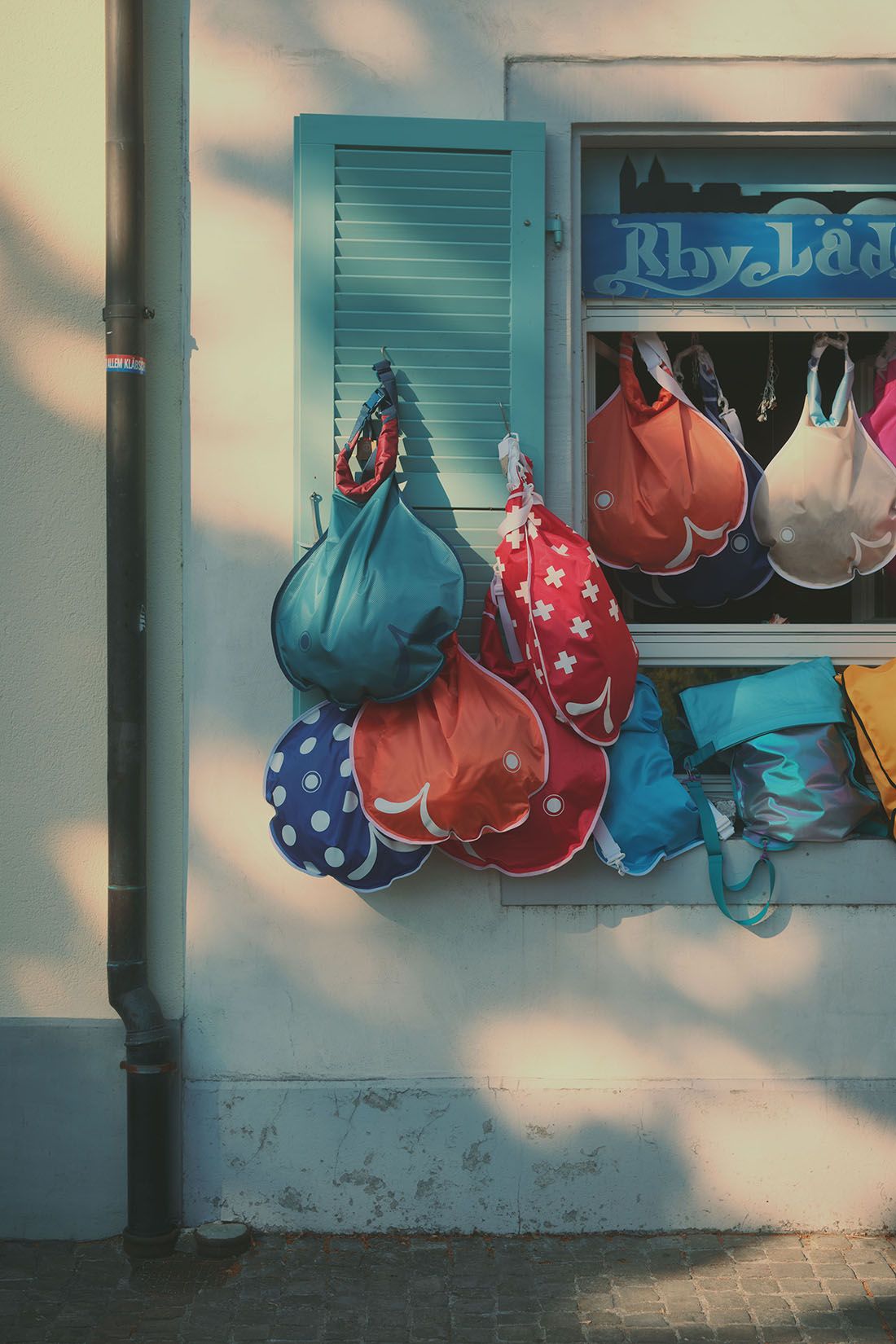
One of the most authentic summer rituals is to pack your clothes into the iconic Wickelfisch, the famous fish-shaped waterproof bag, and simply let yourself drift with the current while admiring Basel’s historic skyline from the water. It is a tradition that is as simple as it is unforgettable, and one that explains the city’s wonderfully relaxed way of life better than any guidebook ever could.
This balance between culture and quality of life is, in fact, one of Basel’s greatest attractions.
This balance between culture and quality of life is, in fact, one of Basel’s greatest attractions.
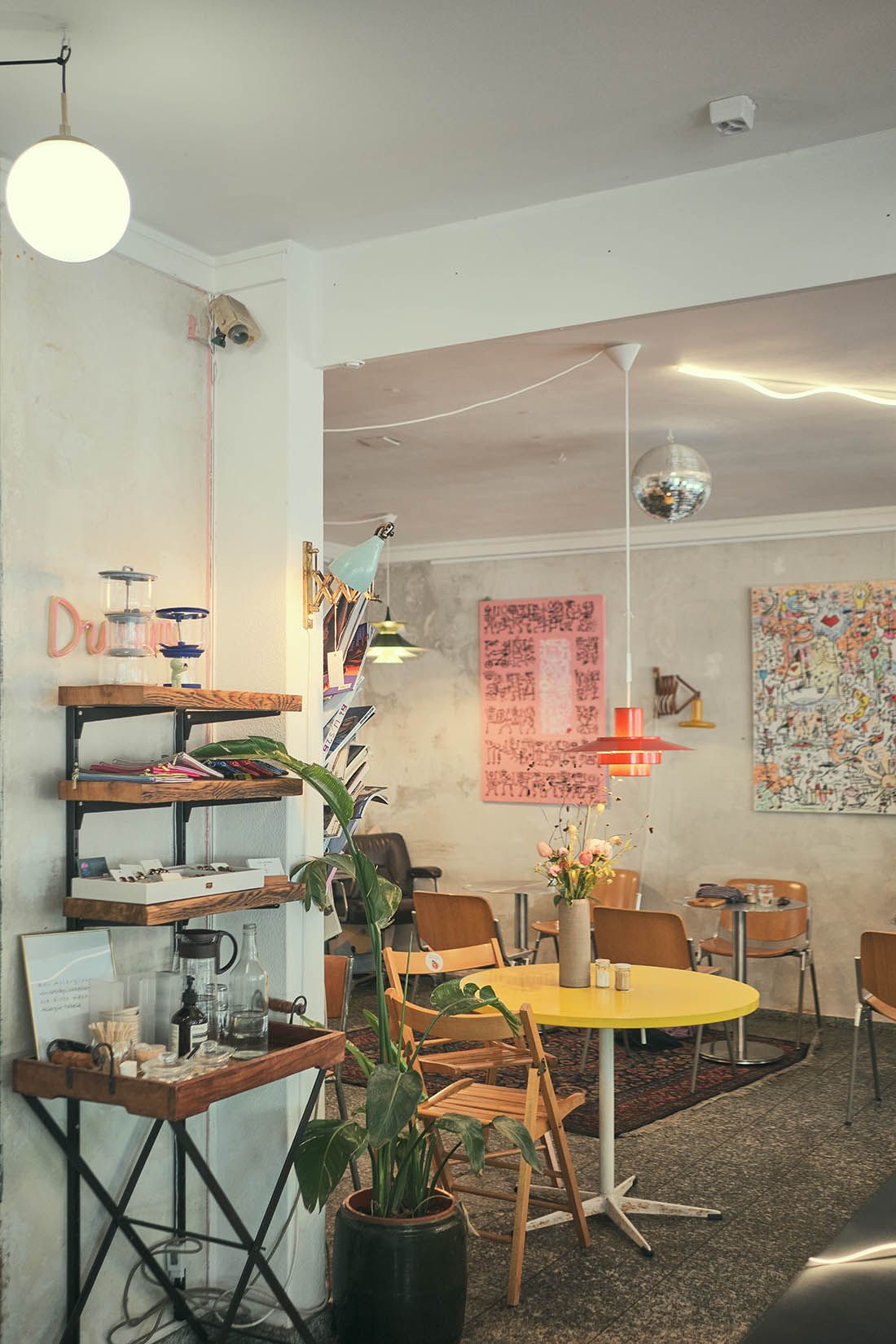
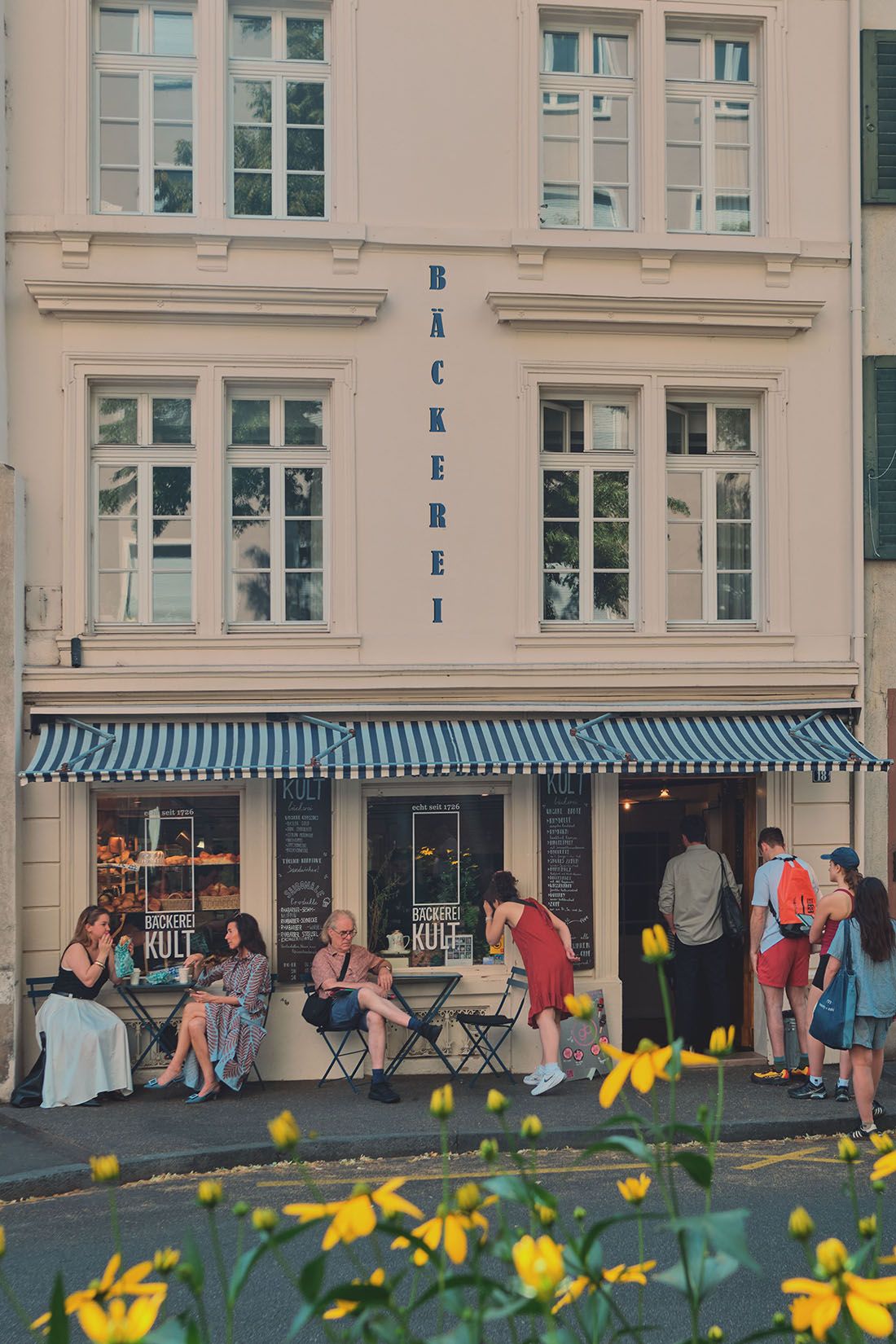
Within just a few minutes, it is possible to go from admiring a Picasso at Art Basel or a Pierre Huyghe installation at Fondation Beyeler to enjoying an outstanding speciality coffee at Dan’s Lab Coffee or Kaffee Daniska, having breakfast at Bäckerei Kult or taking a relaxing break at Frühling.
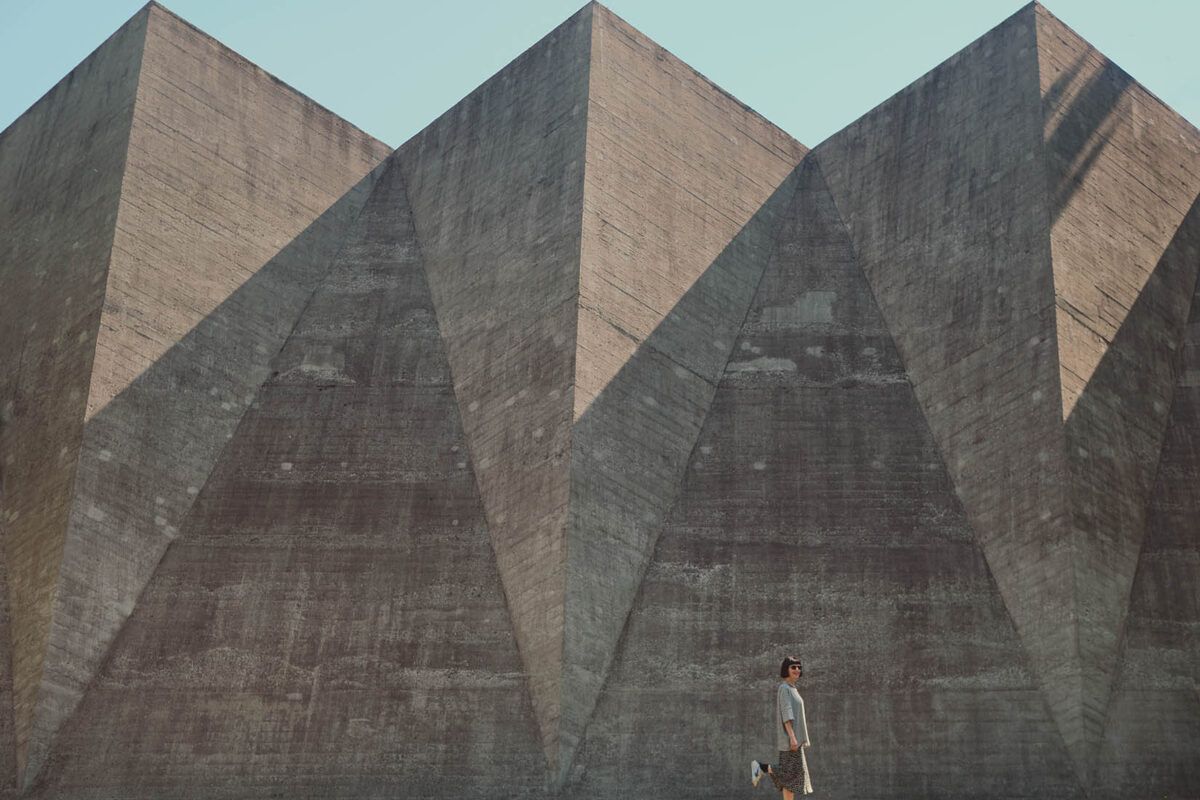
As evening falls, landmarks such as Maurerhalle, the iconic building designed by Swiss architect Hermann Baur and inaugurated in 1961 as part of Basel’s School of Arts and Crafts, remind visitors that the city’s extraordinary architectural heritage extends far beyond its museums. Regarded as one of the defining works of Swiss Brutalism, it reflects Basel’s enduring relationship with architecture, design and cultural life.
The day can continue with a visit to Turbinenhaus / Aktienmühle, a spectacular restored industrial building that is well worth discovering both for its remarkable architecture and for the vibrant atmosphere created on the terrace of its restaurant.
Afterwards, there is nothing better than enjoying an artisan ice cream at Gelateria di Berna, now something of an institution among Basel residents.
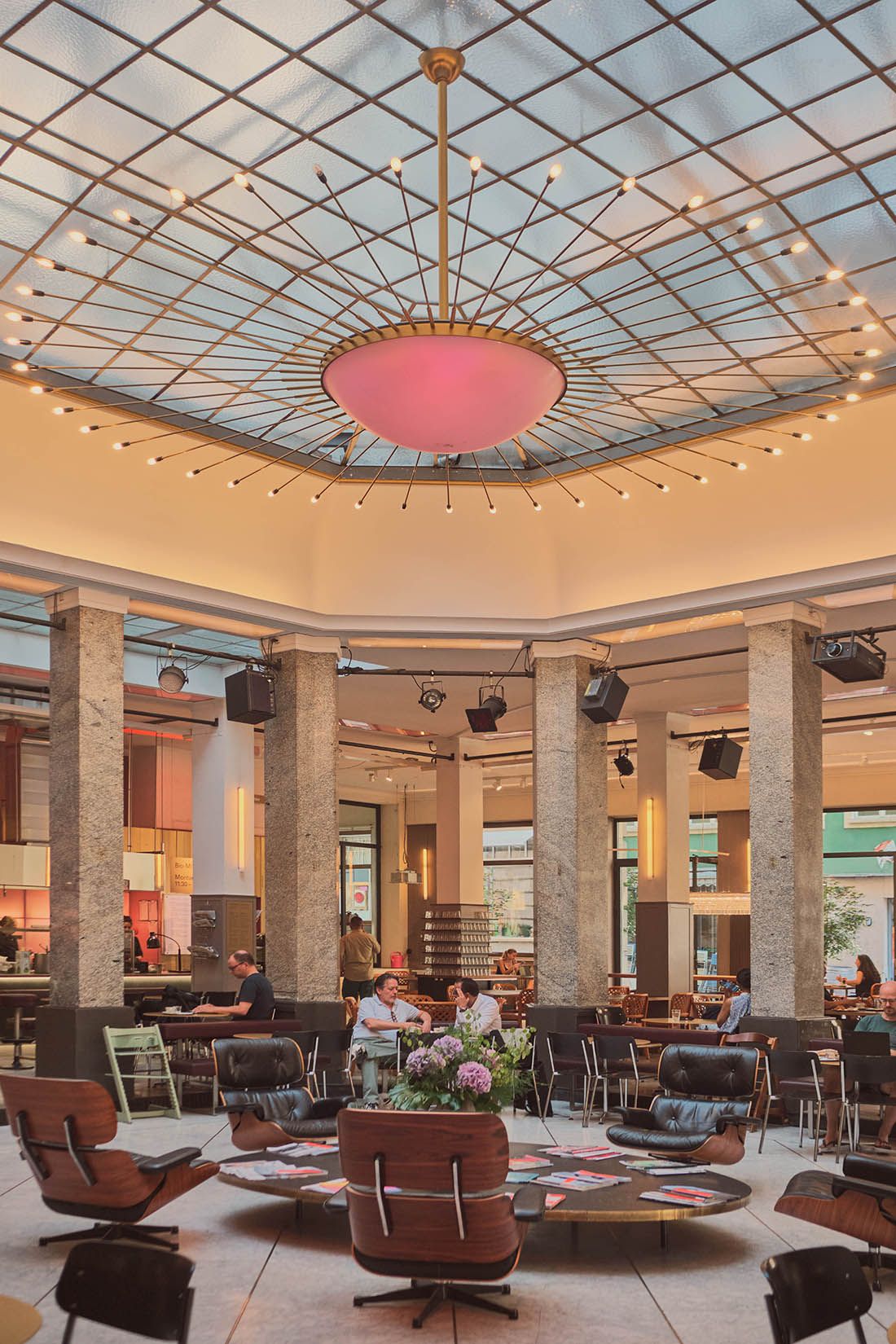
To round off the day, we recommend dinner at Unternehmen Mitte, housed in the former headquarters of the Swiss Volksbank and one of Basel’s leading cultural hubs. Known as Switzerland’s largest café, it brings together a café, restaurant, coworking spaces and a vibrant cultural programme under one roof.
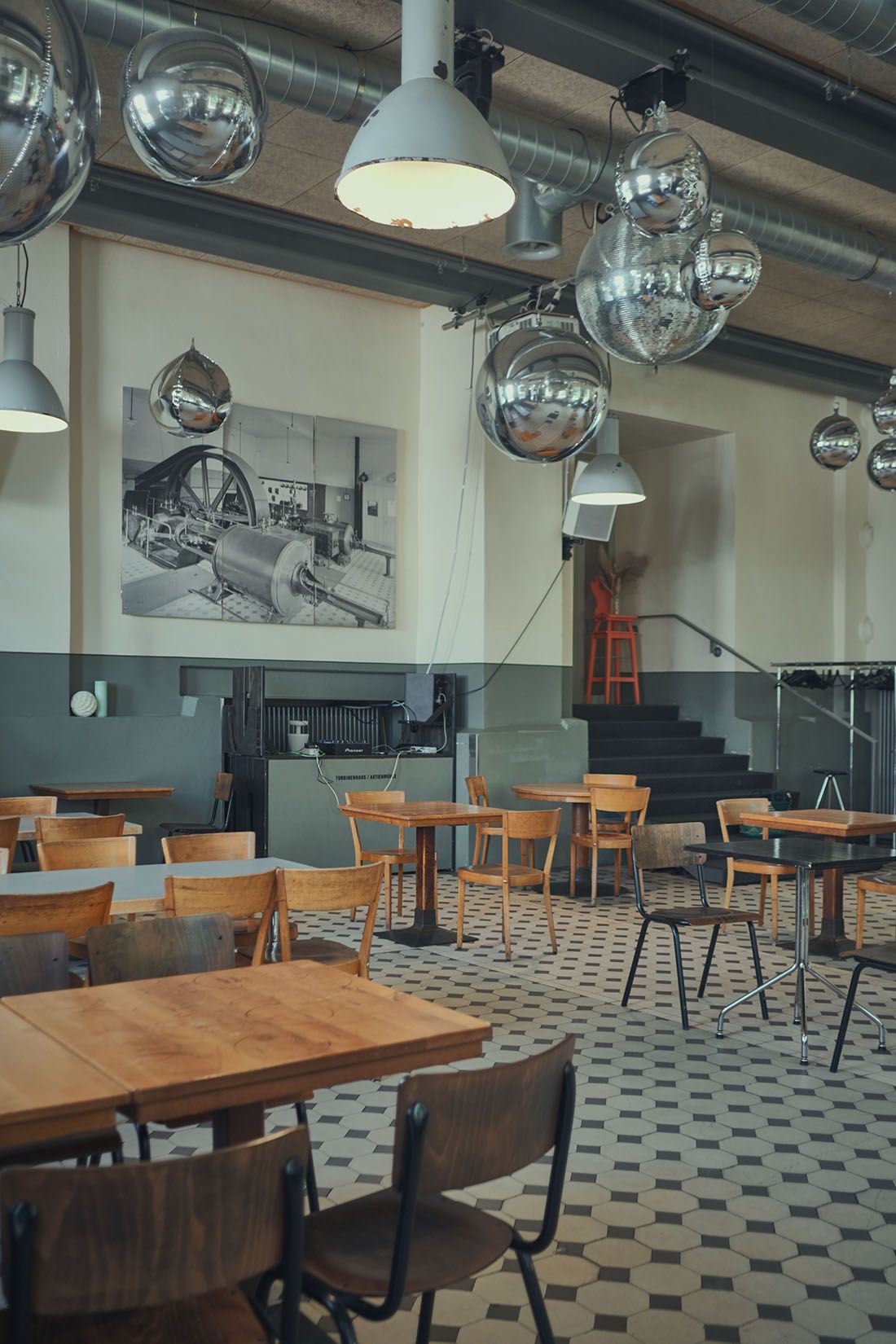
Alternatively, head to Don Camillo, a stylish canteen set within an elegant industrial-inspired space where the design and atmosphere are almost as memorable as the cuisine itself, or to LAUCH, the restaurant we would return to without hesitation on our next visit to Basel.
Its contemporary cuisine, crafted with seasonal ingredients and presented with impeccable attention to detail, achieves a rare balance of creativity, quality and warmth, making it, without question, our favourite restaurant in Basel.
And for those with an extra day to spare, there is one more destination that should not be missed. Just across the German border lies the Vitra Campus, one of the world’s great pilgrimage sites for anyone interested in contemporary architecture and design.
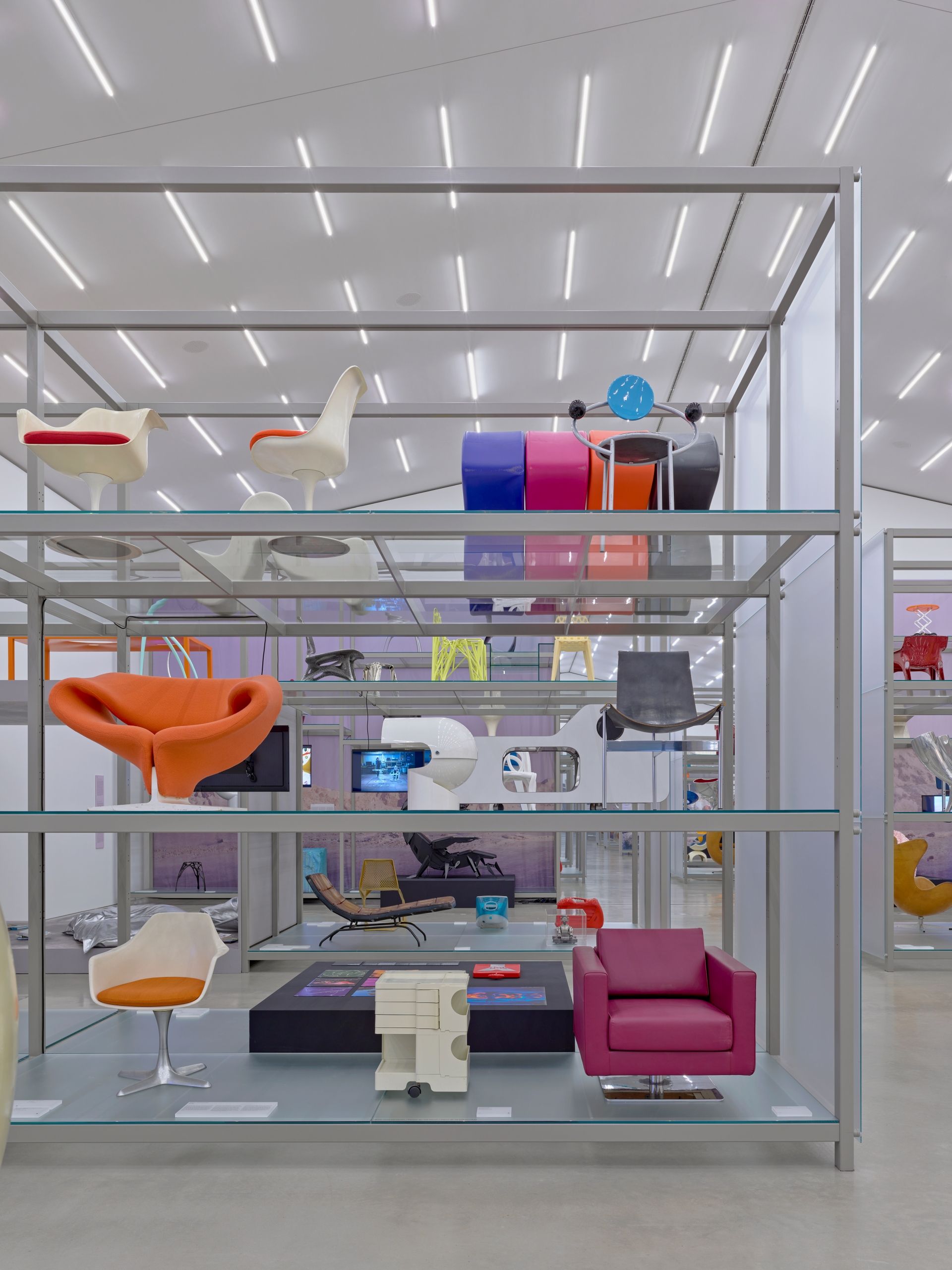
The campus brings together buildings by architects including Frank Gehry, Zaha Hadid, Tadao Ando, Herzog & de Meuron, SANAA and Álvaro Siza, alongside the Vitra Design Museum, renowned for its outstanding year-round exhibition programme. Among the current highlights is Verner Panton: Form, Colour, Space, a major retrospective at the Vitra Schaudepot celebrating the centenary of the pioneering Danish designer, making this an especially rewarding time to visit.
Ultimately, while Art Basel remains the world’s leading meeting point for the international art market and the main reason why thousands of people travel to the city every June, it is Basel itself that leaves the deepest impression. The fair may be the starting point, but it only takes a short walk beyond the exhibition halls to discover a city with its own cultural identity and a pace of life that feels entirely different from the intensity of the fair.
The coexistence of world-class museums, contemporary architecture, independent cultural spaces, galleries, design, gastronomy and an exceptional quality of life transforms every edition into an experience that extends far beyond the fair itself. Beyond the artworks, the record-breaking sales and the biggest names in the international art world, Basel demonstrates that true luxury lies in making culture an integral part of everyday life and allowing it to shape the identity of a city.
Vitra Campus is one of the world’s foremost destinations for anyone with a passion for contemporary architecture and design.
That is perhaps Basel’s greatest achievement. It has managed to attract thousands of visitors through the fair, only for them to leave talking about its museums, walks along the Rhine, remarkable architecture, cafés, galleries and the effortless way creativity is woven into daily life. It is a city that does not need to reinvent itself for one week each year to make an impression, because it has spent decades building an extraordinary cultural ecosystem that makes every visit feel like the beginning of the next.
(*) Photos: Ely Sánchez and Cecilia Camacho (CC/studio).