Interihotel 2024: Visionary design, new talents, and hospitality trends
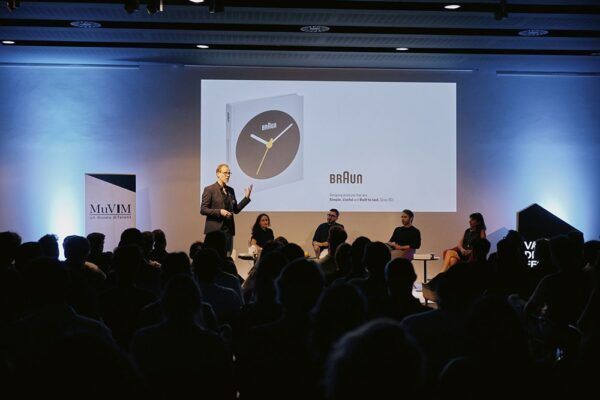
In the past edition of interihotel, the only international event held in Spain aimed at hotel and restaurant design professionals, organized by AMBIT Living Spaces Cluster, we were present as Media Partners and as presenters of several talks and moderators of the round table “New Talents” alongside three emerging studios: Estudio DIIR, BURR studio, and the architecture, art, and design collective Casa Antillón.
“Supernova, Catalyzing Hospitality Design”
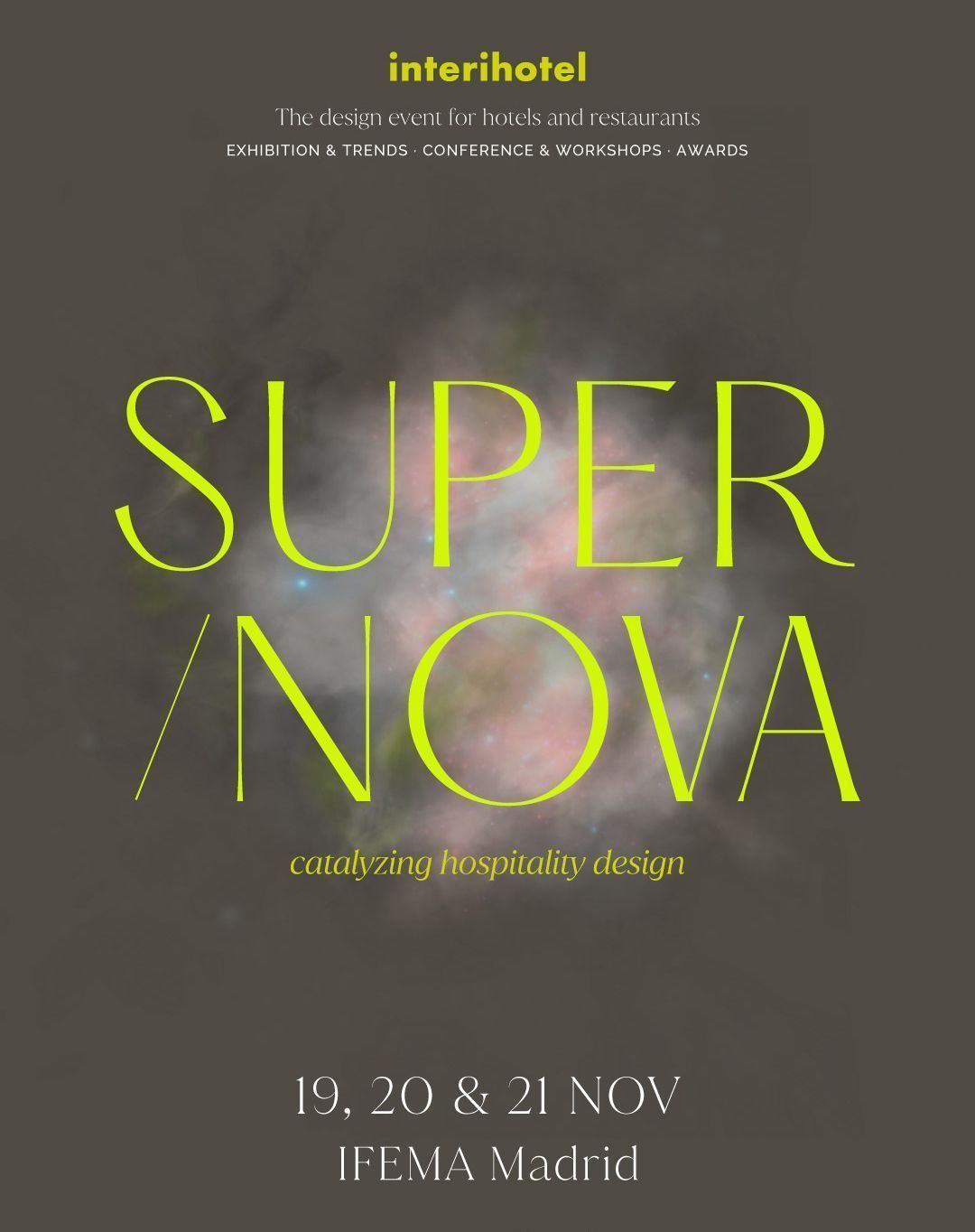
This year’s creative concept was “Supernova, catalyzing hospitality design”. A supernova is an extremely bright and energetically intense stellar explosion that occurs at the end of the life of a massive star. And although it lasts only a few days, its consequences endure for a long time. Like a supernova, interihotel is an ephemeral event that unleashes transformative energy, dispersing ideas and essential projects to shape a bright future in the hospitality sector.
This concept was explored at interihotel MAD24 through three themes: BLOOM design, focusing on the power of design as a catalyst for memorable projects and experiences; IMPACT design, emphasizing how design influences collective consciousness and generates a positive impact on the world; and VISIONARY design, dedicated to imagining a future where design plays a fundamental role and understanding how innovation and technology are tools for creating a better future for all. In fact, the round table on Thursday, November 21st: “New Talents” was part of this very theme.
The Ágora hosted the presence of Karim Rashid, the renowned Egyptian industrial and interior designer based in New York, whose unique approach and limitless design blends functionality with aesthetics, using organic shapes, soft curves, bright colors, and modern materials. His style is characterized by a strong visual presence, with a notable tendency to use vibrant tones and forms that aim to convey feelings of optimism and energy. Throughout his career, he has worked on a wide variety of projects, from consumer products (such as appliances, furniture, gadgets) to interior design for hotels, restaurants, and offices. He has also designed over 3,000 products sold in more than 35 countries.
This space also hosted a talk by Joao Albuquerque, partner at BIG (Bjarke Ingels Group), who showed examples of how technology is being used to promote sustainability and pioneering projects, such as the world’s first fully 3D-printed hotel. Some of BIG‘s common approaches in hospitality projects include integrating with the natural environment, whether through the use of local materials, the incorporation of vegetation, or designing forms that adapt to the landscape; sustainability through techniques and materials that reduce environmental impact and enhance energy efficiency; and aesthetic innovation, with unique architectural forms, dynamic structures, and a prominent use of color and geometry, as well as offering unique guest experiences by combining comfort with a visually striking environment and a deep connection to the place.
On the other hand, Damien Perrot, Global Design Director and also Director of Technical Services and Innovation for the Premium, Midscale & Economy brands at Accor, also delivered an outstanding talk on how design is much more than mere aesthetics. In fact, his vision of design in the hospitality sector is intrinsically related to an opportunity to create unique and sensory experiences that focus on authenticity, sustainability, flexibility, and emotional connection to the environment.
According to his approach, the key is to stop viewing design as a superficial and purely decorative element, but rather as a growth driver and a fundamental aspect in facing the challenges of the present and future. Through examples from some of the 45 hotel brands within the Accor Group, he demonstrated that in those where design investments have been higher, both economic results and customer satisfaction have been superior to others. To top it off, he proposed the idea that in the future, we may live in hotels…
One of the final talks in the Ágora was given by Carmelo Zapulla, one of the boldest and most original names in the world of architecture and interior design, as well as the Founder and Director of External Reference, a studio that has challenged the norms of conventional design, creating innovative and unique spaces that also open new perspectives through the use of technology and materials. Zapulla spoke about his journey in creating innovative and unique spaces that open new perspectives through the use of technology and materials. His interdisciplinary approach has led him to transform spaces that integrate art, functionality, and, above all, experience, such as Alkimia, Casa Moritz, The Penthouse by WOW, and Vicio.
New Talents: Estudio DIIR, Burr studio, and Casa Antillón
After these presentations, Cecilia Camacho, founder of CC/magazine and CC/studio, moderated the roundtable “New Talents”, which featured Íñigo Palazón from Estudio DIIR, Jorge Sobejano from BURR studio, and Marta Ochoa, Yosi Negrín, and Ismael López from the architecture, art, and design collective Casa Antillón.
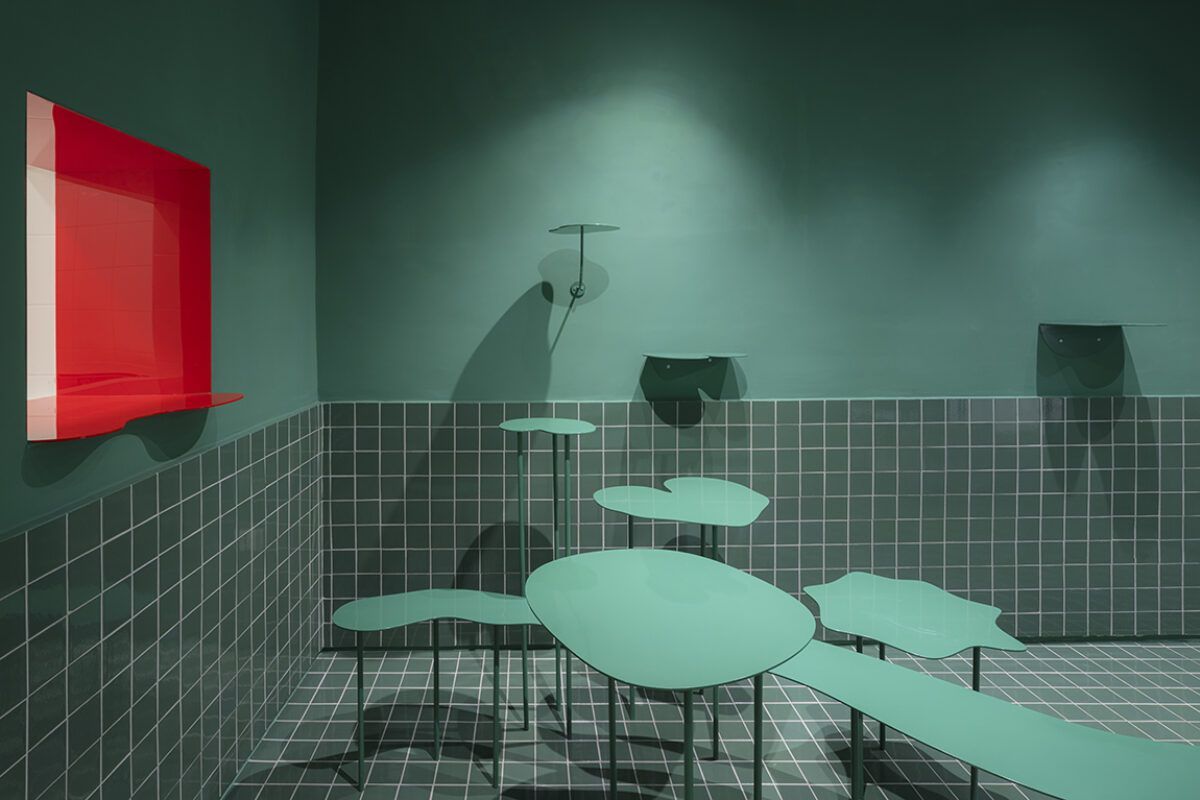
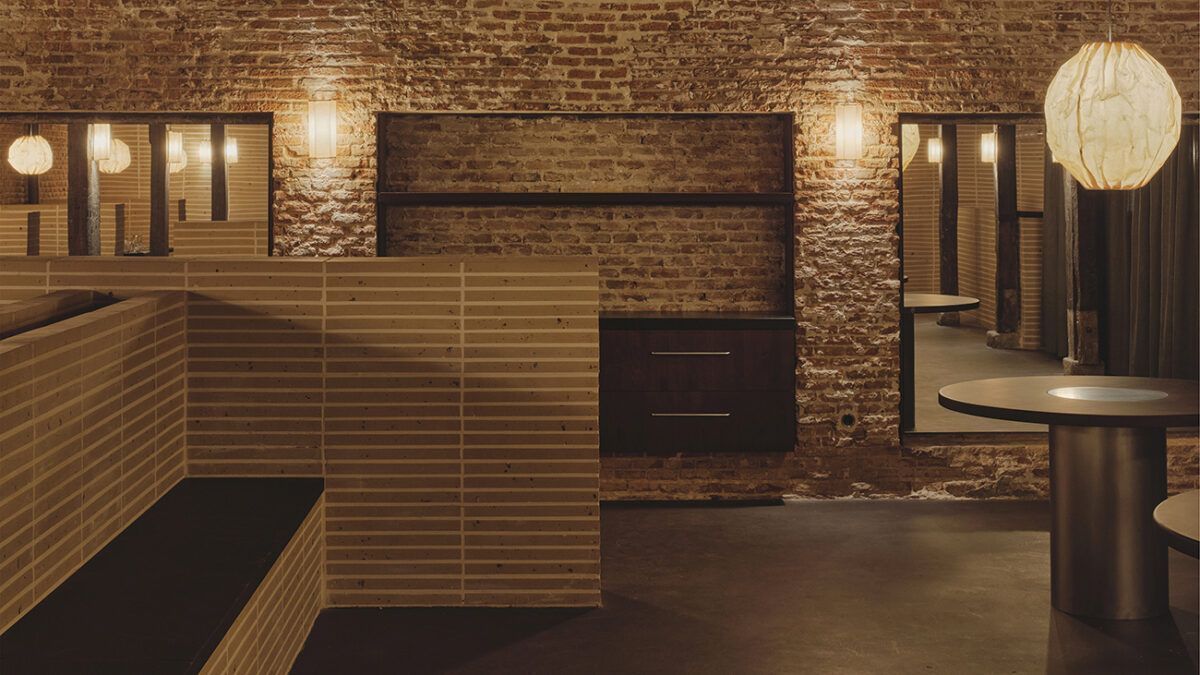
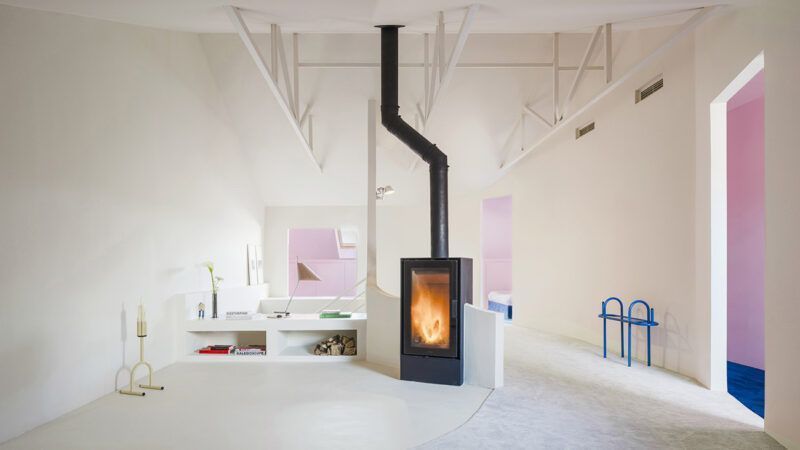
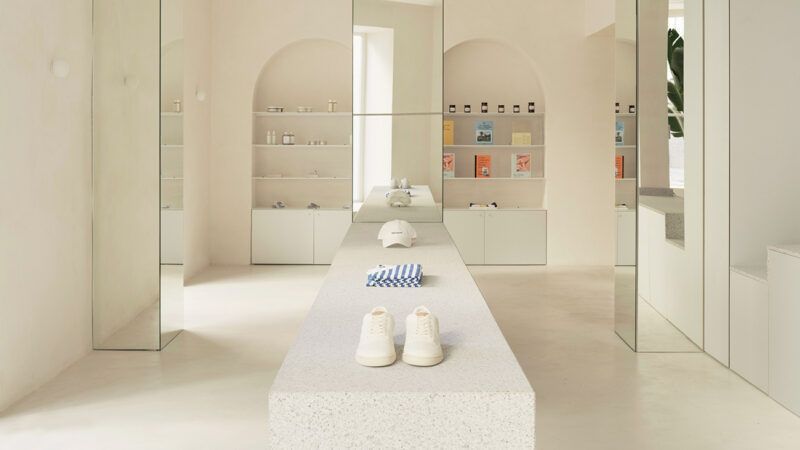
Estudio DIIR
In the world of interior design, where creativity and functionality must go hand in hand, emerges a studio that has managed to capture the attention of experts and design enthusiasts: DIIR.
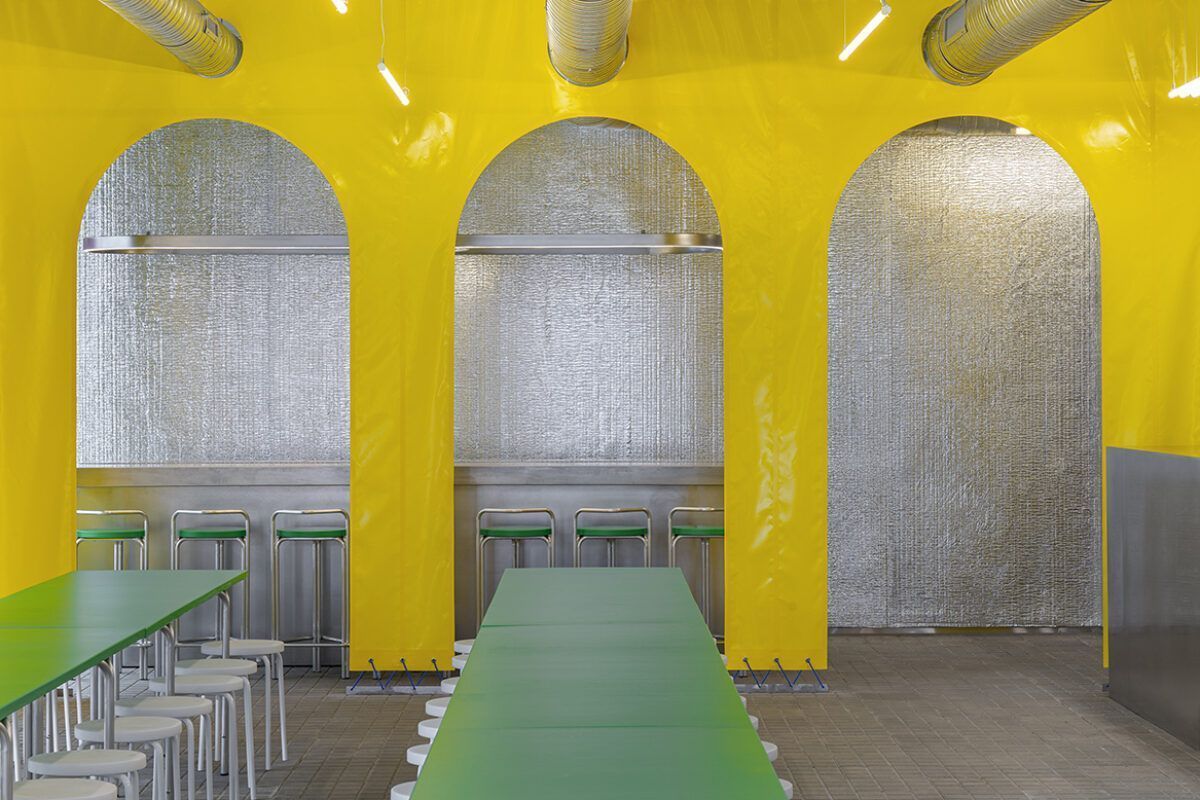
Founded in 2018 by David Meana (1993), Ignacio Navarro (1993), Íñigo Palazón (1992), and Ricardo Fernández (1992), its approach goes beyond aesthetics, standing out for its ability to integrate technology, sustainability, and a deep respect for craftsmanship in each of its projects.
Their philosophy of work aims not only to transform spaces but also to offer sensory experiences that connect people with their environment in a unique way. With an aesthetic that blends the contemporary with the timeless, DIIR has redefined the concept of interior design, challenging conventions and taking the narrative of space to new heights.
From public projects won early in their career to private commissions such as stores, residences, and restaurants, the studio has adapted its proposals to the specific needs of each client, creating environments that not only serve a function but also inspire, stimulate, and foster interaction among elements.
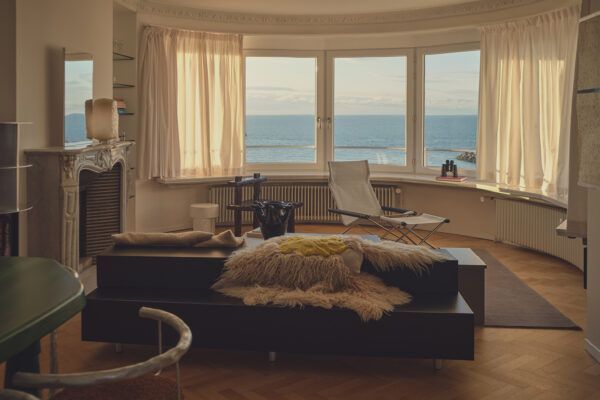
Among their most recent projects are the restaurants TonTon, Deleito, and Greta, as well as the Casa Neutrale stores and multi-space projects, as well as their new studio on Calle Covarrubias in Madrid. The variety of these projects has earned the studio recognition by the COAM (College of Architects of Madrid) as an emerging studio in several consecutive years.
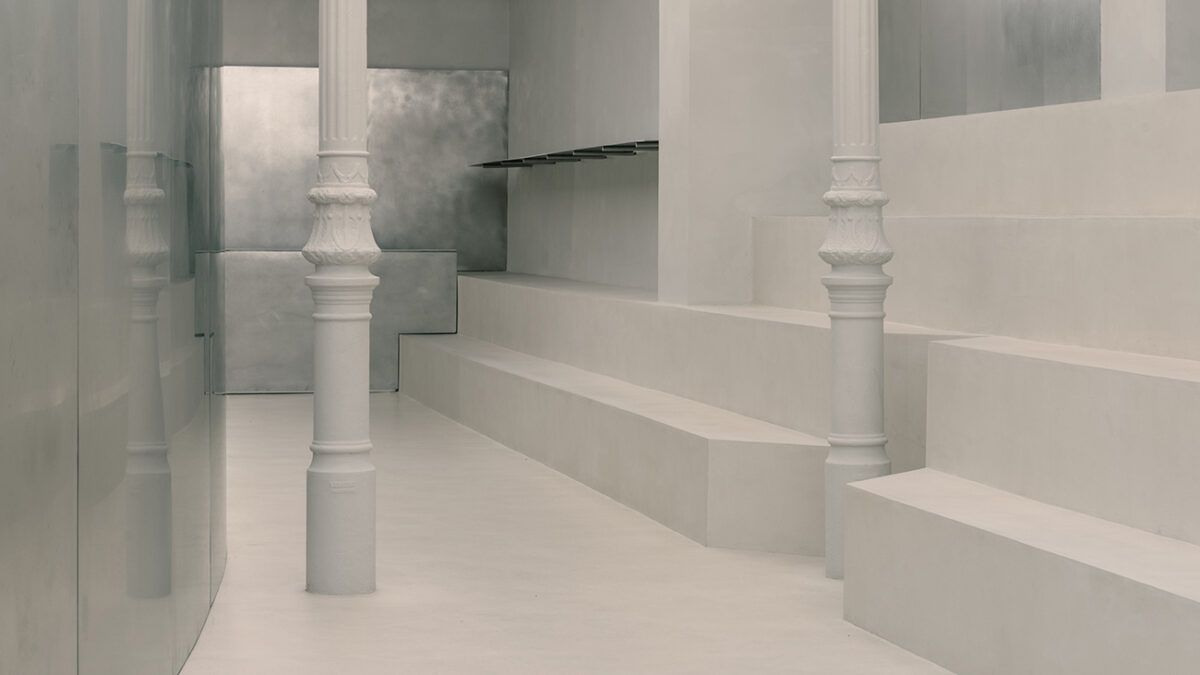
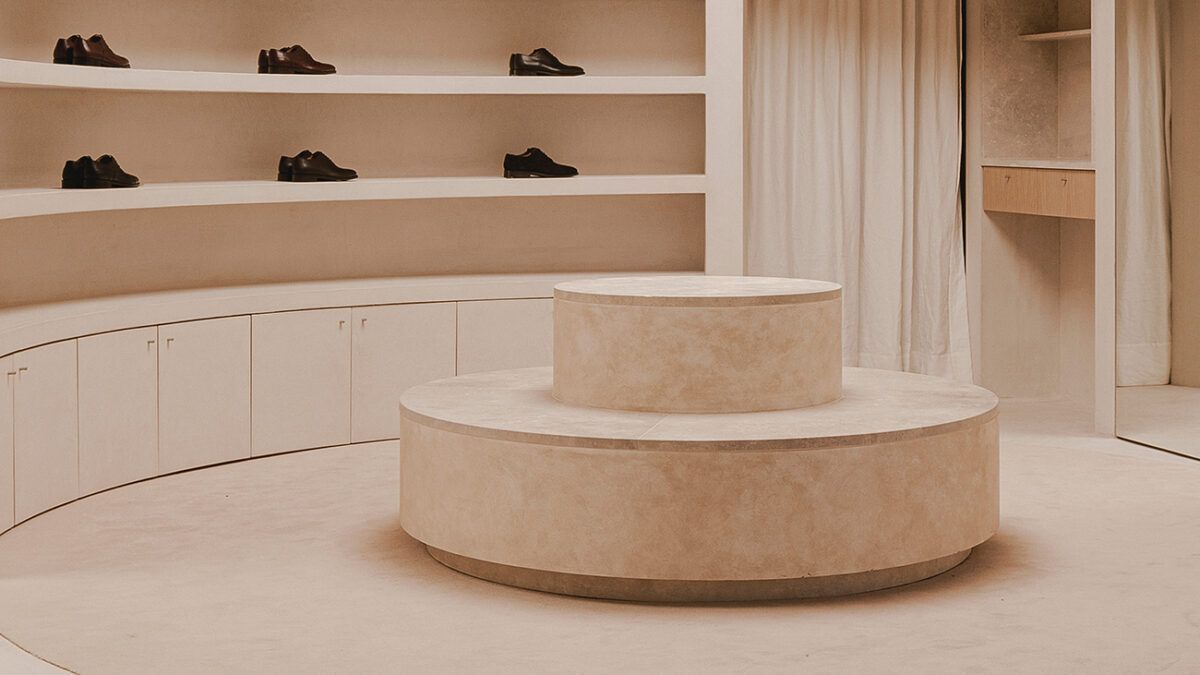
BURR studio
At a time when interior design increasingly seeks to connect with the emotions and needs of the individual, BURR studio stands as a reference for renewal and contemporary sensitivity. Founded by a multidisciplinary team of creatives—Elena Fuertes, Ramón Martínez, Álvaro Molins, and Jorge Sobejano—their practice is semantically rooted in the English term BURR, which defines their interest in situations that are often considered superfluous or outside of an aesthetic or practical canon.
This studio has managed to capture the essence of space as a living organism, in constant interaction with its inhabitants. Their approach, deeply centered on the human being, is based not only on aesthetics but on a profound understanding of the environment and its possibilities. Through a combination of organic materials, precise geometries, and a play of textures that flow naturally, BURR Studio has redefined the limits of functional design without sacrificing beauty or authenticity. Each project is a research in itself, a process where the exploration of new ideas and experimentation merge with sustainability and respect for traditional crafts.
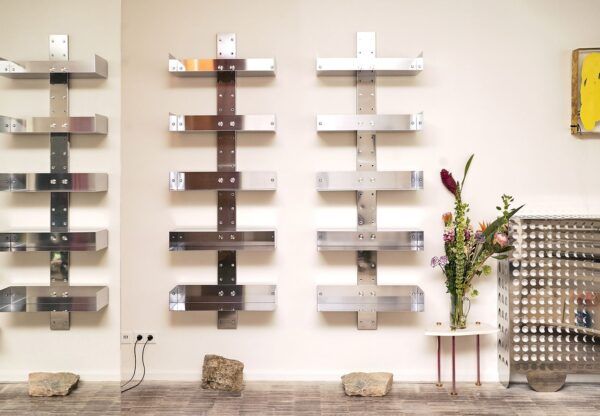
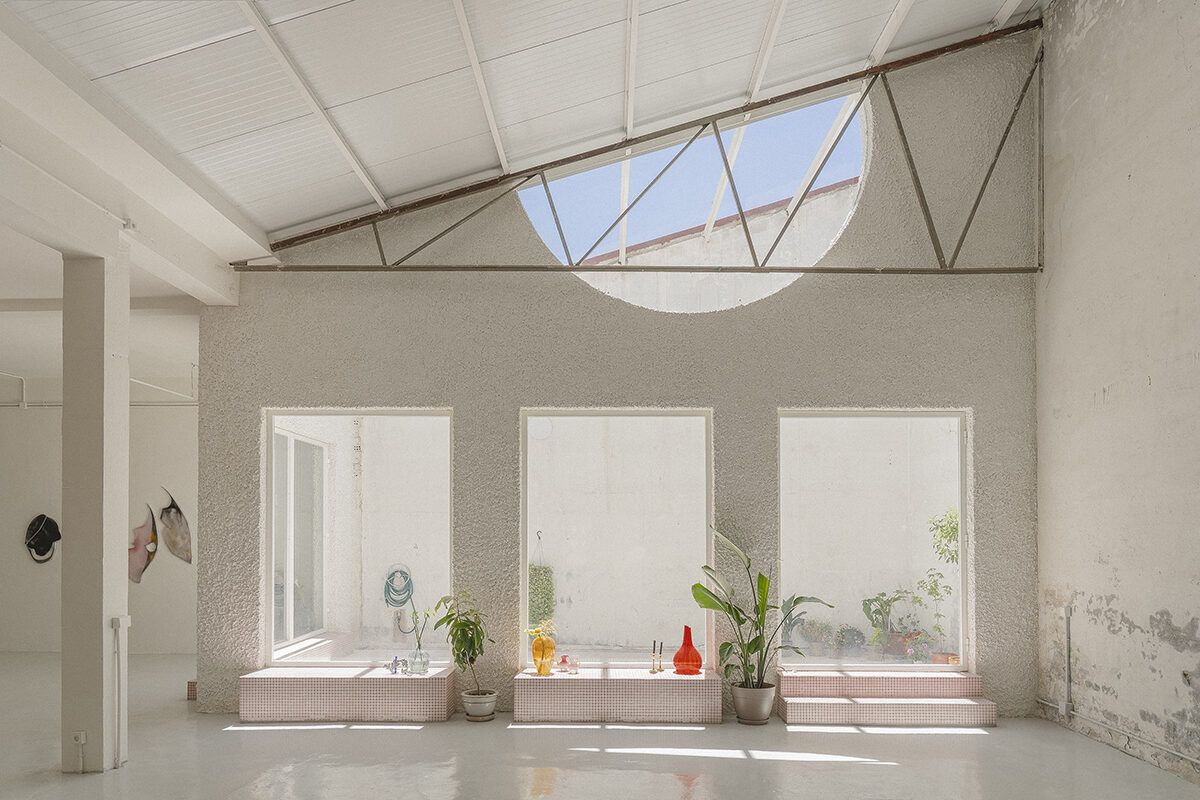
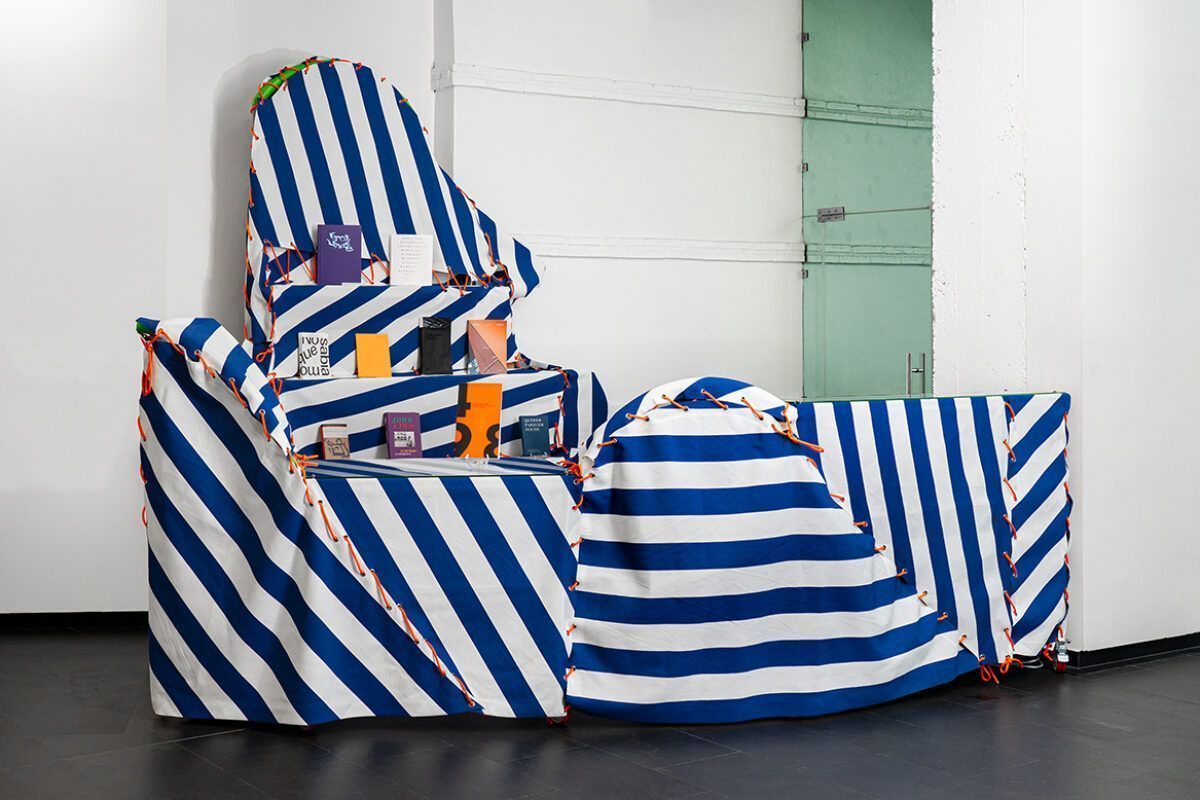
Among their recent projects are the first architectural collaboration between BURR and Guillermo Trapiello, part of the inactive “Elements for Industrial Recovery” project, aimed at revitalizing unused industrial warehouses to prevent their demolition; the Spanish Pavilion at the Guadalajara International Book Fair, and the CDV Building residential complex.
Casa Antillón
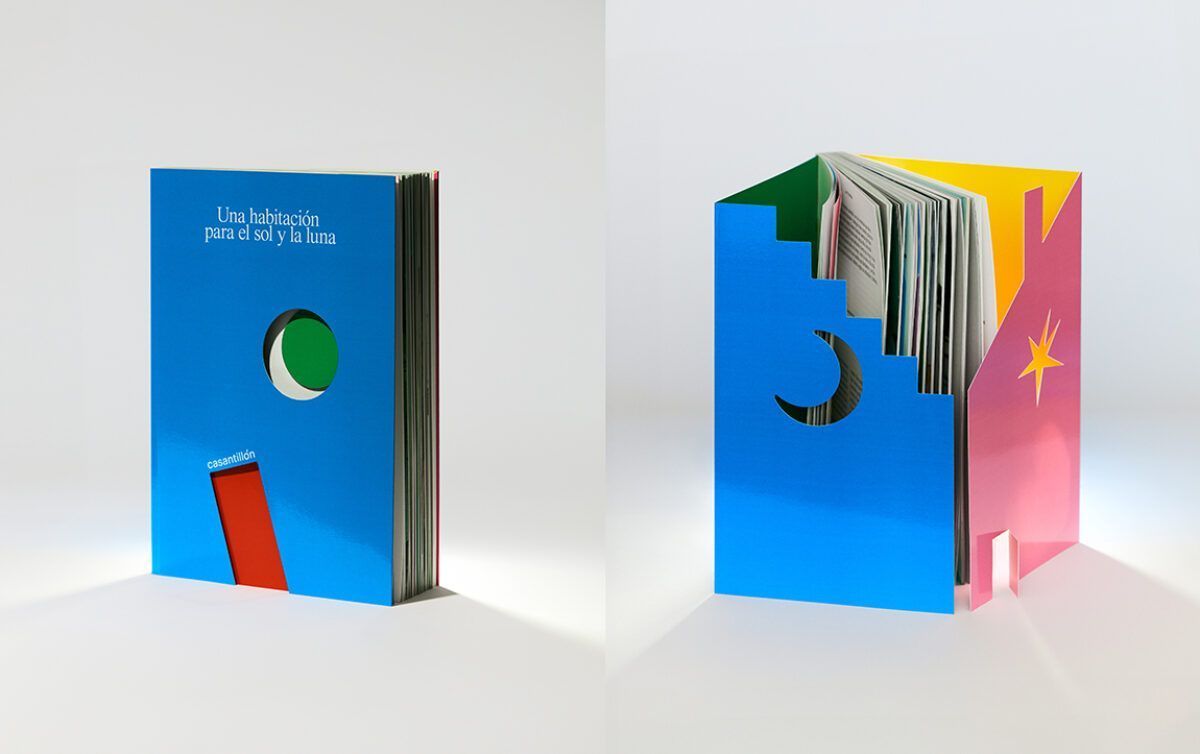
Casa Antillón is a collective of art, design, and architecture founded in Madrid in 2019, formed by Marta Ochoa, Ismael López, Yosi Negrín, and Emmanuel Álvarez, four architects graduated from the ETSAM (Higher Technical School of Architecture of Madrid) at the Polytechnic University of Madrid.
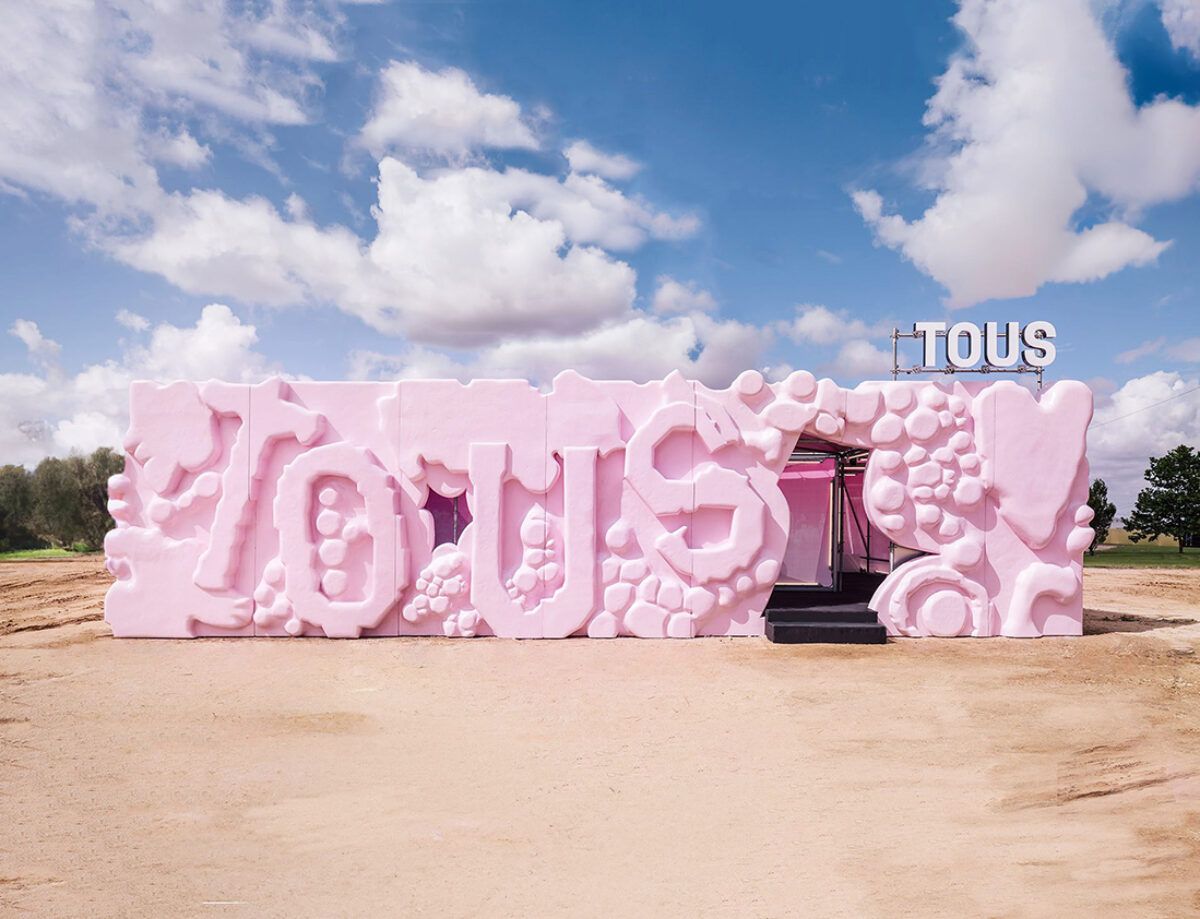
Their practice explores different cultural territories, from curating emerging art to the spatial construction of architecture. In this sense, beyond the scale of the project, their works always share experimentation through research or trial, and imagination, pushing our limits. As an architecture and design studio, they flow between various artistic areas, with a certain eagerness to blur the boundaries of formats and disciplines.
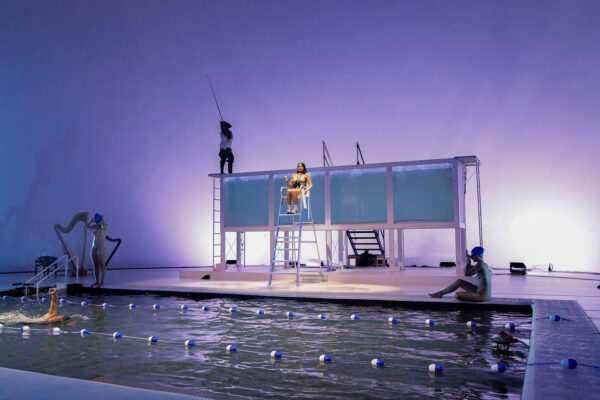
Among their recent projects are “La Casa Sin Puertas” (The House without Doors) or “Casa Nº 1”, which is their first renovation of a domestic space; the upcoming sculpture exhibition in Mexico in collaboration with the Madrid gallery El Chico, and the furniture and scenography they created for the podcast of La Casa de la Arquitectura in Madrid.
We had a very inspiring conversation with them about their vision of the architecture of the present and the future. Their working philosophy, values, and approach to their projects—homes, public competitions, ephemeral projects, restaurants, stores, artistic projects—go beyond orthodox approaches to architecture. This boldness and ingenuity are being used to redefine the spaces we inhabit and consume.
Although this new and exciting generation of architects currently lacks experience in designing hotels, we are eager for them to take on such a project, as they have more than enough talent to imbue these kinds of spaces with their unique, disruptive, and experimental style, where rigor and sensitivity are always present.
Current and future trends in the hospitality sector
At CC/studio, we have been working with hotels worldwide for many years, helping them with positioning, branding and marketing and communication strategy, with the concept, the creation of content for all their channels, the relationships and synergies with other partners and institutions, as well as with the design and conceptualization of their gastronomic spaces. That is why we are constantly analyzing trends in order to anticipate decision-making. Here are some very interesting insights we want to share with you:
1. User experience at the core of architectural design: In today’s landscape, the dominant trend in the hospitality sector is integrating the user experience as a fundamental element of architectural design.
It’s no longer enough to build functional buildings that simply house people; the goal now is to create environments that provide an immersive experience, one that connects guests to their surroundings in a profound way. This is the evolution of the concept of “hospitality” into creating destinations in themselves.
2. Flexibility, sustainability, and personalization: Contemporary architects are increasingly working with concepts such as space flexibility, sustainability, and personalized experiences. In many luxury hotels and resorts, for example, design options are explored that allow rooms and spaces to adapt to the needs of each guest.
Spaces are no longer static or impersonal but are dynamically and adaptively configured, allowing for everything from collaborative work to leisure and relaxation—all within the same environment.
3. Connection with nature: Connection to nature has also become a priority. Projects like Six Senses in Zighy Bay, Oman, or Amanzoe in Greece have brilliantly integrated the natural environment into their designs. Architecture is shaped by the geography, rather than imposing an external style that clashes with the landscape. Local materials are sought to enhance this symbiosis.
Terraces, panoramic views, and the use of interior gardens are some of the resources most commonly used to create a sense of harmony with the environment.
4. Informal interiors to promote interaction: On the interior side, hotels are adopting less formal styles with open spaces that encourage guest interaction. Bars, lounges, and hotel restaurants are moving away from rigid, orthogonal designs, opting for more fluid environments in which guests feel comfortable, almost like at home.
Design, in this case, becomes a tool for fostering interaction and socialization, which is key in an era where tourism seeks more authentic and less predictable experiences.
5. The future of architecture and technology: While present-day architecture focuses on adaptation and personalized experiences, future architecture seems to be moving towards even more disruptive horizons, with technology and sustainability as key factors. One of the major protagonists of the near future will be artificial intelligence (AI) applied to space design. In the coming years, hotels and resorts will integrate systems capable of anticipating guest needs. Experience personalization will reach new levels.
Some architectural studios are already experimenting with sensors that adjust the environment based on the emotions detected in guests, transforming the space into something almost alive that responds in real time to the moods of those within it.
6. Biophilic design as a key trend: Biophilic design—the integration of nature into urban spaces—will remain a key trend but will extend beyond interior gardens. New projects in the hospitality sector will feature green roofs, rainwater collection systems, and the use of recycled materials. Sustainability will not only be present in architectural aspects but also in services. We are already seeing hotels implement renewable energy on a large scale, reducing carbon footprints, and promoting the use of local and organic products in both cuisine and services.
Consumers, particularly younger ones, now demand a genuine commitment to the environment, and designers are responding with projects that minimize ecological impact and promote responsible consumption.
7. The rise of shared and community spaces: As travelers seek a greater connection to local communities, future hospitality spaces will move toward a more communal model. It is expected that future architecture will favor the creation of hybrid spaces that can be shared by guests, residents, and locals. Co-living or collaborative spaces, for example, will expand beyond apartment settings and into hotels, where travelers can interact with people from other parts of the world, participating in activities, events, or even social projects.
This trend responds to travelers’ desire for more enriching, authentic, and local cultural experiences.
8. Innovative design trends: Several innovative design currents are emerging. First, Industrial 2.0 focuses on materials like metal-finished boards, found in kitchens, staircases, and other architectural elements. This trend aims for a contemporary and functional feel. On the other hand, soft minimalism blends warmth and comfort with the purity of minimalism, prioritizing simplicity, mindfulness, and traditional craftsmanship. These spaces promote relaxation, well-being, and inner connection, with the prominent use of wood to add natural textures and a welcoming atmosphere. T
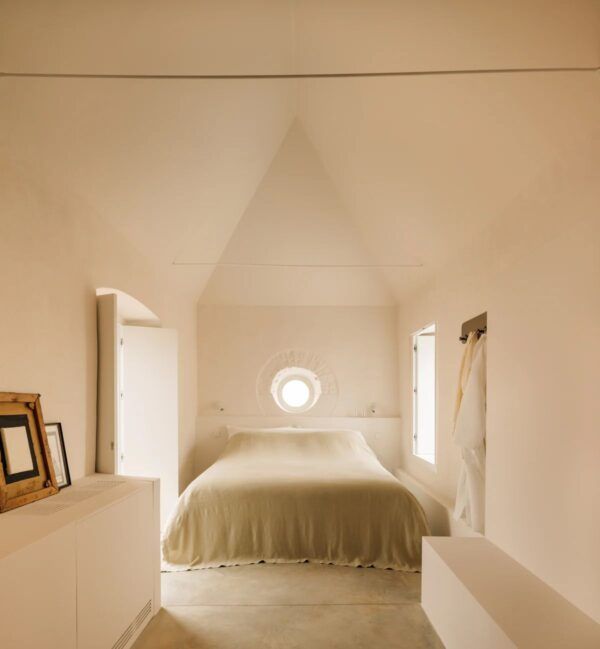
he color palette is neutral, and the materials are natural, creating a perfect balance between simplicity and coziness. In modern brutalism, the trend leans toward a resource-conscious philosophy, adopting a #nowaste approach. This embraces the rawness of concrete, steel, glass, and wood to design spaces that communicate power and purpose. The use of untreated materials is maximized to highlight their natural beauty and capacity to create visually striking, functional environments.
Finally, the new Japandi style is a contemporary reinterpretation of the Japandi fusion, merging Scandinavian simplicity with Japanese serenity and elegance. In this renewed version, linear patterns and geometric shapes are emphasized, evoking a sense of cleanliness and calm. These elements not only bring modernity but also honor the geometry and simplicity of traditional Japanese design, ensuring that every detail contributes to a visually harmonious and serene experience.
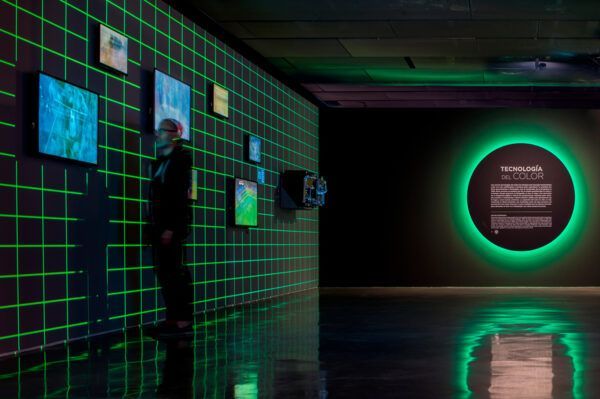
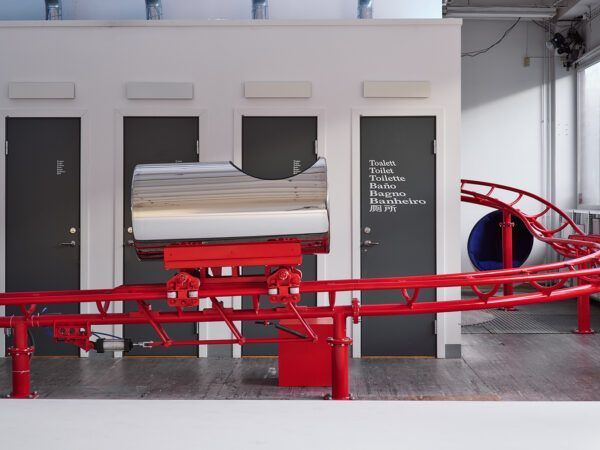
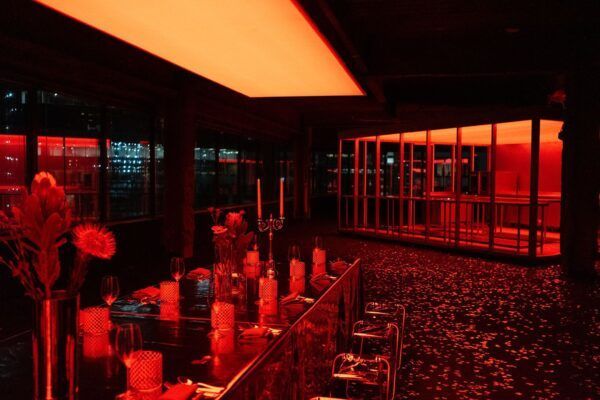
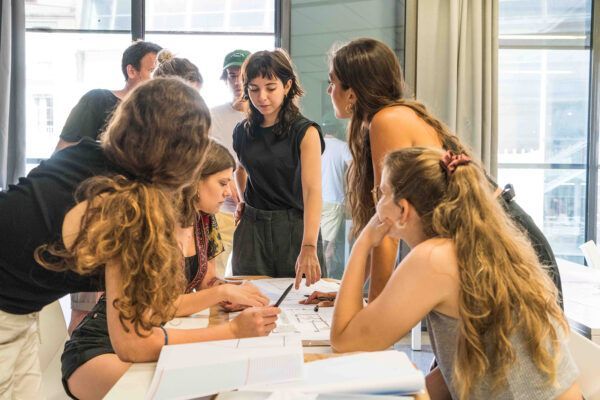
(*) Photos provided by Burr studio, Estudio DIIR, and Casa Antillón.