ELISAVA’s Master’s in Exhibition Innovation: rethinking space, constructing narrative
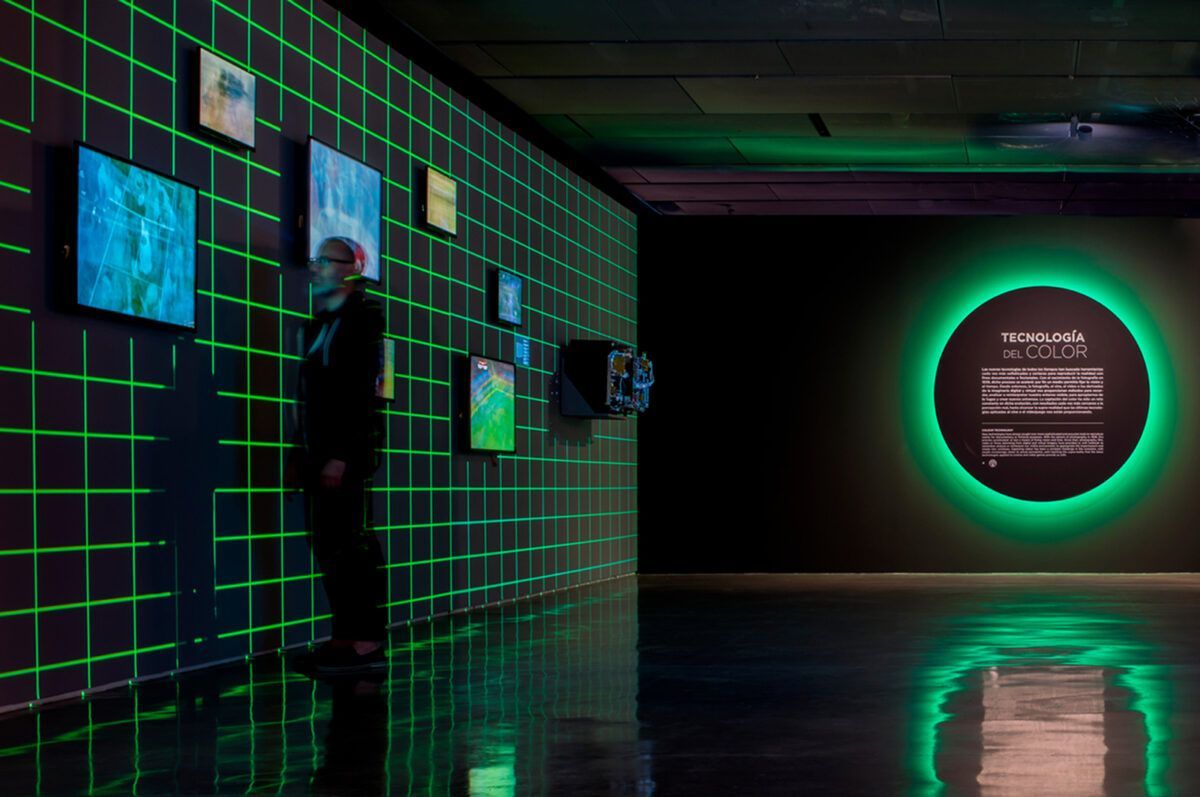
The exhibition has ceased to be merely a device for cultural mediation. Today, it is a strategic tool capable of building identity, positioning and experience. Space no longer operates as a neutral container; it functions as language.
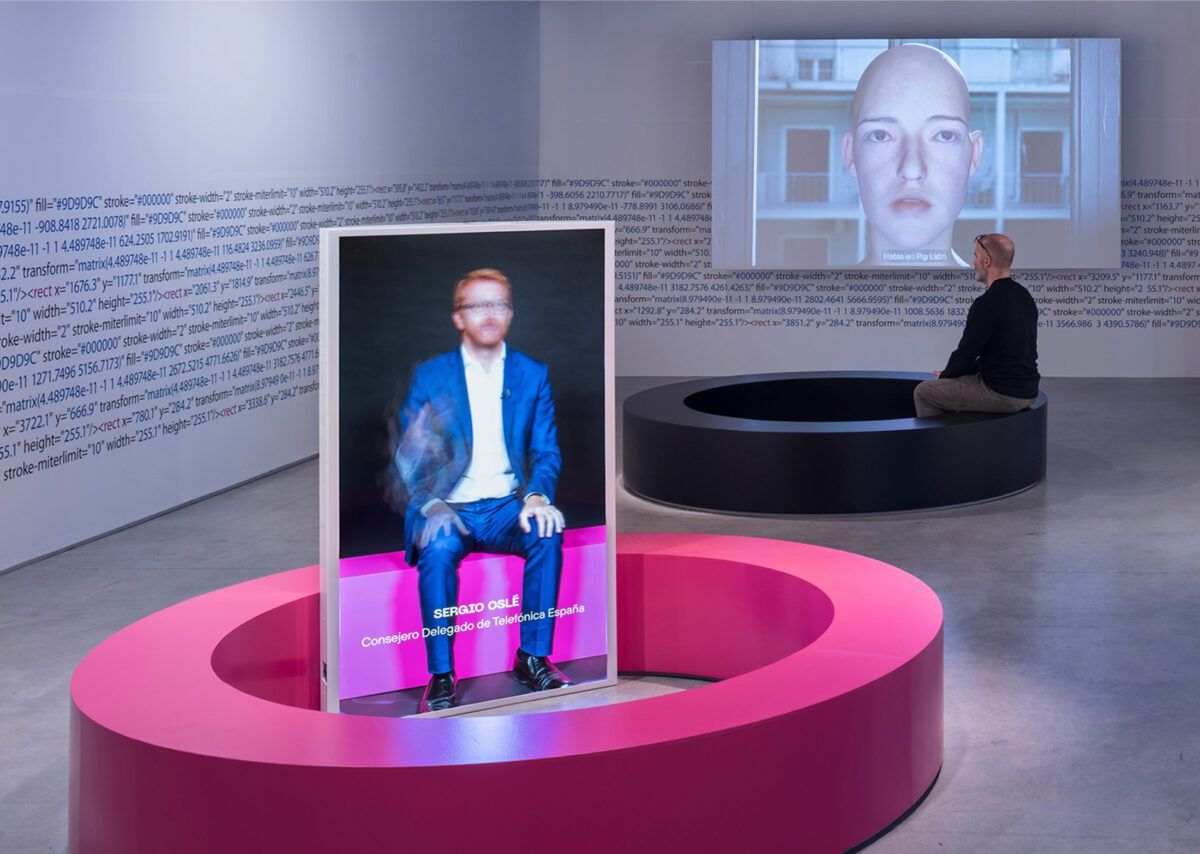
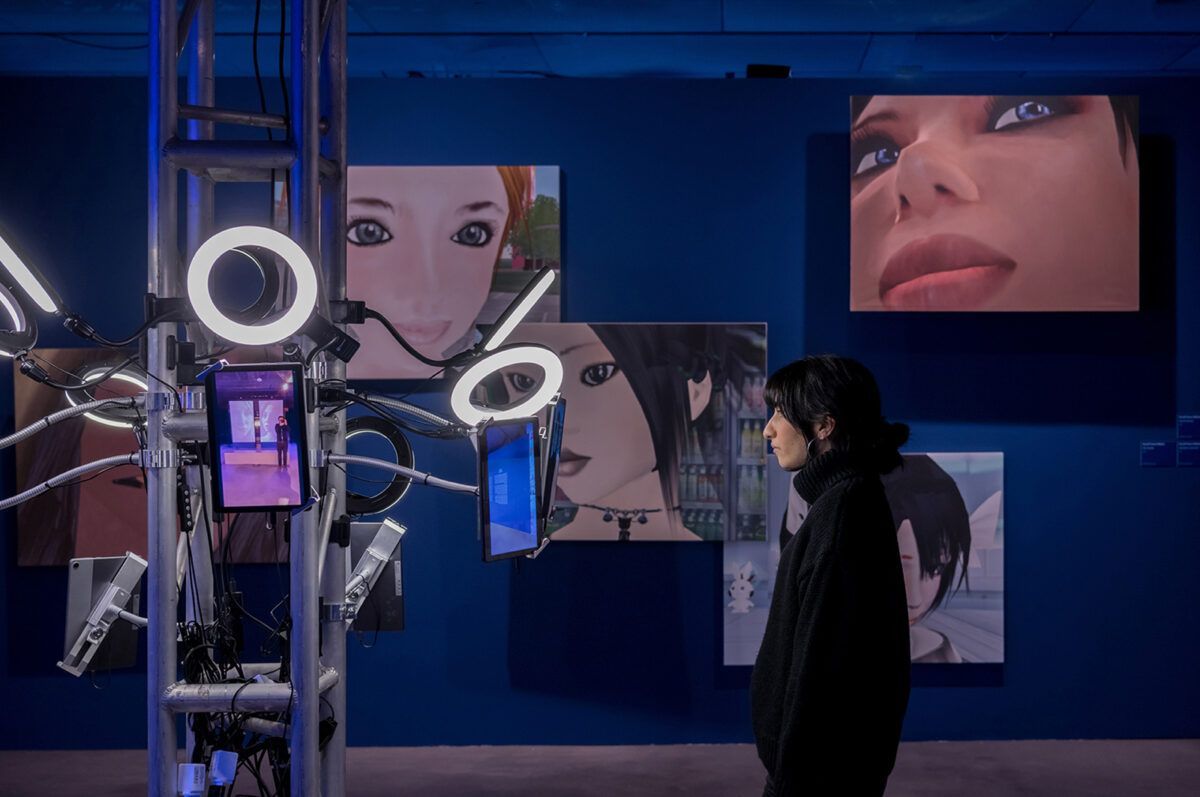
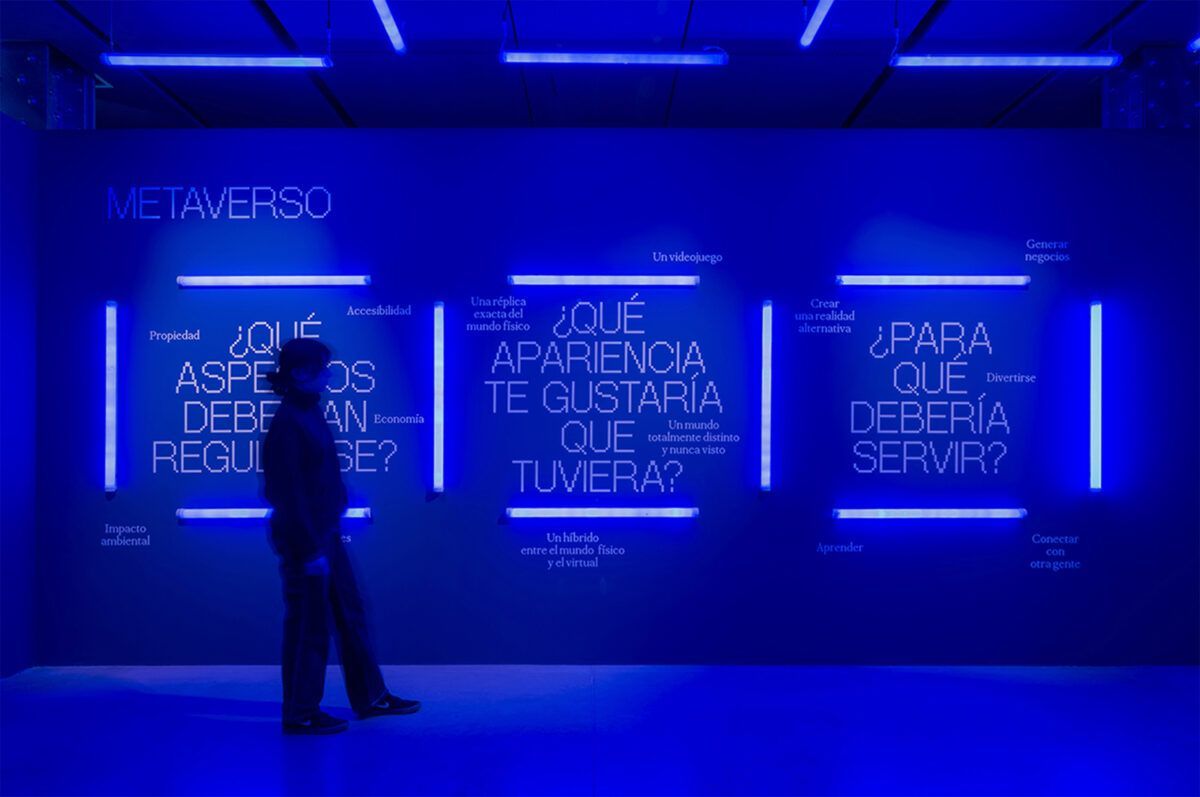
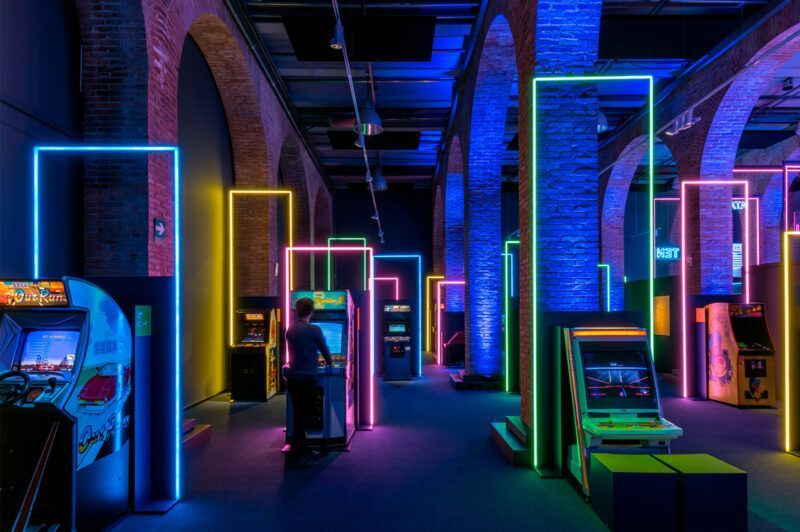
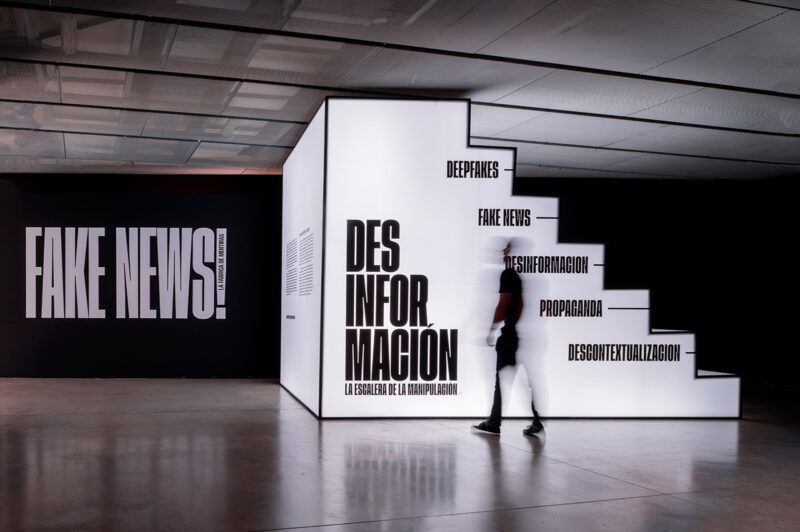
From this premise, ELISAVA’s Master’s in Exhibition Innovation, directed by Fernando Muñóz, architect and founder & CEO Smart & Green Design is structured.
The programme responds to a structural transformation within the sector: the need for professionals capable of sustaining exhibition projects transversally, connecting narrative, design, technology and production without fragmenting the process.
Far from equating innovation with spectacle or technological display, the Master’s poses a deeper question: how to align content, form and experience under a single intention. We spoke with its director about the evolution of the exhibition concept, current challenges, and the importance of training professionals who understand the project as a whole, from idea to materialisation.
In this context, innovation is not about adding layers. It is about making decisions with discernment.
What does today’s exhibition sector demand, and how are future leaders prepared? We explore these questions in conversation with Fernando Muñóz.
How did the Master’s in Exhibition Innovation come about, and what specific need in the sector prompted its creation?
The Master’s emerged from something very concrete: daily practice. In recent years, we began to realise that exhibition projects could no longer be approached from a single discipline. Space, narrative, technology and production had stopped functioning independently.
We identified a clear gap between this real complexity and the existing educational offer. Many professionals were highly prepared within their own fields, yet there was a lack of profiles capable of sustaining the project transversally — connecting intention and execution without the process becoming fragmented or losing coherence along the way.
The need was not temporary but structural. The sector was changing its way of working and required a different way of training. The Master’s was conceived precisely to address that gap: to prepare professionals who understand the entire project, from the initial idea to its execution, with both discernment and operational coherence.
“In recent years, we began to realise that exhibition projects could no longer be approached from a single discipline.”
At a time when cultural spaces are redefining their role, what does it really mean today to “innovate” in the exhibition field?
Today, innovation does not mean incorporating more technology or making something more spectacular. Often, it means the opposite. Innovation is about asking what the content truly requires and what is the most precise way of making it visible within a specific context.
In the exhibition field, innovation is more about approach than tool. It is a matter of judgement: knowing when to simplify, when to intensify, and when to leave space for the visitor to construct their own reading without imposing a single interpretation.
It also involves acknowledging that space is not a neutral container. It is language. And like any language, it can amplify or distort what it seeks to communicate. True innovation lies in aligning content, form and experience under one coherent intention.
“Innovation means asking what the content truly requires and what is the most precise way of making it visible within a given context.”
How has the concept of the exhibition evolved in recent years, and what major challenges does it currently face?
In recent years, the exhibition has ceased to be solely a device for cultural mediation and has become a broader experience. The museum, the performative, the digital, and in many cases the corporate and experiential retail, now coexist within the same territory. The exhibition space no longer merely interprets content; it constructs identity and positioning.
The visitor has also changed. We are accustomed to consuming information in fragmented ways and moving quickly between very different stimuli. This compels us to rethink how narrative is articulated in space: how to capture attention without falling into superficiality, and how to generate depth within a context of immediacy.
One of the major challenges lies precisely in that balance: designing experiences that are accessible but not simplified, engaging but not empty. Added to this is growing technical complexity and an increasing responsibility in terms of sustainability and resource management.
Today’s exhibition is a far more demanding system — conceptually and operationally.
“One of the main challenges is designing experiences that are accessible yet not simplified, engaging yet not empty.”
What distinguishes this Master’s from other programmes linked to exhibition design or traditional museography?
What distinguishes it is primarily its structure. It does not follow a traditional division into isolated subjects, but instead replicates the real sequence of an exhibition project as it unfolds in professional practice.
From the outset, students understand that conceptualising, designing and producing are not independent phases but parts of a continuous process. This logic requires each decision to be considered in relation to the whole, not merely to one’s own speciality.
The approach is also clearly applied. Rather than analysing case studies from a distance, students navigate the entire process, assume real constraints and learn to make informed decisions. The aim is not simply to provide tools, but to understand how they operate in practice.
The programme integrates disciplines such as design, technology, narrative and user experience. How do they interact within the Master’s?
Within the programme, disciplines do not function as separate compartments. From the beginning, spatial design, narrative, technology and user experience are understood as distinct languages working towards a shared intention.
Narrative often sets the starting point; without a clear idea, everything else dissolves. Design then translates that intention into decisions regarding space, circulation and scale. Technology is not an add-on, but a resource that expands or nuances the narrative when appropriate. User experience runs throughout the entire process, compelling us to consider how the project is lived, not merely seen or explained.
There is no rigid hierarchy between areas. The weight of each depends on the project’s needs. What remains constant is the balance between thought and execution.
Who is the programme aimed at?
It is aimed at individuals interested in space as a narrative tool. Not necessarily those seeking narrow technical specialisation, but those wishing to understand how an experience is constructed from concept to materialisation without losing its initial intention. Architects, designers, creatives, cultural managers and professionals in communication or technology often fit well. What matters most, however, is attitude: curiosity, critical thinking and the willingness to work across disciplines.
“It is aimed at individuals interested in space as a narrative tool.”
From a professional perspective, what opportunities does the Master’s open?
It prepares students to operate in environments where projects are built transversally. Graduates may join design and architecture studios, experience production companies, museography teams, cultural institutions or corporate environments where space functions as a branding tool.
Beyond specific destinations, it equips students with a way of operating: understanding the complete project, coordinating disciplines and making informed decisions under real constraints. In a complex sector, this practical leadership is often what accelerates professional growth.
Looking ahead, what role will exhibition spaces play in the near future?
Exhibition spaces will become increasingly strategic. In the cultural sphere, they will continue to interpret and stimulate thought, but also foster community. In the corporate sphere, their role will be even clearer: brands seek tangible physical experiences that express identity and allow values to be lived, not merely communicated.
In sectors such as retail, space has shifted from point of sale to point of experience — a place where brand narrative is activated, tested and remembered.
The challenge will be maintaining depth within an overstimulated environment. The projects that succeed will not necessarily be the most spectacular, but those that achieve coherence between what they say and what they make people feel. That is where exhibition space can truly make a difference.
If you had to summarise in one sentence what a student gains from the programme?
A comprehensive understanding of the process and the ability to sustain a project from concept to execution.
“The Master’s opens real opportunities because it prepares students to work in a transversal project environment.”
Master’s in Exhibition Innovation at ELISAVA – Information and Admissions
Today’s exhibition environment requires professionals capable of thinking transversally, sustaining complex processes and making informed decisions. Cultivating that perspective is precisely the aim of ELISAVA’s Master’s in Exhibition Innovation.
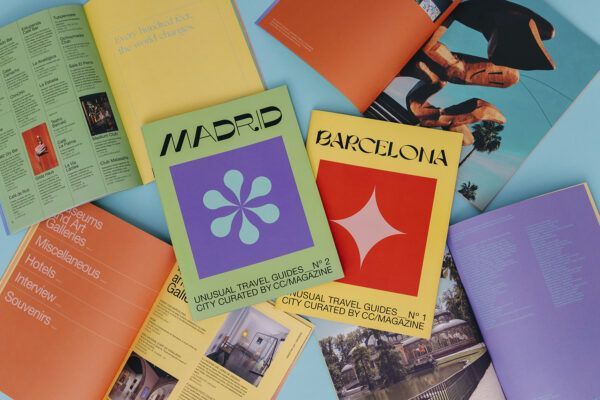
In this new edition, the programme will also feature the participation of Cecilia Camacho, founder and editorial director of CC/magazine and creative consultant at CC/studio, joining as a lecturer to contribute her expertise in editorial direction, cultural narrative and strategic positioning through space and storytelling.
(*) Images by Javier de Paz García. Courtesy of ELISAVA.