Yiayia and Friends: design and gastronomy in perfect harmony
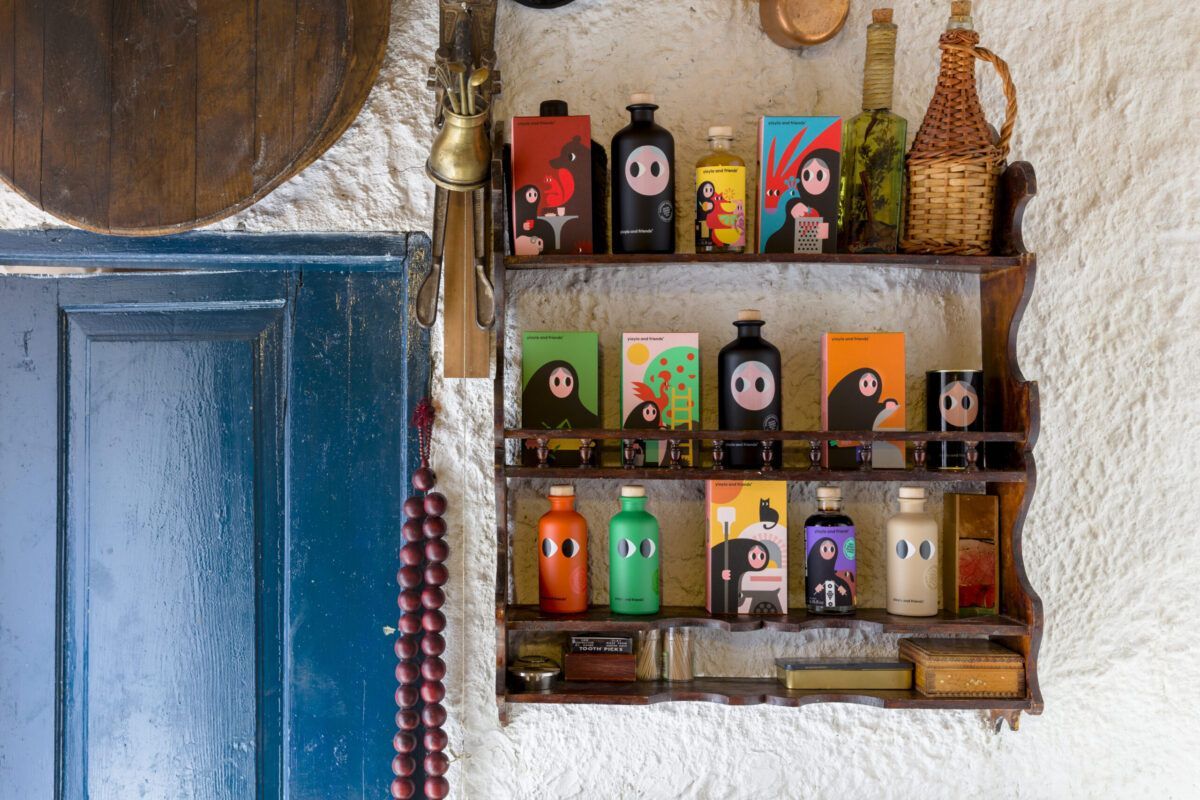
The work of Yiayia and Friends stands out for something rather uncommon: the precision with which it successfully integrates design and gastronomy into a single narrative. This is not merely about creating well-crafted products — organic olive oils, artisanal pastas or distinctive vinegars — but about building an identity in which every decision, from origin to visual language, responds to the same underlying logic.
The project forms part of Beetroot, the Greek studio based in Thessaloniki that has spent more than two decades exploring the relationship between design, culture and communication. Within this context, Yiayia and Friends operates as a natural extension of its creative thinking: a way of translating into the gastronomic realm the same conceptual and aesthetic rigour that defines its work.
To understand how a project like this is constructed — from within — we spoke with Vangelis Liakos, co-founder and creative director of Beetroot, a graphic designer and photographer whose career has positioned the studio among the most internationally recognised.
Yiayia and Friends feels less like a conventional brand and more like a living universe. How did the project begin, and what was the original spark behind it?
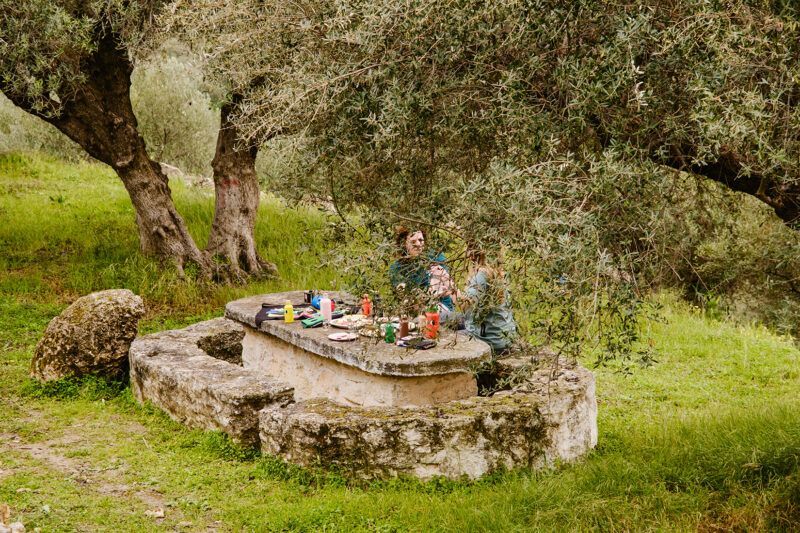
I’m really glad you’ve noticed that aspect of the brand. It started as a fun project when, on a work trip, Kostas—my business partner—said, “I have some olive trees in my village in Crete, and I was thinking of bottling some olive oil. Would you like to do it together?” My answer was, “Sure — it’s going to be fun!”
We always had side projects that we used for experimentation and testing new ideas. They gave us complete creative freedom, with no one to answer to. Then the Yiayia and Friends packaging started winning awards at some of the most prestigious competitions around the world and gaining significant recognition. That was when we realised we had something with great potential in our hands.
“We always had side projects that we used for experimentation and testing new ideas.”
Before it became a recognised design and food project, what did those first steps look like? Was there a clear vision from the start, or did it grow more intuitively over time?
Because it started out as an experiment — a test case, if you will — in the beginning we were essentially fearless.
We had agreed from the start that although we would not compromise on quality, the products themselves were not the point so much as the storytelling and the design. In fact, if there was any kind of “clear vision” from the beginning, it was this: we were trying to build a creative and engaging brand. But progress in the first couple of years was very much intuitive.
The figure of “Yiayia” carries a strong emotional and symbolic presence. What does she represent for you personally, and why did she become the heart of the project?
The figure of Yiayia represents our all-powerful, all-knowing, magical Greek granny. A force of nature, familiar and iconic.
We all grew up with our yiayia. She was the one who took care of everything and everyone. She was someone we trusted unconditionally, and a fountain of deep knowledge — even though she only completed primary school. Her knowledge was derived from life and from love — her love for nurturing everyone around her.
I still carry her inside me. Especially in difficult times, I always ask myself: what would she do now? The answer is always the same: do the best you can, with patience.
She was my superhero — who never asked for any recognition.
“Yiayia represents our all-powerful, all-knowing, magical Greek granny. A force of nature, familiar and iconic.”
There is something very powerful in the way Yiayia and Friends reinterprets tradition without making it feel nostalgic or sentimental. How do you approach heritage in a way that still feels contemporary and alive?
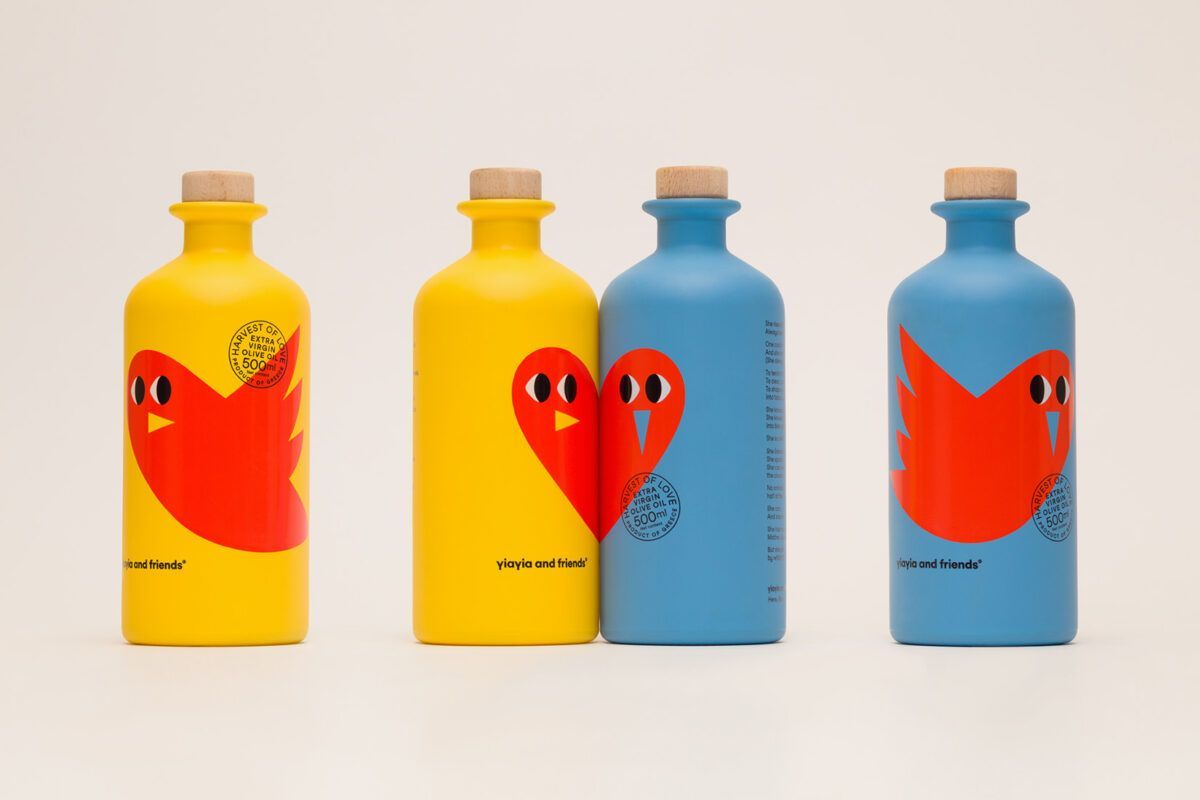
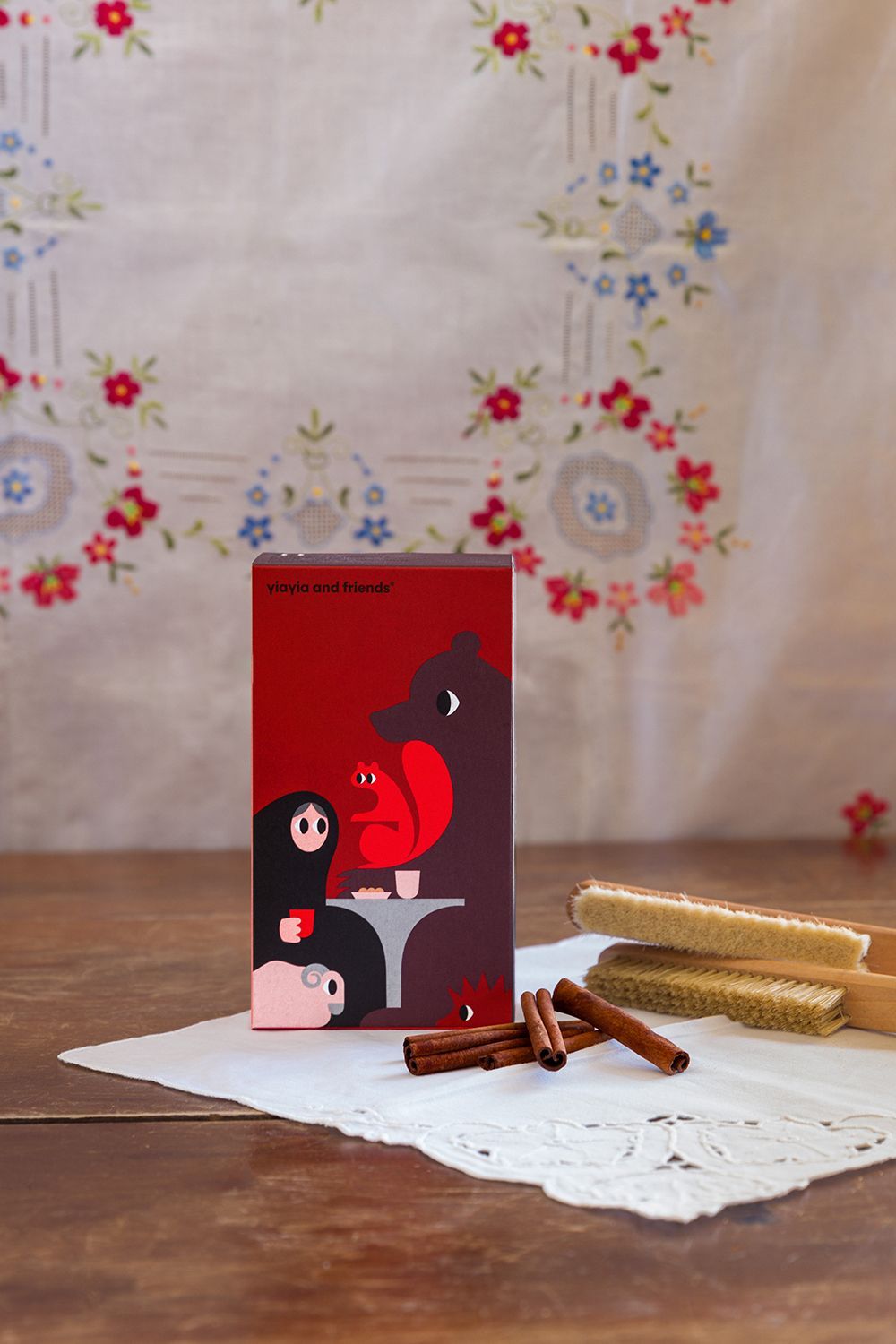
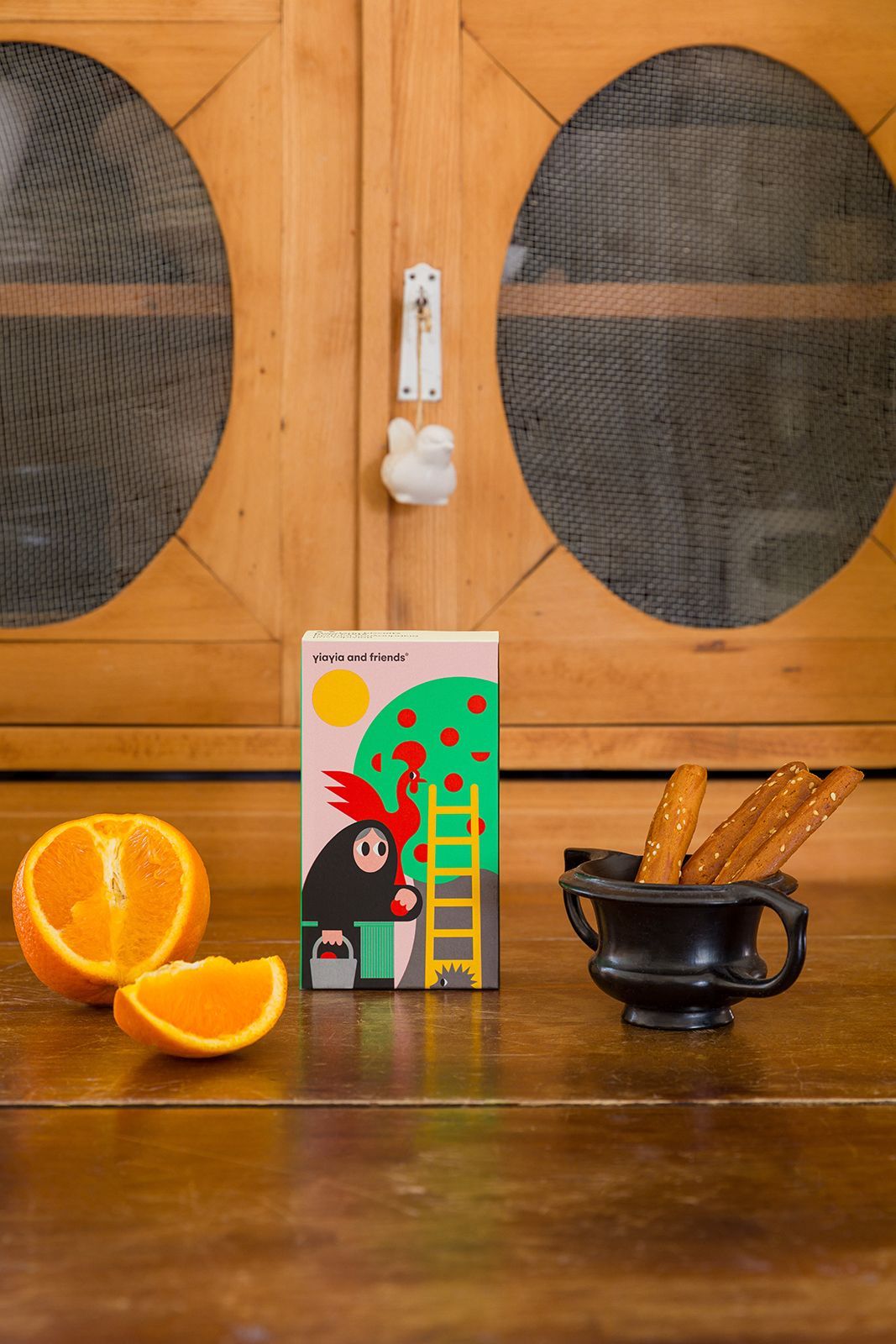
We wanted to celebrate the never-ending energy of our Yiayia — her positivity for life. These are values we follow in our own lives, and this is what we aim to embed in our branding system through the use of vibrant colours, shapes that complete each other like a hug, and imagery that creates storytelling without words.
The project is rooted in storytelling, but it is also very much about real products that people taste, use and bring into their homes. How important was it for you from the beginning to create something tangible, not just conceptual?
That is a great question. To be honest, we started with only the idea of an olive oil and a mural — Yiayia and her friends all hugging each other. We knew from the beginning that the olive oil was of great quality, but everything else we had to discover along the way. It was the beginning of a new journey.
During this process, we met incredible people who produce amazing products and listened to their stories — while at the same time creating design solutions to build a complex and unified identity.
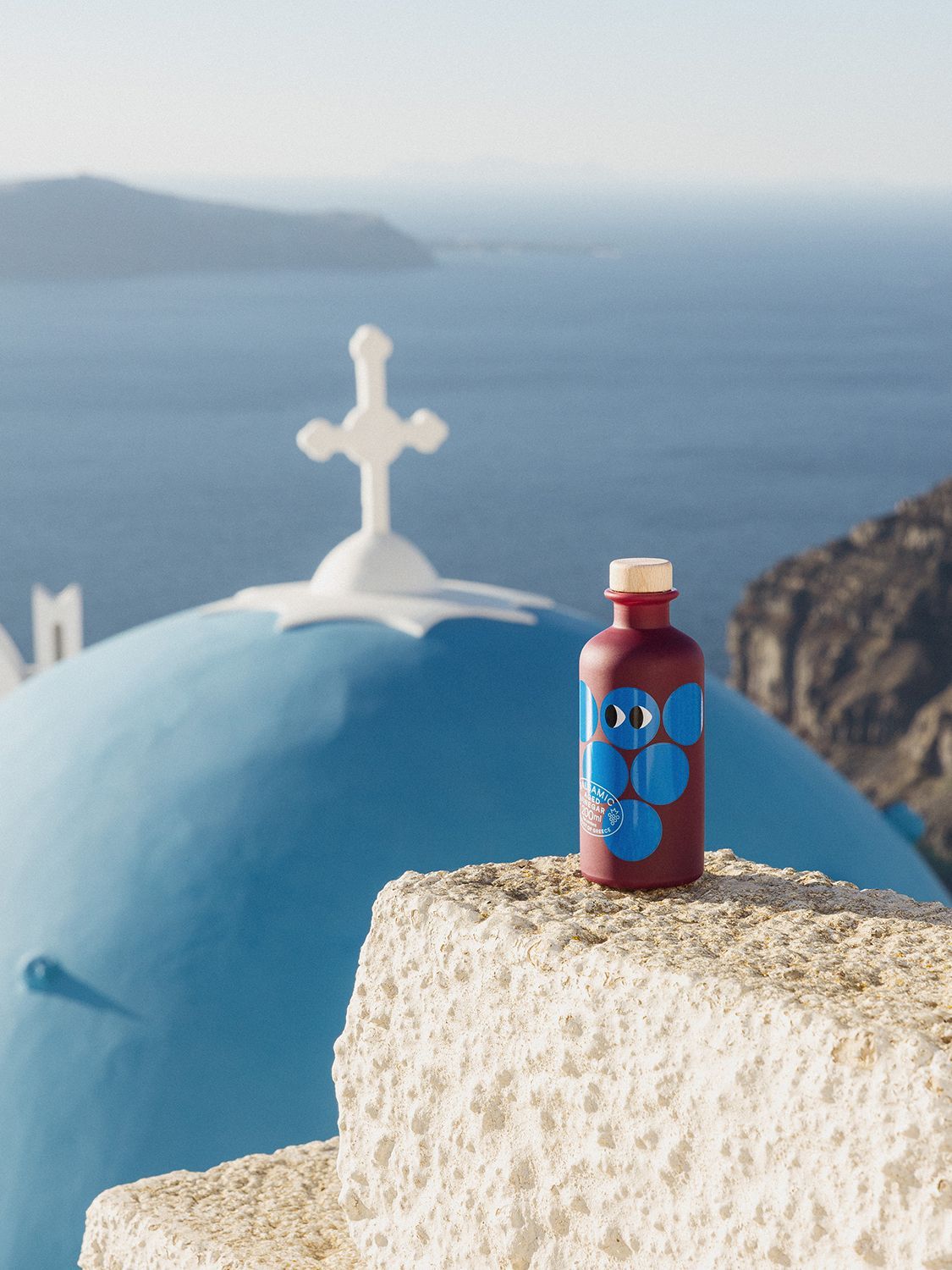
The packaging builds trust with the viewer, and we have the responsibility to match that with the highest-quality products. The trust has to be real. We believe in doing business ethically and offering consumers an honest product.
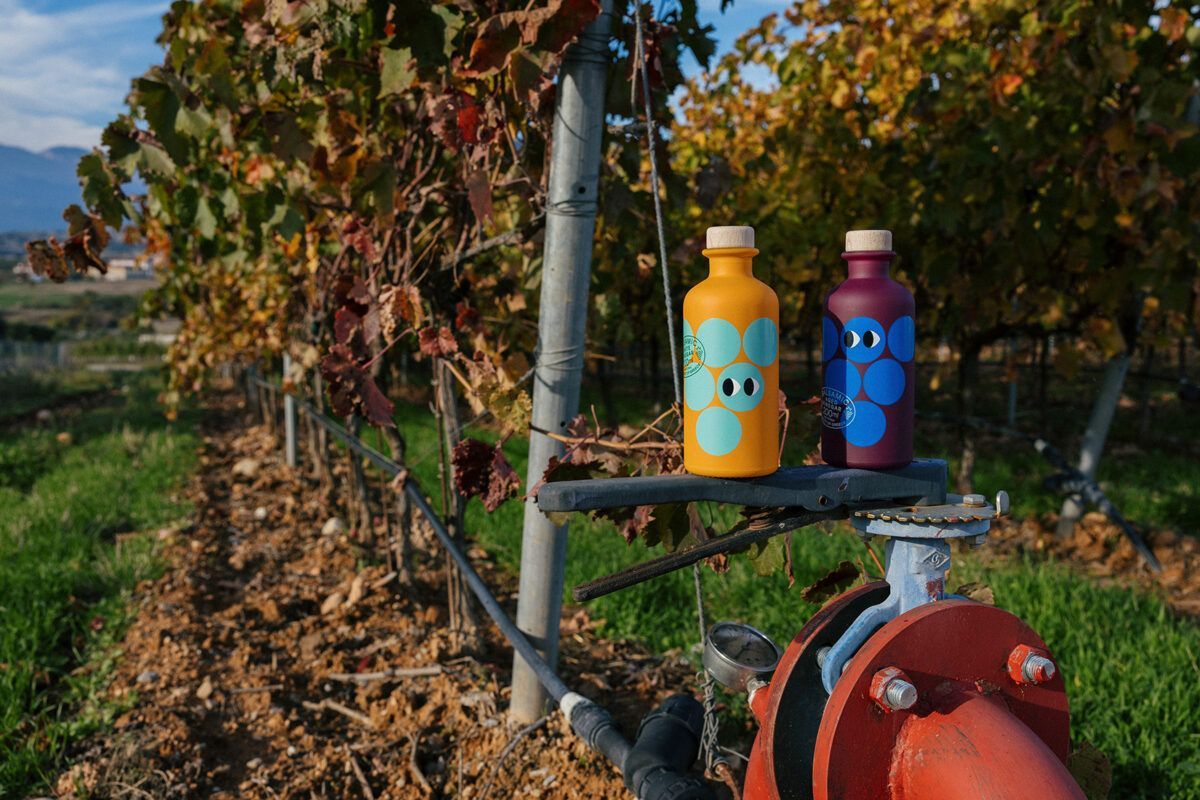
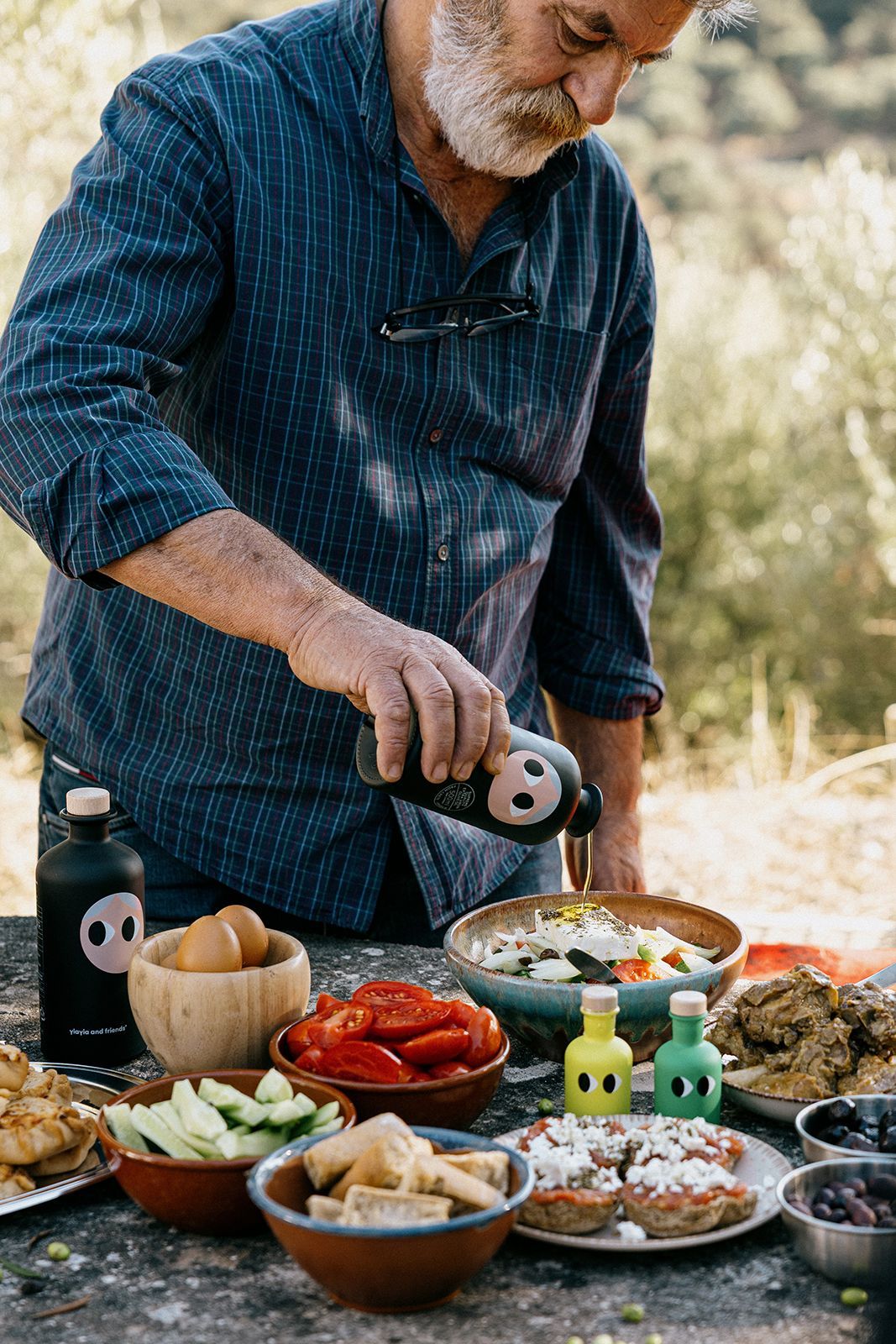
An important part of the Yiayia brand ethos is collaboration with small-scale producers and family businesses, sourcing everything locally and fresh. Yiayia embraces only the best that the land has to offer — olive oil and foodstuffs made traditionally by small producers and family farms in Crete and the Peloponnese in Greece, true staples of the Mediterranean diet.
“The packaging builds trust with the viewer, and we have the responsibility to match that with the highest-quality products.”
Yiayia and Friends speaks about high-quality food products and culinary culture. What does quality mean to you in this context, and how do you ensure the products truly reflect that standard?
High quality, for our clients, means that the olive oil has very low acidity and high polyphenol levels. But the trust we talked about goes deeper than that. We need to know that the olive groves are cultivated with respect for nature, that the growers are proud of what they produce, and that the land and the aquifer remain healthy.
As Yiayia and Friends grows, we make sure that the entire team — whether in logistics, procurement or quality control — is proud to be part of it. However, the strictest and most unfiltered quality control always comes from our own mothers and Yiayias!
How involved are you in decisions around sourcing, ingredients and production? Is that part of the project as important to you as the visual and narrative identity?
Yes, absolutely. We learn a great deal from the locals — wisdom that comes from the past and still guides their farming practices today. Small details that can make a big difference. We become involved in their everyday lives and come to understand the behaviour of the trees, the animals and the land. We build trust and long-lasting relationships. We even exchange recipes now!
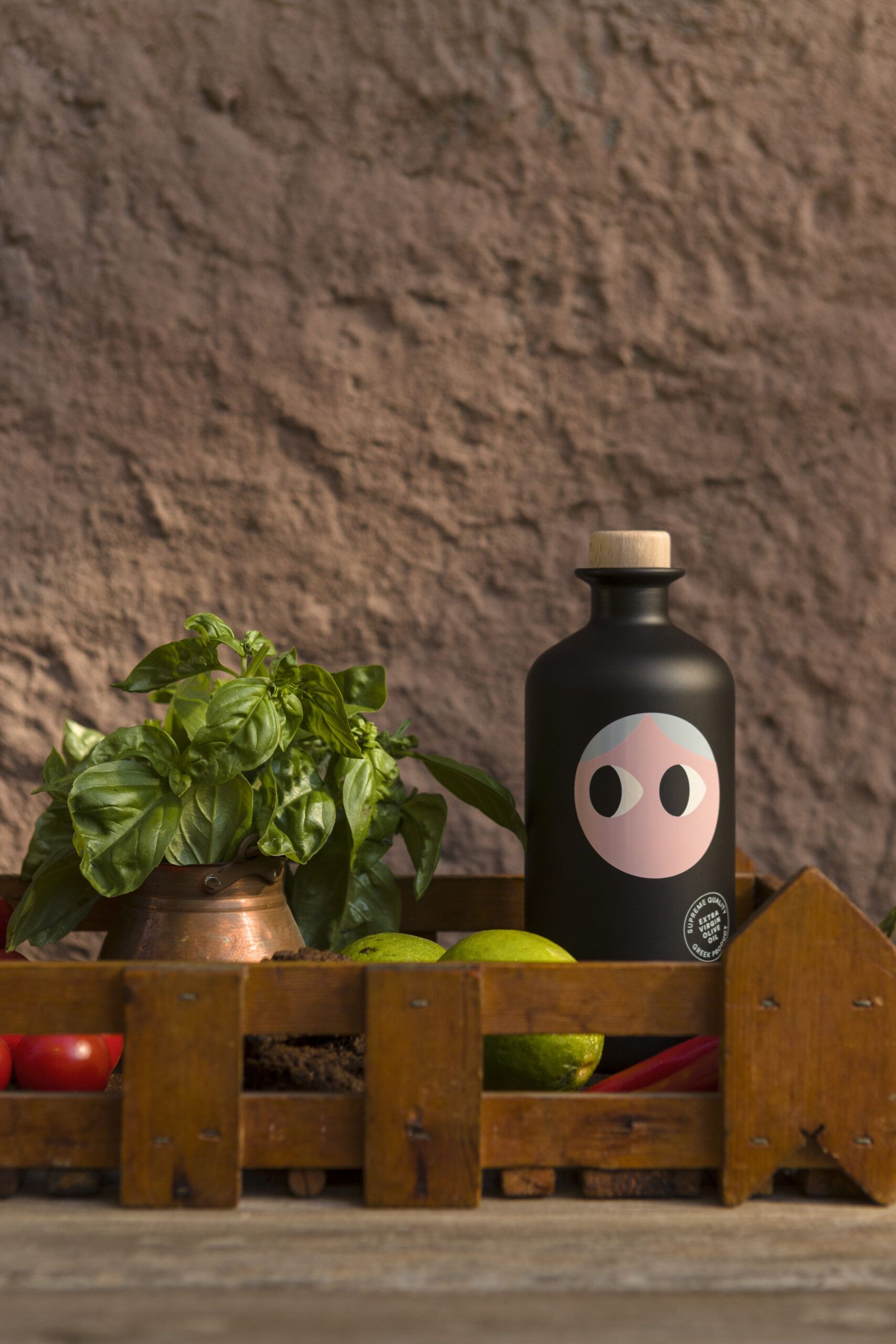
In a market where many food brands rely heavily on aesthetics, how do you make sure that the experience of the product itself is as strong and memorable as the packaging?
We can only do our best. Trust is built slowly and can collapse in a second. It is a marathon, not a sprint. We build trustworthy relationships with producers and food scientists and work at a slower, steadier pace to ensure top quality.
Agricultural products are affected by many factors — weather, water, insects — all of which can influence the final product. This is nature. We respect it and learn from it. And of course, feedback from our consumers is something we always take seriously and into consideration.
Your visual language is incredibly distinctive — bold colours, archetypal forms and those recurring eyes that almost function as a silent signature. How did that system come together?
The visual system grew organically from the story itself. We wanted to create something that felt instinctive, almost like an emotion before it becomes a conscious thought.
“We wanted to create something that felt instinctive, almost like an emotion before it becomes a conscious thought.”
The bold colours came from Mediterranean tradition: the light, the markets, the fabrics and pottery we grew up around. Nothing muted, nothing shy. The forms were inspired by the idea of togetherness — shapes that lean into each other, that belong together.
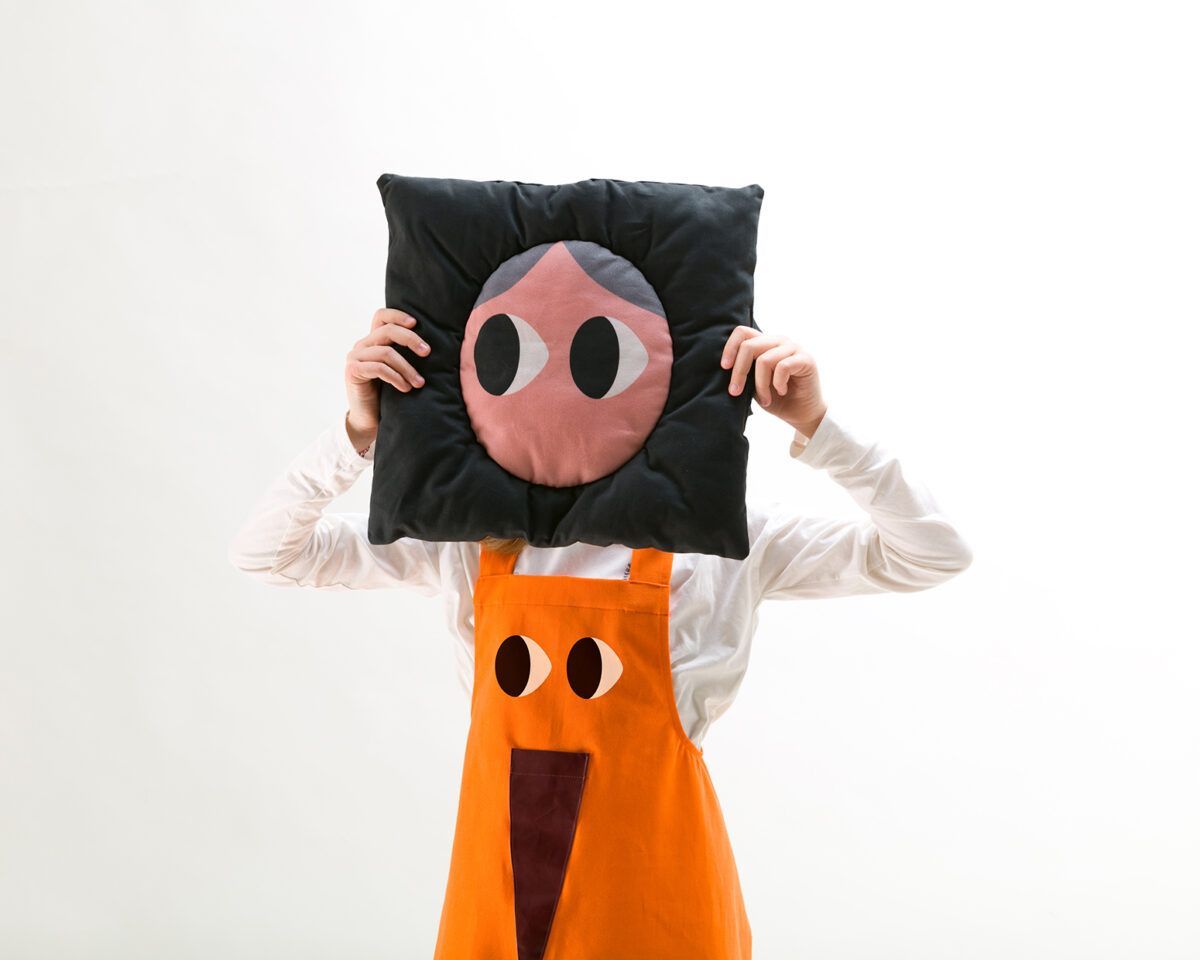
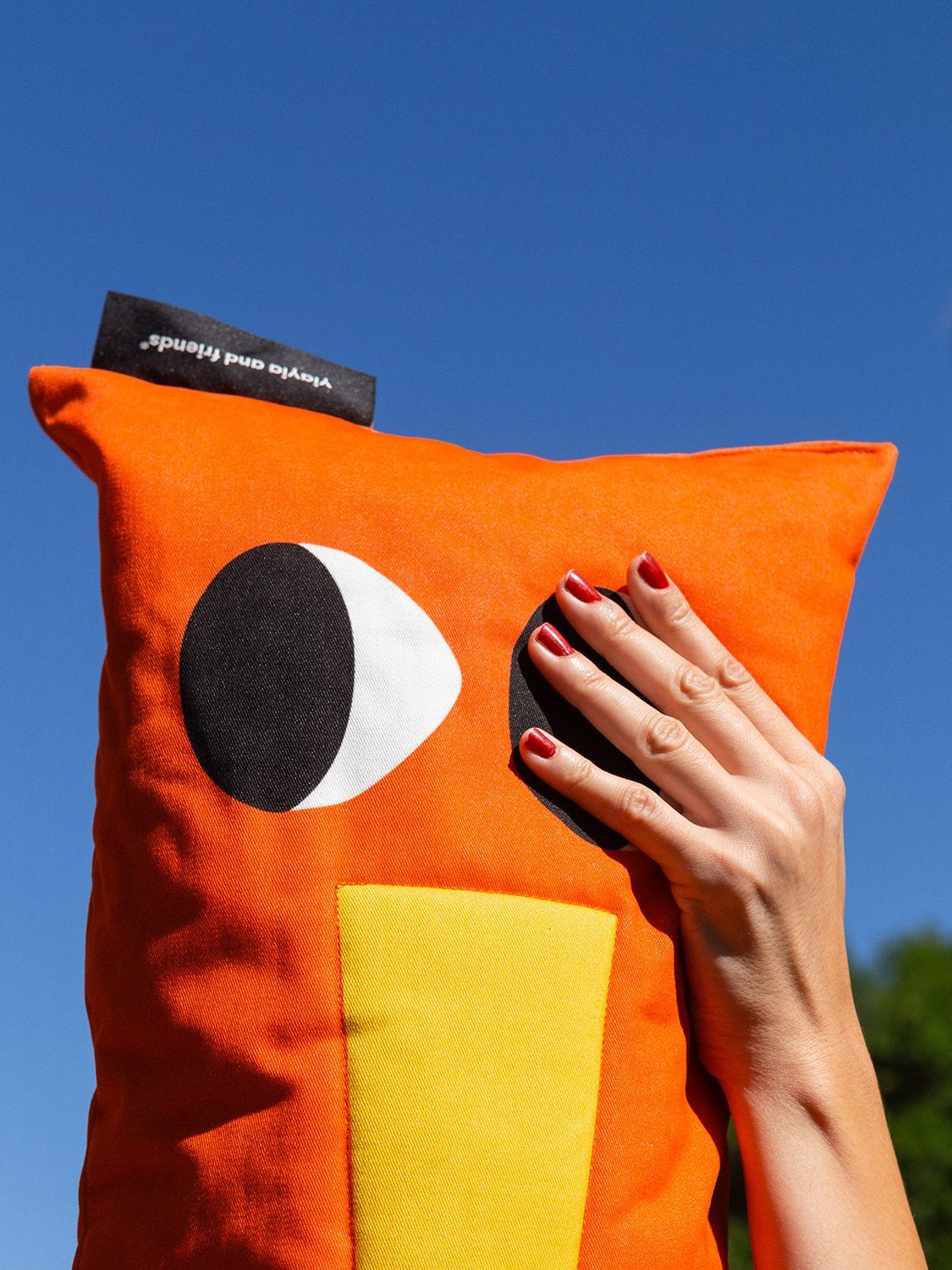
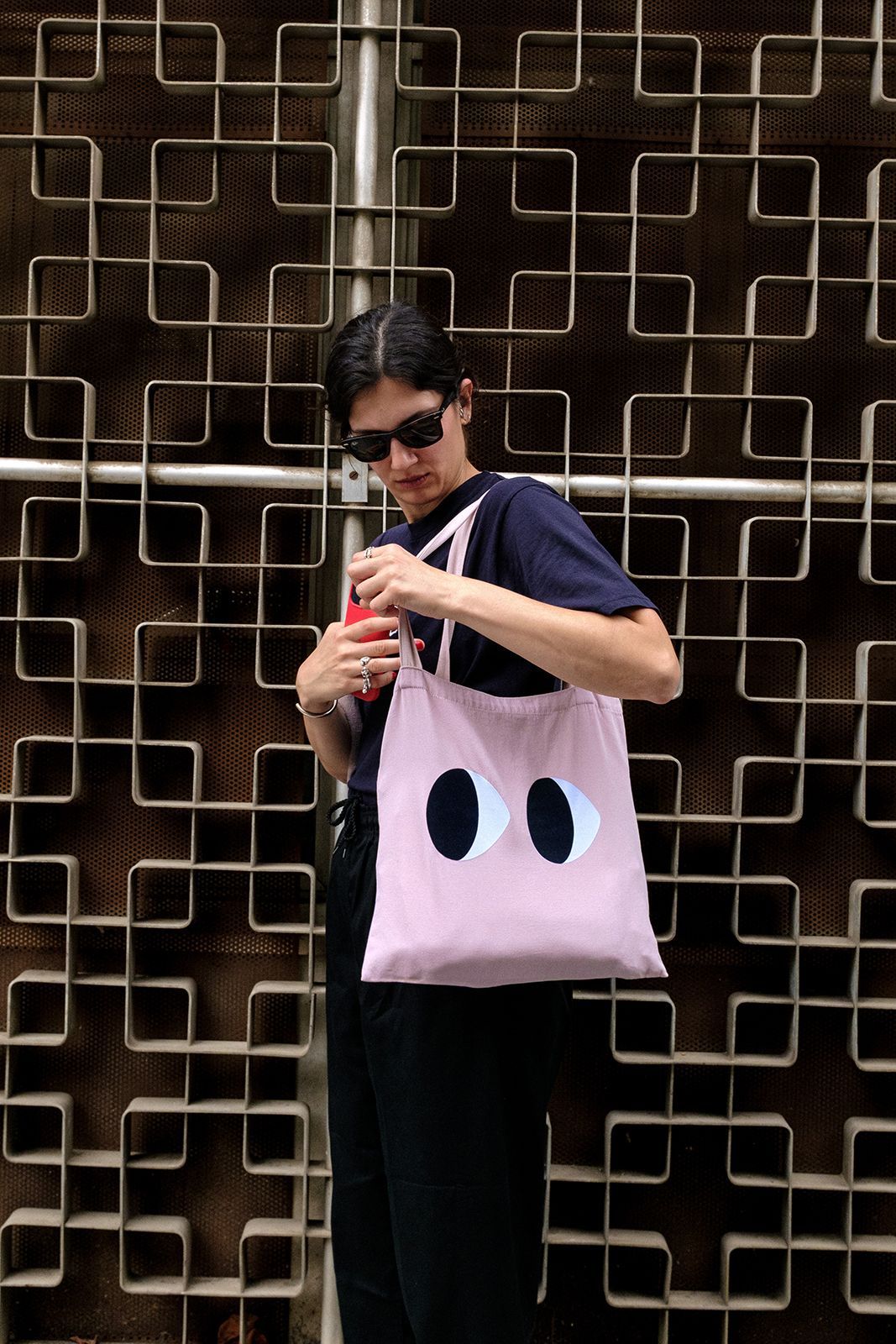
The eyes evolved almost naturally. In Greek culture, the eye is protective: it watches over you. But for us, it also became a way of saying: we see you, we are present. Looking directly into someone’s eyes creates trust — it is the most honest form of connection, the same way you trust someone when they look straight at you. It is a quiet conversation between the brand and the person holding the product. Once it was there, we knew it had to stay.
Even people who may know little about Greek culture seem to connect instantly with the project. Was that universal appeal something you consciously aimed for?
Honestly, it was not something we planned. We were simply telling our own story as truthfully as we could. But I think that is precisely why it travels — because when something is deeply personal and specific, paradoxically it becomes universal. Everyone has a Yiayia, or someone like her. Someone who cooked without a recipe, who healed without medicine, who loved unconditionally. That figure exists in every culture, every family, every memory.
“The eyes evolved almost naturally. In Greek culture, the eye is protective: it watches over you.”
We never tried to make it “international” in the way brands sometimes do — by smoothing out the edges and making it easier to digest. We kept it Greek, we kept it ours. And it turns out that specificity is what people connect with. They don’t need to know the language or the traditions. They feel the warmth, and that is enough.
There is humour, tenderness and a sense of playfulness in Yiayia and Friends, but also real discipline and precision. How do those two sides coexist in your creative process?
I think they actually feed each other. The playfulness gives us freedom — it stops us from taking ourselves too seriously and keeps the process joyful. But without discipline, that freedom becomes noise. So, in the beginning we play around a lot — we allow ideas to be messy and surprising. Then we edit with great care.
Yiayia herself was like that. She would laugh loudly, tell stories, make you feel completely at ease — and then, with a whispering song on her lips, without fuss, everything would be perfect: the table set, the food ready, the house in order. There was an invisible precision behind all that warmth. I think we try to honour that same combination. The smile is real, but so is the craft behind it.
Food, in your universe, seems to be about much more than consumption. Would you say the project is ultimately about memory, rituals, domestic life and the way culture is passed on?
Yes, absolutely. Food is the most honest archive of a culture. It carries memory in a way that words sometimes cannot. A smell, a taste, a particular way of folding dough — these things bypass the mind and go straight to the heart. They take you back to a kitchen, to a person, to a moment you didn’t even know you were storing.
For us, Yiayia and Friends was never just about the product in the bottle or the jar. It is about what happens around the table: the conversations, the silences, the hands that prepared everything before you arrived. The rituals that nobody officially taught you but that you carry without thinking — the way you set a plate, the way you pour the oil, the way you always make a little more than you need, just in case someone else shows up.
That is the culture we want to pass on — not as a museum piece, but as something living, something you can still taste today.
In an era dominated by fast branding and trend-driven launches, Yiayia and Friends feels rooted, slow and very intentional. Was that a form of resistance in itself?
Perhaps it is, although we never consciously framed it that way. We simply could not do it any other way. The story we were telling demanded slowness. You cannot rush a Yiayia. You cannot rush the olive harvest, the relationships with farmers, or the process of building trust between a brand and the people who bring it into their homes.
But I do think there is something quietly political about choosing to go slow in a world that rewards speed. It is a statement that not everything needs to be immediate, that depth takes time, that the best things are usually those that were never in a hurry. Yiayia knew that. She never rushed anything. And whatever she made always tasted better for it. As my Yiayia used to say, “I am in a hurry, that is why I go slow.”
So if it reads as resistance, we are happy with that. We would rather build something that lasts than something that trends.
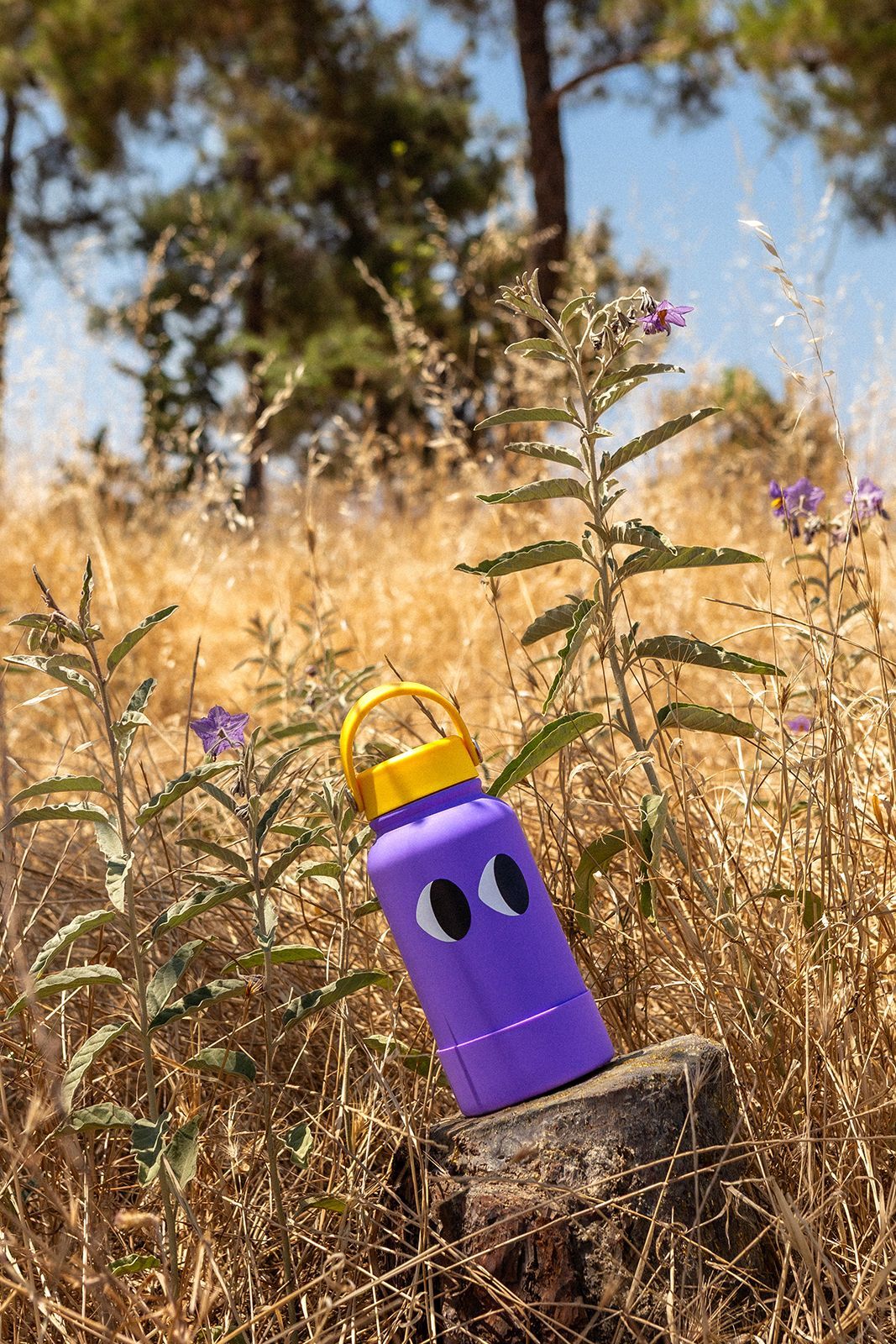
The project has grown beyond packaging into a broader world of objects, spaces and experiences. How do you maintain coherence while allowing the brand to evolve?
The coherence comes from the story. As long as we stay true to Yiayia — to her values, her warmth, her quiet wisdom — everything we create naturally belongs to the same universe. The story is the compass. When we are unsure about a direction, we ask ourselves: would Yiayia approve? Does this feel like something she would have in her home, on her table, in her hands? If the answer is yes, we move forward.
At the same time, Yiayia was never rigid. She adapted, improvised, made do with what she had and always found a way to make it beautiful. So we allow the brand to breathe and expand, to enter new territories — spaces, objects, experiences — as long as the soul remains the same.
Growth for us is not about adding more for the sake of it. It is about going deeper into the world we have already built. Every new product, every new space, every new experience is another room in the same house. And the house always feels like home.
Authenticity is a word that is overused today, especially in food and lifestyle branding. What does authenticity actually mean to you in practice?
For us, it is very simple. It means we don’t pretend. We don’t sell a story that is not ours. Yiayia is not a character we invented for marketing purposes — she was real, she is real, she lives in us. The olive oil comes from real trees, tended by real people whose names we know, whose families we have sat with. The recipes exist because someone’s grandmother actually made them, not because a food stylist thought they looked good.
In practice, authenticity means being willing to say no: no to products that do not meet our standards, no to collaborations that don’t fit the world we are building, no to shortcuts that would make things easier but less true. It is not always comfortable, but it is the only way the trust we talked about can survive.
Yiayia never performed. She simply was. She made things better for everyone around her, even if they never noticed. That is the standard we try to live up to.
How do you think about the relationship between design and trust, especially when you are working with food products that people bring into their everyday routines?
Design is often the first handshake. Before someone tastes the olive oil, before they read the story, they see the object. And in that first moment, something is communicated — either trust is extended, or it is not. So we feel a great responsibility in that space. The design has to be honest. It has to promise only what the product can deliver.
I think bad design in food is a form of dishonesty. When the packaging is more sophisticated than what is inside, people feel it — maybe not immediately, but eventually. And once that trust is broken, it is very hard to rebuild.
With Yiayia and Friends, we have always worked in the opposite direction. We want the product to be worthy of the packaging, and the packaging to be worthy of the story. They have to earn each other. When someone places our olive oil on their kitchen shelf, or brings it to a dinner party as a gift, they are extending their own trust to the people they love. That is not something we take lightly. That small bottle carries a relationship. And design is what makes that relationship visible.
Has the public response to Yiayia and Friends changed the way you see the project? Were there interpretations or emotional reactions that surprised you?
Very much so — and in the most unexpected ways. We knew the project was personal, but we did not anticipate how personally others would receive it. People would write to us or stop us at events to tell us about their own Yiayia — about a specific smell that brought her back, or a gesture they had forgotten until they saw our packaging. That was not something we planned for. It happened because the story was true.
There were moments that genuinely moved us. A woman who told us she bought a bottle as a way of keeping her grandmother close after she passed away. A child who pointed at the eyes on the label and said, “she is looking at me.” These reactions reminded us that we had created something that existed beyond us — something people had made their own.
That is the most surprising and humbling part of the journey. You start with your own story, and somewhere along the way it becomes part of someone else’s. That is when you realise the project is bigger than you thought — and it makes you want to protect it with even greater care.
You have built something that feels deeply Greek, yet never closed or localist. How do you balance specificity and openness?
I think the mistake many brands make when they try to represent a culture is that they reach for the postcard version of it — the clichés, the symbols everyone already recognises, the safe and expected references.
That kind of specificity is actually a form of closure — it flattens everything into a stereotype and leaves no room for the viewer to enter.
We went in the opposite direction.
We went so deep into our own experience: into this one woman, this one kitchen, this one village in Crete, that it stopped being a representation of Greek culture and became something more intimate and more open at the same time. A truth that anyone could walk into.
Greekness for us is not a backdrop, an aesthetic or a border. It is culture: a way of being with people.
The generosity, the table that always has room for one more, the belief that food is an act of love. These are things that resonate far beyond any border. So the balance, if there is one, comes from trusting the particular. The more specific and honest you are, the more universal you become. Yiayia taught us that — without ever knowing she did.
From a founder’s perspective, what have been the biggest challenges in building Yiayia and Friends — creatively, operationally or even emotionally?
Honestly, all three — often at the same time. Creatively, the challenge is to keep the work fresh and surprising without losing the thread that connects everything. It is easy to drift, to get excited by a new direction and forget what you are really building. The story is the anchor, but you have to return to it consciously.
Operationally, the challenges are very real and very unglamorous. Agricultural products are unpredictable by nature. A difficult season, a change in a supplier, a logistical problem — these things can affect everything you have worked to build. Creating a supply chain that is both ethical and reliable is a slow and demanding process. It requires constant attention and a great deal of patience.
But the emotional challenges are perhaps the deepest. When something is this personal — when you have put your own memories, your own family, your own values into a brand — every setback feels like more than a business problem. It touches something tender. At the same time, that vulnerability is also the source of the project’s strength. You cannot have one without the other. We have learned to accept that, and to keep going. As Yiayia would have.
“Greekness for us is not a backdrop, an aesthetic or a border. It is culture: a way of being with people.”
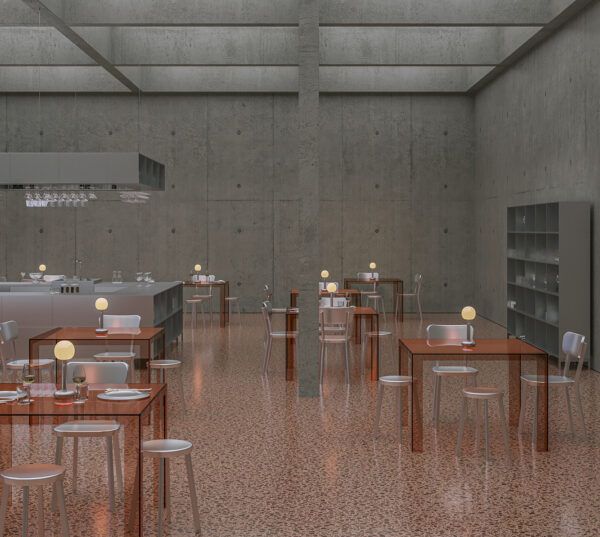
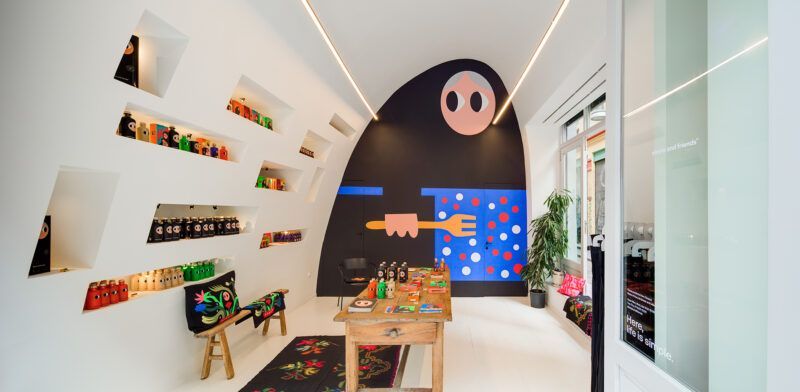
The Yiayia and Friends Thessaloniki store is part of a broader space where studio, gallery, café, shop and restaurant coexist. How did this space come to life, and what role does it play within the Beetroot Universe and the Yiayia project?
The space originated from a long-held desire to create a place where we would be completely free. Free to experiment, to create, to exhibit our work, and to connect with fellow creatives from around the world. A place that inspires people, nourishes them, and allows them to have fun. Those three elements — creativity, nourishment, and a sense of belonging — have always been at the core of our imagined universe.
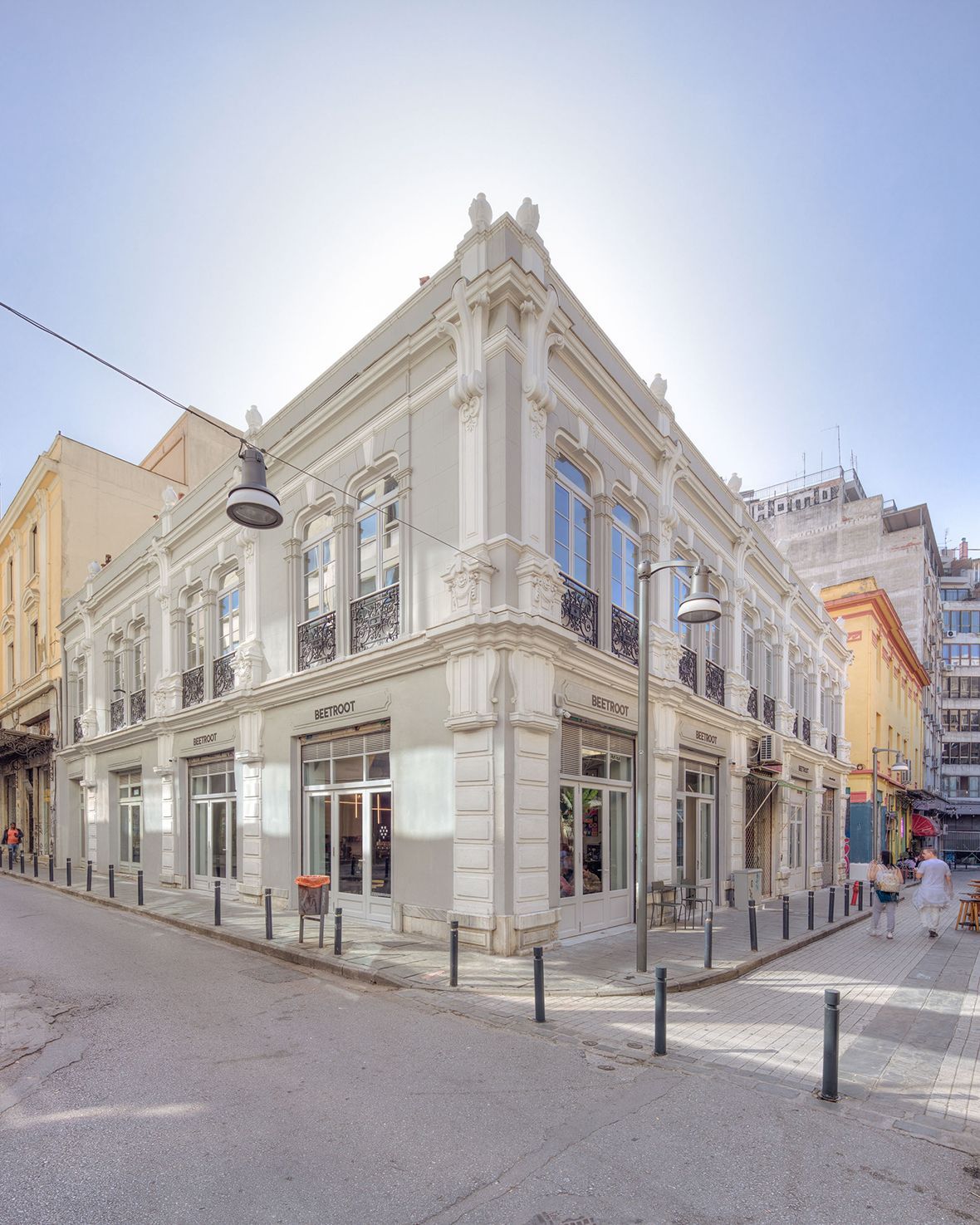
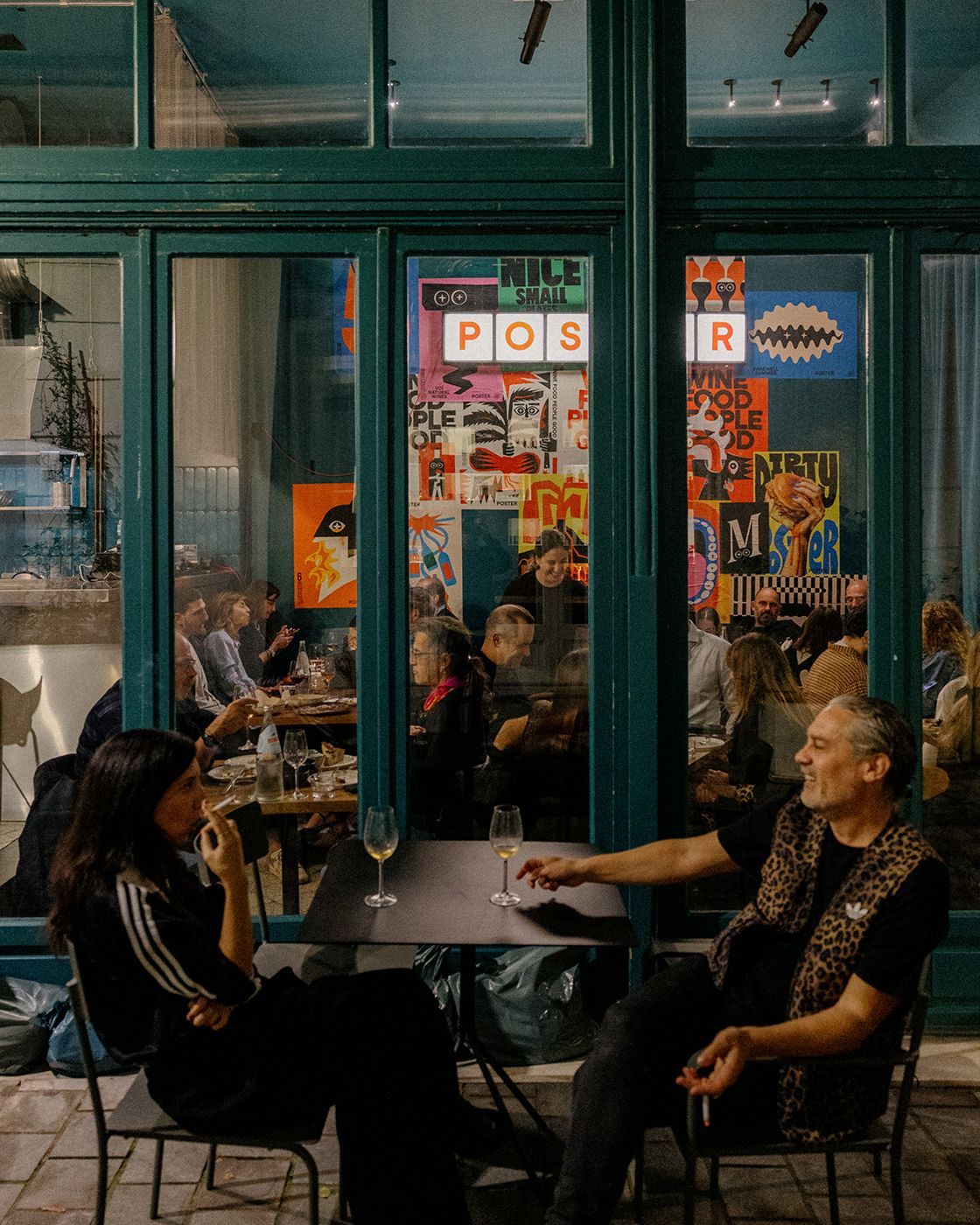
We found that place in Ismail Pasha Chani — an old Ottoman han (or inn) from 1905, right in the heart of Thessaloniki. Renovating it was not just a construction project; it was an act of listening. The building had its own history, its own memory — walls that had witnessed more than a century of the city’s life. We wanted to honour that while giving it a completely new purpose — one that felt as alive and open as the place itself once was.
We think of it as a space-time for chance and necessity. A place for visual, auditory, tangible, olfactory and edible manifestations of creativity. A creatively boundless, three-dimensional domain — a place where anything could happen, and where people feel that possibility the moment they walk in.
One of the most beloved parts of the space is Poster — our restaurant. The name says everything about who we are. A poster is both expression and information; it communicates something essential in a single moment. And that is exactly what a dinner table with friends or family does. It brings people together, tells a story, and carries meaning without needing to explain itself. At Poster, we serve contemporary flavours rooted in Greek culinary culture, while the walls display posters inspired by the same ideas that shape the plates. Food and design speaking the same language, in the same room.
“The space originated from a long-held desire to create a place where we would be completely free.”
Within the Beetroot universe, this is how things tend to evolve. A project begins as an experiment, continues as a side project, and — as in the case of Yiayia and Friends — eventually develops into a separate business with its own identity and life. But everything we do, at every stage, carries the design vision and oversight of Beetroot Studio. That thread never breaks. The space in Thessaloniki is perhaps the most visible expression of that — a place where all these layers coexist, breathe together, and make sense of each other.
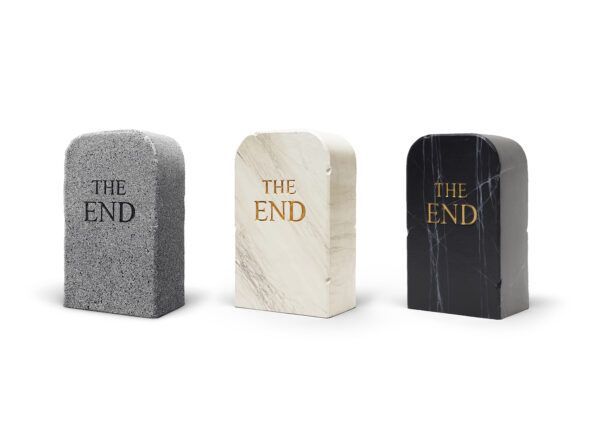
Beyond food, Yiayia and Friends also includes a selection of design objects. How do these pieces fit into the overall concept, and what do they allow you to express that food products perhaps cannot?
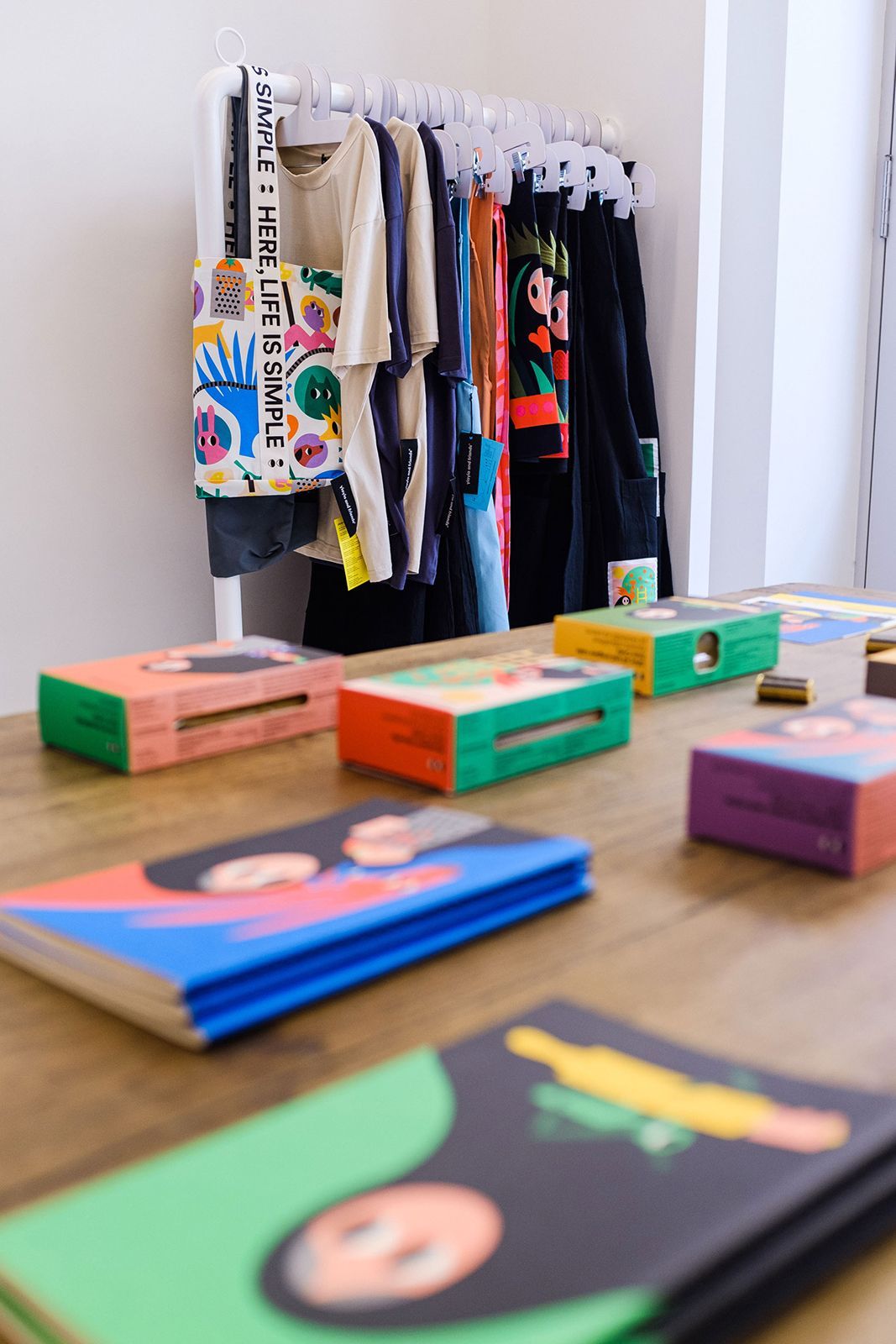
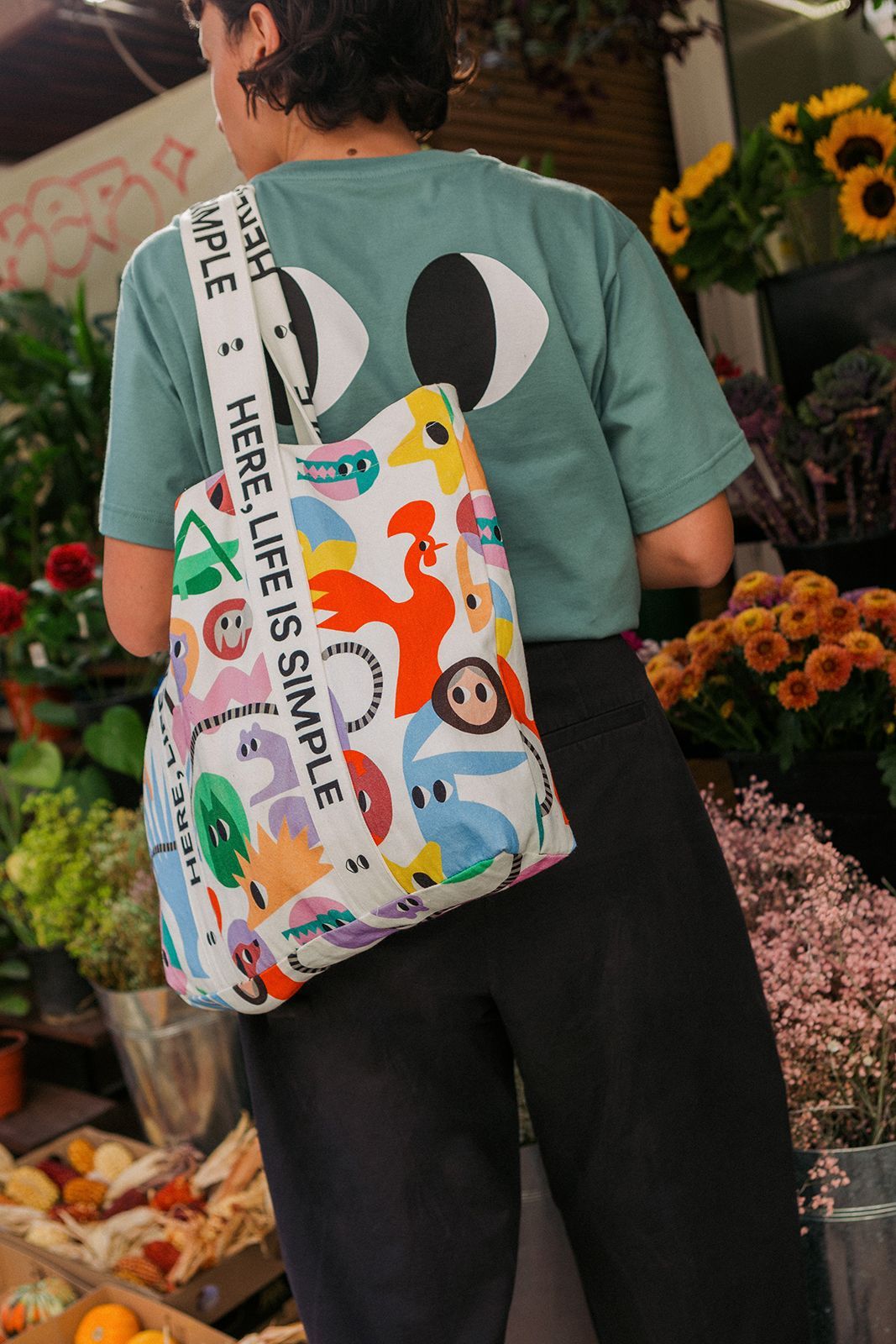
Everything we do has to carry a sense of optimism and make your life more beautiful. That is the thread that connects everything — from the olive oil to the objects that sit on your shelf or your table. The design pieces are not merchandise, nor are they an afterthought. They are another way of telling the same story.
Food is immediate and intimate — it is shared and consumed, it exists in the moment and then in memory. A design object, on the other hand, remains. It becomes part of your home, part of your daily rituals — something you reach for without thinking. In that sense, these objects allow us to be present in someone’s life in a quieter, more enduring way.
When you combine the food products with the design pieces, something happens — a world begins to take shape. The world of Yiayia and Friends, with all its warmth, its colour, and its belief that beauty is not a luxury but a necessity. That is ultimately what we are trying to create: not just products, but an entire universe that you can bring into your home and make your own.
In terms of growth, in which markets is Yiayia and Friends currently most present, and which ones would you like to explore or expand into in the future?
We are currently expanding across three main areas — the European market, the United States, and South Korea. Each of these feels right for different reasons, but they all share an audience that is curious, design-literate, and genuinely interested in the story behind what they bring into their lives.
In the United States, we have opened a store in downtown Los Angeles, at The Row — one of the most thoughtfully conceived retail and creative destinations in the city. It felt like a natural home for Yiayia and Friends, a place where the values of craft, culture and community are already part of the conversation.
“Everything we do has to carry a sense of optimism and make your life more beautiful.”
Seoul has been a particularly exciting chapter. We have opened our own store there, carrying the same values as Beetroot House in Thessaloniki — a bakery, a café, and a showroom where our products find their home. We are also present in LCDC, one of the most vibrant and carefully curated retail destinations in the city, and we have developed pop-up stores and collaborations with prestigious brands that have allowed us to connect with new audiences in a direct and meaningful way. Korea has embraced the world of Yiayia and Friends with a warmth and enthusiasm that has genuinely moved us.
Alongside all of this, we have just begun a new adventure. Next to Yiayia and Friends, we have launched Super Yiayia, a deli and sandwich concept that carries the same spirit and values into a more immediate, everyday format. Same soul, different pace. Because Yiayia, after all, always had something ready for everyone — no matter what time they arrived.
A universe that grows without losing its essence
In the end, Yiayia and Friends proves that a brand can expand without compromising its soul. From Crete to Thessaloniki, Los Angeles and Seoul, the project has managed to translate memory, design and culinary culture into a universal language — one that resonates with diverse audiences while remaining deeply rooted in its Greek identity. More than products, it offers a way of inhabiting the everyday: with beauty, honesty and time, creating connections that, like Yiayia’s stories, endure beyond trends.
(*) Photographs courtesy of Yiayia.