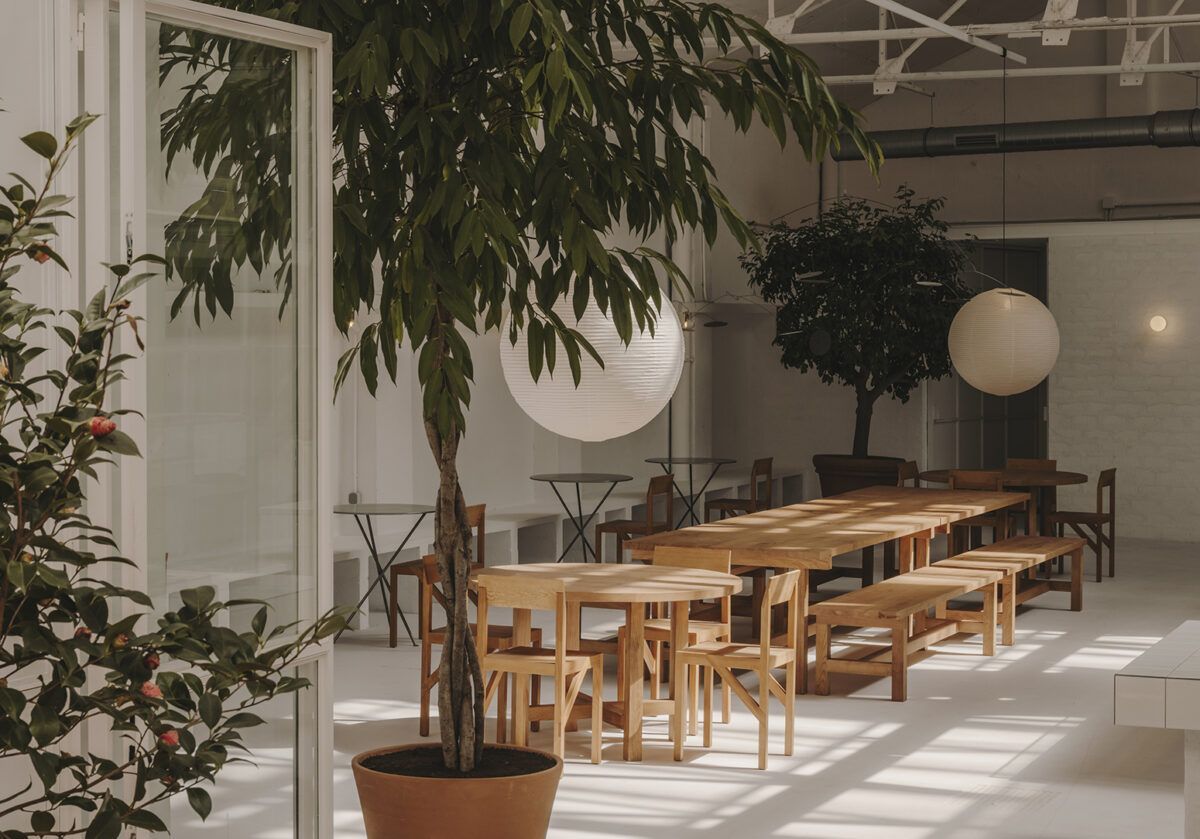
Alma Nomad Fábrica: a new gastro project designed by Plantea Estudio
Since Joaquín Escrivá and Timi Argyelan opened Alma Nomad Bakery in 2021, their project has gone beyond the concept of a bakery to become a benchmark for artisanal bread-making in Madrid. Now, with the opening of Alma Nomad Fábrica, they are expanding their universe with a space where baking tradition meets design and community.
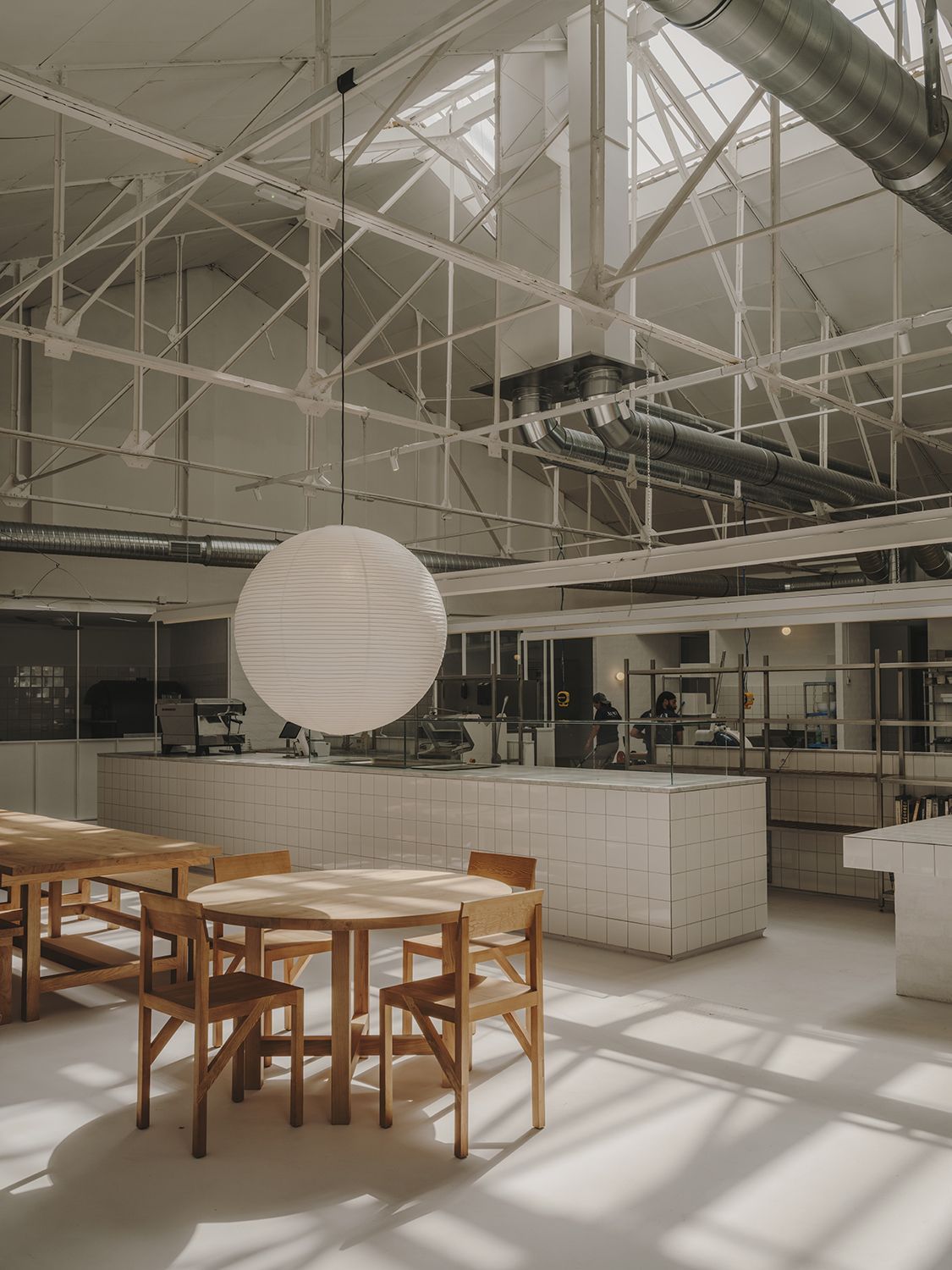
Located in the Pueblo Nuevo neighbourhood, at 17 Urquiza Street, this new venture is much more than just a bakery: it is a meeting point where bread is made in full view, in an environment designed for unhurried enjoyment.
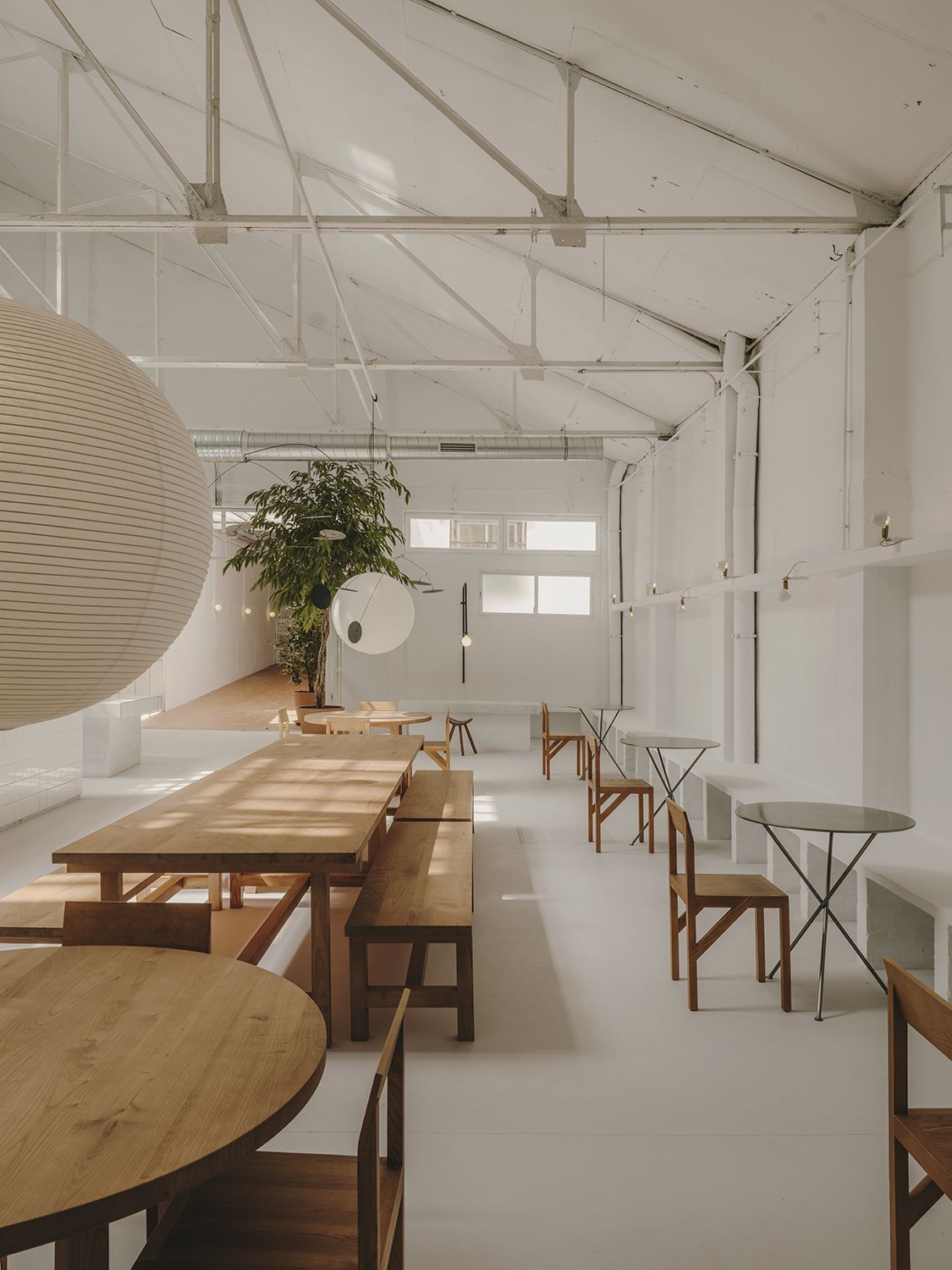
A Plantea Estudio project: from industrial warehouse to gastronomic haven
The transformation of this former industrial warehouse into Alma Nomad Fábrica has been carried out by Plantea Estudio, the architectural team behind some of Madrid’s most innovative spaces, such as the patisserie Acid and the restaurant Gofio.
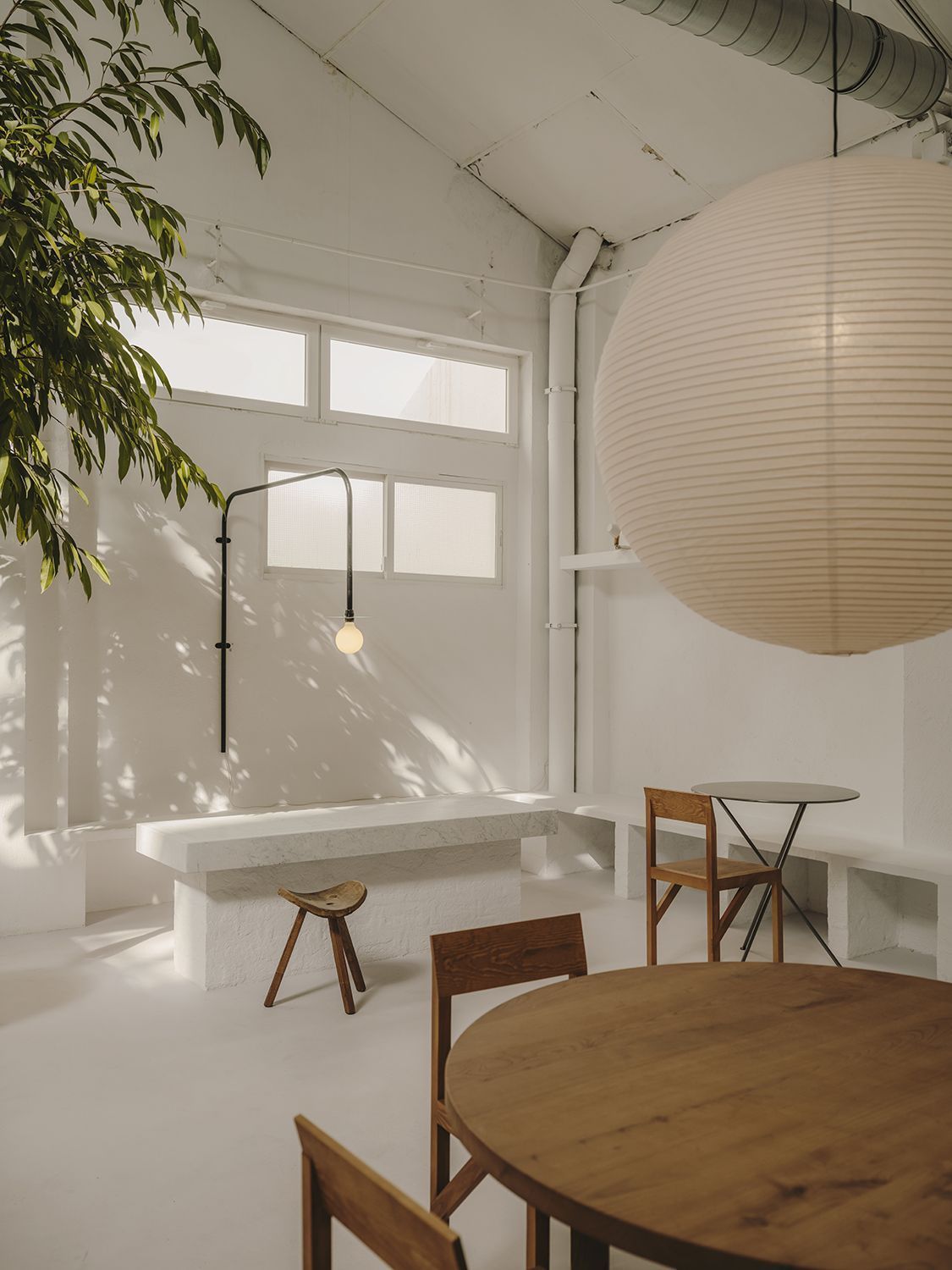
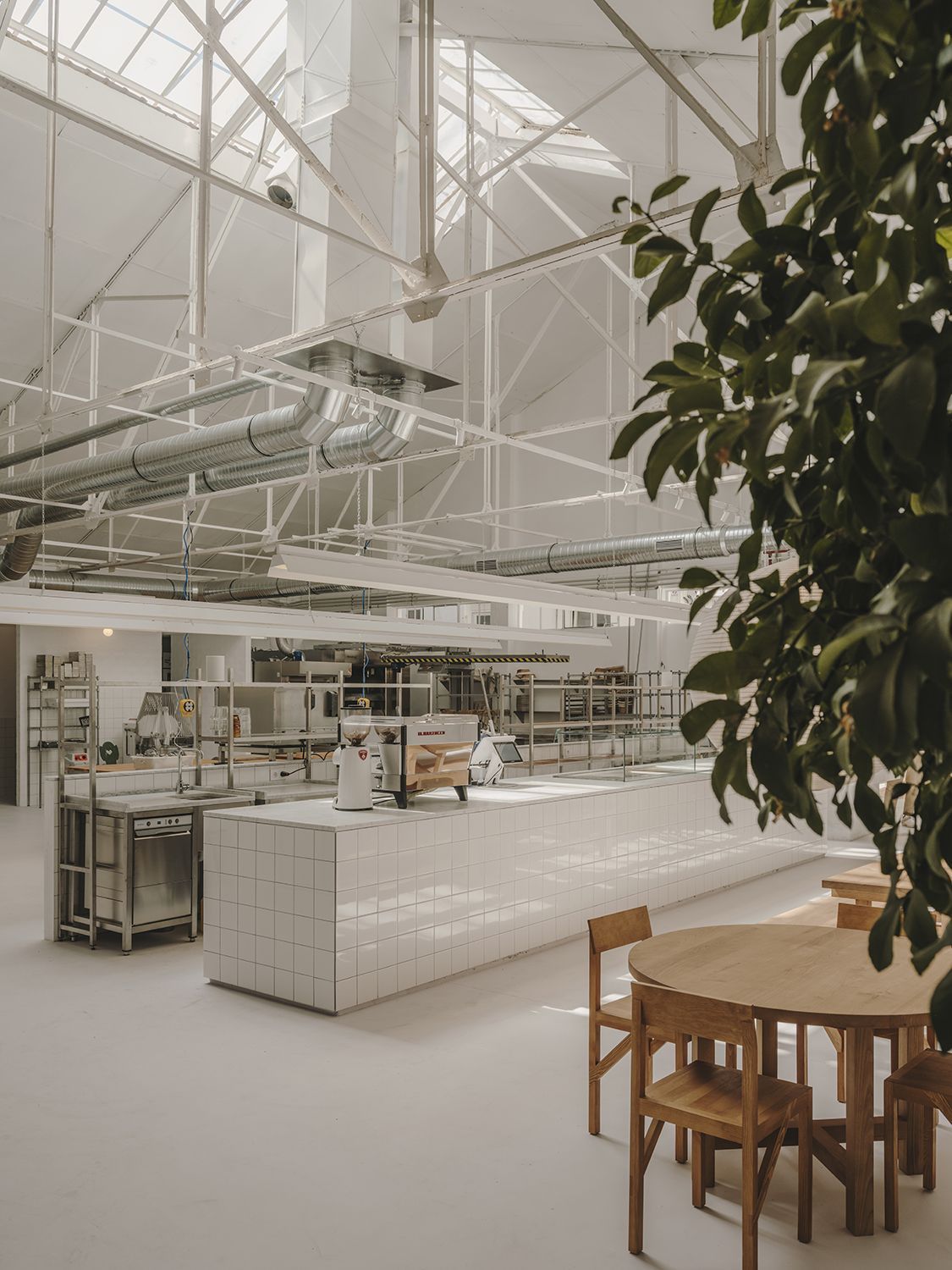
The result is a spacious, bright, and welcoming environment. High ceilings, large windows, and solid wood and locally sourced marble furnishings create a minimalist yet warm atmosphere, where every element is designed to highlight the essence of the project.
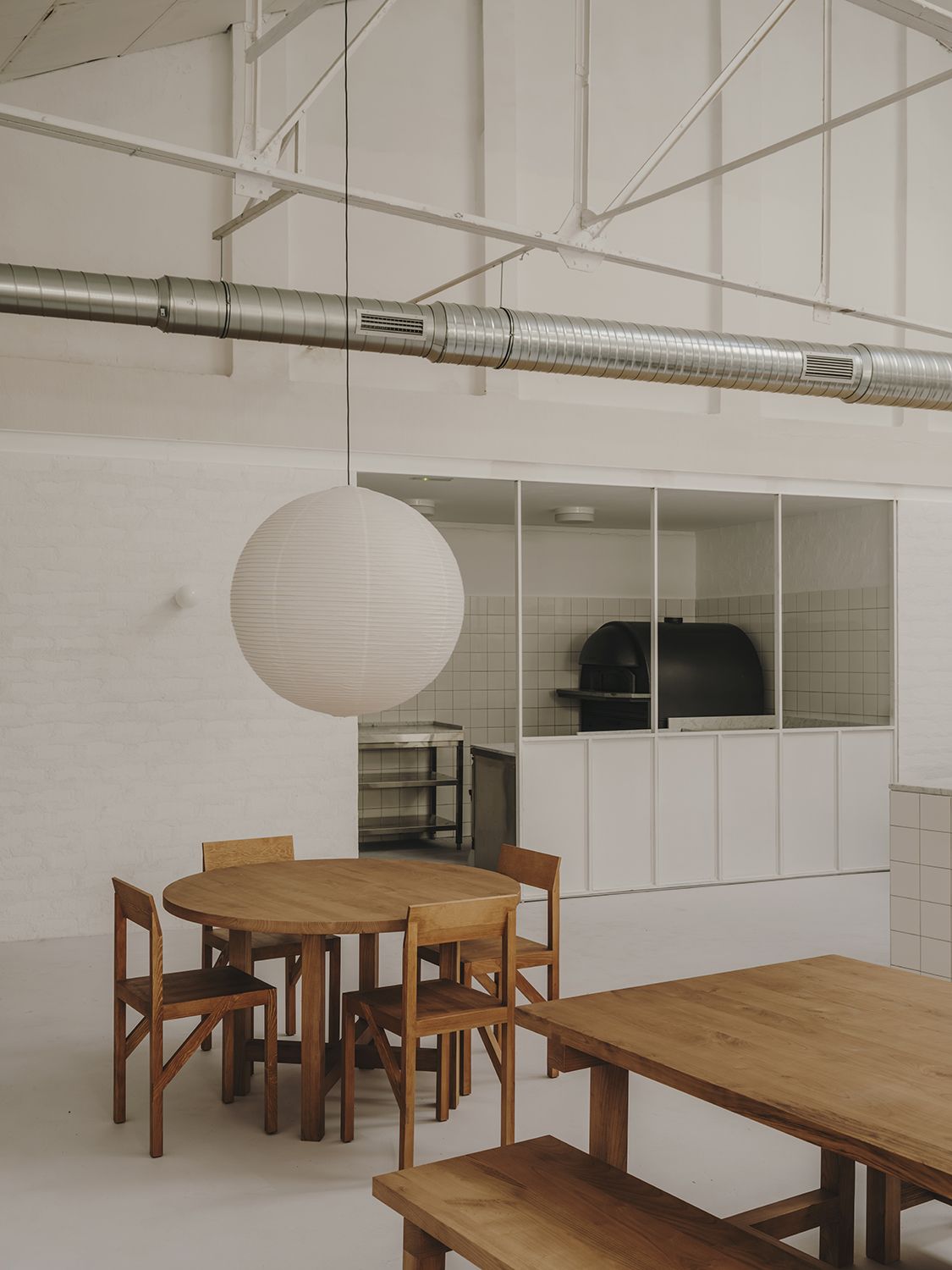
The design seamlessly integrates the bakery and café: customers can watch the artisanal bread and pastry-making process while enjoying breakfast or brunch. A space that exudes authenticity, where craftsmanship and everyday life blend into a complete sensory experience.
Breakfasts and brunches with soul
The menu at Alma Nomad Fábrica stays true to its creators’ philosophy, offering a selection focused on high-quality ingredients and artisanal processes. Bread takes centre stage, serving as the foundation for a range of toasts and sandwiches designed for every moment of the day.
Among the savoury options, highlights include sourdough toast with tomato and sardines, cheese, egg, or avocado, as well as sandwiches made with their homemade brioche. There are also alternatives such as focaccias and other freshly baked specialities.
For those with a sweet tooth, their pastries maintain Alma Nomad’s signature touch, featuring delights like the spelt galette with cherry and almond, cinnamon rolls, and their famous filled croissants—a fusion of French tradition and Hungarian patisserie.
To accompany the food, the menu includes speciality coffee, teas, matcha, kombucha, and freshly squeezed juices, carefully selected to enhance the flavours of each dish.
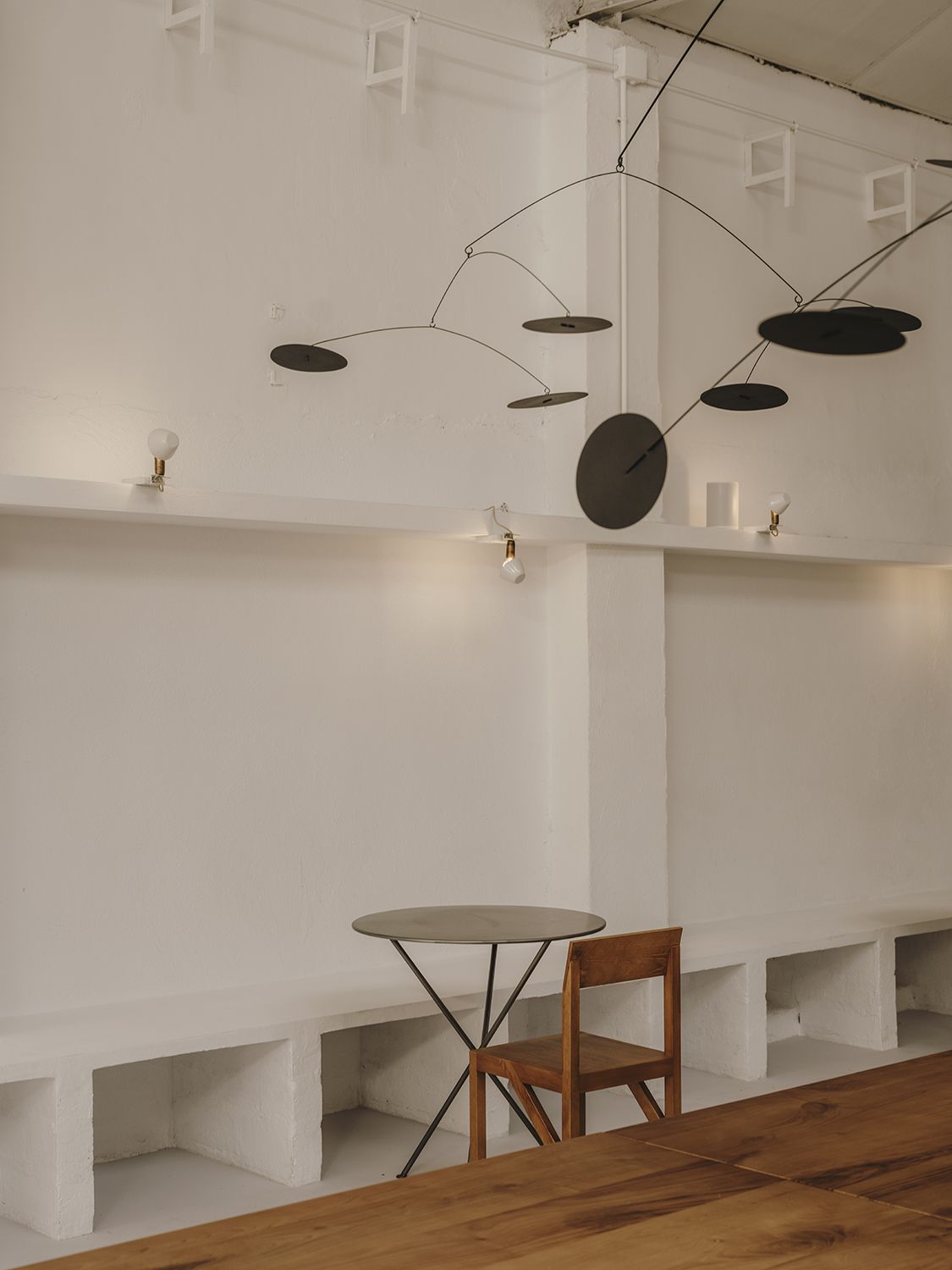
A space designed for the community
Beyond gastronomy, Alma Nomad Fábrica is a project that values social interaction. Designed as a meeting place, its layout encourages sharing a table or finding a quiet corner to work in a welcoming environment.
Open from Tuesday to Saturday, from 9:00 to 15:00, this new space not only expands the artisanal bakery offering in Madrid but also reinforces Joaquín and Timi’s vision: a project with soul, where quality, tradition, and community are the main ingredients.
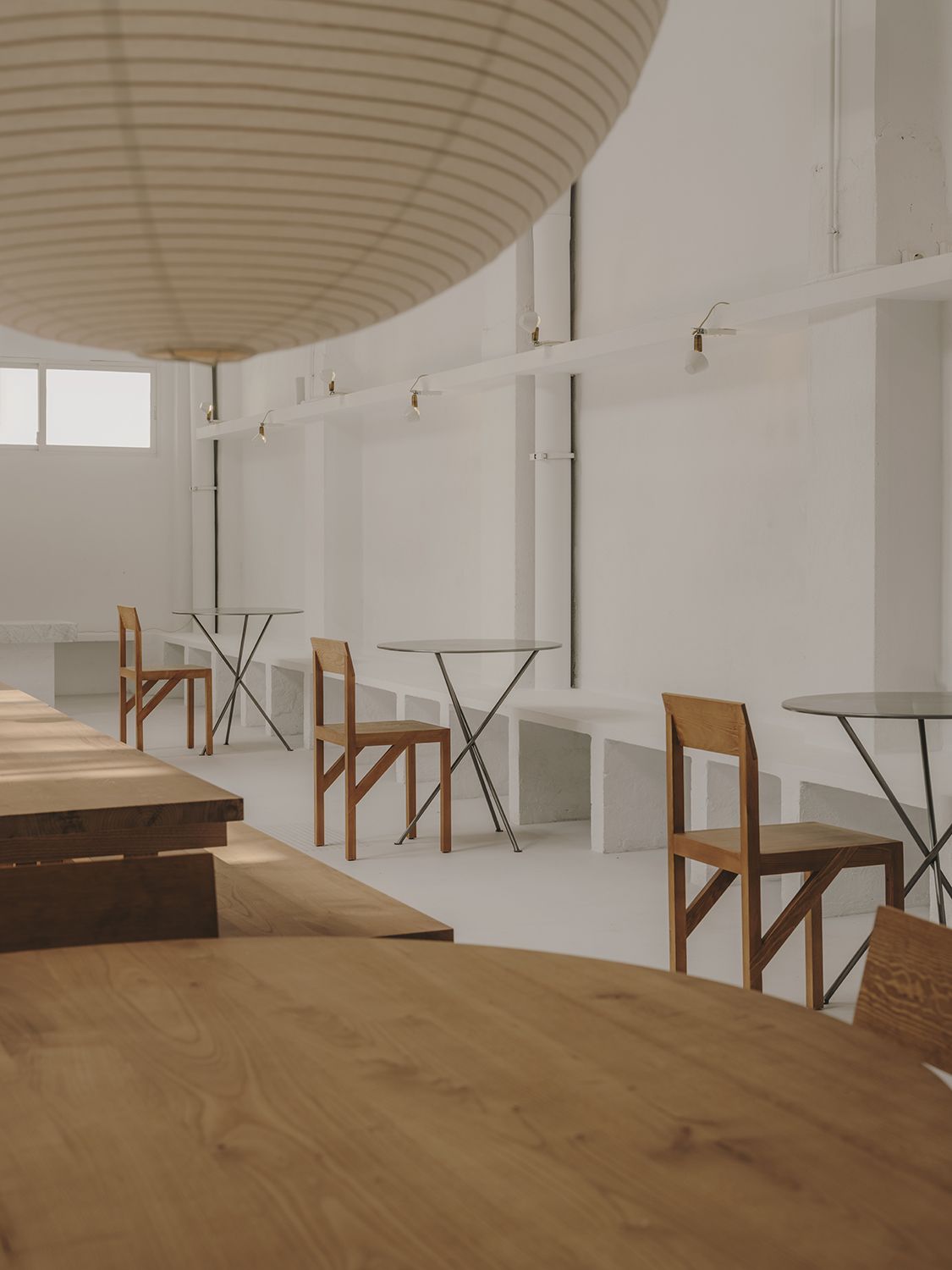
Recently, we spoke with Luis Gil and Carla Morán from Plantea Studio about this project, and here’s what they told us. Take a look!
What were your main influences when transforming the industrial warehouse—formerly a car workshop—into Alma Nomad Fábrica?
Ever since we visited the space, we’ve always loved Lille in Copenhagen. It’s a very similar concept, also located outside the city centre, in a university area. It was created with even fewer resources or “design”… perhaps even better :) But we’ve seen many other bakeries that have inspired us along the way, in addition to our previous experiences.
Architecture always plays a key role in our work, regardless of the type of project we’re designing. It naturally seeps into our designs, almost unconsciously.
How did the neighbourhood influence the design of the space? Was there anything in the area you wanted to respect or enhance?
Our aim was to create something powerful and functional—something strong enough to attract people to the neighbourhood while still feeling like a natural part of it. It was very important to us that the locals could step into a place where they felt welcomed and understood. It should feel “new” to them but not like an alien object that has suddenly landed, out of place in its surroundings. At the same time, we wanted it to be an exciting architectural proposal within today’s design landscape.
By the way, how have people in the neighbourhood reacted since the opening?
We believe they’ve responded very well, although we can’t say for sure. It’s always full, and we see people expressing gratitude that Alma decided to open something like this in a neighbourhood with few new proposals. I suppose Timi and Joaquín would know better, as they receive feedback from customers every day.
The connection between the bakery and the public space is fascinating. How did you ensure everything flowed naturally?
By not dividing it :) The counter and the product shelving—positioned right beneath the skylight—create the boundary between the bakery and the space it offers to the public. It’s important that visitors understand they are stepping into a working bakery as “guests”, rather than entering a conventional café or patisserie.
The skylight is one of the project’s highlights. What would you say about it?
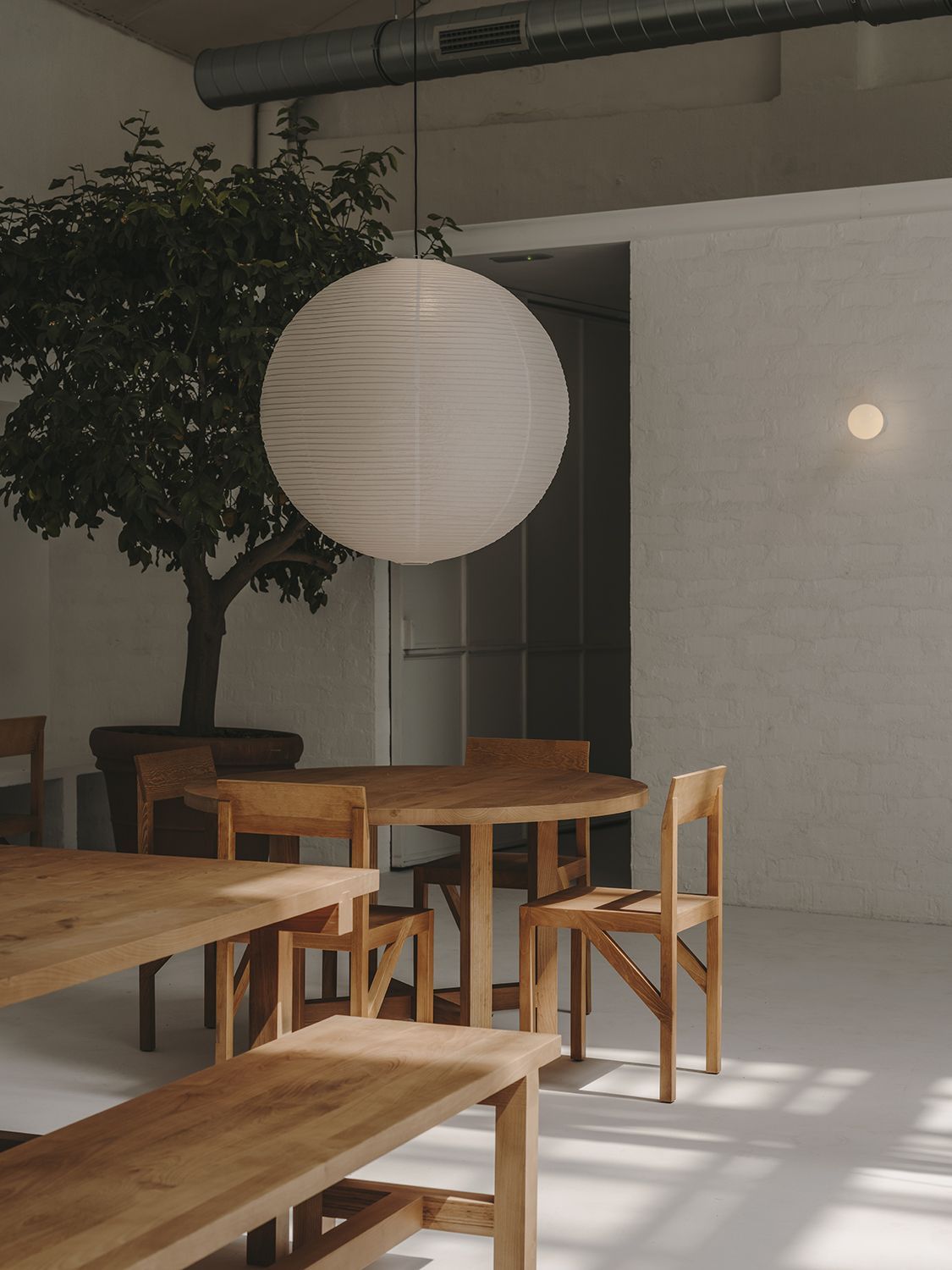
It’s the defining feature. It creates an almost outdoor-like feel, as if you were in a covered courtyard dominated by natural light. The space changes significantly throughout the day and across the seasons, giving it a truly special atmosphere.
“The skylight creates the feeling of a covered courtyard where natural light takes centre stage.”
You’ve opted for a simple and sustainable construction. What materials and solutions did you use to achieve this without losing warmth or design?
The ones you see… very few. A rough brick to build walls with abundant mortar, giving it an exterior, almost street-like character. Simple white tiles for the areas that need to be kept clean. Iron profiles for the joinery, stainless steel for the work furniture, and pine and chestnut wood for the general furnishings. In this case, sustainability has meant doing less—with fewer resources and fewer people.
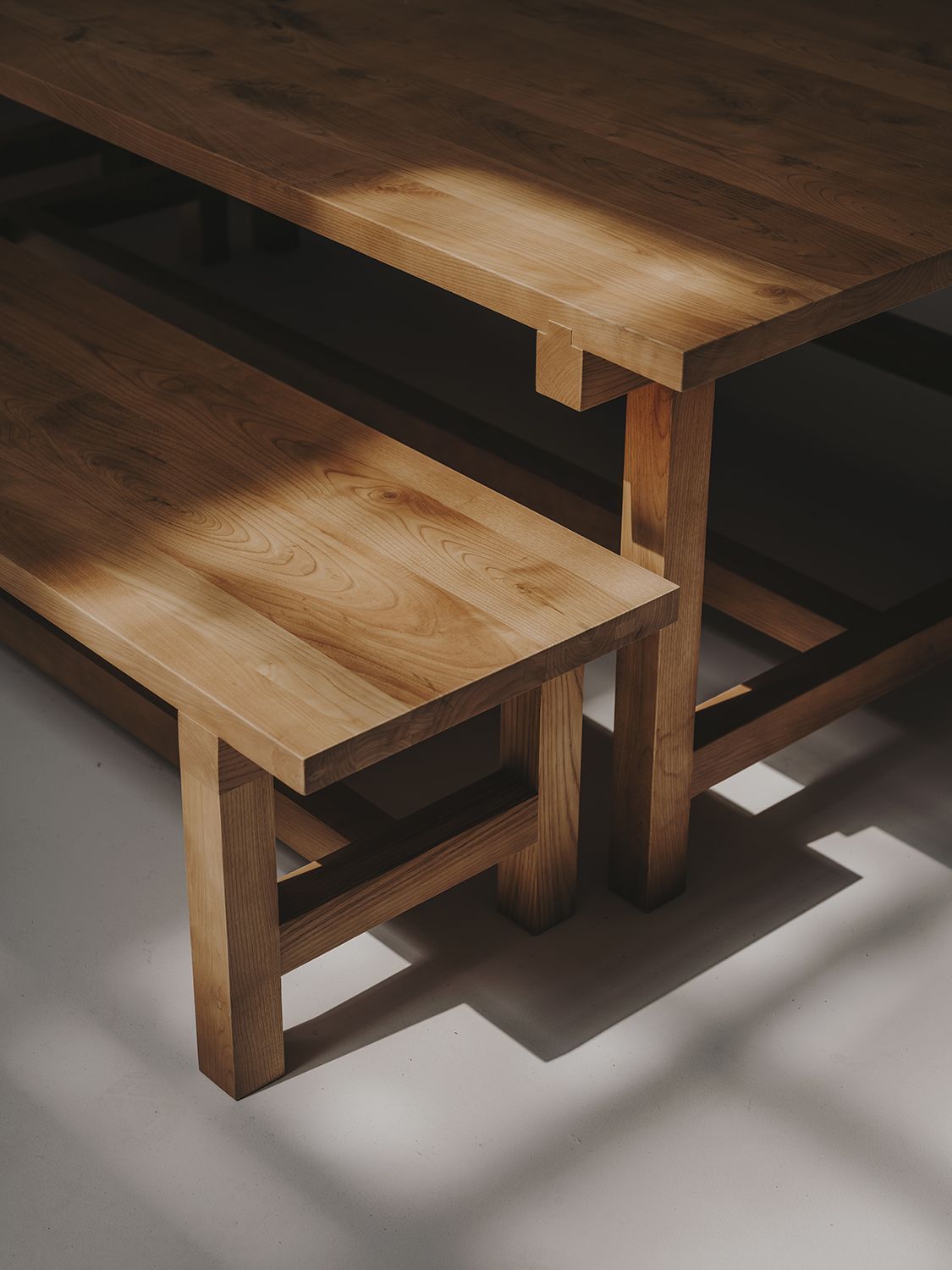
“In this case, sustainability has meant doing less—with fewer resources and fewer people.”
Some of the brands present in the space include Frama, Dadra, Hay, and Solito Mobiles. However, as is common in your projects, there are also pieces designed by you. What criteria did you follow to select these elements and achieve such harmony? Have you considered commercialising your own furniture pieces?
The criteria for “composing” a space are difficult to explain for those who create it. Maintaining a certain artisanal character, embracing the idea of a Central European garten, using fixed tables to keep the space organised and encourage community over individuality, leaving the composition unfinished so the owners can complete it with their personal objects… there are many aspects. It’s not easy to define ourselves. The brands matter little; what’s important is how everything comes together as a whole.
At one point in our journey, we did consider commercialising the furniture we design for our projects, but the production, sales, and after-sales process of furniture is a completely different world from architecture. We need all our time to do our projects reasonably well.
Looking back, what has been the biggest challenge in developing this project?
The challenge is always to create a place, not just a space. A place is achieved when the architectural space is well measured, ordered, built, and lit, but also when it truly embraces the people who inhabit it—their activities, their objects. A good place adapts and changes, has its better and worse moments, connects with its surroundings without imposing itself… and yet, it remains beautiful and, most importantly, makes us feel comfortable, allowing our senses to “resonate” within it.
“The challenge is always to create a place, not just a space.”
Beyond the bakery and café, the space is also designed for events and exhibitions. What can you tell us about that?
It’s not the main objective, but in exceptional cases, it’s clear that it could host a private event or an occasional exhibition. Although it will always have to coexist with the daily work of the bakery, the possibility is there.
Although you have worked on several revitalisation projects in Madrid, what makes Alma Nomad Fábrica special?
We try to make every project special in some way, regardless of its size or public impact. Sometimes it’s in the details; other times, it’s in the concept itself. In this case, I believe the real success lies in the character of the space. It clearly represents a traditional bakery while also feeling like a courtyard, a covered garden, or a greenhouse—somewhere to gather and enjoy something made with care and authenticity.
There is no “decoration” as such, just attention to detail and personal elements. I think people sense that they are in a place created by real people for real people, rather than by “companies” for “customers”.
“I think people sense that they are in a place created by real people for real people.”
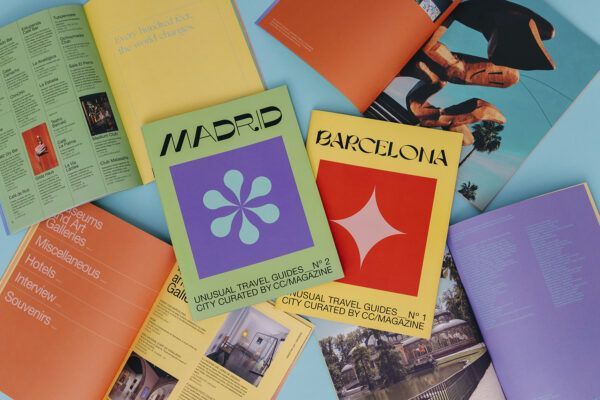
> Discover more of Madrid’s hidden gems with The Unusual Travel Guide Madrid, the essential guide to experiencing the city like never before. Enjoy over 400 curated recommendations including restaurants, bars, cafés, bakeries, shops, nightclubs, museums, art galleries, hotels, souvenirs and charming spots – featuring a special selection by artist and designer Jaime Hayon, included in the current edition.
(*) Photos provided by Plantea Studio by Salva López.