Guatemala weaves Madrid: the huipil as map, manifesto and living design
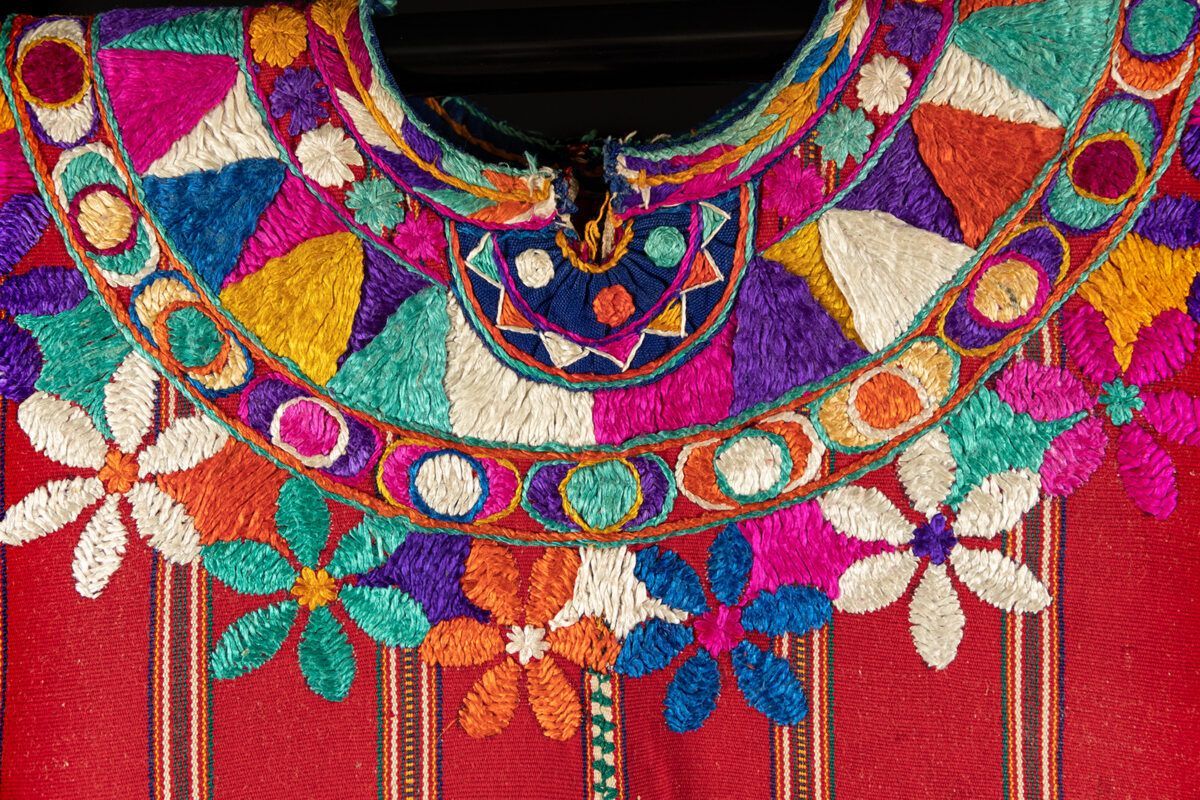
Madrid has something of a cultural port about it: languages, accents, materials and ways of seeing arrive. In 2026, one of those languages enters through the front door of Madrid Design Festival with a forceful idea: textiles are neither ornament nor relic; they are design in its purest state. And the country bringing that assertion to the centre of the debate is Guatemala, guest country of the festival’s ninth edition.
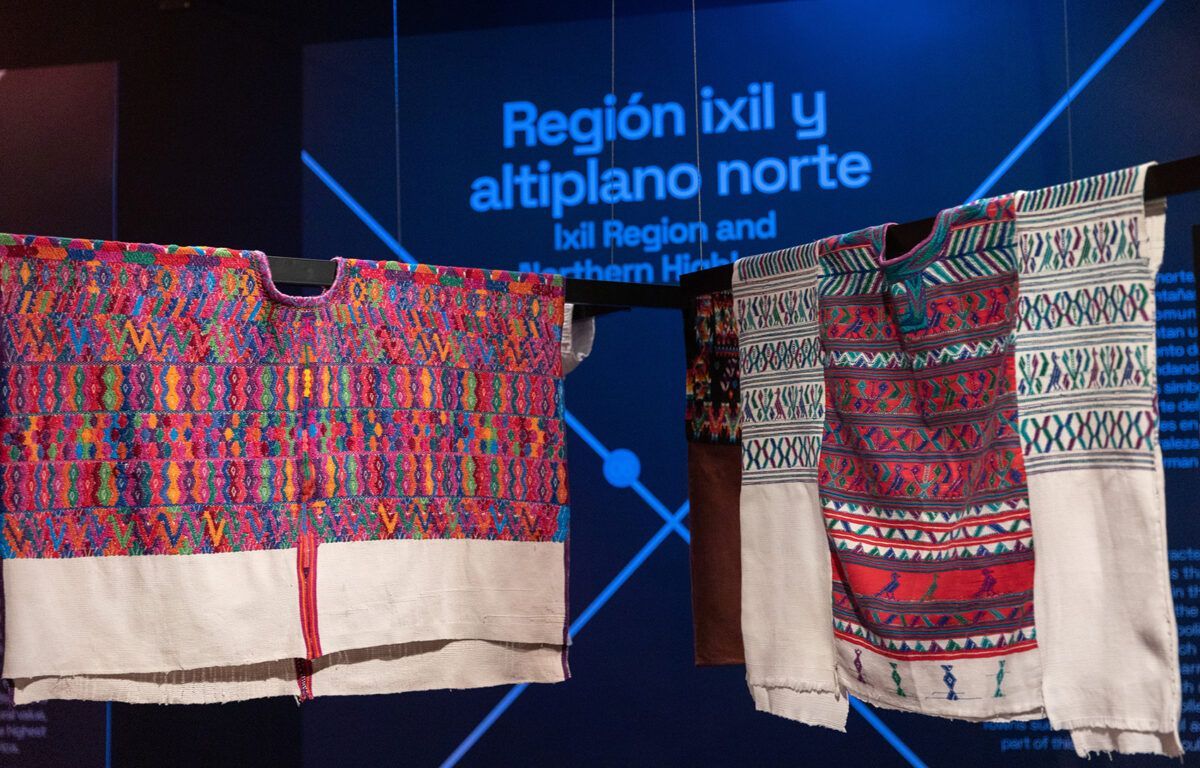
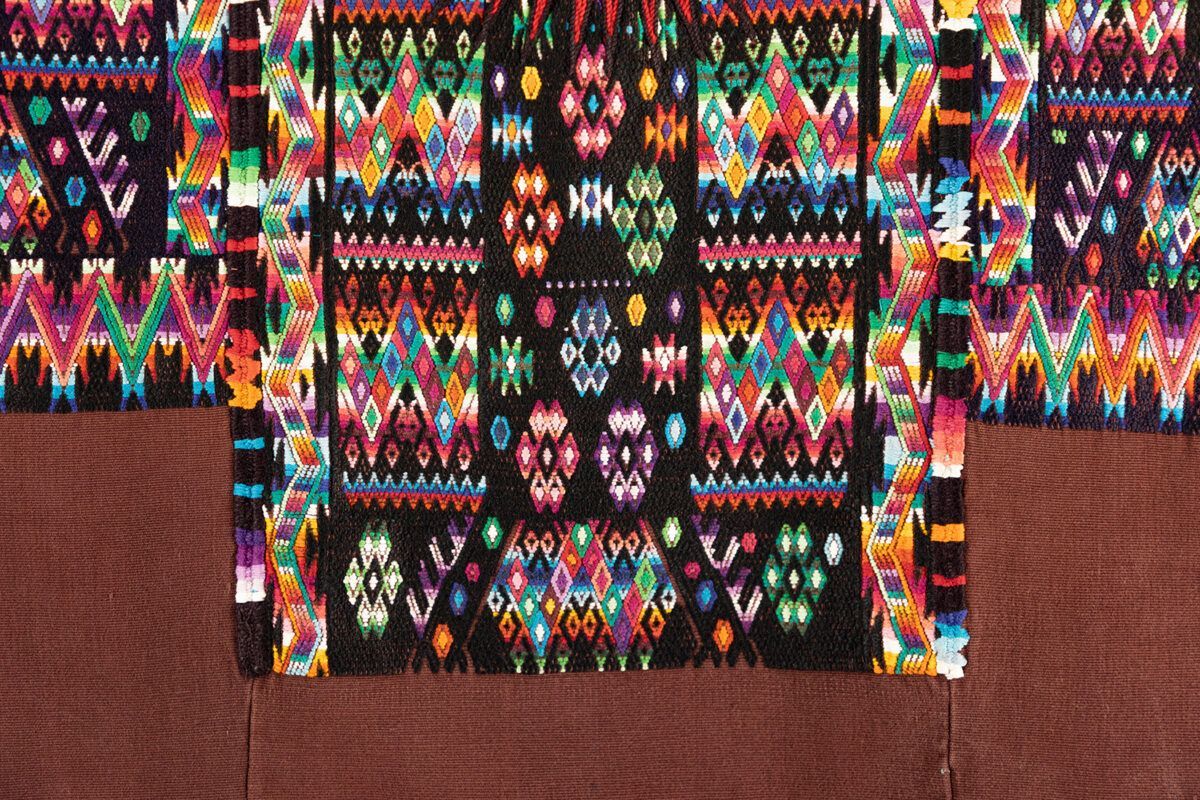
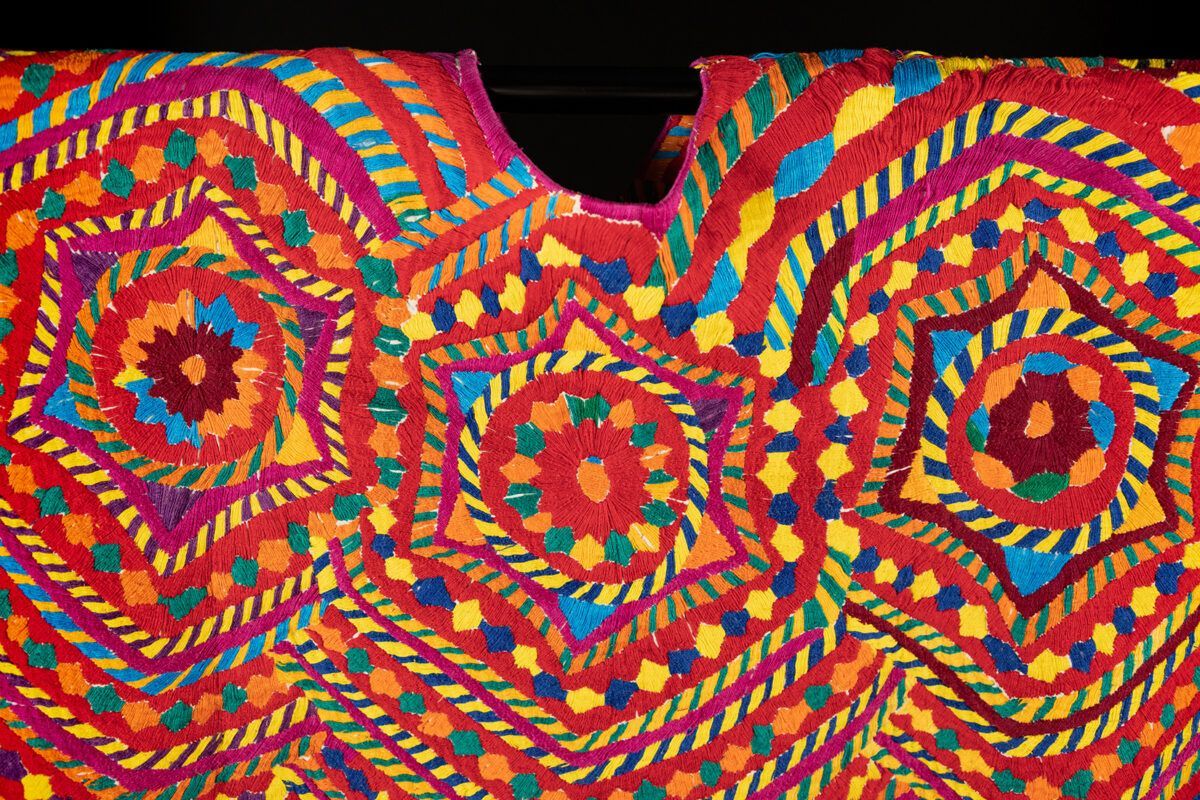
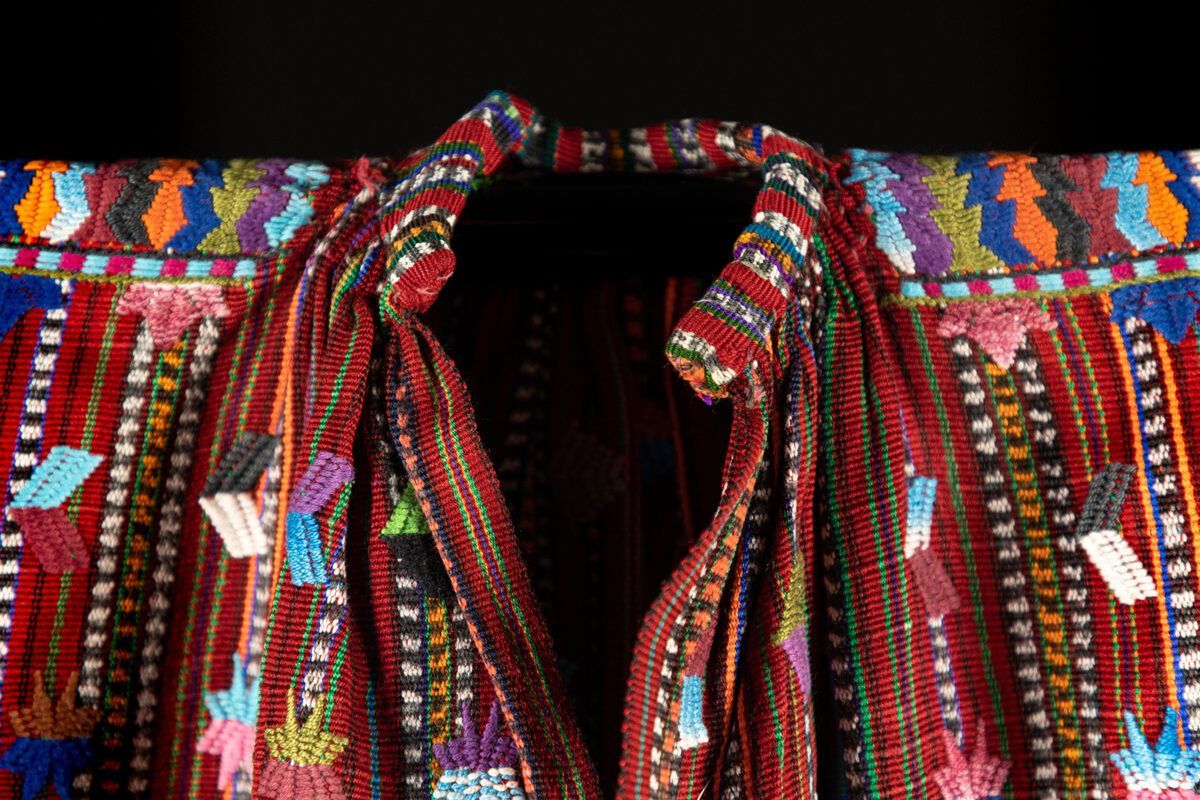
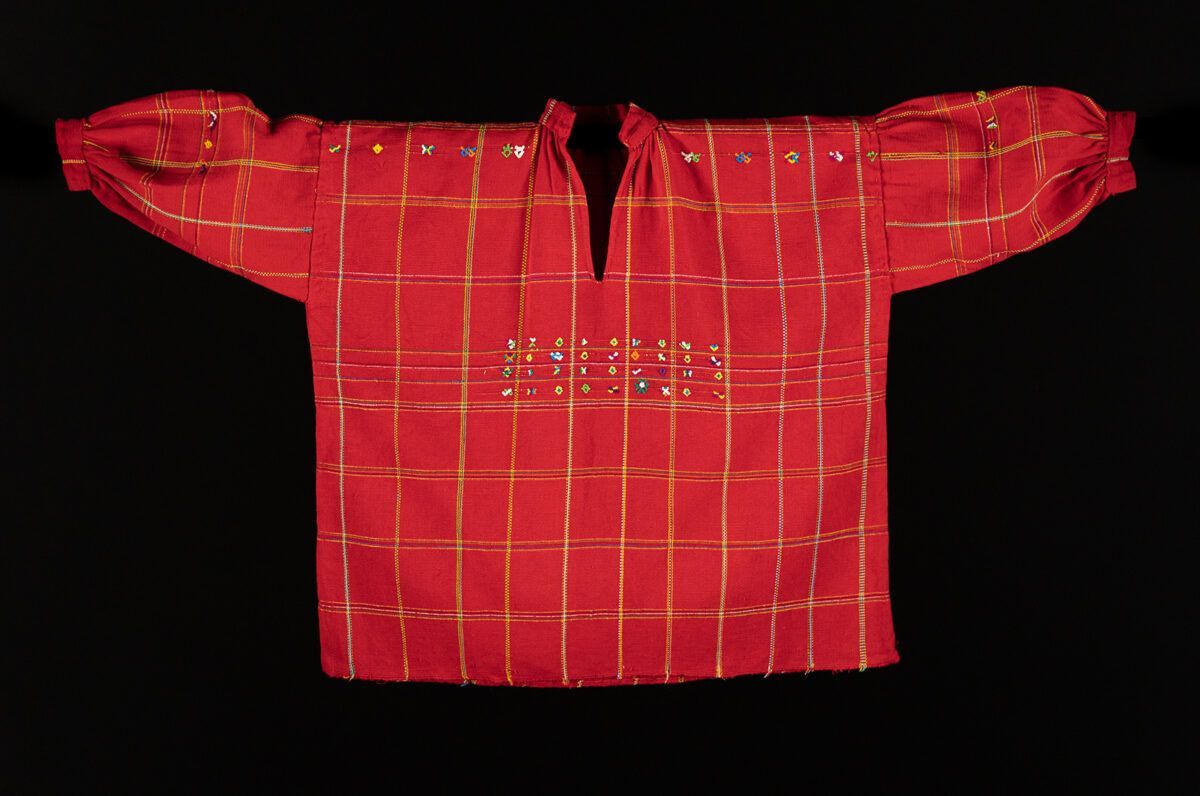
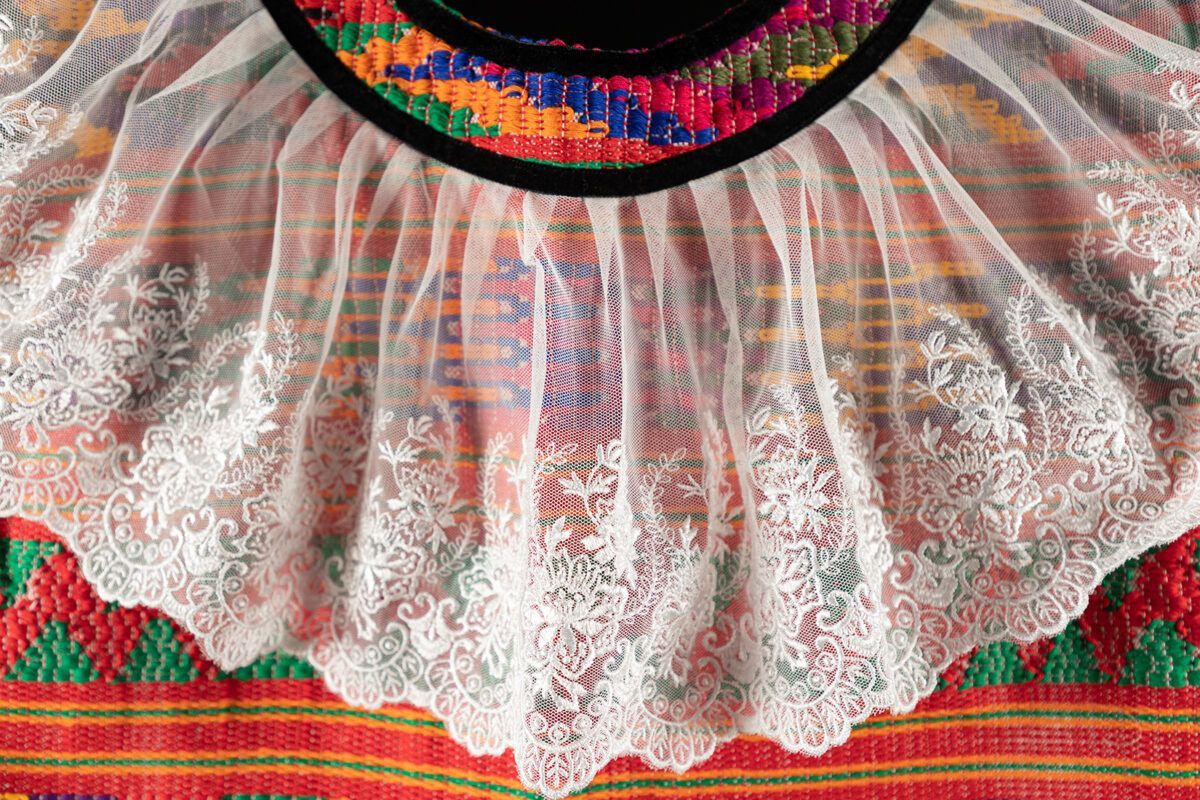
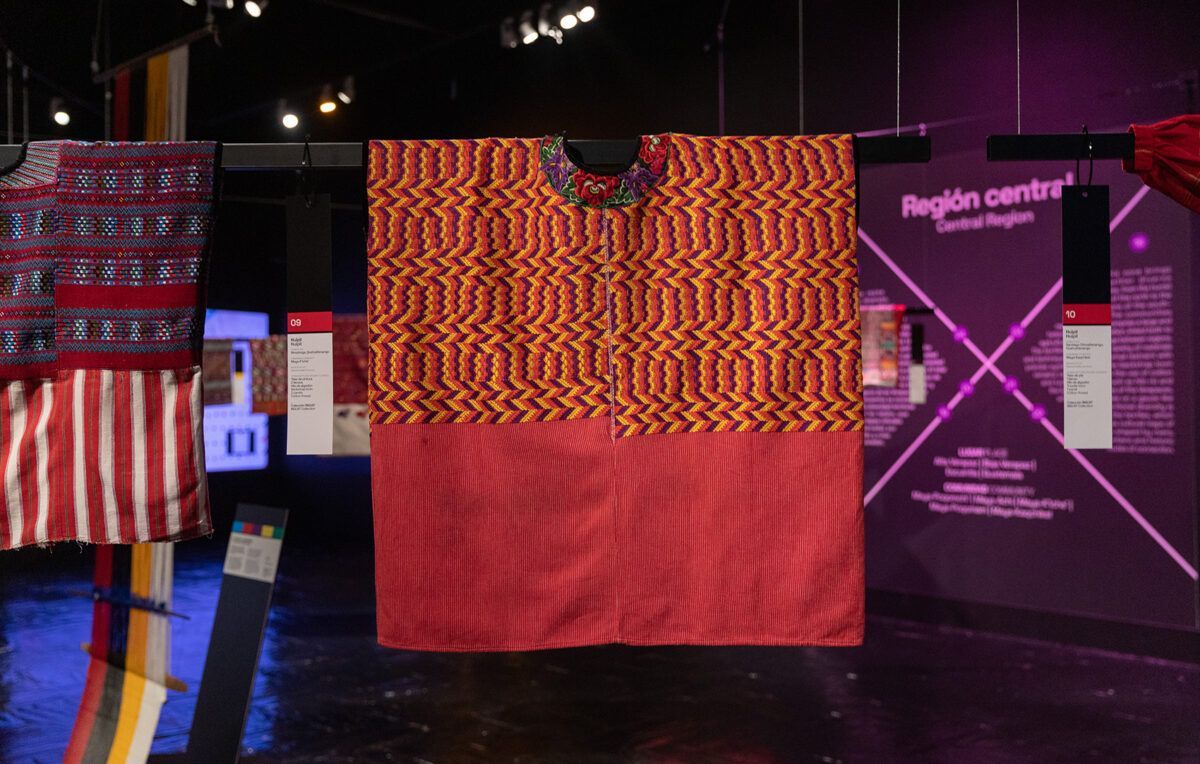
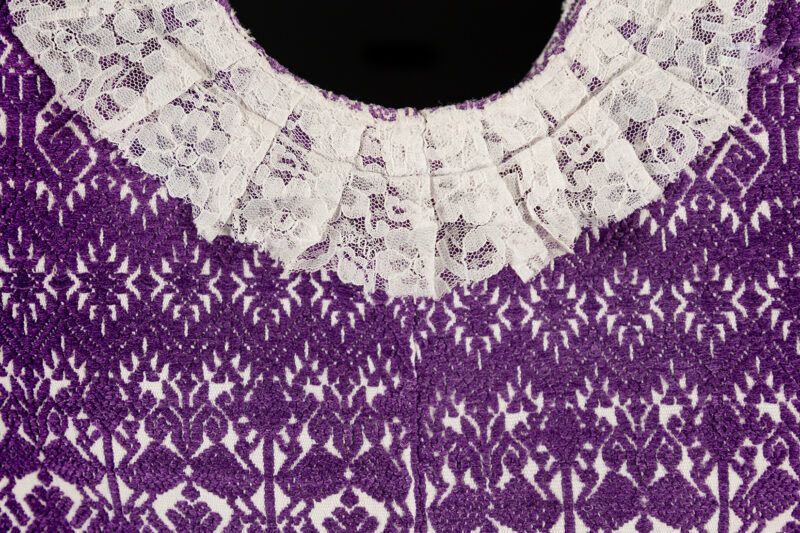

The exhibition that articulates this presence is titled “Textile Art in Guatemala: Design and Identity” and is presented at Fernán Gómez. Centro Cultural de la Villa, from 5 February to 3 May 2026, in an immersive format that transforms the gallery into a landscape of suspended textiles, sound and projections.
What Guatemala proposes in Madrid is not a folkloric postcard. It is a contemporary reading — precise, sensorial and political — of one of the most sophisticated visual systems in the Americas: the universe of the huipil, the garment that, in many Mayan communities, is both worn and read.
“What Guatemala proposes in Madrid is not a folkloric postcard. It is a contemporary reading of the huipil.”
The exhibition: a landscape of suspended textiles
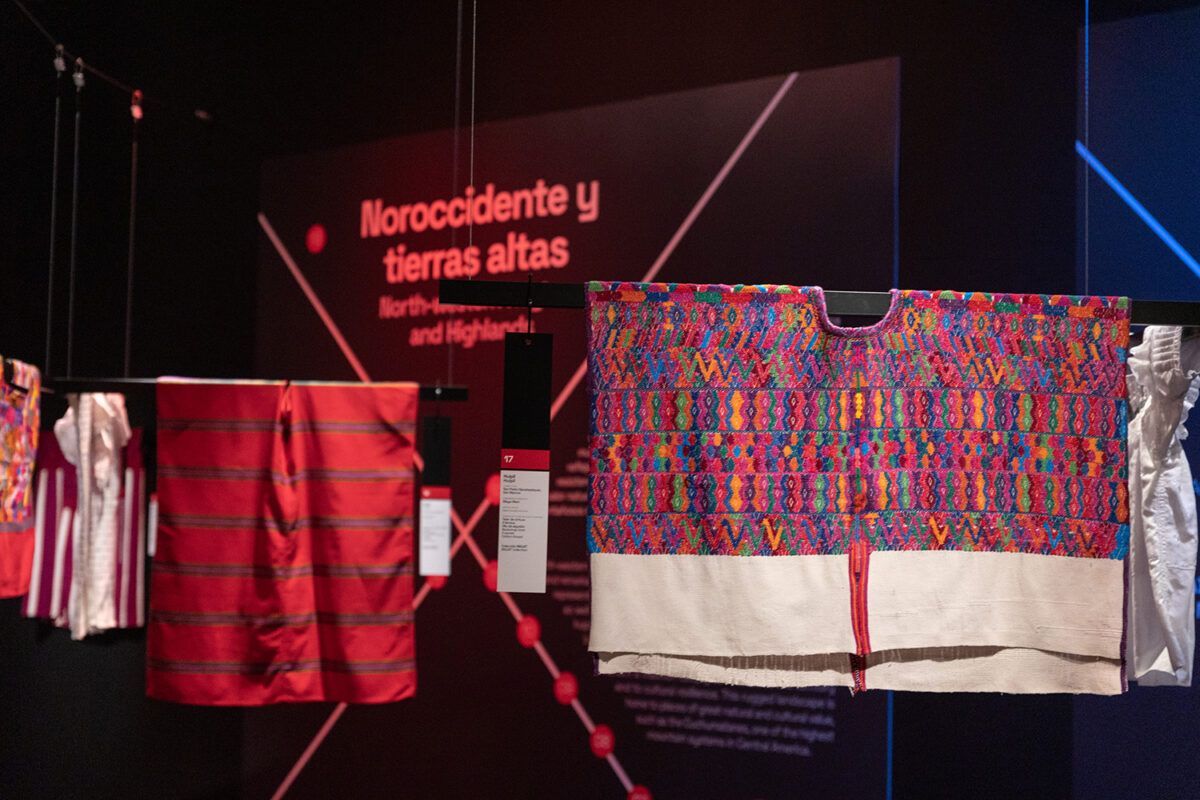
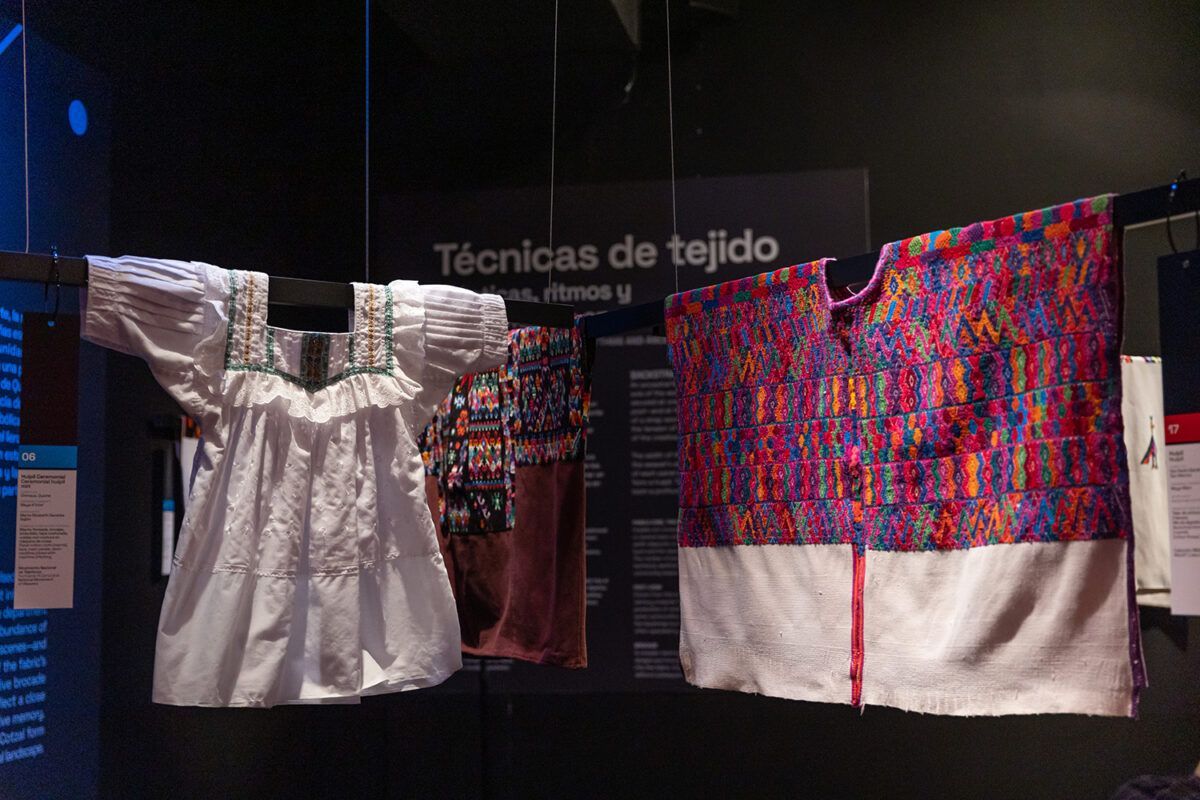
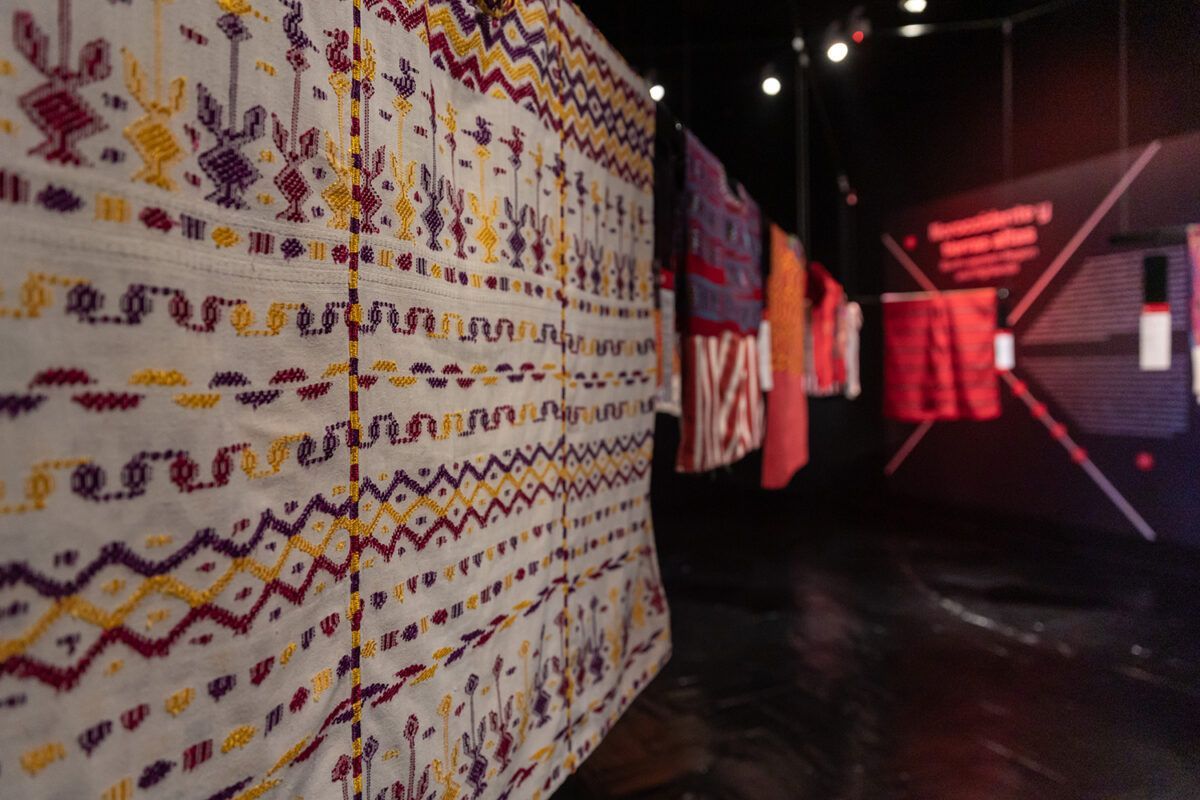
The first impact is not intellectual; it is physical. The exhibition is conceived to immerse you: huipiles hang as if the air itself were a loom; routes cut across diagonals; the eye leaps from deep red to volcanic purple, from dense brocade to an almost gaseous surface. This sense of “being inside” forms part of the argument: Guatemalan textile craftsmanship is not understood as an isolated object, but as a system involving territory, rhythm, technique, community and memory.
The exhibition is conceived by Idonika, with exhibition design by Amarillo Studio and curated by Emiliano Valdés for INGUAT (Guatemalan Tourism Institute). It draws on a selection of pieces from INGUAT’s own collection, alongside collaborations with artists and weavers coordinated through the National Weavers’ Movement, according to the curatorial framework shared by the festival.
The result: 41 huipiles from different communities and periods, accompanied by audiovisual projections, photographs and a sound piece that expands the experience and incorporates voices and languages from across the country.
“Guatemalan textile craftsmanship is understood as a system involving territory, rhythm, technique, community and memory.”
Huipil: the garment where identity (and authorship) is woven
Calling it a “blouse” falls short. The huipil — a traditional female garment of Mesoamerican origin — has for centuries been worn both in daily life and ceremonial contexts, and remains present in numerous communities across Guatemala. Its structure responds to a technical logic (woven panels joined together) and to a cultural one: each huipil encodes belonging, narratives, symbols, status, celebrations and genealogies.
In design we often speak of “visual language”. In Guatemala, the concept becomes literal: the huipil is a language. In its colours, the landscape is suggested; in the repetition of a motif, cyclical time appears; in the composition, inherited balances are fixed alongside personal decisions.
For that reason, bringing huipiles to a design festival in 2026 is not an exotic gesture: it foregrounds an urgent debate about authorship, appropriation and value.
Because Guatemalan textiles do not live in display cases. They live on bodies, in markets, in celebrations, in family workshops, in cooperatives, in networks of knowledge transmission that have historically been female. And today they also exist on a defensive front: many weavers and organisations denounce the industrial copying of traditional motifs and demand legal and cultural recognition for their designs — a global issue that directly concerns brands, museums and consumers.
An exhibition design that thinks like a loom
The exhibition design takes the very logic of weaving as its starting point. The loom is not merely a tool; it is a mental structure.
In the traditional loom, warp (vertical threads) and weft (horizontal threads) generate tensions, diagonals and crossings.
The exhibition adopts this idea and translates it into interior architecture: rotated pathways, superimpositions, suspended layers.
This approach is mentioned in the festival’s project presentation and helps explain why the exhibition functions more as a space than as a mere “series of hung pieces”.
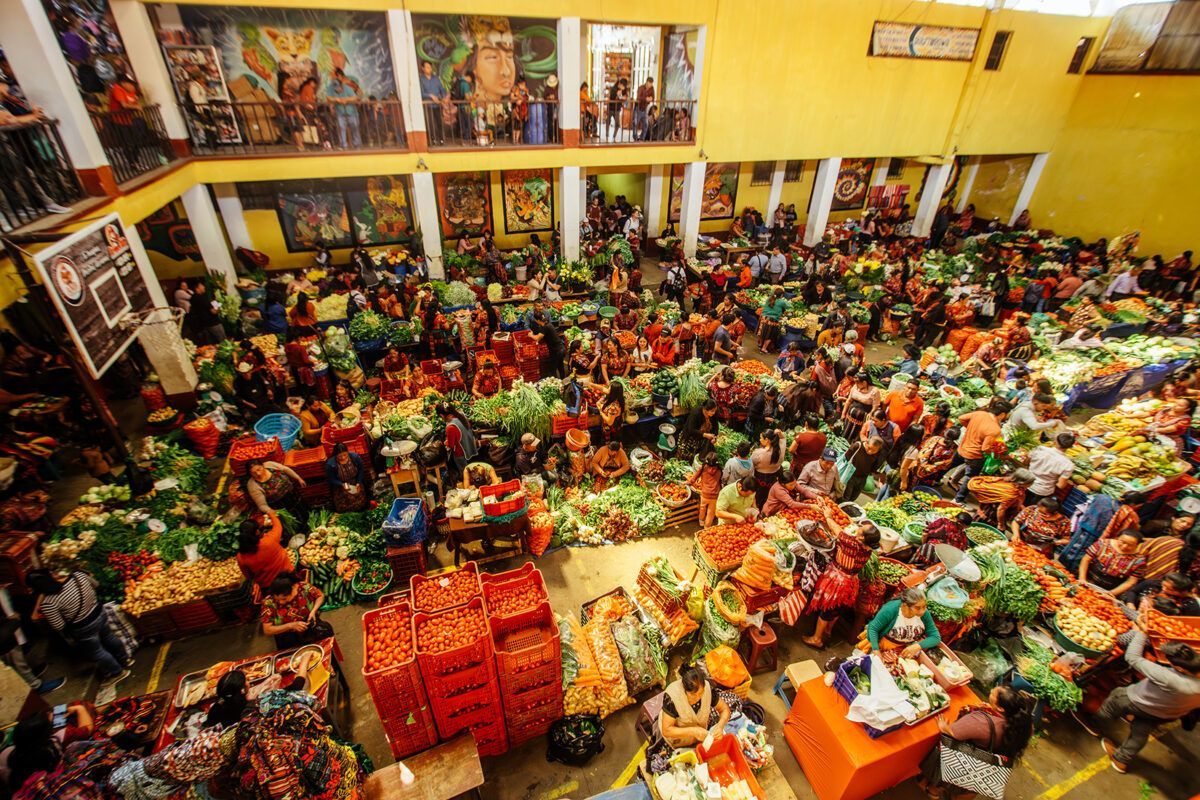
To this structural thinking is added a key inspiration: the market of Chichicastenango, one of Guatemala’s most emblematic markets for its textile richness and chromatic intensity.
In the exhibition, this reference is not used as decoration, but as experience: colour, accumulation, movement, encounter.
Techniques: the body as a tool of precision
If one image were needed to explain the difference between “craft” as a label and craft as knowledge, it would be the backstrap loom.
This ancestral Mesoamerican technique is secured at one end to a fixed point (a post, a tree) and at the other to the weaver’s body by means of a strap. The body regulates tension: each movement modifies the textile; each gesture affects the outcome. It is not a mechanical process; it is a choreography of precision.
That physical limit — the width marked by the span of the arms — explains why many huipiles are composed of several joined panels. It also explains something contemporary design sometimes forgets: constraints do not impoverish; they can generate structural beauty.
The exhibition also allows recognition of other fundamental techniques:
– Brocade, in which designs are integrated directly during weaving, thread by thread.
– Variants of supplementary brocade, such as Juplik, where motifs are constructed with additional threads, creating density and relief.
– Embroidery, applied after weaving, allowing greater figurative freedom.
Read through the lens of design culture, there are lessons here in modularity, repetition, variation, rhythm, scale and systems — not as metaphor, but as technical reality.
24 linguistic communities: when the country is read in plural
Guatemala has around 17 million inhabitants and a territory of just over 108,000 km²; within that space coexist 24 living indigenous linguistic communities, in addition to Spanish.
(In the installation, several languages are heard and read as sonic threads enveloping the space, according to the exhibition’s concept.)
Most of these languages belong to the Mayan world. Others, such as Garífuna or Xinka, add further historical and cultural layers. This fact — which could remain a statistical anecdote — becomes key when viewing the huipiles: linguistic diversity is mirrored in equally complex textile diversity.
In design terms, the country functions as a laboratory of variation: a single “format” (huipil) unfolds into hundreds of resolutions — different palettes, densities, geometries, figurations and communal rules. It is a lesson in identity without uniformity.
Territory: landscape as palette and grammar
Pieces from different regions appear in the exhibition, helping to understand an essential idea: territory is not a backdrop; it is a component of design.
Central Highlands and Lake Atitlán: colour as depth
In areas such as Sololá and Chimaltenango, where Mayan communities coexist within a reduced space, the backstrap loom and dense brocade combine with a palette moving between intense reds, blues and deep purples.
Sacatepéquez: precision and continuity
The central valley shows textiles whose composition rests on the precision of brocade and balances that seem ruler-drawn — yet are handmade, thread by thread.
Verapaces and central region: material diversity
Between the humid northern territories and the warmer south-central regions appear textiles where sobriety and symbolic detail coexist; cotton, lustrous threads, lightweight pieces that verge on the ethereal.
North-west: density, geometry and cultural resistance
Huehuetenango, Quetzaltenango and San Marcos concentrate visual force, complex brocades and defined geometric compositions.
Ixil region: figuration and memory
In Quiché, figurative motifs — animals, plants, symbolic scenes — construct dense narratives. Here the huipil approaches storytelling: it does not “decorate”; it narrates.
“Each huipil encodes belonging, narratives, symbols, status, celebrations and genealogies.”
From heritage to present: why this exhibition matters in 2026
There are beautiful exhibitions and necessary exhibitions. This belongs to the latter category for three reasons:
1) It places textiles at the centre of design.
In 2026, Guatemala proposes something decisive: design does not begin with software; it begins with knowledge.
2) It makes visible a creative ecosystem led by women.
Traditional Guatemalan weaving has been sustained, transmitted and expanded primarily by women weavers, creators and artists.
3) It opens the conversation on responsible cultural tourism.
INGUAT promotes this participation as part of an international strategy to position Guatemala as a destination and as a reference in design, craftsmanship and textile art. The opportunity is enormous: to travel in order to learn and to understand how a country can narrate itself through textiles. The challenge too: to prevent global interest from translating into exploitation, copying or trivialisation.
“Many weavers and organisations denounce the industrial copying of traditional motifs and demand legal and cultural recognition for their designs.”
Guatemala, guest country: a presence that goes beyond one gallery
Being a “guest country” at such a festival is not reduced to a logo. It implies narrative, agenda, collaboration. Guatemala’s presence at Madrid Design Festival 2026 is articulated through exhibitions and activities linked to the festival programme — including proposals within the context of Fiesta Design — expanding the focus towards craft practices, workshops and intersections with contemporary design.
And there is something more: this project was not conceived to remain static. Participation in Madrid forms part of an initiative that has toured international design events and continues its journey.
Remember that you can visit the exhibition “Textile Art in Guatemala: Design and Identity” until 3 May at Fernán Gómez. Centro Cultural de la Villa (Madrid).
(*) Photos provided by Idonika.