Yayoi Kusama’s Universe Blooms in Melbourne
Yayoi Kusama, renowned for her dazzling universe of infinite dots and immersive installations, has once again captivated audiences with a large-scale retrospective in Australia. Organized by the National Gallery of Victoria (NGV) in Melbourne, the exhibition celebrates the illustrious career of the iconic contemporary artist, spanning eight decades of artistic practice and featuring the global debut of her latest work.
Address: NGV International 180 St Kilda Road, Melbourne (Australia)
Hours: Until April 21, 2025
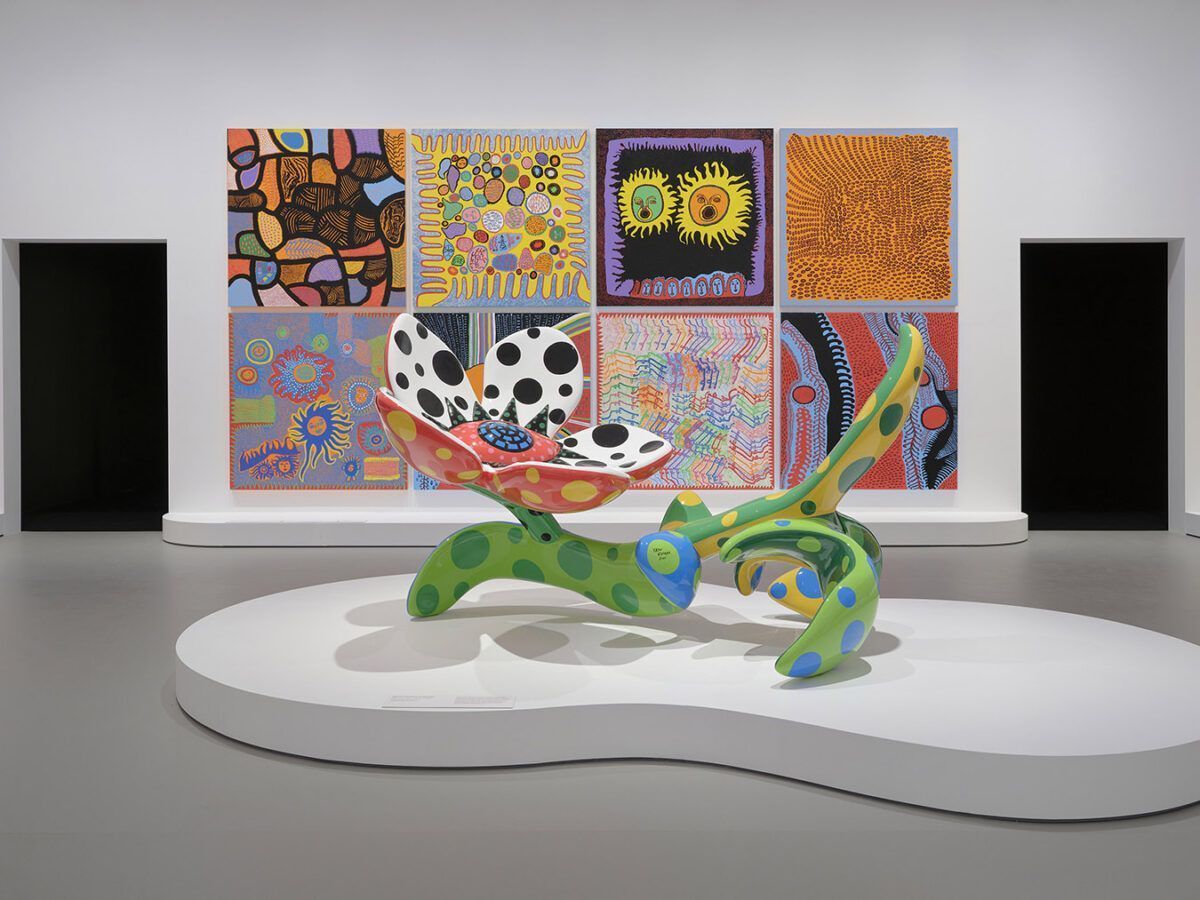
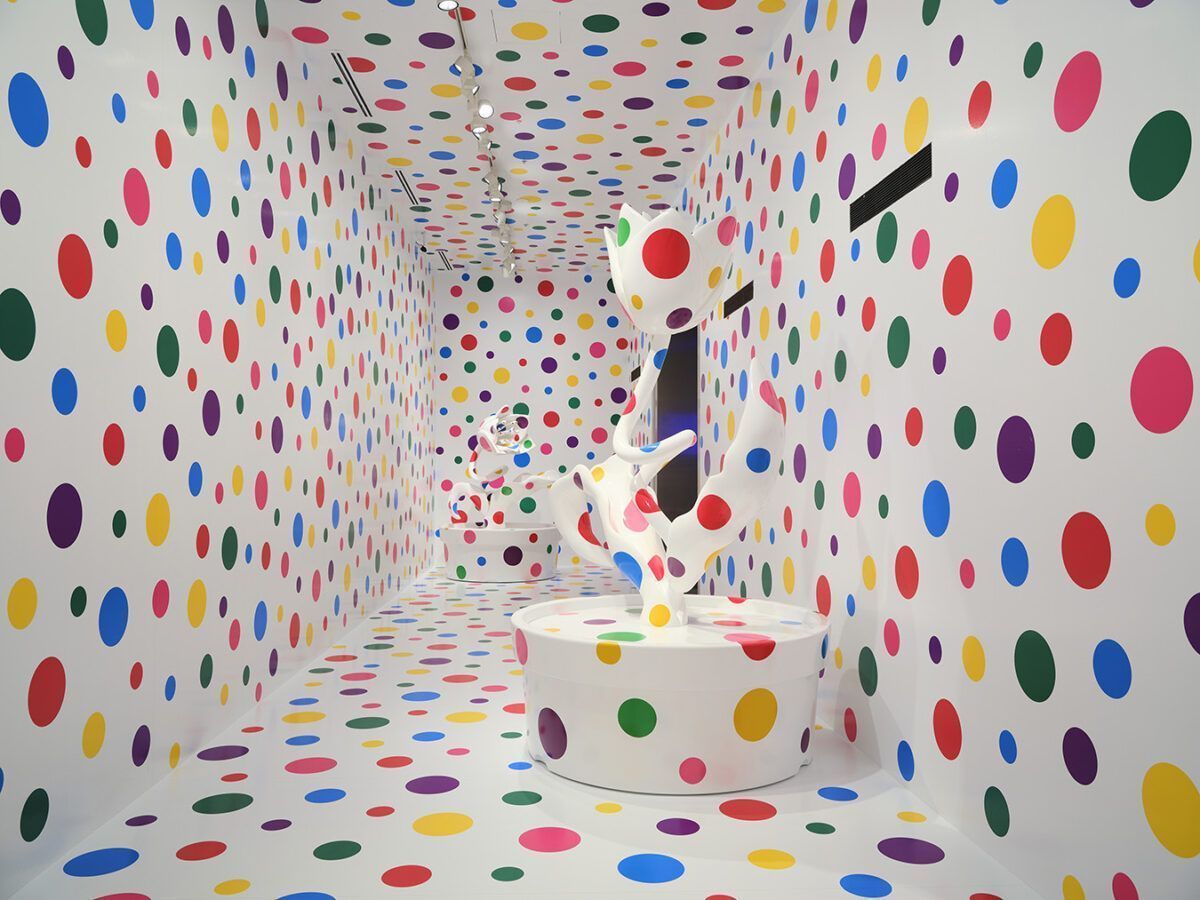
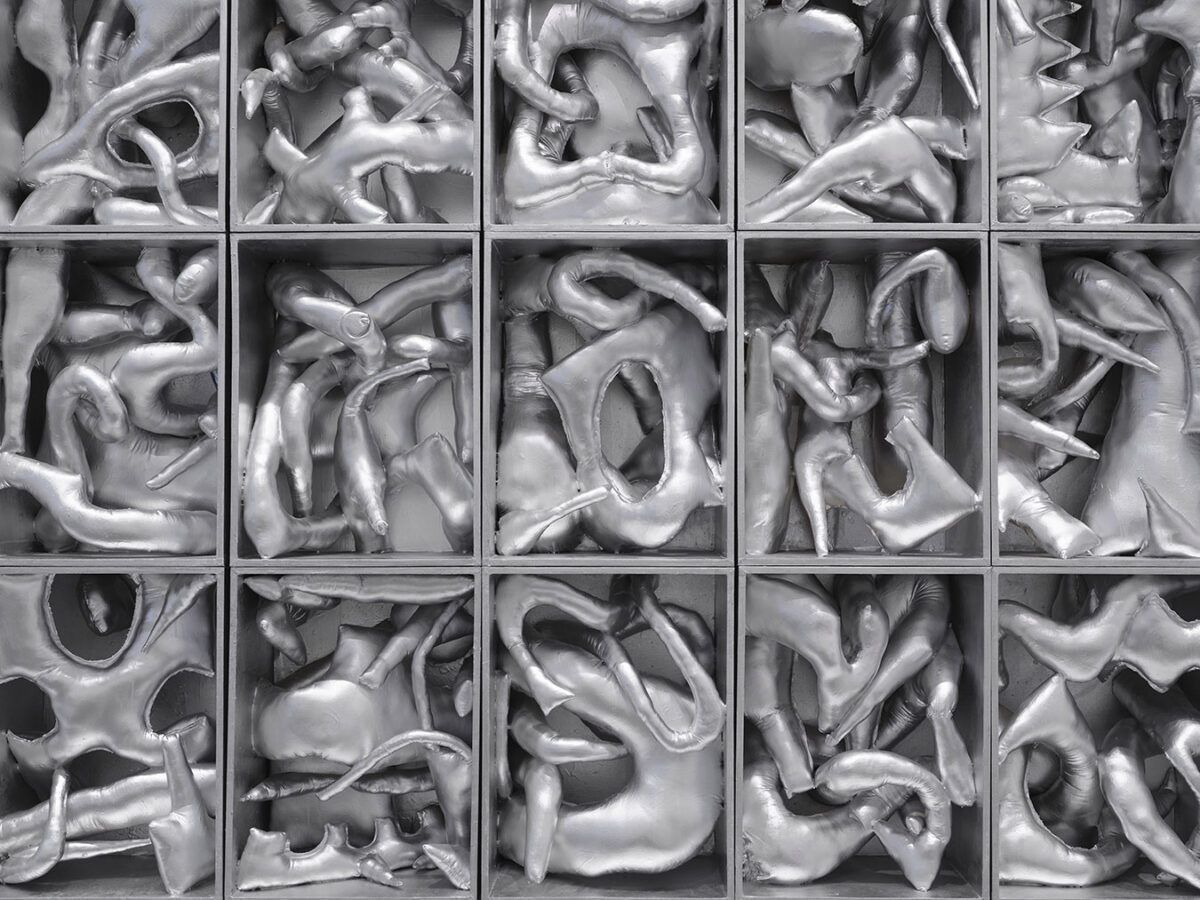
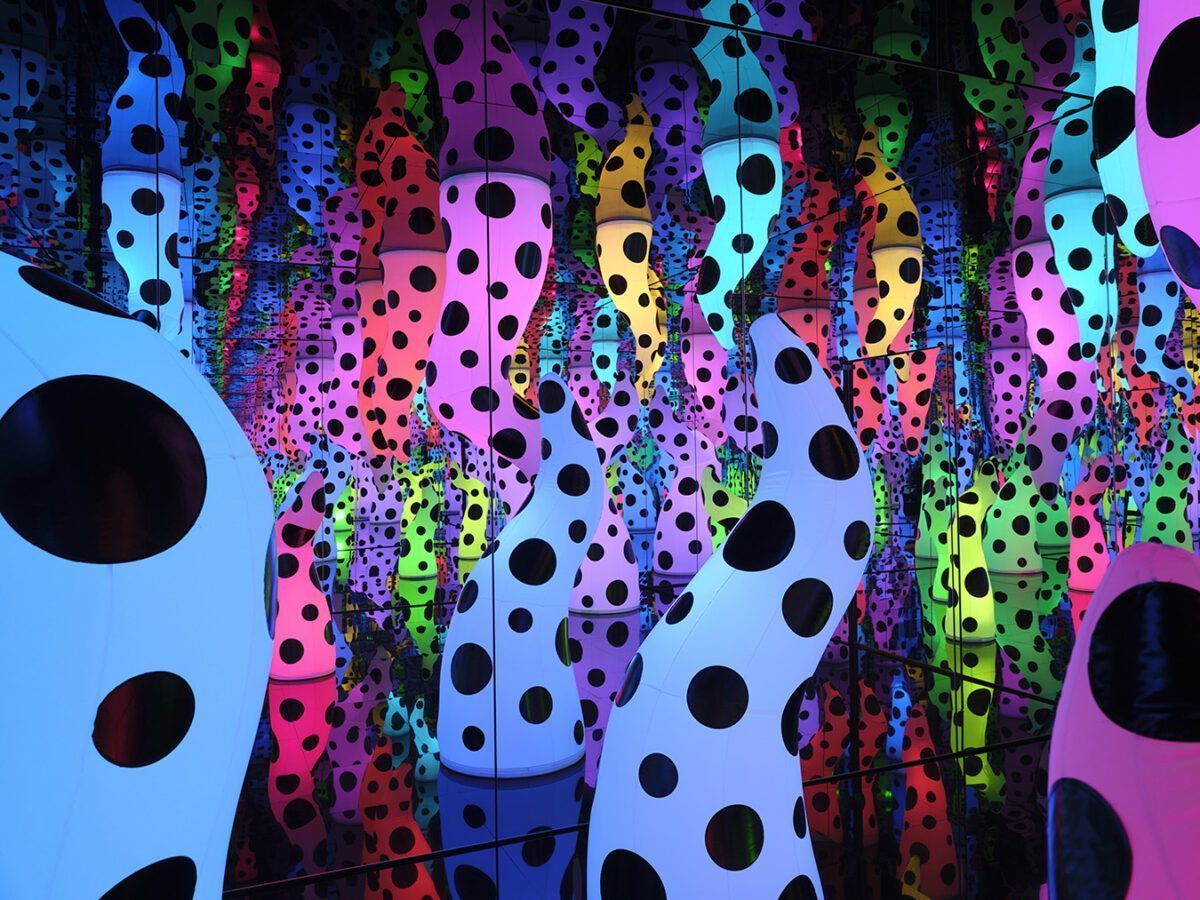
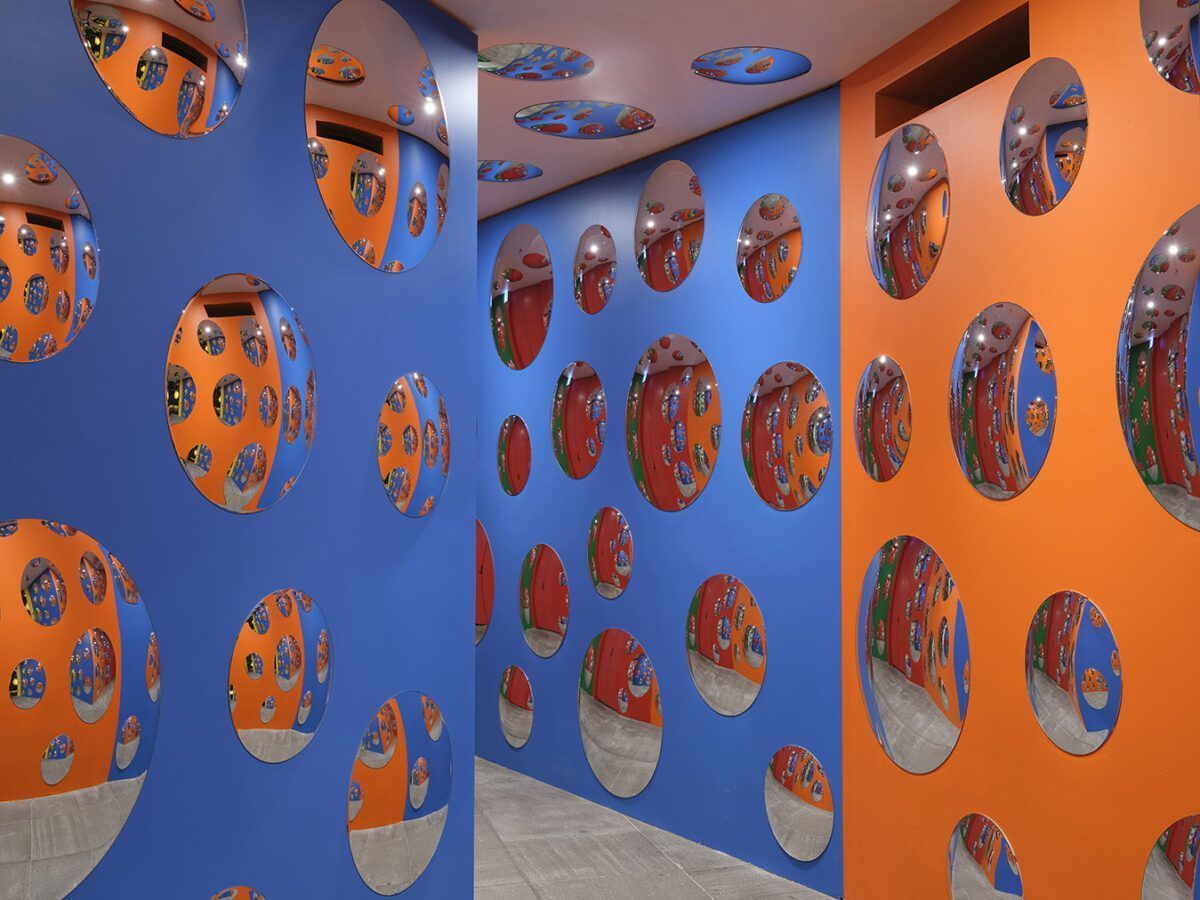
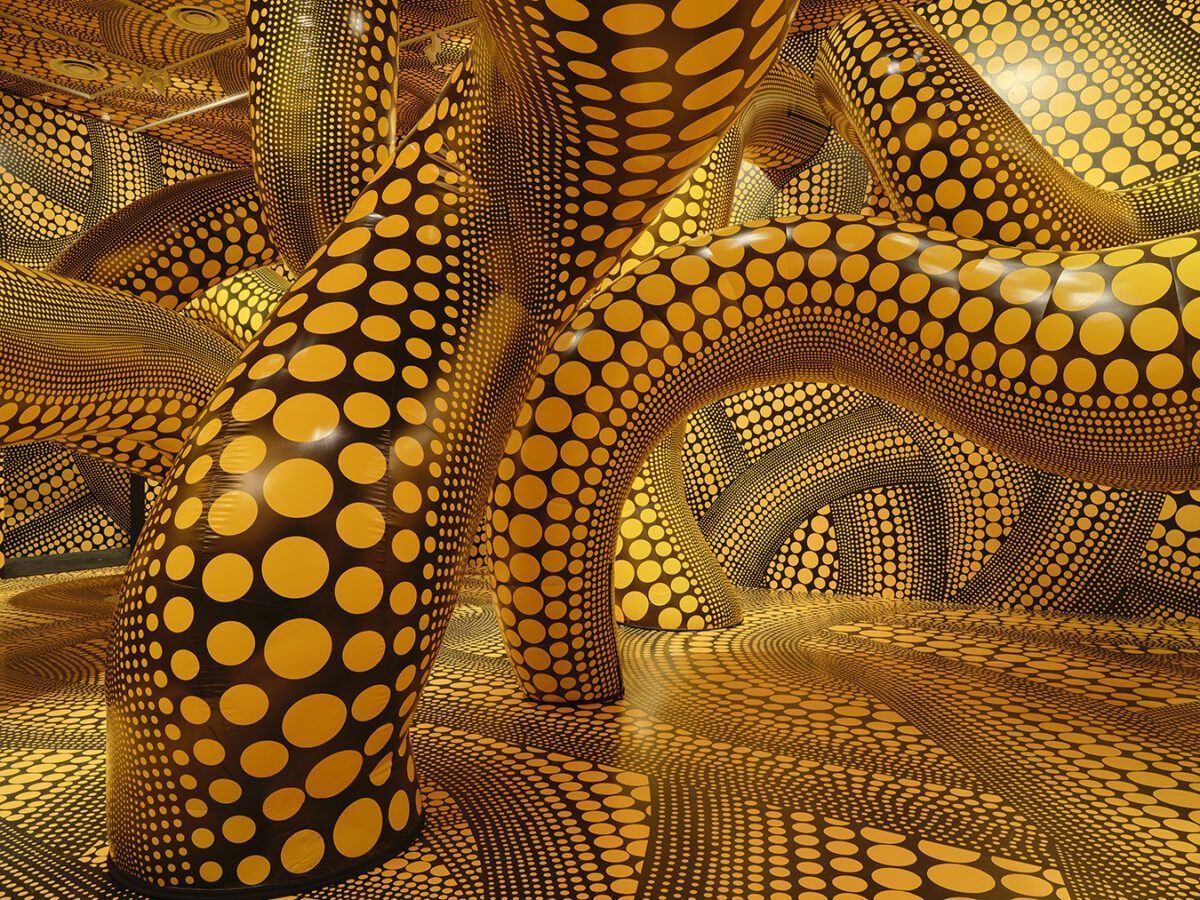
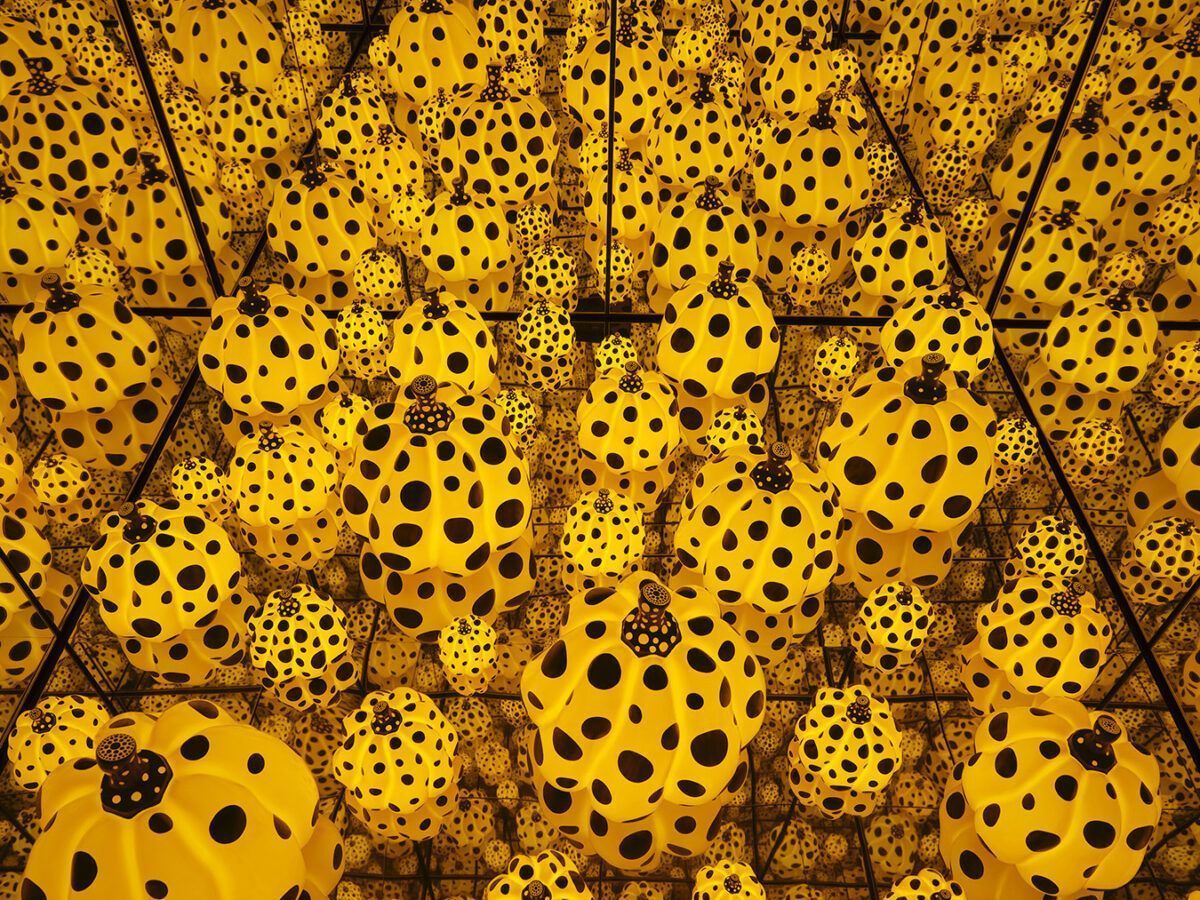
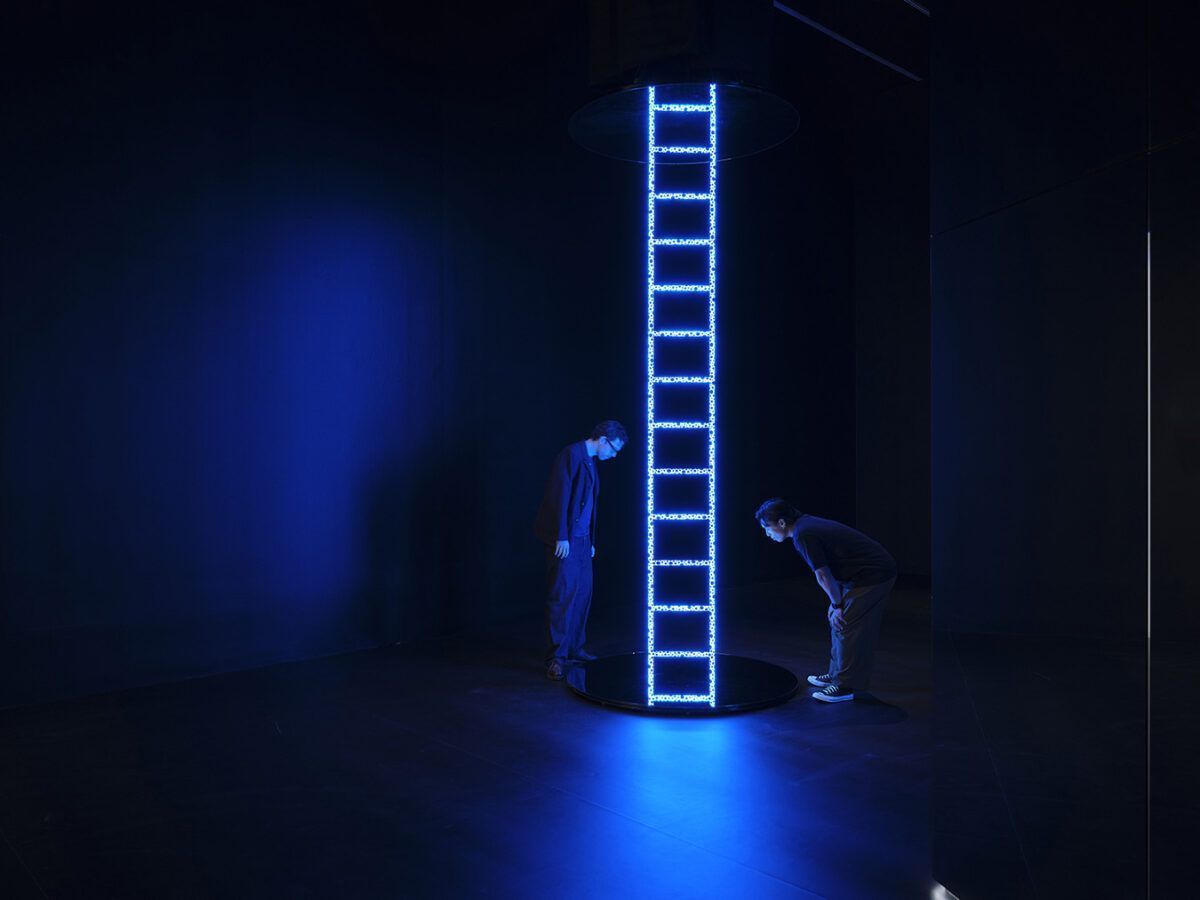
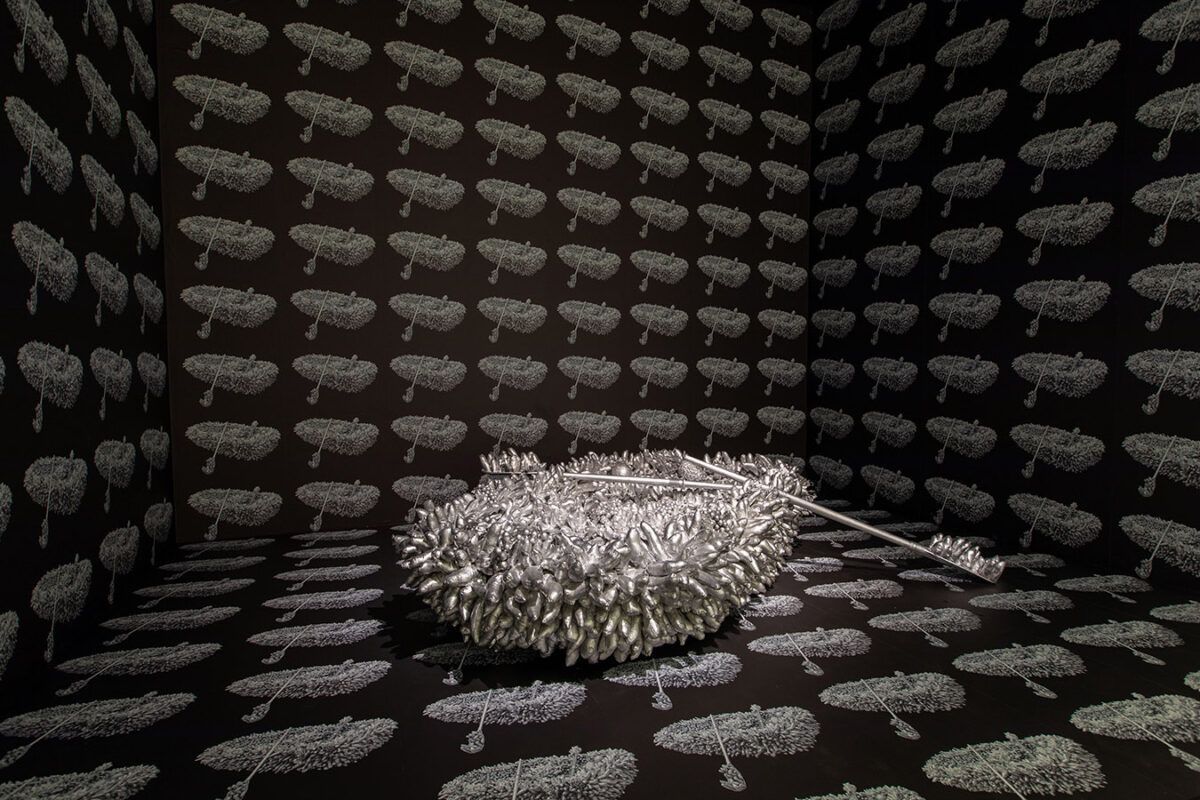
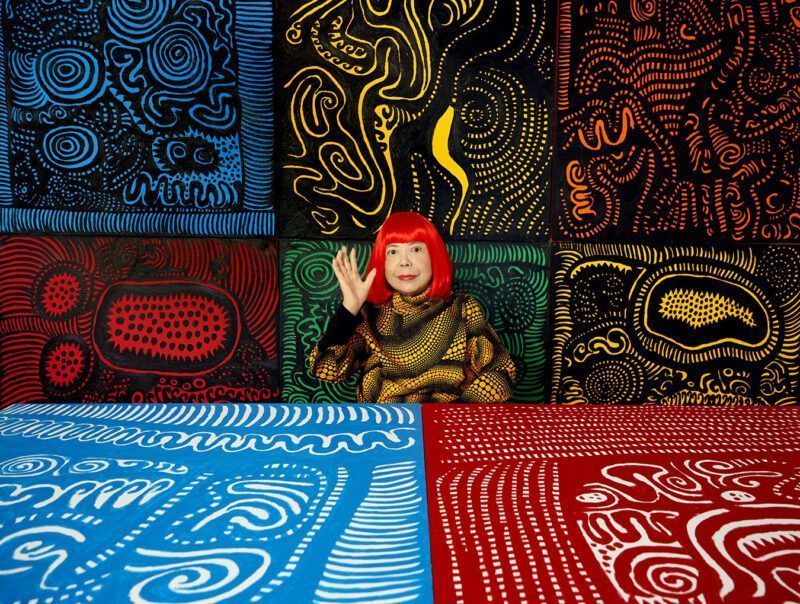
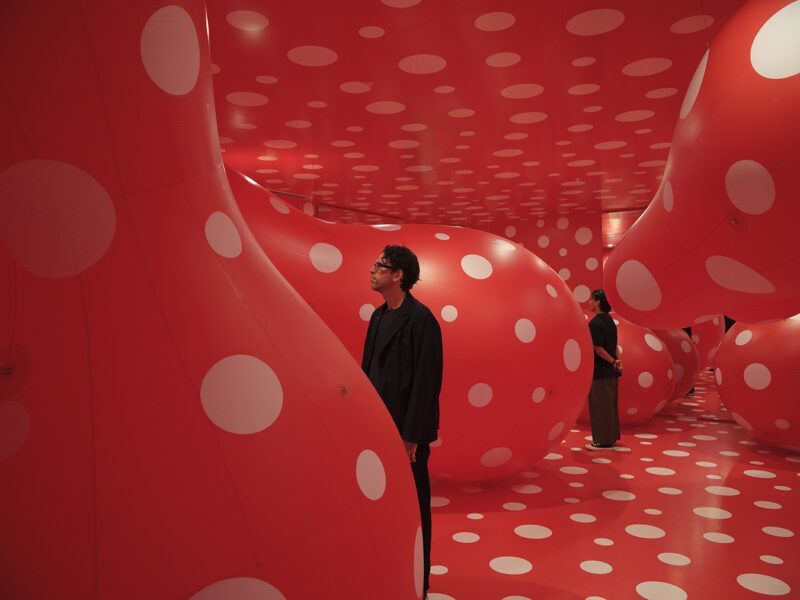
The exhibition, Yayoi Kusama, brings together 200 works, many of which have never been seen in Australia before, alongside a record-breaking number of breathtaking immersive installations. Displayed across the entire ground floor of the NGV International building, this retrospective is one of the most comprehensive ever staged on Kusama‘s work and the largest presented in Australia to date.

“My art originates from hallucinations only I can see.” Yayoi Kusama
A journey through Kusama’s life and work
The exhibition traces Kusama‘s career from her childhood in the 1930s to the present day, featuring an exquisite selection of pieces from the artist’s personal collection, private collections, and major institutions in Japan, Southeast Asia, and Australia. With paintings, sculptures, collages, fashion, videos, and installations, the show reveals the astounding breadth of her multidisciplinary practice.
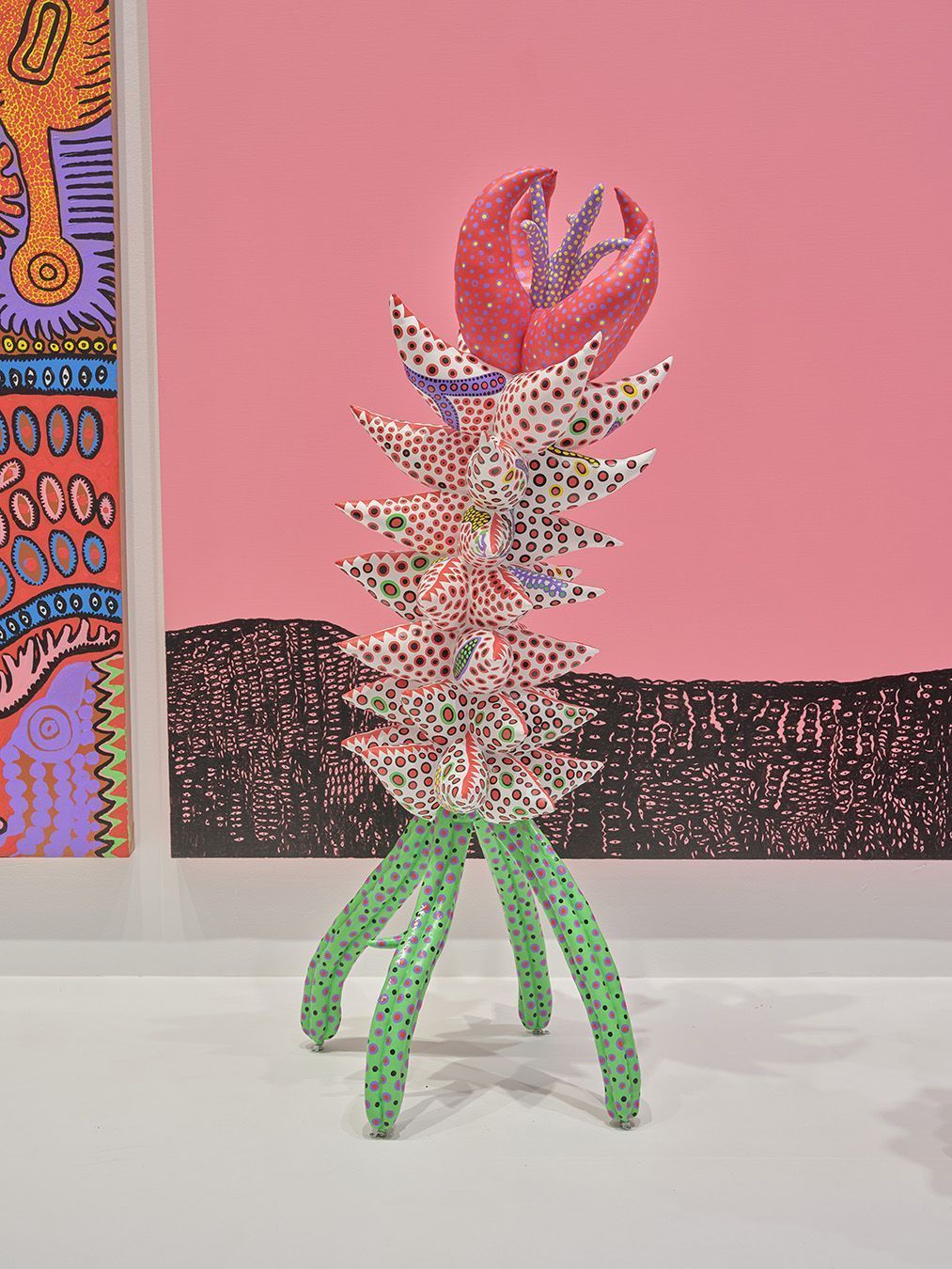
Born in Japan in 1929, Kusama is recognized as one of the most significant and celebrated artists in the world, thanks to her unforgettable contributions to key 20th- and 21st-century art movements, including Minimalism, Pop Art, and Feminist Art. Her distinctive use of patterns, colours, and symbols has given rise to immersive and deeply personal works that transcend cultural boundaries.
Immersive installations and the debut of a new infinity room
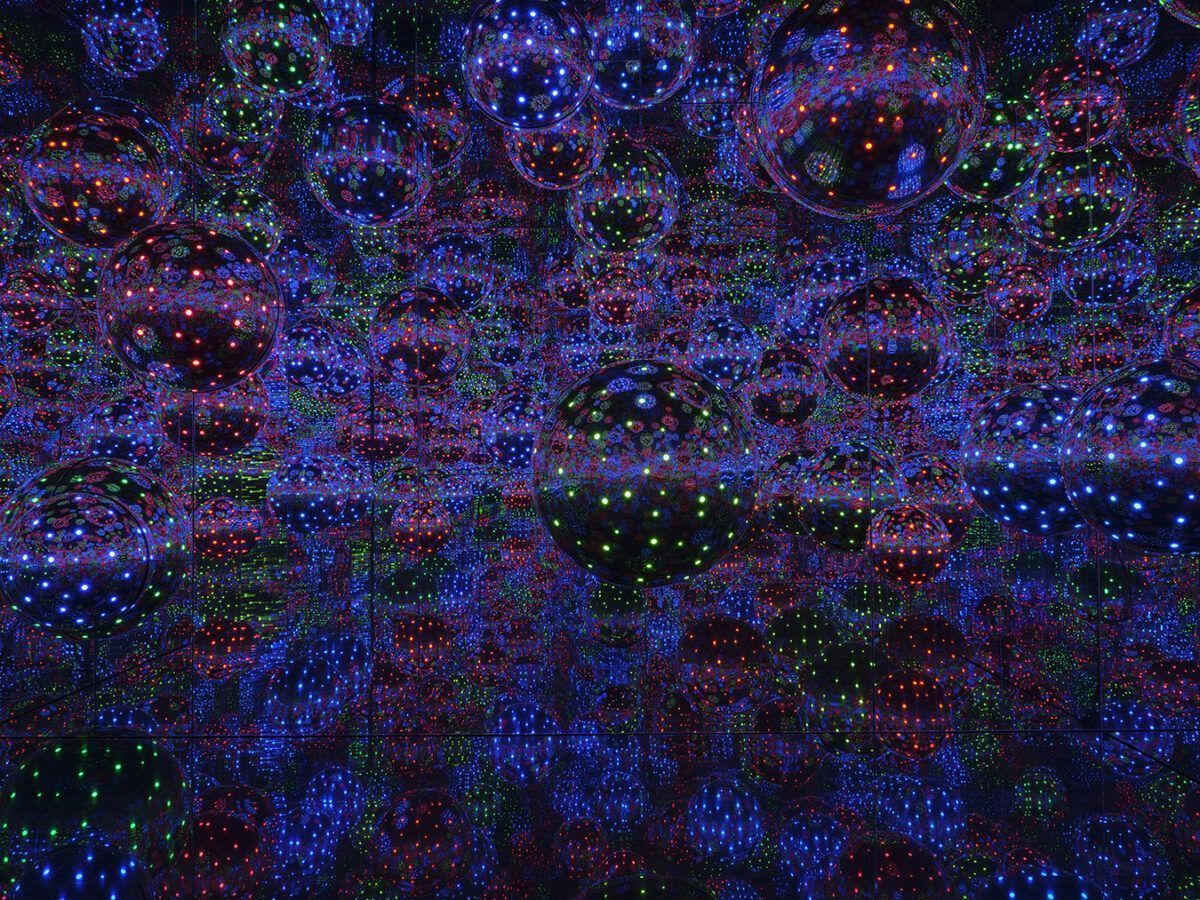
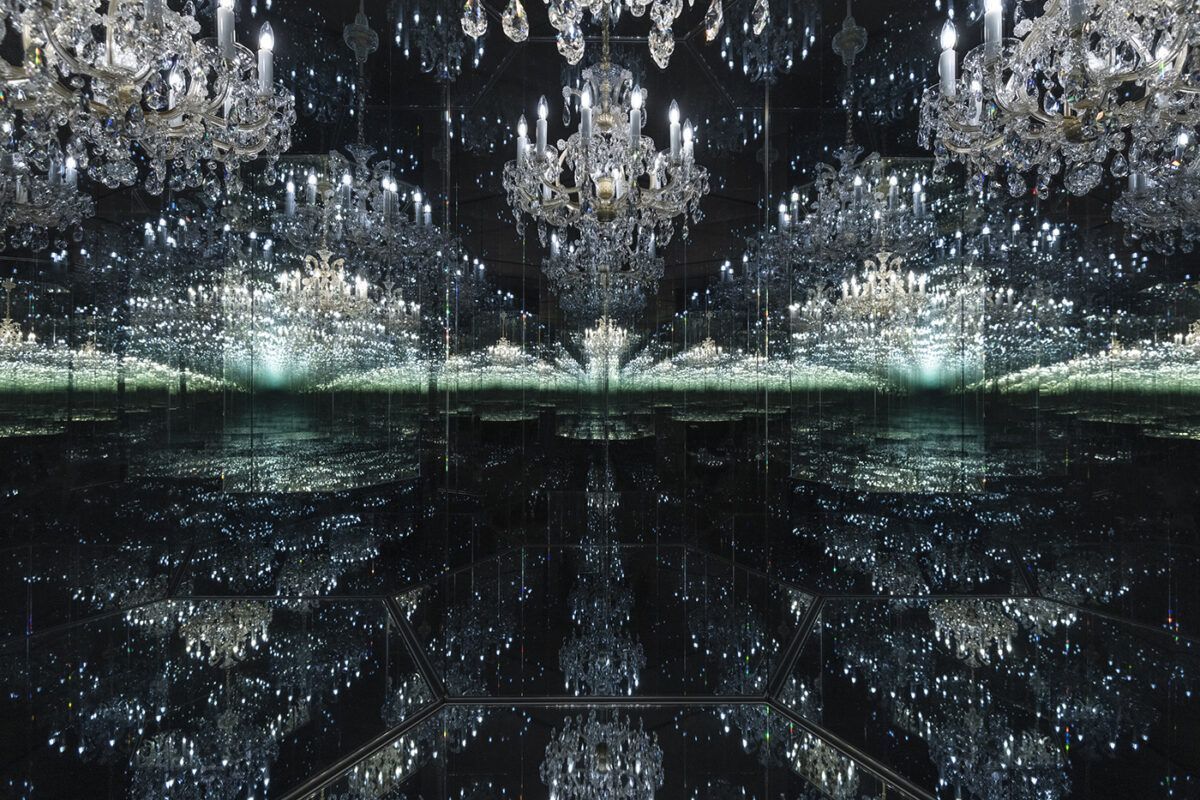
The exhibition features ten of Kusama’s iconic immersive installations—the largest number ever assembled in a single venue. Among the highlights is the debut of the previously unseen work, Infinity Mirrored Room–My Heart is Filled to the Brim with Sparkling Light (2024), which invites visitors into a spectacular space evoking a celestial, seemingly infinite universe. This new piece, which employs mirrors to create the optical illusion of infinity, continues Kusama’s tradition of crafting immersive installations that explore her boundless vision.
“I, Kusama, am the modern Alice in Wonderland.” Yayoi Kusama
The exhibition features ten of Kusama’s iconic immersive installations—the largest number ever assembled in one place. Among the highlights is the debut of the previously unseen work, Infinity Mirrored Room–My Heart is Filled to the Brim with Sparkling Light (2024). This spectacular piece invites visitors into a celestial, seemingly infinite universe. Employing mirrors to create the optical illusion of infinity, this new work continues Kusama‘s tradition of crafting immersive installations that explore her boundless vision.
The weight of memory and obsession
Throughout her career, Kusama has transformed her struggle with mental health disorders into a powerful creative force. Her recurring use of dots, nets, and infinity not only reflects her fascination with the cosmos but also serves as a way to cope with the hallucinations that have accompanied her since childhood.
In this retrospective, a special section focuses on the influence of her Japanese roots, highlighting her My Eternal Soul series. These works, featuring vibrant colours and abstract motifs, reflect both her connection to traditional Japanese art and her relentless pursuit of renewal.
Milestones and new highlights
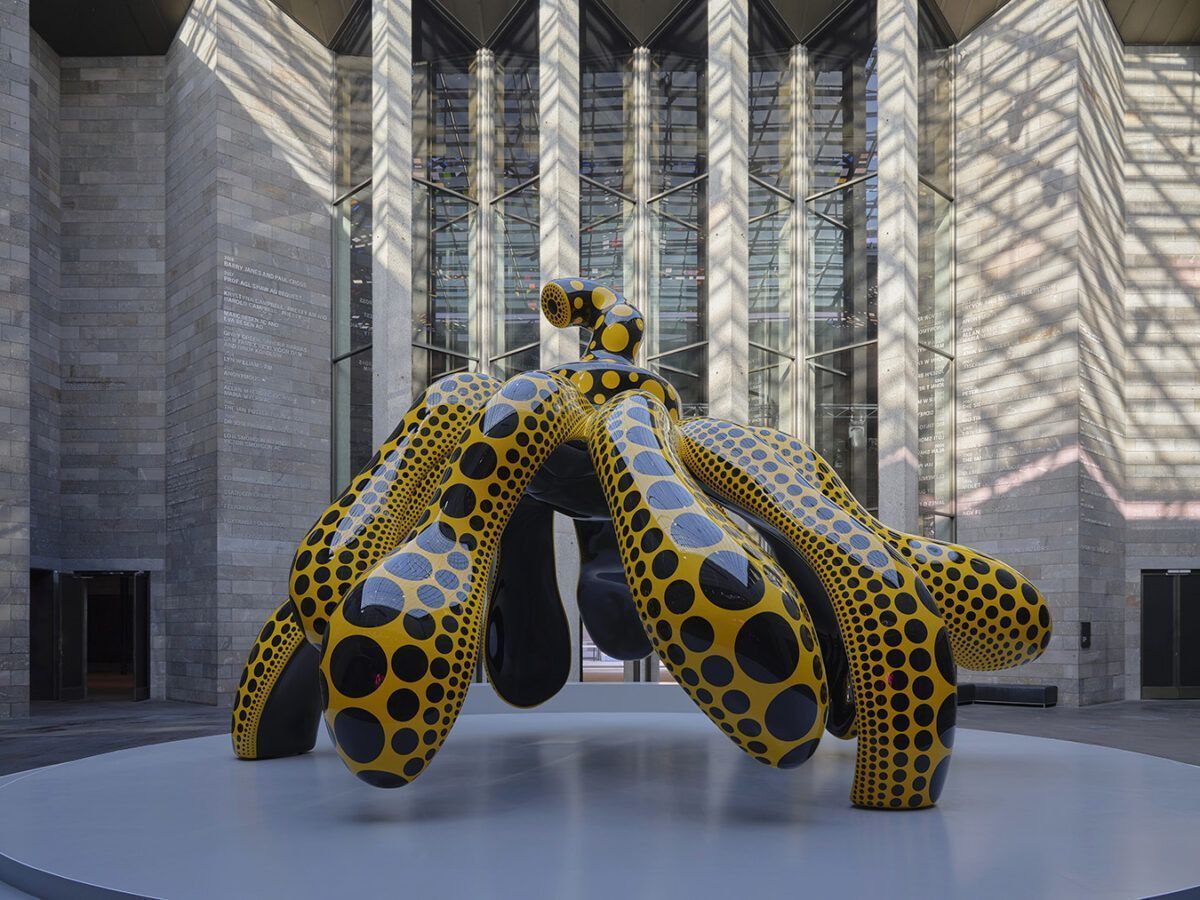
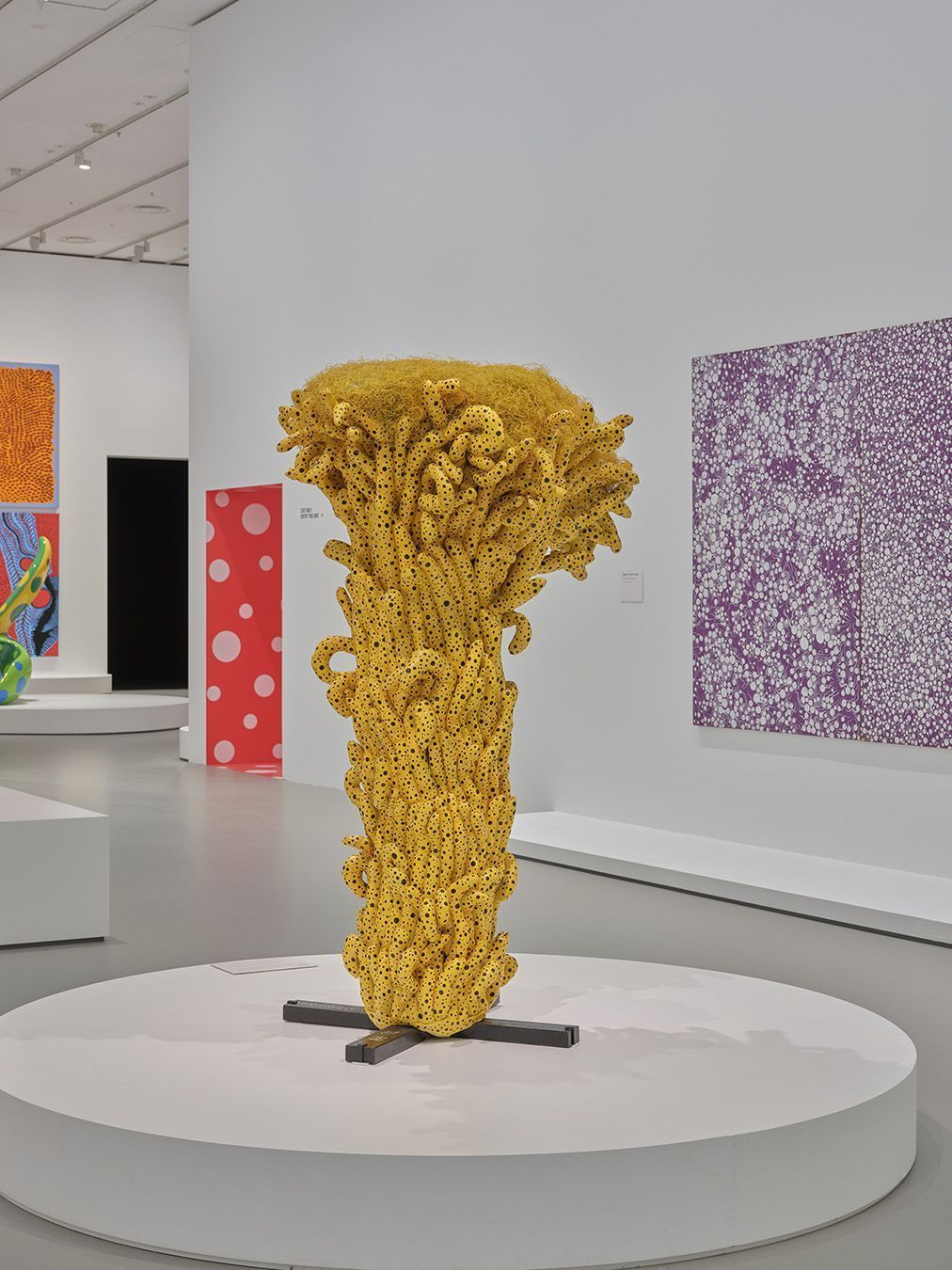
The retrospective also includes the Australian debut of Dancing Pumpkin, an impressive yellow-and-black bronze sculpture five meters tall, conceived in 2020, which allows visitors to walk beneath it. Another standout is The Hope of the Polka Dots Buried in Infinity Will Eternally Cover the Universe (2019), a six-meter-tall installation featuring tentacle-like forms covered in black and yellow polka dots—truly breathtaking!

Another significant piece is Narcissus Garden (1966/2024), a modern iteration of the work Kusama unofficially presented at the 1966 Venice Biennale. The installation consists of 1,400 stainless steel spheres that infinitely reflect their surroundings, creating an immersive and deeply symbolic landscape inspired by the Greek myth of Narcissus.
The NGV’s public spaces have also been transformed by Kusama’s signature polka dots. Site-specific works include an intervention on the museum’s iconic water wall and Dots Obsession, an installation featuring giant inflatable spheres floating above visitors in the Great Hall.
Additionally, outside the museum, more than 60 trees along St. Kilda Road have been wrapped in pink-and-white polka dots, creating a work titled Ascension of Polka Dots on the Trees.
Art and legacy in expansion
The retrospective not only celebrates Kusama‘s visual works but also highlights her activism, fashion design, and performance art from the late 1960s. A special section features photographs, letters, magazines, and archival posters documenting how Kusama used her happenings as vehicles to explore radical ideas such as sexual liberation.
The NGV complements the exhibition with public programs, including Friday Nights at the NGV (from December 20 to April 18) and collaborations with Asia TOPA, the Asia-Pacific Triennial of Performing Arts Festival in Australia. Together with Arts Centre Melbourne, they will present Pulau (Island), a response to Kusama’s iconic work by choreographer Melanie Lane, performed in the Great Hall over two evenings on February 22 and 23, 2025.
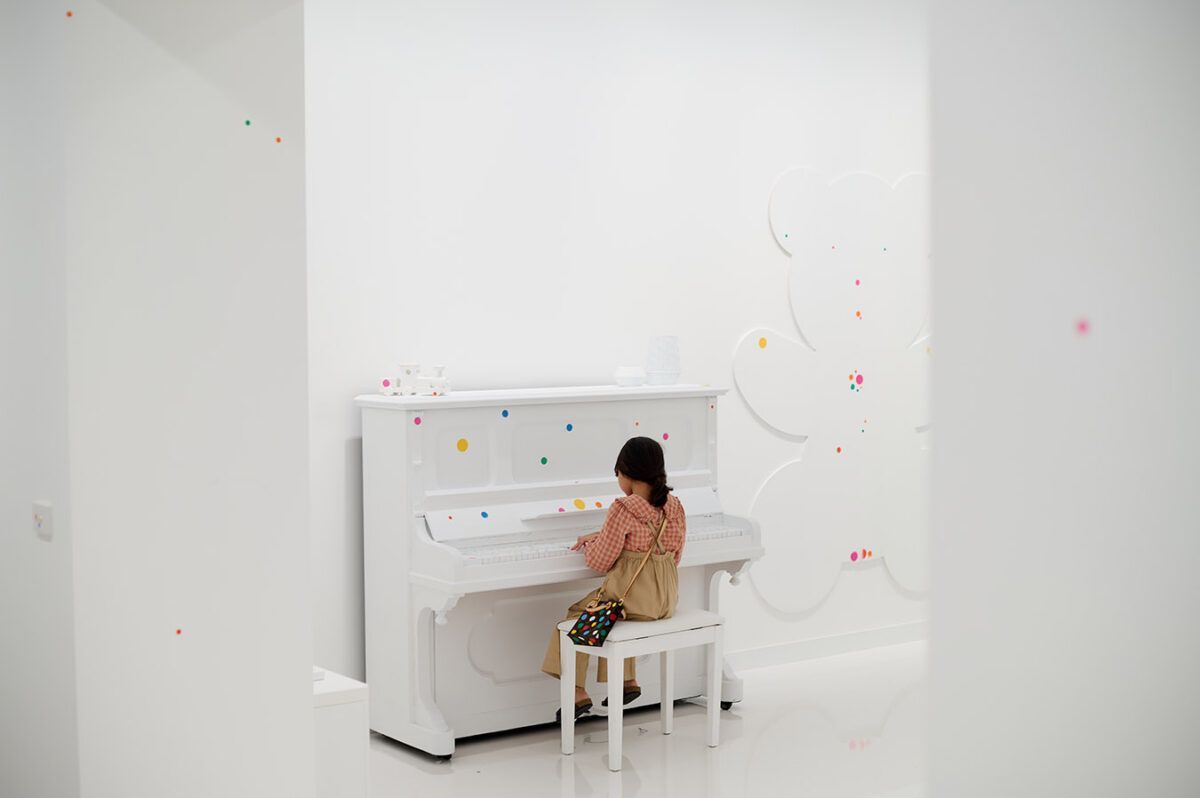
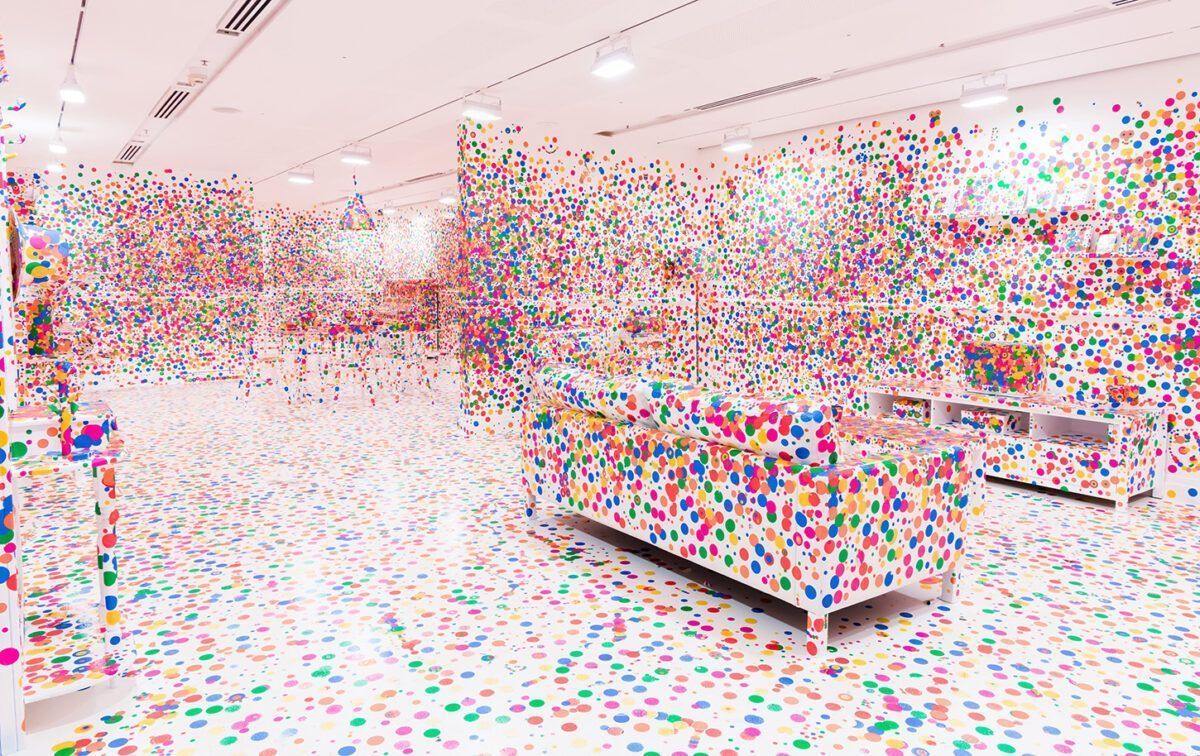
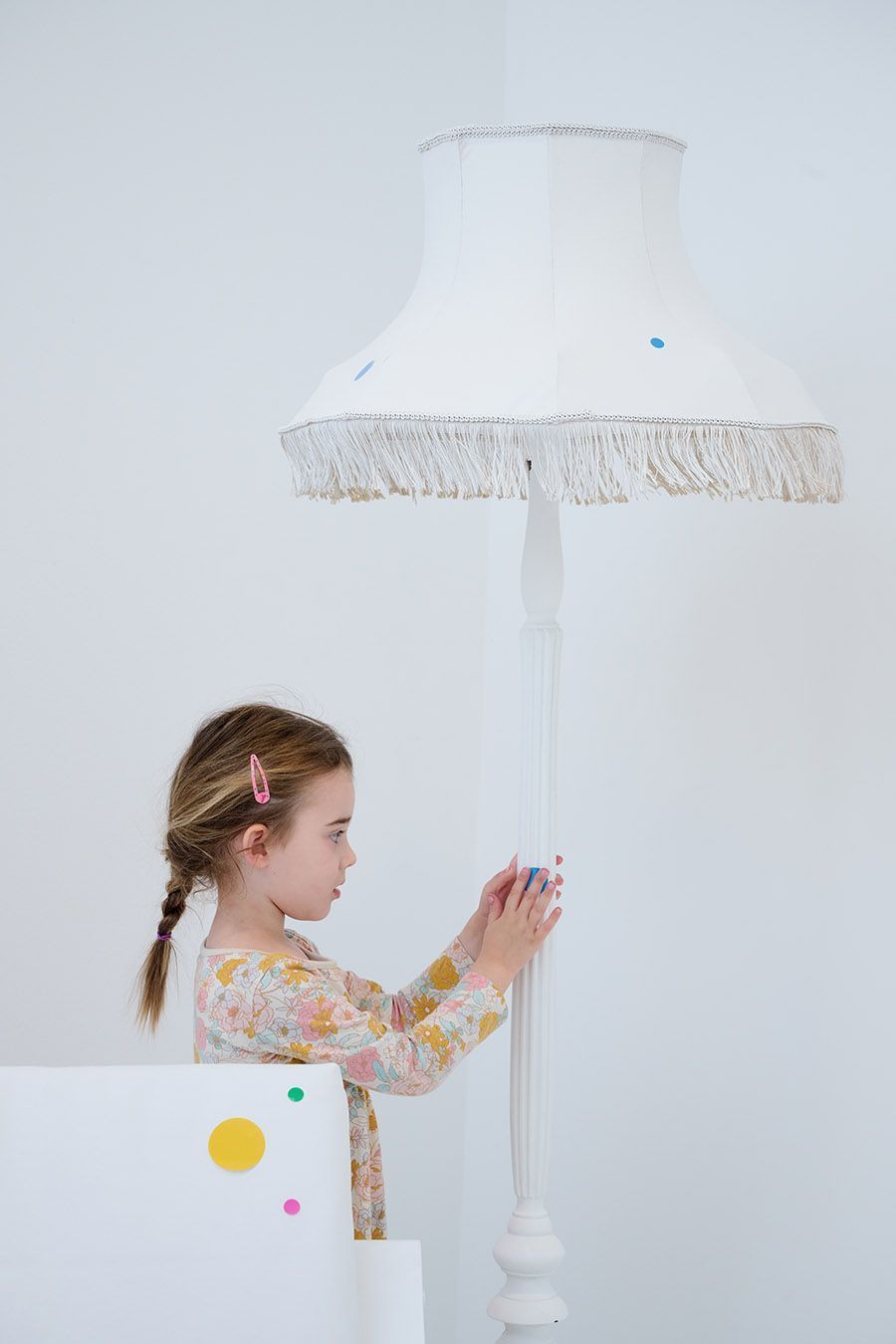
Furthermore, the NGV’s free children’s gallery hosts The Obliteration Room (2002–present), a large-scale interactive installation inviting audiences of all ages to cover an entirely white domestic interior with a kaleidoscope of colorful dots.
Throughout her career, Kusama has used dots and other repetitive forms to cover various surfaces and fill entire rooms.
She refers to this process as “obliteration”, a concept central to her artistic practice, symbolizing the fragmentation of something to return it to the universe. In this piece, Kusama invites children and families to take part in this obliteration process, adding vibrant dots to the furniture, objects, and white surfaces.
Significant loans from Ota Fine Arts and major Japanese and Australian museums will accompany works from the artist’s collection, including contributions from the National Museum of Modern Art in Tokyo, the National Museum of Modern Art in Kyoto, the Hiroshima City Museum of Contemporary Art, the Chiba City Museum of Art, the Museum of Contemporary Art Tokyo, the Iwami Art Museum, the National Gallery of Australia in Canberra, and the Queensland Art Gallery | Gallery of Modern Art, along with private collections such as those of Lito and Kim Camacho and Daisuke Miyatsu.
“When we obliterate nature and our bodies with polka dots, we become part of the unity of our environments.” Yayoi Kusama
Without a doubt, this exhibition is a unique opportunity to immerse yourself in Yayoi Kusama’s infinite universe and experience her unparalleled creativity in all its splendor.
Highly recommended.
(*) Photos courtesy of NGV. Cover photo: Yayoi Kusama’s Dancing Pumpkin 2020. Photo: Sean Fennessy; Horizontal fixed photo 1: Yayoi Kusama. Photo by Yusuke Miyazaki. Courtesy of Ota Fine Arts; Horizontal fixed photo 2: Installation view of Yayoi Kusama’s. Dots Obsession, 1996/2024, as part of the Yayoi Kusama exhibition at NGV International. Photo: Sean Fennessy; Photo slider 1: Installation view of Yayoi Kusama’s With All My Love for the Tulips, I Pray Forever 2013 on display as part of Yayoi Kusama at NGV International. Photo: Sean Fennessy; Photo slider 2: Yayoi Kusama’s Infinity Mirrored Room–My Heart is Filled to the Brim with Sparkling Light, 2024 on display at the NGV International. Photo: Sean Fennessy; Photo slider 3: Installation view of The Spirits of the Pumpkins Descended into the Heavens 2015 on display as part of Yayoi Kusama at NGV International. Photo: Sean Fennessy; Photo slider 4: Installation view of Yayoi Kusama’s Genesis 1992-93 on display as part of Yayoi Kusama at NGV International. Photo: Sean Fennessy; Photo slider 5: Installation view of Yayoi Kusama’s Love is Calling, 2013, on display as part of Yayoi Kusama at NGV International. Photo: Sean Fennessy; Photo slider 6: Visitors in Yayoi Kusama’s The Obliteration Room 2002-present, the Kusama for Kids exhibition at NGV International. Photo: Eugene Hyland; Photo slider 7: Installation view of Yayoi Kusama’s Invisible Life, 2000/2024, on display in the Yayoi Kusama exhibition at NGV International. Photo: Sean Fennessy; Photo slider 8: Installation view of Yayoi Kusama’s The Hope of the Polka Dots Buried in Infinity Will Eternally Cover the Universe 2019 as part of the Yayoi Kusama exhibition at NGV International. Photo: Sean Fennessy; Photo slider 9: Installation view of Yayoi Kusama’s Ladder to Heaven 2019 on display as part of Yayoi Kusama at NGV International. Photo: Sean Fennessy; Photo slider 10: Installation view of Yayoi Kusama’s Walking on the Sea of Death, 1981, as part of the Yayoi Kusama exhibition at NGV International. Photo: Kate Shanasy; Photo slider 11: Yayoi Kusama’s The Obliteration Room 2002–present. Queensland Art Gallery | Gallery of Modern Art. Photo: N Harth, QAGOMA; Photo slider 12: Installation view of Yayoi Kusama’s Chandelier of Grief 2016/18, Tate Modern, London. Courtesy of Ota Fine Arts and Victoria Miro; Photo slider 13: Installation view of the Yayoi Kusama exhibition at NGV International. Photo: Sean Fennessy. All of them © YAYOI KUSAMA.