LedPulse Unveils ORGANYSMO at Sónar+D
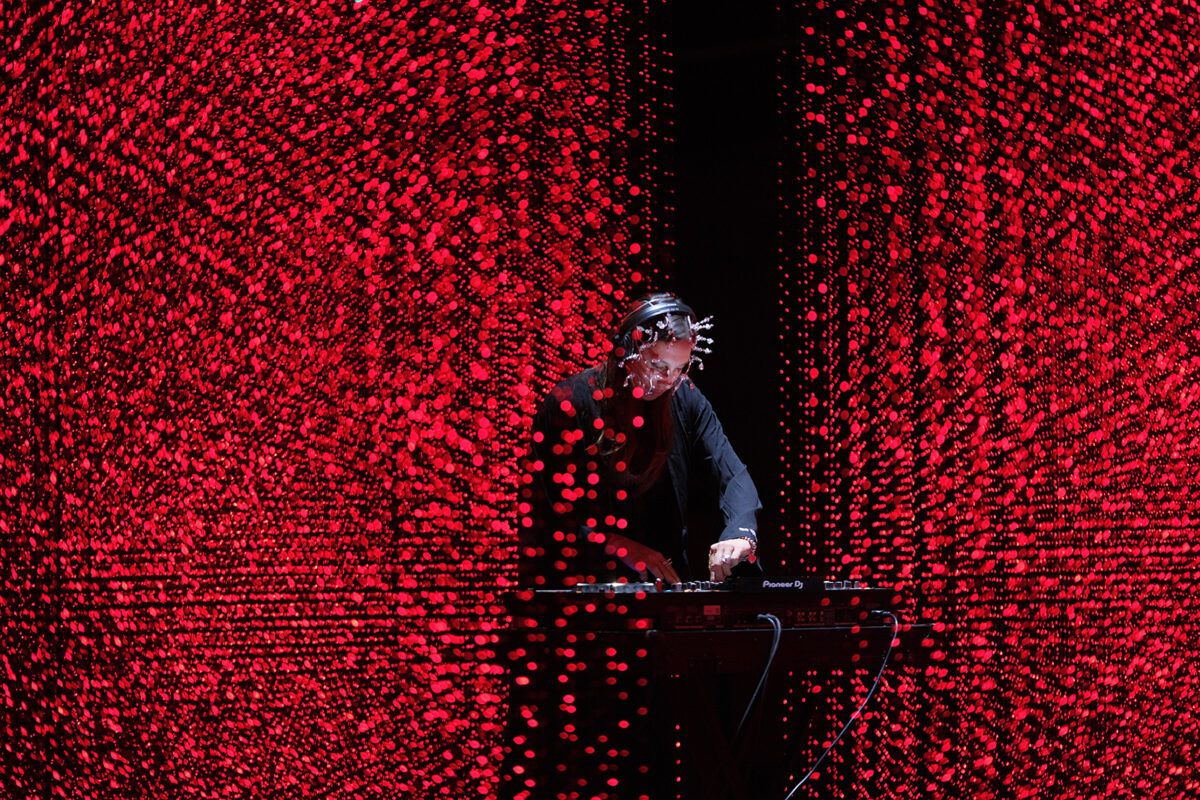
The monumental work set to debut at Sónar+D 2026 transforms light, sound and architecture into an organism capable of perceiving its audience. Behind it lies more than a decade of research, a story that began in China, and an increasingly relevant question: what role do we want to play in a world dominated by algorithms and artificial intelligence?
Each edition of Sónar+D acts as a barometer for the conversations shaping the future of digital culture. Over the years, the festival has explored artificial intelligence, computational creativity, artistic research and emerging technologies.
Yet one of the most striking proposals of 2026 does not arrive in the form of software, an app or a screen, but as a vast physical structure designed to be inhabited.
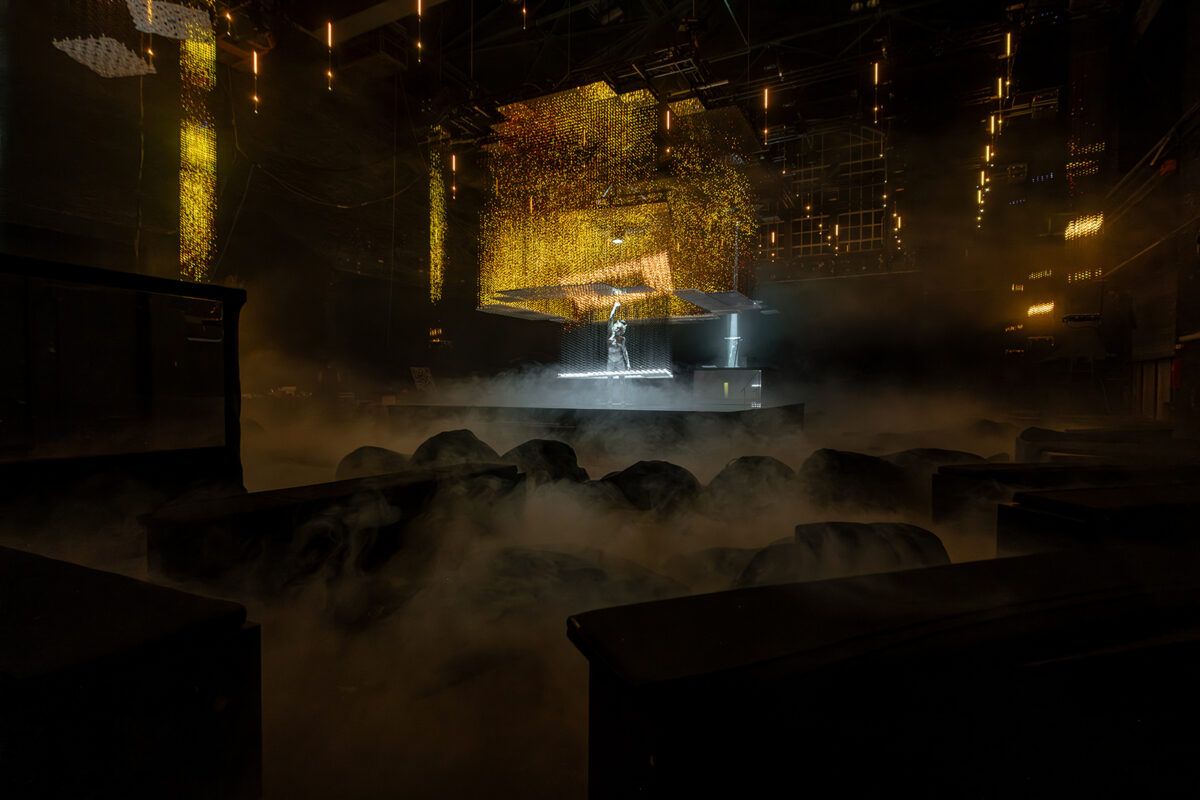
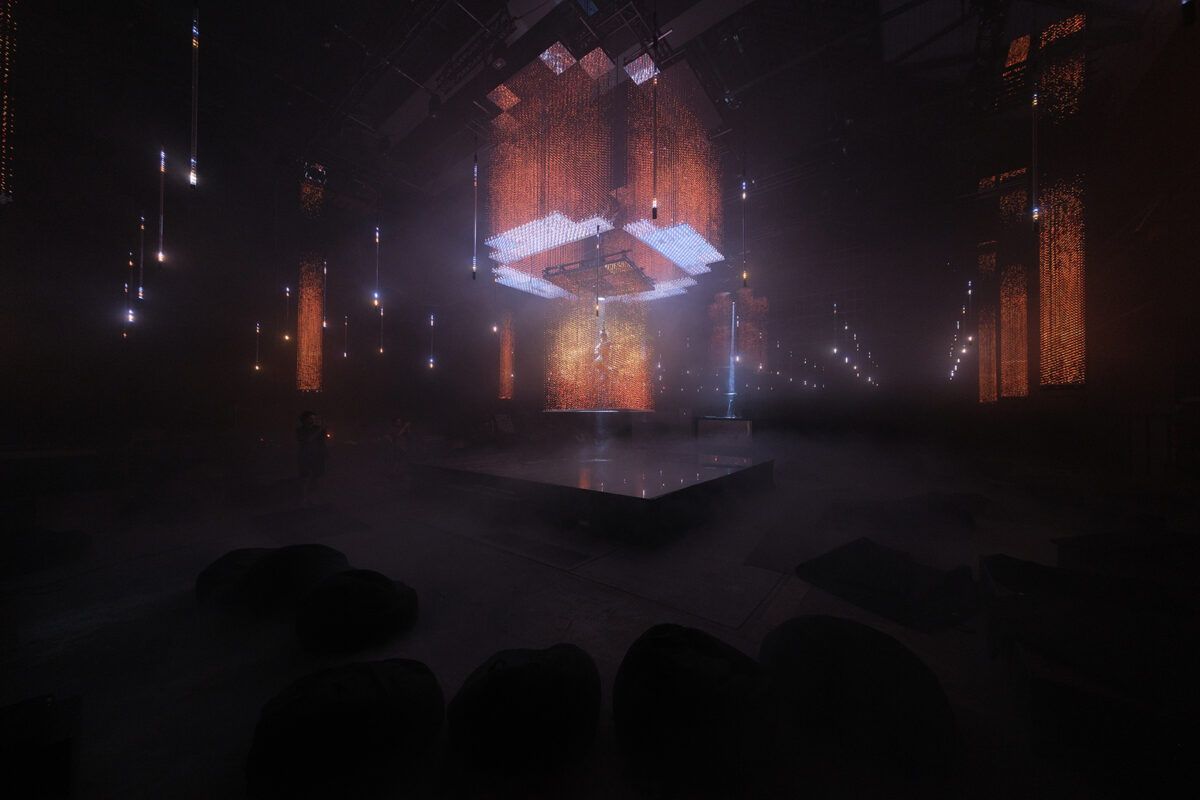
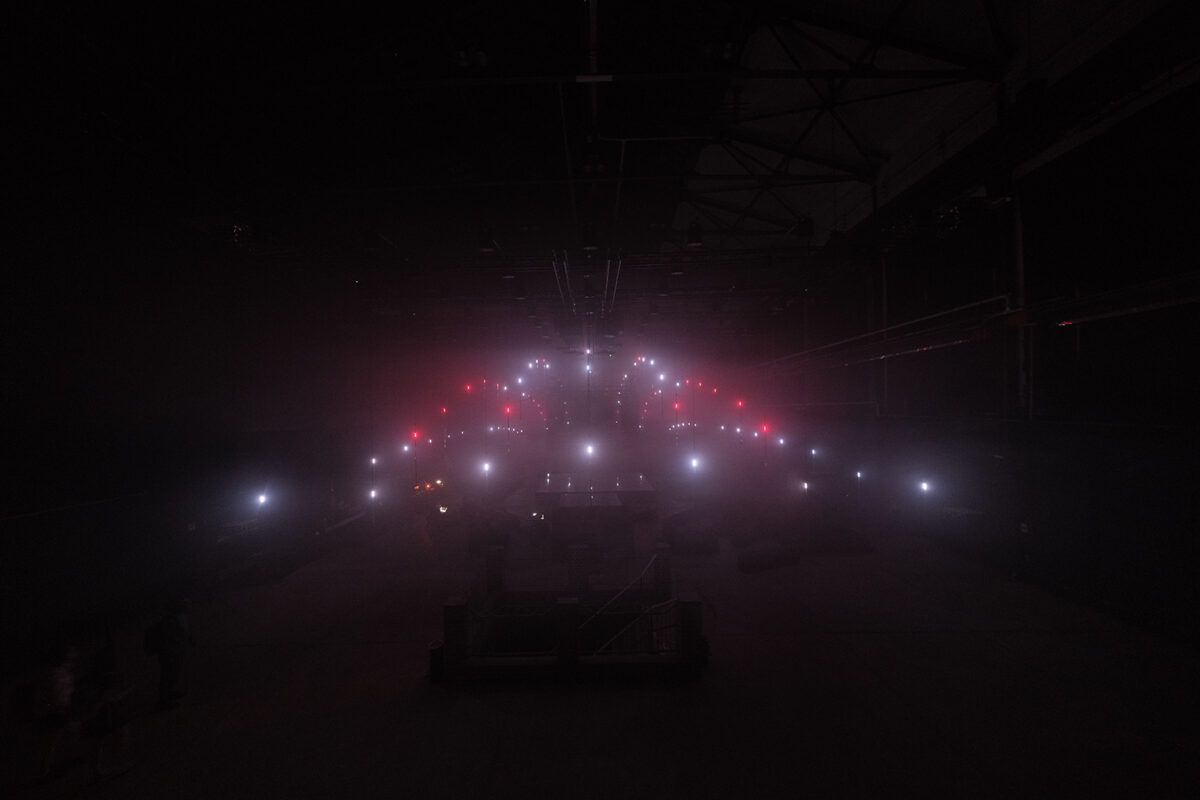
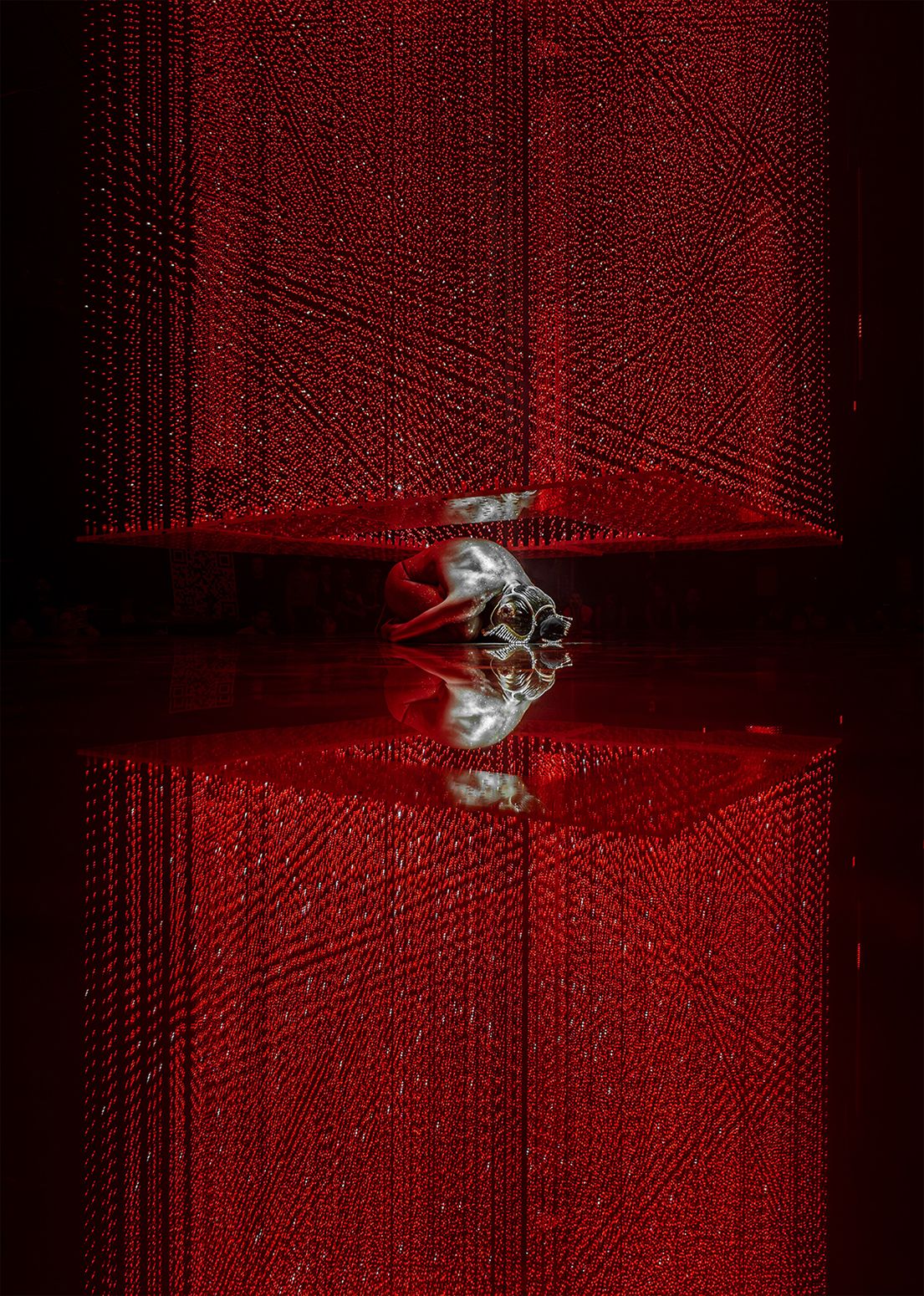
Called ORGANYSMO, it will occupy a 30-by-30-metre space at Fira Gran Via. Developed by LedPulse, the installation combines architecture, spatial sound, artificial intelligence, volumetric lighting and perception systems to create an immersive experience that constantly evolves according to what takes place within it.
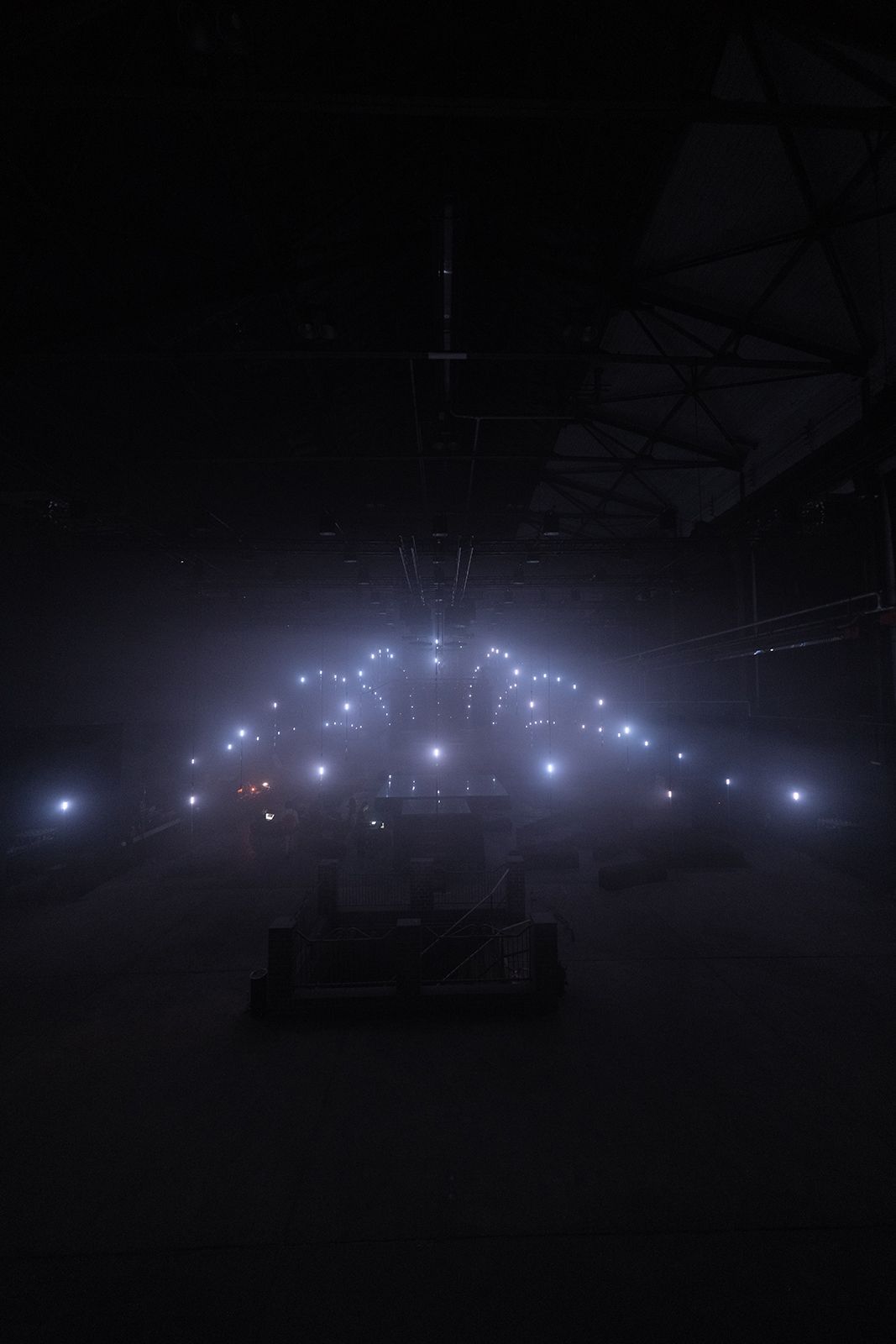
What is most fascinating, however, is neither its scale nor the technological sophistication that makes it possible. What truly distinguishes ORGANYSMO is its conceptual approach.
Unlike traditional interactive experiences, where an action triggers a predetermined response, this work functions as an organism that interprets its surroundings and alters its behaviour in real time.
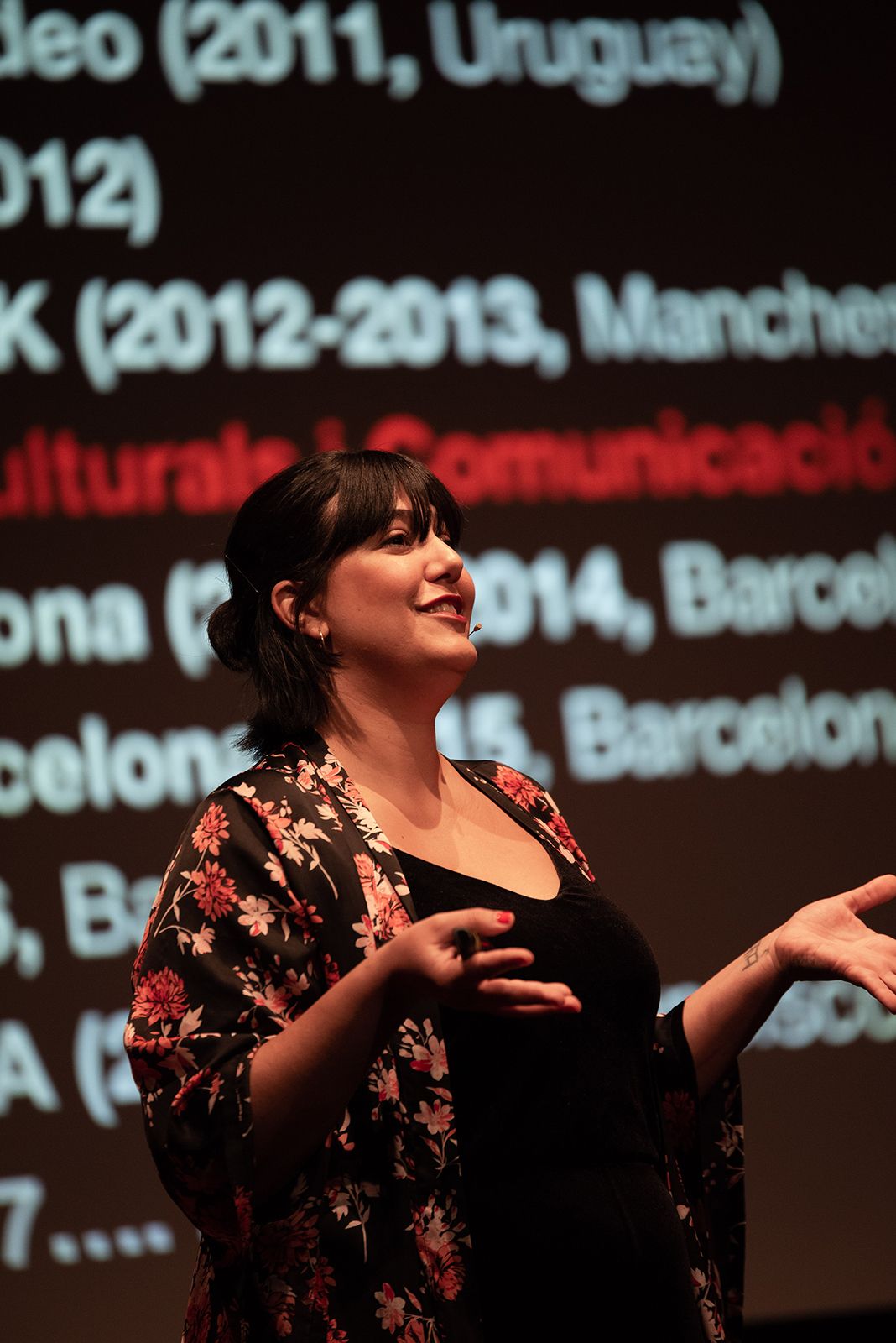
“ORGANYSMO does not react to the audience; it perceives them,” explains Andrea Faroppa, Director of Sónar+D.
“There is an important difference there. It is an installation that processes your presence, your movement and your behaviour, and uses that information to shape the light, sound and architecture of the installation in real time. The visitor ceases to be a receiver and becomes part of the system.”
From Shenzhen to Ibiza: the origins of an idea
The story of ORGANYSMO began long before the project itself existed. It also began long before Barcelona became the stage for its most ambitious incarnation.
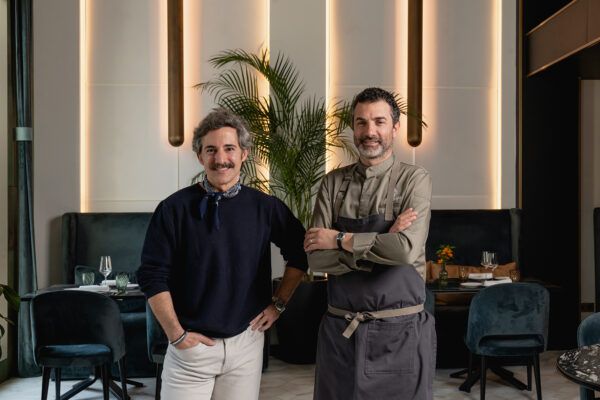
Its creators, Danilo García and Marina Testino, first met in Shenzhen, one of China’s most innovative cities and one of the world’s leading centres for technological development.
While Marina was working as a professional DJ, Danilo was developing visual systems and technologies for entertainment and immersive experiences.
That encounter marked the beginning of a collaboration that would eventually evolve into a shared vision.
“LedPulse is the company where we develop all the technology,” explains Danilo.
“But ORGANYSMO was born as a completely free space, a place where Marina and I could experiment without limits and give free rein to our creativity.”
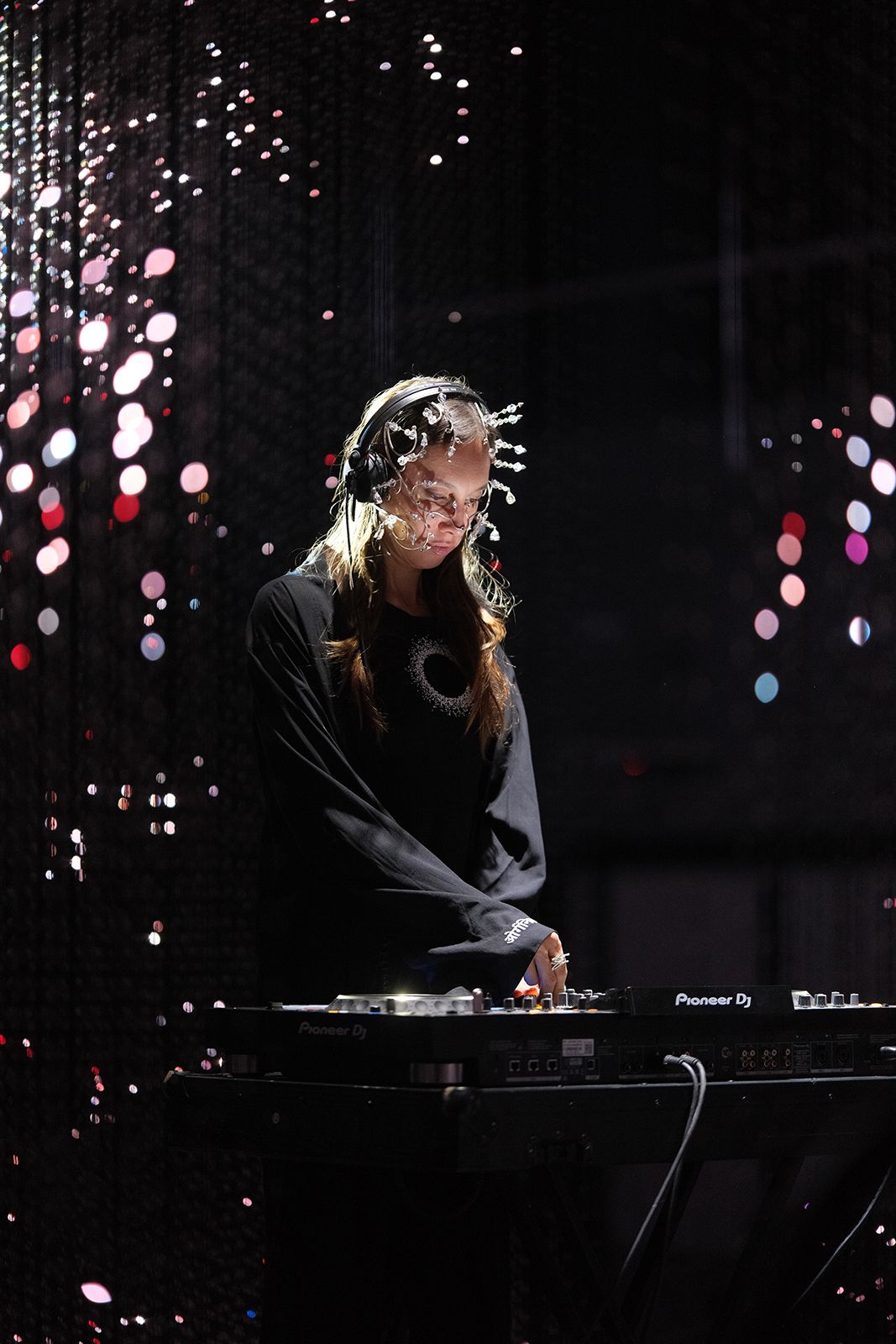
Over the years, the pair developed projects that combined music, light and technology, often without fully realising that they were laying the foundations for something much larger.
Ibiza became one of the first laboratories where that vision began to take shape. Berlin, Florence, São Paulo and other international destinations would later help consolidate the project.
“We genuinely didn’t realise we were rehearsing for what would come next,” Danilo recalls. “We were simply trying to create experiences that excited us ourselves.”
“ORGANYSMO was born as a free space in which to experiment without limits and unleash our creativity.”
When light becomes architecture
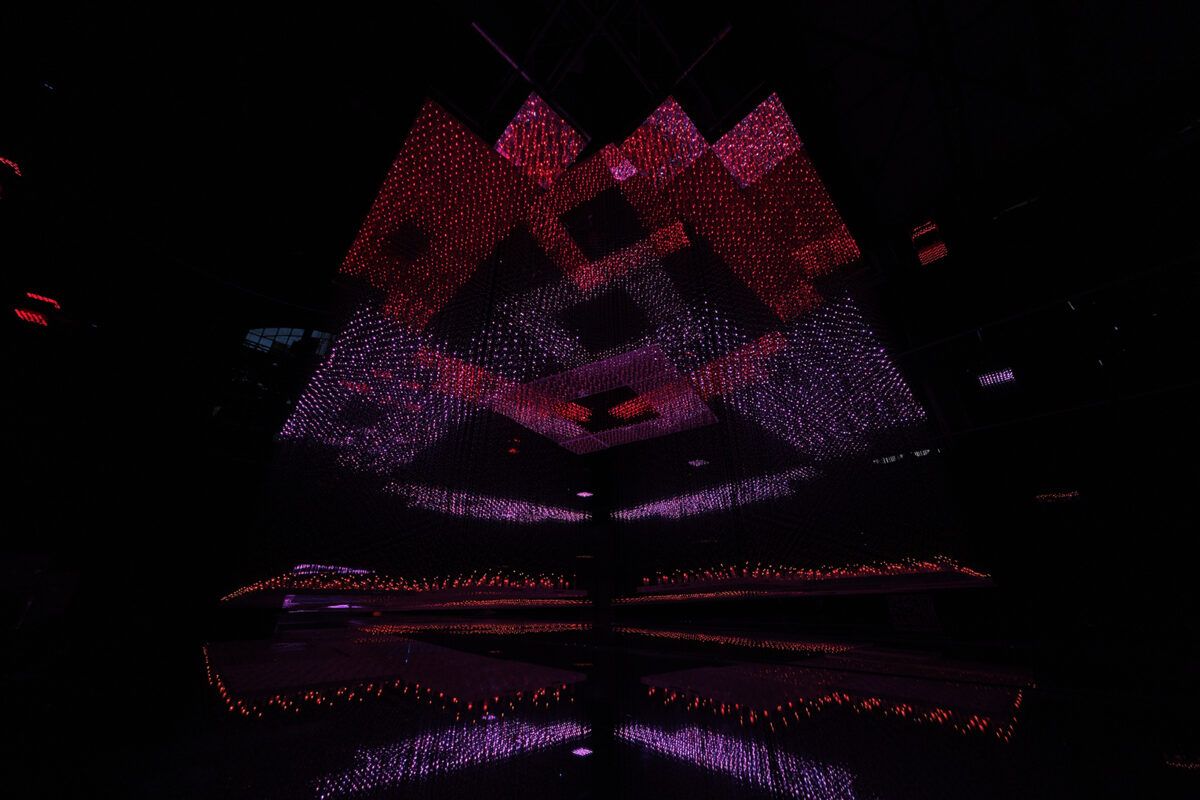
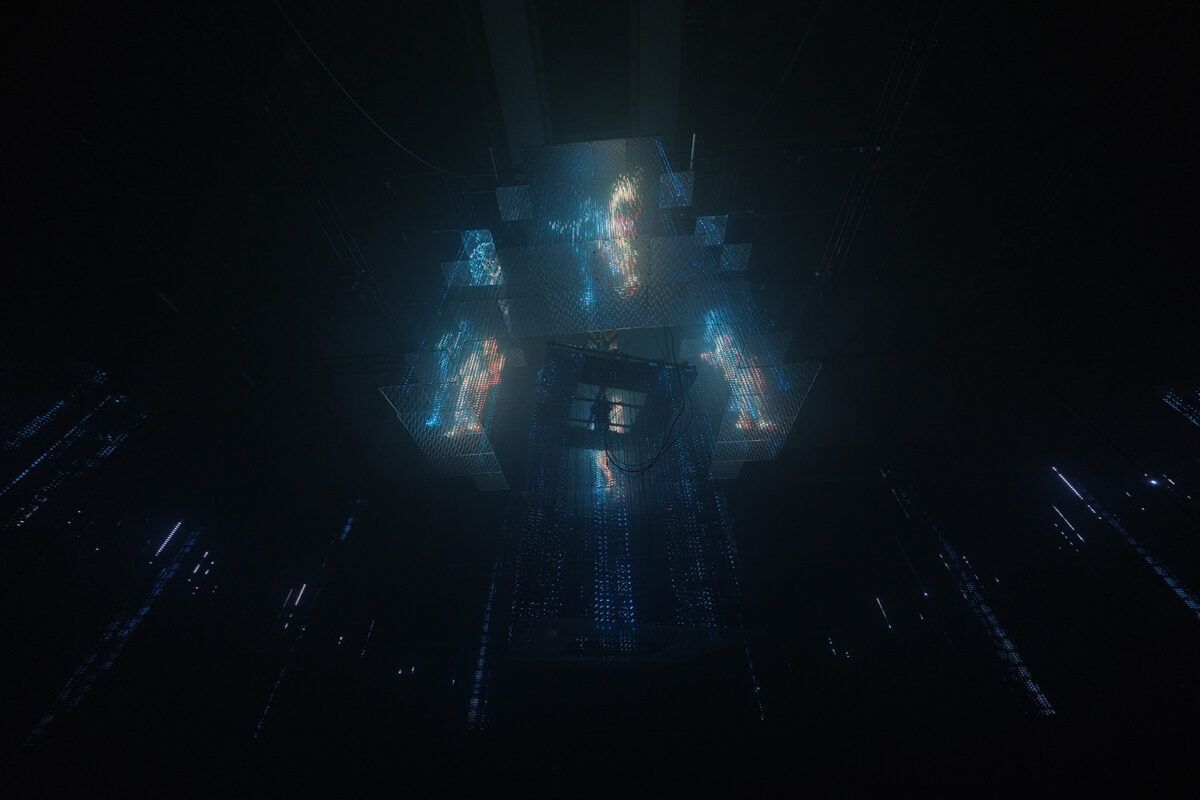
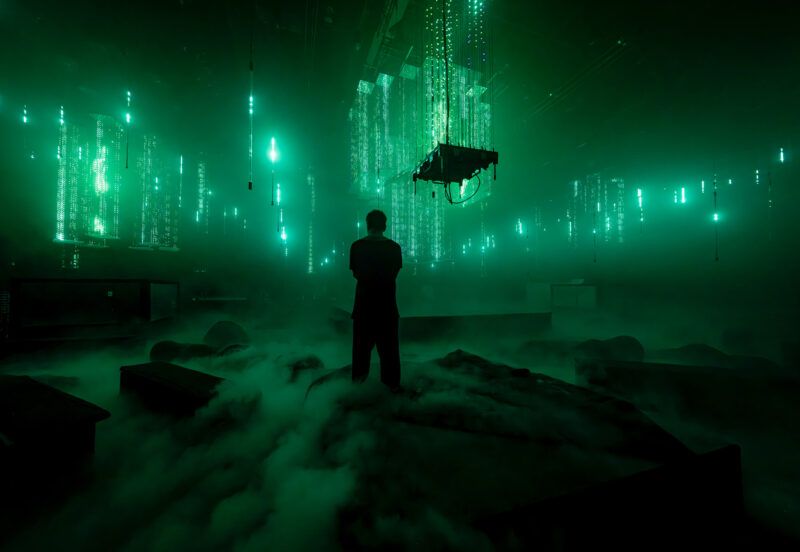
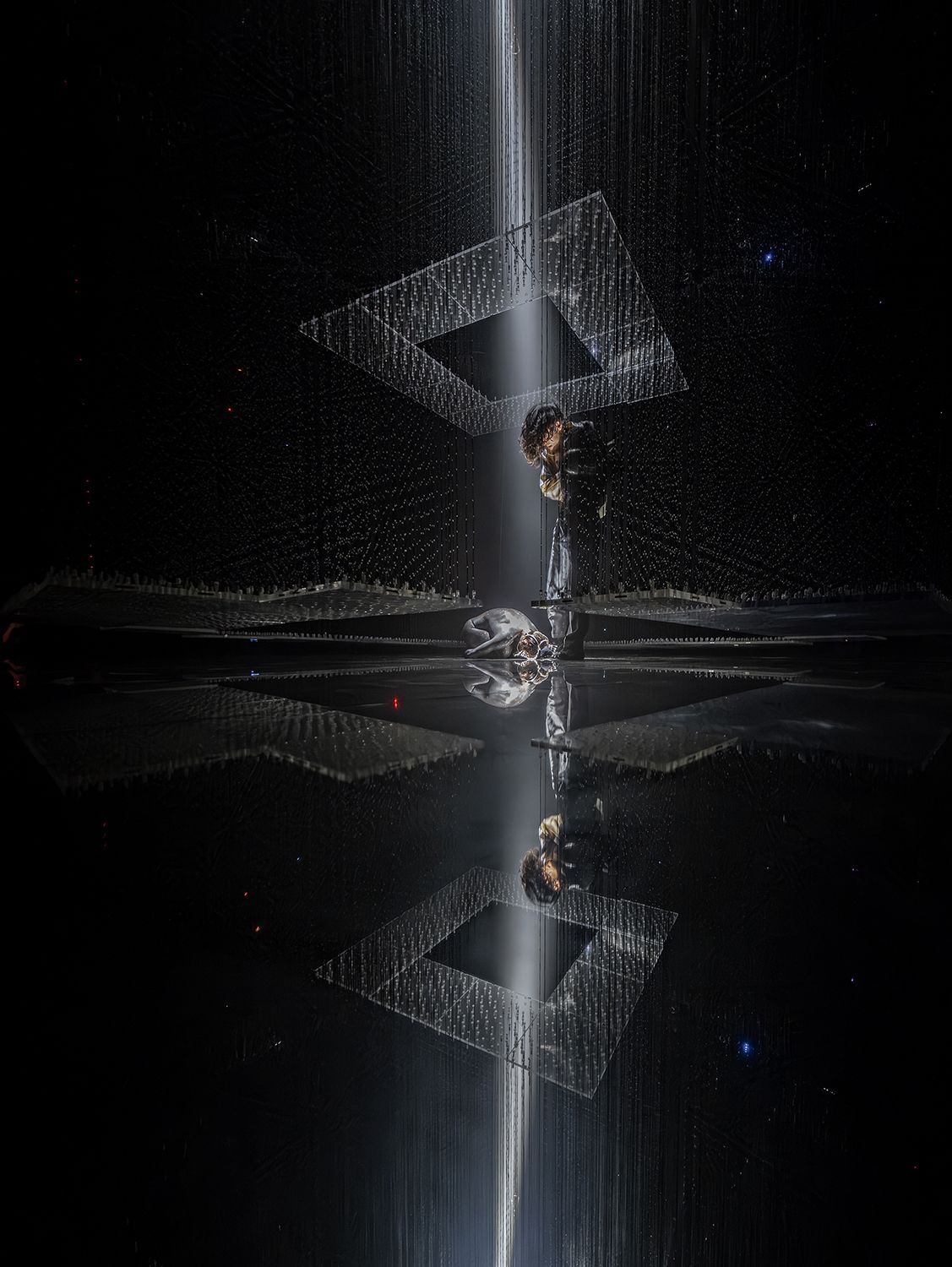
To speak about ORGANYSMO is inevitably to speak about DragonO, LedPulse’s patented system that generates three-dimensional imagery through thousands of LED light points suspended in space.
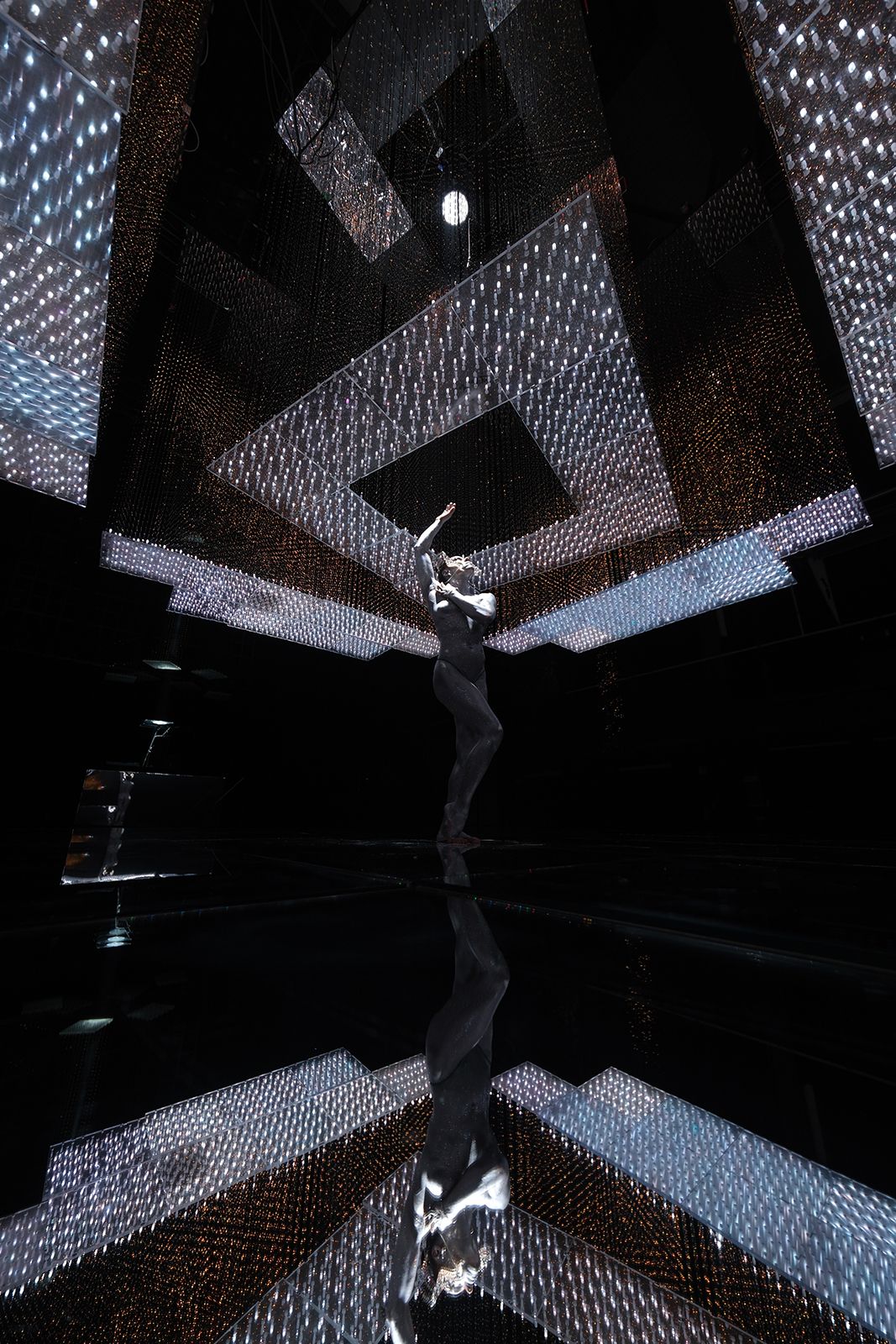
Unlike traditional projections, where images appear on a flat surface, DragonO uses light as a sculptural material. The result is perceived not as a screen, but as a living structure capable of constructing forms, volumes and luminous landscapes that seem to float in mid-air.
“Light is one of the most powerful materials in existence,” says Danilo. “For centuries it was associated with fire, knowledge and the sacred. Today, LED technology allows us to work with it in a completely different way. We can build spaces, create volumes and generate three-dimensional experiences using nothing more than points of light.”
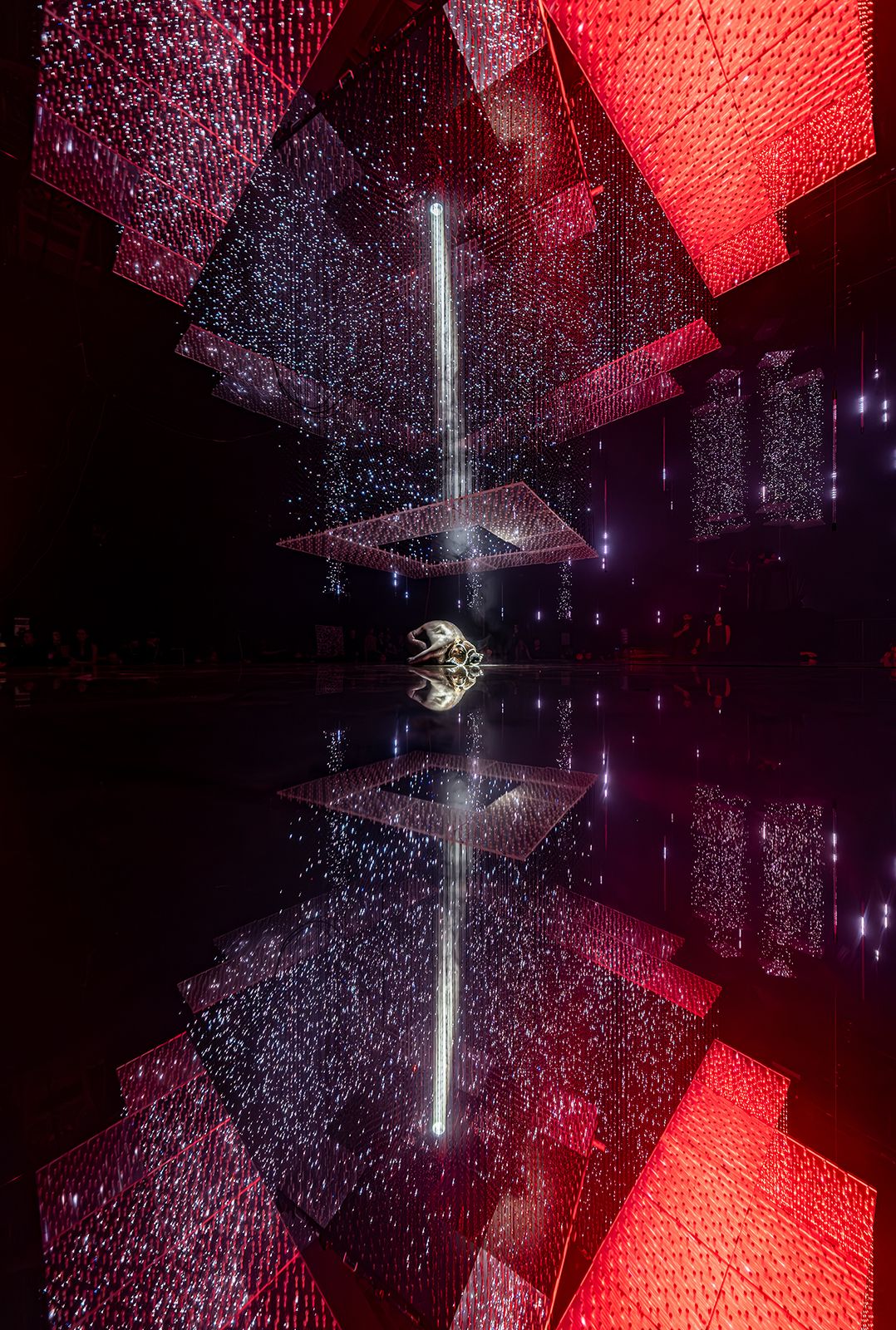
This fascination with light connects to a long artistic and architectural tradition that extends far beyond technology. From Gothic cathedrals to the light-based experiments of contemporary artists such as James Turrell, light has historically been a tool for transforming spatial perception.
LedPulse takes that idea a step further by turning light into a dynamic element capable of continuously adapting to those who observe it.
A work that listens to Its audience
If light forms the body of ORGANYSMO, perception functions as its nervous system.
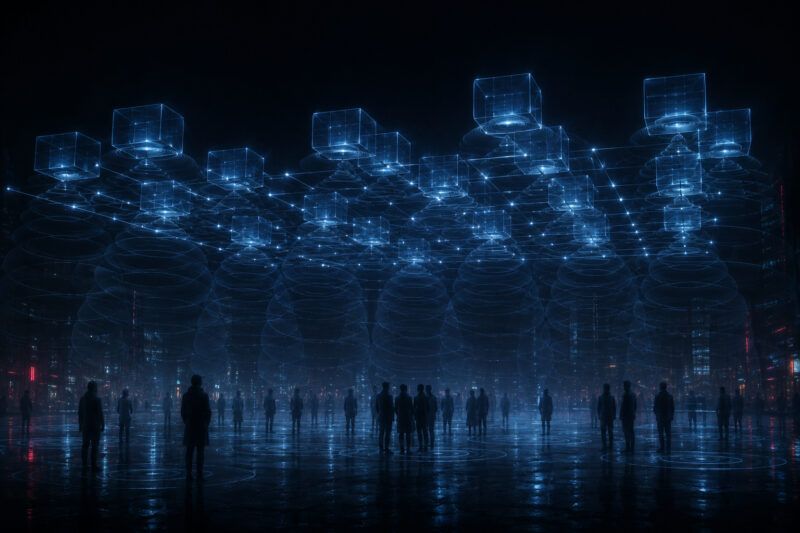
The installation incorporates a network of sensors and infrared cameras distributed throughout the structure. Their purpose is not to identify individuals or collect personal data, but to interpret collective behaviour.
The system analyses how visitors move, which areas attract the highest levels of activity and how the energy of the space evolves throughout the day.
All of this information feeds a complex digital ecosystem that continuously modifies the lighting, soundscape and architectural configuration of the installation.
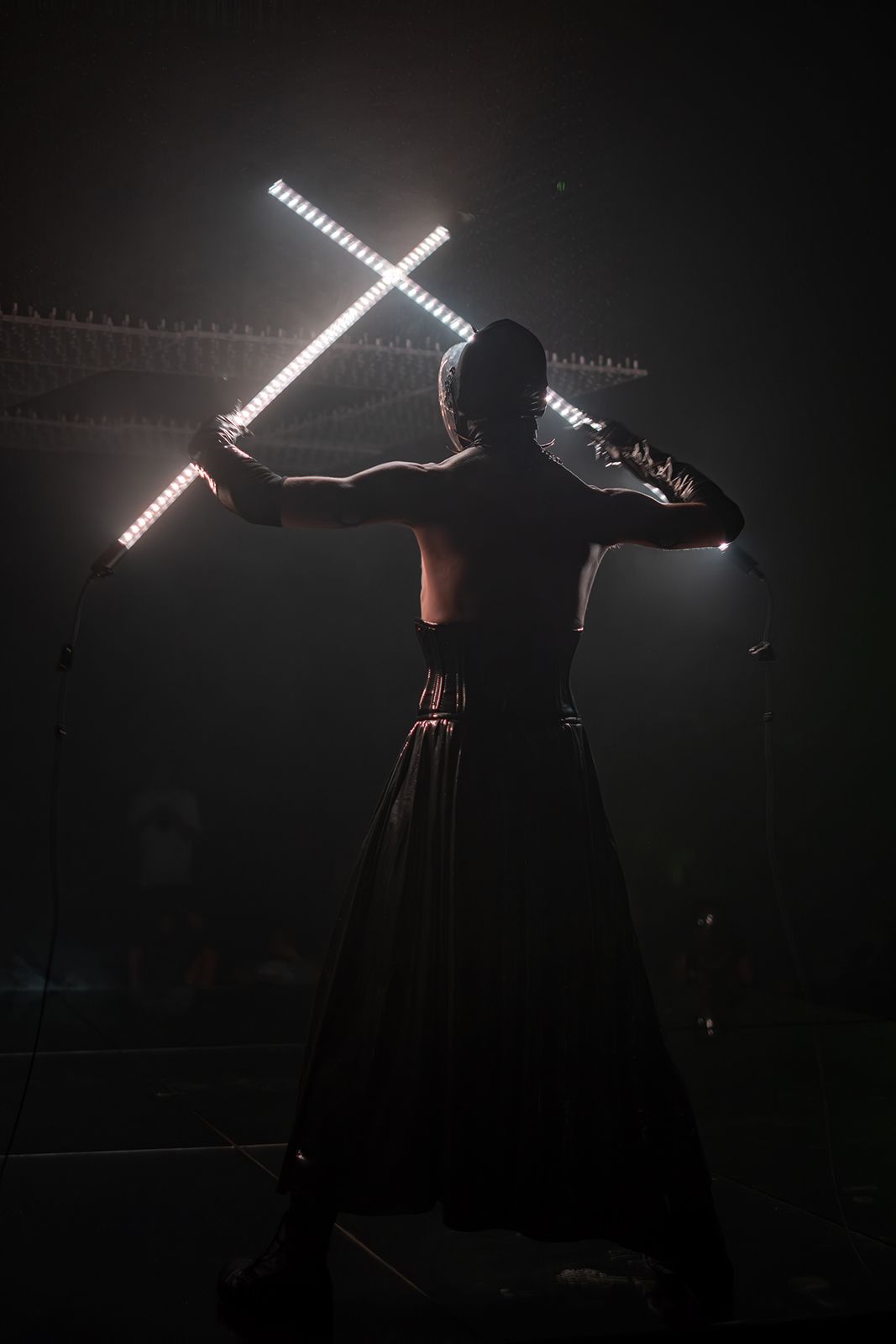
For Sónar+D 2026, the structure will feature hundreds of metres of LED neurons, more than 140 independent motors and nearly one million microchips operating in coordination. Yet for its creators, these figures are simply the consequence of a much simpler idea.
“The project is about exploring the relationship between technology and humanity,” explains Danilo. “We believe that every technological advance is an extension of human beings. We are interested in understanding how both worlds can coexist and how they can enrich one another.”
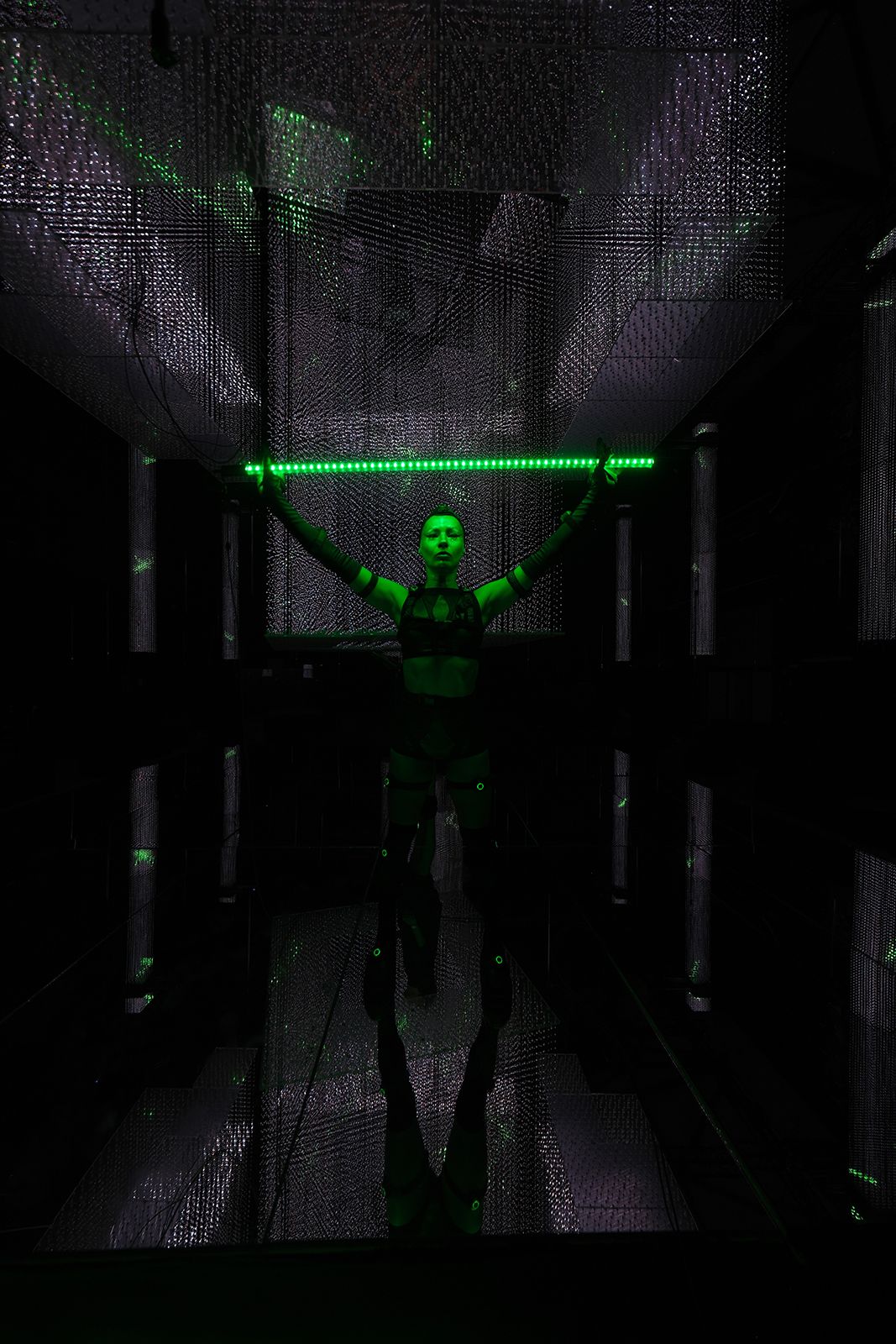
The installation moves through different states throughout the day. At certain moments it remains in a contemplative phase characterised by subtle movements and low-intensity visual patterns. As audience activity increases, the system gradually transforms, activating new sonic layers and progressively reshaping the architecture of the space.
The result is a work that never behaves in exactly the same way twice.
Beyond screens
The arrival of ORGANYSMO aligns with one of the central themes of Sónar+D 2026. In an era defined by artificial intelligence, hyperconnectivity and digital saturation, the festival seeks to explore new relationships between technology and human experience.
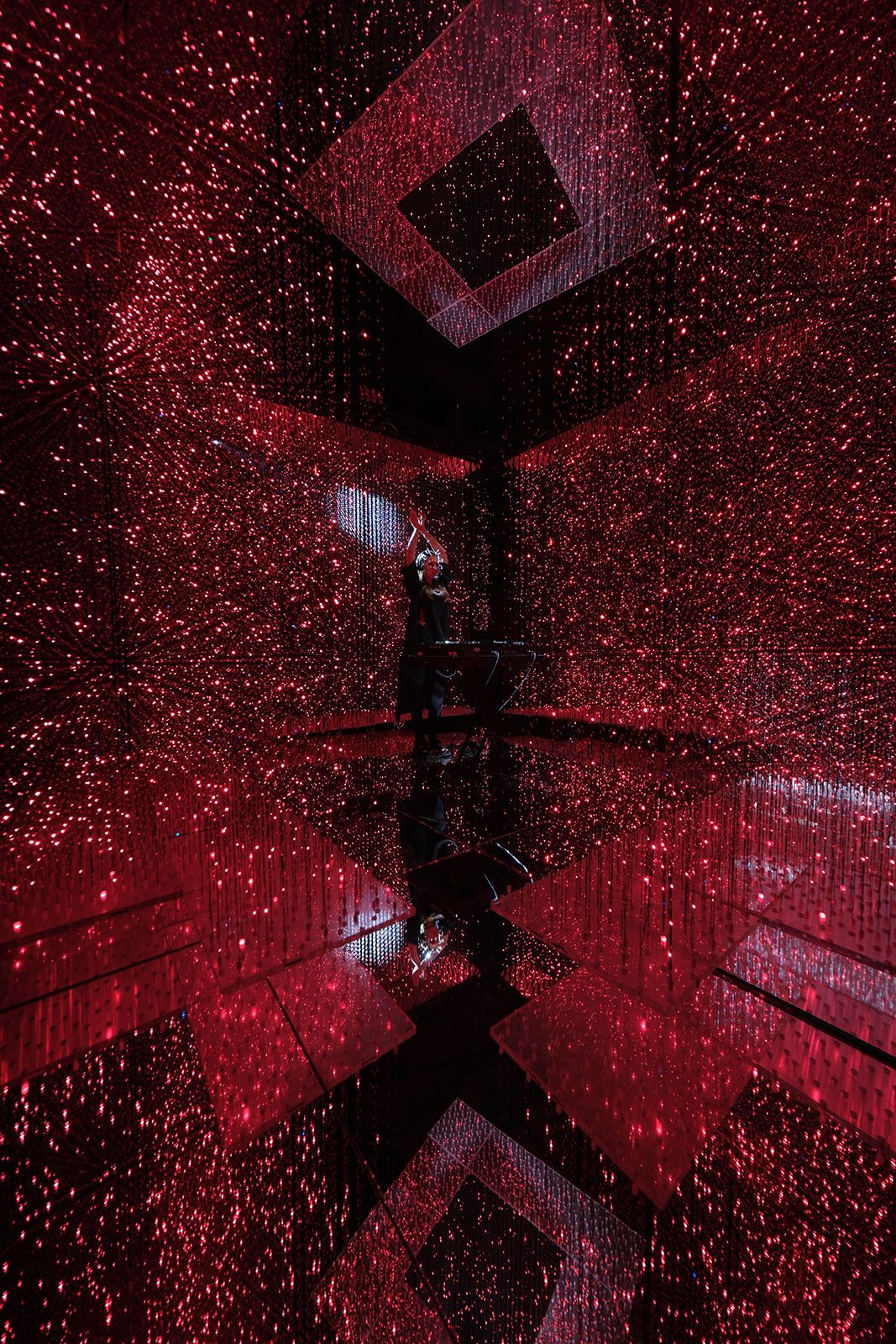
“This year’s programme is built around a very simple question: what do we do with the technology we have created?” says Andrea Faroppa. “AI is no longer the future; it is our present. Screens dominate much of our daily lives, and continuing to consume technology passively no longer seems sufficient. We want to propose a shift in perspective: moving from passive users to active participants.”
That philosophy runs throughout the entire Sónar+D programme, from the configuration of its spaces to the design of its activities. Yet few projects embody that idea as clearly as ORGANYSMO.
The installation cannot be fully experienced through a livestream or a photograph. Its meaning depends on physical presence, collective interaction and the ability to share a space with others.
“We want people to be genuinely present,” says Faroppa. “Because physical presence — what happens when people come together in the same place — is something that still cannot be automated.”
The most ambitious installation in Sónar+D history
The relationship between LedPulse and Sónar is not new. The company previously participated in the festival in 2019, presenting some of its technological developments as part of the exhibition programme. Since then, both the project and the scale of its ambitions have evolved significantly.
For Faroppa, ORGANYSMO represents the perfect moment to revive that collaboration.
“When we began designing the installation together with the LedPulse team, the project continued to grow until it reached an extraordinary scale,” she explains. “There is also a very clear connection with the spirit of this edition. We want to reflect on how we relate to technology and do so through experiences that actively involve audiences.”
The choice of Barcelona is equally significant. In the year that the city holds the title of UNESCO-UIA World Capital of Architecture, ORGANYSMO proposes a contemporary vision of architecture as a dynamic, responsive and ever-changing system.
More than an art installation, it functions as a living environment where architecture, design, sound and technology cease to operate as separate disciplines and instead merge into a single experience.
Perhaps this is why ORGANYSMO transcends the conventional category of immersive artwork. It is not merely a demonstration of what technology can do. What it truly proposes is a reflection on how we want to live alongside it.
And at a moment when so many of our interactions take place through screens and invisible algorithms, that question feels more relevant than ever.
Anyone holding a ticket for Sónar 2026 at Fira Gran Via on Thursday, Friday or Saturday will be able to experience the installation. Get yours here.
Save the date!
(*) Photographs courtesy of LedPulse.