The Great Exhibition: creativity on a loop and with no brakes
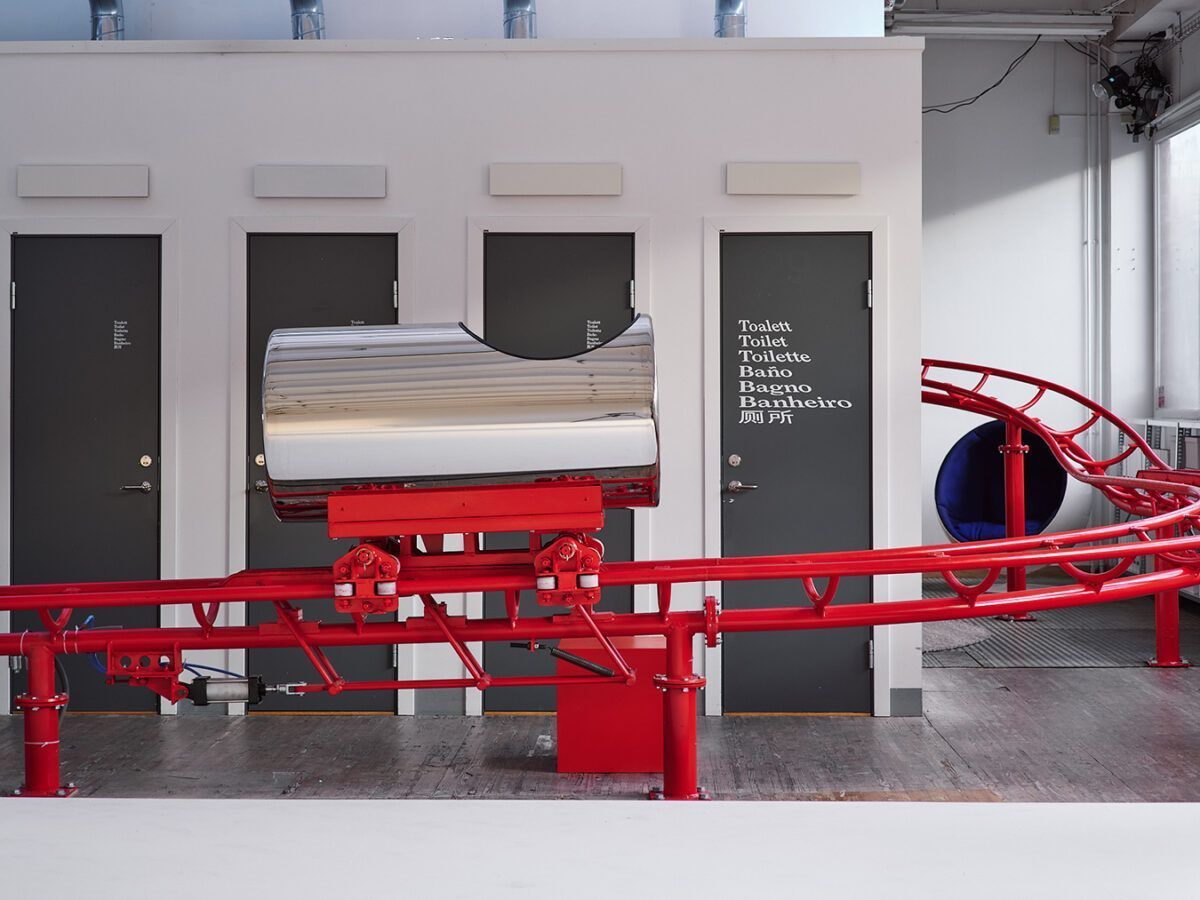
The Great Exhibition, the Swedish agency that installed a rollercoaster inside an office, reminds us that creativity should have no ceiling… and no floor either.
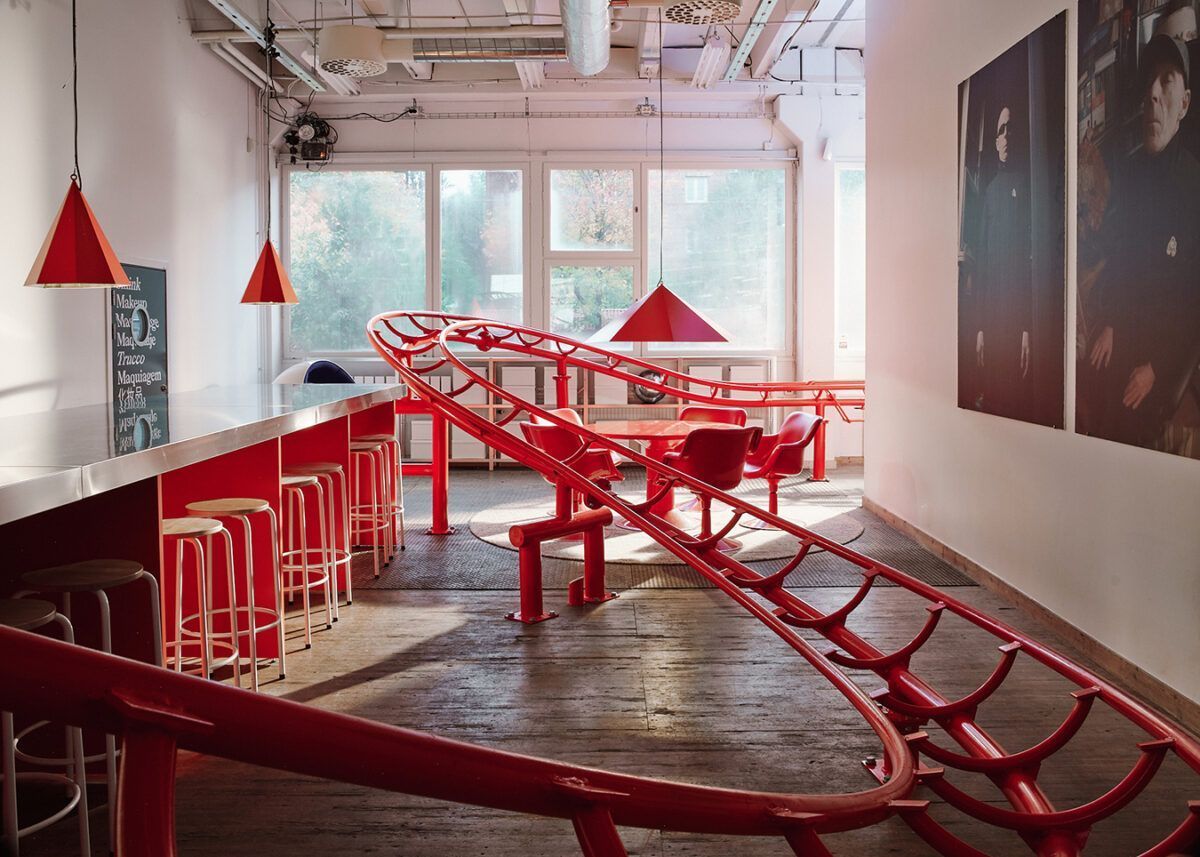
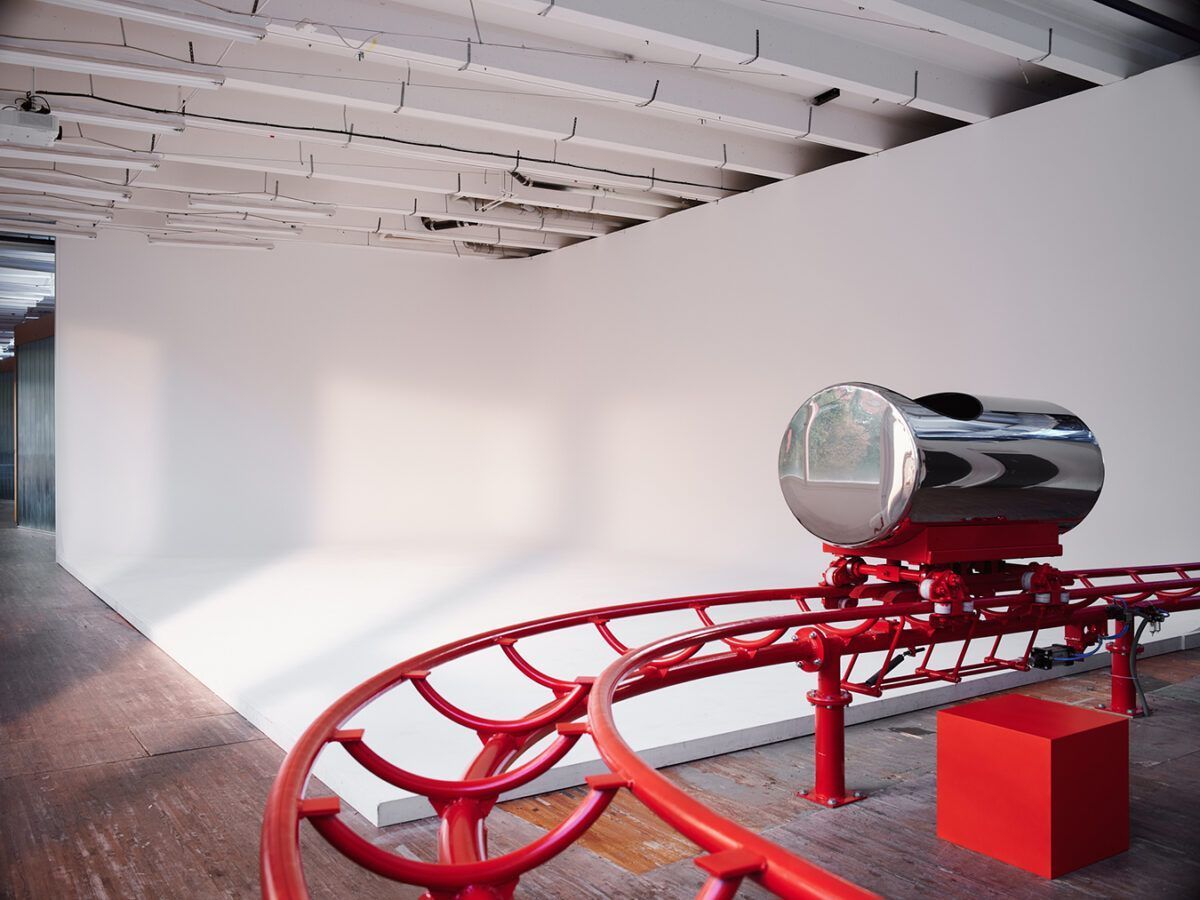
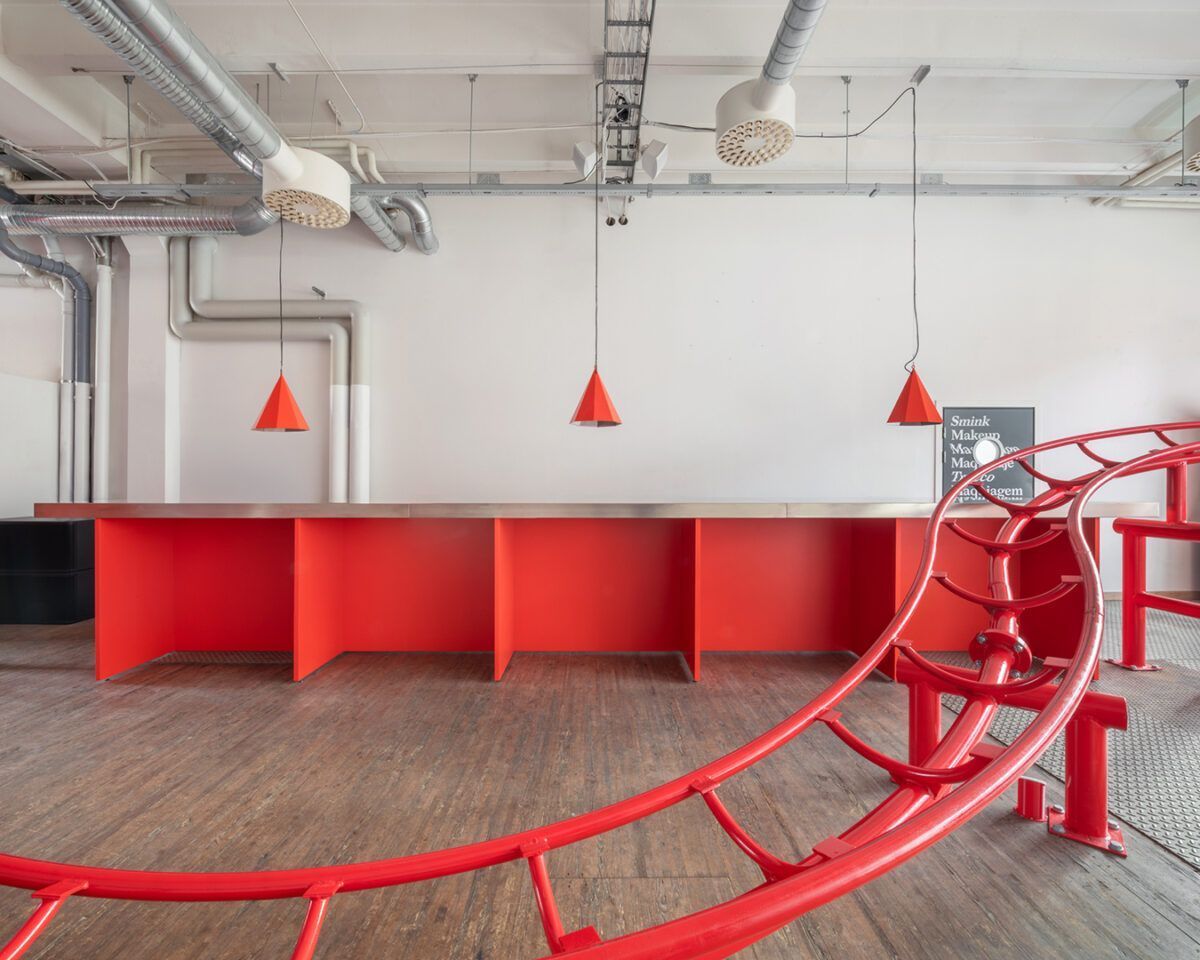
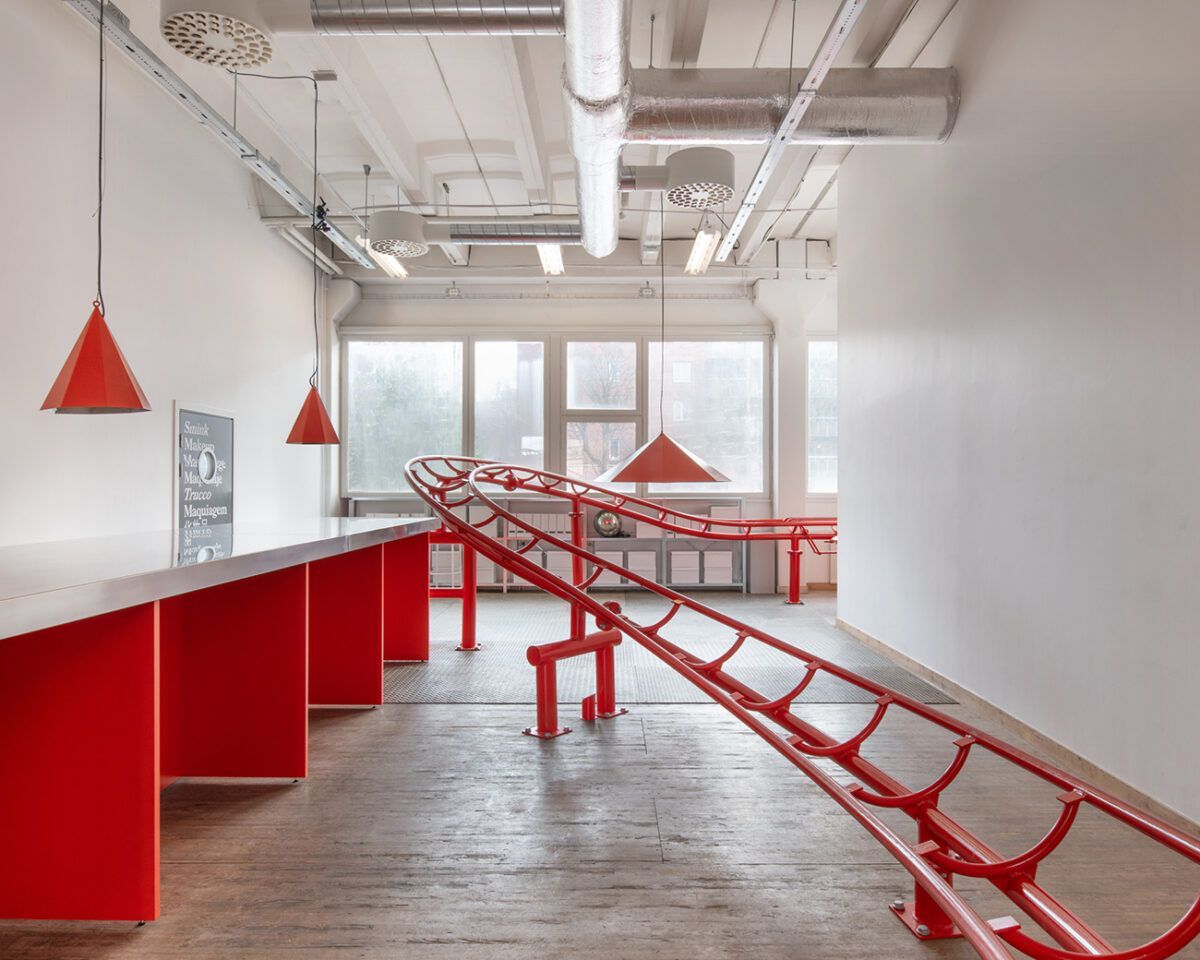
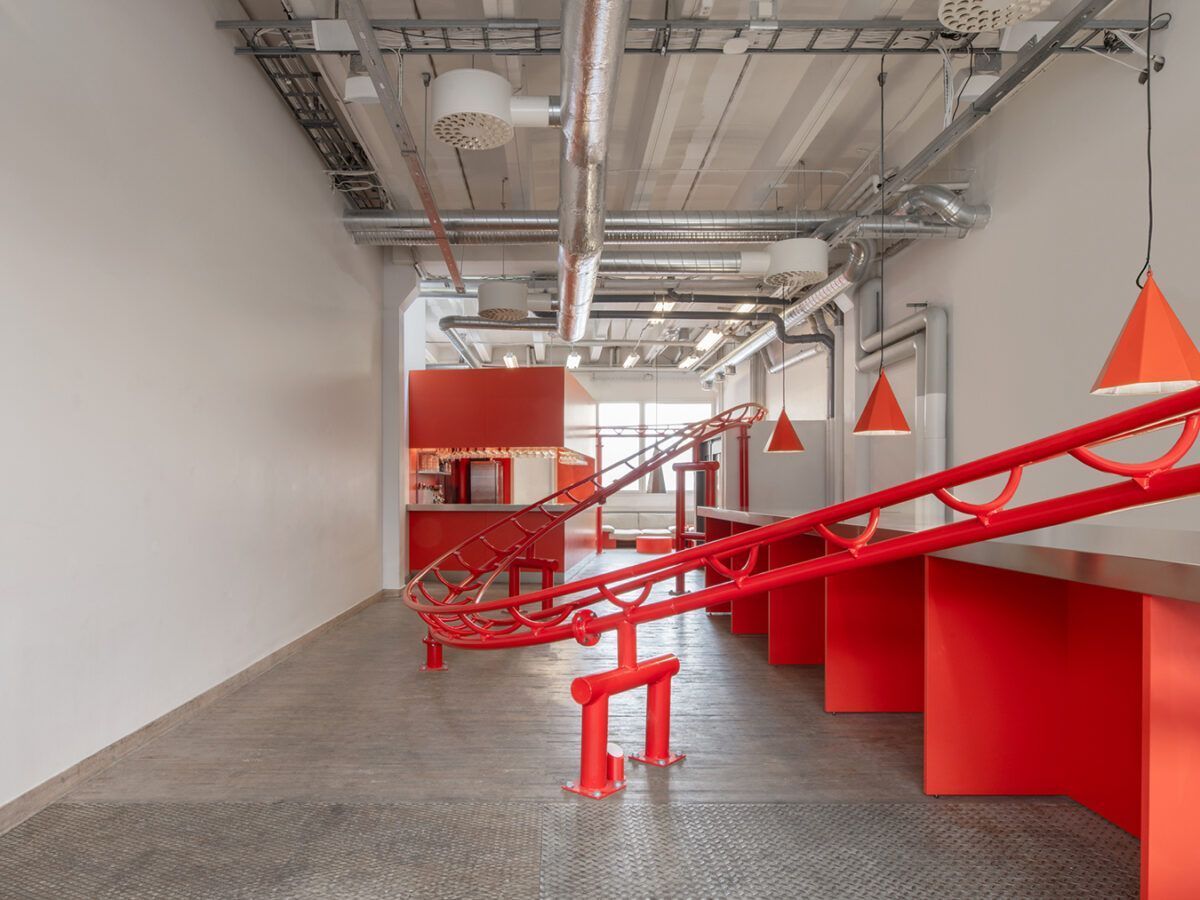
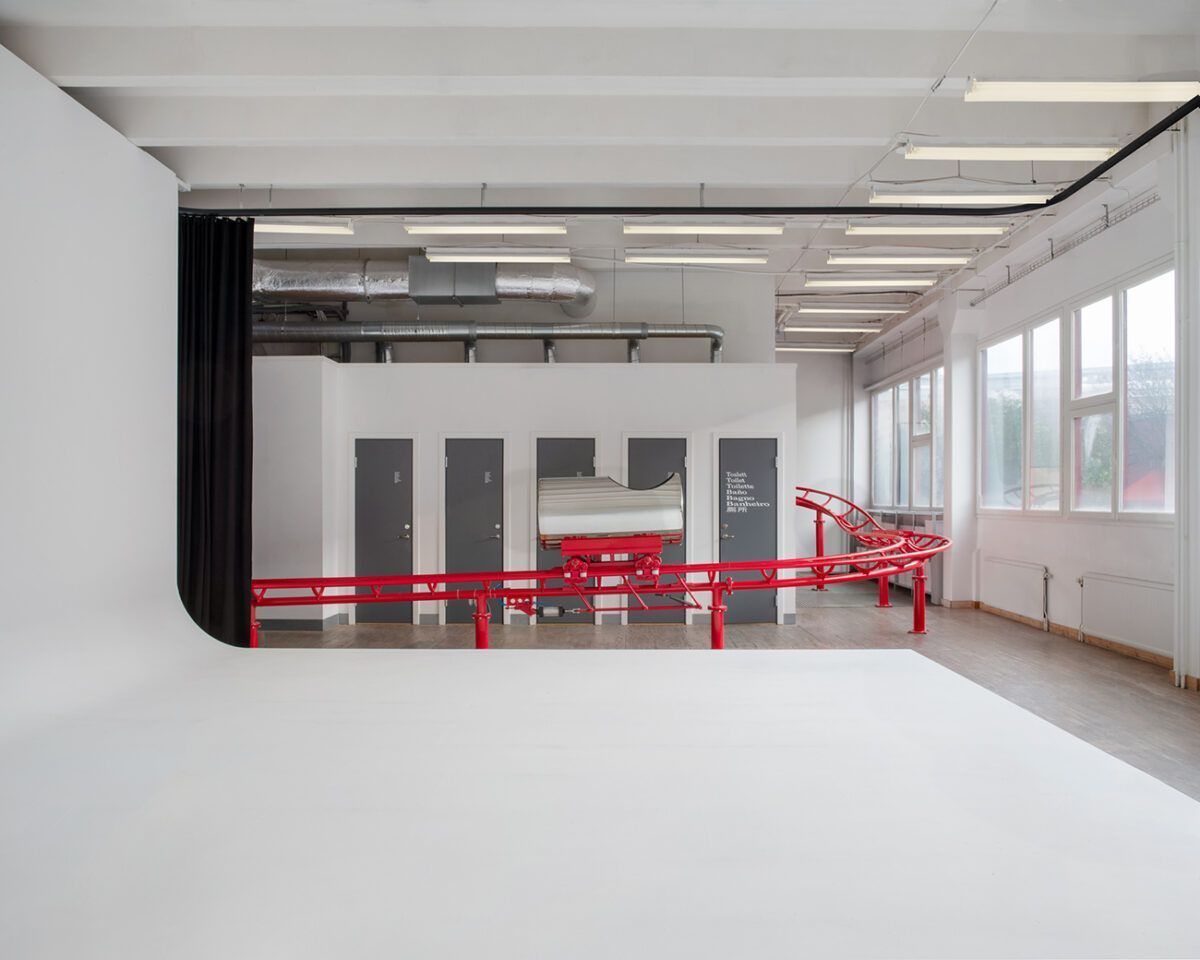
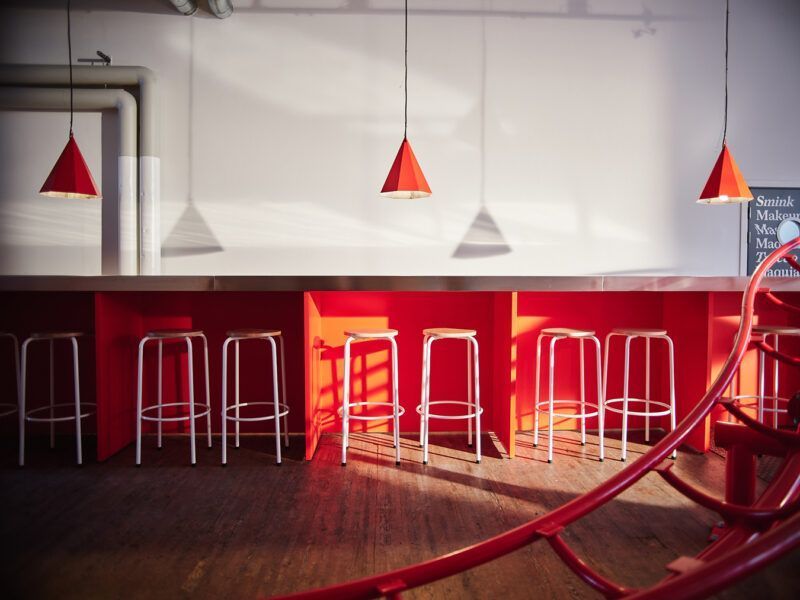
When the language of creativity starts to sound like a worn-out mantra — innovation, disruption, storytelling, impact — some choose to step off the track. Or better still, design their own… in the shape of a rollercoaster.
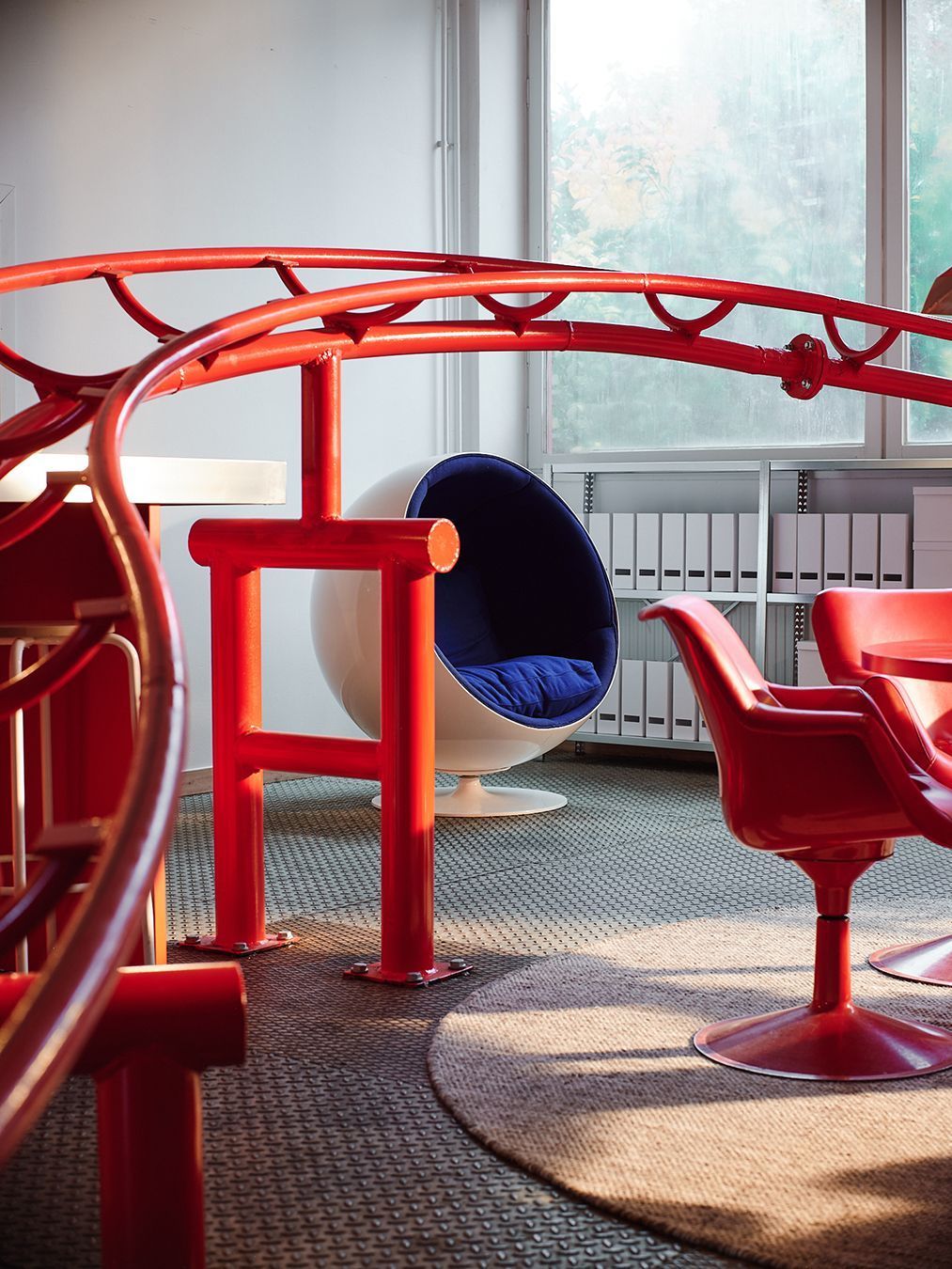
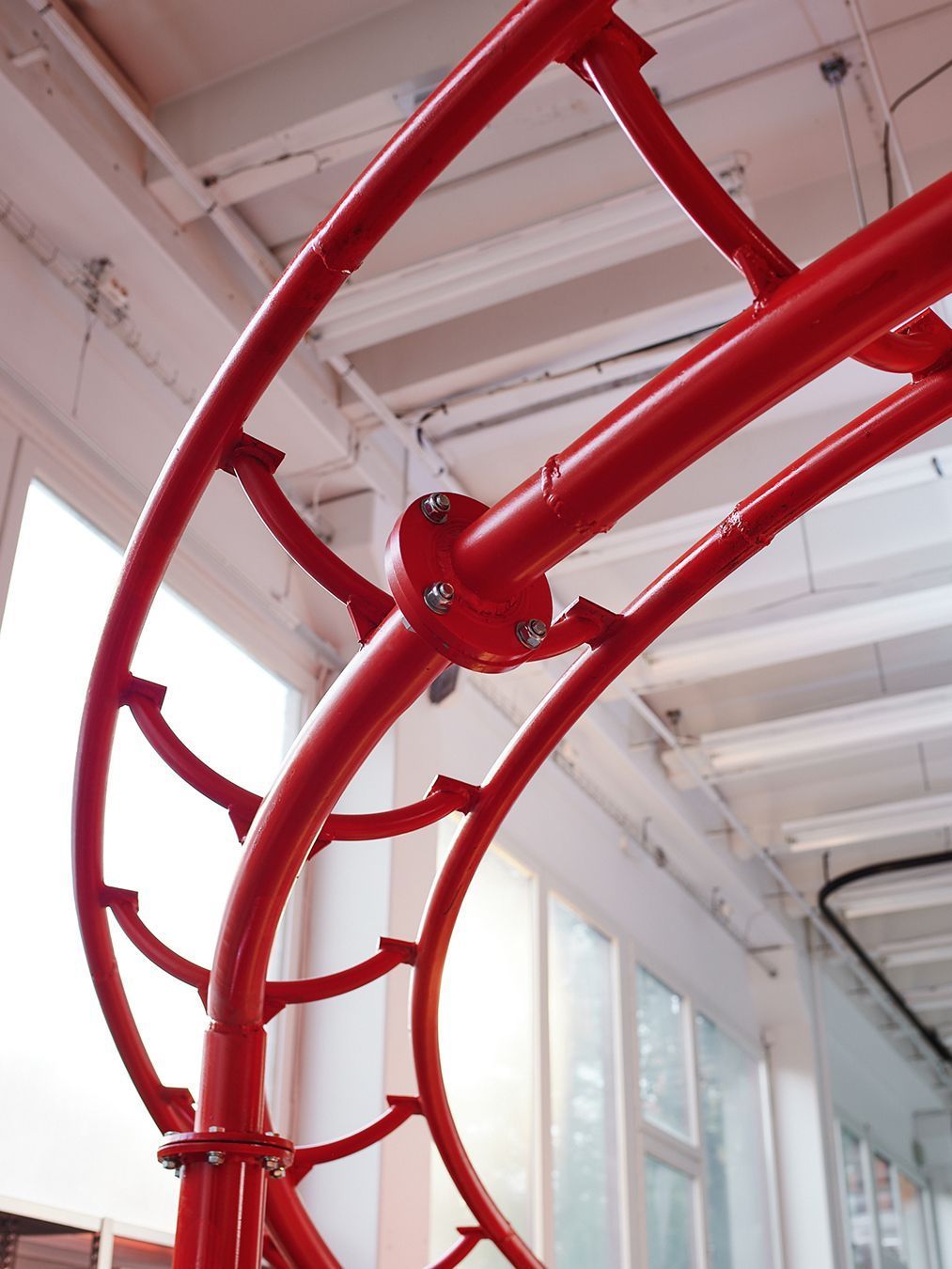
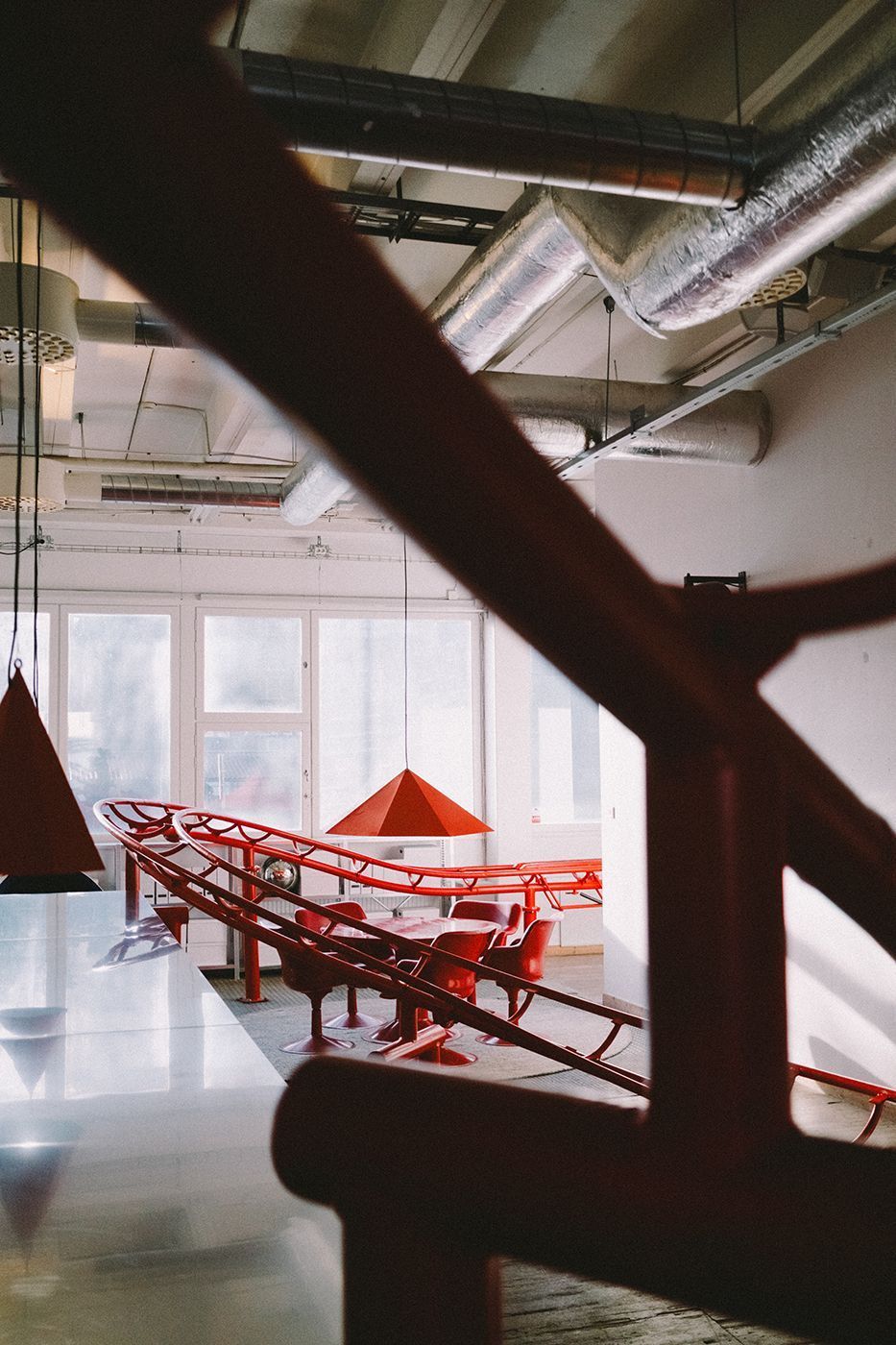
From Stockholm, The Great Exhibition has captured global attention with a project as unexpected as it is poetic: the world’s first rollercoaster built inside an office space. A project that goes far beyond spectacle — it’s a declaration of intent.
Their vision, both radically playful and conceptually sharp, is rooted in a clear belief: creativity is in danger when it becomes predictable. And their response to that threat has been to build an experience that blends design, provocation, and an urgent invitation to imagine other possible futures.
We spoke to them about childhood dreams, industrial limits, offices that no longer look like offices — and why sometimes, the only way forward is to go in circles.
The concept of an office rollercoaster is unlike anything we’ve seen before. Where did the initial idea come from, and what did you want to communicate through this project?
The idea has been with our founder Petter for decades. It was his childhood dream to have his own rollercoaster. I think the rollercoaster is a good illustration of two things. Firstly, I think it’s quite beautiful, not only as an installation but as a symbol. Almost as an act of resistance, of doing something very different from others. We’re supposed to be in the creative business but honestly, looking around, creativity has become quite predictable.
It’s like the industry has accepted to play in a small, well-defined corner. Our rollercoaster is an attempt to escape from that corner where creativity risks becoming boring.
“It was our founder Petter’s childhood dream to have his own rollercoaster.”
Yes, and the second thing it illustrates is that there are two kinds of approaches to dreams. Follow or not follow. It’s not impossible because no one did it. It’s not maybe easy, but it’s not that hard either.
The Great Exhibition often plays with the boundaries between art, provocation and utility. In what way do you see this rollercoaster installation as a piece of design rather than just a spectacle?
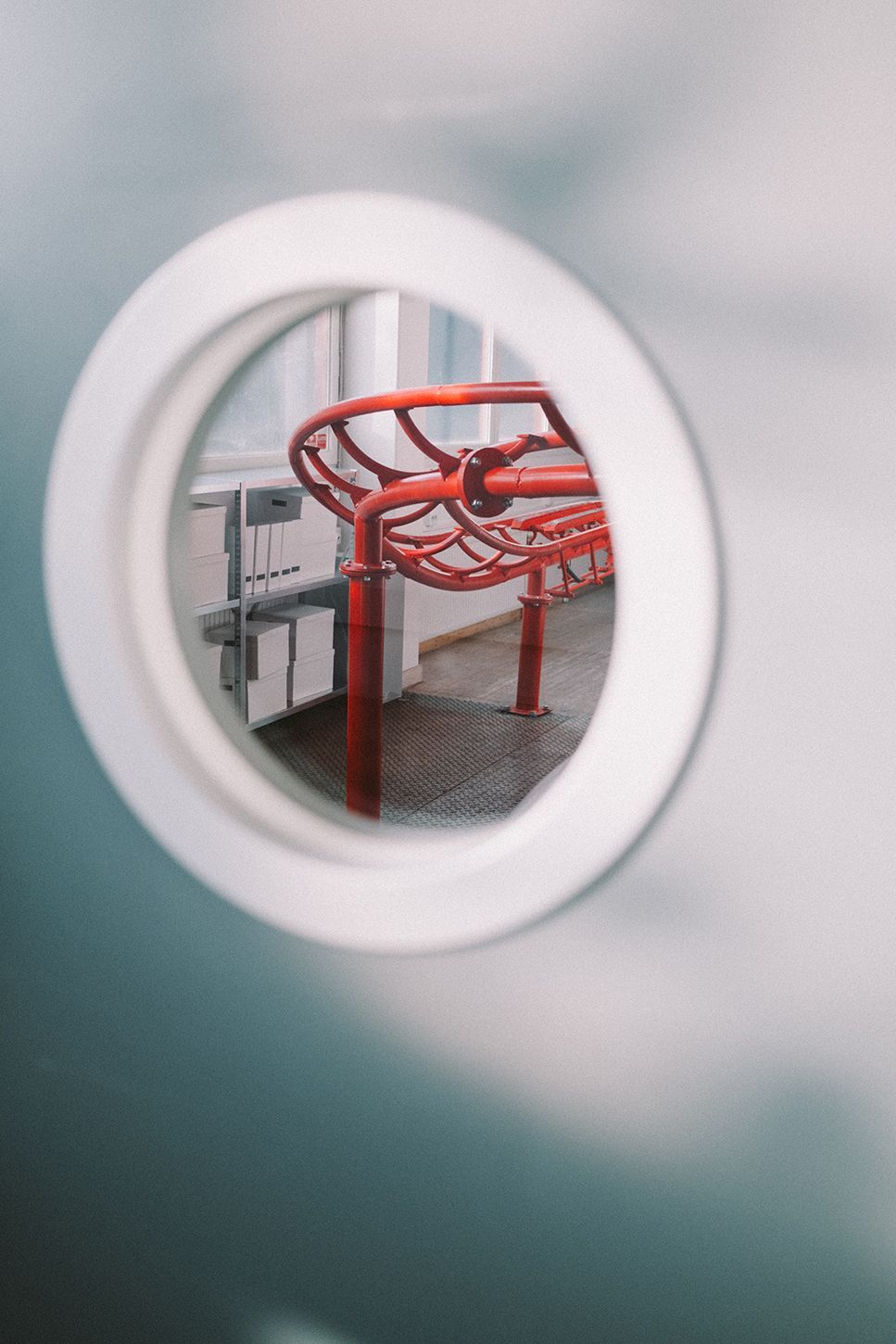
It’s the kind of design we are interested in. It’s problem solving, and based on a deep understanding of context. It’s an enormously complex design with curvatures, payloads, g-forces, brake systems, incline, diameters, safety systems.
It’s very visible as a design, but the real work is what no one sees. The rollercoaster is designed with a clear purpose, which almost puts it at the opposite end of the spectrum from spectacle.
What were the main creative or logistical challenges you faced in making this vision a reality within a real office environment?
A very good question. First of all, there were a lot of discussions about whether it would disturb the people working there.
Most people instinctively think a rollercoaster nearby could cause problems with noise, obstruction or safety. I fully understand and respect that more traditional mindset, the resistance to something you’ve never experienced before. At some point though, curiosity took over. And that’s one of the great things about the people working here. Curiosity.
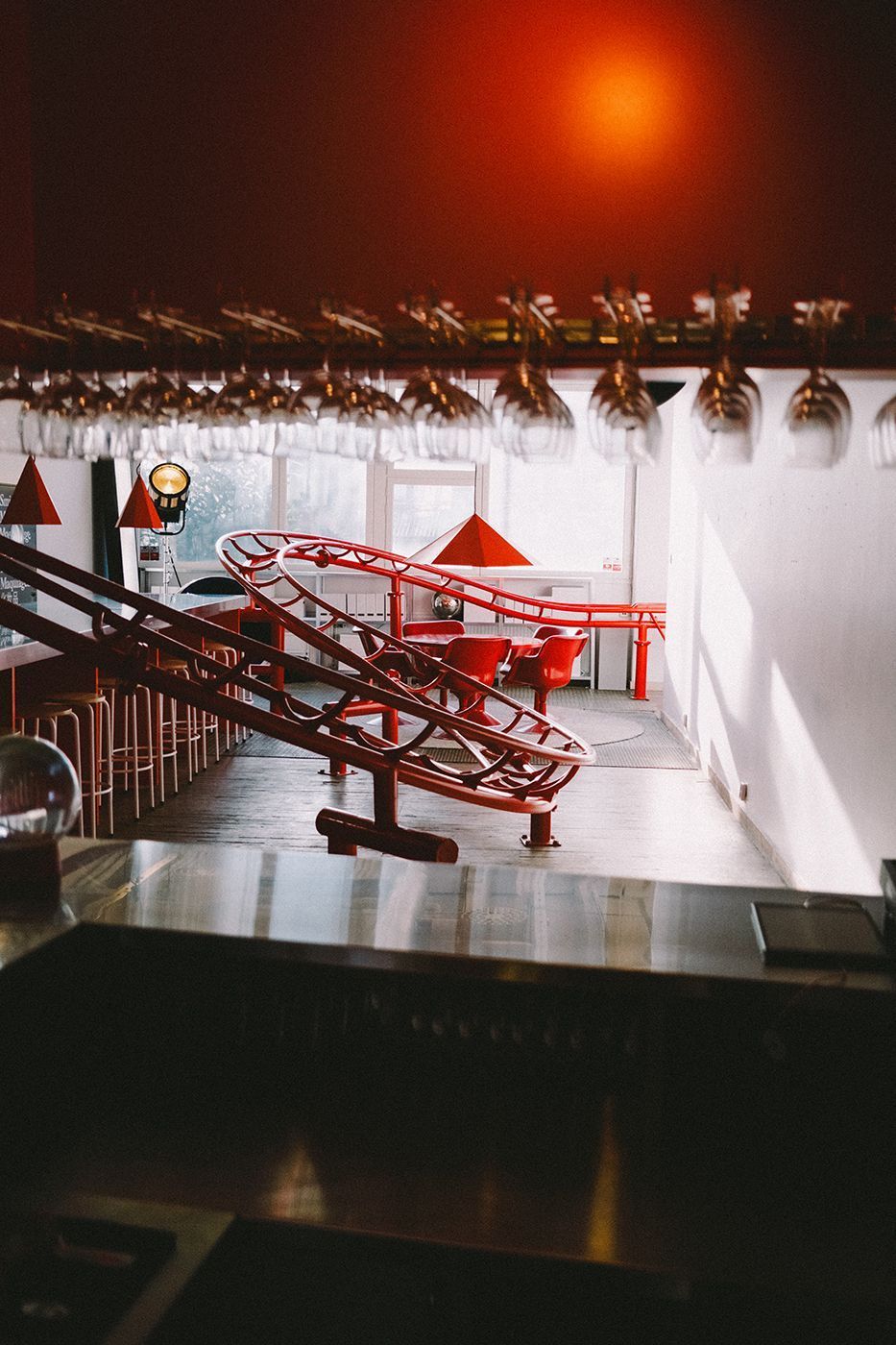
Once we agreed it was worth exploring, the real work began. I can’t explain all the logistics in detail, but it was built in China with extremely high precision to make sure it fit exactly. We had very limited options to adjust the construction once delivered.
Installation was fast. Four people, four days. Most of the core work was done by two people in two days. It’s quite amazing how quick the installation was, compared to how long it took to design and produce.
Has the response from the public and media surprised you? How have visitors and users of the office reacted?
The reactions aren’t that surprising. It’s the first of its kind, and it’s playful. It’s a good story and easy to retell.
I think it shows one of the problems in the creative world. That it doesn’t take much to stand out and become a global news story. Maybe that’s because we’ve accepted a system that favors what’s modest and predictable. So the really interesting ideas get filtered out.
We’re told to be unpredictable and unique, but only within a narrow set of rules. Different, but not too different. So when you break that rule, the reaction is often: “Wait, what did you just do?” And people love it. They can’t get enough.
It’s an experience you never forget, because you’ve never had it before.
“It’s an experience you never forget, because you’ve never had it before.”
The installation seems to speak to broader themes like productivity, routine, escape and corporate absurdity. What conversations do you hope this project might spark?
As you say, it can spark many different conversations. I guess the one we hope for most is the warmest and nicest one. The one about fully embracing what’s playful.
More broadly, what is the mission of The Great Exhibition, and how do you choose the types of spaces or formats you want to intervene in?
Our mission is to make people snap out of reality for a moment. Everything we’ve done that worked could also have been a dream. Doesn’t matter if it’s a million basketballs bouncing out of a car, exploding flowers, cardboard cameras, a hairdresser that only does one very specific haircut or a rollercoaster.
The images or experiences we enjoy designing are always suggesting something more playful, maybe beautiful. Strange. Interesting. Things you’ve never seen before.
“Our mission is to make people snap out of reality for a moment.”
That’s why we chose the name The Great Exhibition. In 1851 in London, people were shown things they had never seen before. We are inspired by that. A lot.
Do you think projects like this can genuinely reshape how we think about workspaces, or are they more about storytelling and critique?
Every time you see something that doesn’t fit, you make space for it in your mind. We’ve shifted the perception of what’s possible, at least a little. And by doing that, we’ve lowered the threshold for the next impossible suggestion. How much or how impactful, we don’t know.
What’s next for you and for The Great Exhibition? Are there other concepts or cities you’re excited to explore?
We’re currently working with inflatable stuff. It’s very inspiring. And we’re looking a lot at Shanghai right now because of the interesting shift going on there. A bit like The Joker said, this is what happens when an unstoppable force meets an immovable object. It’s an interesting place.
(*) Photos provided by The Great Exhibition. Cover photo, fixed horizontal photos 1 and 2, rollovers 1 and 2, and vertical photos 1, 4, and 6: Noah Fernström; rollovers 3 to 6: Mikael Olsson; vertical photos 2, 3, and 5: Joseph Eriksson.