Ophelia’s Got Talent: Florentina Holzinger’s radical reinvention of the stage
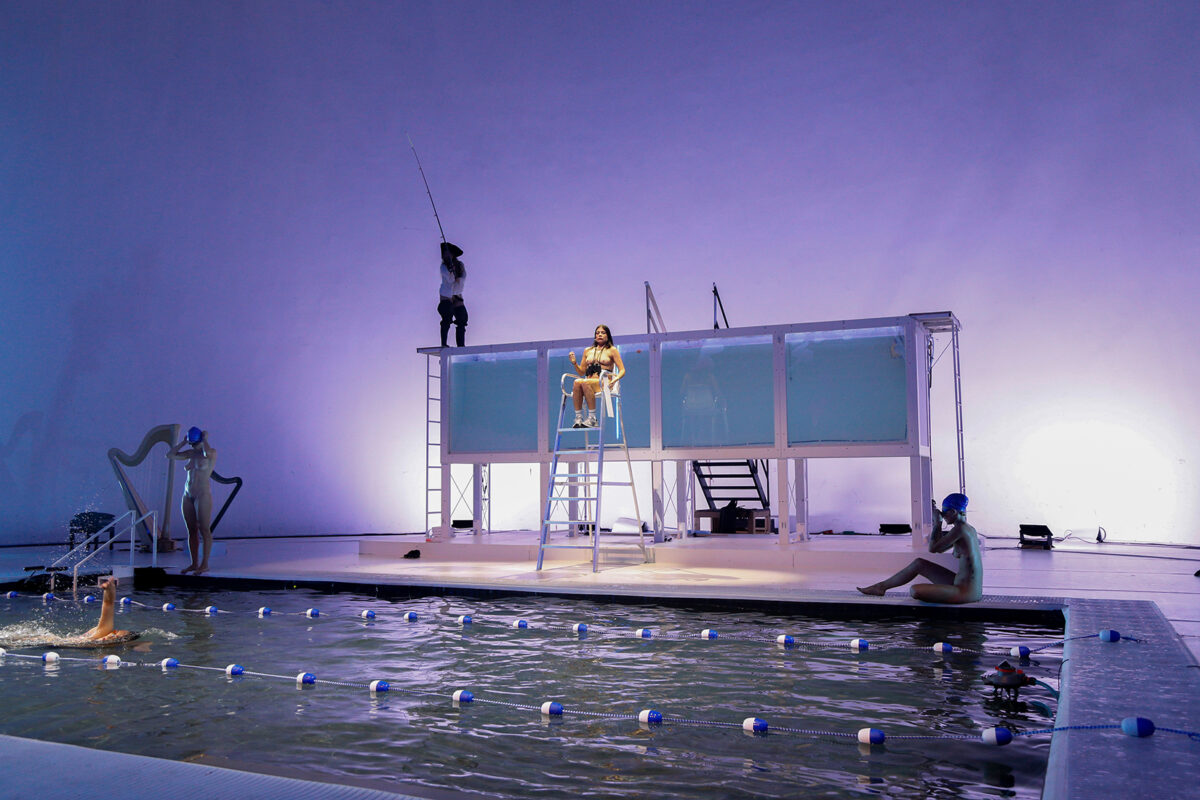
With Ophelia’s Got Talent, Austrian choreographer and performer Florentina Holzinger transforms the body into a site from which to explore identity, memory, power and transformation. Her appearance at Barcelona’s Grec Festival confirms why she has become one of the most compelling—and uncompromising—voices in contemporary performance.
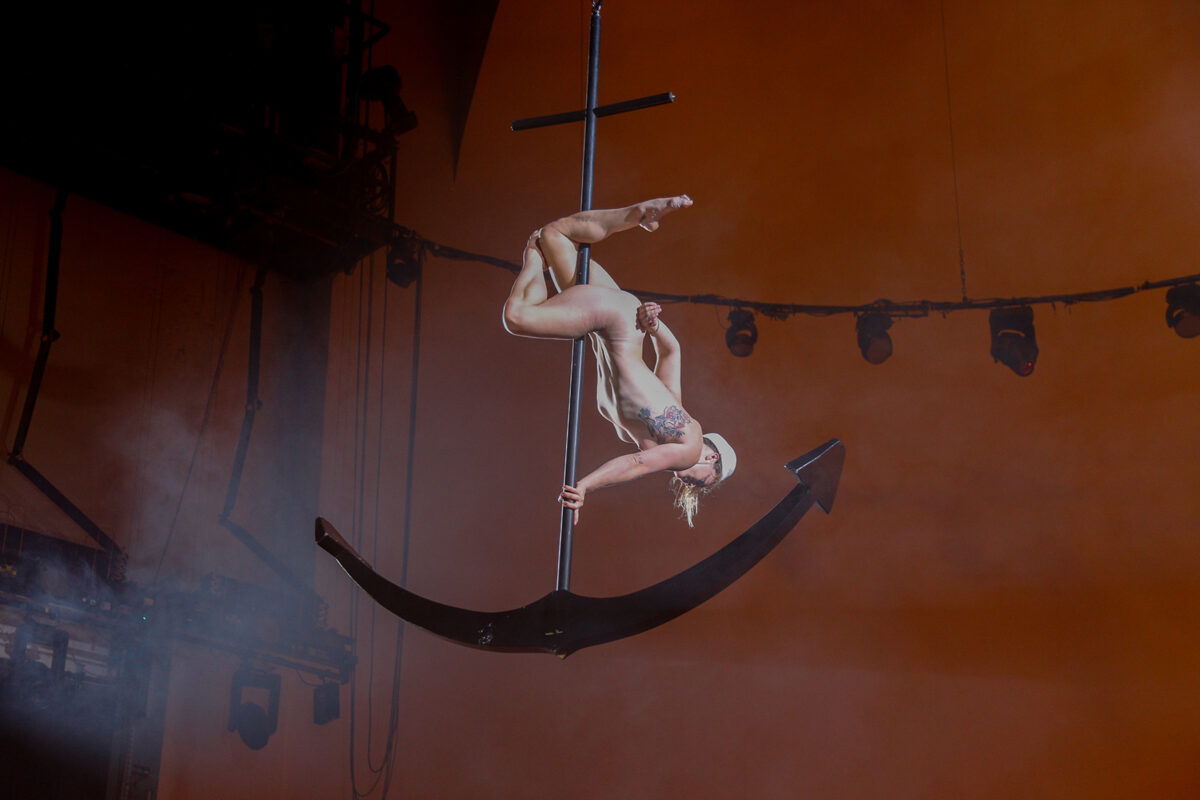
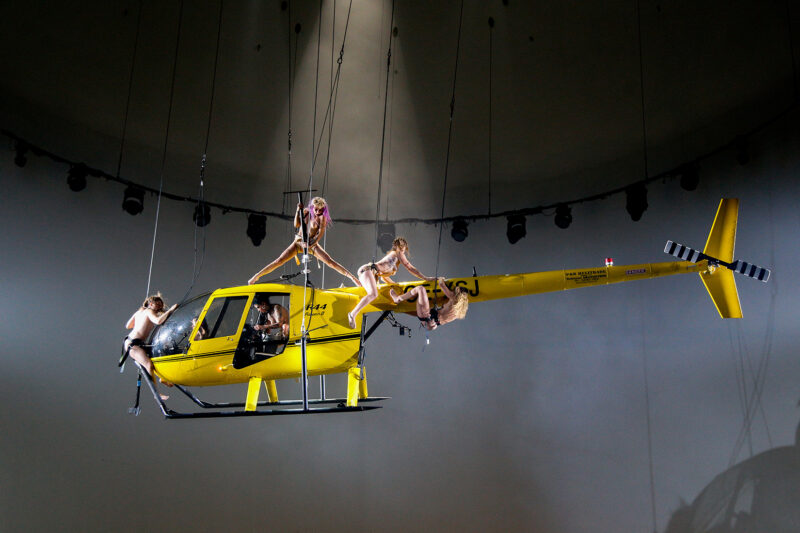
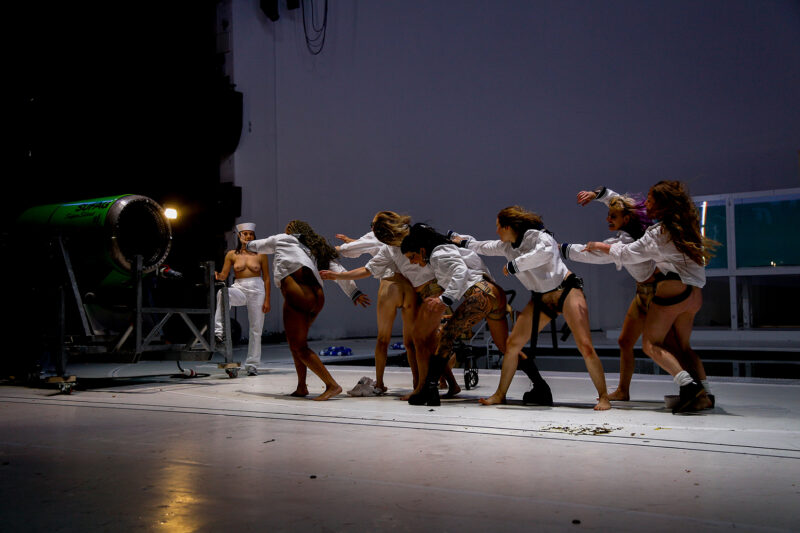
There is a question that hovers over almost every conversation about contemporary art, one that has probably never had a straightforward answer: should art comfort us or unsettle us? For years, we have tended to assume that a work of art fulfils its purpose when it moves us, entertains us or, at best, inspires admiration. Yet some of the most significant artistic practices of our time seem to pursue a very different ambition. They do not seek to send audiences home with neatly packaged answers, but with new questions. They compel us to reassess our certainties, challenge our assumptions and reconsider things we believed we already understood.
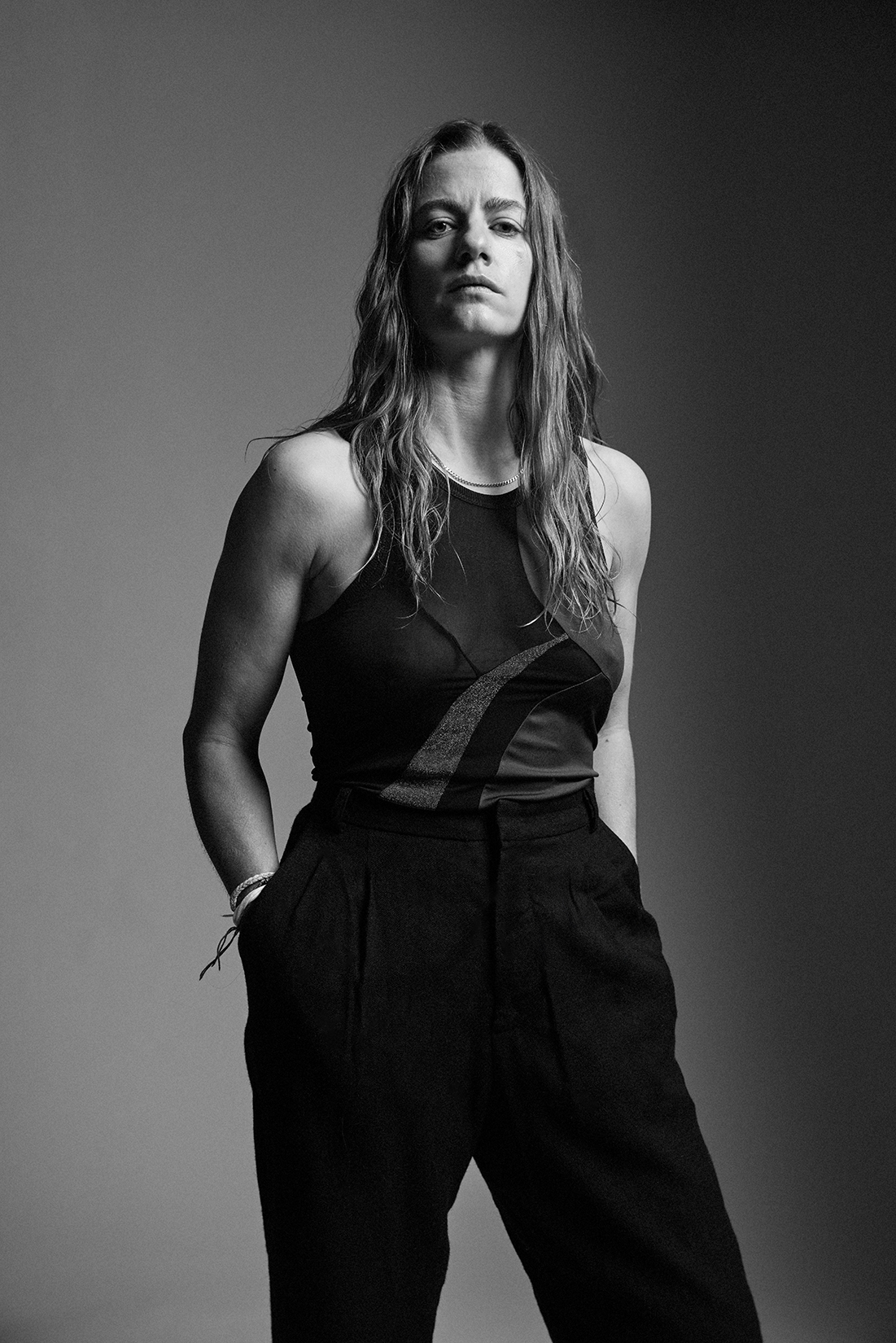
That ability to reshape perception feels particularly valuable at a moment when so much of contemporary culture appears designed to reinforce what we already think. Algorithms show us what they know we will enjoy, social media continually confirms our preferences, and much of today’s entertainment is engineered to avoid creating too much friction. Against that backdrop, encountering an artist who treats the stage as a place for uncomfortable conversations feels almost like an act of resistance.
Few contemporary creators embody this understanding of art more convincingly than Florentina Holzinger. Over the past decade, the Austrian choreographer and performer has built a body of work that defies categorisation, bringing together dance, theatre, performance art, opera and circus within a single theatrical language. Her productions resist conventional classification, using the body as a territory through which to explore power, identity, violence, desire and transformation. It is hardly surprising that her work has received some of Europe’s most prestigious performing arts awards or that her productions have been selected repeatedly for Berlin’s internationally acclaimed Theatertreffen. Nor is it surprising that she has become one of the defining voices of a generation of artists who understand the stage not merely as a place for entertainment, but as a space for reflecting on the complexities of the present.
The body as political territory
Her arrival at Barcelona’s Grec Festival, particularly in the year the festival celebrates its fiftieth anniversary, could hardly be more timely. For five decades, Grec has introduced audiences to some of the most innovative voices in international performance, and few productions embody that spirit more convincingly than Ophelia’s Got Talent. More than a performance, the work unfolds as an intensely physical and emotional experience, bringing together mythology, live music, acrobatics, dance, humour, moments of extraordinary visual beauty and others that deliberately force audiences beyond their comfort zones.
Its starting point is as evocative as it is symbolic. Holzinger reclaims the figure of Ophelia, one of the most frequently represented female characters in the history of Western art. From Pre-Raphaelite painting to cinema and photography, Ophelia‘s image has remained associated for centuries with water, madness and a death transformed into an almost aesthetic ideal.
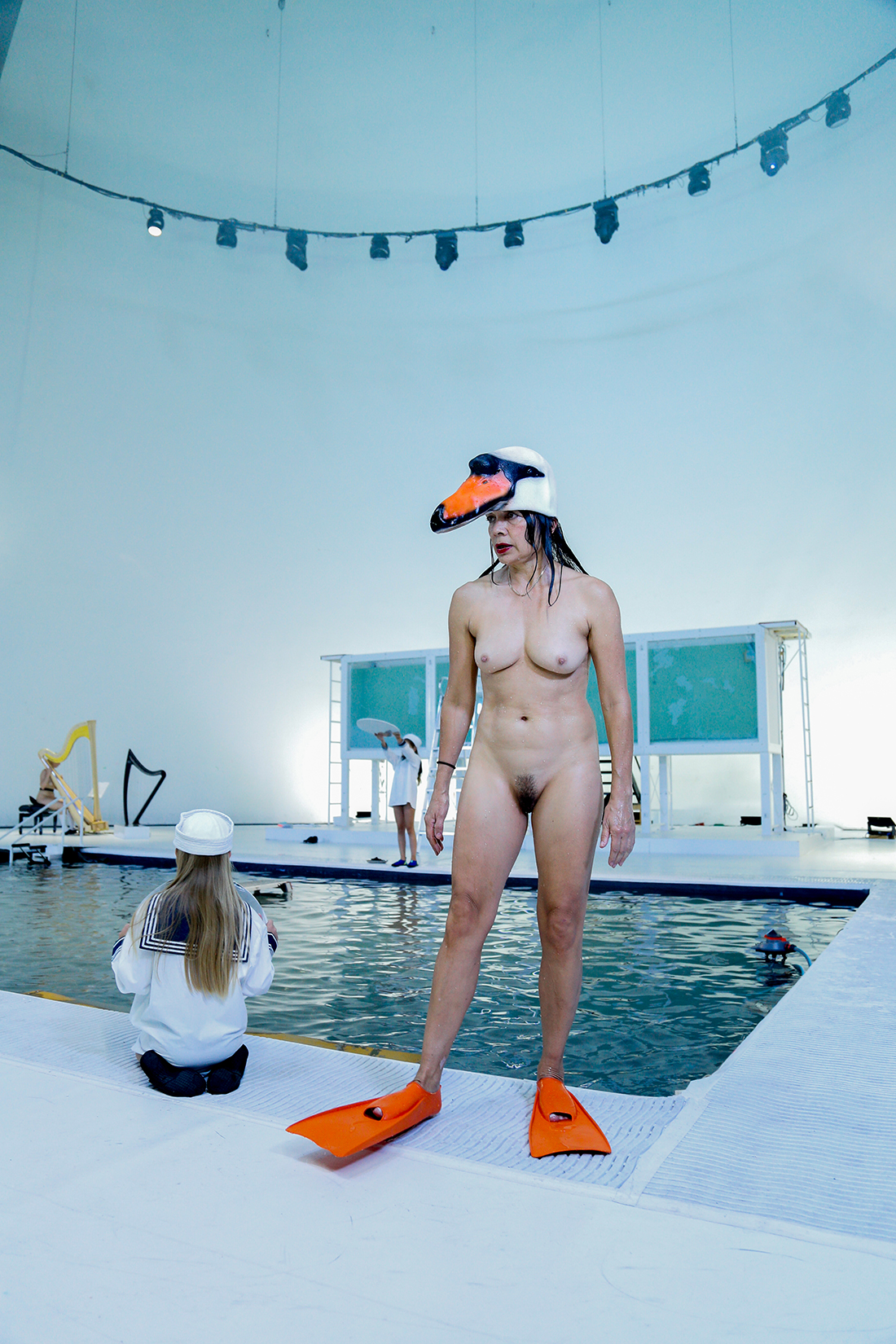
Holzinger dismantles that familiar imagery completely. Her Ophelia no longer lies motionless upon the surface of a river, existing solely as an object of contemplation. She moves. She sings. She embraces danger. She pushes the physical limits of her own body and shares the stage with mermaids, nymphs, undines and other female figures historically associated with water.
Together, they form a kind of community in which ancient myths engage with profoundly contemporary concerns, from the climate crisis to the urgent need to imagine new forms of adaptation and survival.
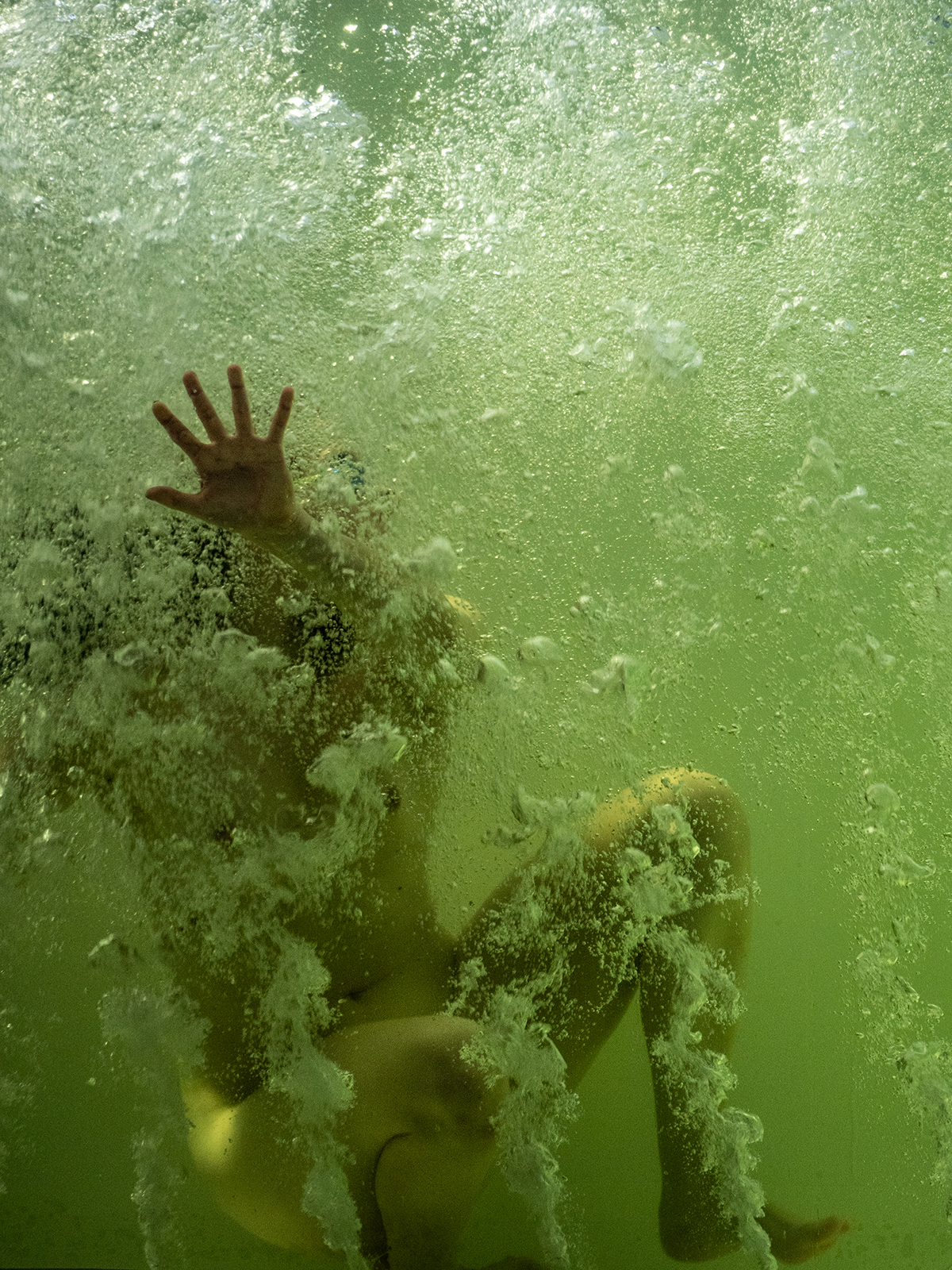
Water flows through the entire performance as a constant presence. It symbolises the origin of life, but also the possibility of disappearance. It represents transformation, memory and the ability to change form in order to survive. It is not a particularly difficult metaphor to recognise at a historical moment defined by uncertainty, environmental crises and the growing awareness that the future will require forms of reinvention we can scarcely imagine today. Holzinger offers no definitive answers. Instead, she constructs a universe of images in which every spectator is invited to discover their own connections.
The body as political territory
It is tempting to describe Ophelia’s Got Talent as provocative. Indeed, much of the critical discussion surrounding the production has focused on the scenes featuring nudity, blood or physically extreme acts. Yet to stop there is to overlook what makes Florentina Holzinger‘s work genuinely compelling. Provocation is never the objective. If anything, it is simply the consequence of a practice that uses the body to address far more profound questions.
Throughout much of the performance, I found myself returning to one particular question: who gets to decide what a body should be? The answer is present throughout the production, even if it is never articulated directly.
For centuries, the female body has been observed, judged, corrected and represented through the eyes of others. The history of art is filled with women transformed into muses, symbols and allegories, yet only rarely have they been allowed to define their own image. Holzinger dismantles that tradition by reclaiming the body from an entirely different perspective. Her performers are not there to be admired or passively observed. They are there to act, to challenge, to transform and, above all, to occupy space with a freedom that remains remarkably uncommon in contemporary performance.
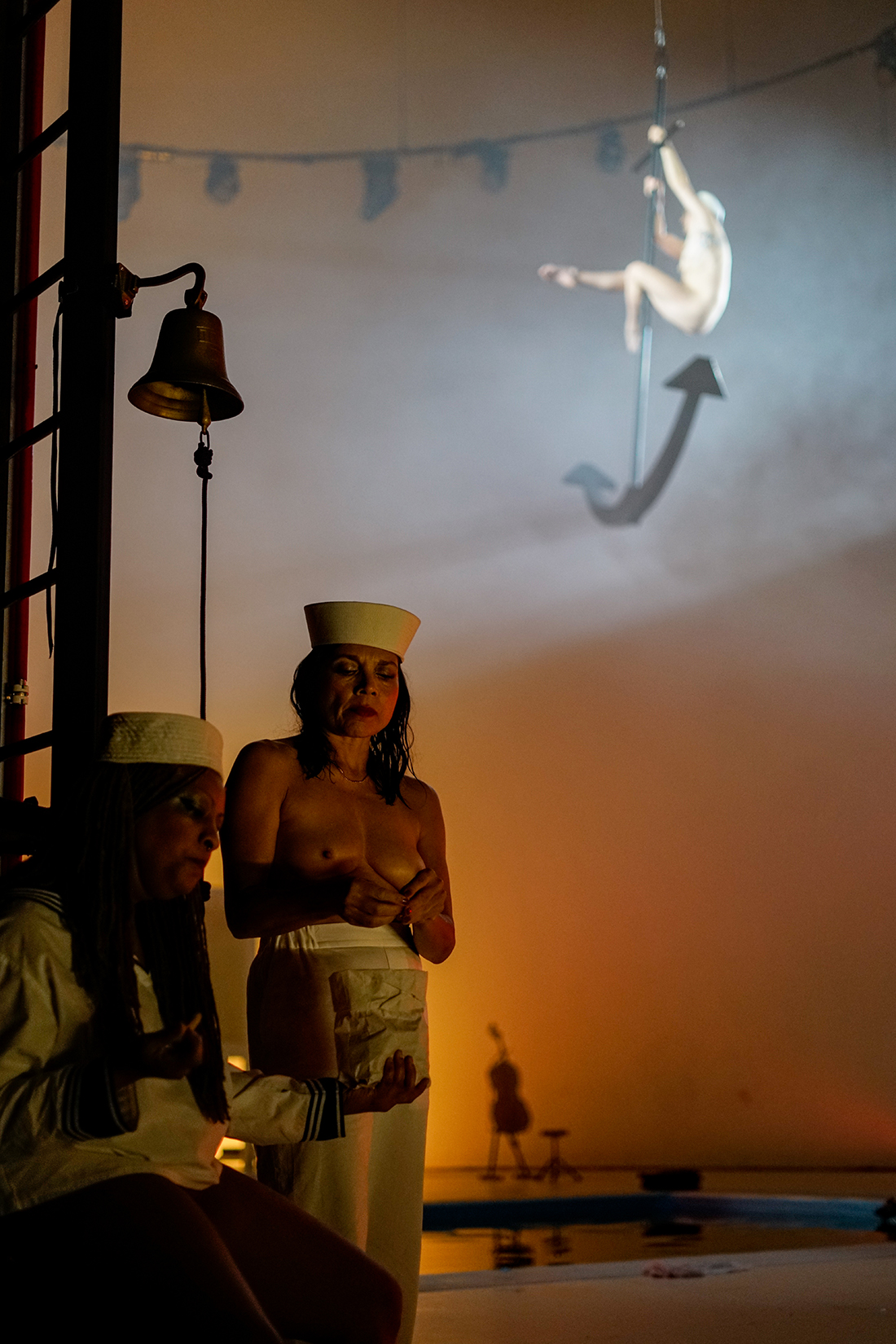
The body also remembers
There is an almost inevitable pattern whenever Florentina Holzinger‘s work is discussed. Conversations tend to revolve around what is most immediately visible: naked bodies, blood, physical risk or scenes that push beyond what we traditionally understand as theatrical performance. They are difficult images to forget and, precisely for that reason, they attract much of the attention. Yet stopping there means missing what truly matters.
In Ophelia’s Got Talent, the body never functions as a device intended merely to shock the audience. It is the very foundation upon which the work’s entire discourse is constructed.
This is a body that refuses to conform to the ideals of perfection that surround us every day. It has no interest in appearing pleasing or reassuring, nor does it aspire to become a symbol of anything in particular. It is simply a body marked by experience, memory and the passing of time.
One of the production’s most unexpected moments illuminates this idea with extraordinary clarity. Halfway through the performance, Florentina Holzinger briefly steps away from symbolic language to speak about herself. She recalls how, as a teenager, she suffered from anorexia and would drink excessive quantities of water before medical appointments in order to conceal her weight loss and prevent doctors from discovering the severity of her illness. The confession lasts only a few moments, yet it fundamentally alters the way the audience understands everything that has happened beforehand.
Suddenly, the acrobatics cease to be simply demonstrations of extraordinary physical skill. Pain is no longer perceived merely as a theatrical device, and the body itself stops functioning as an abstract metaphor. Everything acquires a deeply personal dimension.
Holzinger doesn’t speak from a position of detachment, nor does she transform the stage into a platform for abstract theories about the female body. She speaks from lived experience—from someone who knows exactly how a body can become a territory of control, suffering and, ultimately, reconstruction.
That distinction is essential because it explains why her work never descends into gratuitous provocation. There is an enormous difference between using shock to attract attention and employing disturbing imagery because it forms part of a coherent artistic enquiry.
In Holzinger‘s case, every scene serves a narrative necessity. Even those moments that provoke the greatest discomfort seem to ask why certain forms of representation continue to feel unacceptable while we coexist so comfortably with other, far less visible forms of violence.
This question runs throughout the history of Western art. For centuries, we have accepted idealised representations of female bodies, transformed into objects of beauty, desire or passive contemplation.
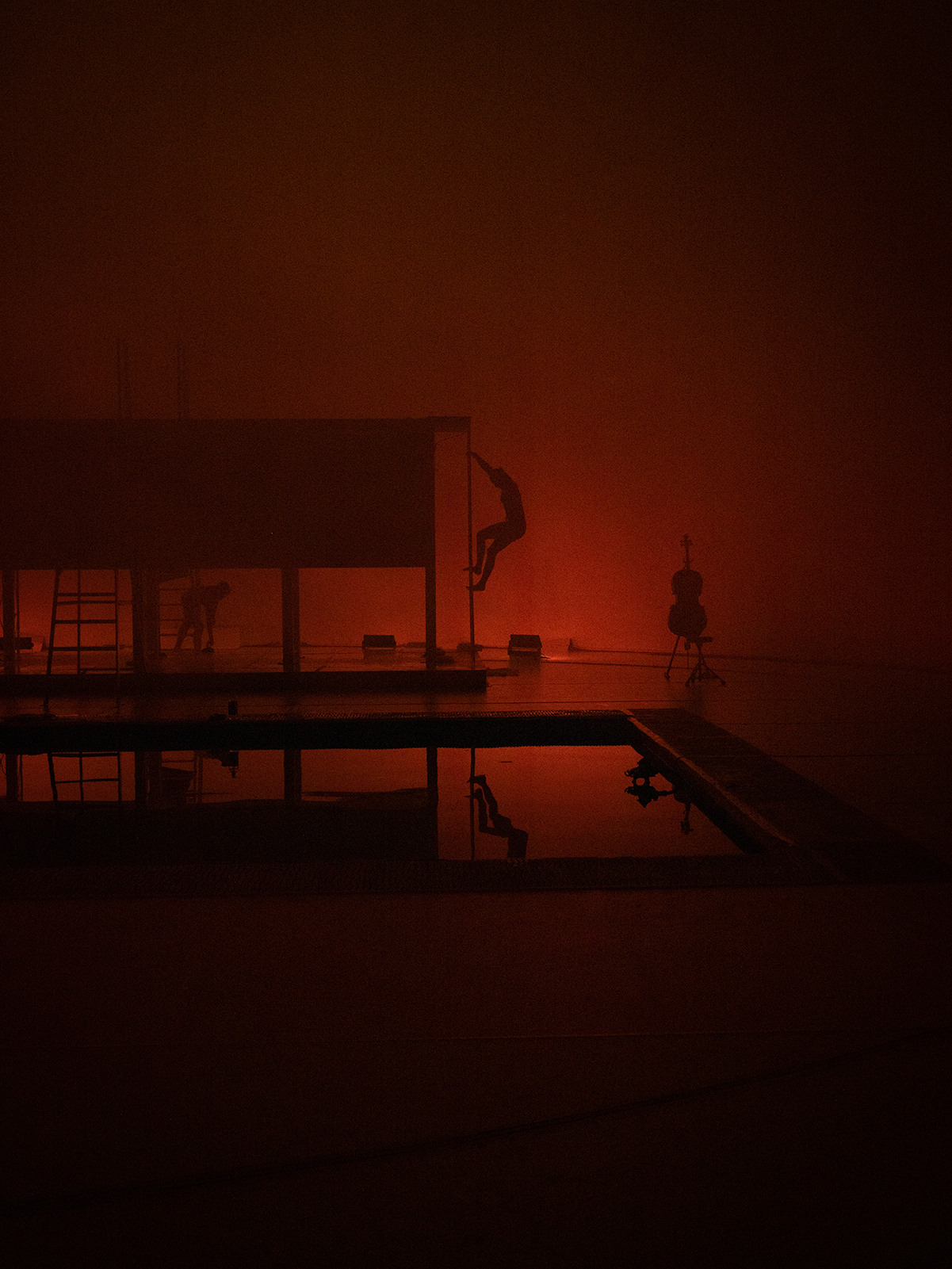
Yet we continue to respond with unease when those same bodies appear from a position of autonomy, strength or genuine vulnerability. Holzinger overturns that visual tradition by reclaiming it entirely. Her performers don’t embody an abstract idea of womanhood. They embody women capable of occupying space without asking permission—even when that presence unsettles our own expectations as spectators.
Perhaps this is one of the reasons why Ophelia’s Got Talent transcends the boundaries of the performing arts. The production speaks about the body, but it also examines the way we construct identity, the social pressures that shape how we present ourselves to the world, and the extraordinary human capacity to adapt to extreme circumstances. Water, present from beginning to end, ceases to function merely as a scenic element and becomes a metaphor for perpetual transformation. Everything flows, everything changes, everything acquires new meaning.
Why we still need artists like Florentina Holzinger
In recent years, much has been said about the importance of making culture more accessible, more approachable and capable of reaching increasingly diverse audiences. It is a perfectly legitimate ambition. Yet in pursuing that goal, we should not lose sight of another equally essential function of art: its capacity to generate thought.
Not every work needs to be comfortable. Nor does every work need to appeal equally to everyone. Some creations derive their greatest value precisely from the discomfort they provoke, because they compel audiences to question what they previously took for granted. Florentina Holzinger belongs firmly within that category of artists. She doesn’t offer simple answers or construct neatly closed arguments. Instead, she prefers to open fractures through which each spectator can formulate their own questions.
That the Grec Festival chose to present Ophelia’s Got Talent as part of its fiftieth anniversary programme feels especially significant. Beyond the international reputation of its creator, the production serves as a reminder of what should remain one of the essential responsibilities of any major cultural festival: to create space for voices that expand the boundaries of contemporary artistic practice and encourage us to view the world from unexpected perspectives.
You don’t have to agree with every artistic decision Florentina Holzinger makes to recognise the importance of her work. It is enough to accept that art can still be a place where certainties become uncomfortable and where questions are given more space than answers.
(*) Photographs courtesy of Neon Lobster. Cover image, horizontal images 1 and 2, slider and vertical image 2: Bahar Kaygusuz. Portrait of Florentina Holzinger: Katia Wik. Vertical images 3, 4 and 5: Nicole Marianna Wytyczak.