Miss Beige at Museo Cerralbo: “Hay que saber estar”
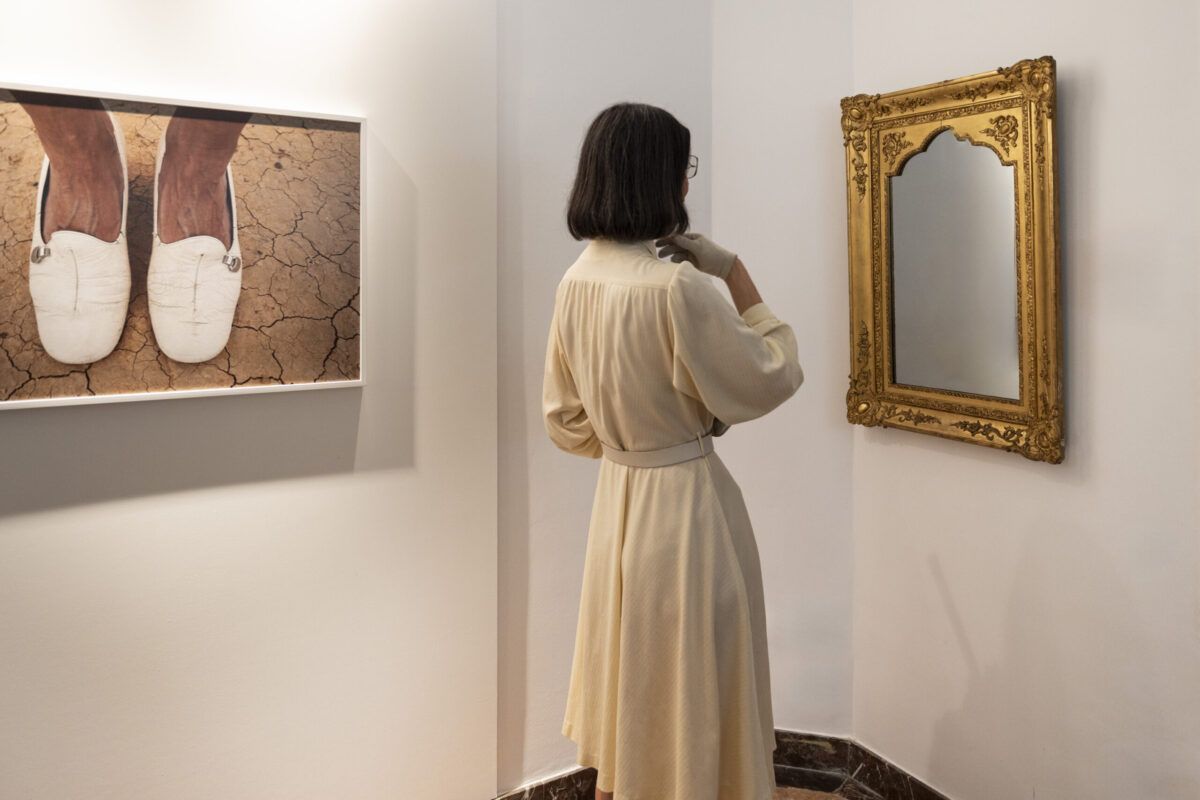
As part of its centenary celebrations, Museo Cerralbo is hosting Miss Beige’s exhibition “Hay que saber estar” (You must know how to be) until 7 September, in collaboration with PHotoESPAÑA 2025. The installation offers a critical reflection on femininity, digital filters, and everyday life.
A centenary to remember
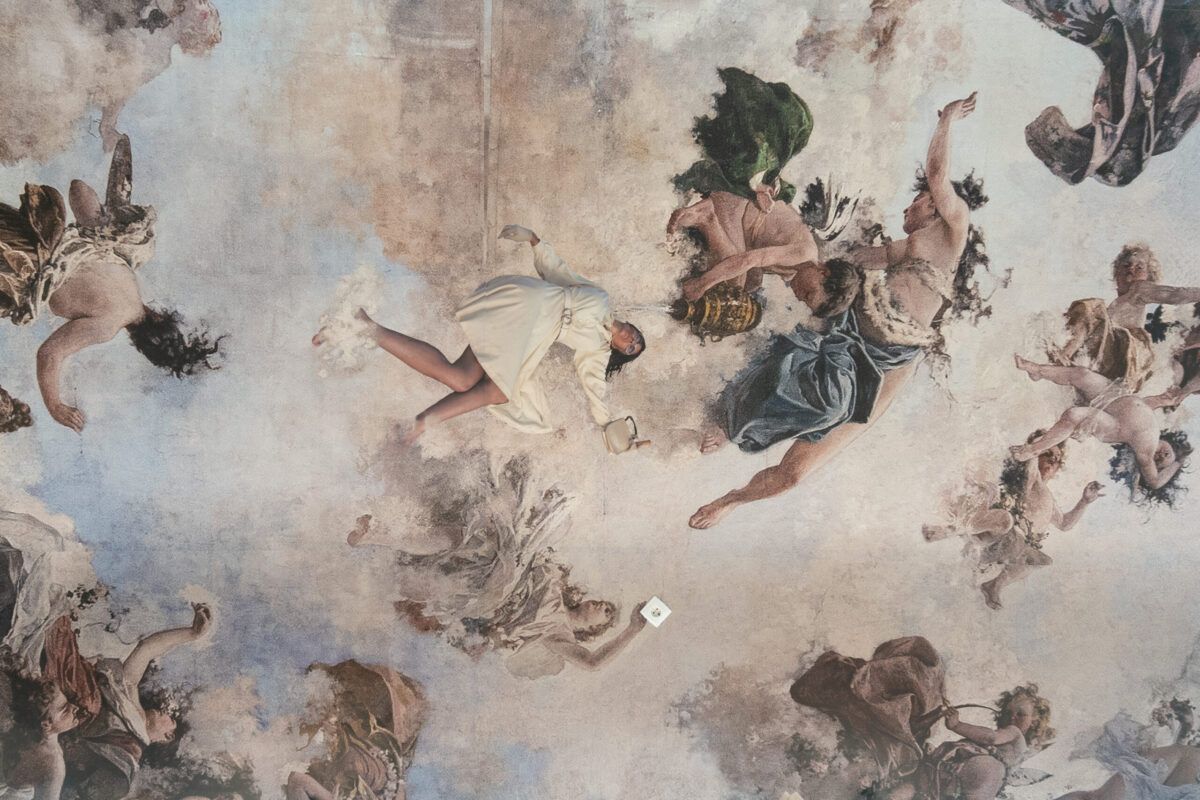
In the twilight of its hundred-year journey, this 19th-century Madrid palace presents a site-specific work by Miss Beige—the performing persona of multidisciplinary artist Ana Esmith.
Framed within the PHotoESPAÑA programme, the exhibition marks ten years of her creative journey, inviting fresh perspectives on how we view the world.
Museo Cerralbo: History and photography
Owned by Spain’s Ministry of Culture, Museo Cerralbo houses a remarkable historical collection assembled by the Marqués between 1883 and 1893. With over 50,000 items—paintings, furniture, ceramics, tapestry—it preserves the original grandeur of a 19th-century palace.
For nearly two decades, it has partnered with PHotoESPAÑA to connect historical photography with contemporary art through both archival and new proposals.
Miss Beige: Identity and Creative Philosophy
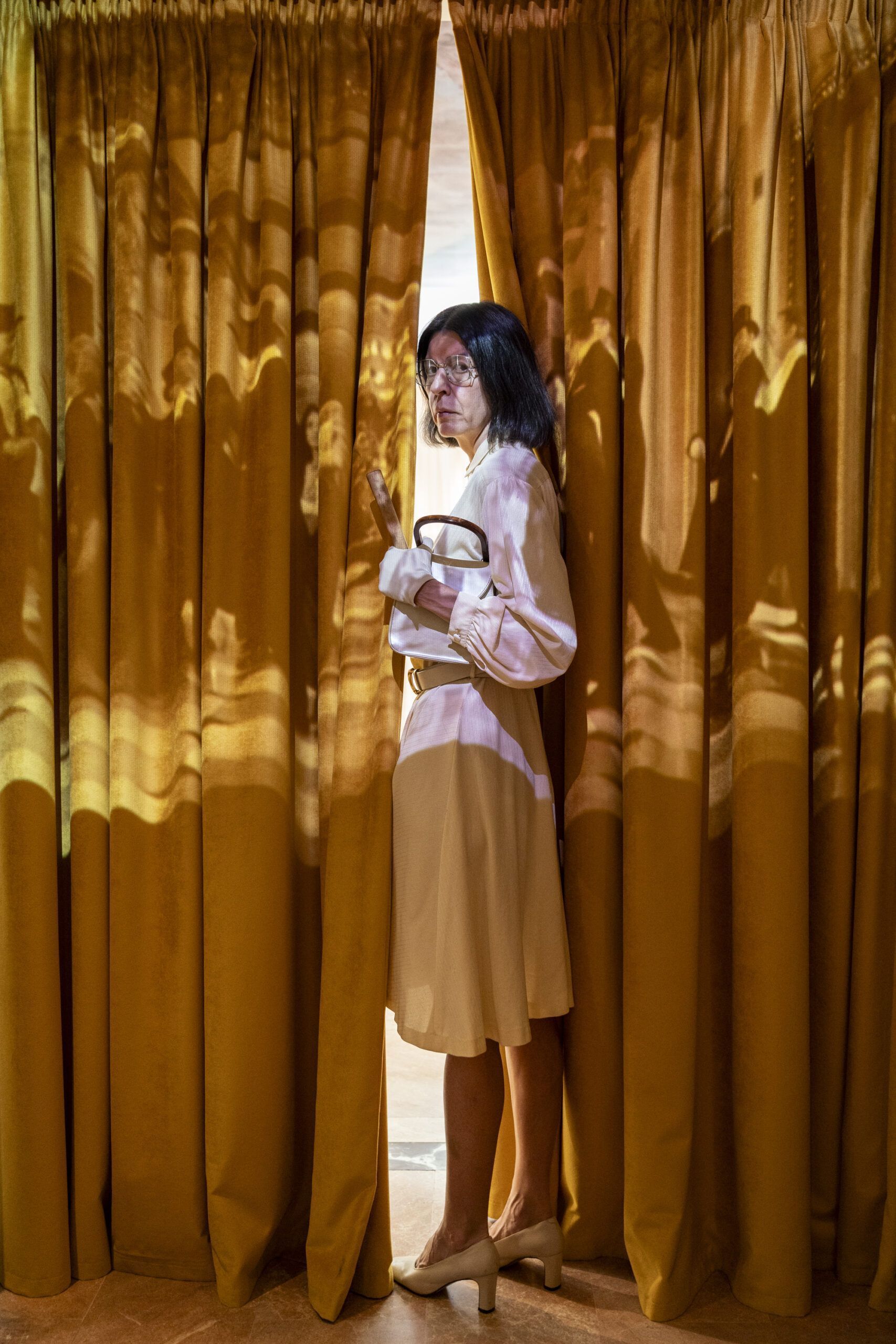
Launched in 2015 as a conceptual response to the lack of non-sexualised heroines in popular imagery, Miss Beige performs in a full beige ensemble—complete with gloves, handbag, and a hammer symbolising everyday strength—defying mainstream, social-media aesthetics.
“I dare to be who I am.”
Born Ana Esmith in Madrid (1976), she studied Journalism (UCM) before training in Drama at Philippe Gaulier’s school in London, where she lived for fifteen years. Since returning to Madrid, her work has appeared at ARCO, JustMad, RIZOMA, Formentera Fotográfica, CA2M, and Carmen Thyssen Museum.
“Hay que saber estar”: Designed for the palace
Its title plays on dual meanings—courtesy in a Rococo palace and the modern imperative to “be present” amid social filters. Miss Beige delivers a visual manifesto: “If you’re not there, you don’t exist”, suggesting that silent presence and dignity are aesthetic forms of resistance.
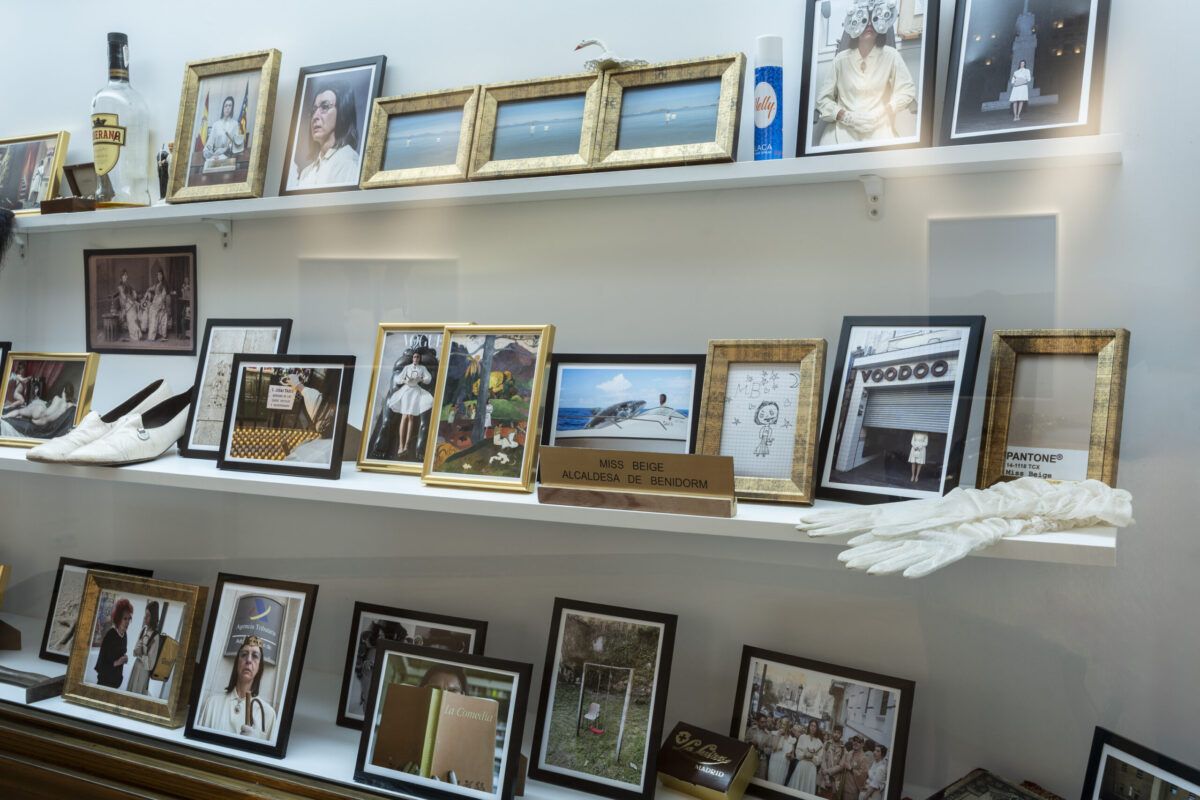
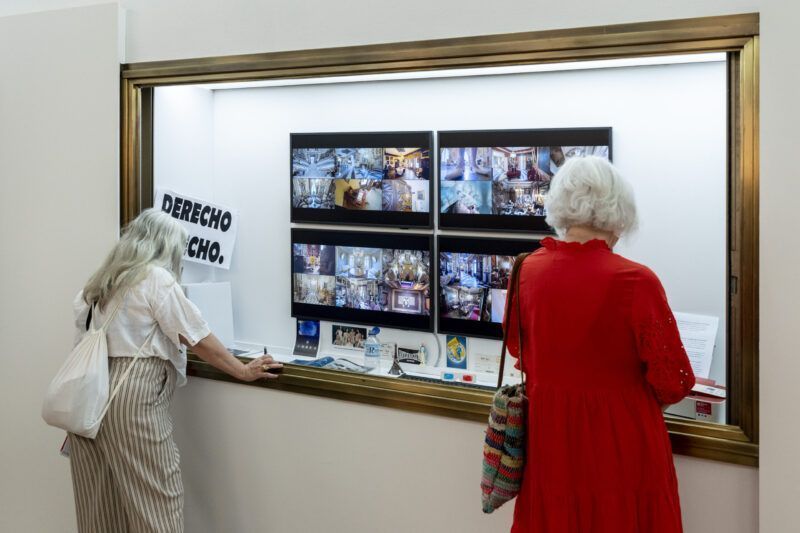
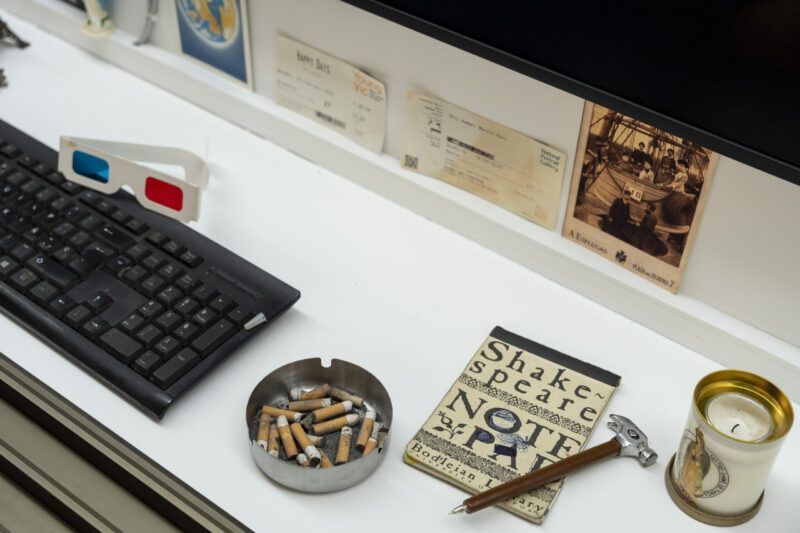
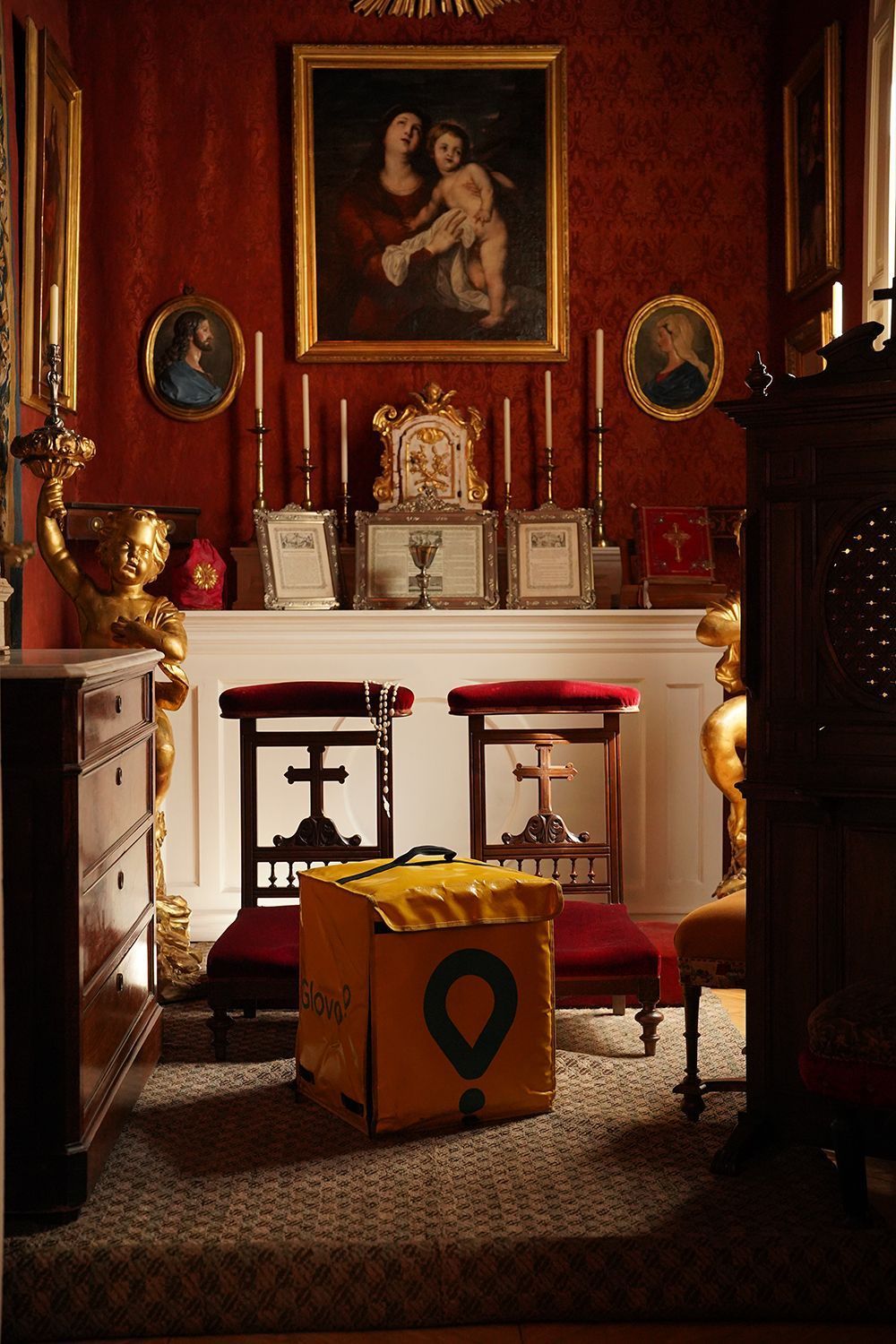
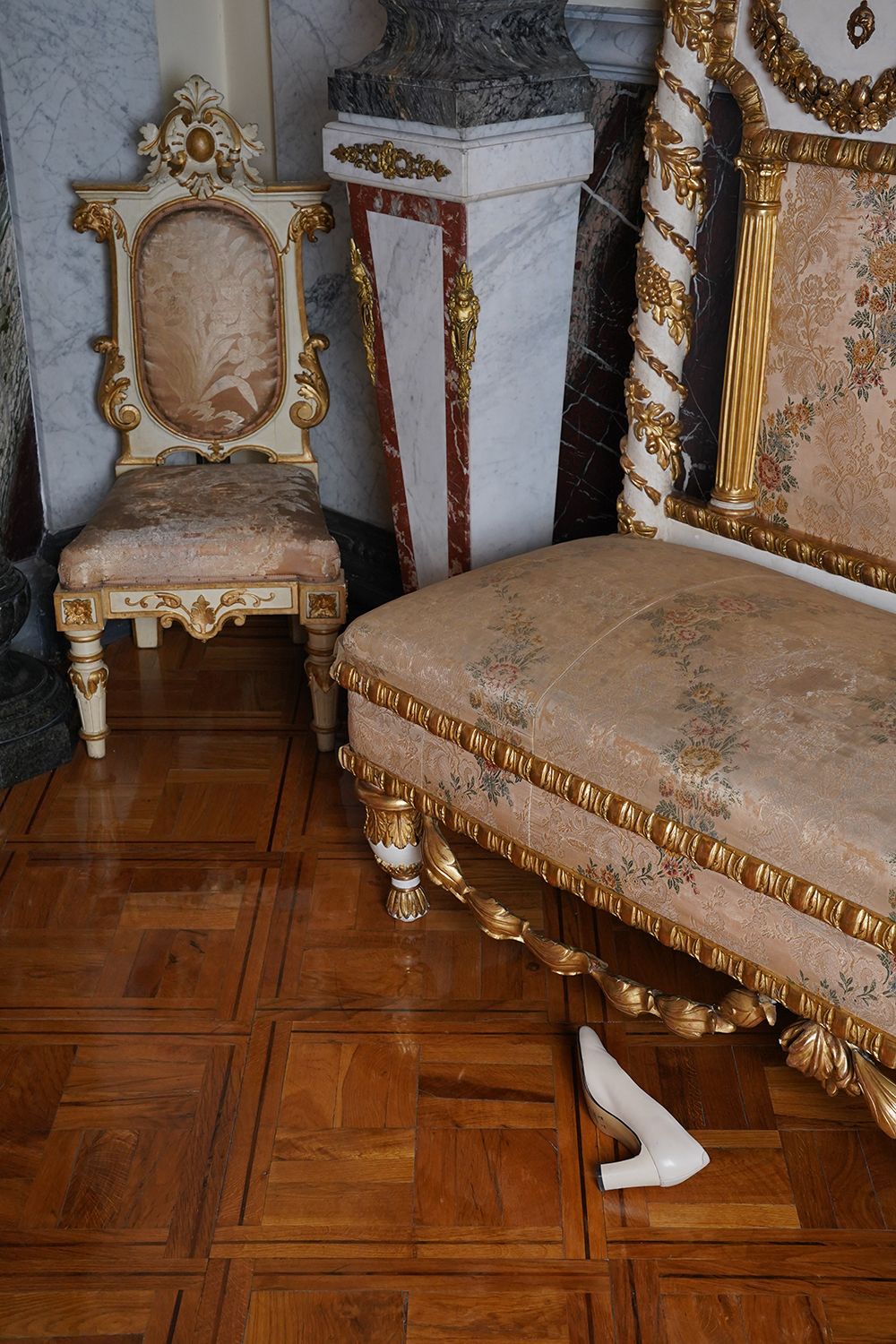
Staged across two principal rooms, the exhibition engages in dialogue with the palace’s architecture and collections. Highlights include ten years of photographs, exclusive works created for the museum, models, key objects (shoes, hammer, Glovo backpack), and a black-and-white performative short film with Miss Beige dancing—an homage blending La La Land with her roots in Usera.
Critical Aesthetics: Beige as statement
The neutral, antiseptic beige of Miss Beige’s wardrobe acts as a symbol of “anti-selfie” culture. By opposing Instagram filters and digital retouching, she reclaims a dignified, unfettered femininity through humour and fantasy, turning everyday life into performance and inviting audiences to recognise and reflect on the absurd within the mundane.
Audience Interaction: From myth to experience
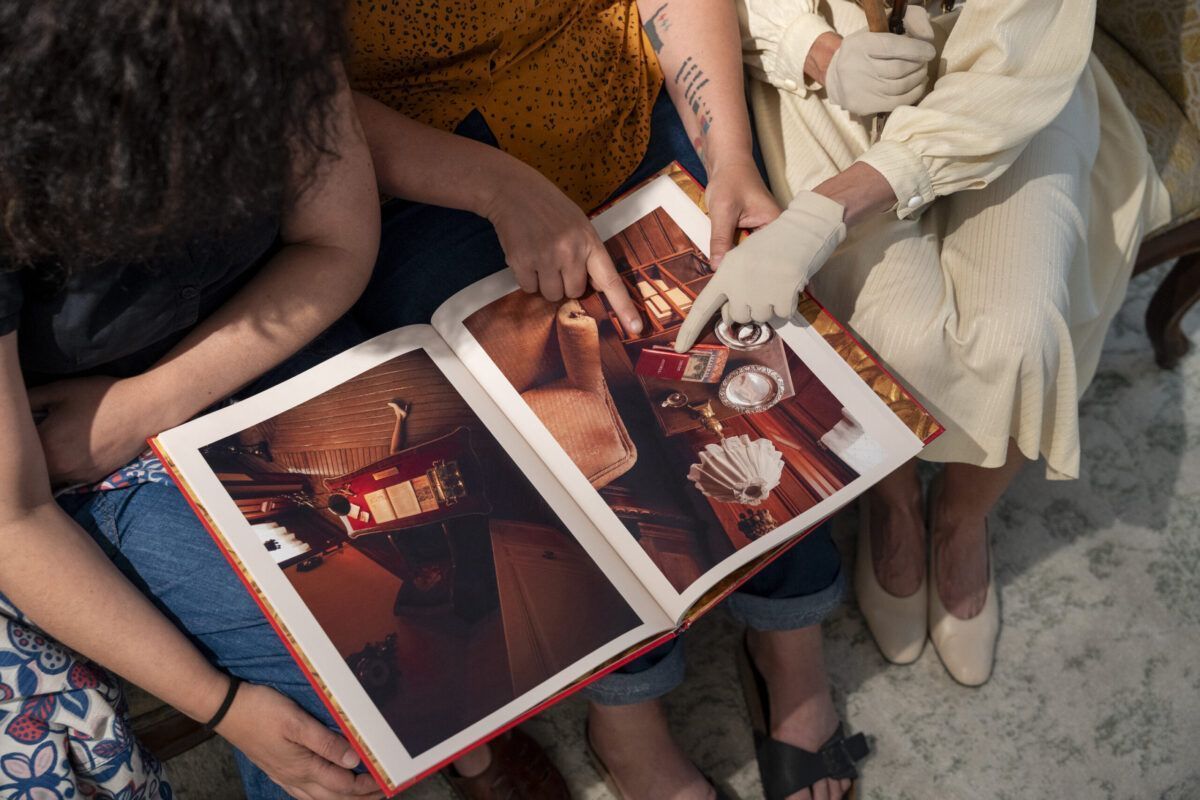
Visitor engagement is essential. In “Hay que saber estar”, the viewer transitions from observer to observed, as the silent beige figure surprises with its stillness—an invitation to stop, observe without filters, and question one’s place in the world.
Miss Beige in urban and cinematic form
Her work has extended into urban performance and film: ARCO shows in Glovo gear, gallery interventions, La Miss Beige de Michelangelo (2017), Maison Beige (2018), Se Nota, Se Siente… (2019) and Paseo en Glovo (2020). With over 12K followers, she’s also featured in the short film Usera and appeared in Tristesse (2020). Her self-portraits riff on classics like American Gothic, underscoring her subversive stance.
Feminist and social undertones
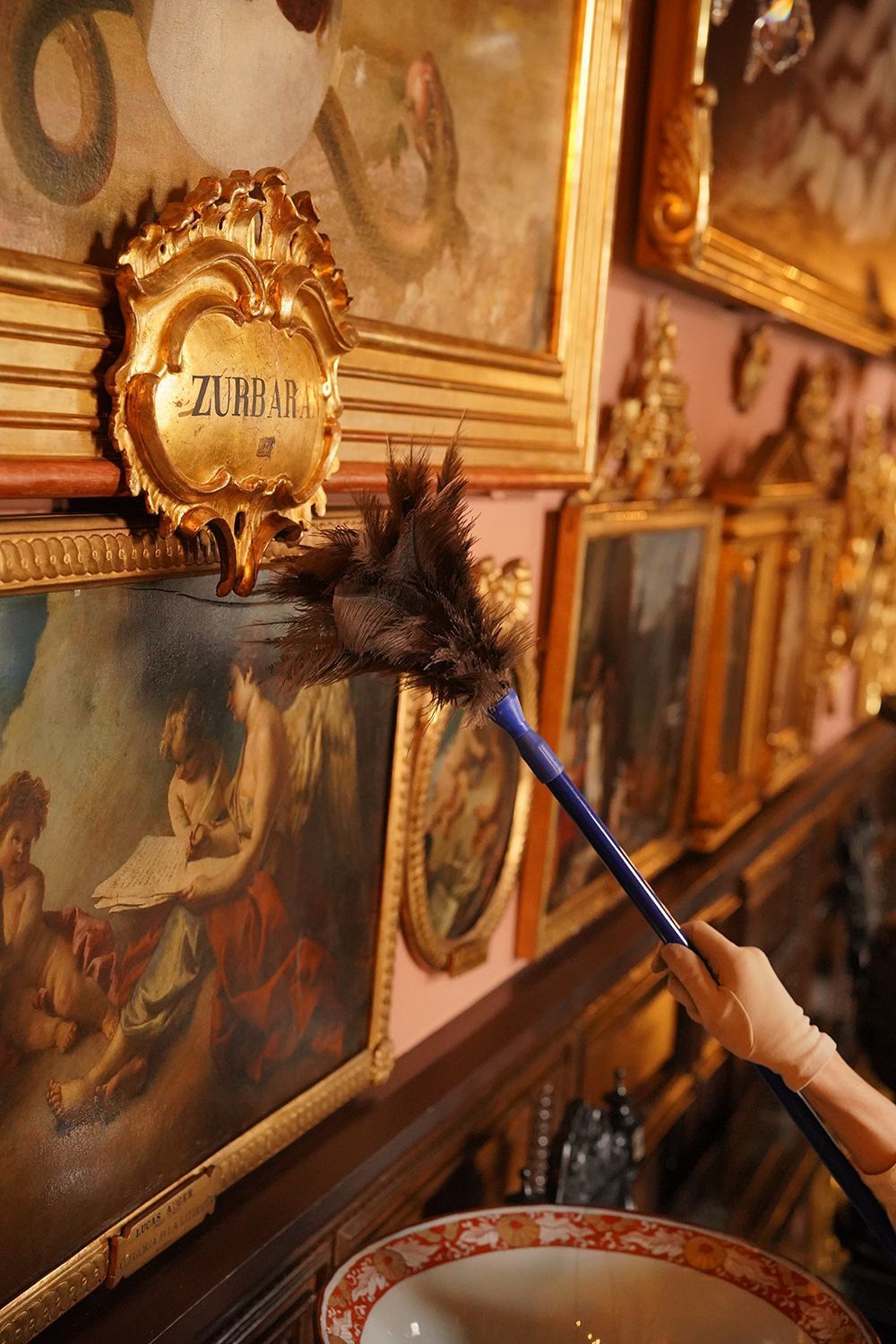
More than visual performance, Miss Beige is a feminist and working-class statement. The hammer symbolises pushback against gender violence, the Glovo bag highlights labour precarity, and her impassive demeanour challenges elite cultural spaces.
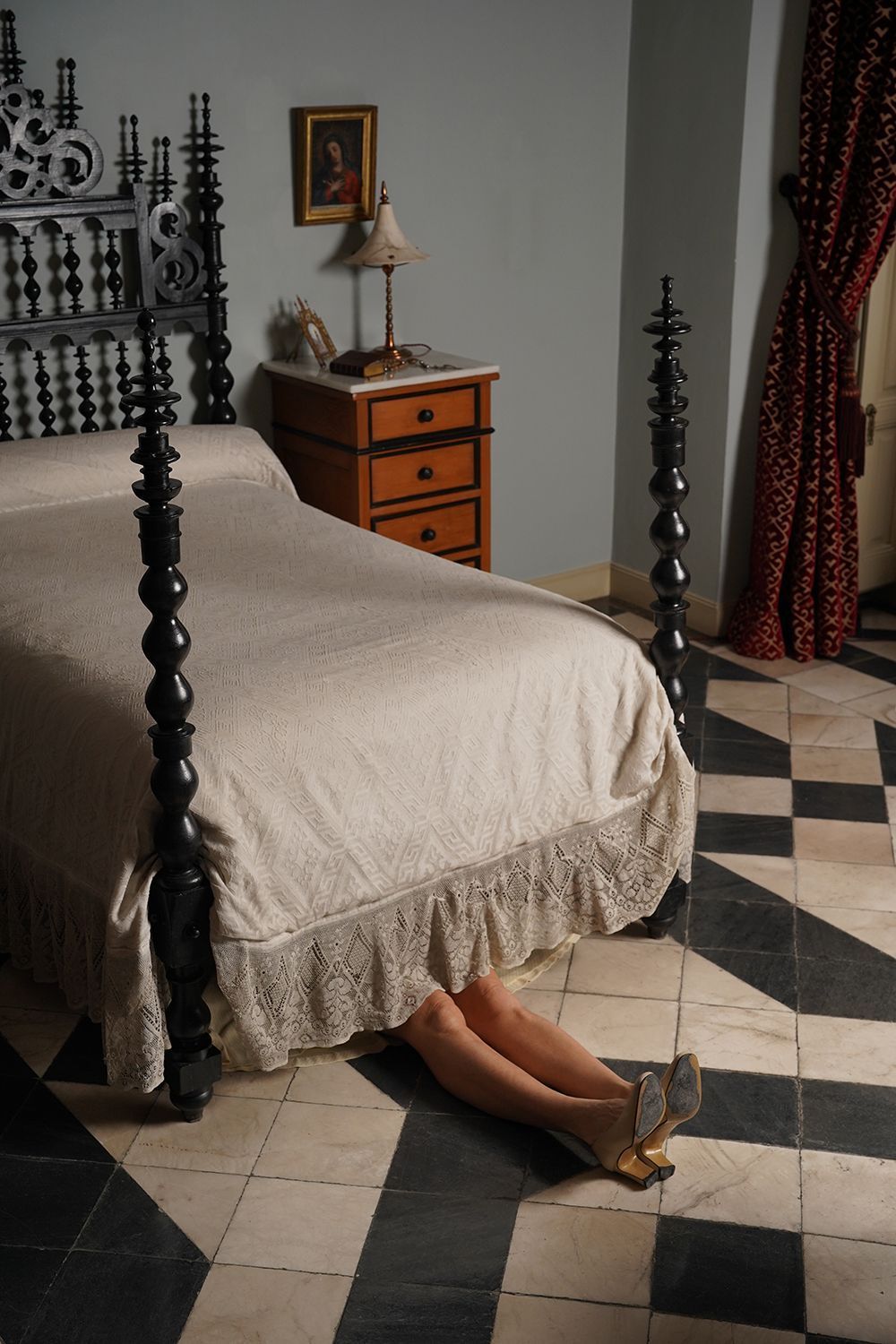
“Fantasy and humour are political tools to take ownership of space and challenge the gaze.”
Why Visit?
A fresh take on contemporary art: photography, performance, sculpture and installation intersect.
A critical reflection on social media, feminism and visibility.
Architectural harmony: the exhibition converses with the palace’s structure and collections.
A transformative viewer experience: the audience becomes part of the art narrative.
Joy and provocation: laughter and surprise spark cultural change.
Reinventing “Being There”
Hay que saber estar is more than an exhibition—it’s a silent, forceful manifesto showing how a critical feminist installation can emerge from the everyday without shouting. Beige becomes a flag, silence becomes voice, and presence becomes cultural disruption.
Until 7 September, Museo Cerralbo opens its doors to a heroine without a cape or filters. Don’t miss this unique opportunity to reflect, laugh—and, most importantly, relearn how to be.
Key Details
Dates: 12 June – 7 September 2025
Venue: Museo Cerralbo (Ventura Rodríguez, 17, Madrid)
Hours: Tues–Sat 09:30–15:00 (Thu until 20:00), Sun/holidays 10:00–15:00
Admission: Included with general museum entry
(*) Photos provided by La Fábrica.