Erik Kessels: the art of failing
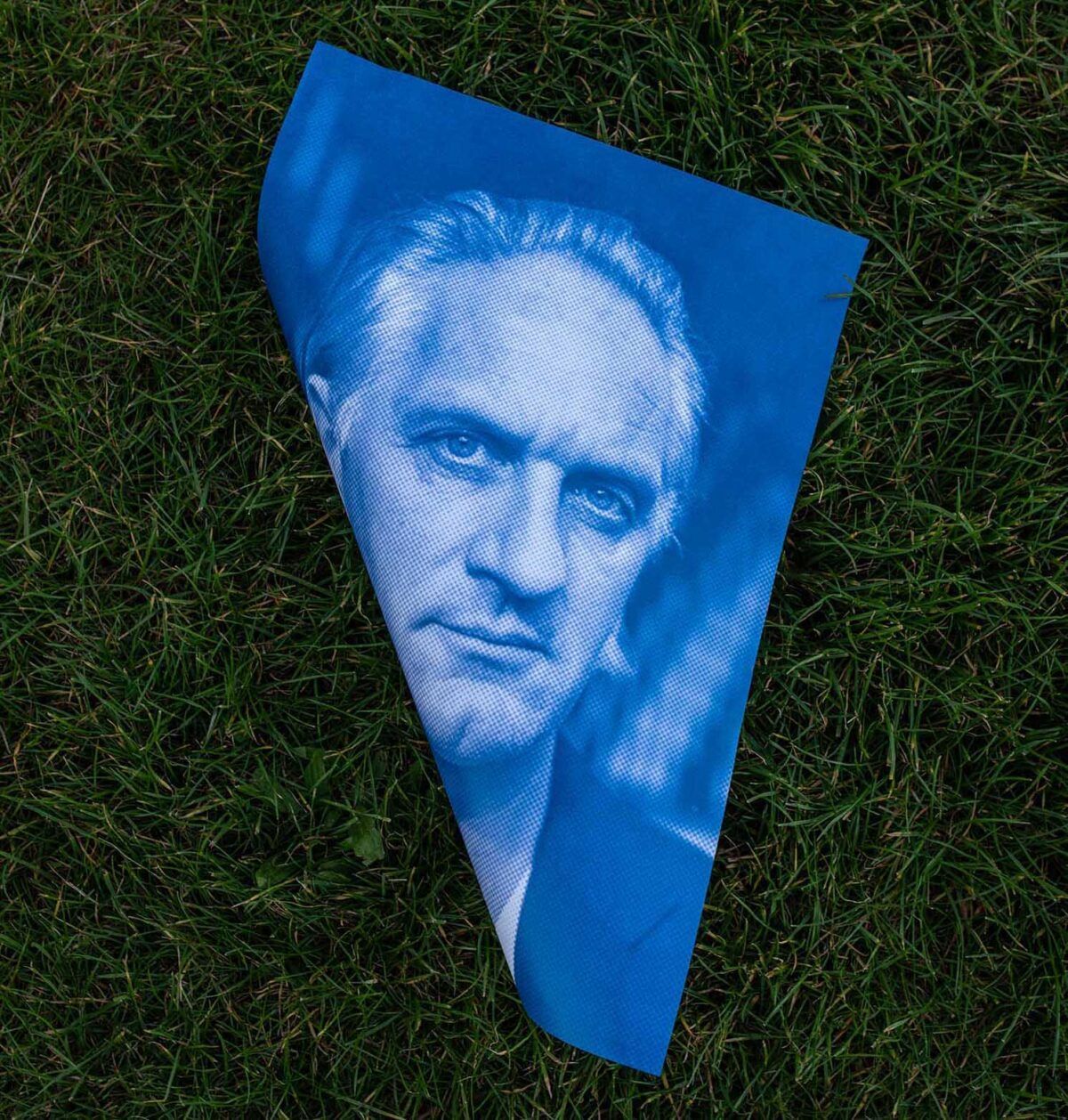
The Dutch artist, designer and curator who has made error, irony and imperfection his creative manifesto. From Amsterdam, Kessels continues to prove that seeing things differently remains an act of resistance.

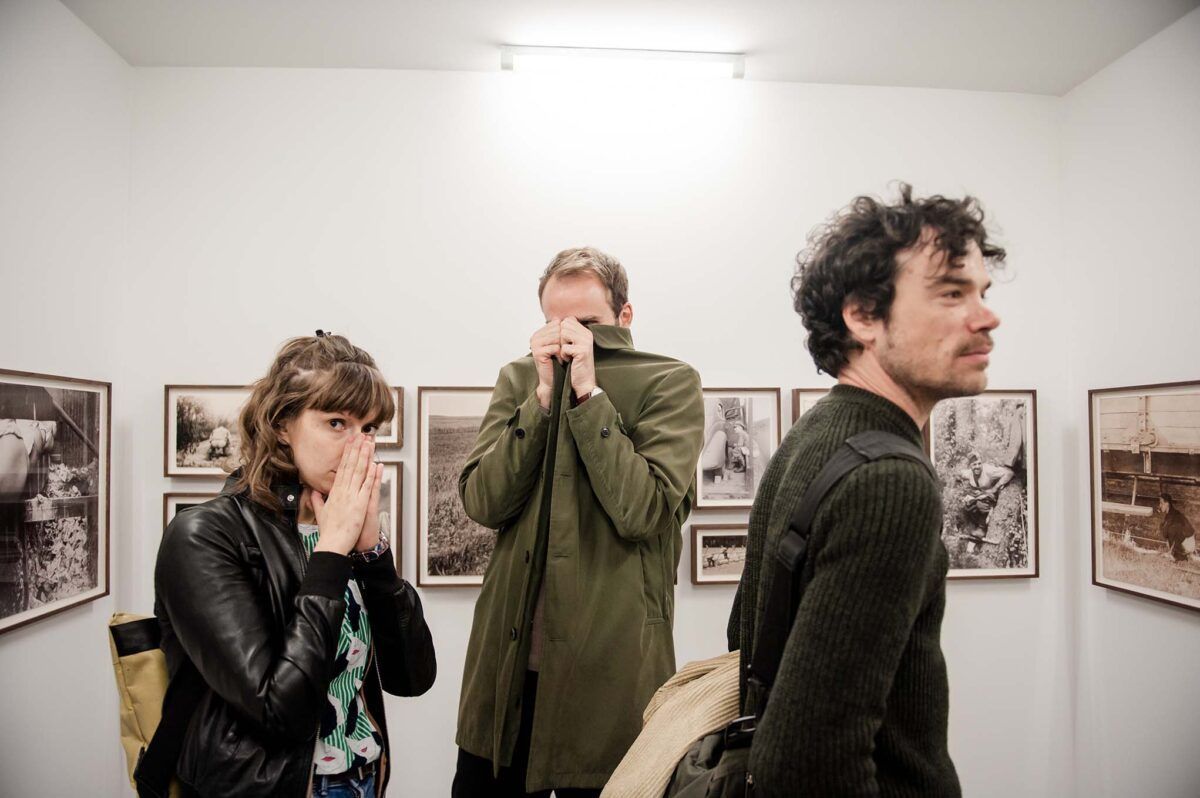
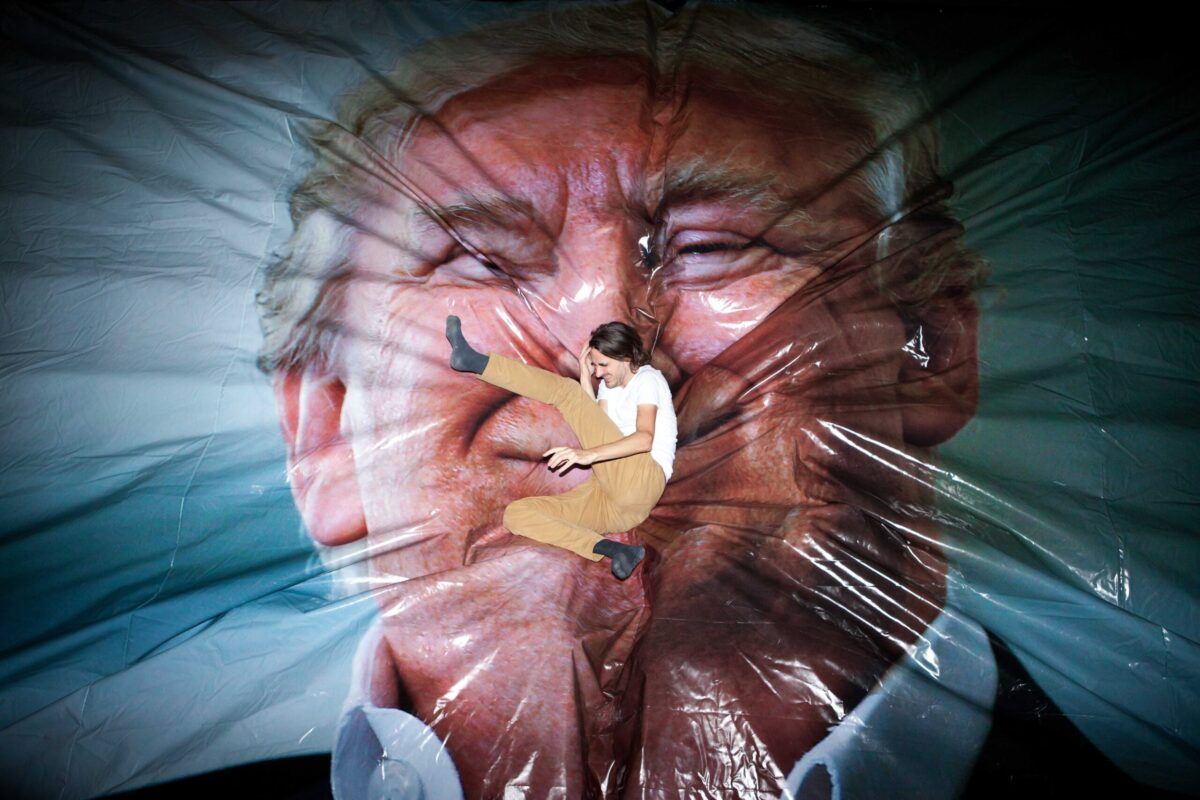

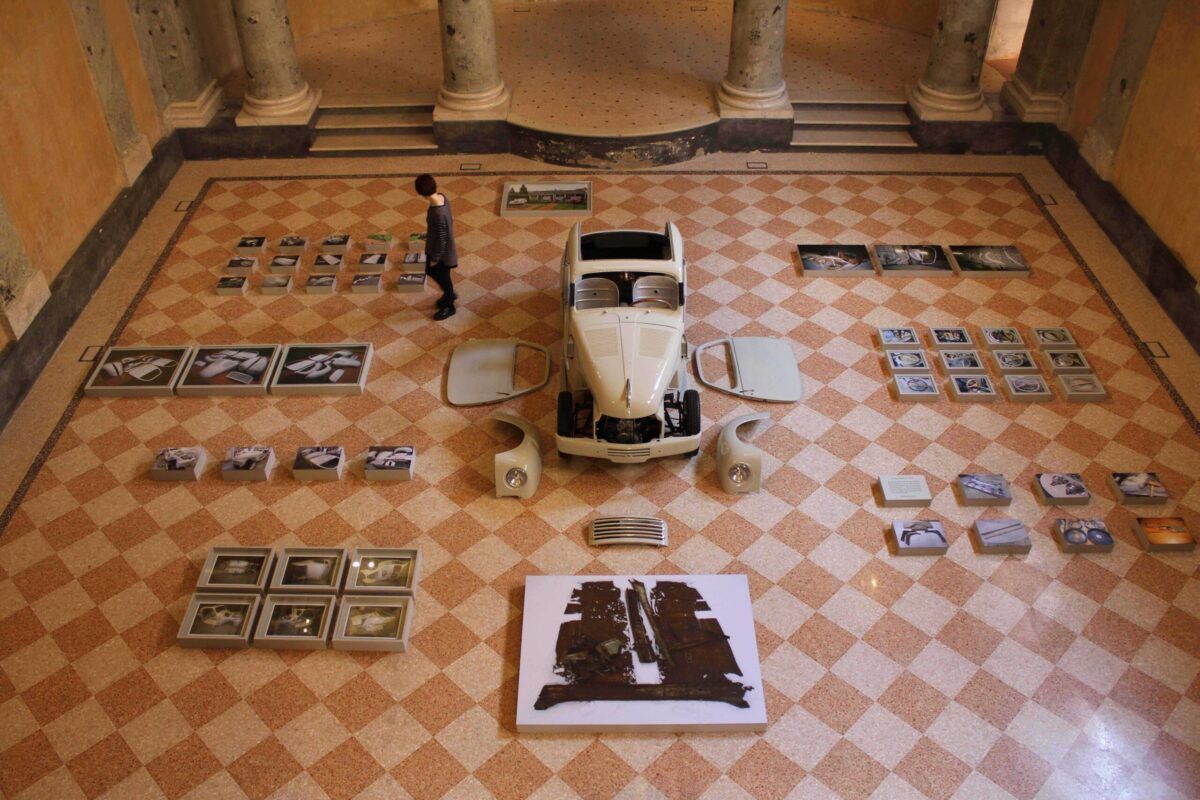
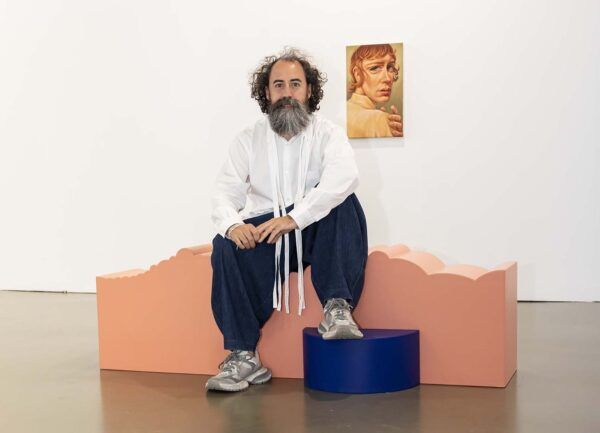
Born in 1966, Kessels lives and works in Amsterdam. He is an artist, designer and curator. Since 1996, he has been Creative Partner at KesselsKramer, one of Europe’s most influential communication agencies, responsible for iconic campaigns for Nike, Diesel, Oxfam, Vitra, CitizenM, Ben and the legendary Hans Brinker Budget Hotel — widely known as “the worst hotel in the world”, in one of the most brilliant advertising strategies of recent times.
But Kessels is far more than an irreverent adman. He is, above all, a visual artist with an anthropological gaze — a keen explorer of the everyday, the absurd and the imperfect. Over more than three decades, he has created a body of work that moves between conceptual art, photography and design, constantly questioning the boundaries of contemporary visual culture.
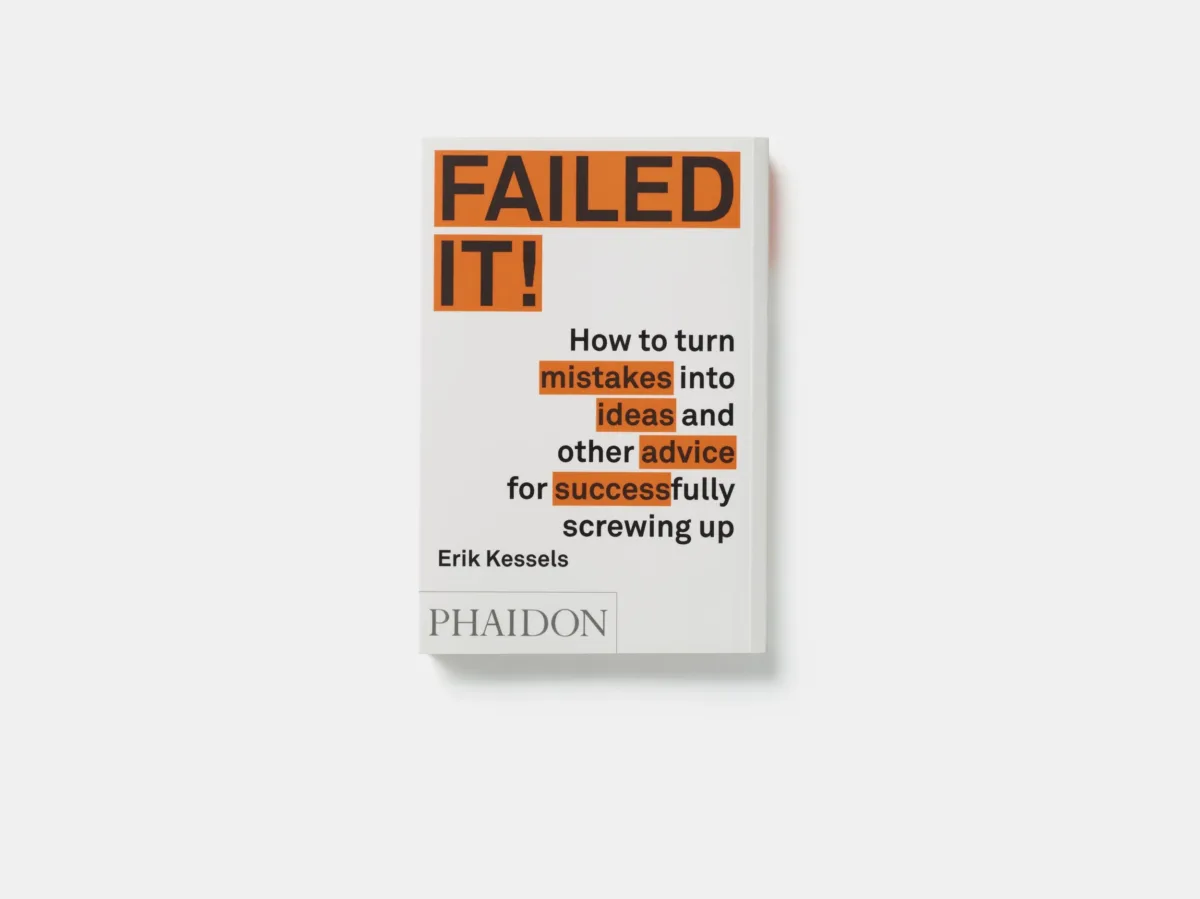
He has published over 70 photobooks, including “Missing Links” (1999), “The Instant Men” (2000), “in almost every picture” (2001–2019), and “Shit” (2018); edited the magazine “Useful Photography”; and authored the international bestseller “Failed It!” — a brilliant manifesto on the value of mistakes and creative failure.
His work has been exhibited at institutions such as MoMA, Foam, C/O Berlin, PhotoEspaña, Fotomuseum Winterthur, and the Re Rebaudengo Museum in Turin. He has received the Amsterdam Prize of the Arts and was nominated for the Deutsche Börse Photography Prize. Time Magazine described him as a “visual sorcerer”, while Vogue Italia dubbed him a “modern anthropologist”.
At CC/magazine, we see him as one of the most lucid and liberated minds in contemporary art — someone who has turned error into language, humour into philosophy, and images into a mirror of our contradictions.
After all these years exploring failure, absurdity, and beauty in unexpected places… How do you see life today? Has your artistic lens shaped the way you experience the everyday?
The everyday is absurd enough to pay attention to. I’m simply observing events, images, and conversations that pass in front of me, and when something catches my eye, I pause it and try to do something with it.
We’re living in a renaissance of imagery, where everyone is constantly producing and sharing visuals. For me, that’s like being a kid in a sweet shop, there’s so much to taste, so much to get lost in.
“In creativity, perfection is the worst starting point.”
You’ve explored failure not as a mistake, but as a creative engine. What continues to fascinate you about imperfection in a world obsessed with perfection and polish?
In creativity, perfection is the worst starting point, it brings you nowhere new or exciting.
Mistakes and failures are far more interesting to play with. They open up space for discovery and unpredictability. Wrong thinking is crucial for innovation and originality.
I hope that in time, failure becomes less of a taboo and more of a celebrated part of the process.
Your body of work ranges from installations and curated exhibitions to photobooks, editions, and visual essays. What do you feel connects these different formats? Is there a red thread that runs through it all?
The red thread between the different media I use is always the idea. But it’s important to treat each medium in its own way and make use of its unique strengths. Making a book is completely different from creating an exhibition — each has its own opportunities and challenges. Pushing boundaries, or at least trying to, is essential.
That’s the most exciting part of the work for me: to see if I can make something new every time I approach a different format. Maybe the red thread is also my constant dose of irony and skepticism.
You often work with vernacular or found photography — images that others might overlook or discard. What draws you to the banal, the absurd, or the forgotten?
Images from everyday life often turn out to be the most absurd and extreme. I find real beauty in the everyday.
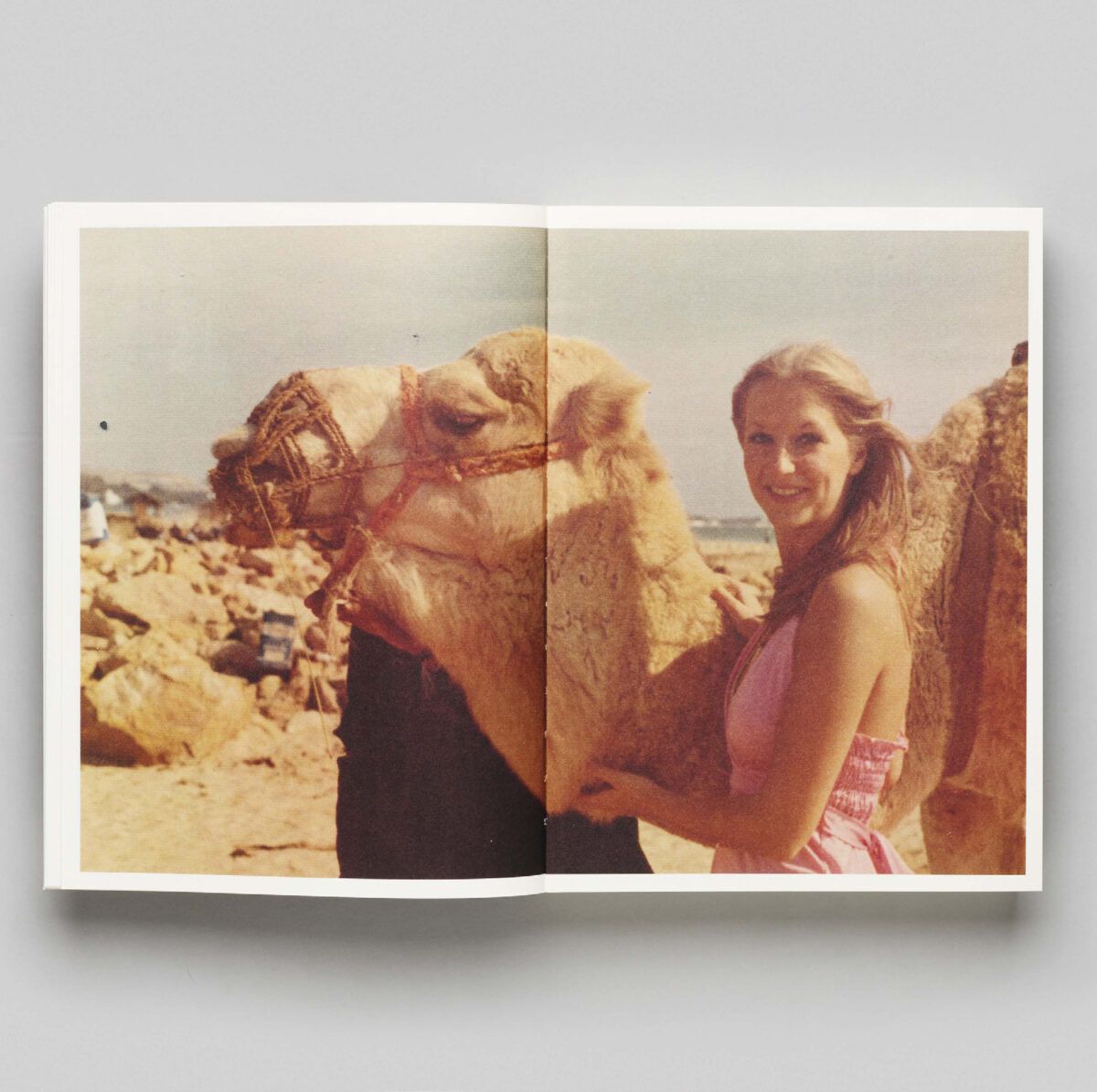
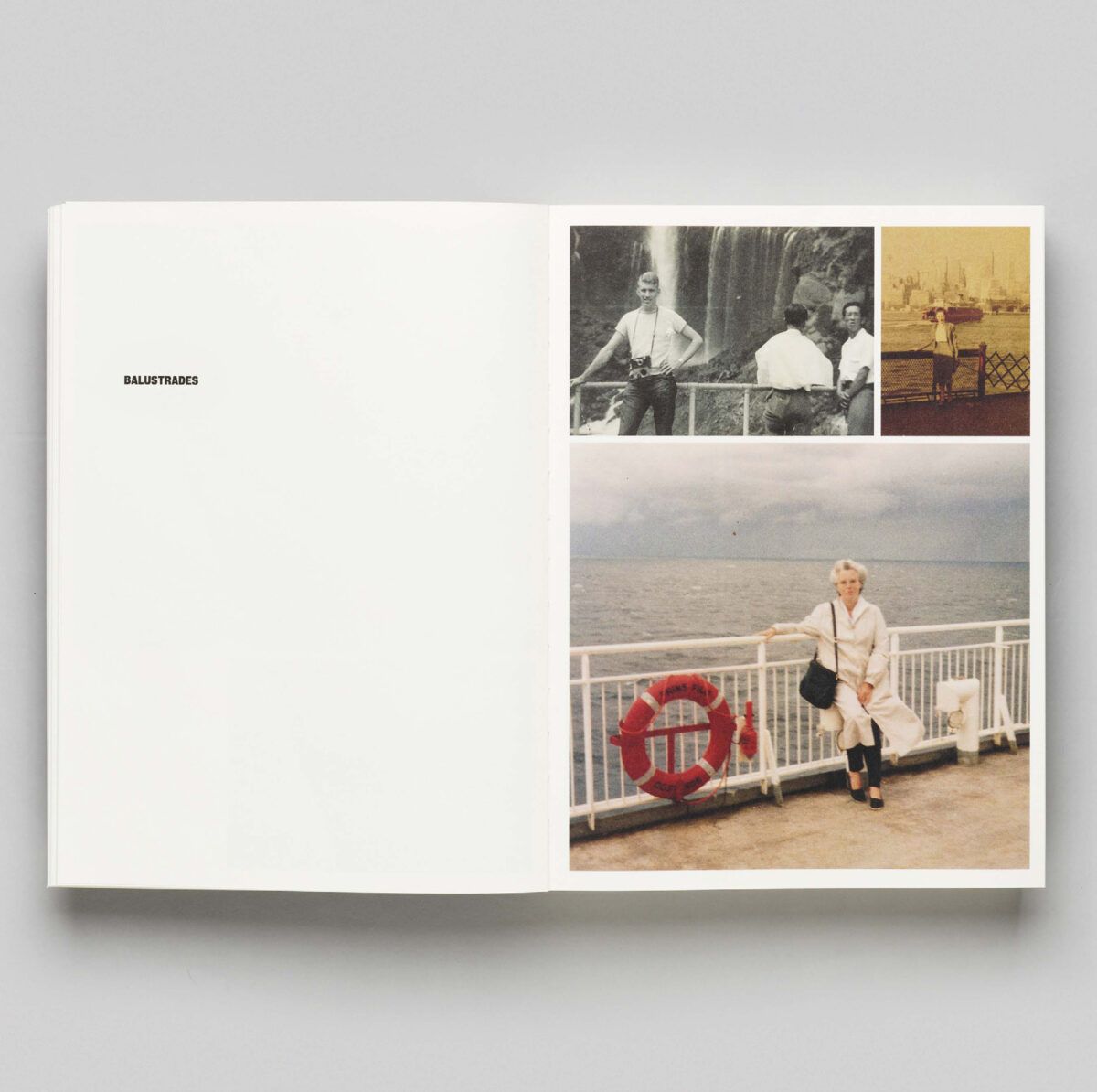
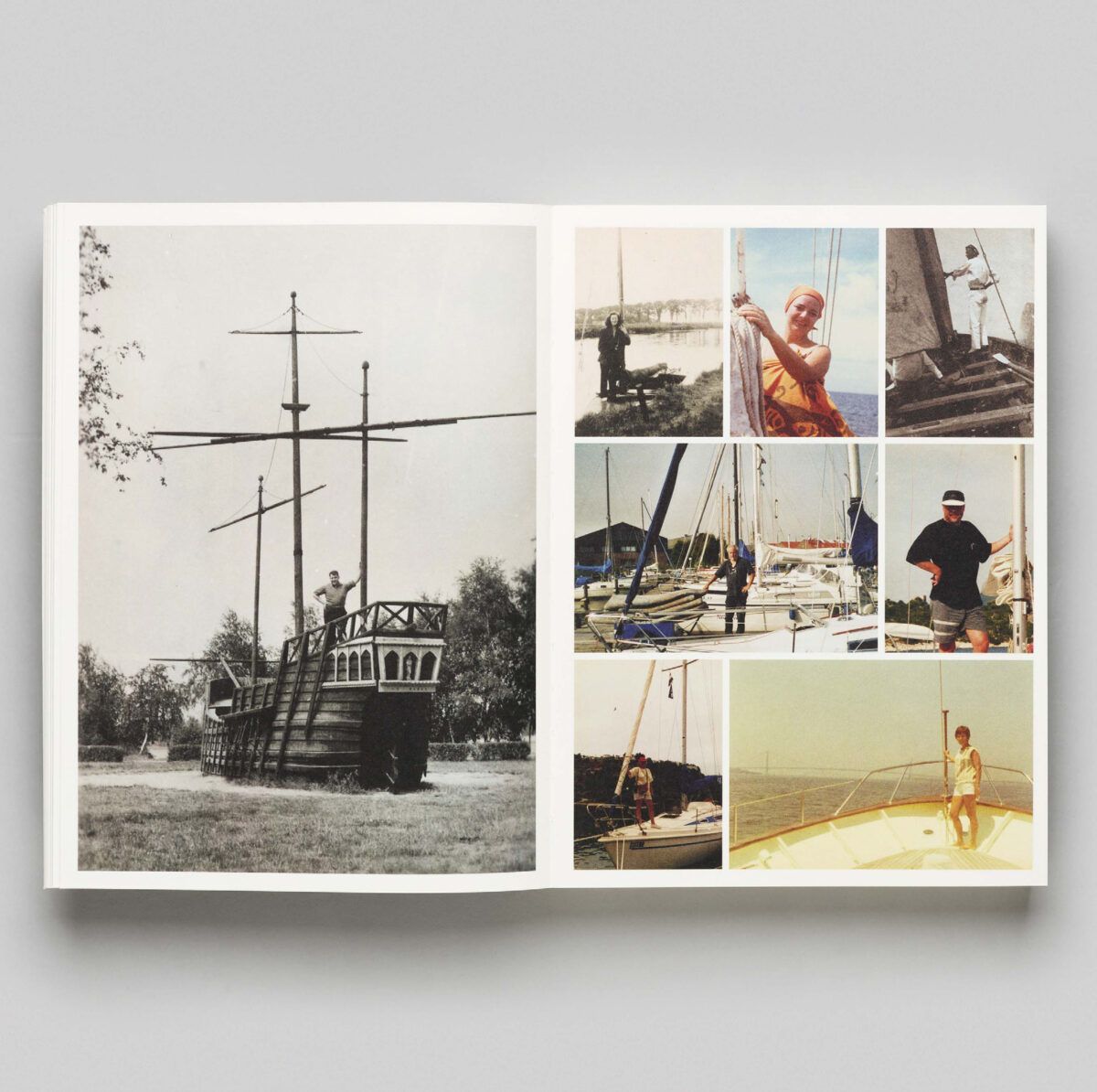
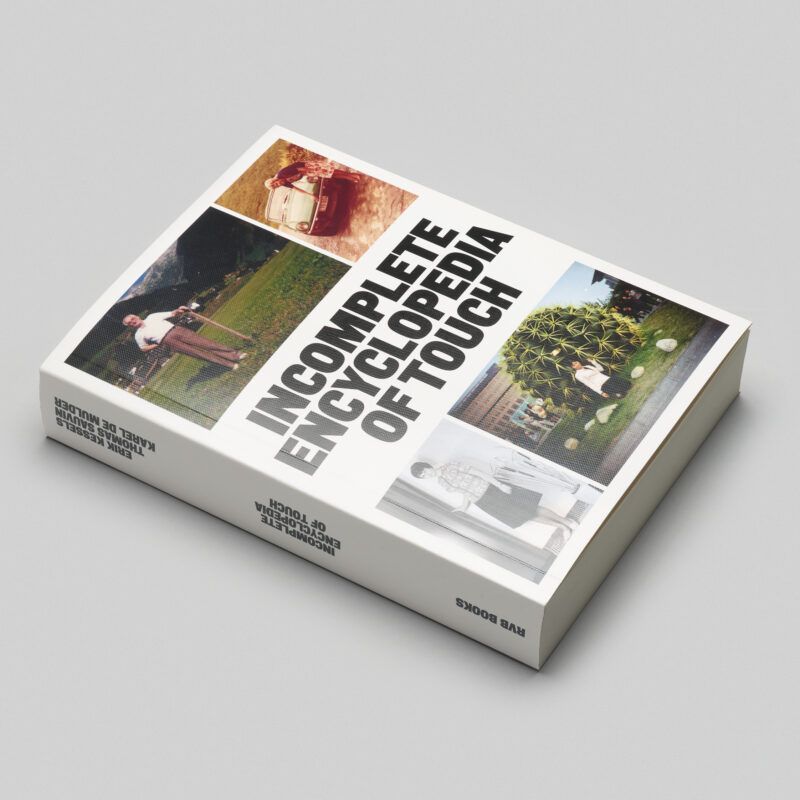
Recently, I made a book called “Incomplete encyclopedia of touch”, about how people, when photographed, almost always seem to touch something next to them.
By collecting and categorizing these gestures from family albums, the banal suddenly becomes special and hilarious.
You’ve been described as an artist, a designer, a curator, and even a visual anthropologist. Do you personally identify with any of these roles more than the others — or do you enjoy existing in between?
The fact that people have given me so many titles feels like a luxury. Working cross-disciplinarily is liberating, it gives a sense of freedom. I once heard a musician say that in a record shop, the most interesting music can be found in the walls between the different sections. That’s exactly how I feel. I try to maneuver myself into the walls between disciplines and work from there.
“The human brain remains the true source of authentic creativity, though AI can sometimes spark or provoke it.”
Artificial intelligence is transforming how we create, communicate, and even perceive originality. How do you see AI influencing the creative process — as a threat, a tool, or something in between?
AI, when used responsibly, is a very useful tool for creative people, but it should never be mistaken for a creator of originality. In the end, it’s just a form of statistical hallucination.
The human brain remains the true source of authentic creativity, though AI can sometimes spark or provoke it. Machines should be challenged and questioned by humans, not the other way around.
We’re living in a moment of hyper-polarization and overstimulation. What role do you think visual culture — and humor, in particular — should play in times like these?
Humor and irony are absolutely crucial right now. Most people take themselves far too seriously and can’t think beyond conflict and compromise.
Creatives should sometimes act as professional clowns, holding up a mirror to society, showing that things can be seen differently. Humor opens up space for empathy, reflection, and even resistance.
You often challenge dominant narratives and aesthetics. What kind of visual conformity do you find most dangerous or boring today?
Mainstream and average have always been the enemies of creativity, but they’re more dominant now than ever. Data is replacing imagination, and illogical thinking is becoming almost taboo.
Artists and designers need to fight for their freedom and for the right to be irrational, unpredictable, and playful. That’s where true originality lives.
“Humor and irony are absolutely crucial right now.”
Much of your work celebrates analog imperfection. What do you feel we’ve lost — or gained — with the dominance of digital tools and filters?
I don’t choose analog imperfection over digital, both can be inspiring. But digital tools have made it too easy to erase mistakes. Imperfection is harder to find now. In the analog era, the “mistake” pictures stayed in the photo albums next to the perfect ones. Today, everything strives for perfection, which in itself can be absurd.
Like a digital sign flashing “not functioning” while it’s clearly working, or a roadwork display proudly announcing that repairs have been going on for “zero days”.
Your years with KesselsKramer helped shape a new voice in advertising. What’s your current relationship with the world of commercial creativity? Has your view of advertising evolved?
The advertising industry today is in a state of confusion — confusion about media choices, about data, about the role of AI, and even about its own identity.
Amid all this, only one thing still truly matters: a great idea. A strong idea will survive any trend or technology.
Unfortunately, the industry often lacks the patience and courage to reach those great ideas. Too many compromises, fears, and egos get in the way.
You’ve published dozens of books and editions. In an age of constant digital scrolling, what makes something worth printing?
Paper is making a comeback. Most e-readers have disappeared, and people are reading printed books again. For me, the physicality of a book is essential, it’s an object, not just a container for content.
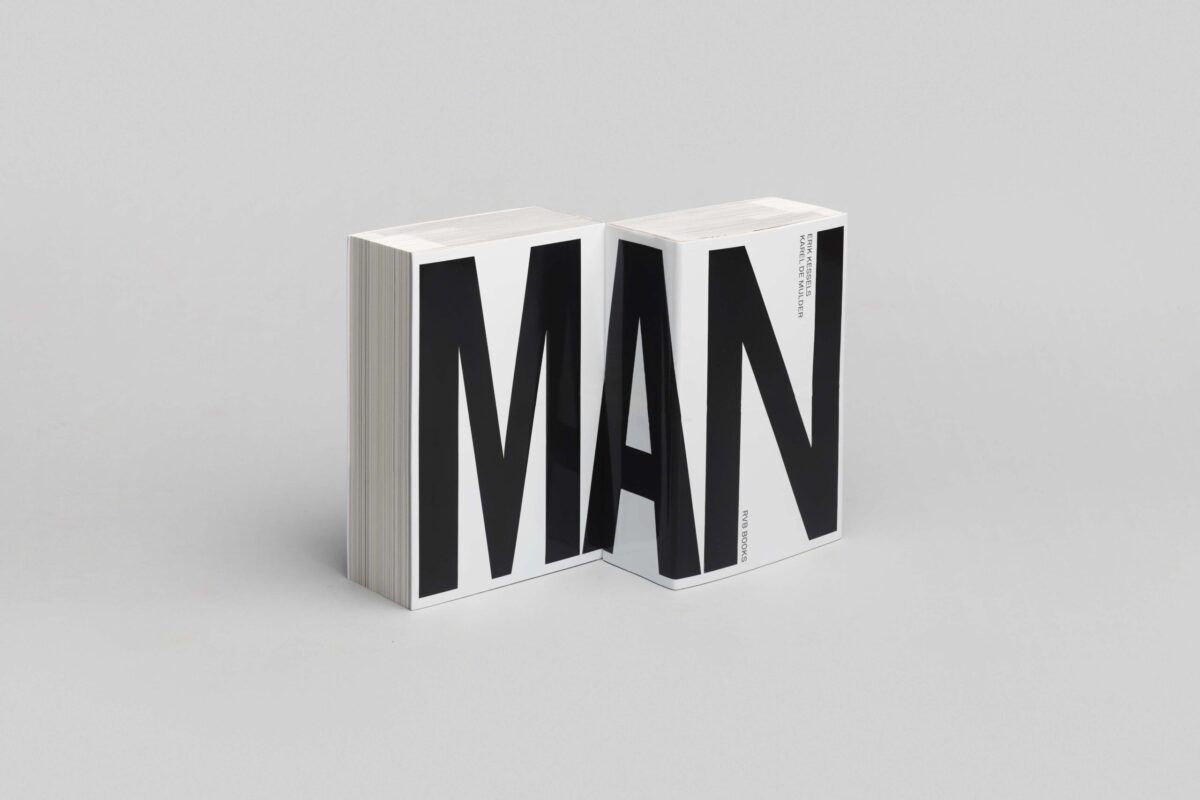
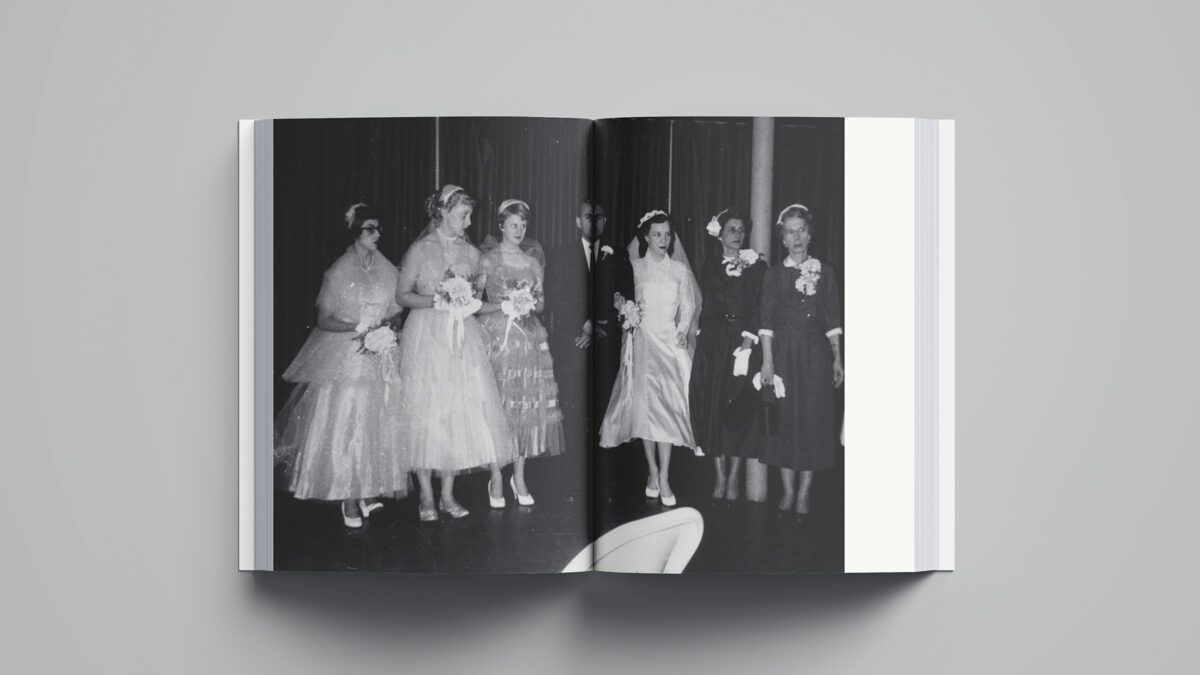
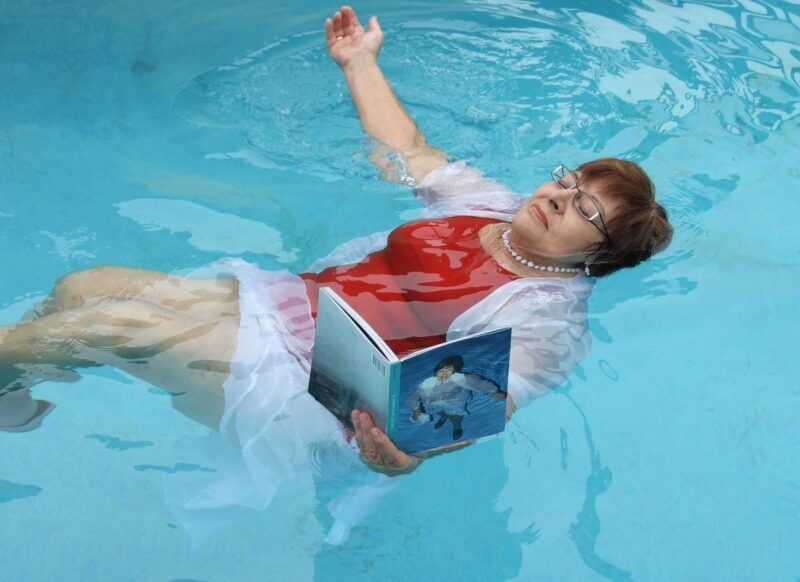
My latest book, “MAN”, explores the idea that men always want to be at the center of attention. It plays with the fact that a thick book is difficult to open fully, so the central part of the image disappears into the fold — and in “MAN”, all the men are literally vanishing into the spine.
You give workshops and lectures around the world. What are the most common questions students or young creatives ask you? And what do you think they should be asking?
Students mostly ask “how” — how to make something, how to find ideas. But they should really be asking “why”. The “how” is easy today — tools and techniques are accessible to everyone.
Many students can make a perfect “front yard”, but what matters is what’s happening in the “back yard” — the place where frustrations, obsessions, and passions live. That’s where authenticity comes from.
Other than that, saying NO is very important for people that start in the industry. You don’t have to say YES to everything. Saying NO makes you stronger and defines much more who you are and what direction you want to go.
“Saying NO makes you stronger and defines much more who you are and what direction you want to go.”
You’ve explored so many disciplines, formats, and ideas. What still surprises you? How do you stay curious and creatively alive?
My curiosity never stops. I’m inspired every day by new things I encounter.
For a creative person, it’s important to always have heroes, people you admire and learn from. But they should evolve. It would be strange to have the same heroes today that I had 20 years ago.
Staying curious means staying awake, questioning what you see, and never feeling too comfortable.
Failure as art, irony as method
For Erik Kessels, perfection is boring. His gaze is drawn to the crooked, the unexpected, the ridiculous and the banal. Where others see mistakes, he sees beauty.
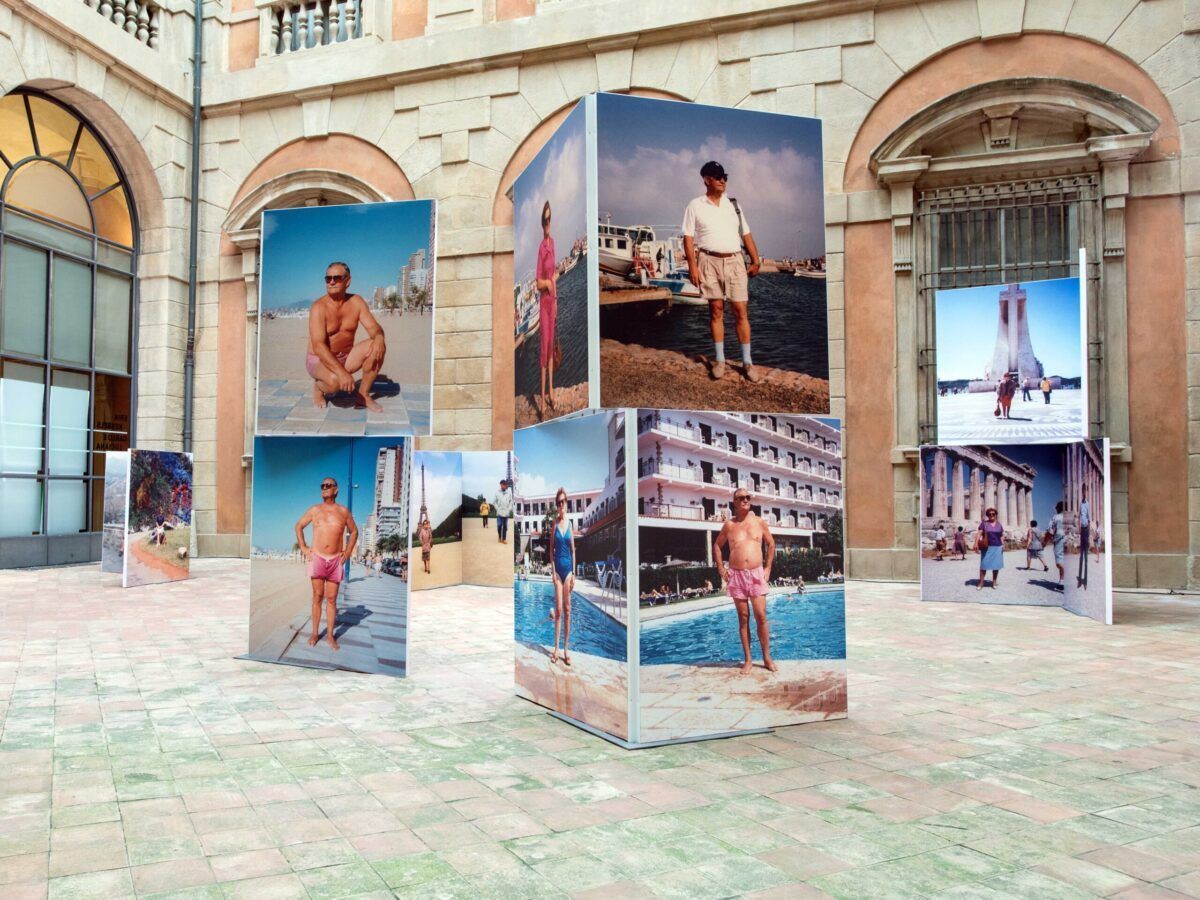
His work explores the leftovers of visual culture — family albums, anonymous photos, repeated gestures — and transforms them into reflections on life, memory, and the flood of imagery that surrounds us.
Projects like “24HRS in Photos”, where he literally printed all the images uploaded to the Internet in one day, or “Album Beauty”, an ode to analogue photo albums, are visual essays on excess, the failure of control, and a nostalgic love for imperfection.
In this exclusive conversation with CC/magazine, Kessels reflects on the power of mistakes, banality, visual intelligence, and humour as a political act.
A visionary of contemporary absurdity
Speaking with Erik Kessels is to understand that irony can be a form of clarity. His work teaches us that failure is fertile ground, human imperfection is beautiful, and humour can be a tool of resistance.
In an era saturated with perfect images, Kessels restores our ability to look tenderly at what’s flawed.
As he himself would say, failing is not the end — it’s the beginning of something we don’t yet know.
“To stay curious is to stay awake.”
(*) Images courtesy of Erik Kessels.