Interview with Johannes Stumpf, creator of industrialkonzept
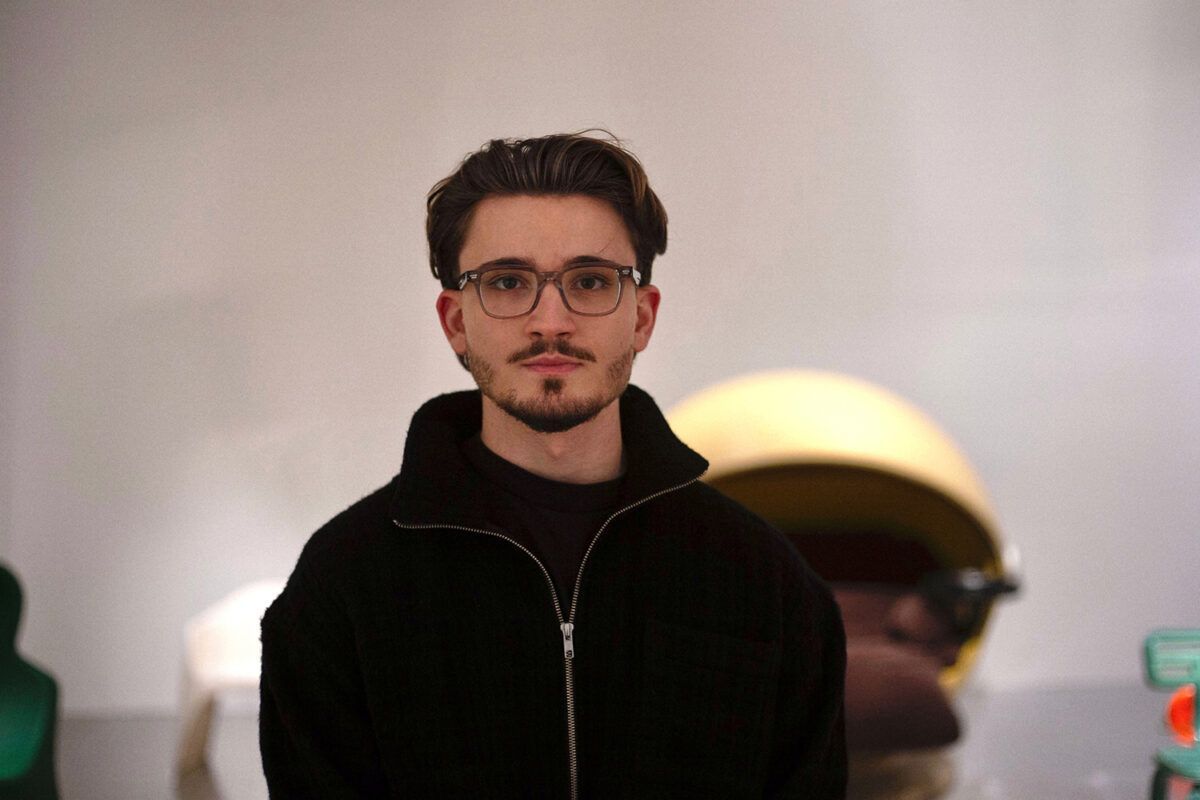
Design is not just about aesthetics; it is a way of interpreting the world. Few understand this better than Johannes Stumpf, the creator of industrialkonzept—a platform that has revolutionised how we experience design, architecture, and contemporary culture. What began as a digital curation of iconic pieces and raw materials has evolved into a global reference point for those seeking an authentic, avant-garde vision deeply connected to both history and innovation.
In this interview, we delve into his creative process, influences, and the future of industrialkonzept. Step inside and read on.
What first sparked your passion for design and architecture? Were there any key influences that shaped your creative perspective?
My passion for design and architecture started with my early interest in sneaker and streetwear culture. Growing up, I was deeply involved in collecting sneakers and following brands like Supreme, where design wasn’t just about aesthetics but also storytelling and cultural impact. Over time, my focus shifted from what I wore to the spaces around me—how to create an environment that felt intentional and reflected my style. That was my first real step into design and architecture.
Traveling, especially through Scandinavia, further shaped my perspective. Seeing how spaces balance raw materials, minimalism, and functionality made me more aware of how design influences daily life. My influences come from a mix of iconic designers, architects, and fashion creatives, but also from personal experiences—places I’ve visited, objects I’ve discovered, and the evolving connection between culture and design.
Which elements of design and architecture resonate with you the most, and how do they influence your work?
The elements of design and architecture that resonate with me the most are raw materials, minimalism, and structural honesty. I’m drawn to Brutalism, concrete, metal, and industrial elements—materials that feel unpolished yet intentional. There’s something powerful in their rawness, in the way they age, reflect light, and interact with space.
“The elements of design and architecture that resonate with me the most are raw materials, minimalism, and structural honesty.”
These elements influence my work by shaping the way I curate and perceive design. I focus on pieces that have a strong material presence, where function and form are reduced to their essence without unnecessary decoration. Whether it’s an object, a building, or a piece of furniture, I’m always interested in how materials express themselves and how design can feel both timeless and contemporary at the same time.
What led you to create industrialkonzept? How does it embody your personal design philosophy and creative approach?
What led me to create industrialkonzept was my entrepreneurial drive and passion for design, architecture, fashion, and culture. While working in marketing, I realized there was no dedicated platform for the raw, industrial aesthetic I was drawn to, despite a clear demand for it. I wanted to create something with impact—something that didn’t just follow trends but shaped conversations around design. industrialkonzept reflects my design philosophy by focusing on material honesty, reduction, and cultural relevance. It’s about curating pieces that have presence—objects, spaces, and ideas that feel both raw and intentional.
Is there a particular project or collaboration that holds special significance for you? What makes it stand out?
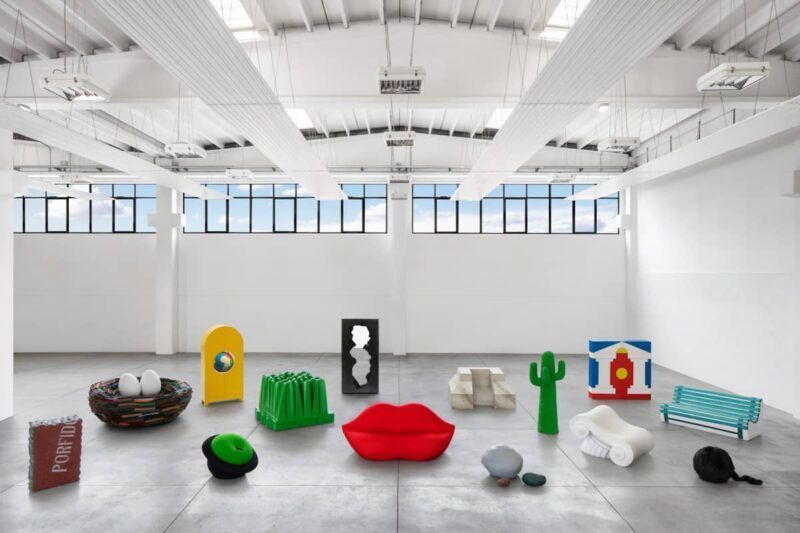
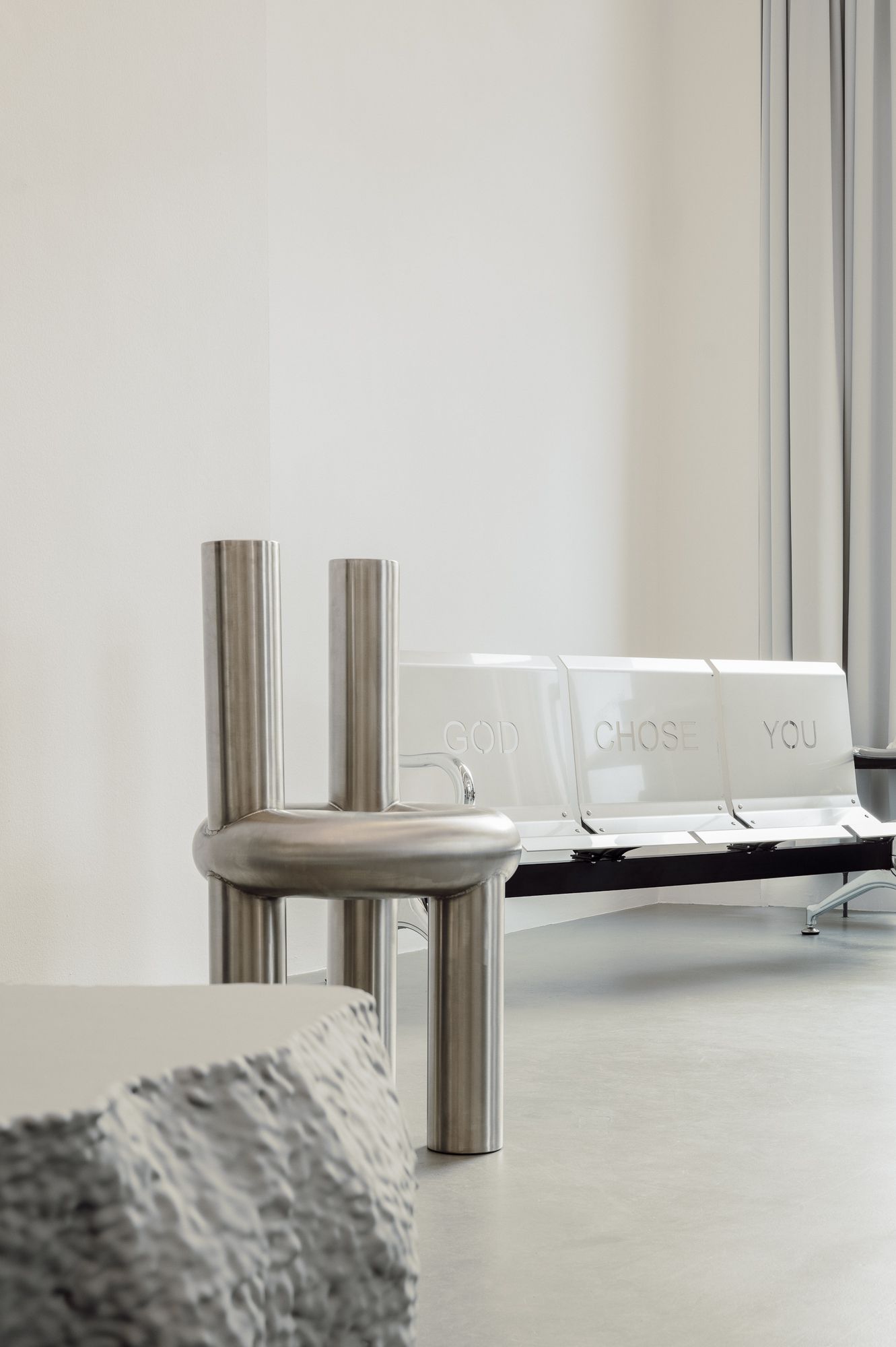
Every project and collaboration we take on has significance for me—otherwise, it wouldn’t happen. I only work on things that hold meaning, whether through a personal connection, a long-time passion, or an unexpected opportunity. One that stands out is our partnership with Gufram. I’ve been a fan of the brand since I was young, long before I fully understood its history and impact on design. Seeing Gufram’s collaboration with Daniel Arsham during my first visit to Salone del Mobile in Milan was a defining moment, and at the time, I never imagined that I’d one day collaborate with them through my own company. To now be working with a brand that once inspired me makes it especially meaningful.
How do you keep pushing creative boundaries and ensuring your work continues to evolve?
I don’t think about pushing creative boundaries in a forced way—it happens naturally by staying curious, questioning things, and never getting too comfortable with what already exists. I’m constantly exploring new ideas, whether through travel, conversations, or discovering work from different disciplines like fashion, architecture, and contemporary art. Inspiration comes from everywhere, and I try to keep an open mind rather than following set rules. Evolution isn’t about chasing trends; it’s about refining a perspective, adapting to new influences, and staying engaged with the culture around me.
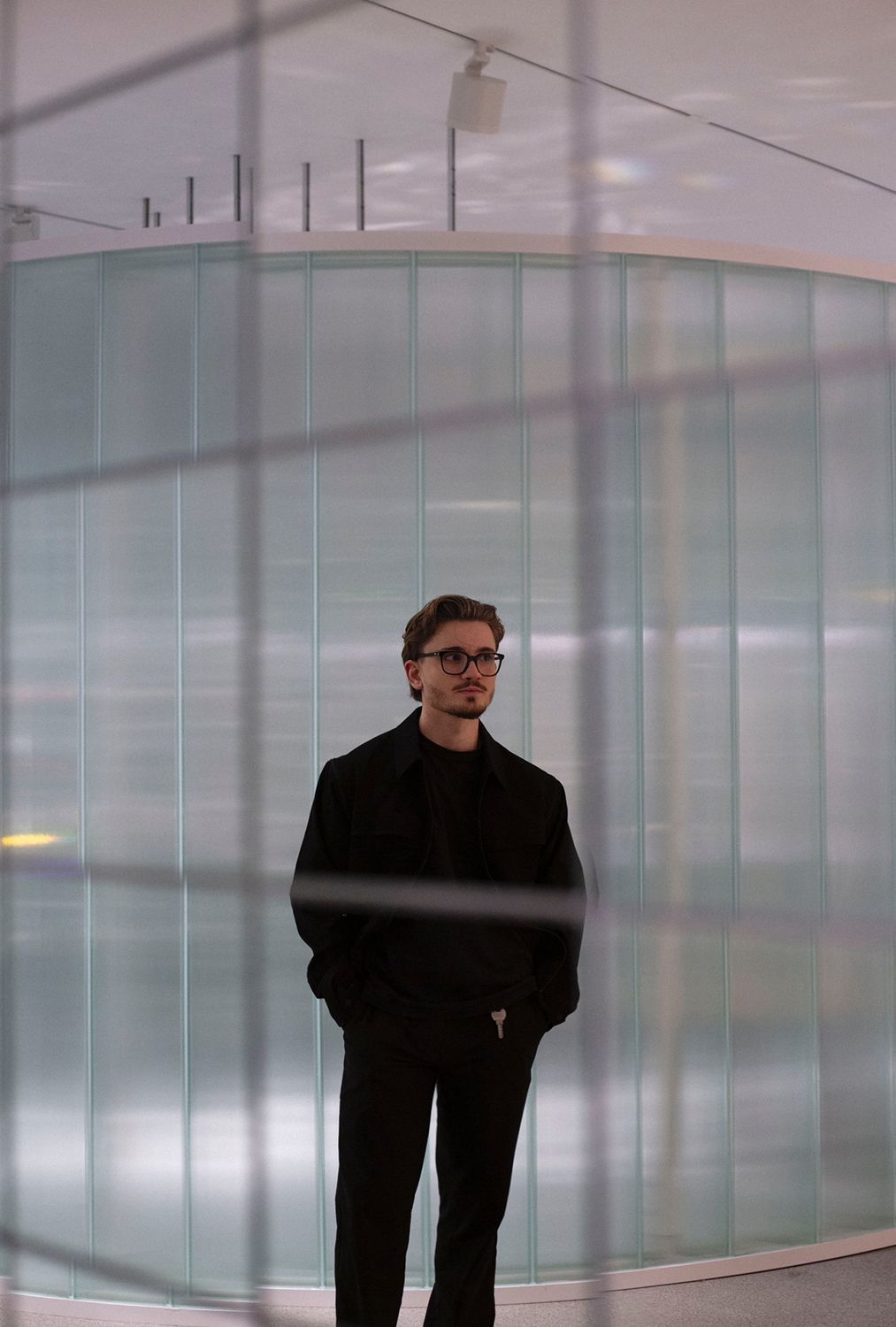
How do you define your role as a curator of design and architecture at industrialkonzept? What criteria do you follow when selecting the objects, spaces, or places that are part of your projects?
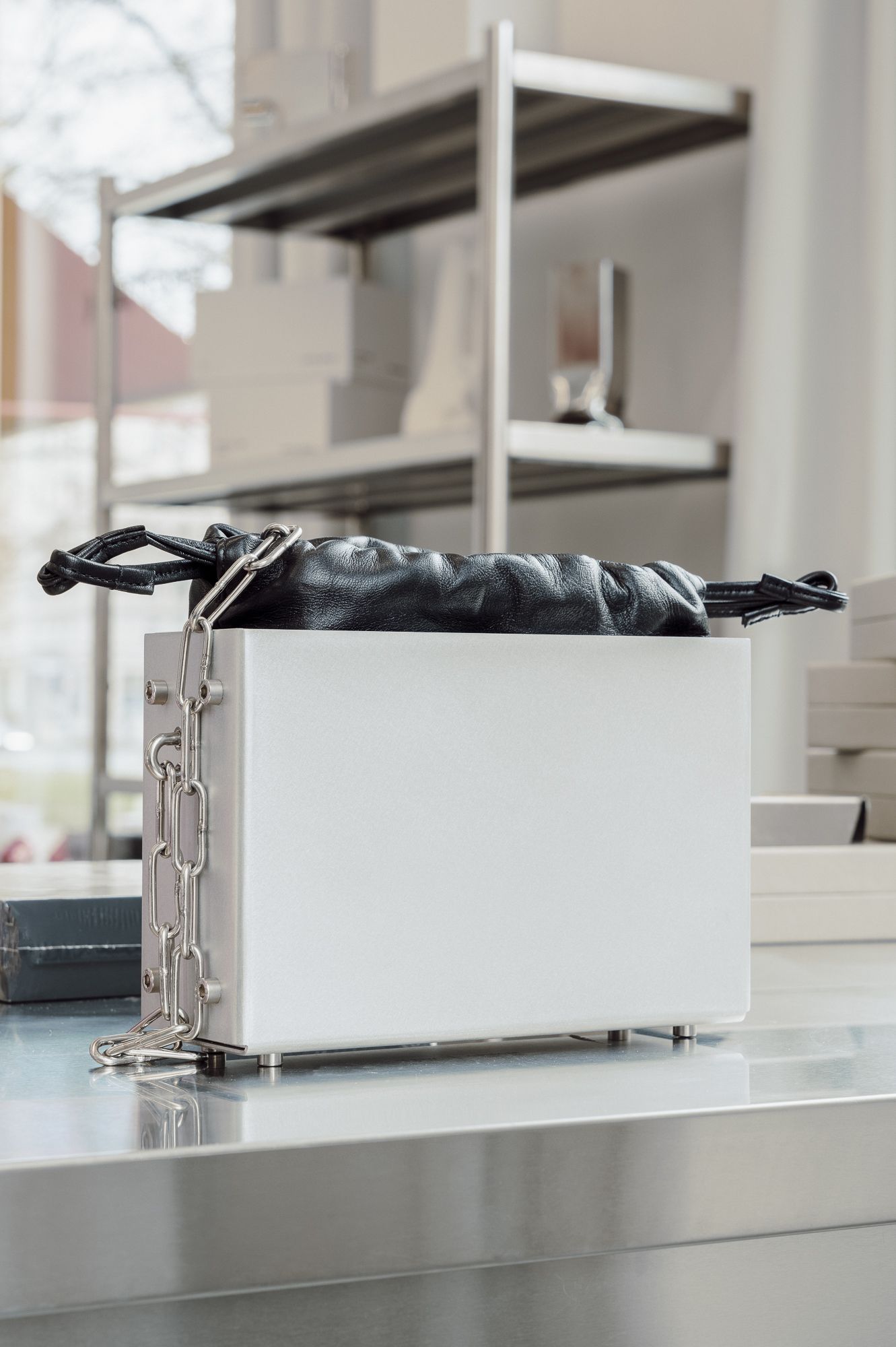
I wouldn’t say I have a strict definition for my role as a curator—it’s something that developed naturally through my instinct for design. I’ve always had a strong sense of taste, and curating is my way of expressing it. I’m drawn to raw materials like steel, aluminum, and untreated surfaces—objects and spaces that aren’t overly polished but still have a minimalistic, intentional presence. It’s about reducing design to its essence while keeping the imperfections that make materials feel honest.
When selecting objects, spaces, or places, I focus on minimalism, material appreciation, and exclusivity. I’m drawn to rare pieces, not for the sake of rarity but because they carry a unique character. Good design, to me, is about longevity—how an object interacts with space and evolves over time.
My perspective is heavily influenced by fashion, which was my first real interest, and that influence naturally extends into my approach to architecture, contemporary art, and craftsmanship. It’s all connected, and that’s what I try to represent through industrialkonzept—curating a vision that blends these elements into something cohesive.
What are your main influences?
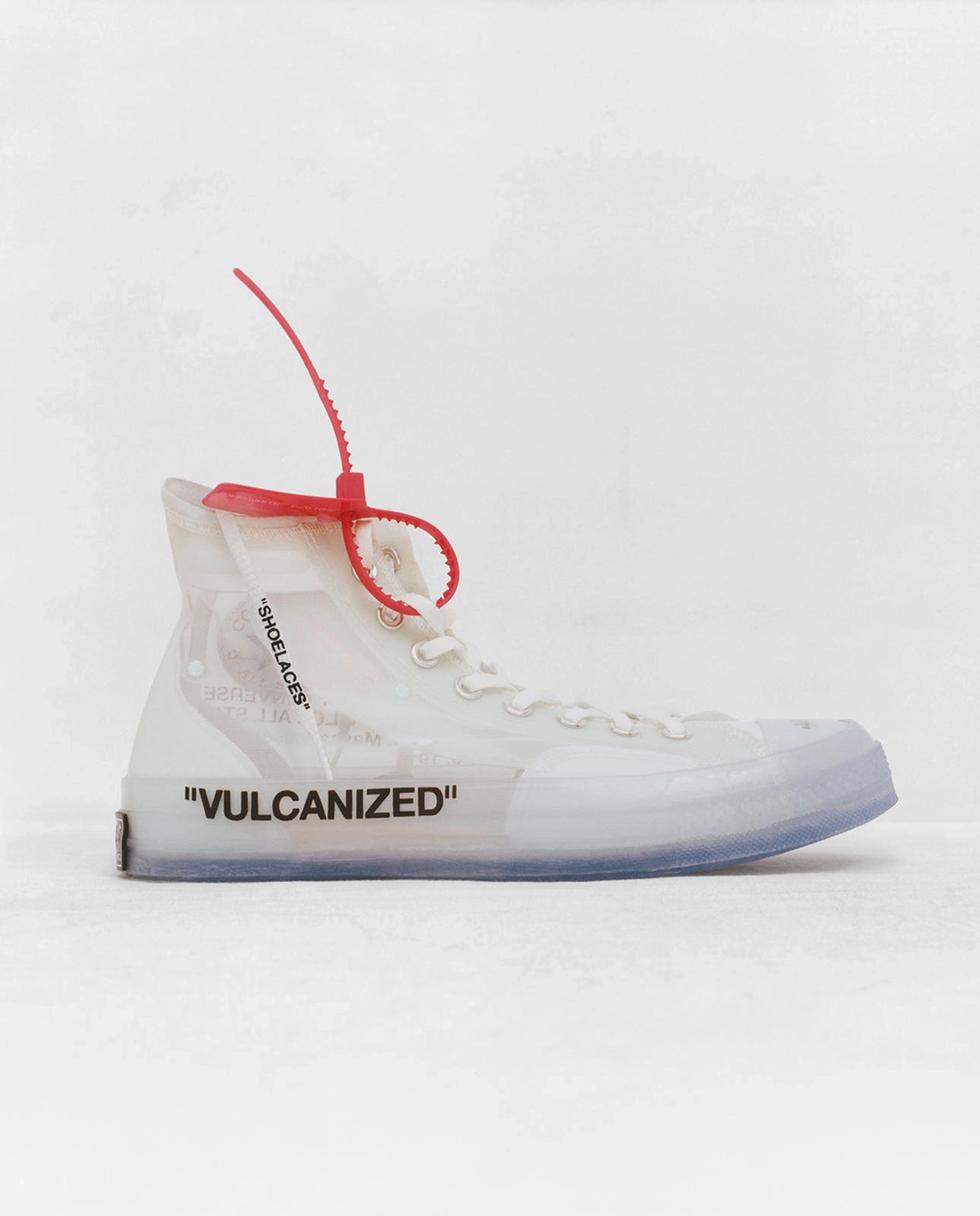
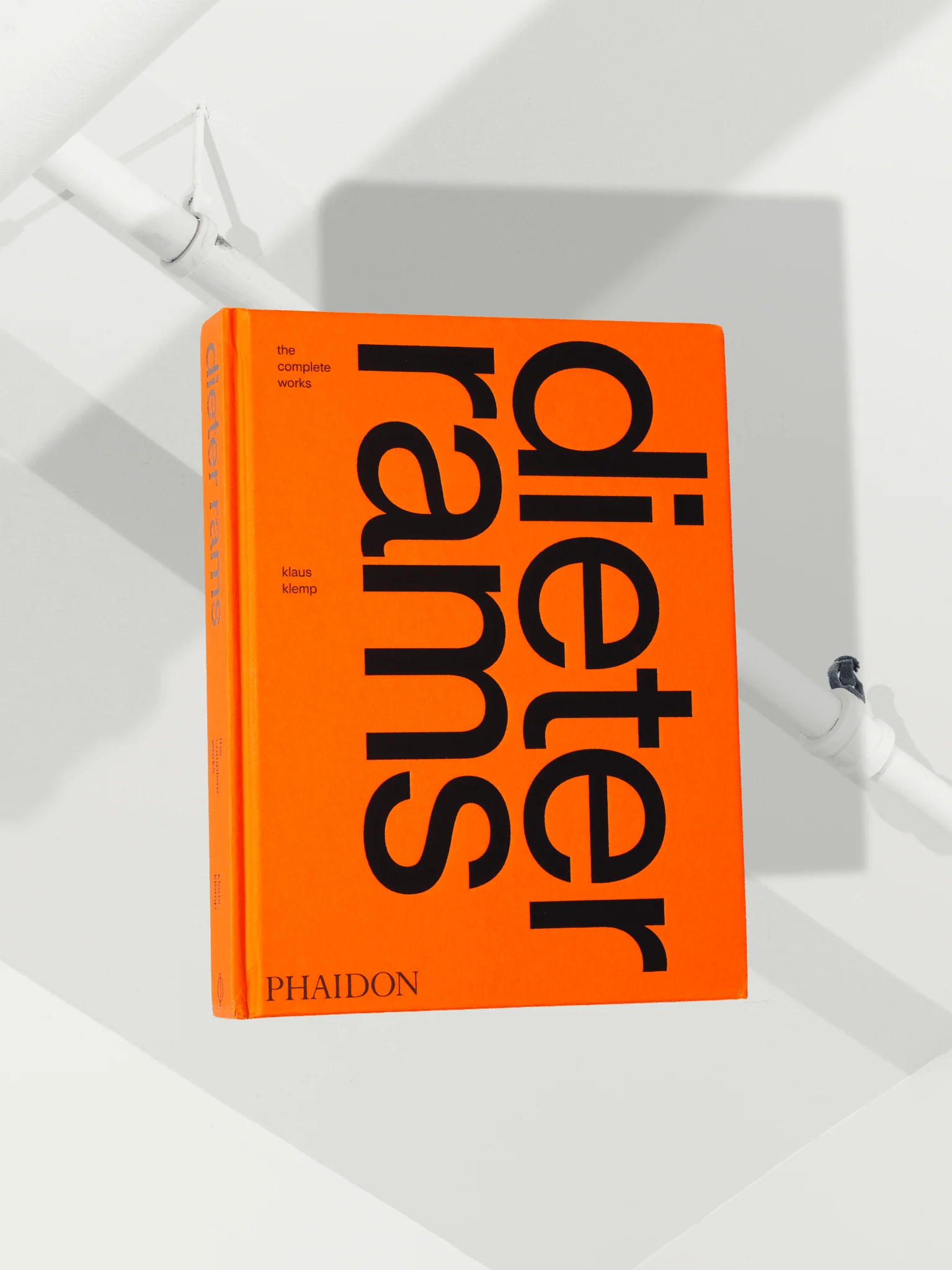
My influences come from many different areas, but fashion has played a major role, especially designers like Virgil Abloh and Rick Owens. Virgil’s way of thinking about culture and design shaped a lot of how I approach things, not just in terms of aesthetics but in how design interacts with the world. Rick Owens, on the other hand, has this uncompromising vision—his understanding of materials and forms feels almost architectural. Beyond fashion, Dieter Rams has had a huge impact on me. His design philosophy—distilling objects to their purest form while making them functional—resonates deeply.
Scandinavian and Japanese architecture also influence me a lot. I took a long solo trip through Scandinavia, and looking back, I don’t think it was a coincidence that I started industrialkonzept shortly after. The way architecture blends with nature there, the purity of materials, the subtlety in details—it all stuck with me. Similarly, Japanese design, especially the work of Tadao Ando, has this refined minimalism that I really connect with. But influence isn’t something fixed; I try to stay open to everything. Whether it’s architecture, everyday objects, or conversations, I see design as something that constantly evolves through what I experience.
In a world where design and architecture are increasingly influenced by technology and sustainability, how do you balance these trends with an aesthetic and functional approach?
Technology and sustainability are essential aspects of design today, and I see them as natural elements to integrate rather than separate trends to follow. I’m fascinated by how materials evolve, how new production methods emerge, and how sustainability pushes design towards smarter, more responsible solutions. But at the same time, I don’t think functionality or sustainability should limit aesthetic expression. Good design is about balance—bringing these elements together in a way that feels intentional rather than forced.
“Technology and sustainability are essential aspects of design today.”
I often reference Dieter Rams and his “form follows function” approach, but I also believe in the value of objects that exist purely for their artistic or cultural impact. Not everything has to serve a practical purpose to have meaning. When I curate, I try to create a dialogue between functionality, aesthetics, and sustainability. Some pieces are raw and industrial, others are experimental or even impractical, but together they form a vision that reflects all these layers. It’s about finding harmony in contrasts—respecting the necessity of innovation while still appreciating the beauty of imperfection and material honesty.
Could you share a recent project that has particularly impacted you? What elements made it unique?
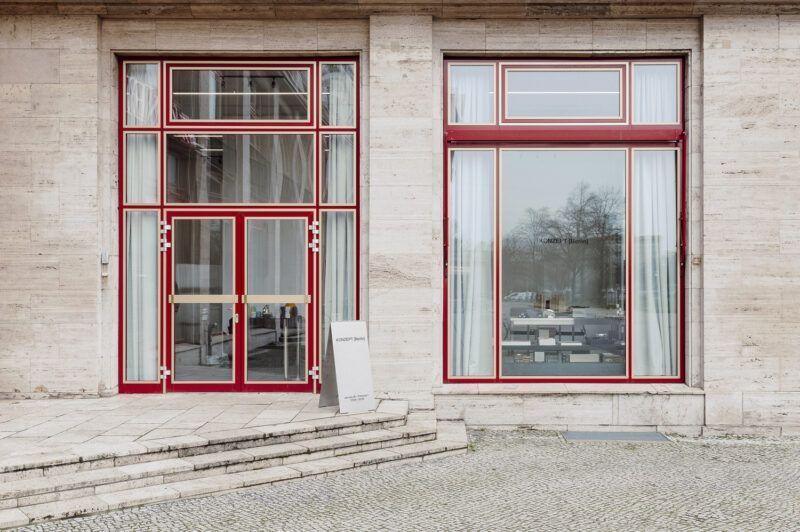
A recent project that had a huge impact on me was our first physical event during Berlin Fashion Week. It was the first time I curated and created a real-world experience, and seeing people engage with our work in person was completely different from the digital world. Having conversations with architects, designers, and industry leaders—people who have built incredible projects and companies—and hearing their appreciation for what we do was deeply meaningful. It’s one thing to see numbers on a screen, but when someone stands in front of you and tells you why they connect with your vision, it gives everything a new dimension.
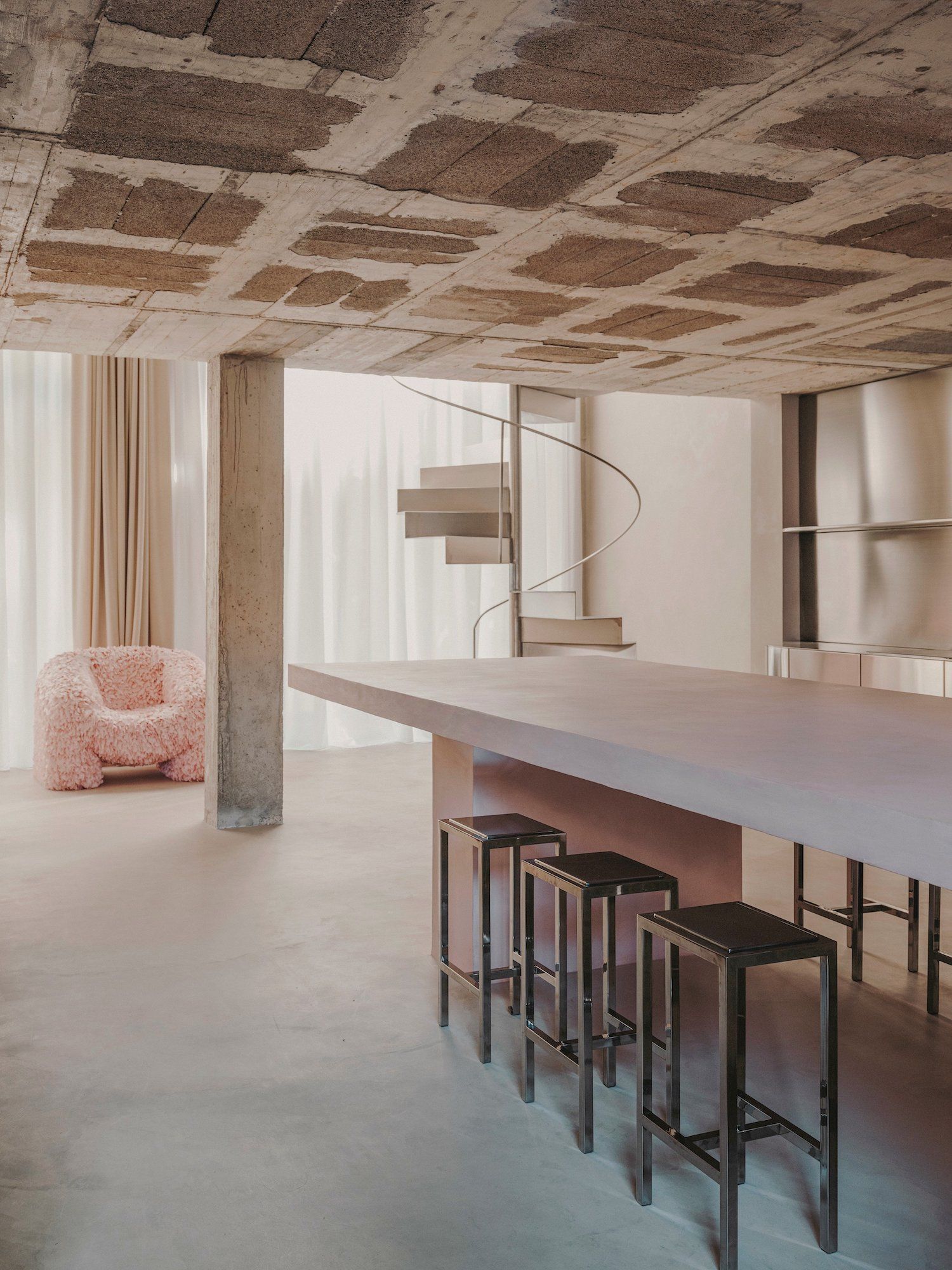
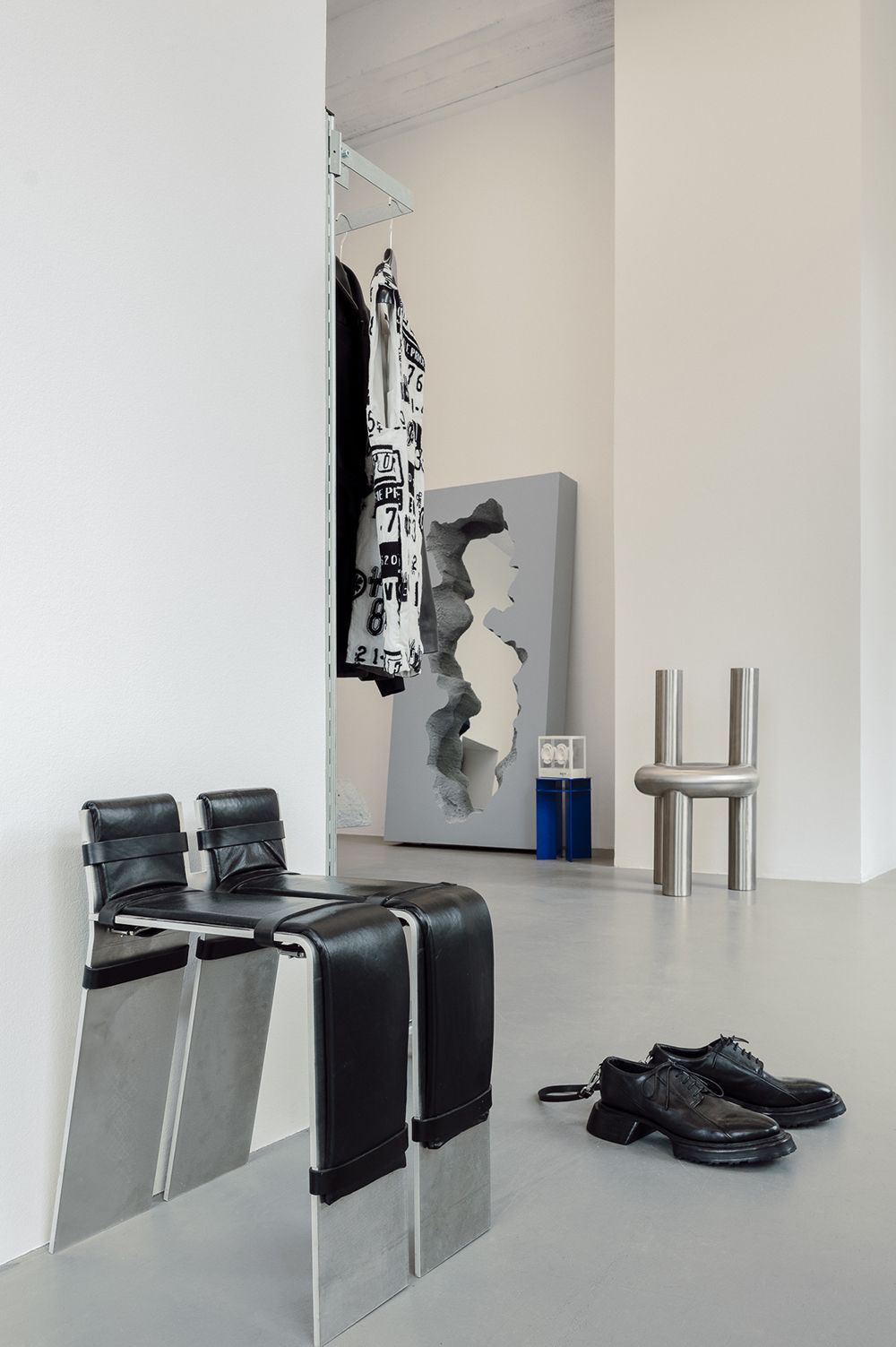
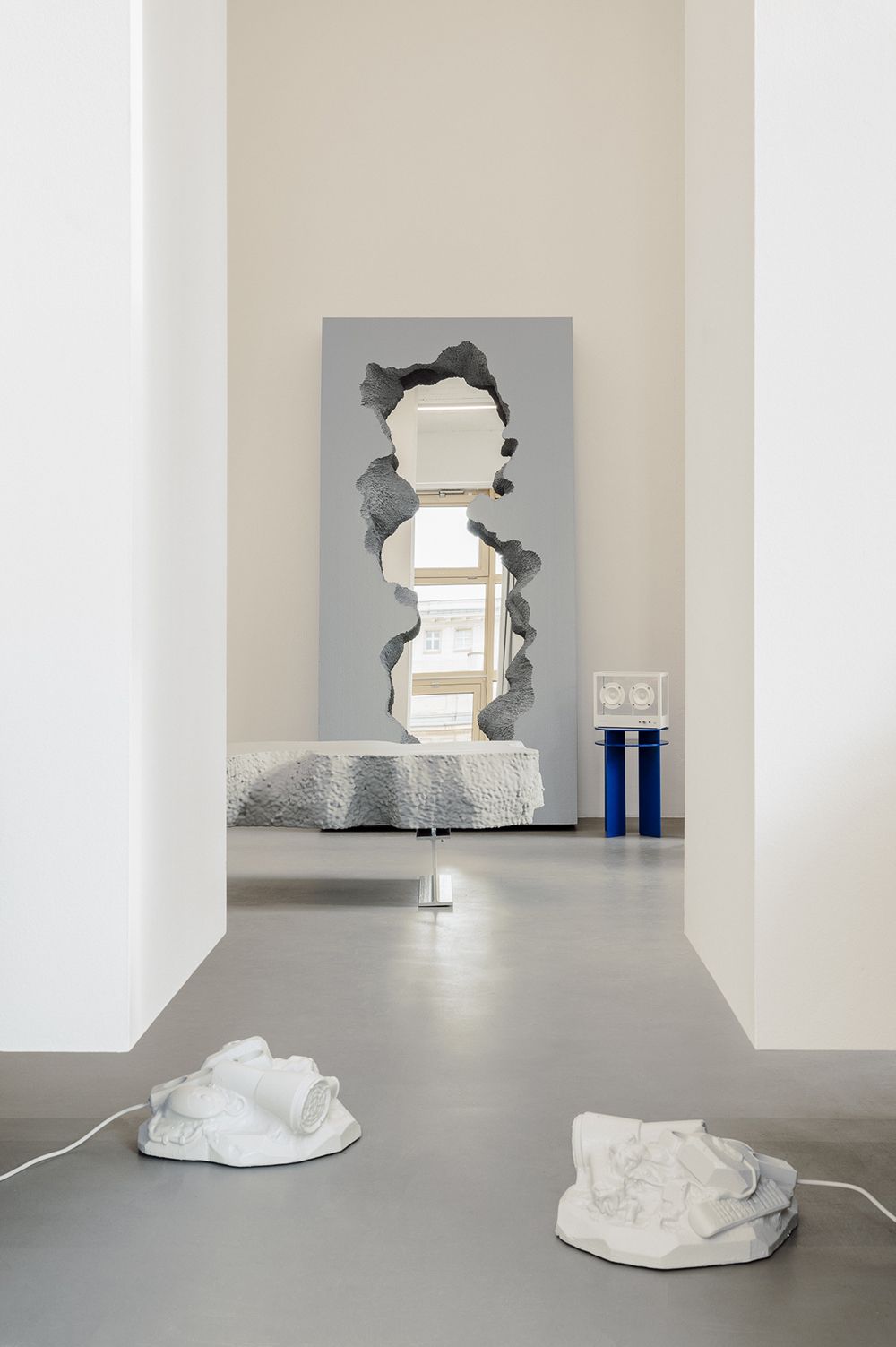
The event was a mix of a gallery and a social space, where people could experience the pieces we represent, connect with artists, and be part of something immersive. We featured a wide portfolio of works, including Gufram’s collaboration with Daniel Arsham, a bench from Vittorio Valigi x Swedish Girls, various pieces by Jacob Egeberg, among many others. Designers and artists were present, allowing visitors to engage directly with them, making the experience much more than just an exhibition. Seeing that level of interaction made the event feel alive, and Berlin’s response to it was incredible. It reinforced that we’re building something meaningful, something that resonates.
Select three objects, three brands, three artists/designers/architects, and three spaces/buildings that have had a special impact on you or are essential to your creative vision.
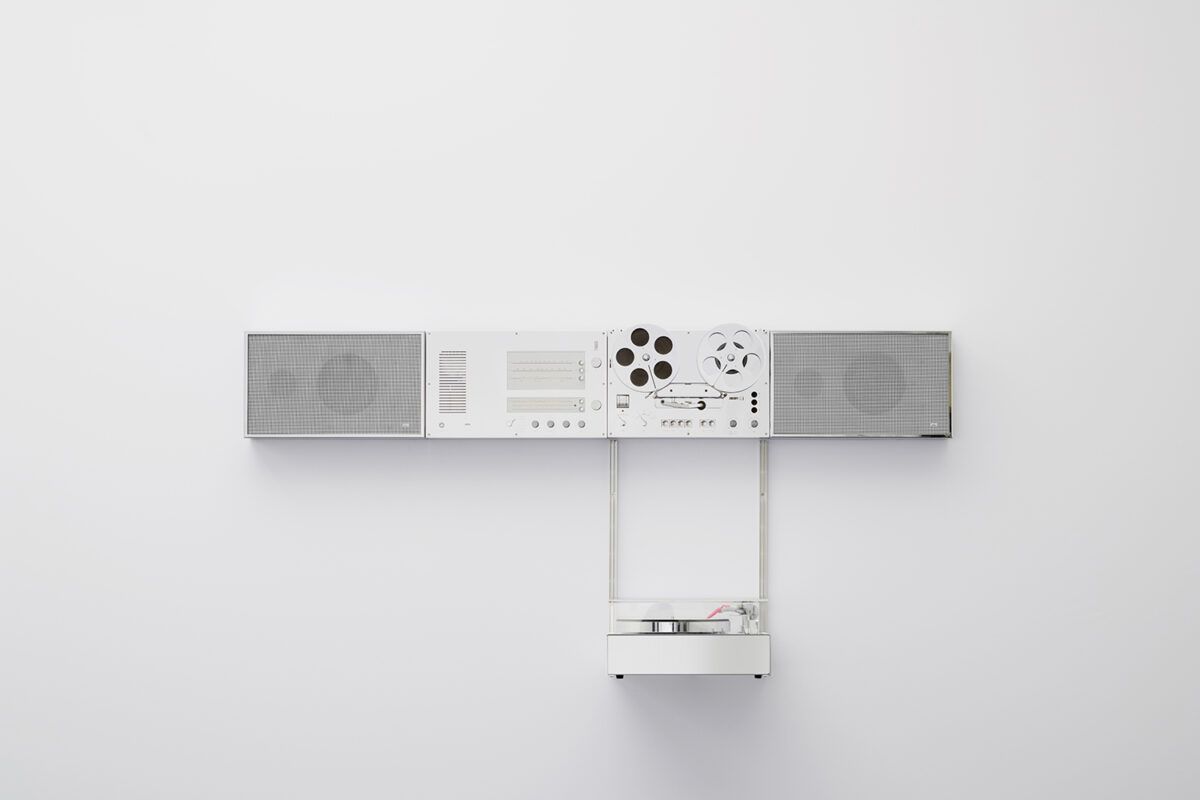
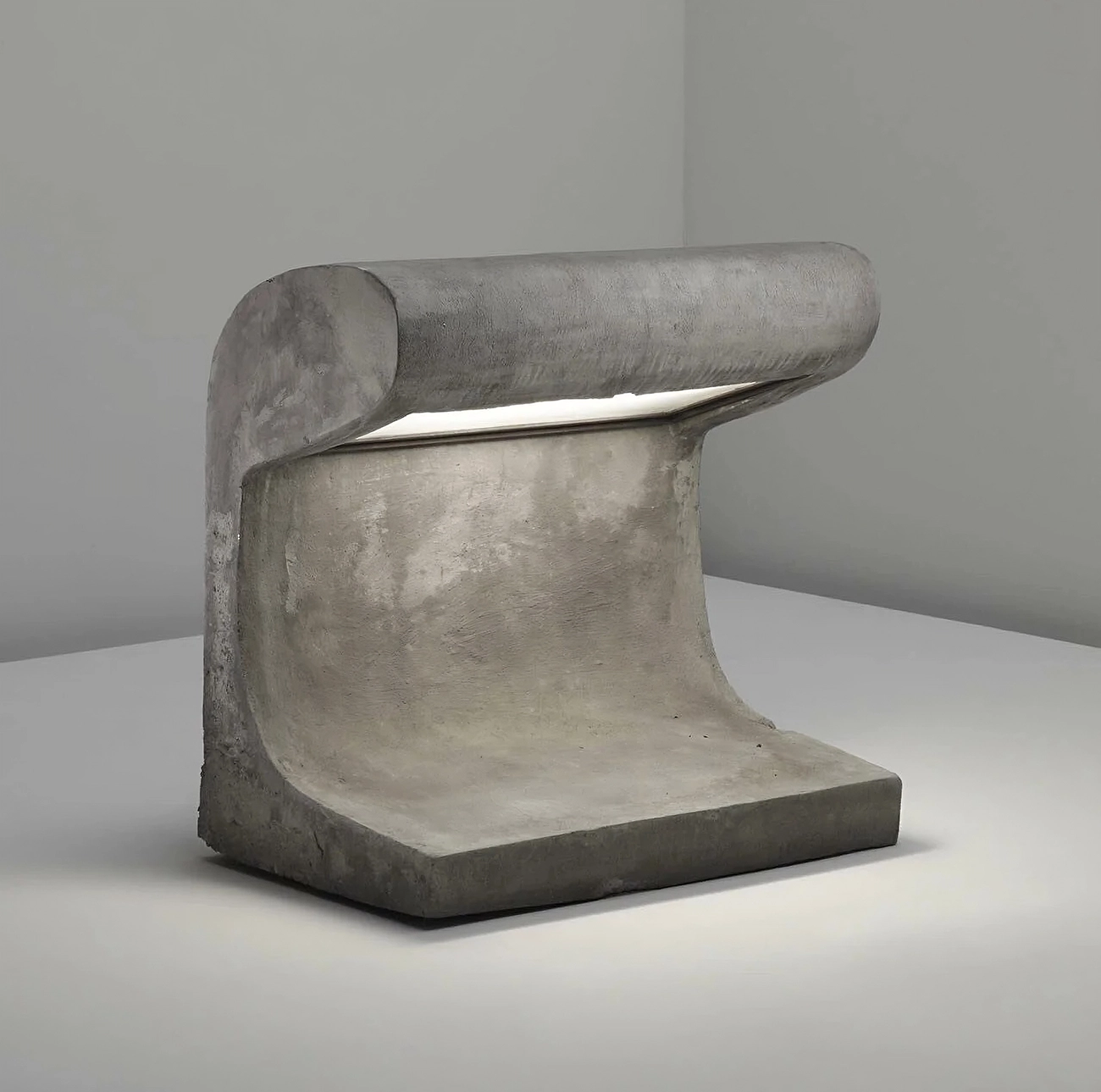
For objects, the first one would be Le Corbusier’s concrete lamp, designed in the 1950s for his Unité d’Habitation in Marseille. It’s an iconic piece that perfectly represents my taste—raw, minimal, and deeply connected to architecture. The second is the Ghost Chair by Cini Boeri for Fiam. I love the interplay of simplicity, glass, and sculptural form—it’s a perfect balance of material and function. The third is the Wandanlage by Dieter Rams, particularly the collaboration version with Virgil Abloh. Originally designed as a modular sound system for Braun in the 1960s, it was reinterpreted by Virgil in a way that connects past and present. This piece embodies so much of what I appreciate in design: timeless functionality, strong visual presence, and a conceptual depth that bridges eras.
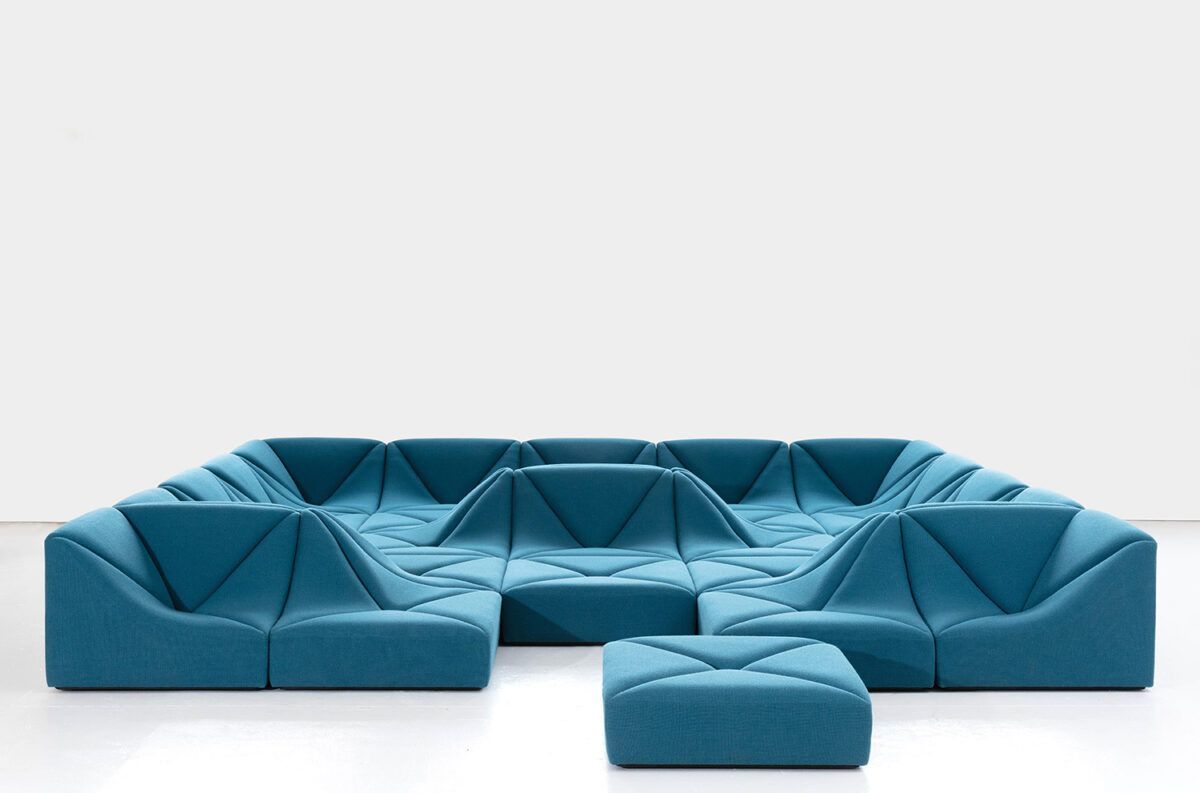
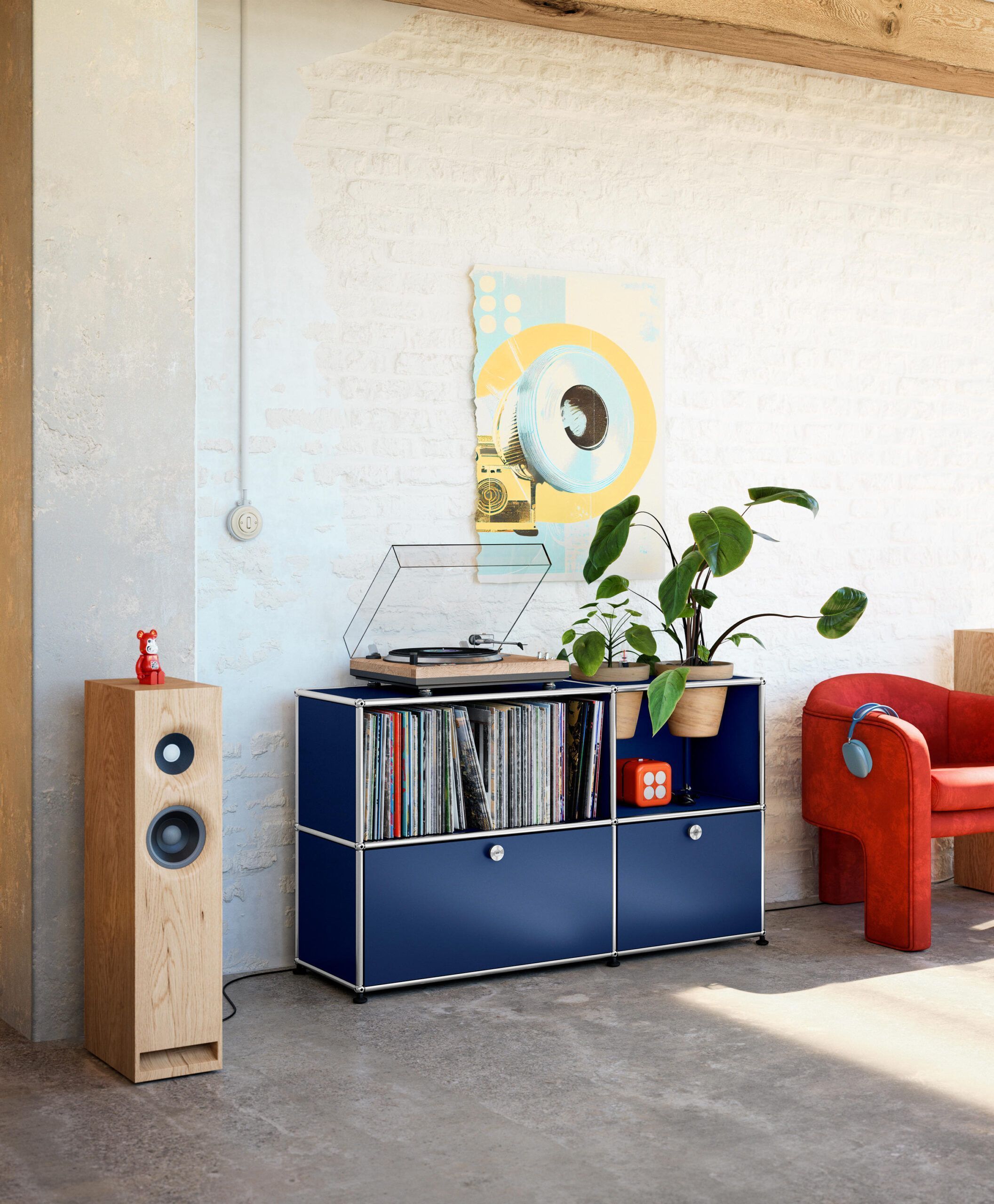
As for brands, I would highlight Vitra, Herman Miller, and USM Haller. Each of them has a distinct identity but shares a commitment to longevity, quality, and cultural relevance in design. When it comes to designers and architects, Dieter Rams, Tadao Ando, and Pierre Paulin have all shaped my perspective. Paulin, in particular, had a revolutionary approach to form and comfort, and his Dune Sofa is one of the most legendary pieces in design history. It’s more than just seating—it’s an entire landscape, redefining how a space can be inhabited.
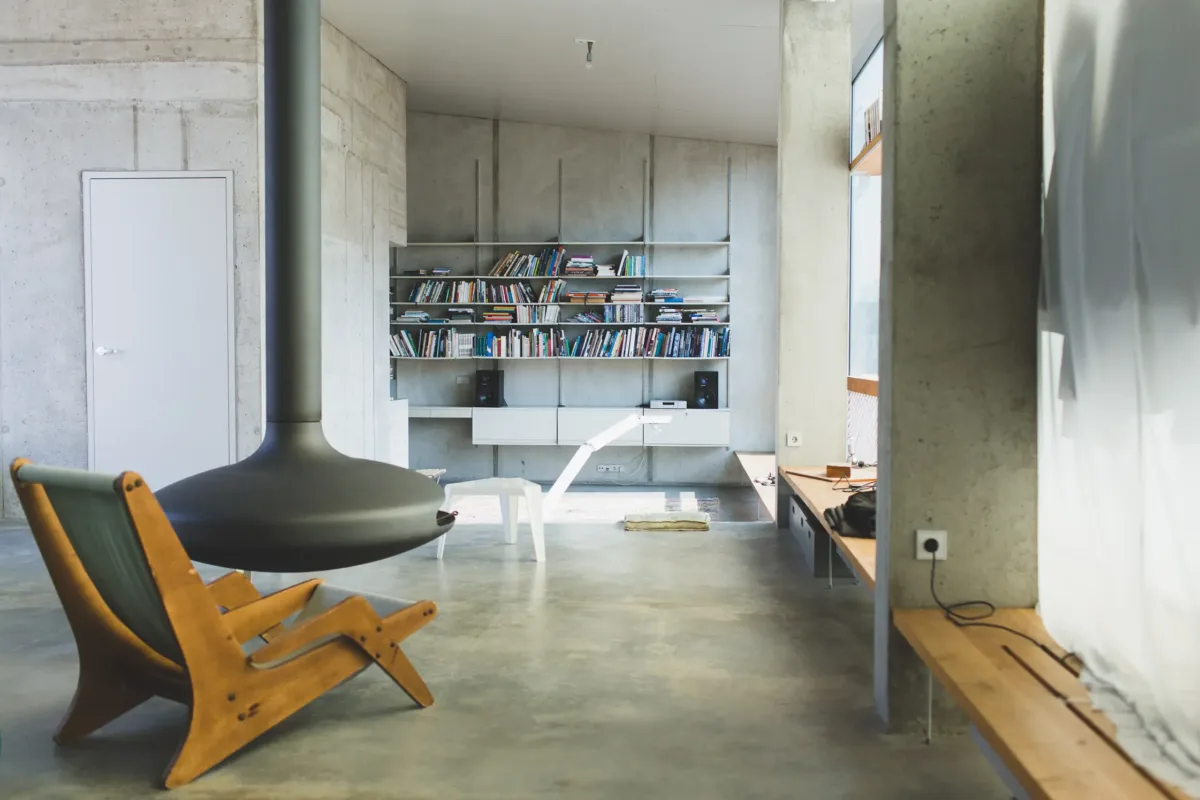
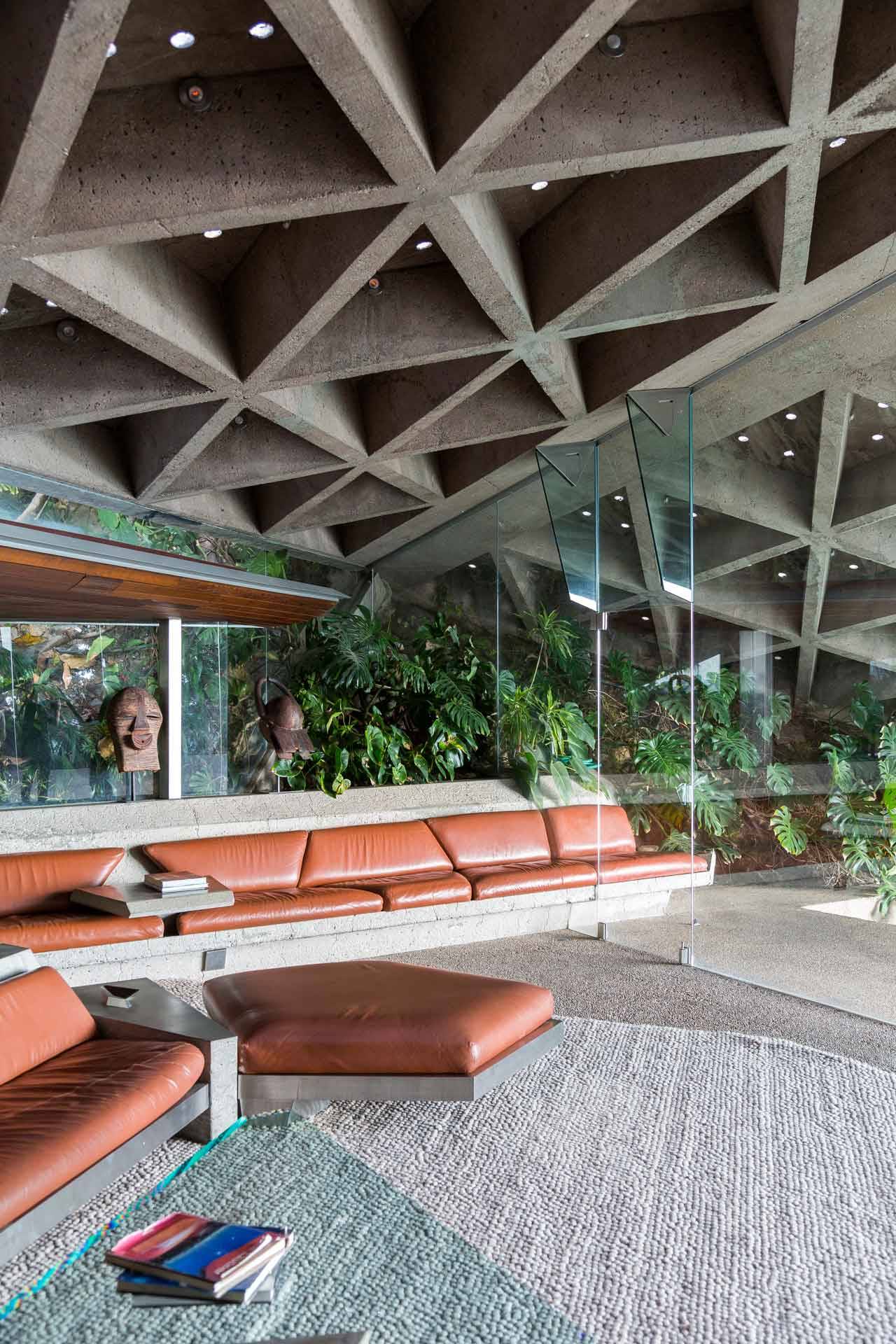
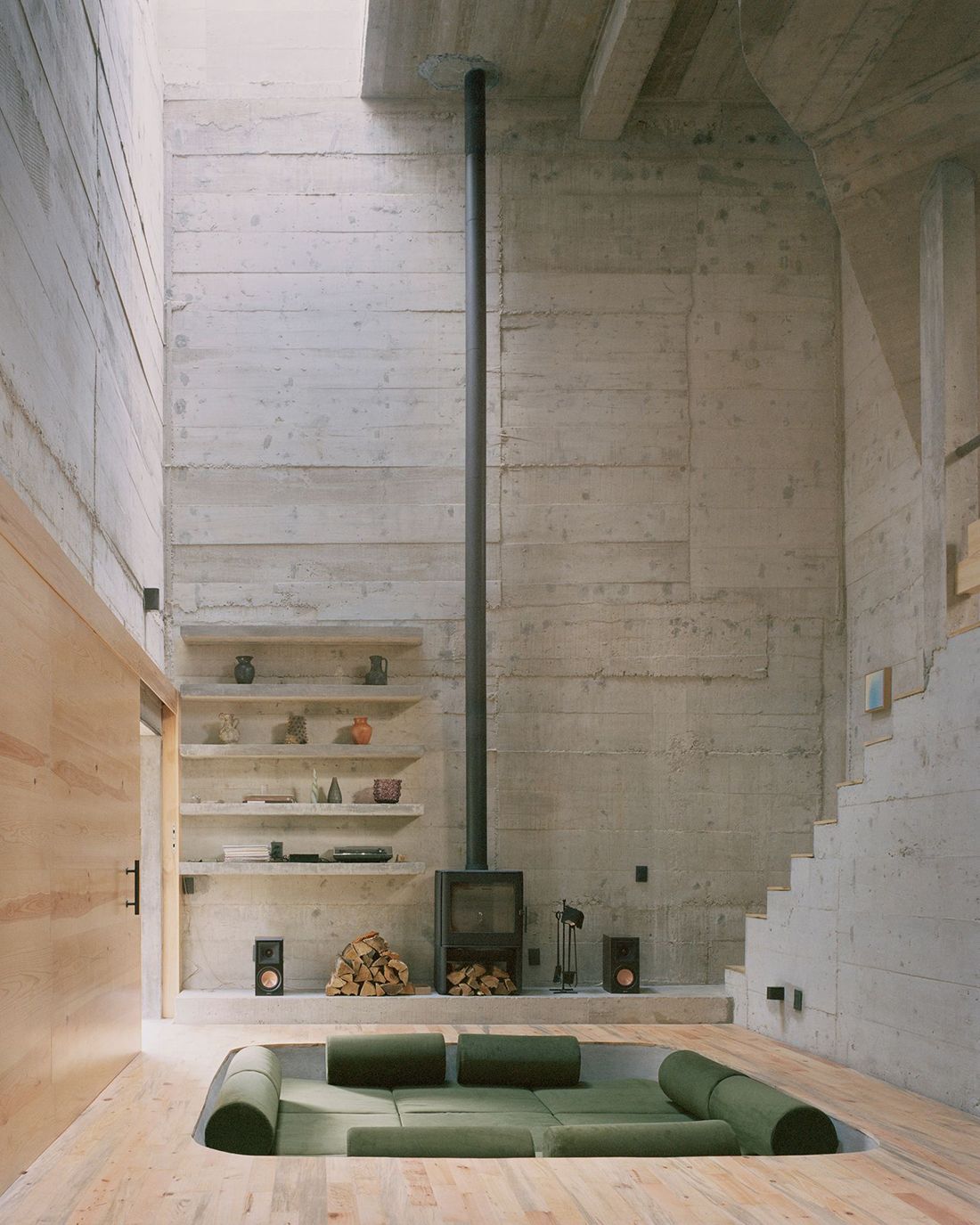
In terms of spaces, I’d choose Arno Brandlhuber’s Antivilla, Casa Alferez by architect Ludwig Godefroy, and the iconic Sheats Goldstein Residence by architect John Lautner. These buildings all have a raw yet intentional aesthetic, where structure, materiality, and the surrounding environment interact in a way that feels both timeless and forward-thinking.
In your experience, what stories or emotions do you aim to convey through the spaces or pieces you curate? Do you believe design can transform the way we perceive the world?
Of course, I believe design transforms the way we perceive the world—it already does. Everything around us has been designed in some way, from the streets we walk on to the objects we interact with daily.
Life itself is shaped by design, whether we realize it or not. Without it, the world would feel empty and uninspiring. But design isn’t just about aesthetics—it defines how we experience space, how things function, and even how we connect with them.
Good design isn’t just about making something look better; it’s about making it work better, making it more intentional, and shaping culture in ways that go beyond just objects.
“I believe design transforms the way we perceive the world.”
Through my work—whether it’s curating pieces, building a company, or creating new projects—I aim to bring together elements that feel honest and timeless. I want people to experience materials for what they are, to notice details, and to engage with objects in a way that sparks emotion.
Some things are purely functional, others exist simply to be appreciated, but they all contribute to a larger vision. It’s not just about products or spaces—it’s about shaping an attitude toward design, culture, and the way we interact with the world around us.
What role do social media play in your project?
Social media plays a huge role. It has been the foundation of what we do since day one. A few years ago, I already loved design, but I noticed how difficult it was to engage with it in a meaningful way. Unlike fashion, where strong online communities existed—like Basement Approved or the German version of it, Verband Botanischer Gärten—there wasn’t a dedicated space for design enthusiasts to connect and discover in a curated way. If you were into design, you could buy great pieces, but there wasn’t a platform that consistently brought together objects, ideas, and cultural references with a strong perspective.
The existing landscape felt either too mass-market or targeted toward an older generation. Many established companies didn’t understand what was missing because they never experienced digital communities the way younger generations did.
That’s why social media is so crucial. It’s the foundation of what we do. It allows us to bring design into a space where people can engage with it daily, where they can discover new perspectives, and where independent designers can gain visibility. It’s not just about showcasing products or spaces; it’s about creating a dialogue around design and making it more accessible without losing depth.
Seeing how people interact with what we share, how they react to certain materials, shapes, and concepts—it shows that design isn’t just something to look at, it’s something to experience and think about.
“Social media plays a huge role. It has bee the foundation of what we do since day one.”
What are your future plans for industrialkonzept?
The future plans are to keep evolving naturally while staying true to what industrialkonzept already is. I’ve achieved what I initially set out to do—being part of shaping the culture in a way that feels relevant and forward-thinking. Now, it’s about growing further. We want to collaborate more with artists and designers, giving them opportunities, while also working with other iconic brands to push new ideas.
Physical events will play a bigger role, and the next step is to have a long-term space—not a traditional store, but a place where people can experience design in a way that feels immersive and engaging rather than purely commercial.
Another key step is expanding the team. Right now, we have social media editors, content editors, and PR, but I want to build a broader team where responsibilities are more distributed and specialized. Looking ahead, I see industrialkonzept establishing a stronger international presence—not just digitally, but physically as well.
Cities like Tokyo and Seoul are already important for us, and having a physical presence there would allow us to connect with those markets on a deeper level.
The same goes for New York. But first, Berlin is the next step. Having a dedicated space there is something we’re actively working on, and it will happen in the near future.
“Berlin is the next step. Having a dedicated space there is something we’re actively working on.”
We highly recommend following his Instagram account—it’s full of inspiration.
(*) Photographs courtesy of Johannes Stumpf, creator of industrialkonzept.