CONCEPTUAL Biennale 2025: Berlin as the new epicentre of creative thought
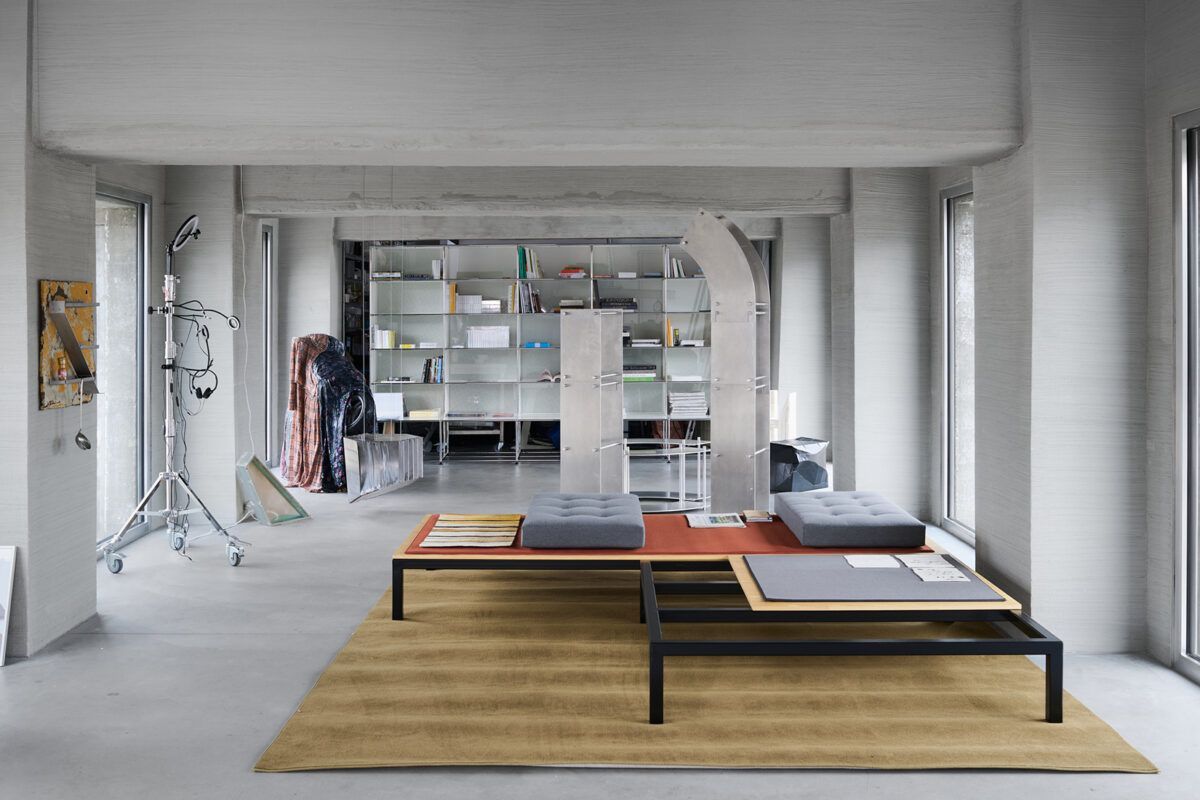
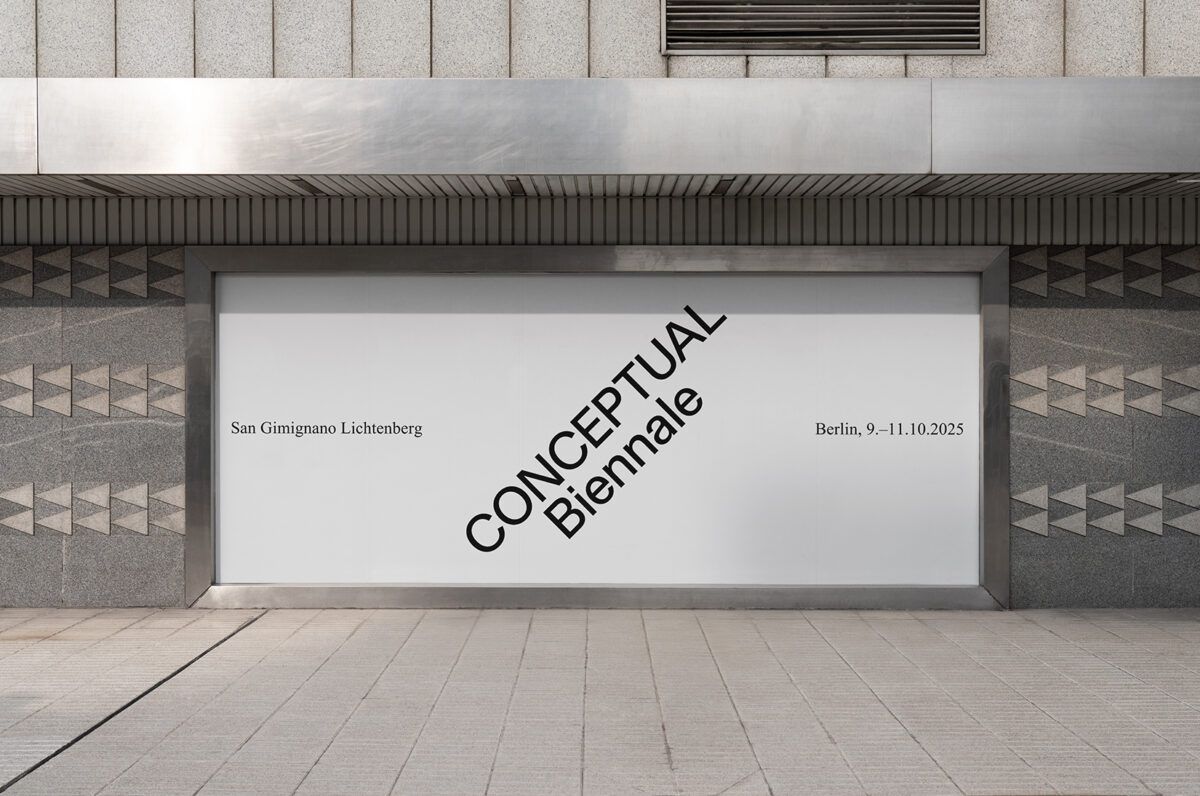
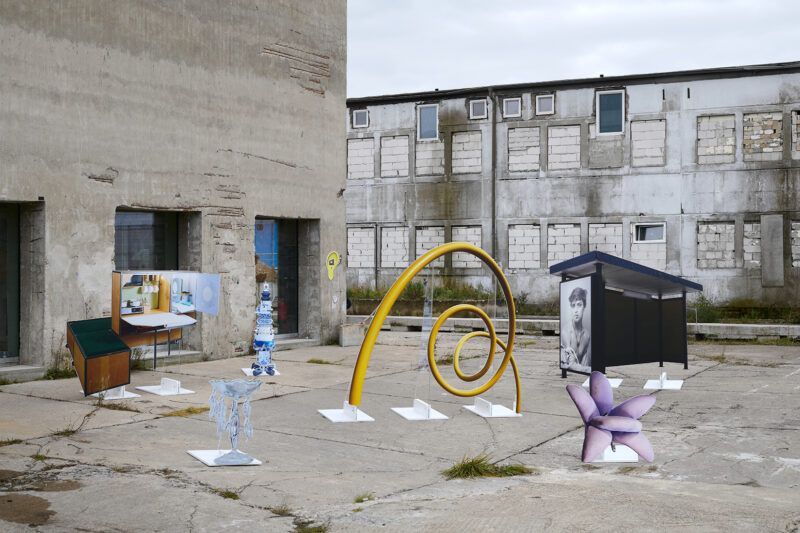
From 9 to 11 October 2025, Berlin will host the inaugural edition of the CONCEPTUAL Biennale, a unique event set to transform the space of San Gimignano Lichtenberg into a hub for radical exploration in art, design and architecture. Far from being a trade fair or commercial showcase, this biennale defines itself as a critical, transdisciplinary and deeply contemporary platform, one that celebrates idea-based practices, collective work, and independent thought.
Berlin, a laboratory for ideas
The CONCEPTUAL Biennale was born from a desire to give visibility and voice to what its organisers call the Conceptual Community: an international ecosystem of creative practices that, across disciplines, operate from a place of reflection, critical discourse and a search for new models of making, producing and collaborating.
A biennale without concessions: thinking before commerce
What sets this biennale apart is precisely what gives it strength. Unlike many of the major cultural events on the calendar, CONCEPTUAL breaks away from commercial logic, embracing slowness, critical thinking, and creative autonomy. It is an event created “from within”, with passion, dedication and the support of a community that believes in rethinking cultural formats and practices in the context of post-growth.
In the words of its organisers, this first edition serves as a prototype — an experimental model to test new forms of community, collaboration and cultural production. And it arrives at a key moment: Berlin is experiencing a new wave of creative effervescence, a kind of collective reconfiguration that this biennale aims to amplify.
One exhibition, three curators, and many questions
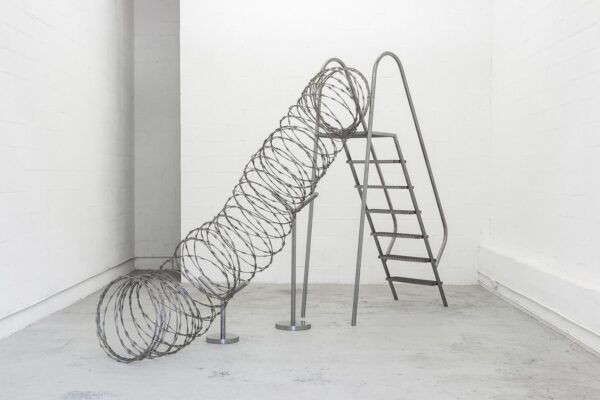
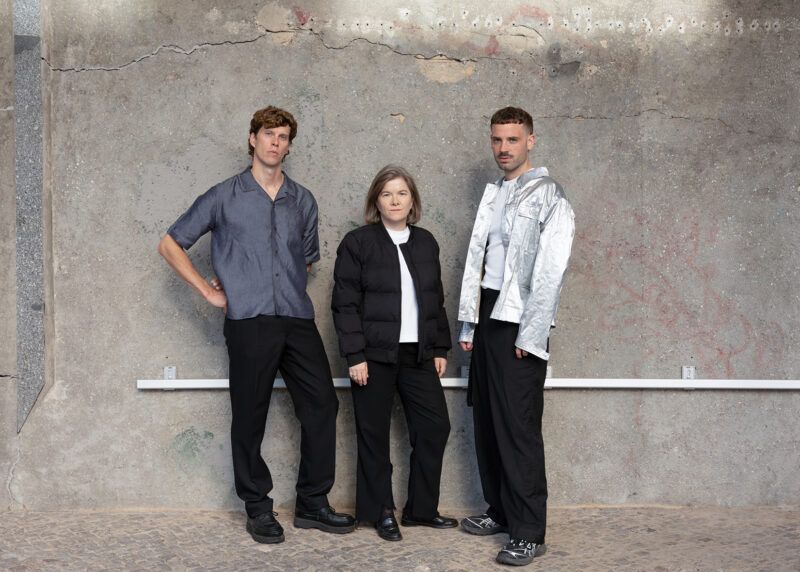
At the heart of the biennale is a major exhibition divided into three curatorial sections, conceived by Tina Roeder (artistic and curatorial director), Anton Rahlwes and Matylda Krzykowski. Each curator has selected a diverse range of works that intersect design, art and architecture — featuring both established figures and emerging talents discovered through an open call.
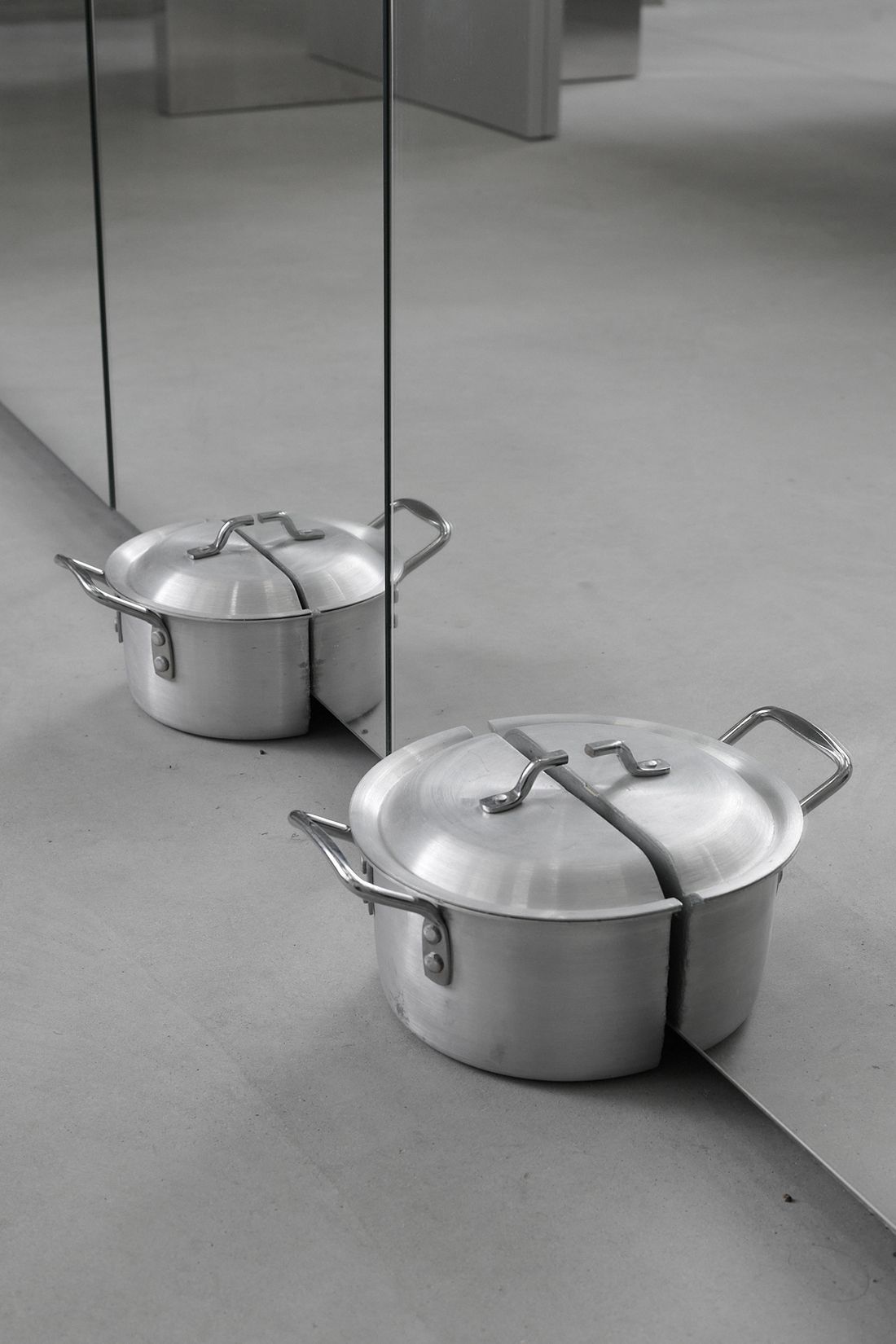
Some highlights from the exhibition programme include:
Tina Roeder presents works by: BLESS, Patrick Bosman, Soft Baroque, Gonzalez Haase AAS, Kristiane Kegelmann, Something Fantastic, Andrea Zittel and more.
Matylda Krzykowski features: Camille Henrot, Sophie Jung, Jing He, Monika, Ursula Sax, Lisa Ertel & Jannis Zell, Lucia Bachner…
Anton Rahlwes brings together: Rick Owens, Le Corbusier, Studio Œ, Ksti Hu, Kensia Bellevie and Yellow Nose Studio.
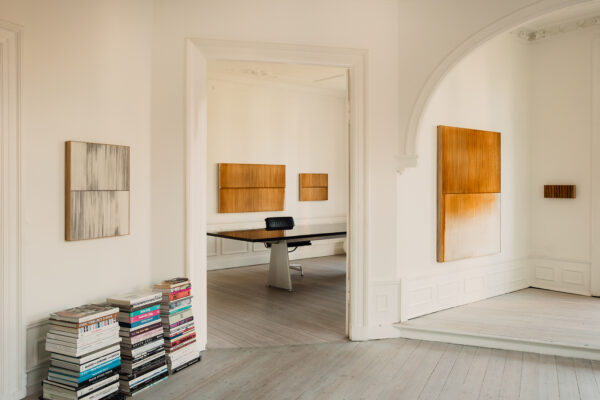
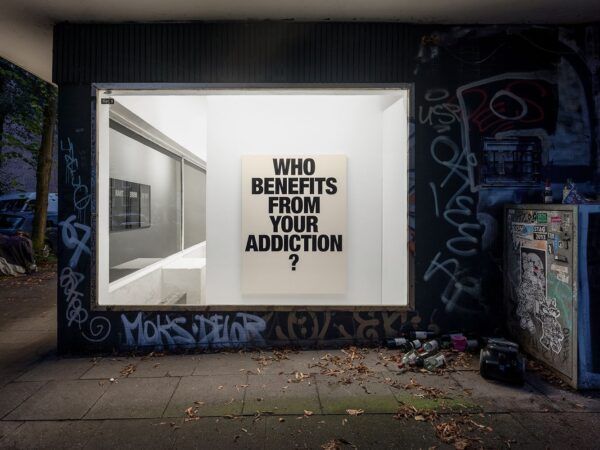
Rather than following a thematic structure, the exhibition functions as a crossroad of positions, practices and formats, where what matters most is not the discipline but the conceptual and critical intent behind each proposal.
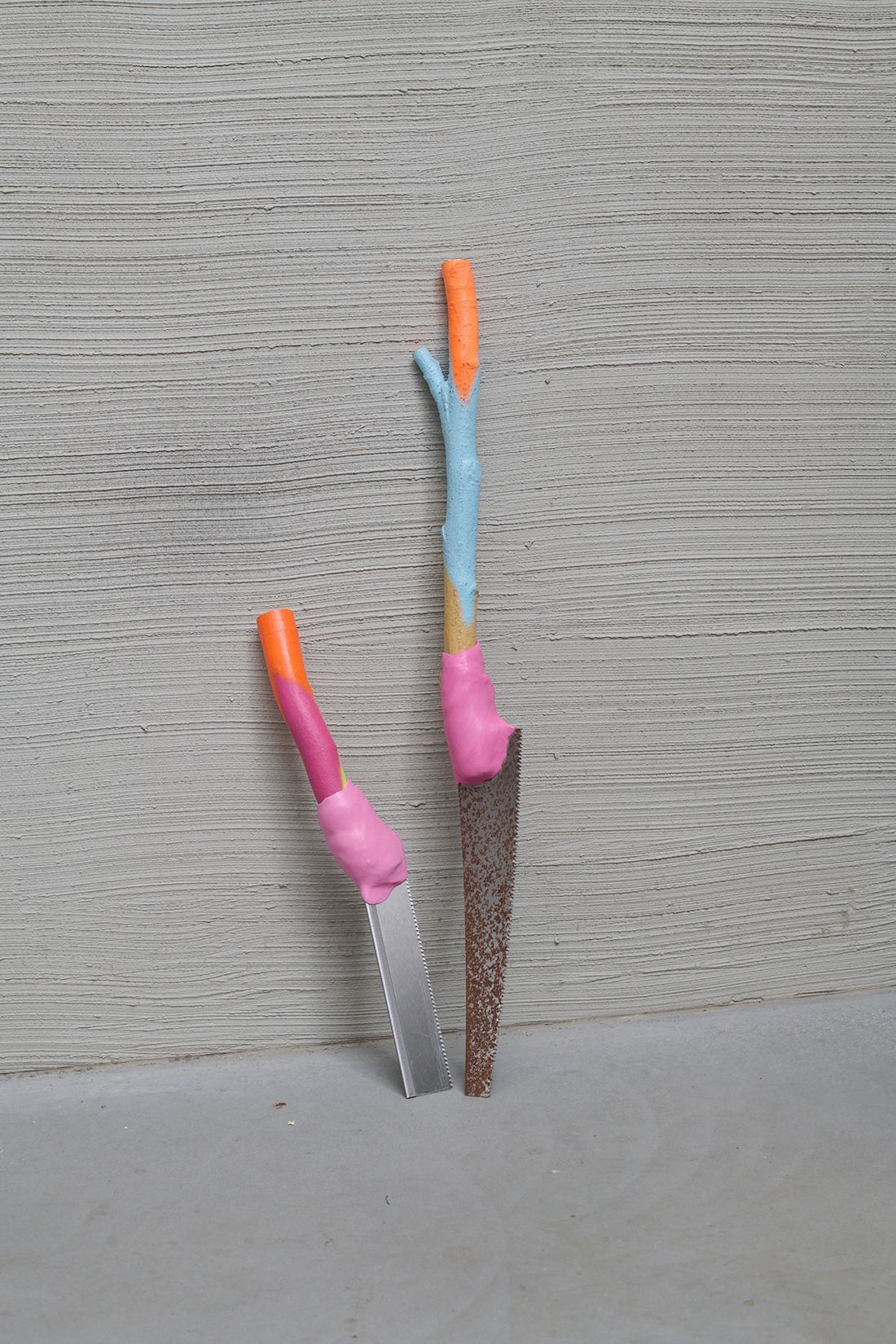
San Gimignano Lichtenberg: a space with a message
The choice of venue is anything but accidental.
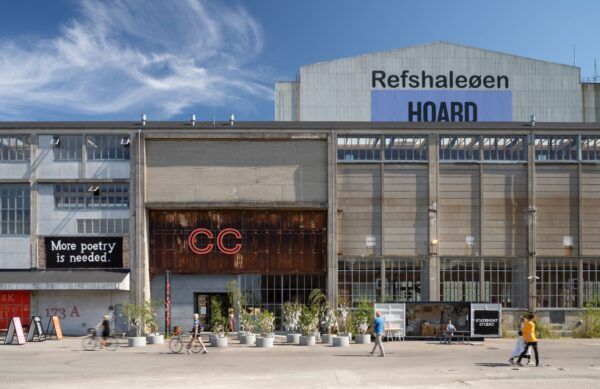
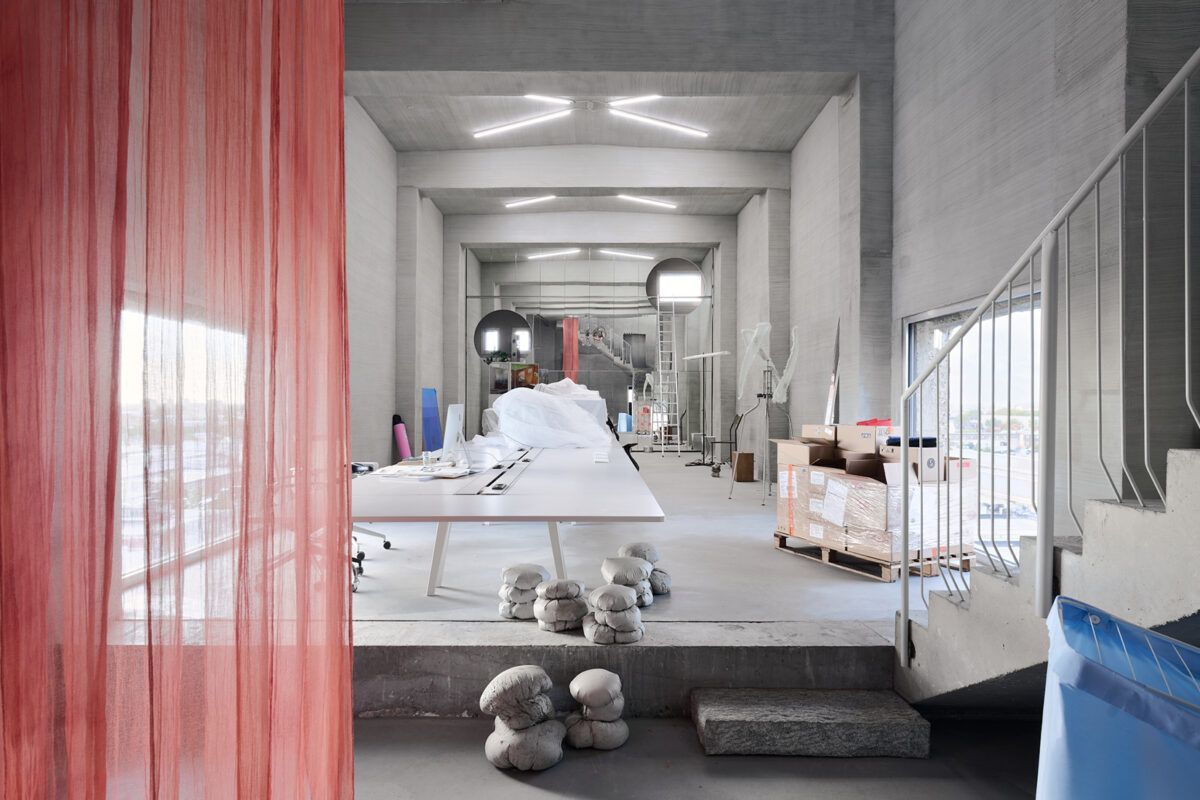
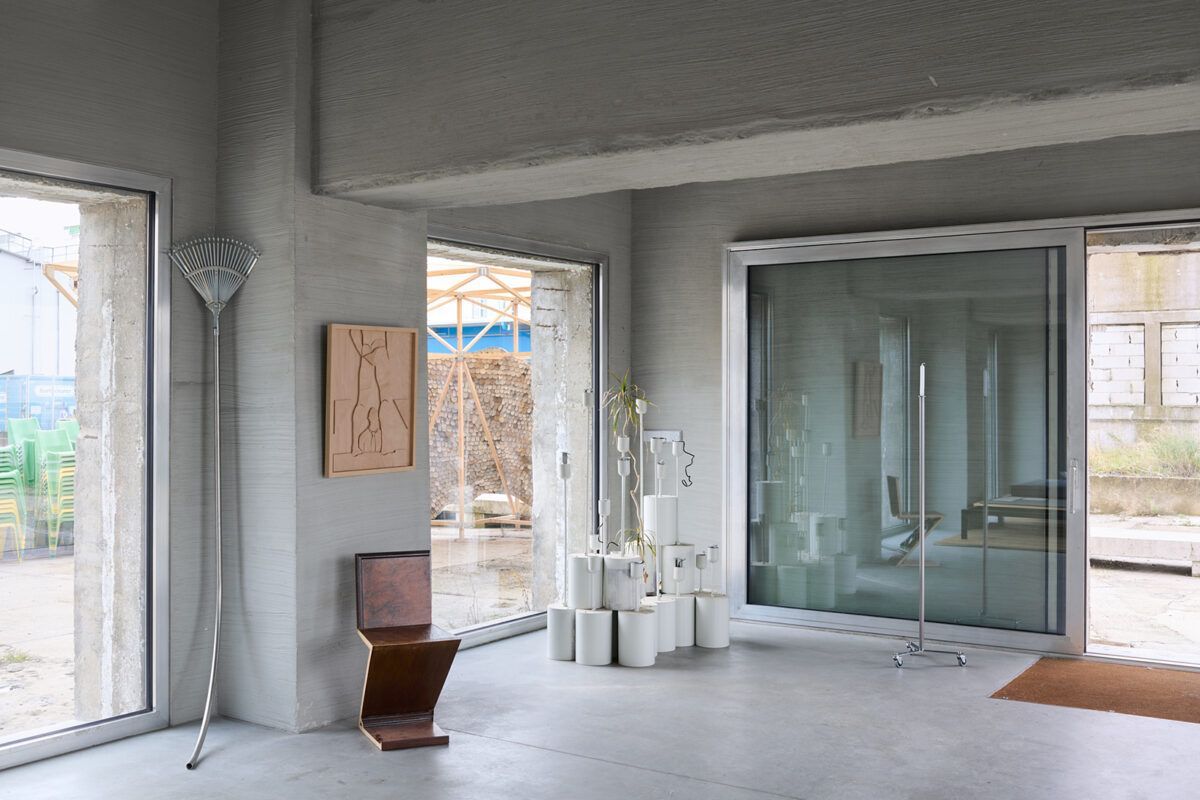
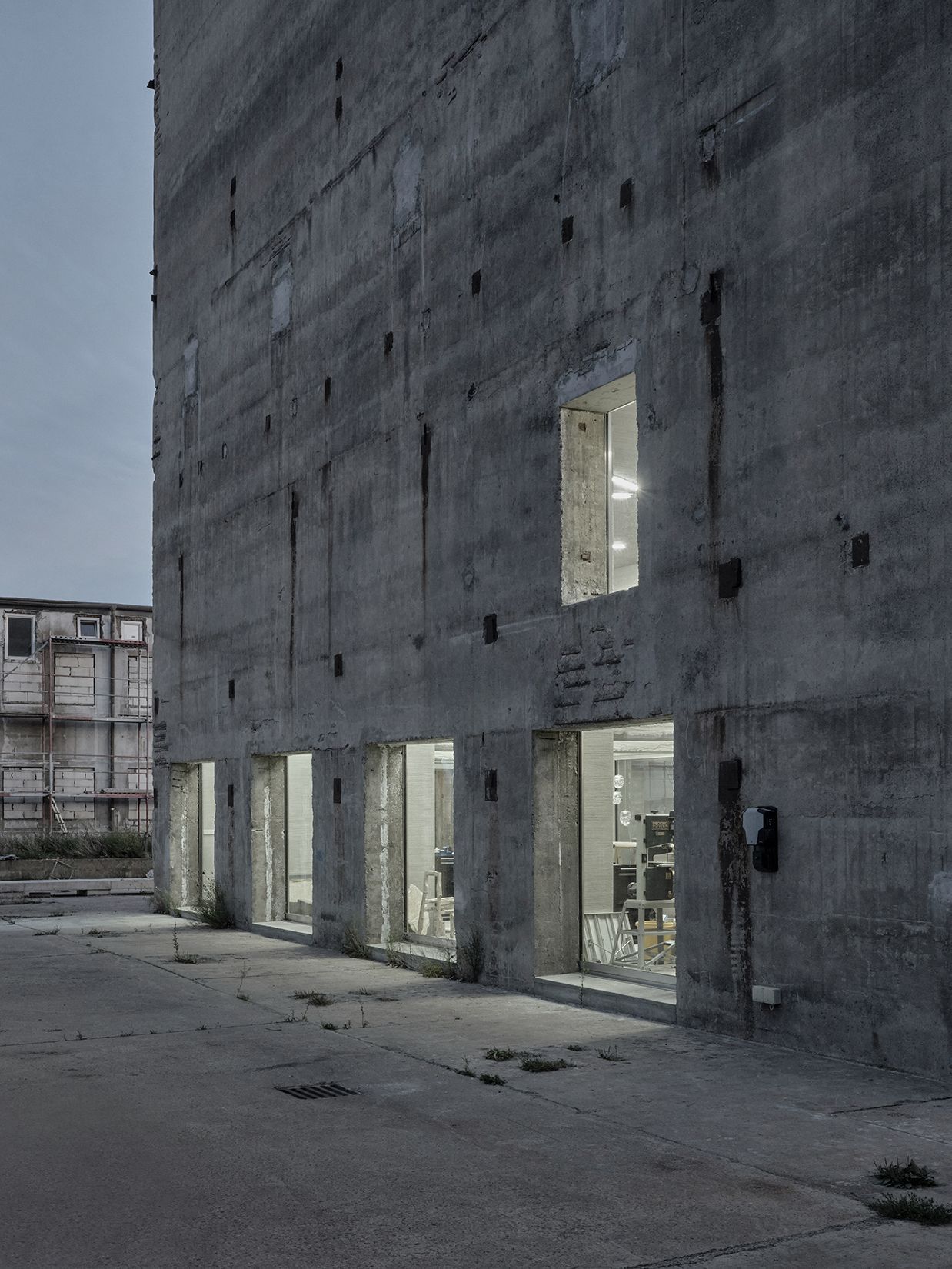
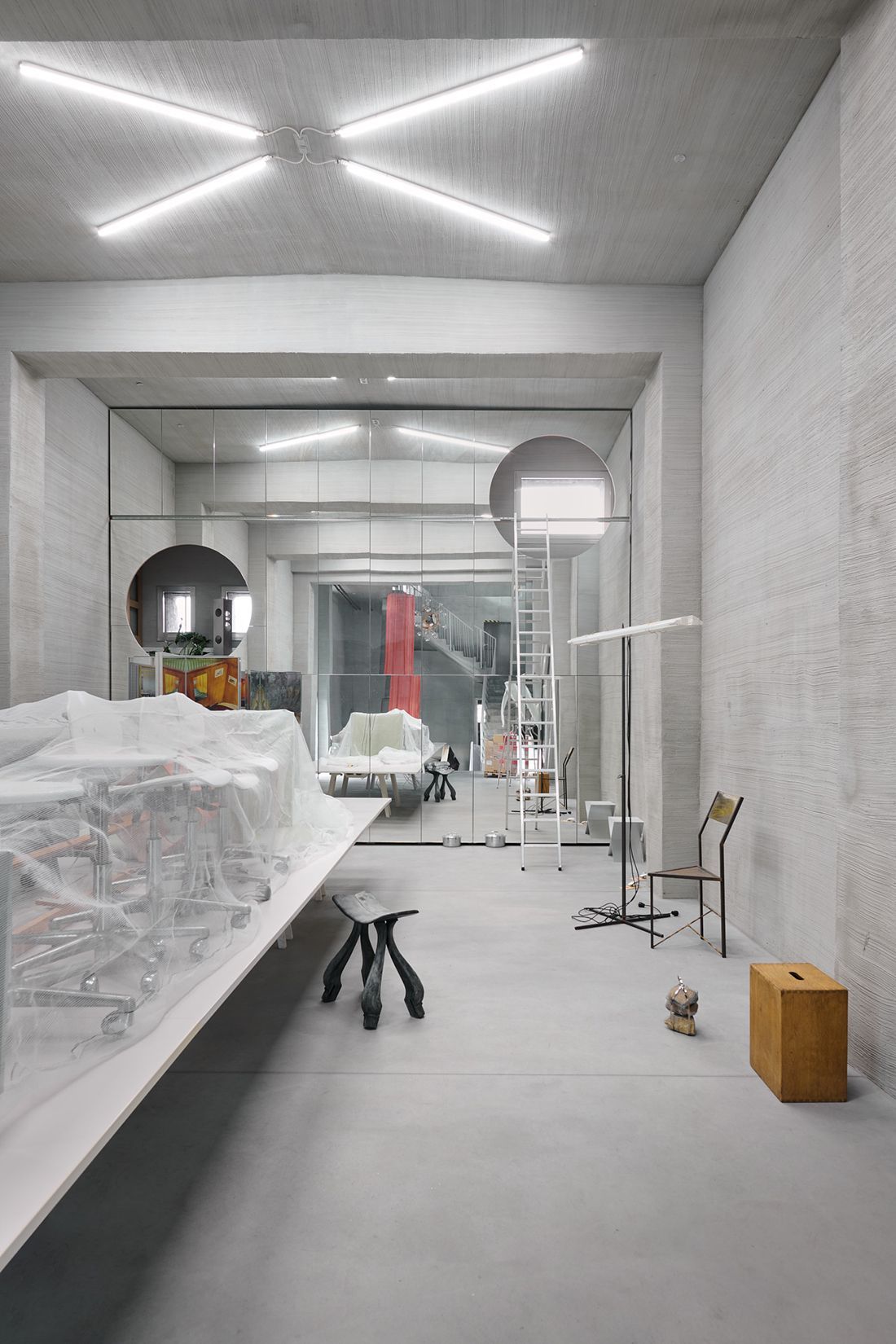
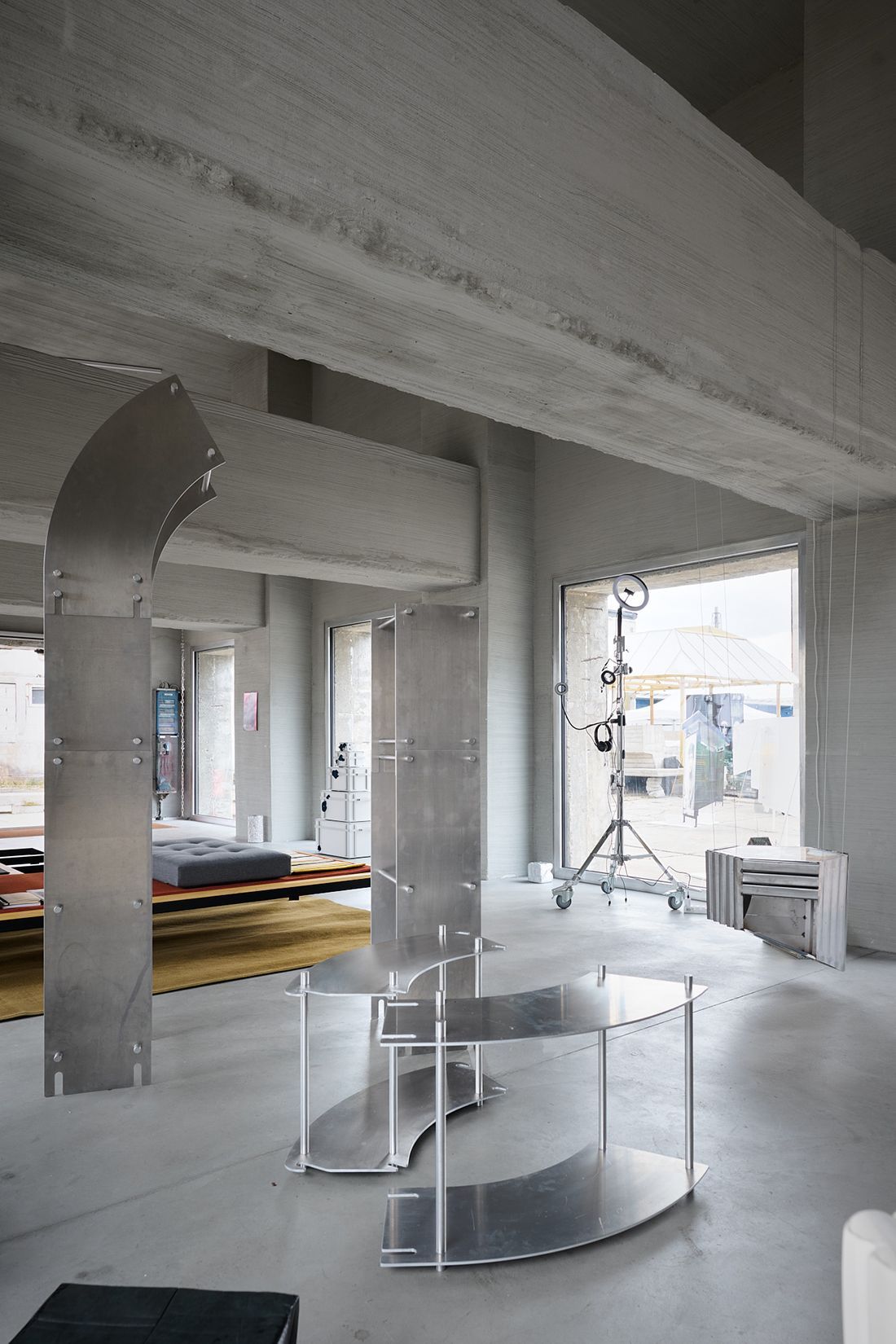
San Gimignano Lichtenberg is a former grain silo repurposed into a collaborative workspace and experimental design lab, conceived by architecture and design studio b+. Located next to the Dong Xuan Center — a Vietnamese-run commercial complex in East Berlin — it serves as a model for architectural reuse, local production and urban transformation.
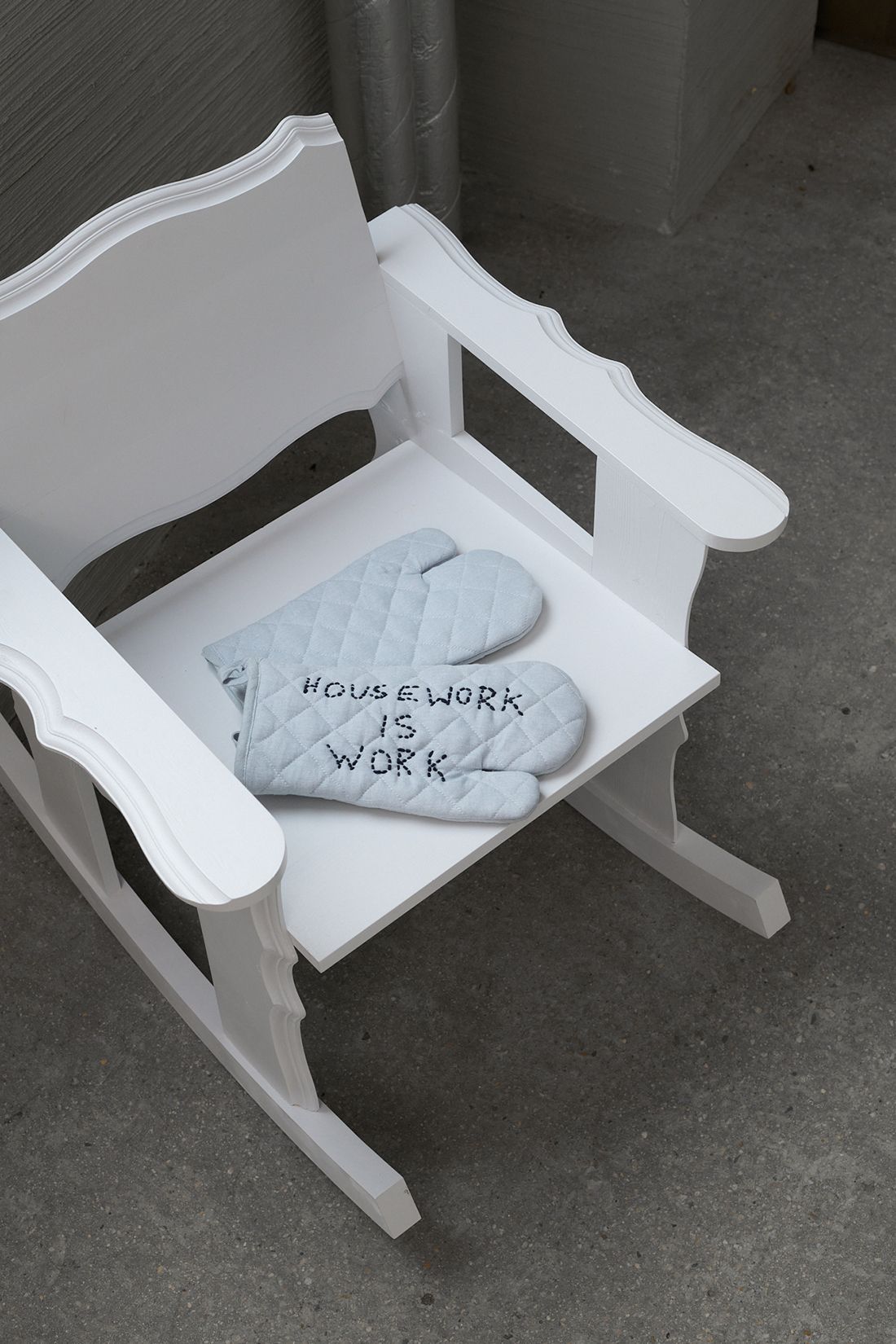
This hybrid context — a mix of migration, industrial heritage, cultural diversity and informal economies — strongly resonates with the biennale’s curatorial direction. Here, the space is not just a container but part of the narrative: a place of thought, debate, construction and shared creation.
Beyond the exhibition: roundtables, walks and conceptual soup
One of the most valuable aspects of the CONCEPTUAL Biennale is its parallel programme, which expands on the core themes through conversation and participation.
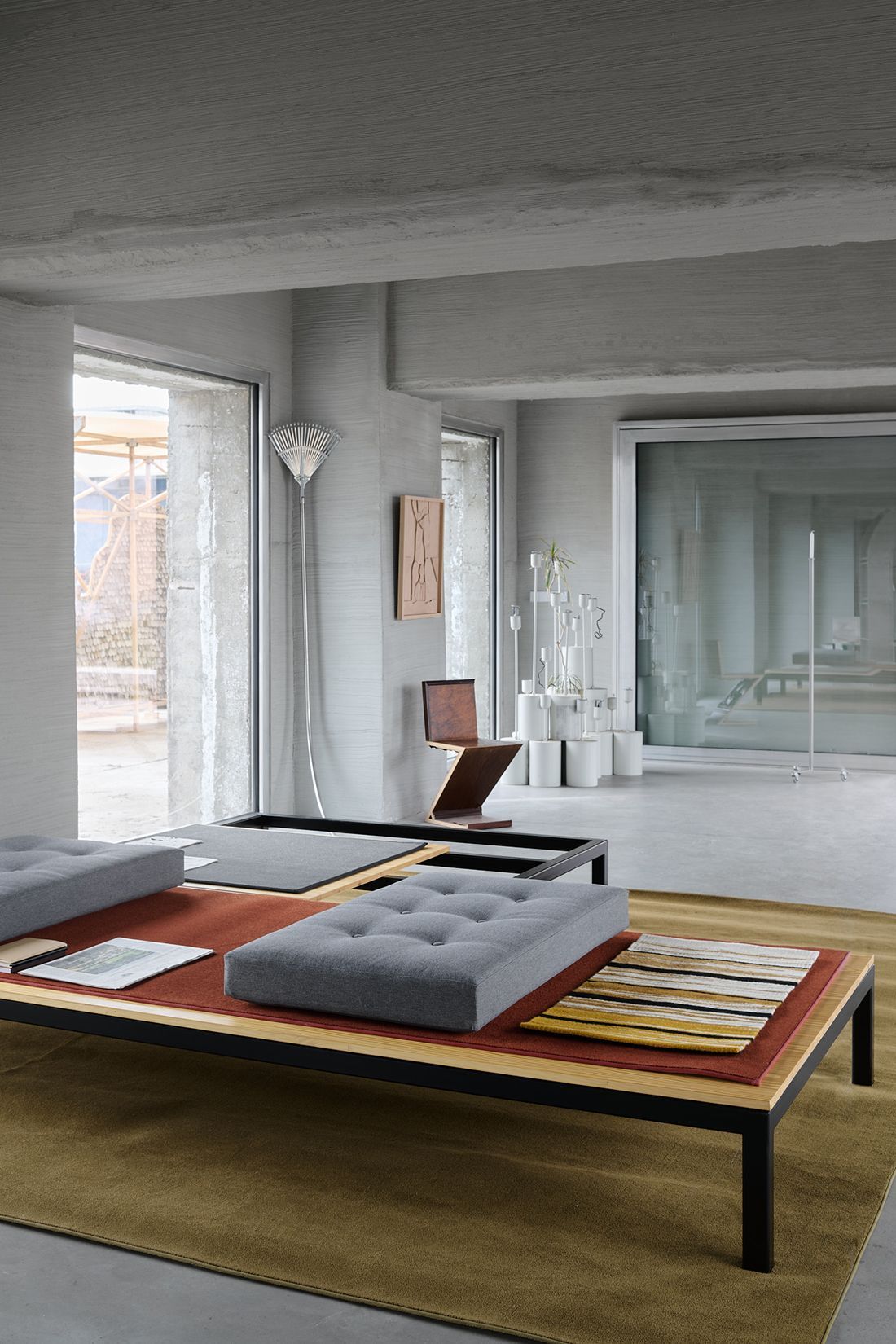
CONCEPTUAL Roundtable: towards a collective symposium
Curated by journalist and editor Nina Sieverding, the CONCEPTUAL Roundtable is divided into four thematic blocks addressing urgent questions about the role of conceptual design in contemporary society:
CONCEPT(UAL) – with Martí Guixé, Elena Schütz, James Langdon and Gernot Seeliger.
FORMATS – with Bilge Kalfa, Dan Thawley, Carina Bukuts and Liv Vaisberg.
POWER – with Christl Mudrak, Vivien Tauchmann, María Inés Plaza Lazo and Jason Nam.
MONEY – with Fatma Cankaya, Eike König, Quang Nguyen and Lutz Henke.
In addition, the programme includes the talk “Design Without Project” by Martí Guixé, and participatory experiences such as “Vicinity Walk” and “Postdisciplinary Soup”, developed by the Studio for Immediate Spaces (SIS) at the Sandberg Instituut in Amsterdam.
Alongside the official exhibition, the San Gimignano Lichtenberg collective — including members like b+, Tobias Faisst, Jonathan Simon-Weidner, Analog Glass and Jan Omer Fack — will present their own autonomous projects. Each studio offers a perspective on how to sustain an independent creative practice in times of economic and ecological uncertainty.
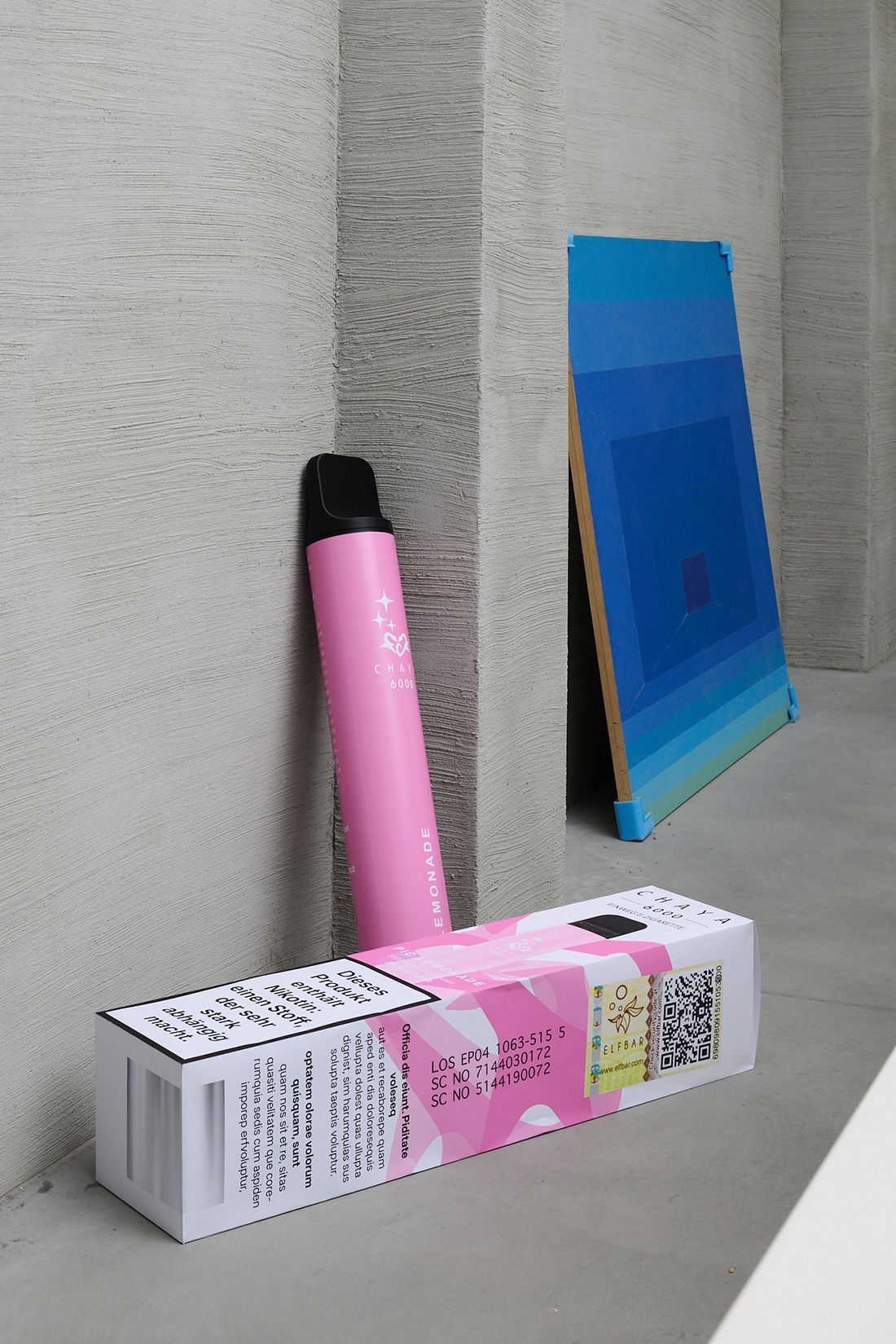
This gesture is significant: the biennale not only invites international voices but also celebrates the daily work of the local studios and creators that shape Berlin’s living ecosystem — rooted in place, but open to the world.
Why now, and why here?
In a moment when the lines between art, design and architecture are increasingly blurred, the CONCEPTUAL Biennale offers both a pause and a position: a space to think, to dissent, to experiment and to connect — without surrendering to spectacle or speed.
The biennale format — discursive rather than commercial — becomes the perfect framework for this ambition. As its founders explain, this prototype edition has been built with passion, personal investment and the real support of a community that believes in a more thoughtful, freer, and ultimately necessary cultural landscape.
A call to the global conceptual community
The CONCEPTUAL Biennale doesn’t aim to have all the answers — but it does bring the right questions to the table.
What does it mean today to be a conceptual designer or architect? How do we sustain independent creative work amid hyper-productivity? How can real support networks be built across disciplines and geographies? And what role might Berlin play as a node in this conversation?
The invitation is open: the first CONCEPTUAL Biennale will be a space for reimagining the present and designing possible futures. Not through imposition, but through encounter. Not through acceleration, but through depth.
Highly recommended.
(*) Photos: courtesy of the CONCEPTUAL Biennale.