Oliviero Toscani: the irreverent genius who revolutionized advertising
The world of creativity bids farewell today to Oliviero Toscani, the Italian photographer and advertiser who, with his provocative vision, redefined the power of images in contemporary advertising. Toscani, known for his role as the creative director of Benetton during the 1980s and 1990s, pushed the boundaries of the relationship between art, communication, and society.
Sadly, this past Monday, January 13, we lost this visionary who showed us that images can indeed change the world.


One of a Kind
Born in Milan in 1942, Toscani made controversy his trademark, using advertising as a mirror to reflect the contradictions of the world.
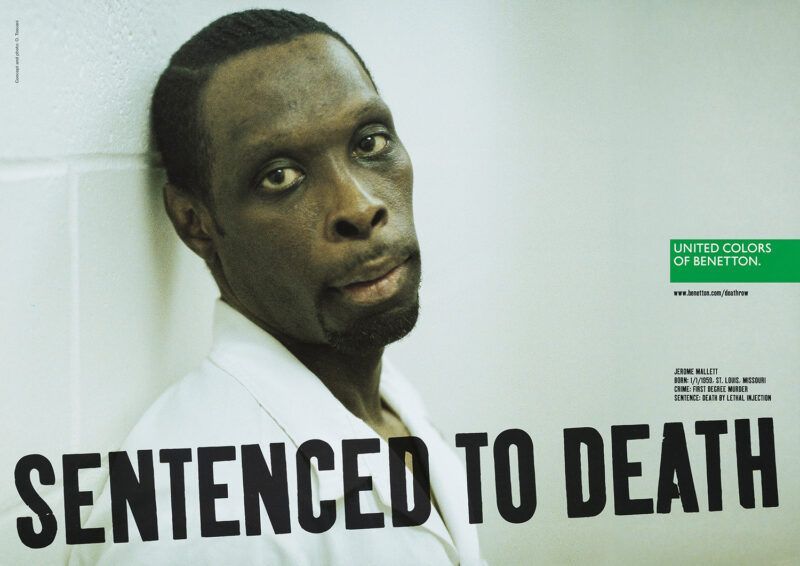
His iconic campaigns did more than sell clothing—they tackled issues like racism, AIDS, the death penalty, and war, challenging the boundaries between marketing and activism.
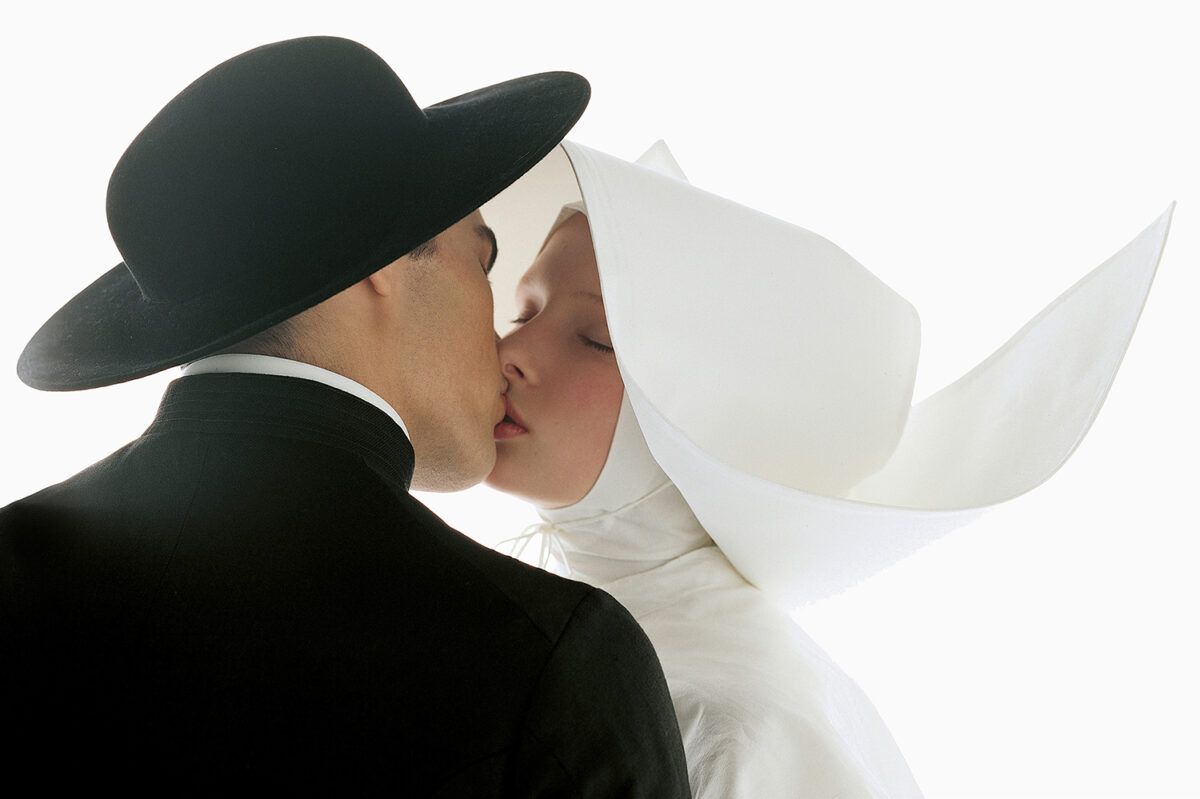
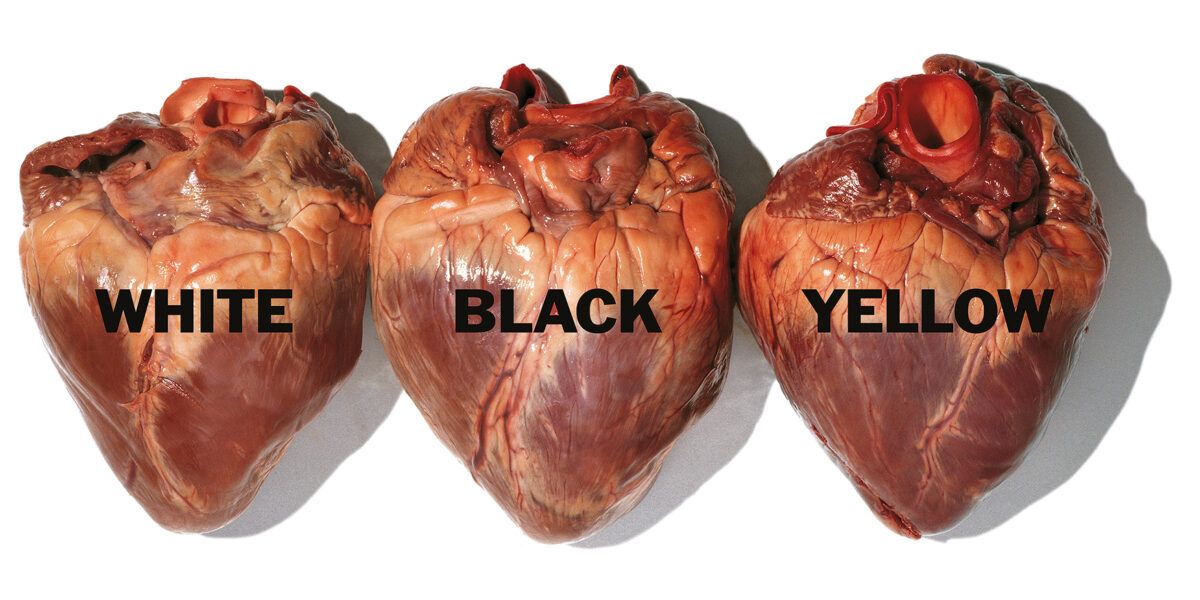
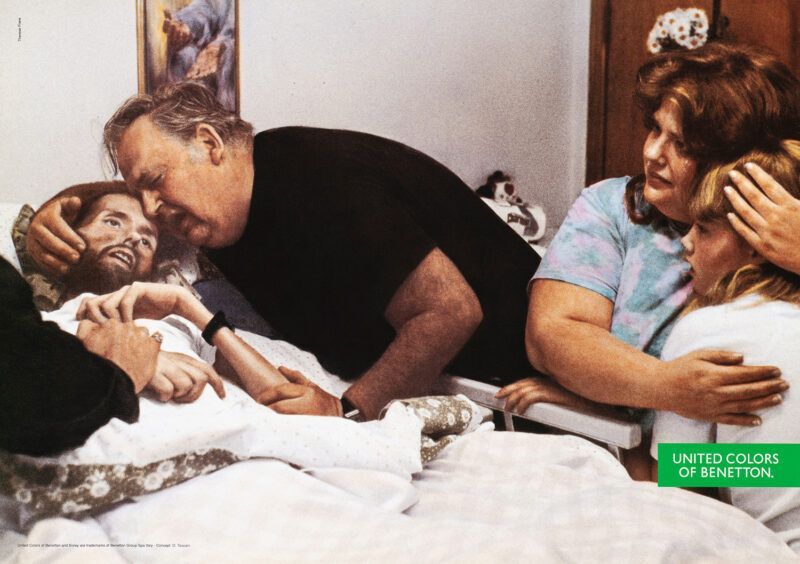
Among his most memorable images are a priest kissing a nun, a man dying of AIDS surrounded by his family, and a bloodied human heart.
Loved by some and hated by others, Toscani was much more than a provocateur; he was a visual storyteller who dared to disturb in order to provoke reflection.
“Creativity is an act of courage”, he often said, and he proved it with every click of his camera.
Throughout his career, he received international awards such as the Golden Lion at Cannes and the UNESCO Grand Prix. His legacy extends far beyond magazine pages or billboards; it endures as a lesson in the power of art to transform consciousness.
Iconic and Controversial Photographs, a Magazine, and a Legacy
As mentioned earlier, Toscani worked for nearly 20 years with Benetton, helping the United Colors of Benetton brand become one of the most globally recognized names.
Among his most famous campaigns is the photograph of an AIDS patient dying in a hospital bed, surrounded by family, and the campaign for the brand Nolita, featuring French model Isabelle Caro, known for her struggle with anorexia.
In 1991, he created the magazine Colors alongside Hungarian graphic designer Tibor Kalman. This internationally distributed quarterly publication, which followed three core principles—no news, no celebrities, and only one theme per issue—was born from the belief that diversity is positive and all cultures hold equal value. In 2014, its final issue was printed under the theme of “football”.
The magazine also received multiple awards worldwide, such as the First Prize in the Art and Entertainment category at the 2010 World Press Photo Awards and the Silver Prize at the 90th edition of the Art Directors Club Awards.
Moreover, the magazine Good included it in the ranking of the 51 best magazines of all time, and the Spanish newspaper La Vanguardia considered it one of the most influential cultural magazines on the global scene.
The Revolution of Advertising
As you can see, his images are captivating, unsettling, and scandalous. Through them, he sought to provoke, inspire reflection, and leave no one indifferent. As a photographer, creative director, and image editor, Oliviero Toscani made history and revolutionized advertising and communication.
Toscani turned visual provocation into his signature style. By addressing taboo topics such as death, free love, and openly celebrated sexuality, he polarized public opinion.
An especially interesting aspect is that by 1989, the campaigns he was producing no longer featured any clothing from the fashion brand Benetton, which chose to position itself as a catalyst for debating the most pressing social issues of the time. This “bold move” led some to accuse him of exploiting themes such as racism, violence, and exclusion purely to maximize sales.
Pushing Boundaries Even Further
Despite these criticisms—some of them quite severe—Toscani became even more “radical”. Starting in 1992, he created campaigns for Benetton that exclusively used imagery related to AIDS, the environment, migration, and similar topics, entirely unrelated to fashion.
A year later, Luciano Benetton, the owner of Benetton, and Toscani co-founded Fabrica, a research center on the art of communication designed by Japanese architect Tadao Ando. Fabrica also serves as a school for artists under 25 years old, offering a space to explore all artistic disciplines.
In 2000, a highly controversial anti-death penalty campaign sparked international outrage and led to the end of Toscani’s collaboration with Luciano Benetton.
Nevertheless, Oliviero Toscani‘s influence is eternal. His legacy serves as a reminder that behind every photograph lies a story worth telling. Farewell, maestro!