Global Warning: Martin Parr captures the chaos of the modern world
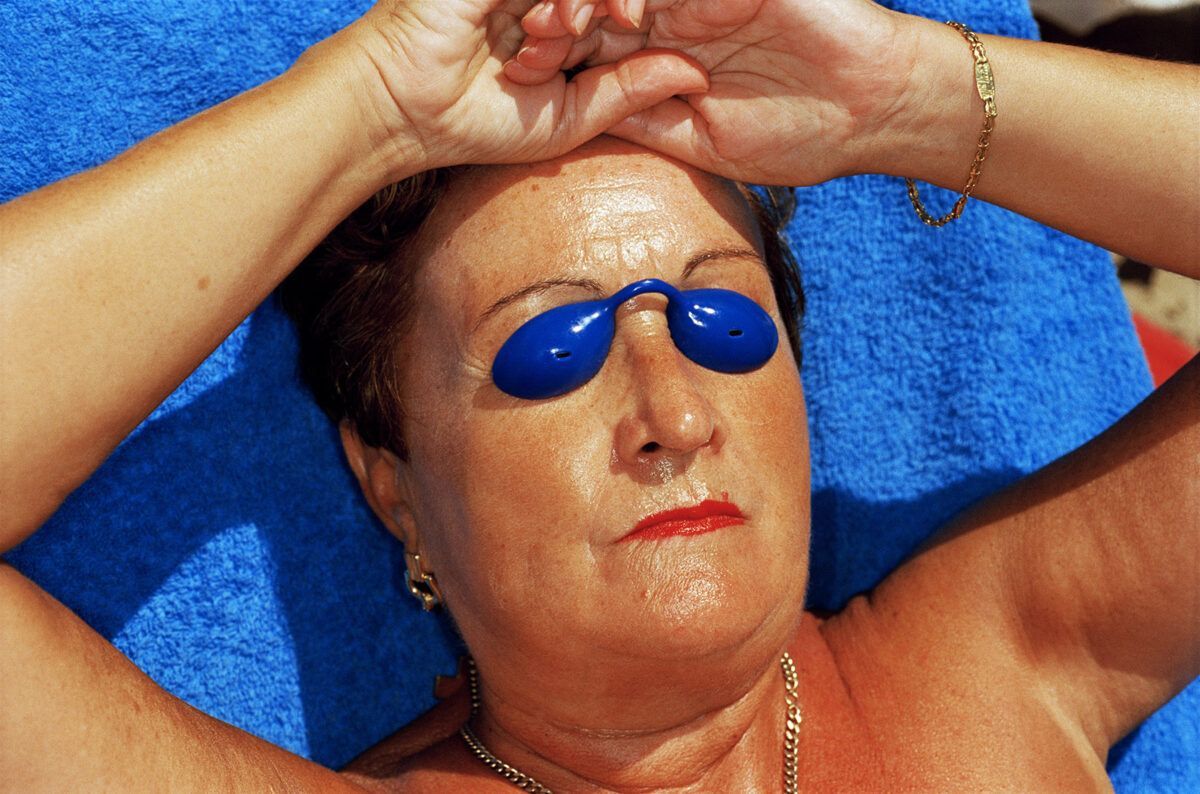
From 30 January to 24 May 2026, Paris’s Jeu de Paume hosts an exhibition set to be one of the photographic highlights of the year: “Global Warning” — an extraordinary reinterpretation of the work of Martin Parr, the iconic British photographer who passed away in December 2025. This posthumous tribute brings together more than 180 works spanning five decades and invites viewers to look beyond the humour and vivid colours to uncover a sharp critique of the globalised world.
An ironic journey through disaster
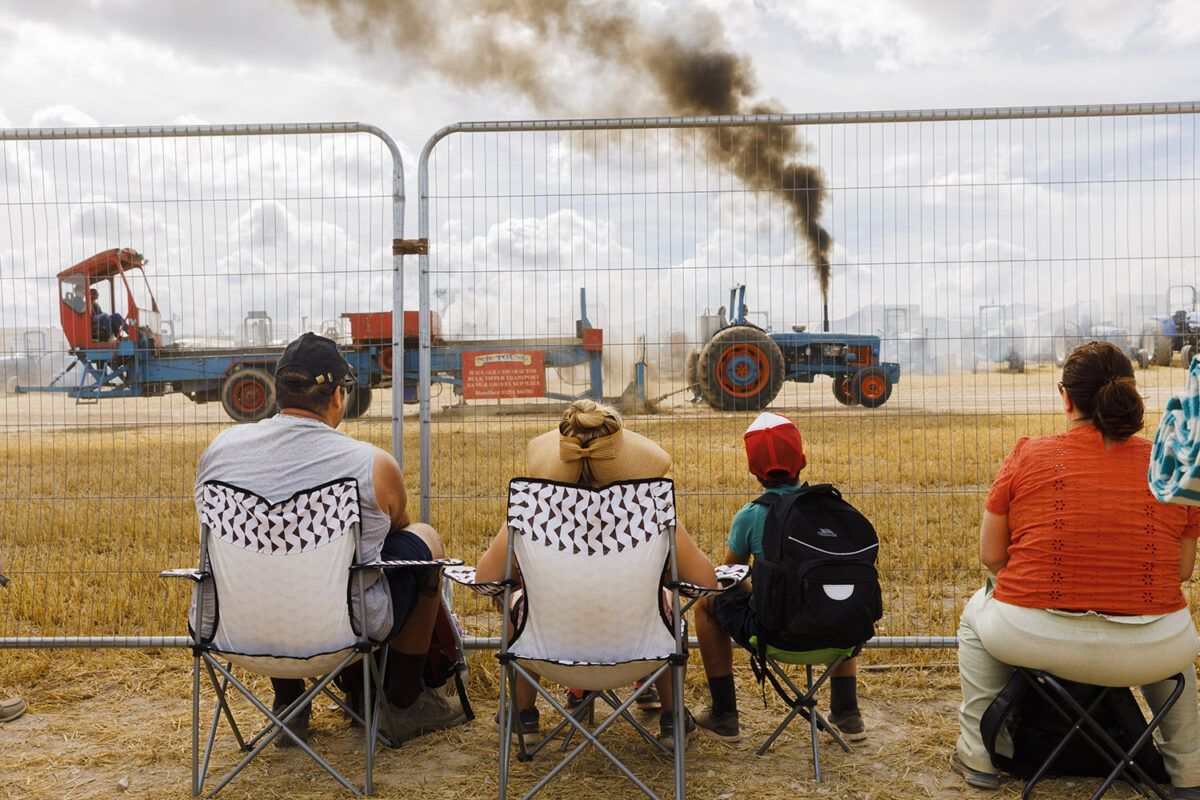
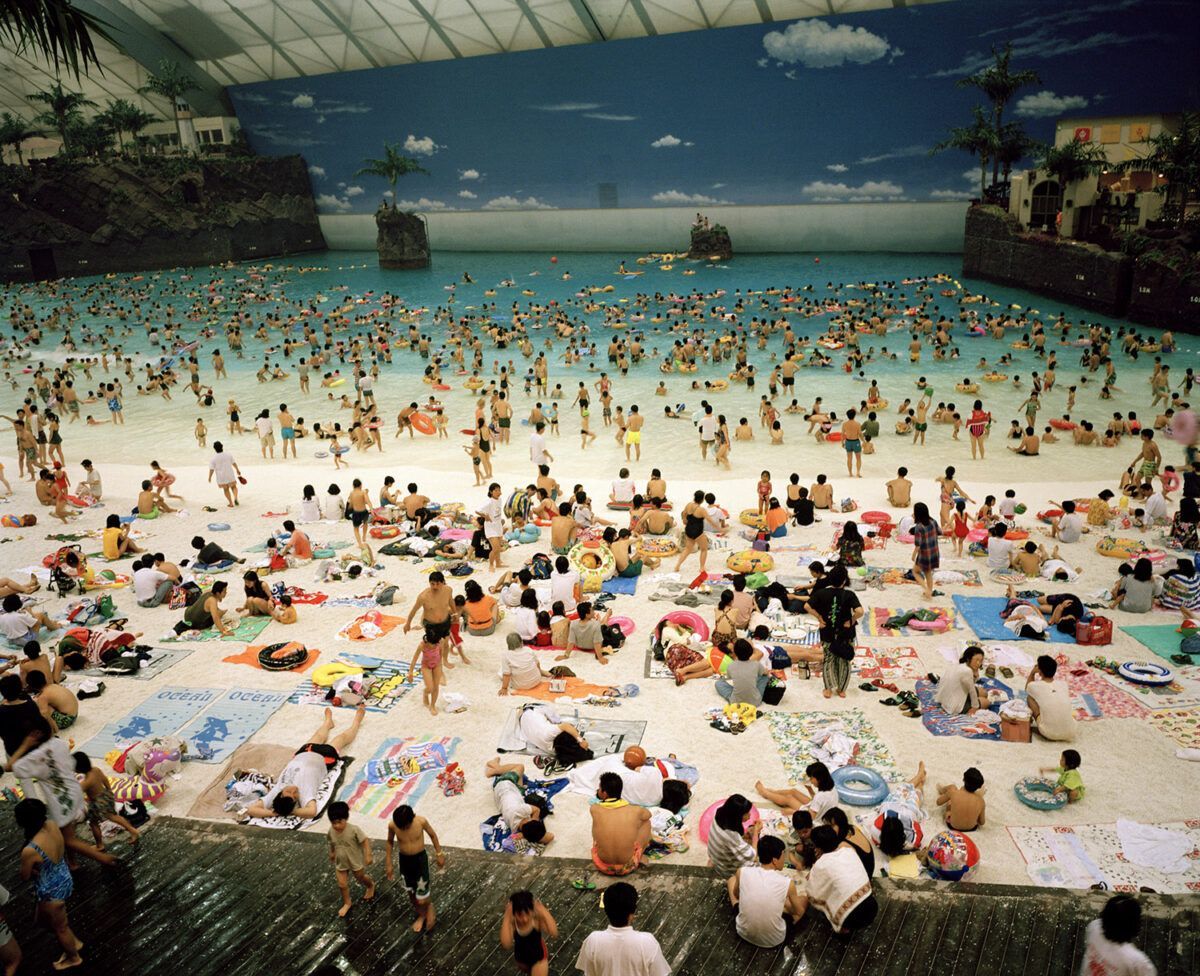
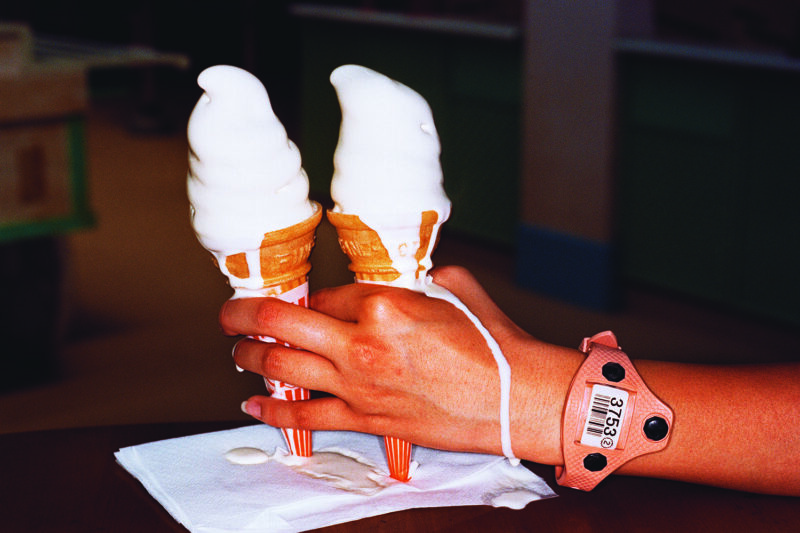
“Global Warning” does not set out to preach or claim the moral high ground, but it offers a satirical and relentless look at the excesses, absurdities, and contradictions of contemporary society. From overcrowded beaches to shopping malls, zoos to motor shows, Parr captures human behaviour with an aesthetic that seduces with colour and composition — only to later reveal unsettling layers of meaning.
“I realise that almost all the images I’ve made recently are indirectly related to climate change”, Parr himself admitted in 2021. Global Warning is the visual testimony of a humanity on the edge.
Five sections, one planet in crisis
The exhibition is divided into five sections, each acting as a distorted mirror of our present:
1. Lands of leisure, lands of waste
From his early colour works like “The Last Resort”, Parr revealed how recreational spaces — especially beaches — become chaotic stages where pleasure and waste coexist. Far from natural paradises, these landscapes are saturated with bodies, plastic, greasy food, and mass consumption. A carnival of the banal that lays bare environmental degradation and the trivialisation of nature.
2. Everything must go
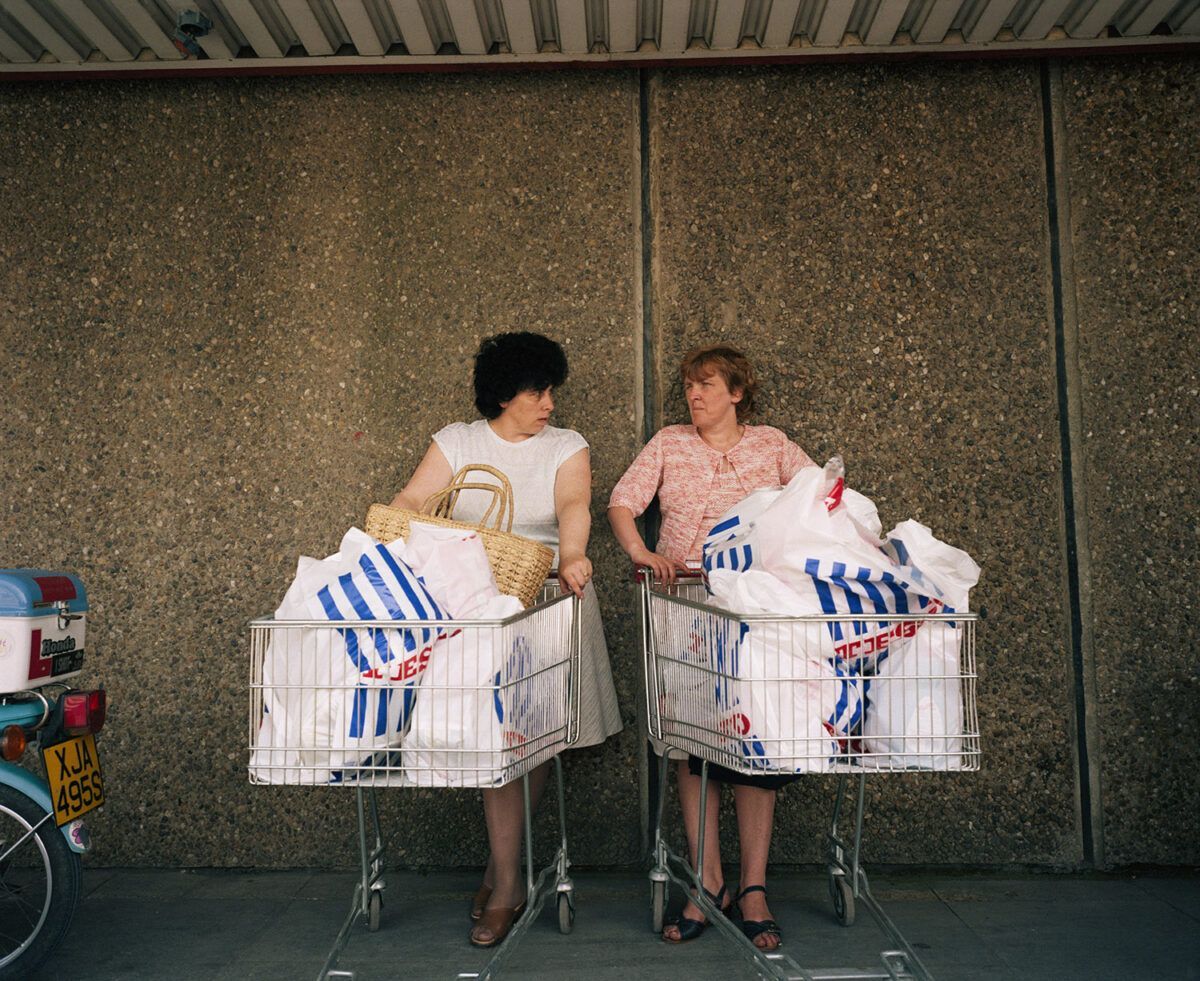
Here, consumerism is presented as a new global religion. Supermarkets, funfairs, luxury shops and bazaars are captured with Parr’s signature saturated colours, tight framing and grotesque humour. Humans appear as cogs in the market machine — and often as commodities themselves.
From Thatcher’s Britain to global capitalism, Parr builds an unflinching visual archive of codified desire.
3. Small planet
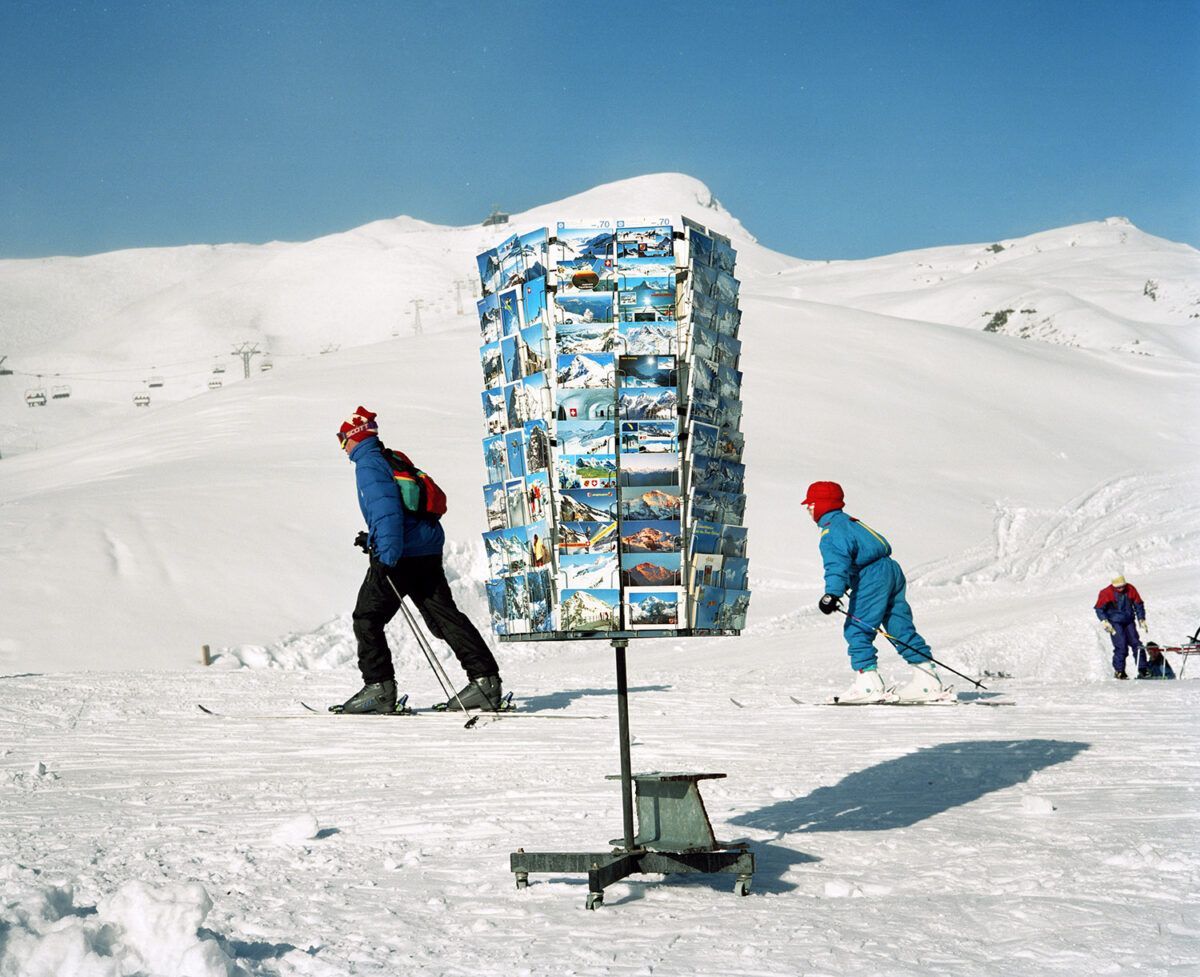
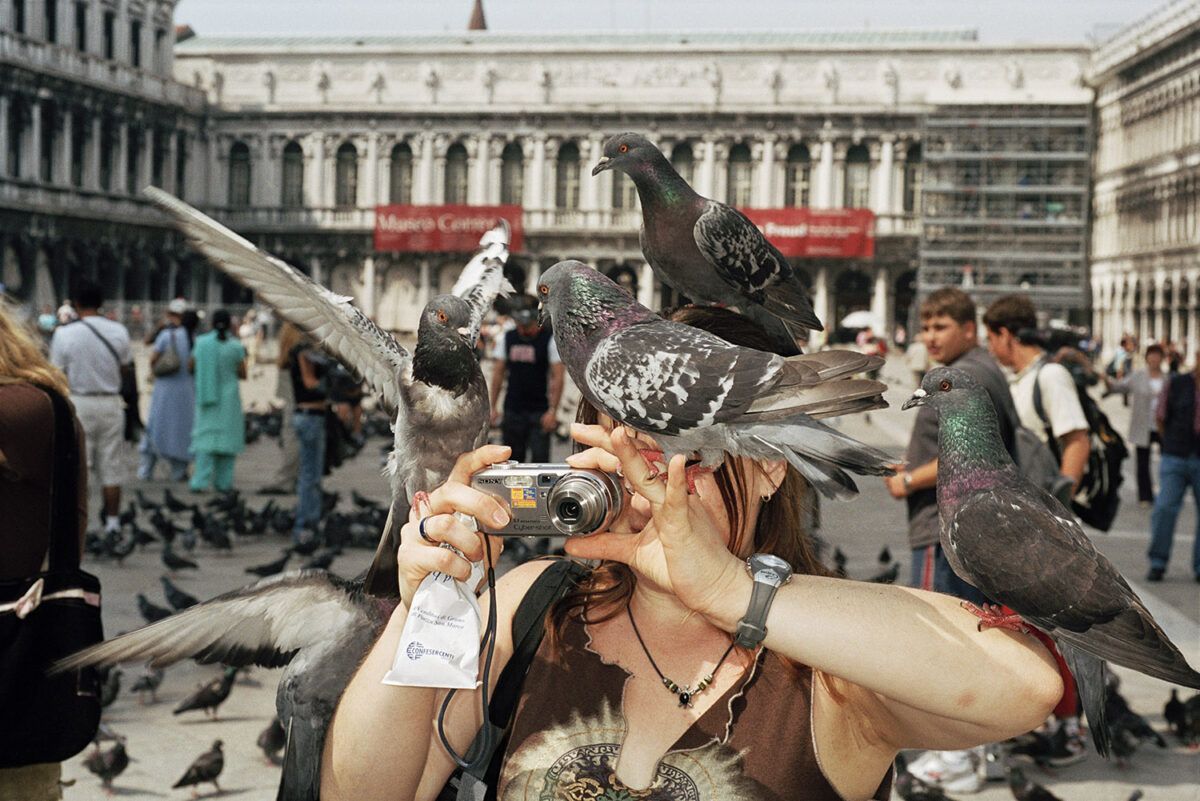
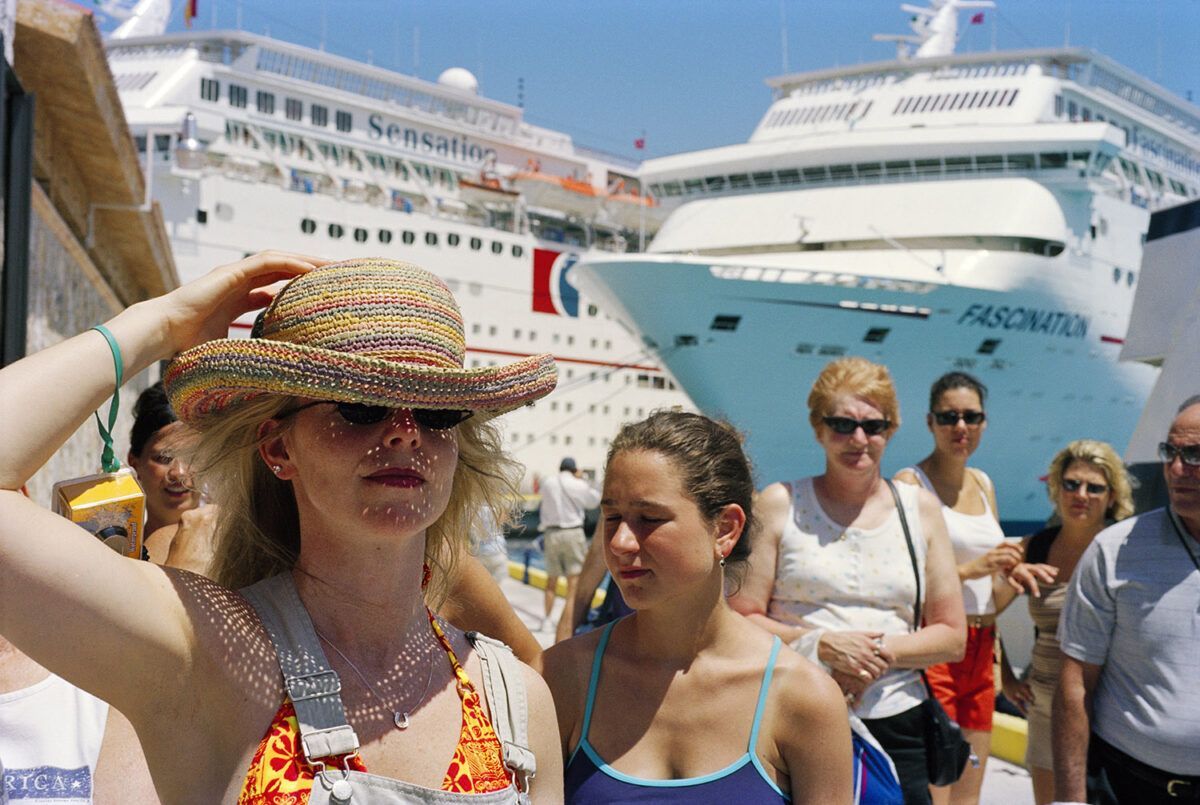
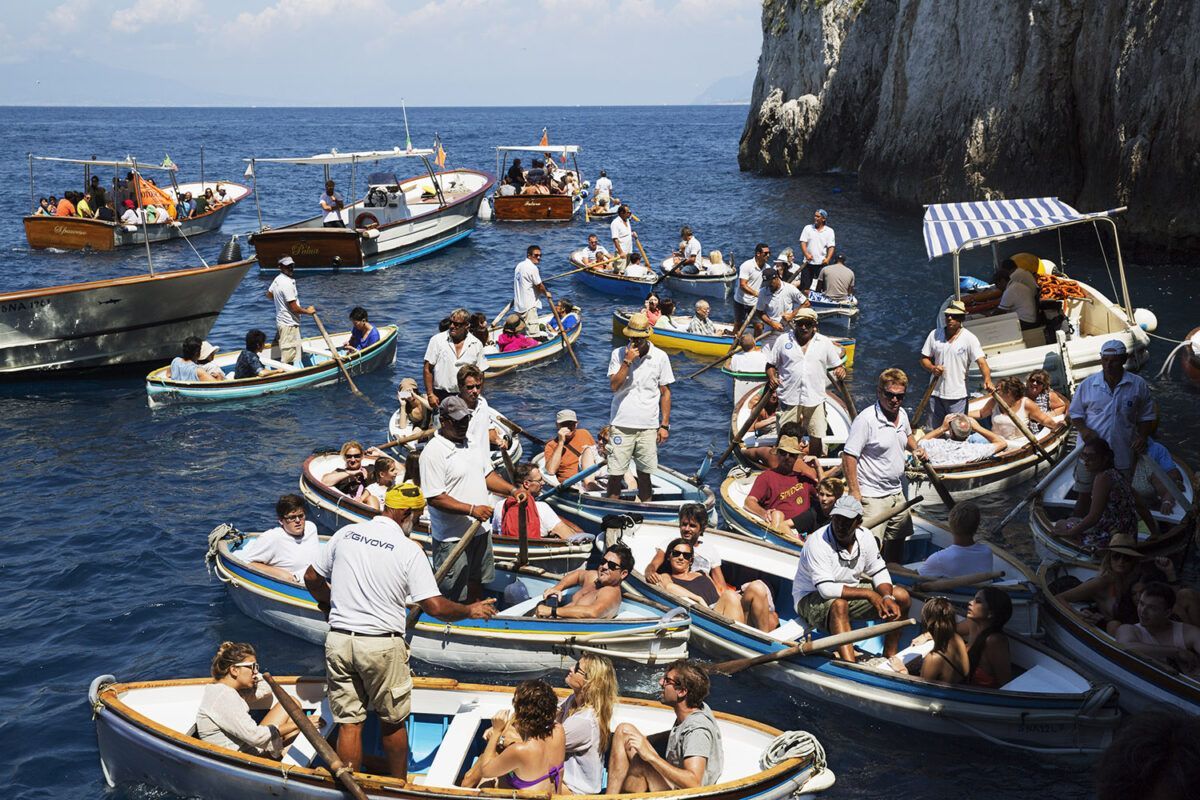
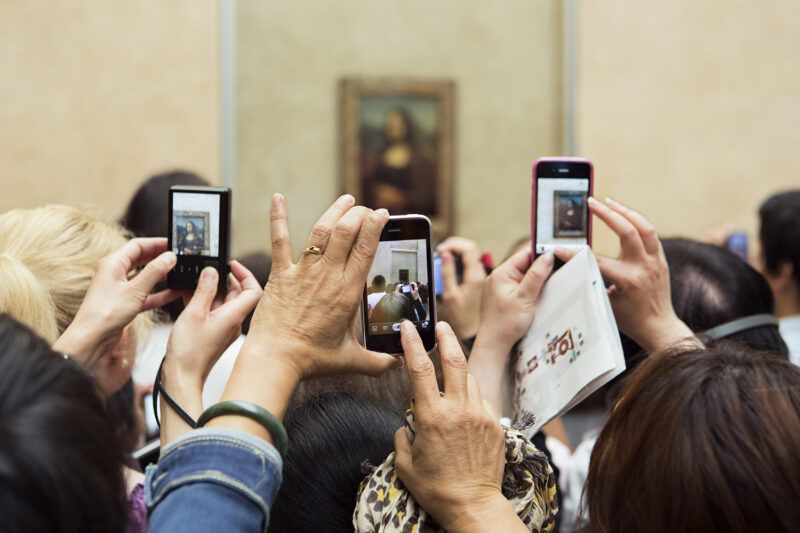
Mass tourism is one of Parr’s recurring themes. He travelled across five continents documenting the rituals of the modern tourist: staged photos, “I Love NY” T-shirts, more cameras than eyes.
This section dismantles the postcard aesthetic and reveals the cultural homogenisation of so-called “exotic” or iconic destinations. With brutal lucidity, Parr points to North–South imbalance, the trivialisation of travel, and the transformation of experience into simulation.
4. Animal Kingdom
Less well-known but equally powerful is Parr’s look at animals — explored through their relationship with humans: as pampered pets, consumer products, entertainment or subjects of overprotection. This section shows how Parr dismantles the conventions of traditional animal photography to reveal a coexistence marked by tension, tenderness, projection and abuse.
5. Technological Addictions
The relationship between humans and technology also finds space here. From phones to video games, cars, cashpoints and smartphones, Parr explores the fusion between body and device. Distracted attention, endless selfies and the mediation of self-image appear as symptoms of an era in which everything is viewed through a screen.
“I make entertainment that contains a serious message — if one is willing to read it.” Martin Parr
The Parr Aesthetic: humour, critique and saturation
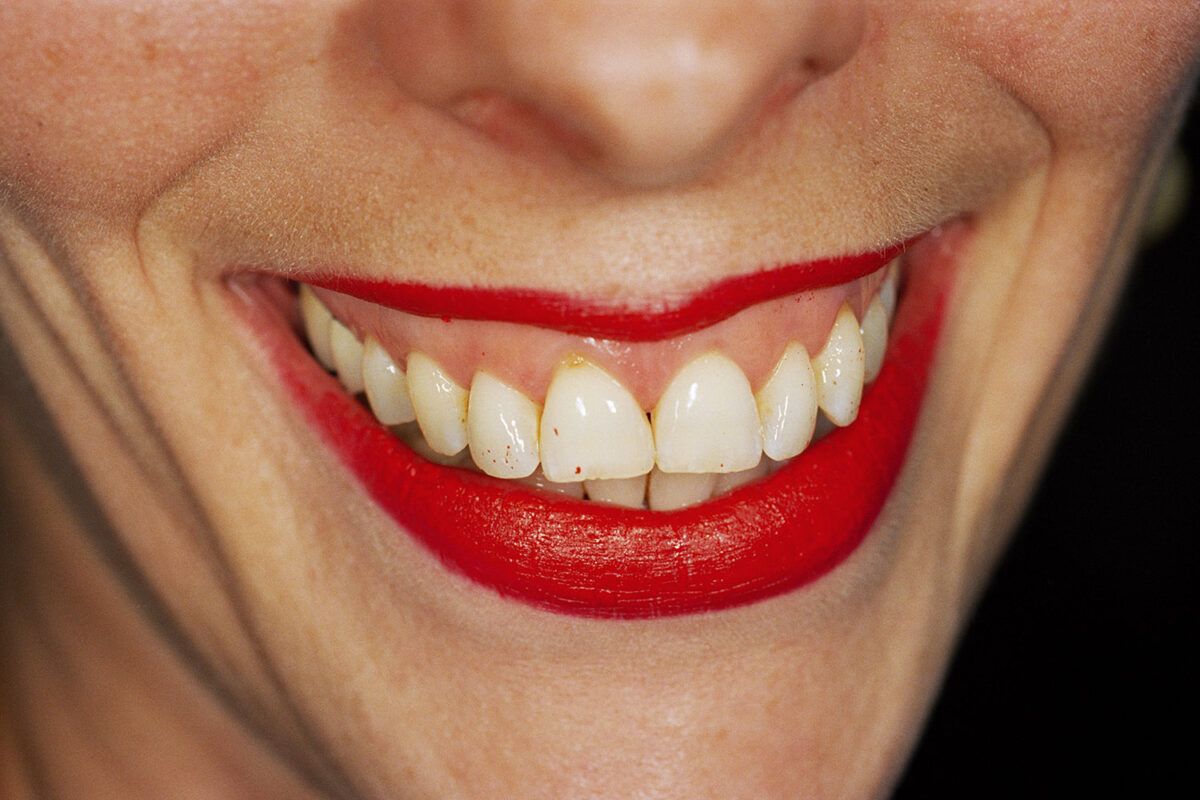
What makes Parr’s work unique is not just what he shows, but how he shows it. His saturated colours, tight framing, cluttered compositions and fondness for kitsch form a language that is instantly recognisable. Through this visual code, Parr doesn’t denounce with rage but rather with biting irony — a direct legacy of the British satirical tradition.
His photographs play with the codes of advertising, tourist postcards, photojournalism and stock imagery — only to subvert them. He doesn’t try to convince, but to destabilise. As he once said, “I make entertainment that contains a serious message, if one is willing to read it.”
A testament in images
Global Warning serves as both a retrospective and one of the last projects Parr actively contributed to before his death.
More than just an exhibition, it can be read as a definitive synthesis of his view of the world — a visual testament that, rather than concluding his work, keeps it very much alive.
Parr and the mirror of the anthropocene
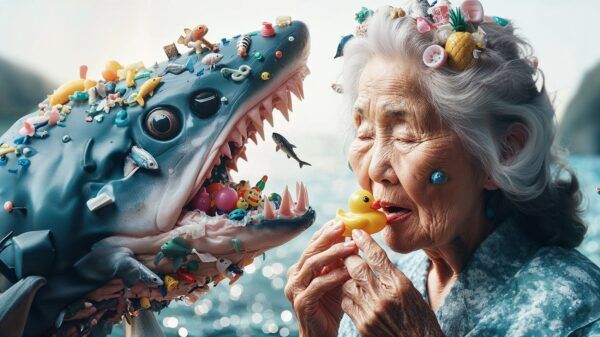
In the words of Quentin Bajac, exhibition curator and director of the Jeu de Paume, if an AI were fed exclusively with images by Martin Parr, it would generate a hyperreal world: crammed beaches, cloned shopping malls, humans in constant movement — connected, yet alienated. That world, says Bajac, is ours — and Parr documented it with a mix of fascination, humour, and disquiet.
The exhibition offers a way to interpret Parr’s work through the lens of the Anthropocene: an era defined by climate imbalance, resource depletion and the crisis of imagination. Without solemnity, without grand declarations — just the revelatory power of the image.
A must-have catalogue
Accompanying the exhibition is a catalogue featuring more than 180 photographs, alongside essays by leading figures in geography, anthropology, sociology and the history of science.
It positions Parr not only as a chronicler of the absurd, but also as a privileged witness to a collapsing world.
(*) Images courtesy of Jeu de Paume.