Bocci celebrates 20 years with Crafting Community: design, art and community in Berlin
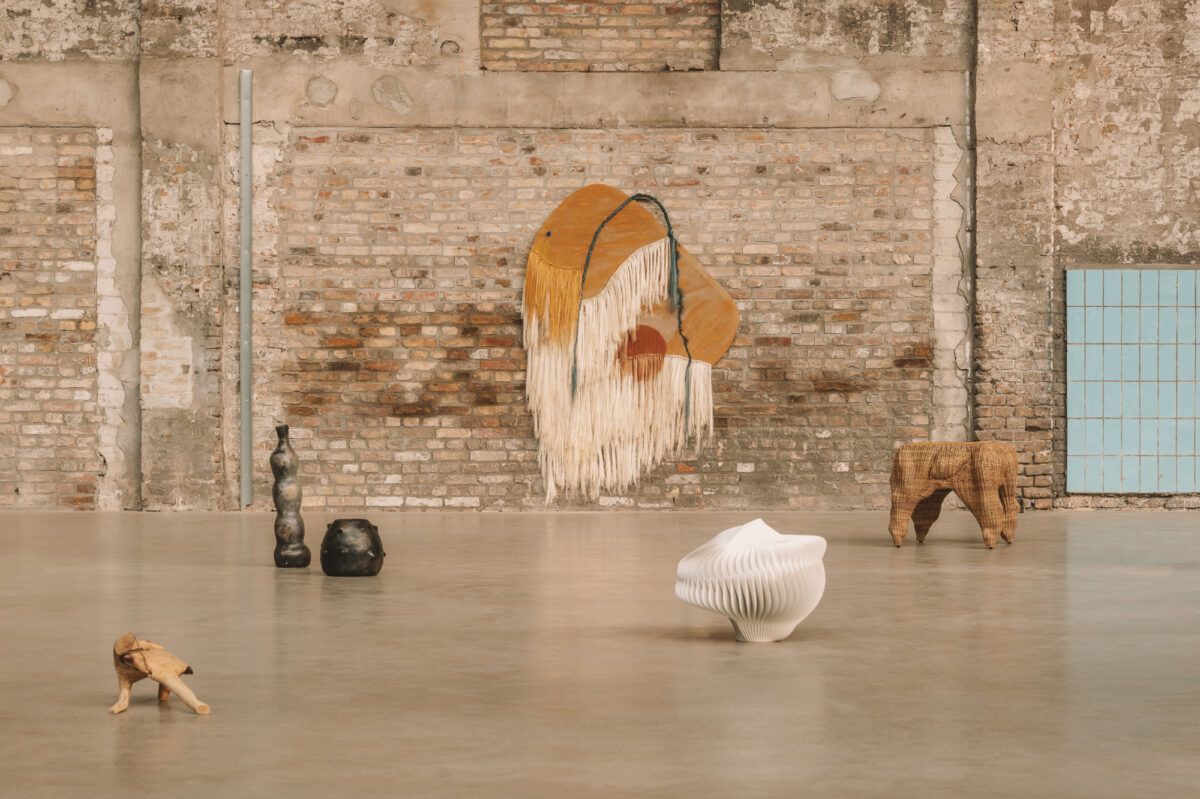
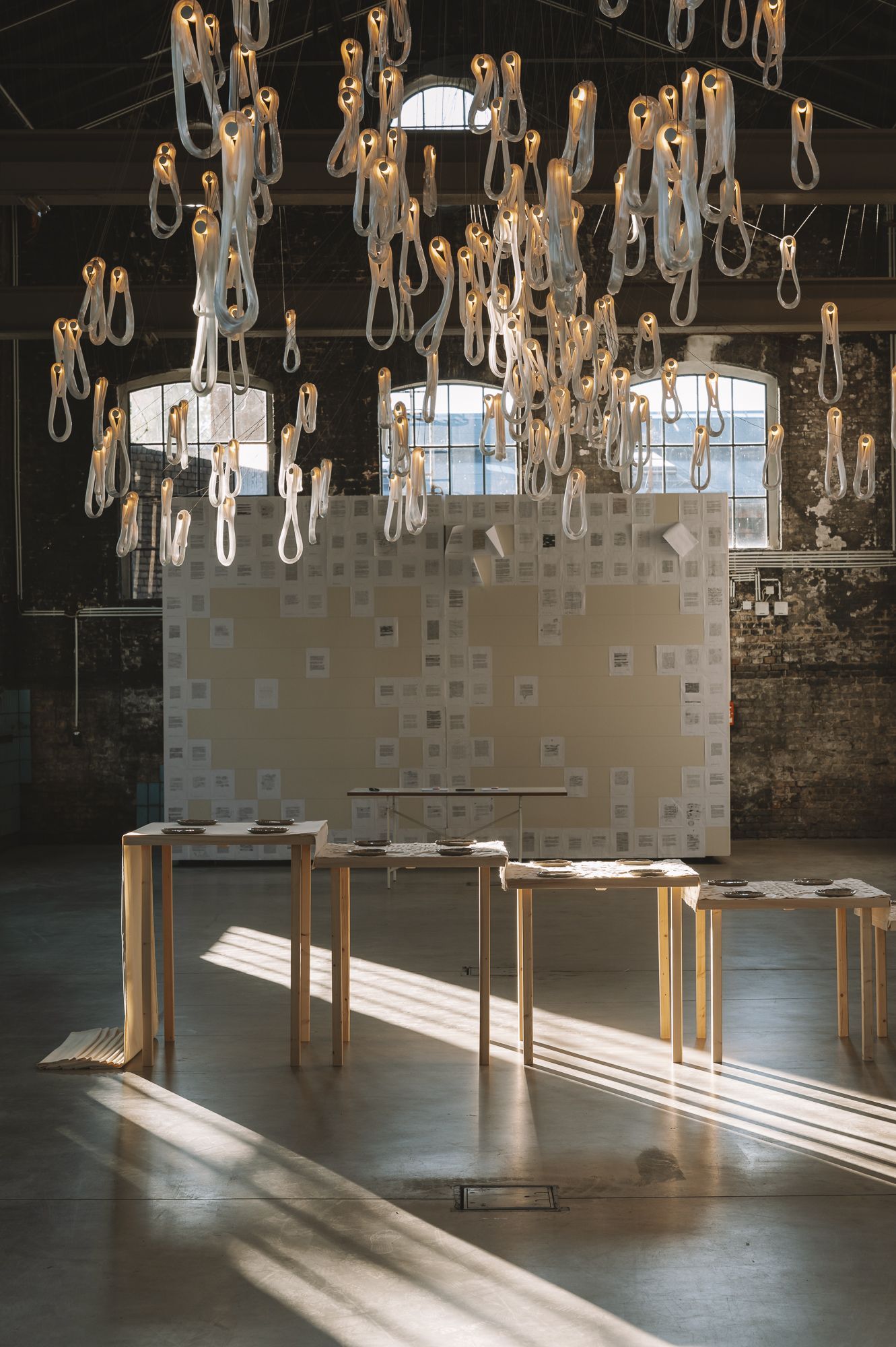
This September, Berlin once again becomes a global creative epicentre during Berlin Art Week. In this polyhedral city, where the industrial transforms into the avant-garde and the historical coexists with the emerging, design and art find a new point of convergence at The Foundry, Bocci’s exhibition space and creative laboratory within the Wilhelm Hallen complex.
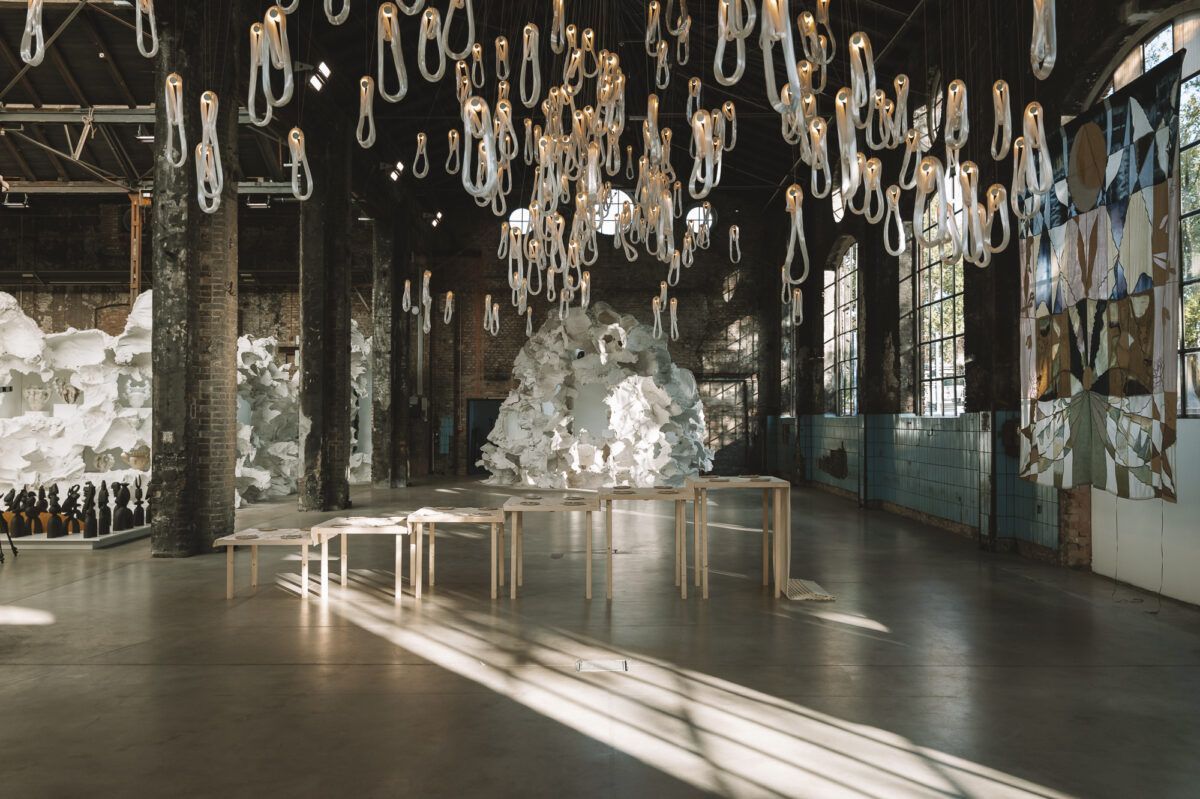
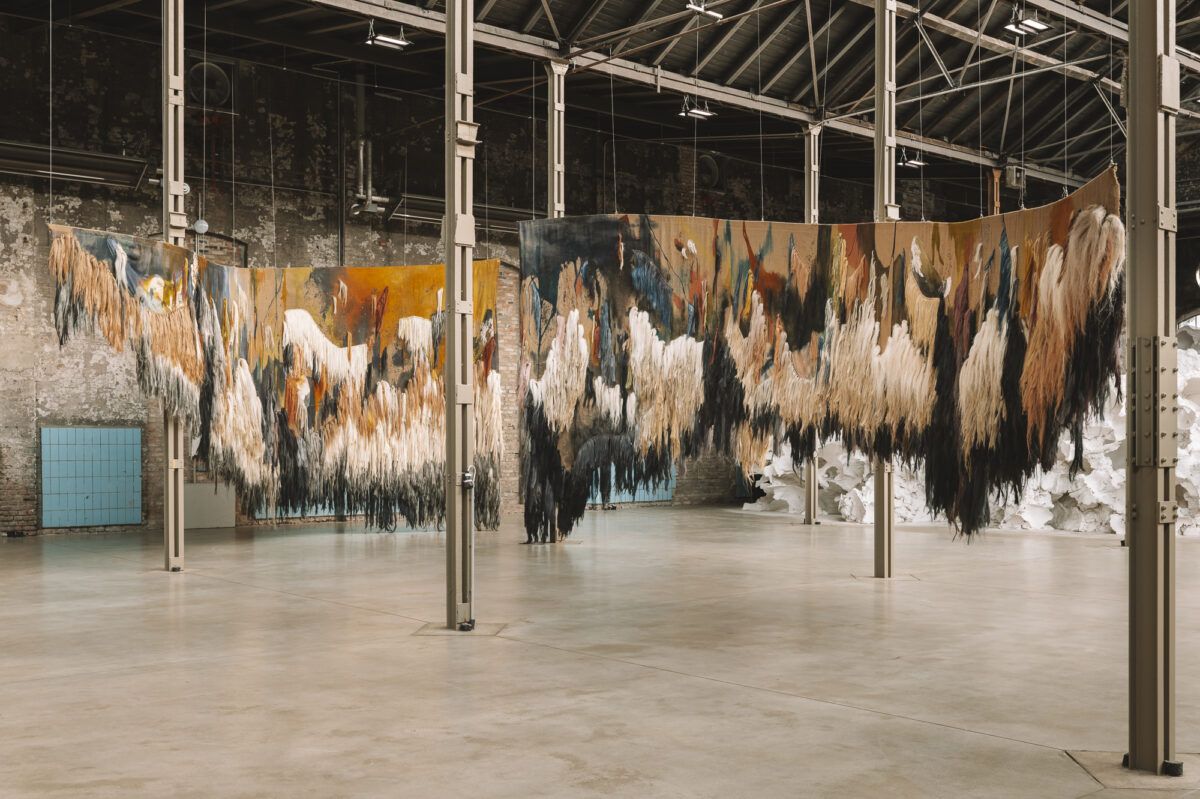
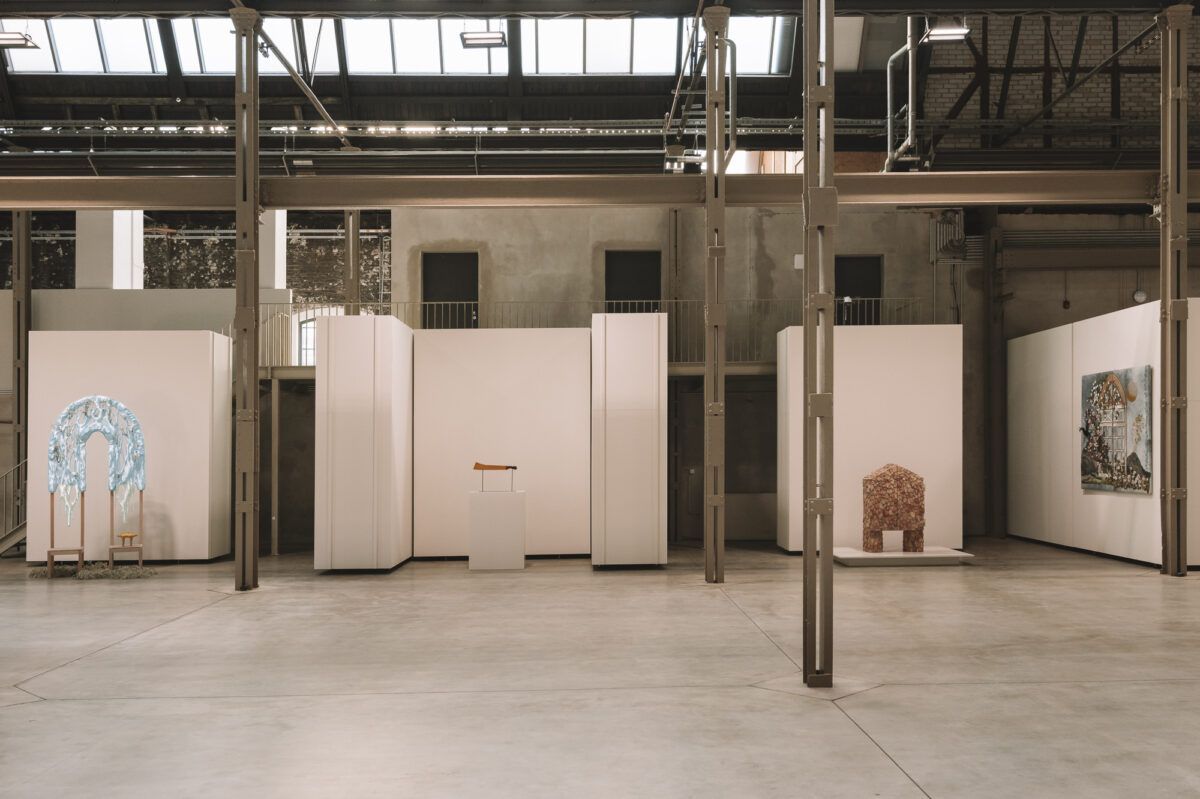
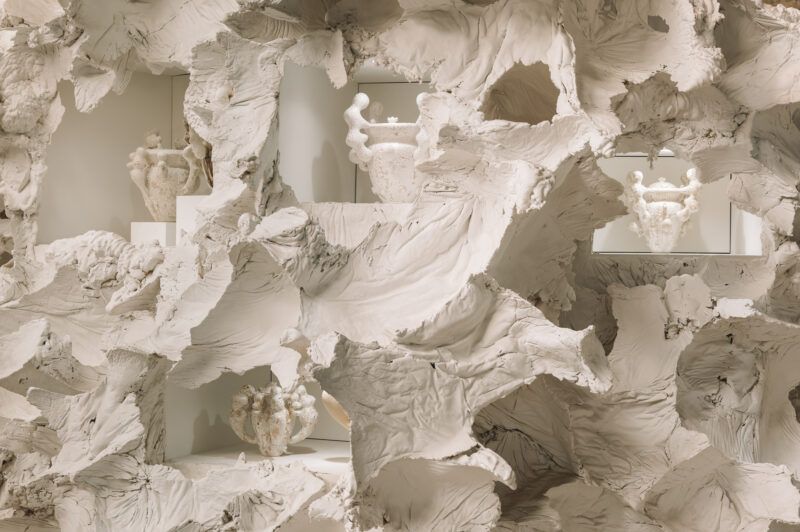
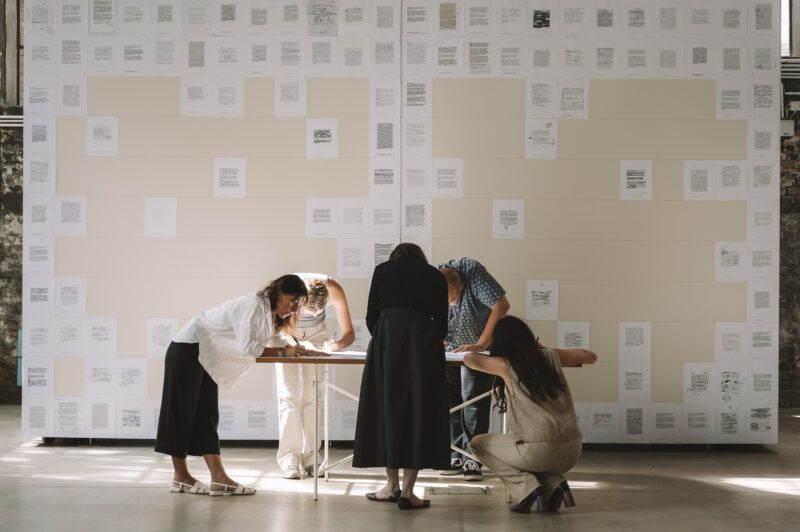
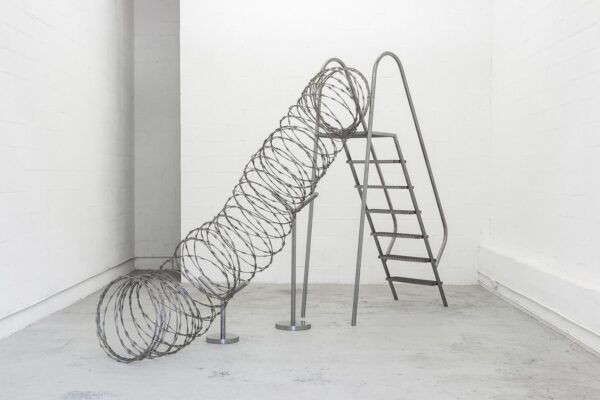
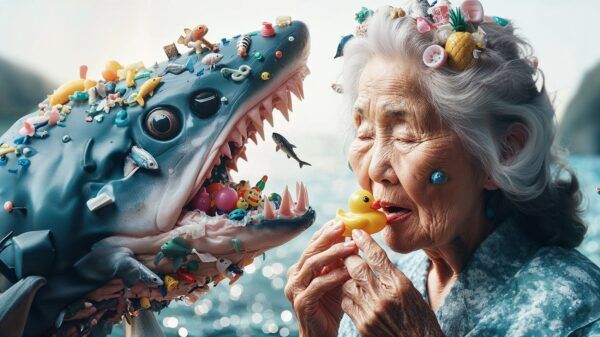
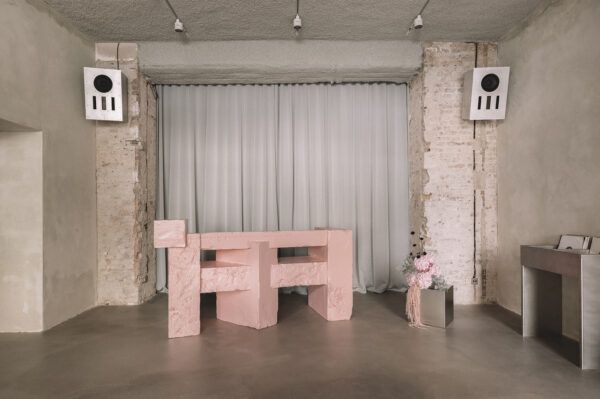
Here, Crafting Community is presented: an exhibition bringing together an international group of artists and designers who explore how handcrafted objects can become vehicles of memory, resistance, celebration and, above all, community.
Curated by Anna Carnick —an American-born critic, curator and writer based in Berlin— the exhibition is framed within a global moment of uncertainty. Perhaps that is why its message resonates so strongly: in the face of fragmentation, shared creation can become a bridge.
“Each of these works is a poetic offering from maker to community”, explains Carnick. “They are homages to those who have shaped us, but also critiques of attacks on vulnerable groups. Together, they remind us of our individual and collective capacity to make a positive impact”.
The Foundry: from iron to light
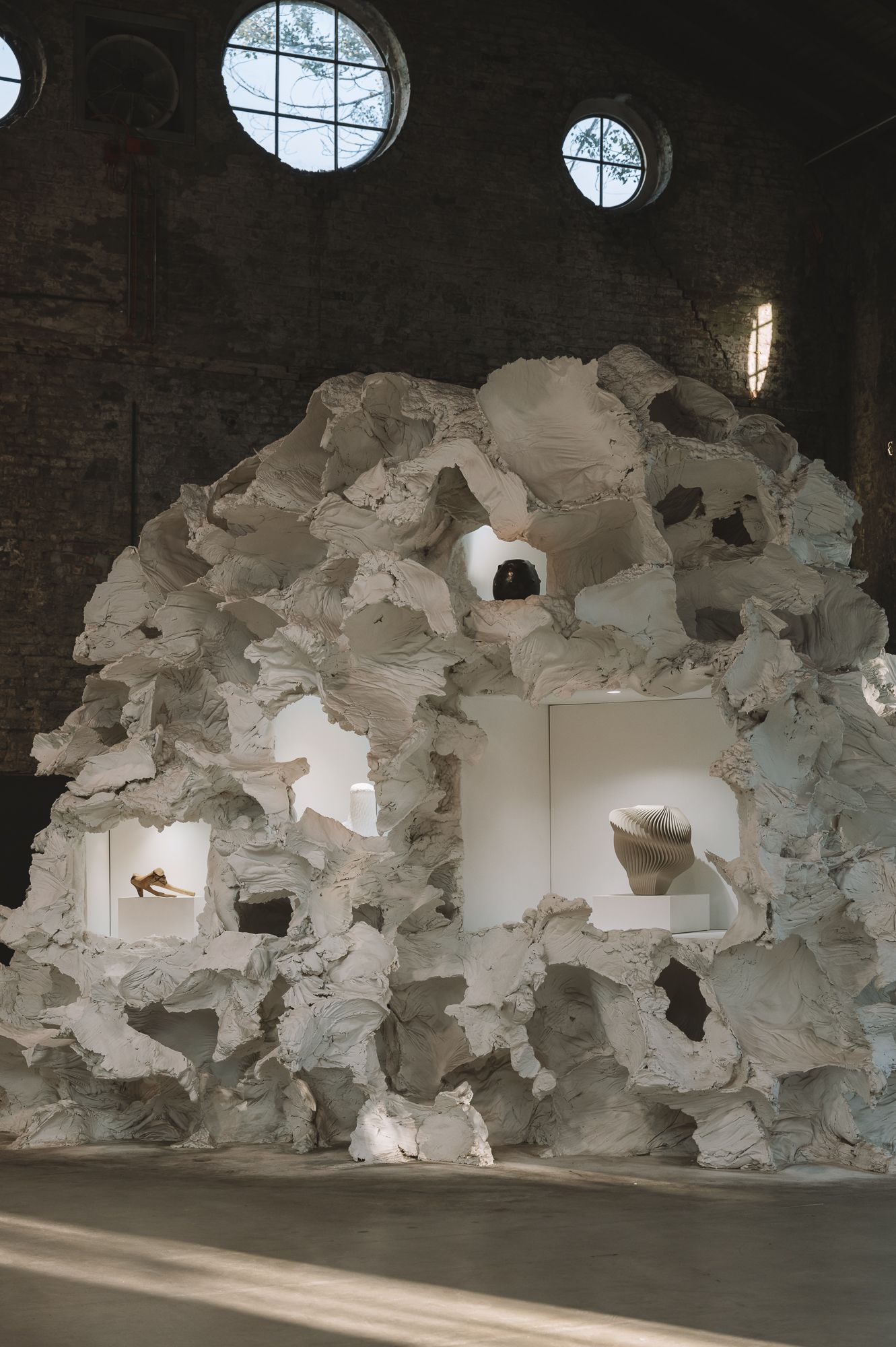
The setting is no coincidence. The Foundry occupies a former early 20th-century iron foundry within Wilhelm Hallen, transformed by Bocci in 2024 into a 1,680 m² creative laboratory. A space steeped in industrial history, it has been reimagined as a stage for experimentation and light, faithful to Bocci’s spirit of allowing materials to reveal their hidden potential.
The choice of venue speaks of continuity and transformation: from iron to glass, from heavy industry to contemporary creation. A metaphor that resonates with the very essence of Crafting Community.
An anniversary with meaning
The exhibition coincides with an important milestone: 20 years of Bocci and its 10th anniversary in Berlin. For the Canadian company, renowned for its experimental light sculptures, this exhibition is both a way of thanking the city that embraced it and of reaffirming its values: empathy, connection and dialogue.
“Crafting Community reflects our core principles”, notes Johannes Schön, Bocci’s Director of Brand and Cultural Strategy. “We want to give something back to Berlin, showing how design can be a universal language that fosters empathy and connection”.
Diversity of voices, unity in making
The list of participants is as broad as it is diverse: artists from Guatemala, Mexico, Colombia, Ukraine, the United Kingdom, Austria, Lebanon, Tunisia, the United States, Georgia, Martinique and Japan. Each brings a unique vision, yet all share an understanding of design not only as aesthetics, but as a cultural and political act.
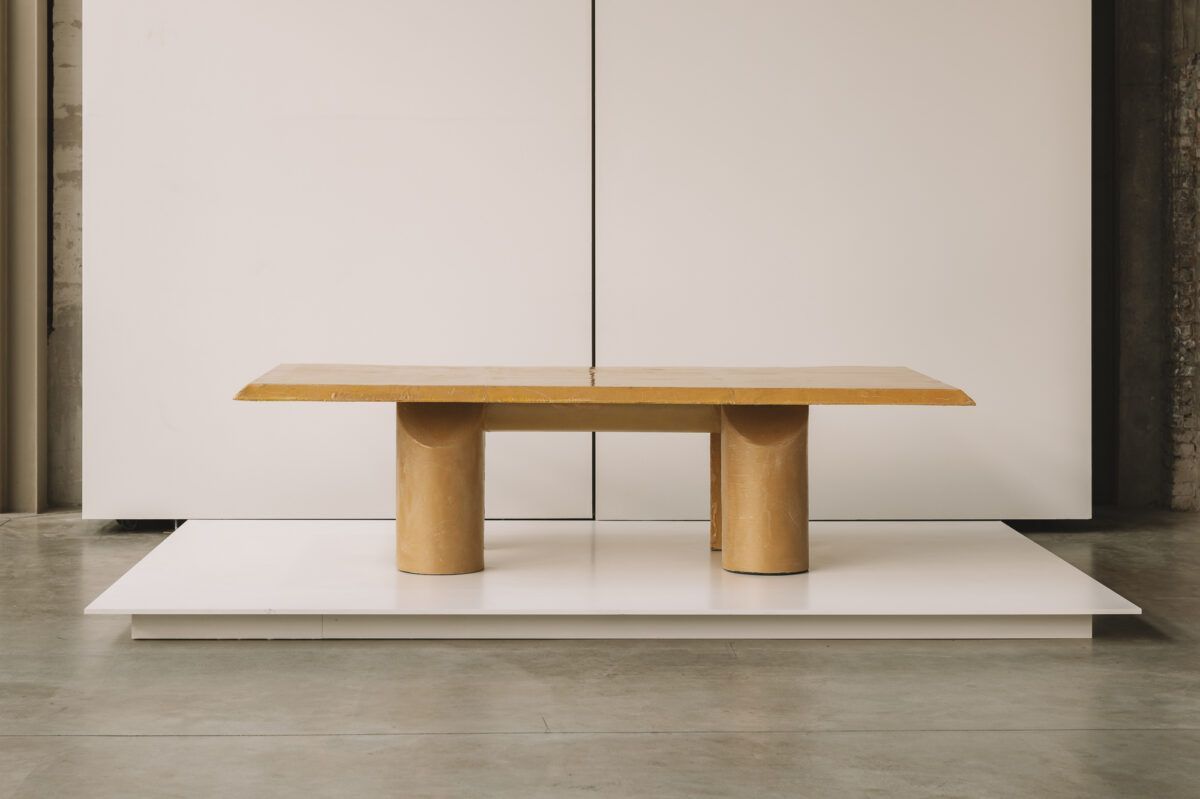
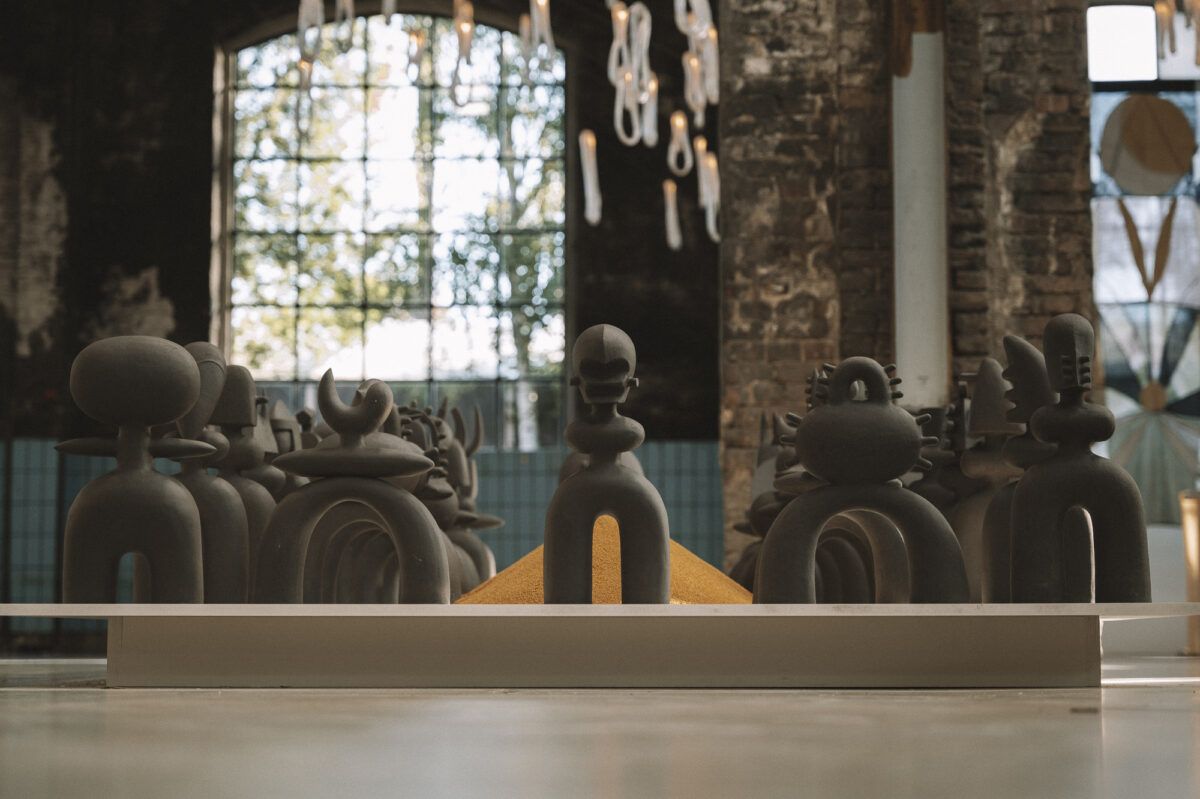
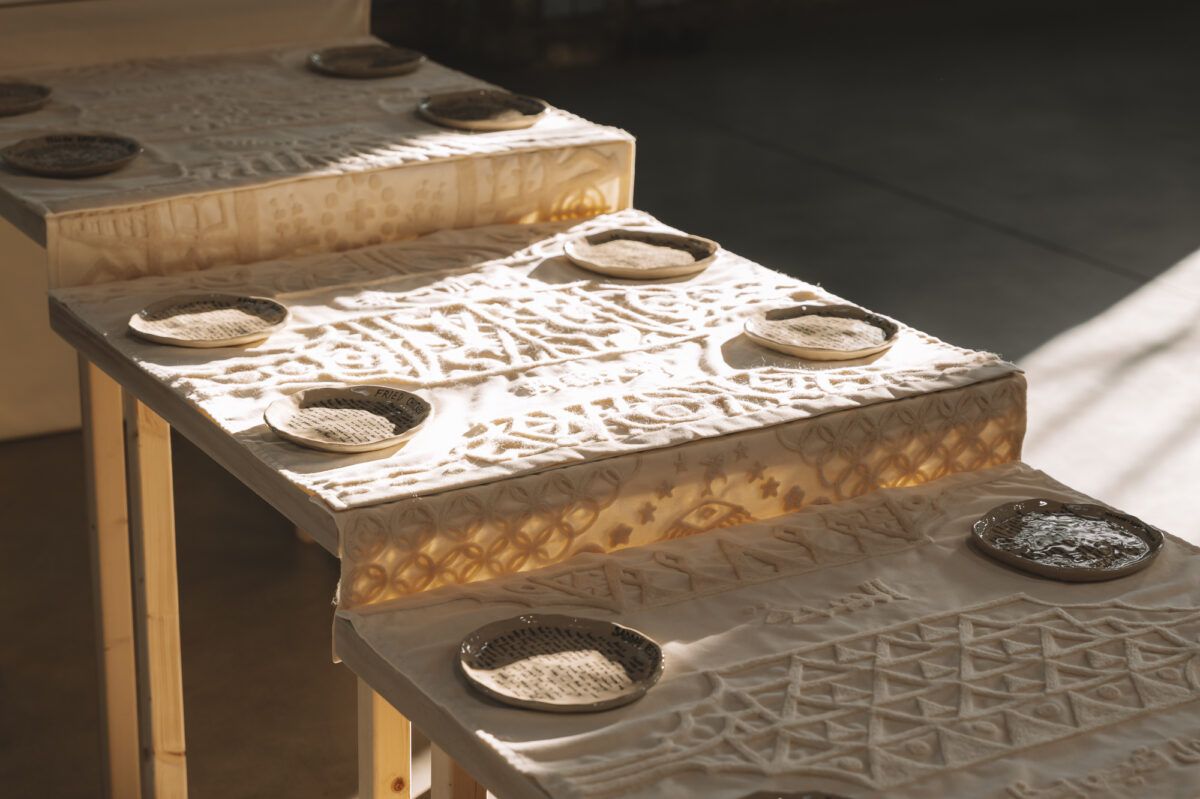
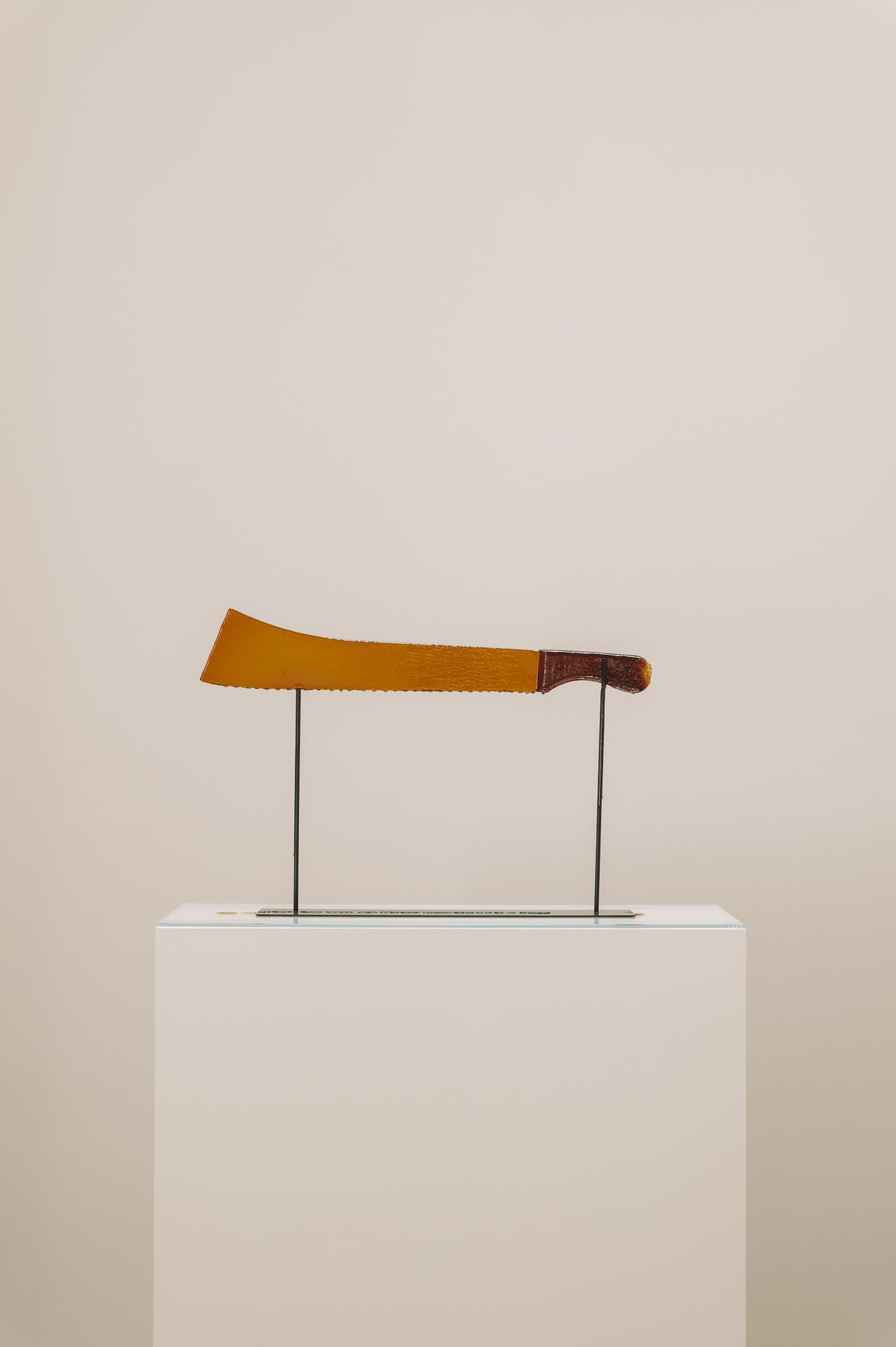
From Yassine Ben Abdallah’s sugar machete, transforming colonial pain into poetic memory, to Victoria Yakusha’s folkloric sculptures, illuminating the resilience of the Ukrainian people; from Beatriz Morales’s monumental textiles, infused with Lebanese, Mexican and German roots, to Jerome Byron’s intimate kitchen table, turned into an everyday altar against structural violence.
Each piece becomes testimony, protest or celebration. Together, they weave a choral tapestry where the personal and the collective are in dialogue.
Textiles as storytellers of memory
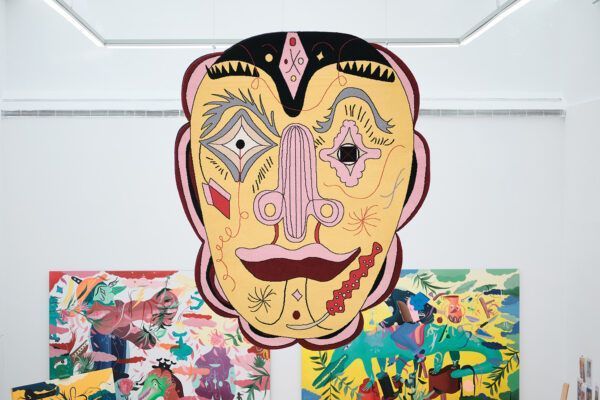
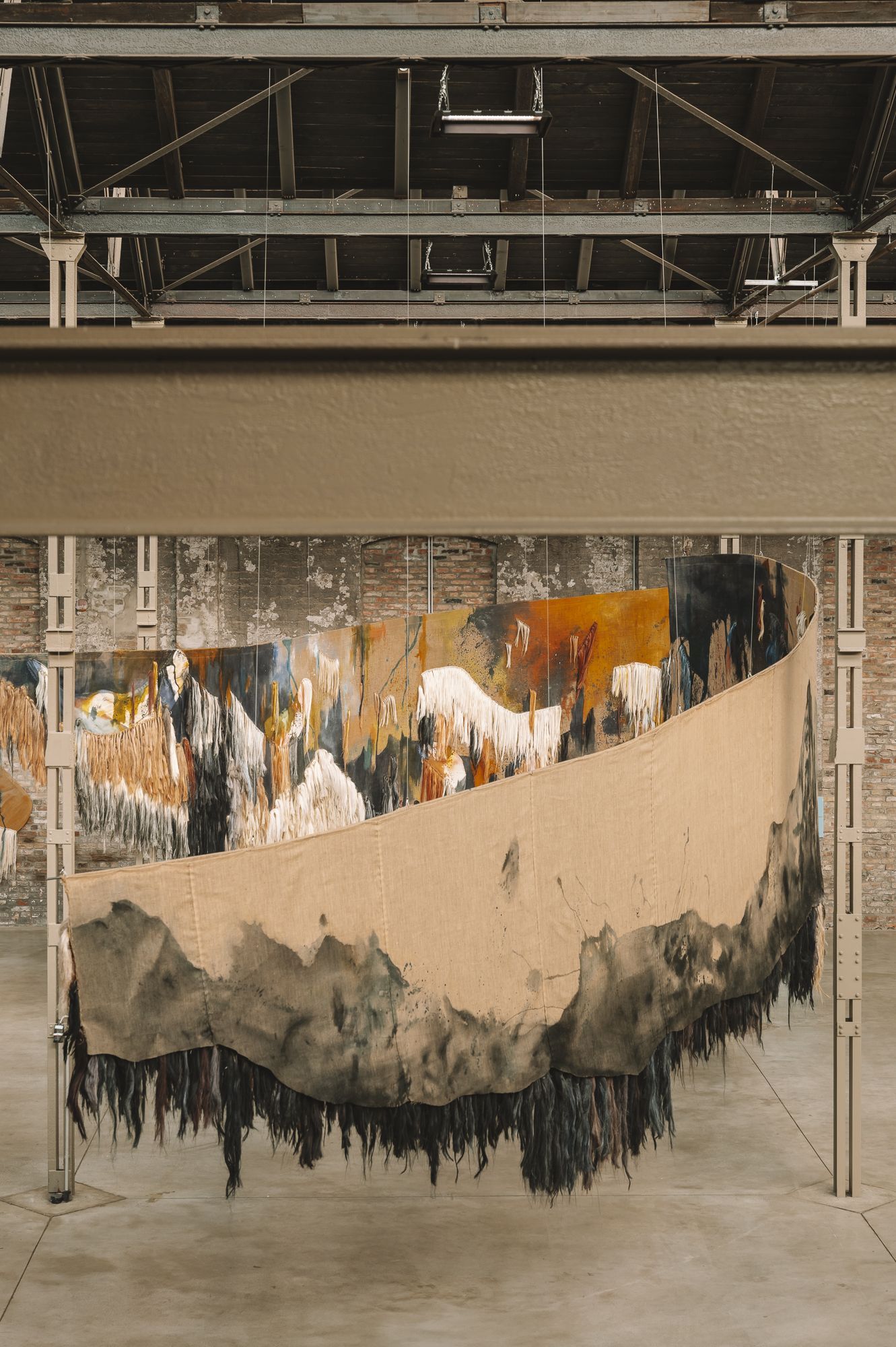
Among the most moving works is Beatriz Morales’s installation “Where The Wild Things Are” (2022). Canvases, agave fibres and natural dyes intertwine to honour cultural heritage and the land. A reminder that identity is always multiple and that our bond with nature is inseparable from our history.
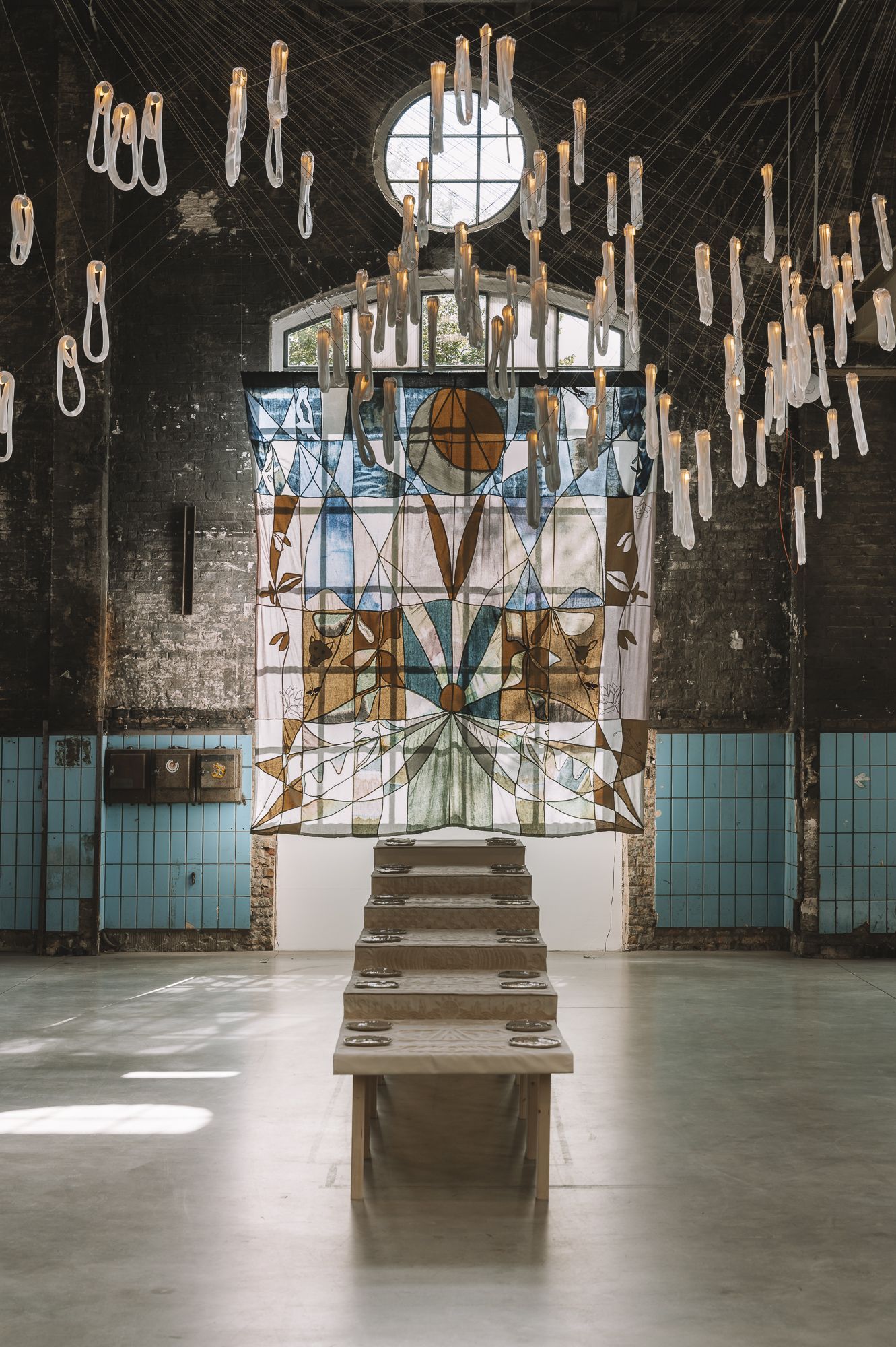
Similarly, “Owning Our Shadow” (2024), the tapestry by Lebanese collective Bokja, incorporates fragments of memory following the 2020 Beirut explosion. Its message, accompanied by Kahlil Gibran’s words “We are all like the bright moon, we still have our darker side”, is a hymn to resilience in times of fragility.
And in “Visions of the Lake”, Guatemalan designer Estefanía de Ros transforms weaving into a sacred chant to the women of Atitlán and Mayan cosmologies, reminding us that threads are carriers of ancestral memory.
Materials that speak
Every material used in the exhibition carries symbolic weight:
– Kevlar in Jerome Byron’s work turns a kitchen table into a protected space, questioning racial and police violence.
– Sugar in Ben Abdallah’s piece restores the sweetness lost by a colonised culture.
– Yaré fibre in Fango’s Ibuju series denounces deforestation and honours indigenous wisdom.
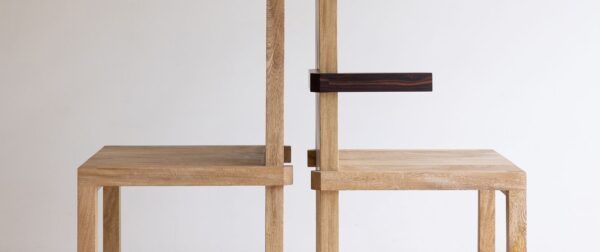
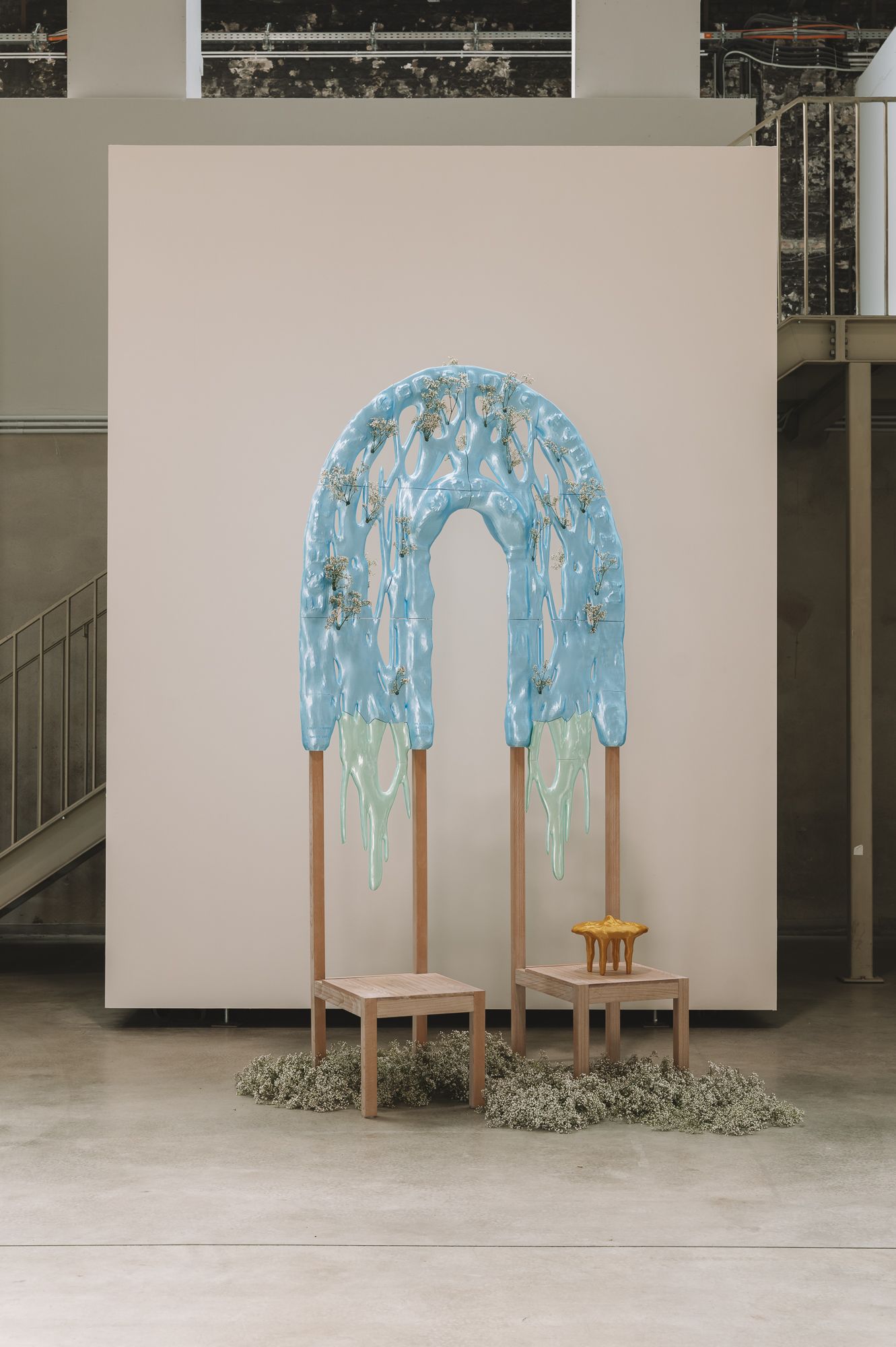
– 3D bioplastic in Platalea’s installation unites traditional Mexican wedding chairs into an arch of coexistence, proposing a dialogue between the ancestral and the technological.
Thus, material ceases to be mere medium: it becomes political and poetic language.
Berlin as a creative bridge
The project is not limited to displaying works: it also seeks to foster interaction with the local community through workshops, guided tours and activities for all ages. Significantly, this is the first time that Hallen 06 at Berlin Art Week includes design content, marking the beginning of an annual series that will strengthen the presence of design within the city’s cultural scene.
As Carnick affirms: “We want to inspire and connect the Berlin community through design”.
Work as activism
Many of the pieces function as acts of resistance:
– Rooms Studio presents benches and works on paper that honour Georgian persistence in the face of authoritarianism.
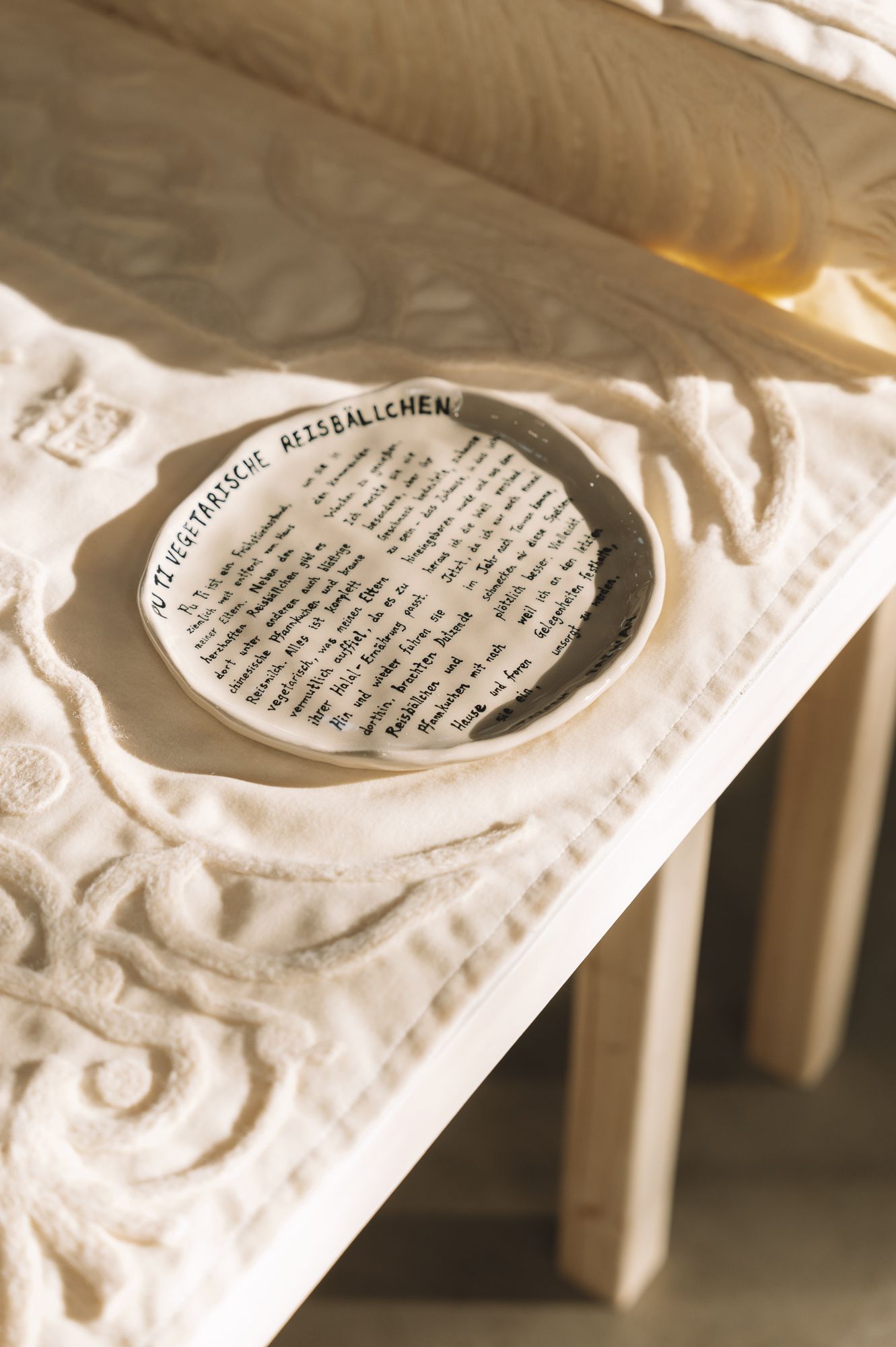
– Rozana Montiel offers a participatory exercise where visitors intervene in literary texts, creating a collective correspondence that transcends borders.
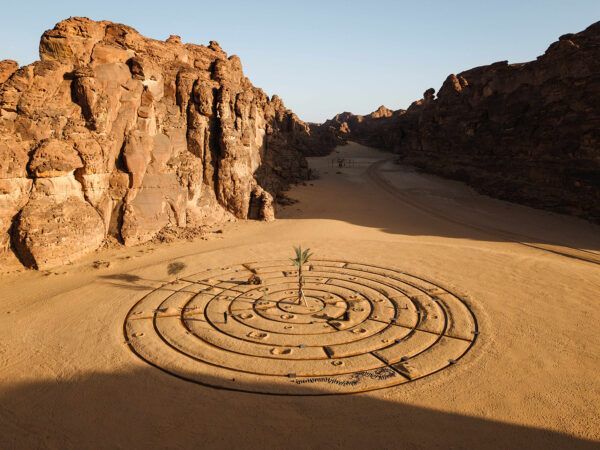
– Rive Roshan pays tribute to the “Woman, Life, Freedom” movement with a sand vessel 3D-printed to evoke skirts in motion.
All are proof that design can be a language of activism —silent yet powerful.
Community, care and future
“Walking through Crafting Community”, what resonates is not only the beauty of the works, but their capacity to generate care and connection. In a world scarred by conflict and crisis, this exhibition serves as a reminder that art and design are not luxuries but essential tools to imagine possible futures.
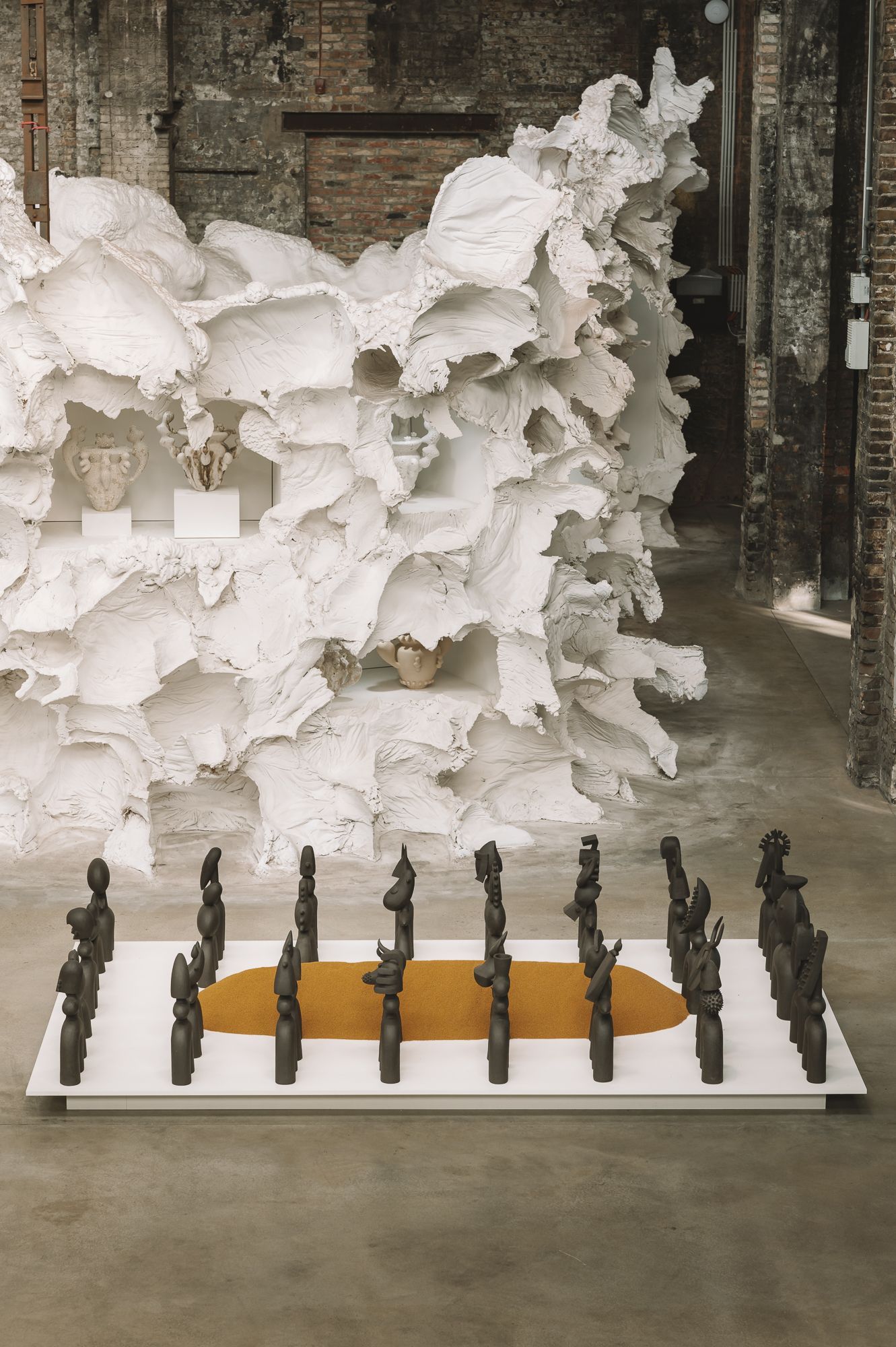
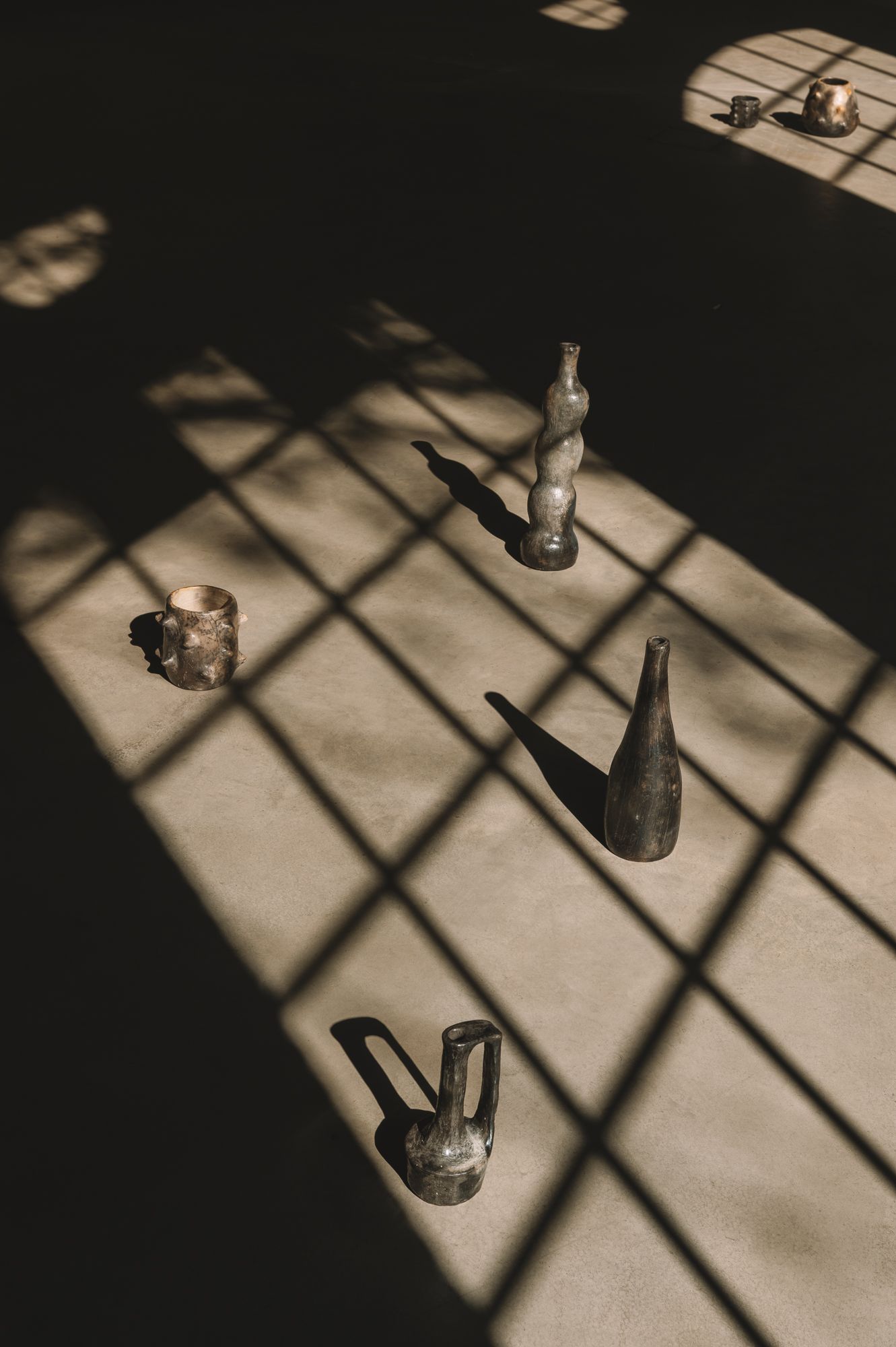
Perhaps the most symbolic gesture is the presence of Tunisian Sejnane ceramics, crafted by women who keep alive a tradition recognised by UNESCO as Intangible Cultural Heritage of Humanity. Objects shaped from ancestral clay that, in Berlin, remind us that community is woven by hands, memory and transmission.
A manifesto made of objects
Crafting Community is not just an exhibition. It is a manifesto: a call to recognise the power of creativity as a communal act, a hymn to resistance and hope, an invitation to think of design as a language of care and possibility.
At a time when individualism seems to prevail, these works remind us that we are always part of something larger: a history, a culture, a community.
In Carnick’s words: “I hope visitors leave inspired, empowered and aware of the potential we each have to make a positive impact”.
Berlin knows it well: the future is designed together.
Crafting Community
Exhibition at The Foundry – Wilhelm Hallen, Berlin.
Part of Berlin Art Week 2025.
Dates: 6–14 September.
Highly recommended.
(*) Photos: Clemens Poloczek