Ezequiel Pini and the new life of the Casa Semienterrada
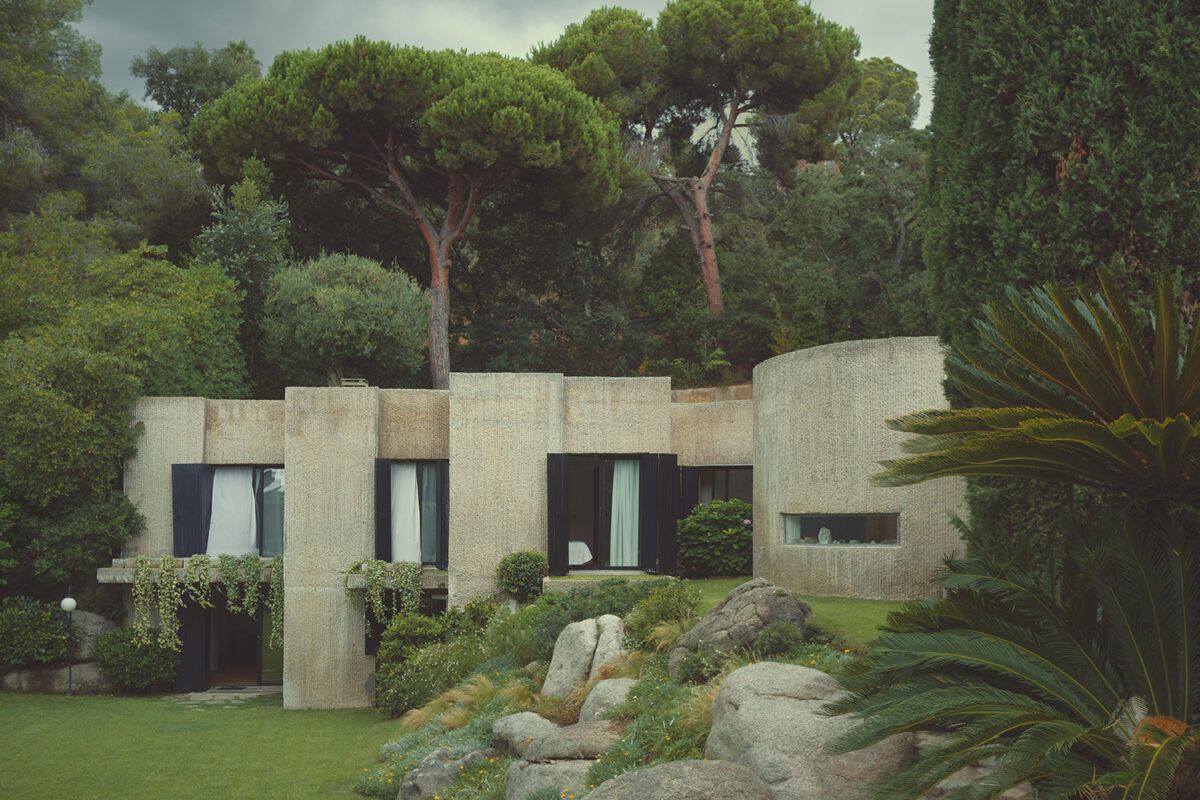
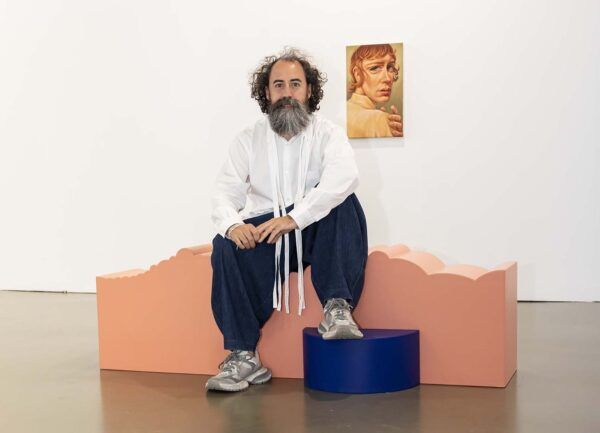
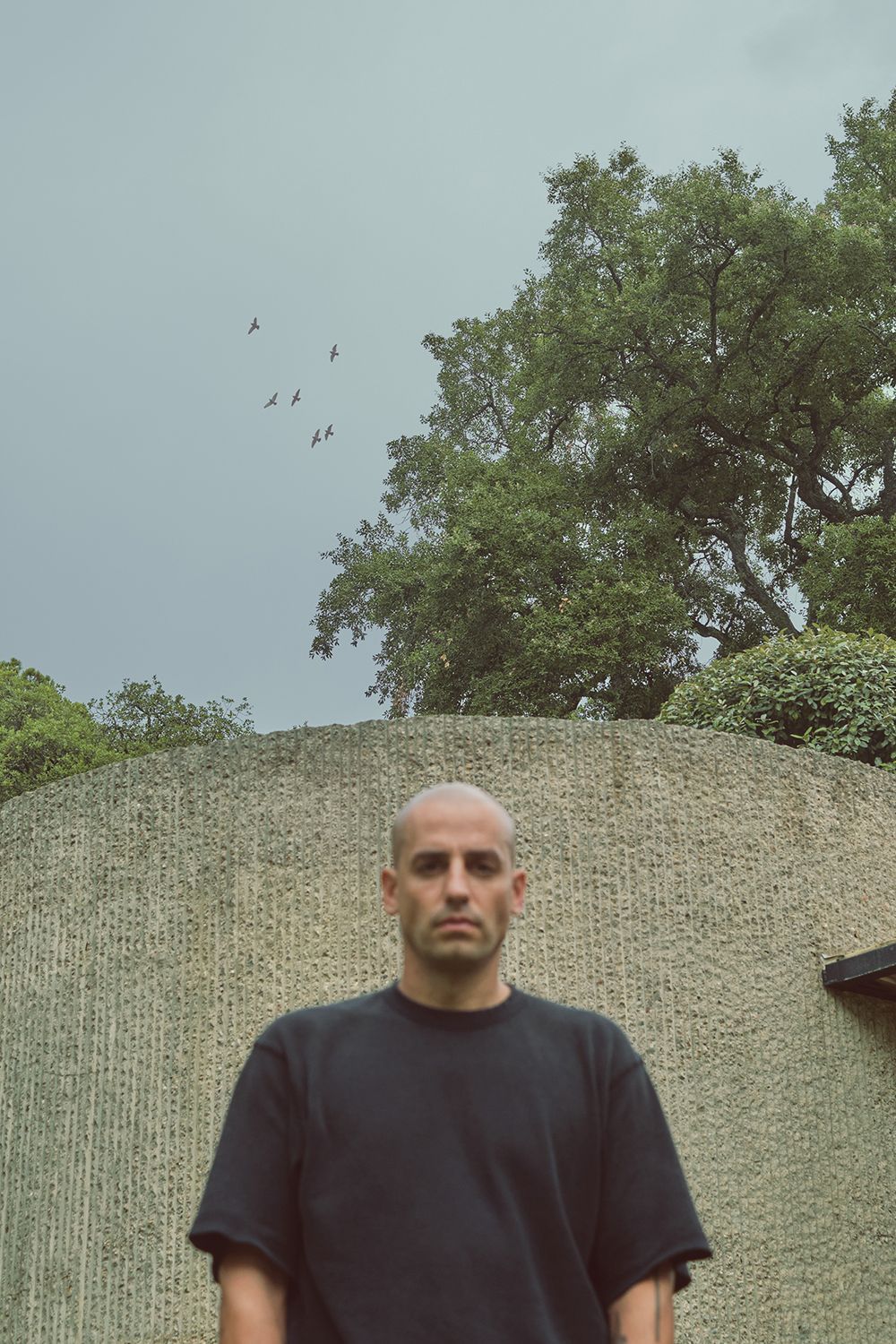
Argentine artist and founder of the Six N. Five studio, Ezequiel Pini, has transformed one of the most iconic bioclimatic homes in the Maresme region into his new residence and creative studio — a place from which he envisions a future way of living, where the digital and the natural intertwine in perfect harmony.
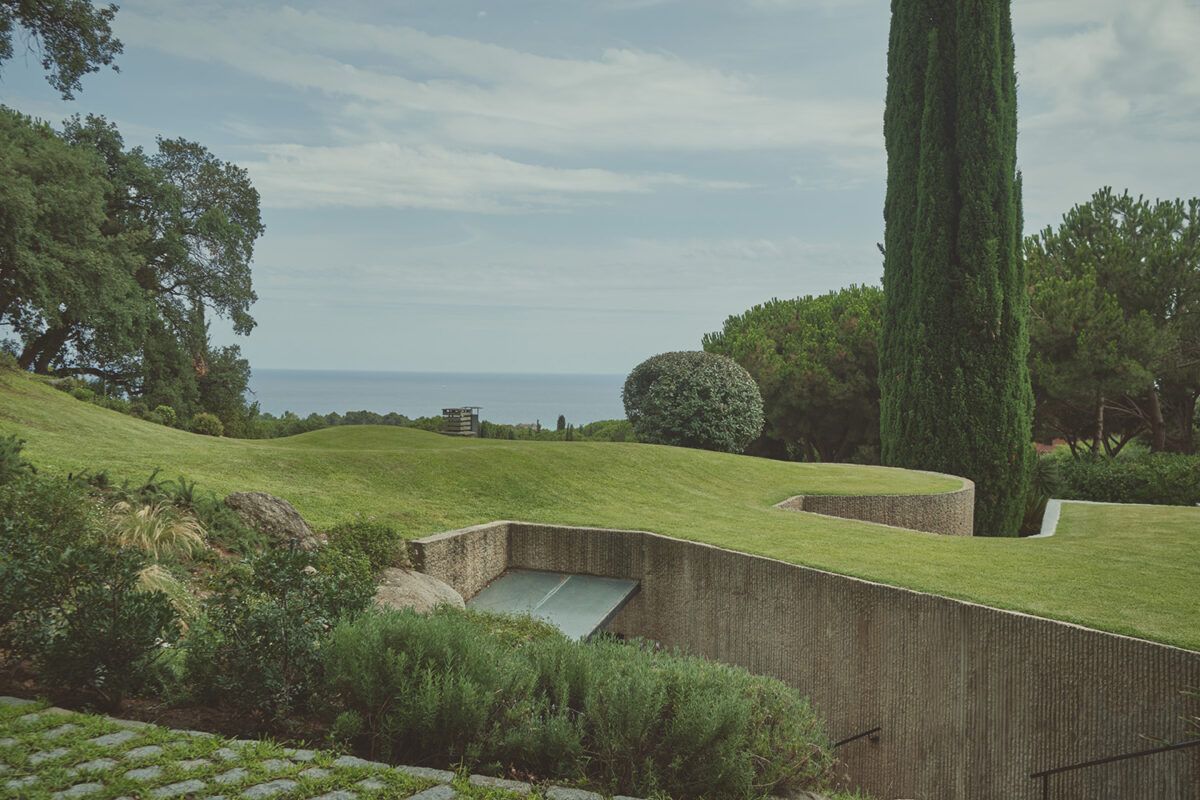
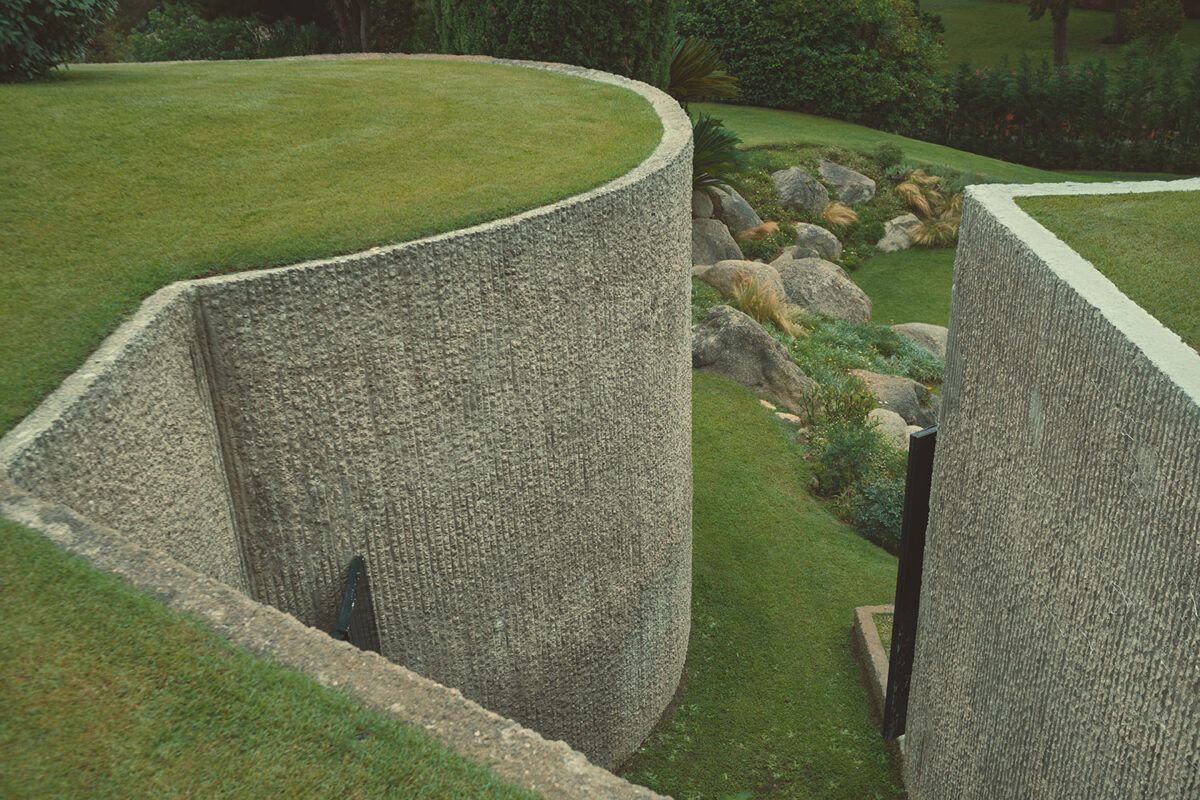
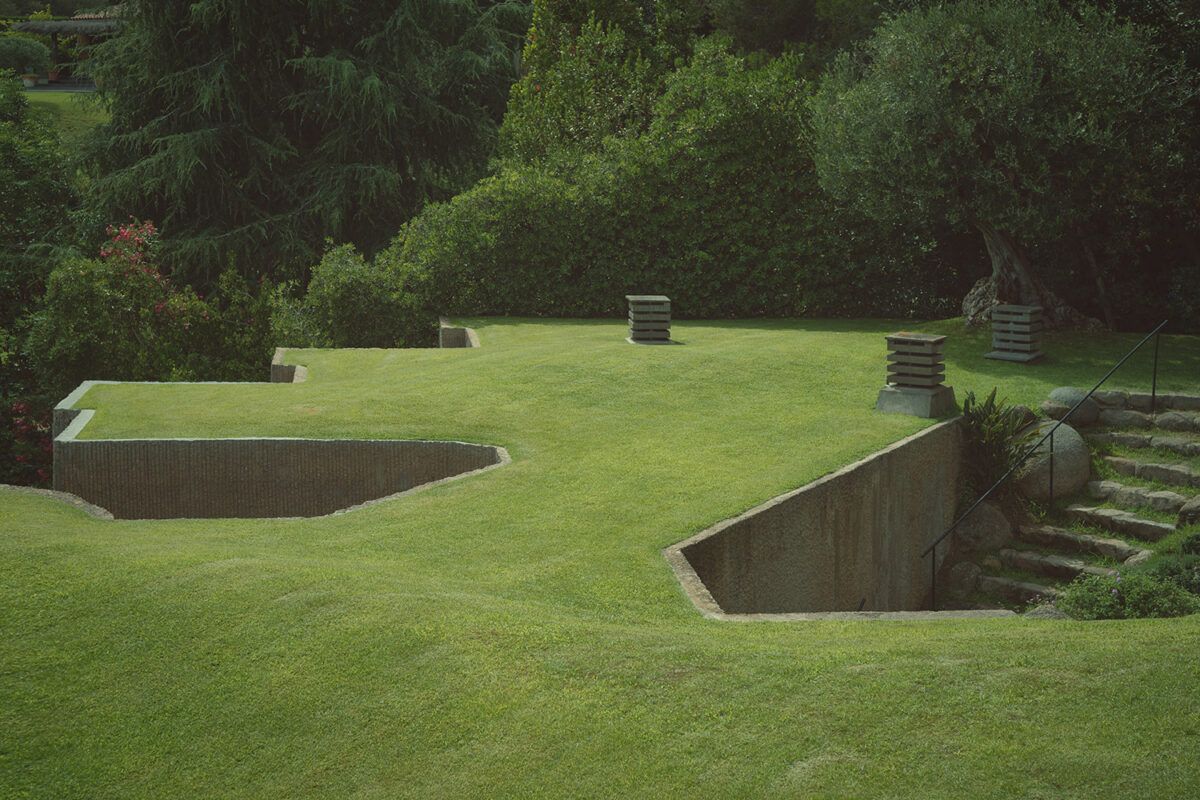
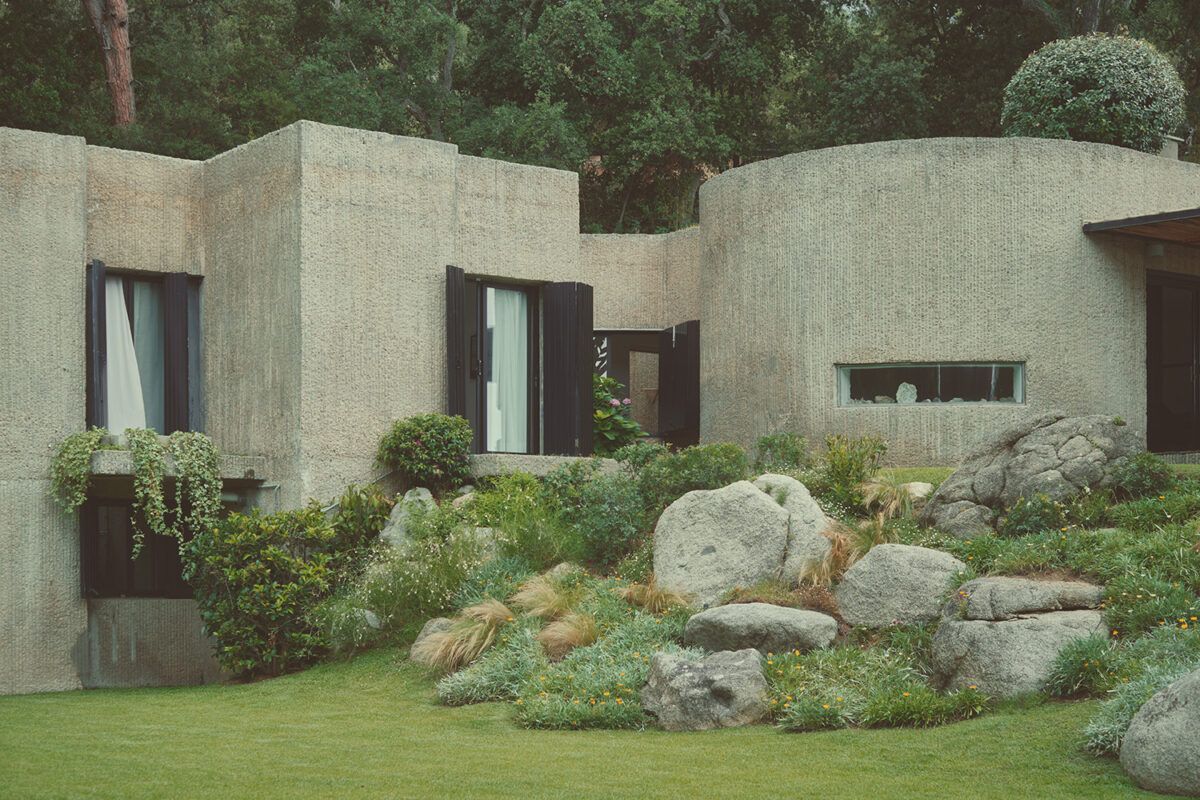
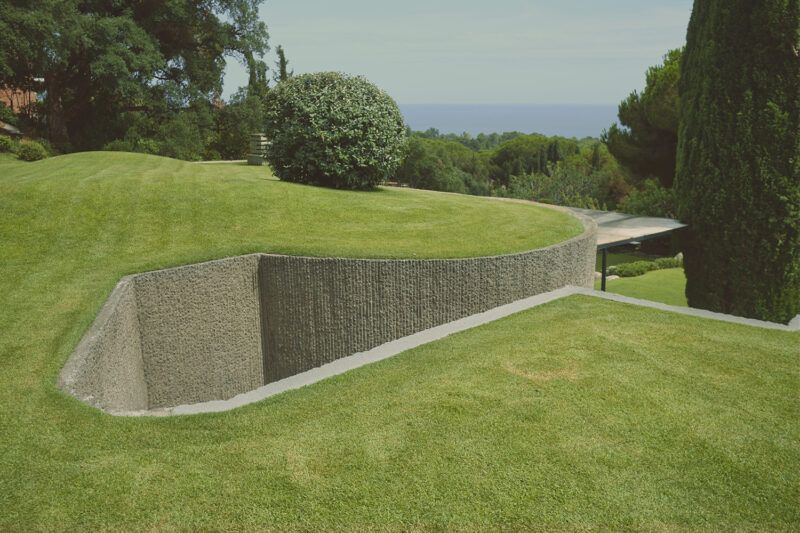
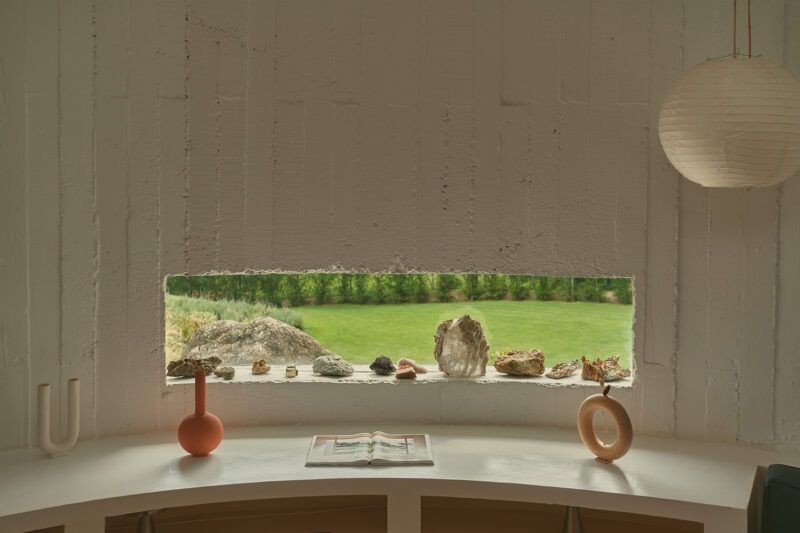
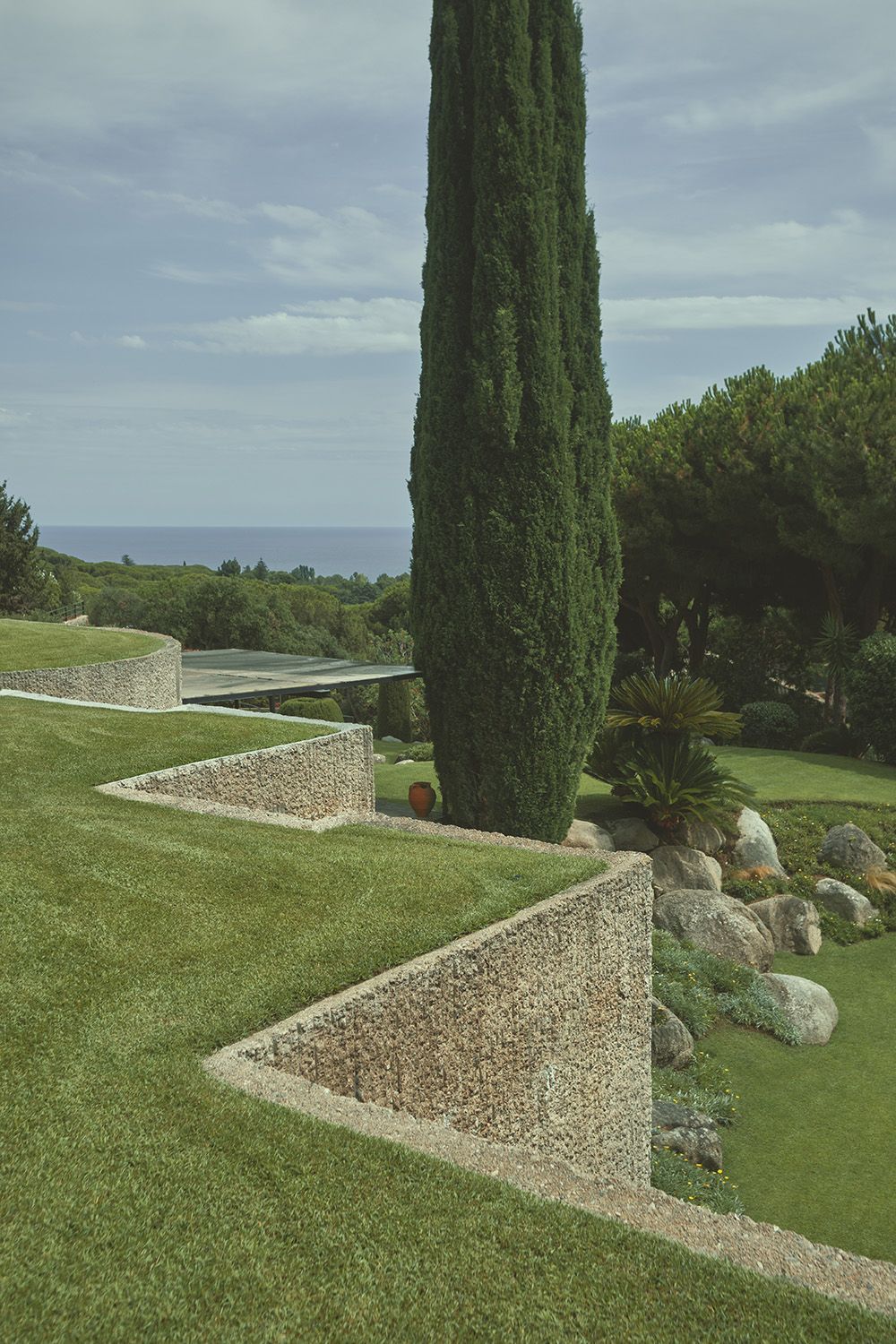
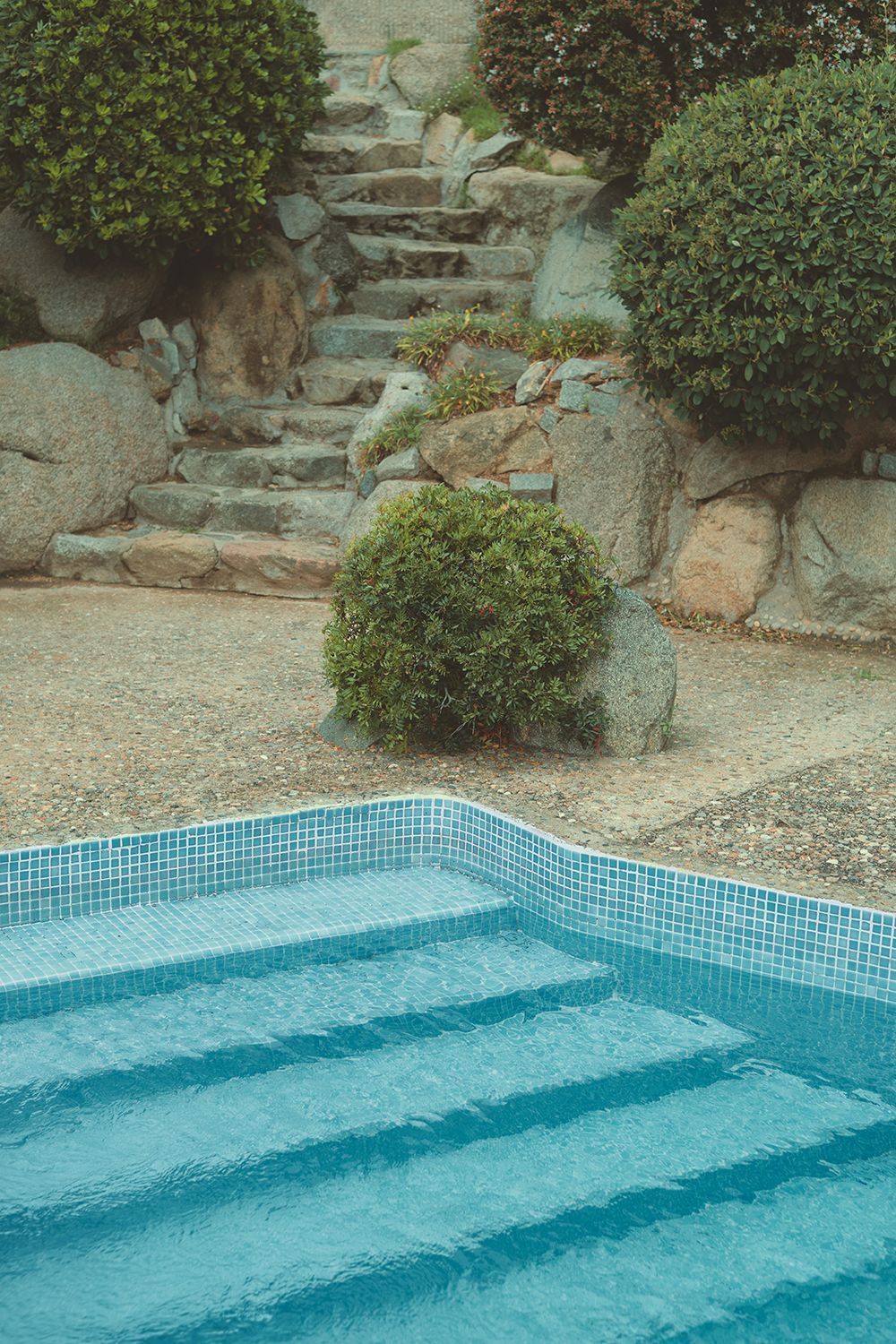
Perched atop a hill, partially buried amid native vegetation, stands an architectural gem that seems to breathe in sync with the landscape.
Designed in 1986 by architect Javier Barba, the Casa Semienterrada was a pioneer in sustainable and bioclimatic architecture in Spain. Today, nearly four decades later, it begins a new chapter in its story, guided by Ezequiel Pini — a digital artist and founder of the acclaimed studio Six N. Five — who has chosen this organic retreat as his home, creative sanctuary, and centre for exploring a new way of experiencing the relationship between technology, art, and nature.
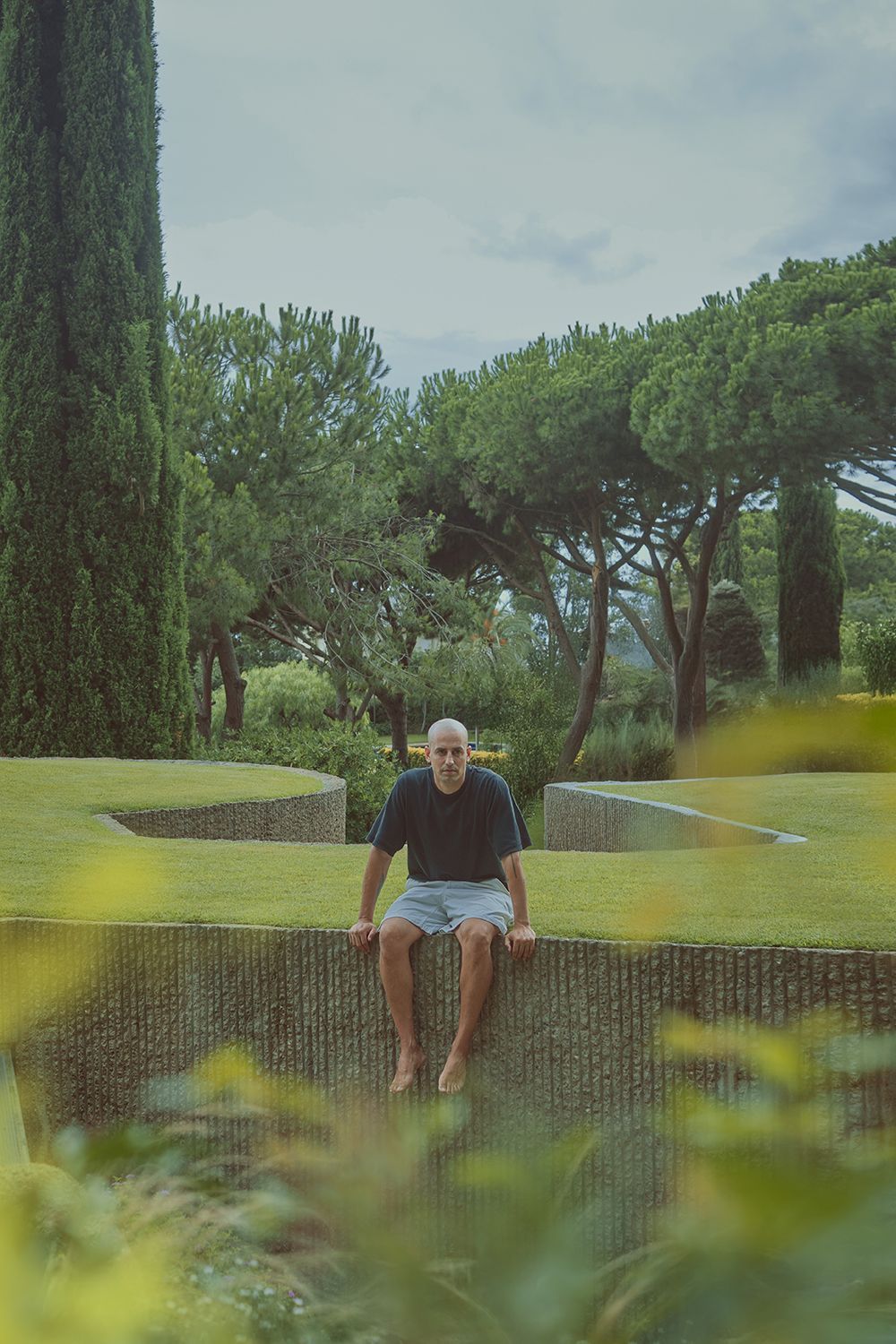
An emotional encounter with the house
This new chapter begins with a feeling: “It was as if the house already knew me”, Pini recalls, reflecting on the first time he visited the property. The connection was instant and deeply visceral — a quiet sense of recognition that made him realise he had found the space of stillness he had long been seeking after years of urban living.
Architecture that disappears into the landscape
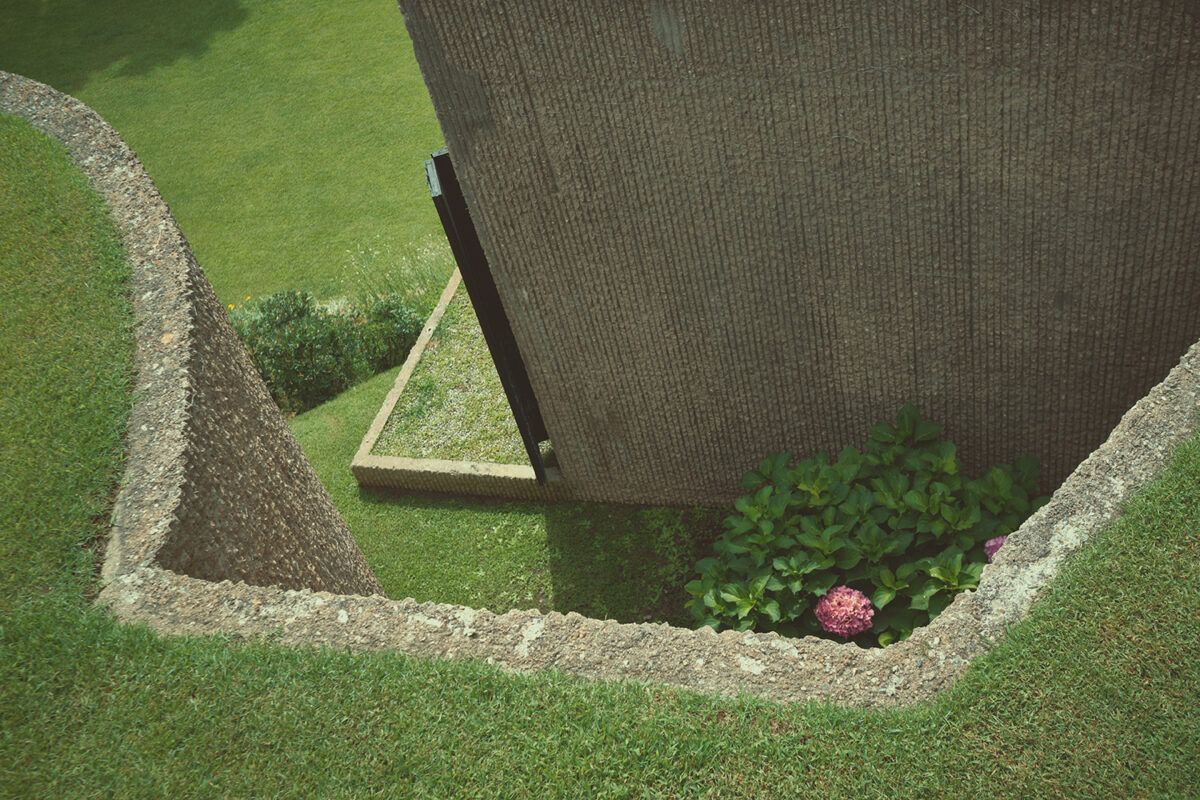
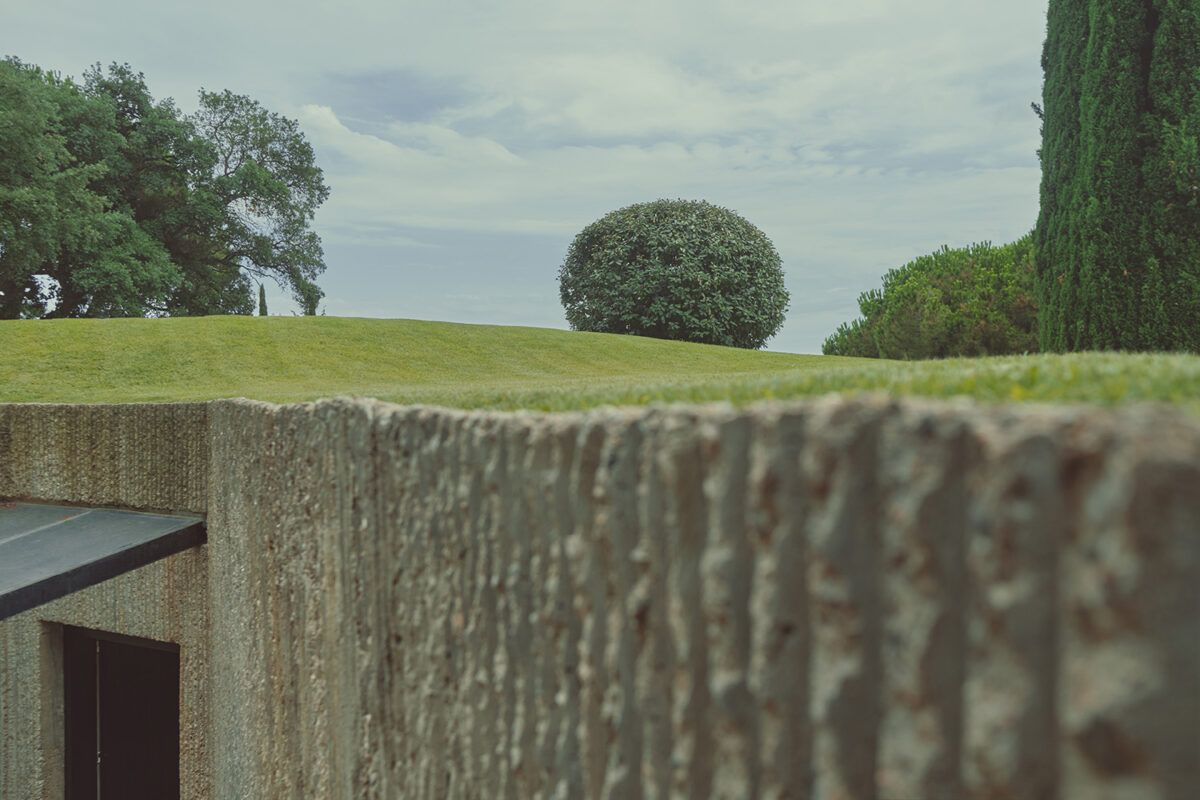
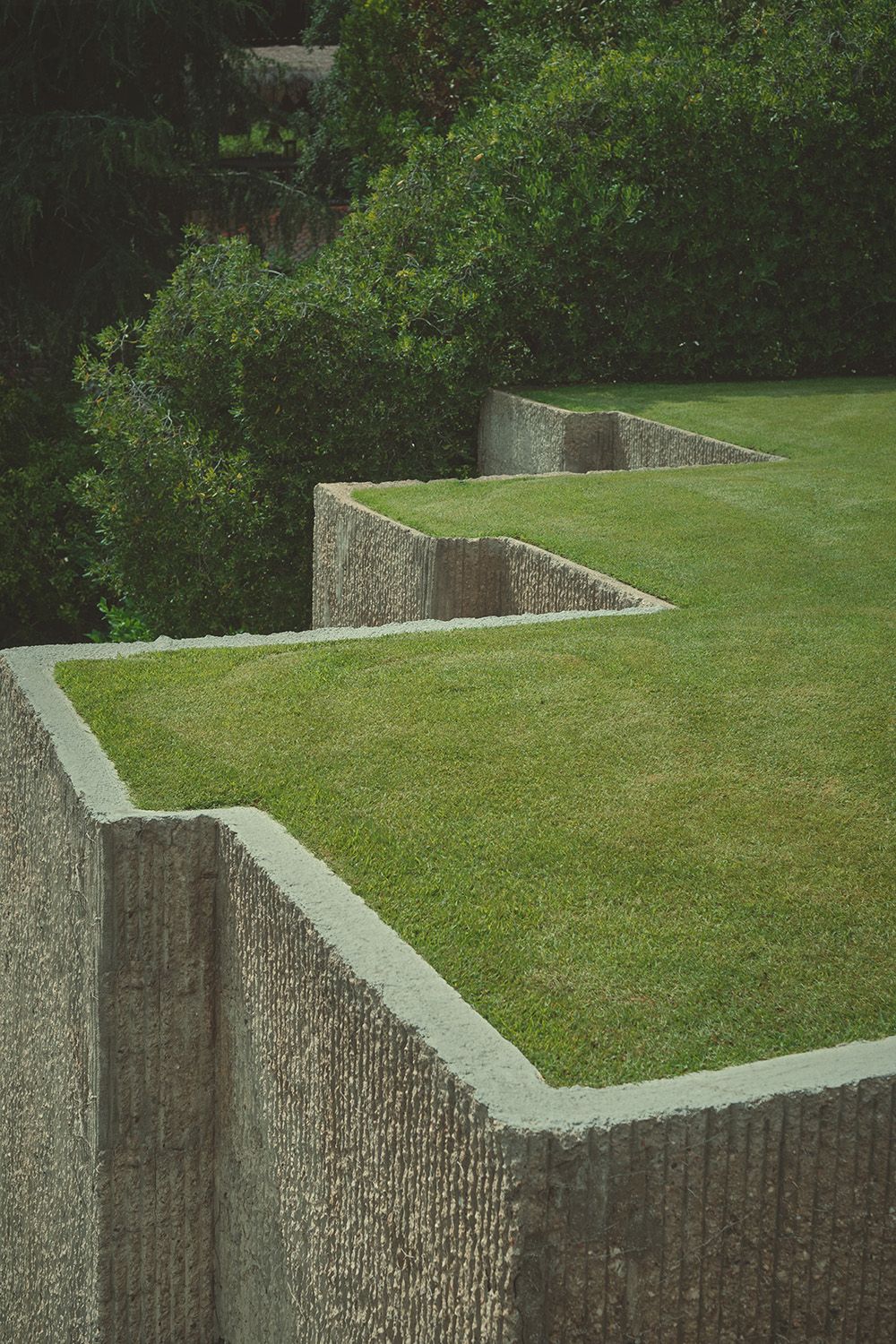
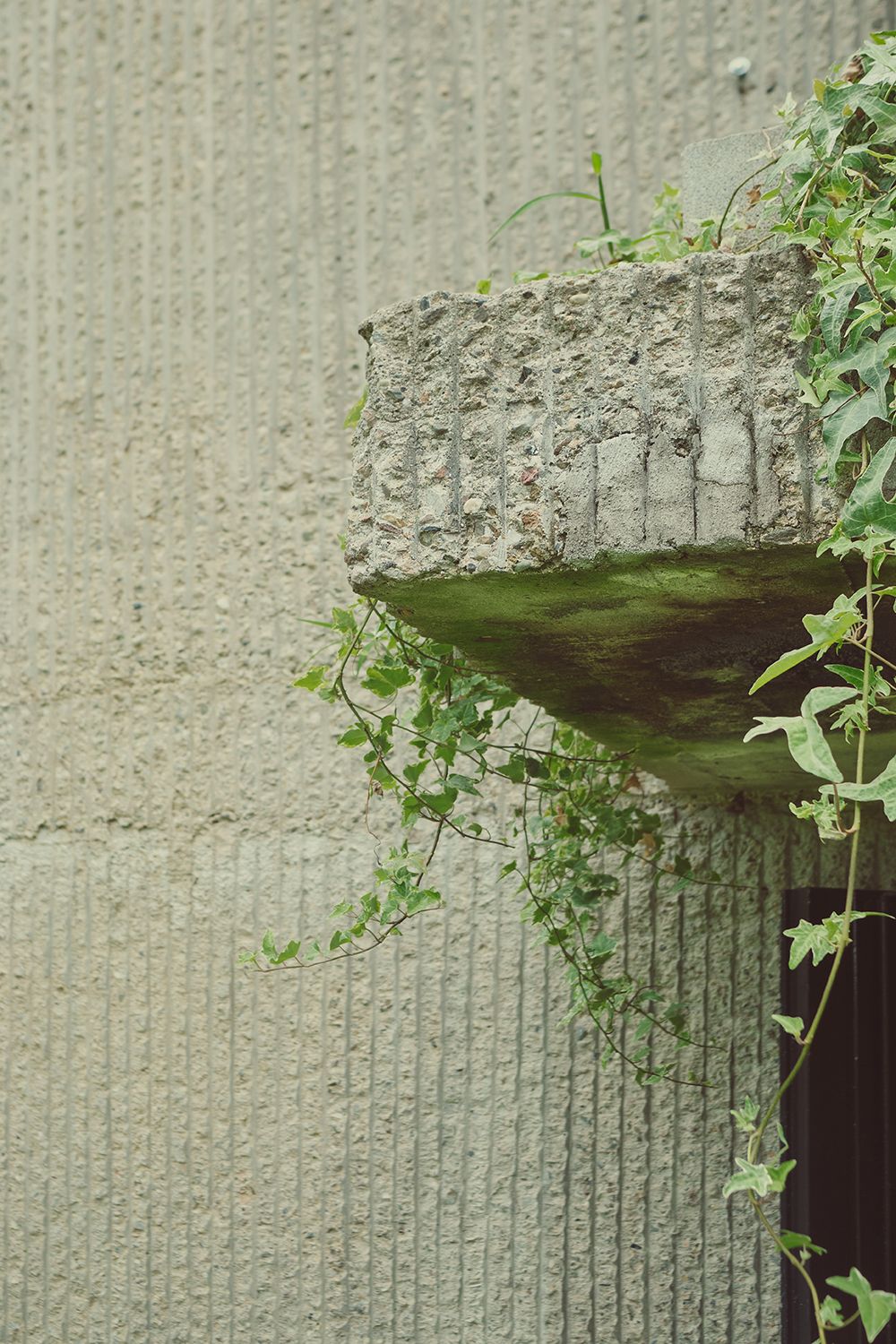
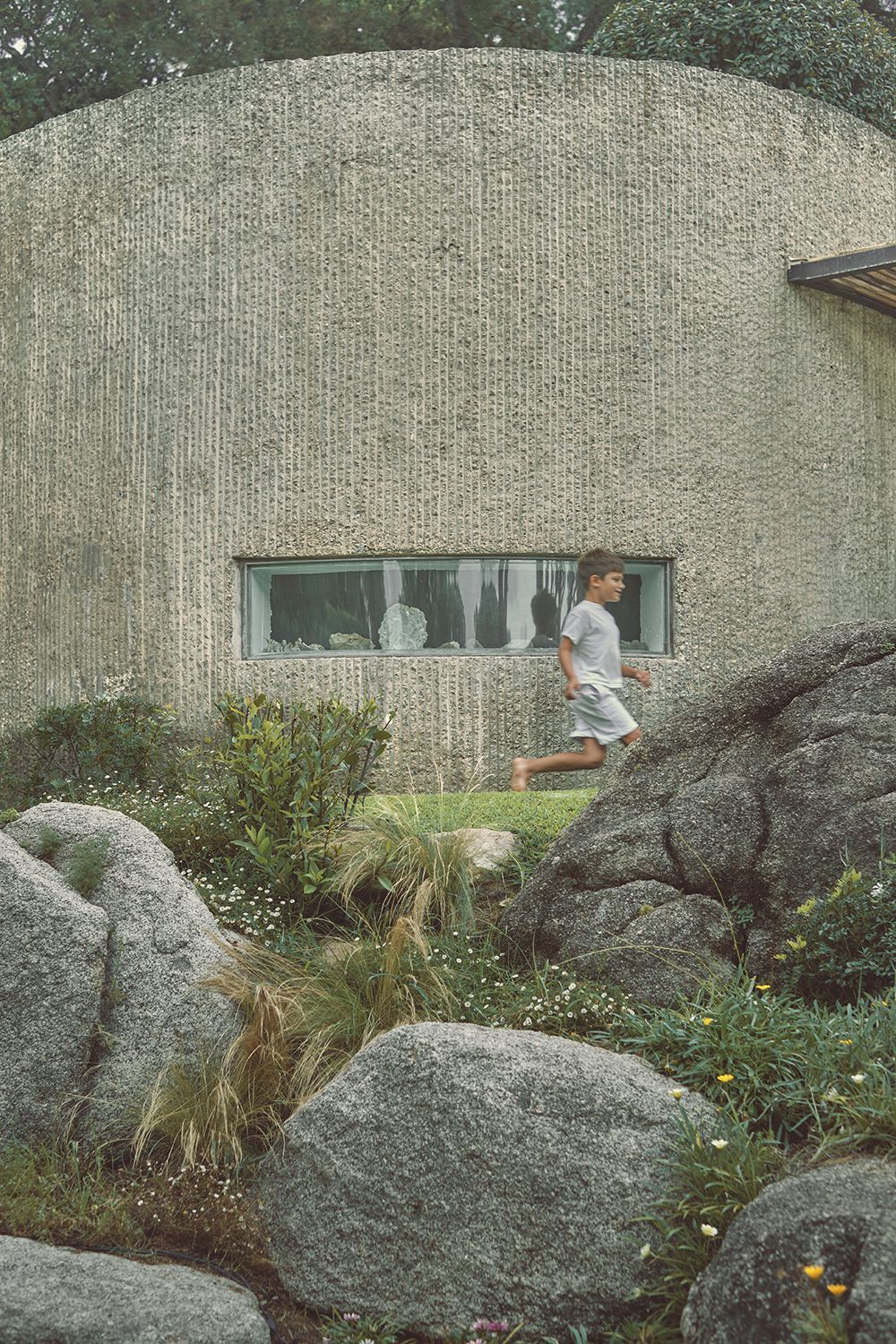
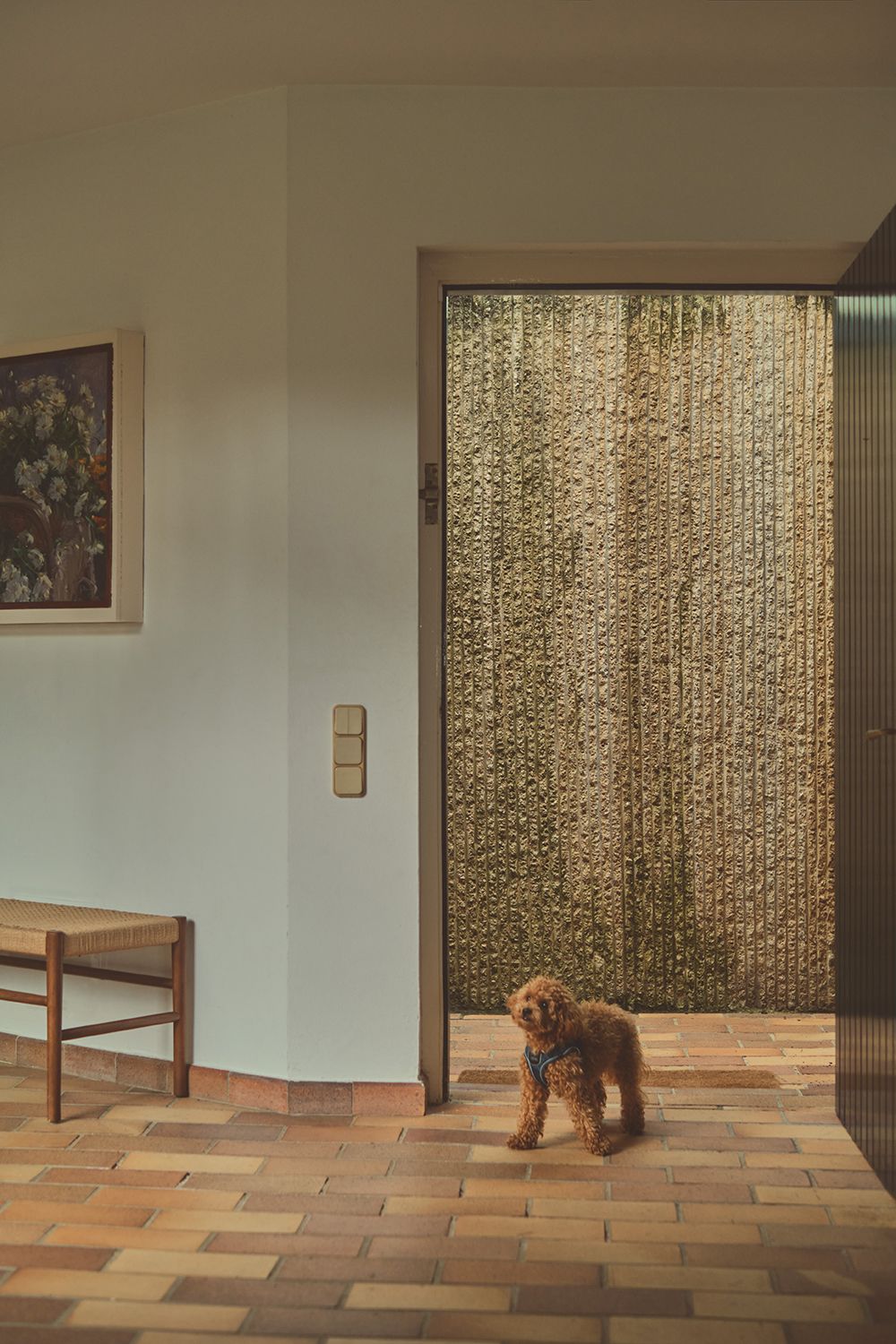
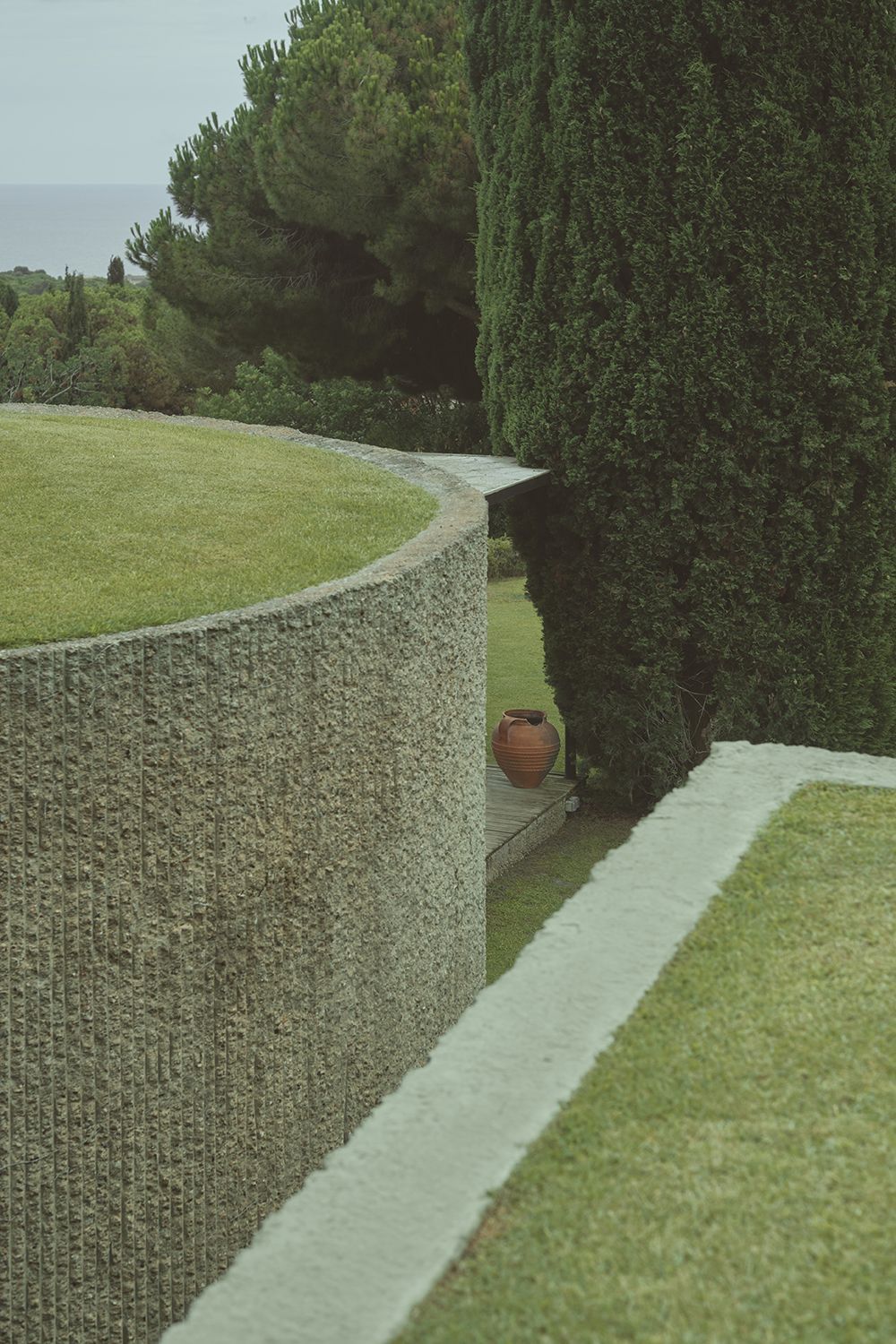
But the Casa Semienterrada is far more than just a home. Designed to blend into the terrain, with its green roof and concrete walls mixed with minerals from the surrounding region, the building vanishes into the landscape — and simultaneously rises as a bold statement.
There is no grandeur here, but rather a deep respect for the environment and a way of understanding architecture as an extension of the land, and of time itself.
Digital art as an extension of the environment
This same spirit is what Pini seeks to channel into his creative practice. “The house speaks a language that could have been designed today. Its curves, the way it’s buried into the land, how it engages with light and topography… it all resonates with what I try to express in my digital works”, he explains. From dreamlike renders to contemplative installations, his work has always revolved around the creation of spaces that envelop, that suggest, and that breathe. And now, for the first time, that digital universe has a physical home from which to expand.
The decision to make this house his home and studio was not merely aesthetic or functional — it was also ideological. “It’s like inhabiting a forward-looking vision”, he says, referring to Javier Barba’s legacy. At a time when sustainability is too often reduced to a marketing label, living in a house that was born from that ethos from the outset feels like a genuine statement of intent.
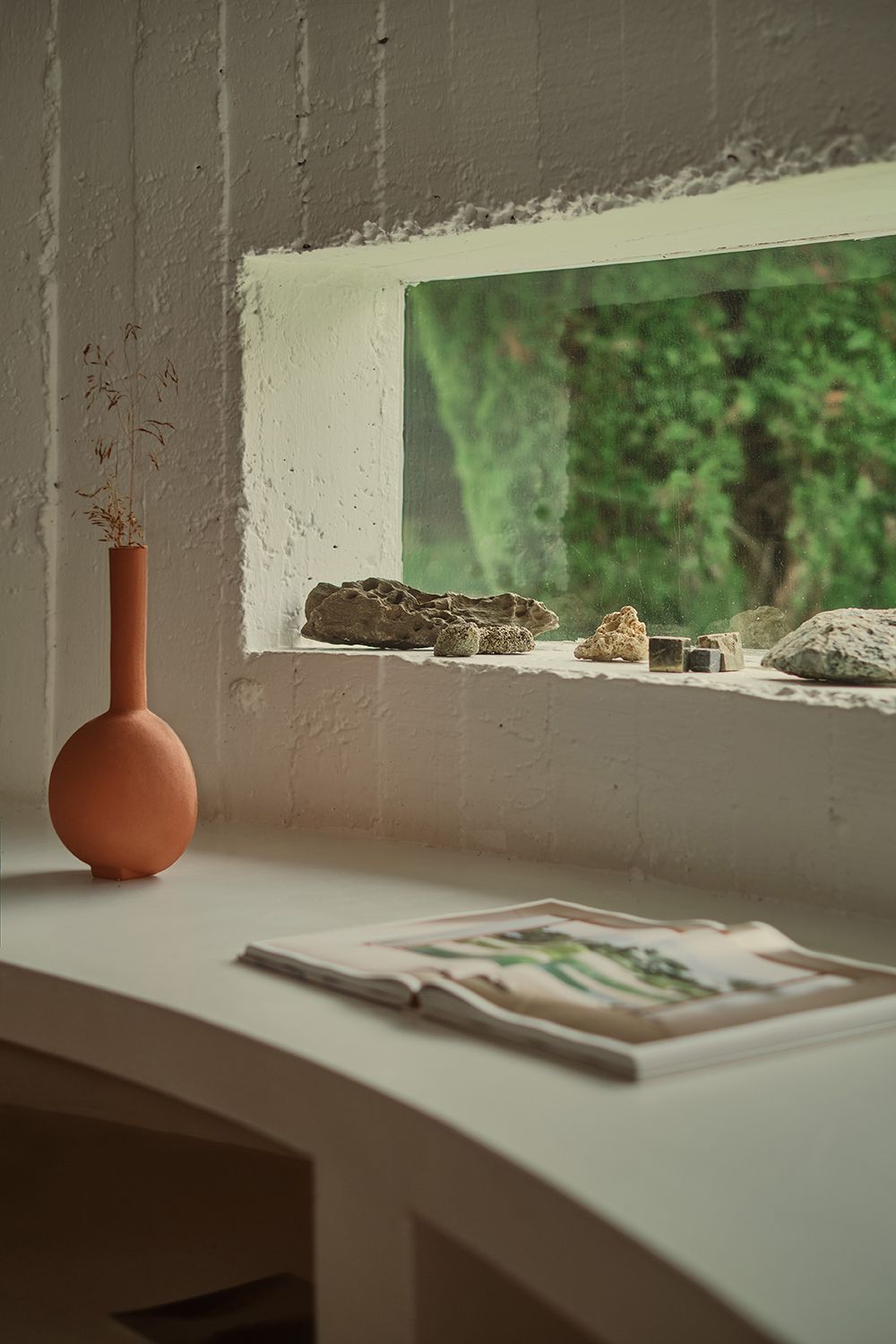
Ezequiel sees his role as that of a caretaker — adding a new layer to a story that continues to evolve. “I’m not here to redesign, but to engage in conversation”, he affirms. That dialogue takes place not only with the house, but also with the architect and the former owners, Ana and Ignacio, with whom he shares a warm and mutually respectful relationship. “I feel like part of a continuity, not a break”, he concludes.
Technology will play a key role in this new chapter — not as a visible protagonist, but as atmosphere. “We can all imagine what an artist’s house looks like, but no one really knows what the home of a digital artist is like”, he reflects. In his vision, innovation does not replace nature, but extends it. He is developing sculptures that respond to light and the changing seasons, vegetation that exists only in the digital realm, and zones where the virtual invites an expanded perception of space. “The digital not as a distraction, but as an extension of the natural”, he clarifies.
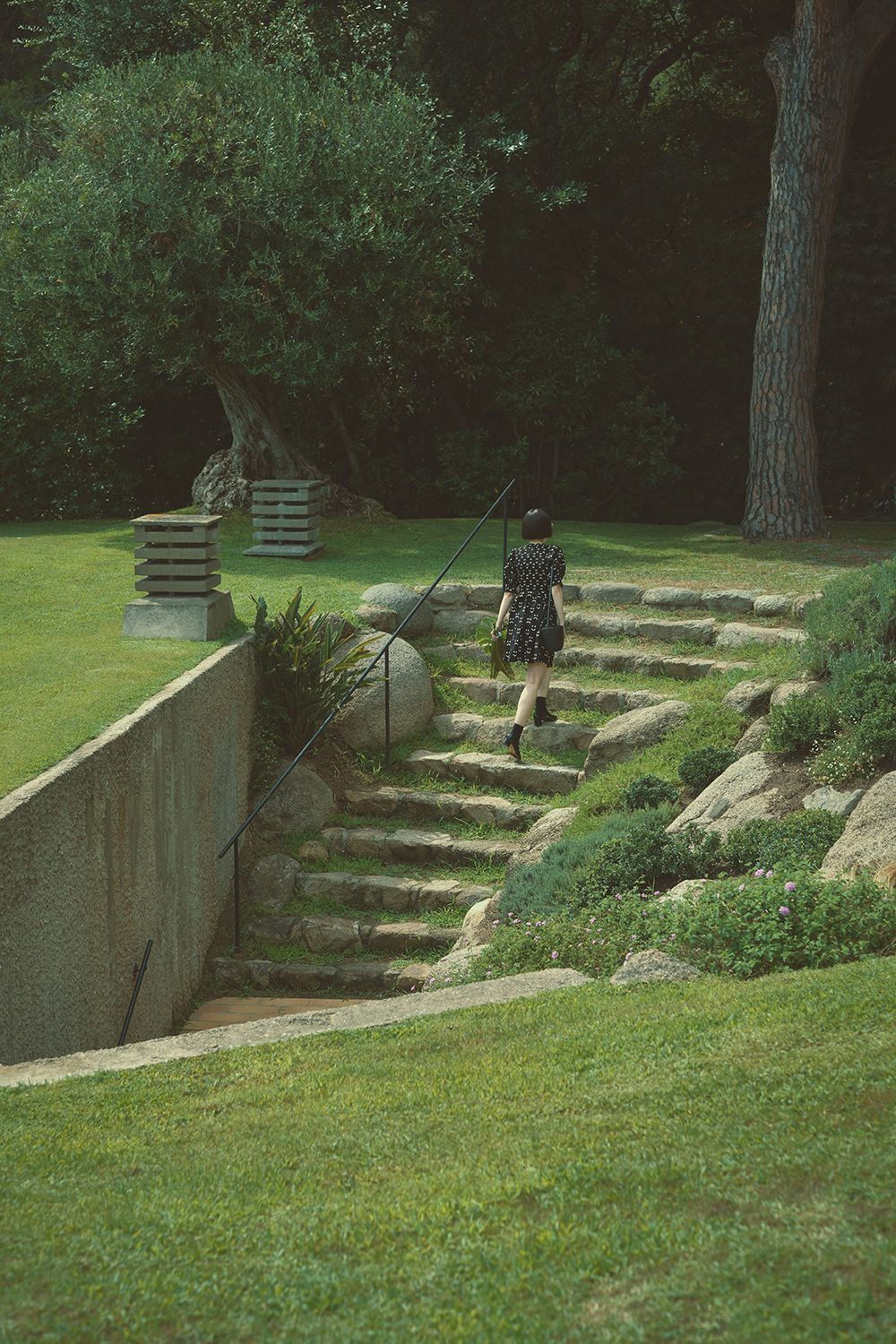
His practice has become increasingly contemplative. “Observing nature, then translating it into a digital environment is deeply meditative”, he says. In this sense, the Casa Semienterrada offers not only a physical space, but a living source of inspiration — a symbolic terrain from which to explore new forms of contemporary spirituality through art.
Looking towards the future
This vision also extends forward. Ezequiel imagines this place in a decade or two as a space where time slows down — where experience goes beyond the visual and becomes sensorial, emotional. A place not only to live, but to create, to observe, and to breathe.
When asked whether this experience could open a new path for other digital artists to reinterpret architectural spaces, he answers without hesitation: “I truly hope so”.
He believes digital creators have a unique ability to imagine new worlds — and bringing those worlds into the physical realm may be the beginning of a new way of living.
In the end, what is happening at the Casa Semienterrada is far more than a change of residence. It is a declaration of intent, a poetic gesture, and a proposition for the future. At the meeting point between 1980s bioclimatic architecture and 21st-century digital art, something new is taking shape. A new language. A new way of seeing.
Full interview with Ezequiel Pini
What did you feel the first time you visited the Casa Semienterrada? What was that moment like when you realised you wanted to make it your home and studio?
It was as if the house already knew me. A quiet sense of recognition.
I had spent years searching for a space that would make me breathe differently, that would give me the kind of pause one rarely finds in the city. And the moment I stepped inside, all of that came to life. It wasn’t a rational decision — it was emotional. At that moment, I didn’t know exactly how, but I knew I wanted to live there, to share it with my family, and, in the near future, to develop a studio where everything I’ve been creating digitally could begin to take shape in the physical world.
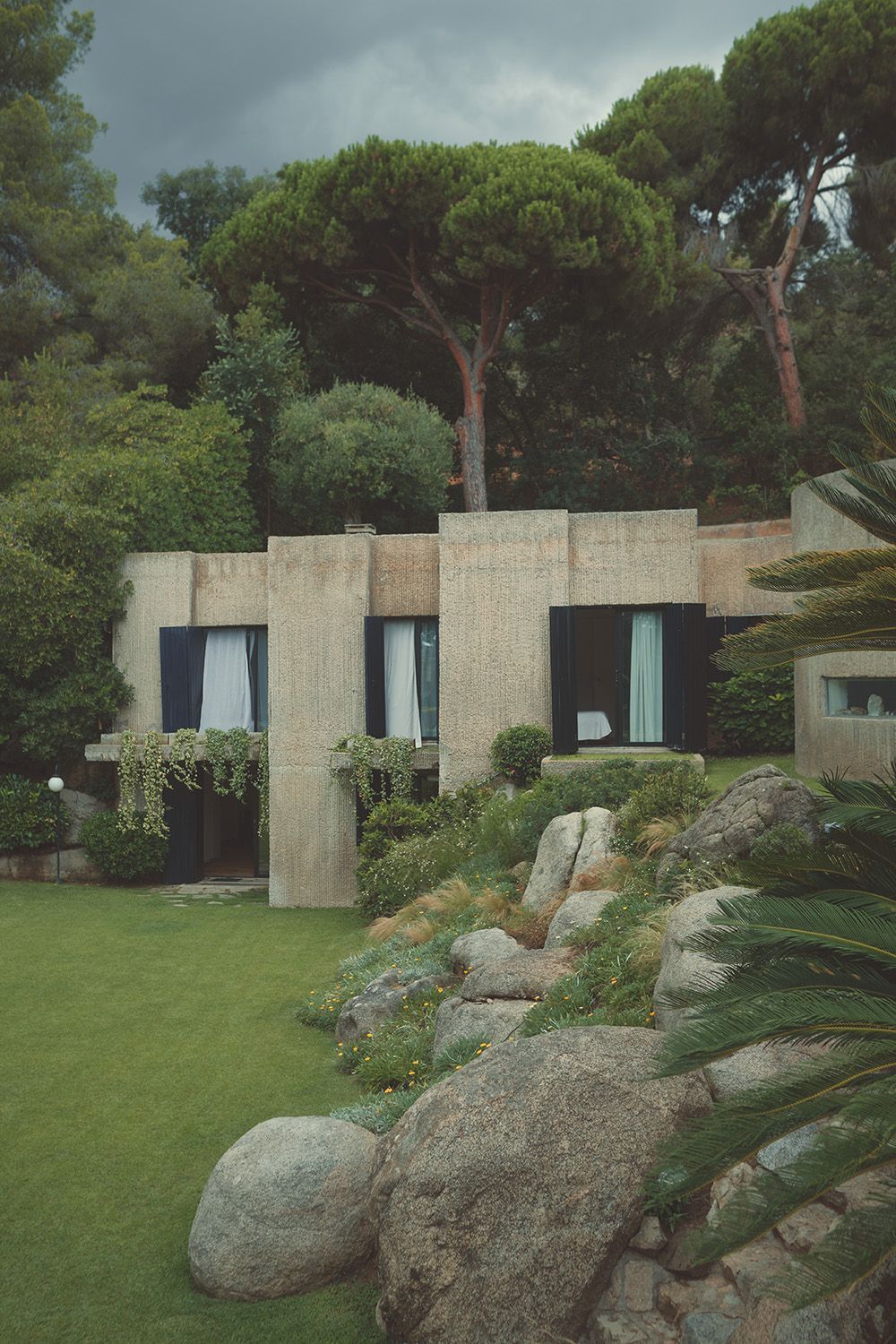
Today, it’s a home. Soon, it will also become the heart of new explorations.
In what way do you feel this iconic house, conceived almost 40 years ago, resonates with your artistic practice and contemporary vision of digital design?
The house has a language that could have been designed today. Its curves, the way it sinks into the land, the way it interacts with light and topography… all of it is closely aligned with what I seek in my digital work. Spaces that don’t impose, but rather embrace. That suggest without needing to explain. Javier’s architecture already carried that kind of sensitivity — long before I was able to express it in my renders.
Casa Riera was a milestone in bioclimatic architecture. What does it mean to you to live and work in a space that was pioneering in sustainability before it became a global trend?
It feels like inhabiting a vision ahead of its time. This house wasn’t designed to show off, but to coexist with its surroundings. For me, that holds enormous value. In a time when sustainability is so widely talked about, living in a space that was already aligned with that ethic from the start reminds me that good decisions come from respect — not from trends.
“This house wasn’t designed to show off, but to coexist with its surroundings.”
You’ve spoken about wanting to preserve its essence, but also project it into the future. How do you balance that respect for architectural memory with the need for transformation and evolution?
My approach is more about accompaniment than intervention. I’m not looking to redesign — I want to engage in a dialogue. The house already has a clear voice. I simply want to extend what’s already there, to learn how to see and listen to what existed beforehand, and work from that place. It’s much like what Javier did in his time — observing the terrain, the nature, what was already there — and then creating from that.
I see it the same way: this is about adding a new layer to the story. Letting the house continue to grow — but from its own roots. To evolve in a way that aligns with my values, lifestyle and beliefs, without forgetting what made it unique.
“I’m not looking to redesign — I want to engage in a dialogue.”
The project explores the fusion of the natural and the digital. What role will technology play in this new chapter of the house? Can you give us examples of how you imagine the interaction between the physical and the virtual?
As with my practice, technology here won’t be ornamental or overt. It will be a presence — an atmosphere — where the things I imagine can take shape. We all have an idea of what an artist’s home looks like, but no one really knows what the home of a digital artist is like. In my case, I’m passionate about architecture, noble materials, elegance — but also technology and contemporary creative mediums.
I’m currently working on sculptures that respond to light and the changing seasons, as well as vegetation that exists solely in the digital realm — plants that grow in ways only possible within that space, but which still coexist with the natural environment around them.
Both evolve over time. I’m also imagining zones within the house that invite an expanded perception of space. Digital not as a distraction, but as an extension of the natural — always maintaining the respect and elegance I strive for in my work.
The idea of “imaginary vegetation” is fascinating. To what extent has your digital work become a contemplative or even spiritual practice?
Much more than I ever expected. Observing nature and reimagining it in a digital world is a deeply meditative act. I’m not copying what I see. I’m trying to understand it, to honour it — and to recreate it in my own way.
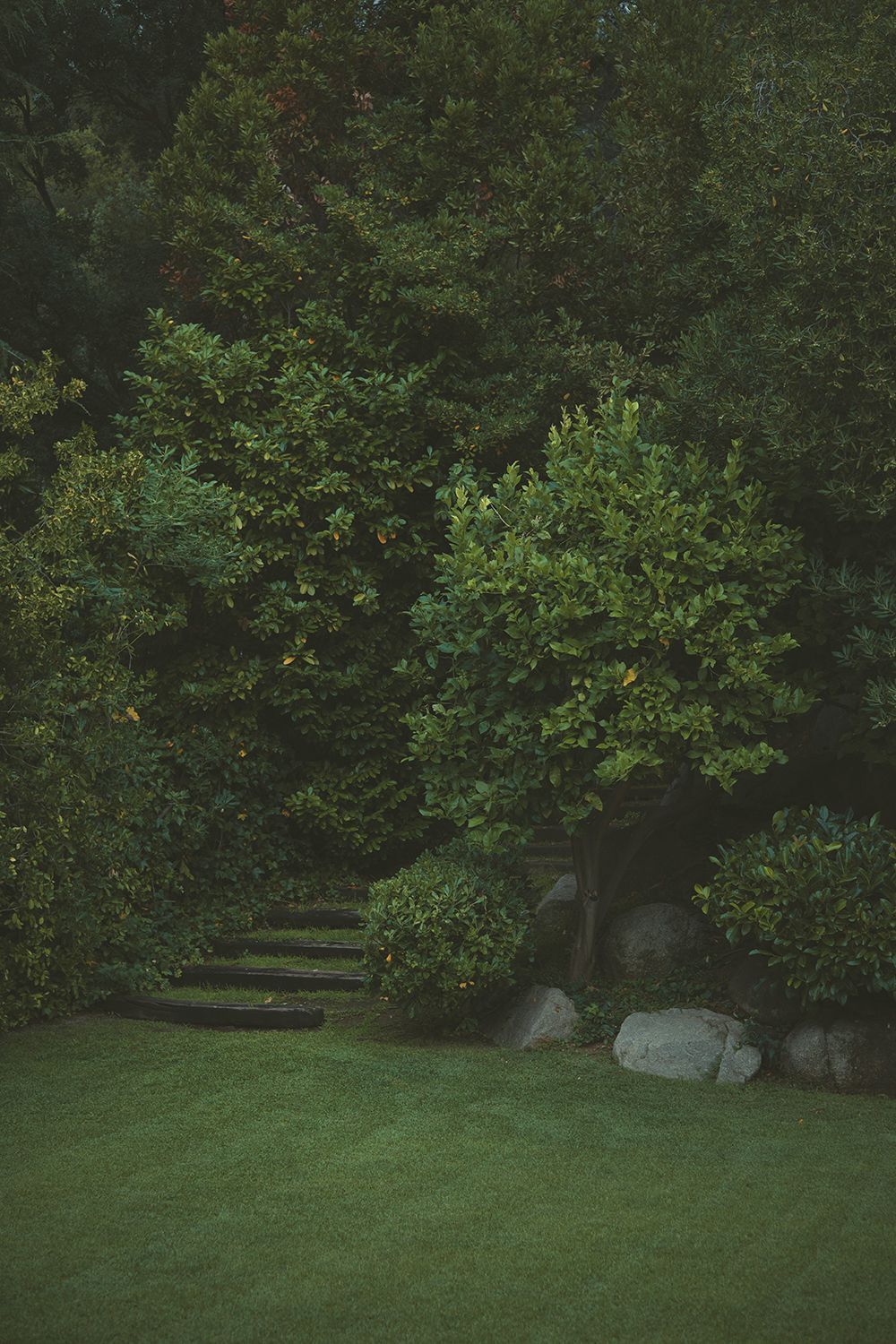
Among other things, designing spaces or natural forms that don’t exist in the world as we know it, but that behave as if they’re alive — that’s my way of speaking to something greater than myself. It’s contemplation, it’s presence, and it’s also a spiritual quest.
“Observing nature and reimagining it in a digital world is a deeply meditative act.”
This house brings together architecture, art, ecology and landscape. Do you think the home of the future will necessarily be a hybrid, multidisciplinary space?
Absolutely. The home of the future won’t just be a physical refuge. It will be an emotional, natural, symbolic and digital ecosystem — a place where both my family and I can coexist. A layered space, where design is not in service of efficiency, but of sensitivity. Spaces that invite creation, observation, stillness.
We’re part of a new generation of artists — and of people who appreciate art in many different ways. This is the challenge I’ve taken on.
How has your relationship with the original owners and with Javier Barba influenced the way you approach the house? Do you feel there’s been a creative legacy passed on?
Absolutely. Getting to know Ana and Ignacio, listening to their stories and understanding how they lived in this space for decades helped me connect with it on a deeper level.
There’s something incredibly valuable in continuing a story like this. I didn’t arrive with a new vision to impose. I came to care for something that already had a soul. We formed a real connection — sharing stories and values across different generations — and that turned into a great friendship. I feel like part of a continuity, not a break.
What architectural and human values do you draw from Javier Barba’s work, and how do you integrate them into your own creative and personal philosophy?
Respect. An honest relationship with the environment. Silent beauty — without the need for grandeur.
Javier designed to be lived in, not to be admired from afar. That left a lasting impression on me. In my own work, I try to create with that same principle: that things move you without shouting. That they breathe. That they accompany you.
How do you imagine this place ten or twenty years from now? What would you like visitors — whether physical or virtual — to feel when they experience it?
I’d love them to feel a pause. A space where time slows down. Where they can watch the light, see a leaf move — and feel part of it. That the experience goes beyond the visual, becoming something emotional, even sensorial. That people don’t just take away an image, but a feeling that stays with them.
It will be a place where we live, of course — but also where my studio lives, where my tastes and creations take shape, and where those who’ve shared this journey with me leave their mark too.
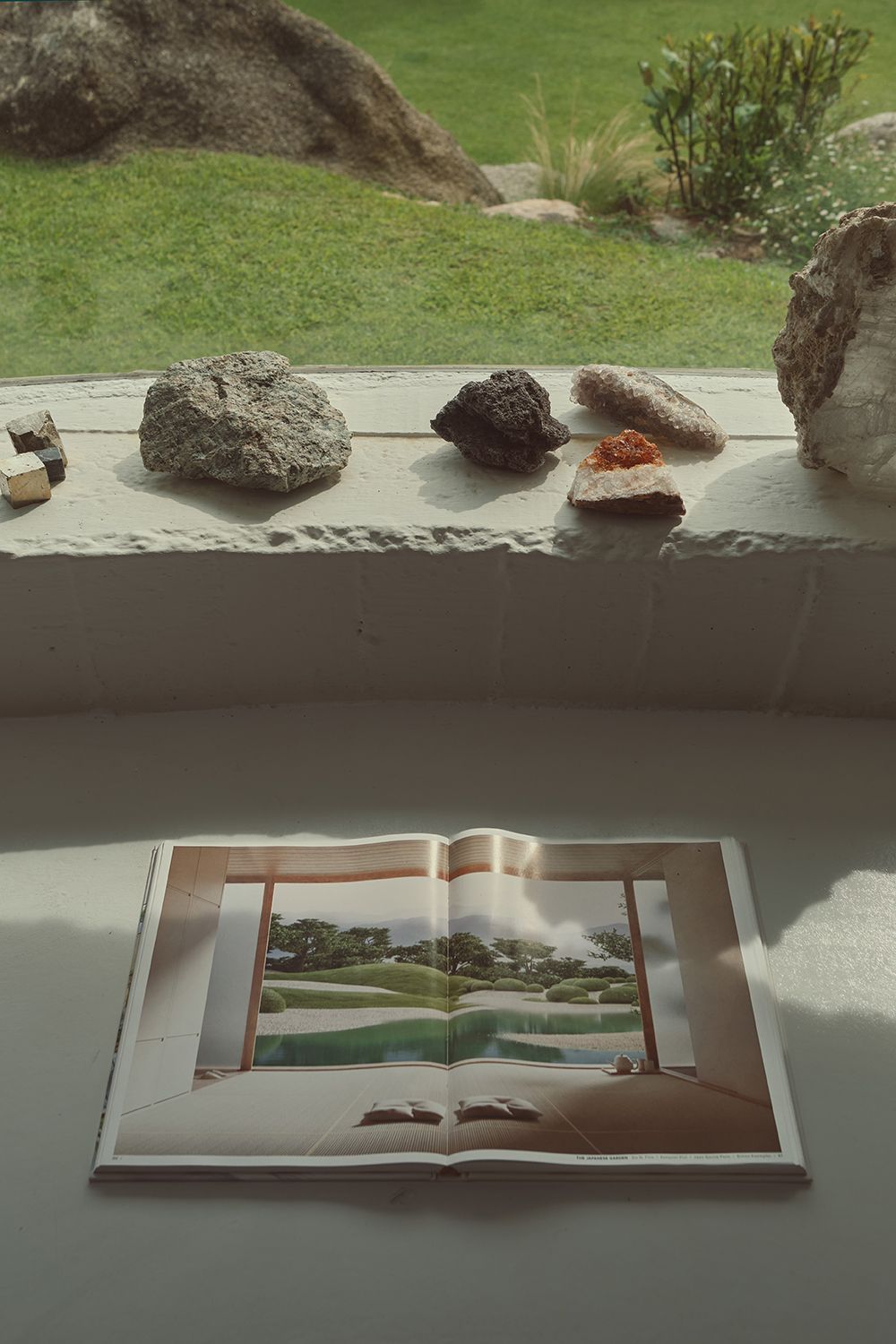
Do you believe this experience could open a new path for digital artists to inhabit and reimagine architectural spaces from a more profound and sensitive perspective?
I truly hope so. I believe digital artists possess a unique sensitivity when it comes to imagining worlds. Bringing those visions into the physical realm can be a way of building new realities — ones that are more emotional, more human.
This project is teaching me that it’s not about choosing between the digital and the real, but about finding a point where they meet. A point that allows us to inhabit in an entirely different way.
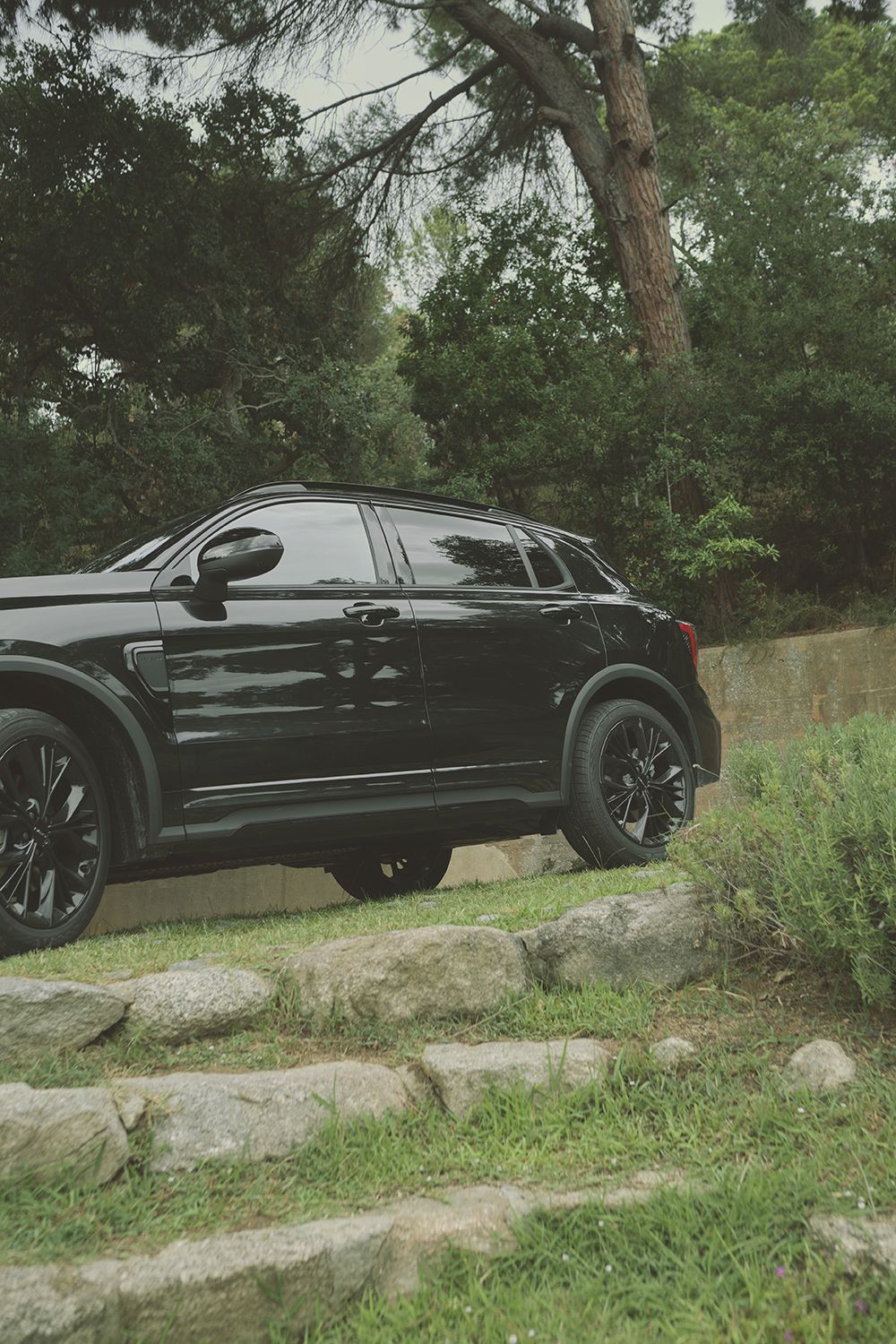
Design, awareness and technology in motion
Our visit to the Casa Semienterrada was also a journey on wheels. We travelled to the Maresme coast aboard the new Lynk & Co 01, a plug-in hybrid that brings together design, efficiency, and technology from its very core. With up to 75 km of fully electric range, this model adapts effortlessly to both city drives and longer getaways.
Design is one of its key distinguishing features: its bold yet elegant silhouette stands out at first glance, while the interior — versatile and comfortable — is designed to enhance the travel experience, with foldable seats, multiple storage compartments, a spacious and practical boot, and even a panoramic sunroof.
On the tech side, the new 01 offers a 15.4-inch screen, 5G connectivity with Wi-Fi hotspot, a smooth infotainment system and over-the-air updates. It also includes advanced safety features such as road sign recognition and lane assistance.
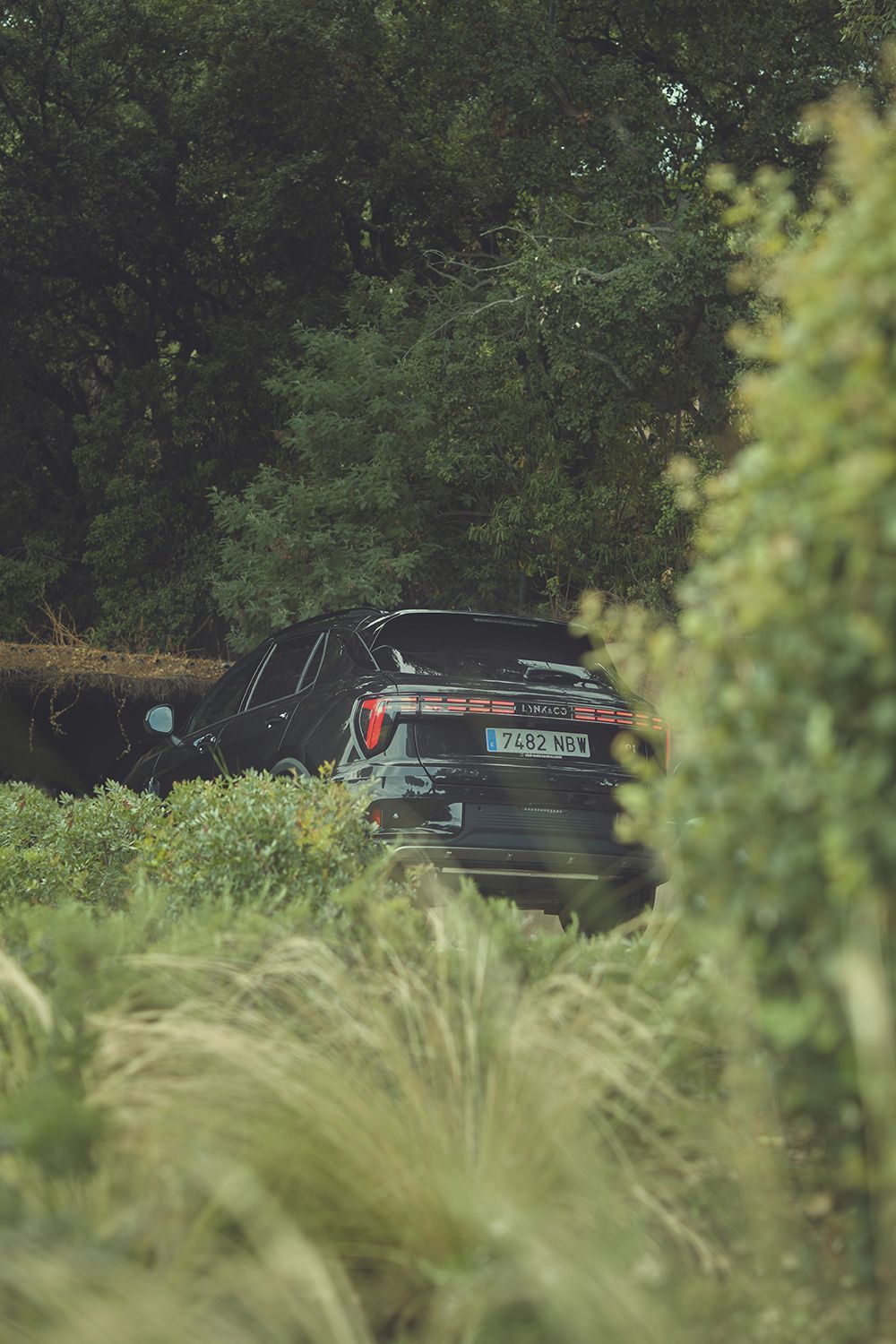
The truth is, we thoroughly enjoyed the drive from the heart of Barcelona to the idyllic landscape of the Maresme region. And just like the name of the new Lynk & Co 01 campaign — “Wonder.Full.” — we believe in travelling with a sense of curiosity, an open mind, and a genuine connection to each place. Have love, let’s travel!
If you’d like to try it for yourself, you can book a free test drive via this link.
(*) Photos: Ely Sánchez (CC/studio). Outfit: Reformation, Arket y Golden Goose.