Walker Evans: the gaze that defined everyday America
KBr Fundación MAPFRE Barcelona revisits the work of the great visual chronicler of the United States in the exhibition “Walker Evans. Now and Then”.
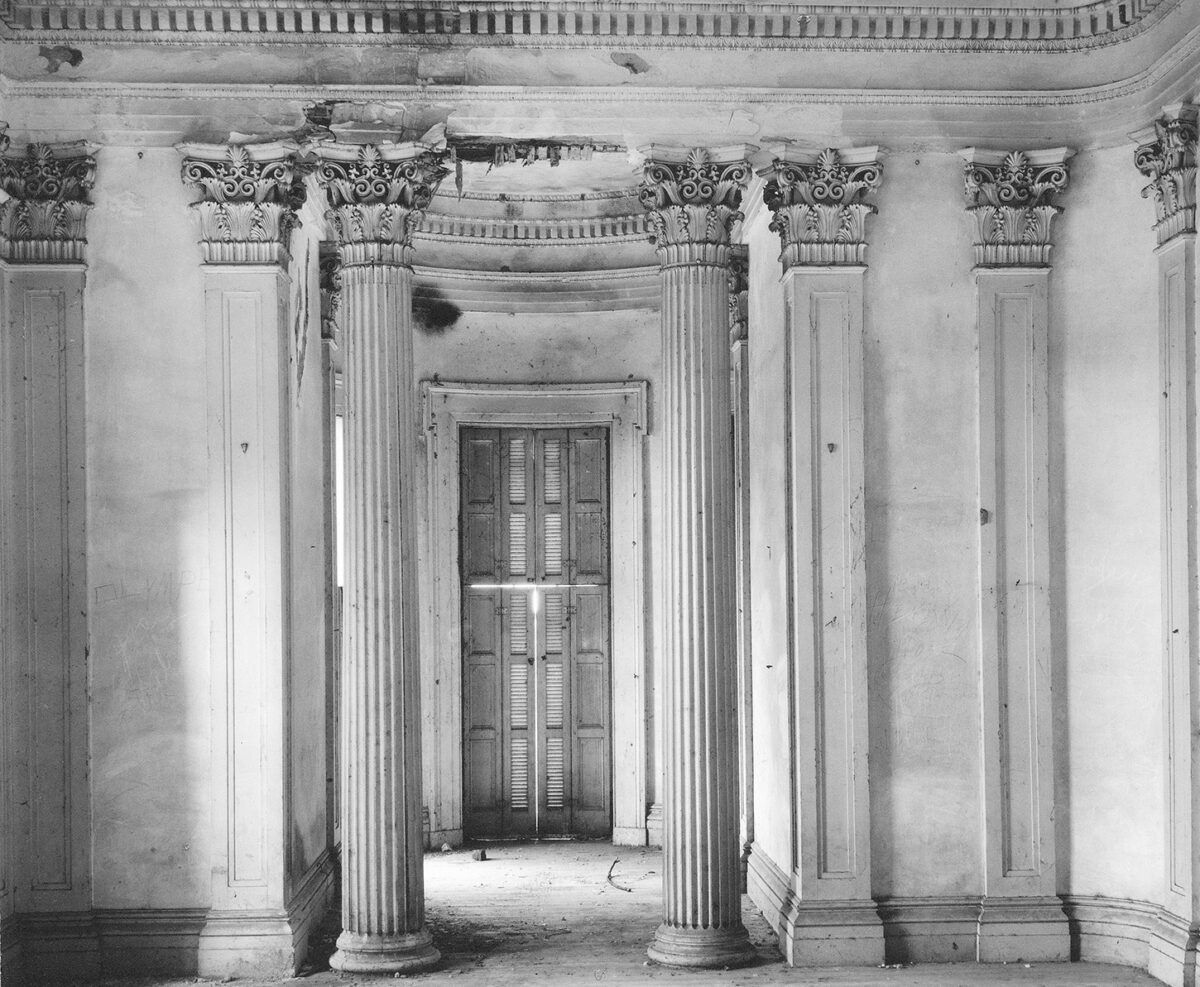
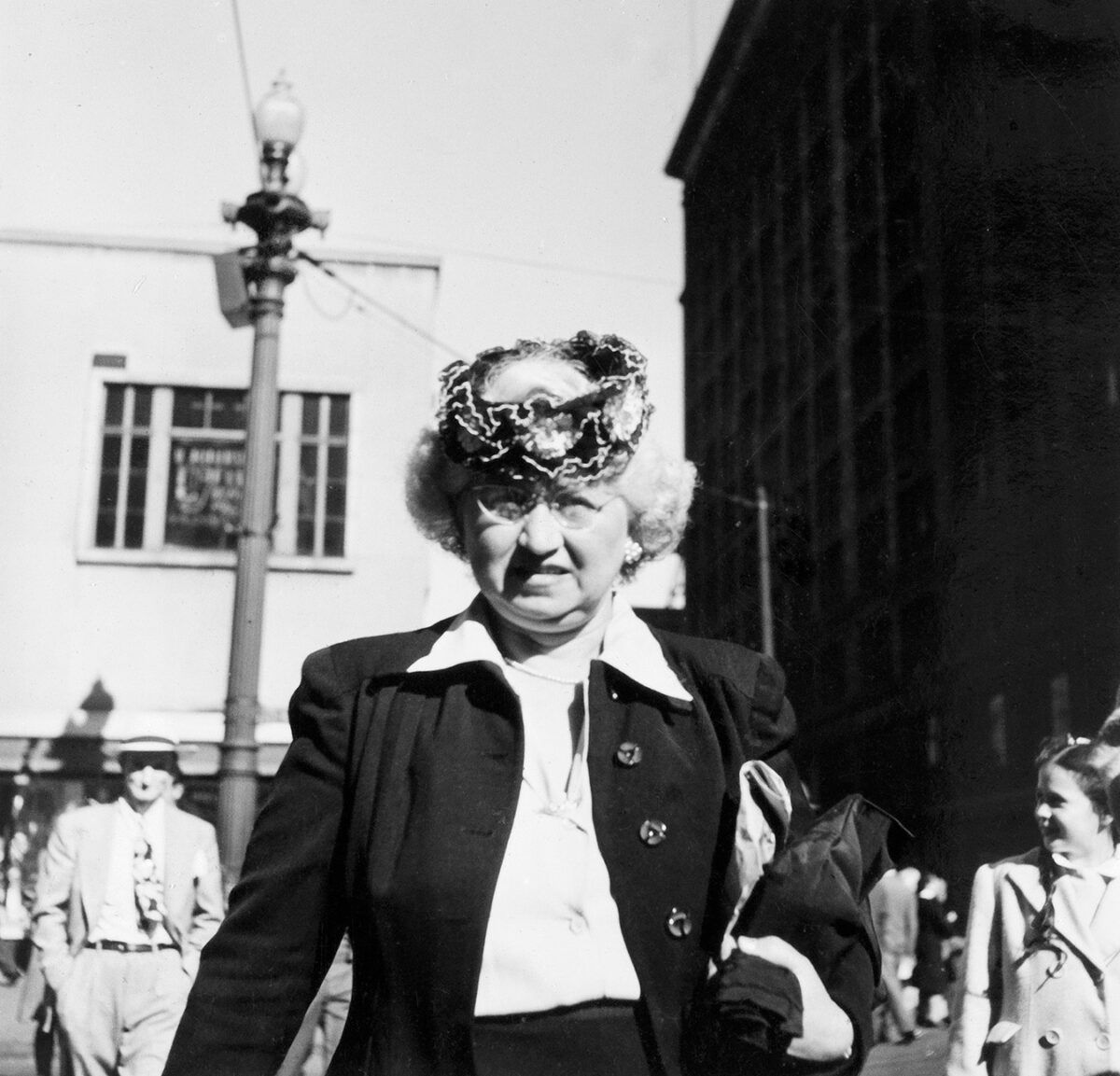
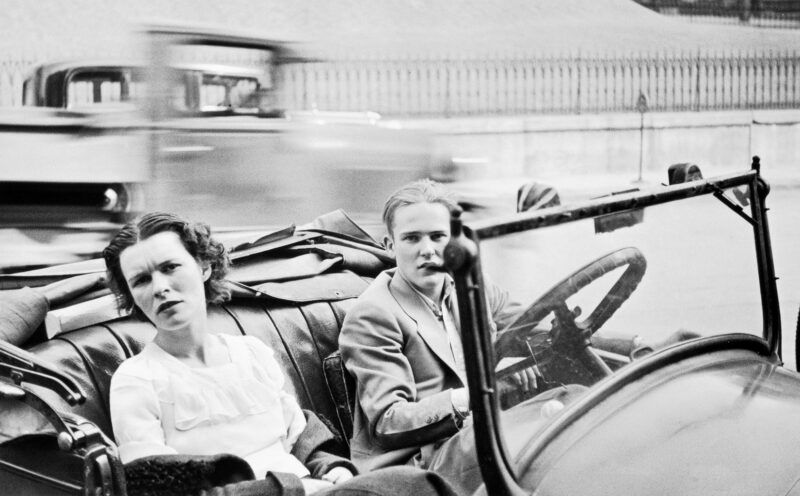
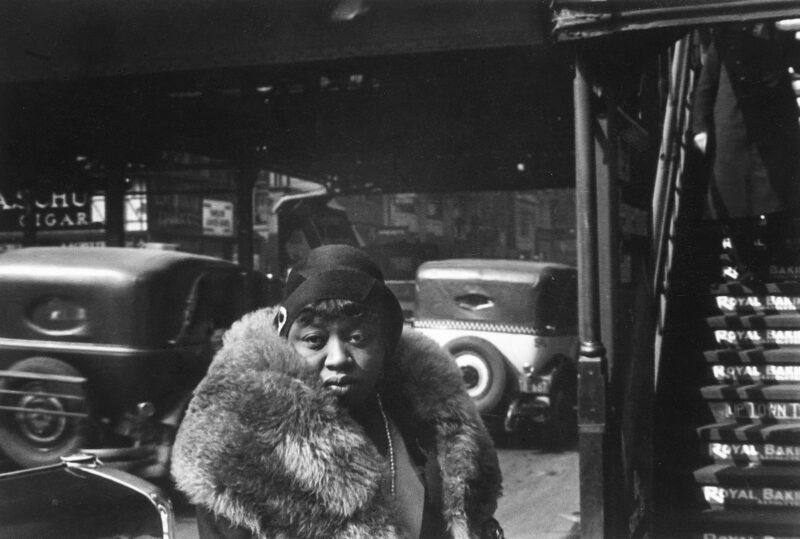
Few figures have influenced the history of photography as profoundly as Walker Evans. His images, seemingly simple, capture with remarkable precision the essence of everyday life in twentieth-century America: railway stations in small towns, improvised shop windows, anonymous workers, or streets suspended in an in-between moment somewhere between tradition and modernity.
The exhibition “Walker Evans. Now and Then”, presented at KBr Fundación MAPFRE in Barcelona, offers a wide-ranging reassessment of his work and his influence on subsequent generations of artists. Curated by David Campany, Creative Director of the International Center of Photography, the exhibition brings together 231 works, including photographs, publications and archival documents spanning more than five decades of Evans’ career.
The result is not merely a historical retrospective, but an opportunity to understand how Evans redefined the language of documentary photography and transformed the way we observe reality.
“Rather than narrating obvious stories, Evans sought to construct precise and open observations.”
A photographer who redefined documentary
Born in 1903 in St. Louis, Evans began his career in the late 1920s after a formative period between New York and Paris.
His early interest in literature — he admired authors such as Charles Baudelaire, Gustave Flaubert and James Joyce — would deeply shape his understanding of the photographic image.
Rather than narrating obvious stories, Evans sought to construct precise and open observations: images capable of suggesting multiple readings. This literary sensibility merged with a direct, austere aesthetic that would ultimately define his style. His reputation was firmly established in the 1930s through collaborations with institutions such as the Museum of Modern Art and through his work for the Farm Security Administration, where he documented rural life during the Great Depression.
The photographs produced during this period now constitute one of the most significant visual archives of American society at that time.
Photography as critical observation
One of the qualities that makes Walker Evans’ work unique is his ability to observe reality with analytical distance while maintaining profound human sensitivity.
Unlike many documentary photographers of his time, Evans avoided dramatising scenes or manipulating the viewer’s emotions. His approach was deliberately restrained: precise compositions, natural light and a frontal gaze that granted dignity to his subjects.
This reflective attitude allowed him to avoid theatricality and to construct a distinctive visual language in which photography functioned both as social document and artistic object.
The signs of the city
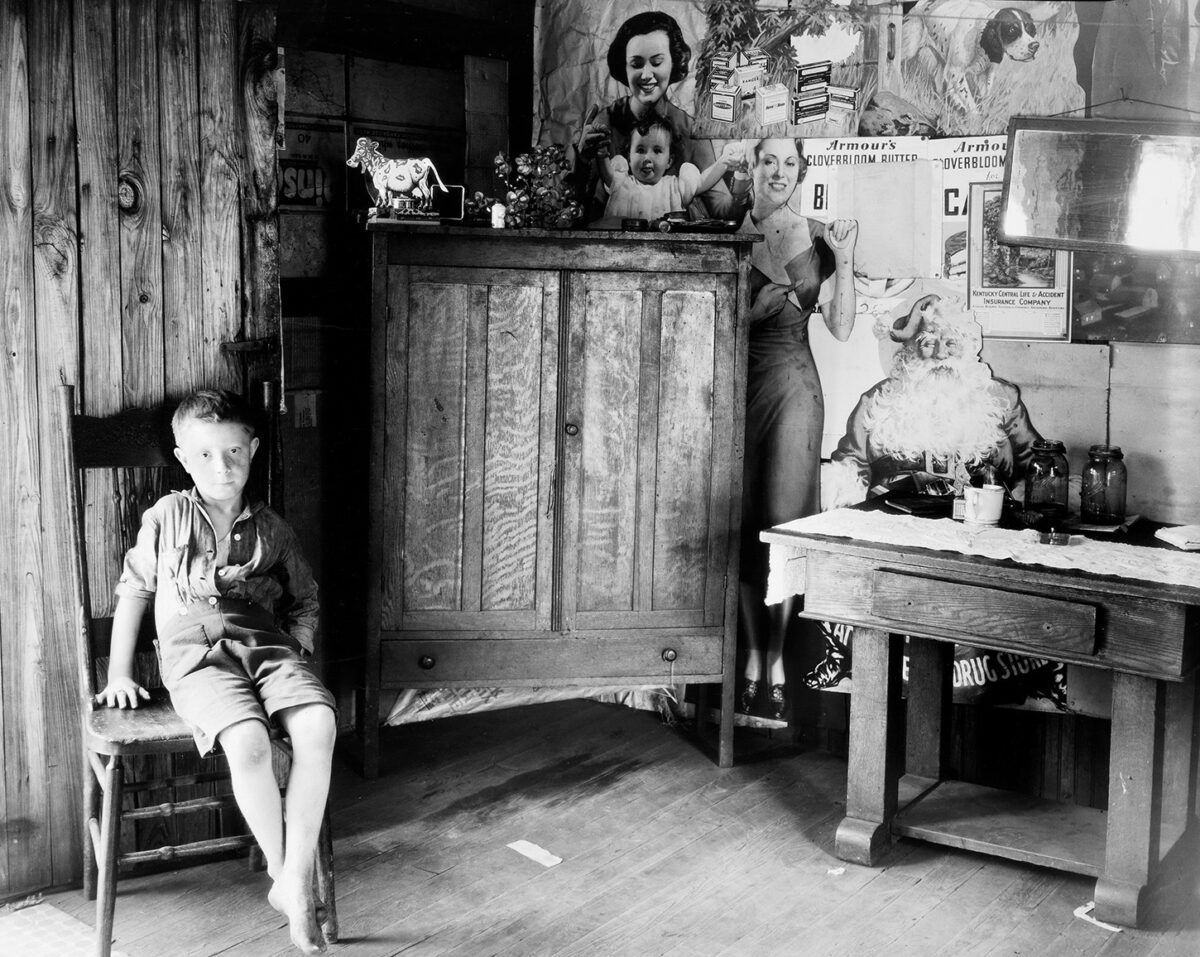
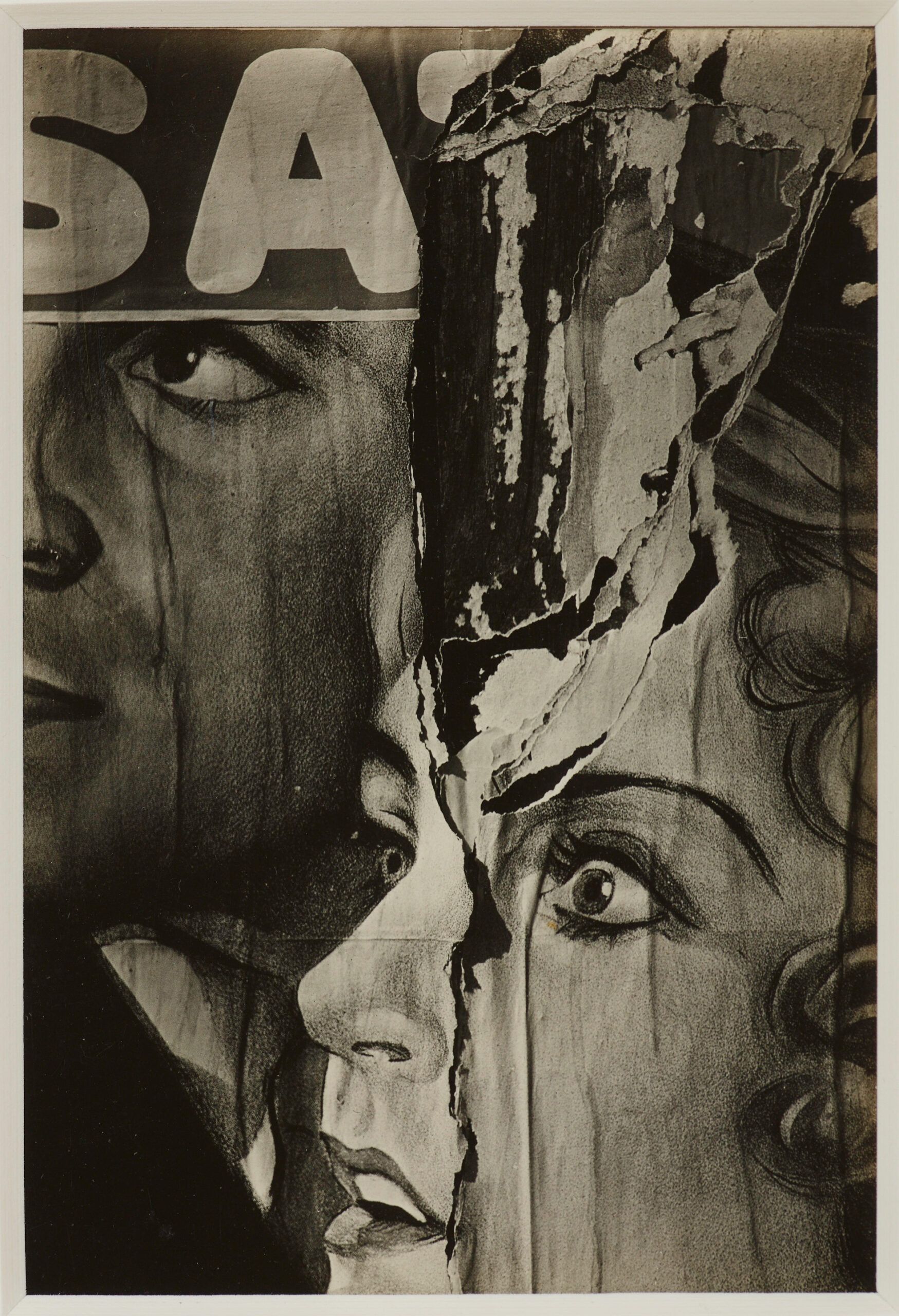
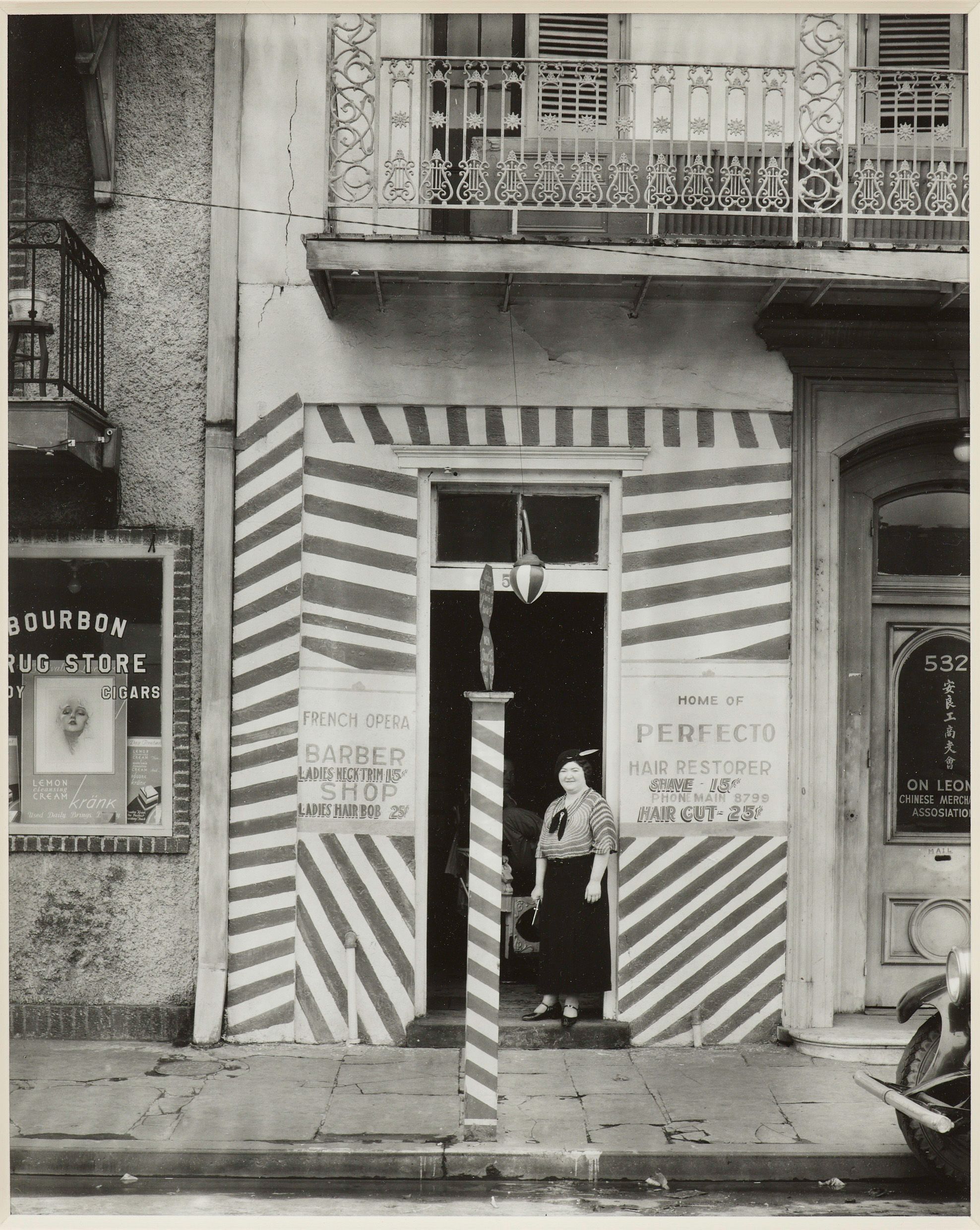
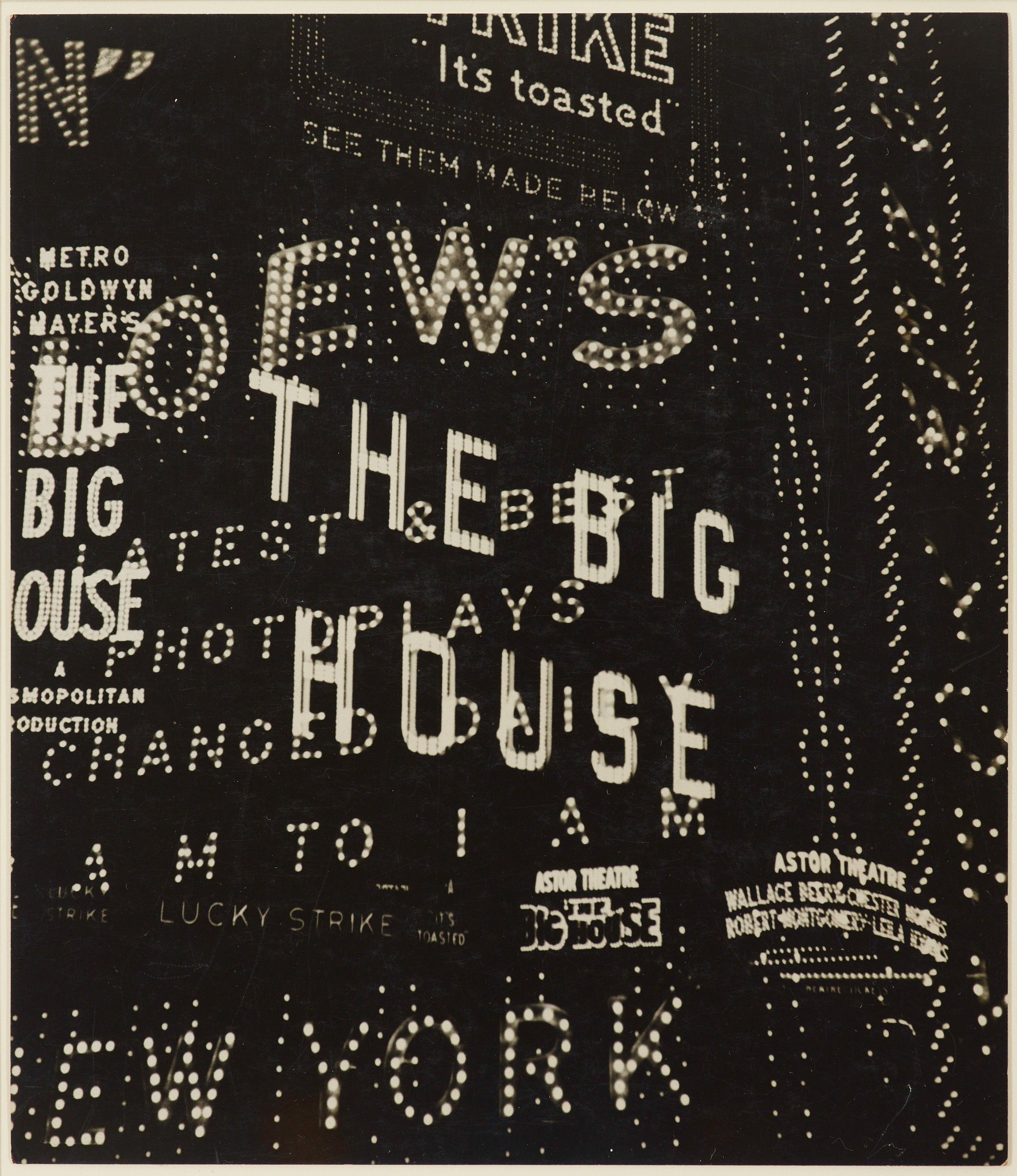
One recurring theme in his work is the presence of urban signs: shopfront lettering, advertising posters, improvised signage and storefront displays that filled the streets of American cities.
While many photographers of his generation avoided these elements because they seemed visually chaotic, Evans incorporated them systematically into his images. For him, these signs represented a form of visual language capable of revealing the values and aspirations of a society.
His photographs explore the relationship between word and image, anticipating debates that would later emerge in movements such as Pop Art and Postmodernism, where popular culture became artistic material.
Portraits of the anonymous
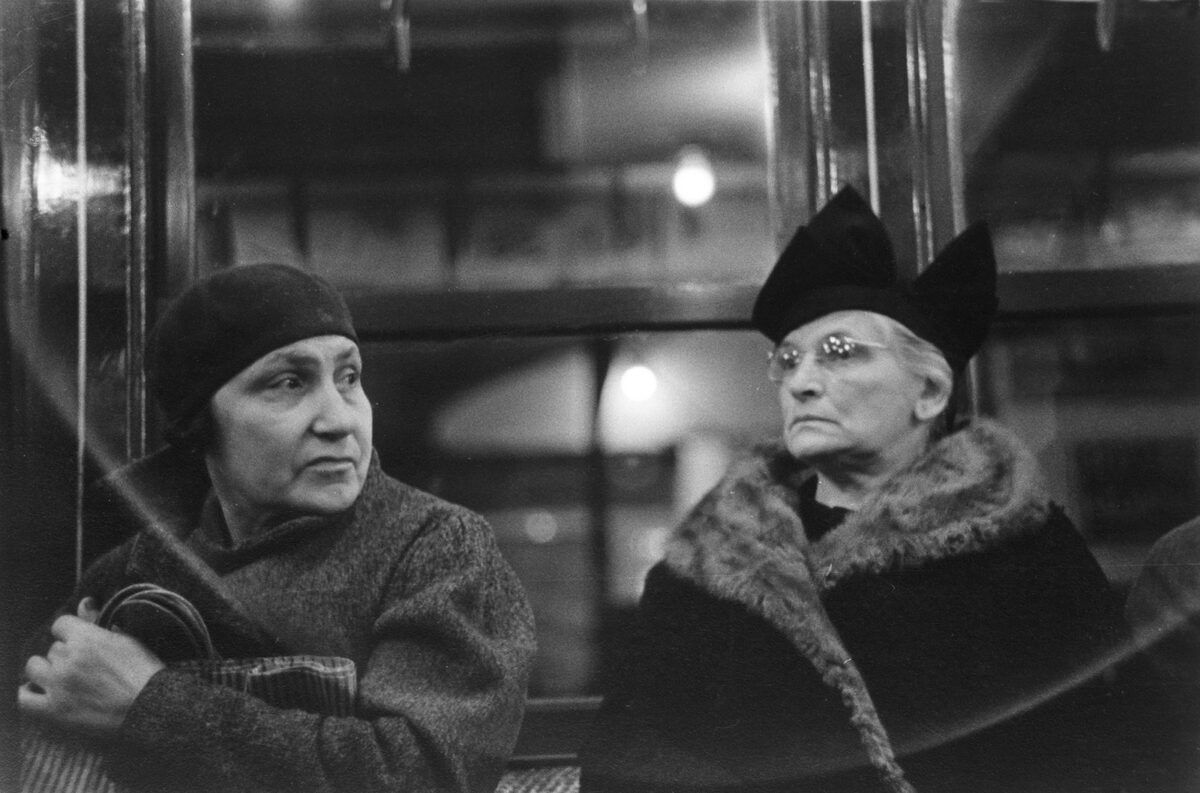
Another constant in his work is his interest in ordinary people. Evans rarely photographed celebrities; instead, he focused his camera on anonymous individuals encountered in the street, in the subway or in small towns.
Using lightweight cameras and a discreet approach, he captured spontaneous scenes of everyday life: New York subway passengers, workers during their daily routines, or bathers on popular beaches.
This attention to the ordinary reflected his conviction that photography should be direct and simple, yet also profoundly lyrical.
America’s small towns
Evans believed that the cultural identity of a country revealed itself more clearly in small towns than in large metropolises.
While big cities tend to homogenise urban experience, smaller towns preserve architectural and cultural particularities that more accurately reflect a society’s character.
For this reason, many of his most iconic images depict railway stations, grocery stores, petrol stations or wooden houses in rural communities. These apparently modest settings become quiet portraits of an America caught between tradition and modernity.
“Using lightweight cameras and a discreet approach, he captured spontaneous scenes of everyday life.”
The project with James Agee
One of the key moments of his career was the project he undertook in 1936 with writer James Agee, documenting the lives of three tenant farming families in the American South.
After living with them for several months, Evans and Agee transformed the material into the book “Let Us Now Praise Famous Men”, published in 1941. The work broke with documentary conventions by presenting the photographs without captions and separated from the text.
The result was a profoundly innovative book that influenced generations of photographers and writers.
Photography, magazines and visual culture
From the 1940s onwards, Evans developed an intense editorial activity in magazines such as Fortune, where he published numerous photo essays analysing American society from a visual perspective.
These projects addressed diverse themes including vernacular architecture, the impact of the automobile on the landscape and the transformation of industrial cities.
His approach combined a critical view of modernisation with a fascination for everyday objects that persisted despite the advance of progress.
From black and white to colour
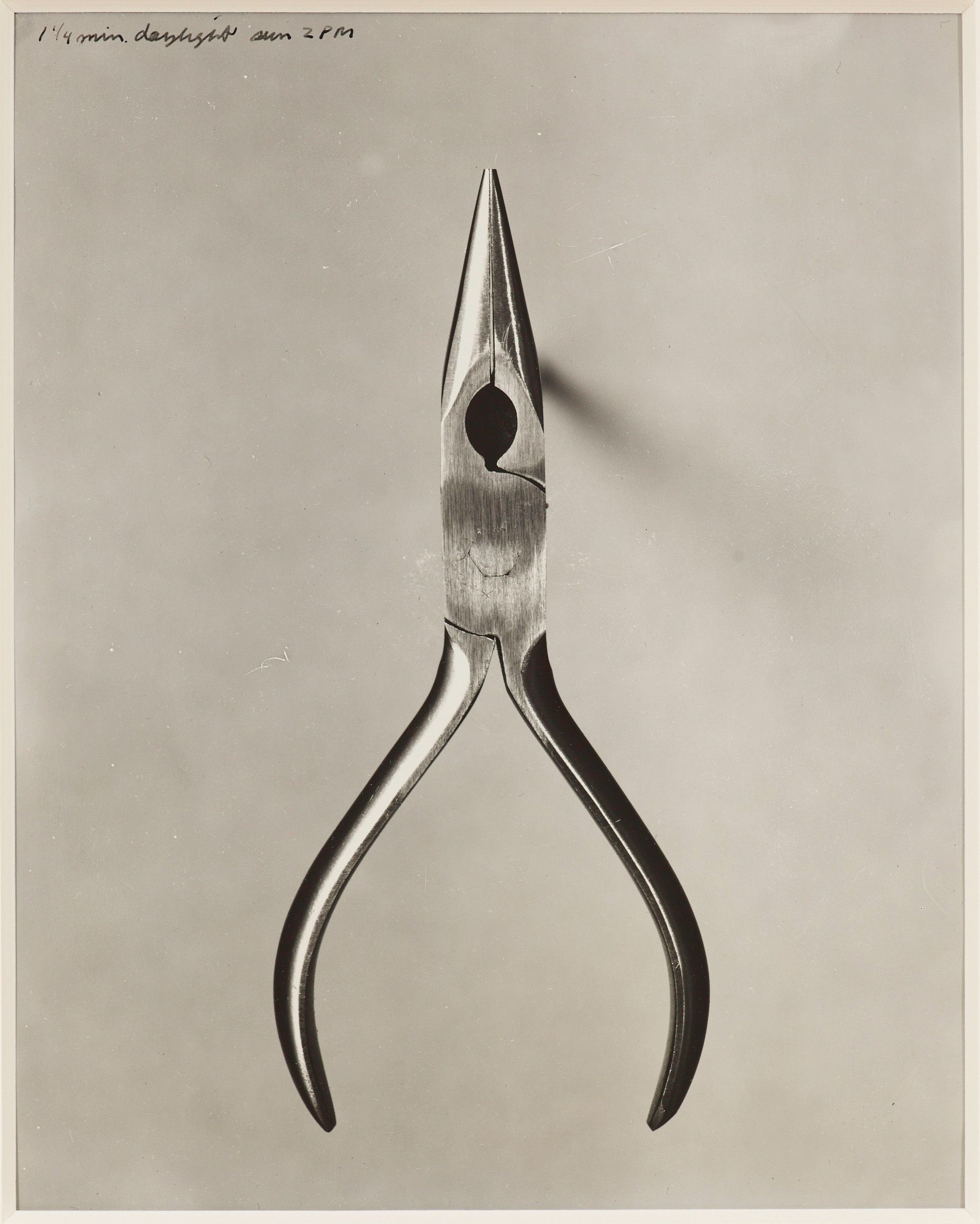
Although most of his work is associated with black-and-white photography, Evans also experimented with colour in the final years of his life.
The exhibition includes some of these lesser-known images, along with his experiments using the Polaroid SX-70 camera, which he employed during the 1970s to revisit recurring themes in his work.
These photographs reveal an artist who continued to explore new technical possibilities even in the later stages of his career.
An exhibition to rediscover Walker Evans
The exhibition organised by Fundación MAPFRE brings together 231 works arranged in twelve thematic sections, allowing visitors to understand the breadth of his practice.
From his early self-portraits in the 1920s to his Polaroid experiments in the 1970s, the exhibition offers a comprehensive journey through a career that redefined the role of photography within contemporary art.
In addition to original photographs, the display includes publications and documents revealing how Evans carefully controlled the way his work reached the public, actively participating in the editing of books, magazines and exhibitions.
A legacy that remains alive
Today, almost half a century after his death, Walker Evans remains an essential reference for understanding documentary photography.
His ability to transform apparently banal scenes into images filled with meaning has influenced generations of photographers and visual artists. More than simply recording reality, Evans taught us how to observe it attentively, discovering in everyday life the clues to understanding a society.
The exhibition “Walker Evans. Now and Then” invites us to do precisely that: to look again at the images that defined an era and to discover how they continue to resonate with the present.
(*) Photos: © Walker Evans Archive, The Metropolitan Museum of Art. Provided by KBr Fundación MAPFRE Barcelona.