Interview with Dr Javier Cortés, Director of the Fundación Contigo
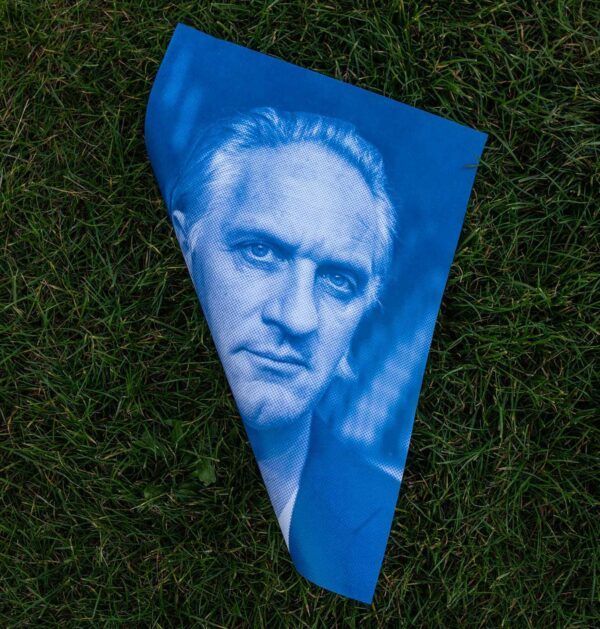
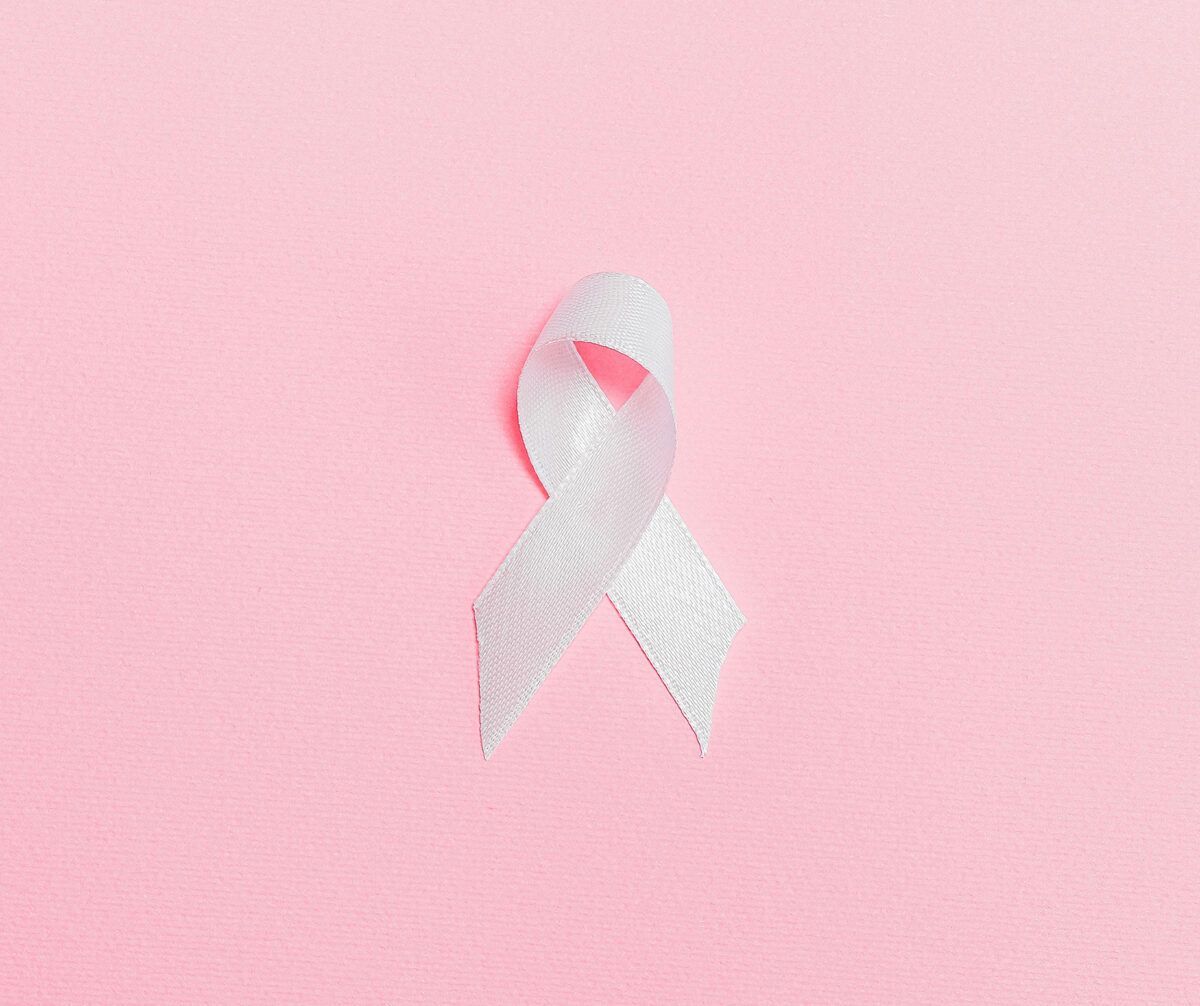
Every 19th of October, we mark International Breast Cancer Awareness Day — a key moment to raise visibility, encourage awareness, and strengthen our collective commitment to research, prevention and support. To mark the occasion, CC/magazine publishes a conversation with one of the most respected voices in the field: Dr Javier Cortés, an international reference in breast cancer treatment and president of the Fundación Contigo.
Throughout this interview, Dr Cortés reflects on how the medical approach to breast cancer has evolved over the past decade, the crucial role of precision medicine, the impact of early diagnosis, the myths that still persist, and the importance of emotional support, civic involvement and scientific research as pillars of both present and future progress.
A rigorous and deeply human testimony that invites us to look at breast cancer through a lens of hope, science and real commitment. Read on.
Dr Cortés, you are one of the most recognised voices in breast cancer research and treatment. How has the medical approach to this disease changed over the past 10 years?
Thank you very much for your kind words.
The approach has essentially changed in three key ways. First, early detection and breast cancer screening are being carried out more frequently and more effectively, which means we’re diagnosing tumours earlier — and therefore curing more of them.
Secondly, there’s been the introduction of new therapeutic strategies, particularly the use of immunotherapy, especially for triple-negative breast cancer.
And thirdly, we now have a better understanding of the molecular biology of cancer, which allows us to deliver more precise treatments, targeting the “Achilles’ heels” of many tumours.
Today, there’s a lot of talk around personalised medicine. What role does it play in the treatment of breast cancer, and what progress has been made because of it?
Precision medicine, or what some call personalised medicine, has played a decisive role in improving breast cancer treatment. Personally, I prefer the term “precision medicine” because, from my point of view, medicine should always be personalised.
“Precision medicine has played a decisive role in improving breast cancer treatment.”
What do we mean by precision medicine? It essentially means gaining a better understanding of tumour biology — identifying the specific alterations present in each tumour — and thus being able to offer treatments that are more likely to be effective. This has three major benefits: 1) more accurate treatment delivery; 2) fewer side effects, as we avoid giving unnecessary treatments; and 3) reduced healthcare costs, since many of these therapies are extremely expensive
In terms of prevention, what habits, check-ups or warning signs should women be aware of to detect breast cancer early?
The most important thing is not to forget the importance of screening, particularly mammography, a technique that has proven to reduce mortality. The earlier a tumour is diagnosed, the more effective the treatment.
It’s important to remember that most breast cancers are diagnosed asymptomatically. Some warning signs include: a lump in the breast, retraction of the areola, nipple or breast skin, bleeding from the nipple, or a lump under the arm. These signs should prompt a visit to the doctor to determine whether it’s breast cancer or a benign condition.
“It’s important to remember that most breast cancers are diagnosed asymptomatically.”
At Fundación Contigo, you promote a model focused on excellence in research and patient support. What sets your work apart from other organisations?
First, I’d like to say that all foundations play an important role, and together we contribute to improving diagnosis and prognosis for many diseases — in this case, breast and gynaecological cancers.
Fundación Contigo has three key features that make it unique: 1) it is entirely research-focused; 2) it exclusively investigates tumours specific to women: breast cancer, ovarian cancer, cervical cancer, uterine cancer, vaginal cancer, etc; 3) we strive to minimise overheads — that is, the administrative and operational costs associated with research projects. Everything we save is reinvested into research.
Another important aspect is that research project leadership must remain in Spain. We are absolutely open to international collaborations, but the lead institution must be Spanish.
The word “diagnosis” is often one of the most difficult to hear. What would you say to someone who has just received one and doesn’t know how to face it?
Receiving a cancer diagnosis is always a shock. It’s a huge emotional blow, and I believe it should be approached from several angles.
The first is trust — trust in your medical team, in the healthcare system. With all its flaws and strengths, we are there for our patients, doing our best.
Second, I’d emphasise that most cancers today can be cured. It’s true that not all can be, and that we still have a long way to go, but we must try to approach the situation with realistic optimism.
Third, I strongly recommend seeking a second opinion. It’s essential when facing such a major diagnosis.
And finally, seek psychological support — professionals such as psycho-oncologists can play a key role during the treatment process.
What would you say are the most common myths or misconceptions that still exist around breast cancer?
The first myth is that cancer equals death — and that’s no longer true. Sadly, too many women still die from breast cancer, and every death is a failure. Until that number reaches zero, we can’t lower our guard. But I must stress: breast cancer does not equal death in most cases.
“The first myth is that cancer equals death — and that’s no longer true.”
The second myth involves alternative treatments. These are not helpful. There are complementary therapies, and some — like physical exercise — can support classical treatment and even improve outcomes. A healthy diet and lifestyle can also help ease symptoms.
The third myth is that treatment is the same everywhere. It isn’t. As in all professions, there are better and worse professionals, and this is why second opinions are so important.
The last myth is that cancer must always be treated in a public hospital. That’s also mistaken. There are excellent public hospitals and excellent private hospitals. What matters is the professionals — not the building.
Research is a long-distance race. In which areas do you expect to see the biggest breakthroughs in the coming years?
I believe we’ll see important advances across all areas, but if I had to highlight one, it would be early detection of relapses.
“Among the most important advances, I’d highlight the early detection of relapses.”
There’s a great deal of promising work being done in liquid biopsies, which could help us detect relapses even before they become visible through standard imaging techniques.
The second big advance will be the continued optimisation of treatments. Eventually, we’ll be able to cure the same number of patients using fewer and less aggressive treatments — that means curing just as many people, but with fewer side effects.
And without a doubt, in the future, many women will no longer die from breast cancer.
How can civil society contribute to the fight against breast cancer in a meaningful, everyday way?
There are many ways people can contribute. One is by sharing accurate information — spreading awareness whenever there’s an important development or discovery.
Another is financial support, within each person’s means. Becoming a member of a foundation is key — even if it’s just the cost of two coffees a month. Having consistent funding allows us to plan long-term research.
What role do emotions, family support or psychological care play in treatment and recovery?
Humans are social beings — we live surrounded by others — and our environment is essential, not just for cancer treatment, but for everything in life.
It’s well documented that patients with strong family support and emotional wellbeing often have better outcomes.
Finally, if you could send just one message to all our readers, what would it be?
Trust. Trust in the Spanish healthcare system, trust in research, trust in the future of cancer care, and above all, trust in the professionals behind the fight against breast cancer — because we won’t stop until mortality is reduced to zero.
“We won’t stop until mortality from breast cancer is reduced to zero.”
Support Fundación Contigo by becoming a member.