The art of seeing the invisible: Duane Michals and his photographic legacy
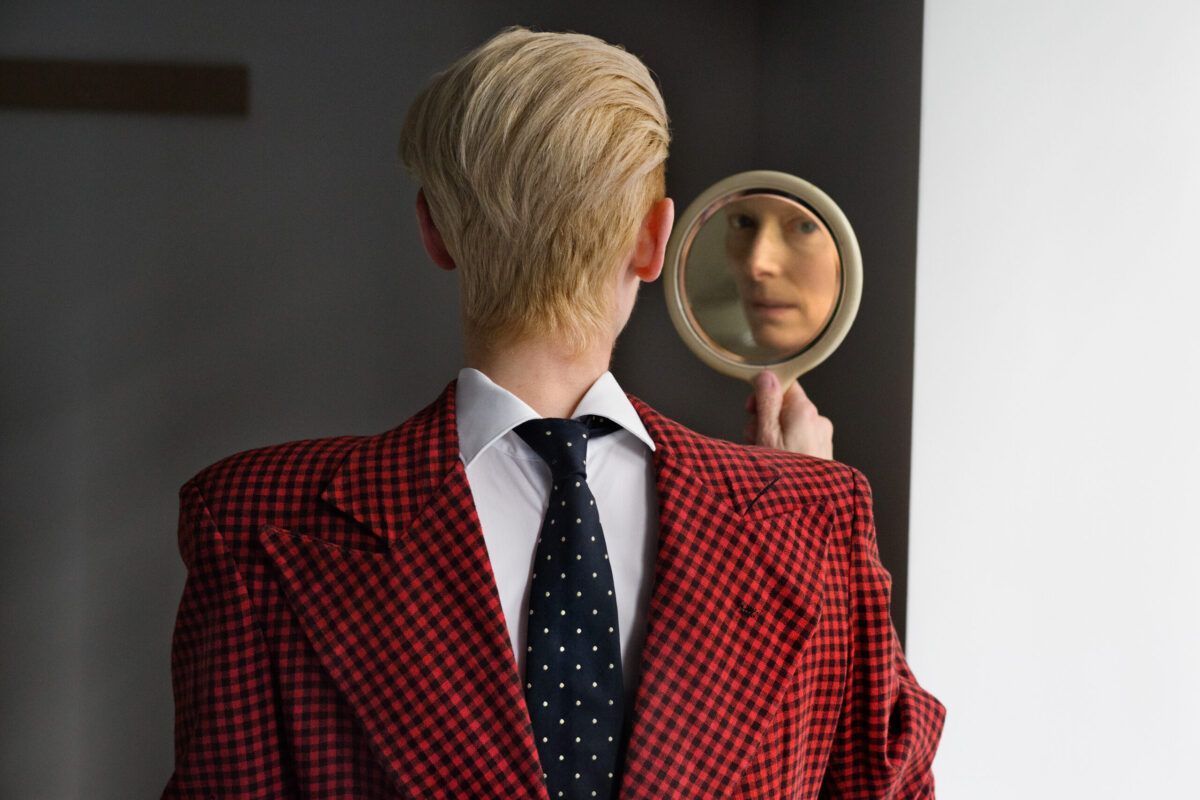
After visiting the exhibition dedicated to Duane Michals at Fundación Canal in Madrid, at CC/magazine we knew we had to pay tribute to this photographer who, at 93, remains active, curious and radically creative. His work, straddling visual poetry, philosophy and irony, has made Michals a unique and unrepeatable figure in the history of contemporary photography.

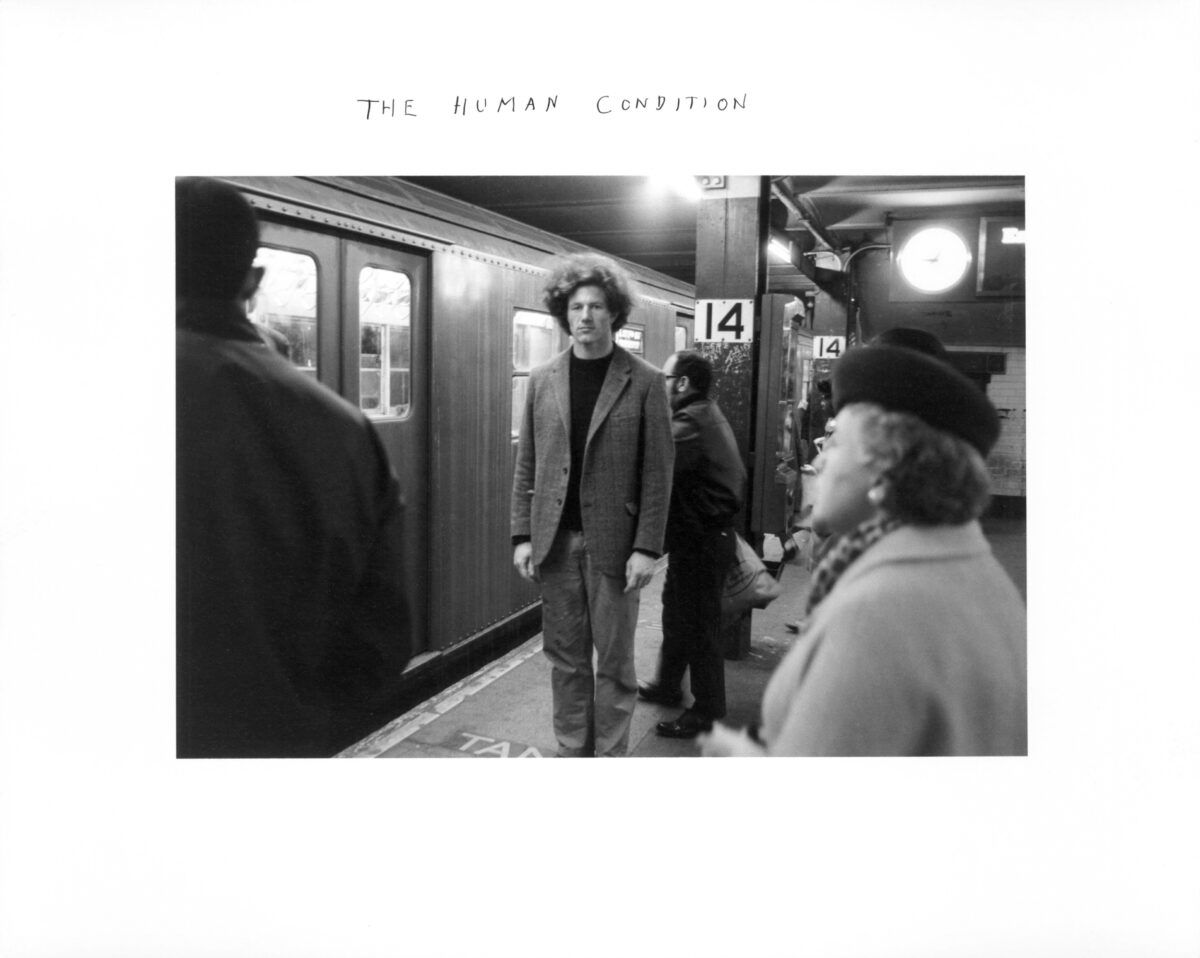
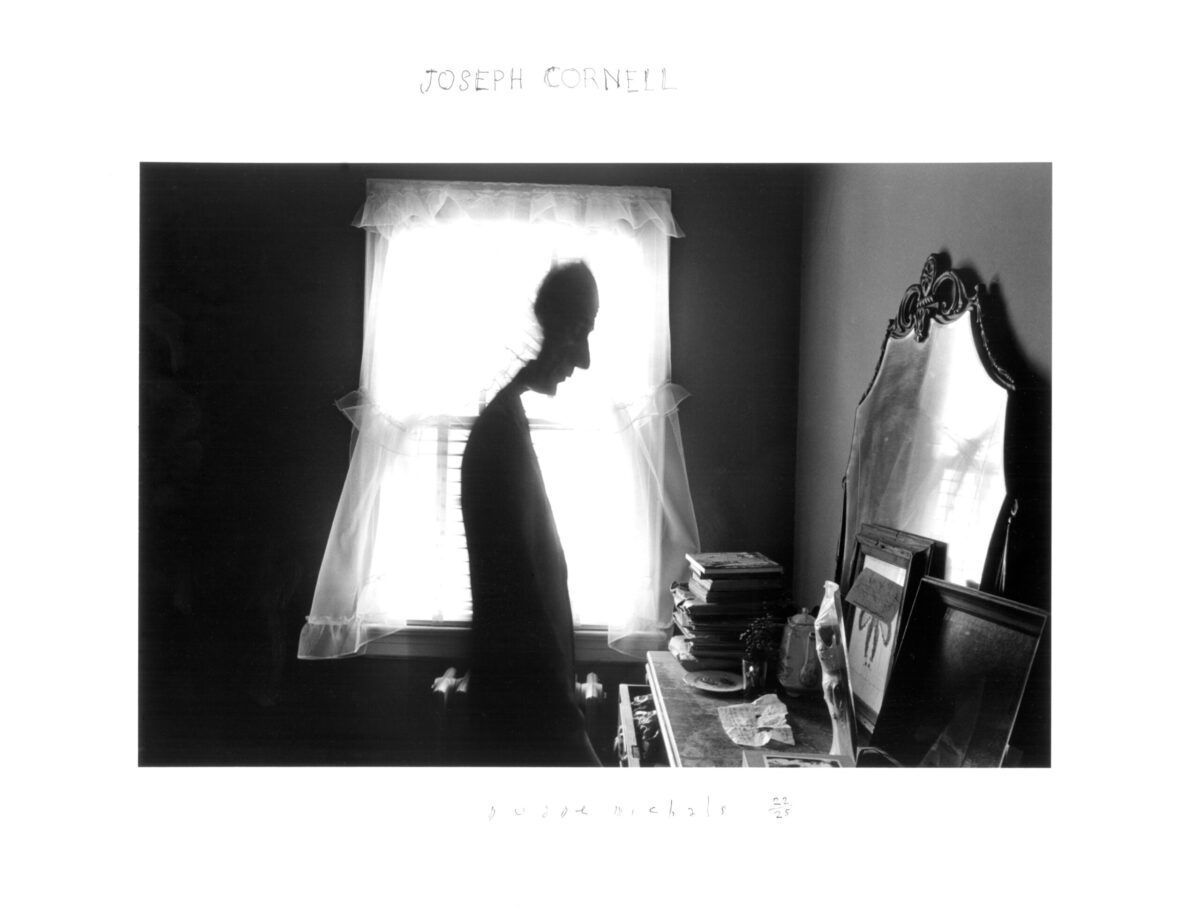
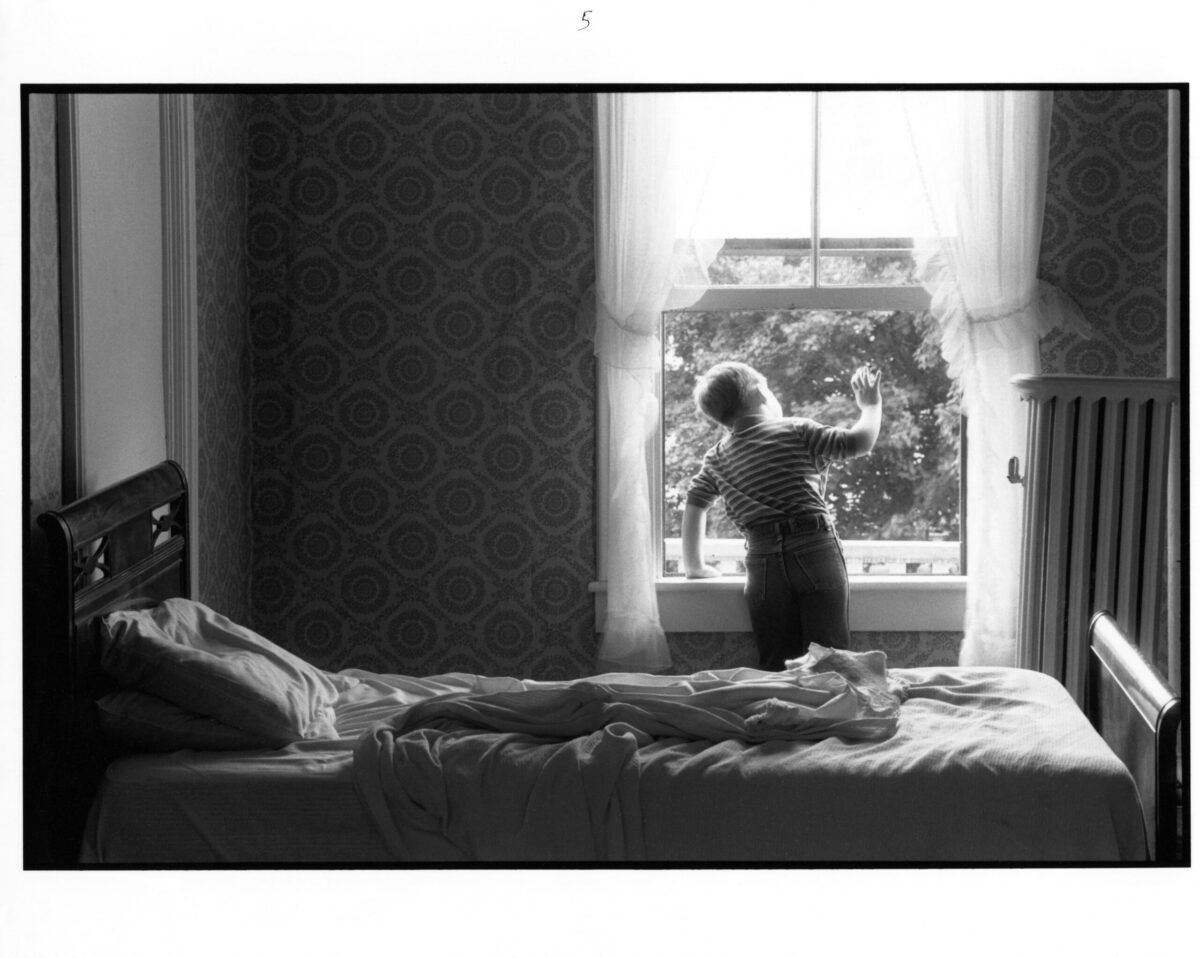
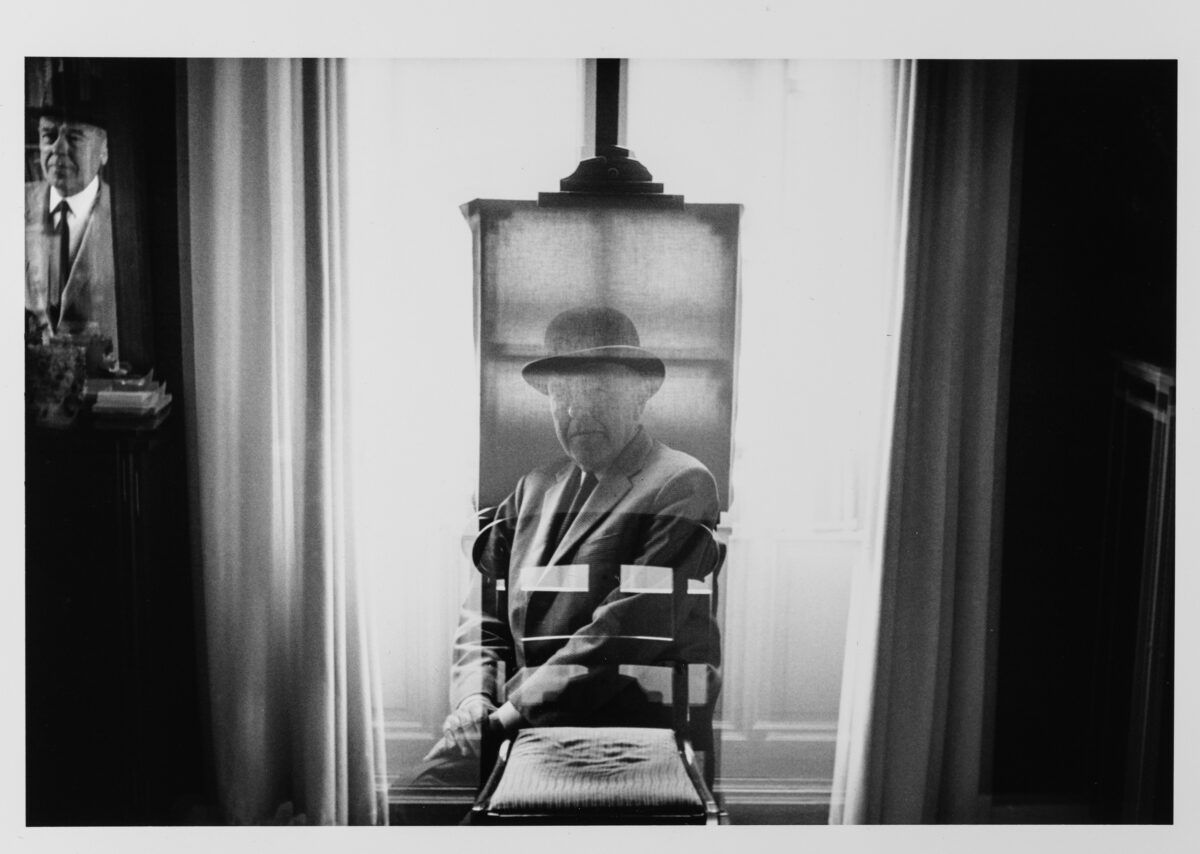


Michals does not simply record what happens in front of his camera. His photographic sequences, handwritten texts and countless exhibitions demonstrate that photography, in his hands, becomes a medium for exploring time, spirituality, love, identity and human fragility.
An innovator since the 1960s
Born in McKeesport, Pennsylvania, in 1932, Michals stumbled into photography almost by chance, but quickly discovered in it the perfect vehicle for his intellectual and artistic concerns. In the 1960s, when the discipline was dominated by photojournalism and documentary objectivity, he chose another path: manipulating the medium to tell stories.
His photographic sequences — inspired by cinema — became a true revolution: small visual narratives in which time unfolds across multiple images, where the poetic, the tragic and the humorous coexist in harmony. To this he added another radical gesture: writing directly on the photograph, imbuing it with an intimate and literary voice.
Time, the invisible and irony
If there is one defining trait in Michals’ work, it is his ability to photograph the intangible. From the imperceptible movement of a strand of hair in the wind to the representation of a spirit leaving the body, his images play with the visible and the invisible.
In recent interviews, the photographer has admitted to remaining fascinated by the mystery of existence, death and spirituality — themes present since his earliest books such as “Death Comes to Your Lady” or “The Spirit Leaves the Body”. Yet far from solemnity, Michals approaches them with subtle humour, light irony and radical humanism.
“Failure is liberating. Being creative is doing what you’ve never done before.” Duane Michals
A life in images: from portraits to sequences
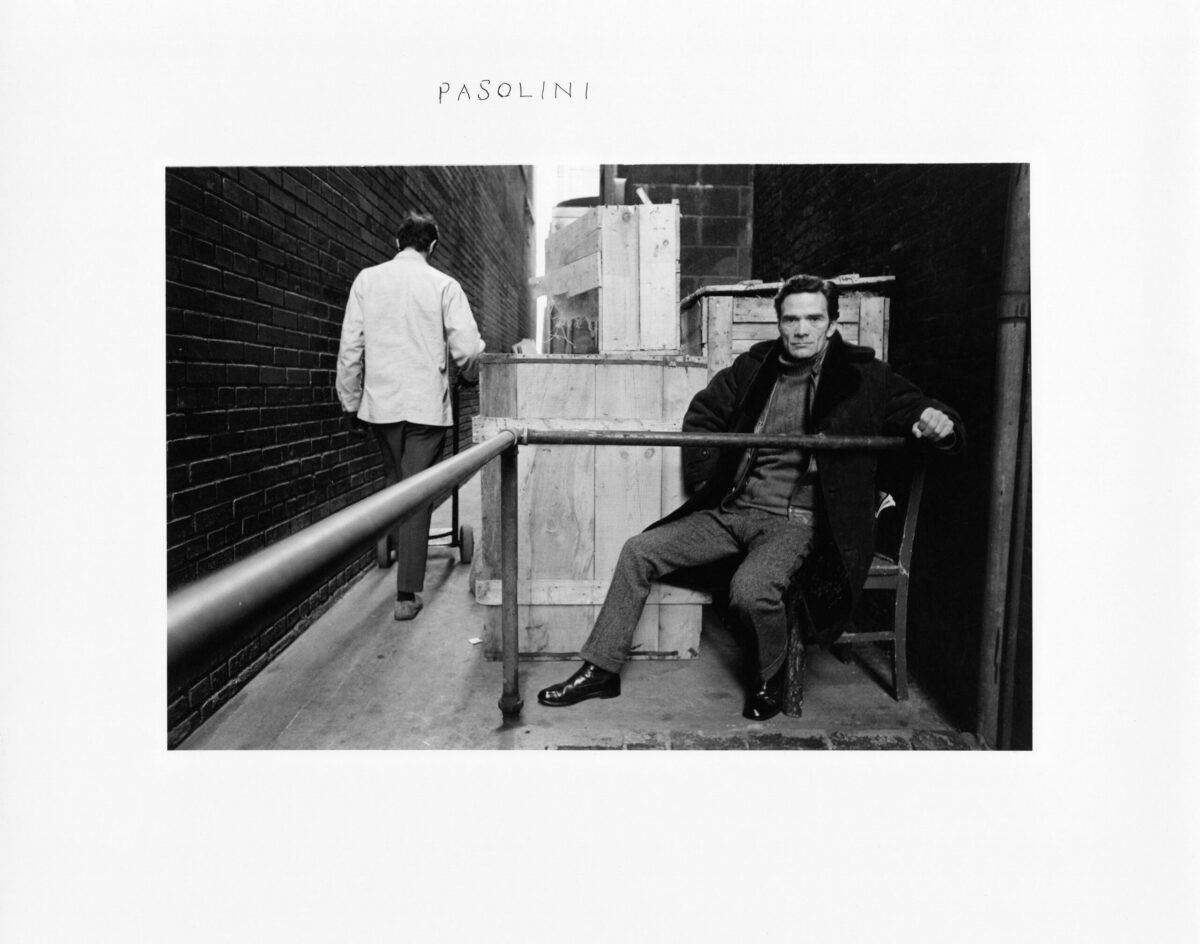
His career includes iconic portraits of figures such as Andy Warhol, Pier Paolo Pasolini, René Magritte, Barbra Streisand, Meryl Streep, Tilda Swinton, Marcel Duchamp, Salvador Dalí, Truman Capote, Johnny Cash, David Hockney and Leonard Cohen.
However, Michals never wanted to become a celebrity photographer. His portraits avoid glamour, seeking instead to decontextualise the subject — placing them in strange or intimate scenarios that reveal their vulnerability.
At the same time, his personal work expanded through more than forty monographs and numerous international exhibitions. From his first solo show at MoMA in 1970 to recent retrospectives at the Carnegie Museum of Art or the Hasselblad Center, Michals has been recognised as one of the great innovators of the 20th century.
Michals’ philosophy: never repeat, always take risks
For Michals, creativity feeds on risk and failure. “Failure is liberating,” he states. “If you know what you are doing, then you are not creative. Being creative is doing what you’ve never done before”.
His advice to generations of photographers has always been the same: 1) Do not show what we already know (pretty landscapes, sunsets); 2) Do not repeat formulas y 3) Use imagination more than your eyes.
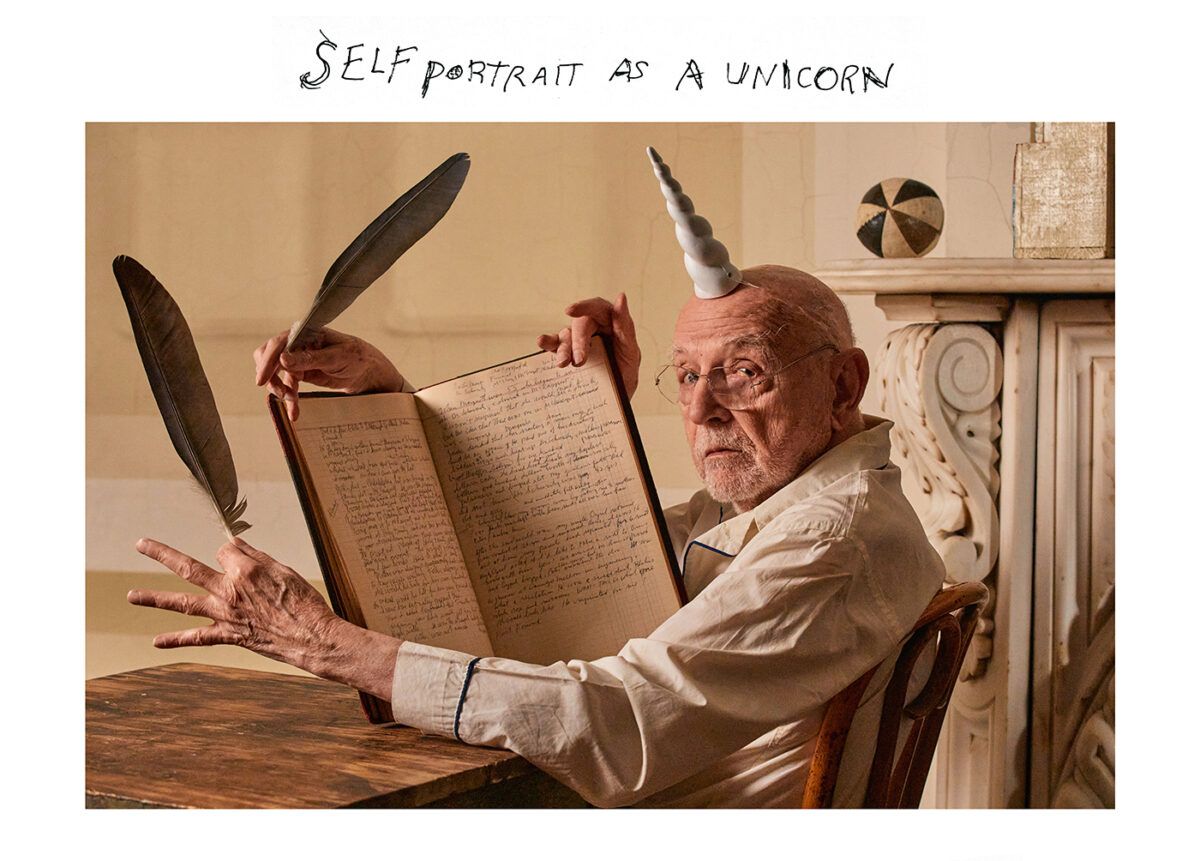
This philosophy explains why, at 93, he continues to produce — now in the form of short weekly films he shares on Vimeo, or visual experiments in which he turns himself into a tree, a ghost or a fantastical character.
Love, identity and freedom
Michals, openly gay at a time when homosexuality was taboo, has always treated love and desire with naturalness and beauty in his work. Series such as The Most Beautiful Part of a Man’s Body explore male sensuality without falling into clichés, while other sequences celebrate love as an act of surrender and identification with the other.
His own life is also an example of coherence: he never had an agent, never wanted to run a large studio, nor turn himself into a business. “I didn’t want to be Avedon. I just wanted to be free and have enough money to keep creating”, he recalls.
Between the commercial and the personal
Although Michals collaborated with magazines such as Vogue, worked on fashion campaigns and even created album covers (including one for The Police), he always maintained a delicate balance between commercial commissions and his personal work. “I liked making money, of course. But those jobs paid for my freedom to do what I really wanted: my sequences”, he admits.
An irreplaceable voice in the history of photography
The importance of Duane Michals lies not only in his formal innovations, but also in having turned photography into a philosophical and poetic language.
For him, everything is photographable: fear, anger, dreams, ghosts. “Stop using your eyes and start using your imagination”, he insists to young photographers.
Today his archive is part of the Carnegie Museum of Art, and his works hang in institutions such as MoMA, the Metropolitan Museum of Art in New York, the Getty, and the Moderna Museet. Yet what remains most fascinating is that, despite this recognition, Michals retains the curiosity of a child and the irreverence of an outsider.
Duane Michals today: 93 years of unstoppable creativity
In 2025, Michals remains active and lucid. He has published more than forty books, received awards such as the ICP Infinity Award and the International PhotoEspaña Prize, and continues to marvel at the unknown.
“I don’t want to live to a hundred, but I am very intrigued by what happens when you die”, he says with humour and serenity. That same curious and provocative spirit permeates each of his works — a reminder that photography, in the hands of a visionary, can be far more than an image: it can be a mirror of life, time, and the invisible.
“Stop using your eyes and start using your imagination.” Duane Michals
The legacy of Duane Michals is immense, but what is truly remarkable is his present. At 93, he continues to create with the same freedom and risk as when he began in the 1960s. His work reminds us that photography does not have to be limited to showing the obvious: it can invent worlds, poetise reality, and question the invisible.
(*) Photographs courtesy of DC Moore Gallery. Cover photo: Mr. Backwards Forwards (Tilda Swinton), 2016; fixed slider 1: The Spirit Leaves the Body, 1968; fixed slider 2: The Illuminated Man, 1968; slider 1: Self Portrait as a Unicorn, 2022; slider 2: Dr. Heisenberg’s Magic Mirror of Uncertainty, 1998; slider 3: The Human Condition, 1969; slider 4: Joseph Cornell, 1972; slider 5: Grandpa Goes to Heaven, 1989; slider 6: Magritte with Easel, 1965; slider 7: Pier Paolo Pasolini, 1969.