El Willy Hi-Fi: the listening bar redefining Madrid’s nightlife
Vinyl records, acoustic design, signature cocktails and a new way of understanding nightlife converge at El Willy Hi-Fi, a new venue in Madrid’s Justicia district that connects the city with the growing international culture of listening bars.
In recent years, the relationship between music, design and hospitality has quietly begun to transform. In contrast to the accelerated logic of many nightlife spaces — excessive volume, fast consumption and constant stimulation — a new generation of bars has emerged where sound regains its central role and listening becomes almost a cultural experience.
Listening bars and hi-fi bars are currently experiencing one of their greatest periods of international expansion. From Tokyo to New York, via London, Paris and Milan, these spaces have redefined the way people go out, listen to music and relate to their surroundings. Madrid, little by little, is beginning to develop its own scene too.
Designing through sound
At El Willy Hi-Fi, music isn’t added at the end of the decorative process — it forms part of the architecture from the very beginning.
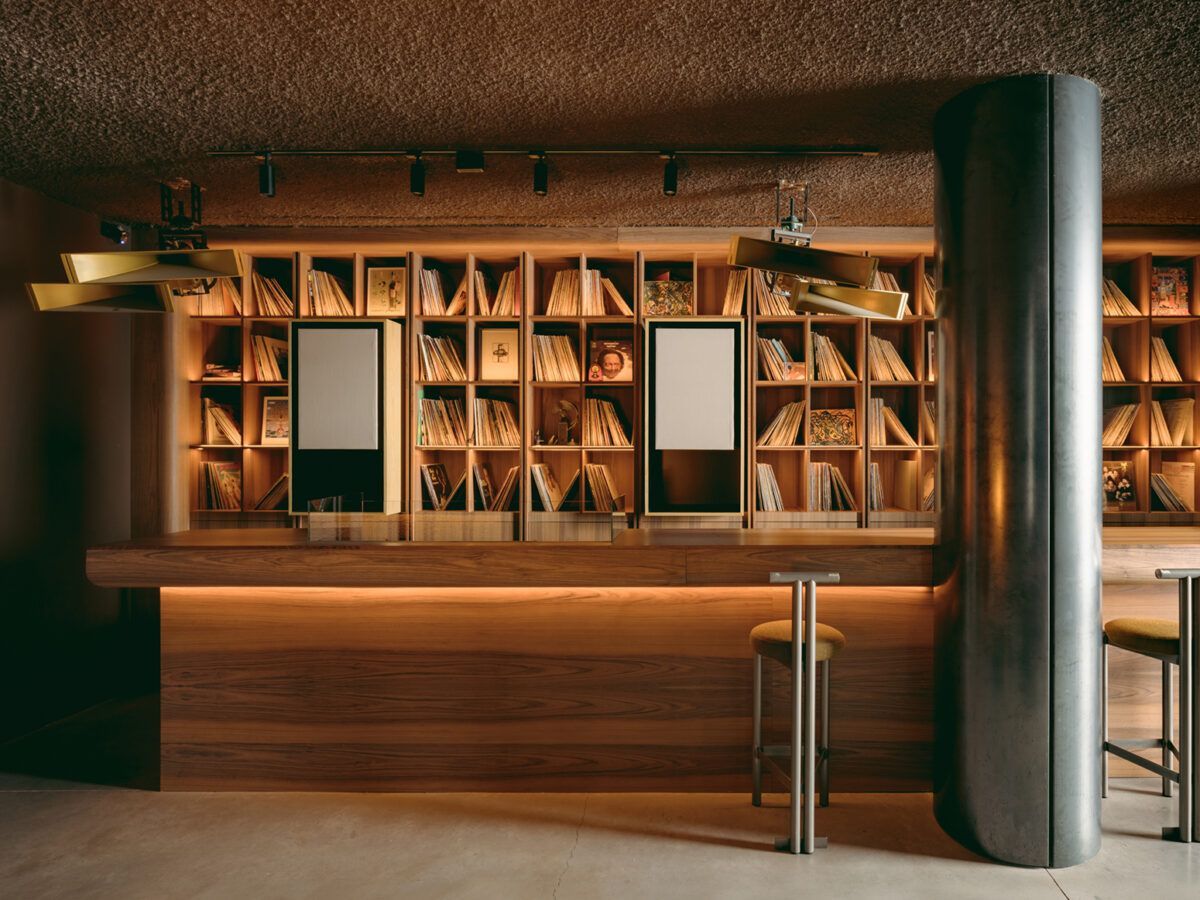
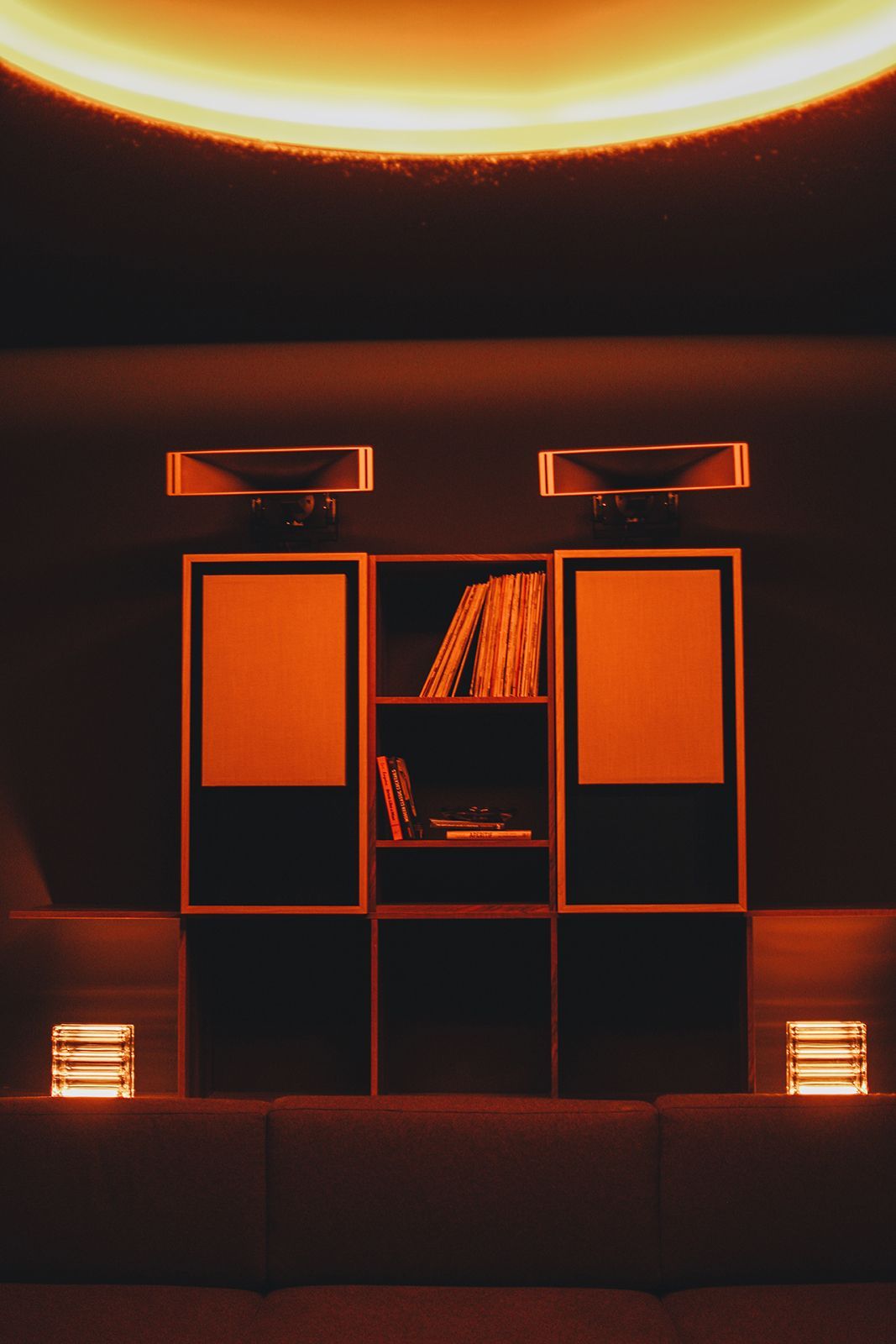
Designed by studio Cantiera, the space was conceived around a very precise idea: removing distractions so that listening occupies the centre of the experience. That means understanding the sound system not as a hidden technical element within the venue, but as something capable of influencing materials, proportions, lighting and spatial distribution.
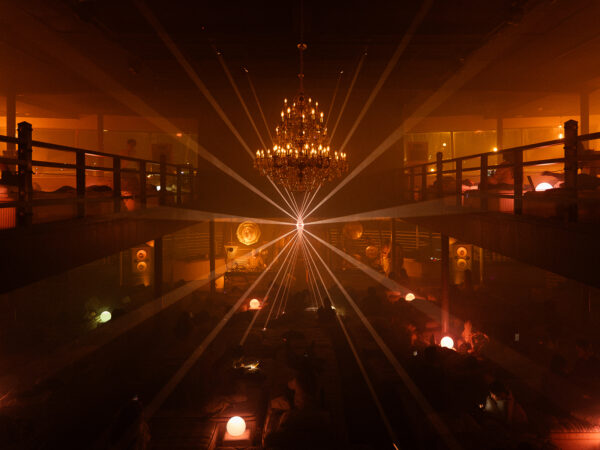
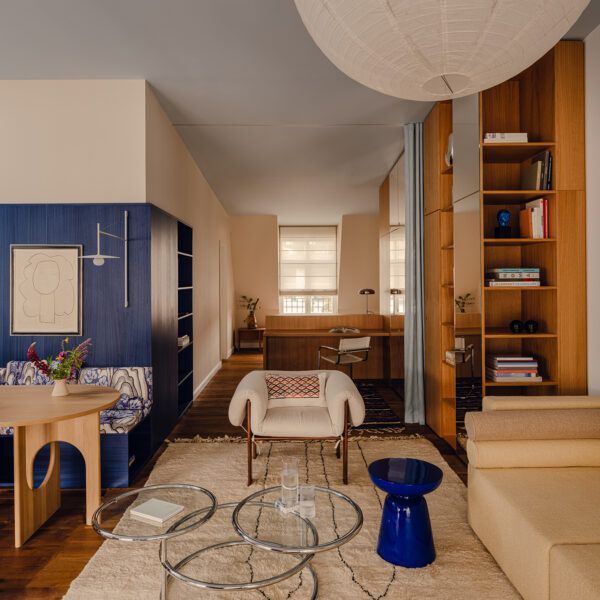
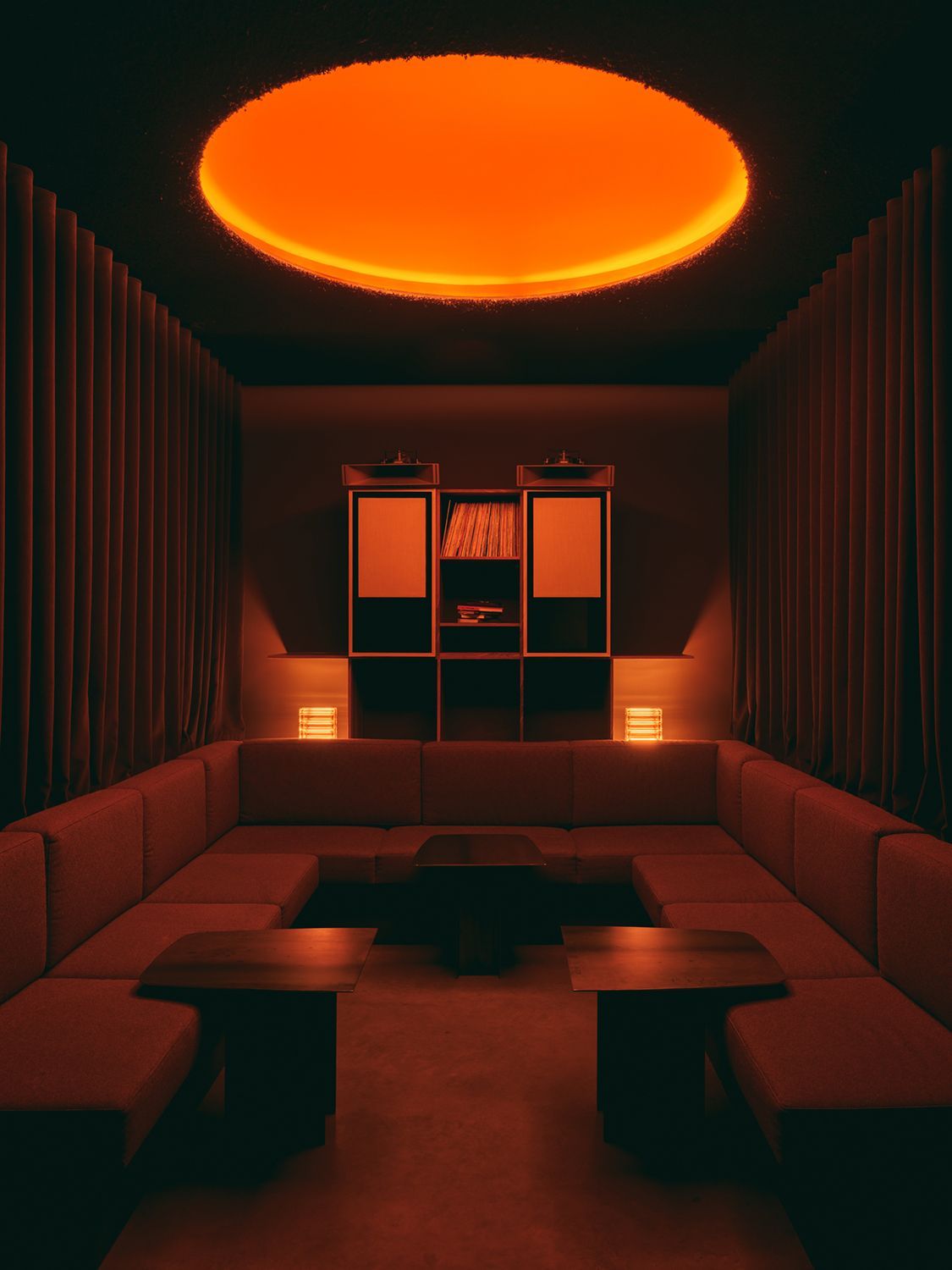
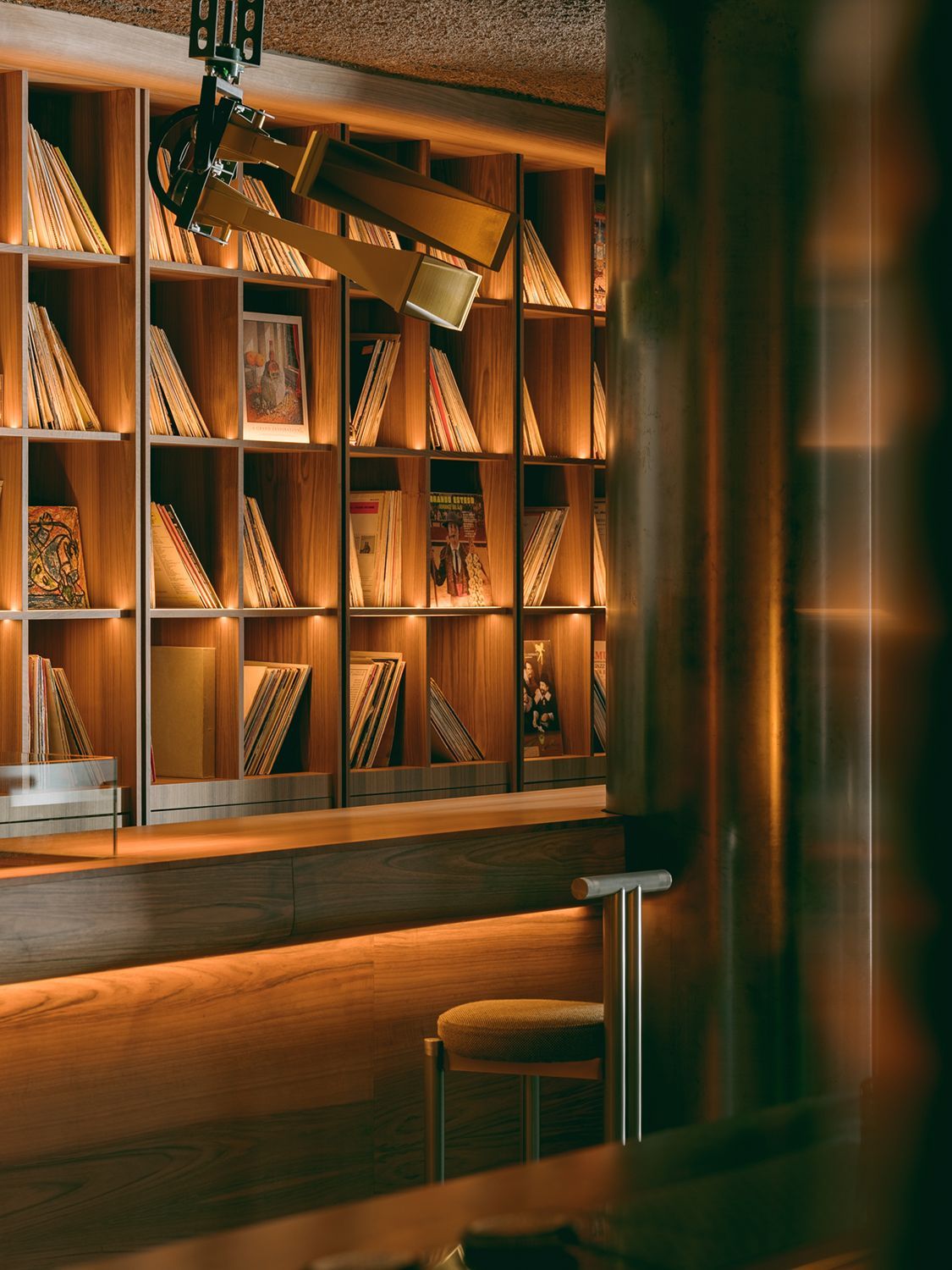
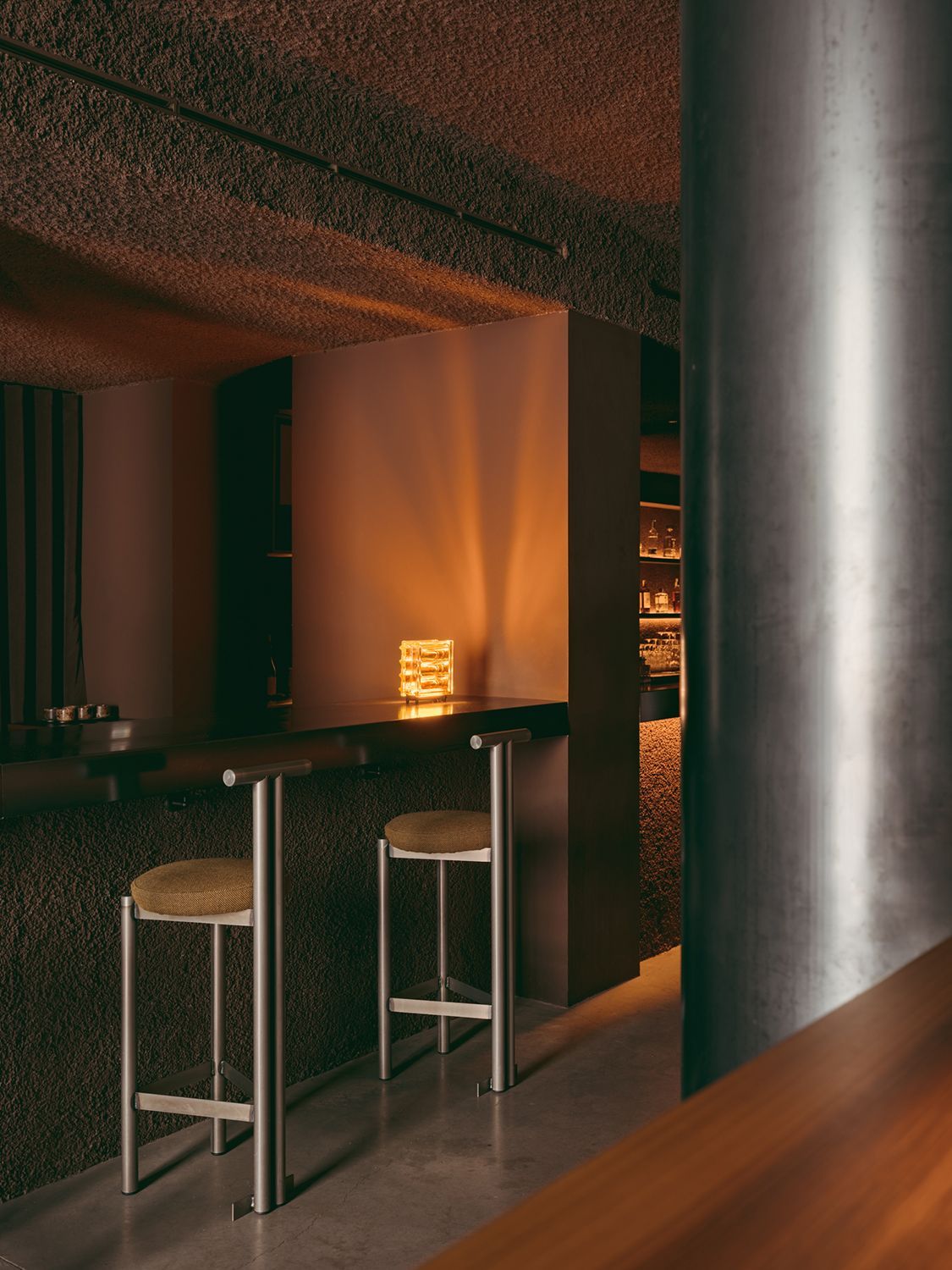
Here, the design operates through restraint. Warm lighting avoids visual excess, while heavy curtains, textiles and natural wood surfaces help acoustically soften the space. Leather, bronze and dark tones create an intimate atmosphere where everything seems to slow down slightly.
The rise of Hi-Fi bars
Although the concept may feel relatively new in Europe, hi-fi culture has much older roots. In Japan, particularly from the mid-20th century onwards, small jazz kissa and listening cafés began creating experiences centred around attentive vinyl listening through high-fidelity sound systems. Those spaces treated music almost as a daily ritual.
Today, decades later, that philosophy is being reinterpreted by a new generation of creatives, architects, DJs and hospitality figures seeking something different within contemporary nightlife: less saturation and more atmosphere.
It is no coincidence that this type of venue is flourishing precisely now. We live surrounded by endless playlists, permanent background music and instant digital consumption, yet we rarely truly listen.
Listening bars respond, in part, to that collective exhaustion. Their approach offers a slower, more physical and more conscious experience, where sound once again occupies emotional space. And that resonates particularly well in creative cities such as Madrid, where hospitality has increasingly become a form of cultural production.
A space without hierarchies
One of the most interesting aspects of El Willy Hi-Fi is the way it deliberately avoids the theatricality typical of many nightlife venues.
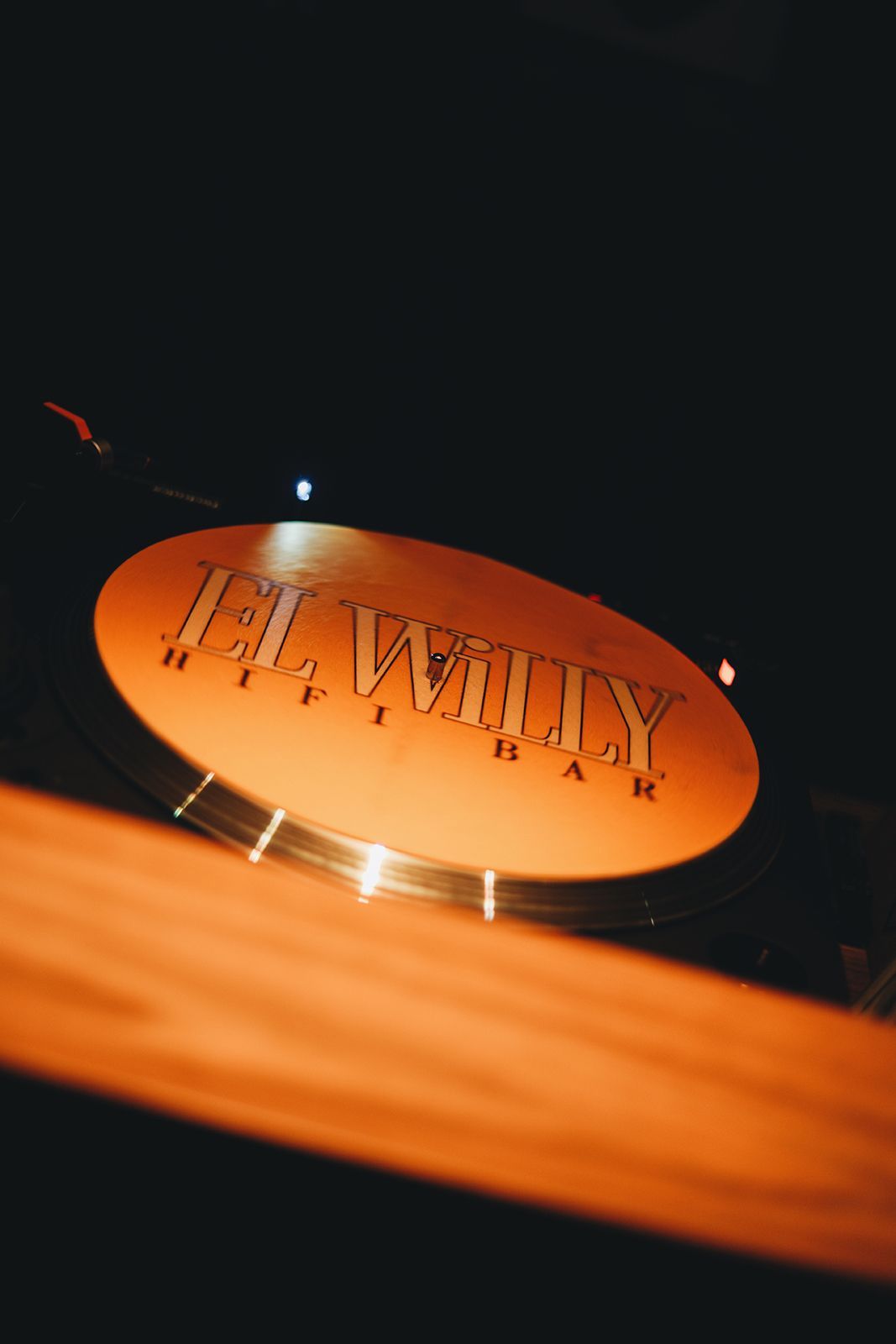
There is no elevated DJ booth turning the selector into the absolute protagonist. Nor is there an obsession with visual spectacle or constant overstimulation. The booth blends discreetly into the overall space, which functions as a continuous environment where music, architecture and audience coexist on the same level.
The experience feels far more intimate — almost domestic at times. Guests can converse, listen attentively to a record or simply drift into the atmosphere without the constant sensation of participating in an event designed purely for visual consumption.
High fidelity without nostalgia
Although hi-fi culture is often associated with a certain nostalgic and obsessive masculine collector mentality, the new generation of listening bars seems to emerge from a far more contemporary perspective.
El Willy Hi-Fi doesn’t seek to become a vinyl museum or a space reserved exclusively for expert audiophiles. Here, high fidelity functions instead as a tool for building atmosphere.
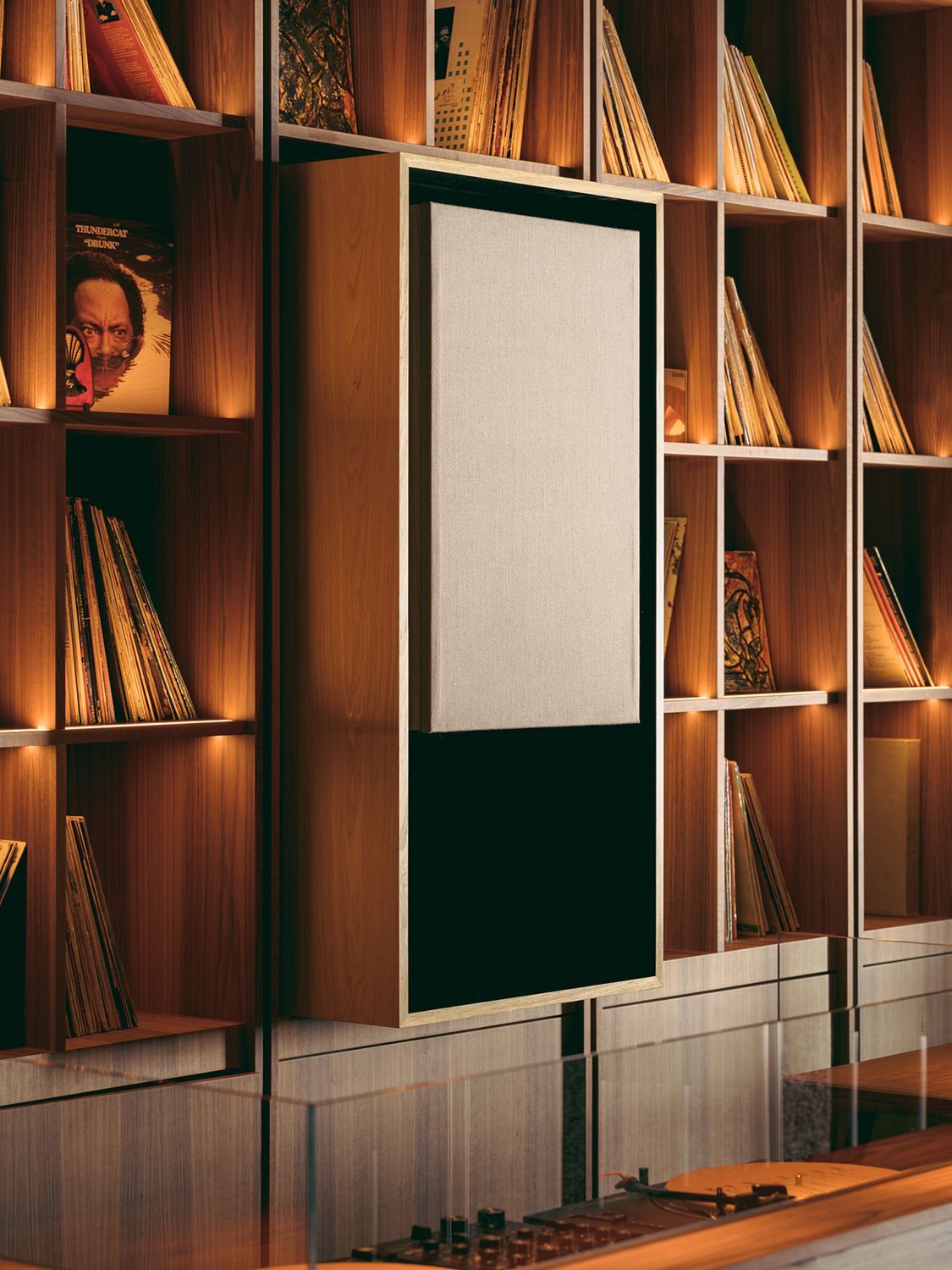
The sound system, developed alongside IFAUDIO, has been specifically calibrated for the venue, while its wooden speakers integrate naturally into the architecture. The intention isn’t to impress through volume, but through detail: depth, texture, clarity and balance.
That sonic precision ultimately affects the behaviour of the audience itself. People lower their voices, stay longer and listen differently. The space transforms the relationship with music.
Cocktails, rhythm and balance
The logic of listening extends throughout the entire concept. The cocktail menu, designed by Fabian Legari, follows a precise and restrained approach. Rather than relying on excessively complex or theatrical combinations, each drink feels structured around balance and progression — almost like a carefully curated DJ set.
The food offering follows the same philosophy. Oysters, carefully selected anchovies and aged cheese boards compose a concise menu designed to accompany the rhythm of the space rather than compete with it.
Madrid and a new night culture
The emergence of projects like this also says a great deal about Madrid’s recent evolution.
For years, much of the conversation around Madrid nightlife revolved around clubs, classic cocktail bars or restaurants transformed into social spaces. But this new generation of hybrid venues is introducing a different sensibility: places where design, culture, music and hospitality intersect through a far more global perspective.
Much more than a trend
It would probably be easy to reduce the rise of hi-fi bars to a simple aesthetic trend. But what makes many of these spaces interesting is that behind them lies a much deeper reflection on how we want to relate today to leisure, technology and sound.
El Willy Hi-Fi belongs precisely to that conversation. It does not attempt to compete through spectacle or sensory overload. Its proposal is far subtler: creating a place where music regains physical presence, where design helps people listen better and where time itself seems to move at a different rhythm.
(*) Photos courtesy of El Willy Hi-Fi.