11 essential music documentaries
We love music documentaries, especially those that do more than simply retrace an artist’s career chronologically. The best ones transport us to a particular moment in time, take us inside a scene, or help us understand how a song, an album or even an artistic identity comes into being. And the very best achieve something even harder: they change the way we see musicians we thought we knew perfectly well and make us listen to their songs with fresh ears.
Some time ago, we published our selection of the 25 best music documentaries, a list that has continued to attract new candidates ever since.
Over the past few years, some outstanding documentaries have been released about some of our favourite artists, while others have introduced us to stories that clearly deserved a place in a second instalment.
So we have selected some of our favourite music documentaries released since 2021.
Here are our 11 new essentials:
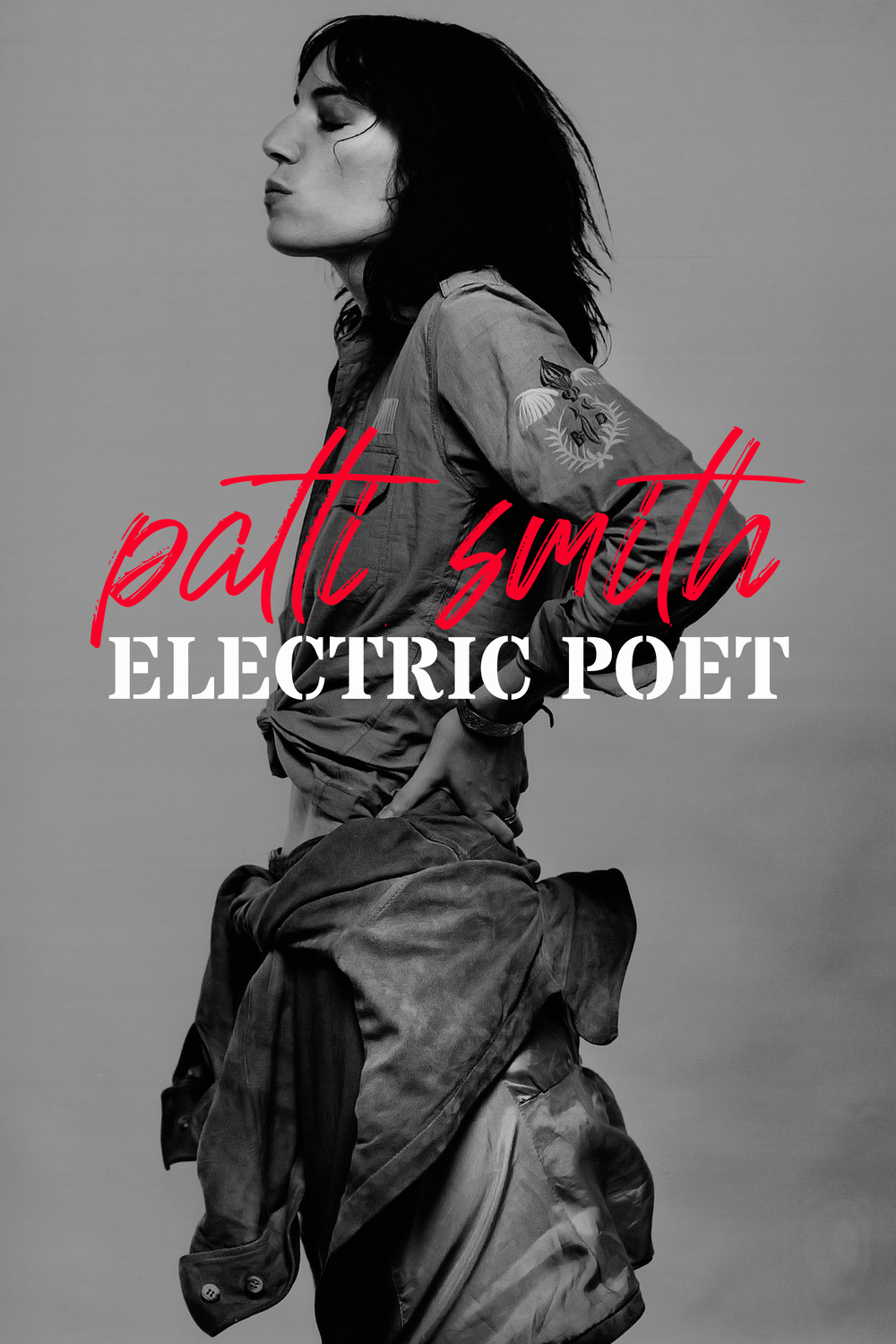
1. Patti Smith: Electric Poet (2022) · Dir: Sophie Peyrard y Anne Cutaia(CaixaGorum+)
Poet before rock star, writer, photographer, performer and a defining figure of New York counterculture: Patti Smith has never fitted comfortably into a single definition.
Patti Smith: Electric Poet approaches the author of Horses by retracing the journey of a woman who turned poetry and rock into a shared language. But it also helps us understand the cultural energy of 1970s New York and the generation that transformed clubs such as CBGB into something far more significant than places to hear music.
The documentary captures Patti Smith’s magnetism remarkably well, along with her deeply personal understanding of creativity, in which music, poetry, photography and literature all belong to the same universe. Hers is an artistic personality that is almost impossible to separate from the way she sees and relates to the world.
2. KYLIE (2026) · Dir: Michael Harte (Netflix)
Surviving several decades in pop may be more difficult than becoming successful in the first place. Kylie Minogue has been doing exactly that since the 1980s, and KYLIE helps us understand how a young Australian television actress became a global icon.
The three-part documentary series traces her transformation from Neighbours through the many reinventions that have shaped her career. And that is precisely one of its most interesting themes: how to evolve without ceasing to be recognisable.
There is personal archive material, memory, vulnerability and plenty of pop, but also a reflection on longevity in an industry obsessed with the new. More than four decades into her career, Kylie is still here, and clearly not by chance.
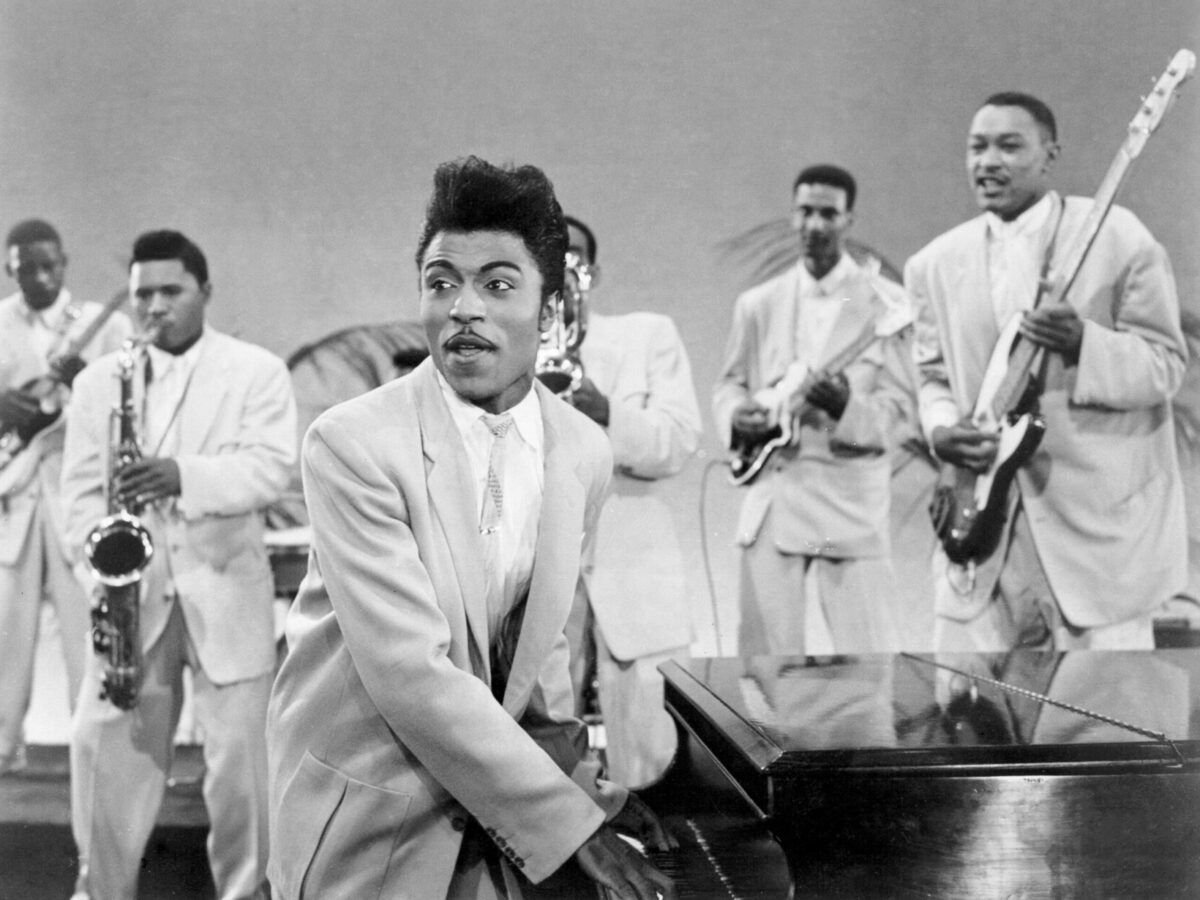
3. Little Richard: I Am Everything (2023) · Dir: Lisa Cortés (Movistar Plus+)
Before Bowie, Prince or the countless stars who would later tear down the boundaries between masculinity, femininity and performance, there was Little Richard.
Directed by Lisa Cortés, Little Richard: I Am Everything does more than reclaim one of the great architects of rock and roll. It also explores the contradictions of a Black, queer and deeply religious man who spent decades caught between his identity, his faith and a society that did not know — or did not want — to accept everything he represented.
The documentary also raises an essential question: who gets to write the history of music, and who ultimately receives the recognition? Because listening to Little Richard today means hearing the DNA of much of the pop culture that followed.
4. blur: To the End (2024) · Dir: Toby L. (Filmin)
blur: To the End documents the return of Damon Albarn, Graham Coxon, Alex James and Dave Rowntree as they record The Ballad of Darren, their first album in eight years, before facing two huge shows at Wembley.
But the best part of the documentary is not the Britpop nostalgia or the great anthems. It is something far more universal: the passage of time. Here we see four musicians confronting age, their own lives and the strange intimacy of reconnecting with the people with whom they shared an unrepeatable youth.
More than a documentary about a reunion, it is a film about friendship, and that is precisely what makes it so much more interesting.
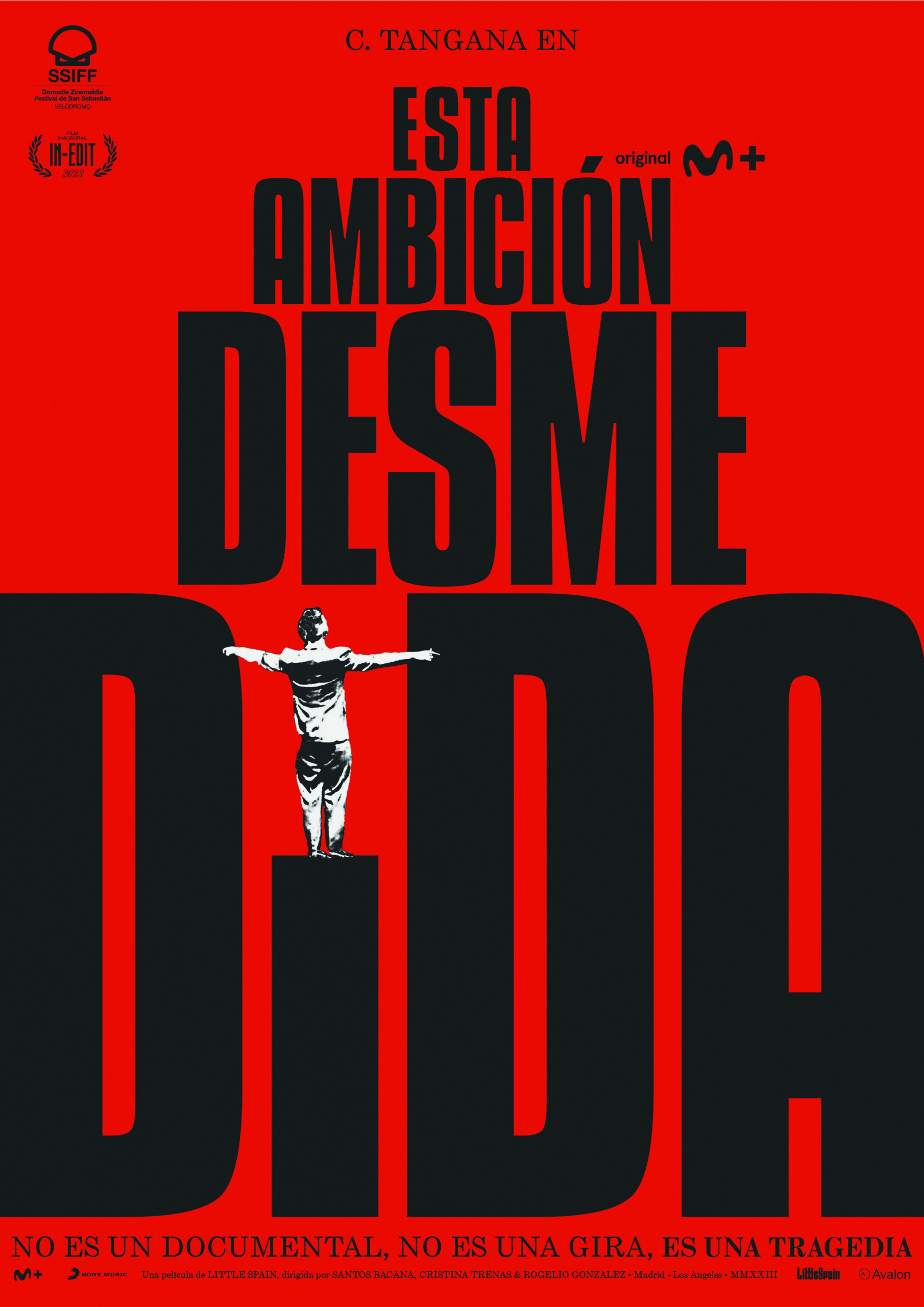
5. Esta ambición desmedida (2023) · Dir: Santos Bacana, Cris Trenas y Rogelio González (Movista Plus+)
C. Tangana understood a long time ago that an album can be much more than a collection of songs.
Esta ambición desmedida, directed by Santos Bacana, Cris Trenas and Rogelio González, follows the process surrounding El Madrileño over more than four years, as well as the creation of Sin cantar ni afinar, a tour conceived almost like a cinematic production.
The film takes us through Cuba, recording studios, rehearsals, meetings, negotiations, concerts and creative decisions. Above all, however, it allows us to observe something fascinating: the deliberate construction of both a body of work and a persona.
It is one of those documentaries whose appeal extends well beyond music because it is really about creativity, risk, money, ambition and how difficult it is to turn an apparently impossible idea into something real.
6. Summer of Soul (2021) · Dir: Questlove /Ahmir “Questlove” Thompson (Disney+)
In the summer of 1969, while Woodstock was entering popular mythology, thousands of people were attending another extraordinary event in Harlem: the Harlem Cultural Festival.
Stevie Wonder, Nina Simone, Sly and the Family Stone, Mahalia Jackson, B.B. King and The 5th Dimension were among those who performed there. Yet much of that footage remained absent from collective memory for decades.
Questlove recovered the material in Summer of Soul (…Or, When the Revolution Could Not Be Televised) and created an extraordinary film about music, identity and cultural memory that went on to win the Oscar for Best Documentary Feature.
The energy of the performances alone would be enough to recommend it, but there is something even more powerful about discovering a piece of history that had, inexplicably, almost disappeared.
7. It’s Never Over (2025) · Dir: Amy Berg (Movistar Plus+)
Jeff Buckley needed only one album, Grace, to leave an enormous mark on 1990s music before his death in 1997 at the age of just 30. Directed by Amy Berg, It’s Never Over, Jeff Buckley retraces his brief and intense career through previously unseen archive material, voice messages and testimonies from his mother, former partners and bandmates.
It is an intimate portrait that brings us closer to the musician beyond the myth and helps us better understand his personality, his extraordinary voice and a creativity whose influence remains deeply present almost three decades later.
8. The Velvet Underground (2021) · Dir: Todd Haynes (Apple TV+)
Few bands embody the idea of influence better than The Velvet Underground. Their initial commercial success was limited, but the aftershocks of their music can still be felt.
Todd Haynes avoids the conventional biopic and constructs a documentary that formally seems to belong to the same artistic universe as Lou Reed, John Cale and company: split screens, experimental film, photographs, recordings and material connected to Andy Warhol and the New York avant-garde.
It is not simply the story of a band, but a portrait of a creative ecosystem in which music, cinema, art, literature and nightlife were constantly influencing one another.
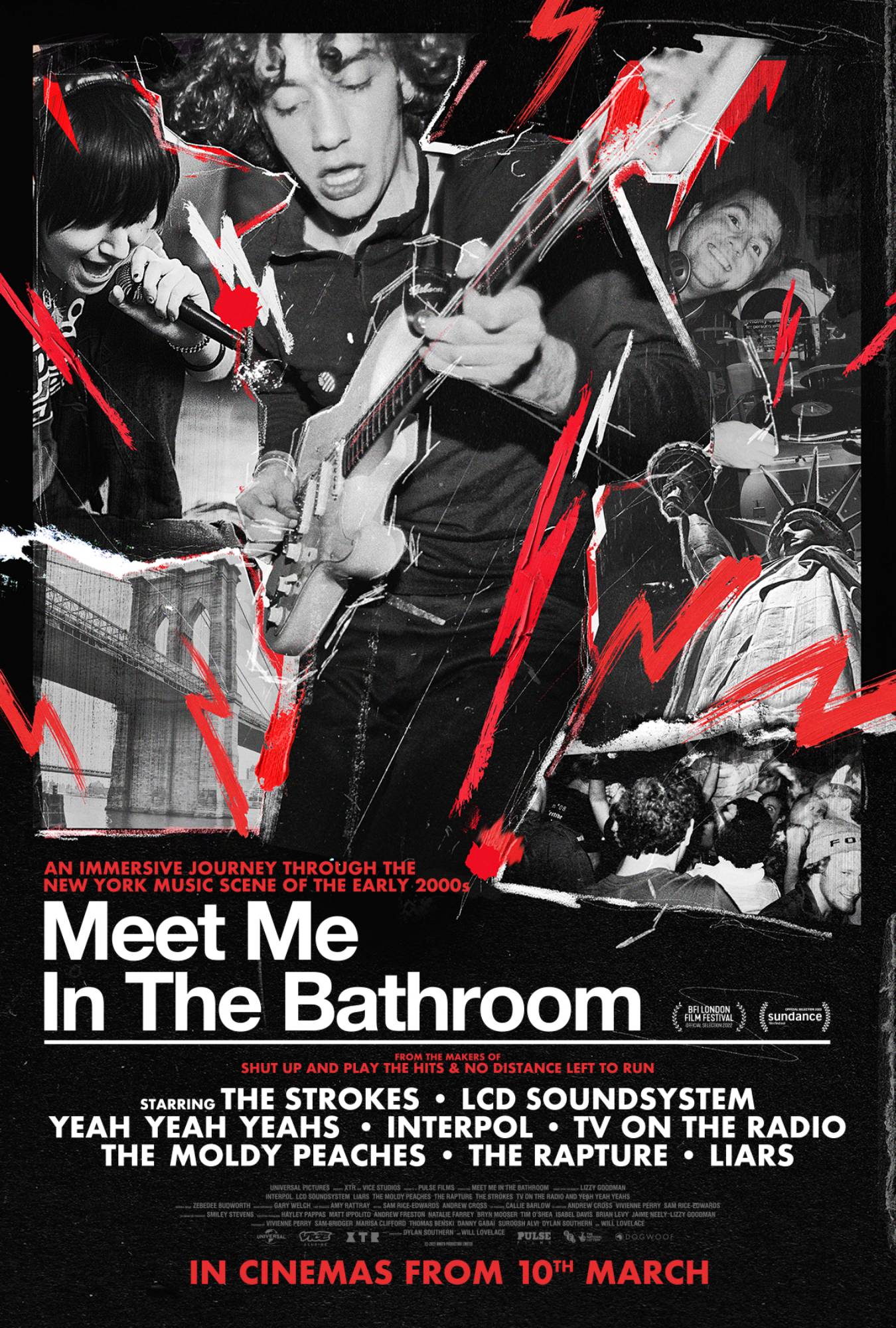
9. Meet Me in the Bathroom (2022) · Dir: Will Lovelace y Dylan Southern (Amazon video)
New York, early 2000s. Before Instagram turned every concert into content, a new generation of musicians was bringing back guitars, small clubs and a certain deliberately careless attitude.
Meet Me in the Bathroom, by Dylan Southern and Will Lovelace, dives into that scene through The Strokes, Yeah Yeah Yeahs, Interpol, LCD Soundsystem, TV on the Radio, The Rapture and other bands that put New York back at the centre of the musical map.
Based on Lizzy Goodman’s book and built from archive footage, it works as a time capsule of a city and a scene that could still develop far away from social media. Nostalgia, yes — but the good kind.
10. Daytime Revolution (2024) · Dir: Erik Nelson (Filmin)
For one week in 1972, John Lennon and Yoko Ono co-hosted The Mike Douglas Show, one of the most popular programmes on American television, and used the opportunity to talk about politics, feminism, art and counterculture alongside guests including Chuck Berry, George Carlin, Bobby Seale and Ralph Nader.
Directed by Erik Nelson, Daytime Revolution revisits that extraordinary television experiment and offers a glimpse of a period when Lennon and Ono wanted to use their popularity to challenge the way people thought. And yes, it also includes that fantastic moment when Lennon plays alongside Chuck Berry.
11. One to One: John & Yoko (2024) · Dir: Kevin Macdonald y Sam Rice-Edwards (Movistar Plus+)
In 1971, John Lennon and Yoko Ono moved to Greenwich Village, beginning a period in which music, art, politics and activism were constantly intertwined. One to One: John & Yoko, directed by Kevin Macdonald and Sam Rice-Edwards, revisits those years using the benefit concert they performed at Madison Square Garden in 1972 as its narrative thread.
Through home movies, telephone conversations, restored concert footage and a wealth of archive material, the documentary brings us closer to the couple’s creative intimacy while also immersing us in the energy of early-1970s New York. A fascinating period to discover from the apartment Lennon and Ono shared in Greenwich Village.
Music as a time machine
One of the things we love most about great music documentaries is everything you end up discovering almost without realising it.
You might begin simply wanting to know more about an artist and end up obsessed with an entire music scene, searching for an album you have never heard, reading about a producer who appears for five minutes or trying to find out what was happening in a particular New York club in the 1970s.
And perhaps that is part of their magic: you finish watching them with a list of albums to hear, artists to discover and stories you suddenly want to know much more about.