“The Studio”: Seth Rogen’s brilliant satire on Hollywood
Between egos, algorithms and absurdity: The Studio is the sharpest and funniest comedy of the year
Some series make you laugh, others make you think. But very few manage to do both at the same time — with elegance, with bite. “The Studio”, the new Apple TV+ gem created by and starring Seth Rogen, belongs to that rare category of shows that fire in all directions, armed with irony, critique, and a deep love for cinema… even if that love comes laced with disappointment, betrayal, and corporate PowerPoint decks.
Hollywood laughs at itself — from the inside out
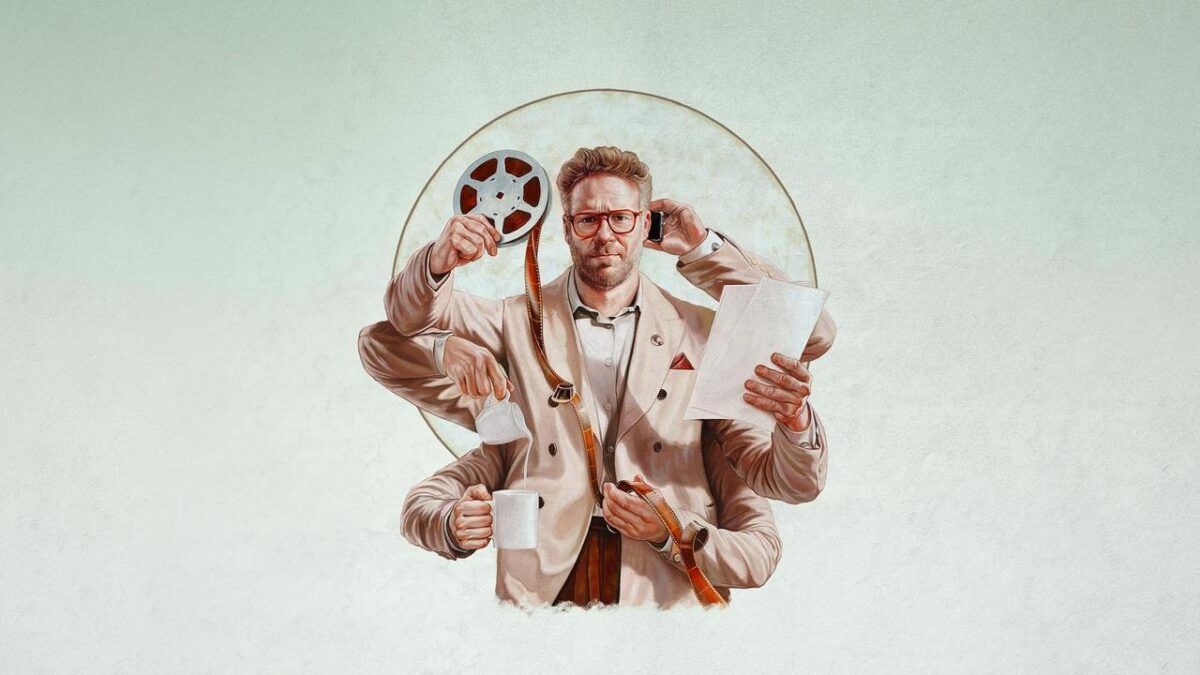
From the very first shot, “The Studio” plunges us into a universe that feels both familiar and distorted, like a reflection in a broken mirror. Set in Frank Lloyd Wright’s iconic Ennis House, transformed into the fictional headquarters of Continental Studios in the quirky LA neighbourhood of Los Feliz, we meet Matt Remick (Seth Rogen), freshly appointed as the studio’s new director. His mission: to keep the dream of meaningful cinema alive in an industry obsessed with engagement metrics, dashboards, and trending topics.
What follows is a glorious parade of chaos disguised as professionalism: endless meetings that go nowhere, marketing departments who speak like TED Talk veterans, egos shining brighter than the stars they manage — all peppered with dialogue that would make any seasoned screenwriter blush: “Can we make the film more memeable?”
And yet, amid all the absurdity, there’s a painful truth beating beneath the surface: cinema isn’t what it used to be. Or perhaps, it’s simply no longer allowed to be.
“Seth Rogen leads the charge with a pitch-perfect mix of naive charm and mounting desperation.”
A cast as brilliant as the madness it portrays
One of “The Studio”’s greatest triumphs is its cast — a downright masterclass in ensemble acting. Seth Rogen leads the charge with a pitch-perfect mix of naive charm and mounting desperation. But it’s alongside Ike Barinholtz, as Sal Saperstein, where the show reaches pure comedic gold. Their duo is electric: razor-sharp, absurd, perfectly timed. And Sal becomes a fan-favourite — endearingly awkward, oddly ambitious, and swept up in a wave of unexpected fame he barely understands.
Kathryn Hahn shines, as ever, as the tightly-wound executive Maya Mason, teetering between clarity and collapse. Chase Sui Wonders explodes with wit and intensity as Quinn Hackett, while Catherine O’Hara steals every scene as Patty Leigh — a living legend of the studio, with a razor tongue and unpredictable heart. Every one of them brings their own brand of humour, madness, and humanity to a studio environment that never stops spinning.
And then there are the cameos. Oh, the cameos. Martin Scorsese crying (literally) over what Hollywood has become. Charlize Theron giving a lecture on monetising trauma. Olivia Wilde, Steve Buscemi, Anthony Mackie, Ice Cube… all playing themselves with a delicious dose of irony and self-parody. No one misses a beat: every actor, guest or regular, understands the tone and elevates the show’s metalinguistic brilliance. Every look, every line, every smirk contributes to the sharpest — and most devastatingly accurate — satire of the year.
Episodes that are pure cinema (and brutal satire)
In “The Studio”, each episode stands on its own — a compact, cinematic takedown of the entertainment industry’s crumbling pillars. With breathless pacing and a stunning visual style, the show blends cringe comedy with corporate madness and the broken beauty of modern filmmaking. And among them, a few standout chapters will make you cry with laughter… and then leave you oddly gutted.
1. The Promotion: Scorsese-level chaos
The series opens with “The Promotion”, a pitch-perfect introduction. Matt Remick has just landed his dream job: heading up Continental Studios. But what begins with wide-eyed optimism quickly unravels when none other than Martin Scorsese — playing a wild, mystical, borderline manic version of himself — pitches a film about the Jonestown massacre.
What should be a profound and powerful project spirals into absurdity, stress, and wildly misguided decisions. Matt tries to keep things afloat, caught between corporate madness and personal crisis. Scorsese delivers a self-parody so on point, it earned him an actual Emmy nomination for guest actor. The tone is set: cinema, here, is tragedy spun into unintentional farce.
2. Long take: when cinema sabotages itself
The second episode is a technical and narrative triumph. Sarah Polley, also playing herself, attempts to film a flawless long take on a tense, over-crowded set. Matt and Sal turn up like overexcited cinephiles — and immediately begin getting in the way.
Shot in real time, with a nervy, unblinking camera that never stops moving, the episode traps the viewer in the middle of a spiralling production. Every minor misstep causes a major breakdown. The awkwardness is unbearable, and the laughs are non-stop. For thirty straight minutes, we’re caught in the heart of chaos. It’s both a loving homage to the art of long takes — and a ruthless satire of how unchecked enthusiasm and ego can derail even the most perfect vision.
3. The War: a quesarito, chaos and pure comedy
This is physical comedy at its finest. Quinn Hackett, frustrated and overlooked, declares all-out war on her colleague Sal Saperstein. What starts as an office rivalry becomes a full-blown departmental conflict — with egos, agendas, and nonsense tactics flying everywhere.
And then comes the moment of glory: Quinn, mid-argument, tries to hurl a quesarito at Sal. She misses. What follows is a domino-effect of chaos — chairs tipping, paperwork flying, shouts echoing down studio corridors — so hilariously choreographed and absurdly believable that it cements the episode as an instant classic. Because in Hollywood, not all wars begin with a firing. Sometimes, they begin with a badly-aimed snack.
4. Golden Globes: ego, envy and eternal laughter
The Golden Globes episode is comedy at full speed. Matt, Sal, Patty and Zoë Kravitz attend the awards as part of a film team in contention. What should be a celebratory evening turns into an emotional rollercoaster of posturing, passive-aggression, and PR games.
The twist? One by one, winners begin dedicating their awards to Sal Saperstein — to Matt’s utter confusion and growing envy. His face is a masterclass in wounded pride. The camera never rests, gliding through the madness with dizzying energy, capturing the glitz, the fakery, the fleeting fame. A non-stop comedic triumph… and a mirror to a business fuelled by validation and vanity.
More than just laughs…
“The Studio” isn’t just funny. It’s deeply reflective. Beneath the chaos lies a serious question: what have we done to cinema? When did we let algorithms decide what stories are worth telling?
The series hits where it hurts. Creativity is now a liability. Art is measured in ROI. Emotion is reduced to engagement. And amid the noise, a handful of characters try — however clumsily — to keep real cinema alive. Sometimes they succeed. Often, they fail spectacularly. But they always, always try, with a self-awareness that turns each gag into a manifesto.
Yes, there will be a second season
After a wildly successful first run, Seth Rogen has confirmed “The Studio” will return for a second season, set to premiere in 2026. If the first was sharp, the next promises to be even sharper — fuelled by the very real experiences of having lived and triumphed in the same industry it so ruthlessly mocks. Meta, yes — but laugh-out-loud hilarious.
“The series hits where it hurts. Creativity is now a liability. Art is measured in ROI. Emotion is reduced to engagement.”
Why you should watch it
Because it’s smart without being smug, hilarious without being silly, and brutally honest without losing its heart. Every episode is a masterclass in modern satire, offering a brutally intimate look at how the film industry really works — or doesn’t. If you love cinema, “The Studio” will make you laugh until it hurts… and help you understand why sometimes, movies feel like marketing. In a world obsessed with “content”, “The Studio” dares to talk about what really matters: telling stories that mean something.
Highly recommended.