The world of Wes Anderson arrives at London’s Design Museum
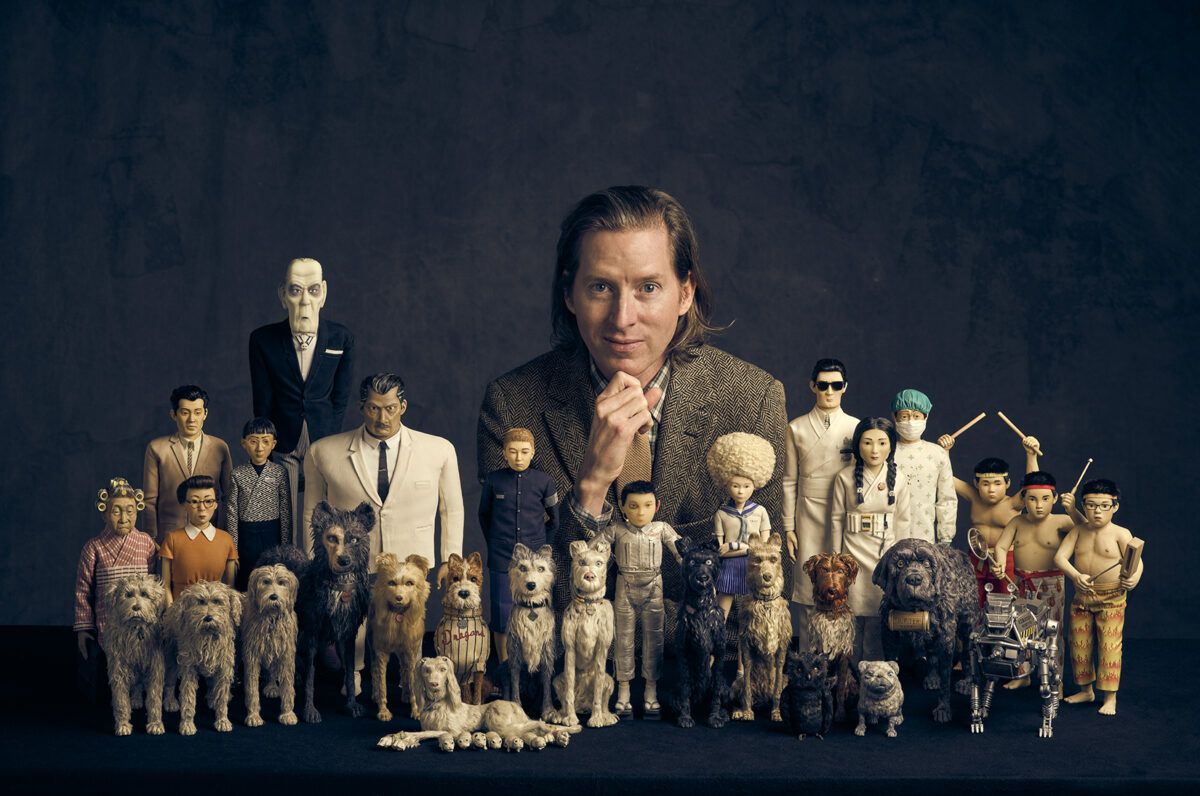
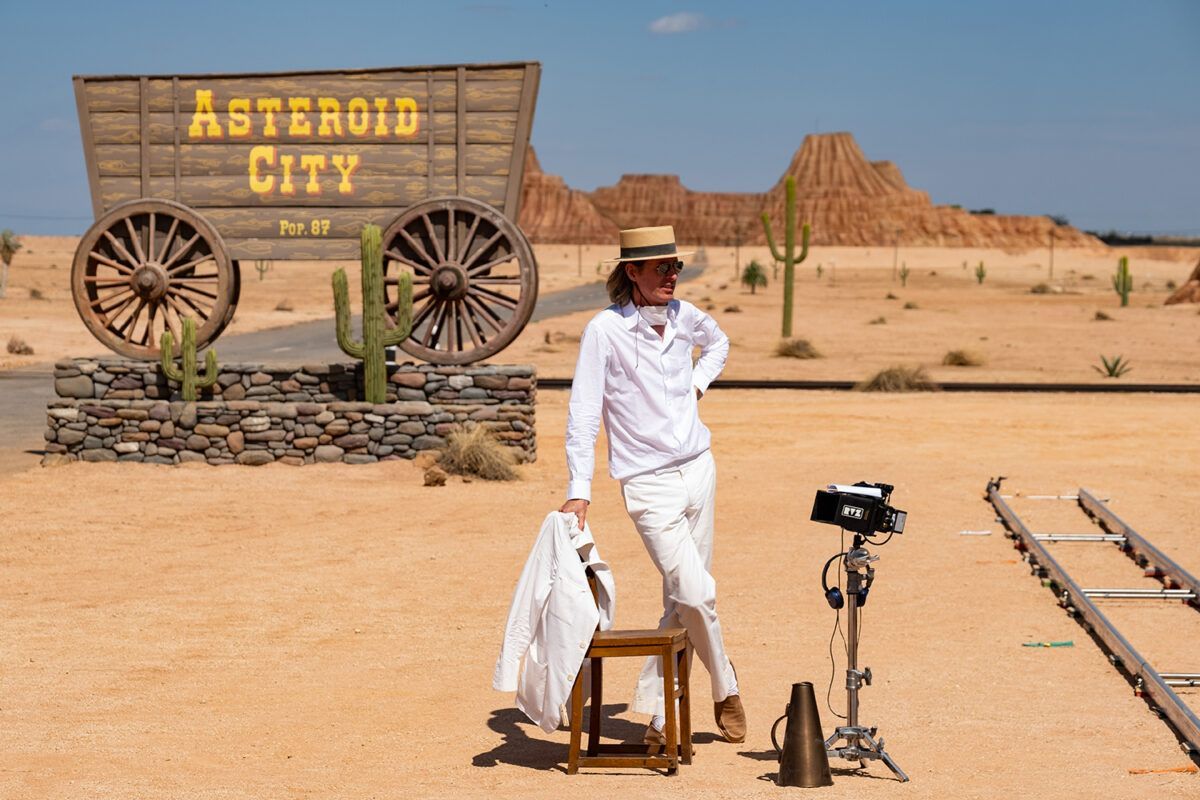
Until 26 July 2026, the Design Museum in London becomes the epicentre of Wes Anderson’s universe thanks to the exhibition “Wes Anderson: The Archives”. A monumental retrospective bringing together over 700 original objects from one of the most stylised, recognisable, and beloved filmmakers of recent decades.

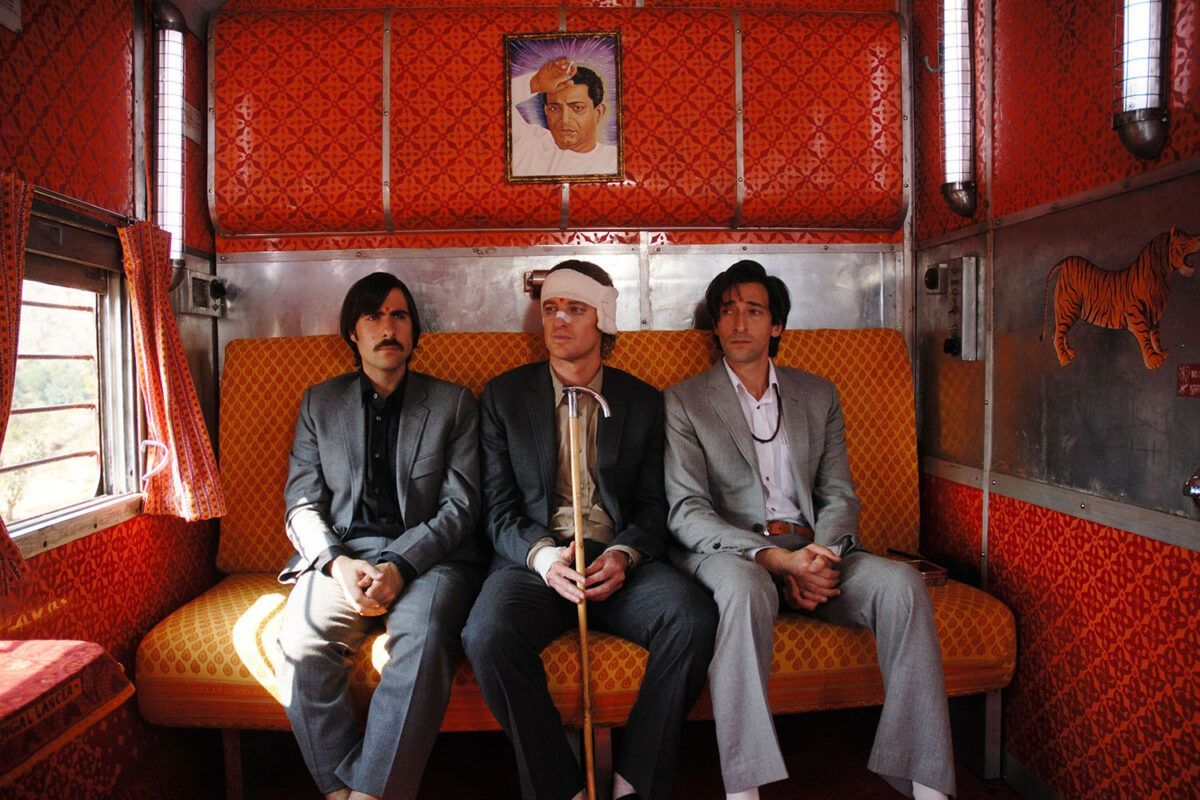
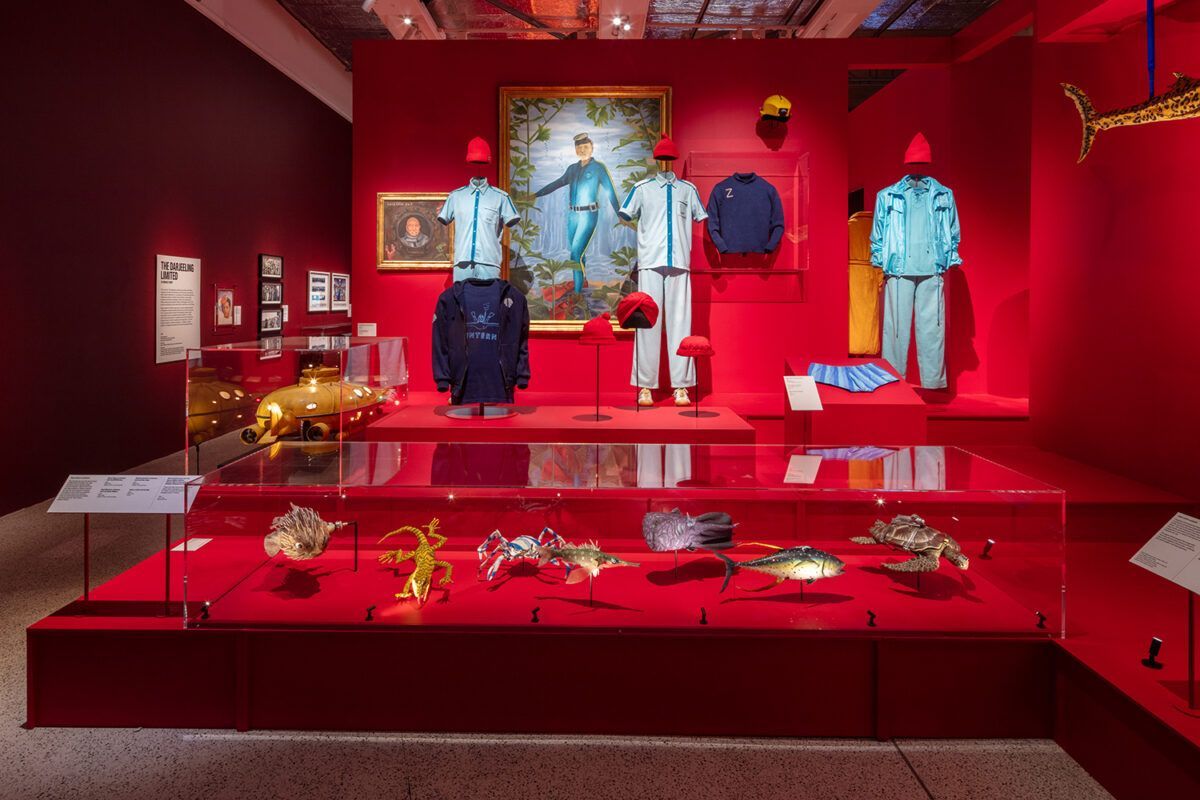

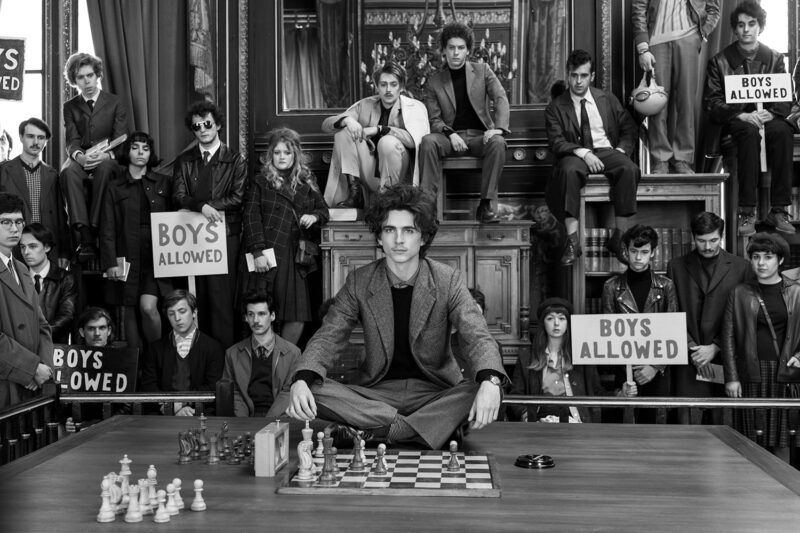
Organised in collaboration with the Cinémathèque française and Anderson himself, this show marks a milestone in cinema exhibition history by offering unprecedented access to the director’s personal archive.
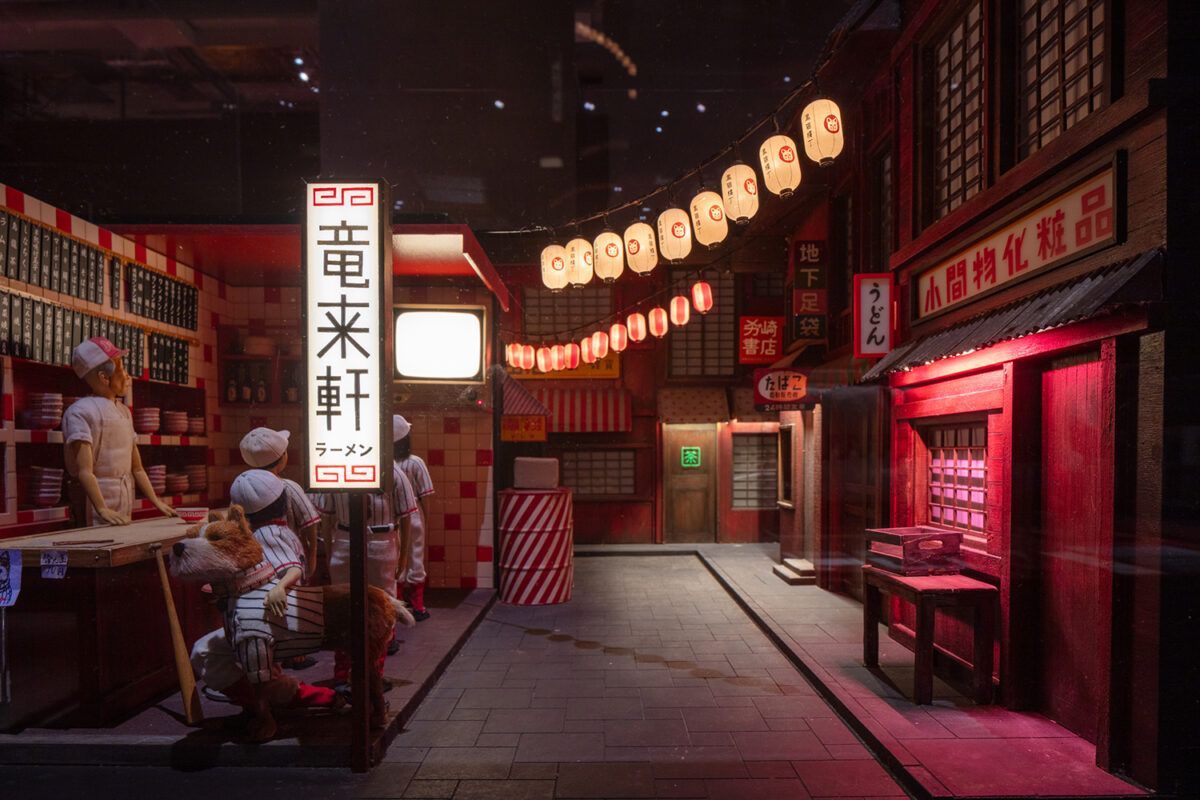
From the storyboards of “Bottle Rocket” to costumes from “The Grand Budapest Hotel”, and including the actual miniature sets from “Fantastic Mr. Fox” and “Isle of Dogs”, the exhibition offers an intimate journey through the creative mind of a true world-builder.
A unique exhibition: more than a cinematic retrospective
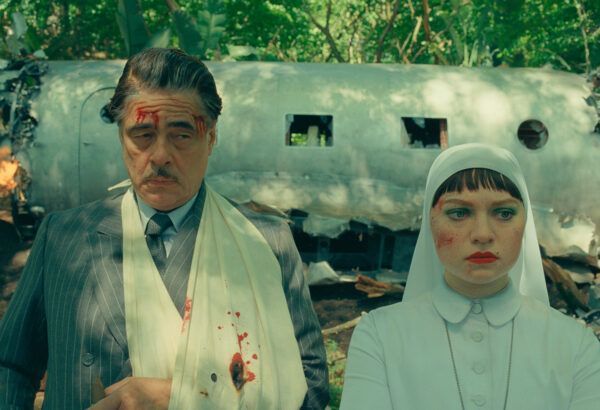
“Wes Anderson: The Archives” is not just an exhibition—it’s a multisensory experience. The layout follows a chronological path, starting with the director’s early years in the 1990s and culminating in his latest film, “The Phoenician Scheme” (2025), with exclusive objects such as a Dunhill pipe and a jewelled dagger created by artist Harumi Klossowska de Rola.
Alongside these items, the exhibition features in-gallery screenings of several iconic short films, including Bottle Rocket(1993), “Hotel Chevalier” (2007), “Castello Cavalcanti” (2013), and “The Swan” (2023). This marks the first time they have all been shown together in the UK.
“I feel like my films are books you can walk through.”
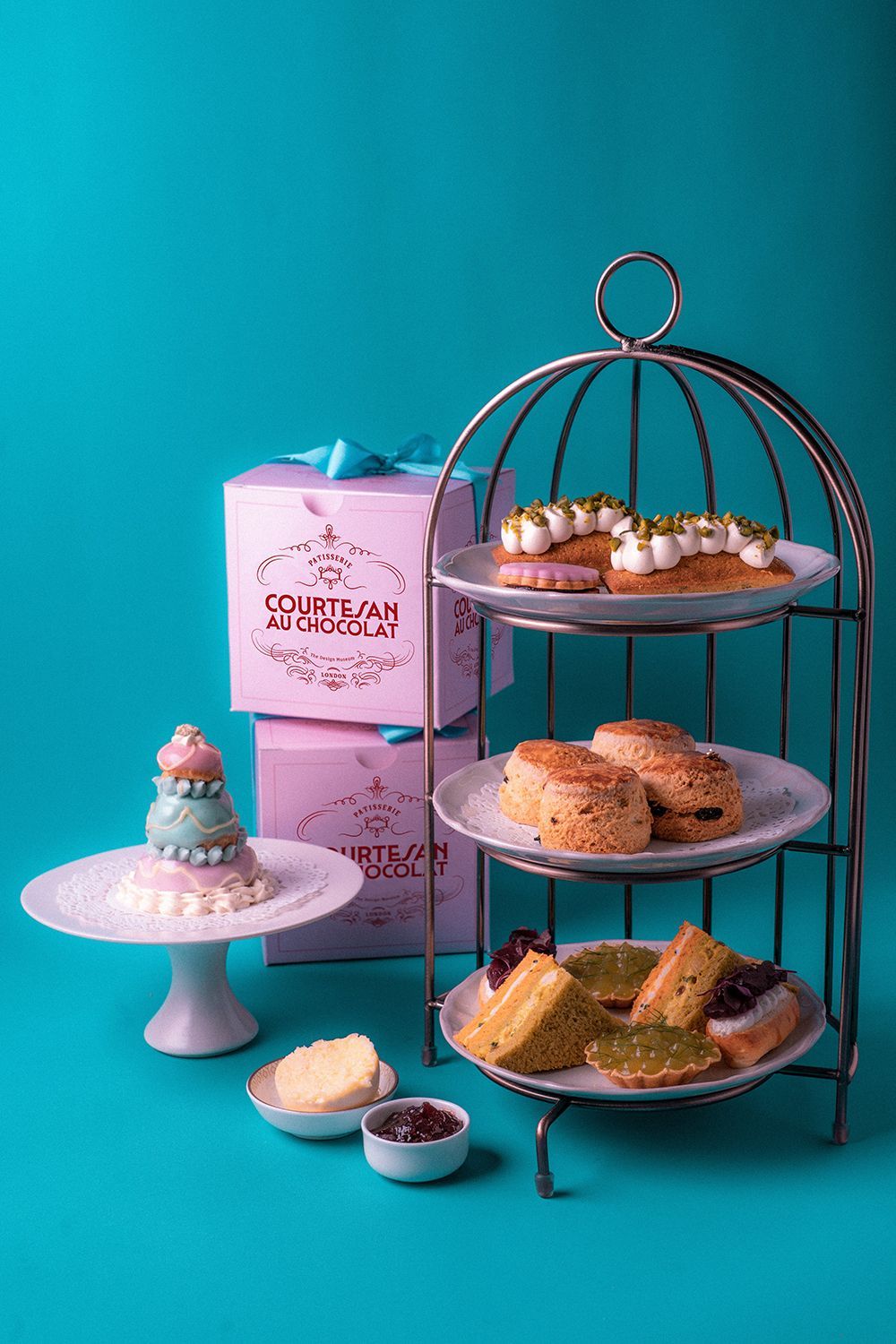
“Symmetry has always drawn me in. It brings order and calm.”
Objects that tell stories
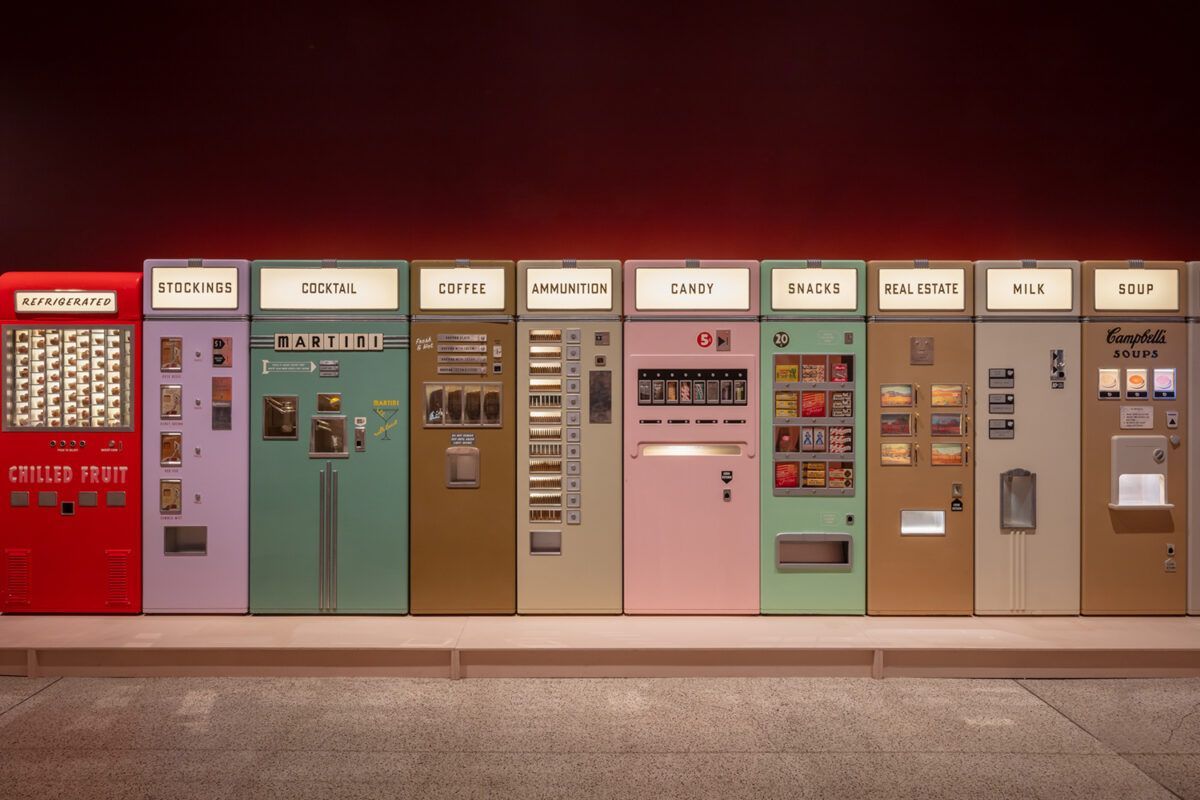
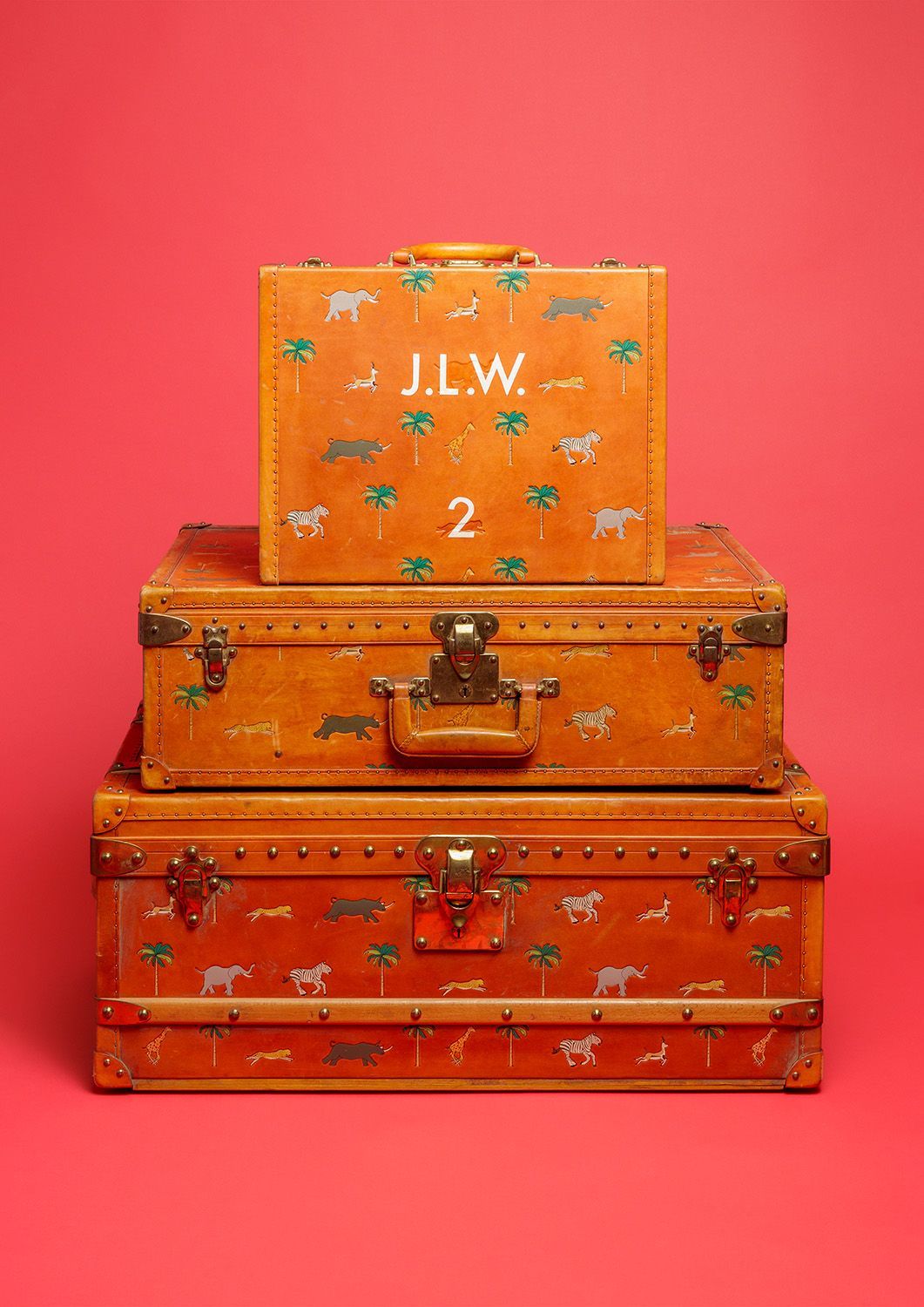
The exhibition places particular emphasis on the material value of objects in Anderson’s work. Each item, however insignificant it may seem on screen, is a handcrafted piece with its own life. Highlights include:
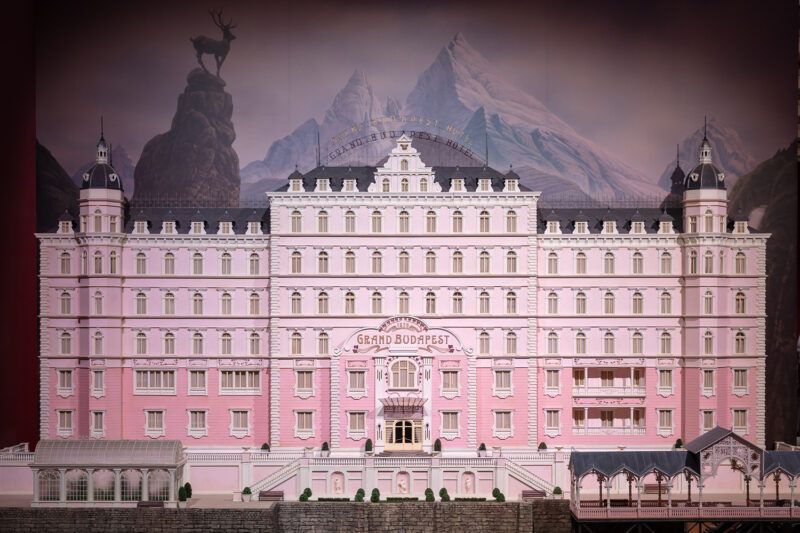
The monumental “Grand Budapest Hotel” model, over 3 metres wide, the vending machines from “Asteroid City” (2023) or the iconic FENDI mink coat worn by Gwyneth Paltrow in “The Royal Tenenbaums” (2001).
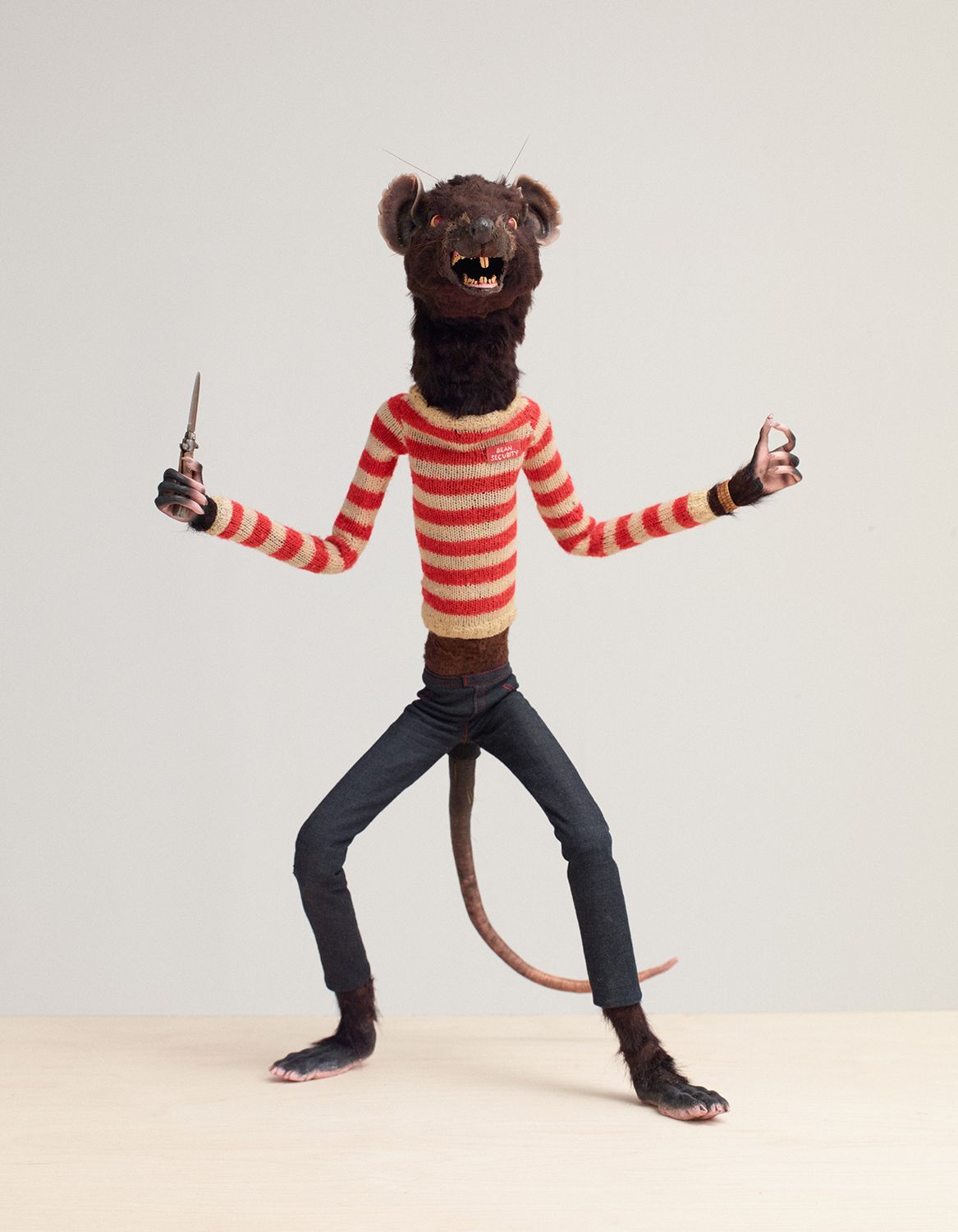
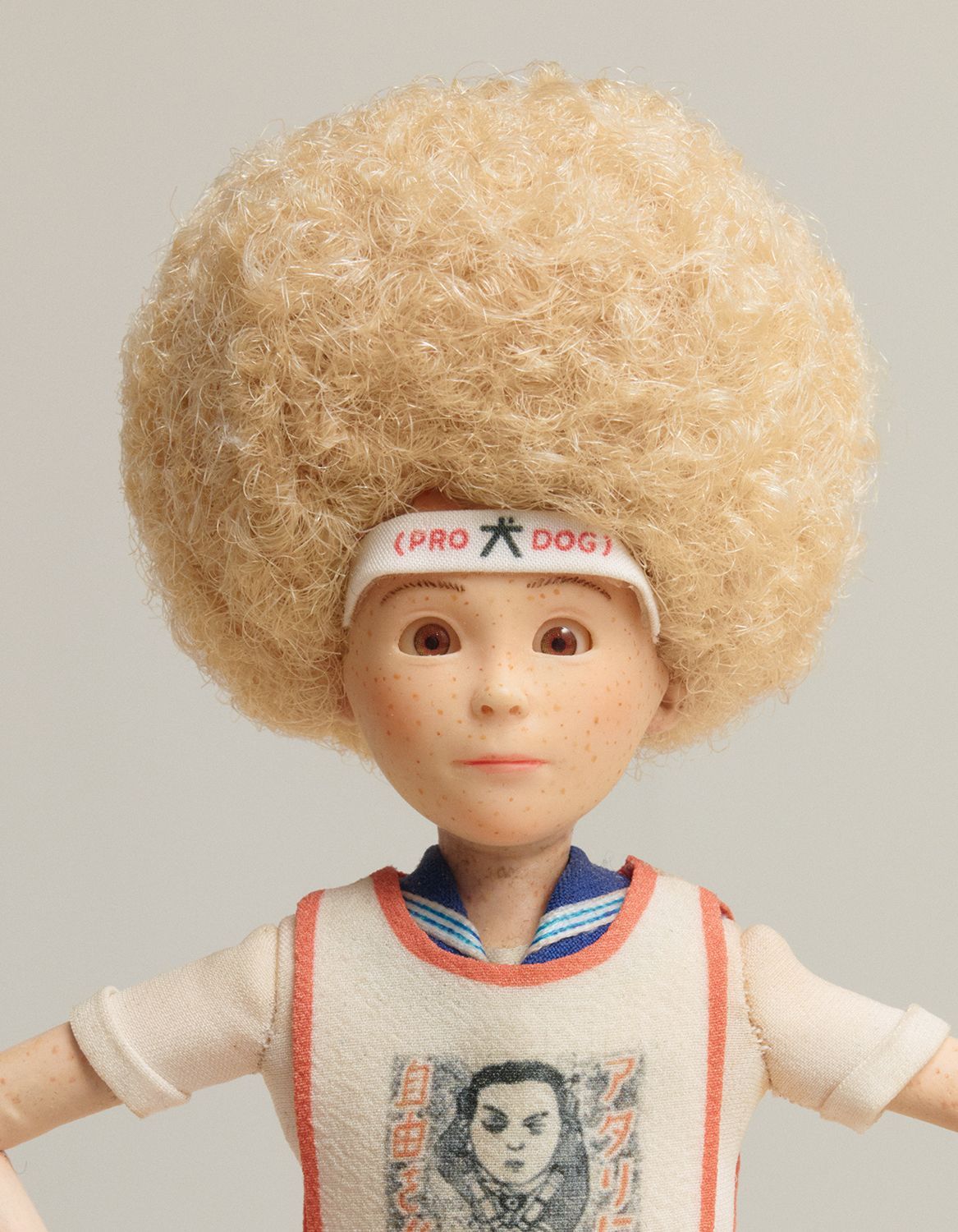
And also the painting “Boy with Apple”, a central piece in “The Grand Budapest Hotel”, alongside costumes from Gustave H (Ralph Fiennes) and Madame D (Tilda Swinton), and the puppets and miniature sets from “Fantastic Mr. Fox” and “Isle of Dogs”.
At the heart of it all: Wes’s notebooks
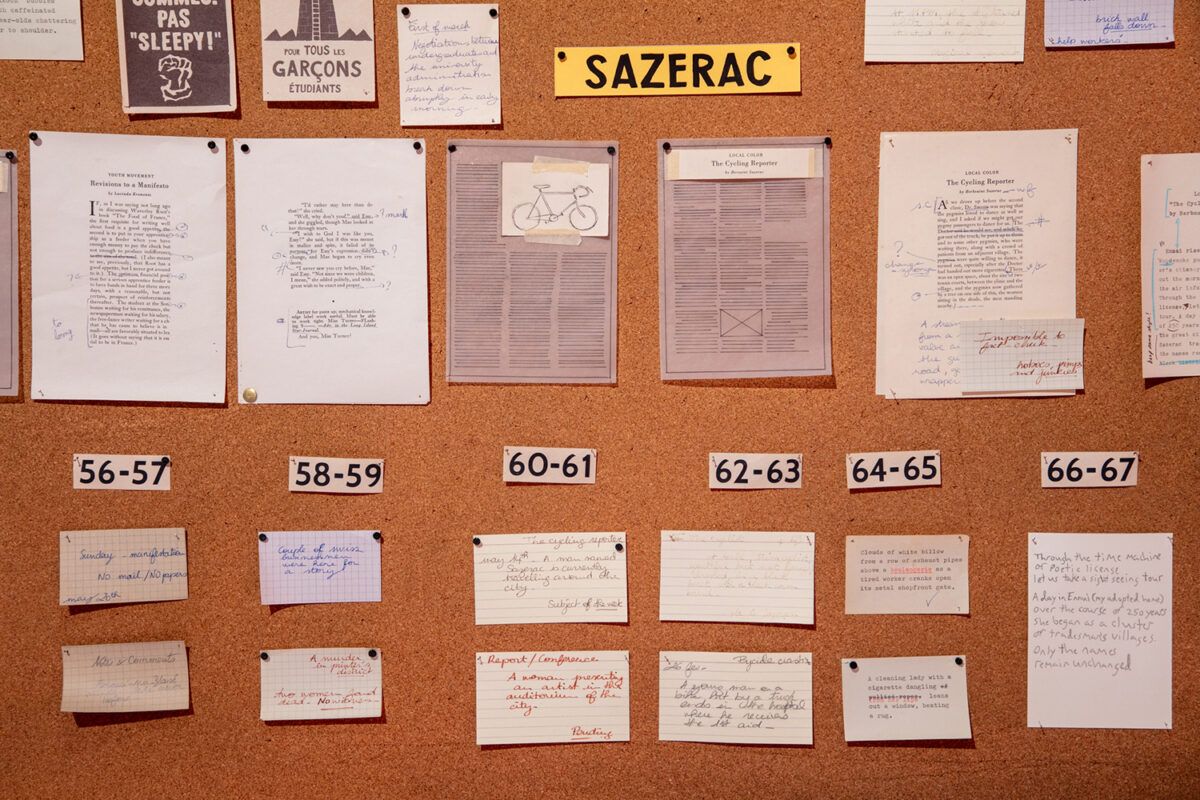
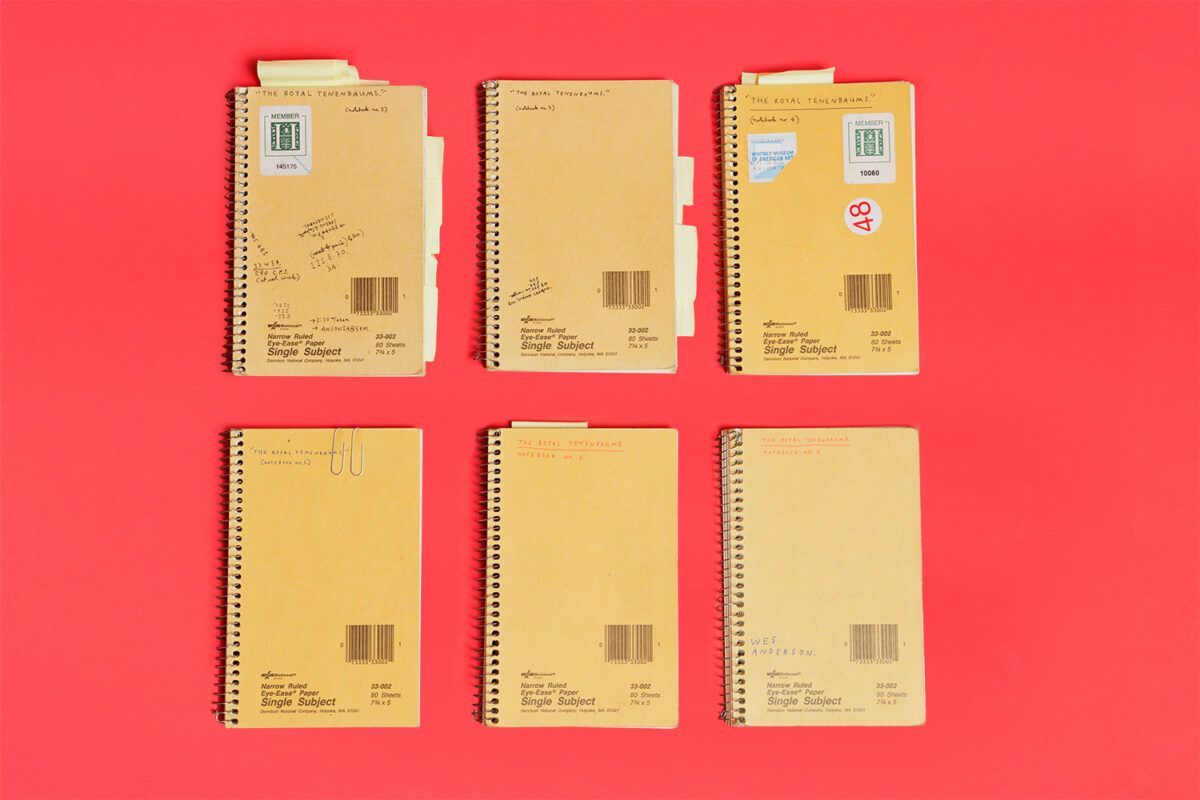
One of the most revealing parts of the exhibition is the collection of Wes Anderson’s handwritten notebooks. Carefully preserved and full of notes, sketches, visual ideas, aesthetic references, and script fragments, they offer visitors a glimpse into the very seed of each film.
Each page is an intimate window into his imagination: hand-drawn illustrations, music notes, scribbled dialogues, and character diagrams that would eventually become some of the most memorable figures in contemporary cinema.
These notebooks are not just valuable for their artistic merit—they also reveal Anderson’s deeply handcrafted, meticulous working method. Every detail is carefully considered long before it appears on screen. These journals are, in essence, the beginnings of his cinematic worlds.
Collaborators who build worlds
The exhibition also pays tribute to the creative collaborators who have accompanied Wes Anderson throughout his career—forming a kind of artistic family who help bring his vision to life.
From production designers like Adam Stockhausen, who gives shape to Anderson’s most evocative spaces, to composer Alexandre Desplat, whose music weaves melancholic, playful, and deeply narrative atmospheres.
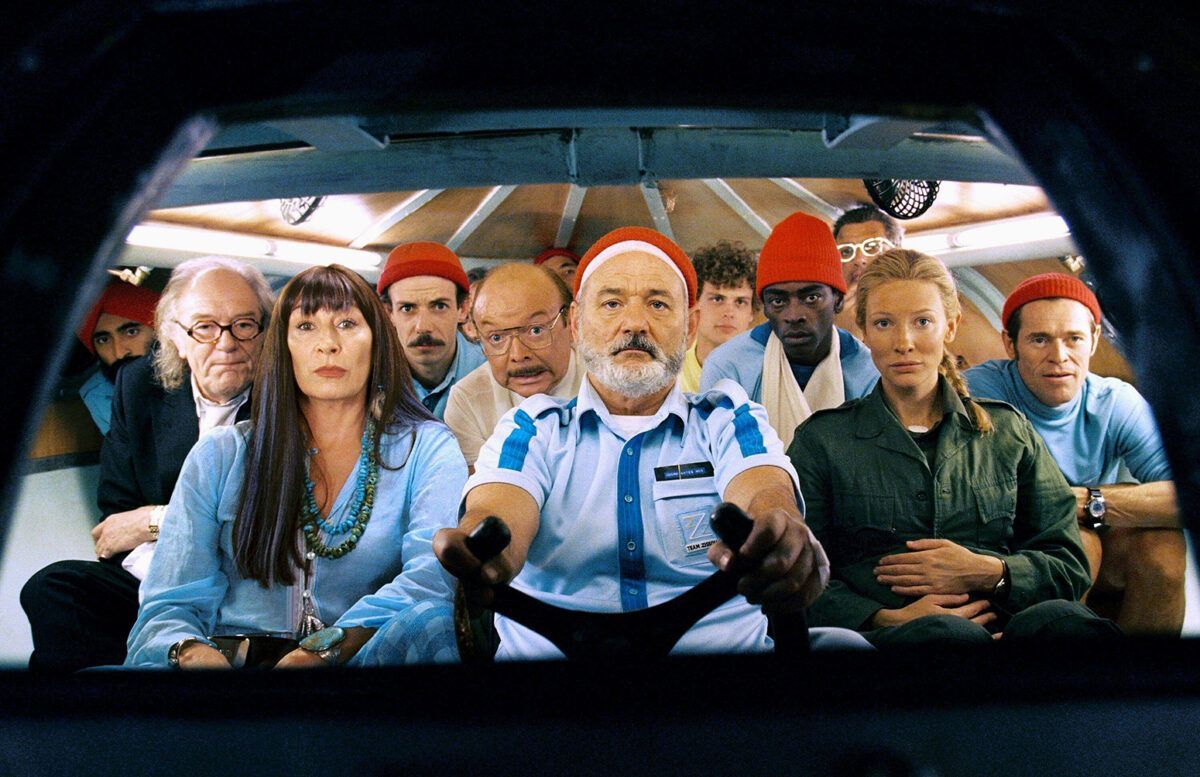
And, of course, the iconic faces of his filmography: Bill Murray, Tilda Swinton, Jason Schwartzman, Owen Wilson, among many others—actors who not only play roles but seem to inhabit the Anderson universe. Their voices, gestures, and presence have become essential to his emotional aesthetic.
The exhibition celebrates these collaborations with original costumes, personal items, costume sketches, and behind-the-scenes materials. More than a showcase of auteur cinema, “Wes Anderson: The Archives” reveals a constellation of talents building a singular visual and narrative language.
A personal archive turned exhibition
Perhaps the most touching aspect of this exhibition is its origin. After discovering that everything built for “Bottle Rocket” —his first feature—had been sold or lost by the studio, Anderson began meticulously archiving all objects from “Rushmore” (1998) onwards. That loss marked a turning point, and from then on, he became the guardian of his own cinematic universe, preserving each piece as a fragment of visual memory.
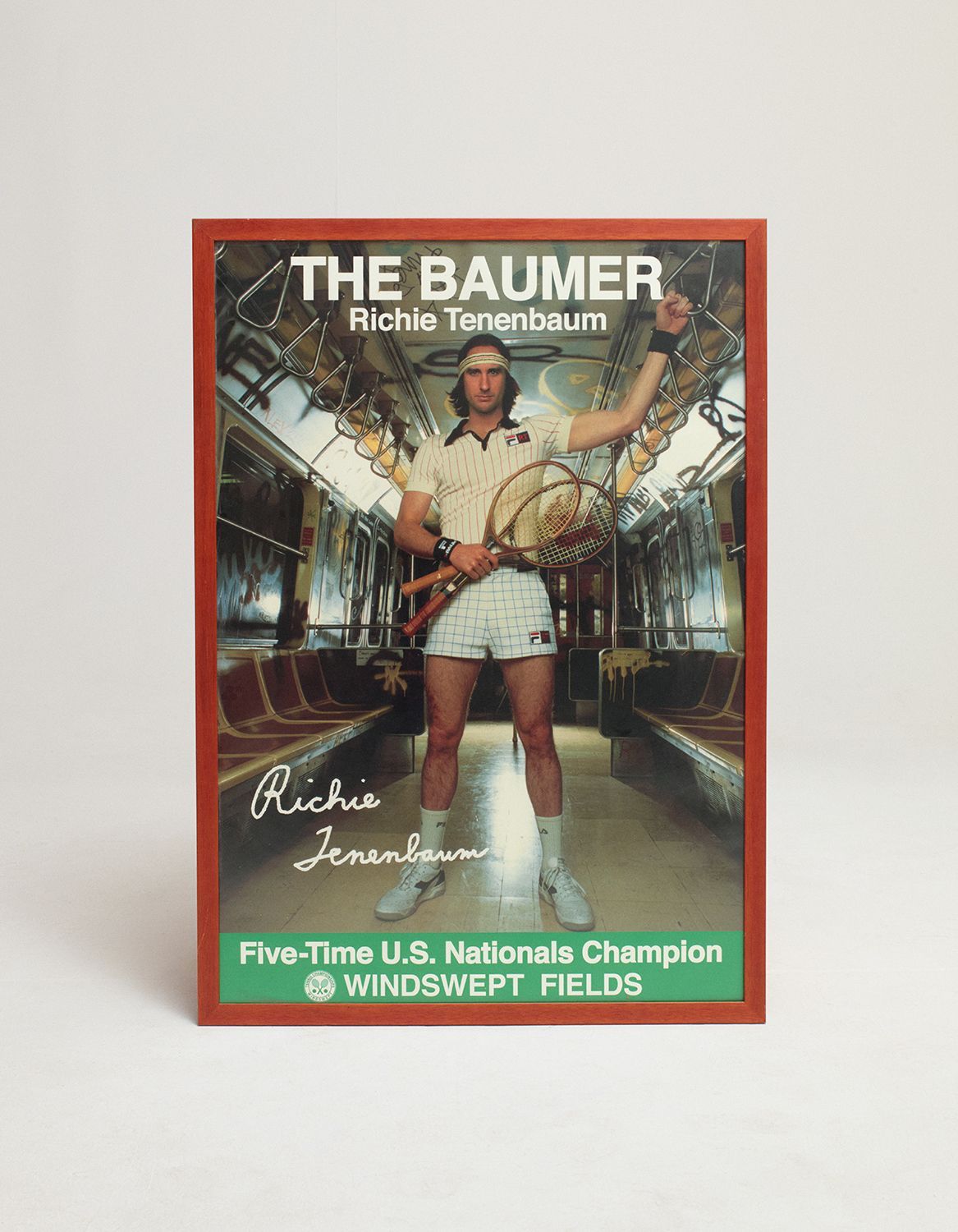
Over more than two decades, he has accumulated thousands of items: costumes, models, custom-designed props, handwritten notebooks, unique accessories—all created for mere seconds of screen time. Now, for the first time, this intimate, carefully preserved collection is on public display in the UK, inviting visitors to step inside the personal archive of one of the most unique filmmakers of our time.
This archive doesn’t just document a filmography—it embodies Anderson’s aesthetic and narrative philosophy. In his cinema, every object is tangible, real, with emotional weight and symbolic value. Nothing is accidental.
Though many of these items appear only briefly on screen, each has been conceived with artistic, artisanal, and narrative intent. They are far more than props: they are pieces of design that construct meaning, atmosphere, and character. In this context, the exhibition becomes more than a retrospective. It’s a celebration of cinema as total art—where the visual, the material, and the emotional coexist in harmony.
Quite literally, it is a cinema you can touch.
“Great storytelling requires great design.”
A world-builder
Tim Marlow, Director of the Design Museum, summarises the impact of Anderson’s work:
“He has created some of the most visually distinctive and emotionally resonant films of recent decades. His singular vision and attention to detail are deeply connected to design and craftsmanship. That’s why this museum is the perfect home for such a retrospective”.
Beyond the exhibition: catalogue and collaborations
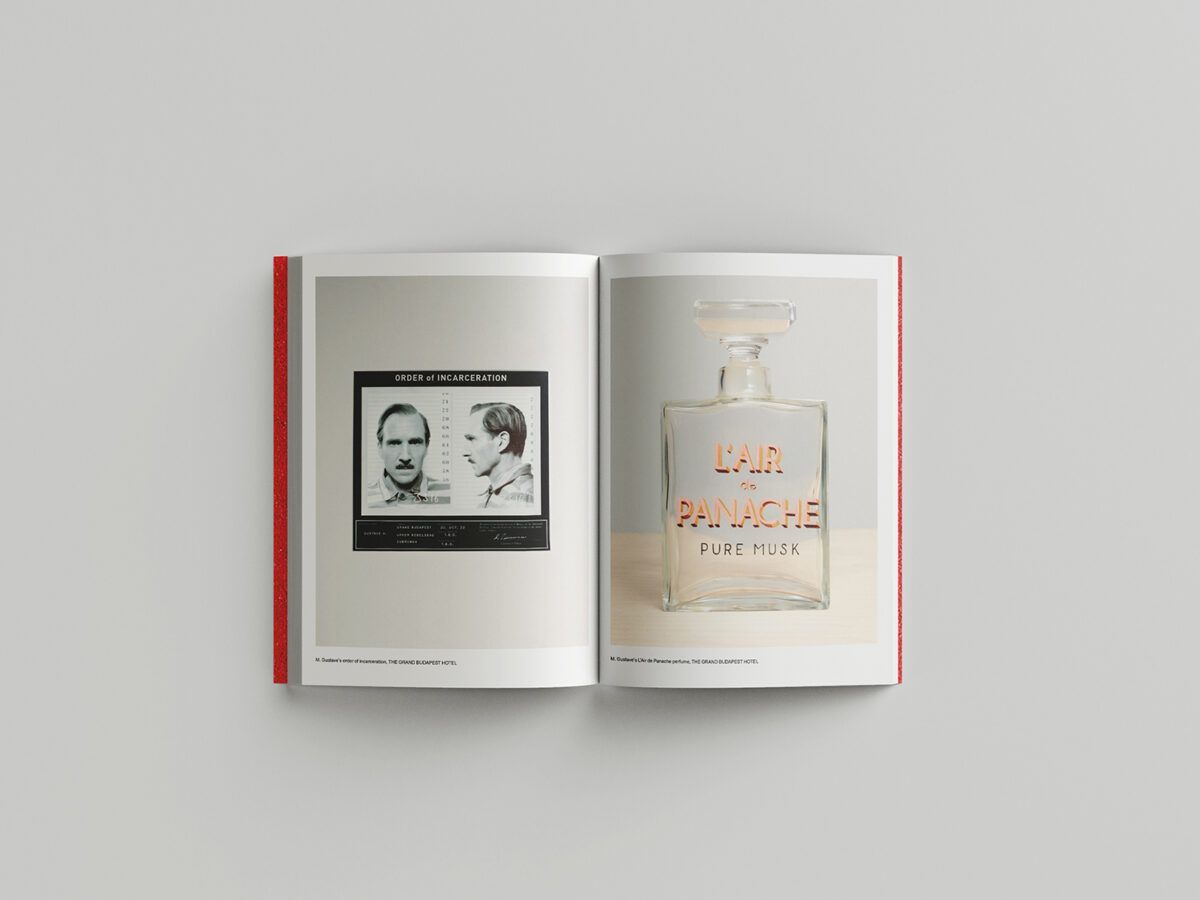
The show is accompanied by a large-format catalogue, packed with exclusive photography, interviews with collaborators, and essays from experts in cinema and design — a tangible extension of the Anderson universe.
This beautifully produced volume captures the spirit of the exhibition, offering readers the chance to revisit its most iconic pieces and delve deeper into the director’s creative process.
It also includes behind-the-scenes insights into the making of Anderson’s films, as well as reflections on his cultural impact over the past two decades.
This ambitious project has been made possible thanks to partnerships with sponsors like Canva, W Hotels, and Montblanc, reinforcing the connection between design, art, and contemporary storytelling.
Their involvement reflects a shared commitment to craftsmanship, creativity, and the celebration of visionary voices in contemporary culture.
“The show is accompanied by a large-format catalogue, a tangible extension of the Anderson universe.”
A journey into the extraordinary
“Wes Anderson: The Archives” is not just for film fans—it’s a celebration of storytelling through objects, colour, texture, and emotion. It’s an immersive cultural experience for those who love design, craftsmanship, visual narrative, and detail as a form of artistic expression.
Every room in the exhibition invites you to lose yourself in a carefully built parallel universe, where everything—from a uniform button to a fictional portrait or a stop-motion miniature—has meaning and purpose.
It’s a tribute to the beauty of the handmade, to collective creation, and to the singular gaze of a filmmaker who has turned the everyday into visual poetry.
A journey into the extraordinary—where detail reigns and every object tells a story that lingers long after the cinema lights go down.
“I want to try to make something personal, creative, and meaningful to me.”
An absolute must-see in London for 2025 and beyond.
(*) Statements by Wes Anderson. Photo credits: Horizontal still 1, images 3, 4, 5, 6, 8, 9, 10, 11 and 12 rollover, vertical images 1–6: Wes Anderson / The Archives at the Design Museum. Photo credit: Luke Hayes. Horizontal still 2: Film still from The French Dispatch (2021). Roger Do Minh, Timothée Chalamet in The French Dispatch (2021), behind-the-scenes photograph © Roger Do Minh. Rollover image 1: Film still from The Life Aquatic (2004). Anjelica Huston, Bill Murray and Cate Blanchett in The Life Aquatic (2003), film image © Disney. Rollover image 2: Film still from The Grand Budapest Hotel (2014). Paul Schlase, Tony Revolori, Tilda Swinton and Ralph Fiennes in The Grand Budapest Hotel (2014), film image. Courtesy of 20th Century Studios, Inc. All rights reserved. Rollover image 6: Film still from The Darjeeling Limited (2007). Jason Schwartzman, Owen Wilson and Adrien Brody in The Darjeeling Limited (2007), film image. Courtesy of 20th Century Studios, Inc. All rights reserved. Rollover image 7: Film still from The Darjeeling Limited (2007). Jason Schwartzman, Owen Wilson and Adrien Brody in The Darjeeling Limited (2007), film image. Courtesy of 20th Century Studios, Inc. All rights reserved.