Nolan’s Odyssey
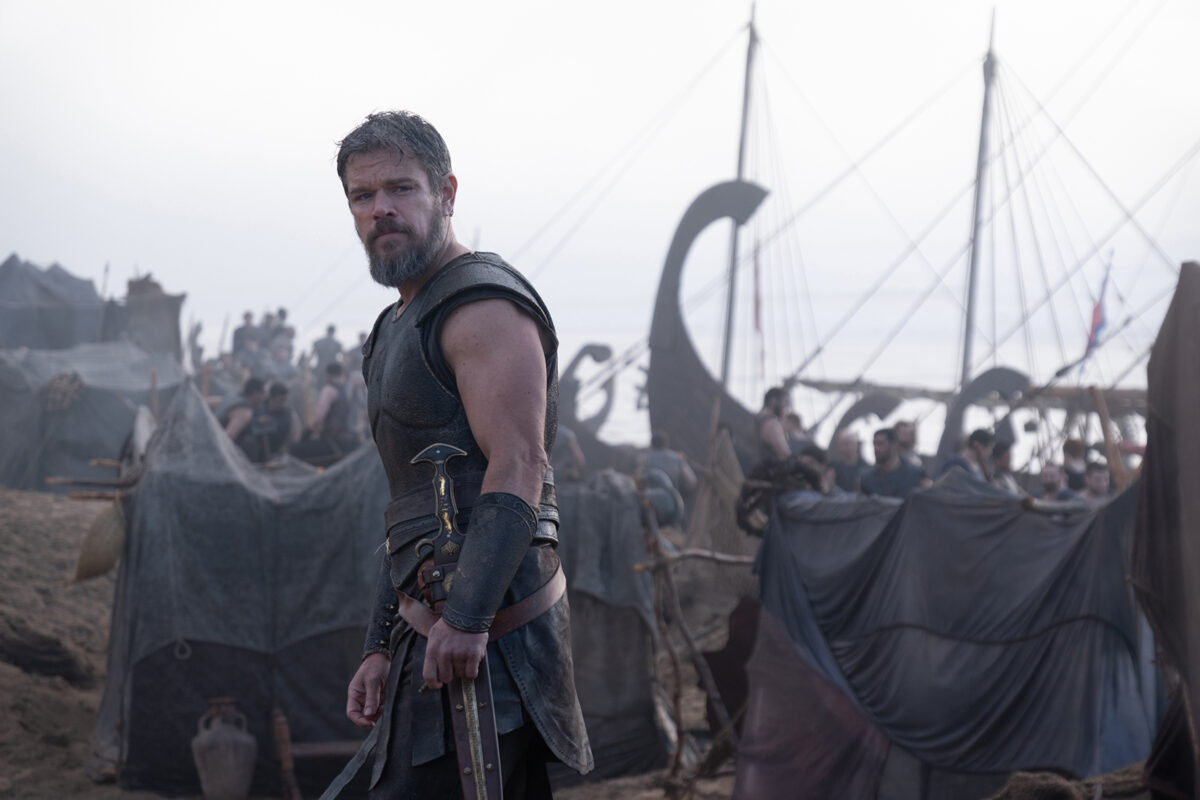
Christopher Nolan has never hidden his fascination with ambitious challenges. After winning over both critics and audiences with Oppenheimer, the British filmmaker now turns his attention to one of the defining stories of Western civilisation. His adaptation of The Odyssey is arguably the most ambitious project of his career and makes history as the first feature film to be shot entirely using IMAX cameras.
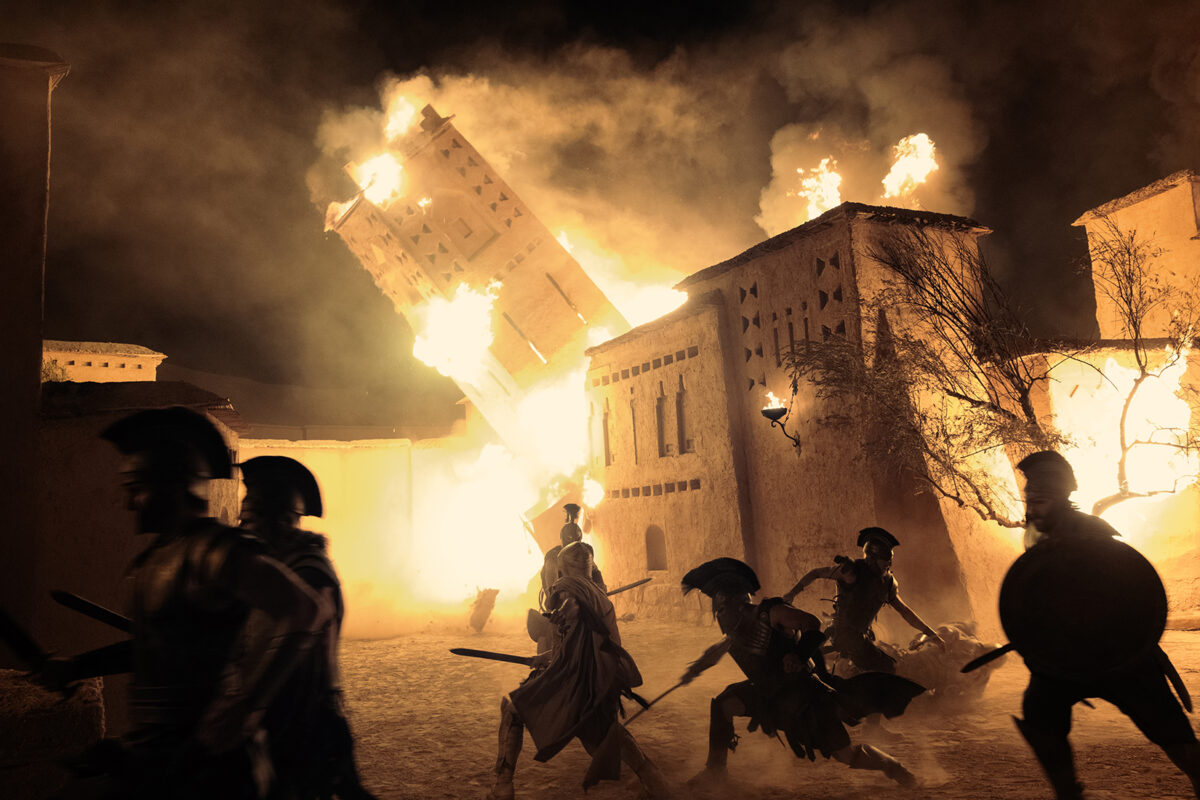
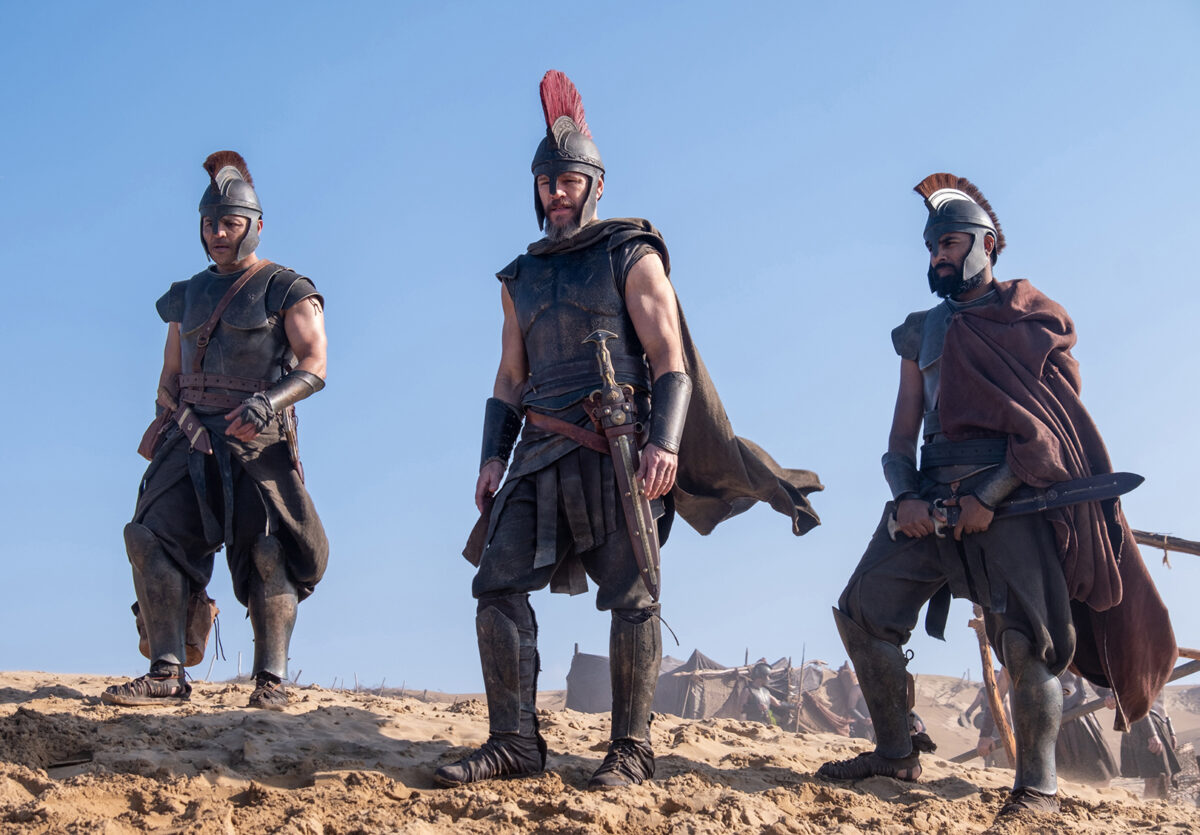
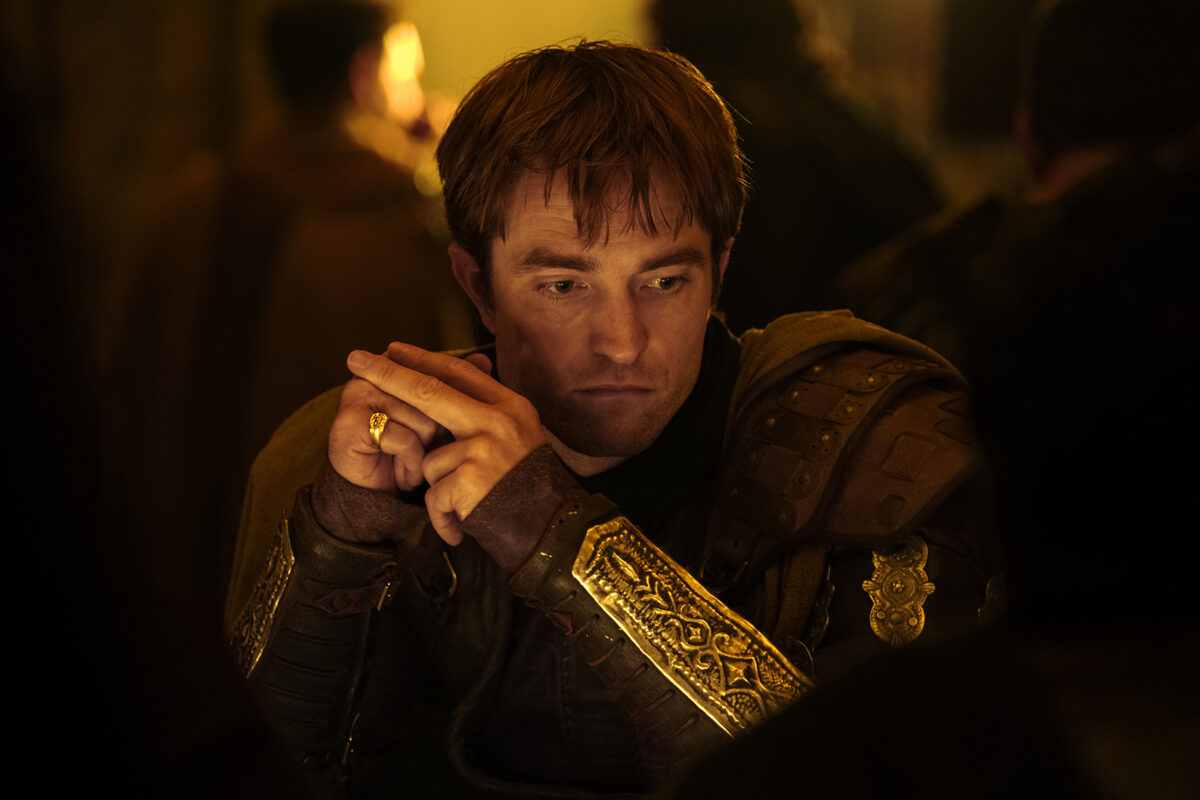
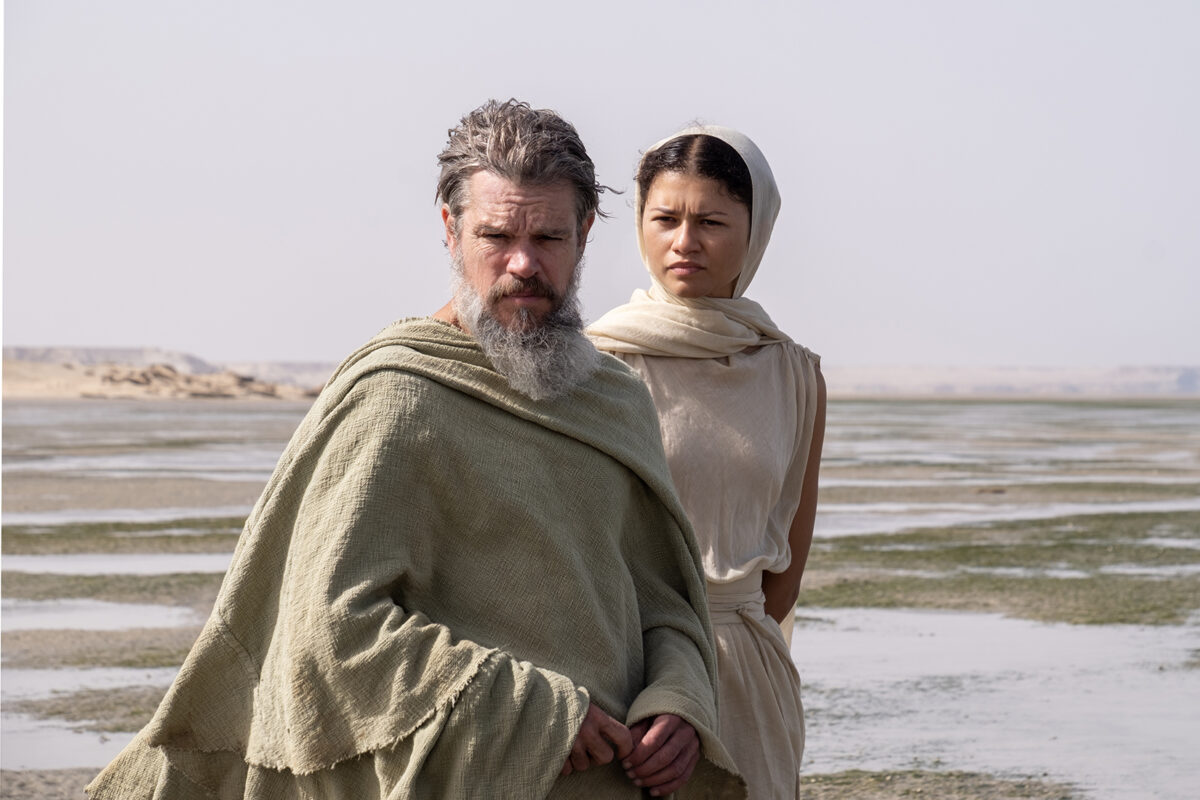
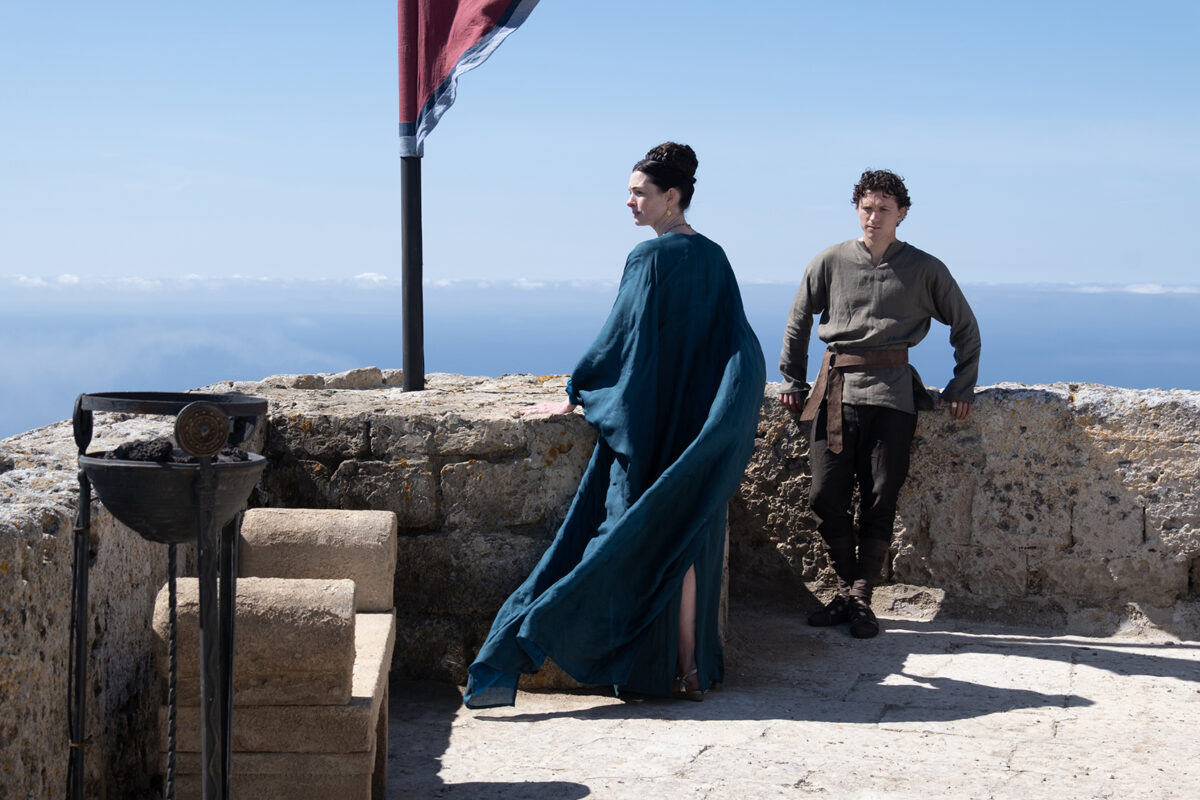
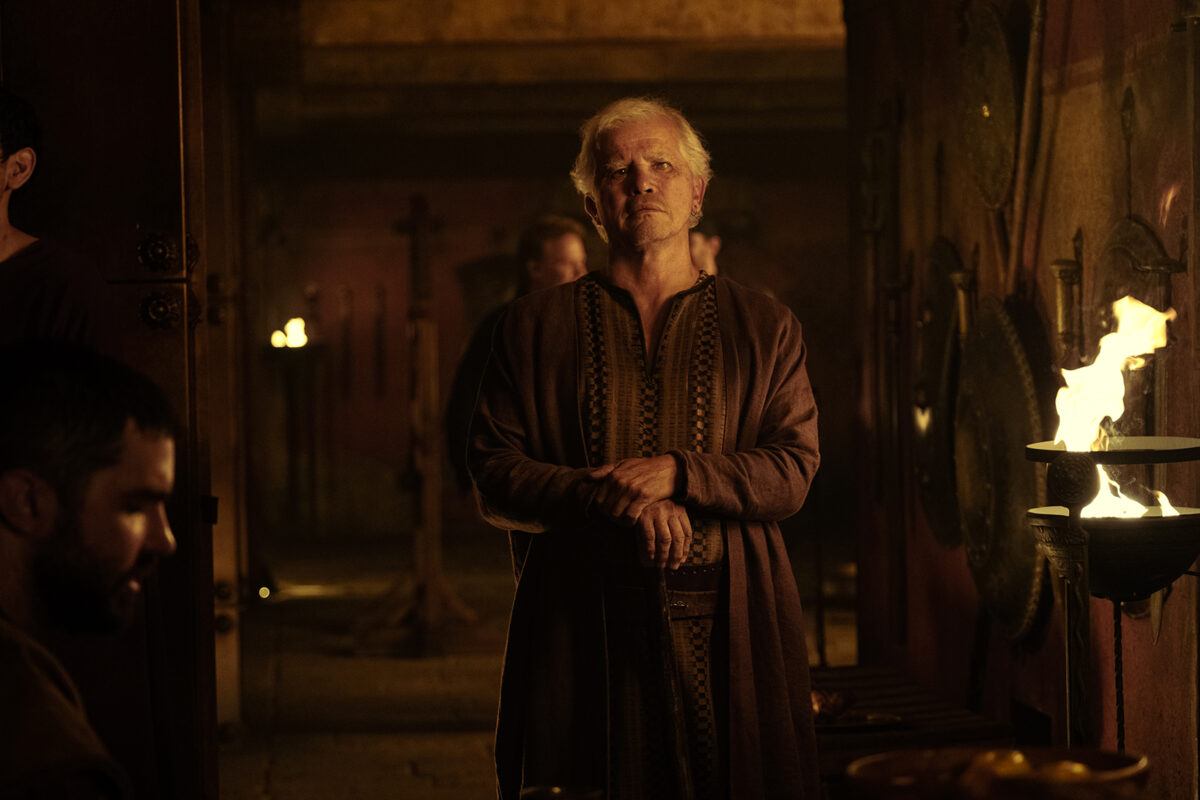
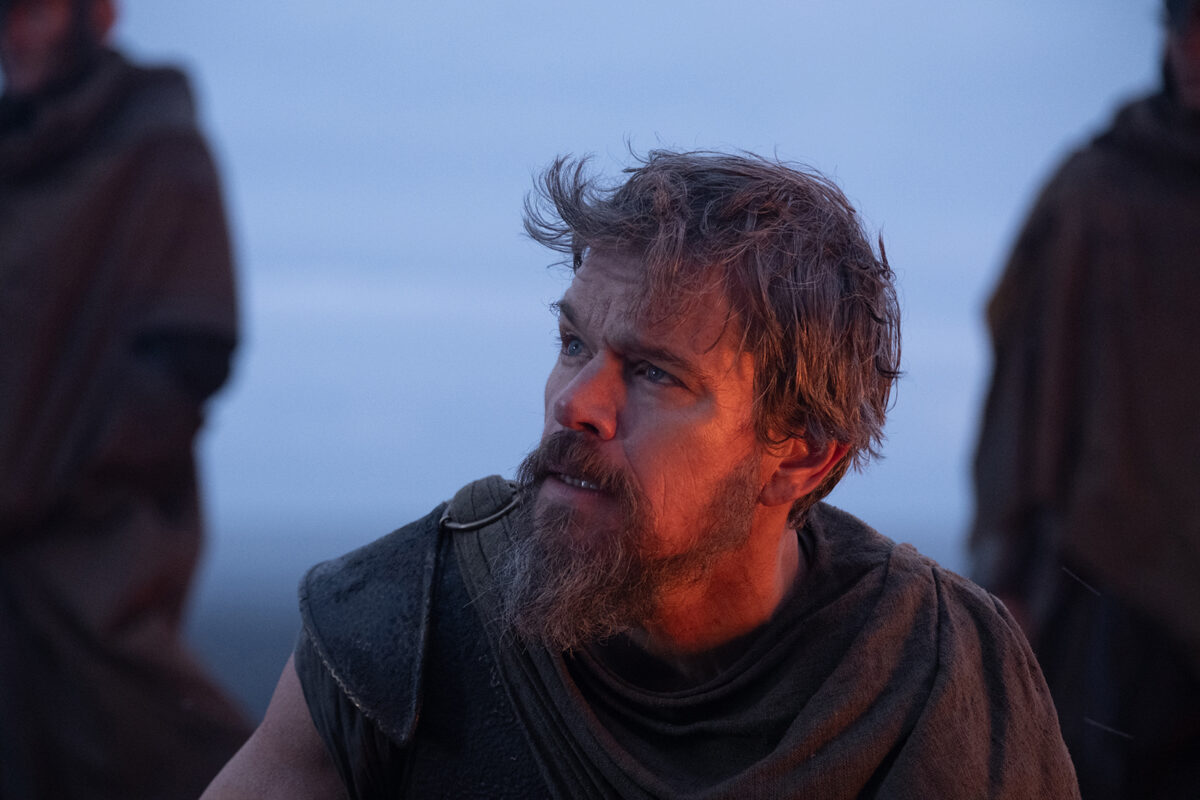
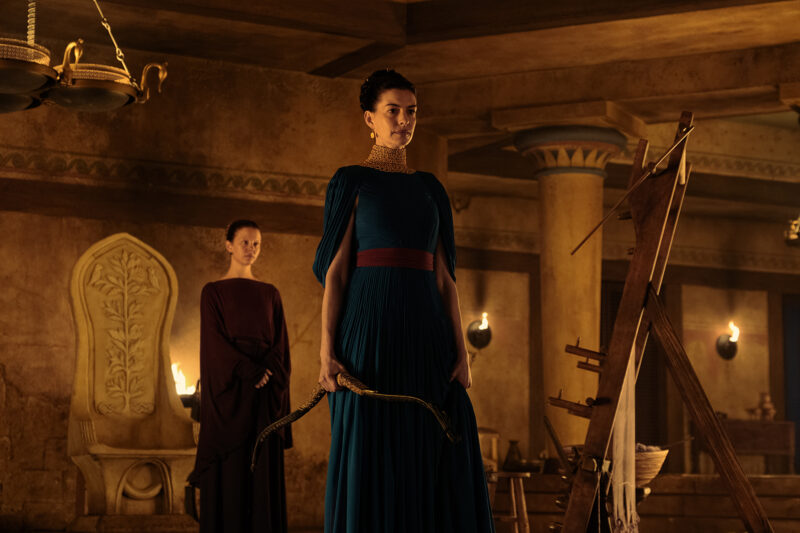
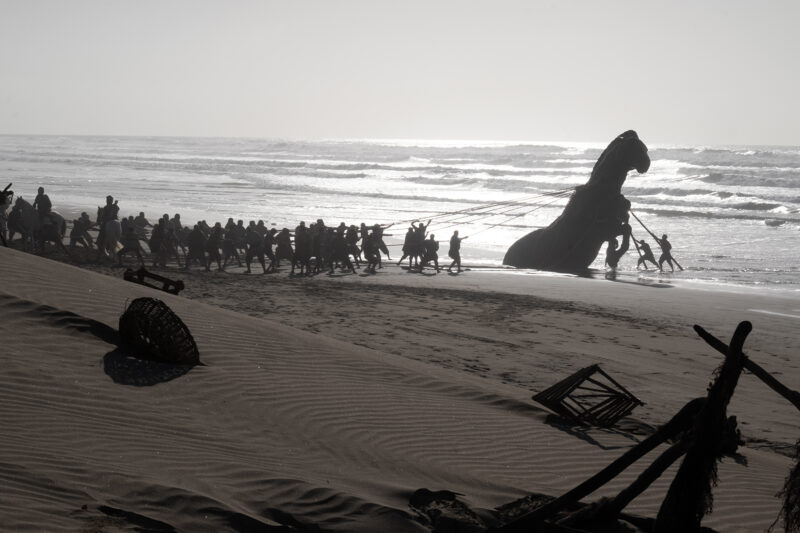
Yet reducing The Odyssey to a technological achievement alone would be to overlook its true ambition. Nolan has conceived this adaptation as a fully immersive experience in every sense: life-sized cities built from the ground up, real ships sailing on the open sea, breathtaking natural locations across Morocco, Greece, Italy, Iceland, Scotland and the United States, thousands of extras, more than 5,300 bespoke costumes and a relentless commitment to authenticity that places practical filmmaking back at the very heart of the spectacle.
The scale of the project is evident in every department. From Hoyte van Hoytema‘s cinematography and Ruth De Jong‘s production design to Ellen Mirojnick‘s costume design and Ludwig Göransson‘s score, every creative decision appears to serve the same purpose: recapturing the spirit of the great classical epics through the tools of contemporary cinema, without losing the realism that has become one of Christopher Nolan‘s defining trademarks.
Homer according to Christopher Nolan
It is no coincidence that Christopher Nolan chose The Odyssey as his next film. For more than two decades, the British director has explored themes such as time, memory, identity and sacrifice—ideas that were already embedded in Homer‘s epic poem and which, in one form or another, have shaped much of his filmography.
Nolan himself has admitted that revisiting the poem made him realise just how profoundly it had influenced his understanding of cinema. Odysseus‘ story is not simply about monsters, gods or battles. It is also about endurance, loss, humanity’s extraordinary ability to adapt and, above all, the universal desire to find one’s way home.
It is upon these foundations that the film is built. Following the fall of Troy, Odysseus begins his journey back to Ithaca—a voyage that should have taken only a matter of weeks but instead becomes an odyssey lasting years, marked by storms, mythical creatures, enchantresses and the relentless interference of the gods. Meanwhile, Penelope withstands the growing pressure of the suitors determined to seize the throne, while Telemachus refuses to believe that his father has been lost forever.
Odysseus’ story is about endurance, loss, humanity’s extraordinary ability to adapt and, above all, the universal desire to find one’s way home.
A colossal cast
To bring this world to life, Nolan has assembled one of the most remarkable casts in recent years. Matt Damon takes on the role of Odysseus, joined by Tom Holland as Telemachus and Anne Hathaway as Penelope. They are accompanied by Zendaya, Charlize Theron, Robert Pattinson, Lupita Nyong’o, Samantha Morton, Elliot Page, John Leguizamo and John Bernthal, among others, creating an ensemble worthy of one of history’s greatest epics.
Beyond the star power, the cast succeeds because Nolan refuses to reduce his characters to mere mythological figures. Even at its most spectacular, the film never loses sight of the profoundly human conflict that lies at the heart of the story.
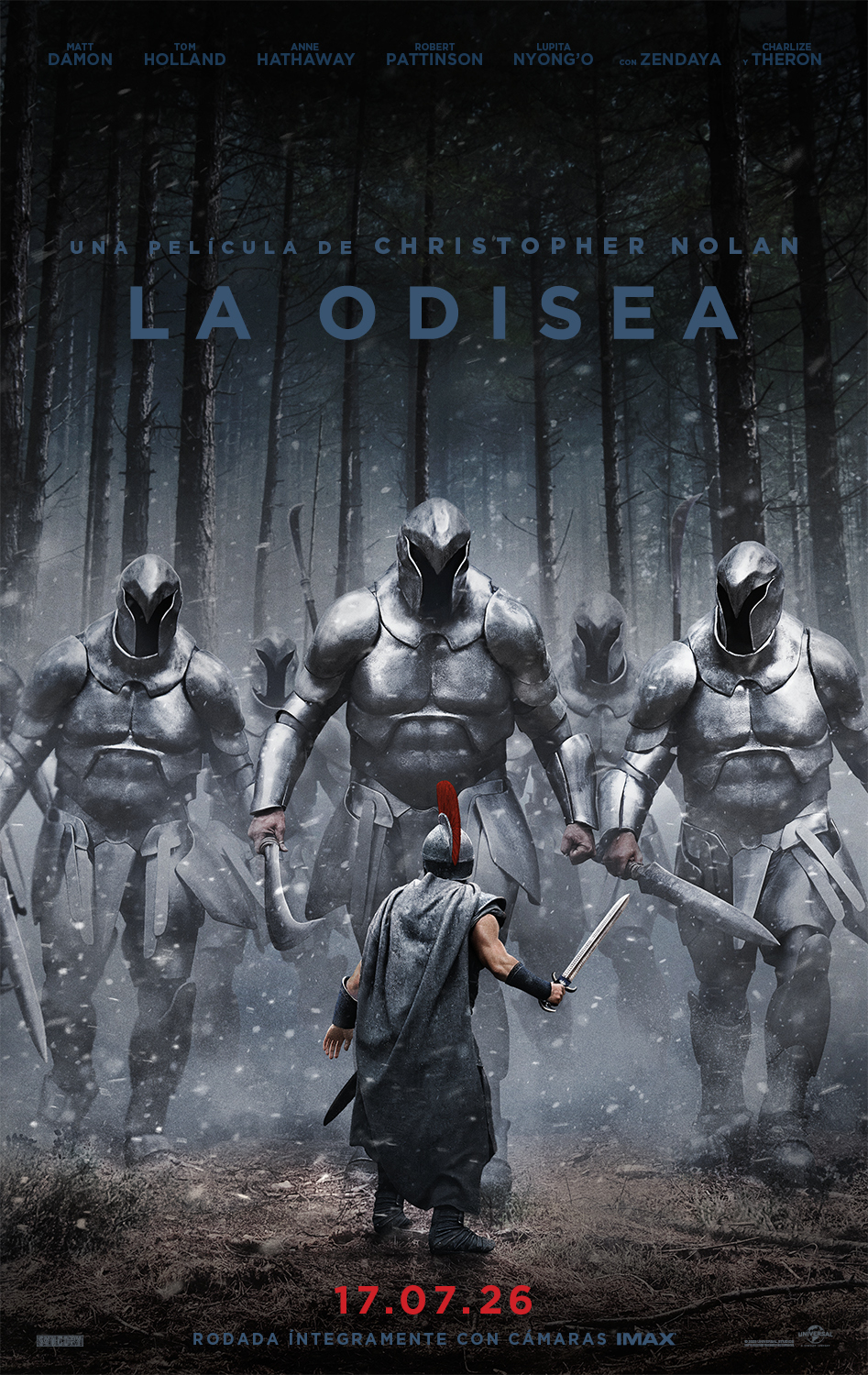
An entire film shot in IMAX
One of The Odyssey‘s greatest technical achievements lies behind the camera. It is the first feature film ever to be shot entirely using IMAX cameras, fulfilling a dream Nolan had pursued since his teenage years.
The format offers extraordinary resolution, depth and texture, but it has always suffered from one major drawback: noise. Traditional IMAX cameras were so loud that recording intimate dialogue scenes became extremely difficult. Matt Damon once compared the experience to having someone standing just inches away, waving a blender in front of his face.
For years, Nolan, cinematographer Hoyte van Hoytema and IMAX‘s engineering team had been searching for a solution. During the production of Tenet, they developed a soundproof housing known as The Blimp, designed to enclose the camera. Although it significantly reduced the noise, it was still not capable of supporting an entire feature film.
Before beginning work on The Odyssey, Nolan presented IMAX with a challenge: if they could perfect the system, he would commit to shooting his next film entirely using their cameras.
The result was a new generation of cameras known as Keighley, protected by an improved version of The Blimp. Together, they made something previously thought impossible: filming action sequences, sweeping landscapes and large-scale battles, while also capturing intimate conversations and emotionally delicate moments using exactly the same format.
The definitive test came during an extended scene between Matt Damon and Anne Hathaway inside the palace of Ithaca. It worked. From that moment onwards, the production abandoned every alternative and travelled exclusively with IMAX cameras.
It is the first feature film ever to be shot entirely using IMAX cameras, fulfilling a dream Nolan had pursued since his teenage years.