“La Grazia”: Sorrentino turns power into a moral dilemma
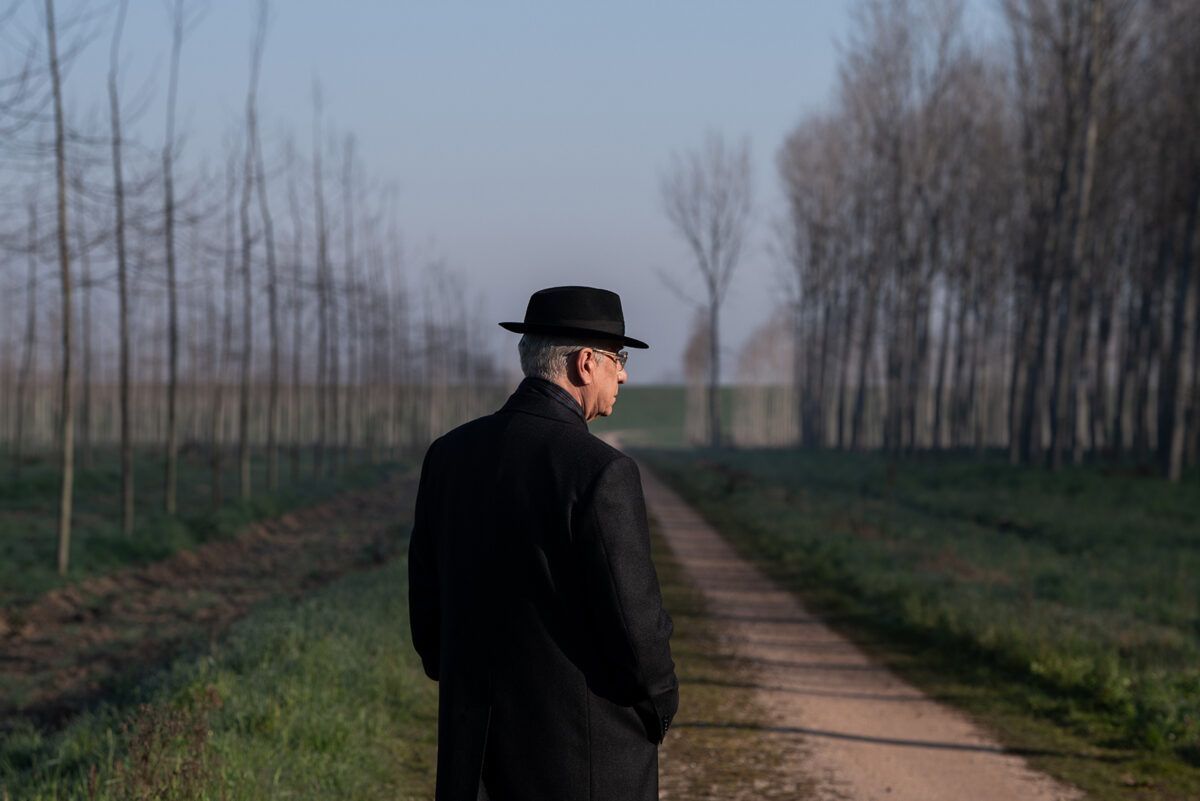
There are filmmakers who tell stories, and others who capture states of mind. Paolo Sorrentino unquestionably belongs to the latter. From “The Great Beauty” to “The Hand of God”, his cinema has consistently orbited around memory, identity, and that existential void lurking beneath the surface of success and power.
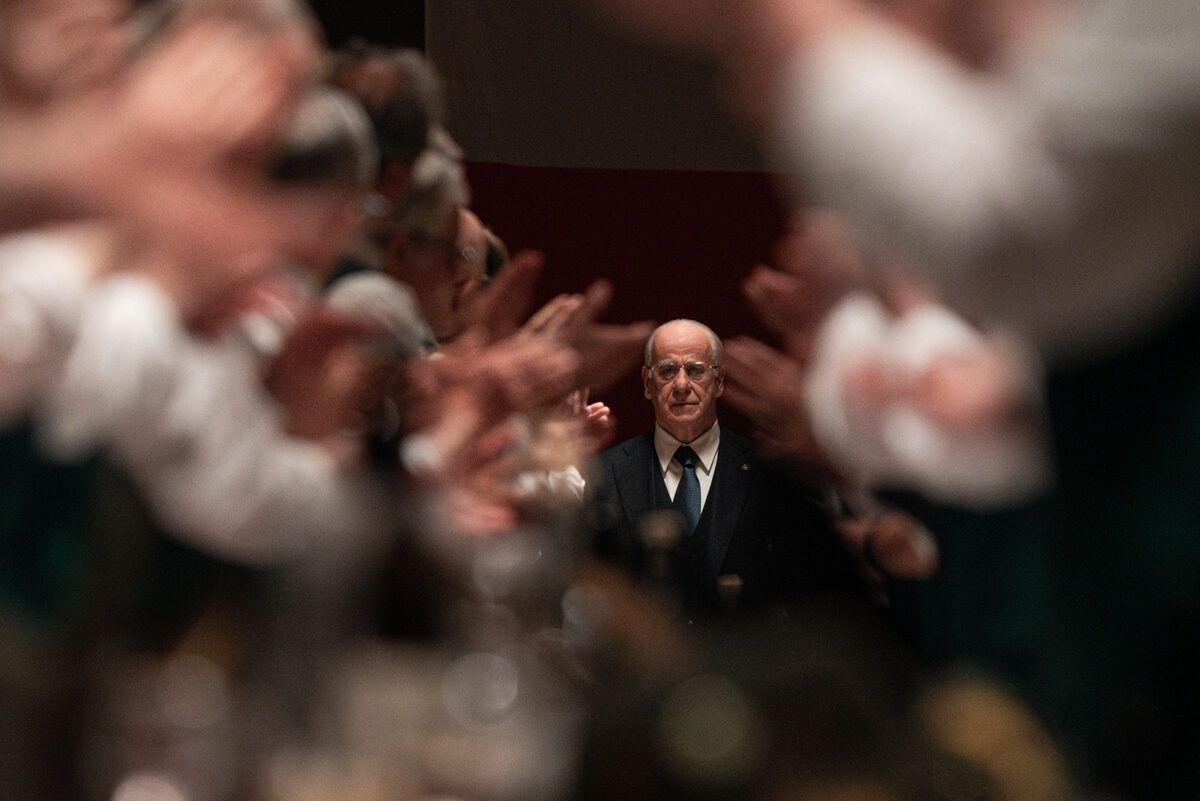
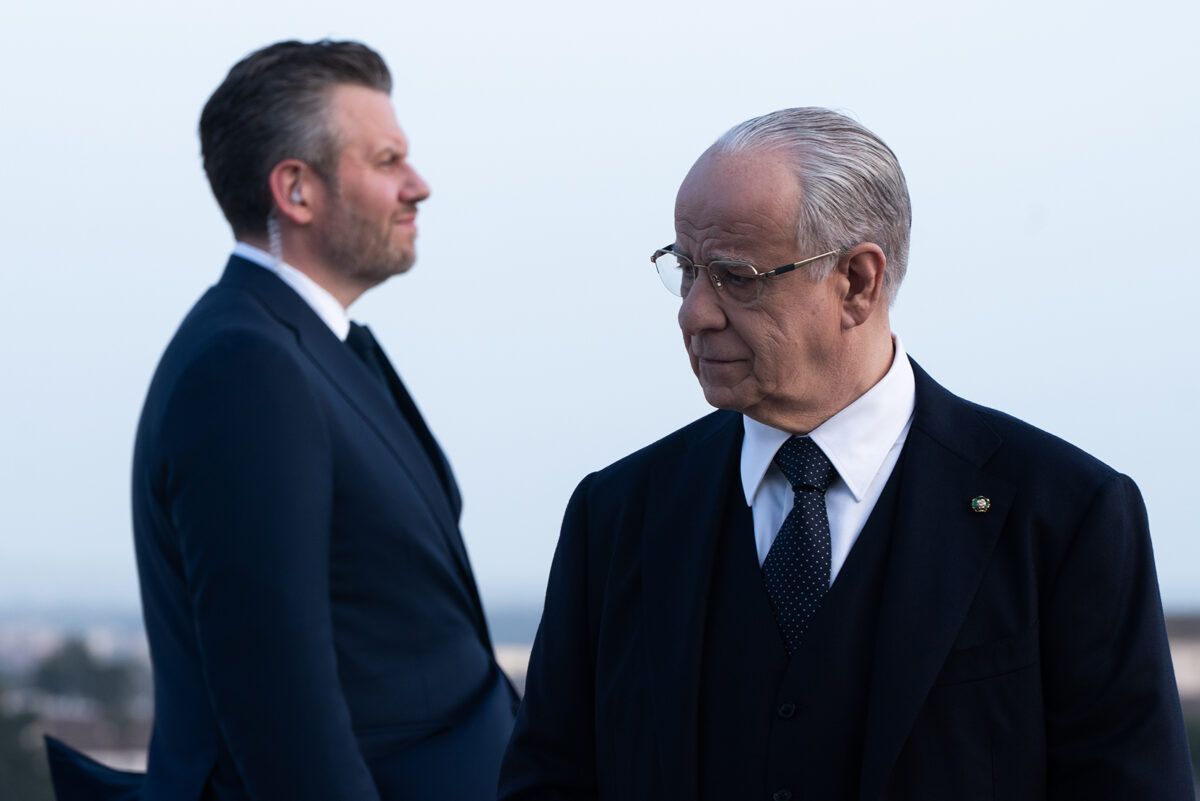
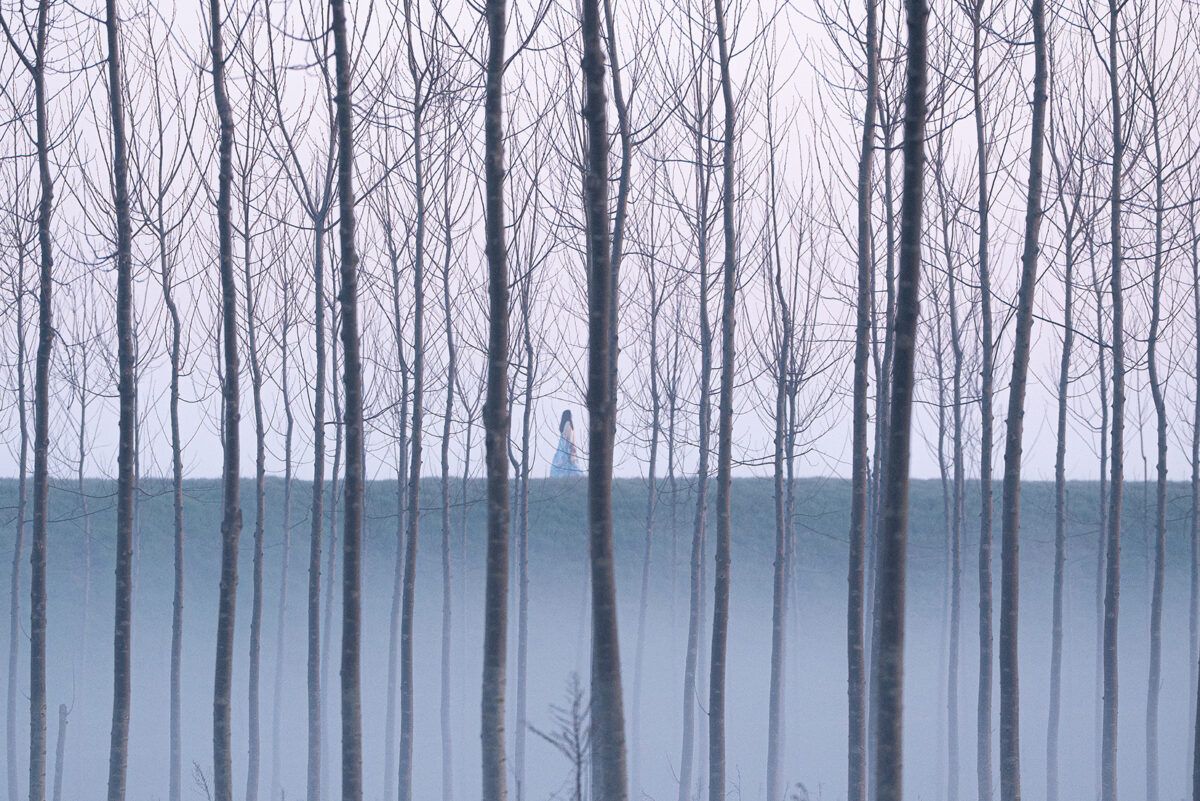
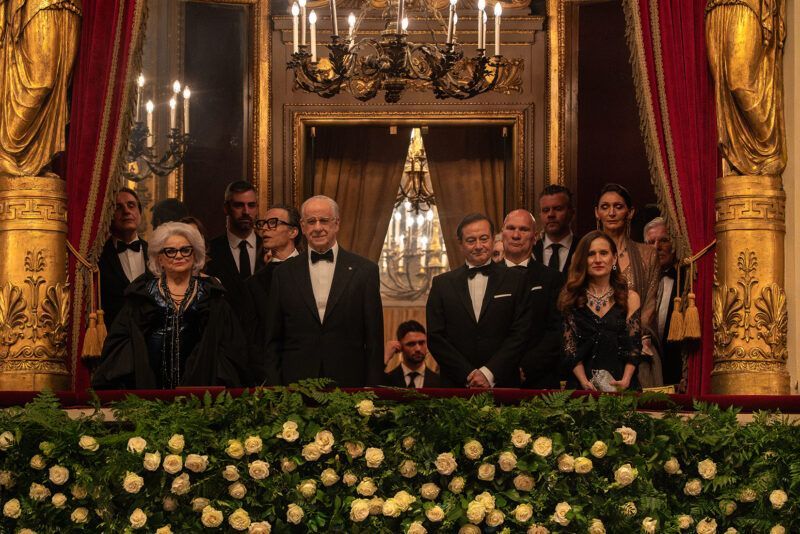
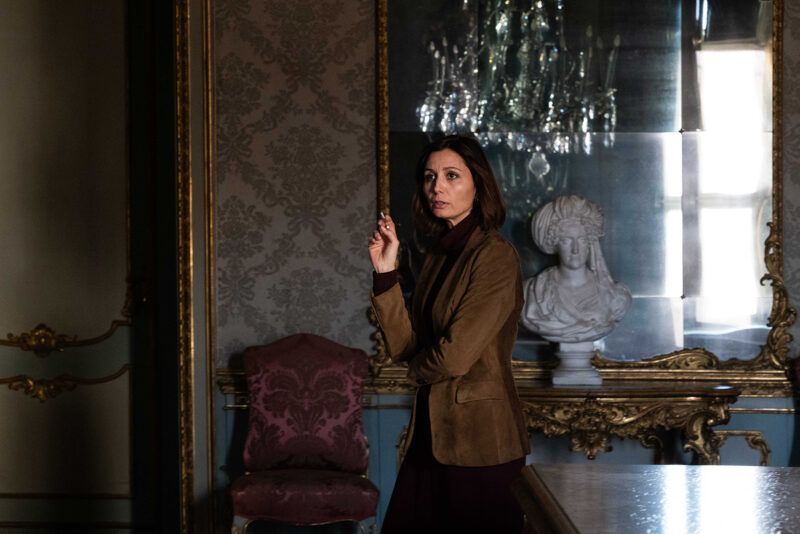
With “La Grazia”, his new film released this week in Spanish cinemas, the Neapolitan filmmaker returns with a work that, far from the baroque exuberance of his most celebrated pieces, embraces an emotional restraint that is, paradoxically, devastating. There are no narrative fireworks here—only silences, glances, and decisions that weigh heavily.
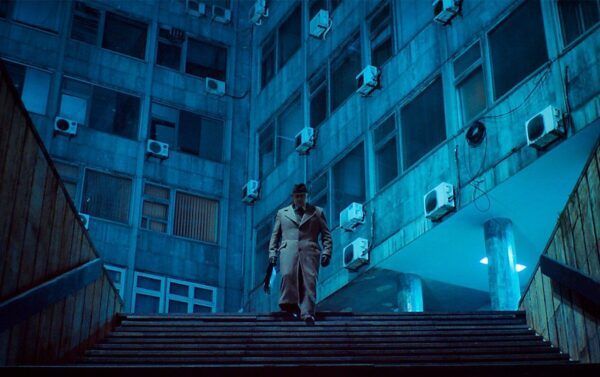
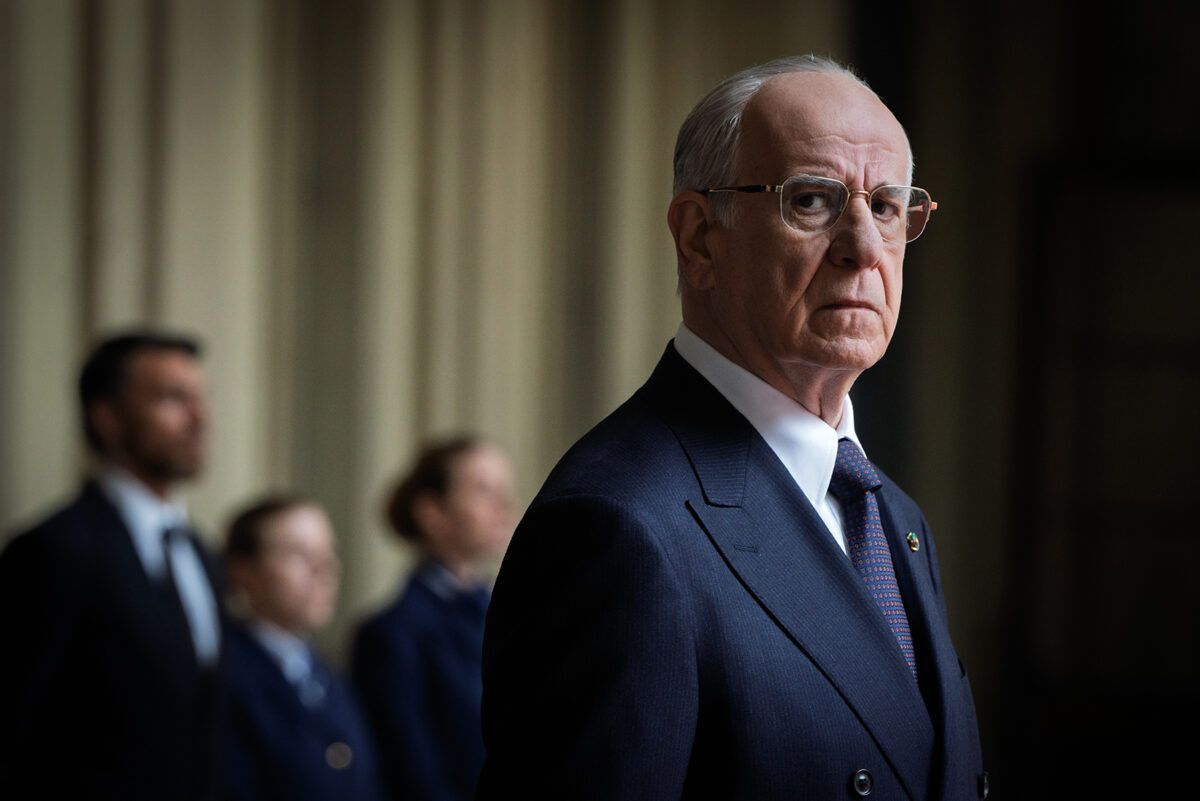
At the centre of the story is Mariano De Santis, President of the Italian Republic in the twilight of his mandate. A man portrayed with surgical precision by Toni Servillo, who finds himself at a crossroads where the political and the personal blur into one.
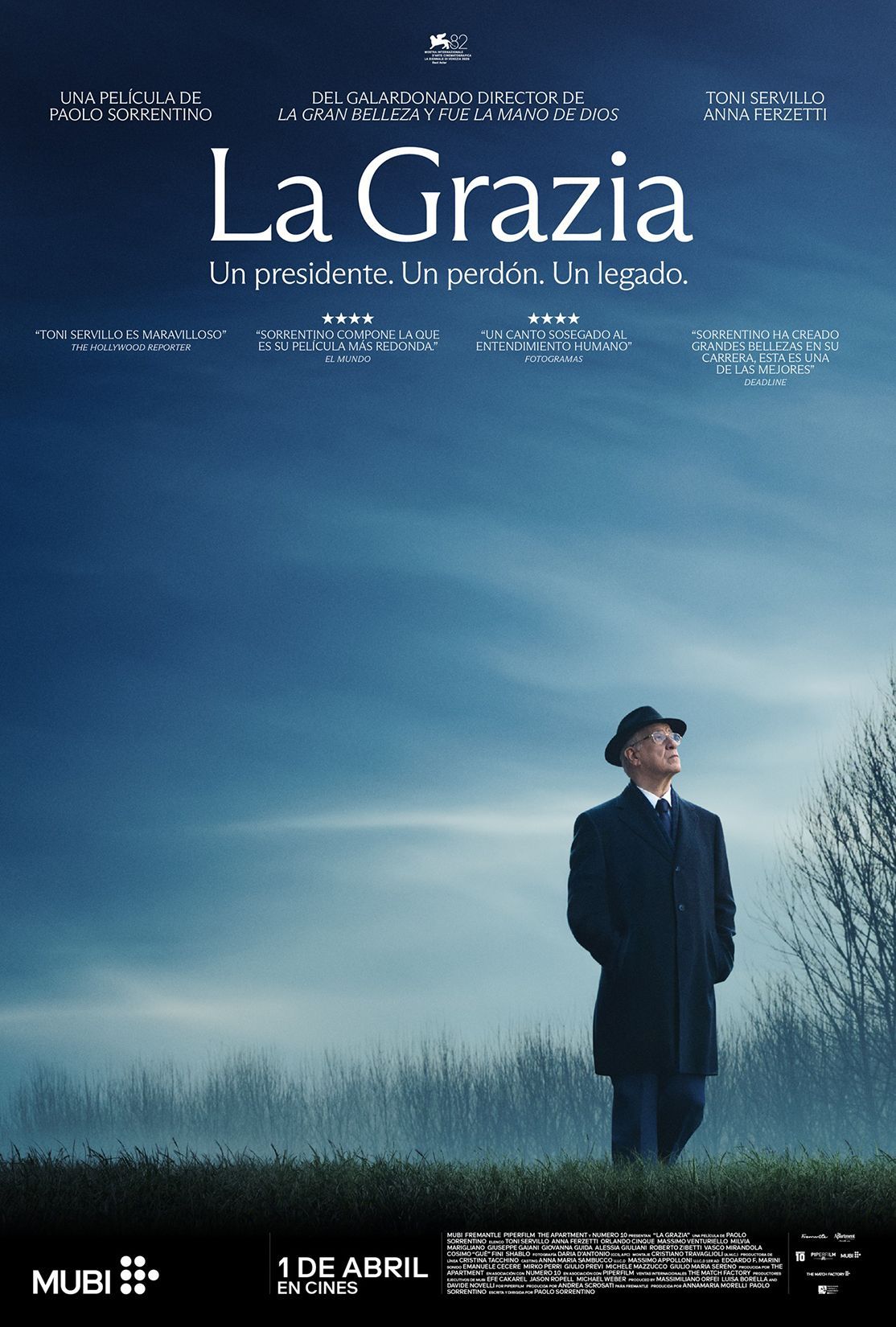
Power, doubt and the price of decision
Sorrentino constructs “La Grazia” as a reflection on the act of deciding, not through epic gestures, but through fragility. De Santis is not a conventional charismatic leader, but a man shaped by doubt, a quality the director elevates as essential in an age of manufactured certainties.
The central conflict—the possibility of granting a pardon to two individuals convicted of murder, alongside signing a controversial euthanasia law—acts as both a dramatic trigger and a moral mirror. Each decision carries consequences that extend beyond politics, affecting his identity, his legacy, and above all, his relationships.
In this sense, the film dialogues with the European cinematic tradition that explores ethical dilemmas as narrative engines, inevitably evoking the spirit of Krzysztof Kieslowski and his “Dekalog”. The comparison is no coincidence: Sorrentino himself acknowledges it as a direct influence, visible in how each decision becomes a question without a definitive answer.
“Sorrentino constructs La Grazia as a reflection on the act of deciding, not through epic gestures, but through fragility.”
Toni Servillo: A body inhabited by doubt
If “La Grazia” works, it is largely due to the monumental performance of Toni Servillo. A long-time collaborator of Sorrentino, the actor crafts a restrained, almost hermetic character, yet one riddled with cracks through which humanity seeps.
His De Santis is a man who has learned to conceal emotion behind institutional formality, only to gradually be overwhelmed by it. Every gesture, pause and glance feels both meticulously controlled and deeply spontaneous.
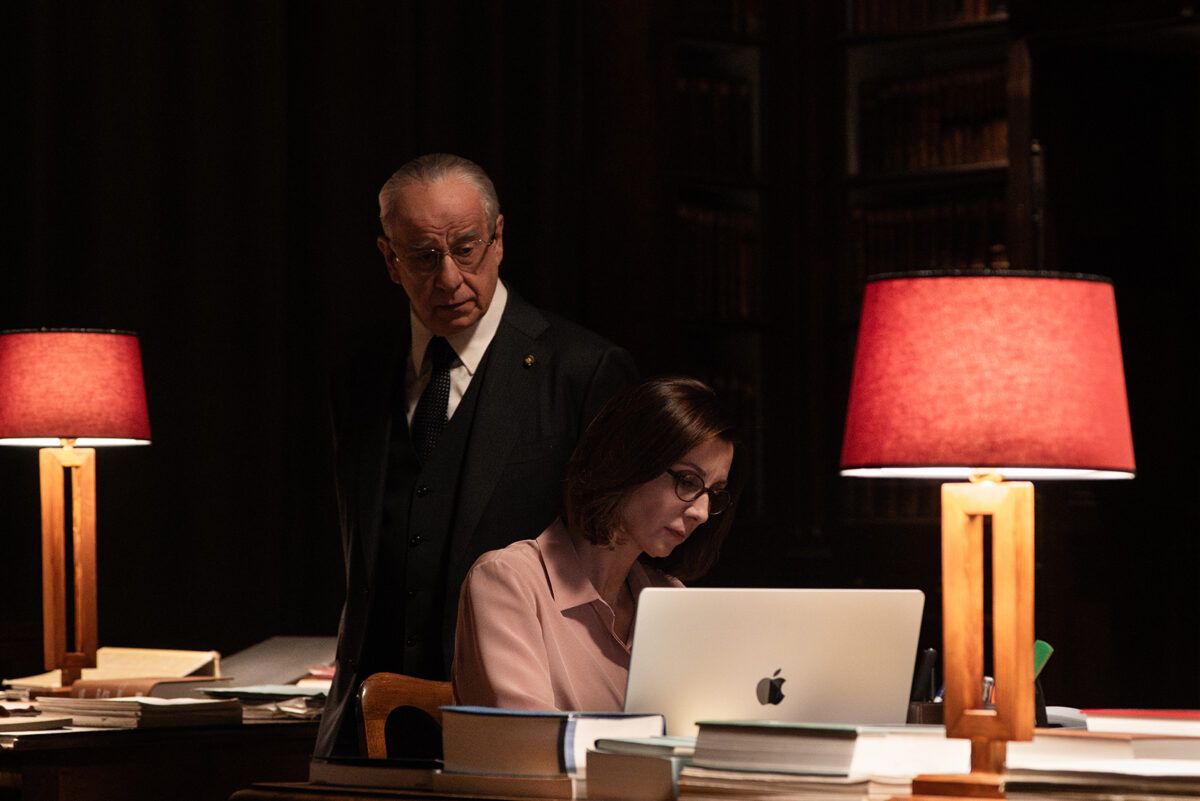
Alongside him, Anna Ferzetti provides a vital counterpoint as Dorotea, the president’s daughter. Her presence introduces a generational dimension that enriches the narrative, allowing Sorrentino to explore the passage of time and the difficulty of understanding the present.
Family as refuge (and mirror)
While the political backdrop is essential, “La Grazia” is, at its core, a film about family—about what remains when power fades and only intimate bonds endure.
The relationship between De Santis and his daughter forms one of the film’s emotional axes. It encapsulates the tension between tradition and change, between a generation that has shaped the world and another that must inhabit and transform it. Sorrentino films these encounters with a delicacy reminiscent of his most personal moments, particularly in “The Hand of God”.
The figure of the deceased wife, omnipresent in the protagonist’s memory, adds a layer of melancholy that permeates the entire film. Love, in La Grazia, is not a comfortable refuge, but a force that generates doubt, responsibility and, ultimately, difficult decisions.
Sorrentino’s aesthetic: restrained beauty
Visually, the film retains Sorrentino’s unmistakable signature, albeit in a more restrained tone. If in “The Great Beauty” the camera seemed to dance between excess and decadence, here it moves with sobriety, reinforcing the introspective nature of the narrative.
The spaces—palaces, offices, private rooms—are filmed like near-theatrical stages where characters confront themselves. The lighting, precise and evocative, underscores the protagonist’s isolation, while the score accompanies without intruding, creating an immersive atmosphere.
Ethics and politics in an age of noise
One of the most compelling aspects of “La Grazia” is its contemporary resonance. At a time marked by polarisation and the simplification of political discourse, Sorrentino offers a perspective that embraces complexity.
De Santis embodies a vision of politics rooted in responsibility and doubt, standing in contrast to today’s tendency towards absolute certainty. He is, in some ways, an anachronism—but also an aspiration.
The film doesn’t offer easy answers, nor does it take an explicit stance. Instead, it invites the viewer to inhabit uncertainty, to accept that some decisions cannot be made without cost.
Who owns our days?
A question runs through the entire film, echoing far beyond the screen: who owns our days?
Sorrentino doesn’t pose it directly, but allows it to linger in every scene, every silence. It is a question about time, responsibility, freedom—and ultimately, identity.
“La Grazia” is not a film that seeks to please. It is a demanding work, one that requires attention and openness. But in return, it offers a deeply human experience—one that lingers long after the lights come up.
“A question runs through the entire film, echoing far beyond the screen: who owns our days?.”
Sorrentino at his most reflective
With “La Grazia”, Paolo Sorrentino delivers one of his most mature and restrained works. It may lack the visual spectacle of his most celebrated titles, but it possesses an emotional and ethical depth that makes it an essential piece within his filmography.
This is cinema that unsettles, challenges and compels reflection—and that, in itself, is an act of resistance.
Check local listings.