“Flow: a world to save”, Golden Globe Winner for Best Animated Film
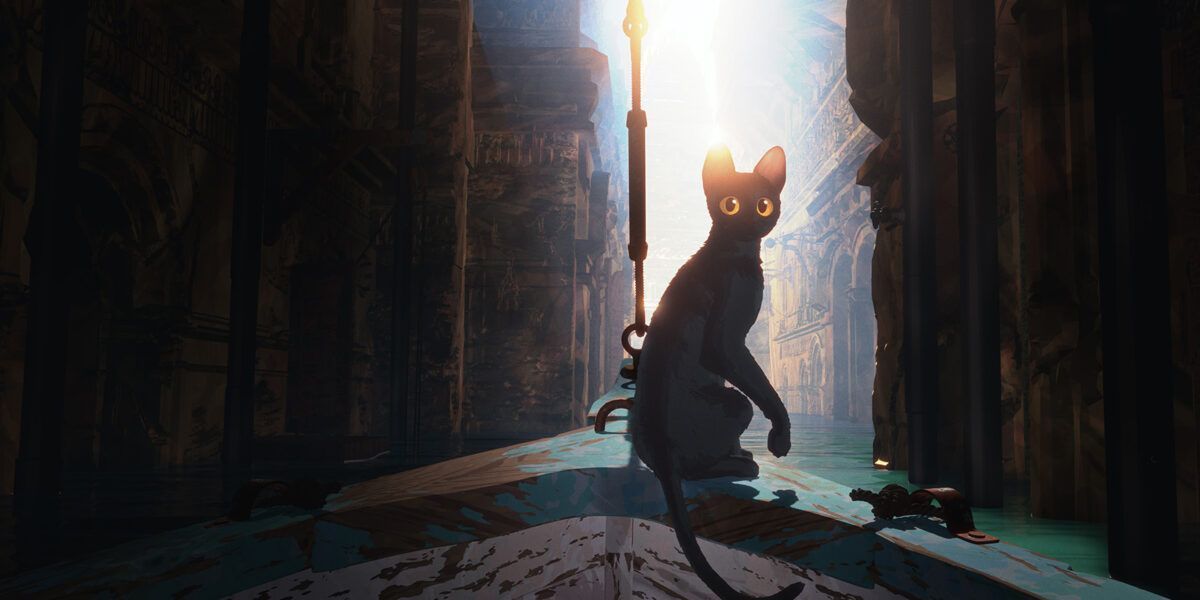
The animated film by Gints Zilbalodis (his second feature-length project after “Away”) “Flow: a world to save” is a visually dreamlike experience and a fable that delves into themes of resilience, coexistence, and adaptation in a world devastated by climate change.


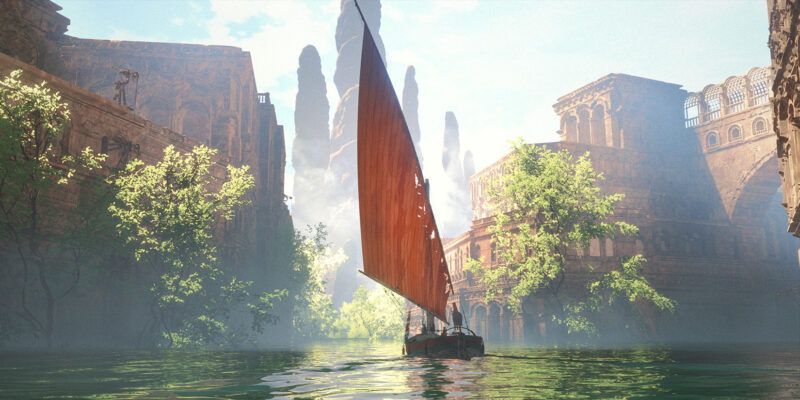
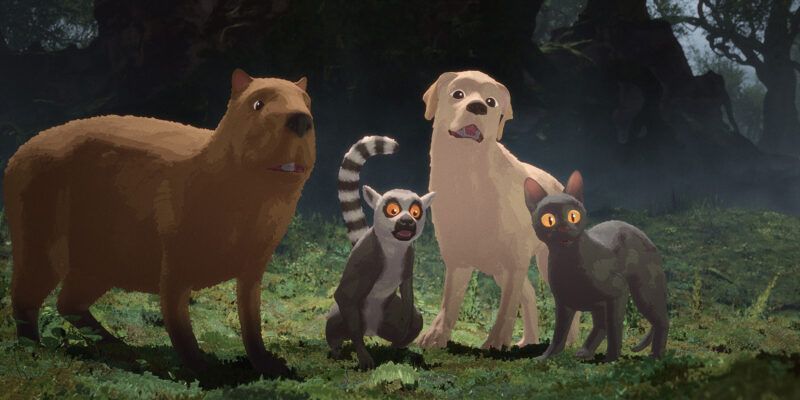
Just yesterday, it was nominated for “Best Animated Film” at the 2024 Oscars, with a double nomination for “Best International Film”. As if that weren’t enough, it also added to its already extensive list of nominations, including BAFTA nominations for “Best Animated Film” and “Children and Family Film” on January 5th. At the Golden Globe Awards, it won the “Best Animated Film” award. This is a giant step for a small film that is already establishing itself as one of the clear favorites for the upcoming Oscars.
Additionally, after its world premiere in the “Un Certain Regard” section at the Cannes Film Festival, it was selected for the “Official Section” at the Toronto Film Festival and the London Film Festival (Journey section). Along with its multiple awards and nominations, “Flow: a world to save” is also dominating its international theatrical release. In fact, in the United States, it has surpassed $3 million, far outpacing “Robot Dreams”, which reached $875,000. And in Latvia, its country of origin, it has become the most successful national film of all time, surpassing 185,000 viewers.
The Poetic Animation of Gints Zilbalodis
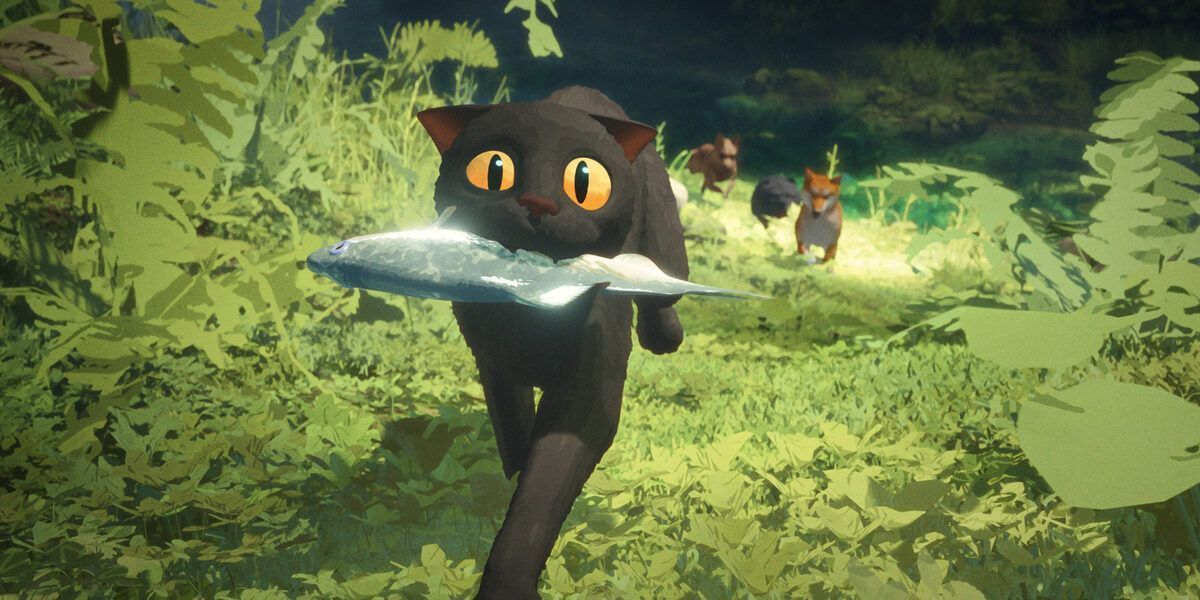
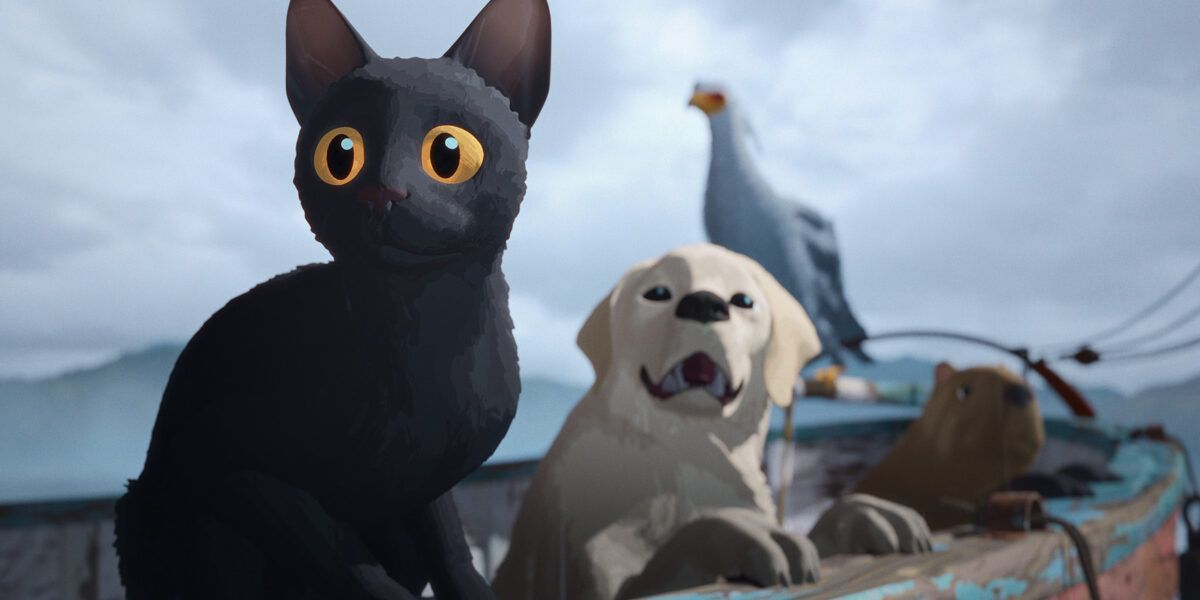
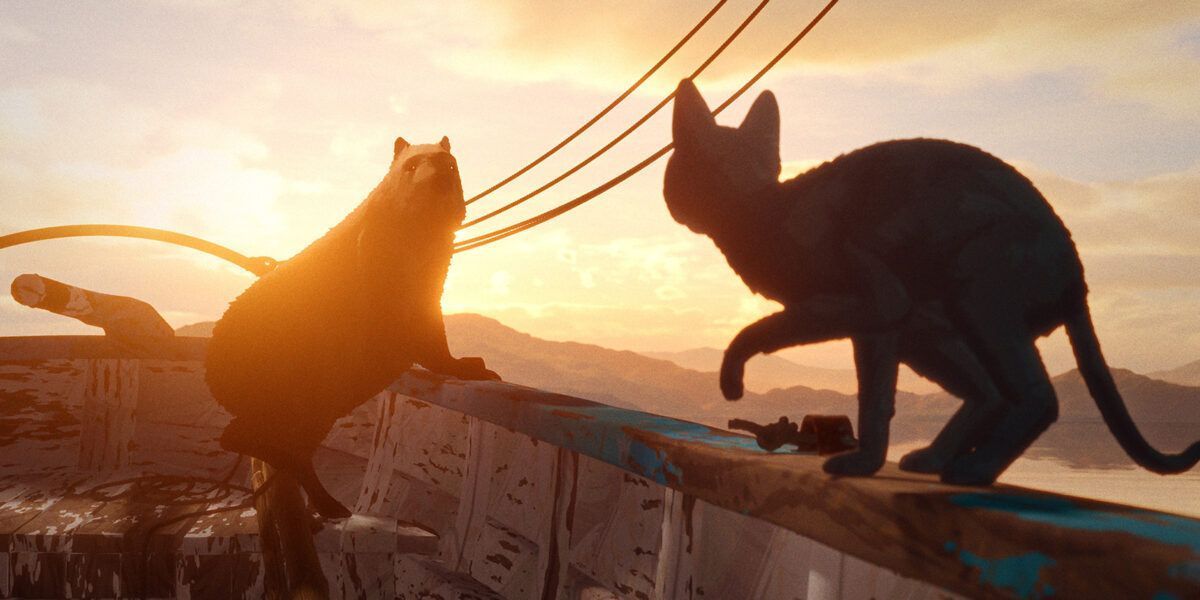
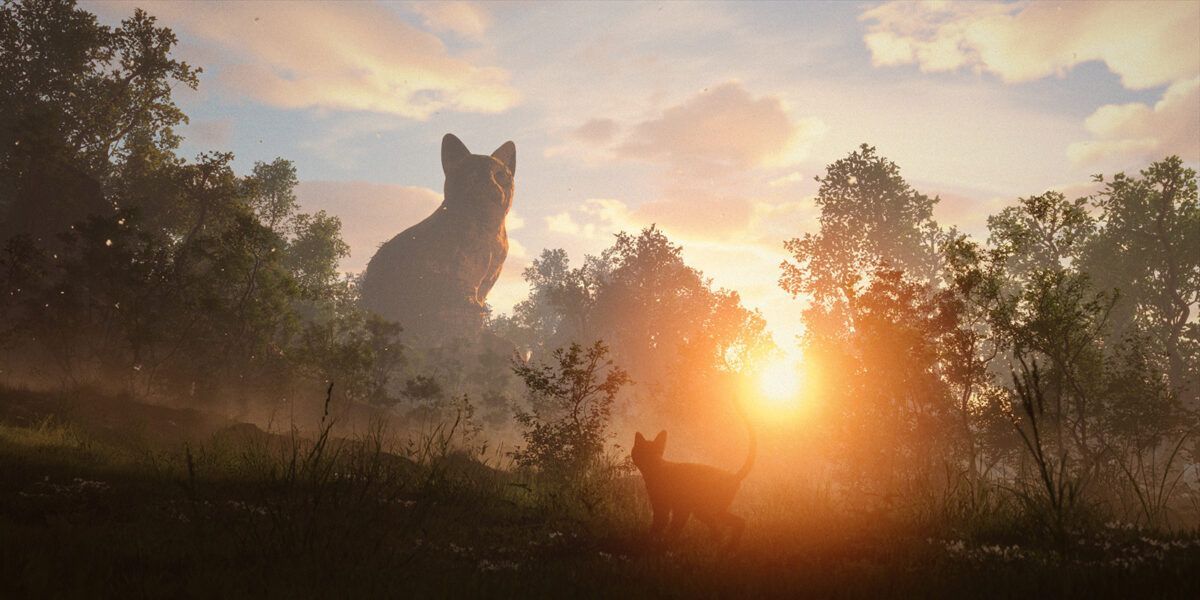
The story follows a solitary black kitten who survives an apocalyptic flood and finds refuge on a boat, which gradually fills with animals as the film progresses. What could be a traditional fable transforms, under Zilbalodis‘ direction, into an analysis of resilience, living in harmony, and adapting to a world deeply affected by the climate crisis.
“Each of the personalities of these animals reflects an aspect of the individual facing life in society.” Zilbalodis
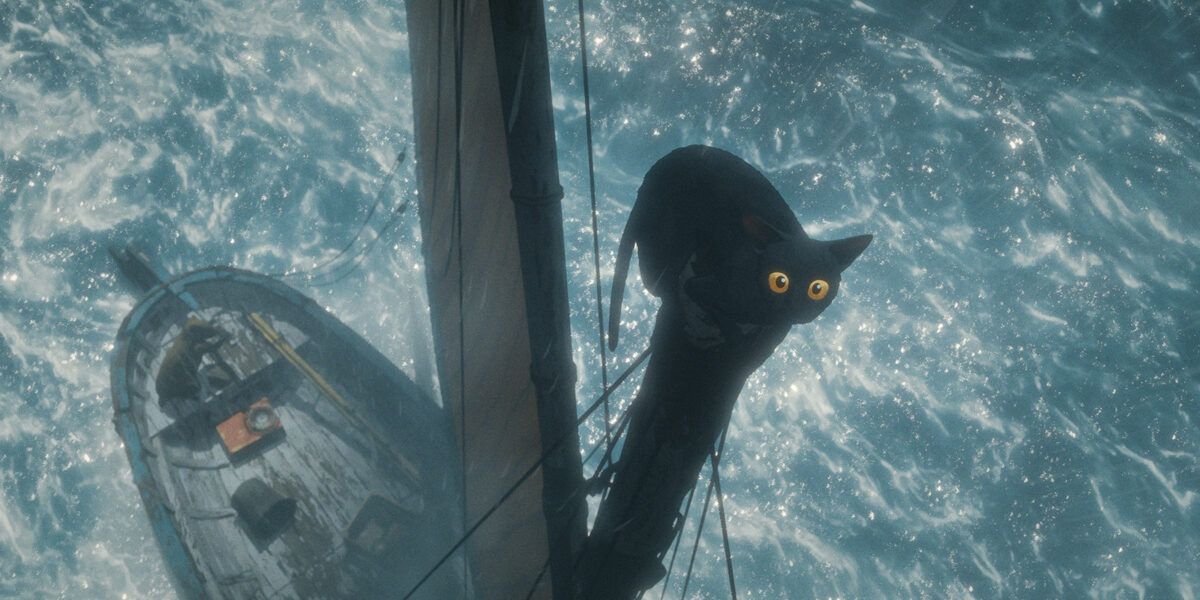
The film contains no dialogue, only sounds and animal and nature noises, yet there is profound emotional depth, as gestures, glances, and landscapes speak for themselves. A good example is the cat’s behavior, which initially climbs things to avoid problems. It climbs to the top of the house and, later, to the mast of the boat. When it reaches these towering heights, it climbs the stairs of one of them to escape its difficulties. Leaving to avoid facing problems or unpleasant situations is a very common human reaction, and it happens to me as well. But in the end, at the top, the cat decides to turn back and face the challenges of this world, even if it means taking risks and giving up its comfort.
Zilbalodis has developed a style that could be described as a dance between silence and sound. In “Flow: a world to save”, the soundtrack, composed by the director himself, plays a crucial role. The soundscapes, which range from melancholic to hopeful, are the invisible soul that guides the viewer through this animated odyssey. The music not only accompanies but amplifies the visual experience, creating a perfect synergy between the auditory and the graphic.
As we mentioned earlier, the film has received praise at major animation film festivals. At Annecy, one of the most prestigious events in the genre, it won four awards, including the “Special Jury Award” and the Audience Award. Additionally, its success continued at the Seville Film Festival, where it received the “Grand Jury Prize” and the “Best Editing Award”.
“Flow: A World to Save” is also a declaration of intent about the future of independent animation. In an industry dominated by large productions from studios like Disney and Pixar, Zilbalodis proves that there is room for introspective, experimental, and artistically bold animation. His solitary approach to creation—he is responsible for directing, designing, and composing the music—serves as a reminder that great stories don’t need large budgets, but rather grand visions.
Its release in Spain is scheduled for January 24th, and we warn you that it is a sensory and emotional experience that invites reflection on our relationship with the environment and with others. Gints Zilbalodis has not only created a visual work of art but also a universal story that reminds us of the importance of preserving harmony in a world struggling to survive. Highly recommended.
“The goal of the film is not to solve a puzzle, but to be carried away by this visual experience…” Zilbalodis
Curiosities
Since they wanted the characters to move very naturally, they created an extensive archive of videos featuring cats, dogs, and other animals. For the sound effects, they also stuck to reality, not using voice actors to mimic animal cries, but relying solely on recordings made in nature.
About Gints Zilbalodis
He was born in 1994 in Lithuania. His fascination with cinema began at an early age after watching classic films, and he has worked on short films and commercials. He is known for his animations with a unique aesthetic, blending 3D animation and hand-drawn techniques. Some of his notable works as an animator include “Rush” (2010), “Aqua” (2012), “Clarity” (2012), “Priorities” (2014), “Followers” (2014), “Inaudible” (2015), “Oasis” (2017), and his latest film “Away” (2019), which won awards at Annecy and was showcased at the Sitges Film Festival.
Technical Team
Director: Gints Zilbalodis / Screenplay: Gints Zilbalodis and Matiss Kaža / Production: Dream Well Studio (Latvia), Sacrebleu Productions (France), Take Five (Belgium), and Screenplay by Ron Dyens / Producers: Matiss Kaža, Gints Zilbalodis, Ron Dyens, and Gregory Zalcman / Music: Gints Zilbalodis and Rihards Zalupe / Sound Design: Gurwal Coïc-Gallas / General Director: Léo Silly-Pélissier.
(*) Images provided by Madavenue PR.